


Correction: Jacobsen, C.S., et al. Continuous Variable Quantum Key Distribution with a Noisy Laser. Entropy 2015, 17, 4654–4663


Acknowledgments
Conflicts of Interest
References
- Jacobsen, C.S.; Gehring, T.; Andersen, U.L. Continuous Variable Quantum Key Distribution with a Noisy Laser. Entropy 2015, 17, 4654–4663. [Google Scholar] [CrossRef]
- Weedbrook, C.; Pirandola, S.; Ralph, T. Continuous-variable quantum key distribution using thermal states. Phys. Rev. A 2012, 86, 022318. [Google Scholar] [CrossRef]
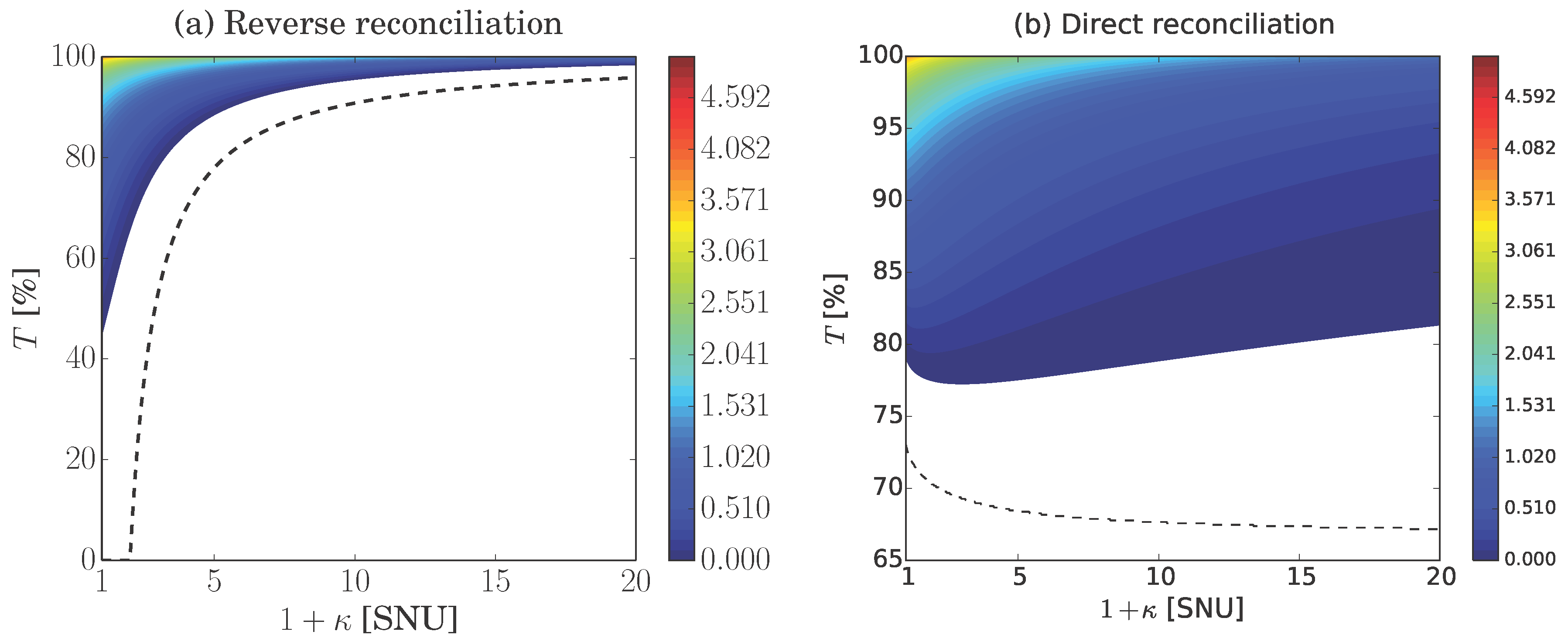
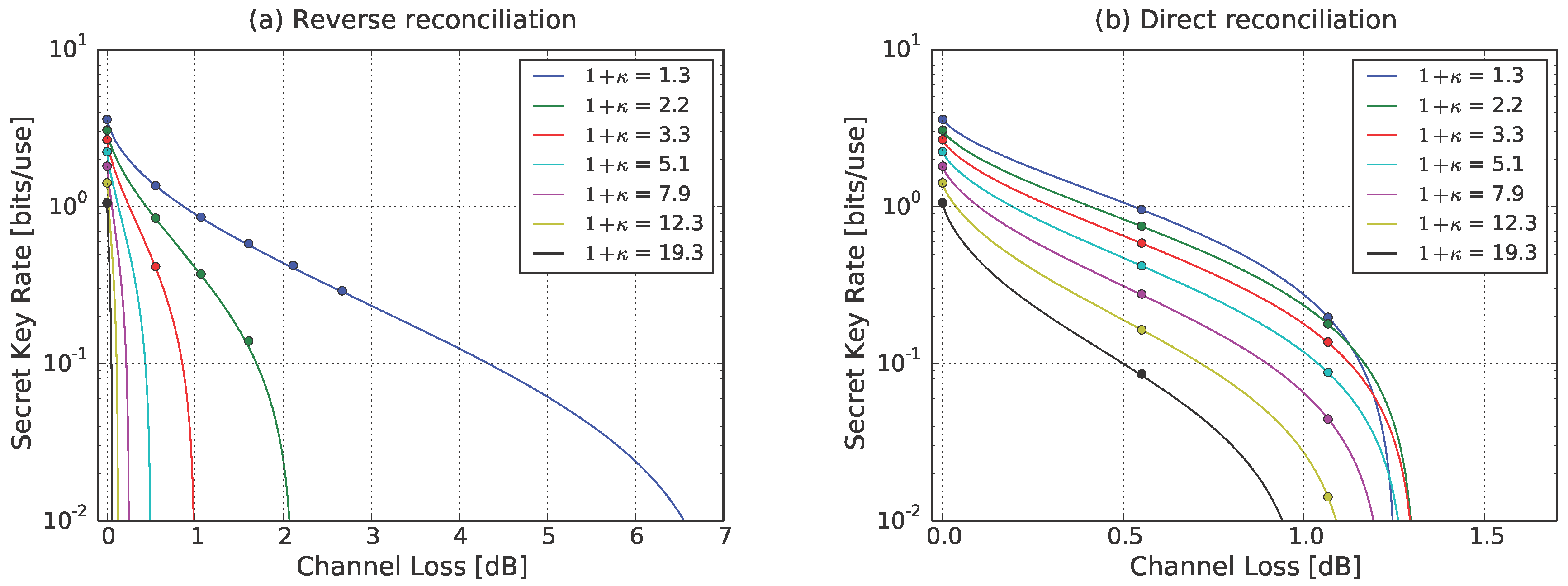
© 2016 by the authors; licensee MDPI, Basel, Switzerland. This article is an open access article distributed under the terms and conditions of the Creative Commons Attribution (CC-BY) license (http://creativecommons.org/licenses/by/4.0/).
Share and Cite
Jacobsen, C.S.; Gehring, T.; Andersen, U.L. Correction: Jacobsen, C.S., et al. Continuous Variable Quantum Key Distribution with a Noisy Laser. Entropy 2015, 17, 4654–4663. Entropy 2016, 18, 373. https://doi.org/10.3390/e18100373
Jacobsen CS, Gehring T, Andersen UL. Correction: Jacobsen, C.S., et al. Continuous Variable Quantum Key Distribution with a Noisy Laser. Entropy 2015, 17, 4654–4663. Entropy. 2016; 18(10):373. https://doi.org/10.3390/e18100373
Chicago/Turabian StyleJacobsen, Christian S., Tobias Gehring, and Ulrik L. Andersen. 2016. "Correction: Jacobsen, C.S., et al. Continuous Variable Quantum Key Distribution with a Noisy Laser. Entropy 2015, 17, 4654–4663" Entropy 18, no. 10: 373. https://doi.org/10.3390/e18100373
APA StyleJacobsen, C. S., Gehring, T., & Andersen, U. L. (2016). Correction: Jacobsen, C.S., et al. Continuous Variable Quantum Key Distribution with a Noisy Laser. Entropy 2015, 17, 4654–4663. Entropy, 18(10), 373. https://doi.org/10.3390/e18100373

