Dear Colleagues,
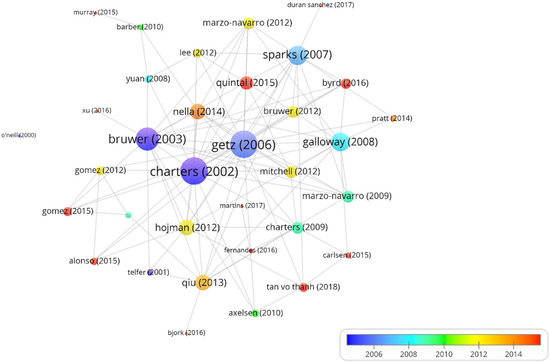
Developing sustainable wine tourism has become a key factor for many wineries and wine-growing regions worldwide in recent decades, and a number of academic studies on this topic have been published. Some of these papers deals with the role of wine tourism to sustaining regional economies and businesses through diversified income streams, while other studies explore the sustainability of wine tourism itself. Sustainable tourism itself is a multifaceted term, which has been defined in various ways, depending on the main topic of research. As has been outlined by Portrais and Getz (2006, p. 427) “sustainable wine tourism will depend on identification and management of unique issues pertaining to the resources used (i.e., the land and water, labor, capital, and infrastructure inputs necessary for grape growing and wine making), specific forms of wine tourism development (e.g., visitor facilities and events at wineries, wine-themed interpretation and information centers, wine museums, wine-themed villages, wine country tours), and the specific impacts caused by wine-related tourism (such as increased traffic on rural roads, development of services and facilities in agricultural areas, and new and increased spending patterns)”. Thus, a sustainable wine tourism system will include many stakeholders—wine producers, regional wine and tourism associations, tour operators, hospitality and accommodation providers, and wine region residents, including employees within the sector—and a range of economic, ecological, social, cultural and political resources. A wide range of disciplinary approaches can also be brought to the study of sustainable wine tourism, including marketing and consumer behavior, environmental management, human geography, and economics.
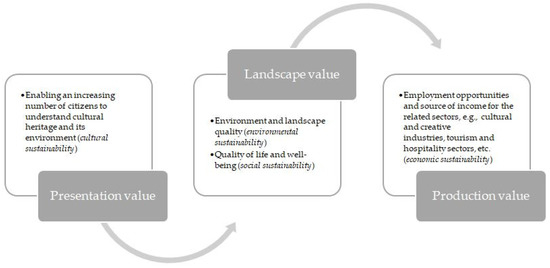
The goal of this Topical Collection is to explore the concept of “sustainability” as it relates to wine tourism and the “pillars”—economic, sociocultural, and environmental—that constitute a sustainable wine tourism system. The interaction of the many elements of the system—from wine producers to wine tourists themselves—are critical to its sustainability, and the concept can be assessed at the level of the individual winery, the wine region, or nation as a whole. Papers acknowledging the current context of COVID-19 are of interest, although papers researched pre-, during or post-COVID-19 will also be considered for this Topical Collection. We also welcome papers that consider sustainability issues in the context of other alcoholic beverages (e.g., beer, cider, whisky). We encourage the submission of papers on the following topics, or similar:
- Wine tourism as a tool for regional resilience;
- Preserving regional heritage through wine tourism;
- Sharing alternative farming practices through wine tourism;
- Food culture and sustainable wine tourism;
- Wine tourism and biodiversity and biosecurity;
- Sustainable wine festivals and events;
- Training and sustaining a wine tourism workforce;
- Social sustainability and wine tourism;
- Sustaining destinations through wine tourism;
- Organic farming and wine tourism;
- Innovation and wine tourism;
- Consumer demand for sustainable wine tourism;
- Wine tourism in a time of global pandemic.
Prof. Dr. Gergely Szolnoki
Prof. Dr. Raul Compes Lopez
Dr. Maximilian Tafel
Collection Editors
Manuscript Submission Information
Manuscripts should be submitted online at www.mdpi.com by registering and logging in to this website. Once you are registered, click here to go to the submission form. All submissions that pass pre-check are peer-reviewed. Accepted papers will be published continuously in the journal (as soon as accepted) and will be listed together on the collection website. Research articles, review articles as well as short communications are invited. For planned papers, a title and short abstract (about 250 words) can be sent to the Editorial Office for assessment.
Submitted manuscripts should not have been published previously, nor be under consideration for publication elsewhere (except conference proceedings papers). All manuscripts are thoroughly refereed through a single-anonymized peer-review process. A guide for authors and other relevant information for submission of manuscripts is available on the Instructions for Authors page. Sustainability is an international peer-reviewed open access semimonthly journal published by MDPI.
Please visit the Instructions for Authors page before submitting a manuscript.
The Article Processing Charge (APC) for publication in this open access journal is 2400 CHF (Swiss Francs).
Submitted papers should be well formatted and use good English. Authors may use MDPI's
English editing service prior to publication or during author revisions.