sustainability-logo

Journal Browser

Journal Browser

Topical Collection "Culture and Development in Small and Medium-Sized Cities"

Editor

Assoc. Prof. Dr. Diego A. Barrado-Timón
E-Mail Website
Collection Editor
Human Geography, Autonomous University of Madrid, Ciudad Universitaria de Cantoblanco, 28049 Madrid, Spain
Interests: urban studies; culture; economy of culture; tourism; urban discourse

Topical Collection Information

Dear Colleagues,

Creative and cultural activities are recognized for their potential to contribute to the intelligent, inclusive, and sustainable development of the territories in which they take place. One favored topic in the specialized literature around this concept has been that of geographies; that is, the distribution and location of such activities, and their co-location patterns within a given area, as well as their propensity to form clusters and to generate territorial and economic synergies. However, a significant proportion of empirical studies on these phenomena and the most important theories pertaining to them have focused on large cities and metropolitan areas of a relatively global nature.

The chief aim of this Special Issue is to reflect on the role of creative and cultural industries in small and medium-sized cities, in order to reflect on the adequacy of existing theories in terms of spatial areas outside the reach of globalization’s most marked trends. This will yield a better understanding of the weight of local factors in the economy of culture, taking into account differentiations such as the integration of small and medium-sized cities into metropolitan areas, or their situation in environments of low population density; the importance of institutions such as public administration, universities, or museums; the weight of historical heritage in the economic projection of cities; labour demands according to specialized sectors; access to markets at different spatial scales; and so on. Richer understanding will likewise emerge around the dynamics of cultural and creative ecosystems in small and medium-sized cities, including the nature and interrelation of different components in such ecosystems and their economic and social impacts.

Another intention of this Special Issue is to transcend mere theoretical reflection to address specific situations in intermediate cities that are usually excluded from research (for reasons of scale, data availability, etc.). Thus, texts will be collected that permit the identification of those factors (social, environmental, economic, and spatial), agents (institutional, public, private, and third sector), and mechanisms involved in the cultural and creative economies of different small and medium-sized cities.

From this theoretical and empirical approach, conclusions may be drawn that extend the geographical framework covered by existing theories, enhancing comprehension of the various mechanisms that (at the local level, and with local particularities) determine the success or failure of certain cultural environments.

Assoc. Prof. Dr. Diego A. Barrado-Timón
Collection Editor

Manuscript Submission Information

Manuscripts should be submitted online at www.mdpi.com by registering and logging in to this website. Once you are registered, click here to go to the submission form. Manuscripts can be submitted until the deadline. All papers will be peer-reviewed. Accepted papers will be published continuously in the journal (as soon as accepted) and will be listed together on the collection website. Research articles, review articles as well as short communications are invited. For planned papers, a title and short abstract (about 100 words) can be sent to the Editorial Office for announcement on this website.

Submitted manuscripts should not have been published previously, nor be under consideration for publication elsewhere (except conference proceedings papers). All manuscripts are thoroughly refereed through a single-blind peer-review process. A guide for authors and other relevant information for submission of manuscripts is available on the Instructions for Authors page. Sustainability is an international peer-reviewed open access semimonthly journal published by MDPI.

Please visit the Instructions for Authors page before submitting a manuscript. The Article Processing Charge (APC) for publication in this open access journal is 1900 CHF (Swiss Francs). Submitted papers should be well formatted and use good English. Authors may use MDPI's English editing service prior to publication or during author revisions.

Keywords

  • small and medium-sized cities
  • cultural industries
  • creative economy
  • cultural innovation
  • local development
  • cultural sustainability
  • cultural clusters
  • environmental dimension of culture

Published Papers (5 papers)

2021

Jump to: 2020

Article
Collaboration for Community-Based Cultural Sustainability in Island Tourism Development: A Case in Korea
Sustainability 2021, 13(13), 7306; https://doi.org/10.3390/su13137306 - 30 Jun 2021
Viewed by 464
Abstract
Constructive collaboration with host communities while maintaining their traditional culture is crucial when planning tourism ventures, particularly if ensuring sustainability is considered important. This paper investigates the cultural sustainability of Jeju Island in South Korea and whether collaboration with community-based tourism ensures this [...] Read more.
Constructive collaboration with host communities while maintaining their traditional culture is crucial when planning tourism ventures, particularly if ensuring sustainability is considered important. This paper investigates the cultural sustainability of Jeju Island in South Korea and whether collaboration with community-based tourism ensures this sustainability through in-depth interviews with local residents. The first part of the interview focuses on cultural components to assess the current situation of cultural sustainability on the island, and the second part is related to that collaboration. The findings of the interviews indicate that: (i) there are certain negative indications of cultural sustainability in that Jeju people holding informal power became vulnerable in the face of tourism demand; (ii) several barriers exist in the facilitation of community-based tourism collaboration notwithstanding the beneficial trends, and (iii) there is a strong relationship between collaboration and cultural sustainability. It is also noted that the collaboration itself does not coincide with the actualization of cultural sustainability so long as current power disparities exist. The study delivers significant implications to the tourism policymakers and practitioners on how sustainable tourism development should be planned and operated to secure a long-term benefit especially focused on how the local community should be involved in the overall development process. Full article

2020

Jump to: 2021

Article
Cultural and Creative Ecosystems in Medium-Sized Cities: Evolution in Times of Economic Crisis and Pandemic
Sustainability 2021, 13(1), 49; https://doi.org/10.3390/su13010049 - 23 Dec 2020
Cited by 3 | Viewed by 831
Abstract
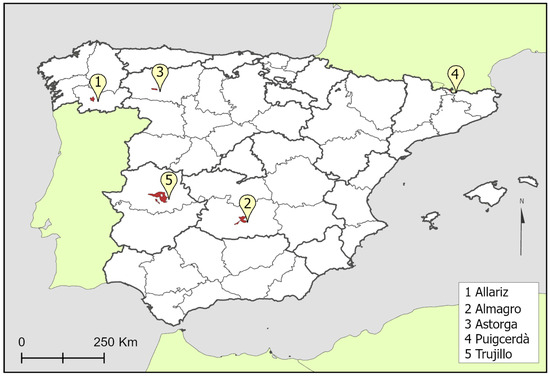
This article seeks to forecast the short- and medium-term impacts of the coronavirus pandemic on the cultural and creative ecosystems of the 81 cities in Spain with between 50,000 and 100,000 inhabitants. Data on employment in nine sectors (per NACE Rev. 2) support [...] Read more.
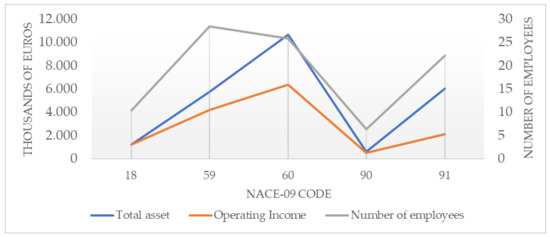
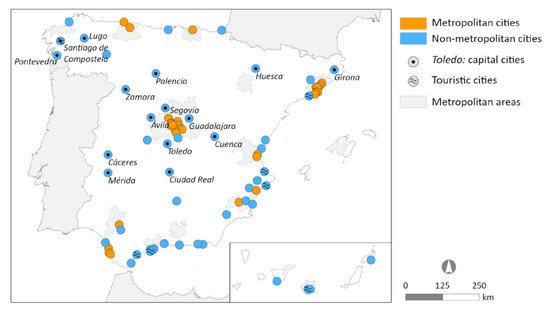
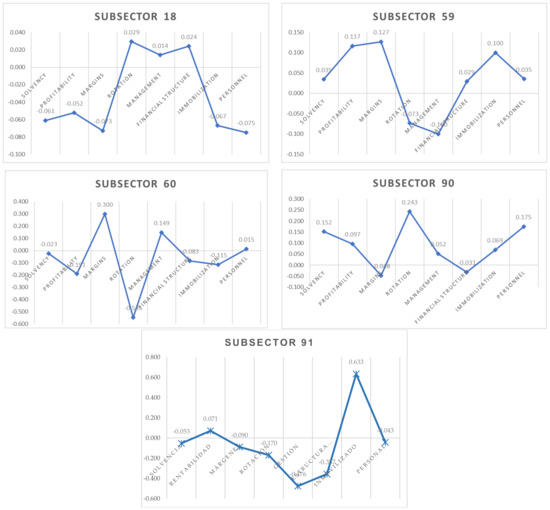
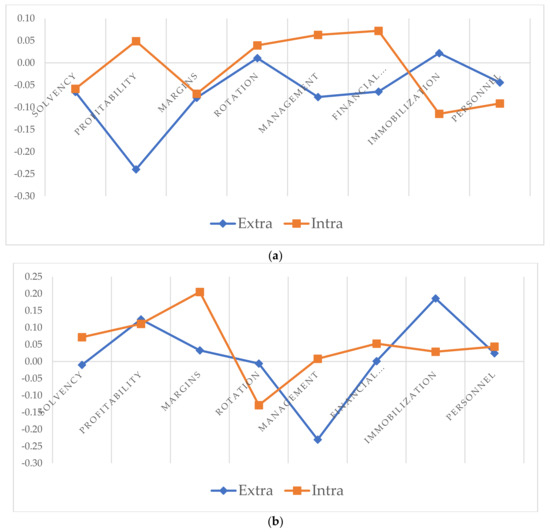
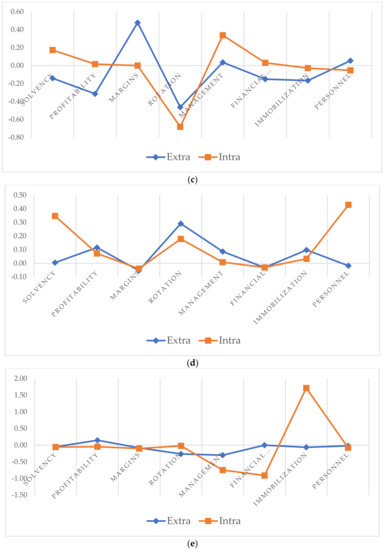
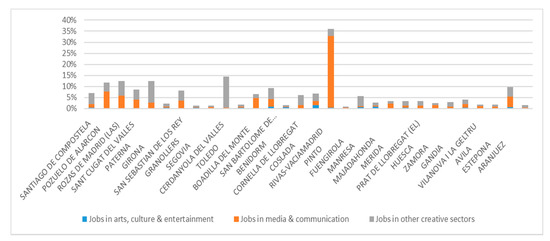
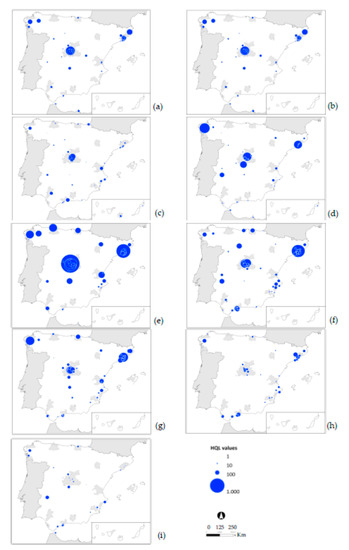
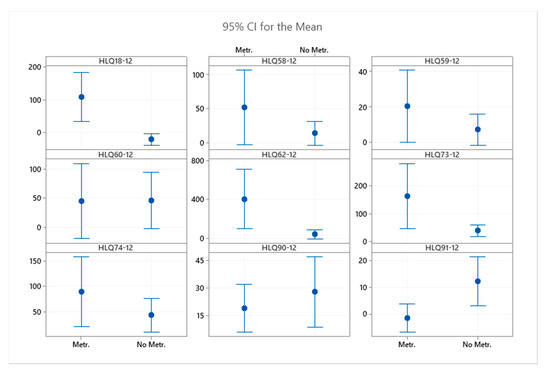
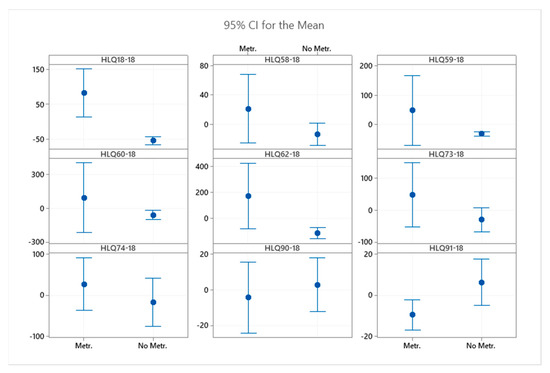
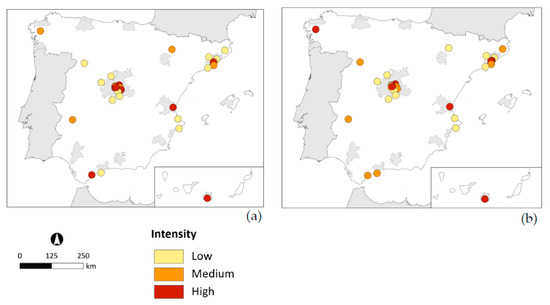
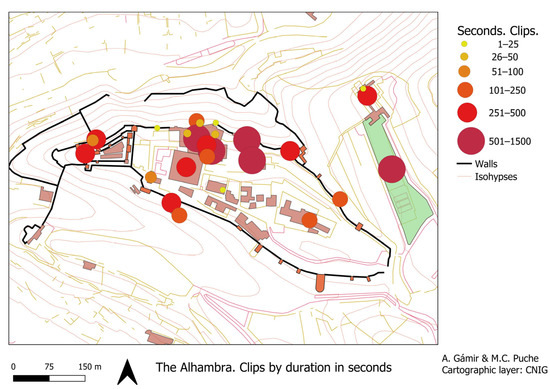
This article seeks to forecast the short- and medium-term impacts of the coronavirus pandemic on the cultural and creative ecosystems of the 81 cities in Spain with between 50,000 and 100,000 inhabitants. Data on employment in nine sectors (per NACE Rev. 2) support the characterization of cultural ecosystems based on their dynamism, specialization, and propensity to form clusters (thanks to the co-location of certain sectors, meant to generate inter-sectoral spillovers and cross-sector synergies). The applied methodology consists of comparing these three attributes during and following the 2008 financial crisis. Then, any changes observed are interpreted in light of arguments from the COVID-19 literature, and from our own analysis, in order to assess the probability of recurrence (or nonrecurrence) during the current pandemic. Throughout this process, the metropolitan or non-metropolitan position of cities is taken into consideration. A first conclusion is that, as in the financial crisis, the behavior of ecosystems during the pandemic will be asymmetric. Secondly, metropolitan and non-metropolitan cities will maintain their distinctive sectoral specializations. Non-metropolitan cities appear to be more vulnerable for their strong connection to creative sectors most affected by the pandemic, although some can take advantage of good cultural supply and proximity to metropolitan centers. Metropolitan cities seem more secure, thanks to the higher presence of less vulnerable sectors (due to elevated and accelerating digitization). Nevertheless, most functional clusters were diminished during the financial crisis, and it seems unlikely that sectoral co-locations will re-emerge in a post-pandemic scenario as a business strategy, at least in the short term. Beyond these forecasts, we recommend dealing with certain structural failures of these ecosystems, especially the vulnerability and precariousness of most cultural and creative companies and workers. Full article
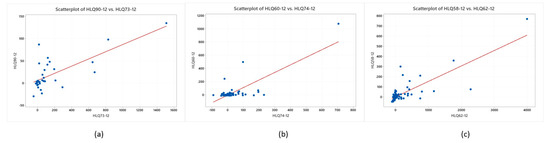
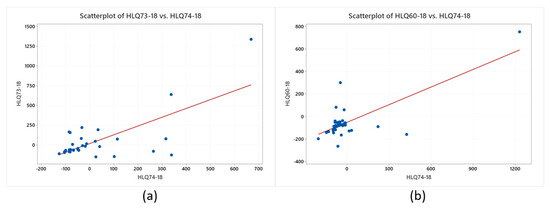
Show Figures

Figure 1
Article
Mayors, Using Cultural Expenditure in An Opportunistic Way Improves the Chances of Re-Election, but Do Not Do It: Revisiting Political Budget Cycles
Sustainability 2020, 12(21), 9095; https://doi.org/10.3390/su12219095 - 31 Oct 2020
Viewed by 987
Abstract
This article analyzes whether expenditure on the provision of merit goods, culture, health, education, and sports, by local governments, in medium-sized cities (between 20,000 and 100,000 inhabitants) is tied to the electoral cycle; that is, whether expenditure increases in the run up to [...] Read more.
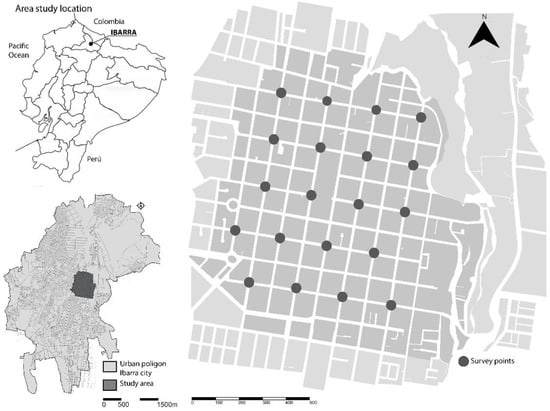
This article analyzes whether expenditure on the provision of merit goods, culture, health, education, and sports, by local governments, in medium-sized cities (between 20,000 and 100,000 inhabitants) is tied to the electoral cycle; that is, whether expenditure increases in the run up to an electoral process. Further, we analyze whether the increase in spending on Culture by local governments has any significant effect on the probability of local governments being re-elected. To answer these questions, a database of 350 medium-sized municipalities is used comprising the period 2011 to 2019, when two municipal elections were held in Spain; in 2015 and in 2019. The results confirm that both total spending and spending on culture and sports, are tied to the electoral cycle, while expenditure on other merit goods is not. Moreover, using a logit model, it is confirmed that an increase in culture expenditure has a significant effect on the probability of the government being re-elected. Specifically, a one-third increase in cultural expenditure, as a proportion of total expenditure (e.g., passing from 6% to 8%) at local government level, improves re-election chances by almost 10%. Full article
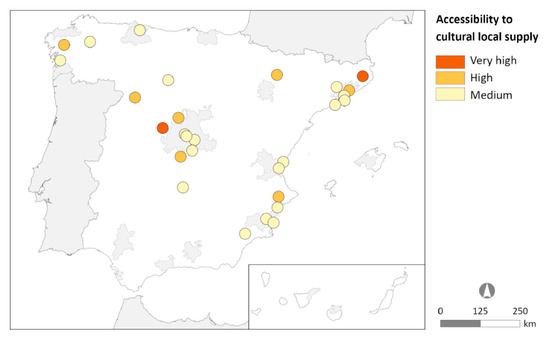
Show Figures

Figure 1
Review
Medium and Small Cities, Culture and the Economy of Culture. A Review of the Approach to the Case of Spain in Light of International Scientific Scholarship
Sustainability 2020, 12(18), 7321; https://doi.org/10.3390/su12187321 - 07 Sep 2020
Cited by 4 | Viewed by 807
Abstract
While most published studies on the economy of culture present a clear bias in favor of large cities, a significant international bibliography has emerged in recent years that privileges the perspective of medium and small cities. Unfortunately, the case of Spain has been [...] Read more.
While most published studies on the economy of culture present a clear bias in favor of large cities, a significant international bibliography has emerged in recent years that privileges the perspective of medium and small cities. Unfortunately, the case of Spain has been largely overlooked by these analyses; this text is intended to remedy that oversight. To that end, a bibliographic compilation has been undertaken of studies on the cultural economy and cultural development in small and medium Spanish cities, providing a review of the specific literature as contrasted with the international literature. The main conclusions indicate that the Spanish case is similar to that of other western countries. Thus, clear confirmation is found that the effects of agglomeration economies and the so-called metropolitan bias also prevail in Spain, together with dispersion patterns that, to a certain extent, favor particular small and medium cities. Furthermore, even though the literature on the use of culture for urban renewal is abundant, the same cannot be said for the economics of culture, where considerable research gaps persist, both in the geographical coverage of case studies and in the social or labor impacts of this economic model. Full article
Article
Cooperative Learning of Seiryu-Tai Hayashi Learners for the Hida Furukawa Festival in Japan
Sustainability 2020, 12(10), 4292; https://doi.org/10.3390/su12104292 - 24 May 2020
Viewed by 823
Abstract
The residents of Furukawa-cho, Hida City, Gifu Prefecture, Japan use cooperative learning during festival organization to preserve the various traditional arts of Hida Furukawa Festival, such as Hayashi. The goals of this study were to (1) analyze the aspects of cooperative learning of [...] Read more.
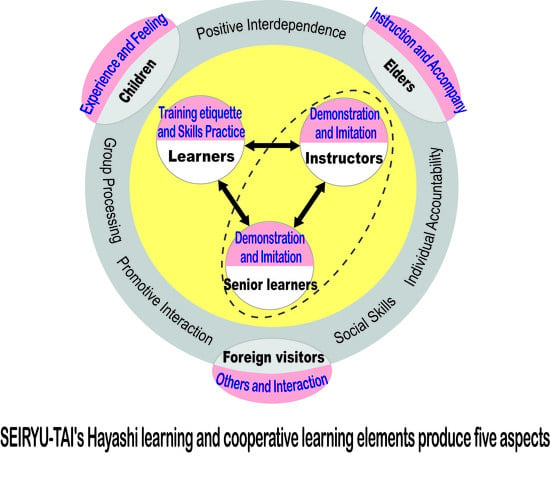
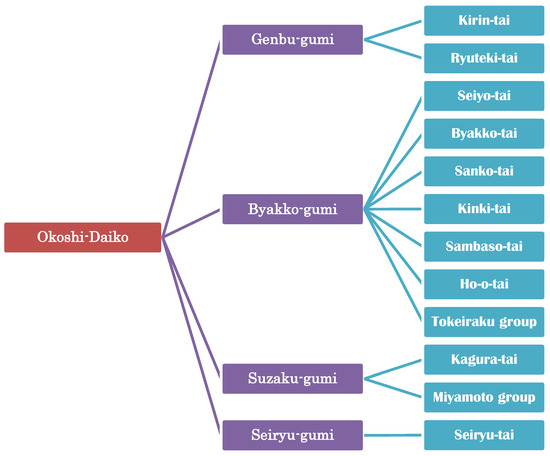
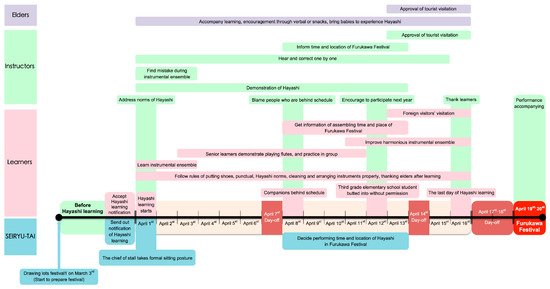
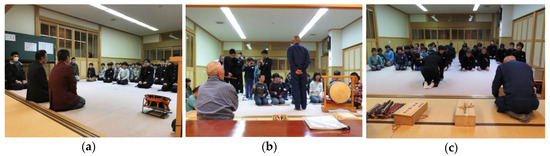
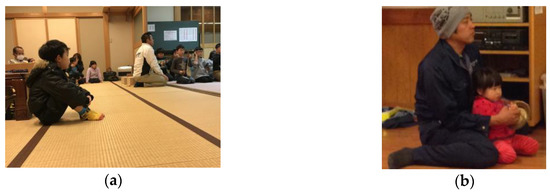
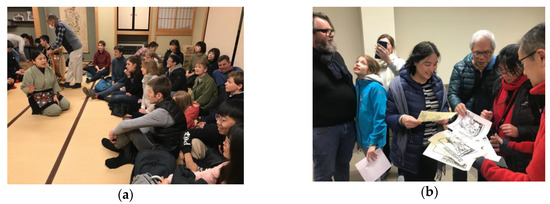
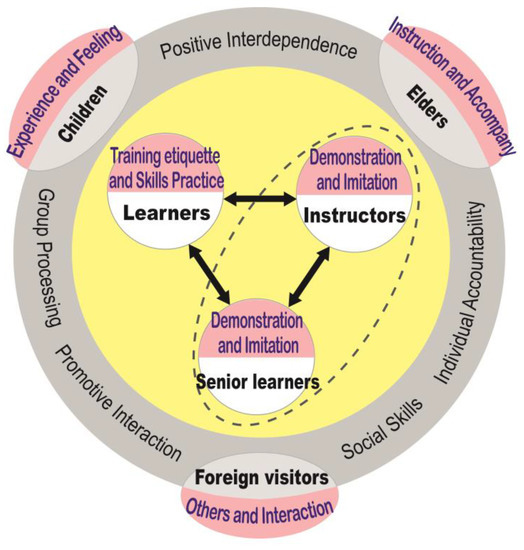
The residents of Furukawa-cho, Hida City, Gifu Prefecture, Japan use cooperative learning during festival organization to preserve the various traditional arts of Hida Furukawa Festival, such as Hayashi. The goals of this study were to (1) analyze the aspects of cooperative learning of Seiryu-tai Hayashi learners involved in the Furukawa Festival, and (2) determine the effects of factors influencing cooperative learning on the aspects of cooperative learning among these learners. We applied grounded theory and conducted a field study on the six years of the Furukawa Festival and residents’ daily lives since 2014. We numbered, coded, and categorized text data, and classified the data using the KJ method. We applied the five elements of cooperative learning by Johnson and Johnson, and analyzed the cooperative learning processing of Seiryu-tai, considering five aspects: (1) cultivation and skills: to follow the norms of Hayashi learning and then cultivate the skills; (2) demonstration and imitation: the process of Hayashi learning without notation; (3) instruction and accompanying: elders addressed norms and demonstrated skills, providing comfort and encouragement; (4) experience and feeling: interacting with unqualified learners to experience the Hayashi atmosphere, and (5) others and interaction: experience of a different culture. From the analyses, we found that the five elements of cooperative learning in Hayashi cooperative learning provide new functions. We applied the five elements of cooperative learning to analyze the five aspects of Azure Dragon Stall’s Hayashi cooperative learning: (1) positive interdependence: deep interdependence exists in the core of the learning circle, and guarding and immersion are included; (2) individual accountability: achievement of following the norms, enhancing skills, and having a tacit agreement on the instrumental ensemble; (3) promotive interaction: five interactive types are influenced, including people who follow etiquette, people who need to be advised, people who imitate, people with tolerance, and people who interact; (4) the division of social skills into four types including playing, performing, senior, and foreign, and (5) group processing, which includes learners, instructors, senior learners, elders, youths, and foreign visitors, who jointly form the Hayashi learning circle. Full article
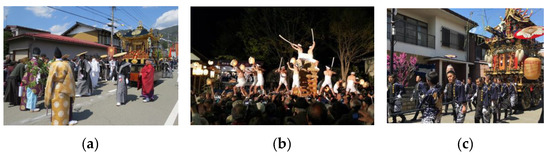
Show Figures

Graphical abstract

Back to TopTop