Higher Education and Sustainable Development of Universities
Share This Topical Collection
Editors
 Dr. María del Carmen Solís-Espallargas
Dr. María del Carmen Solís-Espallargas
E-Mail
Website
Guest Editor
Department of Experimental Science Education and Social, Faculty of Educational Sciences, University of Seville, Sevilla, Spain
Interests: education for sustainable development; teacher training; education
Special Issues, Collections and Topics in MDPI journals
 Dr. Dolores Limón-Domínguez
Dr. Dolores Limón-Domínguez
E-Mail
Website
Guest Editor
Faculty of Education, University of Seville, Seville, Spain
Dr. Jorge Ruiz-Morales
Dr. Jorge Ruiz-Morales
E-Mail
Website
Guest Editor
Faculty of Education, University of Seville, Seville, Spain
Interests: education for sustainability; sustainability in higher education; environmental education
Dr. Rocío Valderrama-Hernández
Dr. Rocío Valderrama-Hernández
E-Mail
Website
Guest Editor
Faculty of Education, University of Seville, Seville, Spain
Interests: education for sustainability; sustainability in higher education; environmental education
Topical Collection Information
Dear Colleagues,
This Special Issue will comprise a selection of papers addressing training of future professionals in sustainability in the university. University education plays an important role in promoting environmentally responsible citizenship. In addition to generating knowledge, it is also responsible for training future professionals within the framework of sustainability.
Higher education and other in-service training systems need to be reviewed to establish basic student competences in sustainability, as well as to analyze which pedagogic/didactic methodologies are the most appropriate to improve such competences.
This Special Issue focuses on studies evaluating and analyzing the relationship between ESD and student university training. Authors from different disciplines related to sustainable development issues are invited to submit their papers.
Dr. Carmen Solís-Espallargas
Dr. Dolores Limón-Domínguez
Dr. Jorge Ruiz-Morales
Dr. Rocío Valderrama-Hernández
Guest Editors
Manuscript Submission Information
Manuscripts should be submitted online at www.mdpi.com by registering and logging in to this website. Once you are registered, click here to go to the submission form. All submissions that pass pre-check are peer-reviewed. Accepted papers will be published continuously in the journal (as soon as accepted) and will be listed together on the collection website. Research articles, review articles as well as short communications are invited. For planned papers, a title and short abstract (about 250 words) can be sent to the Editorial Office for assessment.
Submitted manuscripts should not have been published previously, nor be under consideration for publication elsewhere (except conference proceedings papers). All manuscripts are thoroughly refereed through a single-blind peer-review process. A guide for authors and other relevant information for submission of manuscripts is available on the Instructions for Authors page. Sustainability is an international peer-reviewed open access semimonthly journal published by MDPI.
Please visit the Instructions for Authors page before submitting a manuscript.
The Article Processing Charge (APC) for publication in this open access journal is 2400 CHF (Swiss Francs).
Submitted papers should be well formatted and use good English. Authors may use MDPI's
English editing service prior to publication or during author revisions.
Keywords
- education for sustainability
- higher education and ESD
- innovative educational methods in ESD
- innovation of higher-education institutions in ESD
- competencies in ESD
Published Papers (10 papers)
Open AccessArticle
Exploring the Integration of Education for Sustainable Development into University Mathematics: Insights from SiC Thickness Measurement in Advanced Industrial Applications
by
Chenxi Xia, Shaobo Xu, Yuhan Gong and Hongling Ding
Cited by 1 | Viewed by 592
Abstract
Against the backdrop of the synergistic advancement of Industry 4.0 and the dual-carbon strategy, traditional university mathematics education struggles to meet the demands for cultivating engineering talents’ integrated competencies in mathematics, specialization, and application. The STEM education paradigm urgently needs innovation. Guided by
[...] Read more.
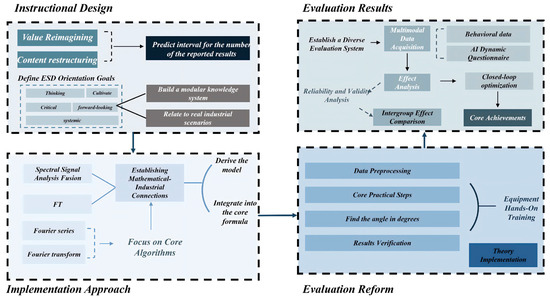
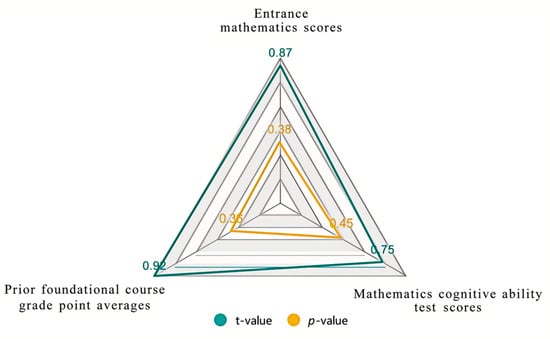
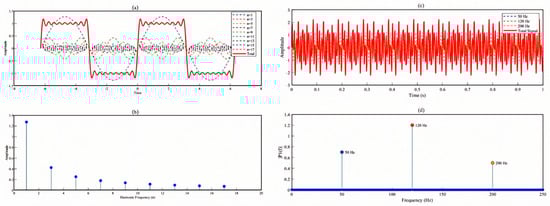
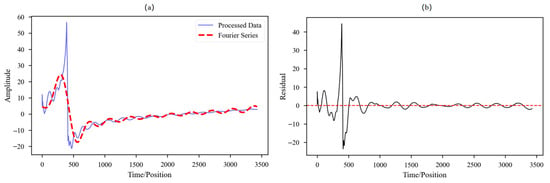
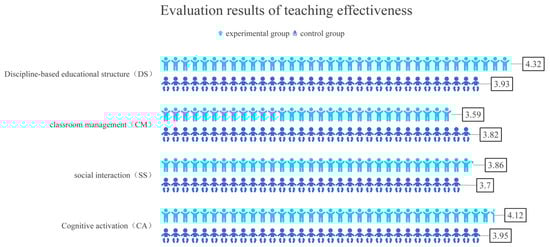
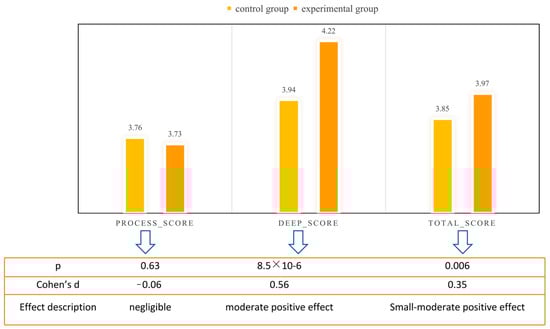
Against the backdrop of the synergistic advancement of Industry 4.0 and the dual-carbon strategy, traditional university mathematics education struggles to meet the demands for cultivating engineering talents’ integrated competencies in mathematics, specialization, and application. The STEM education paradigm urgently needs innovation. Guided by sustainable development principles, this study explores integrated approaches to university mathematics teaching for advanced manufacturing. It constructs a four-stage cyclical framework, Concept–Algorithm–Equipment–Evaluation (CAEE), and integrates Fourier Transform systems into industrial inspection workflows, using silicon carbide wafer thickness measurement as a case study. Targeting second-year students in Measurement and Control Technology and Instrumentation, a comparative design involving an experimental and a control group was employed. Comprehensive evaluation utilized AI-powered dynamic questionnaires, multimodal eye-tracking and EEG data, along with mixed-methods research. Results indicate that the assessment tools achieved high reliability and validity (0.906). The experimental group demonstrated significantly superior performance in deep learning proficiency and subject-specific educational structure (effect size 0.67) compared to the control group, along with modest positive enhancements in cognitive engagement and social interaction dimensions. This pedagogical model transcends conventional ‘knowledge collage’ integration, transforming mathematics from an external auxiliary tool into an ‘endogenous variable’ within industrial systems. It establishes a replicable and scalable STEM education practice paradigm.
Full article
►▼
Show Figures
Open AccessArticle
Challenges for Post-Pandemic Virtual Education in Latin America: A Comparative Analysis of the Emergency Remote Higher Education Process in Chile, Mexico, and Ecuador
by
Ana Remesal and Verónica Villarroel
Cited by 9 | Viewed by 4175
Abstract
The COVID-19 pandemic forced Higher Education institutions all around the world to revise their praxis and update tools and numerous procedures. This study offers a comparative analysis of three Latin American students’ and instructors’ perspectives on a selection of both the pedagogical and
[...] Read more.
The COVID-19 pandemic forced Higher Education institutions all around the world to revise their praxis and update tools and numerous procedures. This study offers a comparative analysis of three Latin American students’ and instructors’ perspectives on a selection of both the pedagogical and emotional aspects of higher educational life that were affected. The report is about the participants’ perception of others’ empathy, their evaluation of the organization of teaching and learning and of collaborative learning experiences, their appreciation of the quality of learning assessment practices, and, eventually, their perception of learning. An exploratory study was carried out, based on survey research in Likert-scale form, responded to by 2742 students and 926 instructors. Significant differences were found among subsamples, with Chilean students and instructors having less favorable views in all dimensions compared with their Mexican and Ecuadorian counterparts; also, differences were found with respect to educational levels, discipline areas, and participants’ gender. This study contributes with a double-sided view of both protagonists’ perspectives (students’ and instructors’) to reinforce the importance of instructional design, instructor-student bond, meaningful and realistic assessments that allow for the application of knowledge, and opportunities for feedback in post-pandemic virtual education.
Full article
Open AccessArticle
Italian Universities for Territorial Sustainable Development and Responsible Communities—The Case Study of the University of Trieste
by
Elena Marchigiani and Ilaria Garofolo
Cited by 8 | Viewed by 4073
Abstract
Today, the active promotion of sustainability is acknowledged as a pivotal task for universities. Under the flagship of the UN Sustainable Development Goals (SDGs), the demand is to help cities and territories tackle complex challenges by providing innovative solutions and local actions. The
[...] Read more.
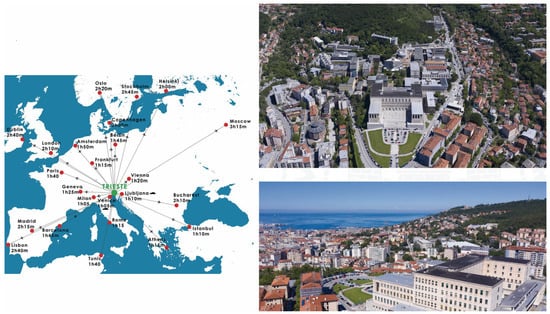
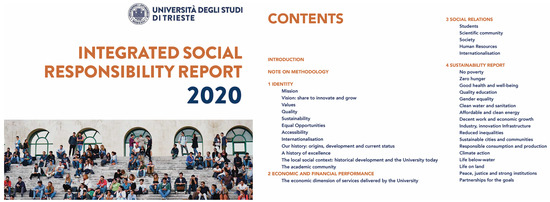
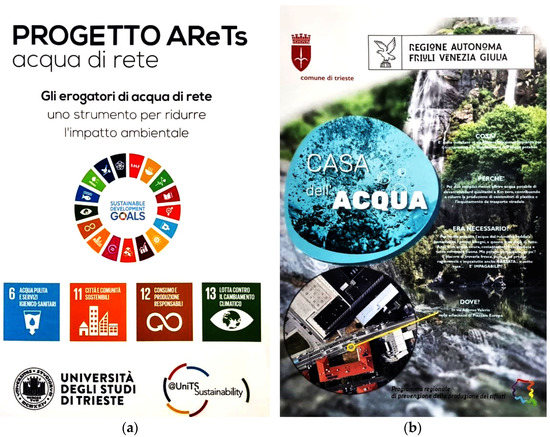
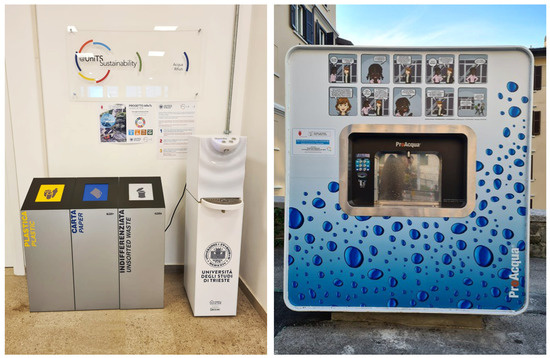
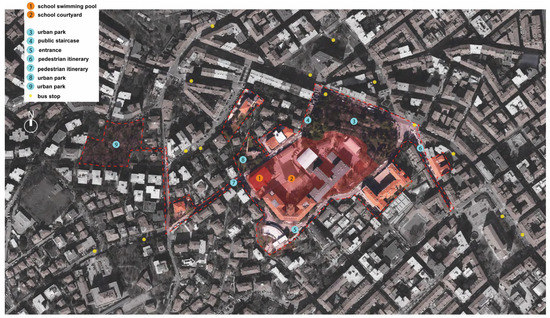
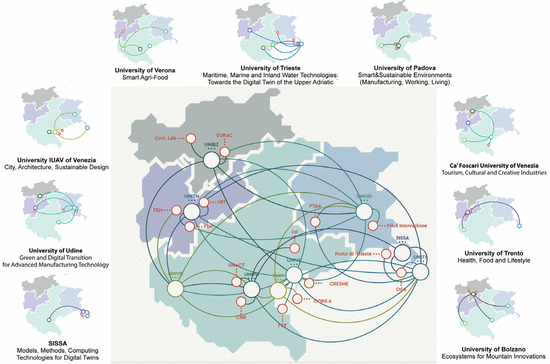
Today, the active promotion of sustainability is acknowledged as a pivotal task for universities. Under the flagship of the UN Sustainable Development Goals (SDGs), the demand is to help cities and territories tackle complex challenges by providing innovative solutions and local actions. The call is for deep change in the ways universities address their fundamental missions and organisation, and the relationships with their internal and external stakeholders. From this perspective, a key issue to be investigated further is how new approaches and measures can concretely foster universities’ social responsibility towards SDGs. Taking a research-based approach, the article addresses this question through the critical analysis of actions and tools delivered by the Italian Universities Network for Sustainable Development (RUS), and the University of Trieste (UniTS). From sustainability and social reporting to civil engagement practices, the focus is on the nexus between the upgrading of universities’ overall performance, and the ways they can act as living labs, capacity builders, and hubs of knowledge transfer. Discussion and conclusions highlight some fields and key factors that can drive universities towards a more effective integration of sustainability measures involving their spatial assets, governance, and stable collaboration with their hosting cities, territories, and communities.
Full article
►▼
Show Figures
Open AccessArticle
Sequence Model and Prediction for Sustainable Enrollments in Chinese Universities
by
Xianbo Li
Cited by 3 | Viewed by 3217
Abstract
Higher education has made significant contributions to the sustainable development of global society in terms of improving the level of science and technology and optimizing the moral system of citizens. The number of students enrolled in higher education and the proportion of its
[...] Read more.
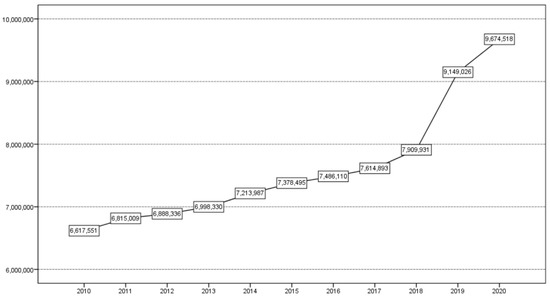
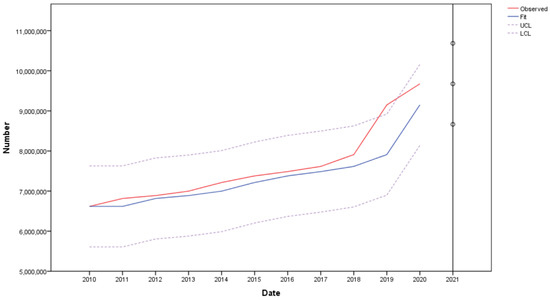
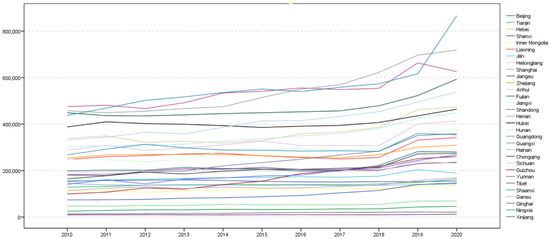
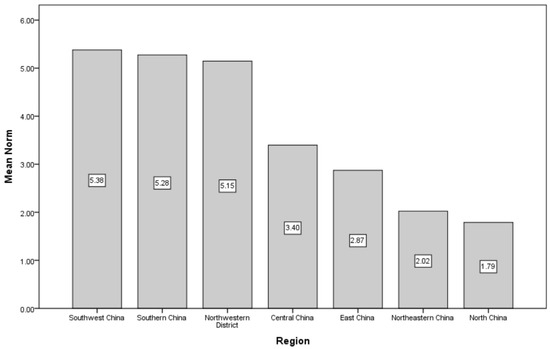
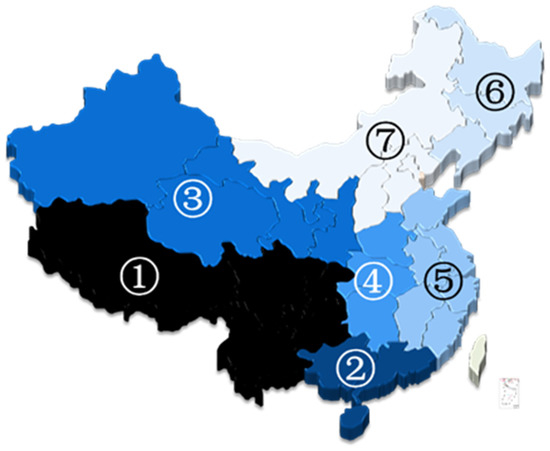
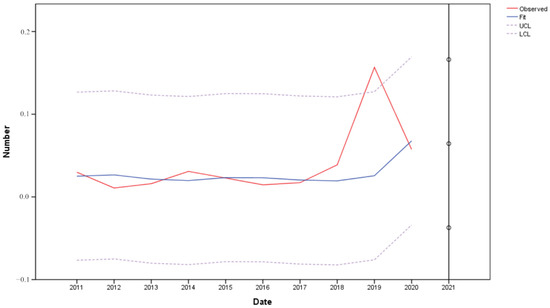
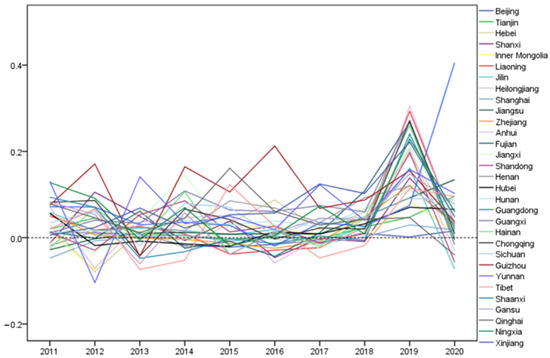
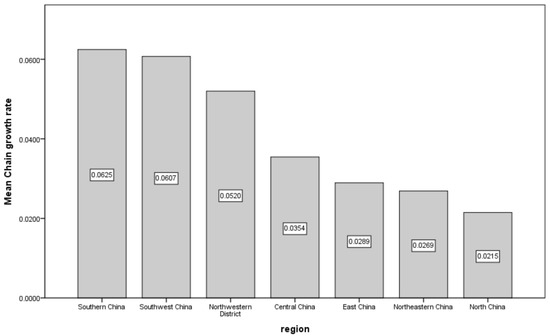
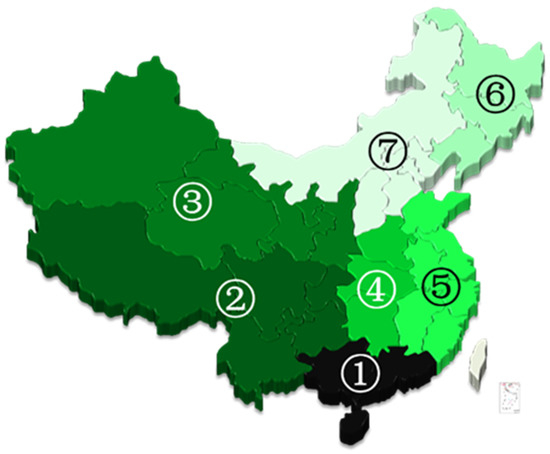
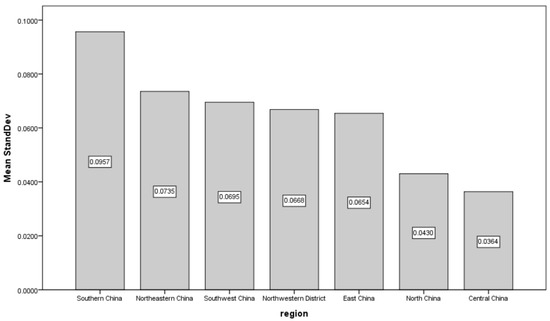
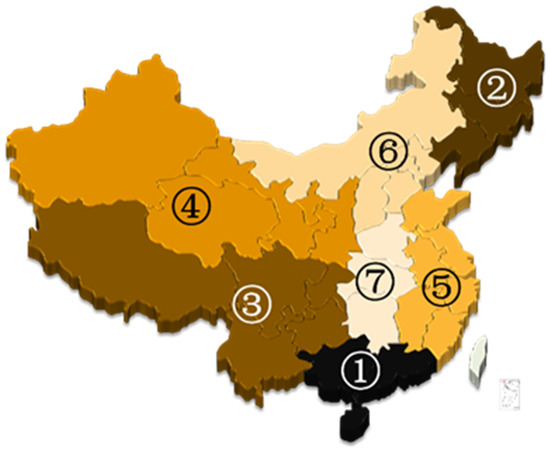
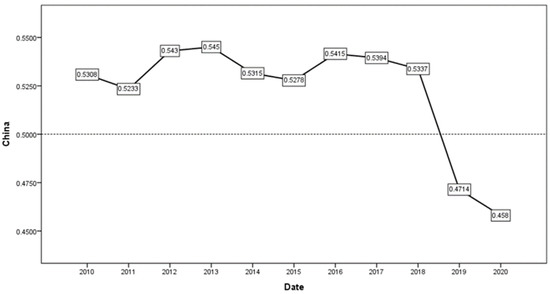
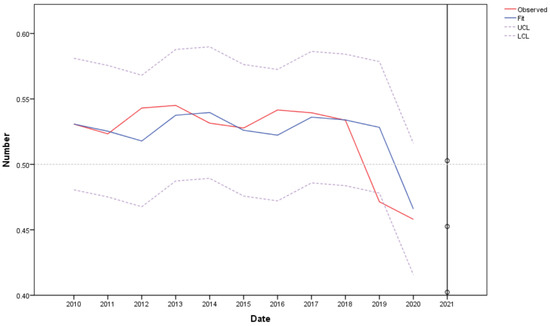
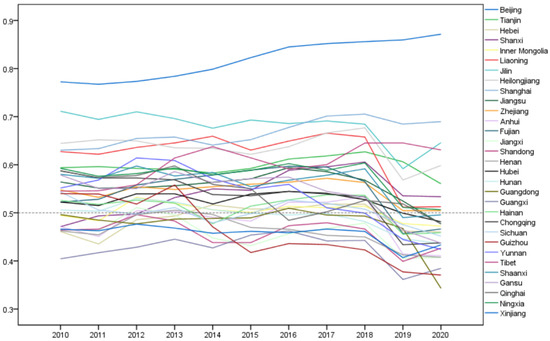
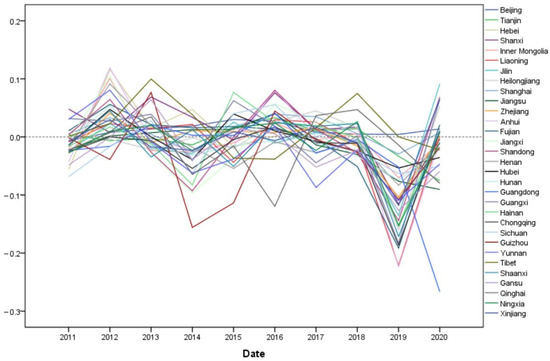
Higher education has made significant contributions to the sustainable development of global society in terms of improving the level of science and technology and optimizing the moral system of citizens. The number of students enrolled in higher education and the proportion of its types are important indicators that reflect the development level of a country’s higher education. As a country with a large population base, China’s development sequence of the number of college students and the proportion of its types in recent years is an important reflection of the sustainable development of global education. Therefore, according to the time series data of the number and types of enrollment in Chinese colleges and universities from 2010 to 2020, this study uses methods such as polynomial regression and Holt’s exponential smoothing prediction to establish a statistical model and predict the number of college enrollment, its chain growth rate, and the proportion of types in recent years. It also examines the differences in the overall level and degree of fluctuation for the number of people in different regions and the chain growth rate. The results show that the number of students enrolled in Chinese colleges and universities is expanding, and their chain growth rate is also increasing. There are significant differences in the degree of growth in different regions, and the increases in the west and south are greater than that in the east and north. The prediction results show that the predicted value of China’s enrollment and its chain growth rate will continue to increase in the next few years. The proportion of undergraduates in college enrollment dropped significantly since 2019, and most provinces have experienced similar situations. Finally, this study also proposes some policy recommendations that can promote the sustainable development of education in view of the above sequence trends. The novelties of this paper are reflected in the materials, methods, and perspectives because it adopts the latest dynamic enrollment data, applies a variety of predicting methods to the analysis of enrollment in universities, and locks the perspective on China, specifically in China’s provinces and regions.
Full article
►▼
Show Figures
Open AccessArticle
Teaching and Learning Methods for Promoting Sustainability in Tourism Education
by
Meiai Chen, Tingting Pei, Eila Jeronen, Zhihui Wang and Lihua Xu
Cited by 43 | Viewed by 14140
Abstract
Teaching and learning methods play an important role in promoting sustainability in tourism education. However, previous studies mainly focus on sustainability in tourism. This qualitative survey provides an overview of how sustainable development and tourism education are taught and learned in higher education
[...] Read more.
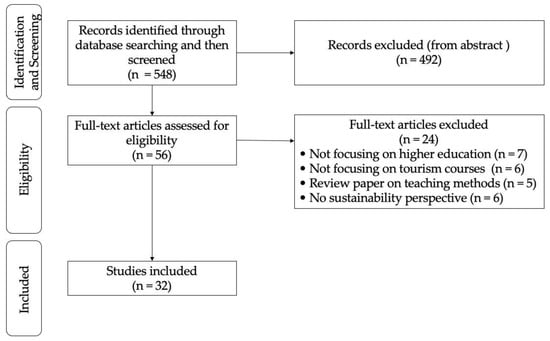
Teaching and learning methods play an important role in promoting sustainability in tourism education. However, previous studies mainly focus on sustainability in tourism. This qualitative survey provides an overview of how sustainable development and tourism education are taught and learned in higher education institutions. It aims to support the selection of teaching and learning approaches and methods for educating sustainability-driven tourism at universities. The materials were selected based on keywords in tourism education. The study describes 32 articles published in peer-reviewed scientific journals from 2000 to 2022. The content of the articles was analyzed in detail using qualitative content analysis. Collaborative and interdisciplinary learning and case study teaching, alongside problem-based learning and experiential learning (outdoor learning), were utilized in 10 and 6 articles, respectively. Developing collaborative and interdisciplinary learning skills, developing systems thinking skills, developing experiential learning skills, and developing techniques for increasing environmental awareness were the key points of teaching and learning methods to promote sustainability in tourism education. Behavioral Change Wheel (BCW) in tourism should be implemented in school education to reach sustainable development goals and to support sustainable development.
Full article
►▼
Show Figures
Open AccessArticle
Factors Influencing Interdisciplinary Research and Industry-Academia Collaborations at Six European Universities: A Qualitative Study
by
Luka Ursić, Godfrey Baldacchino, Željana Bašić, Ana Belén Sainz, Ivan Buljan, Miriam Hampel, Ivana Kružić, Mia Majić, Ana Marušić, Franck Thetiot, Ružica Tokalić and Leandra Vranješ Markić
Cited by 19 | Viewed by 9931
Abstract
The introduction of interdisciplinarity and industry-academia collaborations (IAC) into higher education institutions (HEIs) and curricula as tools for promoting sustainable development has been debated both in academic and non-academic contexts. While overall rising trends in the acceptance of interdisciplinarity and IAC exist, research
[...] Read more.
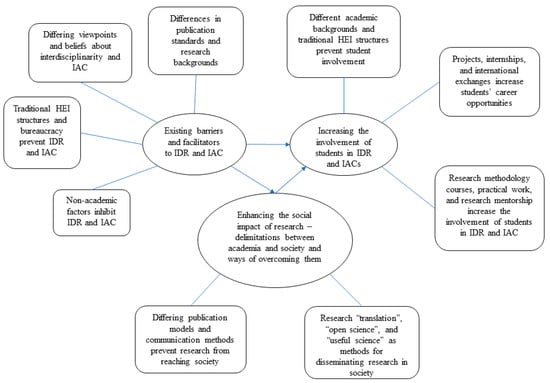
The introduction of interdisciplinarity and industry-academia collaborations (IAC) into higher education institutions (HEIs) and curricula as tools for promoting sustainable development has been debated both in academic and non-academic contexts. While overall rising trends in the acceptance of interdisciplinarity and IAC exist, research has stressed difficulty in implementation and practices. We conducted eight focus groups at six European Universities (members of the SEA-EU alliance) and analysed the transcripts using Braun and Clarke’s reflexive thematic approach to qualitative analysis in order to develop themes on barriers and facilitators to both conducting interdisciplinarity and IAC, as well as the inclusion of university students in interdisciplinary research. We observed that the main barriers to IR and IAC and the inclusion of students in such activities include traditional HEI structures focused on single-discipline approaches, a lack of joint platforms for IR and IAC, and academic differences (publication outcome differences, academic background). Likewise, a lack of funding (especially for early career researchers), employability (for students willing to do a research career), and a lack of validation by HEIs for researchers conducting IR and IAC are major barriers. To IDR- and IAC-related activities, a top-down approach is needed to restructure HEIs and make them more accommodating to both students and staff willing to conduct IR and IAC activities, thus refocusing them towards sustainability.
Full article
►▼
Show Figures
Open AccessReview
Analysis of Competency Assessment of Educational Innovation in Upper Secondary School and Higher Education: A Mapping Review
by
Aleksandra Krstikj, Juan Sosa Godina, Luciano García Bañuelos, Omar Israel González Peña, Héctor Nahún Quintero Milián, Pedro Daniel Urbina Coronado and Ana Yael Vanoye García
Cited by 24 | Viewed by 8643
Abstract
Despite the plethora of studies reported during the last decade in relation to educational innovation in teaching and assessment of competencies, a consensus is seemingly lacking on a definition that establishes the scope and boundaries competency assessment. This research gap motivated a systematic
[...] Read more.
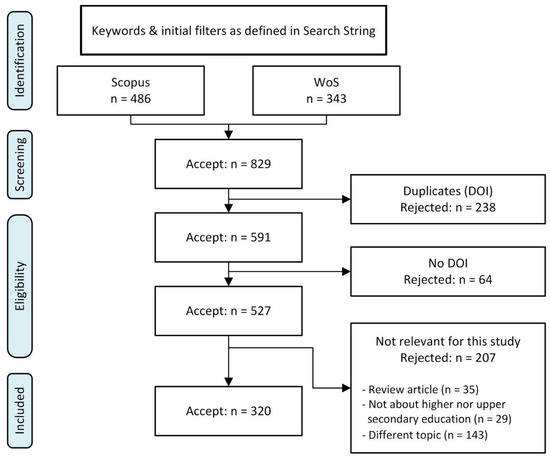
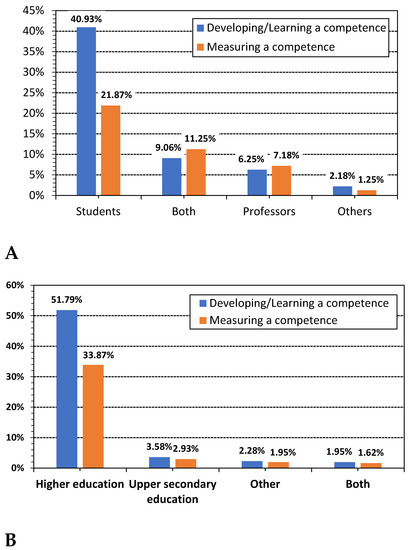
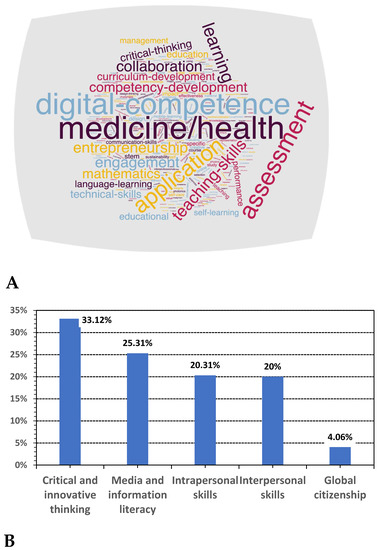
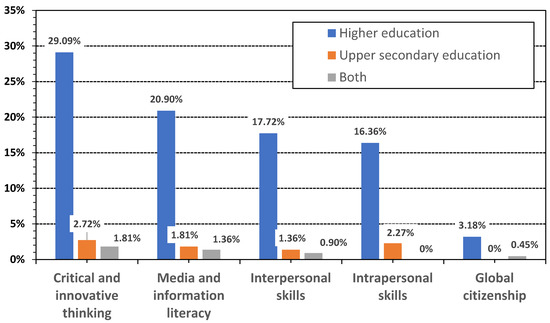
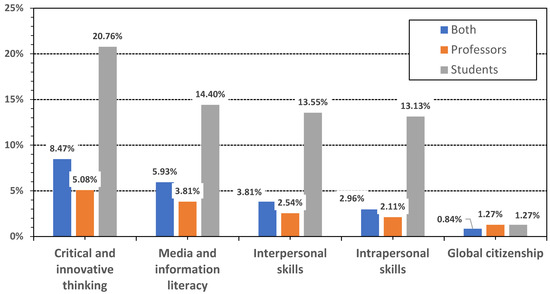
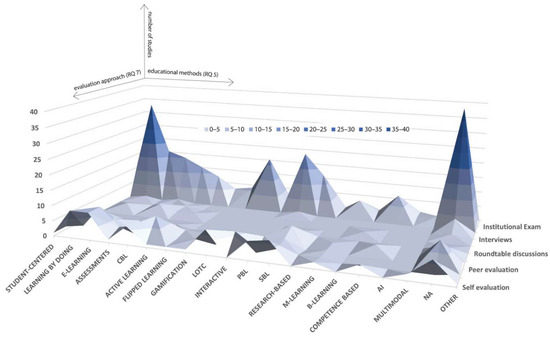
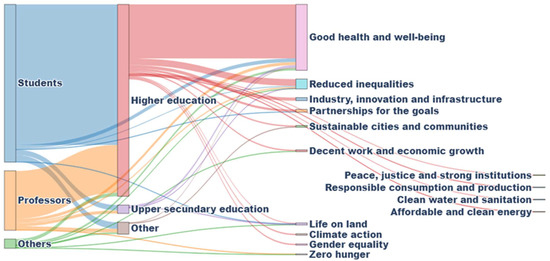
Despite the plethora of studies reported during the last decade in relation to educational innovation in teaching and assessment of competencies, a consensus is seemingly lacking on a definition that establishes the scope and boundaries competency assessment. This research gap motivated a systematic review of the literature published on the topics of “educational innovation in teaching” and “assessment of competencies” in upper secondary and higher education during the period from January 2016 to March 2021. The main objective of the study was to define and evaluate educational innovation in teaching and assessment of competencies in upper secondary and higher education following PRISMA guidelines for a systematic literature review (SLR) on a curated corpus of 320 articles. We intended to answer the following questions: (1) What do “educational innovation in teaching” and “assessment of competencies” represent for upper secondary and higher education? (2) How are they evaluated? Lastly, (3) are efforts exerted toward the standardization of transversal competencies? The SLR seeks answers to these questions by examining nine research sub-queries. The result indicated that the greatest effort toward educational innovation in competencies was made at the higher education level and targeted students. Competencies were revised through associations with the Sustainable Development Goals of the 2030 Agenda. In addition, the methodologies used for teaching and evaluation of competencies were reviewed. Finally, the study discussed which technologies were used to develop the proficiencies of students.
Full article
►▼
Show Figures
Open AccessArticle
The Gap between Higher Business Education and Business Expectations: The Case of Poland
by
Małgorzata Tyrańska, Mariusz Łapczyński, Maciej Walczak and Bernard Ziębicki
Cited by 8 | Viewed by 5057
Abstract
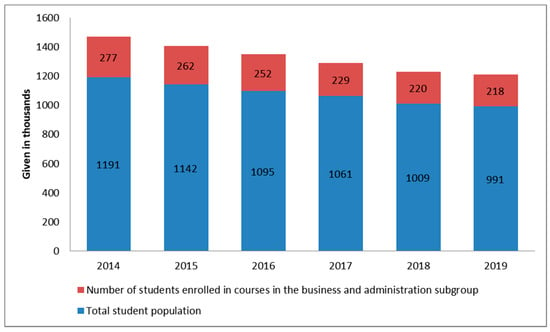
Employers expect business school graduates to possess a wide and diverse range of competencies, because the conditions governing the operations of enterprises are subject to constant and dynamic change. Therefore, adjusting study programs to labor market requirements is one of the main challenges
[...] Read more.
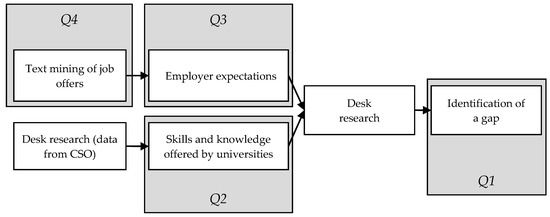
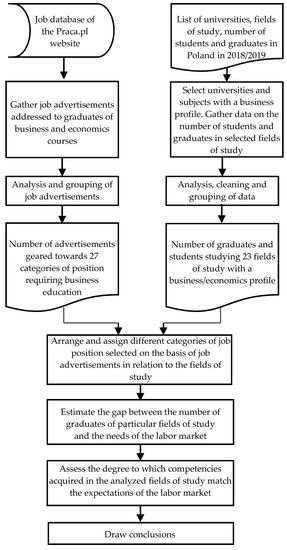
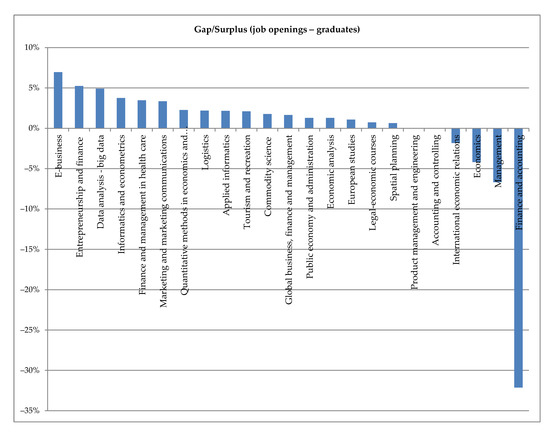
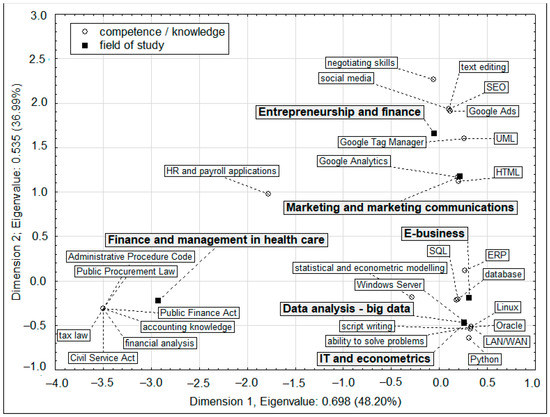
Employers expect business school graduates to possess a wide and diverse range of competencies, because the conditions governing the operations of enterprises are subject to constant and dynamic change. Therefore, adjusting study programs to labor market requirements is one of the main challenges faced by higher education institutions, particularly business schools. Therefore, the expectations of potential employers have become an object of detailed study for most universities. The most frequently applied research approach adopted for such studies involves direct surveys of employer opinions, based on various types of questionnaires. An alternative method is textual analysis of job advertisements using analytical tools that automate the research process. The aim of this article is to identify the gap between the business education offer and the expectations of the labor market in Poland, as well as to show the possibility of using the analysis of the contents of job advertisements to identify employer expectations regarding the competencies of university graduates. The presented research is exploratory in nature, with four questions posed by the authors during the research process. The research is innovative with regard to Poland and in relation to graduates of business schools.
Full article
►▼
Show Figures
Open AccessArticle
Spirals of Sustainable Academic Motivation, Creativity, and Trust of Higher Education Staff
by
Martina Blašková, Dominika Tumová, Rudolf Blaško and Justyna Majchrzak-Lepczyk
Cited by 11 | Viewed by 4711
Abstract
Sustainability has to penetrate more and more into higher education. It should not focus only on traditional elements. It should also enter new, but for future improvement, extremely important areas. Based on this premise, creativity and motivation, when additionally interconnected and supported by
[...] Read more.
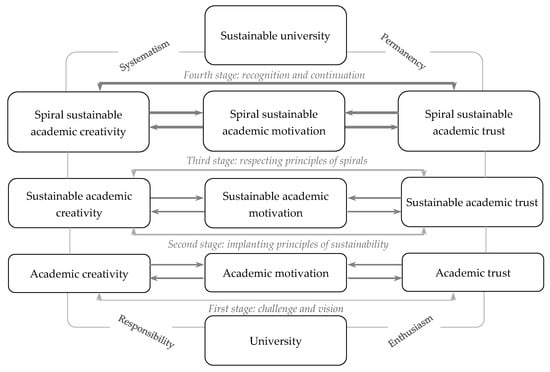
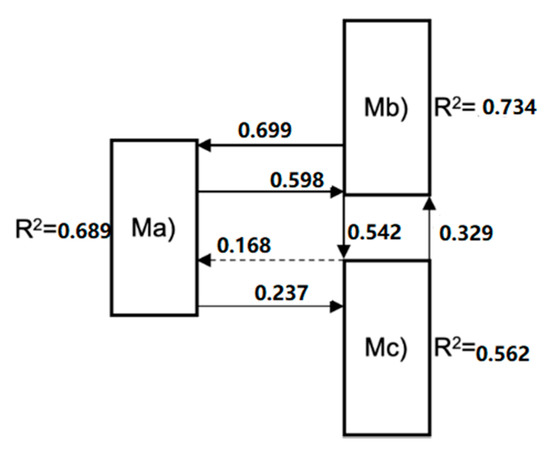
Sustainability has to penetrate more and more into higher education. It should not focus only on traditional elements. It should also enter new, but for future improvement, extremely important areas. Based on this premise, creativity and motivation, when additionally interconnected and supported by trust that is provided and achieved, decide on the progress and sustainability of universities. This connection is gaining importance especially from the point of view of building solid foundations and mechanisms that functionally preserve the potential effects of these elements in the future. For this reason and following the nature, importance, and content of sustainable academic motivation (SAM), the paper introduces two new concepts: sustainable academic creativity (SAC) and sustainable academic trust (SAT). For further original contributions, the paper hypothesizes the existence of mutual—spiral—relations of sustainable academic motivation (SAM), sustainable academic creativity (SAC), and sustainable academic trust (SAT). The empirical section tests the validity of this claim in the universities of two countries: the Slovak Republic and Poland. A survey performed on a sample of
pedagogical, scientific, management, and administrative staff in higher education confirms the existence of these spirals. The results indicate the spiral effect of motivation when connected with creativity and trust and show that it is accented by the crucial principles of sustainability (responsibility, novelty, usefulness, progress, etc.). Therefore, the paper’s conclusion contains the explanations for the potential occurrence of three types of sustainably mutual systems and complexes. These are: (a) individual sustainable systems of SAM, SAC, and SAT; (b) group/sectional sustainable systems of SAM, SAC, and SAT; and (c) the global sustainable complex of SAM, SAC, and SAT in the university.
Full article
►▼
Show Figures
Open AccessArticle
Education for Sustainable Development in Spanish University Education Degrees
by
Fermín Sánchez-Carracedo, Francisco Manuel Moreno-Pino, Daniel Romero-Portillo and Bárbara Sureda
Cited by 39 | Viewed by 4902
Abstract
This work presents an analysis of student perception of Spanish university education degrees regarding their training in sustainable development. A sample of 942 students was used. The methodology consists of analyzing the results of a survey answered by the first- and fourth-year students
[...] Read more.
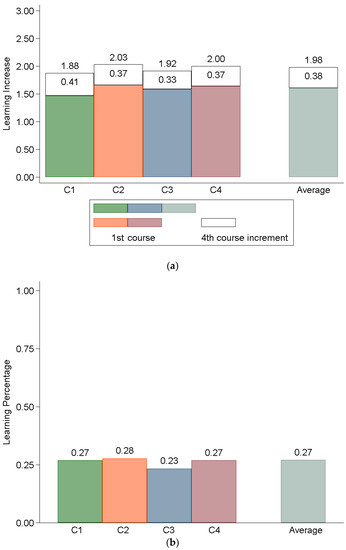
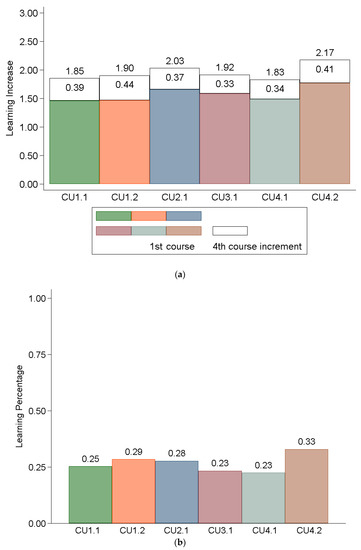
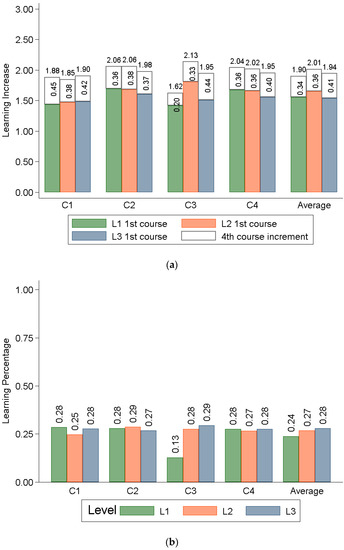
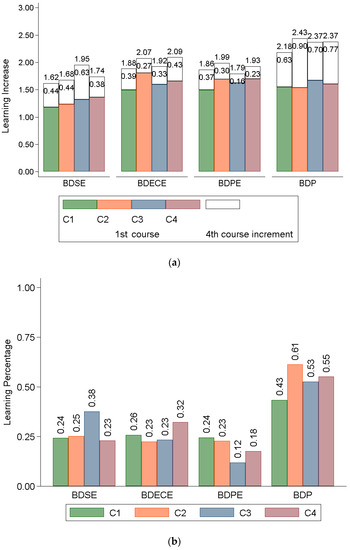
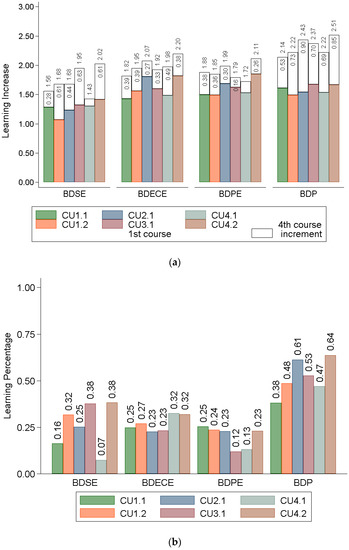
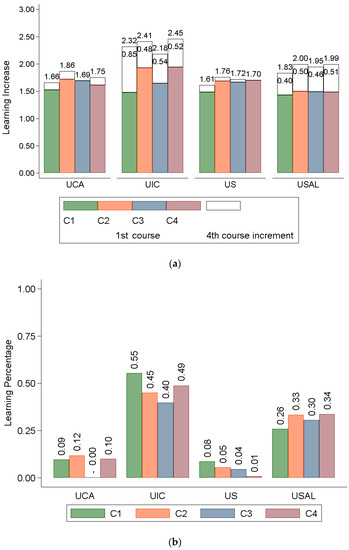
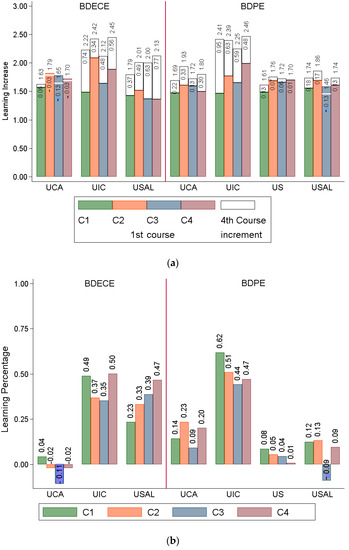
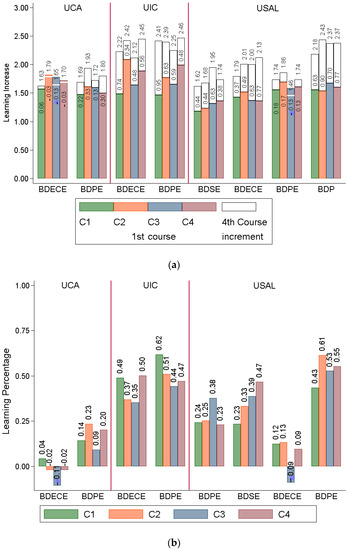
This work presents an analysis of student perception of Spanish university education degrees regarding their training in sustainable development. A sample of 942 students was used. The methodology consists of analyzing the results of a survey answered by the first- and fourth-year students from nine education degree courses in four Spanish universities. Comparison of the perception of learning by fourth-year students against those of the first year enables improvements in learning regarding sustainability to be ascertained. The questionnaire consists of 18 questions concerning four sustainability competencies: C1-Critical contextualization of knowledge, C2-Sustainable use of resources, C3-Participation in community processes, and C4-Ethics. Two composite indicators are defined to analyze the absolute learning (achieved on completion of their studies) and the relative learning (achieved with respect to what should have been achieved) declared by the students in each competency, degree and university. The results show that students declare an improvement in all their sustainability competencies, although the results of the final learning are far from those expected: they have learned only 27% of what they should have learned. Moreover, the learning achieved in the four competencies depends on the degree and the university.
Full article
►▼
Show Figures