Journal Description
Populations
Populations
is an international, peer-reviewed, open access journal on demography and population-related issues, published quarterly online by MDPI.
- Open Access— free for readers, with article processing charges (APC) paid by authors or their institutions.
- Rapid Publication: first decisions in 19 days; acceptance to publication in 8 days (median values for MDPI journals in the second half of 2025).
- Recognition of Reviewers: APC discount vouchers, optional signed peer review, and reviewer names published annually in the journal.
Latest Articles
The Enduring Demographic and Health Impacts of the Cambodian Genocide on Cambodia’s Population
Populations 2026, 2(3), 13; https://doi.org/10.3390/populations2030013 (registering DOI) - 24 Jun 2026
Abstract
►
Show Figures
The Cambodian genocide occurred between April 1975 and January 1979. Over one-third of Cambodia’s population perished, and many survivors suffer physical and mental health consequences. This study examines lasting influences of the Cambodian genocide on Cambodia’s population structure and on adult health and
[...] Read more.
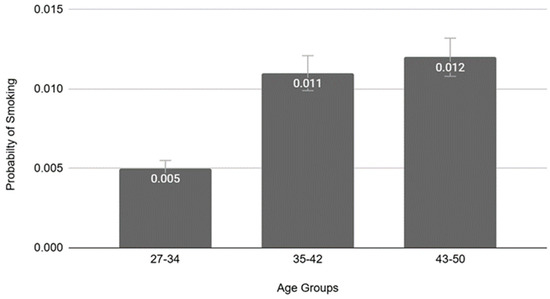
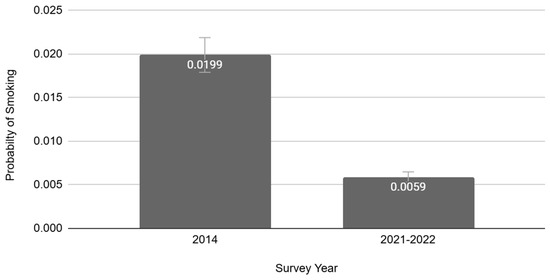
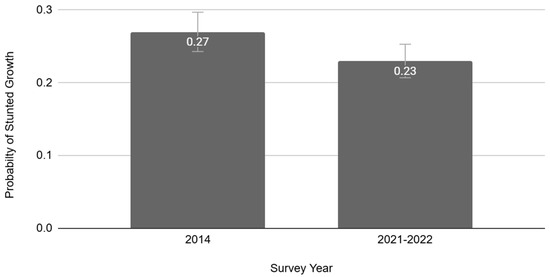
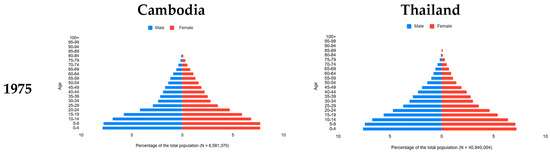
The Cambodian genocide occurred between April 1975 and January 1979. Over one-third of Cambodia’s population perished, and many survivors suffer physical and mental health consequences. This study examines lasting influences of the Cambodian genocide on Cambodia’s population structure and on adult health and health behavior. To illustrate the legacy of decreased fertility and increased mortality during the genocide, population pyramids (1975, 1985, 2014, 2022) were generated using data from the United Nations Population Division. For comparison, population pyramids for the neighboring country of Thailand were generated. To examine the enduring health sequelae of the genocide, nationally representative Demographic and Health survey data (2014, 2021–2022) were used to compare smoking behaviors and stunted growth of women born shortly before and during the genocide (1972–1979) with women born shortly after the genocide (1980–1987). Cambodia’s population pyramids reveal a long-term paucity of individuals in the 1970s birth cohorts not observed for Thailand. Compared to women born shortly after the genocide, women with early-life exposure to the genocide were more likely to report smoking in adulthood and to have experienced stunted growth. The genocide impacted Cambodia’s population structure and affected the health and health behaviors of early childhood genocide survivors into adulthood. These findings imply life course and intergenerational impacts.
Full article
Open AccessArticle
Operationalizing the Health Opportunity Index to Address Stroke Prevalence Across Census Tracts in Delaware, Maryland, Pennsylvania, Virginia, West Virginia, and the District of Columbia
by
Wanderimam R. Tuktur, Bin Cai, Howell C. Sasser and Rexford Anson-Dwamena
Populations 2026, 2(2), 12; https://doi.org/10.3390/populations2020012 (registering DOI) - 22 Jun 2026
Abstract
Understanding the impact of neighborhood-level factors on stroke prevalence is crucial for addressing existing disparities. However, there is a distinct lack of ecological studies at the census tract level that investigate the social determinants of health (SDOH) influencing stroke prevalence within the U.S.
[...] Read more.
Understanding the impact of neighborhood-level factors on stroke prevalence is crucial for addressing existing disparities. However, there is a distinct lack of ecological studies at the census tract level that investigate the social determinants of health (SDOH) influencing stroke prevalence within the U.S. Health and Human Services Region 3 (HHS Region 3: Delaware, Maryland, Pennsylvania, Virginia, West Virginia, and the District of Columbia). This study adopted a multivariate modeling approach to investigate the association between the 13 indicators of the Health Opportunity Index (HOI) and stroke prevalence at the census tract level in HHS Region 3 using four HOI indicator profiles and to highlight the specific SDOHs that are most associated with stroke prevalence. The four HOI indicator profiles include: (a) neighborhood and built environment profile, (b) social and community context profile, (c) resource profile, and (d) economic profile. The methodological approach was quantitative, using secondary data. The sample size was 8021 census tracts. The HOI was estimated for each census tract in the study area. Ordinary least squares regression (OLS) analysis and spatial lag model (SLM) were run to examine whether the 13 indicators of the HOI (categorized into four profiles) reliably predict stroke prevalence and to determine the most appropriate model that best identifies the strongest predictors of stroke prevalence. The results show that affordability, education, spatial segregation, and income inequality indicators were the strongest predictors of stroke prevalence in HHS Region 3. This granular research identifies the neighborhood-level SDOH most strongly linked to stroke prevalence, which can be leveraged to guide the development of targeted public health programs, quality improvement initiatives, resource allocation, and policy creation to combat stroke-related morbidity and mortality across census tracts in HHS Region 3. For example, the built environment, encompassing factors like employment access, affordable housing, and walkability, profoundly influences stroke prevalence and provides urban planners with practical insights for developing healthier, more equitable communities, such as creating neighborhood parks to encourage physical activity, a key factor in stroke prevention. This study also provides neighborhood organizations with the evidence needed to pursue grant funding and raise awareness about the socio-structural influences on stroke outcomes in their respective neighborhoods. Lastly, the insights generated from our study can facilitate collaborative decision-making processes with communities in HHS Region 3 regarding the prioritization of neighborhood-level SDOH for targeted public health interventions. This prioritization should focus on addressing predictors of stroke prevalence that are congruent with the community’s established priorities, thereby maximizing cost savings.
Full article
Open AccessArticle
The Effects of Being an Immigrant and Racial Discrimination on the Mental and Emotional Health of Adolescents
by
Loretta E. Bass and Oyindamola A. Okuwa
Populations 2026, 2(2), 11; https://doi.org/10.3390/populations2020011 - 5 May 2026
Abstract
►▼
Show Figures
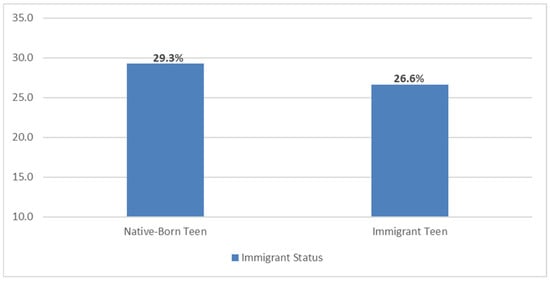
We examine relationships across two focal variables, being an immigrant and experiencing racial discrimination (an adverse childhood experience, or ACE), and the outcome of a mental or emotional health condition for adolescent children in the U.S. Using a nationally representative sample from the
[...] Read more.
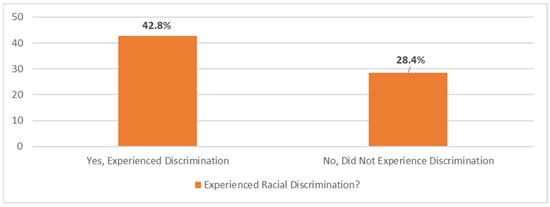
We examine relationships across two focal variables, being an immigrant and experiencing racial discrimination (an adverse childhood experience, or ACE), and the outcome of a mental or emotional health condition for adolescent children in the U.S. Using a nationally representative sample from the National Survey of Children’s Health (NSCH; n = 16,040; 12–17 years old), we find that immigrant teens are 17 percent less likely than native-born teens to have a mental or emotional health condition and that teens who have experienced racial discrimination are almost twice as likely as teens who did not to have a mental or emotional health condition, net of other relationships. Adolescents with a mental or emotional health condition are more likely to be female, White, urban, living in an unsafe neighborhood, having a parent with less education, and coming from a household with a lower income. We find evidence for the healthy immigrant effect in terms of mental health for immigrant teens in the U.S., and also, we find a strong relationship between the ACE of experiencing racial discrimination and poor mental health of adolescents overall.
Full article

Figure 1
Open AccessArticle
Nonunion and Cohabiting First Births in the U.S.: Racial and Socioeconomic Disadvantage Predict Nonunion Births for Men as Well as Women
by
Man Xu and Paula England
Populations 2026, 2(2), 10; https://doi.org/10.3390/populations2020010 - 23 Apr 2026
Abstract
►▼
Show Figures
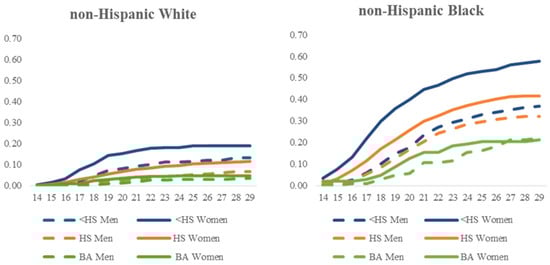
Most demographic studies of fertility use data from surveys of women, not men. These studies have shown that, in the U.S., nonmarital births are more common among women from lower rather than higher socioeconomic (SES) backgrounds and higher among Black than White women.
[...] Read more.
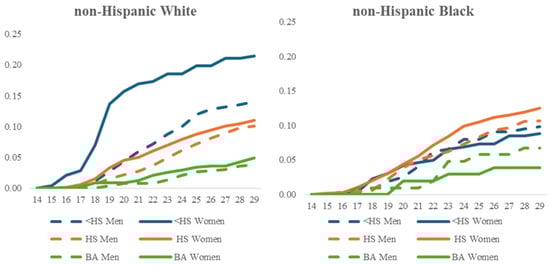
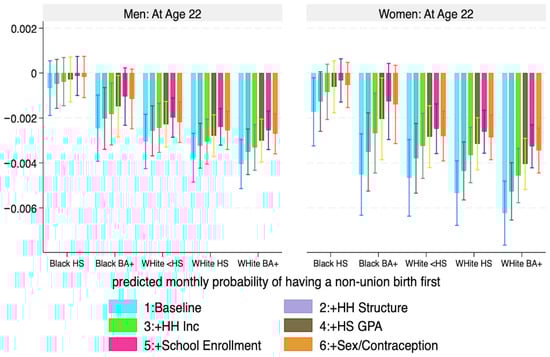
Most demographic studies of fertility use data from surveys of women, not men. These studies have shown that, in the U.S., nonmarital births are more common among women from lower rather than higher socioeconomic (SES) backgrounds and higher among Black than White women. Using panel data, which have been shown to reduce men’s under-reporting of nonmarital births, we show that these generalizations also hold for men. Our analysis of nonmarital births for Black and White men and women distinguishes between nonunion and cohabiting births and shows that nonunion births are predicted by racial and SES disadvantage for both women and men. By contrast, cohabiting births are not higher for Black individuals, and they are higher among women whose mothers had less education only among White, and not Black individuals. The effects of race and mothers’ education on having a nonunion first birth are partly mediated by the income and family structure of one’s family of origin, high school grade point average, and school enrollment. We use NLSY-97 panel data from U.S. men and women born in 1980–1984 and present descriptive statistics, double decrement life tables, and event history models. We conclude that disadvantaged racial and SES backgrounds are strongly predictive of having a nonunion first birth for men as well as women.
Full article

Figure 1
Open AccessArticle
Becoming a Net Receiver of International Migrants: An Age-Structural Model of the Shift to Persistently Positive Net Migration Rates
by
Richard Cincotta
Populations 2026, 2(1), 9; https://doi.org/10.3390/populations2010009 - 16 Mar 2026
Abstract
►▼
Show Figures
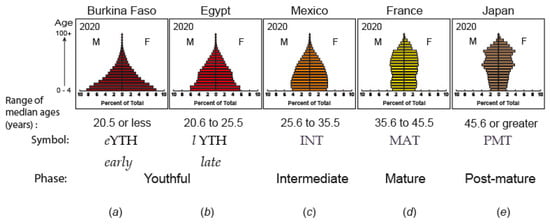
This study adheres to a logistic regression modeling protocol originally developed for long-range intelligence analyses and employs data from UN demographic estimates (the 2024 revision) to generate a set of statistical functions that suggest a moderately strong relationship between increasing median age and
[...] Read more.
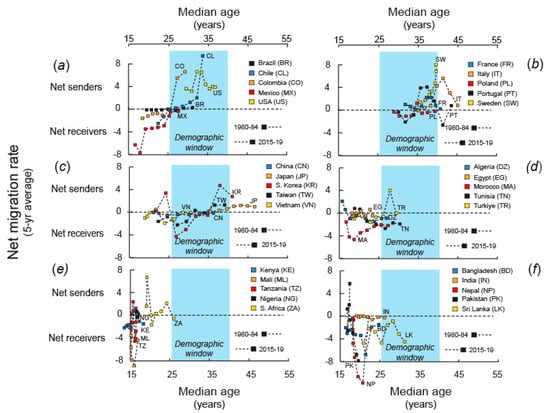
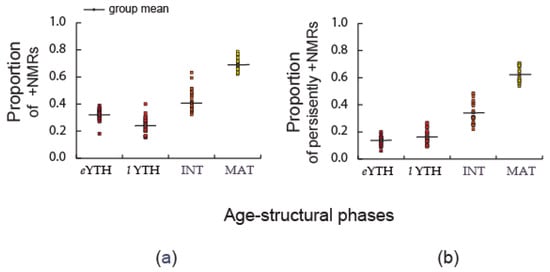
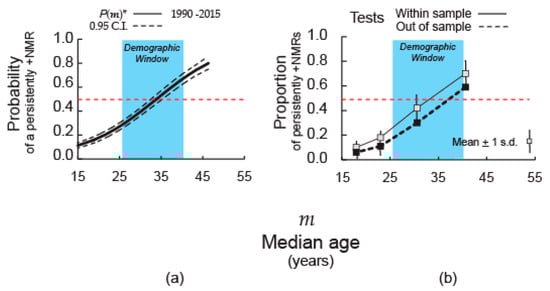
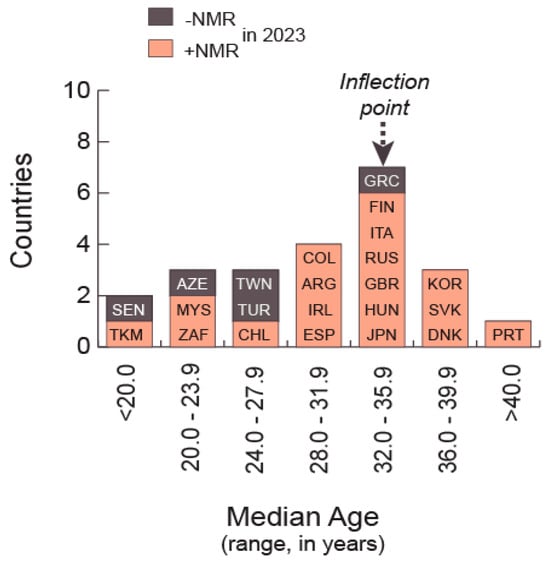
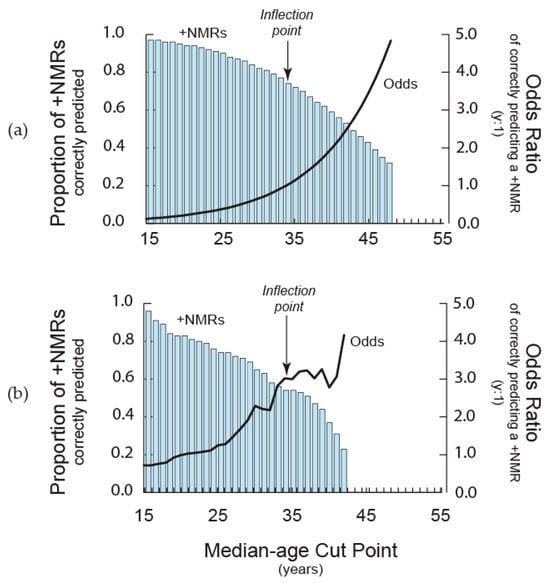
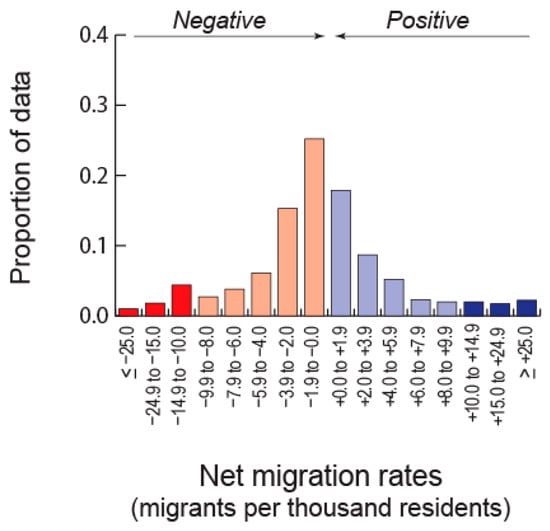
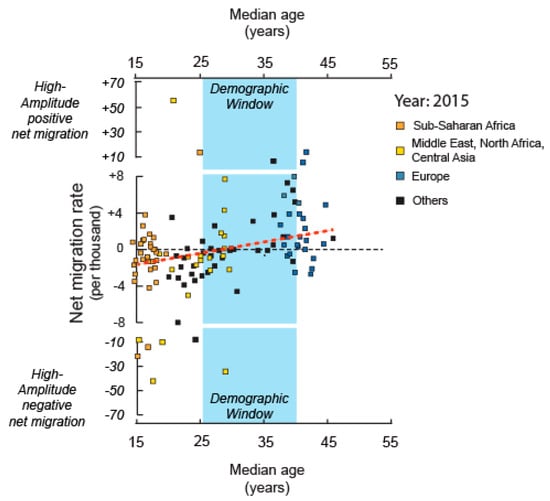
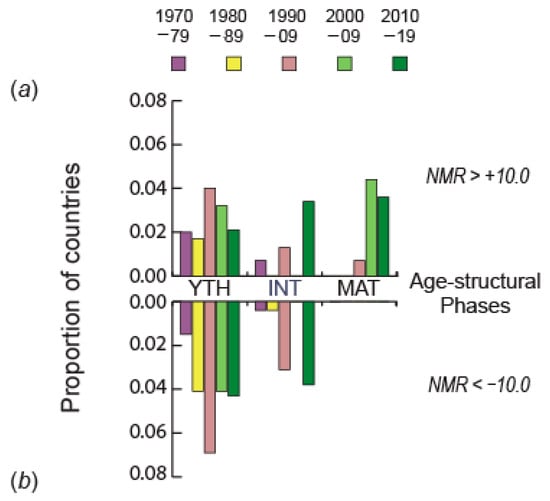
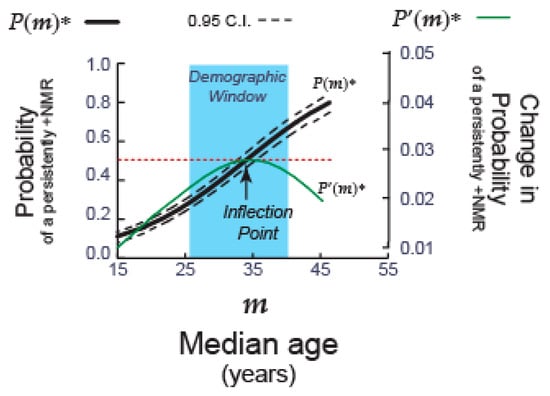
This study adheres to a logistic regression modeling protocol originally developed for long-range intelligence analyses and employs data from UN demographic estimates (the 2024 revision) to generate a set of statistical functions that suggest a moderately strong relationship between increasing median age and the probability of a persistently positive international net migration rate (NMR). According to this relationship, the post-Cold War probability (data from 1990 to 2015) of experiencing a persistently positive net migration rate (defined as a +NMR, directly followed by five consecutive years of +NMRs) rose from less than 0.12 at a population median age of 15 years, to a probability greater than 0.55 at 36 years, and then to more than 0.77 at 45 years. The author hypothesizes a speculative set of predictions aimed at providing long-term tests for this model. These predictions assume that, by a median age of 36.0 years, at least one country in the hypothesized cluster of countries will have shifted to experiencing a series of +NMRs. If, as this model predicts, the age-structurally associated transition to sustained +NMRs transpires by 2055, there could be a substantially larger pool of migrant net-receiving states in parts of Asia, Latin America, and North Africa than the UN’s future scenarios currently project.
Full article

Figure 1
Open AccessArticle
Population-Level Shifts in Caribbean Family Resilience Across the COVID-19 Pandemic
by
Karina Donald, Lorna Durrant and Xingyi Li
Populations 2026, 2(1), 8; https://doi.org/10.3390/populations2010008 - 10 Mar 2026
Abstract
►▼
Show Figures
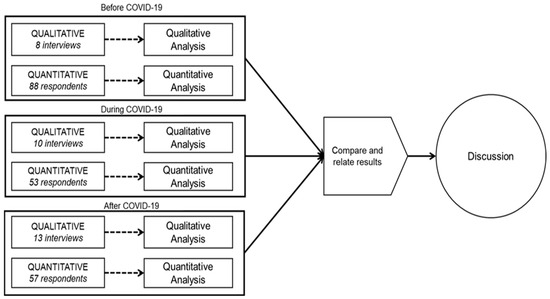
The COVID-19 pandemic introduced an additional major stressor for families in the Caribbean, a region already shaped by environmental risk and socioeconomic vulnerability. This study examined changes in family resilience across pandemic phases among English-speaking Caribbean populations, drawing on Walsh’s family resilience framework,
[...] Read more.
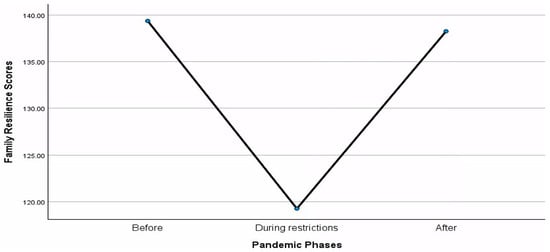
The COVID-19 pandemic introduced an additional major stressor for families in the Caribbean, a region already shaped by environmental risk and socioeconomic vulnerability. This study examined changes in family resilience across pandemic phases among English-speaking Caribbean populations, drawing on Walsh’s family resilience framework, which emphasizes belief systems, organizational processes, and communication. Using a convergent parallel mixed methods design, quantitative and qualitative data were integrated from two studies conducted before and during pandemic restrictions and after restrictions were lifted. Survey data were collected from 198 families across English-speaking Caribbean nations, and in-depth interviews were conducted with 31 families from Grenada, Jamaica, and Trinidad. Quantitative analyses indicated a significant decline in family resilience during periods of heightened restrictions, followed by a return to pre-pandemic levels. Qualitative findings identified faith, family connectedness, communication, resourcefulness, and a positive outlook as key processes supporting adaptation during the crisis. Overall, results suggest that while family resilience at the population level was strained during the pandemic, it demonstrated recovery over time. Policies and interventions that strengthen communication supports and community- and faith-based resources may enhance family resilience and preparedness for future public health and environmental disruptions in the Caribbean.
Full article

Figure 1
Open AccessArticle
A Cross-Sectional Study of Obstetric Violence Against Indigenous Women in the Ecuadorian Amazon: A Decolonial Demographic Approach
by
Alexandra J. Reichert, Ofelia Salazar, Adela Alvarado and Erika Huatatoca
Populations 2026, 2(1), 7; https://doi.org/10.3390/populations2010007 - 4 Mar 2026
Cited by 1
Abstract
►▼
Show Figures
Indigenous Kichwa women in the Ecuadorian Amazon experience disproportionately high levels of obstetric violence, yet their experiences remain largely absent from national demographic data. This study aims to measure the prevalence and forms of obstetric violence among Kichwa women while demonstrating the utility
[...] Read more.
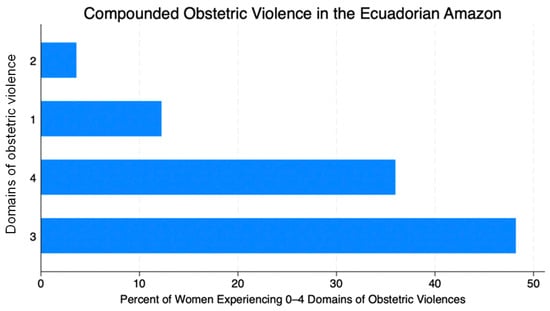
Indigenous Kichwa women in the Ecuadorian Amazon experience disproportionately high levels of obstetric violence, yet their experiences remain largely absent from national demographic data. This study aims to measure the prevalence and forms of obstetric violence among Kichwa women while demonstrating the utility of community-designed demographic tools for documenting marginalized reproductive health experiences. We developed a participatory survey in collaboration with Kichwa midwives and women, several of whom are co-authors, and administered 139 structured surveys and 69 ethnographic interviews across 43 Indigenous communities in the Napo province to women who had given birth in a public hospital within the past five years. Quantitative data were analyzed using descriptive statistics to estimate prevalence across domains of obstetric violence, and interviews were thematically analyzed to contextualize these patterns. Findings indicate pervasive obstetric violence, including non-consensual procedures, verbal and psychological abuse, structural barriers to care, and suppression of traditional practices such as midwifery and plant medicine. Over 80% of participants reported at least one non-consensual procedure and at least one form of cultural or epistemic suppression, with most experiencing violence across multiple domains. These results position obstetric violence in the Amazon as a compounded, population-level exposure shaped by structural, environmental, and cultural determinants, underscoring the need for intercultural health reforms and Indigenous-led models of health governance.
Full article

Figure 1
Open AccessArticle
Integration of Migrants and Protection of Women Rights in Italy
by
Hilde Caroli Casavola
Populations 2026, 2(1), 6; https://doi.org/10.3390/populations2010006 - 26 Feb 2026
Abstract
Italy’s current migrant integration policies show limited effectiveness in fostering genuine social inclusion, particularly for migrant women who face compounded, intersectional discrimination. Although Italy has adopted international frameworks such as CEDAW and the Istanbul Convention, their implementation remains fragmented and weak. The absence
[...] Read more.
Italy’s current migrant integration policies show limited effectiveness in fostering genuine social inclusion, particularly for migrant women who face compounded, intersectional discrimination. Although Italy has adopted international frameworks such as CEDAW and the Istanbul Convention, their implementation remains fragmented and weak. The absence of structured, accessible language courses and personalized integration pathways disproportionately affects migrant women, especially those confined to domestic roles or constrained by cultural barriers. The analysis highlights the Migrant and Inclusive Communities (MeCI) project as an example of a successful local initiative that used technology to enhance linguistic and social inclusion. However, its time-limited nature constrained by temporary funding and local commitment reveals broader systemic failures, including the lack of institutionalization of effective practices and excessive reliance on local actors and short-term funding. The article also stresses the importance of recognizing refugee status through a gender-sensitive lens, acknowledging forms of persecution specific to women. Overall, Italy’s integration policies are undermined by the absence of a coherent national strategy, a focus on emergency and security measures, and insufficient long-term planning. The document calls for comprehensive, rights-based, and gender-sensitive policies that prioritize empowerment, participation, and social inclusion.
Full article
Open AccessEditorial
Populations at the End of Its First Full Year: Reflections, Trajectories, and the Road Ahead
by
David López-Carr and Kevin M. Mwenda
Populations 2026, 2(1), 5; https://doi.org/10.3390/populations2010005 - 2 Feb 2026
Abstract
As Populations completes its inaugural volume, we pause to reflect on what has been achieved during the journal’s formative year and anticipate the intellectual directions that will shape its next phase [...]
Full article
Open AccessArticle
From Knowledge to Action: How Couples Navigate Plural Healthcare Systems for Infertility Care—A Qualitative Study in Ghana
by
Naa Adjeley Mensah
Populations 2026, 2(1), 4; https://doi.org/10.3390/populations2010004 - 28 Jan 2026
Abstract
Infertility affects 10–30% of couples globally, with significant psychological and social impacts in sub-Saharan Africa, where fertility is closely tied to identity and social status. To explore how couples’ understanding of infertility causes influences their treatment-seeking behaviours and healthcare decision-making processes in Ghana,
[...] Read more.
Infertility affects 10–30% of couples globally, with significant psychological and social impacts in sub-Saharan Africa, where fertility is closely tied to identity and social status. To explore how couples’ understanding of infertility causes influences their treatment-seeking behaviours and healthcare decision-making processes in Ghana, this cross-sectional qualitative study used in-depth interviews with 24 married participants (nine dyads and six individuals) experiencing current or past infertility in Greater Accra, Ghana, from August to October 2023. Data were analysed using thematic analysis with NVivo version 15. Couples demonstrated comprehensive knowledge of infertility causes spanning medical, spiritual, cultural, and lifestyle factors, although they lacked knowledge of clinical diagnostic criteria. Three main treatment pathways emerged: medical/orthodox, herbal, and spiritual interventions, pursued either sequentially or concurrently. Decision-making was influenced by internal factors (treatment effectiveness, financial constraints, and safety concerns) and external factors (family influence and peer testimonials). Four distinct navigation strategies were identified: informed notification, trial periods and evaluation, parallel relationship management, and strategic sequencing. Couples experiencing infertility are sophisticated healthcare consumers who skilfully navigate pluralistic healthcare systems through strategic decision-making. Rather than representing non-compliance, their multimodal approaches reflect rational responses to structural constraints and cultural values. Healthcare systems should recognise and accommodate these navigation strategies to improve therapeutic relationships and outcomes.
Full article
Open AccessReview
Shrinking China: Policy, Social Changes, and Fertility Decline
by
C. Cindy Fan
Populations 2026, 2(1), 3; https://doi.org/10.3390/populations2010003 - 15 Jan 2026
Cited by 2
Abstract
►▼
Show Figures
China has experienced a population decline since 2022, and its total fertility rate has dropped to about 1.0 in 2025. This is despite the lifting of the one-child policy in 2015 and the pivot to the two-child policy and three-child policy in, respectively,
[...] Read more.
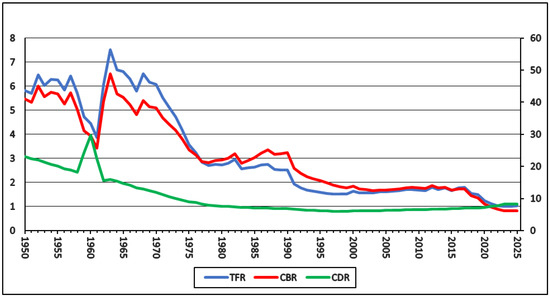
China has experienced a population decline since 2022, and its total fertility rate has dropped to about 1.0 in 2025. This is despite the lifting of the one-child policy in 2015 and the pivot to the two-child policy and three-child policy in, respectively, 2016 and 2021. Based on a review of recent research, this paper provides an interpretation that the continued fertility decline reflects a perfect storm of socioeconomic and demographic processes, long-term effects of the one-child policy, and unprecedented social changes in Chinese society. Socioeconomic and demographic changes since the 1950s prepared the ground for the “late, sparse, few” policy, resulting in a sharp fertility decline in the 1970s. While the one-child policy that followed did not result in a fertility decline in the 1980s, its effects appear to be long-lasting, including concentrated investment by the “inverted family” in the only child that drives up society-wide childrearing costs. Significant improvement in women’s educational attainment, individualistic orientation that prioritizes personal goals, increased diversity in family structure, such as one-person households, and changing views about getting married and having children have all contributed to continued downward pressure on fertility. These findings hint at the relevance of the concept of the second demographic transition for China and suggest that policy is only effective if it is aligned with what people want.
Full article

Figure 1
Open AccessArticle
An Analysis of In-Migration Patterns for California: A Two-Way Fixed Effects Approach Utilizing a Pooled Sample
by
Andy Sharma
Populations 2026, 2(1), 2; https://doi.org/10.3390/populations2010002 - 30 Dec 2025
Abstract
►▼
Show Figures
Recent policy reports and state briefs continue to highlight the trend of out-migration from California. This outflow has been pronounced over the last three years, revealing a substantial net loss (i.e., net migration) of approximately 740,000 residents. However, there has been comparatively less
[...] Read more.
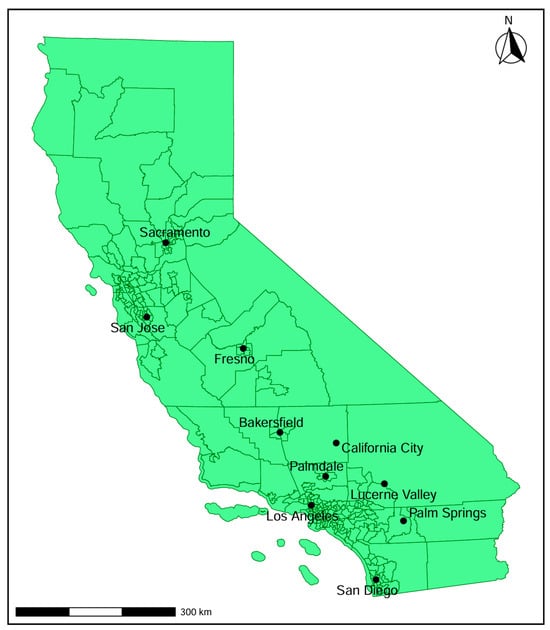
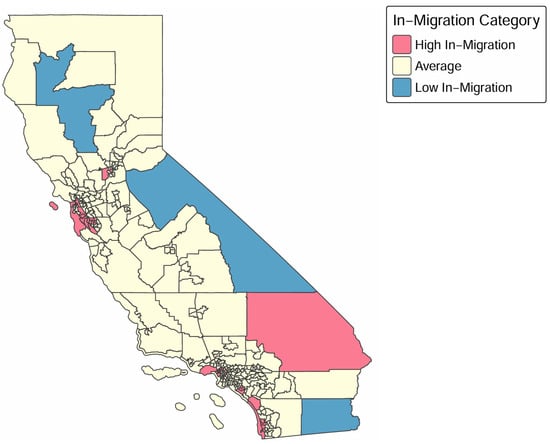
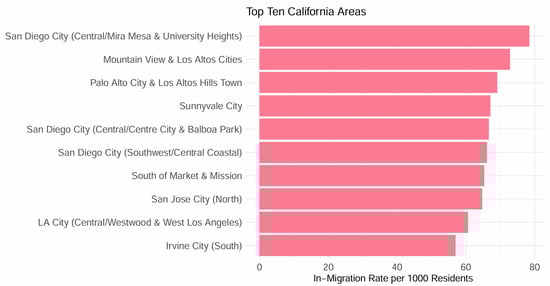
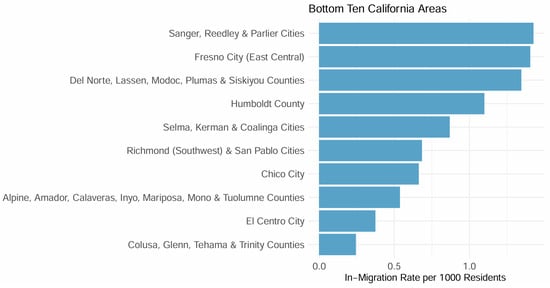
Recent policy reports and state briefs continue to highlight the trend of out-migration from California. This outflow has been pronounced over the last three years, revealing a substantial net loss (i.e., net migration) of approximately 740,000 residents. However, there has been comparatively less emphasis on new residents moving to California. Over the past decade, California has attracted substantial in-migration from both domestic and international sources with annual inflows often exceeding 300,000 individuals. As such, studying in-migration is noteworthy as it shapes economic, political, and social landscapes. In-migration can alter the demographic profiles of regions, thereby impacting community dynamics, cultural diversity, and the provision of social services. Using pooled data from the American Community Survey (ACS) from 2021 to 2023 and employing a two-way fixed effects regression framework, I study how temporal changes in racial and ethnic composition, age structure, educational attainment, and economic indicators influence in-migration rates per 1000 residents at the public use microdata level (PUMA). The analysis reveals that higher proportions of Asian and Hispanic populations, as well as an increased share of college-educated residents, are positively associated with in-migration. Notably, higher supplemental poverty rates are also associated with greater in-migration, a counterintuitive finding that may reflect mobility toward affordable housing markets. These findings emphasize the importance of recognizing demographic and intra-regional variability, which can aid policymakers and planners in assessing and delivering public services.
Full article

Figure 1

Open AccessArticle
Mapping Studies on Unauthorized Immigration in the International Migration Review: Results from Large-Language Models
by
Haoyang Zhang and A. Nicole Kreisberg
Populations 2026, 2(1), 1; https://doi.org/10.3390/populations2010001 - 30 Dec 2025
Cited by 1
Abstract
►▼
Show Figures
Many states around the world create an unprotected class of migrants by legally categorizing them as “unauthorized”. Yet, we have a limited understanding of the state of knowledge that has resulted from this empirical phenomenon, particularly outside the U.S. and over time. In
[...] Read more.
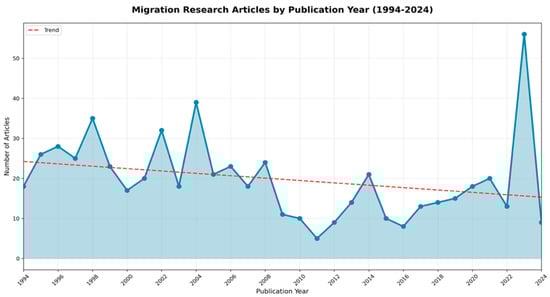
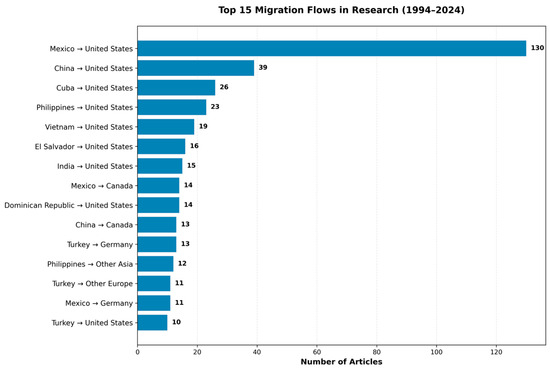
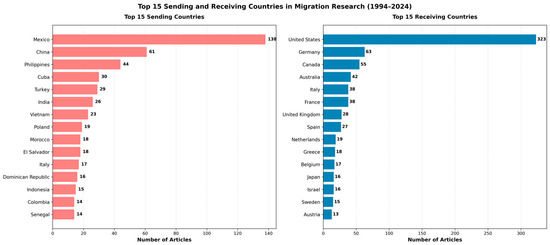
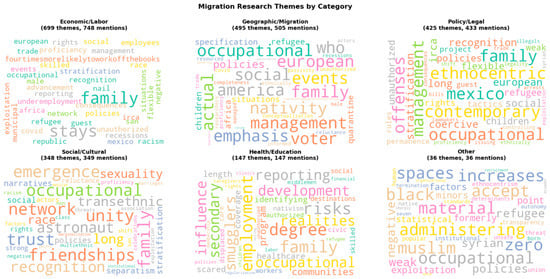
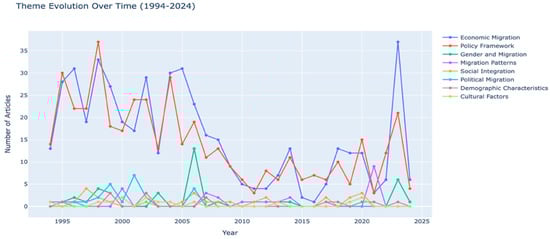
Many states around the world create an unprotected class of migrants by legally categorizing them as “unauthorized”. Yet, we have a limited understanding of the state of knowledge that has resulted from this empirical phenomenon, particularly outside the U.S. and over time. In this article, we map the state of knowledge on unauthorized migration by analyzing the last 30 years of papers published in a leading migration journal. Articles were identified through a comprehensive keyword-based search strategy and analyzed using a computational pipeline that combines natural language processing and large language model-assisted classification. Our findings reveal a persistent empirical emphasis on Mexico–U.S. migration, with economic drivers and disparities, as well as immigration laws and policies, dominating articles’ content. Our analysis also identifies underexplored or peripheral topics, including studies on gender or the environment, highlighting the need for more diversified, cross-national research. Ultimately, by providing a detailed account of our computational mapping approach, we hope this study will serve as a blueprint for future scholars to track how migration research evolves into the future.
Full article

Figure 1
Open AccessReview
Whose Knowledge Counts? Reframing “Demographic Literacy” in Scottish Widening Access Higher Education Through International and Anti-Oppressive Perspectives
by
Eva Kourova
Populations 2025, 1(4), 26; https://doi.org/10.3390/populations1040026 - 3 Dec 2025
Abstract
This review examines how demographic knowledge is framed and reimagined within a Scottish widening access higher education programme. Drawing on my positionality as a former international student and widening access graduate, alongside over 15 years of community-based work with disadvantaged Roma populations, I
[...] Read more.
This review examines how demographic knowledge is framed and reimagined within a Scottish widening access higher education programme. Drawing on my positionality as a former international student and widening access graduate, alongside over 15 years of community-based work with disadvantaged Roma populations, I reflect on how notions of population “need” are often shaped by national policy priorities and narrow imaginaries of populations—typically white, Scottish, and urban. While these narratives reflect lived realities, they risk overlooking multilingual, racialised, and globally mobile populations increasingly present in both the student body and the communities that graduates will serve. Based on my work since 2021 in placement coordination and teaching, I outline how applied changes to placement partnerships, thematic content, and assessment practice can challenge and reframe these dominant narratives. Drawing on Foucault’s concepts of population, discipline, and control, and Esposito’s theorisation of community, immunity, and exclusion, and coupled with anti-oppressive pedagogies, I argue for a reorientation of demographic literacy toward more plural, critically engaged, and globally attuned understandings of population. In reframing demographic literacy as a site of justice, I move it beyond a technical skill of interpreting population data toward a critical practice of interrogating how populations are constructed, which groups are rendered visible or invisible, and how imaginaries of “need” shape inclusion and exclusion in higher education. Such a shift positions international students not only as beneficiaries of widening access but as active population actors whose experiences and knowledges expand the terms of justice and belonging in higher education.
Full article
Open AccessReview
When Families Choose Sons: Parental Gender Norms and Girls’ Education in Ghana
by
Portia Buernarkie Nartey, Proscovia Nabunya, Peace Mamle Tetteh and Fred M. Ssewamala
Populations 2025, 1(4), 25; https://doi.org/10.3390/populations1040025 - 28 Nov 2025
Abstract
►▼
Show Figures
Despite global progress toward gender parity in education, Ghanaian girls continue to face systemic barriers rooted in entrenched parental gender norms. This paper explores how parental gender norm beliefs and attitudes perpetuate disparities among school-aged, particularly disadvantaging girls in access to and retention
[...] Read more.
Despite global progress toward gender parity in education, Ghanaian girls continue to face systemic barriers rooted in entrenched parental gender norms. This paper explores how parental gender norm beliefs and attitudes perpetuate disparities among school-aged, particularly disadvantaging girls in access to and retention in education. Using a desk review methodology, we analyzed peer-reviewed social science and development literature, legal documents, and international reports from organizations such as the United Nations and the World Bank to explore the structural and cultural dynamics affecting girls’ education in Ghana. Anchored in Social Impact Theory, Parental Ethnotheories, and Expectation States Theory, the study provides a multi-theoretical lens to understand how gender norms, cultural expectations, and parental beliefs converge to influence educational outcomes for girls. Analysis of sociocultural norms, economic trade-offs, and safety concerns reveals how parents—often guided by love and pragmatism—prioritize sons’ education while withdrawing daughters for caregiving, early marriages, or income-generating labor. The study highlights three critical dimensions: (1) the economic reasoning behind gendered investments in children’s schooling, (2) sociocultural gender norms limiting girls’ retention in school, and (3) the transformative potential of educated women as community leaders challenging these patterns. Evidence shows that educating girls yields broad benefits, from improved health outcomes to economic growth, yet systemic inequities remain. Findings underscore the need for interventions to move beyond school access to address the familial and cultural ecosystems shaping parental decisions. By disrupting entrenched gender norms, Ghana can advance SDGs 4 and 5 and promote long-term societal change.
Full article

Figure 1
Open AccessArticle
HIV/AIDS Knowledge and Behavioural Change Among Migrant Workers: Evidence from a Cross-Border Intervention in India, Bangladesh, and Nepal
by
Carla Canelas, Miguel Niño-Zarazúa and Fiona Samuels
Populations 2025, 1(4), 24; https://doi.org/10.3390/populations1040024 - 14 Nov 2025
Abstract
This paper evaluates the Enhancing Mobile Populations’ Access to HIV and AIDS Services, Information and Support (EMPHASIS) programme implemented by CARE International across Bangladesh, India, and Nepal. Using individual-level data, we estimate the programme’s impact on HIV-related knowledge and preventive behaviours among migrant
[...] Read more.
This paper evaluates the Enhancing Mobile Populations’ Access to HIV and AIDS Services, Information and Support (EMPHASIS) programme implemented by CARE International across Bangladesh, India, and Nepal. Using individual-level data, we estimate the programme’s impact on HIV-related knowledge and preventive behaviours among migrant workers. Results show that participation in EMPHASIS significantly increased correct knowledge of HIV transmission, reduced misconceptions, and improved partner communication. These informational gains translated into higher condom use and fewer unsafe sexual practices, with stronger effects among women. The findings provide evidence that peer-led, information-based interventions can improve health behaviours among mobile populations. Integrating such approaches with gender empowerment and mobile health services offers a promising model for addressing HIV vulnerability in cross-border migration settings.
Full article
Open AccessArticle
Blocking Migration: The Underside of European Politics
by
Peter O’Brien
Populations 2025, 1(4), 23; https://doi.org/10.3390/populations1040023 - 30 Oct 2025
Abstract
This article examines European policies blocking migration. It outlines a theory of borders and bordering that conceptualizes both as being far more complex and consequential than the mere regulation of conventional national frontiers. Although due attention is paid to efforts at the formal
[...] Read more.
This article examines European policies blocking migration. It outlines a theory of borders and bordering that conceptualizes both as being far more complex and consequential than the mere regulation of conventional national frontiers. Although due attention is paid to efforts at the formal frontiers of Europe, the bulk of the analysis focuses on the effective externalization of Europe’s borders into African and Asian states that European governments pay (in kind or cash) to stop migrants from ever reaching Europe’s shores. The essay goes on to introduce the notion of Anglo-European hegemony to explain why postcolonial states, despite having achieved formal independence from colonial rule, continue to contribute to and even emulate patterns of blocking migration that originate in the Global North. Blocked migration casts doubt on Europe’s democratic credentials—so much so that efforts to reduce, end or evade blocked migration should be reinterpreted as necessary steps in the ongoing decolonization and democratization of European politics.
Full article
Open AccessArticle
Polygenic Predisposition, Multifaceted Family Protection, and Mental Health Development from Middle to Late Adulthood: A National Life Course Gene–Environment Study
by
Ping Chen and Yi Li
Populations 2025, 1(4), 22; https://doi.org/10.3390/populations1040022 - 21 Oct 2025
Cited by 1
Abstract
►▼
Show Figures
Depression is one of the most prevalent mental health conditions in middle and late adulthood, contributing substantially to morbidity, mortality, and reduced quality of life. However, limited research has examined the mechanisms linking genetic predisposition and early protective environments to long-term mental health
[...] Read more.
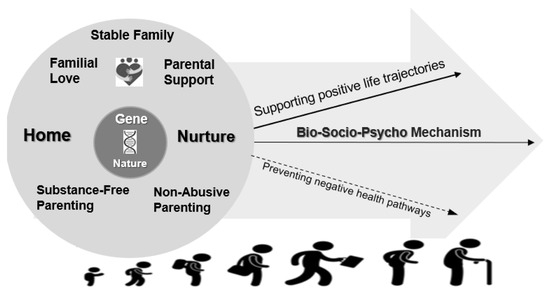
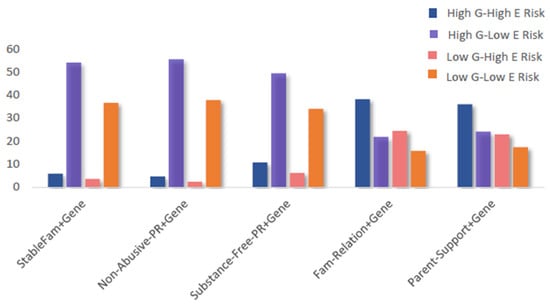
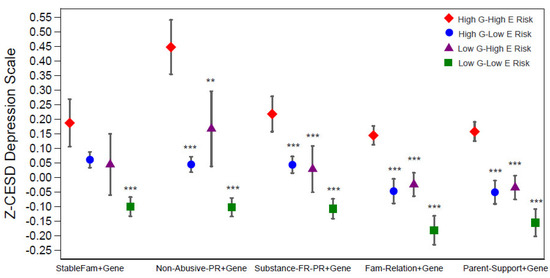
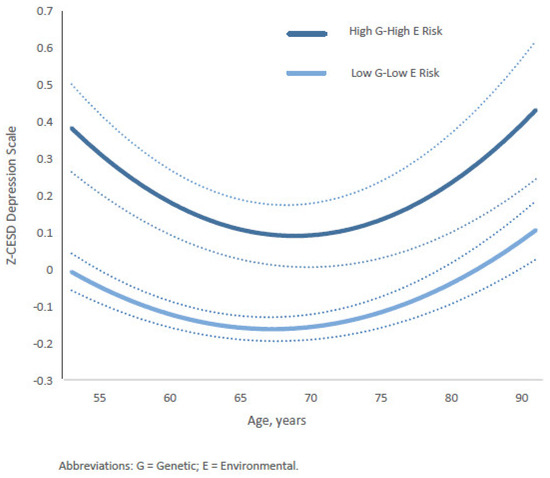
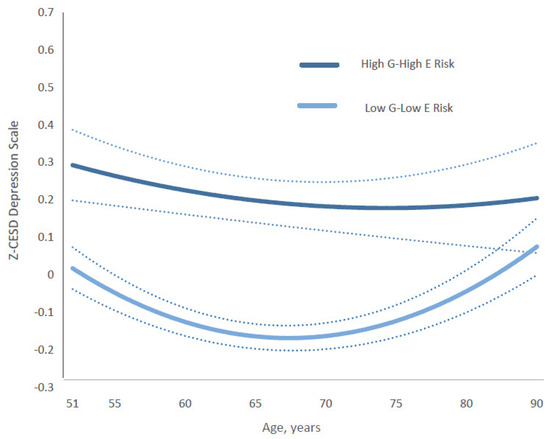
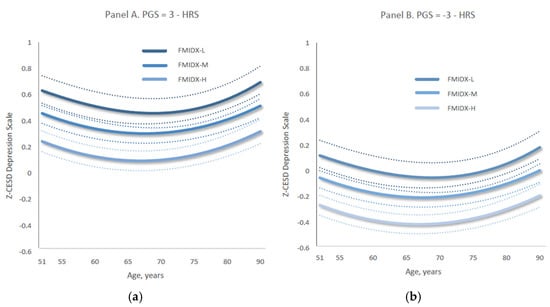
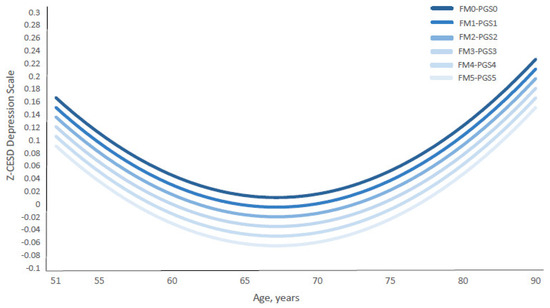
Depression is one of the most prevalent mental health conditions in middle and late adulthood, contributing substantially to morbidity, mortality, and reduced quality of life. However, limited research has examined the mechanisms linking genetic predisposition and early protective environments to long-term mental health trajectories. Guided by a life course health development perspective, this study investigated how depression polygenic scores (G) and protective childhood family environments (E) interplay to shape depressive symptom trajectories from mid- to late adulthood. We analyzed longitudinal data of 14 waves from the Health and Retirement Study (1994–2020; N = 4817), estimating linear mixed-effects models of depressive symptoms using the validated CES-D scale. Early protective environments were measured by indicators of family structure stability, non-abusive and substance-free parenting, positive parent–child relationships, and parental support. Results showed that genetic predisposition and protective family environments jointly influence depression trajectories across the life course. Specifically, individuals with both low genetic risk and high environmental protection had the lowest depressive symptoms over time. Importantly, when only one favorable factor was present, protective family environments offered a stronger lifelong benefit than low genetic risk. These findings extend prior research by demonstrating that supportive childhood environments can mitigate genetic vulnerability, shaping healthier long-term mental health trajectories. This work underscores the need for early family-based interventions to reduce depression risk, enhance resilience, and promote longevity.
Full article

Figure 1

Open AccessArticle
Married Men’s Coresidence with Parents or In-Laws and Later Life Mortality
by
Leora Lawton
Populations 2025, 1(3), 21; https://doi.org/10.3390/populations1030021 - 22 Sep 2025
Abstract
►▼
Show Figures
Mortality studies comparing married men to never-married or formerly married men have consistently found that married men have a noticeable mortality advantage. This paper takes a novel perspective—examining mortality outcomes from the perspective of married men only and comparing those who coreside with
[...] Read more.
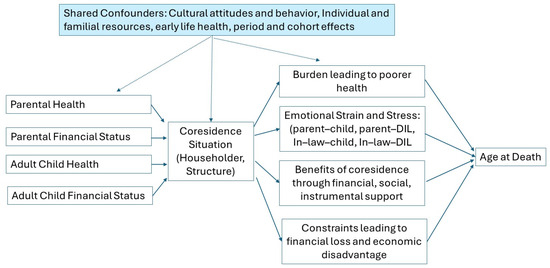
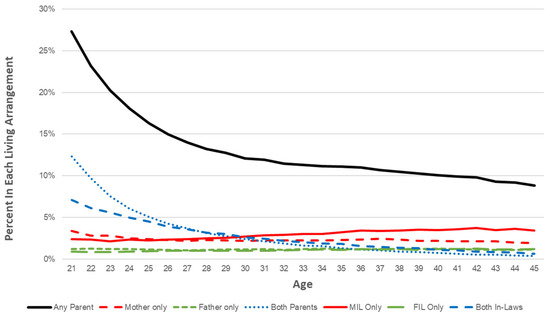
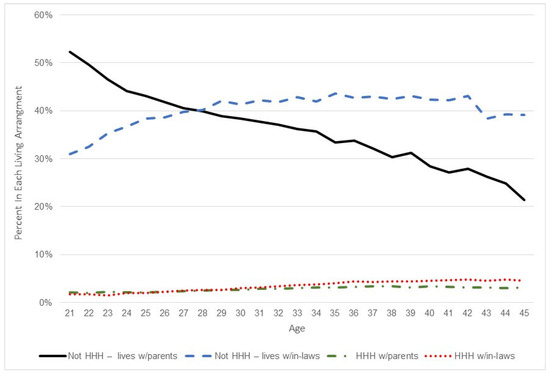
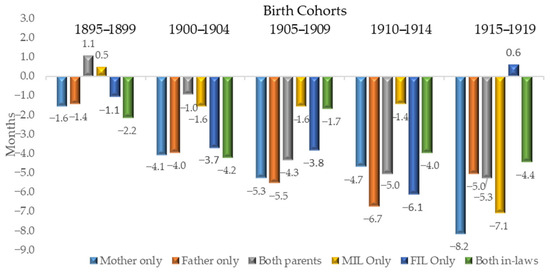
Mortality studies comparing married men to never-married or formerly married men have consistently found that married men have a noticeable mortality advantage. This paper takes a novel perspective—examining mortality outcomes from the perspective of married men only and comparing those who coreside with any parents, in-laws, or their spouse only. The analyses use CenSoc data set, consisting of the 1940 Full Count United States Census linked to the Social Security Administration Death Master Files and includes 1.7 million married men between the ages of 21 and 45 years old residing with their spouse, and who died between 1975 and 2005. The results show that married men who live with only a spouse but no parental generations have an older age at death, and being a household head has an additional advantage. Living with either or both of their parents is associated with a reduction in life of 4 months, or 2 months for those who live with their in-laws. The conclusion reached is that longevity is associated with the possible burden of living with one’s parents, coupled with the reasons that may have led to the particular living arrangement. The effect of coresidence is, in turn, filtered through expectations about intergenerational relationships and norms regarding coresidence. The coresidence experience can become part of a trajectory, leading to declines in longevity.
Full article

Figure 1
Open AccessArticle
Supporting Immigrant and Refugee Children Through Asset-Based Community Programming
by
Lan Kolano, Stella Kim, Anna Sanczyk-Cruz and Taryn Greene
Populations 2025, 1(3), 20; https://doi.org/10.3390/populations1030020 - 16 Sep 2025
Abstract
Providing culturally responsive, trauma-informed afterschool programming is a promising intervention to promote the adjustment, educational achievement, and well-being of newly arrived refugee and immigrant children. Connecting Communities and Multilingual Learners (CCML) is a local nonprofit organization in the Southeastern part of the United
[...] Read more.
Providing culturally responsive, trauma-informed afterschool programming is a promising intervention to promote the adjustment, educational achievement, and well-being of newly arrived refugee and immigrant children. Connecting Communities and Multilingual Learners (CCML) is a local nonprofit organization in the Southeastern part of the United States that provides this type of programming to newly arrived families. To better understand their impact on children, CCML aimed to examine its model of programming via a mixed methods, strengths-focused evaluation. Evaluation efforts focused on describing the effects of the program on children at CCML’s flagship site in a robust urban center. Data were collected from students and facilitators at two times (beginning and end of the year) over one academic school year. Results revealed that CCML supported students’ socio-emotional well-being, English language acquisition, and cultural pride in positive and sustaining ways. Evidence from this study suggests that culturally responsive and trauma-informed programs offer promising, adaptable models for addressing the evolving needs of newly arrived refugee and immigrant youth in diverse community contexts.
Full article
Highly Accessed Articles
Latest Books
E-Mail Alert
News
Topics