Therapeutic Agents for Neurological Disorders

A topical collection in Pharmaceuticals (ISSN 1424-8247). This collection belongs to the section "Pharmacology".

Viewed by 2296

Editor


E-Mail Website
Collection Editor
Neuroscience, School of Medical Sciences, Faculty of Medicine and Health, The University of Sydney, Camperdown, NSW 2006, Australia
Interests: neurodegenerative diseases; Alzheimer’s disease; dementia; cell biology; molecular biology; ageing; therapeutics
Special Issues, Collections and Topics in MDPI journals

Topical Collection Information

Dear Colleagues,

Neurological disorders are disabling conditions that encompass, but are not limited to, cerebrovascular diseases, epilepsy, dementias (Alzheimer’s, frontotemporal and others), multiple sclerosis, movement disorders (Parkinson’s, amyotrophic lateral sclerosis and others), brain tumors and neuroinfections, amongst other issues. Globally, neurological disorders are the leading cause of disability-adjusted life years (DALYs). The absolute number of deaths and DALYs from all neurological disorders combined has increased significantly in the last decade. These findings outline an impending epidemic that requires urgent attention. Treatments for neurological disorders are challenging, but numerous advancements have been made in identifying mechanisms and delineating the pathways underlying these diseases. Advances in technologies that garner information from the fields of bioinformatics and next-generation and whole-genome sequencing have added invaluable support in identifying "culprit" genes and proteins. Using this information, scientists and clinicians have ventured into areas previously deemed "fiction". From brain-controlled, non-invasive muscle stimulators that help paraplegics walk to the editing of the CEP290 gene in individuals with Leber congenital amaurosis 10 (LCA10), as well as a plethora of therapies in between, biomedicine has made giant leaps in just over two decades. This Topical Collection aims to draw together research from experts in the field that highlight therapeutic agents and strategies, helping to identify future directions that will lead to discoveries and therapies for neurological disorders.

Dr. Damian Holsinger
Collection Editor

Manuscript Submission Information

Manuscripts should be submitted online at www.mdpi.com by registering and logging in to this website. Once you are registered, click here to go to the submission form. All submissions that pass pre-check are peer-reviewed. Accepted papers will be published continuously in the journal (as soon as accepted) and will be listed together on the collection website. Research articles, review articles as well as short communications are invited. For planned papers, a title and short abstract (about 250 words) can be sent to the Editorial Office for assessment.

Submitted manuscripts should not have been published previously, nor be under consideration for publication elsewhere (except conference proceedings papers). All manuscripts are thoroughly refereed through a single-blind peer-review process. A guide for authors and other relevant information for submission of manuscripts is available on the Instructions for Authors page. Pharmaceuticals is an international peer-reviewed open access monthly journal published by MDPI.

Please visit the Instructions for Authors page before submitting a manuscript. The Article Processing Charge (APC) for publication in this open access journal is 2900 CHF (Swiss Francs). Submitted papers should be well formatted and use good English. Authors may use MDPI's English editing service prior to publication or during author revisions.

Keywords

  • neurodegeneration
  • brain injury
  • spinal cord injury
  • neurodevelopmental disorders
  • nerve repair
  • brain tumors
  • neuromodulation
  • neuroinflammation

Published Papers (1 paper)

2026

31 pages, 3576 KB  
Article
Stratified Therapeutic Drug Monitoring Could Potentially Improve the Efficacy and Safety of Oxcarbazepine in Children with Epilepsy: Novel Insights from a Single-Center, Large-Sample, Retrospective Real-World Study
by Yi-Jing Liu, Xi-Li Sun, Yue Li, Xiao-Peng Lu, Chun-Feng Wu, Hu Guo and Feng Chen
Pharmaceuticals 2026, 19(3), 415; https://doi.org/10.3390/ph19030415 - 3 Mar 2026
Viewed by 920
Abstract
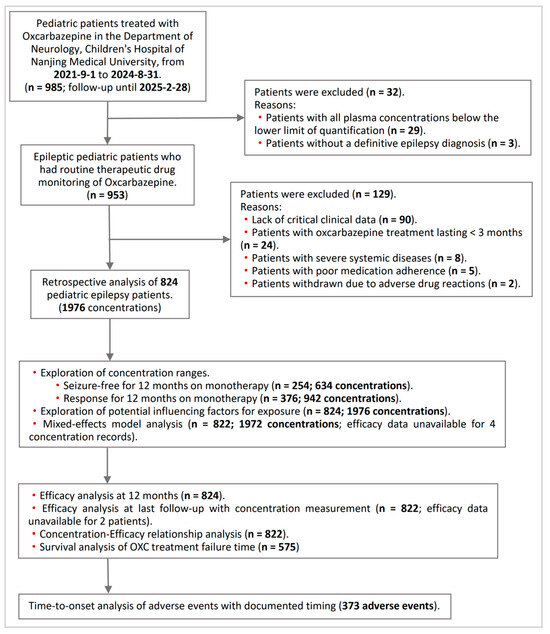
Objective: This study aimed to characterize the population exposure, efficacy, and safety profiles of oxcarbazepine (OXC) in Chinese children with epilepsy using real-world data, define its optimal therapeutic range, and inform individualized therapy. Methods: This single-center retrospective cohort study included pediatric [...] Read more.
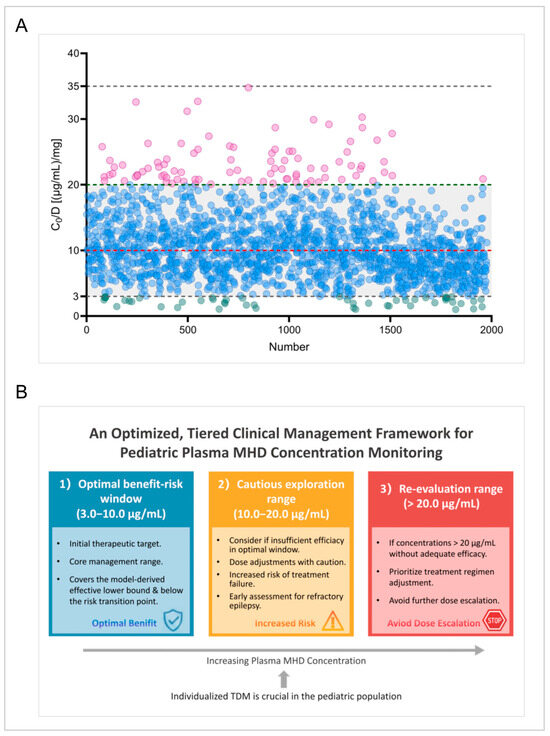
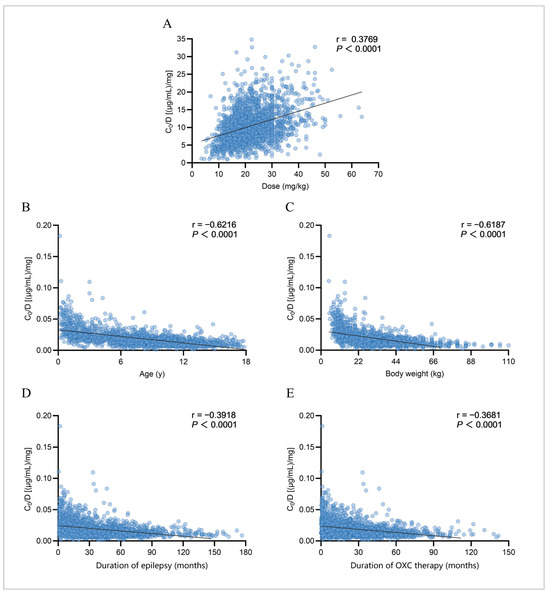
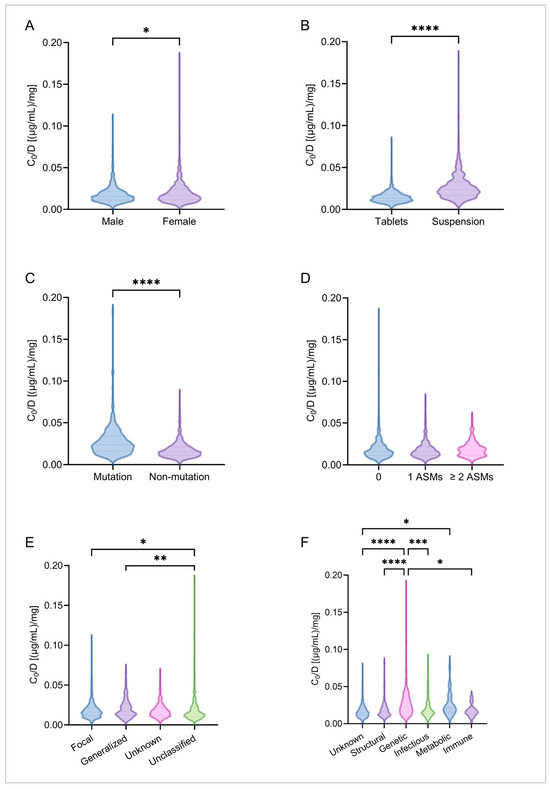
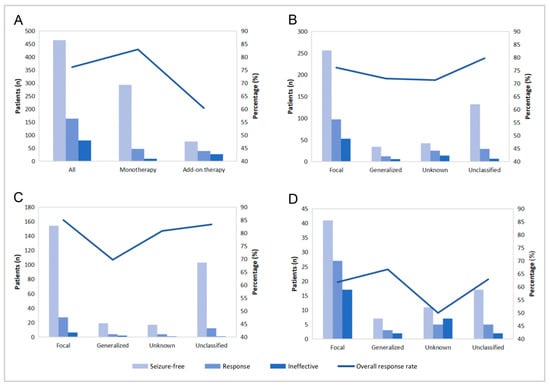
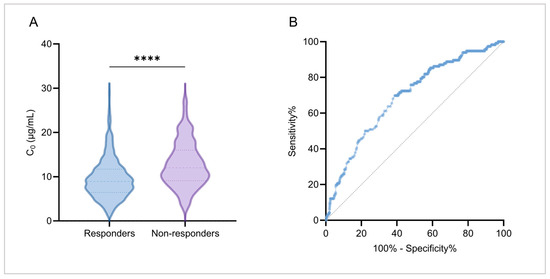
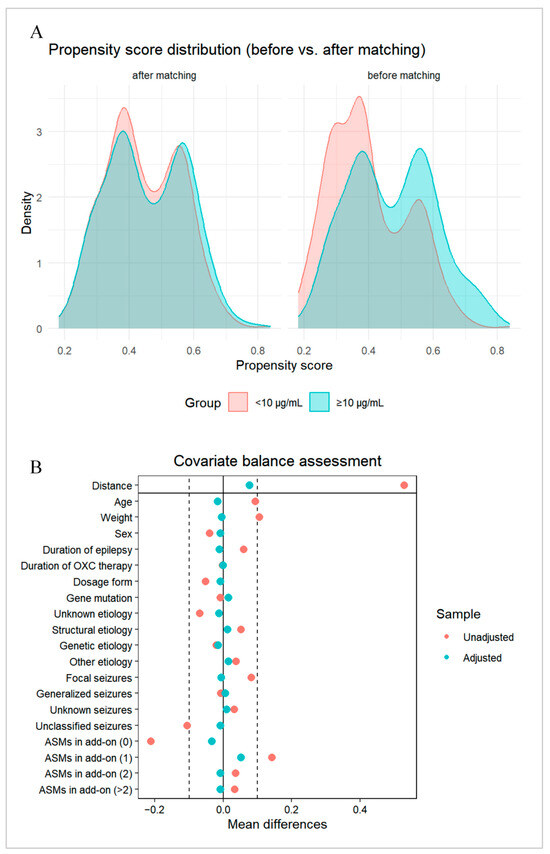
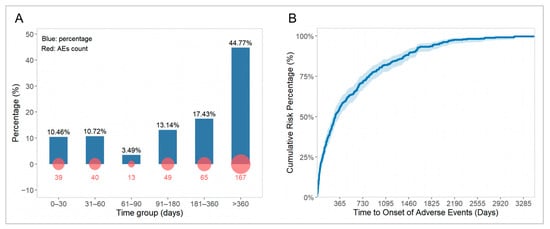
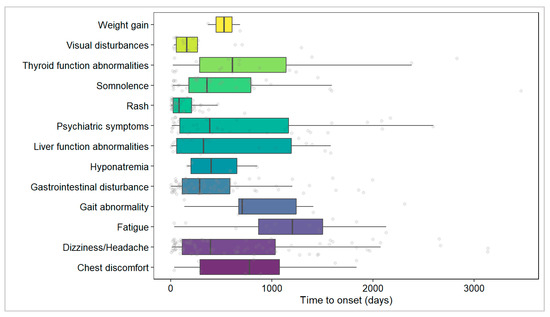
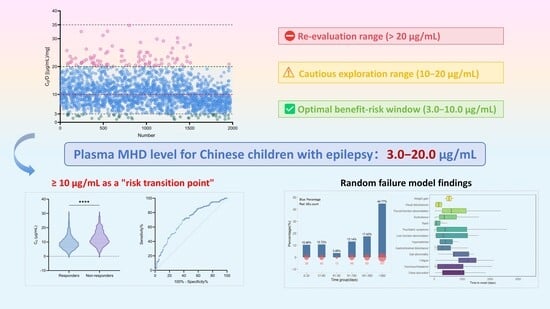
Objective: This study aimed to characterize the population exposure, efficacy, and safety profiles of oxcarbazepine (OXC) in Chinese children with epilepsy using real-world data, define its optimal therapeutic range, and inform individualized therapy. Methods: This single-center retrospective cohort study included pediatric patients (<18 years) who received OXC therapy between September 2021 and August 2024, with follow-up continuing until February 2025. The concentration of the active metabolite 10,11-dihydro-10-hydroxycarbamazepine (MHD) in plasma was monitored. A mixed-effects model identified factors influencing MHD exposure. Logistic regression and Cox proportional hazards models were used to analyze the concentration–efficacy relationship, while Kaplan–Meier and time-to-onset analyses were performed to characterize adverse events. Results: Among 824 included patients (1976 concentration samples), body weight, age, treatment duration, and epilepsy type significantly influenced MHD’s exposure levels. The 12-month overall response rate was higher in monotherapy than add-on therapy (82.9% vs. 60.4%). A plasma MHD concentration ≥ 10 μg/mL was identified as a critical “risk transition point” for treatment failure (PSM-adjusted OR = 2.42, p < 0.001). Multivariate logistic analysis confirmed higher concentrations, specific etiologies, and polytherapy as risk factors for inefficacy. Cox regression further revealed that concentrations ≥ 10 μg/mL and specific etiologies were predictors of reduced long-term treatment persistence. Adverse events occurred in 30.5% of patients; for most, the risk did not change over time. Conclusions: This study tentatively proposed a therapeutic reference range (3.0–20.0 µg/mL) of MHD for Chinese children with epilepsy and identified a concentration ≥ 10 μg/mL as a “risk transition point”. The findings provide practical, evidence-based insights for tailoring OXC therapy and managing potential risks. Full article
Show Figures

Graphical abstract

Back to TopTop