Exclusive Papers from the Editorial Board Members (EBMs) of Neurology International
Share This Topical Collection
Editor
 Prof. Dr. Junji Yamauchi
Prof. Dr. Junji Yamauchi
E-Mail
Website
Collection Editor
1. Laboratory of Molecular Neurology, Tokyo University of Pharmacy and Life Sciences, Tokyo, Japan
2. Department of Pharmacology, National Research Institute for Child Health and Development, Tokyo, Japan
Interests: molecular mechanisms underlying myelination and demyelination; molecular and cellular therapeutic procedures for Charcot–Marie–Tooth diseases; Pelizaeus–Merzbacher disease and hypomyelinating leukodystrophies; frontotemporal dementia
Special Issues, Collections and Topics in MDPI journals
Topical Collection Information
Dear Colleagues,
As the Editor in Chief of Neurology International, I am pleased to announce the creation of a Topical Collection titled “Exclusive Papers from the Editorial Board Members (EBMs) of Neurology International”. This will be a collection of high-quality research works of the Editorial Board Members of Neurology International. The aim of this Topical Collection is to provide a platform for networking and communication between members of this journal and scholars in its related field.
We welcome both original research articles and comprehensive review papers that address current critical issues in the field, which are grounded in sound science, and which provide authoritative commentaries, as well as those presenting novel concepts. All manuscripts will be published and made fully open access following successful peer review.
Prof. Dr. Junji Yamauchi
Collection Editor
Manuscript Submission Information
Manuscripts should be submitted online at www.mdpi.com by registering and logging in to this website. Once you are registered, click here to go to the submission form. All submissions that pass pre-check are peer-reviewed. Accepted papers will be published continuously in the journal (as soon as accepted) and will be listed together on the collection website. Research articles, review articles as well as short communications are invited. For planned papers, a title and short abstract (about 250 words) can be sent to the Editorial Office for assessment.
Submitted manuscripts should not have been published previously, nor be under consideration for publication elsewhere (except conference proceedings papers). All manuscripts are thoroughly refereed through a single-blind peer-review process. A guide for authors and other relevant information for submission of manuscripts is available on the Instructions for Authors page. Neurology International is an international peer-reviewed open access monthly journal published by MDPI.
Please visit the Instructions for Authors page before submitting a manuscript.
The Article Processing Charge (APC) for publication in this open access journal is 1800 CHF (Swiss Francs).
Submitted papers should be well formatted and use good English. Authors may use MDPI's
English editing service prior to publication or during author revisions.
Keywords
- stroke
- multiple sclerosis
- movement disorders
- neurooncology epilepsy
- neurorehabilitation
- neurointensive care
- neuroinfectious disorders
- neurometabolic disorders
- headache
- other neurological pain syndromes
- sleep disorders
- traumatic disorders
- neuropathies
- cognition
- neurobehavior
- neurosurgery
Published Papers (8 papers)
Open AccessArticle
Hungarian Validation of the Individualized Neuromuscular Quality-of-Life Questionnaire (INQoL) in Adult Patients with Muscular Diseases
by
Brigitta Ruszin-Perecz, Réka Héjas, Alexandra Makai, Nándor Hajdu, Dalma Jedlicska, Bence Ruszin-Perecz, Andrea Sipos, Endre Pál and Dávid Varga
Viewed by 248
Abstract
Background/Objectives: The Individualized Neuromuscular Quality-of-Life Questionnaire (INQoL) is a widely used measure of quality of life in patients with various neuromuscular diseases. This study aimed to adapt and test the validity and reliability of this measure in Hungarian patients with neuromuscular disease.
[...] Read more.
Background/Objectives: The Individualized Neuromuscular Quality-of-Life Questionnaire (INQoL) is a widely used measure of quality of life in patients with various neuromuscular diseases. This study aimed to adapt and test the validity and reliability of this measure in Hungarian patients with neuromuscular disease. Methods: According to the widely accepted method of validation, we first translated the original INQoL version into Hungarian, and then a native English speaker translated it back into English to test its validity. Following a pretest procedure, the INQoL was administered to 80 patients with various muscular diseases and 30 age-matched controls. The internal consistency and test–retest reliability were assessed. Concurrent validity was measured using the 36-item Short Form Survey (SF-36) questionnaire. Results: For all INQoL subscales, Cronbach’s alpha was above 0.7, demonstrating the reliability of the subscales. The highest Cronbach alpha value was for the Weakness subscale (0.983) and the lowest for the Treatment subscale (0.794). The intraclass correlation coefficient test values ranged from 0.810 (Treatment) to 0.988 (Pain), indicating excellent test–retest reliability. There was a strong correlation between the SF-36 Physical Function and multiple INQoL subscales, including Weakness (r = 0.754,
p < 0.001), Fatigue (r = 0.704,
p < 0.001), Activities (r = 0.744)
p < 0.001, Independence (r = 0.791
p < 0.001), Body Image (r = 0.714
p < 0.001), and overall Quality of Life (r = 0.742
p < 0.001). Conclusions: Our findings indicate that the Hungarian-language adaptation of the questionnaire possesses adequate reliability and construct validity for assessing the quality of life in patients with muscular disorders.
Full article
Open AccessReview
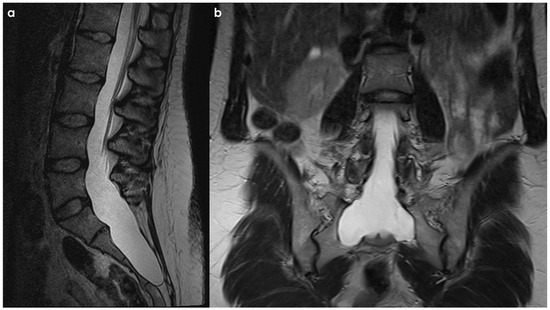
Duropathies as Unifying Concept—Part Two: A Narrative Overview of Clinical and Neuroradiological Features
by
Marialuisa Zedde, Luigi Cirillo, Elisa Francesca Maria Ciceri, Nicola Limbucci, Mario Muto, Mauro Bergui, Francesco Causin and Rosario Pascarella
Viewed by 670
Abstract
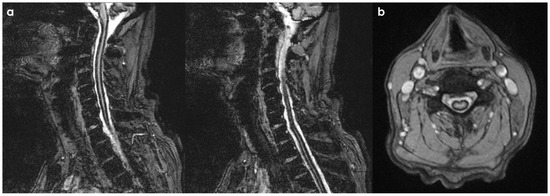
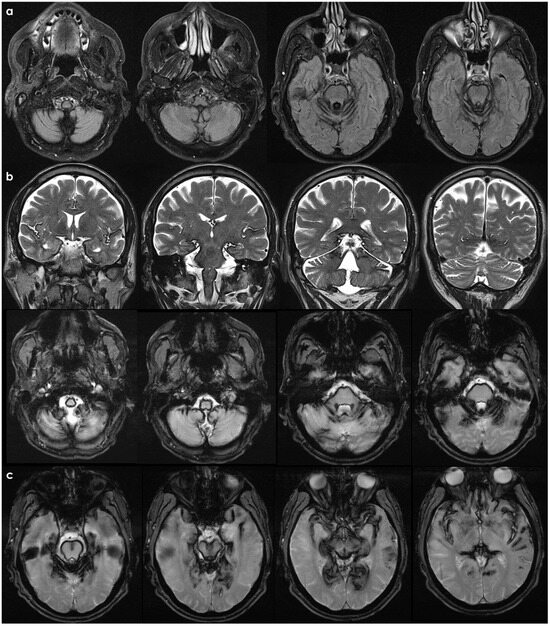
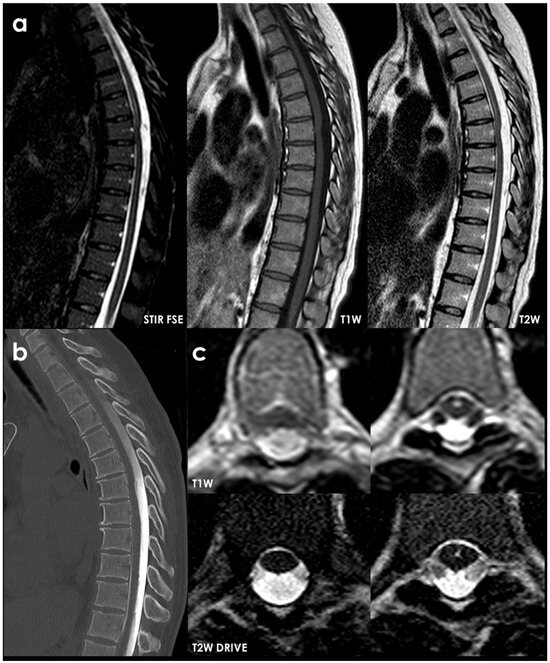
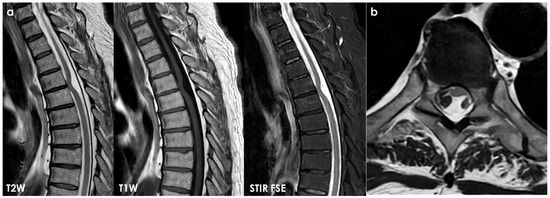
Duropathies represent a spectrum of disorders associated with spinal dural tears and cerebrospinal fluid (CSF) leaks. Diagnosis and treatment is often complicated by overlapping clinical manifestations. This review aims to synthesize current literature on duropathies, focusing on their clinical, neuroradiological, and pathophysiological features.
[...] Read more.
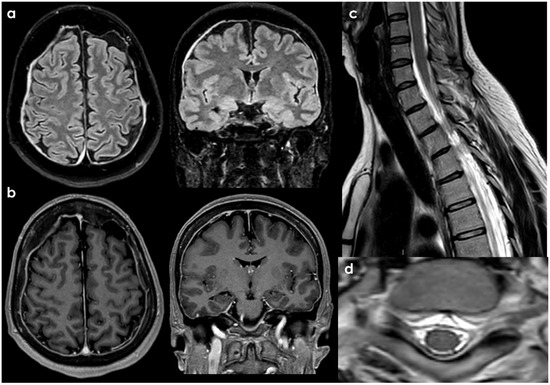
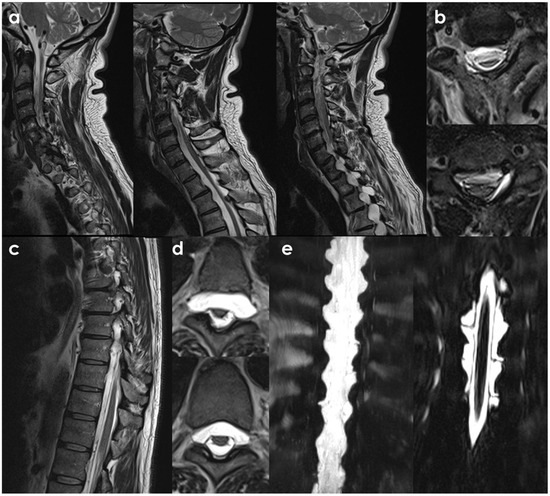
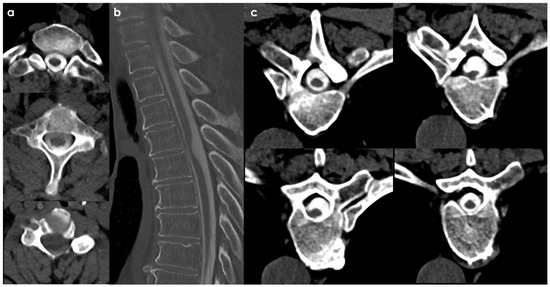
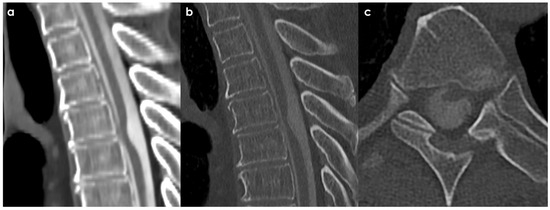
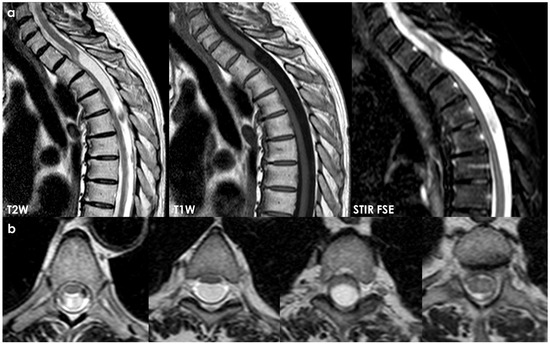
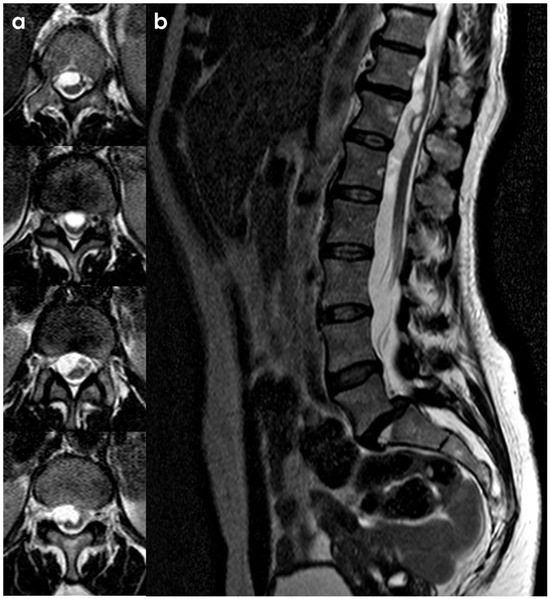
Duropathies represent a spectrum of disorders associated with spinal dural tears and cerebrospinal fluid (CSF) leaks. Diagnosis and treatment is often complicated by overlapping clinical manifestations. This review aims to synthesize current literature on duropathies, focusing on their clinical, neuroradiological, and pathophysiological features. A comprehensive literature review was conducted, analyzing various conditions classified as duropathies, including spontaneous intracranial hypotension (SIH), superficial siderosis (SS), spinal cord herniation, and, as added issue, arachnoid webs. The review emphasized the importance of imaging techniques such as MRI and CT myelography in diagnosing these conditions. Duropathies can arise from congenital anomalies, trauma, and degenerative changes, with SIH being characterized by orthostatic headaches and neurological deficits. Imaging typically reveals specific patterns, such as a widened dorsal subarachnoid space and ventral displacement of the spinal cord. Syringomyelia was frequently associated with arachnoid webs, and complications like SS and bibrachial amyotrophy were noted in patients with persistent ventral spinal CSF leaks. The unifying concept of duropathies is proposed, emphasizing the need for timely intervention to mitigate long-term neurological consequences. Enhanced diagnostic strategies are crucial for improving patient outcomes, and a multidisciplinary approach is recommended for the management of these complex disorders. Further research is warranted to clarify the pathophysiological mechanisms underlying duropathies and to establish standardized treatment protocols.
Full article
►▼
Show Figures
Open AccessReview
No New Relevant Treatment Options for L-DOPA-Induced Dyskinesia from a Clinician’s Point of View
by
Thomas Müller
Viewed by 647
Abstract
Background: The term dyskinesia describes involuntary movements of the face, body and extremities. Frequently, they appear following and in relation with prior oral long-lasting and high-dose levodopa therapy in Parkinson’s disease patients. Onset of these motion sequences causes patient distress and caregiver embarrassment
[...] Read more.
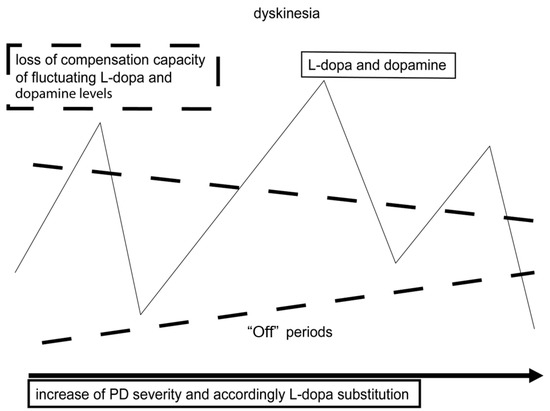
Background: The term dyskinesia describes involuntary movements of the face, body and extremities. Frequently, they appear following and in relation with prior oral long-lasting and high-dose levodopa therapy in Parkinson’s disease patients. Onset of these motion sequences causes patient distress and caregiver embarrassment with declined quality of life. Continuity of nigrostriatal postsynaptic dopamine receptor stimulation delays occurrence of dyskinesia. A pulsatile pattern with temporary too high dopamine receptor excitation promotes manifestation of dyskinesia. Methods: This narrative review describes past pharmacologic approaches for therapy of dyskinesia, such as the principle of continuous dopamine receptor stimulation. Discussion and Conclusions: Novel concepts were tested. They influenced neurotransmission of serotonin and altered stimulation of dopamine receptor subtypes. The translation of successful experimental research outcomes into valuable clinical trial results with consecutive approval of drugs with a new mode of action under the indication “antidyskinetic” repeatedly failed. An exception is the open-channel blocker of the N-methyl-D-aspartate receptor and dopamine reuptake inhibitor amantadine with its moderate dyskinesia-reducing effects, particularly in its extended-release formulation. This antiviral compound also improves impaired motor behavior and reduces “OFF” intervals. Therefore, amantadine is currently experiencing a certain resurgence in regions where its extended-release formulations are marketed for therapy of levodopa-induced dyskinesia.
Full article
►▼
Show Figures
Open AccessSystematic Review
Effectiveness of Music Therapy with Personalized Rhythmic Auditory Stimulation Plus Music-Contingent Gait Training in Patients with Parkinson’s Disease: A Systematic Review
by
Andrea Demeco, Rosa Cristina Bruno, Raffaele Bonfiglio, Lorenzo Mancini, Federica Pisani, Lorenzo Scozzafava, Chiara Conte, Antonio Ammendolia, Alessandro de Sire and Nicola Marotta
Viewed by 1284
Abstract
Background: Parkinson’s disease (PD) is characterized by motor disturbances that significantly impact balance, gait, and quality of life. Personalized Rhythmic Auditory Stimulation (pRAS) is an emerging rehabilitative approach that utilizes auditory entrainment to improve step and gait control. The aim of this
[...] Read more.
Background: Parkinson’s disease (PD) is characterized by motor disturbances that significantly impact balance, gait, and quality of life. Personalized Rhythmic Auditory Stimulation (pRAS) is an emerging rehabilitative approach that utilizes auditory entrainment to improve step and gait control. The aim of this systematic review is to critically summarize the data from the most recent evidence concerning the use of pRAS in gait rehabilitation for patients with Parkinson’s disease.
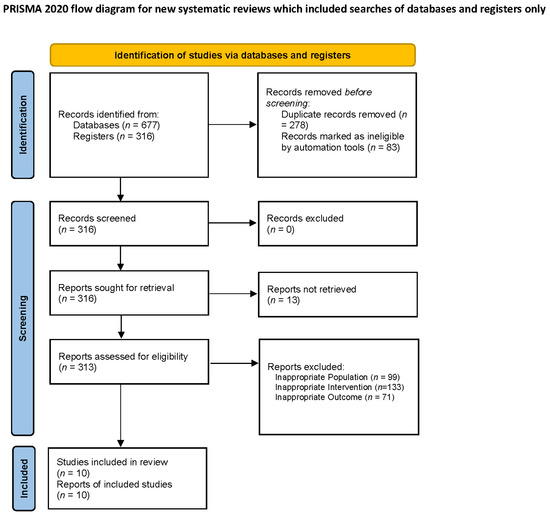
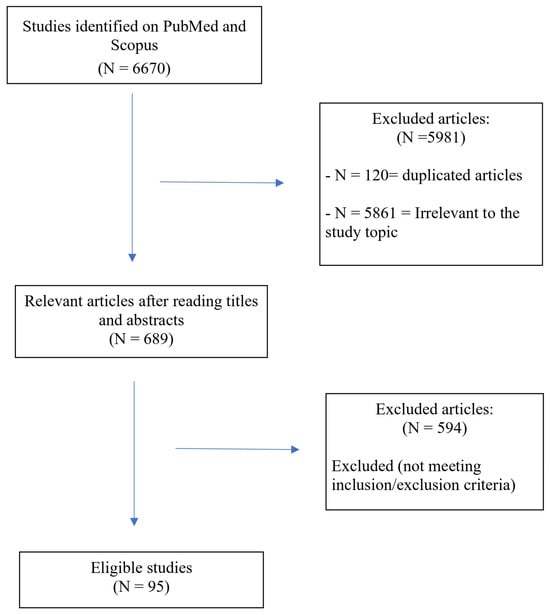
Methods: A systematic review was conducted following PRISMA guidelines, including records that evaluated music-based or technological interventions based on personalized RAS. Primary outcomes included spatiotemporal gait parameters and distance covered.
Results: Ten studies were included in the analysis. All the studies reported clinically relevant improvements: increases in gait speed, step length, and amplitude. Moreover, a reduction in freezing of gait episodes (up to 36%), greater walking distance, and good adherence were reported.
Conclusions: Personalized, adaptive, or on-demand solutions proved more effective than traditional forms of cueing. Moreover, the available evidence suggests that pRAS constitutes an effective and safe rehabilitative option for gait disturbances in PD. However, further studies with larger sample sizes and prolonged follow-up periods are necessary to evaluate its long-term impact and transferability into clinical practice.
Full article
►▼
Show Figures
Open AccessReview
Ketogenic Strategies in Neonatal Hypoxic–Ischemic Encephalopathy—The Road to Opening Up: A Scoping Review
by
Raffaele Falsaperla, Vincenzo Sortino, Cristina Malaventura, Silvia Fanaro, Elisa Ballardini, Aloise Martina, Annamaria Sapuppo and Agnese Suppiej
Viewed by 998
Abstract
Background: Neonatal hypoxic–ischemic encephalopathy remains a leading cause of neonatal mortality and long-term neurodevelopmental disability worldwide. Despite the widespread adoption of therapeutic hypothermia, a substantial proportion of affected infants experience death or significant neurological impairment. Given their metabolic vulnerability, ketogenic diet strategies and
[...] Read more.
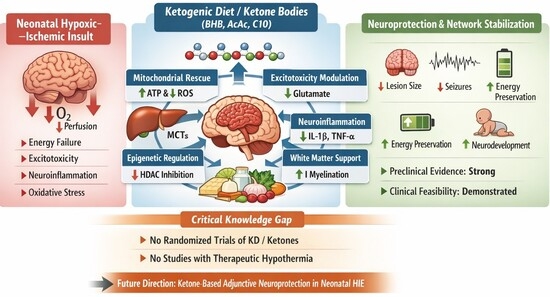
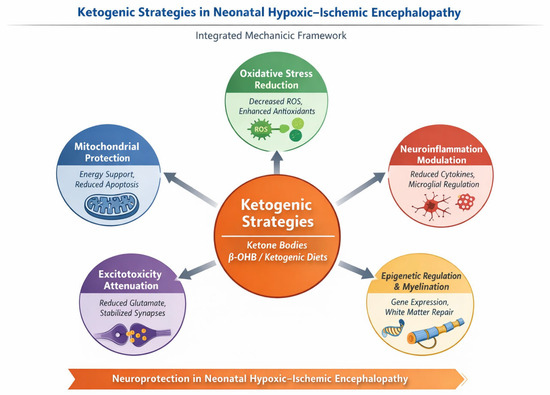
Background: Neonatal hypoxic–ischemic encephalopathy remains a leading cause of neonatal mortality and long-term neurodevelopmental disability worldwide. Despite the widespread adoption of therapeutic hypothermia, a substantial proportion of affected infants experience death or significant neurological impairment. Given their metabolic vulnerability, ketogenic diet strategies and ketone bodies have emerged as potential adjunctive neuroprotective interventions. This scoping review aims to critically evaluate the mechanistic rationale, preclinical evidence, and clinical feasibility of ketogenic approaches. Methods: A scoping review of the literature was conducted, including experimental and clinical studies investigating ketogenic diets, endogenous ketosis, and exogenous ketone supplementation in neonatal hypoxia–ischemia. Evidence was synthesized across mechanistic, preclinical, nutritional, and clinical domains, with particular attention to developmental context, timing of intervention, safety considerations, and translational relevance in the contest of therapeutic hypothermia. Results: Preclinical studies consistently demonstrate that ketone bodies enhance cerebral energy metabolism, support mitochondrial function, reduce excitotoxic signaling, and attenuate oxidative stress and neuroinflammation in the immature brain. Neonatal models show preferential utilization of β-hydroxybutyrate over glucose during hypoxic–ischemic stress, suggesting intrinsic metabolic advantages. Emerging evidence also supports potential long-term effects on epigenetic regulation and white matter development, although direct causal validation in neonatal HIE remains limited. Nutritional studies indicate that carefully monitored enteral and parenteral feeding is feasible in critically ill neonates, identifying a potential window for metabolic interventions. Conclusions: Ketogenic strategies represent a plausible, multimodal approach to targeting the metabolic and inflammatory sequelae of neonatal HIE. While current evidence is insufficient to support clinical implementation, this scoping review provides a hypothesis-generating framework to guide future translational research and the design of carefully controlled clinical trials in neonatal neurocritical care.
Full article
►▼
Show Figures
Open AccessArticle
Gut Microbiota Affects Mouse Social Behavior via Hippuric Acid Metabolism
by
Momona Tsukui, Sosuke Yagishita, Shinji Tokunaga, Shuji Wakatsuki and Toshiyuki Araki
Viewed by 1253
Abstract
Background/Objectives: Autism spectrum disorder (ASD) is a neurodevelopmental disorder typically characterized by impaired social communication. Previous reports have postulated gut microbiota to be an important non-genetic factor affecting ASD-like phenotypes in mice, as germ-free (GF) mice show impaired social communication. Results: In this
[...] Read more.
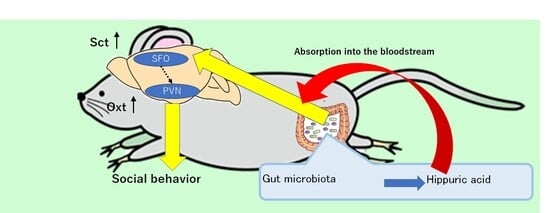
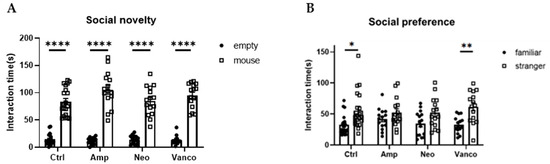
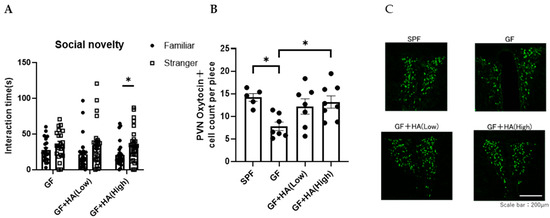
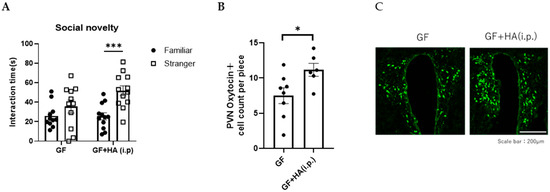
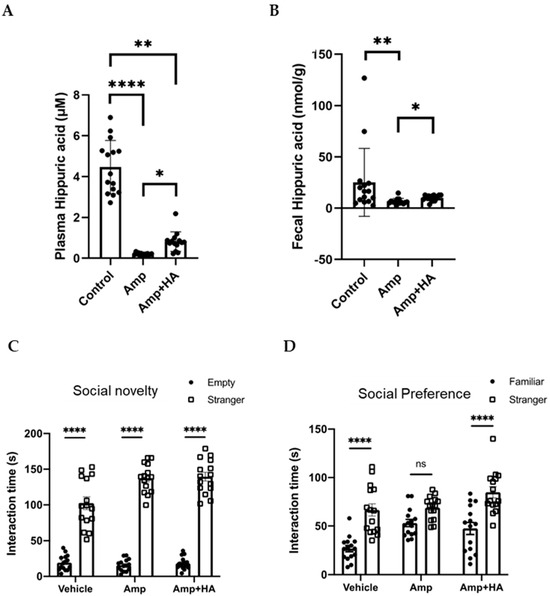
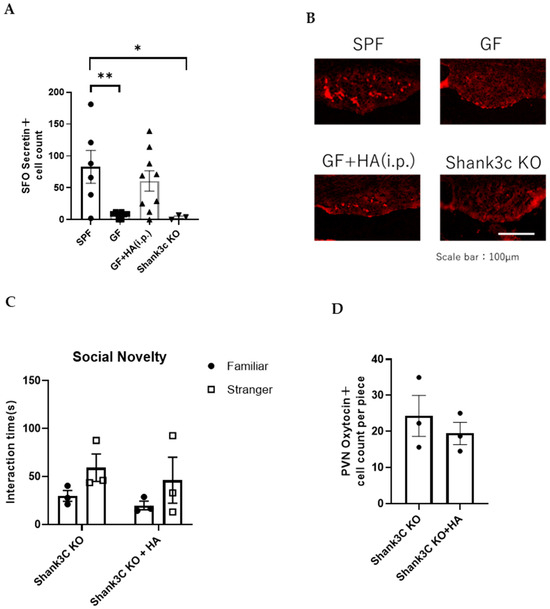
Background/Objectives: Autism spectrum disorder (ASD) is a neurodevelopmental disorder typically characterized by impaired social communication. Previous reports have postulated gut microbiota to be an important non-genetic factor affecting ASD-like phenotypes in mice, as germ-free (GF) mice show impaired social communication. Results: In this study, we identified hippuric acid (HA) as a metabolite generated via a gut microbiome-dependent mechanism that plays a role in the acquisition of social behavior during mouse development. We discovered that oral or intraperitoneal HA administration to GF mice normalizes their social behavior. Furthermore, HA administration restored oxytocin expression in the hypothalamic paraventricular nucleus and secretin expression in the subfornical organ, suggesting that HA may activate the secretin–oxytocin system to influence the social behavior of mice. Conclusions: These findings indicate that HA may serve as an important gut microbiome-dependent mediator affecting the brain mechanisms involved in regulating social behavior.
Full article
►▼
Show Figures
Open AccessArticle
The Effects of Co-Culturing ND7/23 Sensory Neuron-like Cells and IFRS1 Schwann Cells on Myelination: A Single-Arm Nonrandomized Study
by
Shizuka Takaku and Kazunori Sango
Viewed by 5354
Abstract
Background/Objectives: Co-culture models of neurons and Schwann cells have been used to explore the mechanisms of myelination during development, axonal regeneration after injury, and the pathogenesis of various demyelinating neuropathies. A spontaneously immortalized Fischer rat Schwann cell line 1 (IFRS1), established from
[...] Read more.
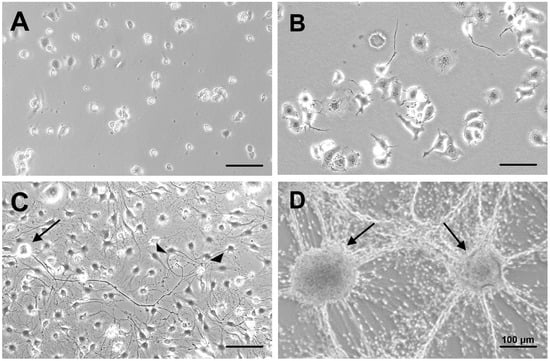
Background/Objectives: Co-culture models of neurons and Schwann cells have been used to explore the mechanisms of myelination during development, axonal regeneration after injury, and the pathogenesis of various demyelinating neuropathies. A spontaneously immortalized Fischer rat Schwann cell line 1 (IFRS1), established from the primary culture of adult Fischer344 rat peripheral nerves, can myelinate neurites in co-cultures with primary cultured dorsal root ganglion neurons and neuronal cell lines, such as nerve growth factor (NGF)-primed PC12 cells and NSC-34 motor neuron-like cells. In this study, we aimed to establish a stable co-culture system using IFRS1 cells and ND7/23 sensory neuron-like cells.
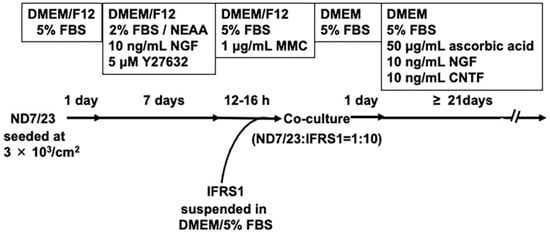
Methods: ND7/23 cells were seeded at a low density (2 × 10
3/cm
2) and maintained for 7 days in serum-containing medium supplemented with NGF (10 ng/mL) and the Rho kinase inhibitor Y27632 (5 μM) to promote neurite elongation. The cells were then treated with the anti-mitotic agent mitomycin C (1 μg/mL) for 12–16 h to suppress proliferative activity. Following this, the cells were co-cultured with IFRS1 cells (2 × 10
4/cm
2) and maintained at 37 °C in serum-containing medium supplemented with ascorbic acid (50 μg/mL), NGF (10 ng/mL), and ciliary neurotrophic factor (10 ng/mL).
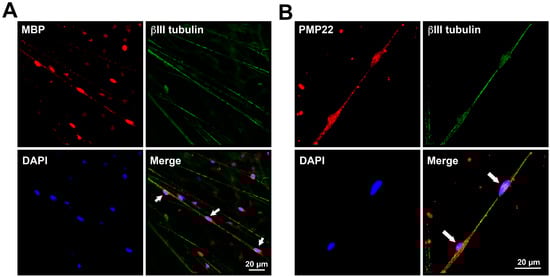
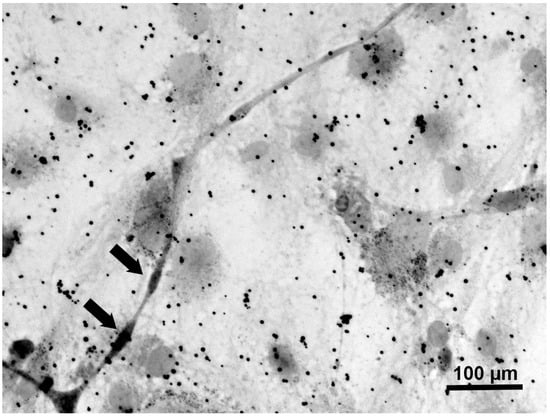
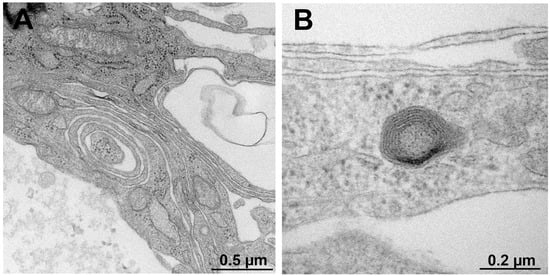
Results: Double-immunofluorescence staining performed on day 21 of the co-culture revealed myelin protein 22- or myelin basic protein-immunoreactive IFRS1 cells surrounding βIII tubulin-immunoreactive neurites emerging from ND7/23 cells. Myelin formation was further confirmed via Sudan Black B staining and electron microscopy.
Conclusions: This co-culture system may provide a valuable tool for studying the processes of myelination in the peripheral nervous system, as well as the pathogenesis of various sensory neuropathies and potential novel therapeutic approaches for these conditions.
Full article
►▼
Show Figures
Open AccessArticle
The Association of Axonal Damage Biomarkers and Osteopontin at Diagnosis Could Be Useful in Newly Diagnosed MS Patients
by
Eleonora Virgilio, Chiara Puricelli, Nausicaa Clemente, Valentina Ciampana, Ylenia Imperatore, Simona Perga, Sveva Stangalini, Elena Boggio, Alice Appiani, Casimiro Luca Gigliotti, Umberto Dianzani, Cristoforo Comi and Domizia Vecchio
Viewed by 1156
Abstract
(1) Background: Multiple sclerosis (MS) is a biologically highly heterogeneous disease and has poor predictability at diagnosis. Moreover, robust data indicate that early disease activity strongly correlates with future disability. Therefore, there is a need for strong and reliable biomarkers from diagnosis to
[...] Read more.
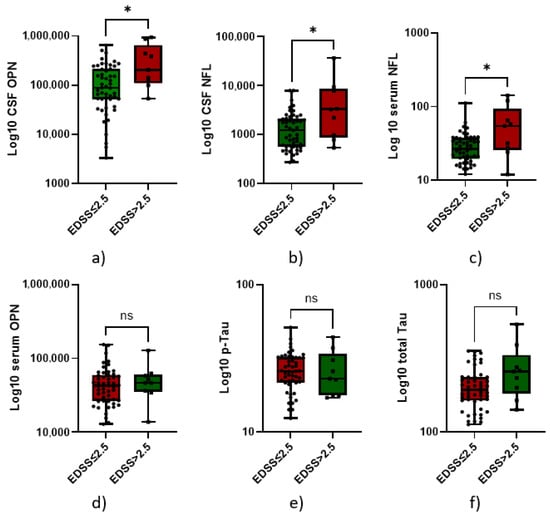
(1) Background: Multiple sclerosis (MS) is a biologically highly heterogeneous disease and has poor predictability at diagnosis. Moreover, robust data indicate that early disease activity strongly correlates with future disability. Therefore, there is a need for strong and reliable biomarkers from diagnosis to characterize and identify patients who require highly effective disease-modifying treatments (DMTs). Several biomarkers are promising, particularly neurofilament light chains (NFLs), but the relevance of others is less consolidated. (2) Methods: We evaluated a panel of axonal damage and inflammatory biomarkers in cerebrospinal fluid (CSF) and matched serum obtained from a cohort of 60 newly diagnosed MS patients. Disability at diagnosis, negative prognostic factors, and the initial DMT prescribed were carefully recorded. (3) Results: We observed correlations between different axonal biomarkers: CSF and serum NFL versus CSF total tau; and between the inflammatory marker osteopontin (OPN) and axonal biomarkers CSF p-Tau, CSF total tau, and serum NFL. CSF and serum NFL and total tau, as well as CSF OPN, positively correlated with EDSS at diagnosis. Moreover, CSF and serum NFL levels were increased in patients with gadolinium-enhancing lesions (
p = 0.01 and
p = 0.04, respectively) and in those treated with highly effective DMT (
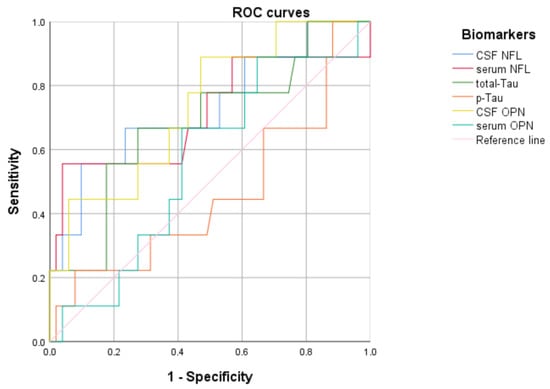
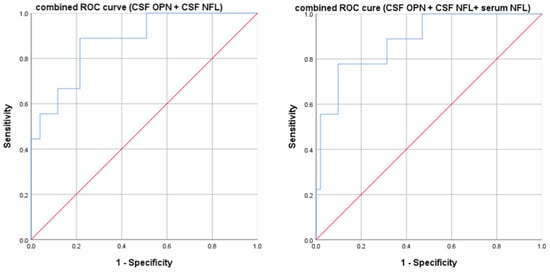
p = 0.049). Furthermore, CSF OPN and both CSF and serum NFL levels significantly differentiated patients based on EDSS, with a combined ROC AUC of 0.88. We calculated and internally validated biomarker (in particular serum NFL) thresholds that significantly identified patients with higher disability. Finally, CSF OPN levels and dissemination in the spinal cord were significant predictors of EDSS at diagnosis. (4) Conclusions: These preliminary exploratory data confirm the pathological interconnection between inflammation and axonal damage from early disease stages, contributing to early disability. Follow-up data, such as longitudinal disability scores, repeated serum measurements, a healthy control group, and external validation of our results, are needed. We suggest that combining several fluid biomarkers may improve the clinical characterization of patients.
Full article
►▼
Show Figures