Structure and Composition of Fossils

A topical collection in Minerals (ISSN 2075-163X). This collection belongs to the section "Biomineralization and Biominerals".

Viewed by 234

Editors


E-Mail Website
Collection Editor
Muséum National d’Histoire Naturelle, Biodiversité, 75005 Paris, France
Interests: biomineralization; mollusc shells; coral skeletons; bone and teeth; mineralogy; organic matrices; SEM; AFM; chromatography; electrophoresis; Infrared and Raman spectroscopy; XANES; electron microprobe; fossilization and diagenesis
Special Issues, Collections and Topics in MDPI journals

E-Mail Website
Collection Editor
Muséum National d’Histoire Naturelle, 75005 Paris, France
Interests: coral and shell growth-modes at the micrometer and infra-micrometer levels; microstructure and fossilization: fossils as environmental archives; microstructural development of the pearl layers: from early post-grafting stages to nacre biomineralization
Special Issues, Collections and Topics in MDPI journals

Topical Collection Information

Dear Colleagues,

A fossil is evidence of life preserved in a geologic context, including the preserved remains or traces of an animal, plant, or other organism from a past geologic age. The presence of biominerals in fossils has two main origins: (1) biogenic origin—biominerals were directly produced by the living organism (e.g., teeth or mollusk shells; (2) diagenetic changes resulting from modifications that occurred during the geological history of a preserved organism, as when a plant leaf becomes mineralized after its death.

A third category is the “living fossil”, when an organism is firstly known as fossil record and later discovered in living form.

Fossils are not rare in archaeological and geological sites, whatever the category. They are used for paleoenvironmental reconstructions, paleoclimatology, paleophysiology, and for phylogenetic purposes. Fossil shells and skeletons are also a source of inspiration to create new biomaterials.

Nevertheless, many questions remain regarding the factors that determine the formation, structure, and composition of both biogenic and diagenetic minerals. Consequently, this topical collection on the “Structure and Composition of Fossils” will feature recent advances and reviews related to research focusing on these mineral types.

Dr. Yannicke Dauphin
Dr. Jean-Pierre Cuif
Collection Editors

Manuscript Submission Information

Manuscripts should be submitted online at www.mdpi.com by registering and logging in to this website. Once you are registered, click here to go to the submission form. Manuscripts can be submitted until the deadline. All submissions that pass pre-check are peer-reviewed. Accepted papers will be published continuously in the journal (as soon as accepted) and will be listed together on the collection website. Research articles, review articles as well as short communications are invited. For planned papers, a title and short abstract (about 250 words) can be sent to the Editorial Office for assessment.

Submitted manuscripts should not have been published previously, nor be under consideration for publication elsewhere (except conference proceedings papers). All manuscripts are thoroughly refereed through a single-blind peer-review process. A guide for authors and other relevant information for submission of manuscripts is available on the Instructions for Authors page. Minerals is an international peer-reviewed open access monthly journal published by MDPI.

Please visit the Instructions for Authors page before submitting a manuscript. The Article Processing Charge (APC) for publication in this open access journal is 2400 CHF (Swiss Francs). Submitted papers should be well formatted and use good English. Authors may use MDPI's English editing service prior to publication or during author revisions.

Keywords

  • biomineralization
  • micro and nano-scales
  • mechanical property
  • bioinspired mineralization
  • analytical characterization techniques
  • experimental fossilisation

Published Papers (1 paper)

2025

44 pages, 21162 KB  
Article
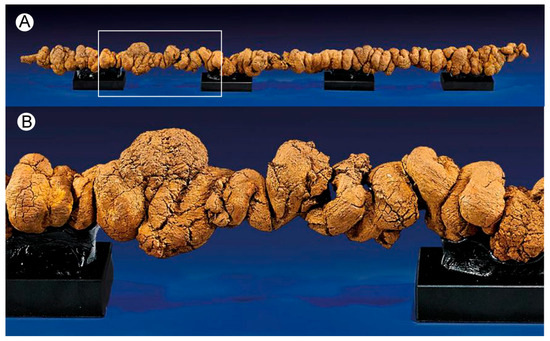
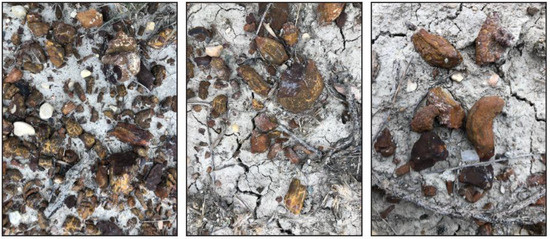
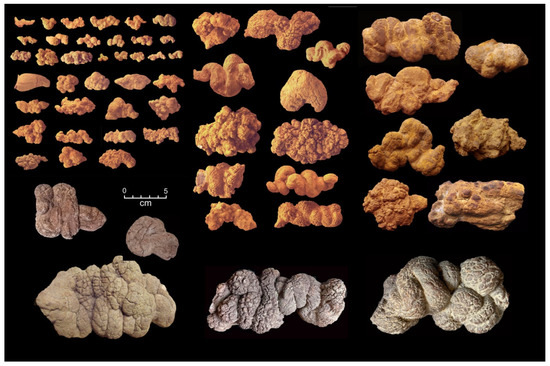
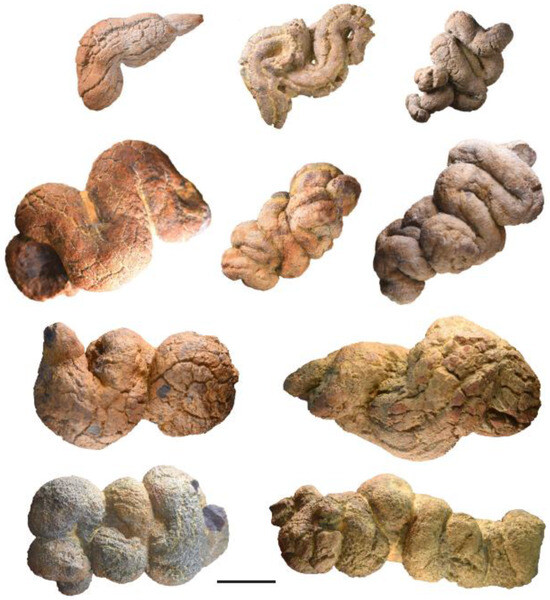
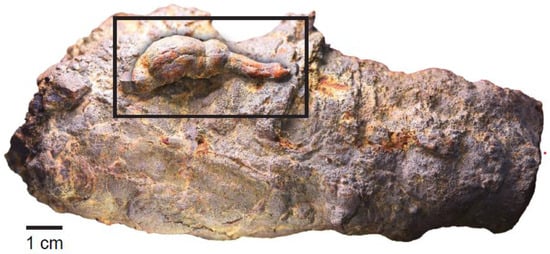
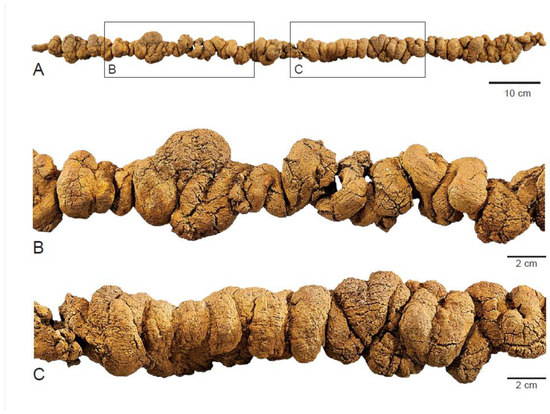
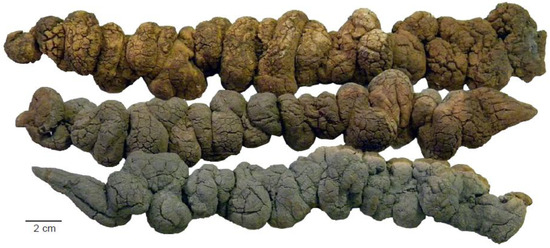
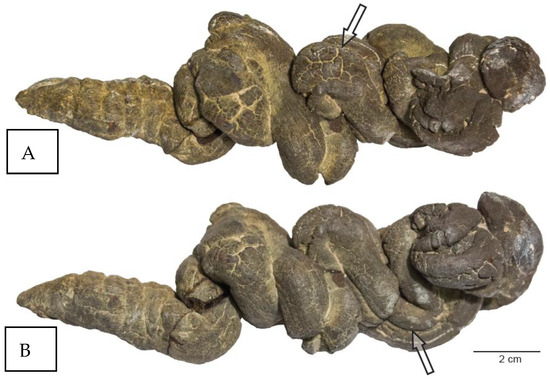
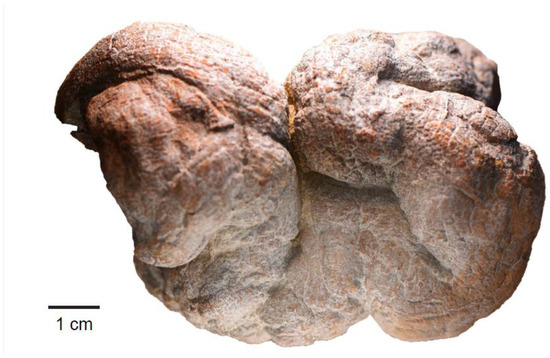
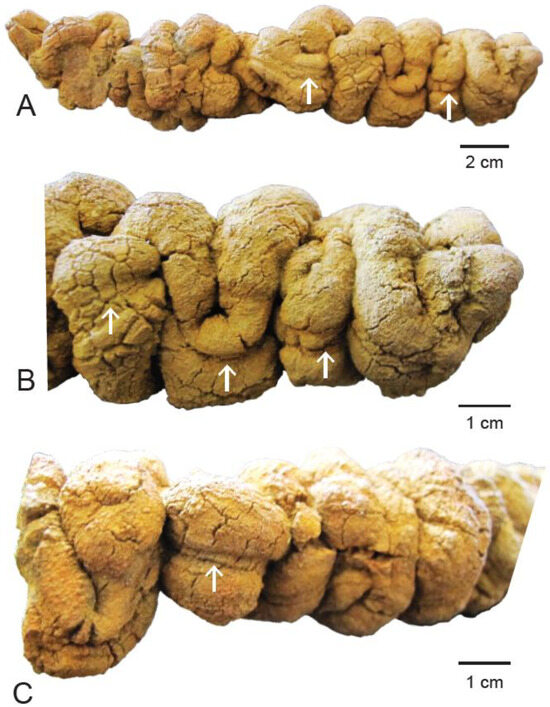
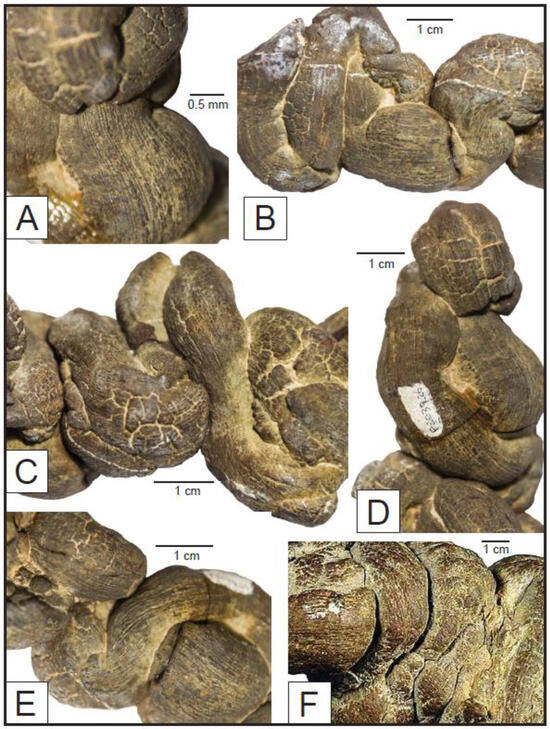
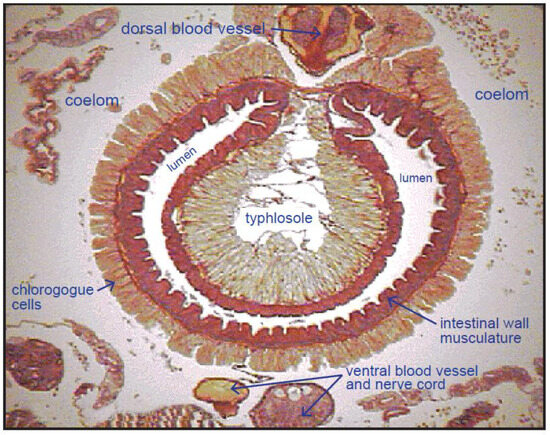
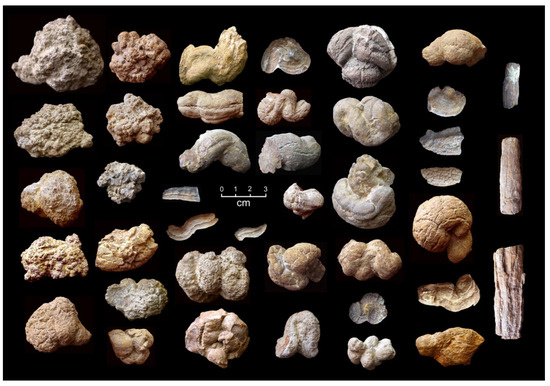
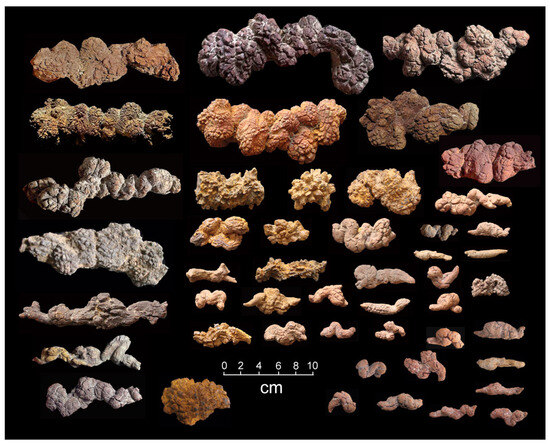
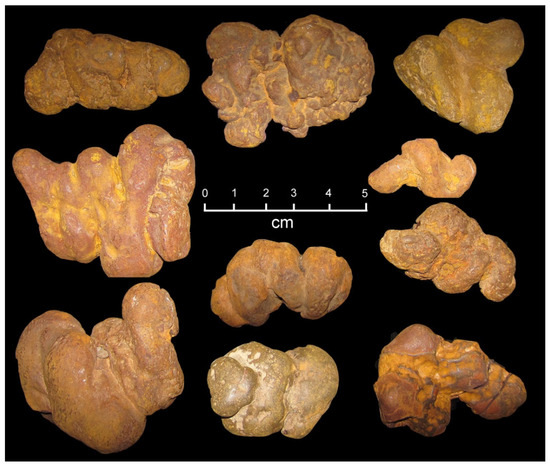
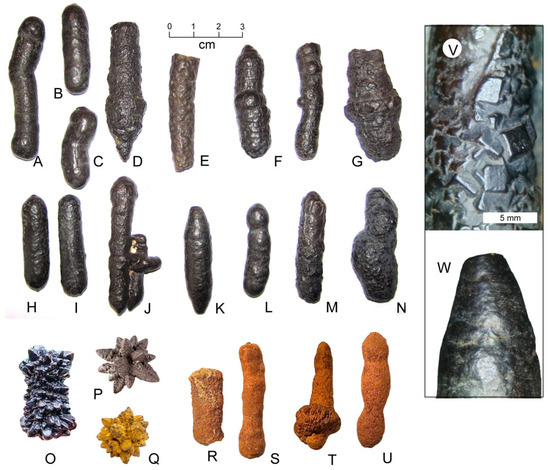
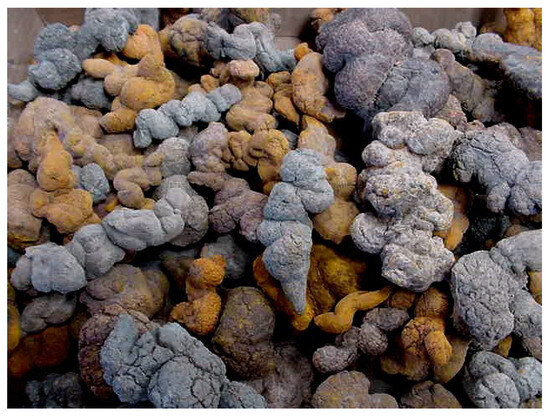
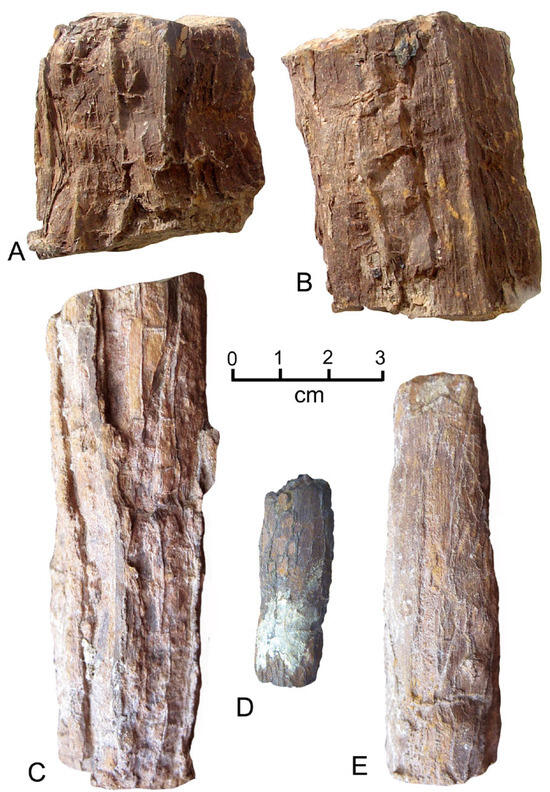
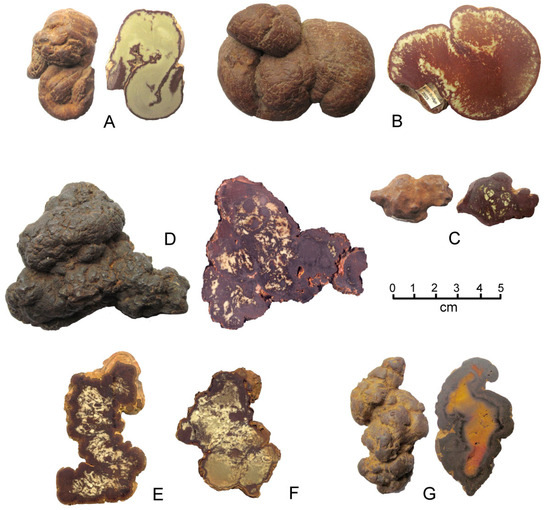
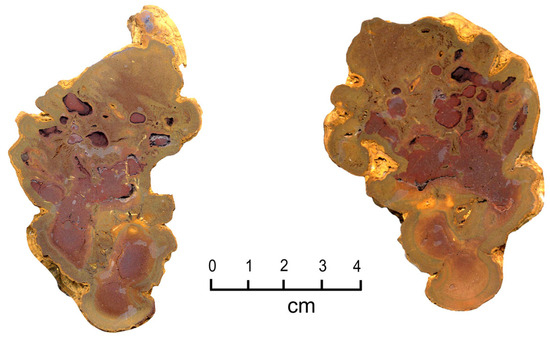
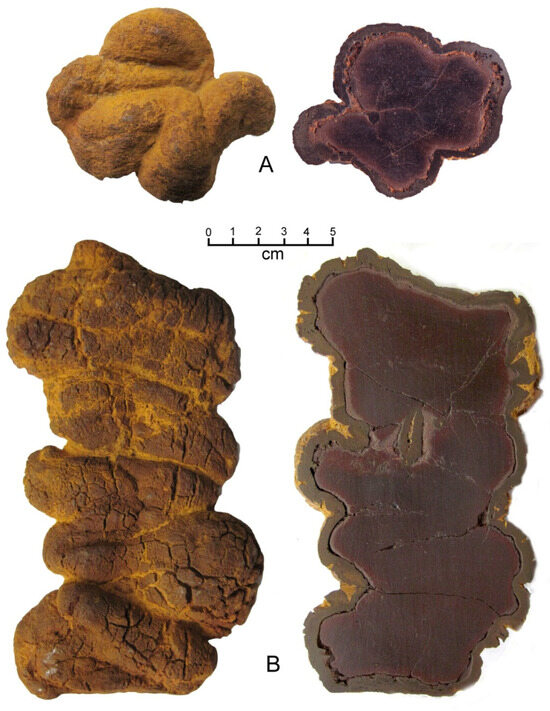
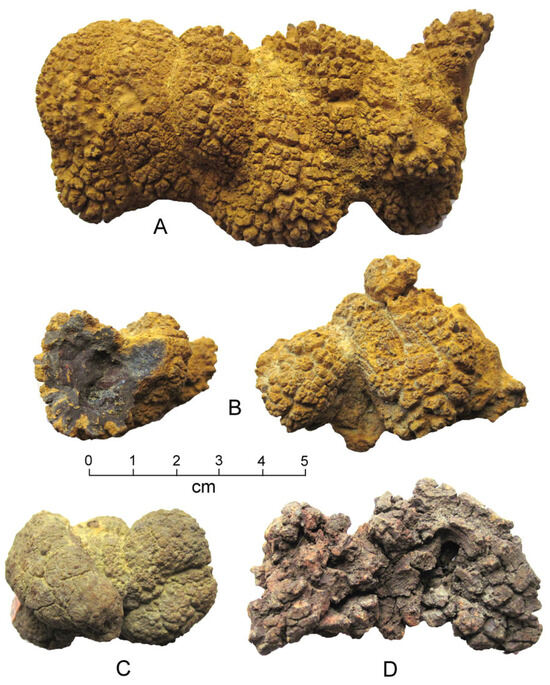
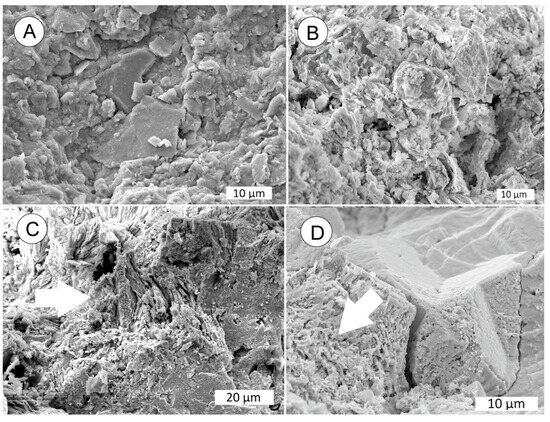
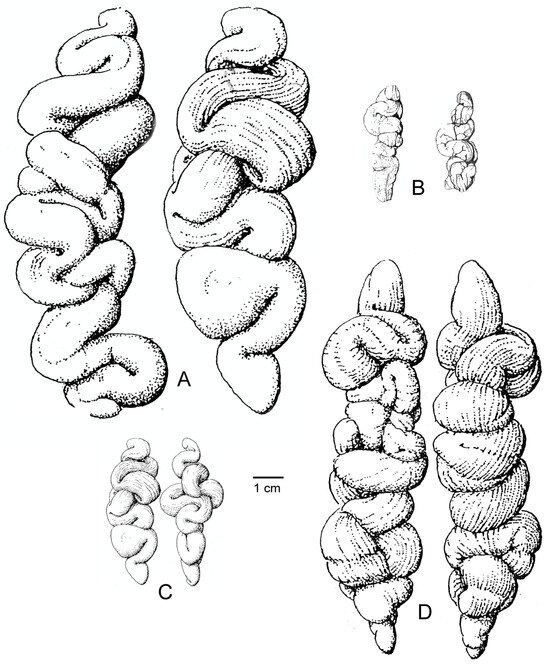
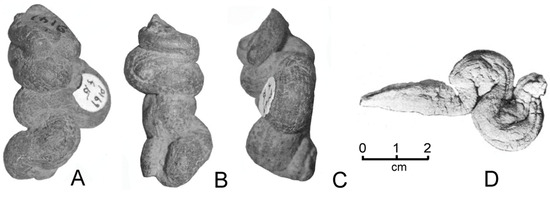
The Controversial Origin of Ferruginous “Coprolites”
by George E. Mustoe
Minerals 2025, 15(12), 1271; https://doi.org/10.3390/min15121271 - 30 Nov 2025
Viewed by 130
Abstract
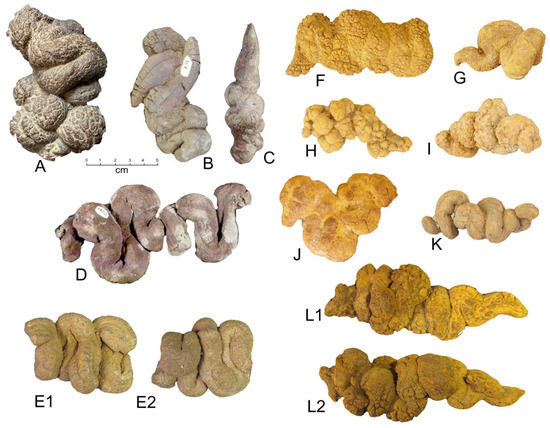
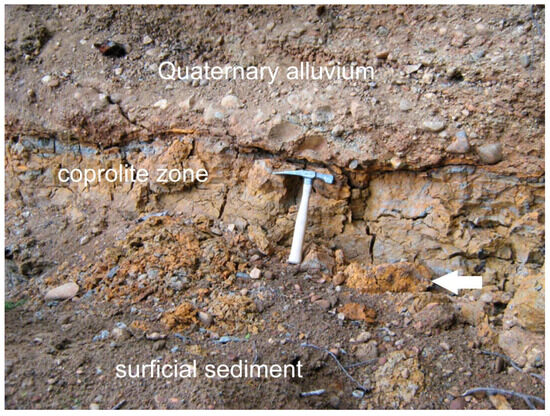
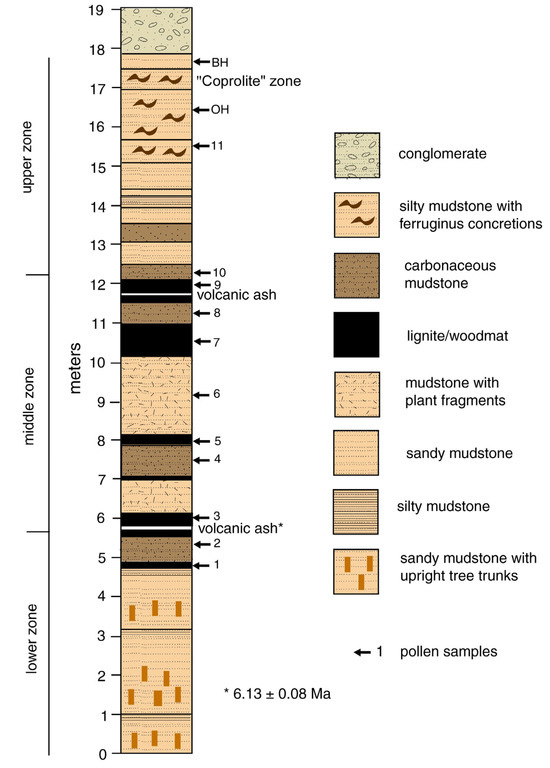
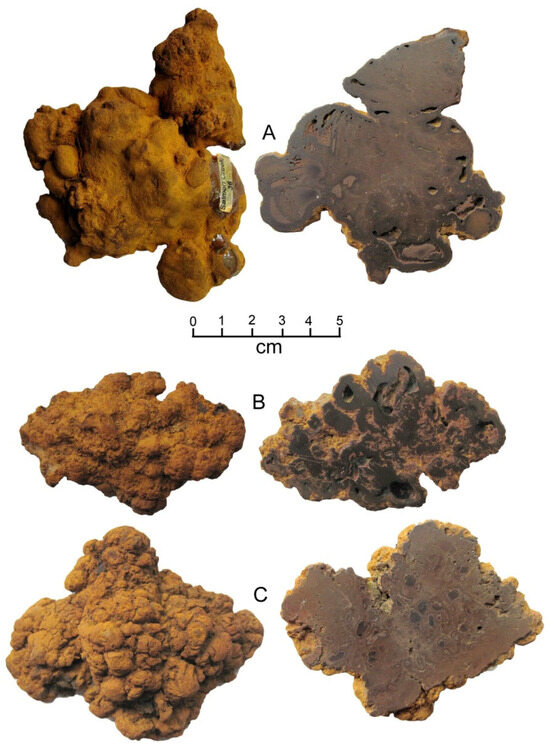
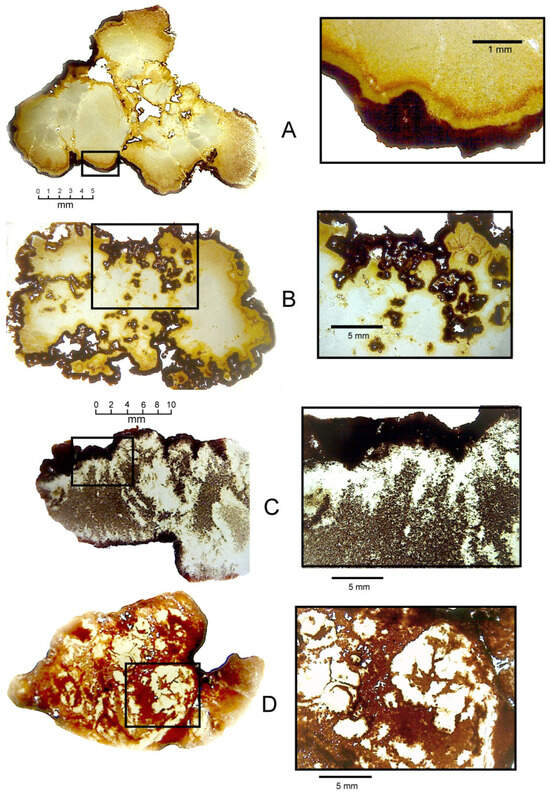
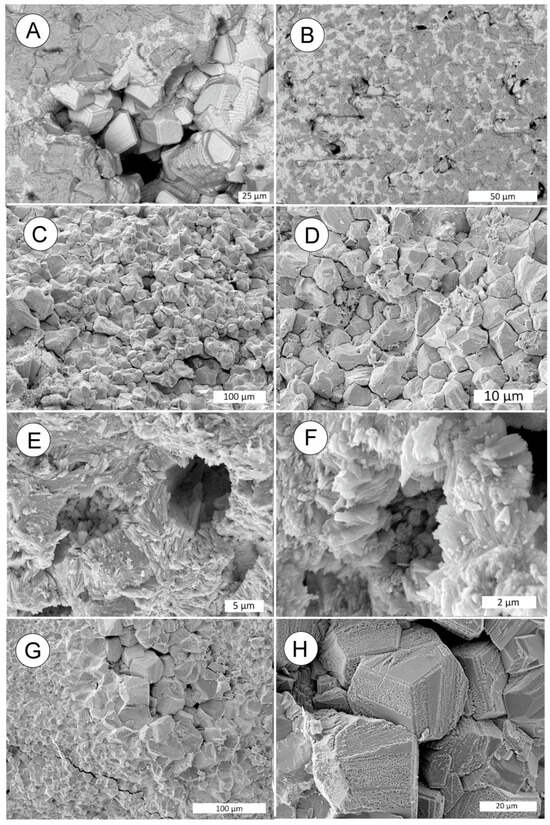
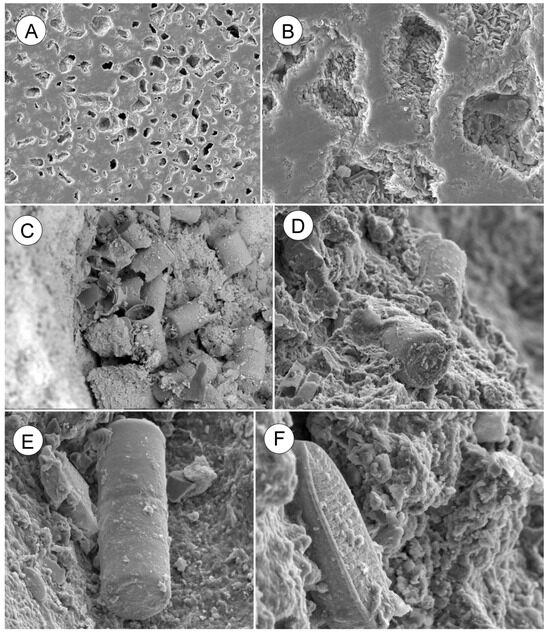
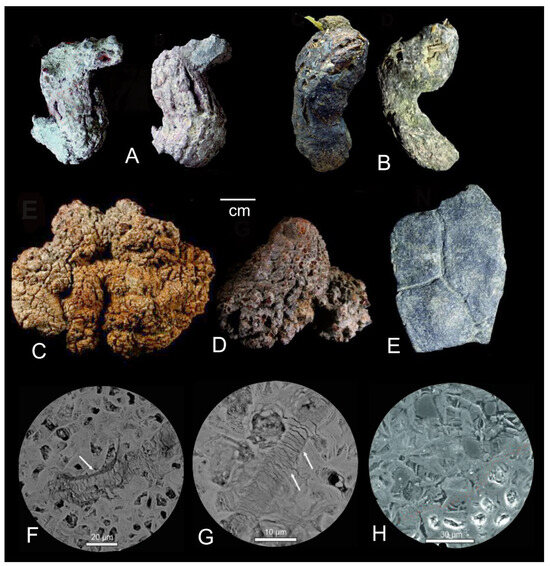
Ferruginous bromalites (coprolites and cololites) occur in enormous quantities in the Upper Cretaceous Whitemud Formation of Saskatchewan, Canada, and in Miocene deposits in Madagascar and southwest Washington, USA. The origins of these specimens have been the subject of diverse and often conflicting interpretations. [...] Read more.
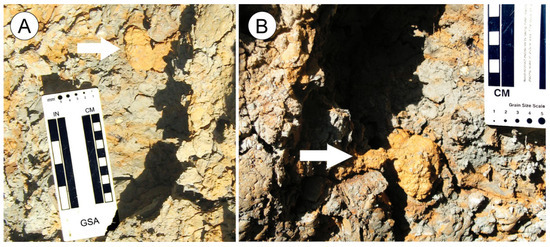
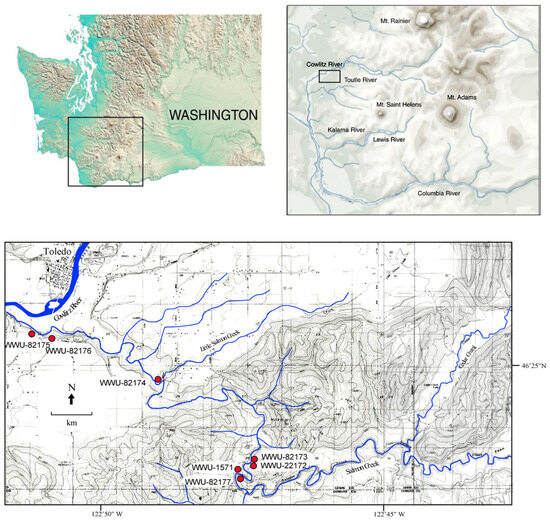
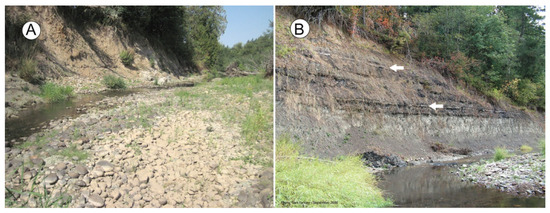
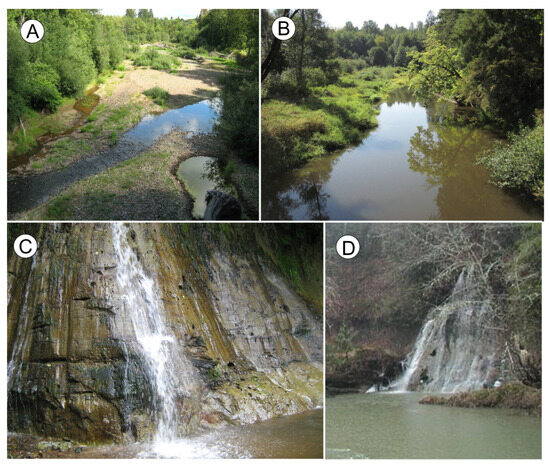
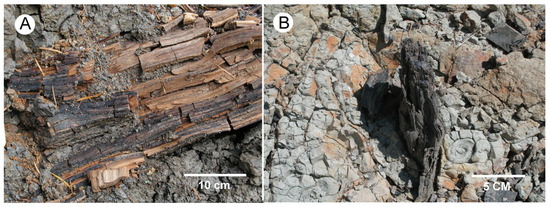
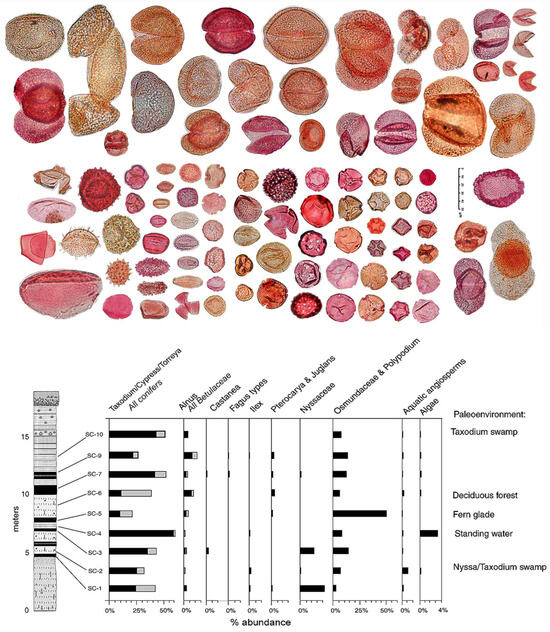
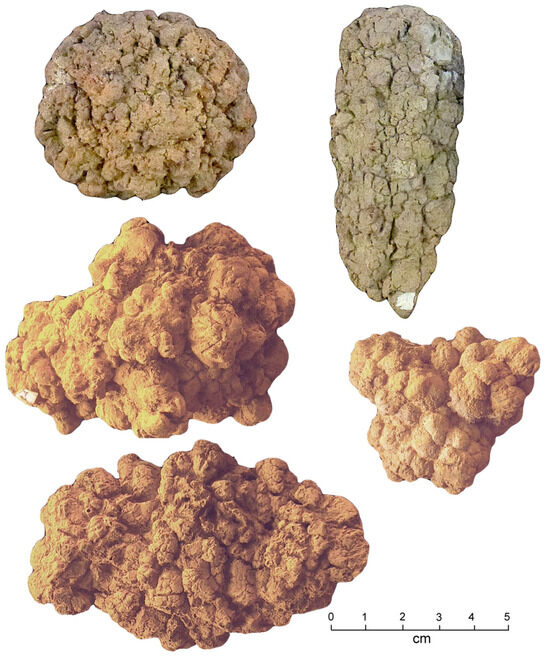
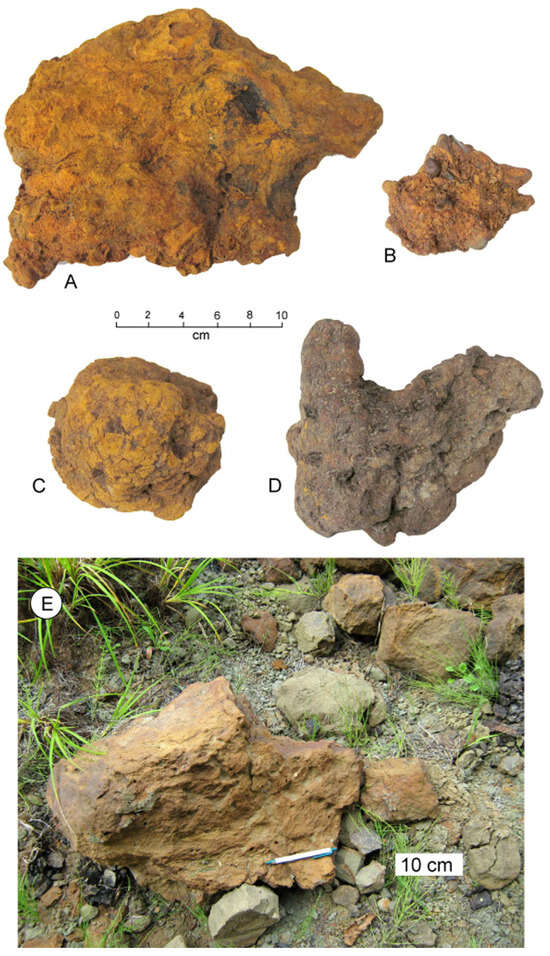
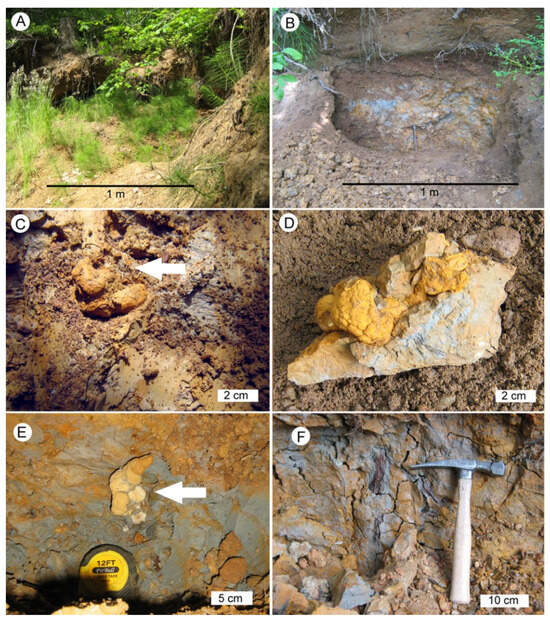
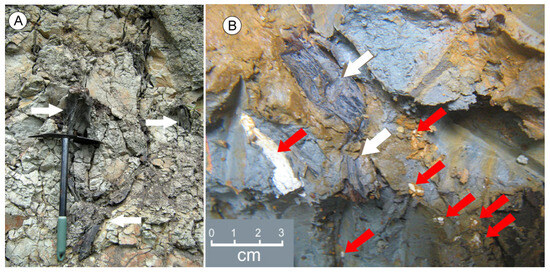
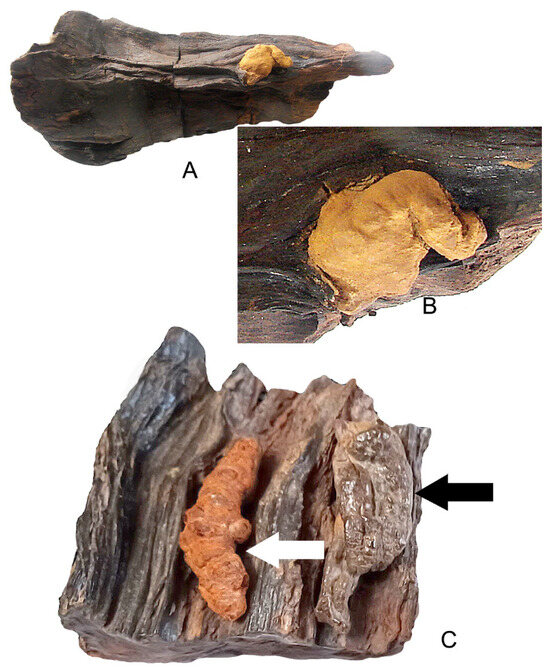
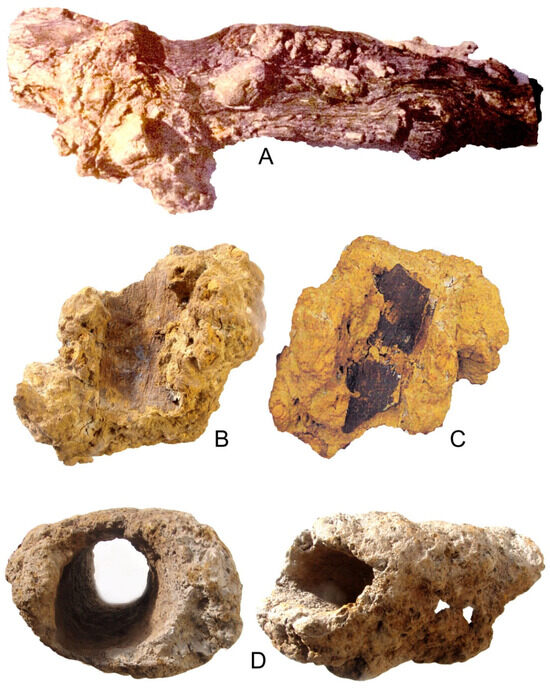
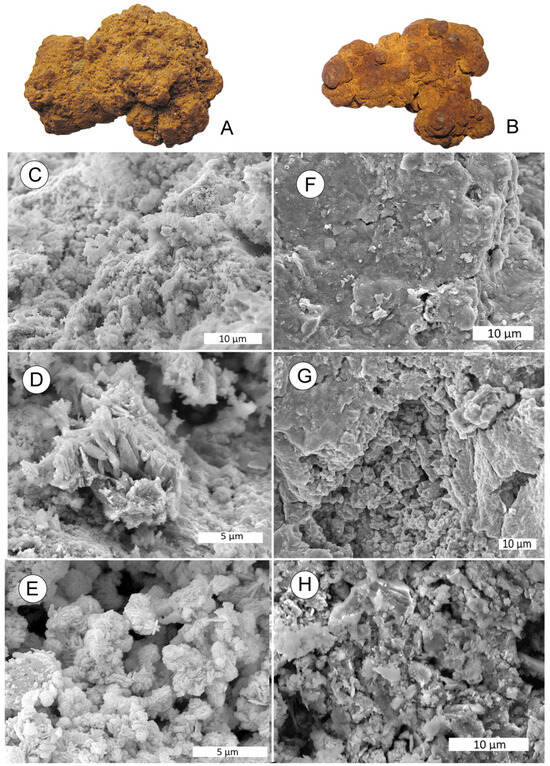
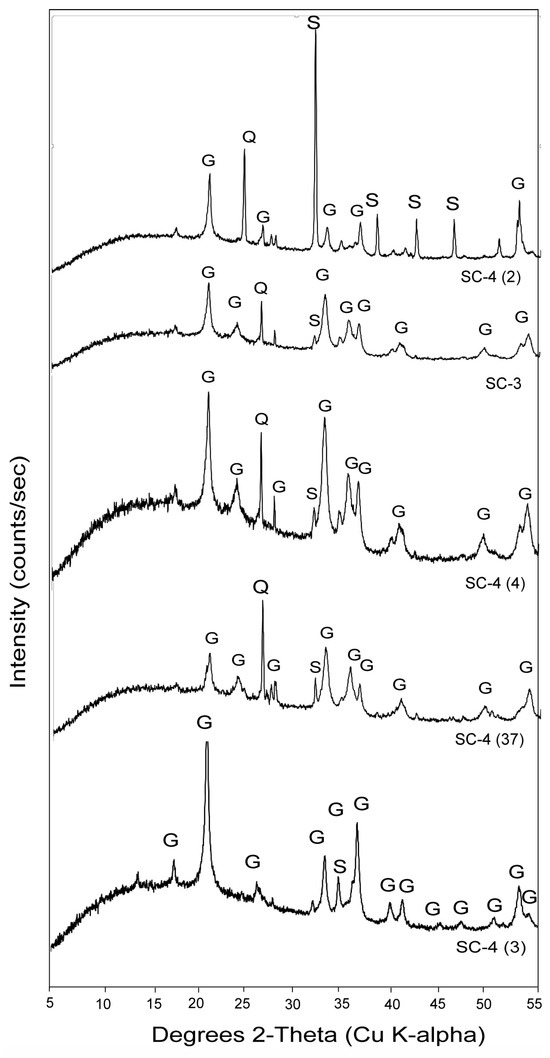
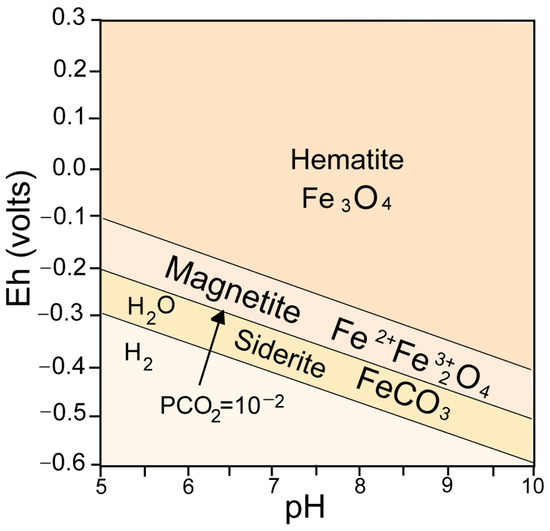
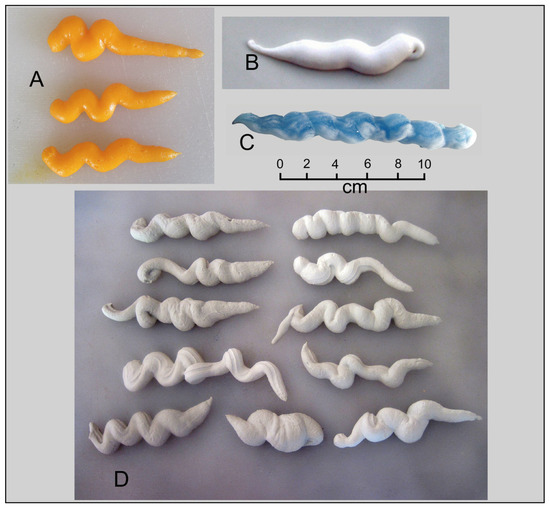
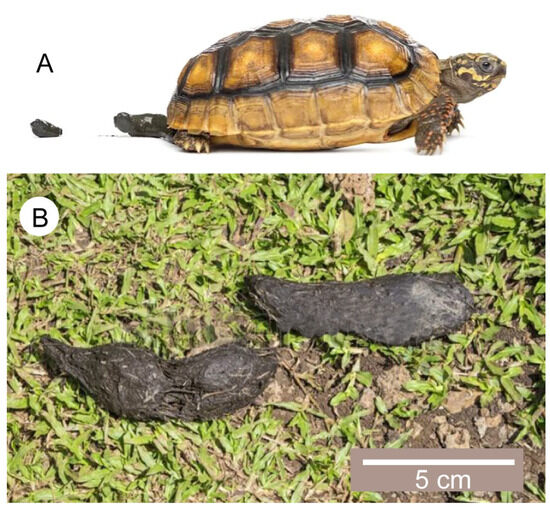
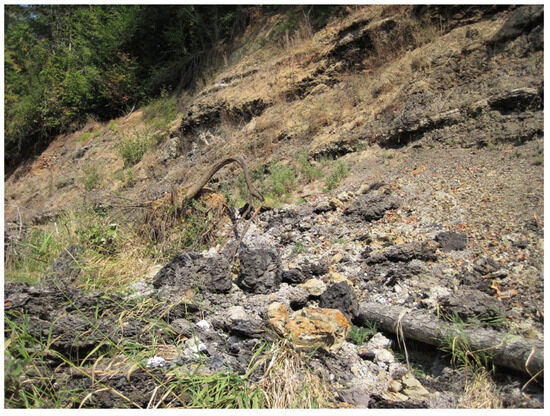
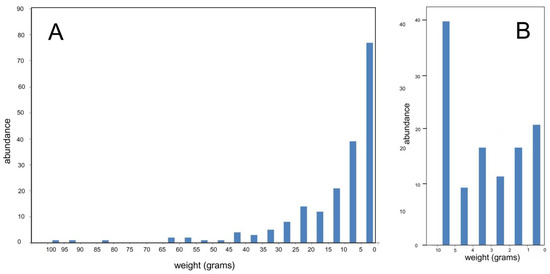
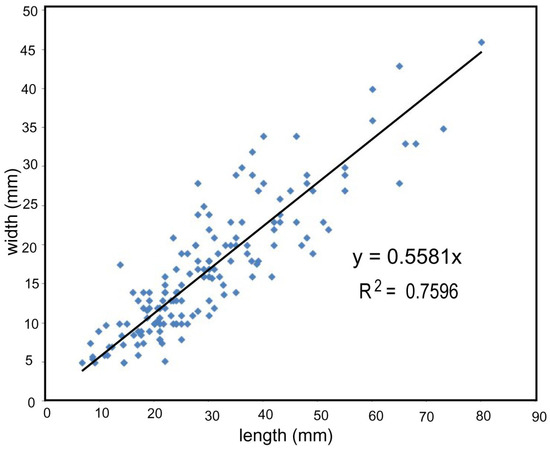
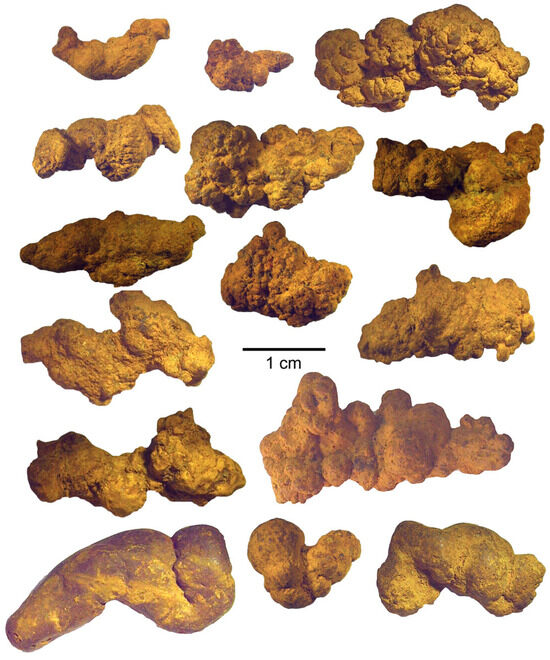
Ferruginous bromalites (coprolites and cololites) occur in enormous quantities in the Upper Cretaceous Whitemud Formation of Saskatchewan, Canada, and in Miocene deposits in Madagascar and southwest Washington, USA. The origins of these specimens have been the subject of diverse and often conflicting interpretations. This paper includes some discussion of other localities, but the main focus is on specimens from Wilkes Formation at Salmon Creek, Lewis County, Washington State, USA. This locality is notable because the geologic setting and paleoenvironment are well-established, and the purported bromalites can be observed in situ, providing stratigraphic and taphonomic information that is not available for the Canada and Madagascar locations. Past research at Salmon Creek has a curious history. Supporters of the coprolite interpretation have relied on Salmon Creek specimens collected by others. In contrast, field-based investigators have concluded that the extruded objects are probably pseudofossils. Was the origin of these objects biotic excretion or abiotic extrusion? Past evidence is not sufficient for resolving this issue. New information strengthens the abiotic interpretation, but these ferruginous specimens remain as a geologic enigma. Full article
Show Figures

Figure 1

Back to TopTop