



-
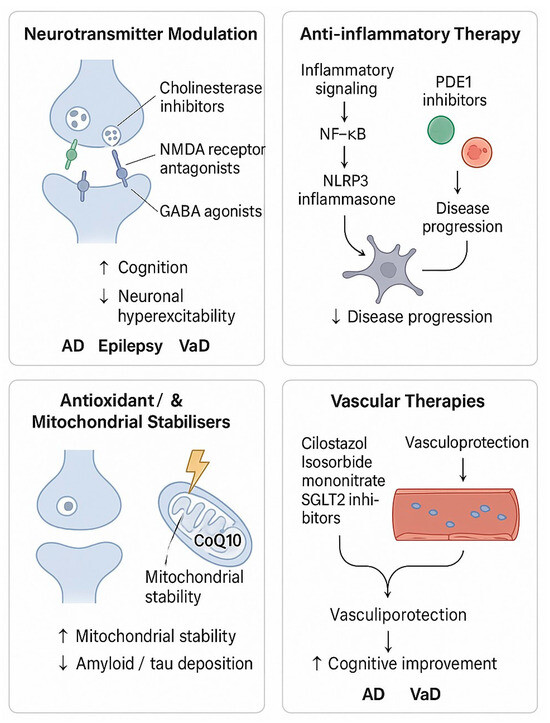
Shared Mechanisms in Alzheimer’s Disease, Epilepsy, and Vascular Dementia -
Hereditary Hemorrhagic Telangiectasia—Current Therapies and Future Prospects -
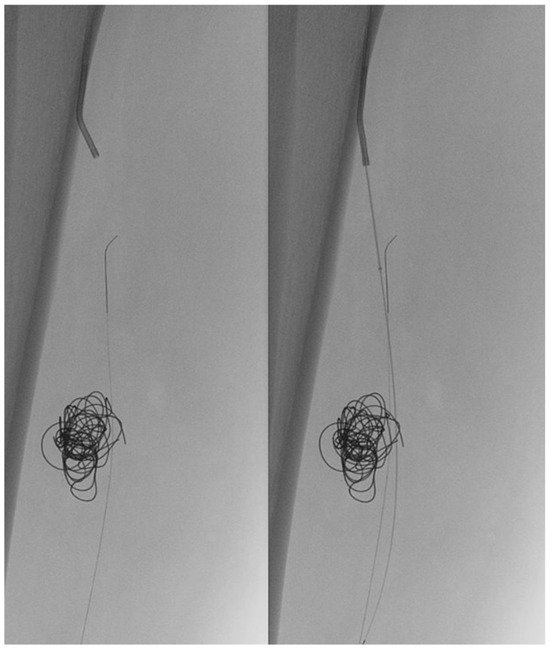
Endovascular Repair of Chronic Type B Aortic Dissection Using a New False Lumen Occlusion Device (FLOD): First Reported Case -
Extended Color Doppler Ultrasound Evaluation of Giant Cell Arteritis and Posterior Circulation Involvement -
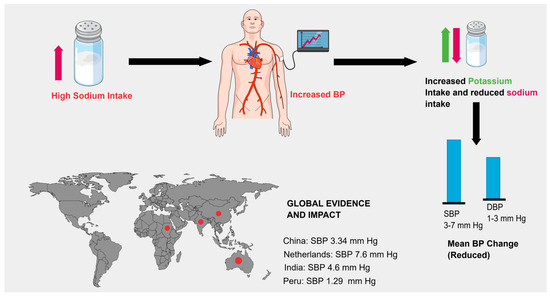
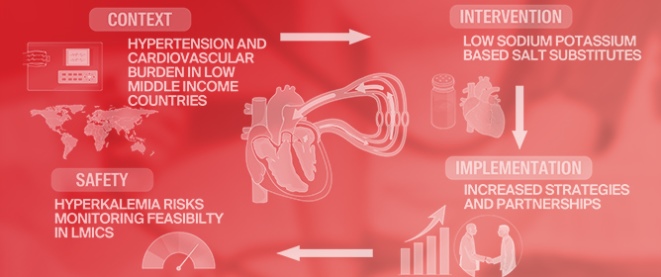
Salt Substitutes in Low-Income Settings: BP, Cardiovascular Effects & Safety Review
Journal Description
Journal of Vascular Diseases
is an international, peer-reviewed, open access journal on all aspects of cardiovascular, cerebrovascular, and peripheral vascular diseases, published bimonthly online by MDPI.
- Open Access— free for readers, with article processing charges (APC) paid by authors or their institutions.
- High Visibility: indexed within ESCI (Web of Science), Scopus, EBSCO, and other databases.
- Rapid Publication: manuscripts are peer-reviewed and a first decision is provided to authors approximately 23.7 days after submission; acceptance to publication is undertaken in 2.6 days (median values for papers published in this journal in the second half of 2025).
- Recognition of Reviewers: APC discount vouchers, optional signed peer review, and reviewer names published annually in the journal.
- JVD is a companion journal of Journal of Clinical Medicine.
Latest Articles
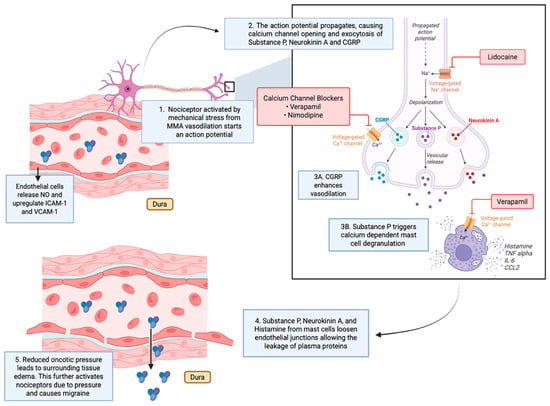
Targeting the Middle Meningeal Artery: A Narrative Review of Intra-Arterial Pharmacologic Strategies for Migraine Management
J. Vasc. Dis. 2026, 5(1), 9; https://doi.org/10.3390/jvd5010009 - 5 Feb 2026
Abstract
The Middle Meningeal Artery (MMA) occupies a pivotal role in the pathophysiology of migraine, functioning as a vascular and neuroimmune interface that precipitates the characteristic pulsatile pain. The inhibition of this pathophysiological cascade has been investigated as a therapeutic strategy. However, fewer than
[...] Read more.
The Middle Meningeal Artery (MMA) occupies a pivotal role in the pathophysiology of migraine, functioning as a vascular and neuroimmune interface that precipitates the characteristic pulsatile pain. The inhibition of this pathophysiological cascade has been investigated as a therapeutic strategy. However, fewer than a dozen centers globally have disseminated procedural or mechanistic data. Given the nascency of this field and the imperative for standardization, the present review synthesizes mechanistic and clinical evidence underpinning intra-arterial pharmacological modulation of the MMA for migraine management. Methods: A focused narrative review was undertaken, drawing upon select but influential studies from pioneering research groups investigating intra-arterial interventions targeting the MMA. The extant literature was thematically categorized and organized according to the loci of cascade interruption and their corresponding clinical outcomes. Results: Since 2009, intra-arterial therapies for severe headache syndromes have evolved, initially utilizing nimodipine for vasospasm-related headaches, progressing to verapamil for reversible cerebral vasoconstriction, and more recently, lidocaine for refractory or status migrainosus, occasionally in conjunction with MMA embolization. Contemporary research uses language that conceptualizes migraine as an immunologically mediated neurovascular disorder, as opposed to a purely vascular or neuronal entity. Recent investigations have identified interleukins such as Interleukin-1β, Tumor Necrosis Factor-α, and Interleukin-6 as critical amplifiers of trigeminovascular activation. Purinergic signaling through the P2X3 receptor and the P2Y13 receptor, in conjunction with pituitary adenylate cyclase-activating polypeptide and vasoactive intestinal peptide pathways, has been implicated in the modulation of MMA excitability and neuropeptide release. The development of novel calcitonin gene-related peptide receptor antagonists, such as zavegepant, further substantiates the artery’s significance as a pharmacological target. Conclusions: These findings support a shift toward immune-modulating intra-arterial therapeutic strategies, with migraine interventions targeting cytokine and neuroimmune signaling within the MMA, rather than relying exclusively on vasodilatory mechanisms.
Full article
(This article belongs to the Section Neurovascular Diseases)
►
Show Figures
Open AccessPerspective
Proximal Aorta Flow as a Proxy for Ventricular–Arterial Interaction
by
Marco Pasetto, Alessandro Russo, Lorenzo Peluso, Marcello Ceola Graziadei and Leonardo Gottin
J. Vasc. Dis. 2026, 5(1), 8; https://doi.org/10.3390/jvd5010008 - 3 Feb 2026
Abstract
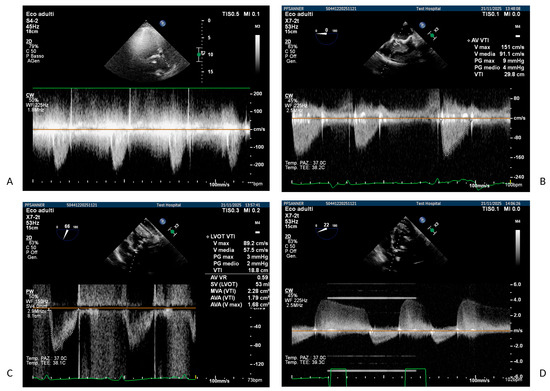
Ventricular–arterial coupling (VAC) describes the dynamic interaction between left ventricular (LV) systolic elastance and the time-varying elastance/impedance of the arterial tree, a relationship that governs the instantaneous generation of aortic flow and ultimately cardiac output. VAC, typically expressed as the ratio of effective
[...] Read more.
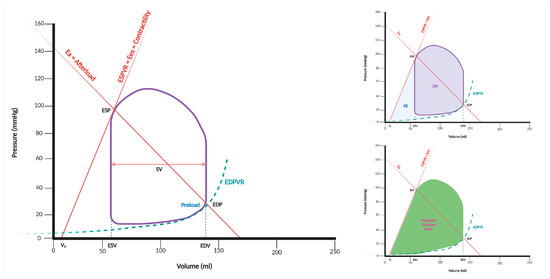
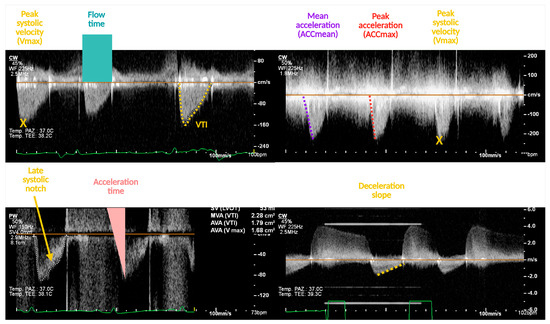
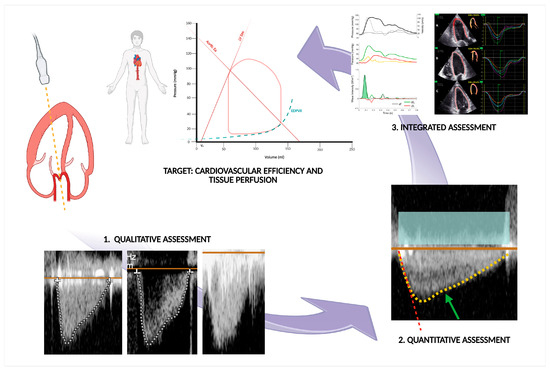
Ventricular–arterial coupling (VAC) describes the dynamic interaction between left ventricular (LV) systolic elastance and the time-varying elastance/impedance of the arterial tree, a relationship that governs the instantaneous generation of aortic flow and ultimately cardiac output. VAC, typically expressed as the ratio of effective arterial elastance (Ea) to LV end-systolic elastance (Ees), has provided valuable mechanistic and prognostic insights, but is limited by its lumped, largely steady-state nature and by the need for pressure–volume modeling or complex surrogate formulas. Contemporary time-domain and wave-intensity approaches have underscored that the shape of proximal aortic pressure–flow waveforms encodes rich beat-by-beat information about ventricular–arterial interaction and energy transfer. Doppler echocardiography of the ascending aorta provides a readily available, high-temporal resolution measure of proximal aortic flow that is already used to quantify stroke volume, cardiac output and valvular lesions. We propose that proximal aortic flow, as recorded by Doppler echocardiography, may serve as a clinically practical proxy for beat-by-beat VAC, reflecting the instantaneous matching of ventricular and aortic elastances, which regulates the ejected flow towards peripheral tissues according to metabolic needs.
Full article
(This article belongs to the Section Cardiovascular Diseases)
►▼
Show Figures

Figure 1
Open AccessReview
Off-Pump Coronary Artery Bypass Grafting: Technical Evolution, Current Evidence, and Barriers to Universal Adoption
by
Shahzad G. Raja
J. Vasc. Dis. 2026, 5(1), 7; https://doi.org/10.3390/jvd5010007 - 3 Feb 2026
Abstract
Off-pump coronary artery bypass grafting (OPCAB) represents one of the most significant technical innovations in contemporary cardiac surgery. Developed as an alternative to conventional on-pump coronary artery bypass grafting (ONCAB), OPCAB avoids cardiopulmonary bypass and its associated systemic inflammatory response, aiming to reduce
[...] Read more.
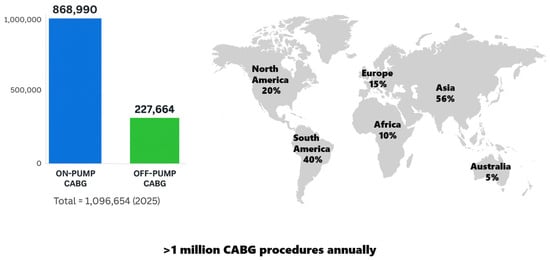
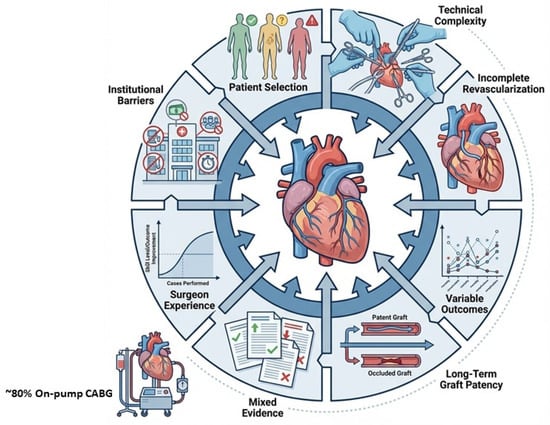
Off-pump coronary artery bypass grafting (OPCAB) represents one of the most significant technical innovations in contemporary cardiac surgery. Developed as an alternative to conventional on-pump coronary artery bypass grafting (ONCAB), OPCAB avoids cardiopulmonary bypass and its associated systemic inflammatory response, aiming to reduce perioperative morbidity and improve recovery. Over the past three decades, advances in stabilization devices, intracoronary shunts, anesthetic management, and surgical training have refined the procedure, making it safer and more reproducible. Despite these developments, OPCAB adoption remains inconsistent worldwide, reflecting ongoing debate about its relative benefits and limitations. Evidence from randomized controlled trials, meta-analyses, and large registries suggests that OPCAB achieves comparable early mortality to ONCAB, with potential advantages in reducing renal dysfunction, neurocognitive decline, and perioperative bleeding. These benefits appear most pronounced in high-risk subgroups, including elderly patients and those with significant comorbidities. However, concerns persist regarding long-term graft patency, completeness of revascularization, and variability in outcomes depending on surgeon experience and institutional expertise. Cost-effectiveness analyses have suggested potential resource savings, but these are offset by training requirements and the technical complexity of the procedure. Global practice variation highlights the influence of surgical culture, guideline ambiguity, and institutional resources. Barriers to universal adoption include technical challenges, inconsistent long-term outcomes, and limited exposure in training programs. In the future, robotic and minimally invasive OPCAB, as well as hybrid revascularization strategies, may expand its role. This review synthesizes current evidence, explores barriers to widespread implementation, and outlines future directions for integrating OPCAB into balanced, evidence-based clinical practice.
Full article
(This article belongs to the Section Cardiovascular Diseases)
►▼
Show Figures

Figure 1

Open AccessReview
Endovascular Treatment of Crural Aneurysms: Case Report and Systematic Review Regarding Indications, Stent Characteristics, and Patency
by
Abhay Setia, Roberto Scaratti, Maher Fattoum, Samir Khan and Farzin Adili
J. Vasc. Dis. 2026, 5(1), 6; https://doi.org/10.3390/jvd5010006 - 30 Jan 2026
Abstract
Background: We present our experience of carrying out endovascular therapy (EVT) of a pseudo-aneurysm of the posterior tibial artery (PTA) with an associated arteriovenous fistula (AVF). We also present results of a systematic review which was carried out to cast light on endovascular
[...] Read more.
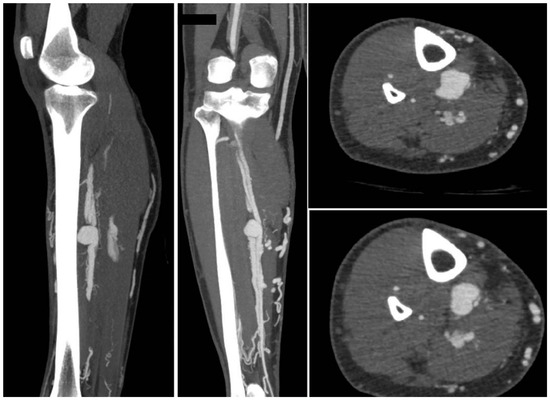
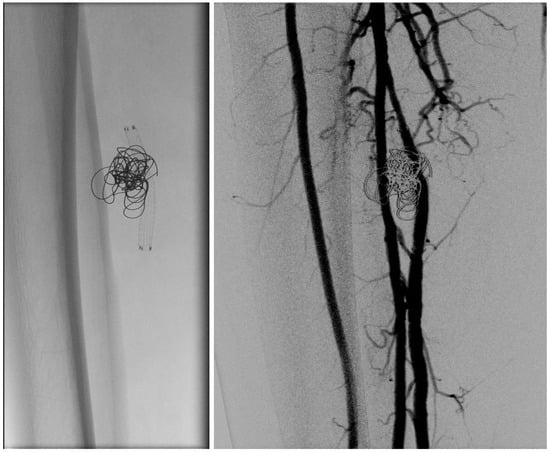
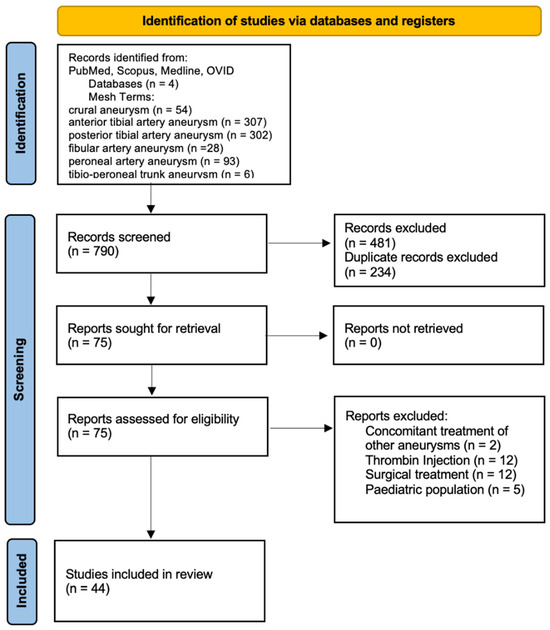
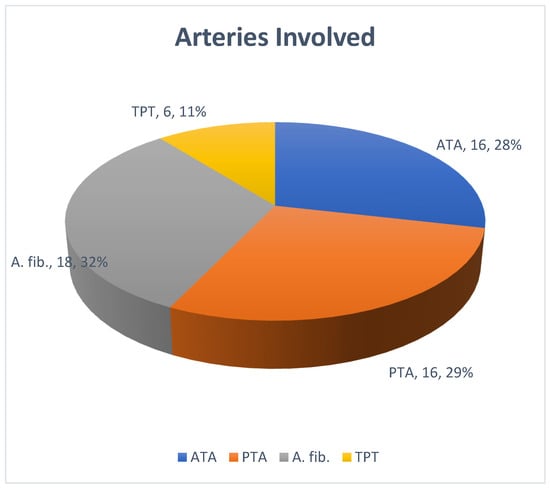
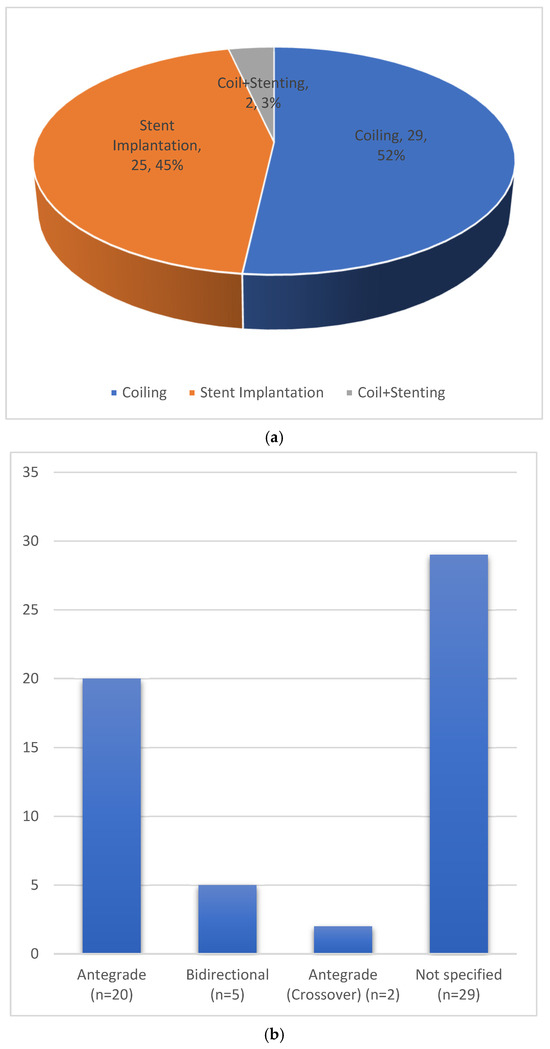
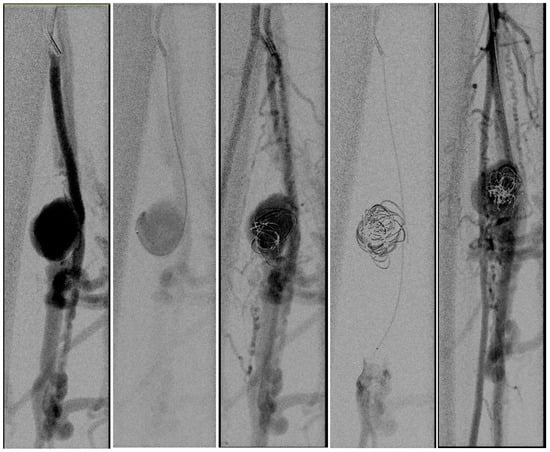
Background: We present our experience of carrying out endovascular therapy (EVT) of a pseudo-aneurysm of the posterior tibial artery (PTA) with an associated arteriovenous fistula (AVF). We also present results of a systematic review which was carried out to cast light on endovascular treatment modalities. Methods: A 31-year-old patient with a history of war trauma presented with pain of increasing severity in the lower leg. A CT angiogram confirmed an aneurysm of the PTA with an AVF. With a bidirectional endovascular approach, the aneurysm was occluded with coils and excluded with a Viabahn endoprosthesis. Aspirin and clopidogrel were recommended postoperatively. After 18 months of follow-up, the patient was free of symptoms, with patent endoprosthesis. Multiple databases (Scopus, Pubmed, Medline, OVID) were systematically searched using MeSH terms. The studies were scrutinized, and data on demographics, procedural details, and follow-up were collected and aggregated. Results: A total of 44 studies (56 patients) were eligible and were included. Average age was 50 (15–87 years). The most common etiology was trauma (iatrogenic 29/56 (51.7%); non-iatrogenic 15/56 (26.7%)). EVT strategies included coil embolization (n = 29), stent implantation (n = 25), and a combination of both (n = 2). Median stent diameter was 3 mm (2.5–6). The follow-up period ranged from 1 week to 60 months. Aggregated reported primary patency was 18/27 (66.6%) with no documented complications—an observation that likely reflects reporting and publication bias, rather than a true absence of adverse events. Conclusions: EVT offers a feasible and safe alternative to simple ligation or occlusion of crural aneurysms, to preserve distal flow to the foot. Dedicated stents for crural arteries are not available. Studies with long-term follow-up are lacking.
Full article
(This article belongs to the Special Issue Peripheral Arterial Disease (PAD) and Innovative Treatments)
►▼
Show Figures

Figure 1
Open AccessReview
Vascular Sociology: Integrating Vascular Surgery and Medical Sociology for a Comprehensive Understanding of Vascular Health
by
Davide Costa and Raffaele Serra
J. Vasc. Dis. 2026, 5(1), 5; https://doi.org/10.3390/jvd5010005 - 26 Jan 2026
Abstract
Vascular diseases remain a major global health burden despite remarkable technological advances in vascular surgery and endovascular therapies. Conditions such as peripheral arterial disease, abdominal aortic aneurysm, carotid stenosis, chronic venous disease, diabetic vasculopathies, and vascular chronic ulcers are not only biological entities
[...] Read more.
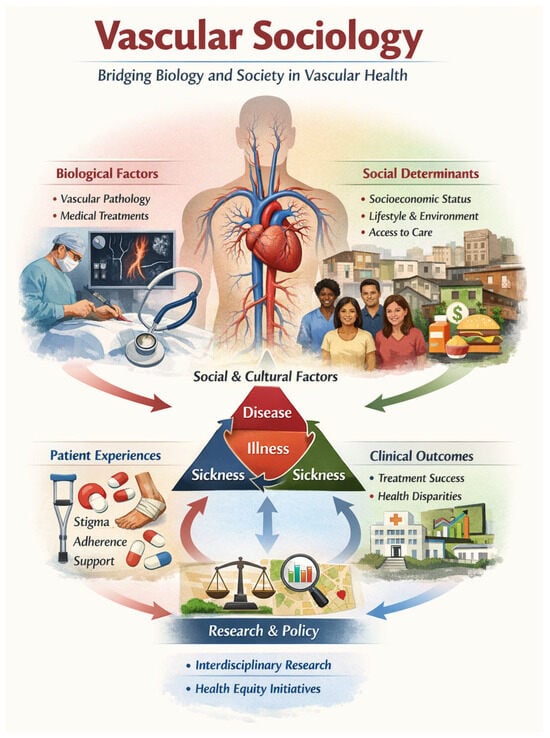
Vascular diseases remain a major global health burden despite remarkable technological advances in vascular surgery and endovascular therapies. Conditions such as peripheral arterial disease, abdominal aortic aneurysm, carotid stenosis, chronic venous disease, diabetic vasculopathies, and vascular chronic ulcers are not only biological entities but are deeply shaped by social structures, cultural norms, and economic inequalities. This article introduces Vascular Sociology as an interdisciplinary field that integrates vascular surgery with medical sociology to provide a more comprehensive understanding of vascular health and disease. Drawing on classical and contemporary sociological theory, including concepts such as social determinants of health, embodiment, illness narratives, and the disease–illness–sickness triad, the article argues that vascular pathology reflects cumulative social exposures across the life course. Socially patterned behaviors, work conditions, food environments, healthcare access, gender norms, and geographic inequalities profoundly influence disease onset, progression, treatment decisions, and outcomes. The paper highlights how surgical success is contingent not only on technical excellence but also on patients’ social contexts, including health literacy, trust in institutions, caregiving resources, and the capacity to adhere to long-term follow-up and rehabilitation. By outlining conceptual foundations, epidemiological evidence, and mixed-methods research strategies, the article positions Vascular Sociology as a framework capable of bridging biomedical knowledge with lived experience. This approach expands the definition of vascular outcomes to include social reintegration, identity transformation, and equity of care, ultimately aiming to improve patient-centered practice, reduce disparities, and inform more socially responsive vascular health policies.
Full article
(This article belongs to the Section Peripheral Vascular Diseases)
►▼
Show Figures

Figure 1

Open AccessArticle
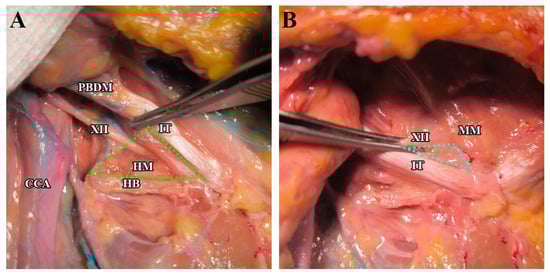
The Superior Trajectory of the Lingual Artery over the Hypoglossal Nerve: A Morphological Case Report and Focused Review of Neurovascular Inversion in the Carotid Triangle
by
Niccolò Fagni, Ludovica Livi, Federico Bucciarelli, Francesco Ruben Giardino, Roberto Cuomo, Ferdinando Paternostro, Immacolata Belviso and Jacopo Junio Valerio Branca
J. Vasc. Dis. 2026, 5(1), 4; https://doi.org/10.3390/jvd5010004 - 23 Jan 2026
Abstract
Introduction: Accurate knowledge of the external carotid artery (ECA) anatomy is essential for head and neck surgery, interventional procedures, and imaging interpretation. Although its branching pattern is classically described as relatively constant, clinically relevant anatomical variations are frequently encountered. Cadaveric dissection remains
[...] Read more.
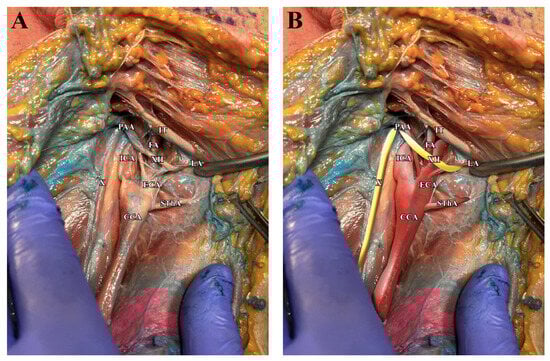
Introduction: Accurate knowledge of the external carotid artery (ECA) anatomy is essential for head and neck surgery, interventional procedures, and imaging interpretation. Although its branching pattern is classically described as relatively constant, clinically relevant anatomical variations are frequently encountered. Cadaveric dissection remains fundamental for identifying rare vascular configurations. Materials and Methods: During an anatomical teaching dissection of a 72-year-old male cadaver, a right-sided lateral cervicotomy was performed to expose the carotid sheath. After mobilisation of the sternocleidomastoid muscle, the ECA and its proximal branches were skeletonised, allowing detailed three-dimensional assessment of their origin, calibre, and neurovascular relationships. Results: The superior thyroid artery originated from the proximal segment of the external carotid artery, in close proximity to the carotid bifurcation. The main anatomical finding was a lingual artery of relatively small initial calibre exhibiting an atypical superior trajectory: after its origin, it crossed superior to the hypoglossal nerve before continuing toward the tongue. This configuration differs from classical descriptions and modified the anatomical arrangement of Beclard’s and Pirogoff’s triangles, creating a potential site of close neurovascular contact. Conclusions: This cadaveric study describes a rare trajectory-based variant of the external carotid artery characterised by a lingual artery crossing superior to the hypoglossal nerve. Awareness of such rare patterns is essential for improving anatomical interpretation and enhancing surgical safety in the head and neck region.
Full article
(This article belongs to the Section Neurovascular Diseases)
►▼
Show Figures

Figure 1

Open AccessArticle
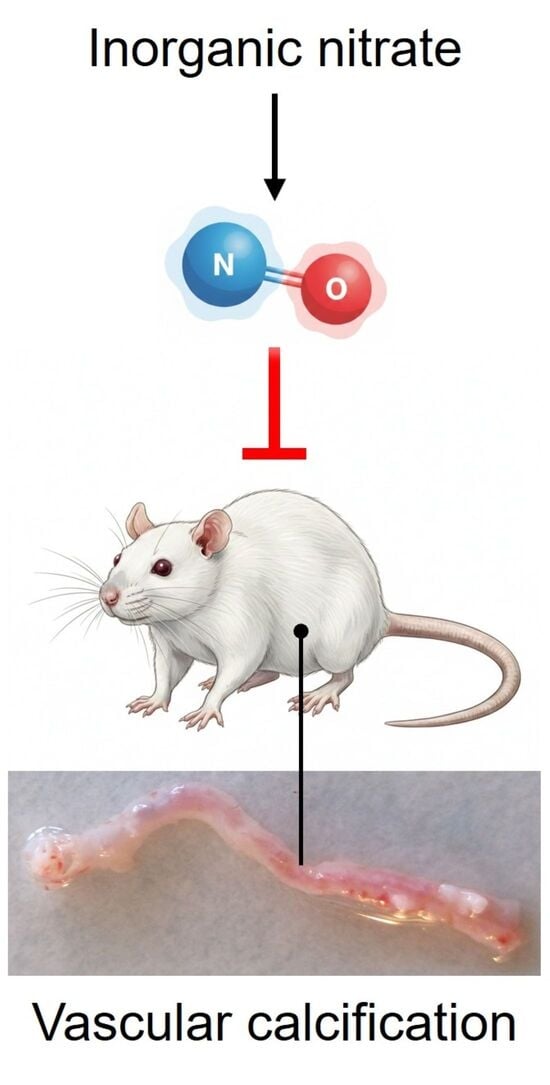
Vasoprotection by Dietary Nitrate in Rats with Vitamin D3-Induced Vascular Calcification
by
Masashi Tawa, Keisuke Nakagawa and Mamoru Ohkita
J. Vasc. Dis. 2026, 5(1), 3; https://doi.org/10.3390/jvd5010003 - 20 Jan 2026
Abstract
Background/Objectives: Vascular calcification is a major contributor to cardiovascular mortality and disability. Here, we investigated whether dietary nitrate, an exogenous source of nitric oxide (NO), could inhibit vascular calcification in a rat model induced by excess vitamin D3. Methods: The rats
[...] Read more.
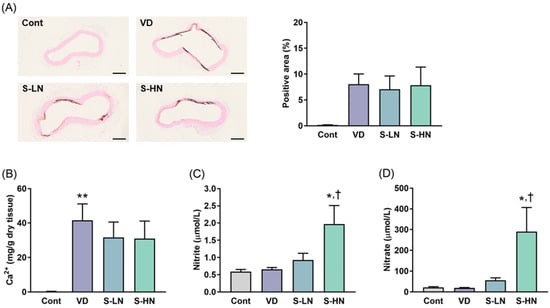
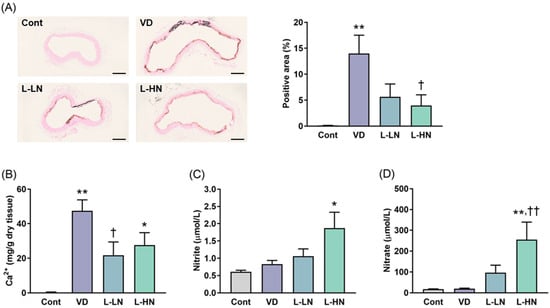
Background/Objectives: Vascular calcification is a major contributor to cardiovascular mortality and disability. Here, we investigated whether dietary nitrate, an exogenous source of nitric oxide (NO), could inhibit vascular calcification in a rat model induced by excess vitamin D3. Methods: The rats were injected subcutaneously with phosphate-buffered saline or 200,000 IU/kg cholecalciferol and the abdominal aorta was isolated 7 and 14 d after injection. Results: Von Kossa staining revealed mild vascular calcification 7 d after injection, with the positive area expanding by 14 d. Vasorelaxation induced by the NO donor sodium nitroprusside was normal 7 d after injection but weakened 14 d after injection. In a separate experiment, sodium nitrate (3 or 10 mM in drinking water) was administered for the last 7 and 13 d, prior to sacrifice, 14 d after cholecalciferol injection. Von Kossa staining-positive areas and calcium content in the abdominal aortas did not decrease with short-term administration of sodium nitrate but decreased with long-term administration; no difference in effect based on dosage was observed in either short-term or long-term administration. Low-dose sodium nitrate tended to increase plasma nitrite and nitrate levels, which are indicators of NO bioavailability, similar to both short- and long-term administration, which increased significantly at higher doses. Conclusions: These findings suggest that NO homeostasis in blood vessels deteriorates with the progression of vascular calcification, and that dietary nitrate may be a useful therapeutic approach.
Full article
(This article belongs to the Section Cardiovascular Diseases)
►▼
Show Figures

Graphical abstract
Open AccessReview
Type B Aortic Dissection Management Strategies: National Survey, Systematic Review, and Pooled Clinician Perceptions
by
Ali Kordzadeh and Karen May Rhodes
J. Vasc. Dis. 2026, 5(1), 2; https://doi.org/10.3390/jvd5010002 - 20 Jan 2026
Abstract
Background: Type B Aortic Dissection (TBAD) management relies on risk stratification, yet evidence-based tool adoption remains inconsistent in National Health Services (NHSs). Bridging the gap between Emergency Medicine (EM) and Vascular Surgery remains essential for timely diagnosis, optimal risk stratification, and appropriate
[...] Read more.
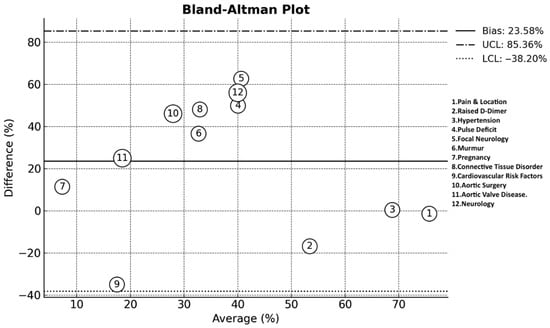
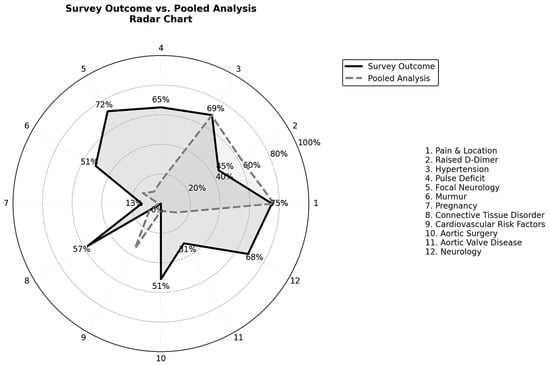
Background: Type B Aortic Dissection (TBAD) management relies on risk stratification, yet evidence-based tool adoption remains inconsistent in National Health Services (NHSs). Bridging the gap between Emergency Medicine (EM) and Vascular Surgery remains essential for timely diagnosis, optimal risk stratification, and appropriate intervention to improve outcomes and reduce mortality. Methods: A cross-sectional survey of EM consultants yielded n = 173 valid responses from n = 33 units across the UK. Subgroup analyses were conducted using a Chi-square test (p < 0.05) alongside descriptive analysis. A pooled prevalence analysis of the literature, utilizing a random-effects model at a 95% confidence interval (CI), served as a benchmark for perception analysis. Agreement was evaluated using Bland–Altman analysis, incorporating upper, lower, and overall bias of agreeability. Results: Access to a rapid Computed Tomography Angiogram (CTA) was 70% (95% CI: 63.3–76.8%, p < 0.001), while 32% had standard operating procedures (SOPs) for TBAD (95% CI: 25.3–39.1%), and 26% were aware of any decision tool (95% CI: 20.6–33.6%). Labetalol as a first-line antihypertensive was more common amongst least experience (p < 0.05). TBAD diagnosis increased 1.6-fold with every 4 years of additional experience (p < 0.05). Perception analysis showed strong agreement for pain (characteristics and location), hypertension, gender, and age with moderate-to-low agreement for other factors with a reported bias of 23.58% (−38.20% to 85.36%) (p = 0.02). Conclusions: The survey suggests a degree of misperception and inconsistency in recognition of most and least prevalence factors for TBAD suspicion and management. This outcome advocates targeted strategies to enhance diagnostic accuracy using tools aligned with NHS resources and QALY frameworks. Furthermore, upon recognition of the most prevalent factors, CTA and specialist referral is advocated.
Full article
(This article belongs to the Section Cardiovascular Diseases)
►▼
Show Figures

Figure 1

Open AccessReview
Surgical Management of Intracranial Atherosclerotic Disease: Current Evidence and Future Directions in Stroke Prevention
by
Enes Demir, Deondra Montgomery, Henry Freeman, Maryam Zeinali, Denise Baloi, Brandon Lucke-Wold and Michael Karsy
J. Vasc. Dis. 2026, 5(1), 1; https://doi.org/10.3390/jvd5010001 - 19 Dec 2025
Abstract
Background: Intracranial atherosclerotic disease (ICAD) remains a major global cause of ischemic stroke—particularly in Asian, Black, and Hispanic populations—and is characterized by high recurrence rates despite advances in intensive medical management. Objectives: This review synthesizes current evidence on surgical and endovascular
[...] Read more.
Background: Intracranial atherosclerotic disease (ICAD) remains a major global cause of ischemic stroke—particularly in Asian, Black, and Hispanic populations—and is characterized by high recurrence rates despite advances in intensive medical management. Objectives: This review synthesizes current evidence on surgical and endovascular approaches for ICAD, including extracranial–intracranial bypass, encephaloduroarteriosynangiosis, angioplasty, and hybrid revascularization strategies. Methods: We performed a structured narrative literature search of PubMed and Scopus. Searches were conducted up to 1 October 2025 using combinations of subject headings and keywords, including “intracranial atherosclerotic disease”, “ICAD”, “intracranial stenosis”, “bypass”, “encephaloduroarteriosynangiosis”, “angioplasty”, “stenting”, “revascularization”, and “stroke”. We also scanned reference lists of key articles and relevant reviews. Non-English language articles were excluded. Results: While randomized trials such as SAMMPRIS, VISSIT, and CASSISS reaffirm intensive medical management as first-line therapy, emerging data suggest that surgical revascularization may benefit select patients with hemodynamic compromise refractory to medical therapy. Recent studies incorporating physiologic imaging—such as PET, SPECT, and perfusion MRI—have refined patient selection, reducing perioperative risk and improving long-term outcomes. Innovations in indirect revascularization, hybrid procedures, and intraoperative imaging continue to expand therapeutic possibilities. However, evidence remains heterogeneous, underscoring the need for well-powered randomized trials integrating modern surgical techniques, objective hemodynamic endpoints, and AI-enhanced imaging analytics. Conclusions: While intensive medical management remains the first-line standard of care, select patients with refractory, hemodynamically significant ICAD may benefit from direct, indirect, or hybrid surgical revascularization. Future directions emphasize personalized, physiology-based management frameworks that combine medical, surgical, and technological advances to optimize stroke prevention and long-term vascular outcomes in ICAD.
Full article
(This article belongs to the Topic Diagnosis and Management of Acute Ischemic Stroke)
Open AccessArticle
Short-Term Outcomes of Two Self-Expanding Transcatheter Valves in Sievers Type 1 Bicuspid Aortic Valve Stenosis: The “Proof-of-Concept” CLASS Effect Study
by
Andrea Buono, Paolo Alberto Del Sole, Andrea Zito, Barbara Bellini, Nicholas Montarello, Abdul Amir, Samuel Sossalla, Chiara De Biase, Giuliano Costa, Tommaso Fabris, Mauro Massussi, Giulia Costa, Riccardo Gorla, Michele Bellamoli, Angela McInerney, Victoria Vilalta, Mario Garcia Gomez, Marco Gennari, Enrico Giacomin, Gabriele Tumminello, Claudio Montalto, Andrea Scotti, Greta Cattaneo, Antonio Giovanni Cammardella, Mariano Pellicano, Michele Galasso, Mauro Gitto, Nawzad Saleh, Matthias Renker, Claudio Sanfilippo, Antonio Messina, Pier Pasquale Leone, Emiliano Bianchini, Giovanni Esposito, Carlo Trani, Francesco Saia, Alfonso Ielasi, Ady Orbach, Mao Chen, Stefano Carugo, Raj R. Makkar, Azeem Latib, Helge Möllmann, Francesco Soriano, Luca Favero, Antonio Mangieri, Federico De Marco, Marianna Adamo, Xavier Carrillo Suarez, Marco De Carlo, Ignacio Amat-Santos, Diego Maffeo, Francesco Bedogni, Marco Barbanti, Francesco Burzotta, Daniel J. Blackman, Didier Tchètchè, Ole De Backer, Giuseppe Tarantini, Matteo Montorfano, Andreas Rück, Won-Keun Kim and Darren Mylotteadd
Show full author list
remove
Hide full author list
J. Vasc. Dis. 2025, 4(4), 52; https://doi.org/10.3390/jvd4040052 - 18 Dec 2025
Abstract
Background: Self-expanding transcatheter heart valves (SEVs) are often used to treat Sievers type 1 bicuspid aortic valve (BAV) stenosis. It remains unclear, however, if different SEVs yield similar outcomes in BAV stenosis, a class effect, or if the unique design features of different
[...] Read more.
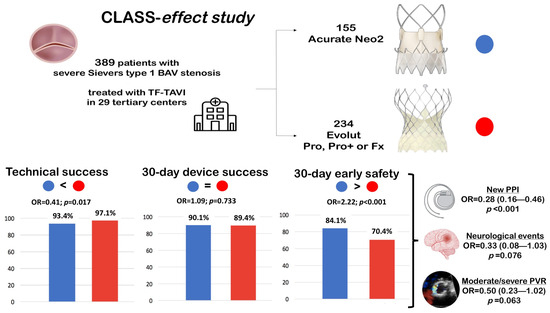
Background: Self-expanding transcatheter heart valves (SEVs) are often used to treat Sievers type 1 bicuspid aortic valve (BAV) stenosis. It remains unclear, however, if different SEVs yield similar outcomes in BAV stenosis, a class effect, or if the unique design features of different SEVs produce disparate clinical results. Objectives: This is a “proof-of-concept” study that compares procedural and clinical outcomes of Acurate neo2 and Evolut Pro/Pro+/Fx platforms in Sievers type 1 BAV stenosis. Methods: The CLASS effect is a retrospective, multicenter registry that enrolls patients with raphe-type 1 BAV stenosis undergoing TAVI at 29 international centers, who received Acurate neo2 and Evolut Pro/Pro+/Fx devices. An inverse probability of treatment weighting (IPTW) analysis was performed to adjust for baseline imbalances. Primary endpoints included VARC-3 technical success, 30-day device success, and early safety according to VARC-3. Results: Among 389 eligible patients, 155 and 234 patients were treated with Acurate neo2 and Evolut platforms, respectively. A higher rate of technical success was observed in the Evolut group (Acurate neo2 vs. Evolut: 93.4% vs. 97.1%, OR 0.41, 95% CI 0.19–0.83, and p = 0.017). At 30 days, device success was comparable (90.1% vs. 89.4%, OR 1.09, 95% CI 0.68–1.75, and p = 0.733), whereas Acurate neo2 was associated with a higher rate of early safety (84.1% vs. 70.4%, OR 2.22, 95% CI 1.56–3.17, and p < 0.001), which was mainly driven by a lower risk of new permanent pacemaker implantation (PPI) (6.3% vs. 19.5%, OR 0.28, 95% CI 0.16–0.46, and p < 0.001). Conclusions: Acurate neo2 and Evolut Pro/Pro+/Fx platforms provide similarly effective procedural and short-term outcomes in Sievers type 1 BAV stenosis. However, Evolut was associated with a higher technical success, while Acurate neo2 demonstrated a lower incidence of new PPI.
Full article
(This article belongs to the Section Cardiovascular Diseases)
►▼
Show Figures

Figure 1
Open AccessArticle
Modifiable Factors Associated with Elevated Mean Arterial Pressure and Wide Pulse Pressure After Lower Limb Loss
by
Samantha Stauffer, Ryan Pohlig, Frank Sarlo, John Horne and Jaclyn Sions
J. Vasc. Dis. 2025, 4(4), 51; https://doi.org/10.3390/jvd4040051 - 16 Dec 2025
Abstract
Objectives: This study aimed to identify factors associated with mean arterial pressure and pulse pressure, while considering non-modifiable factors. Methods: This study was a retrospective cross-sectional analysis of adults with lower limb loss and no history of a major adverse cardiovascular event. Participants
[...] Read more.
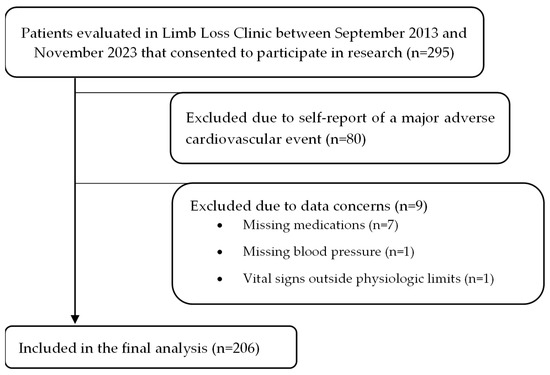
Objectives: This study aimed to identify factors associated with mean arterial pressure and pulse pressure, while considering non-modifiable factors. Methods: This study was a retrospective cross-sectional analysis of adults with lower limb loss and no history of a major adverse cardiovascular event. Participants completed self-reported medical histories and outcome measures, including a report of pain extent per body diagrams and physical activity per the General Practice Physical Activity Questionnaire. During an onsite clinical evaluation, participants underwent a resting vital sign assessment by a physiatrist and/or physical therapist. Forward stepwise logistic regression models were run to identify the factors associated with elevated mean arterial pressure (i.e., >100 mmHg) and wide pulse pressures (i.e., >60 mmHg). Results: Of 206 participants (aged 54.5 ± 14.1 years; 74.3% male; 72.8% White; 42.2%; dysvascular etiology), n = 107 (51.9%) presented with an elevated mean arterial pressure and n = 52 (25.2%) had a wide pulse pressure. Forty-two participants (20.4%) presented to the clinic with both conditions. A mean arterial pressure > 100 mmHg was associated with upper extremity pain presence [odds ratio (OR) = 2.62, 95% confidence interval (CI) = 1.26–5.45, p = 0.010] and increasing heart rate (OR = 1.02, CI = 1.00–1.04, p = 0.033). A pulse pressure > 60 mmHg was associated with advancing age (OR = 1.07, 95%CI = 1.04–1.10, p < 0.001) and a lower physical activity level (OR = 1.50, 95%CI = 1.07–2.11, p = 0.017). Conclusions: Over 50% of adults with lower limb loss and no history of major adverse cardiovascular events have an elevated mean arterial pressure and/or wide pulse pressure, suggesting maladaptive cardiovascular changes. Factors associated with elevated mean arterial pressure and/or wide pulse pressure may suggest underlying cardiovascular disease and sympathetic overactivity, warranting a further evaluation of cardiovascular risk.
Full article
(This article belongs to the Section Cardiovascular Diseases)
►▼
Show Figures

Graphical abstract
Open AccessReview
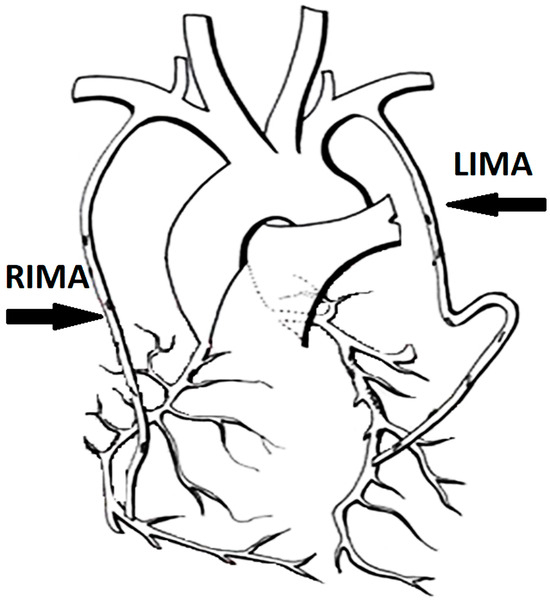
The Bilateral Internal Mammary Artery in Modern Coronary Revascularization: A Paradigm Shift Driven by Technical Evolution
by
Živojin S. Jonjev
J. Vasc. Dis. 2025, 4(4), 50; https://doi.org/10.3390/jvd4040050 - 11 Dec 2025
Abstract
Background: Despite level-A evidence demonstrating superior long-term survival with bilateral internal mammary artery (BIMA) grafting, its global utilization remains dismally low (<10–15%), largely due to historical concerns over deep sternal wound infections (DSWI) and technical complexity. This underutilization persists even as multi-arterial
[...] Read more.
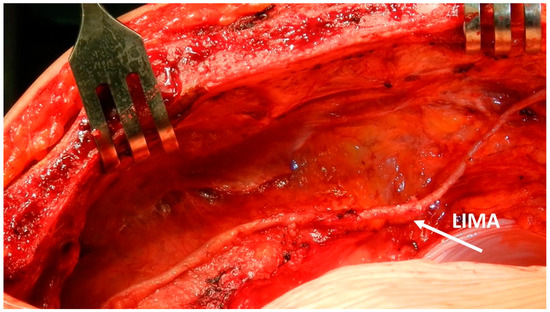
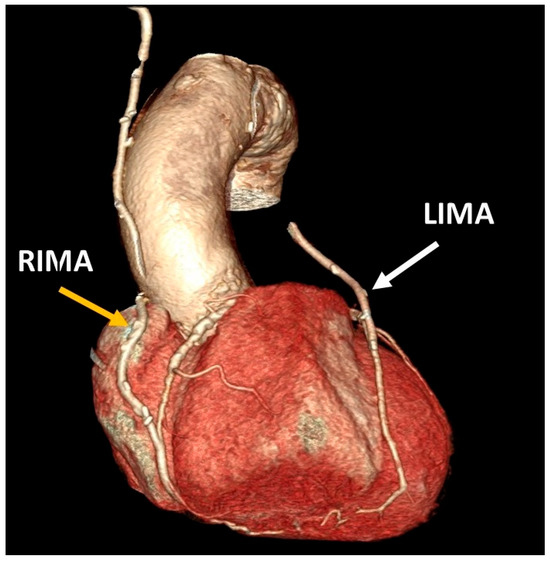
Background: Despite level-A evidence demonstrating superior long-term survival with bilateral internal mammary artery (BIMA) grafting, its global utilization remains dismally low (<10–15%), largely due to historical concerns over deep sternal wound infections (DSWI) and technical complexity. This underutilization persists even as multi-arterial grafting (MAG) adoption stagnates, with recent North American data showing only 16% of coronary artery bypass grafting CABG procedures utilize more than one arterial conduit. Objective: This review synthesizes contemporary evidence demonstrating that modern surgical refinements—particularly skeletonized “no-touch” harvesting—have effectively mitigated these concerns, enabling wider BIMA application. Methods & Results: Over two decades of institutional experience confirm that skeletonized harvesting preserves sternal perfusion and minimizes DSWI risk, even in high-risk patients. Propensity-matched analyses show significant survival benefits of BIMA grafting across age and comorbidity strata (8-year survival: 67.1% BIMA vs. 58.2% single internal mammary artery (SIMA), p < 0.05), rendering previous contraindications relative rather than absolute. Long-term outcomes demonstrate superior 10-year survival for in situ BIMA compared with SIMA (86.1% vs. 78.6%, p < 0.05). Advanced configurations such as sequential skeletonized grafting are safe and further enhance outcomes. In single-vessel left anterior descending artery (LAD) disease, skeletonized left internal mammary artery (LIMA) continues to outperform percutaneous coronary intervention (PCI), underscoring the unmatched durability of arterial conduits. Conclusions: The technical evolution of conduit harvesting has resolved the “BIMA paradox”. Contemporary evidence supports BIMA grafting as a standard of care for a broad CABG population, offering a durable, lifelong solution for coronary artery disease and warranting renewed guideline emphasis on multi-arterial revascularization.
Full article
(This article belongs to the Section Peripheral Vascular Diseases)
►▼
Show Figures

Figure 1

Open AccessReview
Intramural Hematoma During Percutaneous Coronary Intervention: Recognition, Case-Based Insights, and Contemporary Management Strategies
by
Danish Yar, Eran Wen Jun Sim, Bernard Wong, Sarah Fairley, Cuneyt Ada, George Touma and Bharat Khialani
J. Vasc. Dis. 2025, 4(4), 49; https://doi.org/10.3390/jvd4040049 - 4 Dec 2025
Abstract
Intramural hematoma (IMH) is an infrequent but clinically significant complication of percutaneous coronary intervention (PCI), characterized by blood accumulation within the medial layer, causing true lumen compression and impaired coronary flow. Often under-recognized on angiography, the use of intravascular imaging has enhanced diagnostic
[...] Read more.
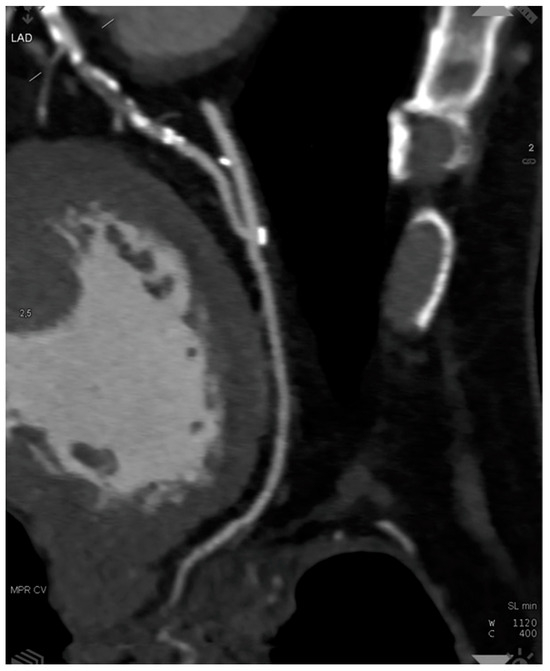
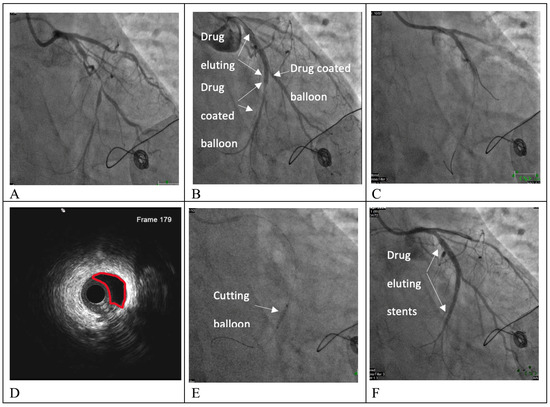
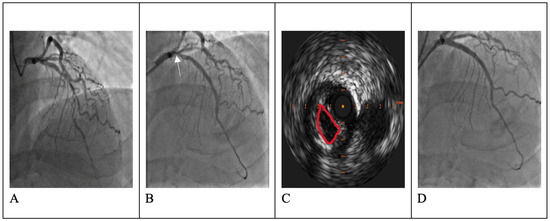
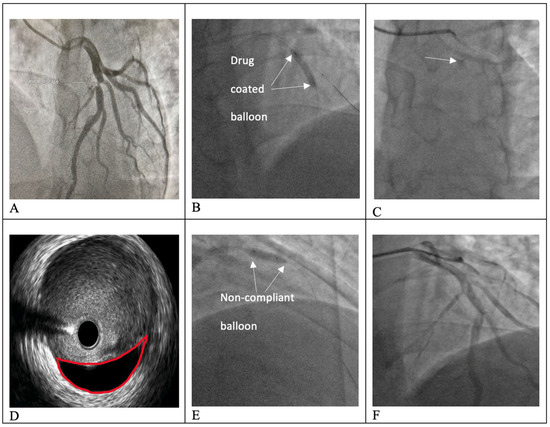
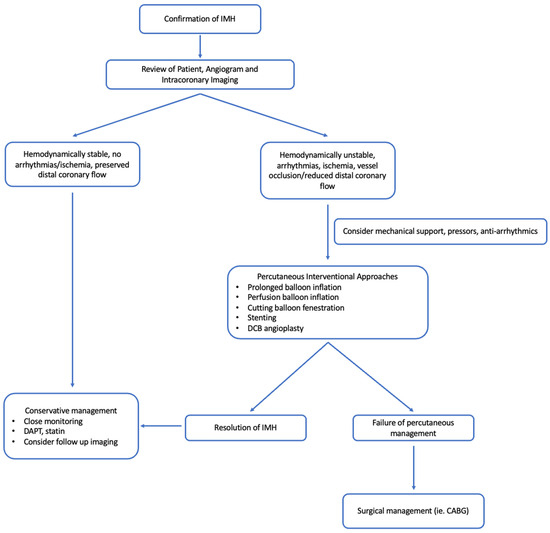
Intramural hematoma (IMH) is an infrequent but clinically significant complication of percutaneous coronary intervention (PCI), characterized by blood accumulation within the medial layer, causing true lumen compression and impaired coronary flow. Often under-recognized on angiography, the use of intravascular imaging has enhanced diagnostic accuracy and facilitated timely management. This review outlines the pathophysiology and mechanisms of iatrogenic IMH during PCI, clinical presentations, and contemporary strategies for detection and treatment. Illustrative case examples highlight practical considerations. We discuss the roles of intravascular ultrasound (IVUS), optical coherence tomography (OCT), and near-infrared imaging in diagnosis; summarize interventional approaches including stenting, cutting/scoring balloons, and drug-coated balloons; and propose a pragmatic clinical management algorithm. This reinforces that early identification of PCI-related IMH coupled with imaging-directed therapy significantly improves procedural accuracy and correlates with more favorable long-term vascular outcomes.
Full article
(This article belongs to the Section Cardiovascular Diseases)
►▼
Show Figures

Figure 1
Open AccessReview
Glucose/Potassium Ratio, a Novel Biomarker for the Prognosis of Patients with Subarachnoid Hemorrhage: A Review
by
Luis E. Fernández-Garza, Valeria A. Fernández-Garza, Daniela Mares-Custodio, Victor Gutiérrez-Ruano, Alexandro Navarrete-Rodríguez and Juan J. Arias-Alzate
J. Vasc. Dis. 2025, 4(4), 48; https://doi.org/10.3390/jvd4040048 - 4 Dec 2025
Abstract
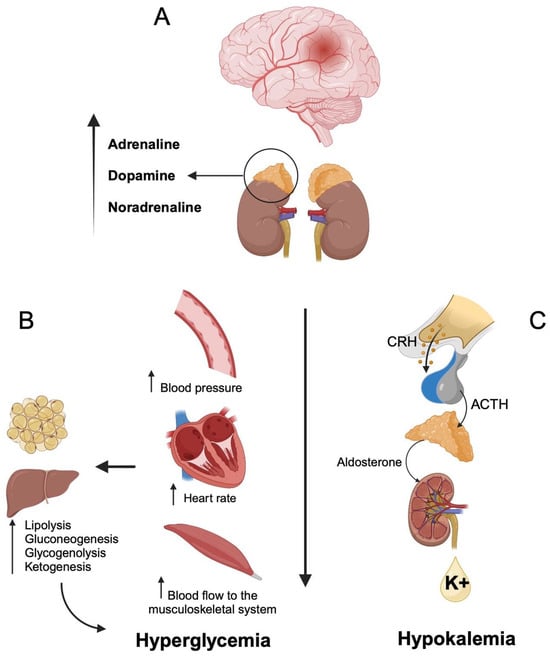
Subarachnoid hemorrhage (SAH) is a life-threatening cerebrovascular event with high mortality and long-term morbidity. While clinical grading scales such as Hunt and Hess or the World Federation of Neurological Surgeons (WFNS) score aid in prognosis, their accuracy implies a neurological assessment that can
[...] Read more.
Subarachnoid hemorrhage (SAH) is a life-threatening cerebrovascular event with high mortality and long-term morbidity. While clinical grading scales such as Hunt and Hess or the World Federation of Neurological Surgeons (WFNS) score aid in prognosis, their accuracy implies a neurological assessment that can be confounded in sedated patients, highlighting the need for objective biomarkers. Biomarkers offer an alternative approach for risk stratification. This review examines the prognostic value of the glucose/potassium ratio (GPR) in patients with aneurysmal SAH and its potential integration into future predictive models. A literature review of retrospective studies assessing the association between GPR and clinical outcomes in SAH was conducted. Evidence on the pathophysiological basis of stress-induced hyperglycemia and hypokalemia in SAH is presented, along with findings from five key clinical studies evaluating GPR in relation to mortality, vasospasm, delayed cerebral ischemia, and functional outcomes. Elevated GPR levels were consistently associated with poor short- and long-term outcomes in SAH patients. Studies reported significant correlations between GPR and 30-day mortality, poor Glasgow Outcome Scale (GOS) scores, increased incidence of cerebral vasospasm, and higher rates of rebleeding. The optimal GPR cutoff for predicting adverse outcomes was greater than 37 mg/dL, with multivariate analyses confirming GPR as an independent prognostic factor. GPR is a promising, cost-effective biomarker that integrates two stress-response parameters (glucose and potassium), both of which are independently associated with SAH prognosis. Its incorporation into future predictive models may enhance early risk stratification and guide clinical decision-making. Further prospective studies are warranted to validate its utility and standardize its clinical application.
Full article
(This article belongs to the Section Cardiovascular Diseases)
►▼
Show Figures

Figure 1
Open AccessArticle
Management of Chronic Venous Disease in Italy: Data Report from VeinHeart Survey
by
Angelo Santoliquido, Teresa Lucia Aloi, Marcello Izzo and Giuseppe Camporese
J. Vasc. Dis. 2025, 4(4), 47; https://doi.org/10.3390/jvd4040047 - 27 Nov 2025
Abstract
Background/Objectives: Chronic venous disease is a very common disease. Recent studies suggest a potential link between this condition and cardiovascular disease or mortality. Common pathophysiological features include endothelial injury, hypercoagulability, and systemic inflammation. Conservative management of chronic venous disease includes compression therapy
[...] Read more.
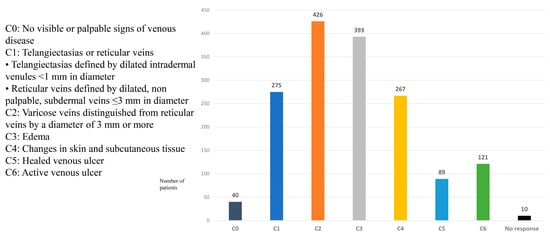
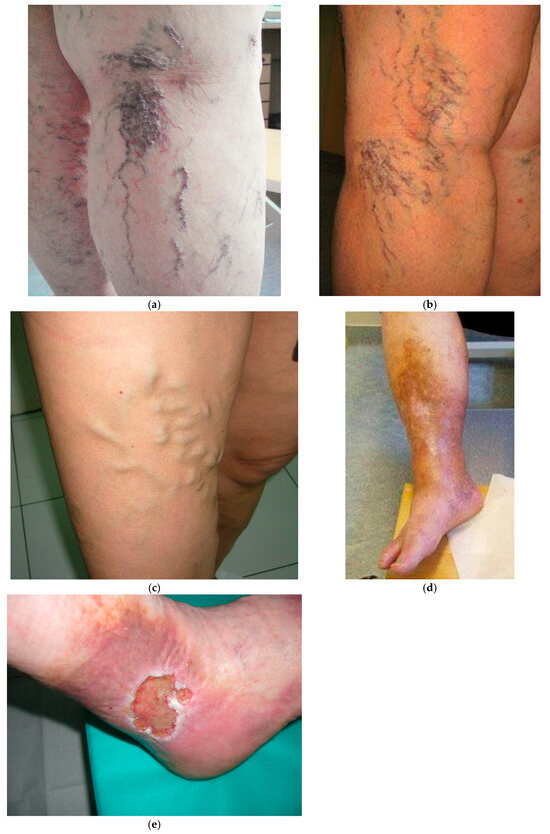
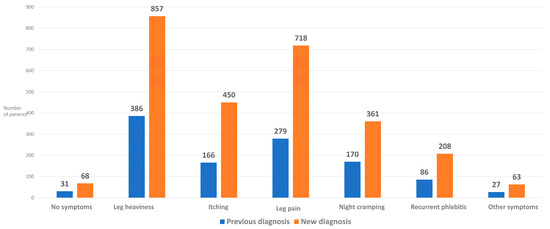
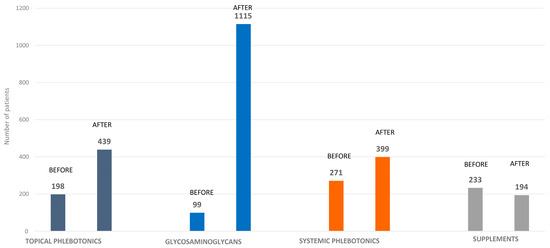
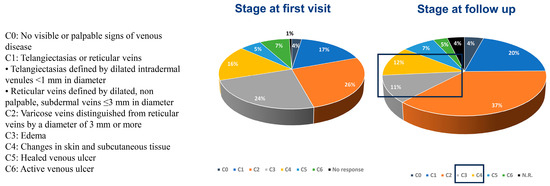
Background/Objectives: Chronic venous disease is a very common disease. Recent studies suggest a potential link between this condition and cardiovascular disease or mortality. Common pathophysiological features include endothelial injury, hypercoagulability, and systemic inflammation. Conservative management of chronic venous disease includes compression therapy and pharmacological treatment. However, there is some controversy regarding the exact place of pharmacological treatment in the management of this condition. We conducted the VeinHeart Survey to gather information on the management of patients with chronic venous disease referred to vascular specialists in Italy. Methods: The present survey involved 78 Italian phlebologists, angiologists, and vascular surgeons, with data from a total of 1621 patients. Results: Drug therapies prescribed by vascular specialists participating in this survey included: glycosaminoglycans, topical phlebotonics, systemic phlebotonics, and supplements. The most commonly prescribed medications were glycosaminoglycans, both at the first visit and at follow-up. The meantime since the first visit was 56.4 days. Both symptoms and signs improved at follow-up. The most improved signs at follow-up were edema and venous ulcer healing. The prevalence of CEAP classes C3 and C4 also showed a decrease at the follow-up visit. Conclusions: The findings of this survey provide a picture of the state of the art of current pharmacological treatments prescribed by expert clinicians in the management of patients with chronic venous disease in Italy. This may offer some useful insights for the optimization of current therapeutic options, in order to improve the clinical management of this disease.
Full article
(This article belongs to the Section Peripheral Vascular Diseases)
►▼
Show Figures

Figure 1
Open AccessArticle
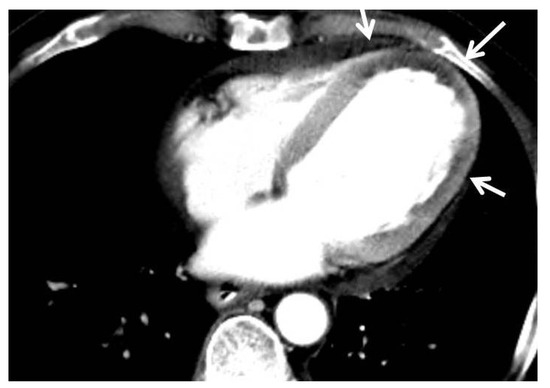
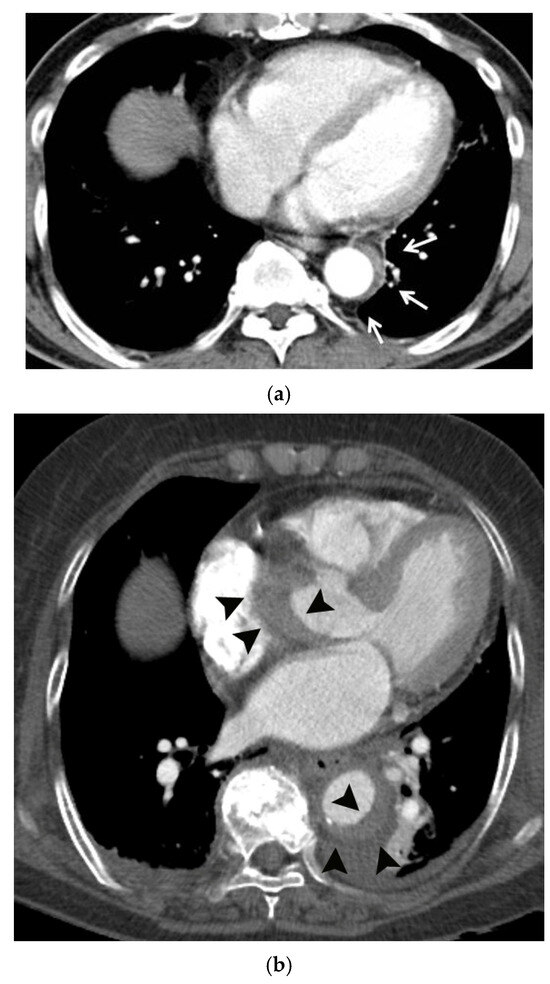
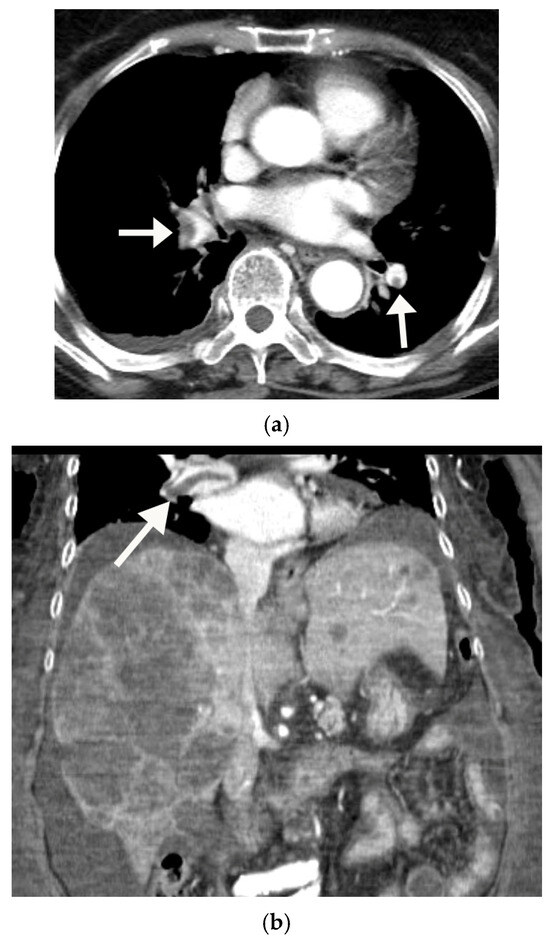
Overlooked Acute Myocardial Infarction and Intramural Hematoma on Abdominal CT in Patients Presenting with Nonspecific Abdominal Pain
by
Min Ji Son, Seung Min Yoo, Hwa Yeon Lee and Charles S. White
J. Vasc. Dis. 2025, 4(4), 46; https://doi.org/10.3390/jvd4040046 - 23 Nov 2025
Abstract
Objectives: The field of view on abdominal CT includes the lower portion of the heart and thoracic aorta. Notably, triple rule-out (TRO) abnormalities [acute myocardial infarction (AMI), acute aortic syndrome (AAS), and pulmonary thromboembolism (PE)] may be overlooked on abdominal CT. The purpose
[...] Read more.
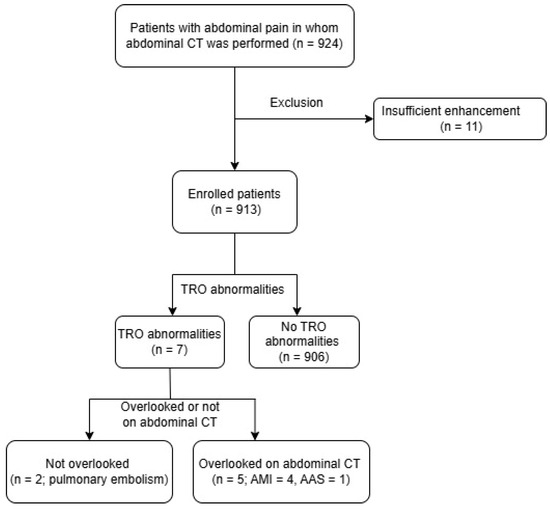
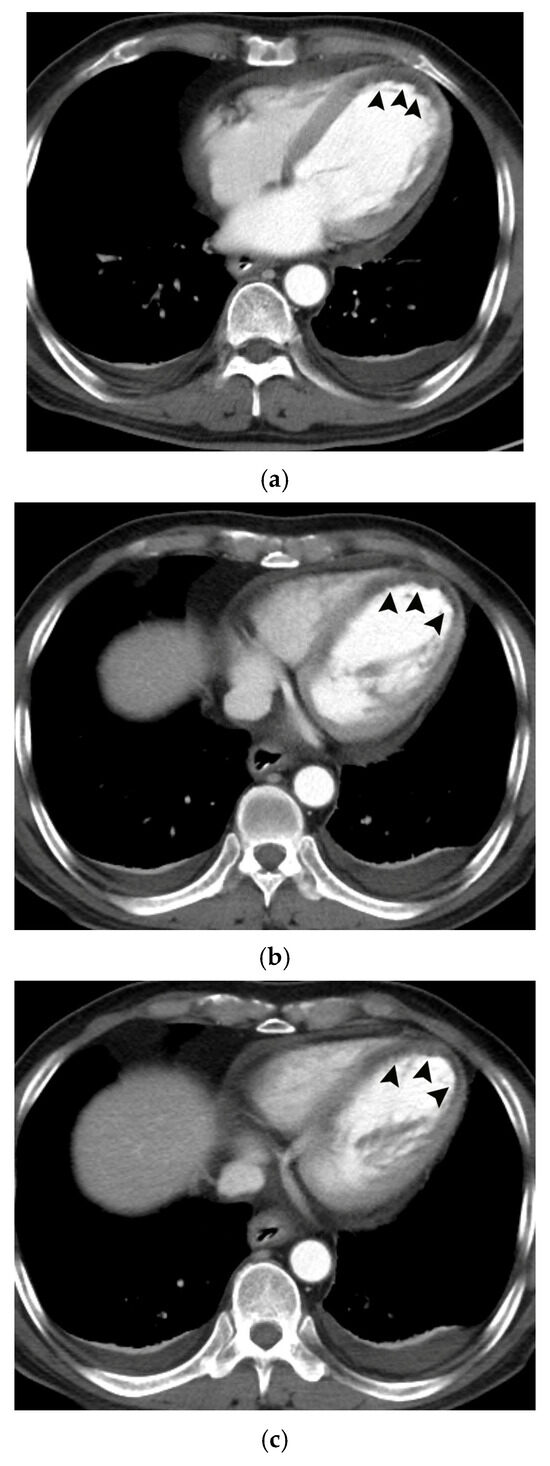
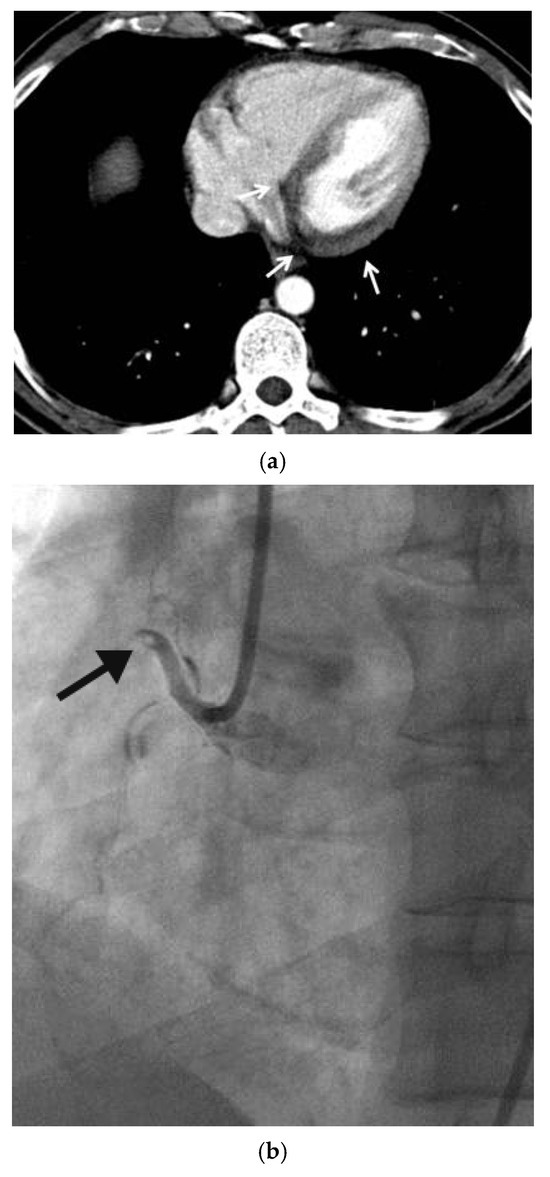
Objectives: The field of view on abdominal CT includes the lower portion of the heart and thoracic aorta. Notably, triple rule-out (TRO) abnormalities [acute myocardial infarction (AMI), acute aortic syndrome (AAS), and pulmonary thromboembolism (PE)] may be overlooked on abdominal CT. The purpose of this paper is to evaluate the frequency of overlooked TRO abnormalities on abdominal CT in patients presenting with nonspecific abdominal pain. Methods: We retrospectively identified 913 patients from January 2017 to June 2018 in whom enhanced abdominal CT was performed due to nonspecific abdominal pain. Two chest radiologists retrospectively assessed the abdominal CT, focusing on whether TRO abnormalities were overlooked. Results: Upon retrospective review, there were 0.5% TRO abnormalities (four AMI and one AAS) not described on abdominal CT. A majority (71.4%) of the TRO abnormalities were overlooked on the initial CT report. Conclusions: Radiologists should routinely assess the lower chest on abdominal CT to avoid overlooked TRO abnormalities.
Full article
(This article belongs to the Section Cardiovascular Diseases)
►▼
Show Figures

Figure 1
Open AccessReview
Role of Compression and Physical Therapy in the Treatment of Chronic Venous Insufficiency
by
Lara Vasari, Vedrana Mužić, Sandra Marinović Kulišić, Daška Štulhofer Buzina, Endi Radović and Ana Lamza
J. Vasc. Dis. 2025, 4(4), 45; https://doi.org/10.3390/jvd4040045 - 18 Nov 2025
Abstract
Chronic venous insufficiency (CVI) is a common peripheral vascular condition characterised by the retrograde blood flow in the lower extremities and its consequences such as oedema and other complications. Clinical severity of CVI is assessed according to the CEAP (Clinical, Etiological, Anatomic, and
[...] Read more.
Chronic venous insufficiency (CVI) is a common peripheral vascular condition characterised by the retrograde blood flow in the lower extremities and its consequences such as oedema and other complications. Clinical severity of CVI is assessed according to the CEAP (Clinical, Etiological, Anatomic, and Physiopathologic) classification, which recognises seven grades of increasing clinical severity (C0–C6). Compression therapy aims to accelerate vein, lymph, and microcirculation flow and therefore reduce chronic nonbacterial inflammation and oedema of the extremities. In accordance with the elasticity and stiffness, compression bandages and garments are divided into short-stretch and long-stretch compression materials. Compression therapy is applicable in all stages of CVI. Moreover, compression therapy in conjunction with physical therapy and lifestyle modifications is more effective in reducing oedema, preventing venous distension, and reducing venous wall tension, all while improving calf muscle pump function. Physical therapy in CVI treatment combines everyday lifestyle modifications, physical activity, medical exercise, sports activity, hydrotherapy, and electrotherapy. Therefore, physical therapy is used either for prevention or either for therapeutic purposes in CVI. For grades CEAP C0–C2, preventive measures consist of education and counselling, medical exercise and general fitness, and sports and physical activities. However, for therapy in grades CEAP C3–C6, medical exercise and a specific rehabilitation programme, manual lymphatic drainage and massage, balneotherapy, and electrotherapy are recommended.
Full article
(This article belongs to the Topic Diagnosis, Management, and Prognostic Assessment of Chronic Disease)
►▼
Show Figures

Figure 1
Open AccessReview
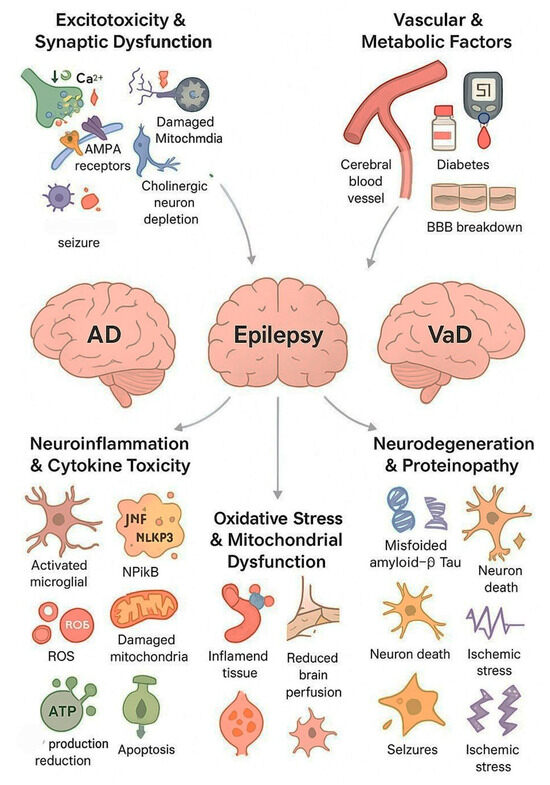
Alzheimer’s Disease, Epilepsy, and Vascular Dementia: Convergent Mechanisms and Shared Therapeutic Pathways
by
Syed Haris Omar and Md Ahsan Ghani
J. Vasc. Dis. 2025, 4(4), 44; https://doi.org/10.3390/jvd4040044 - 12 Nov 2025
Abstract
Alzheimer’s disease (AD), epilepsy, and vascular dementia (VaD) are highly prevalent neurological diseases and lead global drivers of morbidity. While these conditions have been historically treated as distinct entities, they now appear to share convergent molecular and cellular processes that drive disease initiation
[...] Read more.
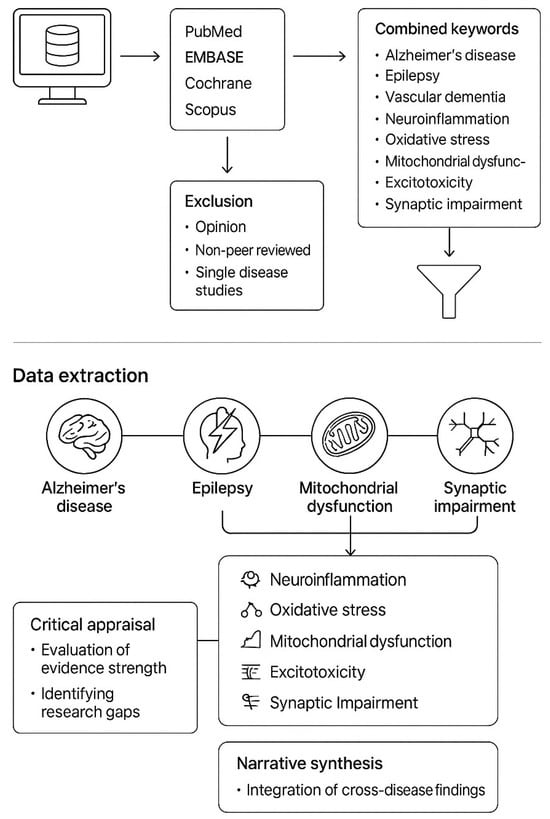
Alzheimer’s disease (AD), epilepsy, and vascular dementia (VaD) are highly prevalent neurological diseases and lead global drivers of morbidity. While these conditions have been historically treated as distinct entities, they now appear to share convergent molecular and cellular processes that drive disease initiation and progression. This narrative review collates evidence from studies published from 2000 to 2025 to investigate overlapping mechanisms and therapeutic opportunities for the three conditions. Five interconnected mechanisms, excitotoxicity, neuroinflammation, oxidative stress, mitochondrial dysfunction, and vascular impairment, were identified as key driving processes resulting in self-sustaining cycles leading to neuronal injury, cognitive impairment, and seizure susceptibility. Clinically, this is represented by shared cognitive, behavioral, and functional impairments, and often, seizures can be overlooked during the dementia process. Therapeutic strategies which may be useful across diseases could include anti-inflammatory treatments, mitochondrial stabilizers, vascular health treatments, and protein aggregation changes. Important translational gaps also exist for practice particularly in the biomarker space and trials that allow intervention across diseases. Each of these conditions, in essence, represent the same inter-relationships at the level of pathophysiology and provides opportunities for multi-targeted treatment approaches and integrated research trajectories to ease the worldwide burden of neurodegenerative disorder.
Full article
(This article belongs to the Section Neurovascular Diseases)
►▼
Show Figures

Figure 1
Open AccessReview
Hereditary Hemorrhagic Telangiectasia—Current Therapies and Future Prospects
by
Dominika Żyła, Katarzyna Zych, Milena Krawczyk and Julia Nowakowska
J. Vasc. Dis. 2025, 4(4), 43; https://doi.org/10.3390/jvd4040043 - 11 Nov 2025
Abstract
Hereditary hemorrhagic telangiectasia (HHT), also known as Osler–Weber–Rendu disease, is an autosomal dominant vascular disorder caused most commonly by pathogenic variants in the ENG and ACVRL1/ALK1 genes. It is characterized by mucocutaneous telangiectasias and arteriovenous malformations (AVMs) in various organs, leading to recurrent
[...] Read more.
Hereditary hemorrhagic telangiectasia (HHT), also known as Osler–Weber–Rendu disease, is an autosomal dominant vascular disorder caused most commonly by pathogenic variants in the ENG and ACVRL1/ALK1 genes. It is characterized by mucocutaneous telangiectasias and arteriovenous malformations (AVMs) in various organs, leading to recurrent epistaxis, gastrointestinal bleeding, and iron deficiency anemia. Diagnosis relies on the Curaçao Criteria, which include recurrent nosebleeds, characteristic telangiectasias, visceral AVMs, and family history. This review aims to present current therapeutic approaches and emerging treatment strategies for HHT. Traditional surgical and laser-based methods are increasingly complemented or replaced by targeted pharmacological interventions. Antiangiogenic agents such as bevacizumab and thalidomide have demonstrated efficacy in reducing bleeding frequency and transfusion requirements, although adverse effects may limit long-term use. Novel therapies under investigation target molecular pathways involved in vascular remodeling, including tyrosine kinase inhibitors (sorafenib, nintedanib), anti-ANGPT2 antibodies, and modulators of BMP9/ALK1 signaling (tacrolimus, sirolimus). Preclinical and early clinical studies suggest that these agents may provide disease-modifying benefits. Continued research should focus on optimizing treatment efficacy, reducing toxicity, and developing individualized therapeutic regimens based on genetic and clinical characteristics.
Full article
(This article belongs to the Section Peripheral Vascular Diseases)
Open AccessEditor’s ChoiceReview
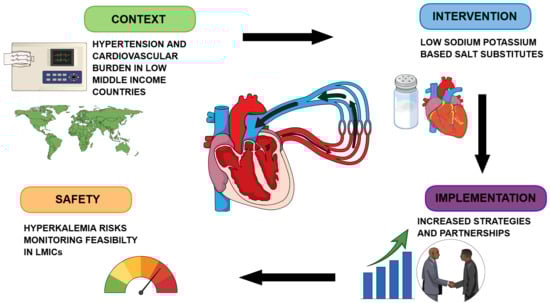
Salt Substitutes in Low-Income Settings: Blood Pressure Benefits, Cardiovascular Outcomes, and Safety Considerations: A Narrative Review
by
Salma Younas, Harshavardhan Parvathi, Sweta Sahu, Renu Rani, Samiya Saher, Yiannis S. Chatzizisis and Maria Carolina Delgado-Lelievre
J. Vasc. Dis. 2025, 4(4), 42; https://doi.org/10.3390/jvd4040042 - 28 Oct 2025
Abstract
Background: Hypertension remains a leading cause of cardiovascular morbidity and mortality, disproportionately affecting low- and middle-income countries (LMICs), where healthcare access and awareness are limited. Excessive sodium intake, often from discretionary salt used in cooking, contributes significantly to this burden. Salt substitutes, typically
[...] Read more.
Background: Hypertension remains a leading cause of cardiovascular morbidity and mortality, disproportionately affecting low- and middle-income countries (LMICs), where healthcare access and awareness are limited. Excessive sodium intake, often from discretionary salt used in cooking, contributes significantly to this burden. Salt substitutes, typically formulated by partially replacing sodium chloride with potassium chloride or other minerals, offer a cost-effective dietary intervention to lower blood pressure (BP) and reduce cardiovascular risk, particularly in resource-constrained settings. Objective: This review examines the efficacy of low-sodium salt substitutes (LSSS) in reducing blood pressure (BP) and its effects on cardiovascular (CV) outcomes, safety concerns, and challenges to their implementation in LMICs. Methods: We conducted a comprehensive narrative review of studies published between 1994 and 2024 using PubMed, Embase, and Scopus databases. Eligible studies included randomized controlled trials, systematic reviews, observational studies, and implementation research that evaluated the effects of LSSS on BP, CV outcomes, safety, and feasibility in LMIC contexts. Thematic synthesis was used to summarize the findings. Key Findings: Salt substitutes consistently lowered systolic and diastolic BP across diverse populations, with mean reductions ranging from 3 to 5 mmHg. Trials have also demonstrated reductions in stroke incidence, CV events, and all-cause mortality. However, the benefits were mostly derived from studies conducted in China and other upper-middle-income settings. Safety concerns (particularly hyperkalemia in individuals with chronic kidney disease or RAAS inhibitors) warrant targeted risk screening and public education. Implementation barriers in LMICs include cost, limited availability, poor awareness, and a lack of regulatory oversight. Conclusions: Salt substitutes present a promising, scalable strategy to reduce BP and CV disease burden in LMICs. However, their adoption must be context-specific, culturally sensitive, and supported by government subsidies, regulatory frameworks, and educational campaigns. Future trials should evaluate the long-term safety and cost-effectiveness in underrepresented LMIC populations to guide equitable public health interventions.
Full article
(This article belongs to the Section Cardiovascular Diseases)
►▼
Show Figures

Graphical abstract
Highly Accessed Articles
Latest Books
E-Mail Alert
News
Topics
Topic in
Diagnostics, JCM, JCDD, Hearts, JVD
Mechanical Circulatory Support in Heart Failure—Second Edition
Topic Editors: Anton Sabashnikov, Fernando Riesgo Gil, Aron-Frederik Popov, Evgenij V. Potapov, Ihor KrasivskyiDeadline: 31 December 2026
Conferences
Special Issues
Special Issue in
JVD
Peripheral Arterial Disease (PAD) and Innovative Treatments
Guest Editor: Melvin HaydenDeadline: 17 April 2026
Special Issue in
JVD
Current Advances in Intracranial Aneurysms: From Basic to Clinical Research
Guest Editor: Yanning RuiDeadline: 10 June 2026
Special Issue in
JVD
Neurovascular Canvas: From Basic Science to Clinical Breakthroughs
Guest Editors: Ciro De Luca, Nicola Giannini, Alessandro ViganòDeadline: 15 August 2026
Special Issue in
JVD
Emerging Mechanisms and Translational Advances in Atherosclerotic Vascular Diseases
Guest Editor: Tomoaki IshigamiDeadline: 11 September 2026