
Featured Reviews, Perspectives, and Commentaries in Contemporary Chemistry

A topical collection in Chemistry (ISSN 2624-8549).

Viewed by 7434

Editor


E-Mail Website
Collection Editor
Department of Chemistry and Biochemistry, Florida State University, Tallahassee, FL 32306, USA
Interests: chemical reactivity; organic; organometallic; main group chemistry; reaction mechanisms; carbon-rich materials; stereoelectronic effects; radical transformations; organic photochemistry; electron and hole upconversion
Special Issues, Collections and Topics in MDPI journals

Topical Collection Information

Dear Colleagues,

We are pleased to announce this Topical Collection, entitled “Featured Reviews, Perspectives, and Commentaries in Contemporary Chemistry”. This Topical Collection will publish high-quality review, perspective and commentary papers written by our Editorial Board Members and leading researchers worldwide. It will provide clear overviews and forward-looking insights into the most critical and timely research areas in modern chemistry.

Chemistry is the central science: it bridges fundamental disciplines from physics to biology and drives advances in applied fields such as medicine, engineering and environmental science. Today’s chemistry also thrives on synergies with mathematics, computer science and artificial intelligence. Positioned at the intersection of the molecular and macroscopic worlds, chemistry underpins materials science, enables new technologies and illuminates humanity’s place in the universe, reminding us that the carbon atoms in our bodies were forged in stars from smaller elements via nuclear fusion.

This Topical Collection welcomes contributions spanning both fundamental and applied research that highlight chemistry’s central role across the natural sciences. Topics of interest include, but are not limited to, the following:

  • Chemistry and energy;
  • Chemistry and materials;
  • Chemistry and the environment;
  • Chemistry and health;
  • Chemistry and artificial intelligence;
  • Chemistry and information storage/processing.

By curating accessible yet forward-looking articles, this collection will serve as a valuable resource for researchers, students and broader audiences interested in advancements in chemistry. We anticipate that the published works will be widely read, highly influential and instrumental in shaping the future directions of the field.

Prof. Dr. Igor Alabugin
Collection Editor

Manuscript Submission Information

Manuscripts should be submitted online at www.mdpi.com by registering and logging in to this website. Once you are registered, click here to go to the submission form. All submissions that pass pre-check are peer-reviewed. Accepted papers will be published continuously in the journal (as soon as accepted) and will be listed together on the collection website. Research articles, review articles as well as short communications are invited. For planned papers, a title and short abstract (about 250 words) can be sent to the Editorial Office for assessment.

Submitted manuscripts should not have been published previously, nor be under consideration for publication elsewhere (except conference proceedings papers). All manuscripts are thoroughly refereed through a single-blind peer-review process. A guide for authors and other relevant information for submission of manuscripts is available on the Instructions for Authors page. Chemistry is an international peer-reviewed open access monthly journal published by MDPI.

Please visit the Instructions for Authors page before submitting a manuscript. The Article Processing Charge (APC) for publication in this open access journal is 1800 CHF (Swiss Francs). Submitted papers should be well formatted and use good English. Authors may use MDPI's English editing service prior to publication or during author revisions.

Keywords

  • analytical, physical, inorganic, and organic chemistry
  • biological and medicinal chemistry
  • chemistry at the nanoscale
  • computational and theoretical chemistry
  • energy and catalysis
  • green and environmental chemistry
  • polymers and soft materials
  • machine learning, artificial intelligence, automation in chemistry
  • spectroscopy and physical methods of analysis
  • earth, atmospheric, and space chemistry

Published Papers (4 papers)

2026

Jump to: 2025

56 pages, 19115 KB  
Review
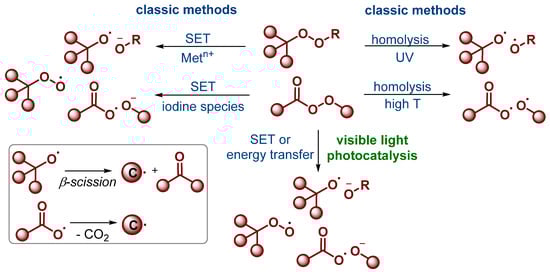
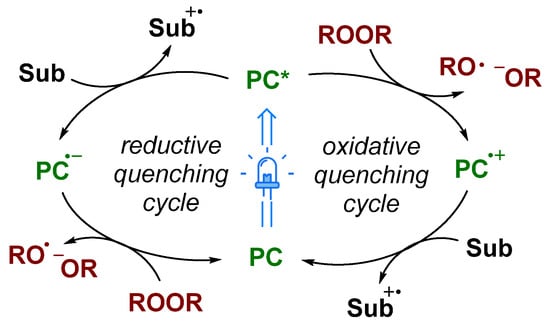
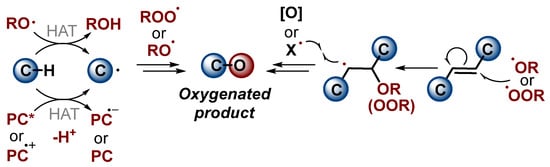
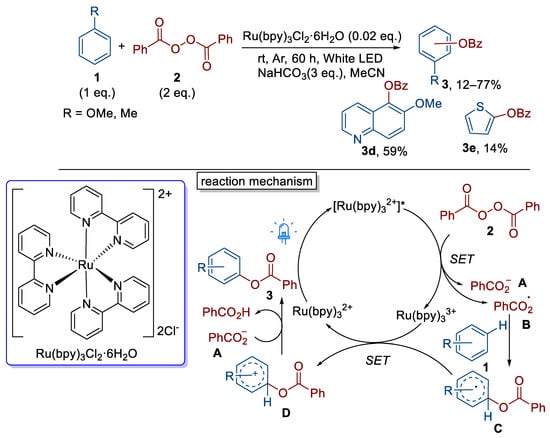
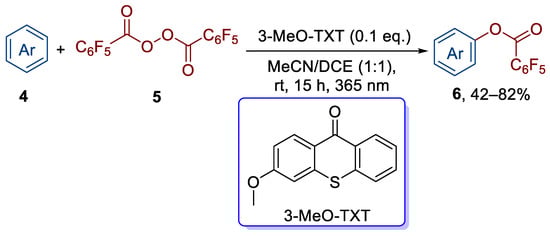
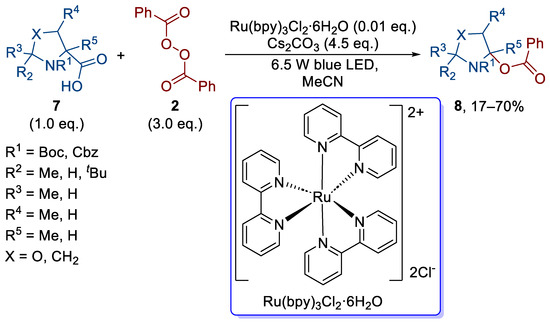
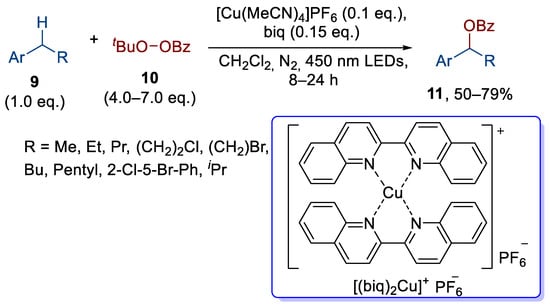
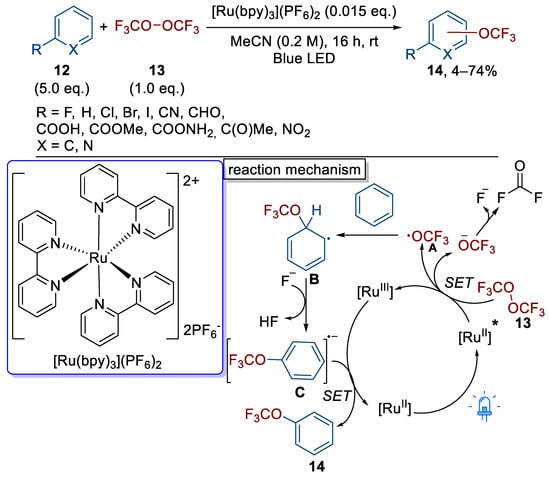
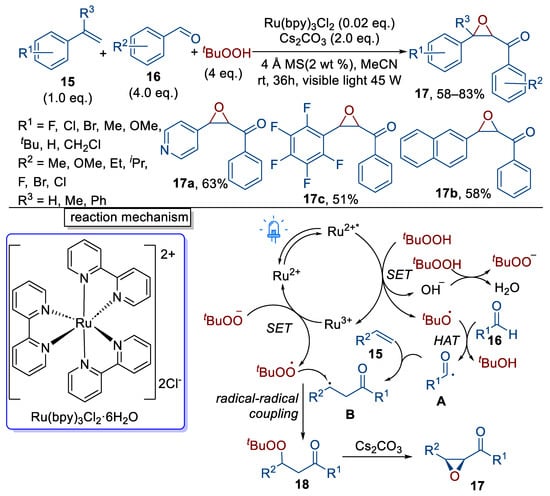
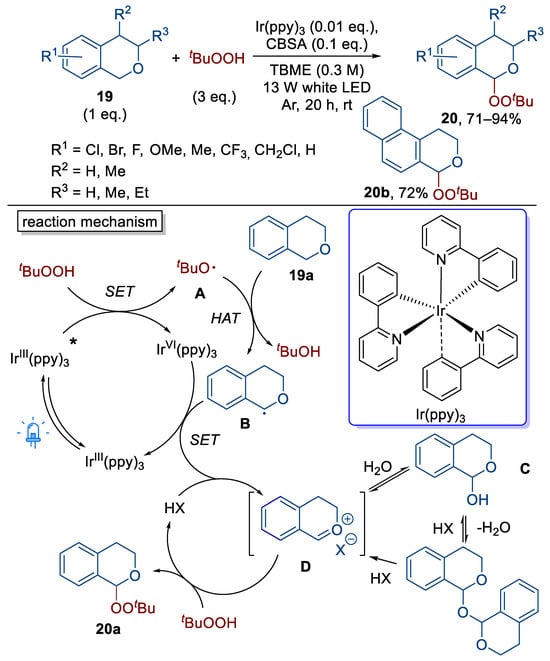
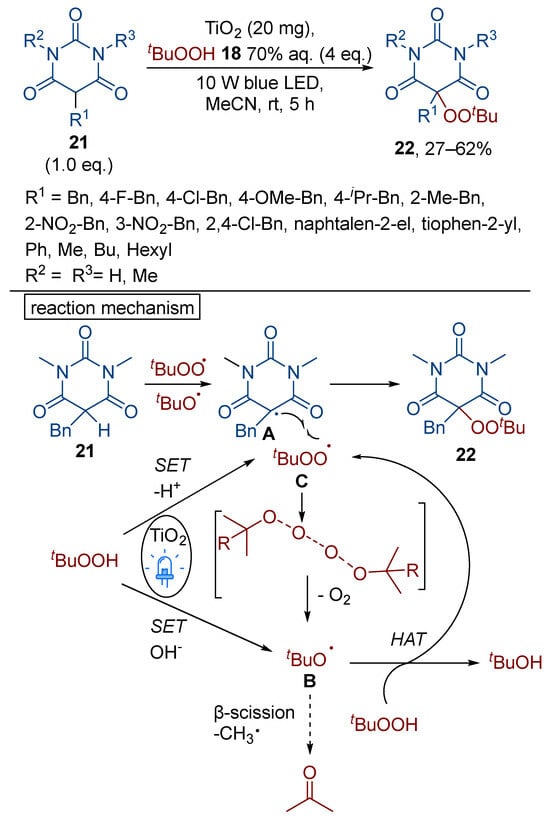
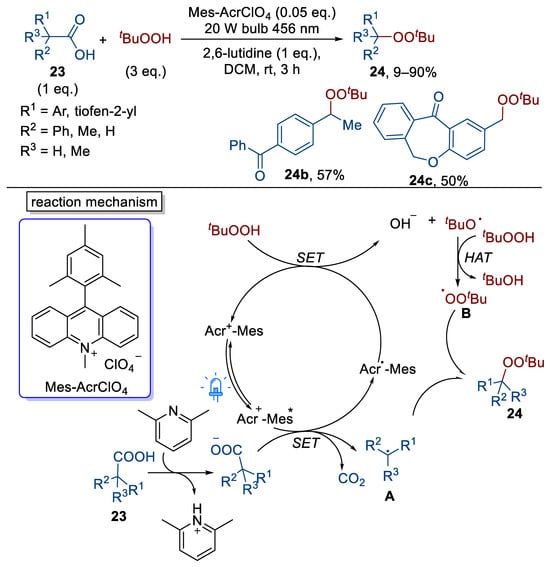
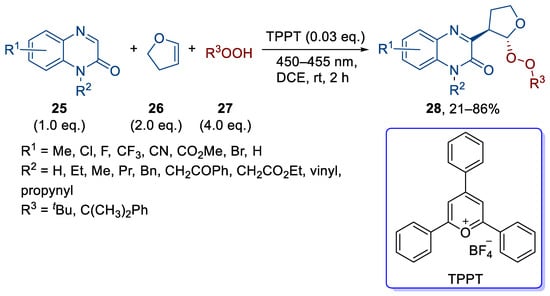
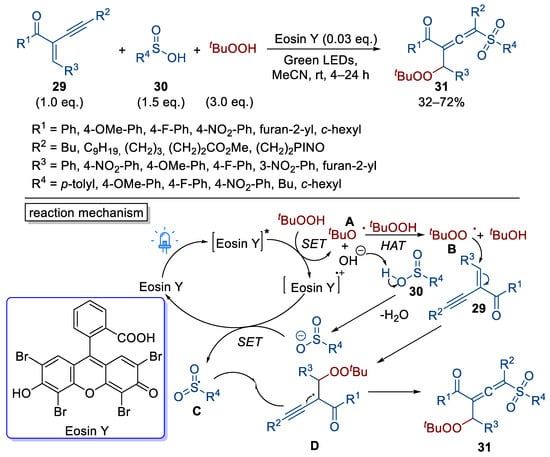
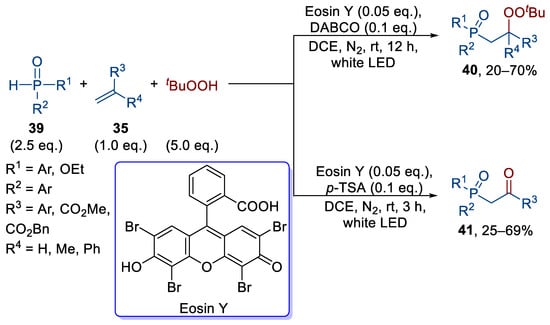
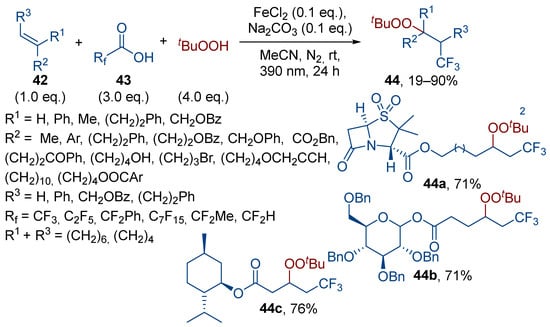
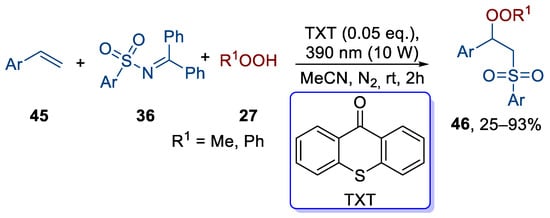
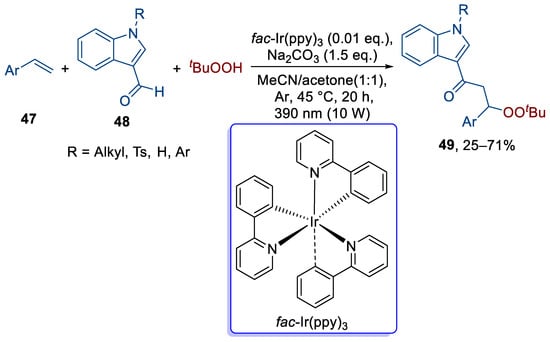
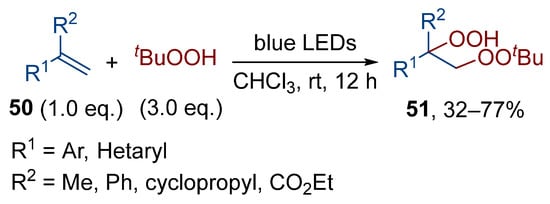
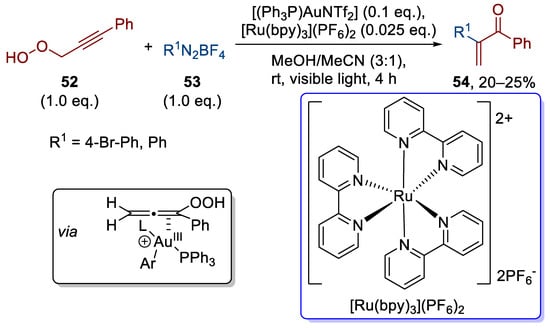
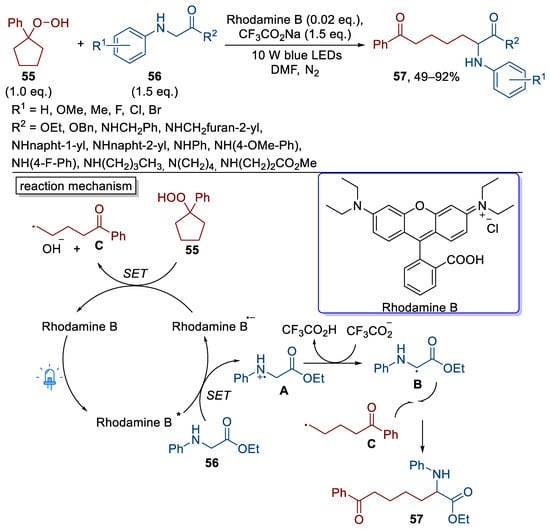
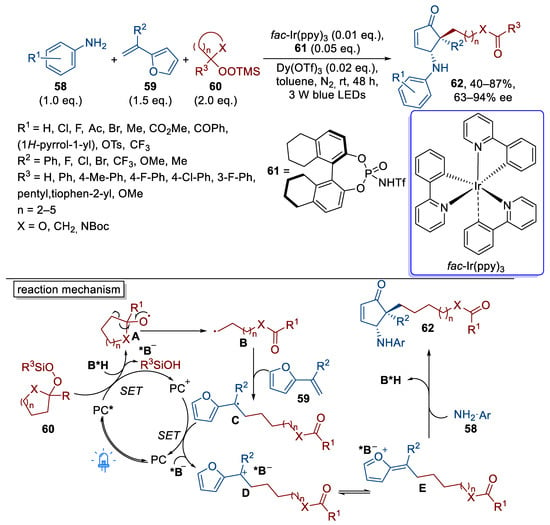
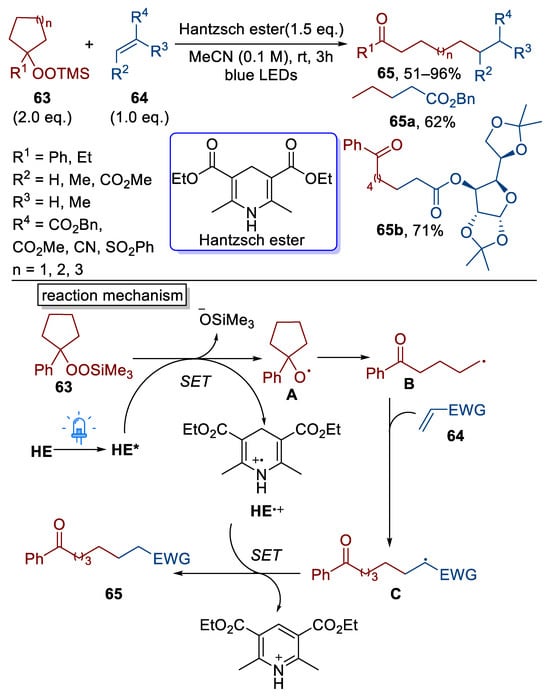
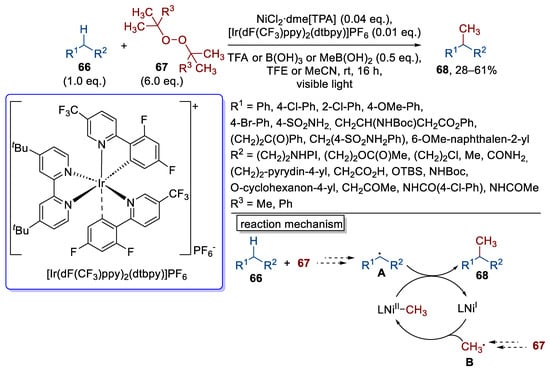
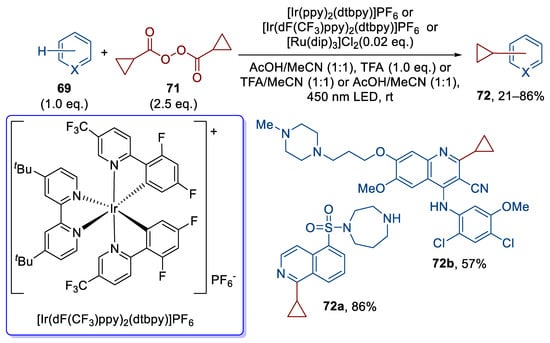
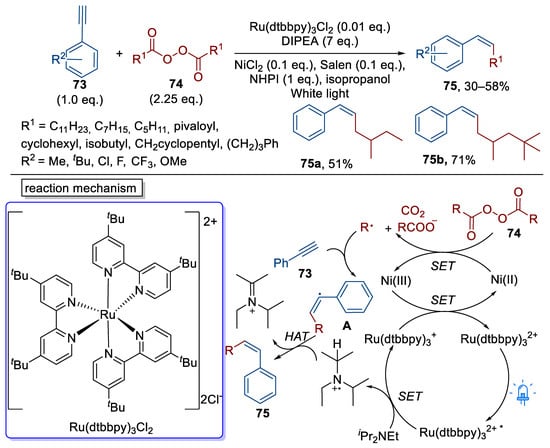
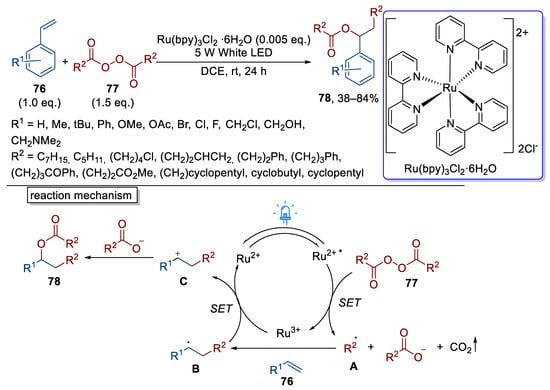
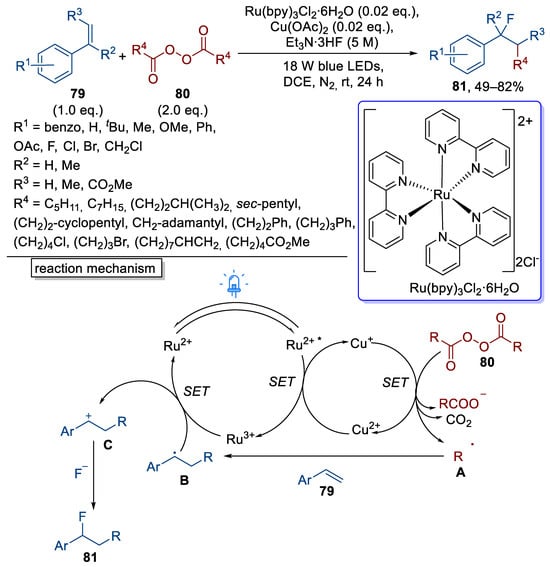
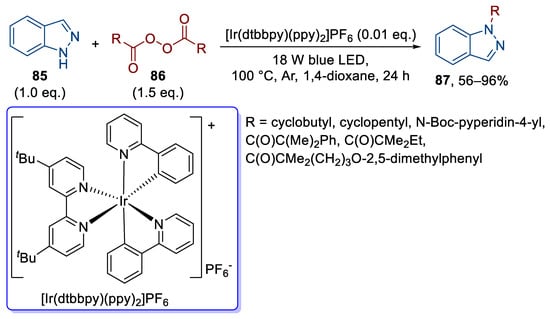
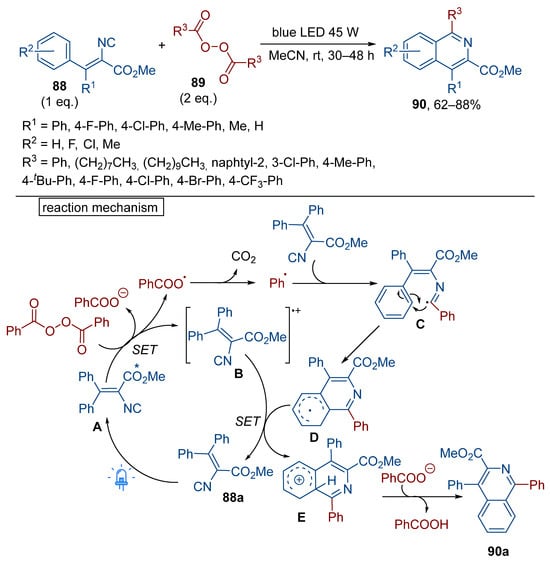
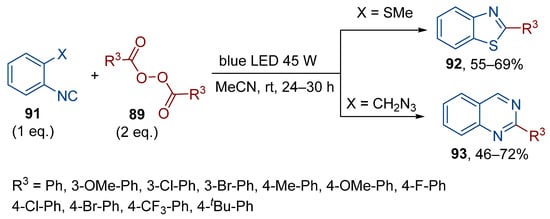
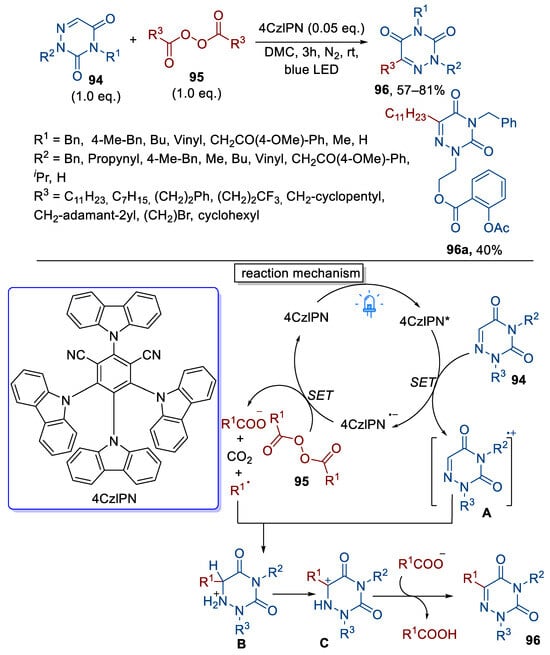
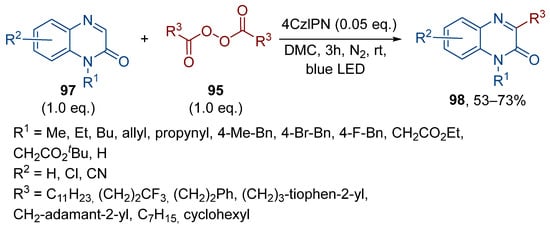
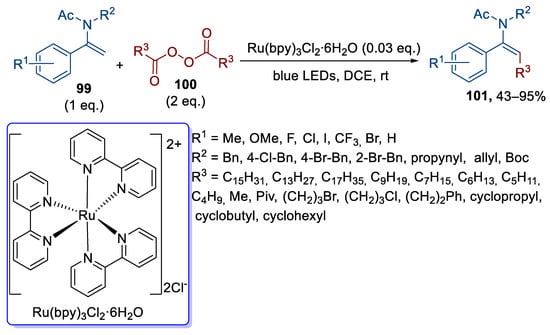
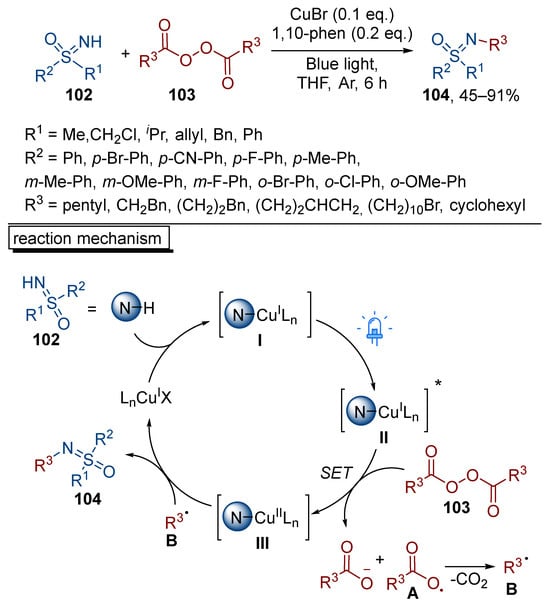
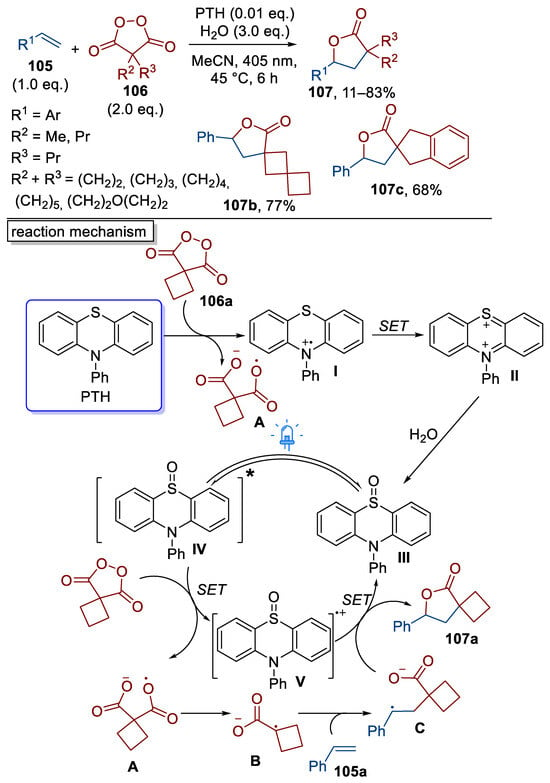
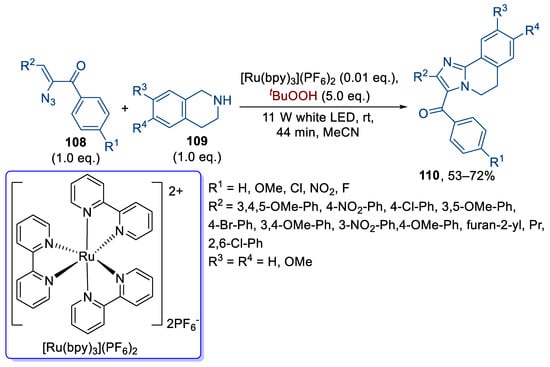
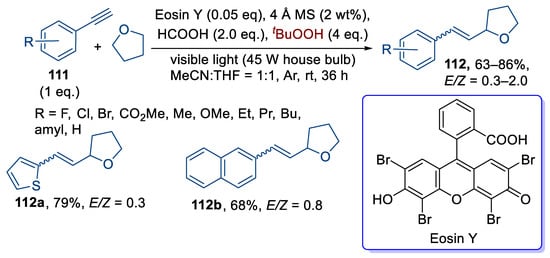
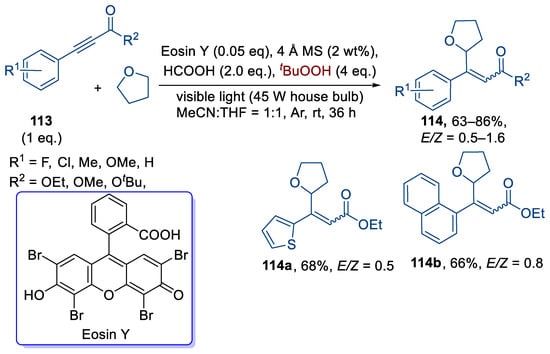
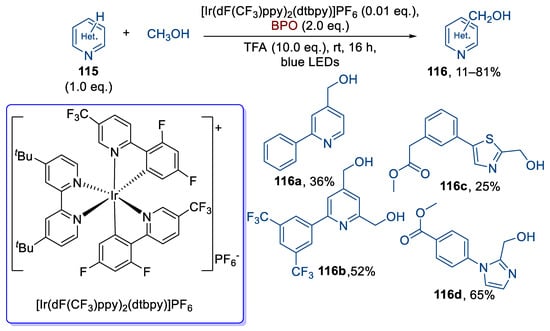
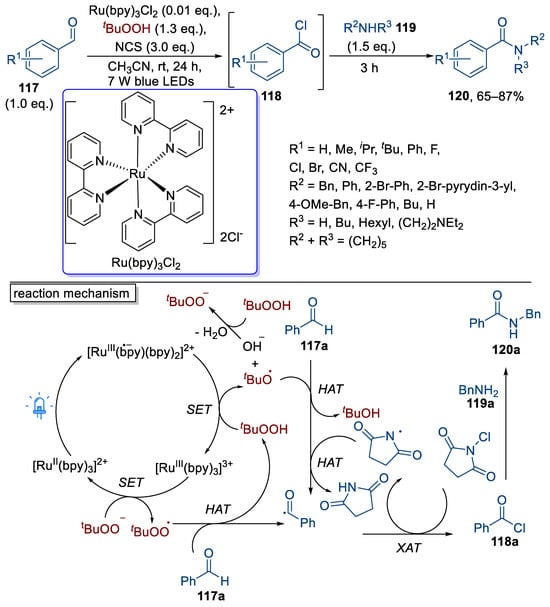
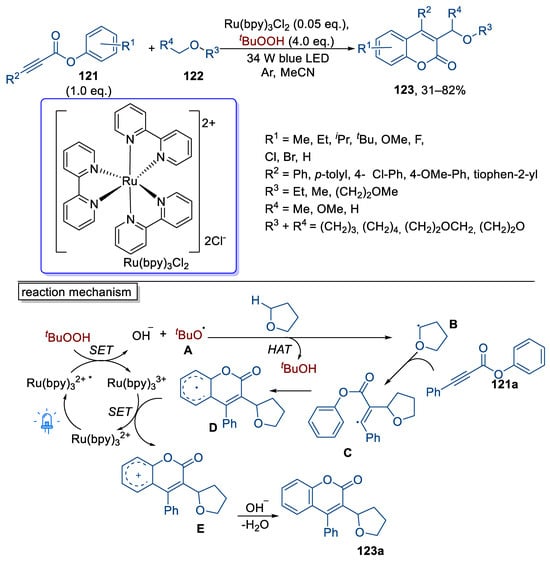
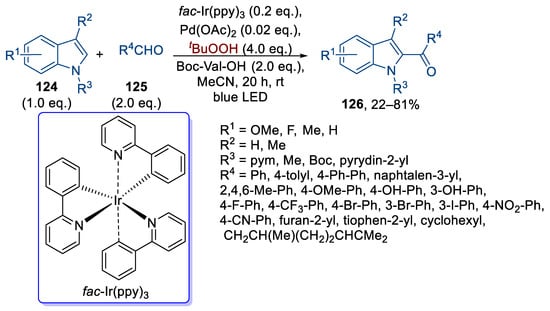
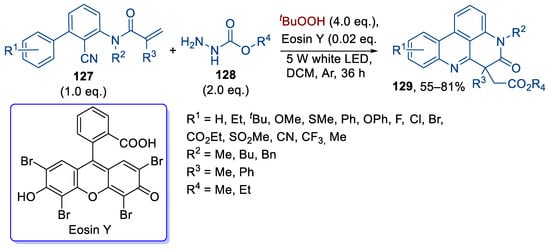
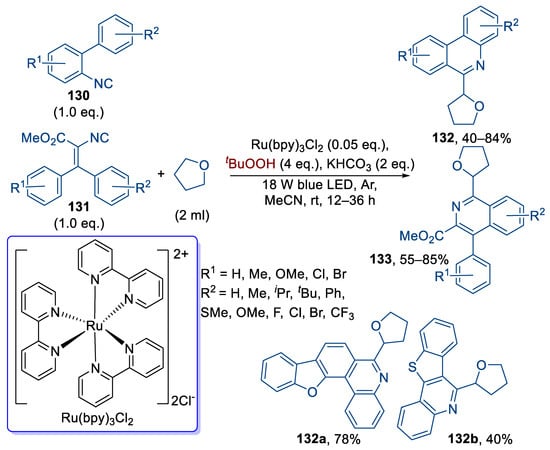
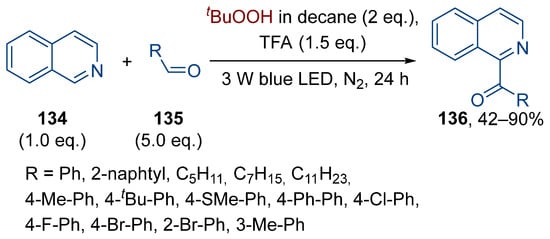
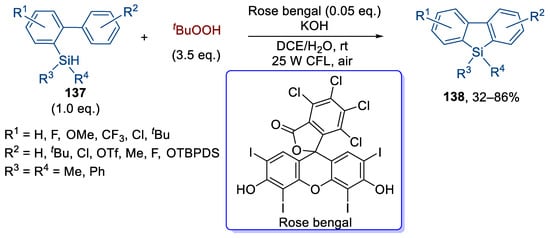
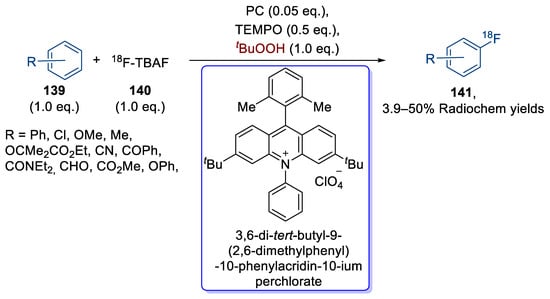
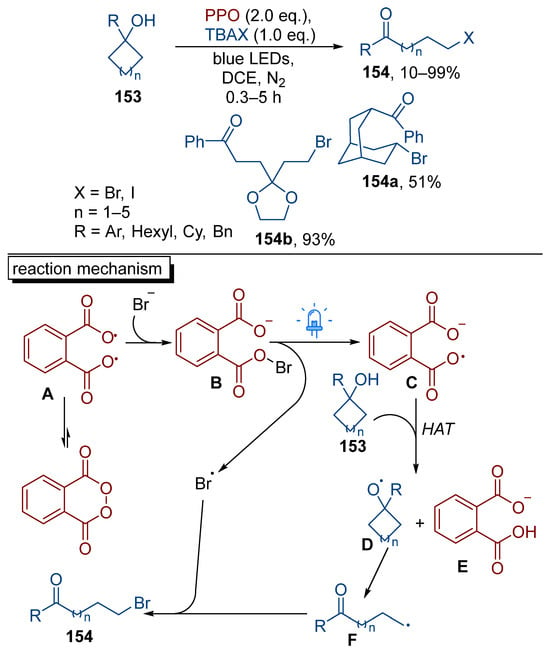
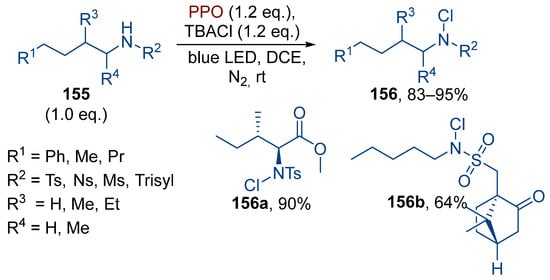
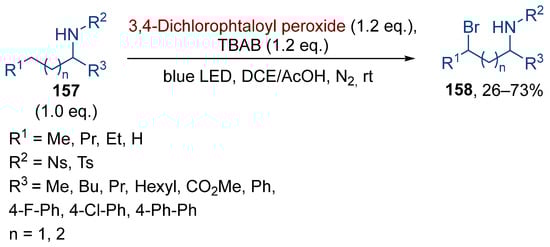
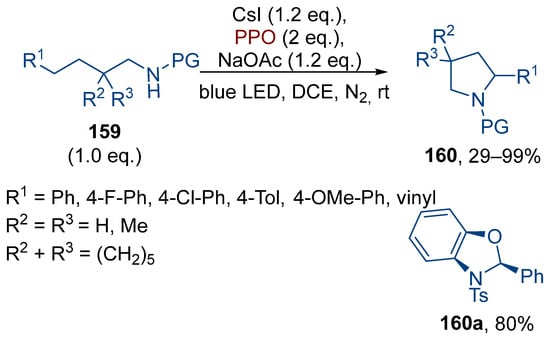
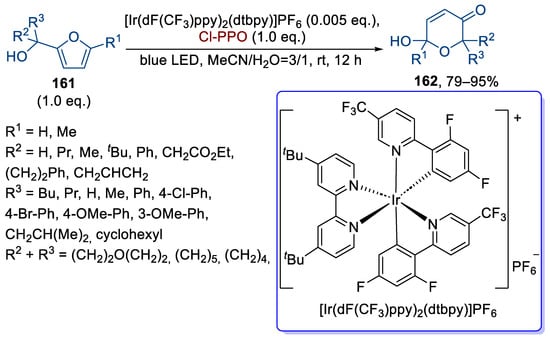
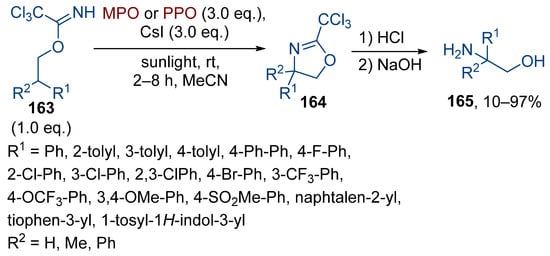
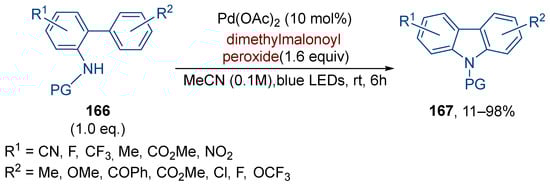
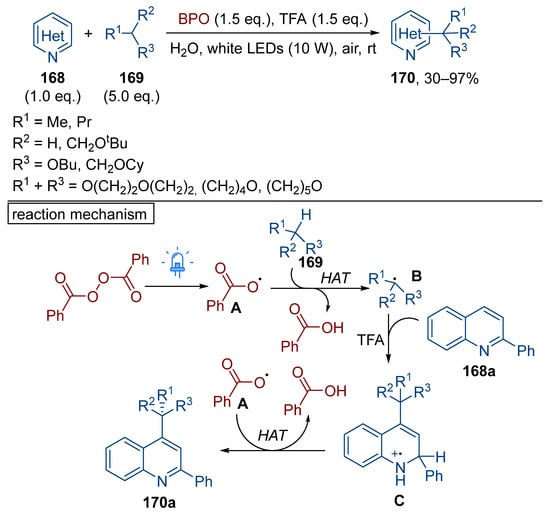
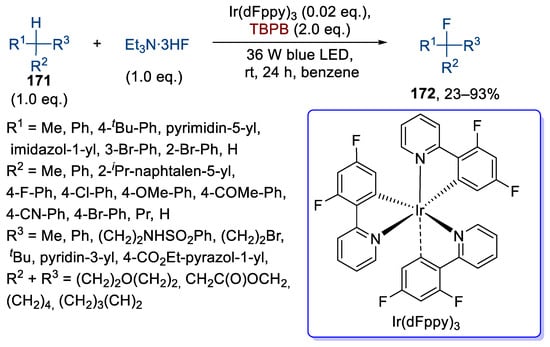
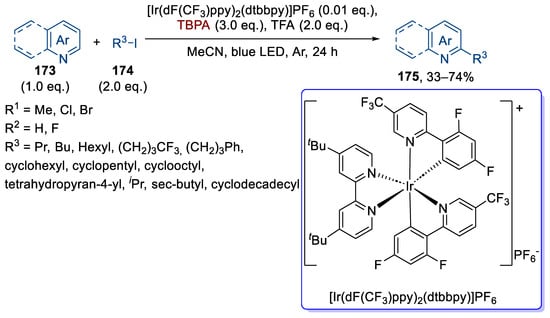
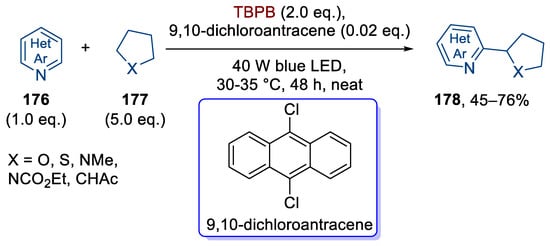
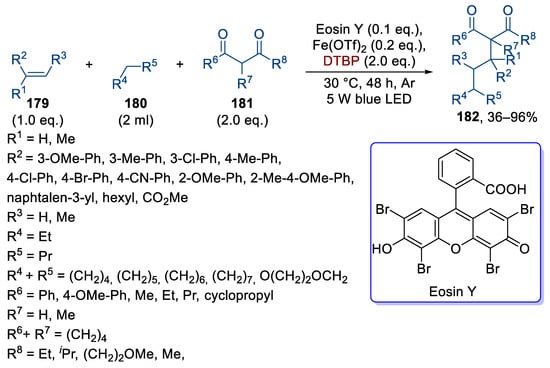
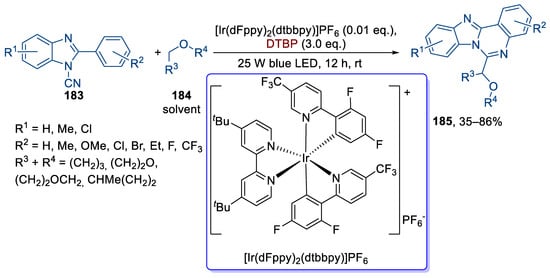
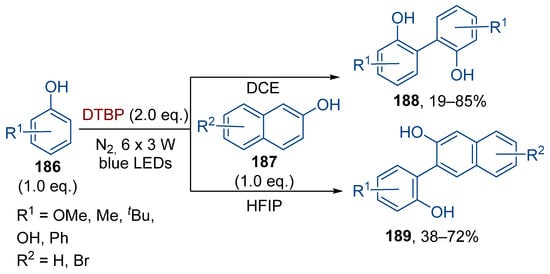
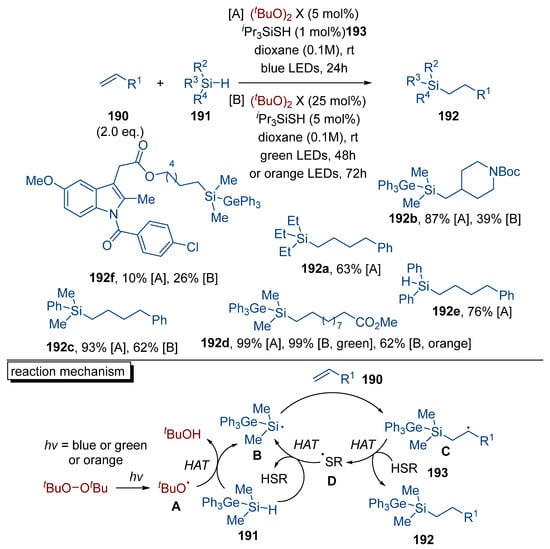
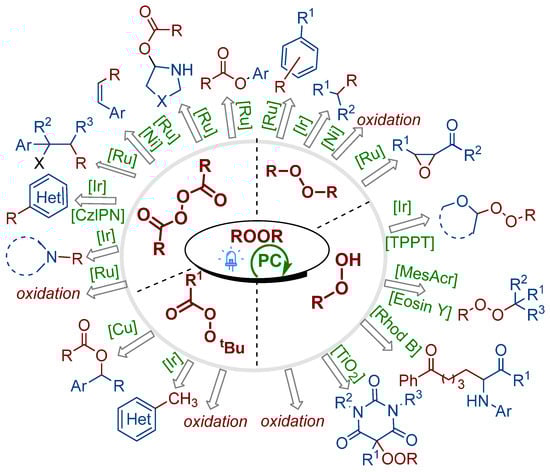
Throwing Light on -O–O- Bond: Organic Peroxides in Visible-Light Photocatalysis
by Diana V. Shuingalieva, Damir D. Karachev, Ksenia V. Skokova, Ivan M. Prosvetov, Dmitri I. Fomenkov, Vera A. Vil’ and Alexander O. Terent’ev
Chemistry 2026, 8(2), 20; https://doi.org/10.3390/chemistry8020020 - 9 Feb 2026
Viewed by 1120
Abstract
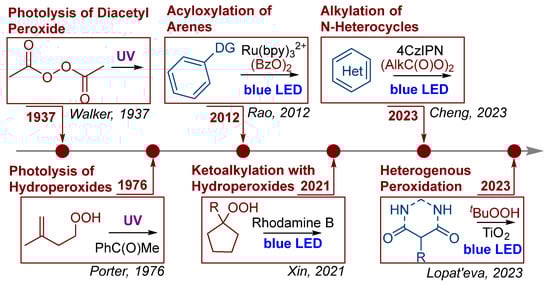
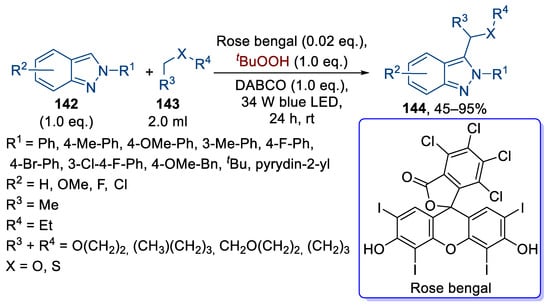
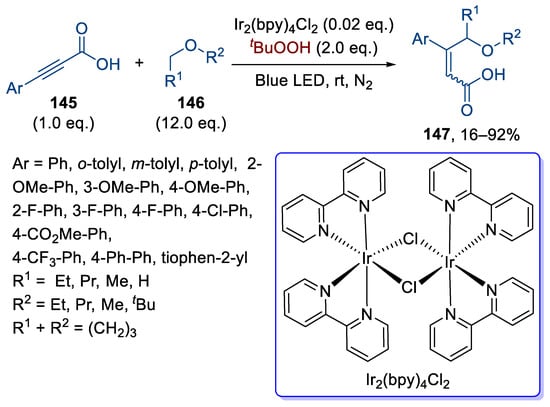
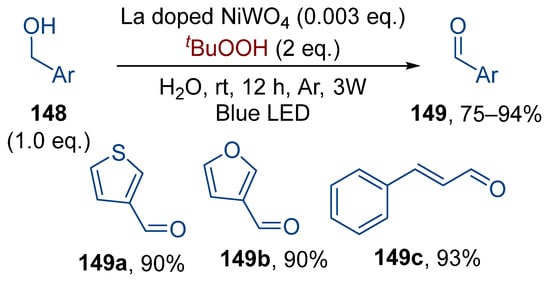
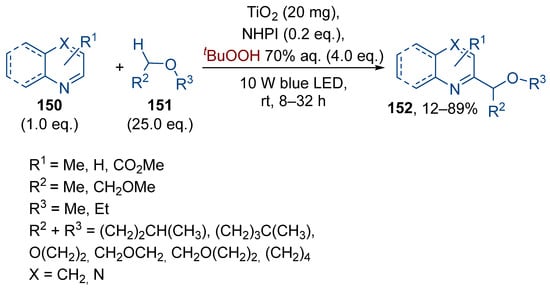
Visible-light photocatalysis enables the integration of classical electrophile/nucleophile chemistry with radical species (free radicals, radical cations, and radical anions) and metallocomplexes, significantly expanding the scope of organic transformations. Substrates capable of generating radicals via single-electron transfer (SET) are therefore of high value in [...] Read more.
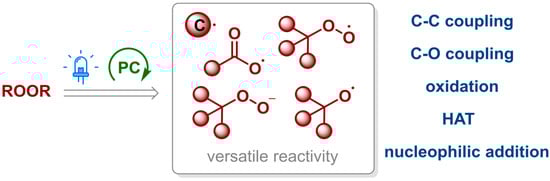
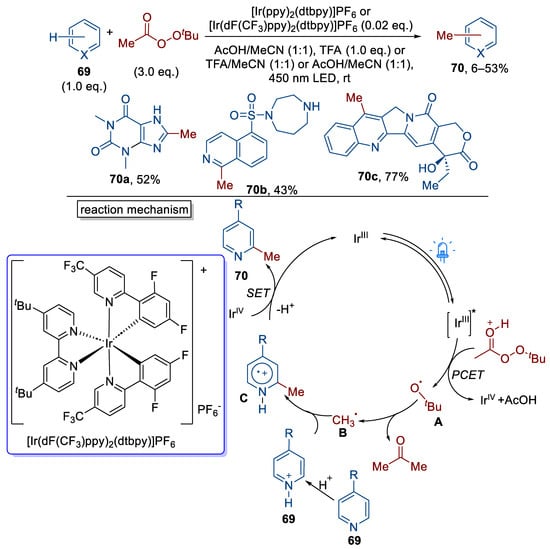
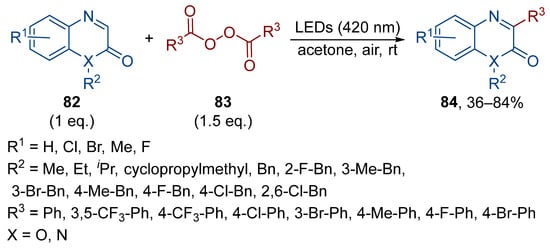
Visible-light photocatalysis enables the integration of classical electrophile/nucleophile chemistry with radical species (free radicals, radical cations, and radical anions) and metallocomplexes, significantly expanding the scope of organic transformations. Substrates capable of generating radicals via single-electron transfer (SET) are therefore of high value in this field. Among conventional radical precursors, organic peroxides occupy a distinctive position due to their unique reactivity. They can generate both oxygen-centered and carbon-centered radicals through either oxidative or reductive SET pathways. Furthermore, organic peroxides can act as radical precursors, nucleophiles, and oxidants. The review emphasizes the advancements of visible-light-mediated reactions utilizing the broad potential of organic peroxides for constructing various chemical bonds. Full article
Show Figures

Graphical abstract
35 pages, 2952 KB  
Review
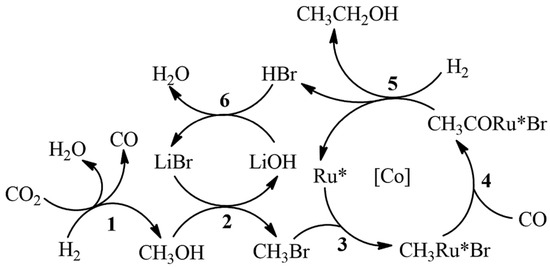
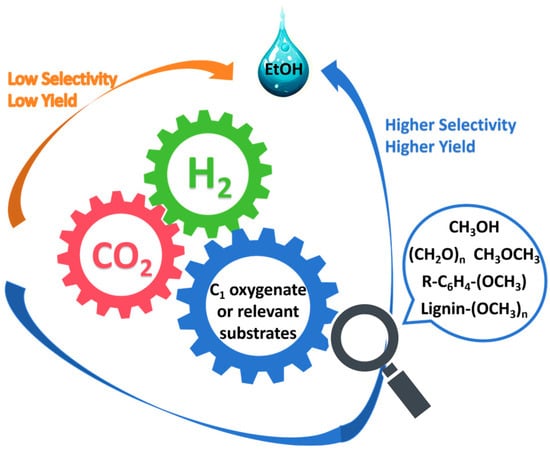
Thermo-Catalytic Carbon Dioxide Hydrogenation to Ethanol
by Xianyu Meng, Ying Wang, Jie Li, Hongxing Wang, Chenglong Yu, Jia Guo, Zhuo Zhang, Qingli Qian and Buxing Han
Chemistry 2026, 8(2), 14; https://doi.org/10.3390/chemistry8020014 - 28 Jan 2026
Cited by 2 | Viewed by 1840
Abstract
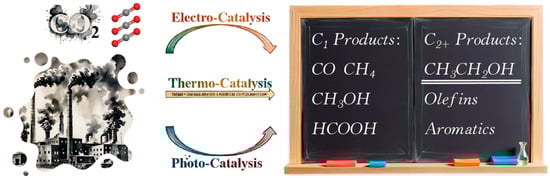
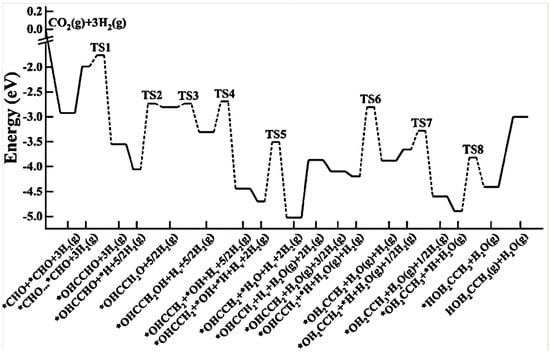
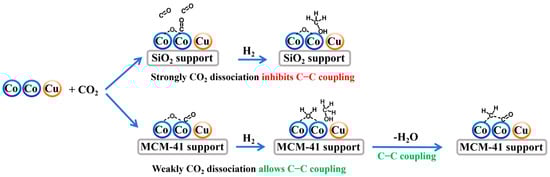
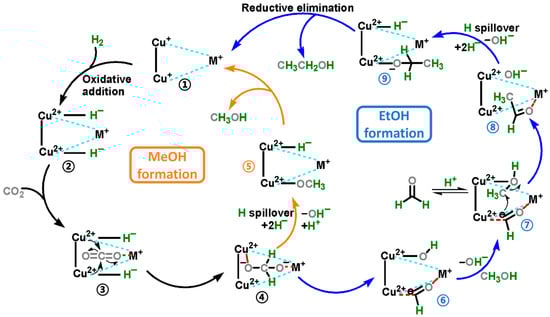
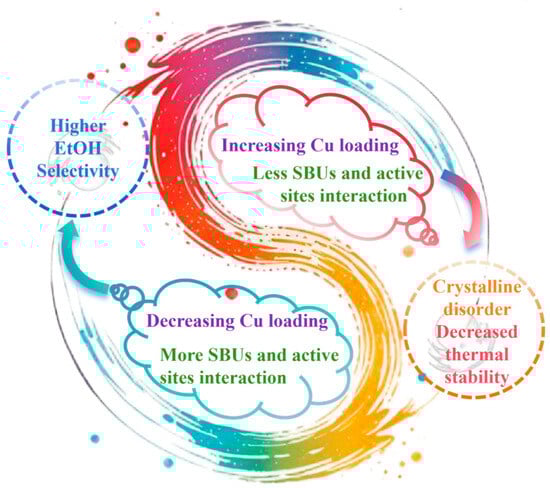
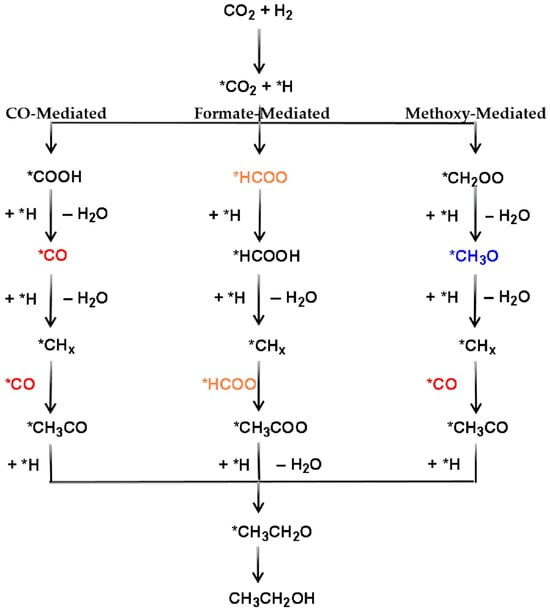
The catalytic hydrogenation of carbon dioxide (CO2) represents a transformative approach for reducing greenhouse gas emissions while producing sustainable fuels and chemicals, with ethanol being particularly promising due to its compatibility with existing energy infrastructure. Despite significant progress in converting CO [...] Read more.
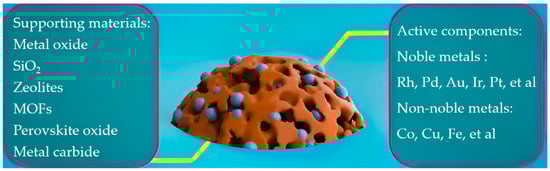
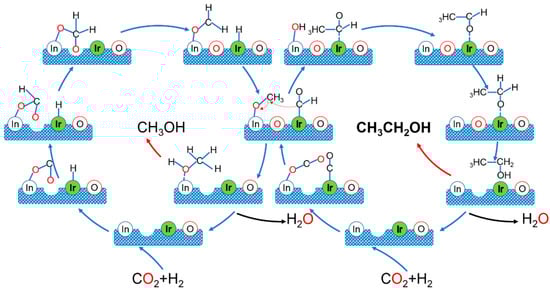
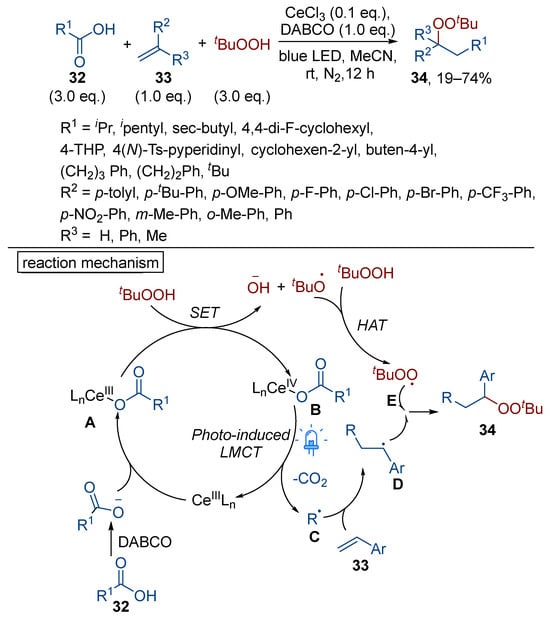
The catalytic hydrogenation of carbon dioxide (CO2) represents a transformative approach for reducing greenhouse gas emissions while producing sustainable fuels and chemicals, with ethanol being particularly promising due to its compatibility with existing energy infrastructure. Despite significant progress in converting CO2 to C1 products (e.g., methane, methanol), selective synthesis of C2+ compounds like ethanol remains challenging because of competing reaction pathways and byproduct formation. Recent advances in thermo-catalytic CO2 hydrogenation have explored diverse catalyst systems including noble metals (Rh, Pd, Au, Ir, Pt) and non-noble metals (Co, Cu, Fe), supported on zeolites, metal oxides, perovskites, silica, metal–organic frameworks, and carbon-based materials. These studies reveal that catalytic performance hinges on the synergistic effects of multimetallic sites, tailored support properties and controlled reaction micro-environments to optimize CO2 activation, controlled hydrogenation and C−C coupling. Mechanistic insights highlight the critical balance between CO2 reduction steps and selective C−C bond formation, supported by thermodynamic analysis, advanced characterization techniques and theoretical calculations. However, challenges persist, such as low ethanol yields and undesired byproducts, necessitating innovative catalyst designs and optimized reactor configurations. Future efforts must integrate computational modeling, in situ/operando studies, and renewable hydrogen sources to advance scalable and economically viable processes. This review consolidates key findings, proposes potential reaction mechanisms, and outlines strategies for designing high-efficiency catalysts, ultimately providing reference for industrial application of CO2-to-ethanol technologies. Full article
Show Figures

Figure 1

2025

Jump to: 2026

22 pages, 6309 KB  
Tutorial
CQPES: A GPU-Aided Software Package for Developing Full-Dimensional Accurate Potential Energy Surfaces by Permutation-Invariant-Polynomial Neural Network
by Junhong Li, Kaisheng Song and Jun Li
Chemistry 2025, 7(6), 201; https://doi.org/10.3390/chemistry7060201 - 17 Dec 2025
Cited by 1 | Viewed by 1273
Abstract
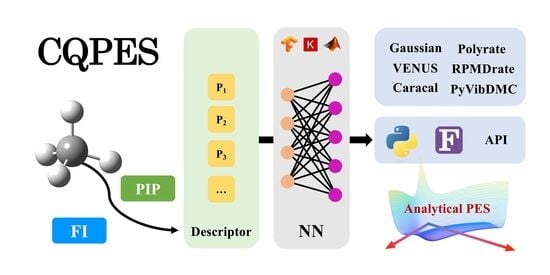
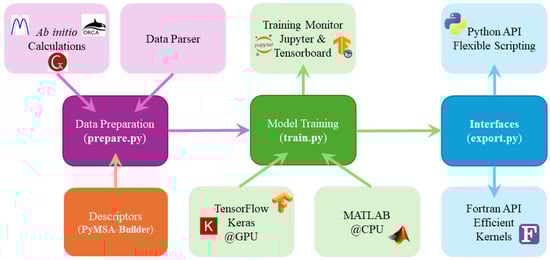
Accurate potential energy surfaces (PESs) are the prerequisite for precise studies of molecular dynamics and spectroscopy. The permutationally invariant polynomial neural network (PIP-NN) method has proven highly successful in constructing full-dimensional PESs for gas-phase molecular systems. Building upon over a decade of development, [...] Read more.
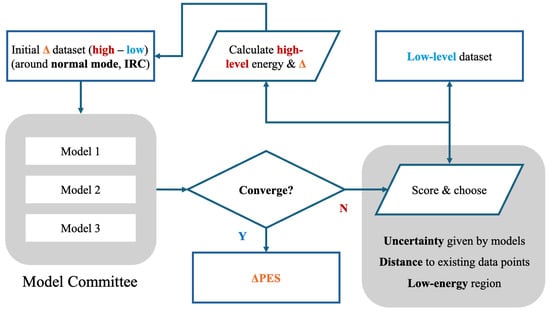
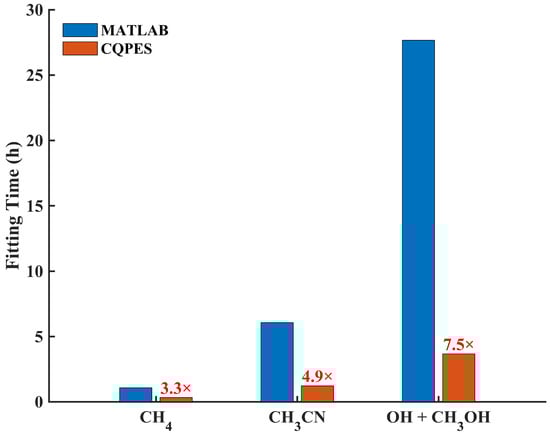
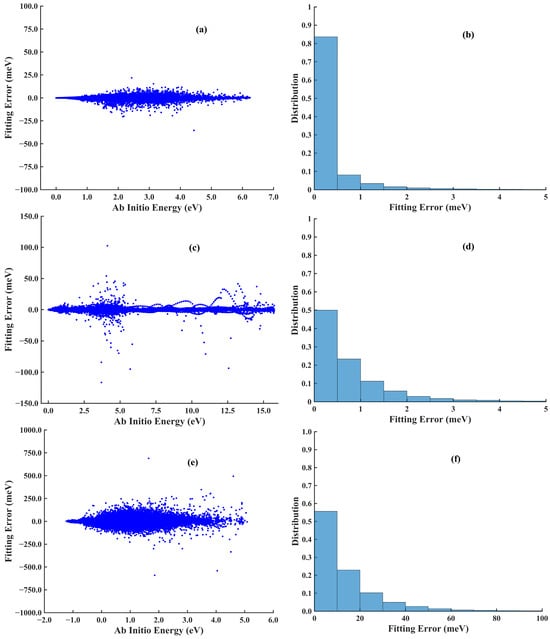
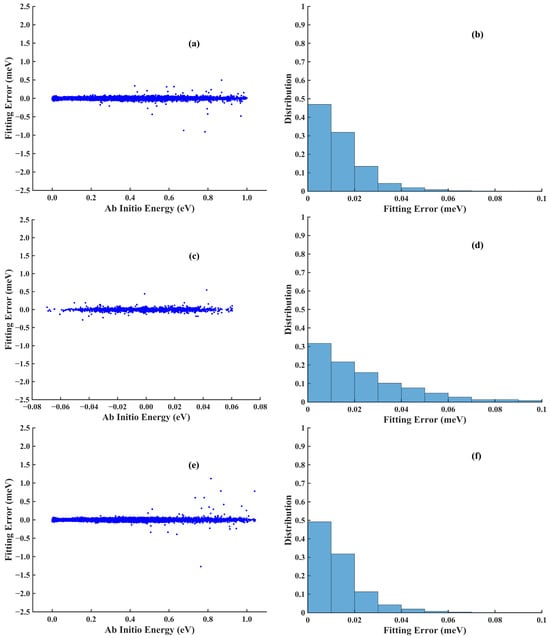
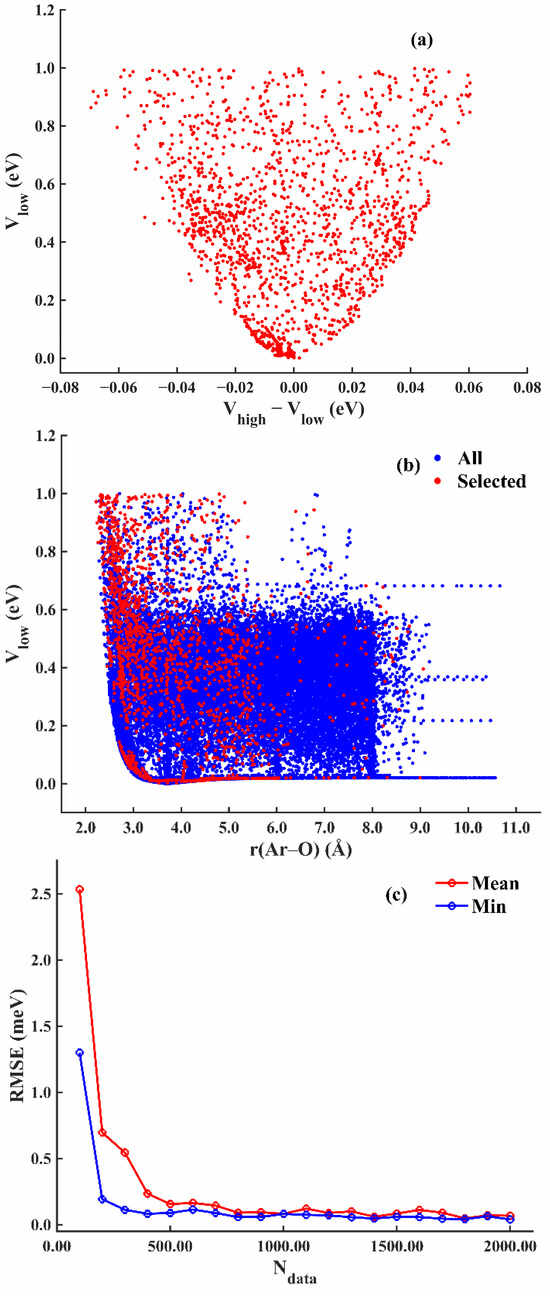
Accurate potential energy surfaces (PESs) are the prerequisite for precise studies of molecular dynamics and spectroscopy. The permutationally invariant polynomial neural network (PIP-NN) method has proven highly successful in constructing full-dimensional PESs for gas-phase molecular systems. Building upon over a decade of development, we present CQPES v1.0 (ChongQing Potential Energy Surface), an open-source software package designed to automate and accelerate PES construction. CQPES integrates data preparation, PIP basis generation, and model training into a modernized Python-based workflow, while retaining high-efficiency Fortran kernels for processing dynamics interfaces. Key features include GPU-accelerated training via TensorFlow, the robust Levenberg–Marquardt optimizer for high-precision fitting, real time monitoring via Jupyter and Tensorboard, and an active learning module that is built on top of these. We demonstrate the capabilities of CQPES through four representative case studies: CH4 to benchmark high-symmetry handling, CH3CN for a typical unimolecular isomerization reaction, OH + CH3OH to test GPU training acceleration on a large system, and Ar + H2O to validate the active learning module. Furthermore, CQPES provides direct interfaces with established dynamics software such as Gaussian 16, Polyrate 2017-C, VENUS96C, RPMDRate v2.0, and Caracal v1.1, enabling immediate application in chemical kinetics and dynamics simulations. Full article
Show Figures

Graphical abstract
21 pages, 6220 KB  
Review
High-Entropy Alloys for Electrocatalytic Water Oxidation: Recent Advances on Mechanism and Design
by Luyu Liu, Xiang Ding, Haotian Qin, Siyuan Tang, Linlin Xu and Fuzhan Song
Chemistry 2025, 7(6), 190; https://doi.org/10.3390/chemistry7060190 - 28 Nov 2025
Cited by 3 | Viewed by 2501
Abstract
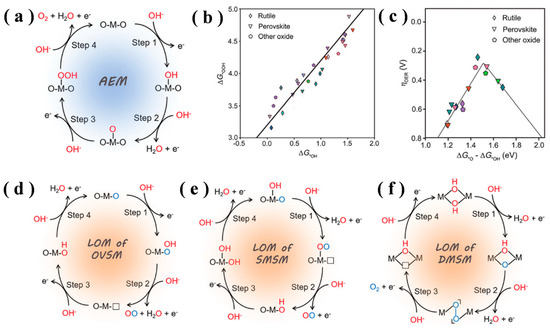
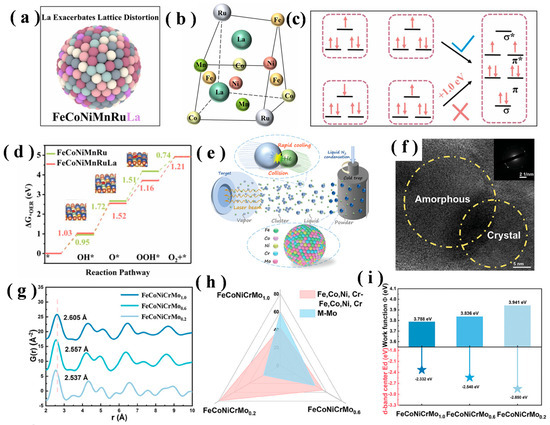
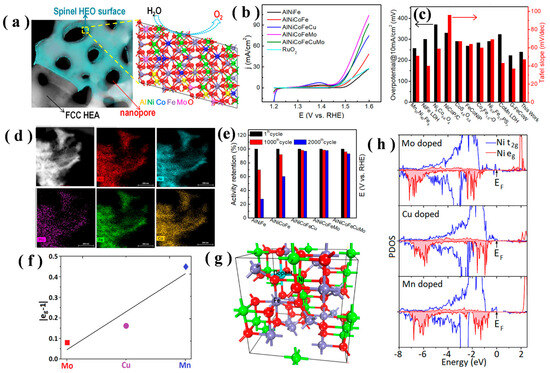
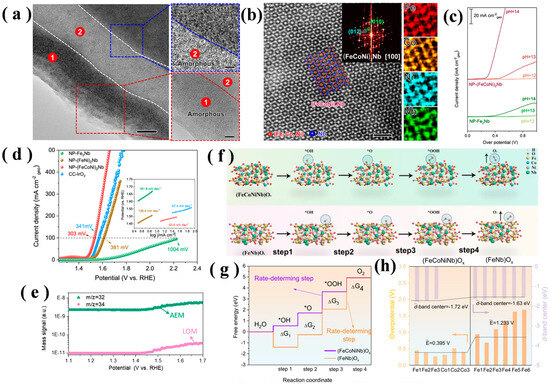
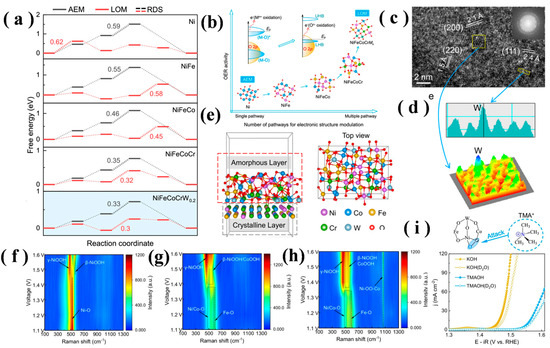
Hydrogen energy has been regarded as a promising alternative to fossil fuels due to its high energy density and zero-pollution combustion nature. Compared to other hydrogen generation technologies, water electrolysis provides a promising route for high-purity hydrogen production. Therefore, the development of efficient [...] Read more.
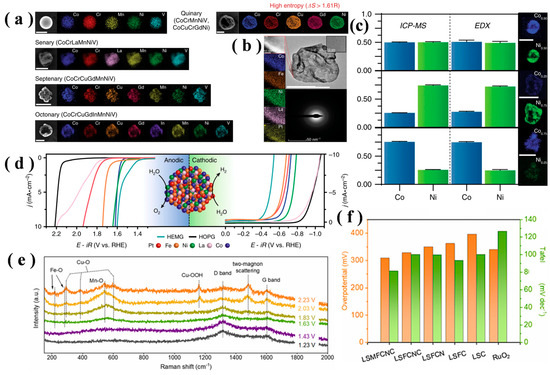
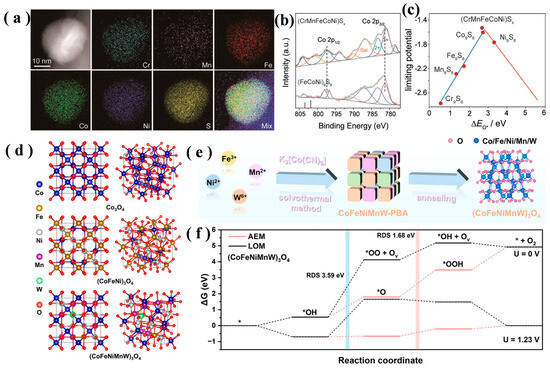
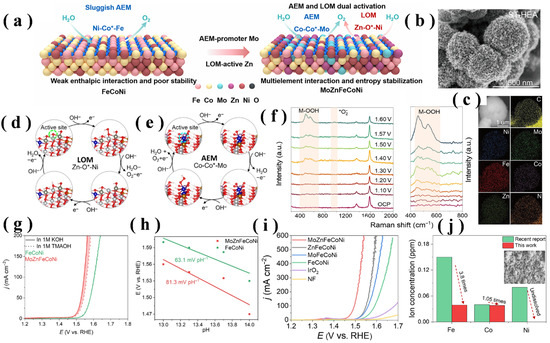
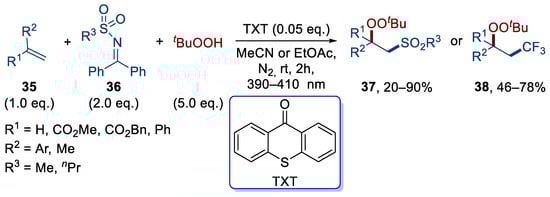
Hydrogen energy has been regarded as a promising alternative to fossil fuels due to its high energy density and zero-pollution combustion nature. Compared to other hydrogen generation technologies, water electrolysis provides a promising route for high-purity hydrogen production. Therefore, the development of efficient electrocatalysts is of great significance. Particularly, high-entropy engineering strategies supply a novel multi-principal element catalyst platform due to their unique structural and electronic properties. This work systematically summarizes recent advancements on high-entropy alloys (HEAs) catalysts on electrocatalytic water oxidation. Especially, it focuses on elucidating two competing fundamental mechanisms: the adsorbate evolution mechanism (AEM) and the lattice oxygen-mediated mechanism (LOM), via high-entropy engineering, which can efficiently modulate electronic configurations and adsorption/desorption behavior. This work aims to supply a theoretical foundation and rational design principles for developing next-generation OER catalysts with high activity and stability. Full article
Show Figures

Figure 1

Back to TopTop