



Recent Applications of Machine Learning and LLMs in Natural Language Processing (NLP): 2nd Edition
A special issue of Applied Sciences (ISSN 2076-3417). This special issue belongs to the section "Computing and Artificial Intelligence".
Deadline for manuscript submissions: 20 December 2026 | Viewed by 1143
Special Issue Editors

Interests: multiagent systems; social computing; linked data; natural language processing; affect technology; machine learning
Special Issues, Collections and Topics in MDPI journals

2. School of Information Science and Engineering, Shenyang Ligong University, Shenyang, China
Interests: deep learning; natural language processing; large language models; neural machine translation; corpus construction; data augmentation
Special Issue Information
Dear Colleagues,
In the dynamic digital age, the integration of machine learning into Natural Language Processing (NLP) has ushered in a revolutionary shift. The prevalence of data-driven decision-making and human-like interfaces highlights the growing significance of these technologies. This Special Issue will explore the latest applications of machine learning in NLP, with a focus on its potential to reshape human–computer interaction.
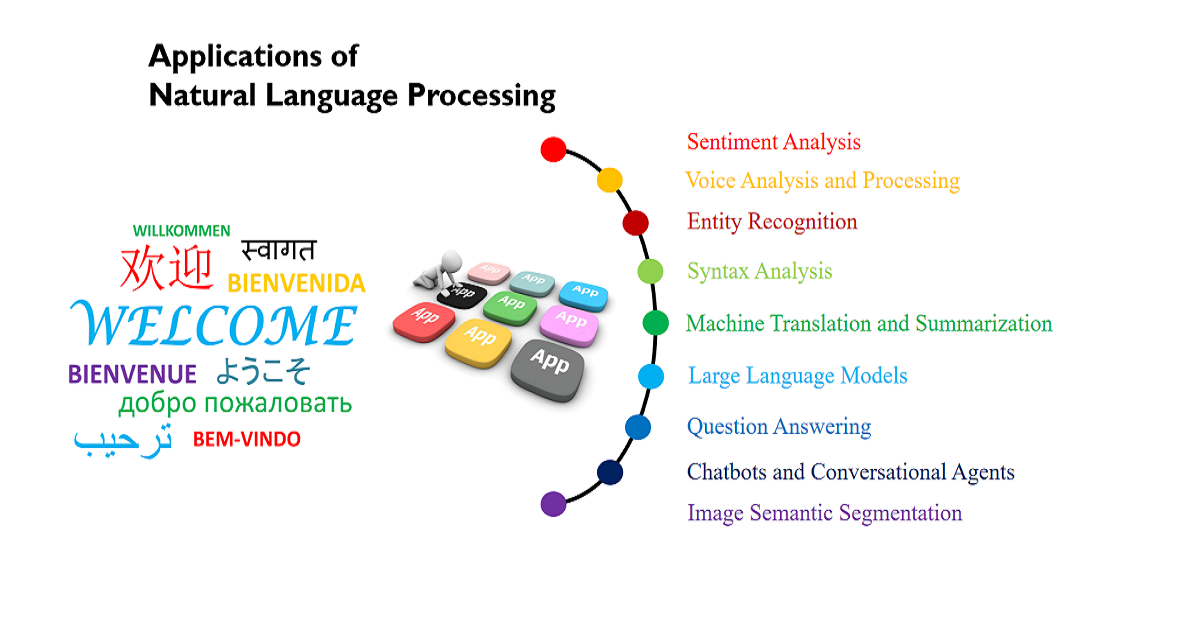
NLP encompasses a wide range of tasks, ranging from sentiment analysis that uncovers emotions in text to voice analysis and processing, enhancing auditory communication. Entity recognition plays a crucial role in information retrieval, while syntax analysis helps us to understand the complex structures of language. The fields of machine translation and summarization are undergoing revolutionary changes, enabling seamless cross-cultural and multilingual interactions. Large Language Models (LLMs), with their powerful information-processing capabilities, are enhancing question-answering systems, chatbots, and conversational agents, making interactions more natural and intuitive. The combination of image semantic segmentation and NLP is also opening up new possibilities for multimedia understanding.
Moreover, the interdisciplinary applications of NLP are growing. In healthcare, NLP is being used for clinical text analysis, aiding diagnosis and patient care. In finance, it enables automated risk assessment, providing more accurate and efficient financial services. In multimodal systems, NLP combined with text-image generation is creating more immersive and interactive experiences. Additionally, foundational NLP techniques such as semantic modeling and cross-domain knowledge transfer are the cornerstones of these advancements, attracting research from diverse fields.
Relevant areas of exploration within the intersection of machine learning and NLP include, but are not limited to, the following:
- Sentiment Analysis;
- Voice Analysis and Processing;
- Entity Recognition;
- Syntax Analysis;
- Machine Translation and Summarization;
- Large Language Models;
- Question Answering;
- Chatbots and Conversational Agents;
- Image Semantic Segmentation;
- Interdisciplinary Applications in Healthcare, Finance, and Multimodal Systems;
- Semantic Modeling and Cross-domain Knowledge Transfer.
This Special Issue invites high-quality, original research papers that explore the latest applications, challenges, and future prospects of machine learning in NLP. We look forward to receiving your contributions to this exciting field of research.
Dr. Carlos A. Iglesias
Dr. Jinyi Zhang
Guest Editors
Manuscript Submission Information
Manuscripts should be submitted online at www.mdpi.com by registering and logging in to this website. Once you are registered, click here to go to the submission form. Manuscripts can be submitted until the deadline. All submissions that pass pre-check are peer-reviewed. Accepted papers will be published continuously in the journal (as soon as accepted) and will be listed together on the special issue website. Research articles, review articles as well as short communications are invited. For planned papers, a title and short abstract (about 250 words) can be sent to the Editorial Office for assessment.
Submitted manuscripts should not have been published previously, nor be under consideration for publication elsewhere (except conference proceedings papers). All manuscripts are thoroughly refereed through a single-blind peer-review process. A guide for authors and other relevant information for submission of manuscripts is available on the Instructions for Authors page. Applied Sciences is an international peer-reviewed open access semimonthly journal published by MDPI.
Please visit the Instructions for Authors page before submitting a manuscript. The Article Processing Charge (APC) for publication in this open access journal is 2400 CHF (Swiss Francs). Submitted papers should be well formatted and use good English. Authors may use MDPI's English editing service prior to publication or during author revisions.
Keywords
- sentiment analysis
- voice analysis and processing
- entity recognition
- syntax analysis
- machine translation and summarization
- large language models
- question answering
- chatbots and conversational agents
- image semantic segmentation
- interdisciplinary applications in healthcare, finance, and multimodal systems
- semantic modeling and cross-domain knowledge transfer
Benefits of Publishing in a Special Issue
- Ease of navigation: Grouping papers by topic helps scholars navigate broad scope journals more efficiently.
- Greater discoverability: Special Issues support the reach and impact of scientific research. Articles in Special Issues are more discoverable and cited more frequently.
- Expansion of research network: Special Issues facilitate connections among authors, fostering scientific collaborations.
- External promotion: Articles in Special Issues are often promoted through the journal's social media, increasing their visibility.
- Reprint: MDPI Books provides the opportunity to republish successful Special Issues in book format, both online and in print.
Further information on MDPI's Special Issue policies can be found here.
