Journal Description
Biomechanics
Biomechanics
is an international, peer-reviewed, open access journal on biomechanics research published quarterly online by MDPI.
- Open Access— free for readers, with article processing charges (APC) paid by authors or their institutions.
- High Visibility: indexed within ESCI (Web of Science), Scopus, EBSCO, and other databases.
- Rapid Publication: manuscripts are peer-reviewed and a first decision is provided to authors approximately 23 days after submission; acceptance to publication is undertaken in 7.7 days (median values for papers published in this journal in the first half of 2025).
- Recognition of Reviewers: APC discount vouchers, optional signed peer review, and reviewer names published annually in the journal.
Impact Factor:
1.4 (2024);
5-Year Impact Factor:
1.6 (2024)
Latest Articles
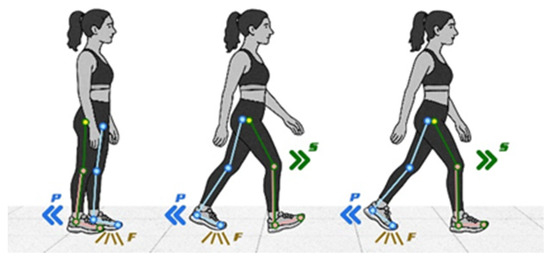
Stride Mechanics and Strength Analysis of Lower Limbs in Runners with Medial Tibial Stress Syndrome vs. Asymptomatic Runners
Biomechanics 2025, 5(4), 106; https://doi.org/10.3390/biomechanics5040106 - 17 Dec 2025
Abstract
Background: Street running has seen rapid growth due to its health benefits and accessibility, leading to a simultaneous rise in running-related injuries, particularly among recreational and professional street runners. Medial Tibial Stress Syndrome (MTSS) is a common injury affecting up to 15% of
[...] Read more.
Background: Street running has seen rapid growth due to its health benefits and accessibility, leading to a simultaneous rise in running-related injuries, particularly among recreational and professional street runners. Medial Tibial Stress Syndrome (MTSS) is a common injury affecting up to 15% of athletes and posing significant risks to runners of all levels of participation. Objective: This study aimed to investigate the strength and kinematic differences in the lower limbs of runners diagnosed with MTSS compared to asymptomatic runners. Methods: A total of 56 participants were divided into an MTSS group (27 runners) and a healthy control group (29 runners). Participants were evaluated for demographics, physical activity level, pain threshold using algometry, and running kinematics obtained through high-resolution 2D video analysis with Kinovea software. Lower-limb muscle strength was measured using an isometric Lafayette® digital dynamometer. Results: Although there were no significant differences in age or anthropometric measures, MTSS runners exhibited lower initial (∆% = 10.6%, p = 0.002) and intermediate (∆% = 8.7%, p = 0.026) running speeds. Pain assessment revealed significant lower pain thresholds in the MTSS group. Kinematic analysis identified greater foot-strike angles (left foot: ∆% = 31.9%, p = 0.004; right foot: ∆% = 25.9%, p = 0.0049) at initial speeds in MTSS runners, while other parameters like medial calcaneus rotation, push-off angles, and support time did not differ significantly. Additionally, MTSS runners demonstrated reduced strength in the quadriceps femoris (QF—Left QF: ∆% = −28.5%, p = 0.0049; Right QF: ∆% = −28.2%, p = 0.003). Conclusions: MTSS appears to affect female and male runners. MTSS may be attributed to a weaker quadriceps strength, higher heel contact angles during foot strike, or both, suggesting that interventions focusing on the improvement of these factors may be beneficial in preventing and treating MTSS.
Full article
(This article belongs to the Section Gait and Posture Biomechanics)
►
Show Figures
Open AccessArticle
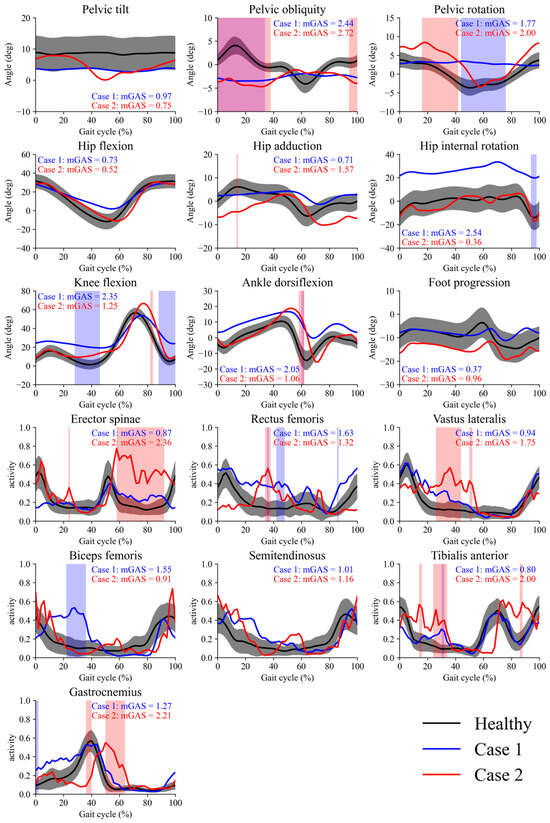
Standardized Gait Analysis Using 3D Markerless Motion Capture: A Proposed Procedure and Reliability Investigation in Healthy Young Adults
by
Christopher James Keating, Anja Turner, Sarah Jane Viljoen and Matteo Vitarelli
Biomechanics 2025, 5(4), 105; https://doi.org/10.3390/biomechanics5040105 - 7 Dec 2025
Abstract
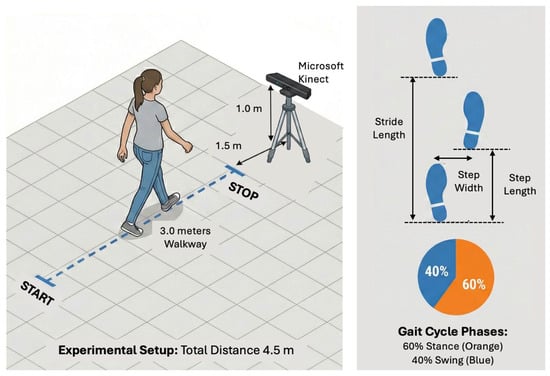
Background: Quantitative gait analysis is essential in both clinical and research contexts; however, traditional marker-based motion capture systems are costly and burdensome. Advances in three-dimensional markerless motion capture (3D-MMC) offer more accessible alternatives; however, they lack standardized protocols. Objectives: The present study aimed
[...] Read more.
Background: Quantitative gait analysis is essential in both clinical and research contexts; however, traditional marker-based motion capture systems are costly and burdensome. Advances in three-dimensional markerless motion capture (3D-MMC) offer more accessible alternatives; however, they lack standardized protocols. Objectives: The present study aimed to establish a standardized protocol and procedures for 3D MMC-based gait analysis using OpenCap and to quantify the reliability and within-session precision of key spatiotemporal gait parameters. Methods: Fifty healthy university students (mean age = 22.15 ± 2.12 years) completed walking trials along a 10 m walkway under single-task (ST) and five dual-task (DT) conditions of varying cognitive complexity. Gait data were collected using a two-camera OpenCap 3D-MMC system, with standardized calibration, lighting, clothing, and trial segmentation. Spatiotemporal parameters were extracted, and within-session relative reliability was quantified using two-way mixed-effects intraclass correlation coefficients, and absolute reliability was quantified using general linear model–derived within-subject error (standard error of measurement, SEM) and minimal detectable change (MDC). Repeated-measures ANOVA with Bonferroni corrections were used to examine condition-related differences. Results: Of 500 trials, 491 (98.2%) were successfully processed. Within-subject test–retest reliability ranged from moderate to excellent for all variables, with gait speed, stride length, and cadence showing the highest ICCs and smallest SEM and MDC values, and step width and double support exhibiting larger measurement error. Conclusions: This study establishes a standardized 3D-MMC protocol for gait analysis using OpenCap and demonstrates good to excellent within-session relative and absolute reliability for most spatiotemporal gait parameters in healthy young adults. Dual-task walking is used here to illustrate how trial-averaged OpenCap measurements and their SEM/MDC can be used to determine which condition-related changes in gait exceed measurement error.
Full article
(This article belongs to the Section Gait and Posture Biomechanics)
►▼
Show Figures

Figure 1
Open AccessArticle
Long-Term Effects of Training Accompanying Myofascial Self-Massage Using a Blackroll® on Mechanical and Movement Efficiency in Recreational Cyclists
by
Doris Posch, Markus Antretter, Martin Burtscher, Sebastian Färber, Martin Faulhaber and Lorenz Immler
Biomechanics 2025, 5(4), 104; https://doi.org/10.3390/biomechanics5040104 - 6 Dec 2025
Abstract
Background: Foam rolling has become an increasingly popular self-myofascial release (SMR) technique among athletes to prevent injuries, improve recovery, and increase athletic performance. This study investigated how SMR improves mechanical and movement efficiency in recreational road cyclists. Methods: We conducted an exploratory randomized
[...] Read more.
Background: Foam rolling has become an increasingly popular self-myofascial release (SMR) technique among athletes to prevent injuries, improve recovery, and increase athletic performance. This study investigated how SMR improves mechanical and movement efficiency in recreational road cyclists. Methods: We conducted an exploratory randomized controlled trial (RCT) to investigate the effects of SMR using a foam roller on biomechanical and physiological performance parameters over a six-month period. A total of 32 male participants, aged 26–57 years, with a mean Body Mass Index (BMI) of 24.0 kg/m2 (SD = 2.2), were randomly assigned to either an intervention group (n = 16), which incorporated a standardized SMR program into their post-exercise recovery, or a control group (n = 16), which followed the same cycling protocol without SMR. The training program included heart rate-controlled strength endurance intervals. As the primary target, the variables we investigated included torque effectiveness, leg force symmetry, and pedal smoothness. Secondary measurements included submaximal oxygen uptake (VO2) as well as bioelectrical variables, which we analyzed using classic, repeated-measures ANOVA models and descriptive statistical methods. Results: The analysis revealed significant interaction effects in favor of the intervention group for torque effectiveness (η2p = 0.434), leg strength symmetry (η2p = 0.303), and pedal smoothness (η2p = 0.993). No significant group × time interactions were found for submaximal VO2 or bioelectrical parameters. Conclusions: Our findings indicate that foam rolling may serve as an effective adjunct to endurance training by enhancing functional neuromuscular performance in cyclists, particularly in torque control and pedal coordination. Its impact on aerobic efficiency and muscle composition appears to be minimal. The results support theoretical models that attribute SMR benefits to proprioceptive, circulatory, and neuromuscular mechanisms rather than structural tissue adaptations.
Full article
(This article belongs to the Section Sports Biomechanics)
►▼
Show Figures

Figure 1
Open AccessArticle
Effects of Progressive Elastic Resistance on Kinetic Chain Exercises Performed on Different Bases of Support in Healthy Adults: A Statistical Parametric Mapping Approach
by
Fagner Luiz Pacheco Salles and Augusto Gil Pascoal
Biomechanics 2025, 5(4), 103; https://doi.org/10.3390/biomechanics5040103 - 5 Dec 2025
Abstract
Background: Shoulder exercises using elastic resistance integrated within the kinetic chain appear to modify scapular control strategies; however, a deeper understanding of these mechanisms is still needed. Objectives: We aim to compare three-dimensional scapular kinematics during two exercises performed on different
[...] Read more.
Background: Shoulder exercises using elastic resistance integrated within the kinetic chain appear to modify scapular control strategies; however, a deeper understanding of these mechanisms is still needed. Objectives: We aim to compare three-dimensional scapular kinematics during two exercises performed on different bases of support, under both non-resisted and resisted conditions in asymptomatic adults. Methods: This cross-sectional study analyzed three-dimensional shoulder kinematics in 36 healthy adult male participants during the overhead squat and kneeling position exercises. Movement patterns were evaluated by phase using statistical parametric mapping. Results: Scapular internal/external rotation demonstrated a main effect for exercise type (p = 0.04), a main effect for resistance conditions (p < 0.00), and a significant exercise–resistance interaction (p = 0.04) during arm elevation. During the lowering phase, a main effect was observed for exercise types (p = 0.04) and exercise conditions (p < 0.00). Scapular upward rotation showed a main effect for exercise type (p = 0.02) and resistance conditions (p = 0.04) during arm elevation. During the lowering phase, a significant main effect was observed for exercise type (p = 0.01) and exercise conditions (p < 0.00). Scapular posterior tilt presented a main effect for exercise type (p < 0.00), a main effect for exercise condition (p = 0.01), and an exercise–resistance interaction (p = 0.04) during arm elevation. During the lowering phase, a main effect for exercise type (p < 0.00), a main effect for exercise condition (p = 0.02), and an exercise–resistance interaction (p = 0.00). Conclusions: The resistance and exercises demonstrated different kinematic strategies that helped maintain scapular stability during movement.
Full article
(This article belongs to the Section Sports Biomechanics)
►▼
Show Figures

Figure 1
Open AccessArticle
Does Speed-Normalized Double-Support Reflect Gait Stability in Parkinson’s Disease? A Model-Based Analysis
by
Noppharath Sangkarit and Weerasak Tapanya
Biomechanics 2025, 5(4), 102; https://doi.org/10.3390/biomechanics5040102 - 4 Dec 2025
Abstract
Background: Double-support percentage (DS%) is often interpreted as a proxy for dynamic gait stability, yet its biomechanical meaning is confounded by its strong inverse coupling with walking speed. This distinction is critical in Parkinson’s disease (PD), where bradykinetic gait inherently prolongs DS%. To
[...] Read more.
Background: Double-support percentage (DS%) is often interpreted as a proxy for dynamic gait stability, yet its biomechanical meaning is confounded by its strong inverse coupling with walking speed. This distinction is critical in Parkinson’s disease (PD), where bradykinetic gait inherently prolongs DS%. To isolate speed-independent stability demands, we introduced a model-based Stability Reserve Index (SRI), representing the deviation between predicted and observed double support after normalizing for velocity and anthropometrics. Methods: Using an open-access dataset of 63 individuals with PD (ON medication; Hoehn & Yahr 1–3) and 63 matched controls, step-based DS% was modeled using ANCOVA, incorporating centered walking speed, group, their interaction, and covariates. Predicted DS% at the sample’s grand mean speed was subtracted from observed DS% to derive the SRI, indexing whether double support exceeded expectations for a given biomechanical operating point. Results: PD participants walked slower than controls (p < 0.001), but once velocity was accounted for, DS% no longer differed between groups (p = 0.795–0.880), and the DS%–speed coupling remained intact (interaction p = 0.387). Speed-normalized predicted DS% (p = 0.159) and the SRI (p = 0.989) were likewise similar across groups. Within PD, SRI did not correspond to UPDRS-III or Hoehn & Yahr stage (ρ = 0.129–0.223, p > 0.05). Conclusions: These findings indicate that double-support behavior in mild-to-moderate PD is largely velocity-driven rather than reflecting altered dynamic stabilization strategies. While conceptually grounded in stability reserve theory, the SRI showed limited discriminatory value under ON-medication walking, suggesting that more sensitive multidimensional metrics—integrating CoM dynamics, variability, and step-to-step control—may be required to capture early instability in PD.
Full article
(This article belongs to the Special Issue Gait and Balance Control in Typical and Special Individuals: Second Edition)
►▼
Show Figures

Figure 1
Open AccessArticle
Fatigue-Related Biomechanical Changes During a Half-Marathon Under Field Conditions Assessed Using Inertial Measurement Units
by
Christian Mitschke, Tobias Heß, Thomas L. Milani and Pierre Kiesewetter
Biomechanics 2025, 5(4), 101; https://doi.org/10.3390/biomechanics5040101 - 3 Dec 2025
Abstract
Background/Objectives: Running is one of the most popular physical activities worldwide and have been widely studied in relation to performance and injury prevention. In addition to measurements conducted under standardized laboratory conditions, inertial measurement units (IMUs) allow for the assessment of biomechanical
[...] Read more.
Background/Objectives: Running is one of the most popular physical activities worldwide and have been widely studied in relation to performance and injury prevention. In addition to measurements conducted under standardized laboratory conditions, inertial measurement units (IMUs) allow for the assessment of biomechanical parameters in real-world settings—particularly during endurance runs. The aim of this study was to investigate how running a half-marathon under field conditions affects exertion and various biomechanical parameters, as measured using IMUs. Methods: Twenty runners completed a half-marathon on a flat, even-surfaced walkway at a self-selected, constant pace corresponding to a brisk training run. In addition to lower limb biomechanics, heart rate (HR) and ratings of perceived exertion (REP) were also recorded. Results: A significant increase in both HR and RPE was observed toward the end of the half-marathon, indicating the presence of fatigue during the later stages of the run. The biomechanical results further demonstrate that this fatigue was associated with increased peak tibial acceleration, peak angular velocity in the sagittal plane of the foot, and peak rearfoot eversion velocity, while foot strike angle, stride frequency, and stride length remained unchanged. Furthermore, a progressive increase in ground contact time and a decrease in flight time were observed over the course of the run, resulting in an increased duty factor. Conclusions: These findings highlight the value of IMU-based assessments for detecting fatigue-related biomechanical changes during prolonged runs in real-world conditions, which may contribute to early identification of overload and inform injury prevention strategies.
Full article
(This article belongs to the Special Issue Inertial Sensor Assessment of Human Movement)
►▼
Show Figures

Figure 1
Open AccessArticle
Comparison of Marker-Based and Markerless Motion Capture Systems for Measuring Throwing Kinematics
by
Carina Thomas, Kevin Nolte, Marcus Schmidt and Thomas Jaitner
Biomechanics 2025, 5(4), 100; https://doi.org/10.3390/biomechanics5040100 - 2 Dec 2025
Abstract
Background: Marker-based motion capture systems are commonly used for three-dimensional movement analysis in sports. Novel, markerless motion capture systems enable the collection of comparable data under more time-efficient conditions with higher flexibility and fewer restrictions for the athletes during movement execution. Studies show
[...] Read more.
Background: Marker-based motion capture systems are commonly used for three-dimensional movement analysis in sports. Novel, markerless motion capture systems enable the collection of comparable data under more time-efficient conditions with higher flexibility and fewer restrictions for the athletes during movement execution. Studies show comparable results between markerless and marker-based systems for kinematics of the lower extremities, especially for walking gait. For more complex movements, such as throwing, limited data on the agreement of markerless and marker-based systems is available. The aim of this study is to compare the outcome of a video-based markerless motion capture system with a marker-based approach during an artificial basketball-throwing task. Methods: Thirteen subjects performed five simulated basketball throws under laboratory conditions, and were recorded simultaneously with the marker-based measurement system, as well as two versions of a markerless measurement system (differing in their release date). Knee, hip, shoulder, elbow and wrist joint angles were acquired and root mean square distance (RMSD) was calculated for all subjects, parameters and attempts. Results: The RMSD of all joint angles of the marker-based and markerless systems ranged from 7.17° ± 3.88° to 26.66° ± 14.77° depended on the joint. The newest version of the markerless system showed lower RMSD values compared to the older version, with an RMSD of 16.68 ± 5.03° for elbow flexion, capturing 93.84% of the data’s RMSD of 22.22 ± 5.52, accounting for 87.69% of the data. While both versions showed similar results for right knee flexion, lower differences were observed in the new version for right hip flexion, with an RMSD of 8.17 ± 3.75 compared to the older version’s 13.24 ± 5.78. Additionally, the new version demonstrated lower RMSD values for right hand flexion. Conclusions: Overall, the new version of the markerless system showed lower RMSD values across various joint angles during throwing movement analysis compared to the older version. However, the differences between markerless and marker-based systems are especially large for the upper extremities. In conclusion, it is not clearly explainable if the detected inter-system differences are due to inaccuracies of one system or the other, or a combination of both, as both methodologies possess special limitations (soft tissue vibration or joint center position accuracy). Further investigations are needed to clarify the accordance between markerless and marker-based motion capture systems during complex movements.
Full article
(This article belongs to the Section Sports Biomechanics)
►▼
Show Figures

Figure 1
Open AccessArticle
Influence of Coronary Flow and Left Ventricular Outflow Tract Velocity on LDL Accumulation and Calcification in Aortic Valve Leaflets
by
Mishal Raza-Taimuri, Ian Y. Chen and Hamid Sadat
Biomechanics 2025, 5(4), 99; https://doi.org/10.3390/biomechanics5040099 - 2 Dec 2025
Abstract
Background/Objectives: Calcific aortic valve disease (CAVD) is a progressive condition marked by thickening and calcification of the valve leaflets, leading to impaired cardiac function and increased cardiovascular risk. As disease progression is strongly influenced by hemodynamics and lipid accumulation, computational modeling provides
[...] Read more.
Background/Objectives: Calcific aortic valve disease (CAVD) is a progressive condition marked by thickening and calcification of the valve leaflets, leading to impaired cardiac function and increased cardiovascular risk. As disease progression is strongly influenced by hemodynamics and lipid accumulation, computational modeling provides a powerful tool for understanding the biomechanical drivers of calcification. Methods: This study investigates the effects of coronary artery flow and varying left ventricular outflow tract (LVOT) velocity profiles on low density lipoprotein (LDL) accumulation and associated aortic valve calcification using a partitioned fluid–structure interaction framework coupled with scalar transport modeling, with a focus on understanding the differential behaviors of the three valve leaflets: the non-coronary cusp (NCC), right coronary cusp (RCC), and left coronary cusp (LCC). Four distinct LVOT flow velocity profiles (anterior, lateral, posterior, and medial) and coronary flow are simulated to determine their effects on the distribution of LDL accumulation and associated calcification across the valve leaflets. Results/Conclusions: Our results indicate that the RCC experiences greatest excursion and lowest calcification. The LCC shows lowest excursion and slightly higher susceptibility for calcification. Finally, the NCC experiences intermediate excursion, but is most prone to calcification.
Full article
(This article belongs to the Section Tissue and Vascular Biomechanics)
►▼
Show Figures

Figure 1
Open AccessArticle
Effects of Weight-Bearing-Induced Changes in Tibial Inclination Angle on Varus Thrust During Gait in Female Patients with Knee Osteoarthritis
by
Ryosuke Karashima, Shintaro Kishimoto, Takuya Ibara, Kiyotaka Hada, Tatsuo Motoyama, Masayuki Kawashima, Yusuke Murofushi and Hiroshi Katoh
Biomechanics 2025, 5(4), 98; https://doi.org/10.3390/biomechanics5040098 - 1 Dec 2025
Abstract
Background: The relationship between varus thrust (VT) during gait and static limb alignment on radiography in knee osteoarthritis (OA) remains unclear. Therefore, the present study investigated the association between the tibial inclination angle (TA), which was noninvasively measured from the body surface, and
[...] Read more.
Background: The relationship between varus thrust (VT) during gait and static limb alignment on radiography in knee osteoarthritis (OA) remains unclear. Therefore, the present study investigated the association between the tibial inclination angle (TA), which was noninvasively measured from the body surface, and radiographic parameters. In Addition, this study analyzed how TA changes under different loading conditions (ΔTA) relate to VT acceleration (VTA) during early stance using an inertial measurement unit (IMU) sensor. Methods: Nineteen female patients (mean age: 63.5 ± 8.6 years) with knee OA or medial meniscus injury were included. The TA was defined as the angle between the tibial mechanical axis and a vertical line from the floor, which was measured in standardized standing and supine positions. The ΔTA was calculated as the difference between these positions. To assess lower limb alignment, the femorotibial angle (FTA) and joint line convergence angle (JLCA) were measured. The VTA was measured using IMU sensors on the thigh and tibia, and the differences between lateral and medial VTA were defined as femoral and tibial ΔVTA, respectively. Spearman’s correlation coefficient and linear regression were used for analysis. Results: The standing TA was significantly correlated with the FTA (ρ = 0.47, p = 0.04) and JLCA (ρ = 0.80, p < 0.01). The ΔTA was significantly associated with femoral ΔVTA (β = 0.70, p < 0.01) and tibial ΔVTA (β = 0.67, p < 0.01). Conclusions: Surface-measured TA reflects radiographic alignment. The ΔTA also captures dynamic instability not explained by static measures, suggesting its potential utility as an assessment indicator, although further validation is warranted.
Full article
(This article belongs to the Special Issue Computational Modeling and AI Applications in Injury Biomechanics and Rehabilitation)
►▼
Show Figures

Graphical abstract
Open AccessArticle
The Mechanistic Causes of Increased Walking Speed After a Strength Training Program in Stroke Patients: A Musculoskeletal Modeling Approach
by
Georgios Giarmatzis, Nikolaos Aggelousis, Erasmia Giannakou, Ioanna Karagiannakidou, Evangelia Makri, Anna Tsiakiri, Foteini Christidi, Paraskevi Malliou and Konstantinos Vadikolias
Biomechanics 2025, 5(4), 97; https://doi.org/10.3390/biomechanics5040097 - 1 Dec 2025
Abstract
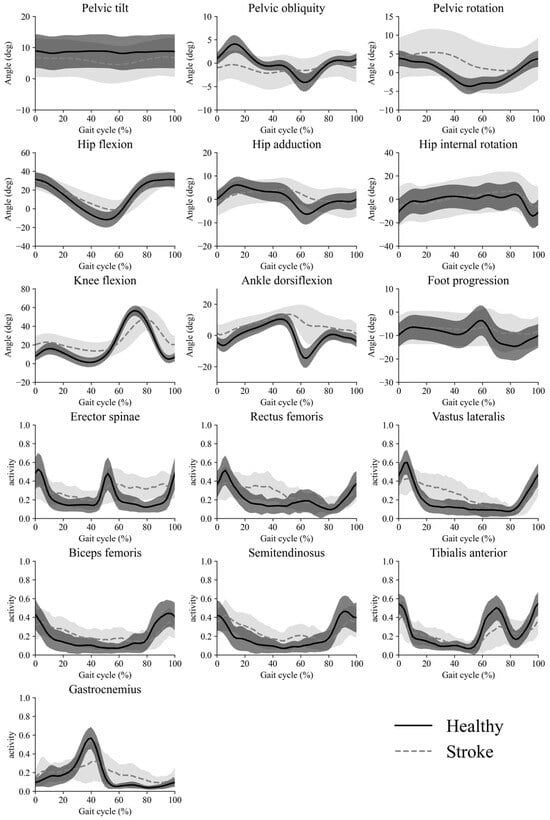
Background/Objectives: While strength training interventions improve walking performance in stroke survivors, the underlying neuromuscular mechanisms remain poorly understood. This study investigated muscle-level adaptations following a 12-week moderate-to-high-intensity strength training program in ten chronic stroke survivors using comprehensive musculoskeletal modeling analysis. Methods: Three-dimensional gait
[...] Read more.
Background/Objectives: While strength training interventions improve walking performance in stroke survivors, the underlying neuromuscular mechanisms remain poorly understood. This study investigated muscle-level adaptations following a 12-week moderate-to-high-intensity strength training program in ten chronic stroke survivors using comprehensive musculoskeletal modeling analysis. Methods: Three-dimensional gait analysis was performed pre- and post-intervention, with subject-specific OpenSim models estimating individual muscle forces, powers, and work capacities throughout stance phase. Results: Non-paretic hip flexor negative work capacity increased significantly (0.033 to 0.042 J/kg, p = 0.033, Cohen’s d = 0.47), driven by enhanced rectus femoris power absorption during late stance that mechanistically facilitated trunk acceleration through leg deceleration. Knee extensor force generation showed increasing trends during loading response in both limbs. During push-off, ankle plantar flexor force generation showed trends toward bilateral improvements, primarily through paretic soleus and gastrocnemius contributions, though power output remained unchanged, indicating persistent velocity-dependent muscular deficits. Conclusions: Improved gait performance in both limbs demonstrates that strength training produces functionally beneficial bilateral muscle-level reorganization. The absence of a control group limits causal inference, though the observed biomechanical adaptations align with functional improvements, supporting the integration of strength training into comprehensive stroke rehabilitation protocols targeting locomotor recovery.
Full article
(This article belongs to the Special Issue Gait and Balance Control in Typical and Special Individuals: Second Edition)
►▼
Show Figures

Figure 1
Open AccessArticle
Design and Testing of a Biomechanical Device for Pediatric Spastic Hand Rehabilitation
by
Paulina Sofía Valle-Oñate, José Luis Jínez-Tapia, Luis Gonzalo Santillán-Valdiviezo, Carlos Ramiro Peñafiel-Ojeda, Deysi Vilma Inca Balseca and Juan Carlos Tixi Pintag
Biomechanics 2025, 5(4), 96; https://doi.org/10.3390/biomechanics5040096 - 11 Nov 2025
Abstract
Background: Children with spastic hand impairments resulting from cerebral palsy or neuromuscular disorders often exhibit a restricted range of motion and diminished functional use. Rehabilitation devices that assist joint mobilization can enhance therapeutic outcomes, yet few solutions target pediatric populations. Methods:
[...] Read more.
Background: Children with spastic hand impairments resulting from cerebral palsy or neuromuscular disorders often exhibit a restricted range of motion and diminished functional use. Rehabilitation devices that assist joint mobilization can enhance therapeutic outcomes, yet few solutions target pediatric populations. Methods: This study aimed to design, implement, and preliminarily evaluate a biomechanical device tailored to promote flexo-extension, radial–ulnar deviation, and supination movements in spastic hands of school-aged children. A prototype combining a motor-driven actuation system, adjustable wrist and finger supports, and a MATLAB-based graphical user interface was developed. Two participants (aged 8 and 10) with clinically diagnosed spastic hemiparesis underwent 25-minute sessions over 15 consecutive days. Joint angles were recorded before and after each session using an electro-goniometer. Data normality was assessed via the Shapiro–Wilk test, and pre–post differences were analyzed with the Wilcoxon signed-rank test (α = 0.05). Results: Both participants demonstrated consistent increases in their active range of motion across all measured planes. Median flexo-extension improved by 12.5° (p = 0.001), ulnar–radial deviation by 7.3° (p = 0.002), and supination by 9.1° (p = 0.001). No adverse events occurred, and device tolerance remained high throughout the intervention. Conclusions: The device facilitated statistically significant enhancements in joint mobility in a small pediatric cohort, supporting its feasibility and safety in spastic hand rehabilitation. These preliminary findings warrant larger controlled trials to confirm the device’s efficacy, optimize treatment protocols, and assess its long-term functional benefits.
Full article
(This article belongs to the Special Issue Computational Modeling and AI Applications in Injury Biomechanics and Rehabilitation)
►▼
Show Figures

Figure 1
Open AccessArticle
Examining the Force-Traces of Countermovement Jumps and Standing Broad Jumps for Kinematic Coordination Indicators
by
Hannah Schmidt, Vernon Coffey and Anna Lorimer
Biomechanics 2025, 5(4), 95; https://doi.org/10.3390/biomechanics5040095 - 7 Nov 2025
Abstract
Background/Objectives: Jumping is a common movement pattern, often used in testing for both performance monitoring and decision-making in return to sport. Current methods of assessing movement coordination are time-, technology- and expertise-dependent. The use of force–time curves to analyse the execution of
[...] Read more.
Background/Objectives: Jumping is a common movement pattern, often used in testing for both performance monitoring and decision-making in return to sport. Current methods of assessing movement coordination are time-, technology- and expertise-dependent. The use of force–time curves to analyse the execution of the movement would provide an accessible and detailed analysis of movement. Methods: Thirty endurance runners and triathletes (18–40 years) completed five maximal countermovement jumps (CMJs) and five maximal standing broad jumps (SBJs). Participants were grouped (HIGH, MOD and LOW) according to the magnitude of the time interval between peak hip and peak knee extension velocity. A separate grouping according to the magnitude of the time interval between peak knee and peak ankle extension velocity was created. A one-way Statistical non-Parametric Mapping ANOVA, with alpha set at 0.05 and iterations at 10,000, was used to compare vertical ground reaction force (CMJ and SBJ), horizontal ground reaction force (SBJ) and resultant ground reaction force (SBJ) between the three hip–knee groups and a separate analysis for the three knee–ankle groups. Results: Significant differences were observed between time interval groups in both hip–knee coordination and knee–ankle coordination for both jump types (p < 0.001) at several regions of the force–time curves. Conclusions: The results suggest there is potential for statistical parametric mapping analysis to detect differences in movement coordination patterns from force curves. Further research is needed to help explain the differences observed in the curves for the kinematic groupings, to explore different combinations of hip–knee and knee–ankle kinematic patterns and to associate curve characteristics with performance indicators.
Full article
(This article belongs to the Collection Locomotion Biomechanics and Motor Control)
►▼
Show Figures

Figure 1
Open AccessArticle
Clinically Interpretable Modeling of ACL Reconstruction Outcomes Using Confidence-Aware Gait Analysis
by
Xishi Zhu, Devin K. Kelly, Grayson Kim, Joe M. Hart and Jiaqi Gong
Biomechanics 2025, 5(4), 94; https://doi.org/10.3390/biomechanics5040094 - 6 Nov 2025
Abstract
Background/Objectives: Outcomes following Anterior Cruciate Ligament (ACL) reconstruction vary widely among patients, yet existing classification techniques often lack transparency and clinical interpretability. To address this gap, we developed a multi-modal framework that integrates gait dynamics with patient-specific characteristics to enhance personalized assessment
[...] Read more.
Background/Objectives: Outcomes following Anterior Cruciate Ligament (ACL) reconstruction vary widely among patients, yet existing classification techniques often lack transparency and clinical interpretability. To address this gap, we developed a multi-modal framework that integrates gait dynamics with patient-specific characteristics to enhance personalized assessment of ACL reconstruction outcomes. Methods: Participants, both post-ACL reconstruction and healthy controls, were equipped with inertial measurement unit (IMU) sensors on bilateral wrists, ankles, and the sacrum during standardized locomotion tasks. Using the Phase Slope Index (PSI), we quantified causal relationships between sensor pairs, hypothesizing that (1) PSI-derived metrics capture discriminative biomechanical interactions; (2) task-specific differences in segment coordination patterns influence model performance; and (3) recovery duration modulates classifier confidence and the structure of high-dimensional data distributions. Classification models were trained using PSI features, and permutation-based sensor importance analyses were conducted to interpret task-specific biomechanical contributions. Results: PSI-based classifiers achieved 96.37% accuracy in distinguishing ACL reconstruction outcomes, validating the first hypothesis. Permutation importance revealed that jogging tasks produced more focused importance distributions across fewer sensor pairs while improving accuracy, confirming task-specific coordination effects (hypothesis two). Visualization via t-SNE demonstrated that longer recovery durations corresponded to reduced model confidence but more coherent feature clusters, supporting the third hypothesis. Conclusions: By integrating causal gait metrics and patient recovery profiles, this approach enables interpretable and high-performing ACL outcome prediction. Quantitative evaluation measures—including model confidence and t-SNE cluster coherence—offer clinicians objective tools for personalized rehabilitation monitoring and data-driven return-to-sport decisions.
Full article
(This article belongs to the Section Gait and Posture Biomechanics)
►▼
Show Figures

Figure 1
Open AccessArticle
Quantitative Assessment of Radiocapitellar Joint Stability
by
Gregory M. Lupica, Connor J. Schamblin, Victor T. Hung, Hunter R. Hitchens, Michelle H. McGarry, Gregory J. Adamson and Thay Q. Lee
Biomechanics 2025, 5(4), 93; https://doi.org/10.3390/biomechanics5040093 - 6 Nov 2025
Abstract
Background: The radiocapitellar articulation of the elbow joint is particularly susceptible to subluxation and dislocation. Joint stability can be quantified using the stability ratio, a biomechanical parameter of joint stability defined as the ratio of the maximum dislocating force the joint can resist
[...] Read more.
Background: The radiocapitellar articulation of the elbow joint is particularly susceptible to subluxation and dislocation. Joint stability can be quantified using the stability ratio, a biomechanical parameter of joint stability defined as the ratio of the maximum dislocating force the joint can resist in relation to the joint compressive force. The purpose of this study was to biomechanically assess the stability of the radiocapitellar joint in the anterior and posterior direction across varying degrees of elbow flexion. Methods: Eight fresh-frozen cadaveric elbows, average age 68.9 years (range 61–73 years; 3 males and 5 females; 7 left and 1 right) were tested. The distal humerus and proximal radius were dissected of all soft tissues to isolate the radiocapitellar articulation. The radius and humerus were mounted on a custom jig that allows for positional adjustment and incorporates a material testing machine. Each specimen was mounted at neutral forearm position and tested at 30, 45, and 60 degrees of anatomical elbow flexion. All specimens were subjected to 10 mm of anterior–posterior displacement for 5 cycles at 20 mm per minute with 40 N of compressive load. Subluxation force, displacement at subluxation force, linear stiffness, stability ratio, and energy absorbed were calculated. Results: In all degrees of elbow flexion, the stability ratio in the posterior direction was significantly higher than the anterior direction by an average of 39.8 ± 32.6% (p < 0.025). Maximum subluxation force was also significantly higher in the posterior direction when compared to the anterior direction (p < 0.027). There was no significant difference in any other parameters. Conclusions: The stability ratio and maximum subluxation force of the radiocapitellar joint when positioned in neutral forearm rotation are significantly greater in the posterior direction when compared to the anterior direction. This finding provides quantitative insights and a biomechanical rationale for the propensity of anterior instability in the radiocapitellar joint.
Full article
(This article belongs to the Section Gait and Posture Biomechanics)
►▼
Show Figures

Figure 1
Open AccessArticle
How Does Foot Arch Type Affect Gait Biomechanics in Patients with Plantar Fasciitis?
by
Seongok Chae, Hyun Soo Kang, Hojik Lee, Yoo-Jin Jun, SeungMyung Choi, Young-Phil Yune and Hyung-Soon Park
Biomechanics 2025, 5(4), 92; https://doi.org/10.3390/biomechanics5040092 - 5 Nov 2025
Abstract
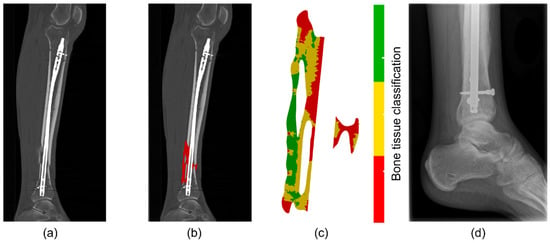
Plantar fasciitis (PFS) is a leading cause of heel pain, yet its clinical course varies widely. Although plantar fascia thickness (PFT) is often used as a pain marker, its prognostic value remains unclear. Objective: This study investigates whether foot arch morphology underlies
[...] Read more.
Plantar fasciitis (PFS) is a leading cause of heel pain, yet its clinical course varies widely. Although plantar fascia thickness (PFT) is often used as a pain marker, its prognostic value remains unclear. Objective: This study investigates whether foot arch morphology underlies distinct biomechanical profiles in PFS patients, potentially explaining the variability in its presentation. Methods: The cross-sectional study included 30 patients with PFS and 10 healthy controls. PFS patients were classified by arch type (pes rectus, pes planus, pes cavus) using the Arch Height Index (AHI). Baseline comparisons between healthy controls and PFS subgroups assessed PFT, Foot Function Index (FFI), joint stiffness ratio, and gait parameters. Results: PFT differed across groups but was not significantly associated with FFI scores (p = 0.233). The pes cavus group exhibited a lower metatarsophalangeal (MTP) stiffness ratio compared with healthy (p < 0.05). Pes planus and pes rectus groups showed excessive pronation, and the pes cavus group showed limited ankle dorsiflexion, indicating distinct gait mechanisms (p < 0.05). Conclusions: Foot arch morphology influences gait biomechanics, stiffness, and PFT in individuals with PFS. Incorporating individual arch types into clinical decision-making may facilitate more personalized interventions and improve treatment outcomes.
Full article
(This article belongs to the Section Gait and Posture Biomechanics)
►▼
Show Figures

Figure 1
Open AccessArticle
Measurement of Compression Forces During Spinal Fusion Surgery Utilizing the Proprioceptive Effect of Hand Muscle Memory
by
Robin Heilmann, Stefan Schleifenbaum, Peter Melcher, Christoph-Eckhard Heyde and Nicolas Heinz von der Höh
Biomechanics 2025, 5(4), 91; https://doi.org/10.3390/biomechanics5040091 - 5 Nov 2025
Abstract
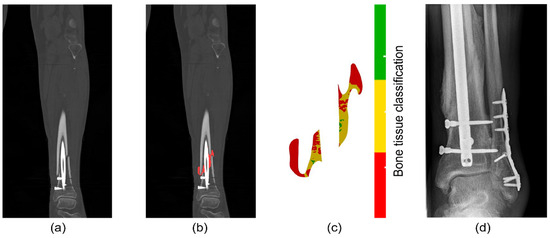
Background: In spinal fusion surgery, intersomatic compression force is currently applied subjectively by the operating surgeon, despite its critical role on implant stability and risk of subsidence. No standardized measurement or guideline exists to control or quantify the amount of force applied.
[...] Read more.
Background: In spinal fusion surgery, intersomatic compression force is currently applied subjectively by the operating surgeon, despite its critical role on implant stability and risk of subsidence. No standardized measurement or guideline exists to control or quantify the amount of force applied. Methods: In a two-phase exploratory study, we evaluated whether proprioceptive muscle memory allows reliable reproduction of applied manual compression forces. In Phase 1, 30 participants applied force to a compression clamp equipped with a strain gauge, simulating spinal interbody compression on a 3D-printed vertebral model. They were then asked to reproduce this force using a hand dynamometer at defined time intervals. In Phase 2, intraoperative compression forces applied during spinal fusion procedures were retrospectively assessed by having the operating surgeon reproduce the force on a dynamometer. Results: Participants were able to reproduce their initial manual compression force within a 15% deviation, even 15 min after the initial application. In 116 clinical cases, an average compression force of 146.3 ± 18.5 N was recorded. No significant differences were observed across different spinal segments. Conclusions: These findings provide initial data toward defining a reproducible reference range for indirect intraoperative compression assessment. Standardization of applied force may help improve biomechanical outcomes and reduce complications such as implant migration, pseudarthrosis, or cage subsidence.
Full article
(This article belongs to the Section Neuromechanics)
►▼
Show Figures

Figure 1
Open AccessArticle
Establishing Reference Metrics for Respiratory Exercises Through Wearable Sensors: A Comparative Study
by
Federico Caramia, Emanuele D’Angelantonio, Leandro Lucangeli and Valentina Camomilla
Biomechanics 2025, 5(4), 90; https://doi.org/10.3390/biomechanics5040090 - 5 Nov 2025
Abstract
Background: Respiratory exercises play a key role in rehabilitation programs, especially for older adults and individuals with chronic pulmonary conditions. Despite growing interest in wearable sensors for home-based care, structured reference metrics to quantitatively characterize respiratory exercises are still limited. This study aimed
[...] Read more.
Background: Respiratory exercises play a key role in rehabilitation programs, especially for older adults and individuals with chronic pulmonary conditions. Despite growing interest in wearable sensors for home-based care, structured reference metrics to quantitatively characterize respiratory exercises are still limited. This study aimed to provide a quantitative characterization of respiratory exercises and evaluate the level of agreement between a low-cost prototypical sensor and a commercial one. Methods: Eleven older adults (9 females; age = 72.6 ± 5.0 years; height = 1.66 ± 0.09 m; mass = 68 ± 10 kg) performed a structured respiratory exercises protocol. Algorithms were developed to identify respiratory cycles, their execution time, and parameters related to respiratory capacity, using accelerometer signals from the two wearable sensors placed on the rib cage. Results: The average respiratory cycle duration ranged from 2.8 to 4.3 s, with normalized inspiratory and expiratory peaks. Tidal volume variability was minimal, confirming consistency in breathing patterns across exercises. User comfort was high (mean VAS = 8.7). Sensor comparison confirmed strong agreement between the two sensors in detecting respiratory cycles, though some variability was observed in timing and tidal volume estimation. Conclusions: These findings suggest that even simple accelerometers can reliably capture key respiratory parameters, supporting the feasibility of using wearable sensors to monitor structured respiratory exercises performed in home-based settings.
Full article
(This article belongs to the Special Issue Computational Modeling and AI Applications in Injury Biomechanics and Rehabilitation)
►▼
Show Figures

Figure 1
Open AccessArticle
Jaw Clenching Alters Neuromuscular Coordination in Dynamic Postural Tasks: A Pilot Study on Single-Leg Sit-to-Stand Movements
by
Yuto Tanaka, Yoshiaki Ono and Yosuke Tomita
Biomechanics 2025, 5(4), 89; https://doi.org/10.3390/biomechanics5040089 - 4 Nov 2025
Abstract
Background/Objective: Postural stability and motor coordination require precise regulation of agonist and antagonist muscle activities. Jaw clenching modulates neuromuscular control during static and reactive postural tasks. However, its effects on dynamic voluntary movement remain unclear. This pilot study aimed to investigate the effects
[...] Read more.
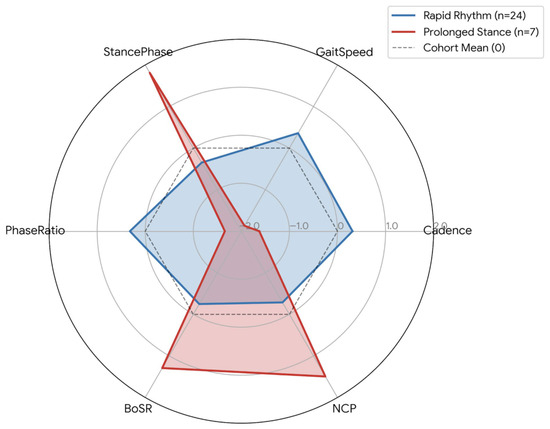
Background/Objective: Postural stability and motor coordination require precise regulation of agonist and antagonist muscle activities. Jaw clenching modulates neuromuscular control during static and reactive postural tasks. However, its effects on dynamic voluntary movement remain unclear. This pilot study aimed to investigate the effects of jaw clenching on muscle activity and kinematics during repetitive single-leg sit-to-stand task performance. Methods: Eleven healthy adults (age: 21.2 ± 0.4 years; 6 males and 5 females; height: 167.9 ± 9.6 cm; body weight: 59.7 ± 8.1 kg) performed repetitive single-leg sit-to-stand tasks for 30 s under jaw-clenching and control conditions. Electromyography (EMG) signals from eight muscles and kinematic data from 16 inertial measurement unit sensors were analyzed, focusing on the seat-off phase. Results: Jaw clenching resulted in a significantly lower success rate than the control condition (success rate: 0.96 ± 0.13 vs. 0.78 ± 0.29, p = 0.047). Under the jaw clenching condition, failed trials exhibited higher medial gastrocnemius and masseter EMG activity (p < 0.001), lower erector spinae longus EMG activity (p < 0.001), and altered kinematics, including increased trunk yaw and roll angles (p < 0.001). Jaw clenching increased the coactivation of the gastrocnemius and tibialis anterior muscles (p < 0.001), disrupting the reciprocal muscle patterns critical for task performance. Conclusions: These findings suggest that jaw clenching may reduce task performance by altering neuromuscular coordination during dynamic postural tasks.
Full article
(This article belongs to the Section Neuromechanics)
►▼
Show Figures

Figure 1
Open AccessReview
Smartphone-Based Gait Analysis with OpenCap: A Narrative Review
by
Serena Cerfoglio, Jorge Lopes Storniolo, Edilson Fernando de Borba, Paolo Cavallari, Manuela Galli, Paolo Capodaglio and Veronica Cimolin
Biomechanics 2025, 5(4), 88; https://doi.org/10.3390/biomechanics5040088 - 3 Nov 2025
Abstract
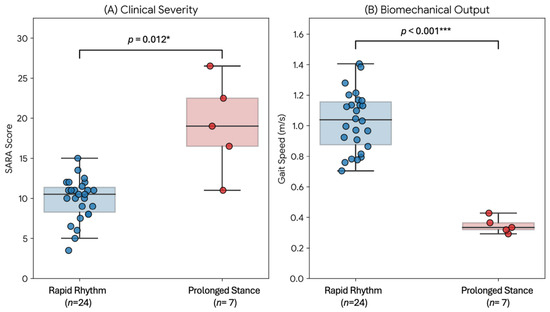
Background: Gait analysis plays a key role in detecting and monitoring neurological, musculoskeletal, and orthopedic impairments. While marker-based motion capture (MoCap) systems are the gold standard, their cost and complexity limit routine use. Recent advances in computer vision have enabled markerless smartphone-based approaches.
[...] Read more.
Background: Gait analysis plays a key role in detecting and monitoring neurological, musculoskeletal, and orthopedic impairments. While marker-based motion capture (MoCap) systems are the gold standard, their cost and complexity limit routine use. Recent advances in computer vision have enabled markerless smartphone-based approaches. OpenCap, an open-source platform for 3D motion analysis, offers a potentially accessible alternative. This review summarizes current evidence on its accuracy, limitations, and clinical applicability in gait assessment. Methods: A search was performed in major scientific databases to identify studies published from OpenCap’s release in 2023 to June 2025. Articles were included if they applied OpenCap to human gait and reported quantitative biomechanical outcomes. Both validation and applied studies were considered, and findings were synthesized qualitatively. Results: Nine studies were included. Validation research showed OpenCap achieved generally acceptable accuracy kinematics (RMSE 4–6°) in healthy gait, while increased errors were reported for pathological gait patterns. Applied studies confirmed feasibility in different clinical conditions, though trial-to-trial variability remained higher than MoCap, and test–retest reliability was moderate, with minimal detectable changes often exceeding 5°, limiting sensitivity to subtle clinical differences. Conclusions: OpenCap is a promising, low-cost tool for gait screening, remote monitoring, and tele-rehabilitation. Its strengths lie in accessibility and feasibility outside laboratory settings, but limitations in multiplanar accuracy, pathological gait assessment, and kinetic estimation currently preclude its replacement of MoCap in advanced clinical applications. Further research should refine algorithms and standardize protocols to improve robustness and clinical utility.
Full article
(This article belongs to the Section Gait and Posture Biomechanics)
►▼
Show Figures

Figure 1
Open AccessArticle
Intersegmental Coordination Patterns During Heel Rise: Effects of Knee Position and Movement Phases
by
Yota Abe, Aimi Tayama, Tomoki Iizuka and Yosuke Tomita
Biomechanics 2025, 5(4), 87; https://doi.org/10.3390/biomechanics5040087 - 3 Nov 2025
Abstract
Background/Objectives: This study aimed to provide preliminary normative data on intersegmental coordination patterns during heel rises at different knee joint positions and across various phases and periods. Methods: Twelve 21-year-old university students from the same cohort performed heel rises in knee-extended and knee-flexed
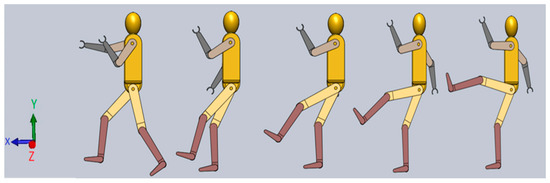
[...] Read more.
Background/Objectives: This study aimed to provide preliminary normative data on intersegmental coordination patterns during heel rises at different knee joint positions and across various phases and periods. Methods: Twelve 21-year-old university students from the same cohort performed heel rises in knee-extended and knee-flexed conditions. Shank and foot kinematics were recorded using the VICON Oxford Foot Model, and intersegmental coordination was analyzed using a modified vector coding technique. Results: The results showed that coordination patterns varied significantly between the ascending and descending phases and across the early, middle, and late periods. In the early ascending phase, knee extension exhibited in-phase coordination (shank external rotation with hindfoot inversion), resembling propulsion-related coordination in gait, whereas knee flexion displayed greater anti-phase coordination between hindfoot plantar flexion and forefoot dorsiflexion. The middle and late periods demonstrated heel-rise-specific patterns, with coordination shifting from proximal to distal dominance. Knee flexion altered the coordination between the shank and hindfoot and between the hindfoot and forefoot in the sagittal plane compared to that during knee extension. Conclusions: These findings suggest that the knee position influences intersegmental coordination during heel rises, and the present results provide reference values that can enable future diagnostic validation and comparative studies in pathological populations.
Full article
(This article belongs to the Topic The Mechanics of Movement: Biomechanics in Sports Performance)
►▼
Show Figures

Figure 1
Highly Accessed Articles
Latest Books
E-Mail Alert
News
Topics
Topic in
Biomechanics, Healthcare, IJERPH, Nutrients, Sports, Sensors, Muscles, Foods
Endurance and Ultra-Endurance: Implications of Training, Recovery, Nutrition, and Technology on Performance and Health
Topic Editors: Nicolas Berger, Russ BestDeadline: 31 December 2025
Topic in
Biomechanics, JFMK, Sports
Concurrent Strength and Endurance Training
Topic Editors: Alejandro Pérez-Castilla, Manuel A. Rodríguez PérezDeadline: 28 February 2026
Topic in
Biomechanics, JFMK, Sensors, Sports
Current Perspectives and Future Directions in Sports Biomechanics
Topic Editors: Pedro Forte, Rafael Peixoto, Luís BranquinhoDeadline: 25 May 2026
Topic in
Biology, Brain Sciences, Sports, Biomechanics, JFMK, Physiologia
The Mechanics of Movement: Biomechanics in Sports Performance
Topic Editors: Mario Bernardo-Filho, Danúbia Da Cunha De Sá-Caputo, Redha TaiarDeadline: 31 July 2026
Conferences
Special Issues
Special Issue in
Biomechanics
Computational Modeling and AI Applications in Injury Biomechanics and Rehabilitation
Guest Editors: Sujata Khandare, Fan GaoDeadline: 25 January 2026
Special Issue in
Biomechanics
Sensors for Biomechanical and Rehabilitation Engineering
Guest Editor: Ziyun DingDeadline: 20 February 2026
Special Issue in
Biomechanics
Gait and Balance Control in Typical and Special Individuals: Second Edition
Guest Editor: Luis TeixeiraDeadline: 25 March 2026
Special Issue in
Biomechanics
Cutting-Edge Biomechanics: Unlocking the Future of Biomedical Engineering
Guest Editor: Ye ZengDeadline: 30 April 2026
Topical Collections
Topical Collection in
Biomechanics
Locomotion Biomechanics and Motor Control
Collection Editor: Ka-Chun (Joseph) Siu