


Abstract
The construction industry plays a significant role in global resource consumption and environmental degradation. To mitigate these negative impacts, researchers and engineers have been exploring sustainable building materials and practices. This research paper focuses on the development of Eco Bricks, a sustainable alternative to conventional clay bricks, using a combination of cement, sand, Fly ash Ground Granulated Blast Furnace Slag (GGBS), PET bottles, aggregates, shredded plastic waste, and water. This study aims to investigate the mechanical properties, environmental benefits, and feasibility of producing Eco Bricks for construction applications. Furthermore, this research explores the environmental advantages of using Eco Bricks. By diverting plastic waste from landfills and reducing the demand for traditional building materials like clay bricks or concrete blocks, Eco Bricks contribute to reduced carbon emissions and resource conservation. This paper also addresses potential challenges associated with Eco Bricks, including quality control, durability, and long-term performance in different climatic conditions.
1. Introduction
The construction industry has long been recognized as one of the most resource-intensive and environmentally damaging sectors of the global economy. The extraction of raw materials, the energy-intensive manufacturing processes, and the substantial waste generation associated with traditional building materials like clay bricks and concrete blocks contribute significantly to carbon emissions and resource depletion. In an era marked by growing environmental concerns and pressing needs to reduce the carbon footprint of human activities, there is an urgent demand for innovative and sustainable building materials. One such innovation that has gained prominence in recent years is the concept of “Eco Bricks”.
This research paper aims to provide a comprehensive exploration of Eco Bricks, shedding light on their composition, manufacturing processes, environmental benefits, potential applications, and the challenges they may pose. By delving into the various facets of Eco Bricks, we seek to underscore their potential to revolutionize the construction industry, making it more sustainable and eco-friendlier.
In the following sections, we will examine the composition and manufacturing methods of Eco Bricks, focusing on the techniques used to transform plastic and agricultural waste into durable building materials. We will also explore the technical properties and structural capabilities of these bricks, assessing their suitability for various construction applications. Moreover, this paper will delve into the environmental advantages of adopting Eco Bricks, emphasizing their potential to reduce plastic pollution, lower carbon emissions, and conserve valuable resources.
Ultimately, this research paper aims to contribute to the ongoing dialogue on sustainable construction practices by showcasing Eco Bricks as a promising solution to the environmental challenges posed by traditional building materials. As society increasingly embraces the imperative of sustainable living, Eco Bricks stand as a beacon of innovation, offering a pathway towards greener and more environmentally responsible construction practices.
2. Materials
Raw Materials
- Ground Granulated Blast Furnace Slag (GGBS): GGBS is used as a supplementary cementitious material, which is a by-product of the iron and steel manufacturing industry (Figure 1).
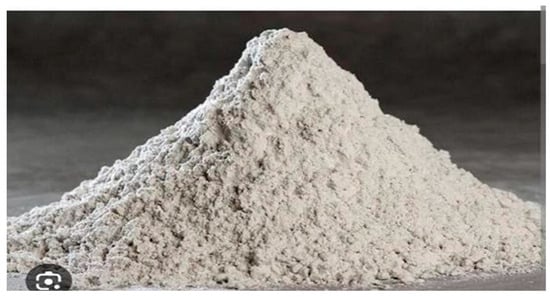 Figure 1. GGBS. Source: Google images.
- 2.
- Parali: Parali, also known as crop residue or agricultural residue, refers to the leftover plant material after a crop has been harvested (Figure 2). This residue includes materials like straw, husks, stems, and leaves. Parali is often considered a waste product in agriculture and is sometimes disposed of through burning, which can contribute to air pollution and environmental degradation. However, it can also be put to more sustainable and beneficial use, such as in the manufacturing of Eco Bricks [1].
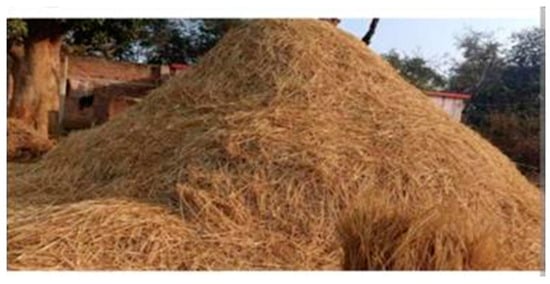 Figure 2. Parali. Source: Google images.
- 3.
- Shredded plastic waste: This refers to plastic materials that have been mechanically shredded or cut into smaller pieces or fragments, recycled plastic waste is used to improve insulation and reduce the environmental impact [2] (Figure 3).
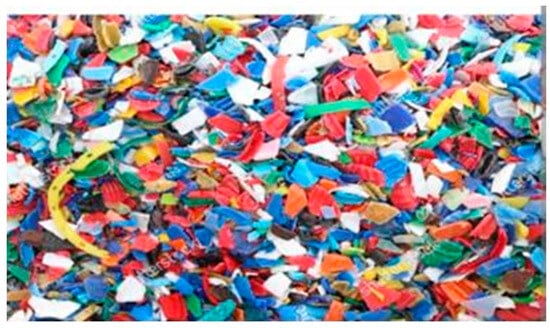 Figure 3. Shredded plastic. Source: Google images.
- 4.
- PET bottles: PET bottles are usually filled with inorganic waste, which is now a very cheap construction material, with two-fold benefits [3] (Figure 4).
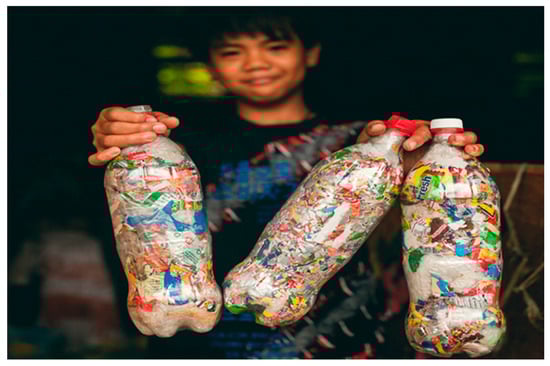 Figure 4. PET bottles. Source: Google images.
- 5.
- Cement: It serves as a binder that, when mixed with aggregates (such as sand and gravel) and water, a hardened and durable substance known as concrete is formed.
- 6.
- Water: Water plays an important role in activating the binding properties of the cement. Water must be neutral in nature. Excess salt in water leads to the white puffing in the sample and hence decreases its strength. Water is required for the mixing and curing process.
- 7.
- Aggregates: Aggregates are one of the important constituents of concrete when we are working on any type of concrete/cement-based products. Its main purpose is to add additional compressive strength to the sample, IS: 2386-1969 defines fine aggregates in four grading zones to ensure high strength and durability.
3. Methodology
This section outlines the methods used in the study, including the research design, data collection, and Manufacturing procedures (Figure 5).
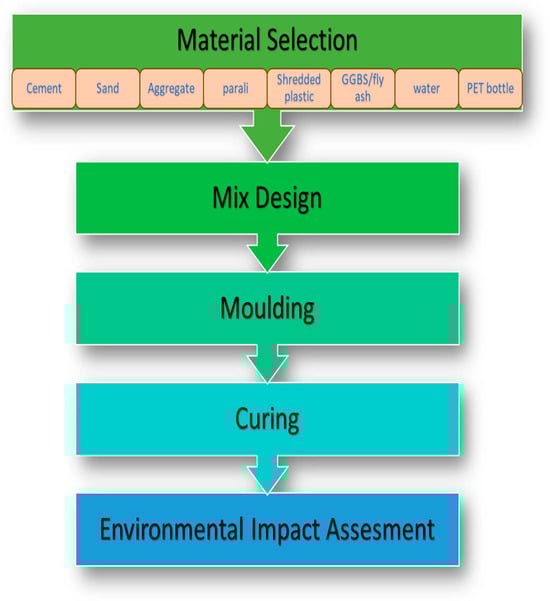
Figure 5.
Method statement.
3.1. Manufacturing Process
3.1.1. Mixing
- A mix design is developed to optimize the proportions of each ingredient.
- Various mix combinations are tested to determine the ideal mixture for desired strength and durability.
3.1.2. Mix Proportion
Table 1 below represents the proposed mix design which comes under methodology.

Table 1.
Mix proportion of materials.
3.1.3. Molding and Casting of Bricks
The mixture is poured into brick molds and compacted to the desired shape.
3.1.4. Curing
Eco bricks are cured in a controlled environment to develop strength and durability.
4. The Unique Product Offered for Waste Reduction, Resource Conservation, and Reduction of Carbon Footprint
The following are the phases involved in the journey of production of sustainable eco bricks shown in Figure 6.
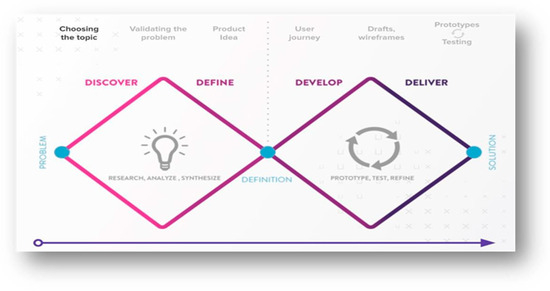
Figure 6.
Phases of the production. Source: Source: Google images.
- I.
- Discovery—understanding the problem.
This research explores the barriers and challenges hindering the widespread adoption of Eco Bricks in the construction industry. Eco bricks, as sustainable alternatives to traditional clay bricks, offer numerous environmental and economic benefits. However, their adoption remains limited. This study seeks to identify the key issues, challenges, and perceptions that hinder the use of Eco Bricks and proposes strategies to overcome these barriers.
- II.
- Definition—defining the problem.
The problem under investigation is the persistent and widespread reluctance to adopt Eco Bricks in construction projects, despite their well-documented environmental and economic advantages. This reluctance stems from various barriers and challenges that deter stakeholders, including architects, builders, developers, and policymakers, from embracing Eco Bricks as a viable building material.
- III.
- Development: developing the possible solution.
To overcome all the issues stated above, PET bottles, Parali, GGBS, and shredded plastic waste are the best alternative solutions to be used in the manufacturing of sustainable Eco Bricks. These materials have the potential to enhance the sustainability and performance of Eco Bricks while addressing environmental concerns. This section presents several strategies for effectively incorporating GGBS, RHA, and SPW into Eco Brick production.
- IV.
- Delivery: choosing and developing the solution.
The delivery phase focuses on selecting and developing the most viable solution to produce Eco Bricks using Ground Granulated Blast Furnace Slag (GGBS) Figure 1, Parali (Figure 2), shredded plastic waste (SPW) (Figure 3), PET bottles (Figure 4). This phase involves implementing the strategies proposed in the development phase to create a sustainable and efficient manufacturing process for Eco Bricks.
5. Testing and Analysis
Mechanical Properties: Eco bricks are tested for compressive strength, flexural strength, and density to assess their structural performance (Figure 7).
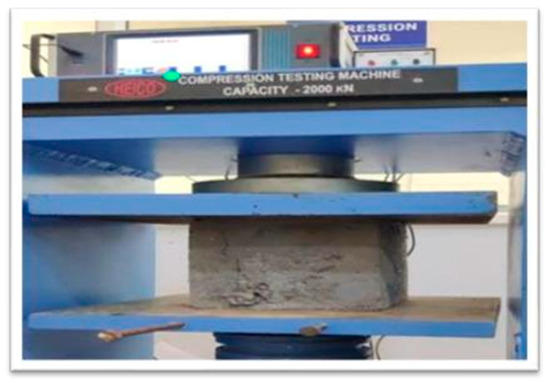
Figure 7.
Compressive strength test on Eco Bricks. Source: Google images.
6. Environmental Impact Assessment
Life cycle assessment (ICA) is conducted to evaluate the environmental benefits of using eco bricks compared to traditional clay bricks.
- Eco Bricks Often Require Lower Energy Inputs for Manufacturing Compared to Traditional Bricks, Which Are Fired at High Temperatures. This Reduction in Energy Consumption Leads to a Significant Reduction in Carbon Emissions [4]
- Waste Reduction Using Recycled or Waste Materials in Eco Brick Production Diverts These Materials from Landfills, Contributing to Waste Reduction and a Cleaner Environment
- Conservation of Resources Eco Bricks Reduce the Demand for Virgin Materials, Such as Clay or Sand, Helping Conserve Natural Resources
7. Results and Discussion
Mechanical properties of eco bricks are compared to conventional clay bricks, highlighting their suitability for construction.
LCA results demonstrate the reduced environmental footprint of Eco Bricks [5].
7.1. Size and Shape
Size and shape were taken as per the standard dimensions recommended by the IS code: 1077 (Table 2 and Table 3).
Table 2.
Compressive strength results. Compressive strength test results of Eco Bricks cast using PET bottles as per [6].
Table 3.
Water absorption capacity comparison as per [7].
The shape of the brick samples was a rectangle. The dimensions of bricks were of standard size bricks as 190 mm × 90 mm × 90 mm.
7.2. Cost Analysis
The Cost analysis of bricks is shown in Table 4 below.
Table 4.
Cost analysis of bricks.
Author Contributions
Conceptualization, A.K.J. and S.P.K.; methodology, A.K.J.; software, A.K.J.; validation, A.K.J. and S.P.K.; formal analysis, A.K.J.; investigation, A.K.J.; resources, A.K.J.; data curation, A.K.J.; writing—original draft preparation, A.K.J.; writing—review and editing, A.K.J. and S.P.K.; visualization, A.K.J.; supervision, S.P.K.; project administration, S.P.K. All authors have read and agreed to the published version of the manuscript.
Funding
The work received no external funding.
Institutional Review Board Statement
Not applicable.
Informed Consent Statement
Not applicable.
Data Availability Statement
Data are contained within the article.
Conflicts of Interest
The authors declare no conflict of interest.
References
- Puri, V.; Kumar, S.; Grover, K.; Sharma, M. Development of Eco-Friendly Bricks for Sustainable Construction. In International Conference on Materials Science and Engineering (ICMSE 2022); IOP Publishing: Amsterdam, The Netherlands, 2022. [Google Scholar]
- Antico, F.C.; Wiener, M.J.; Araya-Letelier, G.; Retamal, R.G. Eco-bricks: A sustainable substitute for construction materials. J. Constr. 2017, 16, 518–526. [Google Scholar]
- Edike, U.E. Production and optimization of eco-bricks Department of Building Technology, Bells University of Technology, Ota, Ogun State, Nigeria. J. Clean. Prod. 2020, 266, 121640. [Google Scholar] [CrossRef]
- Jain, D.R.; Mute, P.P.; Dhawale, A.B.; Bhandakkar, K.V.; Kedar, R.S. A Review Paper on Eco-Bricks. Int. J. Adv. Eng. Manag. (IJAEM) 2021, 3, 1369–1378. [Google Scholar]
- Raj, S.M.; Gopal, M.N.; Kumar, T.P.; Prasath, G.G.; ME, S.R. An Experimental Study on the Strength & Characteristics of Eco- Bricks from Garbage Dump. Int. J. Latest Technol. Eng. Manag. Appl. Sci. (IJLTEMAS) 2018, VII, 124–128. [Google Scholar]
- Goyal, P.K.; Tarkar, S.; Rayan, S.S.; Sharma, S. Experimental Study on Eco-Bricks. In Advanced Production and Industrial Engineering; IOS Press: Amsterdam, The Netherlands, 2022. [Google Scholar] [CrossRef]
- Manisha; Singh, N. Investigating Strength and Properties of Ecoladrilo. Eco Bricks Int. J. Civ. Eng. Technol. (IJCIET) 2017, 8, 134–142. [Google Scholar]
- Parali or Rice Straw, Packaging Type: Loose. Available online: https://www.indiamart.com/proddetail/parali-or-rice-straw-23678790162.html (accessed on 22 November 2023).
- Pet Plastic Bottle Scrap. Available online: https://dir.indiamart.com/impcat/pet-bottle-scrap.html (accessed on 22 November 2023).
- Ldpe Granules. Available online: https://www.tradeindia.com/manufacturers/ldpe-granules.html (accessed on 22 November 2023).
- Cement Prices. Available online: https://www.reconsgroup.com/prices/mumbai-cement-prices.aspx (accessed on 22 November 2023).
- River Sand in Mumbai. Available online: https://dir.indiamart.com/mumbai/river-sand.html (accessed on 22 November 2023).
- Recycled Aggregate Concrete. Available online: https://www.indiamart.com/proddetail/recycled-aggregate-concrete-2850370170755.html (accessed on 22 November 2023).
Disclaimer/Publisher’s Note: The statements, opinions and data contained in all publications are solely those of the individual author(s) and contributor(s) and not of MDPI and/or the editor(s). MDPI and/or the editor(s) disclaim responsibility for any injury to people or property resulting from any ideas, methods, instructions or products referred to in the content. |
© 2024 by the authors. Licensee MDPI, Basel, Switzerland. This article is an open access article distributed under the terms and conditions of the Creative Commons Attribution (CC BY) license (https://creativecommons.org/licenses/by/4.0/).