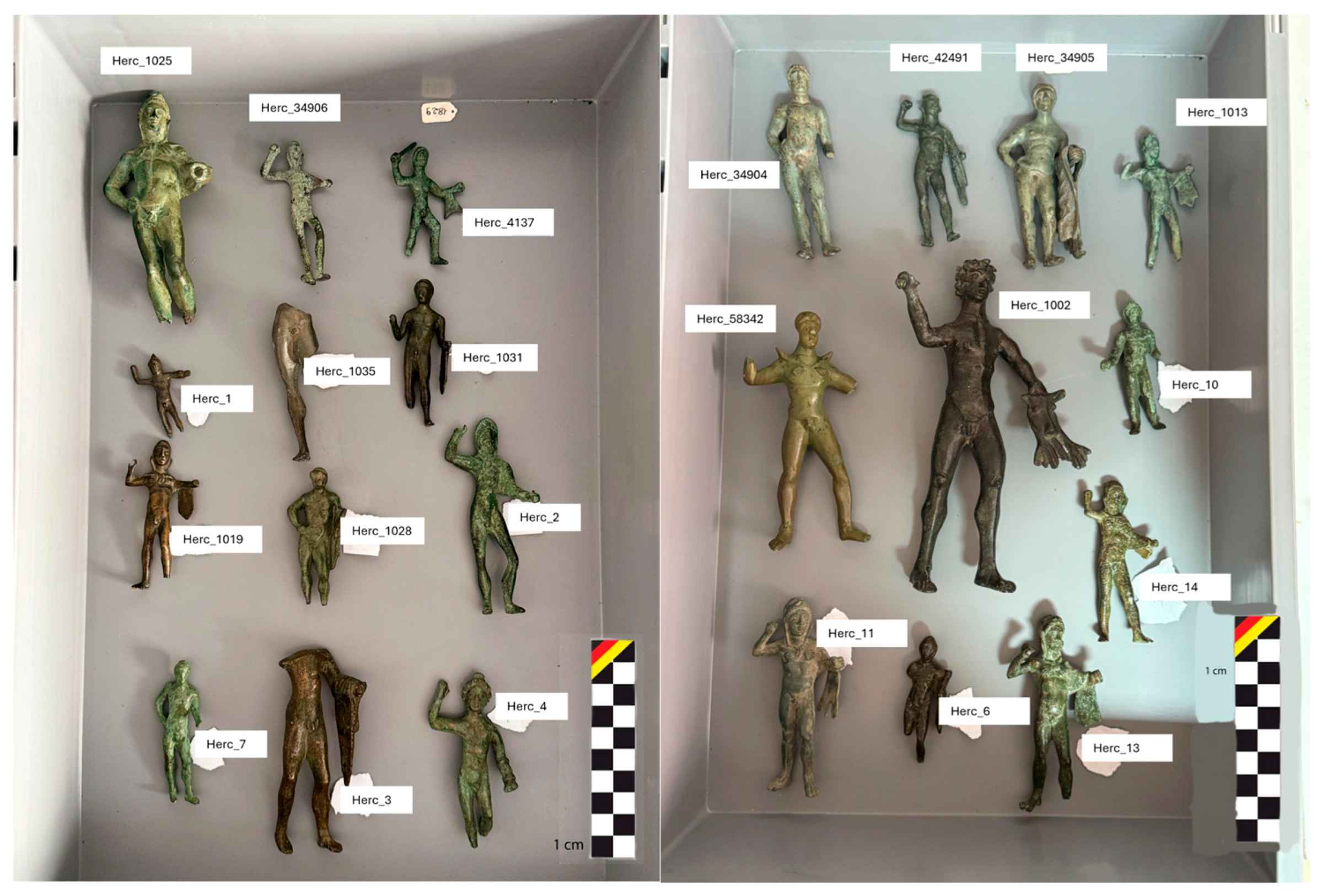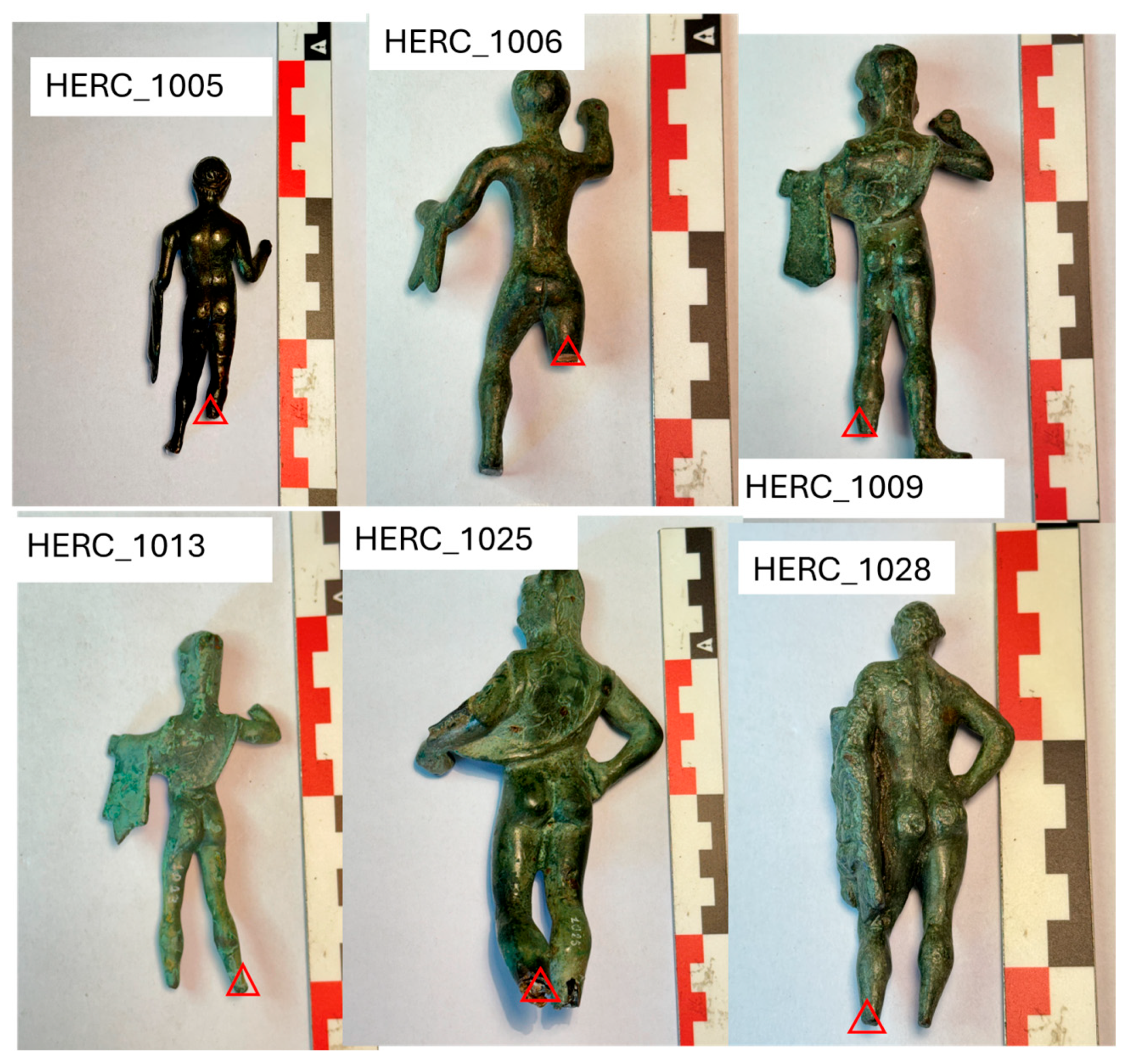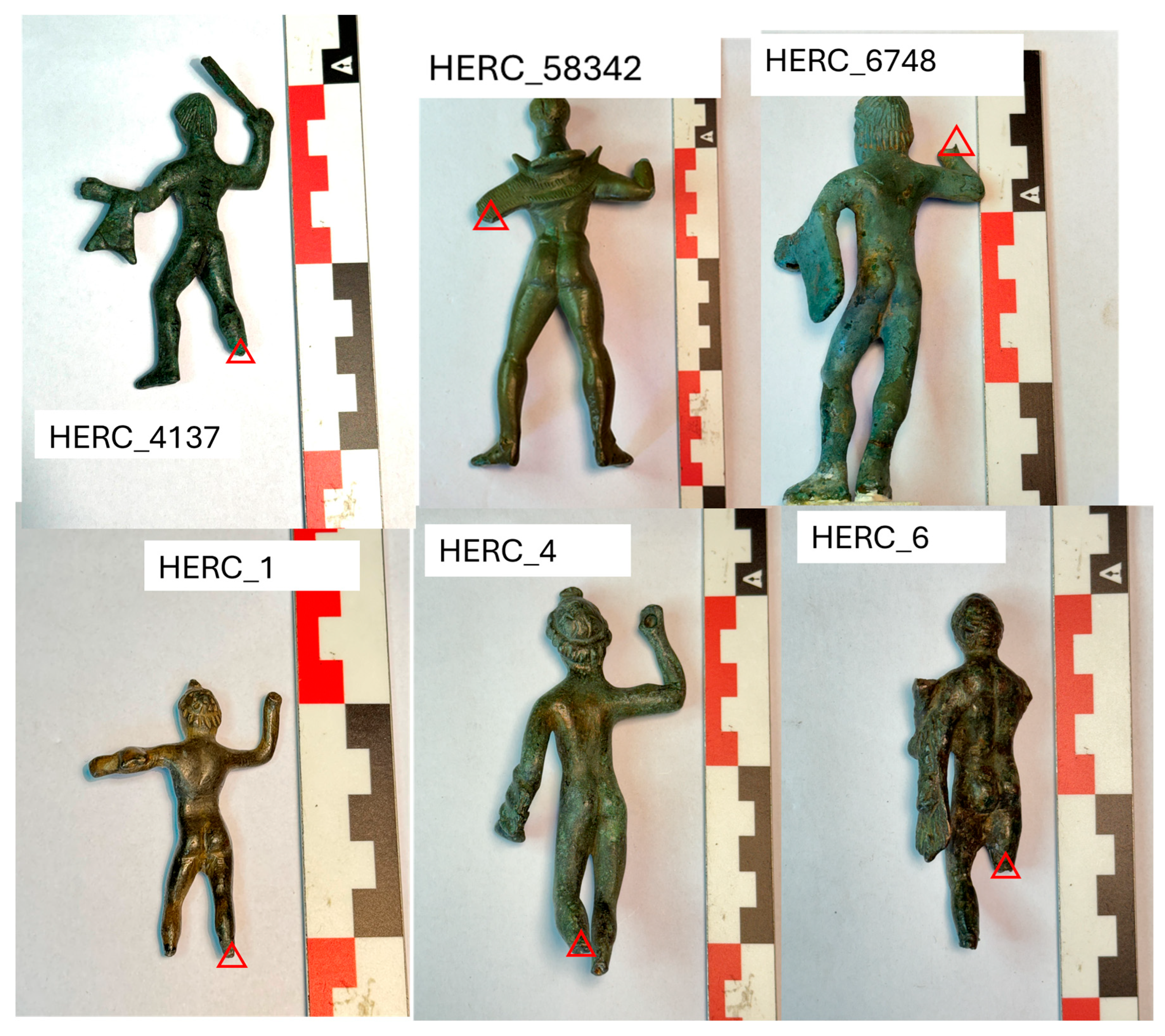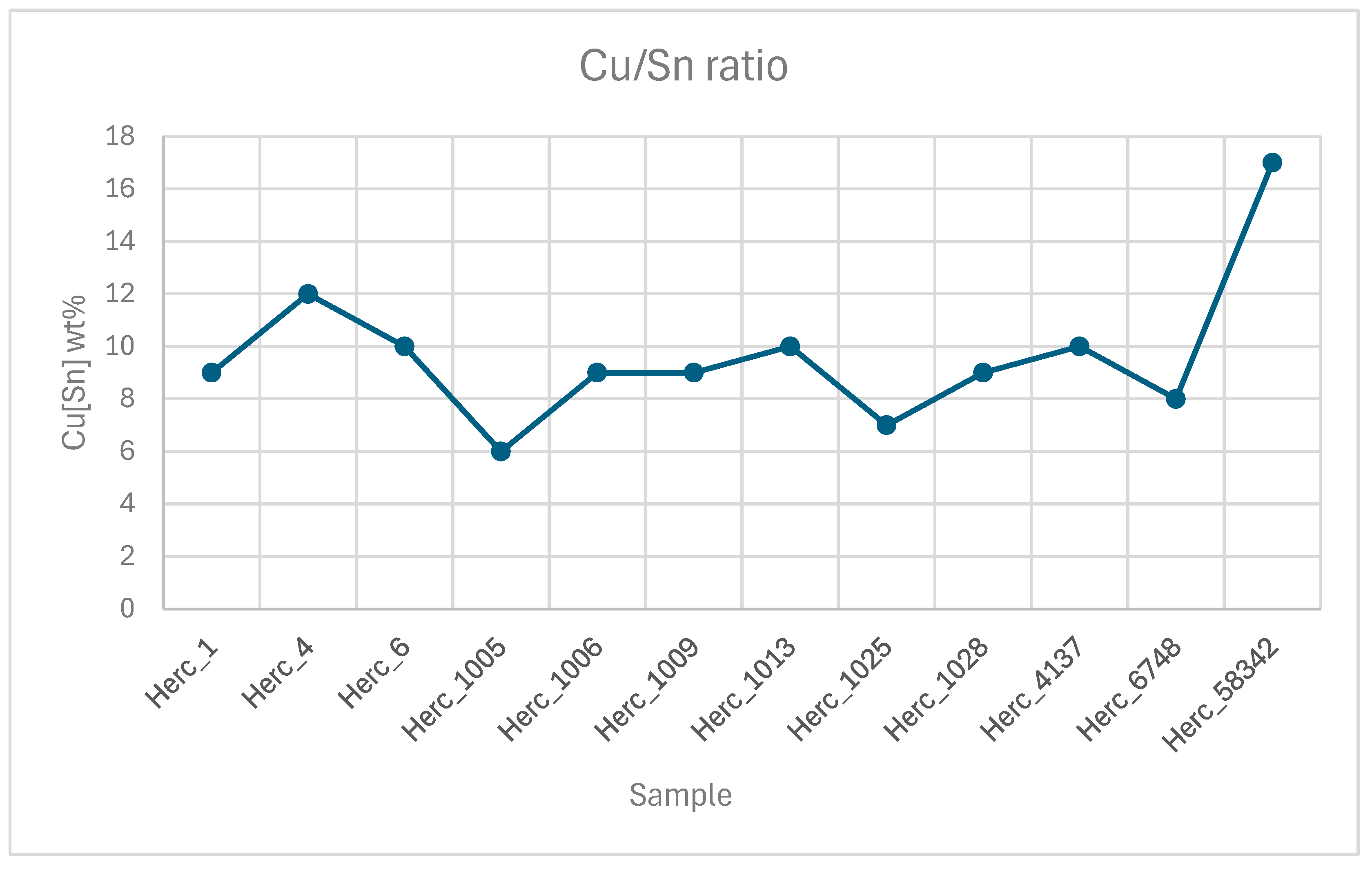

The Role of Metallography in the Study of Archaeological Metal Votive Statuettes from the National Archaeological Museum of Campobasso




Abstract
Share and Cite
Criaco, C.; Delfino, D.; Spotorno, R.; Piccardo, P. The Role of Metallography in the Study of Archaeological Metal Votive Statuettes from the National Archaeological Museum of Campobasso. Heritage 2026, 9, 21. https://doi.org/10.3390/heritage9010021
Criaco C, Delfino D, Spotorno R, Piccardo P. The Role of Metallography in the Study of Archaeological Metal Votive Statuettes from the National Archaeological Museum of Campobasso. Heritage. 2026; 9(1):21. https://doi.org/10.3390/heritage9010021
Chicago/Turabian StyleCriaco, Camilla, Davide Delfino, Roberto Spotorno, and Paolo Piccardo. 2026. "The Role of Metallography in the Study of Archaeological Metal Votive Statuettes from the National Archaeological Museum of Campobasso" Heritage 9, no. 1: 21. https://doi.org/10.3390/heritage9010021
APA StyleCriaco, C., Delfino, D., Spotorno, R., & Piccardo, P. (2026). The Role of Metallography in the Study of Archaeological Metal Votive Statuettes from the National Archaeological Museum of Campobasso. Heritage, 9(1), 21. https://doi.org/10.3390/heritage9010021