


Abstract
Contemporary cultural tourism faces a critical digital authenticity paradox where social media engagement necessitates platform integration, yet algorithms prioritize engagement-driven content over culturally accurate heritage representations. This systematic review develops an initial framework addressing authenticity preservation challenges through systematic analysis of platform-mediated heritage representation. Following PRISMA guidelines, researchers searched Scopus and ScienceDirect databases for peer-reviewed articles published 2020–2025 using search terms: “Cultural Tourism” AND “Heritage Tourism” AND “Photograph” AND “Social media” AND “Authenticity.” Inclusion criteria encompassed English-language journal articles and conference papers in social sciences, business, management, and humanities. VOSviewer software facilitated bibliometric analysis through keyword co-occurrence mapping with minimum three-occurrence threshold. From 68 articles, analysis revealed five thematic clusters: Ecosystem Tourism, Social Media and Technology, Tourism Management, Authenticity, and Photography & Storytelling, informing an integrated Input-Process-Integration-Output framework. Input encompasses cultural contexts and authenticity evaluation criteria; Process integrates social media dynamics with tourism management strategies; Integration synthesizes authentic contexts through platform-adapted digital storytelling; Output addresses platform-mediated tourist experiences. The framework establishes systematic relationships between heritage preservation and digital platform mechanisms, providing methodological innovation while addressing algorithmic optimization conflicts with heritage preservation, offering practical guidance for tourism organizations navigating Instagram, TikTok, Facebook, and emerging platforms while preserving authentic cultural representation.
1. Introduction
Digital transformation has fundamentally altered cultural tourism through social media platform integration, where Instagram, TikTok, and Facebook have become primary channels for heritage site discovery and cultural experience sharing among younger generations who increasingly rely on digital platforms for travel inspiration and planning [1,2]. Digital storytelling and social media, combining traditional narrative techniques with contemporary digital media technologies, has been widely applied as a transformative approach for enhancing cultural heritage tourism experiences [3,4,5]. However, this digital transformation has created complex challenges regarding the preservation and communication of cultural authenticity within platform-mediated tourism contexts.
This digital transformation has created a critical authenticity paradox in cultural tourism. Social media platforms have become essential for reaching youth audiences who rely on digital channels for travel planning. However, platform algorithms prioritize engagement metrics over accurate cultural representation. These algorithms give greater visibility to content that generates high user interaction—likes, shares, and comments—rather than content that accurately represents cultural heritage [6,7]. This creates an environment where simplified or sensationalized content receives more distribution than authentic cultural documentation, challenging heritage sites that must balance digital visibility with cultural authenticity.
Traditional cultural authenticity concepts emphasizing truthful representation [8] become problematic in digital environments where multiple authenticity narratives coexist simultaneously. While Hughes & Carlsen [9] propose equilibrium between genuine content and accessibility, this binary framework fails to address how algorithms actively reconstruct authenticity through engagement-based visibility hierarchies. Current conceptualizations inadequately theorize how platform mechanisms transform community validation processes into quantified metrics, creating what Kontiza et al. [10] overlook—a new form of algorithmic authenticity where cultural value is determined by engagement patterns rather than heritage significance. This theoretical gap necessitates reconceptualizing authenticity beyond preservation-accessibility dichotomies toward understanding platform-mediated authenticity as a distinct phenomenon requiring new analytical frameworks.
However, contemporary cultural tourism faces cascading authenticity challenges stemming from algorithmic mediation. Platform algorithms prioritizing engagement metrics fundamentally alter content creation practices, as superficial material receives greater visibility than authentic documentation [6,7]. This algorithmic bias directly shapes technology preferences, creating paradoxical misalignments where youth audiences prefer amateur mobile recordings over expert-recommended professional production [11]. These preference patterns subsequently intensify commercial tensions, as tourism organizations must navigate between algorithm-optimized content that generates revenue and authentic documentation that preserves cultural integrity [12]. Together, these interconnected pressures create operational environments lacking adequate frameworks for authenticity validation within algorithm-driven systems
These complex challenges require systematic approaches to preserve authenticity within digital environments. This study develops an Input-Process-Integration-Output (IPIO) framework that examines how authentic cultural contexts move through platform-mediated systems. The framework analyzes authentic cultural elements (Input), their transformation through social media technologies and tourism management (Process), their synthesis through digital storytelling (Integration), and their final form as tourist experiences (Output). This structured approach helps understand relationships between heritage authenticity and platform requirements.
Therefore, this review addresses a research question: What frameworks and strategies does current literature provide to address authenticity challenges in social media cultural tourism? This question guides our systematic examination of theoretical foundations and practical approaches emerging from contemporary research to navigate the tension between algorithmic optimization and heritage preservation. Moreover, Therefore, this systematic literature review aims to develop a framework addressing authenticity preservation in digital cultural tourism. The study pursues three objectives: (1) identify thematic dimensions influencing digital authenticity through bibliometric analysis of current literature; (2) synthesize findings into an integrated Input-Process-Integration-Output framework connecting authentic cultural contexts with platform-mediated outcomes; and (3) provide operational strategies for practitioners balancing algorithmic visibility with heritage integrity. These objectives collectively address how current research navigates the paradox between engagement optimization and authenticity preservation.
The review article contributes to knowledge by advancing digital storytelling theory through comprehensive bibliometric analysis of platform-specific authenticity challenges, providing methodological innovation through VOSviewer-based domain examination of algorithm-mediated cultural representation, and establishing foundational frameworks for understanding authenticity preservation in social media cultural tourism contexts. The systematic analysis of 68 articles across interconnected research domains creates evidence-based foundations for cultural tourism practitioners seeking to maintain heritage accuracy while engaging contemporary audiences through social media and emerging digital platforms.
2. Methods
Literature Review Methodology
This research employed a systematic literature review methodology following the Preferred Reporting Items for Systematic Reviews and Meta-Analyses (PRISMA) 2020 guidelines [13]. The investigation utilized Scopus and ScienceDirect as primary databases, selected based on their comprehensive coverage of tourism studies, visual communication research, and cultural heritage literature. The temporal scope encompassed publications from 2020 to 2025 to ensure contemporary relevance and capture recent developments in digital contents and social media integration within cultural tourism contexts. This timeframe captures critical platform transformations including algorithm updates, new features like Instagram Reels and TikTok’s expansion, and evolving digital engagement patterns essential for understanding current authenticity challenges. Next, the core search string combined: TITLE-ABS-KEY “Cultural Tourism” AND “Heritage Tourism” AND “Photograph” AND “Social media” AND “Authenticity”. Both databases were last searched on August 2025, presented in Table 1, Table 2 and Table 3. This approach aimed to capture interdisciplinary research spanning cultural and heritage tourism management, visual studies, cultural heritage preservation, and digital media communications. This systematic review was not prospectively registered, and no protocol was prepared prior to commencing the study.
Table 1.
Criteria for inclusion and exclusion.
Table 2.
Search term (titles, abstracts, and keywords) from the database.
Table 3.
The top 10 keywords from 68 articles.
Moreover, this research selected Scopus and ScienceDirect because they focus on social science and tourism research. Scopus covers tourism, hospitality, and cultural studies journals well, especially in social sciences and humanities. ScienceDirect provides access to major tourism and heritage journals. This research did not use Web of Science because it mainly focuses on natural sciences rather than social sciences.
The methodology follows the PRISMA [13] systematic review guidelines shown in Figure 1. The search process identified 68 articles from both databases. To reduce bias, two reviewers independently checked titles and abstracts against the inclusion criteria using the same checklist forms. When reviewers disagreed, a third person helped reach agreement. Full-text articles that passed initial screening were retrieved and independently checked by both reviewers using standardized checklists to ensure consistency. Data collection captured study objectives, research methods, main findings about authenticity in digital cultural tourism, and theories used. While this two-reviewer process with standard checklists reduced personal bias, we acknowledge that excluding non-English articles may create language limitations, though this decision kept quality consistent across all included studies.
Figure 1.
The PRISMA flow diagram.
The selected literature was analyzed using VOSviewer software version 1.6.20 for bibliometric analysis and keyword co-occurrence mapping. VOSviewer bibliometric mapping was used alongside systematic review because it reveals patterns and connections between topics that human readers might miss. While systematic review analyzes article content deeply, bibliometric mapping shows the bigger picture of how different research areas connect, helping identify the five thematic clusters objectively through computer analysis rather than personal judgment. This approach enabled identification of thematic clusters and conceptual relationships within the literature. A minimum threshold of three keyword occurrences was established for cluster formation, resulting in five distinct thematic groups for analysis. Author-assigned keywords were analyzed without preprocessing to preserve original terminology used by researchers in this domain. The software processes extensive datasets of academic publications to reveal research clusters, emerging trends, and conceptual connections, facilitating comprehensive analysis of scholarly literature domains [14]. This analytical methodology identified five discrete clusters, visualized through color-coded representation systems wherein each color designates cluster groupings based on related keywords, as demonstrated in Figure 2.
Figure 2.
Key Word Trends from 68 Articles Separated into Five Colored Clusters.
Bibliometric findings: VOSviewer’s algorithm identified five statistical clusters based on keyword co-occurrence frequency, with each cluster containing keywords that frequently appear together across the 68 articles.
Qualitative interpretation: Using theory-based review protocols [15] we conducted content analysis of articles within each statistical cluster. This systematic categorization identified theoretical patterns and research gaps, interpreting the five clusters as: (1) Ecosystem Tourism, (2) Social Media and Technology, (3) Tourism Management, (4) Authenticity, and (5) Photography & Storytelling.
VOSviewer helps identify research patterns and clusters in large amounts of literature. Its strengths include showing complex relationships between studies and finding research themes objectively. However, it has limitations: it may oversimplify complex ideas, depend on authors using keywords, and exclude concepts appearing fewer than three keyword occurrences as this study set up. To ensure reliability, we manually checked that computer-identified clusters matched actual theoretical relationships in the articles.
3. Literature Review
Theories in Clusters 1–5 emerged from systematic analysis of 68 articles (2020–2025), including both contemporary and classical theories cited within recent publications. Selection criteria included citation frequency and application to digital tourism contexts, with foundational and classic works e.g., [16,17]. as theoretical baselines for examining platform-mediated authenticity.
Next, before examining the five thematic clusters from bibliometric analysis, this section defines three key concepts used throughout this study.
Digital authenticity refers to whether people believe digital content is genuine, focusing on perception rather than actual truth. It involves the ability to create believable connections between digital content and its cultural sources, which can be evaluated through checking data accuracy and verifying source identity [18]. In cultural tourism, this means how audiences perceive tourism experiences shown through social media photos, posts, or videos as true representations of actual places, cultures, or communities.
Platform-mediated cultural tourism means tourism activities and experiences that happen through digital platforms, which act as intermediaries connecting service providers, tourists, and destinations [19]. In this study, it refers to cultural tourism shaped by social media platforms like Facebook, Instagram, and TikTok. These platforms influence how people see destinations, enhance their experiences, and motivate them to travel through algorithm-controlled content distribution.
Social media algorithms are automatic systems that select, filter, rank, and recommend content based on each user’s unique characteristics, interests, and behaviors. These algorithms use data from user activities and social interactions to create personalized experiences, which influence how users perceive, understand, and make decisions about cultural tourism destinations [20,21,22].
These definitions provide the foundation for analyzing how authentic cultural content relates to tourist experiences on social media platforms, as discussed in the following sections.
3.1. Thematic Cluster Analysis
The VOSviewer analysis revealed five distinct thematic clusters within the digital and social media cultural tourism authenticity literature. Each cluster represents interconnected research domains that collectively address platform-mediated heritage representation challenges. The analytical focus emphasizes clusters 4 and 5, which directly correspond to the study’s investigation of authenticity preservation within digital cultural tourism contexts.
Cluster 1: Ecosystem Tourism
Cluster 2: Social Media and Technology
Cluster 3: Tourism Management
Cluster 4: Authenticity
Cluster 5: Photography & Storytelling.
Cluster 1: Ecosystem Tourism—This cluster examines the foundational environmental and cultural contexts that inform authentic digital heritage representation within social media platforms. The relevance to platform-mediated authenticity lies in establishing how ecosystem-based approaches provide contextual frameworks for maintaining genuine environmental and cultural integrity within algorithm-driven content distribution systems, supporting authentic tourism experiences that preserve community-environment relationships through digital storytelling methodologies.
Cluster 2: Social Media and Technology—This cluster directly addresses digital platforms and technological mechanisms used in cultural tourism photography and promotional activities across social media environments. The connection to digital authenticity centers on analyzing how platform-specific algorithms, user-generated content dynamics, and engagement optimization strategies either maintain or systematically distort genuine characteristics of cultural heritage sites through filtering, editing, and algorithmic curation processes.
Cluster 3: Tourism Management—This cluster focuses on strategic planning and operational coordination within digital cultural tourism development contexts. The platform-mediated authenticity dimension emerges through examination of how management practices navigate tensions between social media marketing imperatives, commercial viability requirements, and preservation of genuine cultural values within algorithm-driven promotional environments that prioritize engagement metrics over heritage accuracy.
Cluster 4: Authenticity—This cluster directly addresses theoretical frameworks and empirical investigations of authenticity concepts specifically within digital and social media tourism contexts. The cluster represents the theoretical foundation for understanding how authentic experiences are conceptualized, perceived, measured, and validated within platform-mediated cultural tourism environments, including community-based validation processes and algorithm-resistant authenticity assessment methodologies.
Cluster 5: Photography & Storytelling—This cluster examines visual representation techniques and digital narrative approaches within social media cultural tourism communication strategies. The relevance to platform-mediated authenticity focuses on how photographic practices, content creation methodologies, and storytelling techniques either accurately represent or potentially misrepresent genuine cultural essence through platform-native formats, algorithm optimization, and audience engagement mechanisms across diverse digital environments.
The analytical prioritization of Clusters 4 and 5 reflects their direct correspondence to platform-mediated authenticity challenges, providing both theoretical foundations for digital heritage representation assessment and practical applications for social media cultural tourism content creation that maintains heritage integrity while achieving algorithmic visibility within contemporary digital tourism contexts.
3.2. Cluster 1: Ecosystem Tourism
Background and Definition: Ecosystem tourism represents a form of nature-based tourism that emphasizes environmental conservation while facilitating cultural and educational experiences. However, foundational definitions reveal theoretical tensions regarding primary objectives. Ceballos-Lascuráin [23]. defined ecotourism as tourism that seeks to experience cultural and social diversity through engagement with landscapes, flora, fauna, and natural phenomena, prioritizing environmental preservation. In contrast, the United Nations Environment Programme (UNEP) and World Tourism Organization characterize ecosystem tourism as involving understanding of both cultural and natural history, aimed at promoting ecosystem conservation while generating economic opportunities for local communities, emphasizing socioeconomic benefits. This conceptual divergence—conservation-centric versus community-benefit approaches—becomes particularly problematic in digital platforms where algorithmic mechanisms favor engagement-driven content over nuanced presentations of integrated environmental-cultural relationships. Current frameworks fail to address how platform mediation fragments these holistic approaches, creating gaps between theoretical ideals and digital tourism realities.
Relationship to Cultural Tourism: Ecosystem tourism and cultural tourism demonstrate inherent interconnectedness through shared characteristics integral to heritage preservation. Both forms encompass cultural, aesthetic, artistic, and heritage values alongside associated cultural activities [24]. The integration manifests through community participation mechanisms that generate income through tourist services, accommodation provision, and local product sales [25]. This relationship extends to conservation dimensions, involving restoration of tangible and intangible cultural heritage values, including architectural preservation, festival organization, and traditional knowledge transmission [26]. The concept and characteristics of ecotourism can be compared as shown in the Table 4.
Table 4.
Theories and concepts of ecotourism.
Analysis and Framework Connection: Ecosystem tourism provides basic principles for digital authenticity frameworks by showing how environmental and cultural elements connect in social media platforms. Digital platforms need content that shows real community-environment relationships through their specific features and user behaviors. Different social media platforms favor different types of ecosystem content. Instagram’s algorithms prefer images showing nature-culture connections, while TikTok rewards videos of communities participating in environmental activities. Facebook allows local communities to verify if ecosystem-cultural posts are accurate. The ecosystem tourism approach helps digital authenticity by showing that social media cultural content needs environmental and social context, not just isolated cultural items. Social media algorithms that focus on popular content can push toward showing culture without its environmental background, which may damage authentic cultural transmission.
Critical Gaps: Current ecosystem tourism literature inadequately addresses algorithmic mediation effects on community-environment narratives. Studies emphasize holistic relationships [29,30] yet fail to examine how platform algorithms fragment these connections through engagement-driven curation, representing a significant gap in algorithm-resistant authenticity preservation strategies.
This cluster supports the digital authenticity framework by establishing that authentic social media heritage content needs ecosystem-aware strategies. These strategies must work with platform requirements while keeping community validation processes. Content creators need guidelines that work with platform algorithms while preserving the environmental and social contexts that support real cultural practices. The framework uses ecosystem tourism principles to evaluate whether social media content maintains cultural-environmental connections or loses context due to platform pressures. Digital cultural tourism practitioners need systematic methods for showing community-ecosystem relationships through platform-friendly formats that meet both algorithm visibility needs and cultural authenticity requirements.
3.3. Cluster 2: Social Media and Technology
Background and Definition: Social media emerged as a transformative communication platform following the development of Usenet in 1979, evolving significantly during the 1990s through Internet technology advancement from Web 1.0 to Web 2.0 [31,32] defined social media as Internet-based applications developed on Web 2.0 concepts and technologies, enabling users to continuously create and exchange user-generated content (UGC) with emphasis on participation and content sharing. Contemporary definitions characterize social media as an evolution of Internet technology serving as tools for communication and interaction [33]. Social media and digital storytelling has embraced technological advancements through location-based technologies, particularly GPS integration and augmented reality applications that enable enhanced site-specific narrative delivery [34,35,36,37]. These technological trends facilitate enhanced visitor engagement through customized narrative experiences and interactive content-sharing mechanisms. Studies reveal that utilizing mobile device technologies, particularly GPS and AR systems, in cultural-based digital storytelling represents the latest trend in technology linking social media and digital storytelling with cultural sites [36,37,38,39].
Relationship to Cultural Tourism: Social media technology functions as a crucial platform for raising awareness and inspiration regarding cultural tourism sites, with shared images and narratives significantly influencing tourists’ destination choices [40]. The relationship manifests through tourists’ ability to discover previously unknown attractions through social media, where user-generated content substantially impacts interest generation in new tourism sites [41]. This technological integration enhances effectiveness in destination information searching, trip planning, and travel experience sharing [42].
Moreover, platform-specific features demonstrate distinct impacts on cultural tourism engagement. Research illustrates that platforms such as Instagram and Facebook offer distinctive features that enhance storytelling capabilities through visual content and interactive elements [43]. The introduction of story features across these platforms has significantly altered user behavior, leading to enhanced self-disclosure and increased follower engagement through more personal and authentic content sharing [44,45]. Understanding unique characteristics and user demographics of each platform enables organizations to develop tailored storytelling strategies that maximize reach and impact, with short-form videos proving more effective on platforms like TikTok, while longer narratives find better engagement on YouTube [46,47]. These findings reveal fundamental contradictions in platform impact assessment. While Gretzel et al. [40] position social media as democratizing cultural heritage access, Xie et al. [6] demonstrate systematic distortion through algorithmic filtering. The emergence of ‘imperfect sharing’ [45] challenges professional production standards, yet [46] fail to address whether authenticity preferences reflect genuine cultural interest or algorithm-trained user behaviors. This unresolved tension—whether platforms facilitate or corrupt heritage transmission—characterizes current literature’s inability to reconcile promotional benefits with authenticity compromises.
Currently, the emergence of “imperfect sharing” and amateur aesthetics has resonated strongly with audiences seeking genuine connections [45]. This authenticity-driven approach, combined with platform-optimized content strategies, has proven instrumental in enhancing campaign effectiveness across different social media channels [46]. The content patterns and user behavior in tourism can be summarized as shown in the Table 5.
Table 5.
Theories and Concepts of Social Media in Tourist’s Behaviors.
Analysis and Framework Connection: Social media platforms create complex environments where authentic cultural representation must compete with engagement-driven content strategies and algorithmic preferences. Platform algorithms prioritize content that generates high user interaction rather than cultural accuracy, creating systematic challenges for heritage authenticity preservation in digital spaces. Moreover, user-generated content represents a shift from expert-controlled cultural documentation to community-driven creation, particularly affecting how younger audiences engage with cultural heritage sites. Social media features such as Instagram stories and TikTok short-form videos enable more personal and immediate cultural sharing, but these formats may encourage superficial representation over deeper cultural understanding.
Critical Gaps: Literature acknowledges algorithmic prioritization of engagement metrics [40,42]. and authentic “imperfect sharing” trends [45,46], yet lacks operational frameworks for reconciling platform engagement requirements with cultural accuracy preservation. Research inadequately addresses how user-generated content authenticity survives algorithmic curation.
This cluster connects to the digital authenticity framework by highlighting social media’s dual role as both a tool for authentic cultural expression and a potential source of cultural misrepresentation. The framework must account for how platform algorithms, user behavior patterns, and engagement metrics can systematically promote visually engaging but culturally superficial content over genuinely authentic heritage documentation. Social media technology serves as the primary process component that mediates between authentic cultural inputs and digital heritage outputs. Understanding platform-specific constraints and algorithmic preferences becomes essential for developing content strategies that preserve cultural integrity while leveraging digital capabilities for meaningful cultural tourism promotion and authentic destination representation across diverse social media environments.
3.4. Cluster 3: Tourism Management
Background and Definition: Contemporary tourism management encompasses strategic planning and development of infrastructure and services aimed at enhancing economic growth while creating exceptional visitor experiences within highly competitive industry environments [52,53]. This management approach has evolved beyond purely economic objectives toward sustainable tourism frameworks that balance commercial benefits with natural resource preservation and community welfare improvements [54]. However, the integration of digital technologies and social media platforms has intensified the inherent tensions between commercial imperatives and cultural authenticity preservation, creating operational challenges that traditional management frameworks inadequately address.
Cultural tourism management specifically involves coordinating natural environments, historical locations, and cultural activities while connecting temporal periods to enhance industry competitiveness and sustainability [55,56]. Contemporary research demonstrates that cultural tourism generates domestic income and improves quality of life while promoting sustainable development through heritage conservation and community engagement [57,58]. Nevertheless, the critical balance between commercial development and identity preservation has become increasingly complex given high industry competition and technological integration demands [59]. The strategies and roles of tourism management are presented in the following Table 6.
Table 6.
Theories and Concepts of Tourism Management.
Table 6 reveals fundamental disconnects between management theory and digital realities. Traditional frameworks [60] assume direct stakeholder communication, yet platforms mediate all interactions through algorithms. While sustainable models [61,62] emphasize cultural preservation, they overlook how engagement metrics favor commercial content over authentic representation. This gap between physical tourism management theory and algorithmic platform logic requires reconceptualization rather than digital adaptation of existing frameworks.
Analysis and Framework Connection: Tourism management reveals systematic tensions between commercial imperatives and cultural authenticity preservation within digital platforms. Social media marketing strategies frequently prioritize engagement metrics over cultural heritage accuracy, creating challenges for destination organizations seeking authentic representation while achieving commercial visibility. Digital platform management requires coordination between heritage experts, community stakeholders, and marketing teams to balance algorithmic optimization with authenticity preservation. Tourism organizations face pressure to produce visually appealing content that performs well across platforms, potentially compromising cultural accuracy through enhancement techniques or oversimplification.
Critical Gaps: Tourism management literature recognizes tensions between commercial imperatives and authenticity preservation [52,59], yet lacks empirical frameworks for navigating algorithm-driven marketing environments. Studies emphasize sustainable development and heritage conservation [57,58] without addressing how management strategies can resist platform pressures toward engagement optimization over cultural integrity.
This cluster contributes to the digital authenticity framework by establishing tourism management as the critical process component coordinating between authentic cultural inputs and platform-mediated outputs. Management decisions determine whether digital cultural tourism maintains heritage integrity or prioritizes commercial optimization. The framework positions tourism management as the strategic coordination mechanism responsible for developing operational guidelines that resist platform pressures toward cultural commodification while maintaining economic viability through authentic heritage representation strategies.
3.5. Cluster 4: Authenticity
Background and Definition: Authenticity represents a conceptual philosophy that emerged in late 18th-century Europe [63], derived from the Latin ‘authenticus’ and Greek ‘authentikos’, signifying reliability that reflects uniqueness, purity, sincerity, honesty, and naturalness [64]. The concept encompasses community ways of life, customs, and traditions transmitted under consciousness of genuine originality that distinguishes cultural groups from others [65]. Contemporary authenticity discourse encompasses varying meanings depending on contextual application, with tourism contexts recognizing four distinct types: objective authenticity, constructed authenticity, postmodern credibility authenticity, and experiential authenticity [66].
Wang [16] provides a foundational typology analyzing cultural tourism authenticity from three perspectives: objective, constructive, and existential dimensions. Objective authenticity refers to the factual accuracy and historical correctness of cultural representations. Constructive authenticity encompasses socially negotiated meanings and agreed-upon interpretations of cultural significance. Existential authenticity addresses personal experience and emotional connections that individuals develop through cultural engagement. This multidimensional framework demonstrates that authenticity interpretation varies based on beliefs, expectations, and stereotyped images constructed from preferences regarding tourism objects [16]. Moreover, contemporary research expands these categories to include performative authenticity, addressing distinctions between staged and spontaneous cultural displays. Research validates that authenticity perceptions significantly influence tourist satisfaction, destination loyalty, and cultural heritage site sustainability [67,68,69,70].
Relationship to Cultural Tourism: Authenticity has been extensively adopted in tourism studies since [17] introduced the concept to tourism research, establishing cultural tourism authenticity as a pivotal factor enriching cultural destination appeal through intrinsic values that visitors perceive through varying travel experience levels. For tourists, authenticity signifies genuine cultural experiences devoid of alterations [71,72,73]. UNESCO recognizes authenticity’s role in cultural tourism management through policies promoting multiculturalism sustainability, cultural diversity preservation, and heritage site authenticity maintenance encompassing truth and credibility across multiple dimensions including location, setting, form, design, use, function, and immaterial qualities [74].
Regarding cultural tourism, digital storytelling applications demonstrate enhanced visitor engagement through VR and AR technologies that maintain cultural authenticity while providing immersive educational experiences [75]. Community-based tourism models emphasizing youth participation have proven instrumental in sustainable tourism development through authentic cultural representation [76,77]. Research examining Generation Z’s media perception demonstrates that platforms such as Instagram and TikTok function as significant value transmission mechanisms, with emerging preferences reflecting heightened demand for authenticity in digital interactions [78].
The concept of authenticity in tourism has been examined through the selection of theories based on criteria established for each period. This encompasses the early era of cultural authenticity, the period of theoretical expansion, the contemporary processual view, and the era of digital and algorithmic authenticity. This approach demonstrates that authenticity in tourism does not have a fixed meaning, but rather changes according to the social, cultural, and technological contexts of each era, evolving from an object-based concept to an experience-oriented concept and subsequently to a digital-oriented concept, as outlined in the Table 7.
Table 7.
Theories on authenticity in Tourism Research.
Analysis and Framework Connection: Literature suggests digital platforms may present distinct challenges to traditional authenticity dimensions. Objective authenticity faces verification difficulties when social media content lacks expert oversight or fact-checking mechanisms. Constructive authenticity becomes complicated when algorithmic curation influences which community voices and interpretations gain visibility. Existential authenticity may be compromised when platform engagement features encourage performative rather than genuine cultural experiences. Contemporary research demonstrates that authenticity perceptions significantly vary across digital platforms and demographic groups. Generation Z tourists exhibit different authenticity expectations compared to traditional heritage visitors, often valuing peer validation and community representation over institutional endorsement. Social media platforms enable multiple simultaneous authenticity narratives, creating environments where contested cultural interpretations coexist without clear resolution mechanisms.
Critical Gaps: Authenticity theory encompasses multiple dimensions—objective, constructive, existential, and performative [16,67,68]. Studies examine algorithmic authenticity conceptually [82] and Generation Z’s authenticity expectations [78], yet fail to provide operational tools for evaluating heritage accuracy within algorithm-mediated environments where community validation processes compete with engagement metrics.
The cluster analysis reveals significant implementation gaps between theoretical authenticity frameworks and practical assessment tools available to digital cultural tourism practitioners. Current authenticity evaluation methods inadequately address platform-specific mediation effects, algorithmic influence on content visibility, and community-based validation processes operating within social media environments. This cluster potentially contributes to the digital authenticity framework by positioning authenticity as the primary input component that establishes standards and criteria for evaluating subsequent platform-mediated processes. The framework connection establishes authenticity theories as foundational evaluation protocols for assessing whether social media integration, tourism management decisions, and digital storytelling approaches preserve or compromise cultural heritage integrity across diverse platform environments.
3.6. Cluster 5: Photography & Digital Storytelling
Background and Definition: Photography encompasses the process of recording images using light through camera technology to create visual representations that convey information, emotions, or reality in static or dynamic formats. The origins of photography trace to 1839 when Louis Daguerre discovered the daguerreotype process, establishing permanent image recording capabilities [83]. Photography’s early development positioned it as a technical documentation and preservation tool, serving crucial roles in memory preservation and historical event documentation. The field evolved continuously through the late 20th century’s digital transition, when technological advancement significantly influenced photographic practice, transitioning into the contemporary social media era.
In case of digital storytelling, it represents a methodological approach utilizing various digital tools and media to convey content, ideas, thoughts, and storyteller experiences, currently related to social media. Lambert [84] defines digital storytelling as comprising five key components: (1) narrative core serving as central story foundation, encompassing personal tales, factual events, or conceptual frameworks; (2) script development through written or recorded narration; (3) multimedia integration including still images, animations, videos, voice narrations, and background music; (4) digital technology utilization through computers, applications, and editing tools; and (5) presentation synthesis creating deliverable digital works across multiple formats including video clips, websites, and applications. Yuksel et al. [85] expand this concept to encompass community development, therapeutic benefits, educational tools, and tourism with digital storytelling widely utilized through social media platforms for marketing, campaign implementation, and information dissemination.
Photography and Tourism: Tourism and photography have been closely intertwined since the dissemination of photography globally in 1839 [86,87]. Sontag [88] discussed photography as a means to document tourists’ experiences. Markwick [89] remarked that photographs in tourism represent a reflected reality, conveying stories about places and real people through perspectives. Xie et al. [6]. Noted that photography for tourism serves as a marketing tool influencing the travel destination choices of tourists, especially in an era where social media plays an increasingly significant role in daily life [90,91]. The ease of photographic technology has led to a growing popularity of travel photography. Tussyadiah [92] explained behaviors related to tourists’ photography, indicating that tourists actively research and collect information from photographs on websites or in travel guides, and capture travel photos before, during, and after their trips, sharing their images on social media. The images displayed on social media have a stimulating effect, encouraging other tourists who see them to desire to visit those locations. Kasemsarn [93] has compiled comparative data from a study on the factors influencing tourism photography, as shown in Table 8.
Table 8.
Comparisons from Studies on Factors in Cultural Tourism Photography.
Photography and Cultural Tourism: Photography and cultural tourism are interconnected, demonstrating that the owner of the image has traveled to various places or narrating stories about that journey to the audience. Photographs from different locations can also stimulate the desire for people to travel to the places depicted in the images, thereby promoting cultural tourism and experiences that encourage participation in various activities. They can reflect tourism satisfaction [98,99]. Photographs serve as a crucial medium for tourists in creating experiences, remembering stories, interacting with people and tourist sites, and symbolizing influential perceptions of the identity of different places [59,100,101,102,103,104]. For cultural tourism purposes, the increasing popularity of photographs related to cultural and heritage tourism is evident both online and offline. Photographs have become a more popular medium not only for the tourism industry to attract target groups but also for general tourists and social media influencers [96,105,106].
Additionally, the content of photographs serves as a crucial element that is visible through social media platforms featuring geotagging, such as Flickr, Google Picasa, and Facebook, significantly influencing other tourists’ choice of destinations [107,108,109,110].
Consistent with the research titled ‘Understanding and Creating Cultural and Heritage Tourism Photographic Guidelines for Youth Tourists’, it was found that travel photography can evoke emotions and influence tourists’ perceptions of locations.
Relationship to Cultural Tourism: Cultural tourism, photography and digital storytelling demonstrate intrinsic interconnectedness since photography’s global dissemination in 1839 [86,87]. Contemporary research validates digital storytelling and photography’s function as marketing tools influencing destination choices, particularly within social media’s expanding influence on daily life [90,91]. Digital storytelling approaches emphasize user experience methodologies, personalized content delivery systems, and social media integration strategies [36,111,112]. Cultural heritage narration involves storytelling and personal experience utilization to communicate knowledge and meaning concerning past events, traditions, and values. Storytelling functions as social phenomenon influenced by psychology, sociology, marketing, tourism, and behavioral science, focusing on historical event knowledge transmission, cultural value understanding, and social foundation presentation of cultural heritage [113]. This approach demonstrates close linkage to tourist perceptions, destination image formation, and value judgments crucial for enhancing tourist cultural awareness.
Academic synthesis identifies digital storytelling’s role in cultural tourism across four dimensions: (1) enhancing tourist attraction value through narratives enabling better cultural understanding, creating emotions and shared experiences motivating return visits; (2) strengthening destination image through direct influence on perceived value recognition; (3) fostering tourist connections through appreciation and attachment linked to return visit motivation and positive experience sharing; and (4) serving as sustainable cultural tourism management and promotion tool crucial for preserving and transmitting narratives across generations through both traditional storytelling and digital media applications [114,115]. Moreover, transmedia storytelling projects effectively leverage location-aware multimedia narratives and hypermedia platforms to enhance visitors’ comprehension of local heritage sites [114]. Research examining historical storytelling influence on cultural heritage tourists’ revisit intentions demonstrates that narrative techniques generate satisfaction impacting destination image and value while serving as vital tools for increasing participation, emotional engagement, and return visit likelihood [115].
Analysis and Framework Connection: Photography and digital storytelling function as the synthesis mechanism that transforms authentic cultural contexts into platform-mediated visual narratives while maintaining heritage accuracy. Digital platforms require specific photographic techniques and narrative approaches that balance algorithmic optimization with cultural integrity preservation across diverse social media environments. Digital storytelling methodologies must integrate traditional narrative structures with platform-native formats while preserving cultural context and community validation processes. Contemporary research demonstrates that authentic mobile phone recordings often resonate more effectively with audiences than professionally produced content, suggesting platform users associate production quality with commercial manipulation rather than genuine documentation.
Critical Gaps: Photography and digital storytelling research extensively documents visual narrative techniques [84,113,115] and transmedia approaches [114] yet inadequately addresses how platform-native formats compromise cultural context preservation. Studies recognize photographic influence on destination perceptions [100,101,102] and mobile authenticity preferences [93,95] but lack frameworks for maintaining narrative integrity when algorithm optimization demands content fragmentation into platform-specific formats.
Photography serves as the primary documentation tool for cultural heritage sites, influencing destination perceptions and tourist behavioral intentions through visual representation strategies. However, social media distribution mechanisms can decontextualize cultural imagery, separating visual elements from their environmental and social contexts essential for authentic heritage transmission. This cluster contributes to the digital authenticity framework by establishing photography and storytelling as the integration component that synthesizes authentic cultural inputs with platform process requirements to create meaningful digital heritage experiences. The framework connection positions visual narrative construction as the critical mechanism that determines whether authentic cultural contexts successfully translate into platform-mediated outputs that maintain heritage integrity while engaging contemporary digital audiences through culturally appropriate visual communication strategies.
4. Develop the Input-Process-Integration-Output (IPIO) Framework
Based on the systematic analysis of five thematic clusters, this review article develops an initial conceptual framework for authenticity in cultural tourism. The framework operates through four components: Input, Process, Integration, and Output as presented in Figure 3. Section 4.1, Section 4.2, Section 4.3, Section 4.4 and Section 4.5 illustrate the details, process and how to apply this framework.
Figure 3.
Input-Process-Integration-Output (IPIO) Framework.
4.1. Input Stage (Clusters 1 & 4)
- Cluster 1: Ecosystem Tourism provides foundational environmental and cultural contexts essential for authentic platform-mediated heritage representation. Within digital environments, ecosystem-informed content demonstrates genuine community-environment relationships through social media formats that resist algorithm-driven decontextualization. Platform-specific requirements necessitate ecosystem awareness to maintain cultural integrity while satisfying Instagram’s visual algorithms, TikTok’s engagement metrics, and Facebook’s community validation mechanisms.
- Cluster 4: Authenticity constitutes the theoretical foundation for digital heritage evaluation, providing systematic assessment criteria through multidimensional authenticity frameworks adapted for platform-mediated contexts. Objective authenticity requires verification mechanisms within algorithm-driven content distribution systems. Constructive authenticity involves community-based validation processes that operate through social media engagement features. Existential authenticity addresses personal connections facilitated through platform-native storytelling formats. Performative authenticity distinguishes between algorithm-optimized presentations and genuine cultural expressions within digital tourism environments.
4.2. Process Stage (Clusters 2 & 3)
- Cluster 2: Social Media and Technology represents platform-mediated communication channels that facilitate distribution and consumption of cultural tourism content through algorithm-driven mechanisms. This component addresses how Instagram’s visual algorithms, TikTok’s engagement optimization systems, and Facebook’s community features function as both enablers of authentic cultural expression and systematic sources of heritage misrepresentation. The process encompasses user-generated content creation dynamics, platform-specific algorithmic preferences that prioritize engagement metrics over cultural accuracy, and audience interaction mechanisms that influence content visibility within digital tourism ecosystems.
- Cluster 3: Tourism Management provides strategic coordination for platform-mediated heritage representation through systematic integration of stakeholder interests, commercial objectives, and cultural preservation requirements within social media marketing environments. This component addresses management practices that navigate tensions between algorithm optimization demands and heritage integrity preservation, utilizing digital platforms as marketing channels while maintaining authentic representation through community-validated content strategies and sustainable tourism practices that resist commercial pressures toward cultural commodification within engagement-driven platform ecosystems.
4.3. Integration Stage (Cluster 5)
- Cluster 5: Photography & Storytelling synthesizes authentic cultural inputs with platform-specific technical requirements to create meaningful digital heritage narratives that maintain cultural accuracy while achieving algorithmic visibility. This component encompasses platform-native photographic techniques, algorithm-aware storytelling methodologies, and digital content creation approaches that transform authentic cultural contexts into engaging visual narratives adapted for Instagram Stories, TikTok short-form videos, and Facebook community posts. The integration process addresses how visual narrative construction maintains heritage integrity while satisfying platform-specific format requirements, engagement optimization mechanisms, and audience interaction patterns across diverse social media environments.
4.4. Output Stage
- The output encompasses platform-mediated tourist experiences and behavioral outcomes including social media-influenced destination image perceptions, algorithm-mediated decision-making processes, and digital engagement satisfaction levels occurring before, during, and after cultural tourism experiences. Platform-specific outcomes include Instagram-generated destination awareness, TikTok-influenced travel motivations, Facebook community-validated heritage appreciation, and cross-platform content sharing behaviors promoting responsible cultural tourism practices. The component addresses how authentic digital heritage representation translates into meaningful tourist engagement, sustained cultural awareness development, heritage site visitation intentions, and positive digital word-of-mouth communication supporting destination sustainability while maintaining cultural integrity within algorithm-driven tourism promotion ecosystems.
4.5. Framework Applications
4.5.1. Input Component Implementation (Clusters 1 & 4)
Implementation begins with cultural heritage site assessment documenting authentic cultural elements and stakeholder mapping to identify community custodians. Organizations establish cultural advisory committees comprising local experts who review content before publication. Community validation protocols ensure cultural stakeholders approve digital representations while maintaining traditional knowledge preservation standards.
4.5.2. Process Component Implementation (Clusters 2 & 3)
Platform algorithm analysis examines content visibility mechanisms across Instagram, TikTok, and Facebook to develop authentic distribution strategies. Multi-stakeholder governance structures coordinate community representatives, tourism operators, and cultural experts in digital platform management. Content guidelines prioritize authentic representation while establishing user-generated frameworks that enable community participation through quality control mechanisms.
4.5.3. Integration Component Implementation (Cluster 5)
Digital storytelling development adapts traditional narratives for platform-specific requirements while preserving cultural integrity. Photographic documentation standards capture authentic contexts through community-approved approaches. Content validation involves systematic community review processes enabling stakeholder approval before publication across social media platforms.
4.5.4. Output Assessment
Performance monitoring develops platform-specific metrics prioritizing cultural education outcomes over conventional engagement indicators. Tourist experience evaluation measures cultural awareness development and heritage appreciation through feedback mechanisms. Continuous authenticity assessment enables framework refinement based on community and visitor responses while maintaining cultural preservation objectives within digital tourism environments.
5. Conclusions
This systematic literature review addressed the critical digital authenticity paradox in cultural tourism, where platform algorithms systematically prioritize engagement-driven content over accurate heritage representation, creating fundamental tensions for tourism organizations seeking youth audience engagement while maintaining cultural integrity. Through comprehensive analysis of 68 articles utilizing PRISMA methodology and VOSviewer bibliometric mapping, this study identified five interconnected thematic clusters—Ecosystem Tourism, Social Media and Technology, Tourism Management, Authenticity, and Photography & Storytelling—that collectively inform authentic heritage preservation within algorithm-mediated environments. The primary research output, an Input-Process-Integration-Output (IPIO) framework, provides theoretical advancement and practical guidance by establishing systematic relationships between authentic cultural contexts (Input), platform-mediated transformation processes (Process), digital storytelling synthesis (Integration), and tourist experience outcomes (Output), offering structured approaches for navigating tensions between algorithmic visibility requirements and cultural authenticity preservation.
5.1. Future Research Directions
Future investigations should prioritize empirical validation of the proposed framework through longitudinal studies examining platform-specific authenticity preservation effectiveness across diverse cultural contexts. Comparative studies between algorithm-optimized content and community-validated materials would provide insights into authenticity perception variations across social media platforms. Technology-focused research should explore artificial intelligence applications in automated cultural heritage accuracy verification and community-based validation mechanisms within social media environments.
5.2. Study Limitations
This investigation has several limitations. Using only Scopus and ScienceDirect databases may miss specialized digital tourism journals. Focusing on 2020–2025 publications excludes earlier foundational research on digital tourism before social media dominance.
VOSviewer’s requirement for keywords appearing three times or more may exclude new concepts about authenticity. The analysis relies on author-chosen keywords, which might not fully represent article content. The framework is based on literature review without testing with real platform users, content creators, or cultural communities.
Excluding non-English articles creates cultural bias, which is problematic when studying how different cultures understand authenticity. The conceptual approach prevents measuring how well the framework works in practice. These limitations mean future research should test the framework empirically across different cultural contexts and social media platforms.
5.3. Research Implications
Theoretical Implications
The framework extends authenticity theory by introducing algorithmic mediation as a distinct analytical dimension beyond Wang [16] objective-constructive-existential typology. This theoretical contribution establishes digital authenticity as requiring multi-domain integration across ecosystem contexts, technological affordances, management strategies, and narrative techniques—complexities absent from pre-digital tourism frameworks.
Practical Implications
Tourism organizations should establish community validation protocols ensuring stakeholder approval before algorithmic distribution. Content creators benefit from prioritizing mobile-captured documentation over professional production, aligning with audience authenticity perceptions. Heritage sites require digital assessment frameworks evaluating platform-mediated content against cultural integrity standards, supported by dedicated personnel balancing engagement optimization with authenticity preservation.
Policy Implications
Platform providers should implement authenticity verification systems enabling community-based validation within distribution algorithms. Heritage organizations could establish certification protocols for digital cultural content, creating standards resistant to commercial commodification pressures. Government agencies require guidelines distinguishing authentic documentation from engagement-optimized marketing within tourism promotion strategies.
Author Contributions
Conceptualization, N.M. and K.K.; review and analysis, N.M. and K.K.; writing—original draft preparation, N.M.; writing—review and editing, N.M. and K.K. All authors have read and agreed to the published version of the manuscript.
Funding
This research was funded by The Royal Thai Government Scholarships.
Conflicts of Interest
The authors declare no conflicts of interest.
References
- Yu, C.-E.; Xie, S.Y.; Wen, J. Coloring the destination: The role of color psychology on Instagram. Tour. Manag. 2020, 80, 104110. [Google Scholar] [CrossRef] [Scilit]
- Marine-Roig, E.; Ferrer-Rosell, B. Measuring the gap between projected and perceived destination images of Catalonia using compositional analysis. Tour. Manag. 2018, 68, 236–249. [Google Scholar] [CrossRef] [Scilit]
- Cesário, V. Guidelines for combining storytelling and gamification: Which features would teenagers desire to have a more enjoyable museum experience? In Proceedings of the CHI EA ’19: Extended Abstracts of the 2019 CHI Conference on Human Factors in Computing Systems, Glasgow, UK, 4–9 May 2019. [Google Scholar]
- Rubio-Hurtado, M.J.; Fuertes-Alpiste, M.; Martínez-Olmo, F.; Quintana, J. Youths’ posting practices on social media for digital storytelling. J. New Approaches Educ. Res. 2022, 11, 97–113. [Google Scholar] [CrossRef] [Scilit]
- Rodríguez-Illera, J.L.; Barberà Gregori, E.; Molas-Castells, N. Reasons and mediators in the development and communication of personal digital stories. Educ. Inf. Technol. 2021, 26, 4093–4109. [Google Scholar] [CrossRef] [Scilit]
- Xie, C.; Yu, J.; Huang, S.; Zhang, K.; Yang, D.O. The ‘magic of filter’ effect: Examining value co-destruction of social media photos in destination marketing. Tour. Manag. 2023, 98, 104749. [Google Scholar] [CrossRef] [Scilit]
- Zhou, M.; Lu, X.; Wang, B. Travel pictures’ Authenticity in the social media space. Ann. Tour. Res. 2023, 101, 103581. [Google Scholar] [CrossRef] [Scilit]
- Gomez-Oliva, A.; Alvarado-Uribe, J.; Parra-Meroño, M.C.; Jara, A.J. Transforming communication channels to the co-creation and diffusion of intangible heritage in smart tourism destination: Creation and testing in Ceutí (Spain). Sustainability 2019, 11, 3848. [Google Scholar] [CrossRef] [Scilit]
- Hughes, M.; Carlsen, J. The business of cultural heritage tourism: Critical success factors. J. Herit. Tour. 2010, 5, 17–32. [Google Scholar] [CrossRef] [Scilit]
- Kontiza, K.; Antoniou, A.; Daif, A.; Reboreda-Morillo, S.; Bassani, M.; González-Soutelo, S.; Lykourentzou, I.; Jones, C.E.; Padfield, J.; López-Nores, M. On how technology-powered storytelling can contribute to cultural heritage sustainability across multiple venues—Evidence from the CrossCult H2020 project. Sustainability 2020, 12, 1666. [Google Scholar] [CrossRef] [Scilit]
- Li, N.; Meng, F.; Martin, D. The distorted gaze? Travel photo editing in the social media era. J. Travel Res. 2024, 64, 1804–1819. [Google Scholar] [CrossRef] [Scilit]
- Katahenggam, N. Tourist perceptions and preferences of Authenticity in heritage tourism: Visual comparative study of George Town and Singapore. J. Tour. Cult. Change 2020, 18, 371–385. [Google Scholar] [CrossRef] [Scilit]
- Page, M.J.; McKenzie, J.E.; Bossuyt, P.M.; Boutron, I.; Hoffmann, T.C.; Mulrow, C.D.; Shamseer, L.; Tetzlaff, J.M.; Akl, E.A.; Brennan, S.E.; et al. The PRISMA 2020 statement: An updated guideline for reporting systematic reviews. BMJ 2021, 372, n71. [Google Scholar] [CrossRef] [Scilit]
- Kroll, J.E.; da Silva, V.L.; de Souza, S.J.; de Souza, G.A. A tool for integrating genetic and mass spectrometry-based peptide data: Proteogenomics Viewer: PV: A genome browser-like tool, which includes MS data visualization and peptide identification parameters. Bioessays 2017, 39, 1700015. [Google Scholar] [CrossRef] [Scilit] [PubMed]
- Paul, J.; Criado, A.R. The art of writing literature review: What do we know and what do we need to know? Int. Bus. Rev. 2020, 29, 101717. [Google Scholar] [CrossRef] [Scilit]
- Wang, N. Rethinking Authenticity in tourism experience. Ann. Tour. Res. 1999, 26, 349–370. [Google Scholar] [CrossRef] [Scilit]
- MacCannell, D. Staged Authenticity: Arrangements of social space in tourist settings. Am. J. Sociol. 1973, 79, 589–603. [Google Scholar] [CrossRef] [Scilit]
- Pedersen, C.L.; Ritter, T. Digital authenticity: Towards a research agenda for the AI-driven fifth phase of digitalization in business-to-business marketing. Ind. Mark. Manag. 2024, 123, 162–172. [Google Scholar] [CrossRef] [Scilit]
- Minoia, P.; Jokela, S. Platform-mediated tourism: Social justice and urban governance before and during COVID-19. J. Sustain. Tour. 2021, 30, 951–965. [Google Scholar] [CrossRef] [Scilit]
- Eg, R.; Demirkol Tønnesen, Ö.; Tennfjord, M.K. A scoping review of personalized user experiences on social media: The interplay between algorithms and human factors. Comput. Hum. Behav. Rep. 2023, 9, 100253. [Google Scholar] [CrossRef] [Scilit]
- Bucher, T. The algorithmic imaginary: Exploring the ordinary affects of Facebook algorithms. Inf. Commun. Soc. 2017, 20, 30–44. [Google Scholar] [CrossRef] [Scilit]
- Swart, J. Experiencing Algorithms: How Young People Understand, Feel about, and Engage with Algorithmic News Selection on Social Media. Soc. Media+Soc. 2021, 7, 20563051211008828. [Google Scholar] [CrossRef] [Scilit]
- Ceballos-Lascuráin, H. The Future of Ecotourism. Mex. J. 1988, 17, 13–14. [Google Scholar]
- Kifworo, C.; Dube, K. Tourism as a cultural ecosystem service in protected areas: A review of emerging issues. Afr. J. Hosp. Tour. Leis. 2020, 9, 540–549. [Google Scholar]
- Thomas, M.; Binu, B. Ecotourism: A sustainable development connected to nature and a strategy for balancing economic growth, socio-cultural development, and conservation. Asia Pac. J. Adv. Educ. Technol. 2022, 1, 64–72. [Google Scholar] [CrossRef] [Scilit]
- Salvado, J.; Ferreira, A.M.; Serra, J.; Marujo, N. The creative and cultural tourism ecosystem: A conceptual model. Dos Algarves A Multidiscip. E-J. 2020, 38, 59–88. [Google Scholar] [CrossRef] [Scilit]
- Ceballos-Lascuráin, H. Tourism, Ecotourism and Protected Areas: The State of Nature-Based Tourism Around the World and Guidelines for Its Development; IUCN/Island Press: Cambridge, UK, 1996. [Google Scholar]
- Honey, M. Ecotourism and Sustainable Development: Who Owns Paradise? 2nd ed.; Island Press: Washington, DC, USA, 2008. [Google Scholar]
- Li, L.; Feng, R.; Xi, J.; Huijbens, E.H.; Gao, Y. Distinguishing the impact of tourism development on ecosystem service trade-offs in ecological functional zone. J. Environ. Manag. 2023, 342, 118183. [Google Scholar] [CrossRef] [Scilit]
- Hafezi, F.; Bijani, M.; Gholamrezai, S.; Savari, M.; Panzer-Krause, S. Towards sustainable community-based ecotourism: A qualitative content analysis. Sci. Total Environ. 2023, 891, 164411. [Google Scholar] [CrossRef] [Scilit] [PubMed]
- Edosomwan, S. The history of social media and its impact on business. J. Appl. Manag. Entrep. 2011, 16, 79–91. [Google Scholar]
- Kaplan, A.M.; Haenlein, M. Users of the world, unite! The challenges and opportunities of social media. Bus. Horiz. 2010, 53, 59–68. [Google Scholar] [CrossRef] [Scilit]
- Carr, C.T.; Hayes, R.A. Social Media: Defining, Developing, and Divining. Atl. J. Commun. 2015, 23, 46–65. [Google Scholar] [CrossRef] [Scilit]
- Katifori, A.; Tsitou, F.; Pichou, M.; Kourtis, V.; Papoulias, E.; Ioannidis, Y.; Roussou, M. Exploring the potential of visually-rich animated digital storytelling for cultural heritage: The mobile experience of the Athens University History Museum. In Visual Computing for Cultural Heritage; Springer: Cham, Switzerland, 2020; pp. 325–345. [Google Scholar]
- Kasemsarn, K.; Sawadsri, A.; Harrison, D.; Nickpour, F. Museums for older adults and mobility-impaired people: Applying inclusive design principles and digital storytelling guidelines—A review. Heritage 2024, 7, 1893–1916. [Google Scholar] [CrossRef] [Scilit]
- Trichopoulos, G.; Alexandridis, G.; Caridakis, G. A survey on computational and emergent digital storytelling. Heritage 2023, 6, 1227–1263. [Google Scholar] [CrossRef] [Scilit]
- Tzima, S.; Styliaras, G.; Bassounas, A.; Tzima, M. Harnessing the potential of storytelling and mobile technology in intangible cultural heritage: A case study in early childhood education in sustainability. Sustainability 2020, 12, 9416. [Google Scholar] [CrossRef] [Scilit]
- Alinam, M.; Ciotoli, L.; Koceva, F.; Torre, I. Digital storytelling in a museum application using the web of things. In Interactive Storytelling; Lecture Notes in Computer Science; Springer: Cham, Switzerland, 2020; pp. 75–82. [Google Scholar] [CrossRef] [Scilit]
- Tongsubanan, S.; Kasemsarn, K. Sustainability at Home: The Development of an Efficient Framework for Home Energy-Saving Applications. Designs 2023, 7, 101. [Google Scholar] [CrossRef] [Scilit]
- Gretzel, U.; Fuchs, M.; Baggio, R.; Hoepken, W.; Law, R.; Neidhardt, J.; Xiang, Z. Digital tourism—An interdisciplinary perspective. J. Tour. Futures 2022, 8, 22–42. [Google Scholar]
- Camilleri, M.A. Tourism Planning and Destination Marketing; Emerald Publishing: Leeds, UK, 2024. [Google Scholar] [CrossRef] [Scilit]
- Xiang, Z.; Gretzel, U. Role of social media in online travel information search. Tour. Manag. 2010, 31, 179–188. [Google Scholar] [CrossRef] [Scilit]
- Canepa, M.E.; Macciò, M.; Raffini, L.; Striano, P.; Ramenghi, L.A. Enhancing public engagement through NICU storytelling on Facebook and Instagram: A case study from Gaslini Children’s Hospital. Front. Commun. 2024, 9, 1387733. [Google Scholar] [CrossRef] [Scilit]
- Alibakhshi, R.; Srivastava, S.C. Post-story: Influence of introducing story feature on social media posts. J. Manag. Inf. Syst. 2022, 39, 573–601. [Google Scholar] [CrossRef] [Scilit]
- Georgakopoulou, A. (Small) stories as features on social media: Toward formatted storytelling. In The Routledge Companion to Narrative Theory; Routledge: London, UK, 2022; pp. 134–148. [Google Scholar]
- Mueller, M.E.; Rajaram, D. Social Media Storytelling; Routledge: London, UK, 2022. [Google Scholar]
- Pettengill, J. Social media and digital storytelling for social good. J. Soc. Media Soc. 2020, 9, 275–281. [Google Scholar]
- Shahbaznezhad, H.; Dolan, R.; Rashidirad, M. The Role of Social Media Content Format and Platform in Users’ Engagement Behavior. J. Interact. Mark. 2021, 53, 47–65. [Google Scholar] [CrossRef] [Scilit]
- Yuan, Y.; Chan, C.; Eichelberger, S.; Ma, H.; Pikkemaat, B. The effect of social media on travel planning process by Chinese tourists: The way forward to tourism futures. J. Tour. Futures 2022. ahead of print. [Google Scholar] [CrossRef] [Scilit]
- Armutcu, B.; Tan, A.; Amponsah, M.; Parida, S.; Ramkissoon, H. Tourist behaviour: The role of digital marketing and social media. Acta Psychol. 2023, 240, 104025. [Google Scholar] [CrossRef] [Scilit]
- Keelson, S.A.; Bruce, E.; Egala, S.B.; Amoah, J.; Jibril, A.B. Driving Forces of Social Media and Its Impact on Tourists’ Destination Decisions: A Uses and Gratification Theory. Cogent Soc. Sci. 2024, 10, 2318878. [Google Scholar] [CrossRef] [Scilit]
- Yin, F.; Yin, X.; Zhou, J.; Zhang, X.; Zhang, R.; Ibeke, E.; Iwendi, M.G.P.; Shah, M. Tourism cloud management system: The impact of smart tourism. J. Cloud Comput. 2022, 11, 37. [Google Scholar] [CrossRef] [Scilit] [PubMed]
- Marin-Pantelescu, A.; Tăchiciu, L.; Oncioiu, I.; Stefan-Hint, M. Erasmus Students’ Experiences as Cultural Visitors: Lessons in Destination Management. Sustainability 2022, 14, 2553. [Google Scholar] [CrossRef] [Scilit]
- UNWTO. Making Tourism More Sustainable: A Guide for Policy Makers; World Tourism Organization: Madrid, Spain, 2005. [Google Scholar]
- Parker, R. Provincial and territorial online tourism: How Canadian provinces and territories are using the internet for travel marketing and promotion. Acad. Mark. Stud. J. 2007, 11, 39–55. [Google Scholar]
- Gupta, S.K. Tourism and Heritage Resources in Garhwal Himalaya; Kaveri Books: New Delhi, India, 2002. [Google Scholar]
- Khan, O.; Ahmad Dogar, A.; Tahira Azhar, S. Management prospective of archaeological tourism and heritage management in Taxila Valley Pakistan. J. Asian Dev. Stud. 2025, 14, 978–989. [Google Scholar] [CrossRef] [Scilit]
- Boc, E.; Filimon, A.L.; Mancia, M.S.; Mancia, C.A.; Josan, I.; Herman, M.L.; Filimon, A.C.; Herman, G.V. Tourism and cultural heritage in Beiuș Land, Romania. Heritage 2022, 5, 1734–1751. [Google Scholar] [CrossRef] [Scilit]
- Lee, A.; Lee, C.H.; Lee, D.B. Exploring the cultural influence on tourists’ color perceptions: A study of tourist photography. Tour. Manag. 2025, 110, 105183. [Google Scholar] [CrossRef] [Scilit]
- Dickman, S. Tourism: An Introductory Text, 2nd ed.; Hodder Education: Sydney, Australia, 1996. [Google Scholar]
- Kumar, K. Sustainable developments in management. J. Manag. Sci. 2020, 1, 73–76. [Google Scholar] [CrossRef] [Scilit]
- Sun, S.; Shu, P. Exploring the development of cultural and creative tourism under the perspective of ecological theory of tourism destination management. Appl. Math. Nonlinear Sci. 2023, 1-18. [Google Scholar] [CrossRef] [Scilit]
- McCarthy, E.D. Emotional performance as dramas of Authenticity. In Authenticity in Culture, Self, and Society; Vannini, P., Williams, J.P., Eds.; Ashgate Publishing: Farnham, UK, 2009; pp. 241–255. [Google Scholar]
- Cappannelli, G.; Cappannelli, S.C. Authenticity: Simple Strategies for Greater Meaning and Purpose at Work and at Home; Emmis Publishing: San Francisco, CA, USA, 2004; ISBN 1578601487. [Google Scholar]
- Cole, S. Beyond Authenticity and commodification. Ann. Tour. Res. 2007, 34, 943–960. [Google Scholar] [CrossRef] [Scilit]
- Cheng, L.; Ju, Y.; Wang, T.; Wall, G.; Li, J.; Wang, M. Authentic experiences and visitor stickiness: When landscapes are restored at a world natural heritage site. Tour. Manag. 2025, 108, 105124. [Google Scholar] [CrossRef] [Scilit]
- Andriotis, K. Sacred site experience: A phenomenological study. Ann. Tour. Res. 2009, 36, 64–84. [Google Scholar] [CrossRef] [Scilit]
- Cohen, E.; Cohen, S.A. Authentication: Hot and Cool. Ann. Tour. Res. 2012, 39, 1295–1314. [Google Scholar] [CrossRef] [Scilit]
- Lau, R.W. Revisiting Authenticity: A Social Realist Approach. Ann. Tour. Res. 2010, 37, 478–498. [Google Scholar] [CrossRef] [Scilit]
- Rickly-Boyd, J.M. Authenticity & aura: A Benjaminian approach to tourism. Ann. Tour. Res. 2012, 39, 269–289. [Google Scholar]
- Ross, S.L.; Hur, J.C.; Hoffman, J. Temple stay as transformative travel: An experience of the Buddhist Temple Stay Program in Korea. J. Tour. Insights 2019, 9, 3. [Google Scholar] [CrossRef] [Scilit]
- Kim, J.H.; Song, H. The influence of perceived credibility on purchase intention via competence and Authenticity. Int. J. Hosp. Manag. 2020, 90, 102617. [Google Scholar] [CrossRef] [Scilit]
- Meng, B.; Choi, K. The role of Authenticity in forming slow tourists’ intentions: Developing an extended model of goal-directed behavior. Tour. Manag. 2016, 57, 397–410. [Google Scholar] [CrossRef] [Scilit]
- UNESCO. Hoi An Protocols for the Best Conservation Practice in Asia: Professional Guidelines for Assuring and Preserving the Authenticity of Heritage Sites in the Context of Asia; UNESCO: Bangkok, Thailand, 2009. [Google Scholar]
- Shuran, N.C.; Salim, N.F.A.; Ying, N.X. Enhancing Cultural Heritage Tourism through Market Innovation and Technology Integration. Evol. Stud. Imaginative Cult. 2024, 8, 122–131. [Google Scholar] [CrossRef] [Scilit]
- Manaf, A.; Purbasari, N.; Damayanti, M.; Aprilia, N.; Astuti, W. Community-based rural tourism in inter-organizational collaboration: How does it work sustainably? Lessons learned from Nglanggeran Tourism Village, Gunungkidul Regency, Yogyakarta, Indonesia. Sustainability 2018, 10, 2142. [Google Scholar] [CrossRef] [Scilit]
- Partanen, M.; Kettunen, M.; Saarinen, J. Community inclusion in tourism development: Young people’s social innovation propositions for advancing sustainable tourism. Tour. Recreat. Res. 2025, 50, 58–73. [Google Scholar] [CrossRef] [Scilit]
- Tirocchi, S. Generation Z, values, and media: From influencers to BeReal, between visibility and authenticity. Front. Sociol. 2024, 8, 1304093. [Google Scholar] [CrossRef] [Scilit] [PubMed]
- Duggan, B.J. Tourism, cultural authenticity, and the native crafts cooperative: The Eastern Cherokee experience. In Tourism and Culture: An Applied Perspective; Chambers, E., Ed.; State University of New York Press: Albany, NY, USA, 1997; pp. 31–57. [Google Scholar]
- Taylor, J.P. Authenticity and sincerity in tourism. Ann. Tour. Res. 2001, 28, 7–26. [Google Scholar] [CrossRef] [Scilit]
- Rickly, J.; Canavan, B. The emergence of authenticity: Phases of tourist experience. Ann. Tour. Res. 2024, 109, 103844. [Google Scholar] [CrossRef] [Scilit]
- Van Nuenen, T. Algorithmic authenticity: Sociotechnical authentication processes on online travel platforms. Tour. Stud. 2019, 19, 378–403. [Google Scholar] [CrossRef] [Scilit]
- Jimura, T.; Lee, T.J. The impact of photographs on the online marketing for tourism: The case of Japanese-style inns. J. Vacat. Mark. 2020, 26, 354–364. [Google Scholar] [CrossRef] [Scilit]
- Lambert, J. Digital Storytelling: Capturing Lives, Creating Community, 4th ed.; Routledge: London, UK, 2013. [Google Scholar]
- Yuksel, P.; Robin, B.R.; McNeil, S. Educational uses of digital storytelling around the world. In Proceedings of the Society for Information Technology and Teacher Education International Conference, Nashville, TN, USA, 7 March 2011; Volume 1, pp. 1264–1271. [Google Scholar]
- Garlick, S. Revealing the unseen: Tourism, art and photography. Cult. Stud. 2002, 16, 289–305. [Google Scholar] [CrossRef] [Scilit]
- Lo, I.S.; McKercher, B.; Lo, A.; Cheung, C.; Law, R. Tourism and online photography. Tour. Manag. 2011, 32, 725–731. [Google Scholar] [CrossRef] [Scilit]
- Sontag, S. On Photography; Farrar, Strauss and Giroux: New York, NY, USA, 1973. [Google Scholar]
- Markwick, M. Postcards from Malta: Image, consumption, context. Ann. Tour. Res. 2001, 28, 417–438. [Google Scholar] [CrossRef] [Scilit]
- Filieri, R.; Yen, D.A.; Yu, Q. #ILoveLondon: An exploration of the declaration of love towards a destination on Instagram. Tour. Manag. 2021, 85, 104291. [Google Scholar] [CrossRef] [Scilit]
- Hooker, A.M.; Cooper, K.E. Insta-inspiration sweeping the nation: The influence of Instagram on intention to travel to Yellowstone National Park. In The Review of Socionetwork Strategies; Springer: Cham, Switzerland, 2022; pp. 1–24. [Google Scholar]
- Tussyadiah, I.P. Destination-promoted and visitor-generated images—Do they represent similar stories? In Tourism and Visual Culture, Volume 2: Methods and Cases; Burns, P.M., Lester, J.M., Bibbings, L., Eds.; CABI: Wallingford, UK, 2010; pp. 156–168. [Google Scholar] [CrossRef] [Scilit]
- Kasemsarn, K. Understanding and creating cultural and heritage tourism photographic guidelines for youth tourists. Int. J. Vis. Des. 2024, 18, 117–141. [Google Scholar] [CrossRef] [Scilit]
- Zhan, L.; Cheng, M.; Zhu, J. Progress on image analytics: Implications for tourism and hospitality research. Tour. Manag. 2024, 100, 104798. [Google Scholar] [CrossRef] [Scilit]
- Kasemsarn, K. Creating a cultural youth tourism ebook guidelines with four design factors. Int. J. Vis. Des. 2022, 16, 31–51. [Google Scholar] [CrossRef] [Scilit]
- Justin, K. The Impact of Photography on Tourism: Photography Construction Perspective. Ph.D. Thesis, University of Tennessee, Knoxville, TN, USA, 2017. Available online: https://trace.tennessee.edu/utk_graddiss/4631 (accessed on 31 May 2025).
- London, B.; Stone, J.; Upton, J. Photography: Barbara London; Pearson Education: Hoboken, NJ, USA, 2016. [Google Scholar]
- Marien, M.W. 100 Ideas that Changed Photography; Laurence King Publishing: London, UK, 2012. [Google Scholar]
- Gillet, S.; Schmitz, P.; Mitas, O. The snap-happy tourist: The effects of photographing behavior on tourists’ happiness. J. Hosp. Tour. Res. 2016, 40, 37–57. [Google Scholar] [CrossRef] [Scilit]
- Hunter, W.C. A typology of photographic representations for tourism: Depictions of groomed spaces. Tour. Manag. 2008, 29, 354–365. [Google Scholar] [CrossRef] [Scilit]
- Kim, H.; Stepchenkova, S. Effect of tourist photographs on attitudes towards destination: Manifest and latent content. Tour. Manag. 2015, 49, 29–41. [Google Scholar] [CrossRef] [Scilit]
- Lee, A.H. What does colour tell about tourist experiences? Tour. Geogr. 2020, 25, 136–157. [Google Scholar] [CrossRef] [Scilit]
- Pan, S.; Lee, J.; Tsai, H. Travel photos: Motivations, image dimensions, and affective qualities of places. Tour. Manag. 2014, 40, 59–69. [Google Scholar] [CrossRef] [Scilit]
- Tung, V.W.S.; Ritchie, J.R.B. Exploring the essence of memorable tourism experiences. Ann. Tour. Res. 2011, 38, 1367–1386. [Google Scholar] [CrossRef] [Scilit]
- Taecharungroj, V.; Mathayomchan, B. Traveller-generated destination image: Analysing Flickr photos of 193 countries worldwide. Int. J. Tour. Res. 2020, 23, 417–441. [Google Scholar] [CrossRef] [Scilit]
- Wang, C.; Liu, J.; Wei, L.; Zhang, T. Impact of Tourist Experience on Memorability and Authenticity: A Study of Creative Tourism. J. Travel Tour. Mark. 2020, 37, 48–63. [Google Scholar] [CrossRef] [Scilit]
- Buhalis, D. Marketing the competitive destination of the future. Tour. Manag. 2000, 21, 97–116. [Google Scholar] [CrossRef] [Scilit]
- Ritter, C.S. Gazing from the air: Tourist encounters in the age of travel drones. Tour. Geogr. 2024, 26, 618–634. [Google Scholar] [CrossRef] [Scilit]
- Seyfi, S.; Hall, C.M.; Saarinen, J. Rethinking sustainable substitution between domestic and international tourism: A policy thought experiment. J. Policy Res. Tour. Leis. Events 2024, 16, 560–574. [Google Scholar] [CrossRef] [Scilit]
- Donaire, J.A.; Camprubí, R.; Galí, N. Tourist Clusters from Flickr Travel Photography. Tour. Manag. Perspect. 2014, 11, 26–33. [Google Scholar] [CrossRef] [Scilit]
- Surapiyawong, P.; Kasemsarn, K. Mobile application of local Baba-Peranakan food tourism for Generation Y: A case study of Phuket province, Thailand. J. Mekong Soc. 2024, 20, 101–130. [Google Scholar]
- Vrettakis, E.; Katifori, A.; Ioannidis, Y. Digital storytelling and social interaction in cultural heritage—An approach for sites with reduced connectivity. In Interactive Storytelling: 14th International Conference on Interactive Digital Storytelling, ICIDS 2021, Tallinn, Estonia, 7–10 December 2021; Proceedings 14; Springer International Publishing: Cham, Switzerland, 2021; pp. 157–171. [Google Scholar]
- Palombini, A. Storytelling and telling history. Towards a grammar of narratives for Cultural Heritage dissemination in the Digital Era. J. Cult. Herit. 2017, 24, 134–139. [Google Scholar] [CrossRef] [Scilit]
- Dionisio, M.; Nisi, V. Leveraging Transmedia storytelling to engage tourists in the understanding of the destination’s local heritage. Multimed. Tools Appl. 2021, 80, 34813–34841. [Google Scholar] [CrossRef] [Scilit]
- Yuxin, F.; Jianpeng, Q.; Xiaoyu, L.; Yunxia, T.; Weilong, M. Exploring the influence of historical storytelling on cultural heritage tourists’ revisit intention: A case study of the Mogao Grottoes in Dunhuang. PLoS ONE 2024, 19, e0307869. [Google Scholar] [CrossRef] [Scilit] [PubMed]
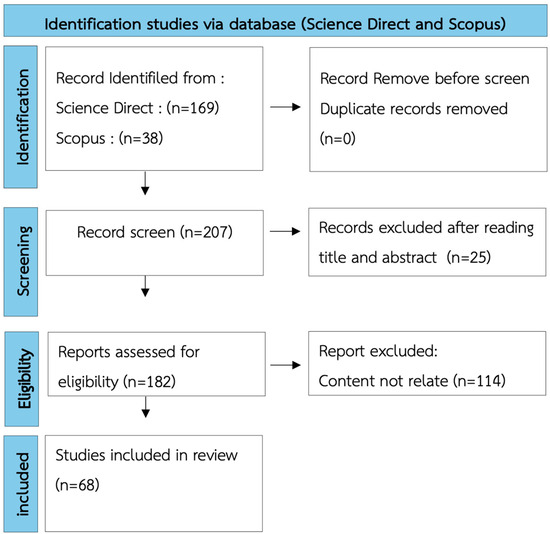
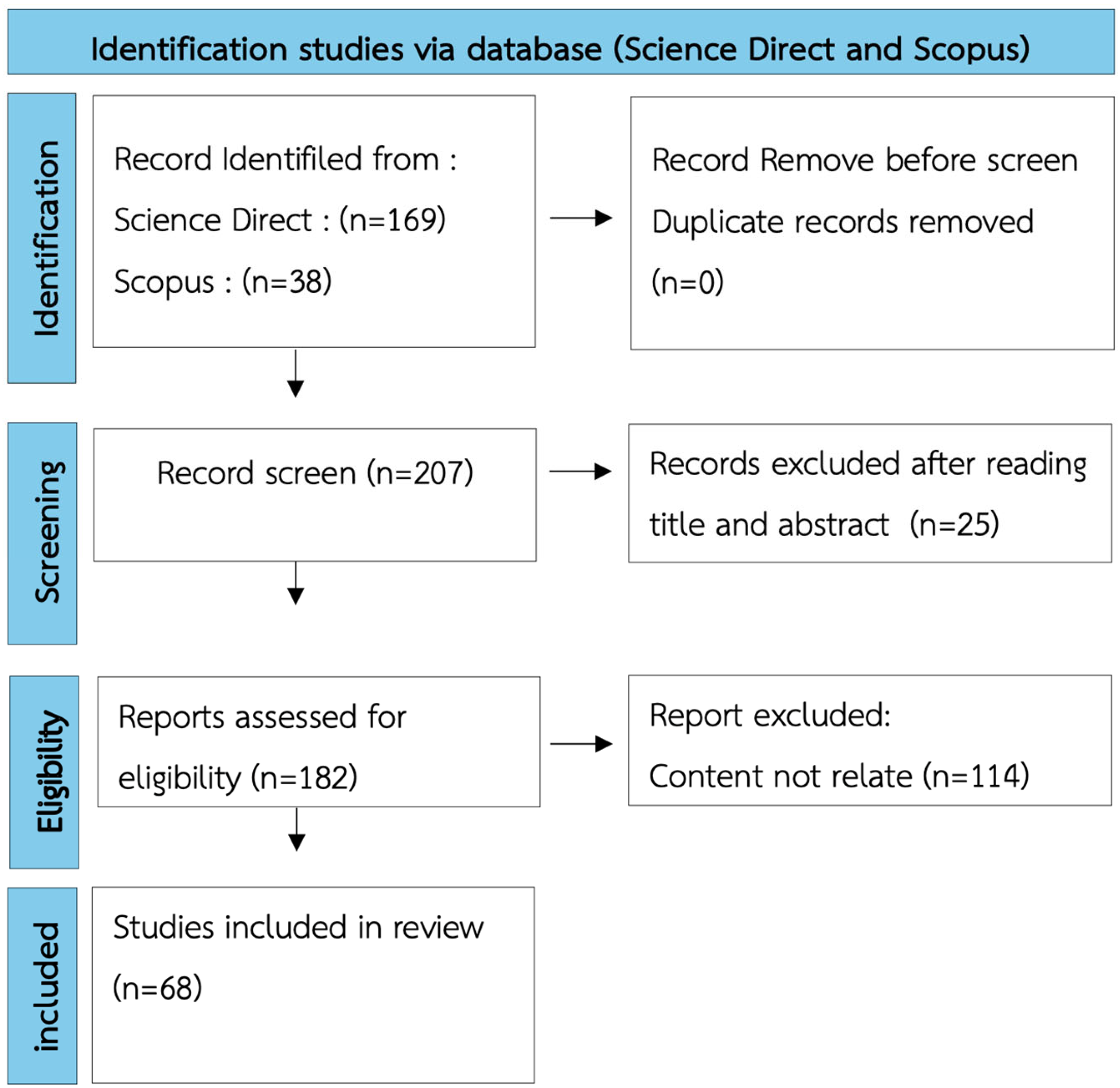
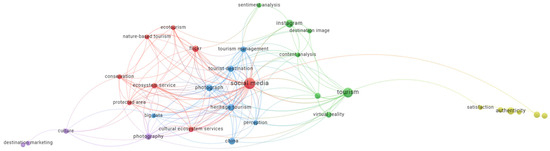
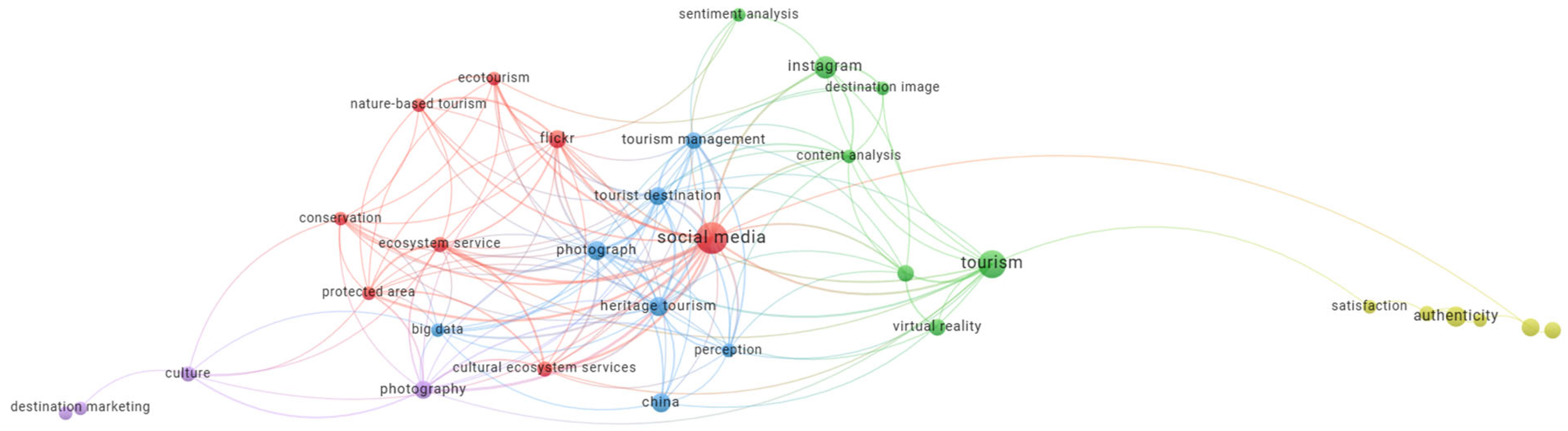
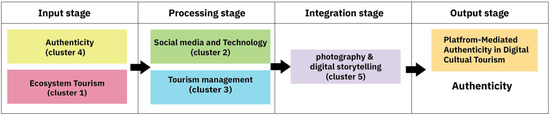
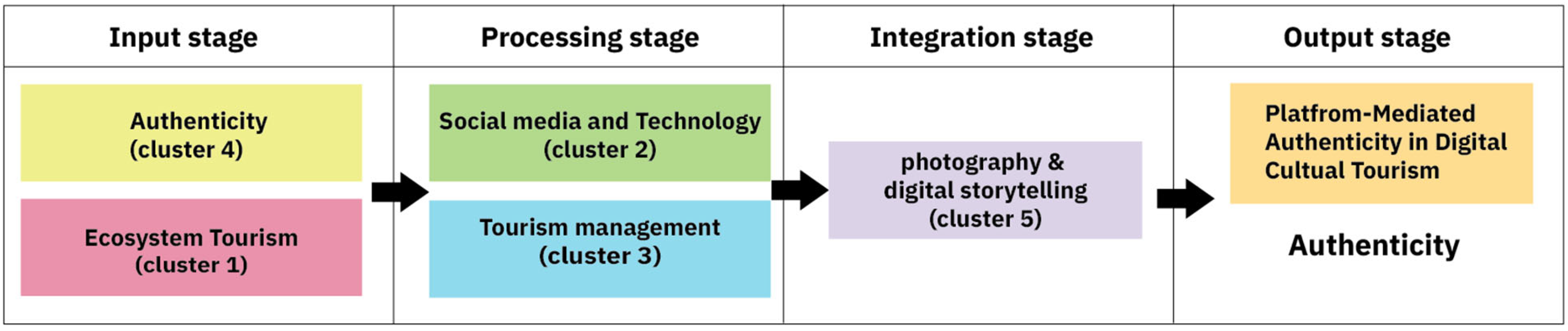

Disclaimer/Publisher’s Note: The statements, opinions and data contained in all publications are solely those of the individual author(s) and contributor(s) and not of MDPI and/or the editor(s). MDPI and/or the editor(s) disclaim responsibility for any injury to people or property resulting from any ideas, methods, instructions or products referred to in the content. |
© 2025 by the authors. Licensee MDPI, Basel, Switzerland. This article is an open access article distributed under the terms and conditions of the Creative Commons Attribution (CC BY) license (https://creativecommons.org/licenses/by/4.0/).