


Abstract
Since the late 2000s, numerous studies have focused on the application of Heritage Building Information Modelling (HBIM) processes and technologies for the documentation of the historic built environment. Many of these studies have focused on the use of BIM software tools to generate intelligent 3D models using information gathered from a range of data capture techniques including laser scanning and photogrammetry. While this approach effectively preserves existing or partially extant heritage, it faces limitations in reconstructing lost or poorly documented structures. The aim of this study is to develop a novel approach to complement the existing tangible-based HBIM methods, towards an ‘Echo-based’ Heritage Digital Twin (EH-DT) an early-stage digital representation that leverages intangible, memory-based oral descriptions (or echoes) and AI text-to-image generation techniques. The overall methodology for the research presented in this paper proposes a three-phase framework. Phase 1: engineering a standardised heritage prompt template, Phase 2: creation of the Architectural Heritage Transformer, and Phase 3: implementing an AI text-to-image generation toolkit. Within these phases, intangible data, including collective memories (or oral histories) of people who had first-hand experience with the building, provide ‘echoes’ of past form. These can then be converted using a novel ‘Architectural Heritage Transformer’ (AHT), which converts plain language descriptions into architectural terminology through a generated taxonomy. The output of the AHT forms input for a pre-created standardised heritage prompt template for use in AI diffusion models. While the current EH-DT framework focuses on producing 2D visual representations, it lays the foundation for potential future integration with HBIM models or digital twin systems. However, the reliance on generative AI introduces potential risks of inaccuracies due to speculative outputs, necessitating rigorous validation and iterative refinement to ensure historical and architectural credibility. The findings indicate the potential of AI to extend the current HBIM paradigm by generating images of ‘lost’ heritage buildings, which can then be used to enhance and augment the more ‘traditional’ HBIM process.
1. Introduction
Architectural heritage is a cornerstone of cultural identity and collective memory, embodying the historical, social, and artistic narratives of communities [1]. Preserving this heritage presents significant challenges, particularly in the face of physical degradation and the absence of comprehensive documentation or archival records [2]. Traditional conservation approaches focus on the tangible aspects of heritage, such as buildings and monuments, often overlooking the critical intangible elements, including oral histories, functional uses, and social rituals [3].
The integration of both tangible and intangible heritage is essential to developing holistic preservation strategies, particularly in cases where physical structures are partially or entirely lost due to war, natural disasters, or neglect [4]. The loss of these structures necessitates alternative approaches that incorporate oral histories, photographs, and written narratives to recreate and preserve their memory [5]. This complexity has led to the exploration of new methodologies that embed non-physical data into conservation frameworks, extending the scope of preservation beyond material artefacts [6].
Ontological frameworks have emerged as a promising solution to integrate diverse heritage data. These frameworks provide structured and formalised representations of knowledge, facilitating the organisation, sharing, and reuse of data across different platforms [7]. Ontologies not only standardise data but also ensure the seamless integration of tangible and intangible heritage elements within a unified semantic network [8,9]. As a result, ontologies enhance interoperability, supporting collaborative conservation efforts across disciplines and organisations [10]. For example, the CIDOC Conceptual Reference Model (CRM), an ISO standard since 2006, illustrates this approach by representing both physical and cultural narratives, contributing to comprehensive heritage management [11]. Despite the advancements in ontological frameworks, challenges persist in the application of these systems to heritage conservation, particularly in accommodating the diverse cultural contexts and specific needs of different heritage domains [12]. The existing models often prioritise physical documentation, leaving gaps in representing intangible elements crucial to understanding and preserving heritage [13]. The integration of ontologies with Building Information Modelling (BIM) has been identified as a critical step towards addressing these gaps, creating comprehensive 3D representations enriched with semantic data [14]. Heritage Building Information Modelling (HBIM) extends BIM practices to heritage conservation, enabling the detailed documentation and management of historic structures [15]. HBIM has proven invaluable for preserving architectural heritage by generating accurate 3D models and supporting restoration efforts [16]. While HBIM excels in representing existing heritage buildings through data collected from laser scanning, photogrammetry, and measured surveys, its application to lost or partially destroyed heritage assets presents unique challenges [4]. In the absence of physical remains, reconstruction efforts rely heavily on archival photographs, sketches, oral testimonies, and historical narratives [17]. These multidisciplinary approaches have been employed in notable projects of lost heritage [18,19], yet the integration of intangible data into HBIM workflows often requires manual interpretation by experts, resulting in inconsistencies and variability across reconstructions. The need for alternative, automated approaches to facilitate the inclusion of intangible heritage in digital models has driven recent exploration into AI-driven solutions that leverage community memories and descriptive narratives. AI-driven approaches have the potential to enhance HBIM by incorporating intangible data, thus addressing limitations in reconstructing lost heritage.
Building on this momentum, the Echo-based Heritage Digital Twin (EH-DT) framework is proposed. The EH-DT integrates AI-driven techniques, such as text-to-image generation, with HBIM and ontologies to create initial visual representations of heritage buildings, particularly those that no longer physically exist. This novel framework leverages intangible data sources, such as oral histories, to enrich digital models, providing a more comprehensive representation of heritage assets.
The EH-DT represents an early stage in digital twin development, aligning with pre-digital twin maturity levels by generating 2D visual reconstructions from oral narratives. The framework emphasises iterative refinement, engaging former occupants or stakeholders to validate and enhance AI-generated images until a collective consensus is achieved. By embedding AI capabilities and digital twin principles, the EH-DT complements traditional HBIM methodologies, positioning itself as an innovative solution for the preservation and reconstruction of lost heritage.
However, it is essential to recognise the limitations of AI-generated imagery within this framework. Generative AI tools often extrapolate details beyond the input data, which can compromise historical and architectural accuracy if left unchecked. To mitigate this, the EH-DT framework incorporates iterative validation processes involving stakeholders and experts to refine outputs and address inaccuracies. Despite these precautionary measures, AI-generated models should be considered supplementary tools rather than definitive reconstructions.
The research presented in this paper introduces a structured three-phase framework for developing the EH-DT, extending beyond tangible-focused HBIM workflows:
Phase 1—Engineering a Standardised Heritage Prompt Template (SHePT).
A template is developed to standardise the process of converting oral histories into structured prompts.
Phase 2—Creation of the Architectural Heritage Transformer (AHT).
The AHT ontology is designed to translate plain language oral histories into formal architectural terminology. This phase ensures that the data fed into the AI generation tools accurately reflect architectural features, materials, and historical contexts, bridging the gap between community-driven narratives and technical requirements.
Phase 3—Implementing AI Text-to-Image Generation.
The AHT-generated outputs are processed through AI text-to-image tools (such as DALL-E and Stable Diffusion), creating initial visual representations of the lost heritage buildings. This phase leverages OWLready2 Python scripts to automate the generation of prompts, pulling architectural elements directly from the ontology and ensuring accuracy in the AI-generated imagery.
To evaluate the EH-DT framework, a pilot case study was conducted on the Church of St Michael, Alberbury with Cardeston, a 12th-century structure in Shropshire, England. This pilot assessed the framework’s ability to generate visual reconstructions using oral histories collected from local residents, architects, and archival records. The results demonstrated the potential of the EH-DT to complement traditional HBIM approaches, offering a pathway to reconstruct lost or damaged heritage buildings through community-driven intangible data sources.
2. Related Works
This section reviews the current advancements in heritage conservation, focusing on the role of architectural heritage (AH) and ontologies, the integration of intangible data into HBIM workflows, and the emerging use of AI text-to-image generation tools. It also describes the levels of maturity within digital twin frameworks, outlining their development stages and positioning the EH-DT framework within this progression.
2.1. Architectural Heritage (AH) and Ontologies
Architectural heritage includes buildings and artefacts that reflect the history, culture, and experiences of the people associated with them [20]. These assets are often globally recognised for their tangible forms and physical characteristics, such as age, aesthetics, and authenticity. Heritage assets include a diverse array of buildings, monuments, sites, areas, and landscapes. Their significance and vulnerability necessitate careful consideration during conservation and restoration efforts [21]. Numerous researchers [22,23] highlight that the intangible aspects of heritage, such as oral histories, social rituals, and building functions, are equally important to preservation efforts. However, Ref. [3] argues that form often receives more value than function, leading to the under-representation of vital intangible elements. This bias is reflected in traditional conservation methodologies, which predominantly address physical deterioration while neglecting the intangible narratives and rituals associated with heritage buildings [24].
To overcome these limitations, one strategy is the development of ontological frameworks, which provide structured methods for representing both tangible and intangible heritage elements, enabling a holistic understanding of architectural assets [7]. Ontologies serve as critical tools for organising, standardising, and managing cultural heritage data, bridging the gap between geometric information and historical narratives while promoting interoperability across disciplines and institutions [25]. One of the key benefits of using ontologies is their ability to provide a uniform representation of both tangible and intangible heritage data within a single semantic network. This includes the seamless integration of concepts, relationships, functions, rules, and constraints, making it easier to share and understand information across the scientific community [8,9].
By providing a structured representation of knowledge within a specific domain, ontologies play a crucial role in data processing, logical reasoning, sharing of information and enabling the re-using of knowledge [9]. This enhances interoperability between individuals and organisations [10]. For instance, the CIDOC CRM ontology was initially developed to manage museum artefacts but has since evolved into a core reference model for cultural heritage [11]. Its ability to represent complex cultural heritage information, such as spatial and temporal concepts, makes it invaluable for managing both physical structures and the associated cultural narratives [8]. Other domain-specific ontologies have been developed to address specialised aspects of heritage conservation. In Algeria, a knowledge ontology was created to capture and interpret the mixed architecture of the city of Blida, helping to preserve both its tangible and intangible qualities [26]. In China, an ontology was developed to document and conserve Chinese architectural heritage using standardised classification methods, which resulted in the generation of comprehensive 3D models and a library of historical building components [27]. Other examples include the Monument Damage Information System (MONDIS), designed to document and diagnose damaged historical structures, and the Architecture Metadata Object Schema (ARMOS), which focuses on cataloguing the formal aspects of architectural design [28,29]. In addition, the Geneva CityGML ontology supports the creation of 3D models of historical buildings, allowing for enhanced digital preservation [30].
Innovative uses of ontologies also extend to intangible heritage. For example, an ontology-based system was designed to model cultural contact within Southern Chinese martial arts using Semantic Web standards to extract knowledge from archival materials [31]. Ontologies also play a crucial role in risk management, as demonstrated by a context-aware risk management model developed for HBIM and Virtual Reality (VR), which allows for the efficient sharing of risk-related data between conservators and heritage managers [32].
Despite their widespread utility, the application of ontologies in architectural heritage conservation is not without challenges. The diversity of cultural contexts and the specific needs of different heritage domains can limit the broader application of existing models [12]. Additionally, while traditional metadata standards and 3D modelling tools like BIM provide rich geometric data, they often fall short of capturing the full historical and cultural context of heritage structures [13]. To address these challenges, the integration of ontological frameworks with BIM has been identified as a promising solution for managing both semantic and geometric data in a holistic manner [14].
However, the existing ontologies tend to focus on physical structures, often overlooking fragmented or community-driven narratives essential for reconstructing lost heritage. The AHT ontology addresses this by translating plain language responses and oral histories into structured architectural terminology, bridging the gap between technical data and intangible heritage. Phase 2 of the EH-DT framework methodology will provide a detailed description of the AHT ontology and its development.
2.2. HBIM and Integrating Intangible Data for Lost Heritage
Building Information Modelling (BIM) is a widely adopted modelling technology and process that facilitates the creation, communication, and analysis of building models [33]. Originally developed for new-built assets, BIM provides a 3D digital representation enriched with functional data, supporting decision-making across the lifecycle of a project [34]. Beyond geometric modelling, BIM incorporates additional dimensions—4D (time), 5D (cost), 6D (sustainability), and 7D (maintenance)—to enable comprehensive asset management [35].
When applied to existing or historic buildings, BIM evolves into Heritage Building Information Modelling. HBIM adapts BIM methodologies to preserve, document, and manage architectural heritage by integrating historical, archaeological, and architectural data [15,16]. This facilitates accurate 3D models of heritage buildings, assisting in restoration and conservation efforts [36]. HBIM extends BIM’s utility beyond contemporary structures, addressing the complexities of irregular forms, deformations, and uncertainties inherent in historical assets [37].
The HBIM workflow typically involves three critical stages: (1) data collection, (2) data processing, and (3) data fusion [38]. Each stage plays a vital role in generating comprehensive models that represent both the physical characteristics and cultural essence of heritage buildings.
The first stage of the HBIM process involves collecting diverse datasets that contribute to a comprehensive representation of heritage buildings. This includes geometric data obtained through laser scanning, photogrammetry, and manual surveys, as well as archaeological and historical data derived from archival records, past drawings, and photographs [39]. Additionally, material and pathology data are gathered to assess the building’s condition and identify signs of deterioration [40]. Performance data, such as energy efficiency, moisture levels, and indoor environmental quality, are also incorporated to provide insights into the building’s functional health [41]. Beyond tangible aspects, intangible data—such as oral histories, rituals, and the functional use of spaces—play a crucial role in preserving the cultural and social memory of the structure [42]. By integrating these diverse data sources, the HBIM model not only captures the physical form of a building but also reflects its broader cultural significance and historical context [6].
Once the data are collected, the second stage—data processing—focuses on transforming these raw datasets into intelligent 3D models. The method employed depends on the condition of the heritage building, with two primary approaches being used. For existing heritage structures, the scan-to-BIM process leverages geometric data captured through laser scanning or photogrammetry to produce digital models [43]. This technique generates point clouds that are segmented and converted into HBIM models, effectively documenting the current state of standing heritage buildings. The scan-to-BIM approach not only facilitates structural assessments but also aids in future conservation planning by providing accurate, detailed representations of the building’s form and condition [44].
When heritage assets are partially or fully destroyed, or if physical remains are insufficient for traditional surveys, the lost heritage approach is applied [45,46]. This method relies on archival materials such as drawings, photographs, and sketches to inform digital reconstructions. Additionally, oral histories and local narratives gathered from former occupants, residents, or stakeholders provide crucial qualitative data that fill gaps left by incomplete physical records [39,47]. Although oral data introduces uncertainty, practitioners address this by applying colour coding to distinguish reconstructed elements based on their source. Photographic evidence is typically visualised in neutral tones, while elements derived from oral histories or uncertain sources are rendered in distinct colours to indicate higher speculation [48]. This approach was exemplified in the reconstruction of Ireland’s Magdalene Laundries, where sections derived from survivor testimonies were highlighted in bright blue, adhering to the London Charter’s guidelines for representing uncertainty [49].
The lost heritage approach integrates diverse data sources, including archival photographs, newspaper illustrations, and artistic renderings, to create comprehensive reconstructions. When visual records are scarce, community engagement through oral testimonies becomes invaluable, allowing practitioners to capture recollections of architectural features, materials, and spatial configurations. This method has been successfully applied in cases such as the Altai Mission Churches in Russia, where oral accounts supplemented incomplete surveys to recreate digital models of mission churches [50]. Similarly, the McCarren Pool in New York City was reconstructed using memories from over 20 community members, reflecting not only the architectural layout but also the social and sensory experiences tied to the space [51]. Vernacular documentation, where local artisans and residents contribute on-site sketches and personal knowledge of traditional building techniques, further enriches reconstructions in areas lacking formal records. This participatory approach played a key role in rebuilding Acehnese heritage houses, translating community knowledge into digital models [5]. Crowdsourced data from online archives and social media platforms also serve as valuable resources for heritage reconstruction, as demonstrated by the digital recreation of the Al-Hadba Minaret in Mosul using tourist photographs and videos [46].
In the final stage of the HBIM process, data fusion combines multiple data sources to create a comprehensive 3D HBIM model including detailed information that is required for historical conservation and management purposes [38]. The resulting 3D models and accompanying documents attain a variety of applications, such as drawing, 3D printing, virtual tours, and physical reconstruction [46].
2.3. Exploring AI Text-to-Image Generation Tools in HBIM
AI text-to-image generation has emerged as a powerful tool with potential applications in various fields, including architecture [52,53,54,55]. These tools are transforming how architects approach concept design, enabling them to quickly visualise ideas from simple textual inputs [56]. Recent advancements in AI text-to-image generation tools, such as MidJourney, Stable Diffusion, and DALL-E, have gained popularity for their application in the early stages of architectural design ideation and concept generation [52].
In architectural design, these AI tools allow for iterative concept generation. Designers input textual prompts, which AI interprets to produce visual outputs that evolve through refinements and feedback [57]. For instance, MidJourney excels at creative iterations, while DALL-E’s capabilities extend to urban planning and spatial design tasks, albeit with limitations in capturing architectural specificity and complex geometric details [58]. Although these tools facilitate the generation of design inspirations, manual refinement is often required to align outputs with architectural precision [59].
In the realm of heritage conservation and HBIM, AI-generated imagery holds great potential, particularly in addressing challenges associated with reconstructing lost or partially destroyed buildings. Current HBIM practices for lost heritage rely heavily on historical archives, sketches, and oral histories to model heritage sites [48]. AI text-to-image generation offers a complementary avenue by translating intangible data into visual reconstructions, filling in gaps left by incomplete records or fragmented datasets. For example, DALL-E’s ‘outpainting’ feature has been applied to restore ancient mosaics and cultural artefacts by expanding existing imagery based on limited visual references [60].
Despite its potential, the use of AI in architectural heritage is still in its infancy. Studies like [61] explore AI-generated imagery in architectural education, enhancing engagement and fostering creative exploration of historical structures. However, the direct integration of AI-generated images into heritage workflows—specifically within HBIM for lost heritage—remains largely untapped. The existing applications focus on conceptual design, with limited emphasis on the semantic accuracy and historical authenticity essential for heritage models. This research seeks to bridge this gap by exploring the use of AI-based tools to translate oral histories and fragmented descriptions into visuals of lost heritage buildings. The third phase of the EH-DT framework leverages AI text-to-image technology to complement traditional HBIM workflows, offering a novel method for reconstructing intangible aspects of heritage.
2.4. Digital Twin Maturity Levels and the Positioning of the EH-DT
The concept of digital twin maturity is evolving across industries, with various frameworks attempting to classify the sophistication and capabilities of digital twins. These models generally range from basic digital representations to autonomous and intelligent systems capable of real-time interaction and decision-making [62,63]. Despite the diverse terminologies and classifications, most studies agree on a progression that begins with static, descriptive models and advances towards fully autonomous, cognitive twins [64]. In the context of heritage conservation, Heritage Digital Twins (HDTs) are becoming essential for preserving, interpreting, and managing historical assets. Studies by [65,66] indicate that HDTs have the potential to revolutionise the heritage sector by supporting the documentation, monitoring, and management of historical structures. However, unlike the digital twins used in modern industries that primarily rely on sensor data and operational inputs, heritage-focused models often contend with fragmented records, intangible heritage, and the absence of real-time monitoring. This distinction places many heritage-focused frameworks, including the EH-DT, at the lower end of the maturity spectrum.
The EH-DT aligns with the pre-digital twin level (Level 1), which is typically characterised by basic digital models, 2D imagery, or CAD representations that visually describe an asset [64,67]. At this stage, digital twins answer the question, “what happened?”, by providing a historical or visual account without incorporating dynamic or real-time data. For the EH-DT, this is represented by AI-generated images derived from oral histories, archival materials, and community recollections. These images serve as foundational representations that reflect the tangible and intangible characteristics of heritage assets, even in cases where physical remains are limited or entirely absent. This approach is echoed by Ref. [68], who argue that the initial stages of HDT development often involve generating static models based on archival surveys and photogrammetric data.
Unlike standard Level 1 digital twins, which are often geometric in nature, the EH-DT introduces intangible heritage data early in the process by keeping a record of memories, rituals, and social functions along with the visual output. This approach allows for the preservation of cultural narratives alongside architectural features, setting the EH-DT apart from conventional descriptive models that focus solely on form and structure. The authors of [69] similarly emphasise the importance of linking digital models to cultural and functional aspects of historical buildings to ensure that digital twins reflect the lived experience and social significance of heritage structures.
Level 2 (Digital Shadow) represents the next stage, where digital twins aggregate multiple data sources to enrich the model, typically involving one-way automated data flows between the physical asset and its digital counterpart [70]. This level seeks to answer, “why did it happen?”, reflecting a deeper engagement with data quality and completeness.
Level 3 (IoT Digital Twin) introduces real-time monitoring through sensor integration, addressing “what will happen?” by predicting future performance based on live data inputs [64,71]. This predictive capability is a hallmark of the modern digital twins used in smart infrastructure and manufacturing. Research by [72,73] demonstrates early efforts to apply sensor technologies to heritage buildings, enabling performance monitoring and preventative maintenance.
Further along the spectrum, Level 4 (Prescriptive Digital Twin) leverages AI learning models to suggest interventions, while Level 5 (Cognitive Digital Twin) introduces self-optimisation and adaptive capabilities driven by continuous feedback [63,74]. The authors of [66] propose that AI-driven digital twins could enhance restoration efforts by identifying patterns in historical data, but such applications remain largely theoretical in the heritage domain. These advanced stages remain largely out of scope for heritage-driven frameworks like the EH-DT, where the emphasis lies on memory preservation and architectural reconstruction rather than automation or performance optimisation.
By aligning the EH-DT with the pre-digital twin category, this framework highlights the importance of foundational representations in heritage conservation. The focus on capturing intangible heritage and translating oral histories into AI-generated imagery reflects a novel approach that situates the EH-DT at the intersection of historical documentation and digital innovation. This positioning underscores the role of the EH-DT as an early-stage digital twin model, contributing to the preservation of cultural heritage while laying the groundwork for future advancements [65,68].
3. Method and Materials
The overall method used in developing the proposed EH-DT is presented in this section (Figure 1). The input data comprise raw oral histories of the previous occupants or those who had once first-hand experiences with the ‘lost’ heritage building. These input data are then used within a structured framework process that can integrate oral histories and descriptions that provide an ‘echo’ of the past for use with emerging AI-based tools.

Figure 1.
Proposed framework process.
To ensure the creation of a high-quality and useful oral history, the process should start with a plan to gather a comprehensive and detailed amount of information within the focus area [75]. To ensure the raw data gather the required information, it is essential to develop questions that will be used to extract precise details from individuals, which can then be fed into a diffusion AI text-to-image prompt. The structure of questions can be formulated by identifying the specific AI prompt layout (template) that gives optimal results in generating heritage buildings that present a high similarity to lost heritage assets.
Oral histories can serve as textual descriptions that are needed for AI-based tools. However, in order to ensure that AI prompts use the correct architectural descriptions and vernacular, an approach is needed to transform plain language descriptions into specific information that can then be fed into an AI Text-to-image tool. Directly inputting oral histories or spoken language into an AI text-to-image generation will produce erroneous results, as these tools require precise and structured architectural terminology to enhance the relevancy and accuracy of the generated images [52,76,77].
4. Engineering a Standardised Heritage Prompt Template (SHePT) (Phase 1)
AI prompt templates are ‘prompts with slots’ that enable user customisation [78], providing a structured way to describe the subject, form, and content of the prompt [79]. The objective of this phase is to develop a structured template that generates images of heritage buildings as accurately as possible because it will need to be able to provide the form and aesthetic of the building along with specific features that may be pertinent to the historic period of use. In order to achieve this, the process of creating or engineering a prompt template for historic buildings was undertaken by aligning with Wallas’ four-stage model of the creative process [80]: preparation, incubation, illumination, and verification [81]. The creation of the template was seen as a creative endeavour, and so the four-stage model provided a solid philosophical underpinning.
Within these stages, and in order to develop a standardised heritage prompt template (SHePT), a case study approach was implemented involving multiple historic buildings. The Heritage at Risk (HAR) register in the UK is developed and maintained by Historic England to identify sites that have the potential to be lost due to decay or neglect due to inappropriate development [82]. The HAR register was chosen for this study due to its publicly available comprehensive listings of heritage buildings that are at risk due to various factors. Using the register, a search was undertaken for Grade II listed buildings in different parts of England, which were deemed to be in poor condition with a slow decay. In addition, further selection was undertaken such that the buildings had elements of Victorian-era construction as the wider scope of this study is to specifically focus on buildings of this era. In total, 13 buildings were selected for the initial development of the SHePT (Figure 2).
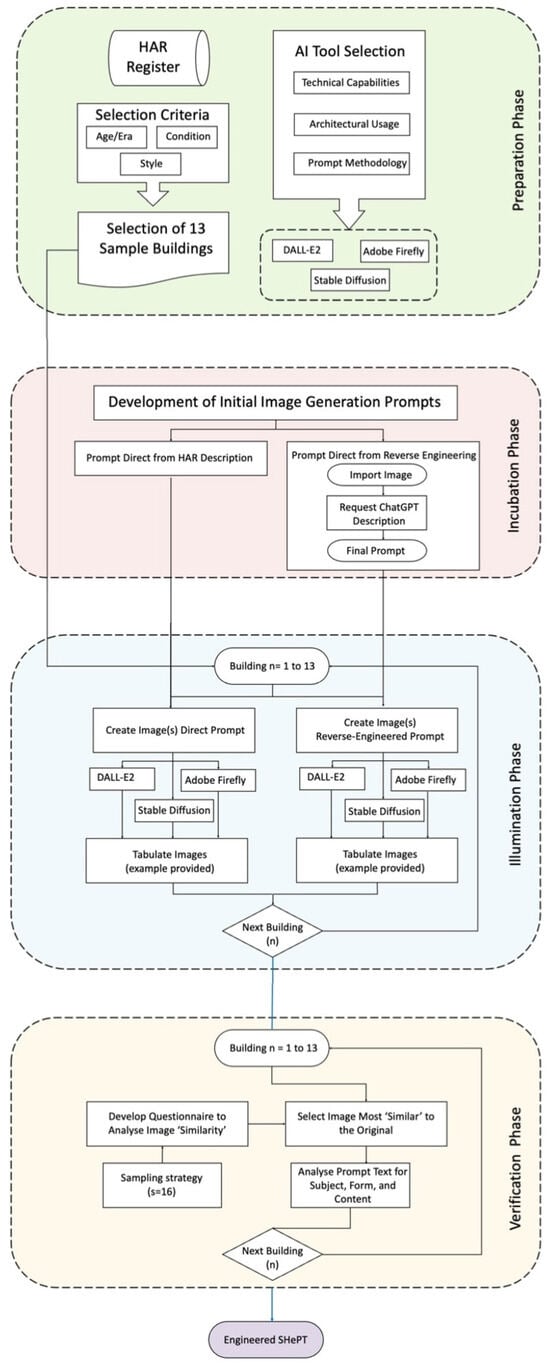
Figure 2.
Development of a standardised heritage prompt template.
4.1. Preparation
The objective of the preparation stage is to gather the necessary resources and information to begin the prompt template creation; importantly, preparation relies on acquiring domain-specific knowledge [80]. This is completed through the following:
- (a)
- Data Collection: As discussed above, the primary source of data for this part of this study were descriptions and images of buildings selected from the Heritage at Risk (HAR) register in England.
- (b)
- Tool Selection: Appropriate AI text-to-image generation tools are evaluated for their suitability in generating heritage buildings. By reviewing currently available tools, DALL·E 2, Stable Diffusion, Disco Diffusion, Adobe Firefly, and Imagine AI Art were considered for this study. This study excluded Midjourney and Mnml due to their more limited availability and reliance on non-textual prompts, respectively. The final selection of DALL·E 2, Stable Diffusion, and Adobe Firefly was based on their potential application in architectural applications [59,83,84].
4.2. Incubation
In its literal sense, the incubation stage involves pausing while working on the creative problem and linking new information to existing knowledge or switching focus to other topics, which can later lead to innovative insights and creative solutions [80]. This stage involves reflecting on the collected text-based descriptive data from the HAR along with the selected tools to reflect on the potential formulations of prompts. At this stage, the information from the HAR register was organised and categorised into a tabulated outline for clarity, and from this, two types of prompt formulations were identified for testing.
- (a)
- Direct Prompt Method: this method directly uses descriptions of heritage buildings from the HAR register as an initial prompt to ensure an accurate and appropriate description of the building.
- (b)
- Reverse Engineering Method: this method is based on the visual captioning process, where a descriptive sentence is generated for an image [85]. This study used ChatGPT-4 to convert images of heritage buildings from the HAR register into textual prompts. These generated prompts were then used in the three AI tools to produce images.
This process was used to analyse the potential differences between a human-written and an AI-written prompt to understand potential nuances that AI tools may see when generating future images.
4.3. Illumination
Illumination is the stage where insights are acquired by applying the best possible ways or ideas to solve the problem [80]. To identify the best possible AI solutions, images of the 13 selected buildings were generated using the direct prompt method and reverse engineering method. Table 1 provides an exemplar of a comparative table developed for each of the 13 selected buildings, which includes the prompts used for both methods, the original image of the heritage building as listed in the HAR register, an image of the building generated using the direct prompt method, and, lastly, an image of the building generated using the reverse engineering prompt method. Similar tables were created for all 13 buildings.

Table 1.
Exemplar comparative table of AI diffusion results from alternate prompts.
4.4. Verification
Verification is the stage where the results are evaluated and potentially refined into a final solution. This stage provides a ‘book-end’ throughout the stages [80]. For this study, the verification consisted of three phases as described below.
- Testing and review of generated images.
A survey method was employed to compare each set of AI-generated images to the actual photographic images of the 13 buildings selected from the HAR register. The survey involved a sample size of 16 participants consisting of both subject experts (including architects, built environment professionals, and architectural students) and non-subject experts. Studies involving human evaluation of AI-generated images, such as [86], demonstrate that even relatively small groups can effectively assess the quality and similarity of generated images. The participants were shown the original image of the building followed by six AI-generated images from each diffusion model of the same building, as illustrated in Table 1. Understanding that the images would not depict perfect replicas of the physical building, the participants were asked to rate the images based on their similarity to the original photographs on a scale of 1 to 4, with 4 being the most similar. The respondents were asked to look at a range of elements including architectural styles, materials, features, and geometric form.
The scores were aggregated to understand which of the software tools produced the most ‘similar’ results and also understand if either of the two used descriptions provided more representative examples of the test building (Table 2 and Table 3). An initial evaluation of the results highlighted that most of the respondents found that more similar results came from the use of the DALL-E tool. A deeper analysis of the responses highlighted that when using any of the AI diffusion tools selected, the most ‘similar’ images were created from the direct prompt method, namely, using the original description of the building as stated in the HAR register.
Table 2.
Analysis of a successful prompt.
Table 3.
Mapping of SHePT slots into existing ontologies.
- 2.
- Prompt Analysis.
The next step in the validation process involved further analysis of the prompts that elicited the most ‘similar’ results to the original. The subject of a prompt is a critical element [87], as it defines the focal point or the “what” of the prompt [79]. In architectural prompts, Ref. [53] indicates that the subject usually includes style and material layers, pertaining to the aesthetic of the building and construction materials. The second element of a prompt is the form defining the “how” [79]. This aligns with the form and environmental layers in architectural prompts, detailing the building’s shape, structural aspects, and location [53]. Including a location in a prompt can significantly influence the output of the generated images [78]. The third element, content, focuses on the “why” behind the visual representation, highlighting the intention, purpose, or meaning expressed through the design [79].
The ‘successful’ prompts from the previous stage were broken down into three main categories, i.e., subject, form, and content, as can be seen in the example in Table 2. These categories were then evaluated to understand their impact and importance. This evaluation aimed to refine the prompt template for a more precise replication of heritage buildings.
- 3.
- Development of prompt template.
Based on the evaluation presented in Table 2, the results obtained from the development of successful/similar implementation of AI and prevailing thoughts on template generation, a standardised heritage prompt template (SHePT) was developed, as shown below. Within the template, the areas in [ ] provide the user input specific to the building.
A [number of storeys]-storey [type of building], styled in the [style/age of the building]. The building is constructed of [material/colour of the building]. Architectural elements include [specific architectural elements] made of [material of elements]. Situated in [context/environment], the building was designed by [architect]. It underwent restoration [details about restoration made] and shows signs of [any deterioration]. Currently, it is used for [current use/occupancy]. Plans for the future include [future plans]
At this stage, the prompt still contained specific areas in which architectural-focused terminology was implemented. A key factor in the creation of oral histories, however, is the omission of specific architectural vernacular when buildings are described by those who do not possess specific architectural knowledge. In order to overcome this problem, an Architectural Heritage Transformer was developed as a tool to convert plain language narratives into an architecturally specific description.
5. Creation of the Architectural Heritage Transformer (AHT) (Phase 2)
With the creation of a standardised approach to producing an AI prompt, the focus of the next phase of the framework process sought to create an ontology-based tool that will transform plain language descriptions from oral histories into architectural terminologies. This will ensure that the AI prompt is correct with respect to the architectural vernacular. The key objective is to ensure that descriptions and information gleaned from oral histories can be converted using a generated ontology. The components of an ontology, as defined by [88], are represented in the following sequence:
where O represents ontology, C represents a set of classes (concepts), H represents a set of hierarchical links between the concepts (taxonomic relations), R represents the set of conceptual links (non-taxonomic relations), and A represents the set of rules and axioms. To provide constraints to the initial establishment of the taxonomy, the development was confined to Victorian-era architecture; however, the model was developed such that it can be extensible for other eras and styles as required.
O = <C, H, R, A>
The methodology for constructing the ontology for this study is based on the NeOn methodology [89]. This has been followed by several researchers in various fields [90,91] and includes several scenarios or paths depending on the availability of the existing ontologies similar to the one being developed. Given the rich set of ontologies relevant to this research domain [92,93,94,95,96,97,98], this study will follow NeON Scenario 6, which guides the development of an ontology by reusing, merging, and re-engineering ontological resources [99]. This scenario progresses through the phases illustrated in Figure 3.

Figure 3.
Ontology development phases.
5.1. Ontology Search
Initially, an extensive search for potential ontological resources that meet the specified requirements was undertaken. This search was carried out in various repositories and registries, including [100,101,102], and a diverse set of relevant ontological resources was considered for the development process. The search criteria were tailored with the aim of transforming plain language descriptions from oral histories into architectural terminologies for use in the SHePT. Out of the ontologies considered, the following were selected for the next step:
BOT (Building Topology Ontology): Focuses on the core topological concepts of buildings, including storeys, spaces, and building elements [92].
BHP (Built Heritage Properties): Provides detailed properties related to built heritage aspects, such as architectural style, heritage value, historical periods, and functions [93].
CDC (Construction Dataset Context): Describes the context in which construction data are collected and used [94].
ConTax (Construction Taxonomy): A taxonomy for organising construction-related terms and contexts [95].
MWV-D (Monumentenwacht Vlaanderen Damage Ontology): Focuses on observable damages in buildings [96].
DOT (Damage Topology Ontology): Describes the topology of damages in construction [97].
CTO (Construction Tasks Ontology): Provides a detailed ontology for construction and restoration tasks [98].
5.2. Ontology Reuse and Integration
Following the ontology search, the identified ontological resources were evaluated for alignment with this study’s requirements. To ensure these resources comprehensively address the needs of the Architectural Heritage Transformer (AHT) ontology, the following activities were performed:
- (a)
- Ontology Aligning.
An alignment of the selected ontological resources was performed to identify overlaps and complementary areas. This step involved mapping the concepts and properties of each ontology to ensure consistency and integration. Table 3 outlines the available user input slots within the SHePT and their corresponding relevant ontologies:
- (b)
- Ontology Merging.
Using the alignments identified in Table 3, the selected ontological resources were merged to create a comprehensive and cohesive AHT ontology. This process involved integrating overlapping concepts and classes and ensuring all relevant properties were included.
5.3. Requirement Specification
The aim of this step, according to [89], is to produce the Ontology Requirements Specification Document (ORSD), outlining the purpose, scope, and implementation language, as well as identifying the target audience, intended uses, and a set of requirements the ontology must meet. This is expressed primarily in the form of competency questions (CQs) [103]. The AHT ontology ORSD is displayed in Table 4.
Table 4.
AHT ontology ORSD.
5.4. Conceptualisation Phase
The conceptualisation phase involves organising and structuring knowledge into meaningful models at the knowledge level. Based on the AHT ontology ORSD, the conceptual model is structured into core concepts with detailed subclasses. Figure 4 illustrates the conceptual model, highlighting the main classes and their interrelations. Each class in the conceptual model is extracted from either the subject, form, or content of the SHePT, as described in the previous section. For example, the Building class is part of the subject of the prompt and includes core properties like the storeys, type of building, style and age of building, construction material, and colour.
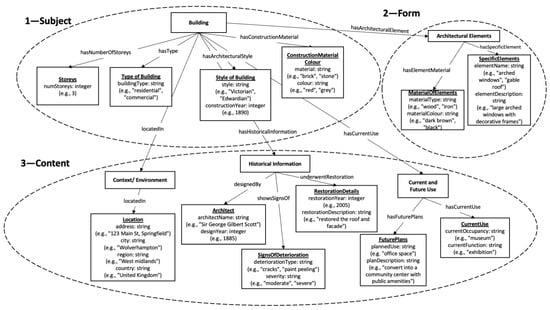
Figure 4.
AHT ontology conceptual model.
5.5. Formalisation Phase
This activity involves transforming the conceptual model into a semi-computable model [89]. This includes identifying concepts, the hierarchical relationships between concepts (subsumption relations), instances of concepts, and the properties or relations associated with those concepts [104]. By creating individuals, the AHT ontology can model any instance related to a heritage building. Instances or individuals, as defined by [105], are crucial for representing the most specific concepts within a knowledge base. For example, within the Architectural Elements class, instances can be added that can be found in Victorian heritage buildings such as Bay Windows, Decorative Cornices, Iron Railings, and others. To aid in accurately identifying these architectural elements, a range of sources was consulted, including the HAR 2023 register [82] and other relevant resources [106,107,108,109,110]. This process involved undertaking an analysis to identify mentions of Victorian heritage buildings and noting relevant information about architectural elements, historical details, and current and future use for inclusion in the ontology. As noted previously, in developing the AHT, the focus was directed to Victorian architecture to maintain a manageable scope, though the ontology can be expanded to include any other architectural style.
The classes and subclasses were formalised for the AHT ontology, and detailed class hierarchies were specified, ensuring all necessary subclasses were included (Table 5).
Table 5.
Class hierarchies in the AHT ontology.
Additionally, object properties and data properties were identified. While object properties build relations between classes, data properties specify attributes of classes. For example, to detail the connections between different aspects of the building, the object property hasCurrentUse relates the Building class with the Current Use/Occupancy class, indicating the current use of the building, while the data property hasStyle associates the Building class with a string representing the architectural style.
To ensure logical consistency and computability, the constraints and relations are formalised using axioms and rules. This includes specifying domains and ranges for object and data properties and ensuring coherence within the ontology. For example, the hasArchitecturalElement property has building as its domain and specific architectural elements as its range. Table 6 presents a list of object and data properties.
Table 6.
Object and data properties in the AHT ontology.
5.6. Implementation Phase
As specified in the ORSD (Table 4), the AHT ontology is implemented in OWL/RDF using Protégé. Protégé is an open-source ontology editor developed in Java and is freely available for public use and modification. It supports a variety of plugins and serves primarily to facilitate the creation and organisation of ontologies [111]. The version used for this study is Protégé 5.6.1. The implementation phase involved transforming the formalised conceptual model into a fully computable ontology that can be used for automated reasoning and data integration. This step included defining classes, properties, individuals, and relations within the Protégé environment. The AHT ontology consisted of 10 main classes, 42 subclasses, 6 object properties, and 8 data properties. The classes and subclasses included all the conceptual classes, as shown in Figure 4. After forming the classes and their respective subclasses that comprise the AHT ontology, the next step involved defining the object properties and data properties, as shown in Figure 5.
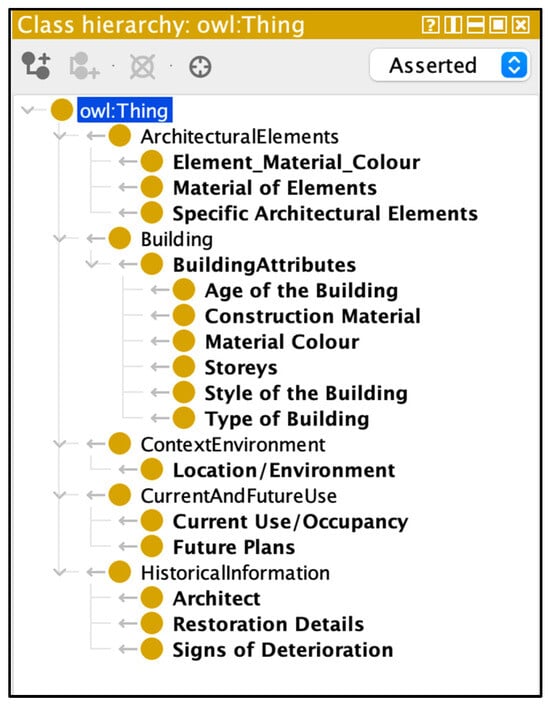
Figure 5.
Class and subclass. Source: Protégé software, version 5.6.1.
Each object property connects related classes and has specified domains and ranges (Figure 6a). Data properties are used to describe the literal values associated with these classes. Figure 6b provides an illustration of the various object properties linked to the Building class. For instance, the Building class is connected to the Architect class via the designedBy object property, to the ArchitecturalElement class via the hasArchitecturalElement object property, to the Deterioration class via the showsSignsOf object property, and to the Restoration class via the underwentRestoration object property.
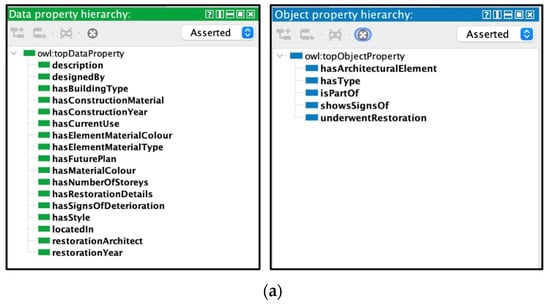
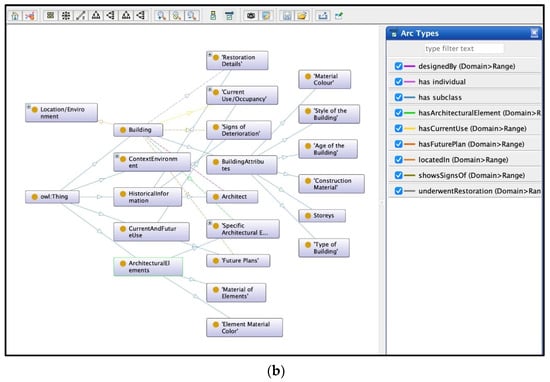
Figure 6.
(a) Object properties and data properties implementation. (b) Building class and its relations.
6. Implementing the AI Text-to-Image Generation Toolkit (Phase 3)
In this final stage, the AHT ontology is utilised to automate the generation of a standardised heritage prompt by populating the template slots with information from the ontology. The process uses a Python script that employs the OWLready2 library to load the ontology and generate a prompt. OWLready2 is a Python module for ontology-oriented programming that serves as a gateway between Python and the Semantic Web. It allows for loading, modifying, and saving OWL ontologies, enabling the code to manipulate OWL ontologies smoothly [112]. While several tools exist for editing, aligning, or evaluating ontologies, few solutions provide a user-friendly programming interface for assessing and modifying ontologies within a programming language [113]. Traditional approaches using query languages such as SPARQL and APIs (Application Programming Interfaces) are often viewed as not user-friendly and often focus more on performance than ease of use. OWLready2, on the other hand, combines the principles of object-oriented programming with ontology management, providing an intuitive and efficient way to manipulate ontology components using Python [113]. This approach allows ontology classes to be treated as Python classes and instances as Python objects [113]. Using OWLready2, attributes like construction materials, architectural elements, styles, and architects can be extracted from the ontology, ensuring the appropriate architectural terminology is reflected in the generated prompt.
The developed script queries the ontology to fill in the template fields. OWLready2 provides various methods to query and manipulate the ontology. This library’s capabilities enable the extraction of individual instances and associated data property values from any ontology, a process seamlessly executed by the script [112].
7. Pilot Case Study Implementation
To evaluate the effectiveness of the EH-DT framework, the SHePT and the AHT, an initial implementation was conducted using the Church of St Michael, Alberbury with Cardeston, as a pilot case study. The objective of this evaluation was to assess the framework’s applicability in generating geometric twin data from intangible sources, such as oral histories. The Church of St Michael, located in rural Shropshire, England, dates back to the 12th century, with significant rebuilds in 1749 and 1844. The building, which features Gothic architecture and is constructed from uncoursed Alberbury breccia with sandstone ashlar dressings, underwent restoration in 1905 under the direction of AE Lloyd Oswell, addressing issues with the slate roof, parapet gutter, and weathervane.
As shown in the process diagram (Figure 7), the evaluation began with the collection of oral histories from individuals who possess knowledge of the building’s history and architecture. These oral histories formed the foundational dataset, captured as plain language responses (PLRs). When available, additional written or documented material about the building was incorporated to enhance, augment, and refine these responses, ensuring a more comprehensive dataset. The framework was designed to prioritise oral histories as the primary data source but remains flexible to integrate archival information wherever possible. This iterative approach allows the process to evolve, generating updated prompts and AI-generated images that progressively align more closely with the original building. This combined information was then structured and input into the EH-DT framework starting with the AHT ontology.
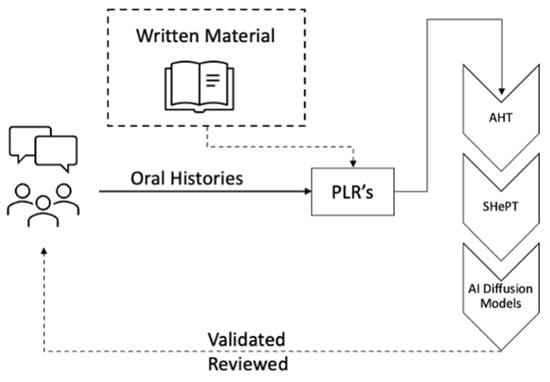
Figure 7.
Case study implementation process.
The responses for the case study were gathered from three individuals: two professionals—a historic building surveyor and an architect—along with a member of the public with no professional architectural knowledge. As part of the process, the individuals were shown images of the building and then subsequently asked to describe its architectural and historical features based on their knowledge. The interview process was guided by the previously designed CQs. These questions, as suggested by [75], were narrow in scope to ensure that the responses provided comprehensive and focused insights into the architectural, historical, and contextual aspects of the heritage site. Alongside these descriptions, additional online resources were consulted to ensure a thorough understanding of the building’s characteristics, which were subsequently used to inform the PLRs, as shown in Table 7.
Table 7.
Interview questions and plain language responses (PLRs).
Once the PLRs were gathered and refined, a new instance for the Church of St Michael was created in the AHT ontology using the Protégé platform. This instance was associated with predefined object properties and data properties, such as ‘hasNumberofStoreys’ (set to 1), ‘designedBy’ (set to AE Lloyd Oswell), and ‘hasConstructionMaterial’ (set to Alberbury_Breccia). The AHT ontology is designed to include explanations and definitions for specific architectural terms, enabling users to reference these descriptions when necessary. This feature ensures consistency in the input process by offering standardised terminology and explanations. For example, users inputting details about the building materials such as the use of ‘uncoursed Alberbury breccia’ can select the most appropriate terms from the ontology based on the combined descriptions provided by previous occupants and historical documentation, making use of the definitions provided in the ontology (Figure 8).
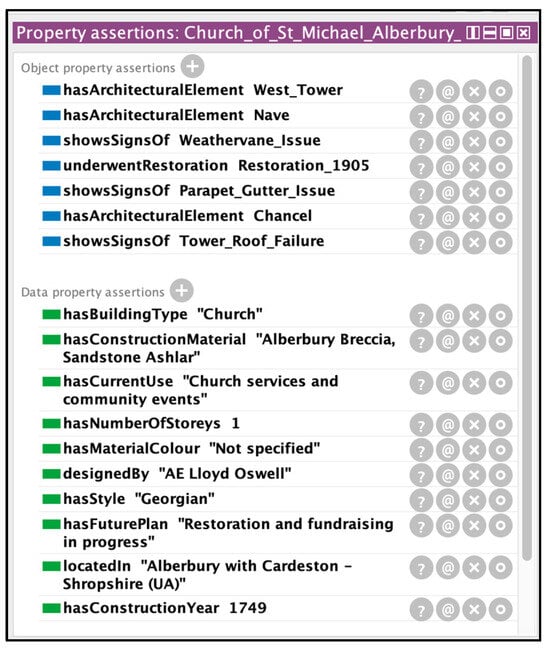
Figure 8.
Implementation of the ontology using Protégé for the pilot study.
The structured data from the AHT enabled the automatic generation of a SHePT prompt using Python code, as can be seen in Figure 9.
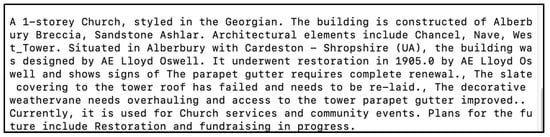
Figure 9.
Generated heritage prompt using the AHT ontology and OWLready2.
The SHePT was then used to generate AI diffusion models through various AI text-to-image tools (Table 8). These models were subjected to a visual comparative analysis against original photographs from sources such as Historic England to assess the accuracy of the architectural details, materials, and historical features depicted by AI.
Table 8.
SHePT outcomes.
The validation process is iterative; after the initial review and comparison of the AI-generated models, revisions may be made to improve accuracy, as explained in Figure 7. The models are then validated by presenting them to individuals familiar with the building, ensuring that the AI-generated representations align with their recollections. This cyclical review and validation process allows for the continuous refinement of the visual element of the geometric digital twin, ensuring that the EH-DT framework remains a robust tool for the accurate digital reconstruction of lost or damaged heritage buildings. The results, validated against historical records and expert feedback, demonstrated the framework’s capacity to produce reliable digital representations that contribute to heritage conservation efforts.
8. Discussion
The development and application of the EH-DT framework mark a significant advancement in the field of architectural heritage, particularly in addressing the challenges associated with lost or damaged heritage buildings. This study introduces a structured approach to incorporate intangible data sources, such as oral histories, into the digital reconstruction process. By leveraging AI text-to-image generation tools, the framework facilitates the recreation of architectural elements for heritage sites where physical records are incomplete or non-existent.
One of the key findings of this study is the effectiveness of the SHePT in generating accurate architectural representations from intangible sources. While the AHT ontology was developed as part of the overall EH-DT framework, it also holds the potential to be used independently to convert plain language descriptions into structured architectural terminology. Additionally, the ontology can be expanded to include more comprehensive heritage information, covering a broader range of architectural styles and historical periods, making it an extensible and versatile tool for various heritage conservation efforts. The pilot case study demonstrated the potential of the framework to generate visual reconstructions closely aligned with original building characteristics, as validated through community feedback and archival comparisons.
However, its reliance on generative AI introduces challenges, particularly the potential for speculative or inaccurate outputs. Those tools might extrapolate or ‘invent’ details, which may lead to inaccurate representations of historical buildings. While the iterative validation process mitigates this risk to some extent, it cannot fully eliminate uncertainties. Therefore, AI-generated models should be regarded as supplementary tools requiring validation through community engagement and archival corroboration.
This study also reveals notable challenges. The reliance on oral histories introduces subjectivity, as recollections may vary and lack precise architectural details. This highlights the necessity of iterative feedback loops with community members and experts to refine AI-generated outputs, mitigating discrepancies through continuous validation against archival materials and expert reviews. Additionally, while the current framework generates 2D representations, the next stage of development will focus on extending these outputs into 3D environments, forming the foundation for future geometric digital twins. This evolution will require integrating operational and environmental data, paving the way for Echo-based Operational Digital Twins that reflect the functional dynamics of historic buildings.
Additionally, while the framework shows promise, its scalability remains an area for further investigation. The case study evaluation focused on a single building with a relatively small set of oral history respondents. Applying this framework to a wider range of buildings, including larger, more complex heritage sites, will require the integration of more diverse data sources to ensure the fidelity of the digital reconstructions. A key area for future development is applying the framework to hybrid cases, where some elements of the lost heritage building remain intact. By combining physical data from existing structures with historical operational data and insights from previous occupants, the EH-DT framework could progress towards higher levels of digital twin maturity. In such cases, sensor technologies could be deployed within surviving structures to complement intangible data, enabling a more comprehensive and dynamic representation of heritage assets.
9. Conclusions
The aim of this study was to develop a novel approach that extends beyond the existing tangible-based HBIM methods towards an ‘Echo-based’ Heritage Digital Twin (EH-DT) generated using AI techniques. By utilising intangible data sources such as oral histories, the framework transforms these narratives into structured architectural data for digital reconstructions of lost or partially damaged heritage buildings.
The integration of AI-generated imagery with structured ontological data represents an advancement in preserving both the tangible and intangible characteristics of heritage buildings. Although the current framework focuses on producing 2D representations, it lays the foundation for future advancements into 3D modelling and comprehensive digital twin systems, contributing to the evolution of HBIM into more dynamic heritage management tools.
Nonetheless, this approach has limitations that must be acknowledged. Generative AI tools, while innovative, may extrapolate details that compromise historical accuracy. Despite iterative validation processes, uncertainties cannot be fully eliminated. Therefore, AI-generated outputs should be regarded as supplementary tools rather than definitive reconstructions.
By integrating intangible cultural heritage into digital workflows, the EH-DT framework offers a scalable tool for heritage conservation projects. This approach supports the preservation and understanding of cultural heritage through digital innovation, bridging the gap between memory-based narratives and formal architectural reconstructions.
While the framework shows potential, future research will focus on expanding the scale and scope of its application to more complex heritage partially lost heritage sites. Advancing towards fully realised digital twins may involve incorporating operational and environmental data, supported by sensor techniques. This iterative, community-driven process ensures that the EH-DT framework not only supports heritage preservation but also encourages engagement with local communities, ensuring that collective memories and lived experiences contribute to safeguarding cultural heritage for future generations.
Author Contributions
Conceptualisation, D.H.; methodology, H.A.; software, H.A.; validation, H.A., D.H. and N.M.; formal analysis, H.A.; investigation, H.A.; resources, H.A.; data curation, H.A.; writing—original draft preparation, H.A.; writing—review and editing, H.A., D.H. and N.M.; visualisation, H.A.; supervision, D.H. and N.M.; project administration, D.H.; funding acquisition, D.H. All authors have read and agreed to the published version of the manuscript.
Funding
This research received no external funding.
Data Availability Statement
The data supporting the reported results, including the 13 buildings tested for the development of the SHePT (discussed in Section 3) and the AHT ontology (developed in Section 4), are available at https://github.com/HordArsalan/ArchitecturalHeritageTransformer (accessed on 13 January 2025).
Conflicts of Interest
The authors declare no conflicts of interest.
References
- Hoteit, A. War Against Architecture, Identity and Collective Memory. 2015. Available online: http://www.journalijdr.com (accessed on 2 January 2025).
- Feilden, B. Conservation of Historic Buildings. In Conservation of Historic Buildings; Taylor & Francis: London, UK, 2007. [Google Scholar] [CrossRef]
- Dewi, C. Rethinking architectural heritage conservation in post-disaster context. Int. J. Herit. Stud. 2017, 23, 587–600. [Google Scholar] [CrossRef]
- Al-Muqdadi, F. Assessing the Potentials of Heritage Building Information Modelling (HBIM) IN Damaged Heritage Reconstruction. In Proceedings of the 36th Annual ARCOM Conference, Leeds, UK, 7–8 September 2020; Available online: https://www.researchgate.net/publication/349063475_Assessing_the_Potentials_of_Heritage_Building_Information_Modelling_HBIM_IN_Damaged_Heritage_Reconstruction (accessed on 10 April 2023).
- Nichols, J.; Fong, D.; Avey, S. Re-Envisioning Lost Built Cultural Heritage: POST-Tsunami Aceh. In Proceedings of the International Conference on Engineering and Science for Research and Development (ICESReD), Banda Aceh, Indonesia, 25–26 October 2016; Available online: http://www.icesred.unsyiah.ac.id/proceedings/15.pdf (accessed on 28 April 2023).
- Simeone, D.; Cursi, S.; Acierno, M. BIM semantic-enrichment for built heritage representation. Autom. Constr. 2019, 97, 122–137. [Google Scholar] [CrossRef]
- Tibaut, A.; de Oliveira, S.G. A Framework for the Evaluation of the Cultural Heritage Information Ontology. Appl. Sci. 2022, 12, 795. [Google Scholar] [CrossRef]
- Acierno, M.; Cursi, S.; Simeone, D.; Fiorani, D. Architectural heritage knowledge modelling: An ontology-based framework for conservation process. J. Cult. Herit. 2017, 24, 124–133. [Google Scholar] [CrossRef]
- Yang, X.; Grussenmeyer, P.; Koehl, M.; Macher, H.; Murtiyoso, A.; Landes, T. Review of built heritage modelling: Integration of HBIM and other information techniques. J. Cult. Herit. 2020, 46, 350–360. [Google Scholar] [CrossRef]
- Messaoudi, T.; Véron, P.; Halin, G.; De Luca, L. An ontological model for the reality-based 3D annotation of heritage building conservation state. J. Cult. Herit. 2018, 29, 100–112. [Google Scholar] [CrossRef]
- Crofts, M.S.N.; Doerr, M.; Gill, T.; Stead, S. Definition of the CIDOC Conceptual Reference Model v7.1.1|CIDOC CRM. Available online: https://cidoc-crm.org/Resources/definition-of-the-cidoc-conceptual-reference-model-v7.1.1 (accessed on 17 September 2024).
- de Oliveira, S.G.; Biancardo, S.A.; Tibaut, A. Optimizing H-BIM Workflow for Interventions on Historical Building Elements. Sustainability 2022, 14, 9703. [Google Scholar] [CrossRef]
- Noor, S.; Shah, L.; Adil, M.; Gohar, N.; Saman, G.E.; Jamil, S.; Qayum, F. Modeling and representation of built cultural heritage data using semantic web technologies and building information model. Comput. Math. Organ. Theory 2019, 25, 247–270. [Google Scholar] [CrossRef]
- Mallik, A.; Chaudhury, S.; Ghosh, H. Preservation of intangible heritage: A case-study of Indian classical dance. In Proceedings of the 2nd ACM Workshop on eHeritage and Digital Art Preservation (eHeritage’10), Co-Located with ACM Multimedia 2010, Florence, Italy, 25 October 2010; pp. 31–36. [Google Scholar] [CrossRef]
- Murphy, M.; McGovern, E.; Pavia, S. Historic building information modelling (HBIM). Struct. Surv. 2009, 27, 311–327. [Google Scholar] [CrossRef]
- Baik, A. From point cloud to Jeddah Heritage BIM Nasif Historical House-case study. Digit. Appl. Archaeol. Cult. Herit. 2017, 4, 1–18. [Google Scholar] [CrossRef]
- Ardhyanto, A.; Dewancker, B.; Tsai, Y.L.; Heryana, R.E. Memory recollection and oral history: A study of vernacular architecture transformation of the past. J. Asian Archit. Build. Eng. 2023, 22, 3435–3454. [Google Scholar] [CrossRef]
- Boeykens, S.; Himpe, C.; Martens, B. A Case Study of Using BIM in Historical Reconstruction. In Proceedings of the 30th eCAADe Conference Proceedings: Digital Physicality, Prague, Czech Republic, 12–14 September 2012; Volume 1, pp. 729–737. [Google Scholar] [CrossRef]
- Milburn, A. Discovering History with BIM—Project Notre Dame; Autodesk University: Las Vegas, NV, USA, 2019. [Google Scholar]
- Pavlidis, G. Applying Innovative Technologies in Heritage Science; IGI Global: Hershey, PA, USA, 2020. [Google Scholar] [CrossRef]
- Historic England, ‘Heritage Definitions|Historic England’, Historic England Website. Available online: https://historicengland.org.uk/advice/hpg/hpr-definitions/#cat_H (accessed on 8 April 2023).
- Djabarouti, J. Stories of feelings and things: Intangible heritage from within the built heritage paradigm in the UK. Int. J. Herit. Stud. 2021, 27, 391–406. [Google Scholar] [CrossRef]
- Nafis, F.; Aghoutane, B.; Yahyaouy, A. Semantic integration of Moroccan cultural heritage using CIDOC CRM: Case of Drâa-Tafilalet zone. Int. J. Cloud Comput. 2021, 10, 548–564. [Google Scholar] [CrossRef]
- Ranjan, A.; Chaturvedi, P. Digitally sustaining: The rural intangible cultural heritage. In Embracing Business Sustainability Through Innovation and Creativity in the Service Sector; IGI Global: Pennsylvania, PA, USA, 2023; pp. 14–30. [Google Scholar] [CrossRef]
- Bruseker, G.; Carboni, N.; Guillem, A. Cultural Heritage Data Management: The Role of Formal Ontology and CIDOC CRM; Springer: Berlin/Heidelberg, Germany, 2017; pp. 93–131. [Google Scholar] [CrossRef]
- Djazia, T.M.; Abdallah, F. Exploring Ontology of Architectural Islamic Elements to Interpret Bliden Heritage Through Adaptive Patterns. J. Islam. Archit. 2024, 8, 117–139. [Google Scholar] [CrossRef]
- Chen, Y.; Wu, Y.; Sun, X.; Ali, N.; Zhou, Q. Digital Documentation and Conservation of Architectural Heritage Information: An Application in Modern Chinese Architecture. Sustainability 2023, 15, 7276. [Google Scholar] [CrossRef]
- Cacciotti, R.; Blaško, M.; Valach, J. A diagnostic ontological model for damages to historical constructions. J. Cult. Herit. 2015, 16, 40–48. [Google Scholar] [CrossRef]
- Mecca, S. Knowledge Management Approach for Conservation of Earthen Architecture. 1 January 2006. Available online: https://www.academia.edu/70519552/Knowledge_Management_approach_for_conservation_of_Earthen_Architecture (accessed on 17 September 2024).
- Noardo, F. Architectural Heritage Ontology—Concepts and Some Practical Issues. In Proceedings of the 2nd International Conference on Geographical Information Systems Theory, Applications and Management (GISTAM), Rome, Italy, 26–27 April 2016; SciTePress: Setúbal, Portugal, 2016; pp. 168–179. [Google Scholar] [CrossRef]
- Adamou, A.; Picca, D.; Hou, Y.; Granados-García, P.L. The Facets of Intangible Heritage in Southern Chinese Martial Arts: Applying a Knowledge-driven Cultural Contact Detection Approach. J. Comput. Cult. Herit. 2023, 16, 1–27. [Google Scholar] [CrossRef]
- Lee, J.; Kim, J.; Ahn, J.; Woo, W. Context-aware risk management for architectural heritage using historic building information modeling and virtual reality. J. Cult. Herit. 2019, 38, 242–252. [Google Scholar] [CrossRef]
- Eastman, C.; Sacks, R.; Lee, G.; Teicholz, P.M. BIM Handbook: A Guide to Building Information Modeling for Owners, Designers, Engineers, Contractors, and Facility Managers, 3rd ed.; Wiley: Hoboken, NJ, USA, 2018. [Google Scholar]
- Pocobelli, D.P.; Boehm, J.; Bryan, P.; Still, J.; Grau-Bové, J. BIM for heritage science: A review. Herit. Sci. 2018, 6, 23–26. [Google Scholar] [CrossRef]
- Xu, X.; Ma, L.; Ding, L. A Framework for BIM-enabled Life-cycle Information Management of Construction Project Regular Paper. Int. J. Adv. Robot. Syst. 2014, 11, 126. [Google Scholar] [CrossRef]
- Banfi, F. HBIM generation: Extending geometric primitives and bim modelling tools for heritage structures and complex vaulted systems. Int. Arch. Photogramm. Remote Sens. Spat. Inf. Sci.-ISPRS Arch. 2019, 42, 139–148. [Google Scholar] [CrossRef]
- Logothetis, S.; Delinasiou, A.; Stylianidis, E. Building information modelling for cultural heritage: A review. ISPRS Ann. Photogramm. Remote Sens. Spat. Inf. Sci. 2015, 2, 177–183. [Google Scholar] [CrossRef]
- Megahed, N. Towards a theoretical framework for HBIM approach in historic preservation and management. Archnet-IJAR 2015, 9, 130–147. [Google Scholar] [CrossRef]
- Khalil, A.; Stravoravdis, S.; Backes, D. Categorisation of building data in the digital documentation of heritage buildings. Appl. Geomat. 2021, 13, 29–54. [Google Scholar] [CrossRef]
- Galantucci, R.A.; Fatiguso, F. Advanced damage detection techniques in historical buildings using digital photogrammetry and 3D surface anlysis. J. Cult. Herit. 2019, 36, 51–62. [Google Scholar] [CrossRef]
- Arayici, Y. Heritage Building Information Modelling; Routledge: London, UK, 2017. [Google Scholar] [CrossRef]
- Heesom, D.; Boden, P.; Hatfield, A.; Rooble, S.; Andrews, K.; Berwari, H. Developing a collaborative HBIM to integrate Tangible and Intangible Cultural Heritage. Int. J. Build. Pathol. Adapt. 2020, 39, 72–95. [Google Scholar] [CrossRef]
- Murphy, M.; McGovern, E.; Pavia, S. Historic Building Information Modelling-Adding intelligence to laser and image based surveys of European classical architecture. ISPRS J. Photogramm. Remote Sens. 2013, 76, 89–102. [Google Scholar] [CrossRef]
- Badenko, V.; Zotov, D.; Fedotov, A. Hybrid processing of laser scanning data. E3S Web Conf. 2018, 33, 01047. [Google Scholar] [CrossRef]
- Apollonio, F.I.; Gaiani, M.; Sun, Z. 3D modeling and data enrichment in digital reconstruction of architectural heritage. Int. Arch. Photogramm. Remote Sens. Spat. Inf. Sci. 2013, XL-5-W2, 43–48. [Google Scholar] [CrossRef]
- Al-Muqdadi, F.; Ahmed, A. Applying Heritage Building Information Modelling (Hbim) To Lost Heritage in Conflict Zones: Al-Hadba’ Minaret in Mosul, Iraq. Int. Arch. Photogramm. Remote Sens. Spat. Inf. Sci.-ISPRS Arch. 2022, 43, 753–760. [Google Scholar] [CrossRef]
- Ritchie, D.A. Doing Oral History; Oxford University Press: Oxford, UK, 2014. [Google Scholar] [CrossRef]
- Apollonio, F.I. Classification schemes for visualization of uncertainty in digital hypothetical reconstruction. Lect. Notes Comput. Sci. (Incl. Subser. Lect. Notes Artif. Intell. Lect. Notes Bioinform.) 2016, 10025 LNCS, 173–197. [Google Scholar] [CrossRef]
- UCD. The ATLAS of Lost Rooms-Sources-Ireland’s Magdalene Laundries-University College Dublin. Available online: http://atlasoflostrooms.com/sources/ (accessed on 10 April 2023).
- Kreydun, Y.A. Virtual Reconstruction of the Lost Listed Buildings in the Case of the Altai Mission Churches. Life Science Journal. Available online: https://www.researchgate.net/publication/290786444_Virtual_reconstruction_of_the_lost_listed_buildings_in_the_case_of_the_Altai_mission_churches (accessed on 10 April 2023).
- Gutman, M. Race, Place, and Play: Robert Moses and the WPA Swimming Pools in New York City. J. Soc. Archit. Hist. 2008, 67, 532–561. Available online: https://www.academia.edu/465674/_Race_Place_and_Play_Robert_Moses_and_the_WPA_Swimming_Pools_in_New_York_City_ (accessed on 12 December 2024). [CrossRef]
- Paananen, V.; Oppenlaender, J.; Visuri, A. Using text-to-image generation for architectural design ideation. Int. J. Archit. Comput. 2023, 22, 458–474. [Google Scholar] [CrossRef]
- Dilaveroglu, B. The architecture of visual narrative: Can text-to-image algorithms enhance the power of stylistic narrative for architecture. Int. J. Arch. Comput. 2024, 22, 432–457. [Google Scholar] [CrossRef]
- Albaghajati, Z.M.; Bettaieb, D.M.; Malek, R.B. Exploring text-to-image application in architectural design: Insights and implications. Archit. Struct. Constr. 2023, 3, 475–497. [Google Scholar] [CrossRef]
- Hanafy, N.O. Artificial intelligence’s effects on design process creativity: “A study on used A.I. Text-to-Image in architecture”. J. Build. Eng. 2023, 80, 107999. [Google Scholar] [CrossRef]
- RIBA. RIBA AI Report 2024. Available online: https://www.architecture.com/knowledge-and-resources/resources-landing-page/riba-ai-report-2024?srsltid=AfmBOoqbe6-su1xKDpggLyk2HPyHGcxXWfbOWrQLlVbw0mkHj0b6i6pb (accessed on 13 May 2024).
- Oppenlaender, J. The Creativity of Text-to-Image Generation. In Proceedings of the 25th International Academic Mindtrek Conference, Tampere, Finland, 16–18 November 2022; Volume 11. [Google Scholar] [CrossRef]
- Seneviratne, S.; Senanayake, D.; Rasnayaka, S.; Vidanaarachchi, R.; Thompson, J. DALLE-URBAN: Capturing the urban design expertise of large text to image transformers. In Proceedings of the 2022 International Conference on Digital Image Computing: Techniques and Applications (DICTA), Sydney, Australia, 29–31 August 2022. [Google Scholar] [CrossRef]
- Ploennigs, J.; Berger, M. AI art in architecture. AI Civ. Eng. 2023, 2, 8. [Google Scholar] [CrossRef]
- Moral-Andrés, F.; Merino-Gómez, E.; Reviriego, P.; Lombardi, F. Can Artificial Intelligence Reconstruct Ancient Mosaics? Stud. Conserv. 2022, 69, 313–326. [Google Scholar] [CrossRef]
- Fareed, M.W.; Nassif, A.B.; Nofal, E. Exploring the Potentials of Artificial Intelligence Image Generators for Educating the History of Architecture. Heritage 2024, 7, 1727–1753. [Google Scholar] [CrossRef]
- Kim, Y. ‘WEB 3D 2020 Digital Twin Maturity Model’, in WEB 3D 2020 Industrial Use Cases Workshop on Digital Twin Visualization. Available online: https://www.researchgate.net/publication/346470132_Digital_Twin_maturity_model (accessed on 3 October 2022).
- Zheng, X.; Lu, J.; Kiritsis, D. The emergence of cognitive digital twin: Vision, challenges and opportunities. Int. J. Prod. Res. 2021, 60, 7610–7632. [Google Scholar] [CrossRef]
- CDBB. Digital Twin Toolkit: Making the Business Case for a DT|Centre for Digital Built Britain. Available online: https://www.cdbb.cam.ac.uk/news/dt-toolkit-making-business-case-dt (accessed on 3 October 2022).
- Bruno, S.; Scioti, A.; Pierucci, A.; Rubino, R.; Di Noia, T.; Fatiguso, F. VERBUM-virtual enhanced reality for building modelling (virtual technical tour in digital twins for building conservation). J. Inf. Technol. Constr. 2022, 27, 20–47. [Google Scholar] [CrossRef]
- Guzzetti, F.; Anyabolu, K.L.N.; Biolo, F.; Dell’orto, R. Bim and Castello Sforzesco in Milan. a Particular Approach to Digitization of the Architectural and Information Heritage. ISPAr 2022, 46W1, 115–122. [Google Scholar] [CrossRef]
- Metcalfe, D.; Tohani, M. Five Digital Twin Strategies for Industrial Facilities. Verdantix. 22 August 2019. Available online: https://www.verdantix.com/report/five-digital-twin-strategies-for-industrial-facilities (accessed on 13 January 2025).
- Moyano, J.; Carreño, E.; Nieto-Julián, J.E.; Gil-Arizón, I.; Bruno, S. Systematic approach to generate Historical Building Information Modelling (HBIM) in architectural restoration project. Autom. Constr. 2022, 143, 104551. [Google Scholar] [CrossRef]
- Jouan, P.; Hallot, P. Digital twin: A hbim-based methodology to support preventive conservation of historic assets through heritage significance awareness. Int. Arch. Photogramm. Remote Sens. Spat. Inf. Sci.-ISPRS Arch. 2019, 42, 609–615. [Google Scholar] [CrossRef]
- Kritzinger, W.; Karner, M.; Traar, G.; Henjes, J.; Sihn, W. Digital Twin in manufacturing: A categorical literature review and classification. IFAC-Pap. 2018, 51, 1016–1022. [Google Scholar] [CrossRef]
- Pai, M.; Parle, D.; Smith, C. ‘A Digital Twin Taxonomy for Industry Implementations’, Wipro. Available online: https://www.wipro.com/engineeringNXT/a-digital-twin-taxonomy-for-industry-implementations/ (accessed on 3 October 2022).
- Massafra, A.; Predari, G.; Gulli, R. Towards Digital Twin Driven Cultural Heritage Management: A Hbim-Based Workflow for Energy Improvement of Modern Buildings. ISPAr 2022, 46W1, 149–157. [Google Scholar] [CrossRef]
- Casillo, M.; Colace, F.; Gupta, B.B.; Lorusso, A.; Marongiu, F.; Santaniello, D. A Deep Learning Approach to Protecting Cultural Heritage Buildings Through IoT-Based Systems. In Proceedings of the 2022 IEEE International Conference on Smart Computing, (SMARTCOMP), Espoo, Finland, 20–24 June 2022; pp. 252–256. [Google Scholar] [CrossRef]
- Madni, A.M.; Madni, C.C.; Lucero, S.D. Leveraging digital twin technology in model-based systems engineering. Systems 2019, 7, 7. [Google Scholar] [CrossRef]
- Bocking, S.; Egan, D.; Howell, E.A. The historical ecology handbook: A restorationist’s guide to reference ecosystems. Environ. Hist. 2001, 6, 640–641. [Google Scholar]
- Feng, Y.; Wang, X.; Wong, K.K.; Wang, S.; Lu, Y.; Zhu, M.; Wang, B.; Chen, W. PromptMagician: Interactive Prompt Engineering for Text-to-Image Creation. IEEE Trans. Vis. Comput. Graph. 2024, 30, 295–305. [Google Scholar] [CrossRef]
- Joynt, V.; Cooper, J.; Bhargava, N.; Vu, K.; Kwon, O.H.; Allen, T.R.; Verma, A.; Radaideh, M.I. A Comparative Analysis of Text-to-Image Generative AI Models in Scientific Contexts: A Case Study on Nuclear Power. 2023. Available online: https://arxiv.org/abs/2312.01180v1 (accessed on 11 May 2024).
- Chang, M.; Druga, S.; Fiannaca, A.J.; Vergani, P.; Kulkarni, C.; Cai, C.J.; Terry, M. The Prompt Artists. In Proceedings of the 15th Conference on Creativity and Cognition (C&C ’23), Fribourg, Switzerland, 19–21 June 2023; pp. 75–87. [Google Scholar] [CrossRef]
- Xie, Y.; Pan, Z.; Ma, J.; Jie, L.; Mei, Q. A Prompt Log Analysis of Text-to-Image Generation Systems. In Proceedings of the ACM Web Conference 2023, Austin, TX, USA, 30 April–4 May 2023; pp. 3892–3902. [Google Scholar] [CrossRef]
- Sadler-Smith, E. ‘Wallas’ Four-Stage Model of the Creative Process: More Than Meets the Eye? Creat. Res. J. 2015, 4, 342–352. [Google Scholar] [CrossRef]
- Bird, C. Evaluating Prompt Engineering as a Creative Practice. In Proceedings of the 14th International Conference on Computational Creativity (ICCC 2023), Waterloo, ON, Canada, 19–23 June 2023. Association for Computational Creativity, USA. [Google Scholar]
- Historic England. What Is the Heritage at Risk Programme?|Historic England, Historic England. Available online: https://www.historicengland.org.uk/advice/heritage-at-risk/types/ (accessed on 15 March 2024).
- Ma, H.; Zheng, H. Text Semantics to Image Generation: A Method of Building Facades Design Base on Stable Diffusion Model. Comput. Des. Robot. Fabr. 2024, Part F2072, 24–34. [Google Scholar] [CrossRef]
- Zeshan, A.H. and Dickinson, S. Meta-morphing Architectural Domains: The Role of Humans and AI in Post-human Architecture. In xArch–Creativity in the Age of Digital Reproduction Symposium; Springer: Singapore, 2024; pp. 253–261. [Google Scholar] [CrossRef]
- Tewel, Y.; Shalev, Y.; Schwartz, I.; Wolf, L. ZeroCap: Zero-Shot Image-to-Text Generation for Visual-Semantic Arithmetic. 2021. Available online: https://github.com/ (accessed on 25 April 2024).
- Yadav, S. Perception and Evaluation of AI Generated Art. Int. J. Indian Psychol. 2024, 12, 25–34. [Google Scholar] [CrossRef]
- Monigatti, L. A Beginner’s Guide to Prompt Design for Text-to-Image Generative Models|by Leonie Monigatti|Towards Data Science. Available online: https://towardsdatascience.com/a-beginners-guide-to-prompt-design-for-text-to-image-generative-models-8242e1361580 (accessed on 17 March 2024).
- Zouaq, A. An overview of shallow and deep natural language processing for ontology learning. In Ontology Learning and Knowledge Discovery Using the Web: Challenges and Recent Advances; IGI Global: Hershey, PA, USA, 2011; pp. 16–37. [Google Scholar] [CrossRef]
- Suárez-Figueroa, M.C. NeOn Methodology for Building Ontology Networks: Specification, Scheduling and Reuse. Ph.D. Thesis, Universidad Politécnica de Madrid, Madrid, Spain, 2010. [Google Scholar] [CrossRef]
- Diaz-Mendoza, M.A.; De-La-Hoz-Franco, E.; Gómez, J.E.G.; Ramírez-Velarde, R. An Ontological Model for the Representation of Vallenato as Cultural Heritage in a Context-Aware System. Heritage 2023, 6, 5648–5671. [Google Scholar] [CrossRef]
- Fonou-Dombeu, J.V.; Achary, T.; Genders, E.; Mahabeer, S.; Pillay, S.M. COVIDonto: An Ontology Model for Acquisition and Sharing of COVID-19 Data. Lect. Notes Comput. Sci. (Incl. Subser. Lect. Notes Artif. Intell. Lect. Notes Bioinform.) 2021, 12732 LNCS, 227–240. [Google Scholar] [CrossRef]
- Building Topology Ontology. Available online: https://w3c-lbd-cg.github.io/bot/ (accessed on 2 June 2024).
- Bonduel, M. Built Heritage Properties (BHP) Taxonomy. Available online: https://mathib.github.io/bhp-taxonomy/ (accessed on 2 June 2024).
- Bonduel, M. CDC: Construction Dataset Context Ontology. Available online: https://mathib.github.io/cdc-ontology/ (accessed on 2 June 2024).
- Linked Open Vocabularies. Available online: https://lov.linkeddata.es/dataset/lov/vocabs/contax (accessed on 2 June 2024).
- Bonduel, M. Monumentenwacht Vlaanderen Damage Ontology. Available online: https://mathib.github.io/mwv-d-taxonomy/ (accessed on 2 June 2024).
- Al-Hakam Hamdan, T.D.; Mathias Bonduel, K.L. Damage Topology Ontology. Available online: https://alhakam.github.io/dot/ (accessed on 2 June 2024).
- Bonduel, M. CTO: Construction Tasks Ontology. Available online: https://mathib.github.io/cto-ontology/ (accessed on 2 June 2024).
- Al-Fayez, R.Q.; Al-Tawil, M.; Abu-Salih, B.; Eyadat, Z. GTDOnto: An Ontology for Organizing and Modeling Knowledge about Global Terrorism. Big Data Cogn. Comput. 2023, 7, 24. [Google Scholar] [CrossRef]
- FAIRsharing|Home. Available online: https://fairsharing.org/ (accessed on 1 June 2024).
- Ontology Lookup Service (OLS). Available online: https://www.ebi.ac.uk/ols4 (accessed on 1 June 2024).
- Linked Open Vocabularies. Available online: https://lov.linkeddata.es/dataset/lov/ (accessed on 1 June 2024).
- Potoniec, J.; Wiśniewski, D.; Ławrynowicz, A.; Keet, C.M. Dataset of ontology competency questions to SPARQL-OWL queries translations. Data Brief 2020, 29, 105098. [Google Scholar] [CrossRef] [PubMed]
- Zavitsanos, E.; Paliouras, G.; Vouros, G.A.; Petridis, S. Learning subsumption hierarchies of ontology concepts from texts. Web Intell. Agent Syst. 2010, 8, 37–51. [Google Scholar] [CrossRef]
- Noy, N.; McGuinness, D.L. Ontology Development 101: A Guide to Creating Your First Ontology; Technical Report KSL-01-05 and SMI-2001-0880; Stanford Knowledge Systems Laboratory and Stanford Medical Informatics: Stanford, CA, USA, 2001. [Google Scholar]
- Yorke, T. The Victorian House Explained; Countryside Books: Newbury, UK, 2005; p. 127. [Google Scholar]
- Yorke, T. British Architectural Styles: An Easy Reference Guide; Countryside Books: Newbury, UK, 2008; p. 63. [Google Scholar]
- Dixon, R. Victorian Architecture: With a Short Dictionary of Architects and 250 Illustrations. 1985. Available online: https://librarysearch.wlv.ac.uk (accessed on 2 June 2024).
- Crook, J.M. Victorian Architecture: A Visual Anthology; Johnson Reprint Corporation: New York, NY, USA, 1971. [Google Scholar]
- Dixon, R.; Muthesius, S. Victorian Architecture; Thames and Hudson: London, UK, 1978. [Google Scholar]
- Chowhan, S.; Gupta, A. Hands on PROTÉGÉ for Ontology Construction and Query Retrieval in Context of Automobile Domain. In Proceedings of the 2023 3rd International Conference on Advancement in Electronics and Communication Engineering (AECE 2023), Ghaziabad, India, 23–24 November 2023; pp. 719–722. [Google Scholar] [CrossRef]
- Preis, S.J. Towards Hybrid Self-Learning Ontologies: A New Python Module for Closed-Loop Integration of Decision Trees and OWL. 2633. Available online: https://www.researchgate.net/publication/380910166 (accessed on 31 May 2024).
- Lamy, J.-B. Owlready: Ontology-oriented programming in Python with automatic classification and high level constructs for biomedical ontologies. Artif. Intell. Med. 2017, 80, 11–28. [Google Scholar] [CrossRef] [PubMed]
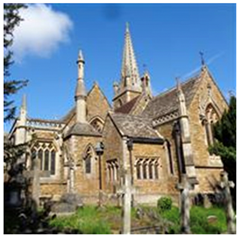
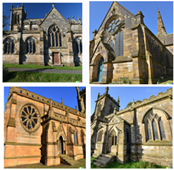
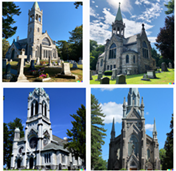
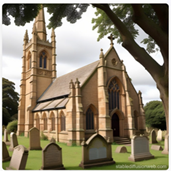

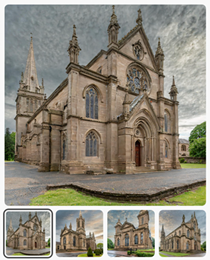
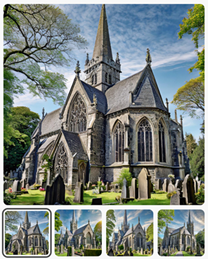
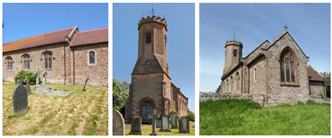
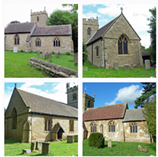
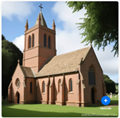
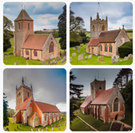
Disclaimer/Publisher’s Note: The statements, opinions and data contained in all publications are solely those of the individual author(s) and contributor(s) and not of MDPI and/or the editor(s). MDPI and/or the editor(s) disclaim responsibility for any injury to people or property resulting from any ideas, methods, instructions or products referred to in the content. |
© 2025 by the authors. Licensee MDPI, Basel, Switzerland. This article is an open access article distributed under the terms and conditions of the Creative Commons Attribution (CC BY) license (https://creativecommons.org/licenses/by/4.0/).