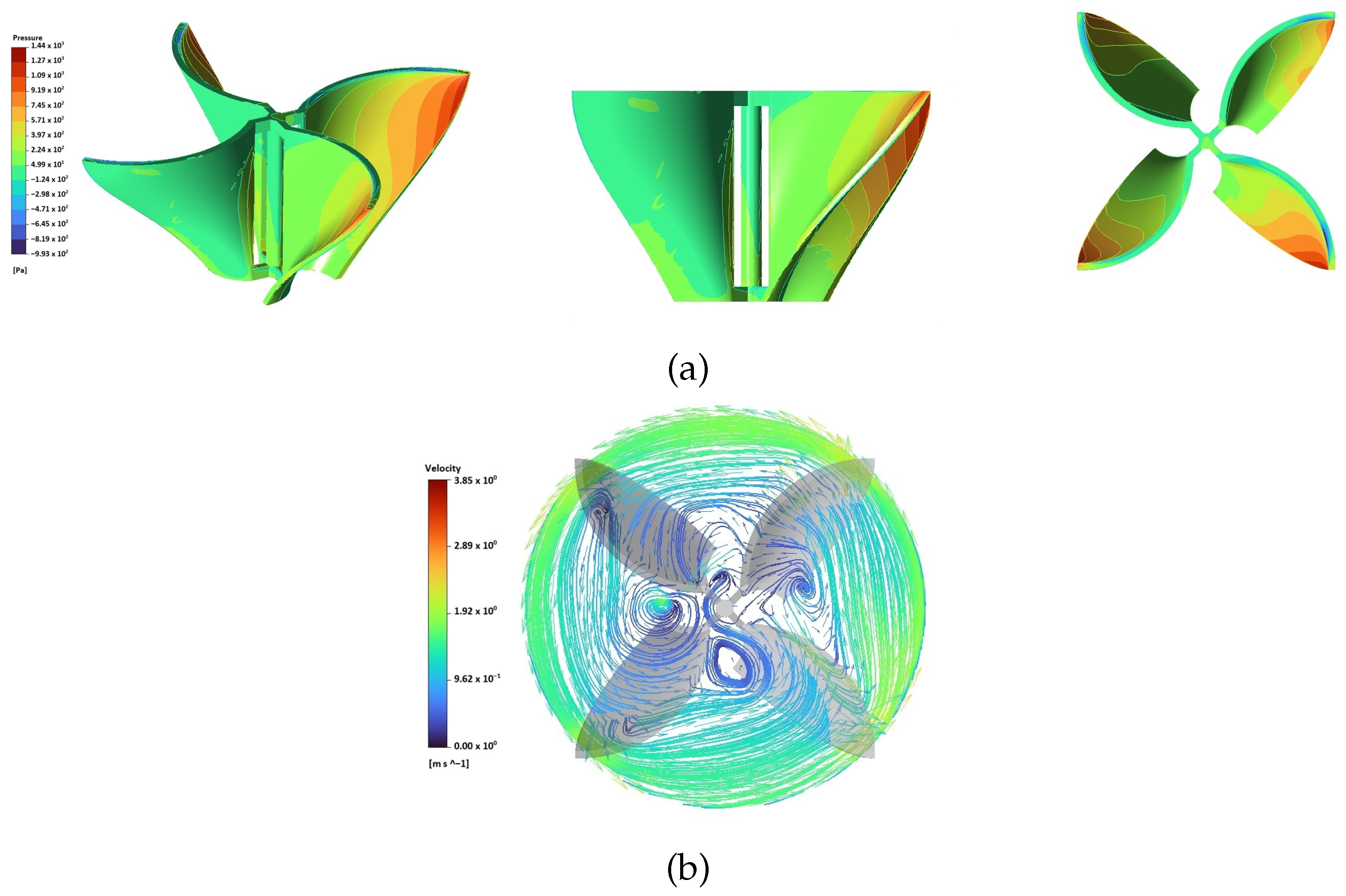
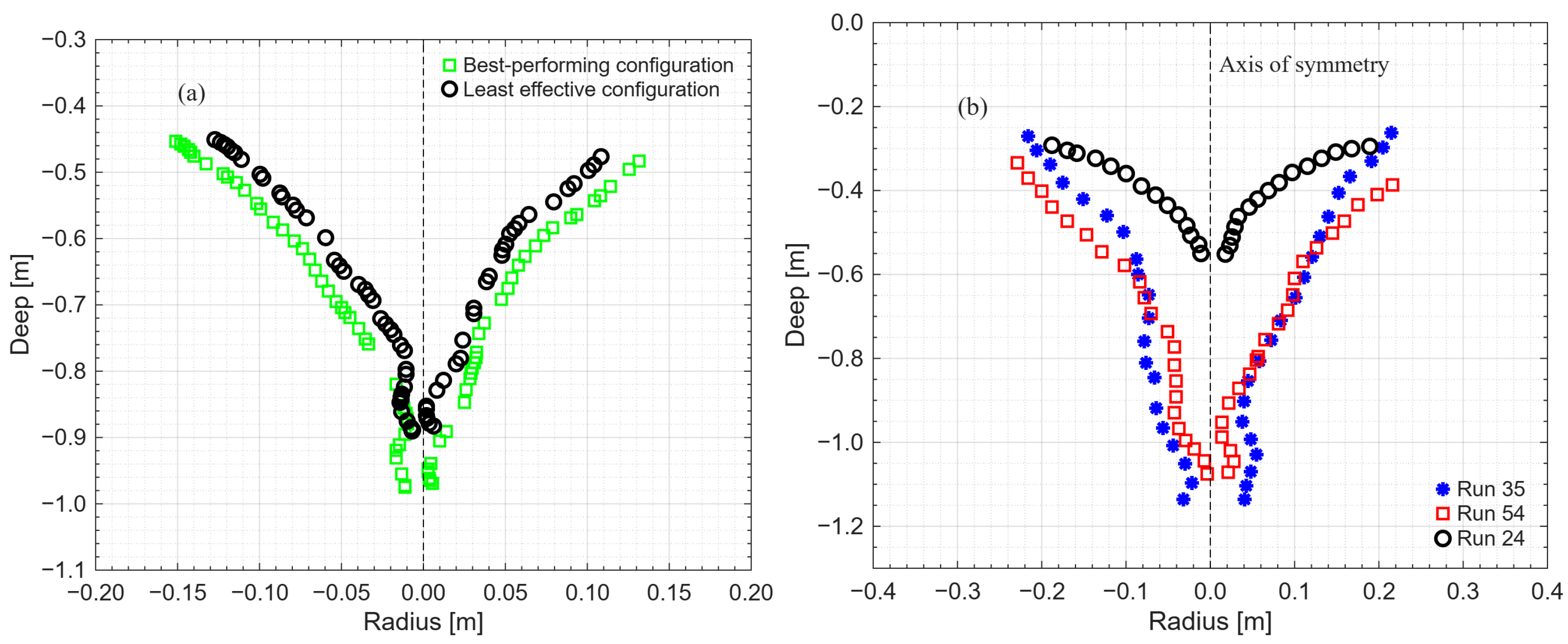
2.1. Geometry of the Gravitational Vortex Turbine
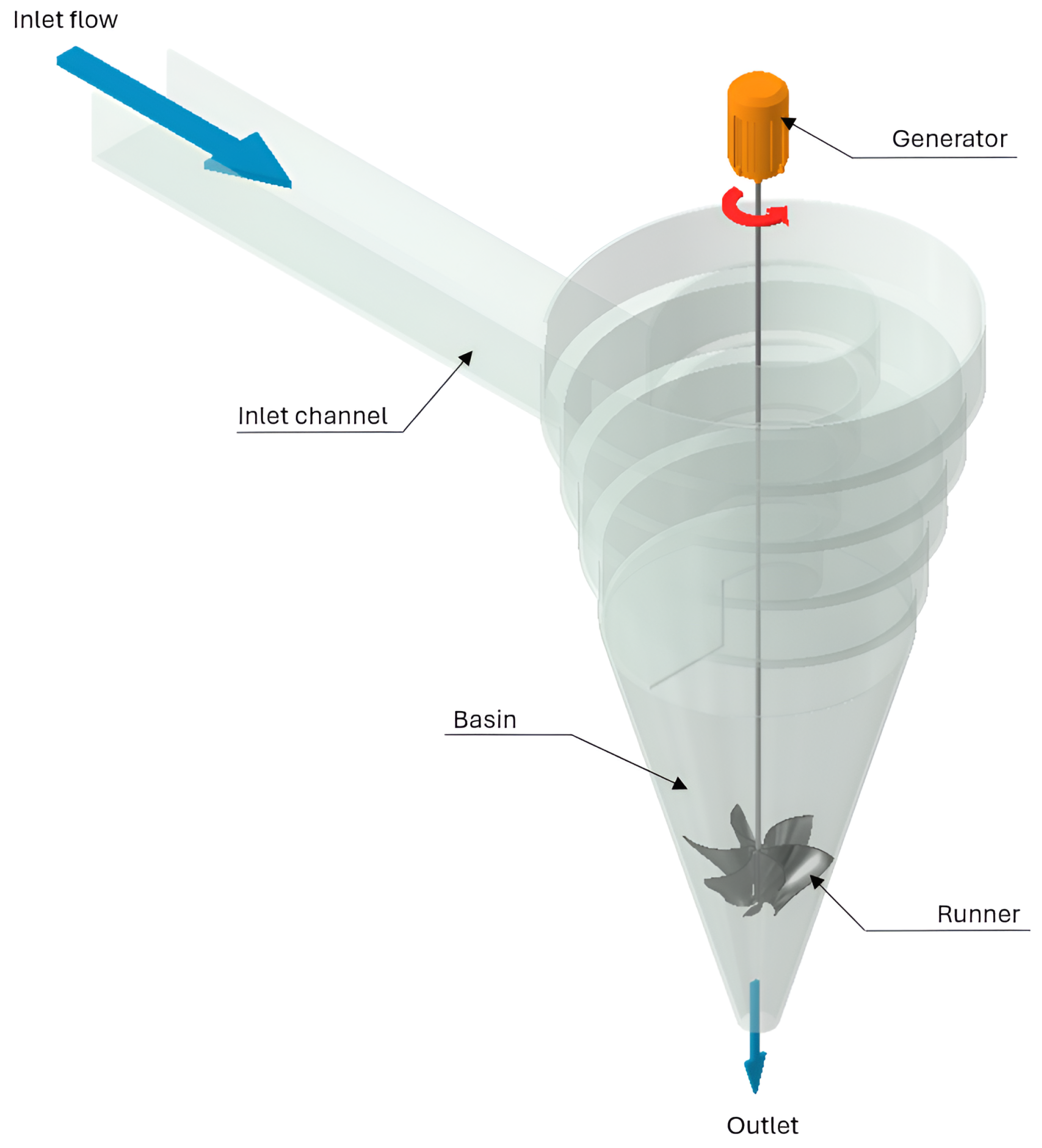
From a technical standpoint, GVTs are low-head hydropower systems designed to generate electricity by harnessing the rotational motion of water in a free-surface vortex. These systems are particularly suited for decentralized applications due to their compact design and minimal environmental impact. A typical GVT consists of four main components: (i) the inlet channel, which introduces water into the system in tangential or spiral manner to generate angular momentum; (ii) the vortex basin or chamber, which may be cylindrical or conical where the vortex develops and stabilizes; (iii) the runner, positioned vertically at the vortex core, which extract mechanical energy from the swirling flow; and (iv) the electric generator, which converts this mechanical energy into electricity.
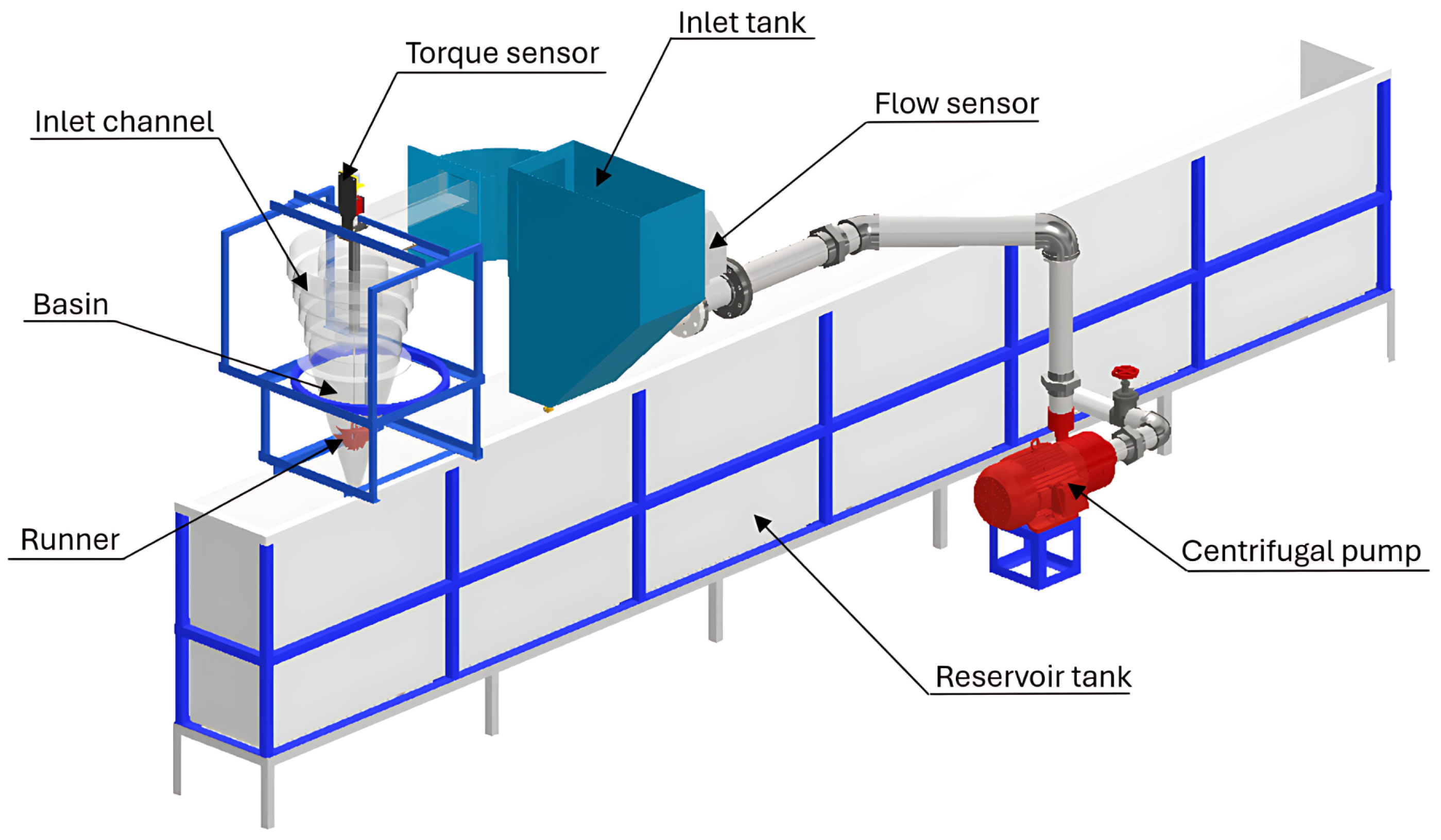
Figure 1 presents a representative configuration of a GVT, highlighting these key structural and functional elements.
Several design variations have been proposed in the literature, with particular emphasis on the geometry of the inlet channel and the basin, as these elements critically affect vortex strength and stability. Spiral or enveloping inlet channels are commonly employed to induce rotational flow, while chamber geometry influences the distribution and confinement of the vortex. The interaction between vortex and runner is central to the system’s performance; however, many designs still face challenges in achieving high efficiency due to mismatches between flow patterns and runner geometry. As a result, research efforts continue to focus on optimizing both the hydraulic design of channel and chamber, as well as the mechanical design of the runner, to improve overall energy conversion in decentralized, environmentally responsible applications.
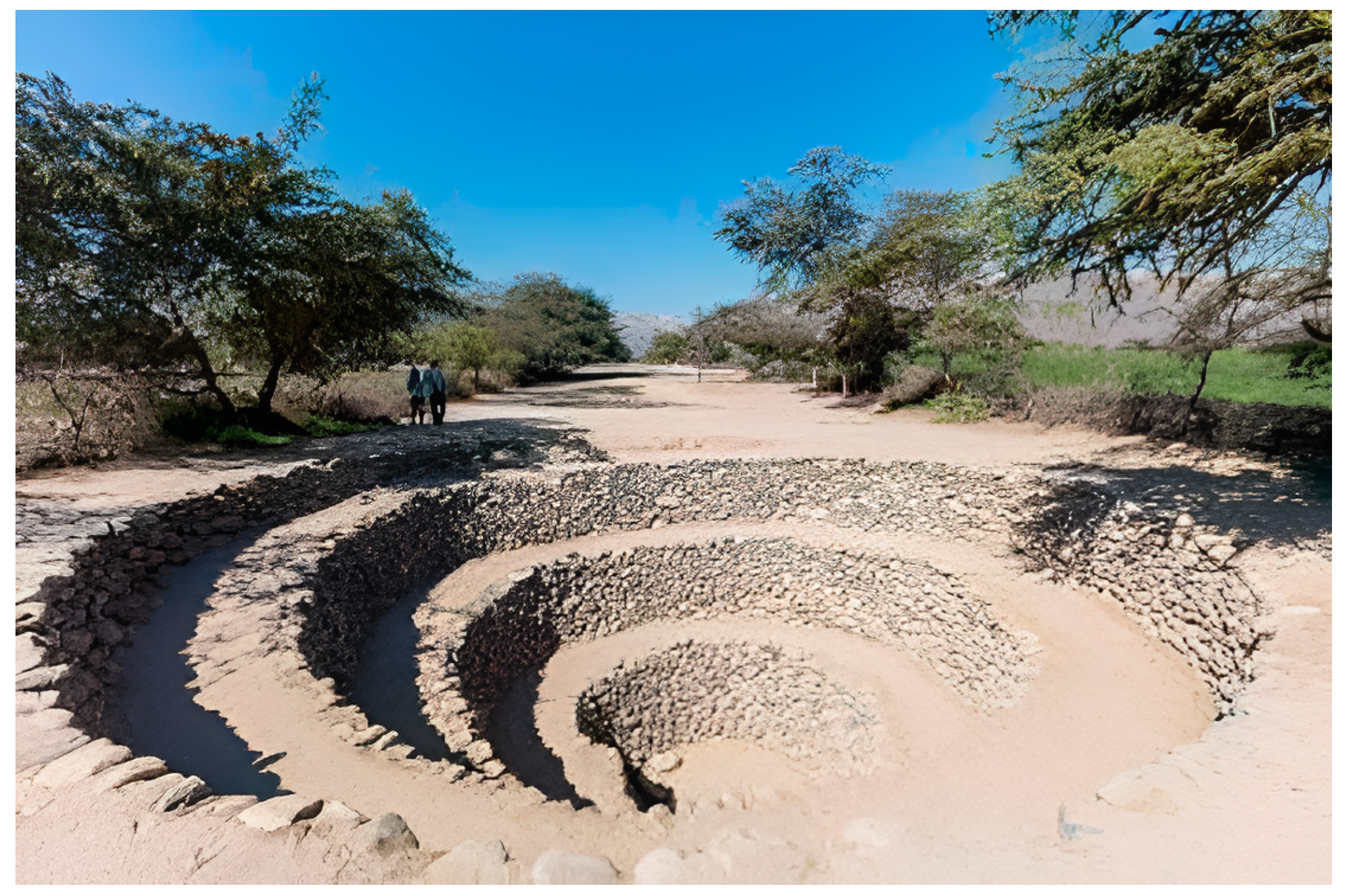
The inlet channel plays a crucial role, as it defines the characteristics of the incoming flow before it reaches the basin. Its geometry directly affects angular momentum, flow symmetry, and energy distribution, all of which are essential for achieving a stable and efficient vortex. In this study, the inlet channel design is inspired by the spiral geometry of the ojos de agua from the ancient Nazca culture (Peru). These spiral-shaped surface openings are part of the underground aqueduct system known as puquios. Typically built with stone or earth, they feature a descending spiral ramp that leads to the subterranean channel. Their distinctive geometry was not only functional but also a remarkable example of pre-Columbian hydraulic engineering.
Functionally, the
ojos de agua served multiple purposes. First, they allowed direct access to the subterranean channels for maintenance and cleaning, which was essential to ensure the continuous flow of water in a desert environment. Second, their open spiral shape facilitated natural ventilation, improving airflow through the tunnels and helping to regulate water quality. Third, the spiral design enhanced the movement of air and water, promoting circulation and possibly increasing the efficiency of water capture and distribution through gravitational flow. These combined functions made the
ojos a key component of the Nazca water-management system, allowing sustainable access to groundwater across dry and rocky terrains.
Figure 2 illustrates one of these
ojos, highlighting the characteristic geometry that informed the parametric design of the inlet channel in this research. By applying these ancestral hydraulic principles, the channel aims to enhance vortex formation and improve overall energy conversion efficiency.
This study focused on an experimental prototype, and as such, the design was constrained by several factors. The primary limitation was imposed by laboratory conditions, as the channel had to be dimensioned to fit within the facilities of the Alternative Energy Research Group (GEA), University of Antioquia, where the experimental tests were conducted. Additionally, the available infrastructure played a key role in defining the prototype’s scale, ensuring compatibility with the existing hydraulic channel and water pumps. Beyond these physical constraints, hydrodynamic behavior was also considered during the design process. The flow velocity was set to generate a stable vortex while avoiding excessive speeds that could introduce unwanted turbulence, ensuring controlled and predictable motion within the basin.
To adapt the Nazca-inspired geometry to the prototype conditions, certain modifications were necessary. One key adjustment was the reduction of the inclination angle to prevent the spiral from closing too rapidly, which could have compromised the size of the basin. Another important modification involved narrowing the channel width, a strategy that maximized the available space within the experimental setup. This adaptation allowed the flow to complete up to four full turns before reaching the basin, ensuring that essential geometric relationships were preserved while making the experimental results representative of a full-scale turbine.
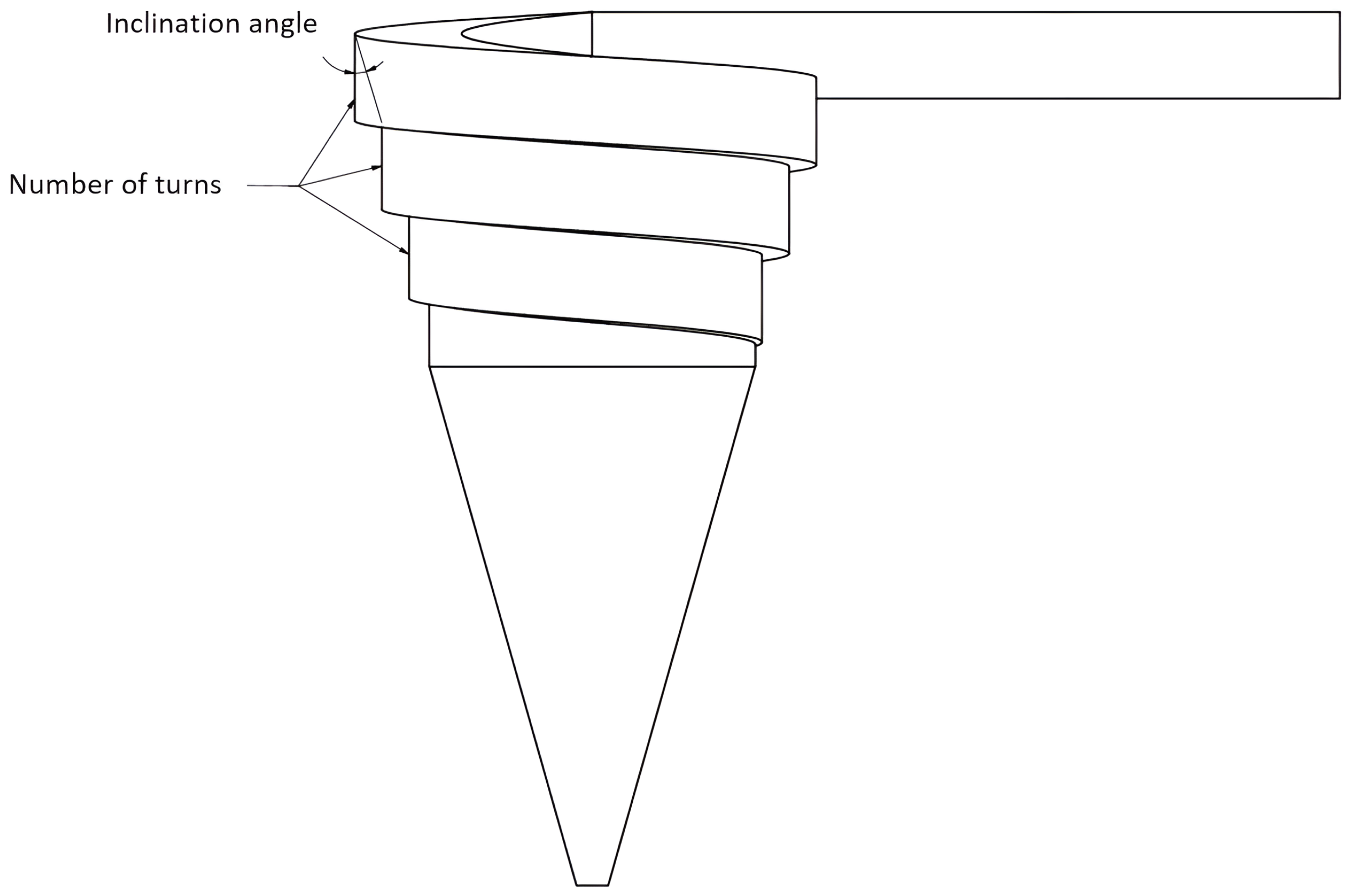
The inlet channel design was developed using a parametric approach, enabling controlled variations in key geometric parameters such as the number of turns (N) and the inclination angle (), with the goal of optimizing vortex formation. Despite these variations, certain baseline dimensions were maintained across all configurations. The channel width was set at 108.5 mm and the depth at 88 mm. For the basin, a conical geometry was selected, following recommendations from previous studies indicating that this configuration maximizes turbine efficiency. The upper basin diameter coincides with the final channel diameter to ensure a smooth transition, while the discharge chamber diameter and the cone height varied with each configuration depending on both geometric parameters. Across all cases, the discharge diameter ranged from 26.23 mm to 41.02 mm, and the cone height from 439.96 mm to 655.35 mm, ensuring a uniform flow towards the discharge. This configuration facilitated a more efficient distribution of energy within the system. It should be noted that the final dimensions of the channel were determined primarily based on the available space for construction and experimental testing in the laboratory, rather than as a result of hydraulic stability criteria. The physical constraints of the experimental environment limited the channel’s length and radius of curvature, necessitating the adaptation of the original design inspired by the Nazca puquios to a manageable scale. Consequently, the selection of the slope and other dimensions became a compromise between maintaining the geometric fidelity of the concept and accommodating the laboratory’s spatial conditions. This approach allowed the overall integrity of the spiral geometry and vortex formation to be preserved, but it implies that certain flow characteristics, such as core concentration or the distribution of tangential velocities, might differ from those obtained in a larger-scale prototype or under unconstrained conditions. Therefore, the experimental results qualitatively reflect the behavior of the design, while the exact magnitudes of efficiency or circulation could vary in full-scale implementations.
The turbine model was optimized using design of experiments (DOE) and RSM. This approach enabled a systematic evaluation of the geometric configuration, focusing specifically on two influential factors: number of turns in the inlet channel and inclination angle (
Figure 3).
2.2. Statistical Analysis and Optimization
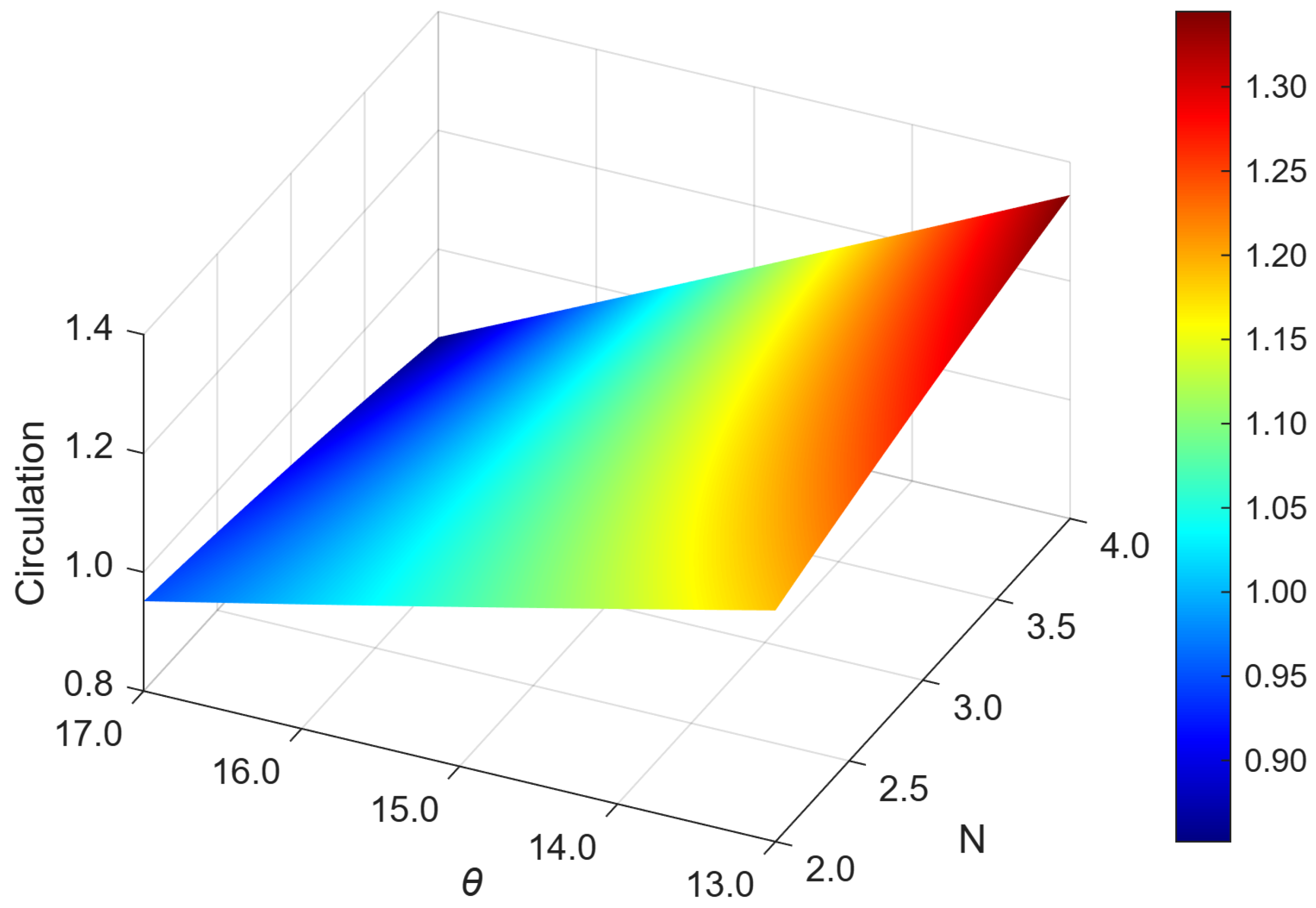
The optimization process aimed to identify the inlet channel geometry that would maximize vortex circulation within the system, since this parameter is directly associated with the stability and efficiency of the rotational flow in the chamber. To achieve this objective, a structured experimental design was applied in conjunction with RSM, which is a set of statistical techniques used to model and optimize a response variable that is influenced by multiple independent parameters [
17].
This methodology was used to systematically analyze the relationship between the geometric configuration of the channel, particularly N and
, and the resulting circulation (
) values within the vortex. RSM allows for the evaluation of both individual effects and interactions between factors, typically requiring the development of a second-order regression model. Its primary advantage lies in its ability to predict system behavior beyond the experimental domain while identifying optimal conditions using a limited number of simulations. This results in a significant reduction in computational cost. Due to these capabilities, this methodology has been widely adopted in hydrodynamic analysis and energy system optimization studies [
18,
19].
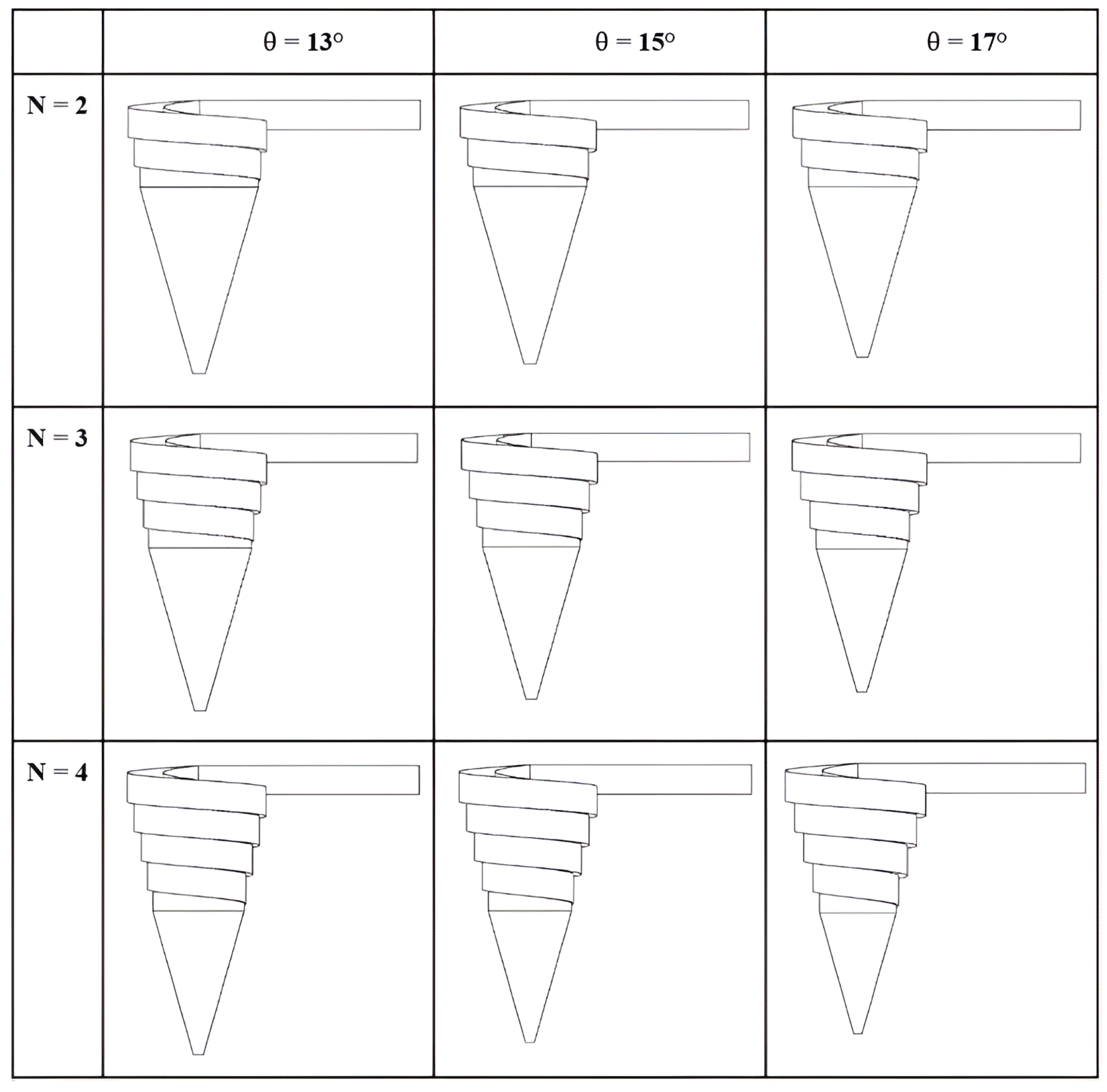
A full factorial experimental design with 3
2 treatments was employed to evaluate the influence of two geometric parameters on vortex development:
N and
of the inlet channel. These parameters were selected for their critical role in shaping the flow path and inducing angular momentum, which are essential for generating a stable and coherent vortex. Each factor was assessed at three levels: N
and
. This approach resulted in nine unique combinations, allowing for the systematic evaluation of both main effects and interactions. The different channel geometries corresponding to each treatment are illustrated in
Figure 4.
The response variable used in this analysis was vortex circulation , which serves as a direct indicator of vortex strength and coherence. Circulation was calculated on a horizontal plane within the basin by integrating the vorticity field over the defined area. This metric captures the rotational intensity of the flow and is widely applied in hydrodynamic performance assessments of vortex-based energy systems.
To describe the relationship between
N,
, and
, a quadratic regression model was fitted. The general form of the response surface model used in this study is represented in Equation (
1). This second-order polynomial equation captures the relationships between the response variable and the experimental factors by including linear, quadratic, and interaction terms.
where
represents the intercept,
and
correspond to the linear effects,
and
capture the quadratic effects, and
accounts for the interaction between the two factors. The coefficients of the model were estimated using least-squares regression, and their statistical significance was evaluated to identify which factors had the most significant impact on
.
Therefore, to analyze the results of the factorial experimental design, an analysis of variance (ANOVA) was performed to evaluate the statistically significant influence of the geometric factors and their interactions on the response variable, which in this case was the vortex circulation. A significance level of was used, meaning that effects with a p-value lower than 0.05 were considered statistically significant. Additionally, the coefficients of determination and adjusted were calculated to quantify the degree of fit of the model to the experimental data. A high adjusted value indicates that the model adequately explains the observed variability, taking into account the number of terms included.
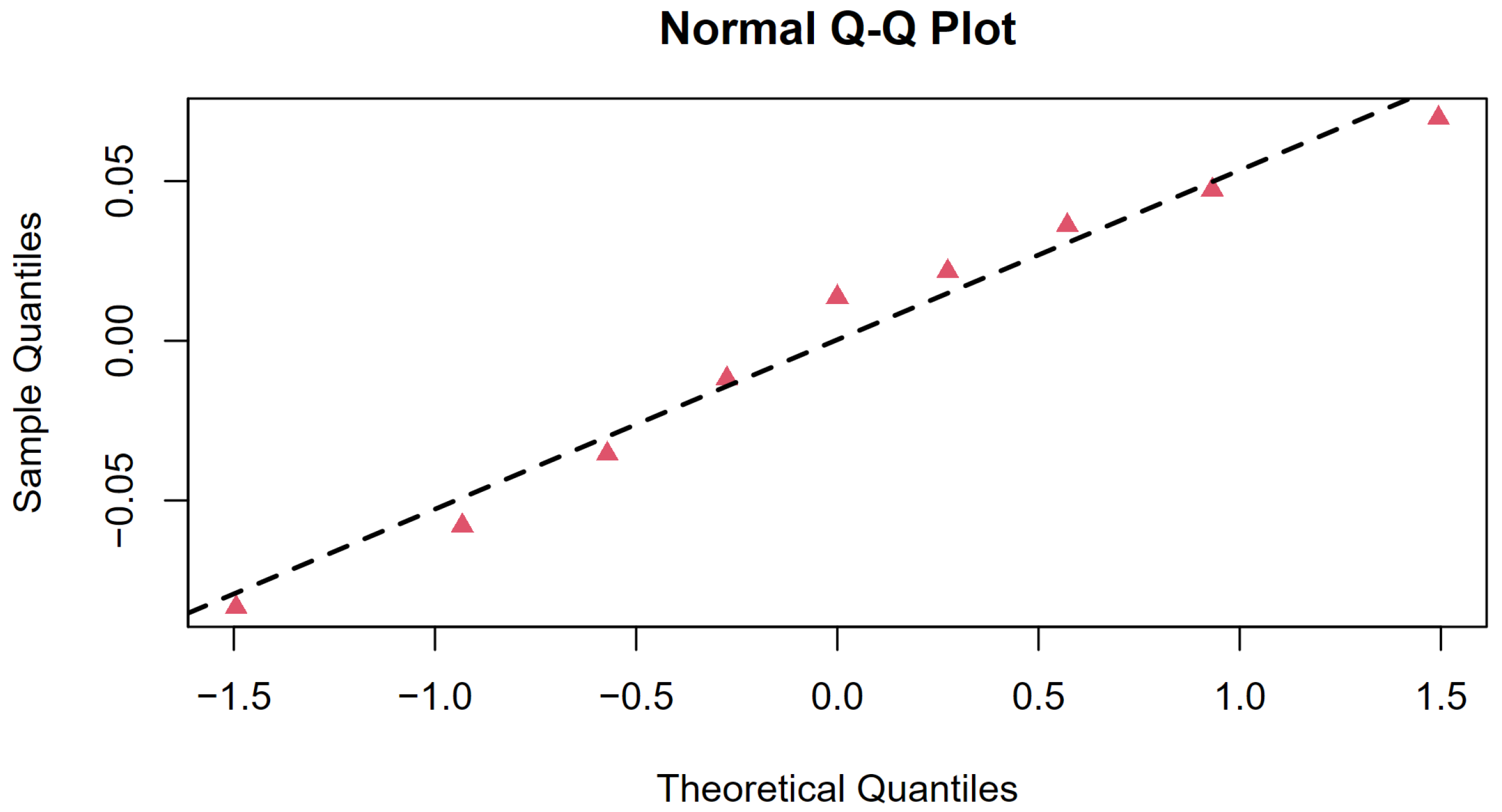
For the ANOVA results to be valid, certain statistical assumptions must be verified: normality of residuals, homogeneity of variances (homoscedasticity), and independence of errors. These assumptions were assessed through normal probability plots, residuals versus fitted values analysis, and complementary statistical tests. Only when these criteria are met can the significant effects be reliably interpreted and the model used to make valid predictions and optimizations of the system’s hydraulic performance.
All treatment combinations resulting from the full factorial experimental design were evaluated using CFD simulations to predict the system’s performance under various factor settings. This simulation-based approach allowed for a detailed analysis of flow behavior and performance metrics without the need for immediate physical prototyping. Based on the analysis of the response surface model and optimization criteria, the configuration identified as optimal was subsequently fabricated and subjected to experimental testing to validate the simulation results and confirm its practical effectiveness.
2.3. CFD Simulation Setup
CFD simulations were performed using ANSYS Fluent 2024 R1, which was selected for its capability to handle complex geometries and accurately solve transient multiphase flow problems, and were carried out in two distinct phases: (i) optimizing the inlet channel and basin geometry without the runner, and (ii) evaluating the runner performance using the previously optimized configuration. The three-dimensional models of the inlet channel, conical basin, and runner were created in Autodesk Inventor 2025 and imported into ANSYS SpaceClaim 2024 R1 for cleaning and simplification, ensuring watertight surfaces and eliminating unnecessary details that could affect the meshing process.
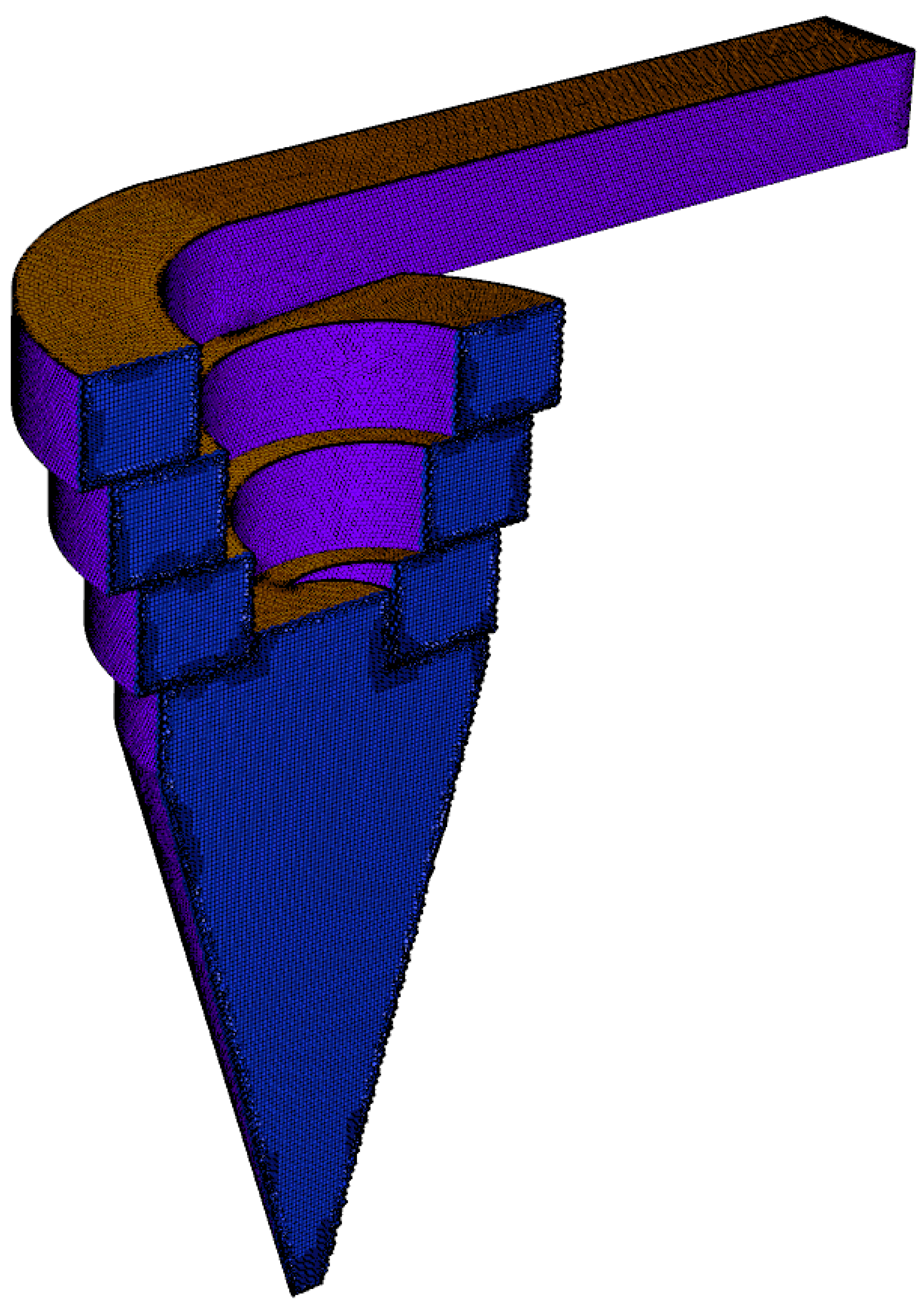
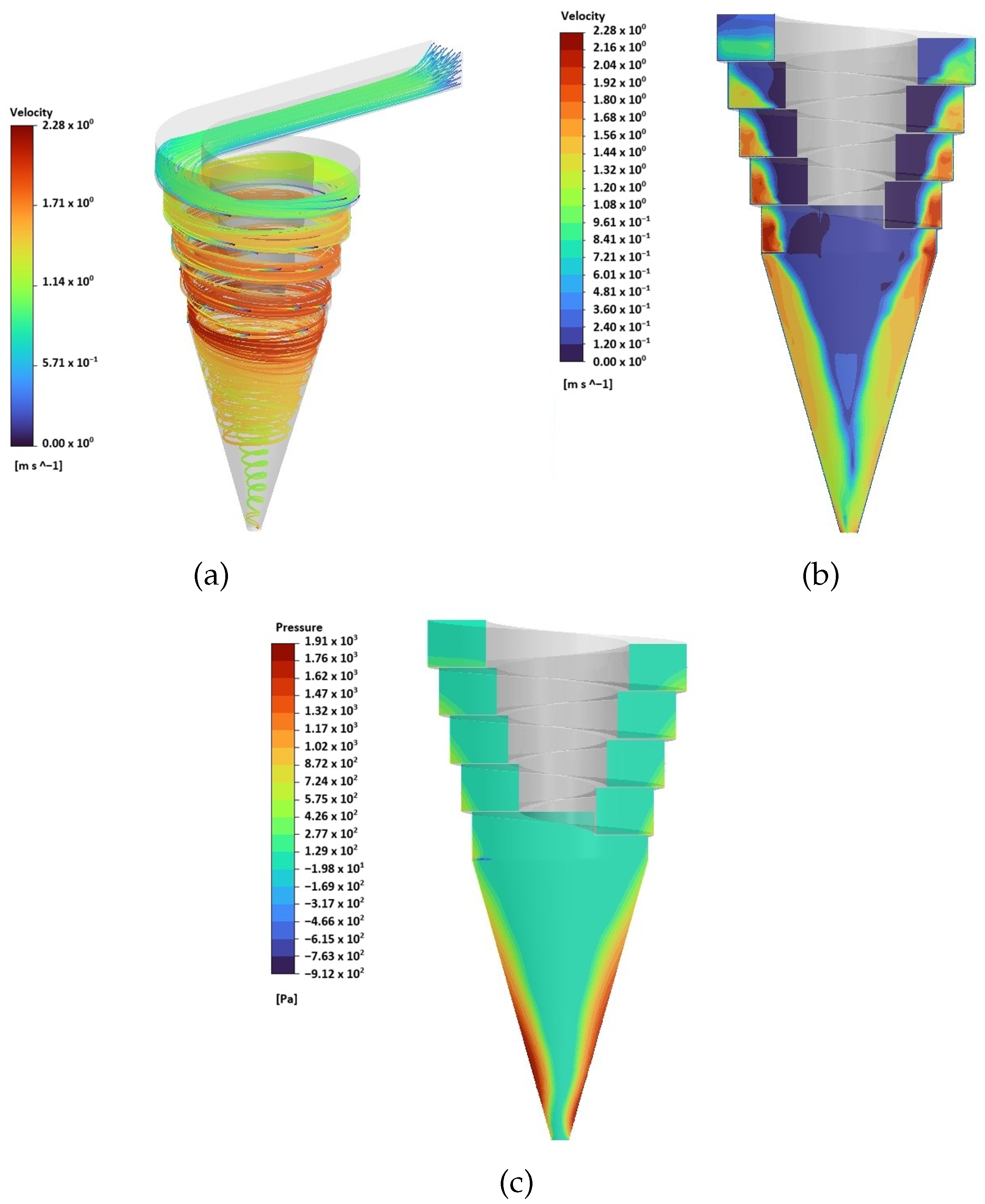
The initial CFD phase focused on optimizing the geometry of the inlet channel and the conical basin, aiming to maximize vortex stability and strength before incorporating the runner. The computational domain for this phase included the inlet channel and the conical basin. A poly-hexcore mesh was generated using ANSYS Meshing 2024 R1 which balances computational efficiency with high resolution in critical areas. Mesh refinements were applied near the inlet, basin walls, and outlet to improve flow capture and boundary layer resolution. The final mesh, shown in
Figure 5, exhibited an orthogonal quality with a minimum value of 0.30, a maximum skewness of 0.699, and an aspect ratio that remained below 29.34, ensuring numerical stability and accurate solution convergence.
To ensure that the CFD simulation results were independent of the mesh resolution, a mesh independence study was conducted using three mesh densities: coarse, medium, and fine.
was selected as the representative metric to evaluate convergence behavior, as shown in
Table 1. Richardson extrapolation was applied to estimate the discretization error, and the mesh convergence index was calculated to quantify numerical uncertainty. The variation in
between the medium and fine meshes was found to be less than 2%, while the Grid Convergence Index (GCI) was calculated as 4.341% for the fine-to-medium comparison and 2.979% for the medium-to-coarse comparison. Moreover, the convergence index, defined as the ratio of successive error reductions, was determined to be 0.989, confirming that the solution resides in the asymptotic range of convergence. Based on these results, the medium mesh, containing 2,094,036 elements, was selected as it offered an optimal trade-off between numerical accuracy and computational cost.
The boundary conditions were defined to replicate realistic operational conditions. The inlet velocity was imposed at the entrance of the channel, while the bottom outlet was assigned a relative pressure of 0 Pa. The upper surfaces of the channel and basin were designated as open boundaries, also at a relative static pressure of 0 Pa, to allow for unrestricted air movement in and out of the system. The inlet velocity was determined using the methodology proposed by Velásquez [
20], which employs the discharge coefficient approach, shown in Equation (
2).
where
represents the discharge coefficient,
Q is the volumetric flow rate,
d is the outlet diameter,
g is the gravitational acceleration (9.81 m/s
2), and
is the water height in the basin. Velasquez proposed an empirical relationship between
and the geometric ratio
as expressed in Equation (
3).
which was used to compute an inlet velocity of 0.28 m/s for the present simulations.
The fluid in all simulations was modeled as incompressible water, with constant properties defined as density kg/m3 and dynamic viscosity Pa/s. To effectively track the air-water interface, the Volume of Fluid (VOF) model was used, ensuring accurate simulation of the free-surface behavior within the system. The turbulence was modeled using the RNG approach, which has been extensively validated for swirling and recirculating flows.
The solver was set to a pressure-based, transient formulation with implicit time integration. The Pressure-Velocity Coupling was managed using the PISO (Pressure-Implicit with Splitting of Operators) scheme, which provides stability for transient flows with high swirling intensity. For spatial discretization, second-order upwind schemes were applied to the momentum and turbulence equations to reduce numerical diffusion and improve solution accuracy. The transient simulations were performed using various time steps to ensure numerical stability and accuracy.
Table 2 presents the time-step independence study, showing that a time step of
s was optimal, as it resulted in minimal variation in
while also maintaining computational efficiency.
A time-step independence analysis was also performed to ensure the accuracy of the transient simulations. Temporal GCI was calculated using results from simulations with time steps of s; 0.005 s; 0.0025 s. was again used as the reference parameter for comparison. The GCI values obtained were 1.318% for the 0.01 s–0.005 s comparison and 0.946% for the 0.005 s–0.0025 s comparison, indicating minor changes in the solution with decreasing time-step size. Additionally, the time-step convergence index, defined as the ratio of successive relative errors, was found to be 0.997, confirming that the solution is within the asymptotic range of temporal convergence. Based on these results, a time step of 0.005 s was selected as it provides a suitable compromise between accuracy in capturing transient flow behavior and overall computational efficiency.
The convergence of the simulations was evaluated using several criteria. Residuals for continuity and momentum equations were monitored, ensuring they remained below
. Additionally, the evolution of
over time was tracked to confirm that the system reached a steady state before data extraction. The circulation was calculated using Equation (
4).
where
represents the local vorticity (rad/s) and
A is the horizontal plane over which the integration was performed, located 700 mm below the upper edge of the inlet channel. This metric provided a reliable indicator of vortex strength, ensuring that the optimal geometry selection was based on well-converged results.
All numerical simulations corresponding to the treatment combinations defined by the full factorial experimental design were carried out using the validated CFD setup. Each simulation represented a unique configuration of the independent variables, enabling the systematic evaluation of their individual and combined effects on the response variable. This comprehensive approach ensured full coverage of the design space and provided the necessary data to construct the response surface model. The use of CFD allowed for a detailed analysis of the transient flow behavior and performance indicators under each experimental condition, without the need for immediate physical testing. The resulting dataset formed the basis for subsequent regression analysis and optimization.
The runner is a critical component of the GVT plays a key role in converting the vortex energy, generated by the water flow, into usable mechanical power. The runner’s geometry directly influences the system’s ability to capture the vortex energy, affecting both the torque and the stability of the flow inside the basin. An efficient runner design is essential to maximize energy conversion efficiency.
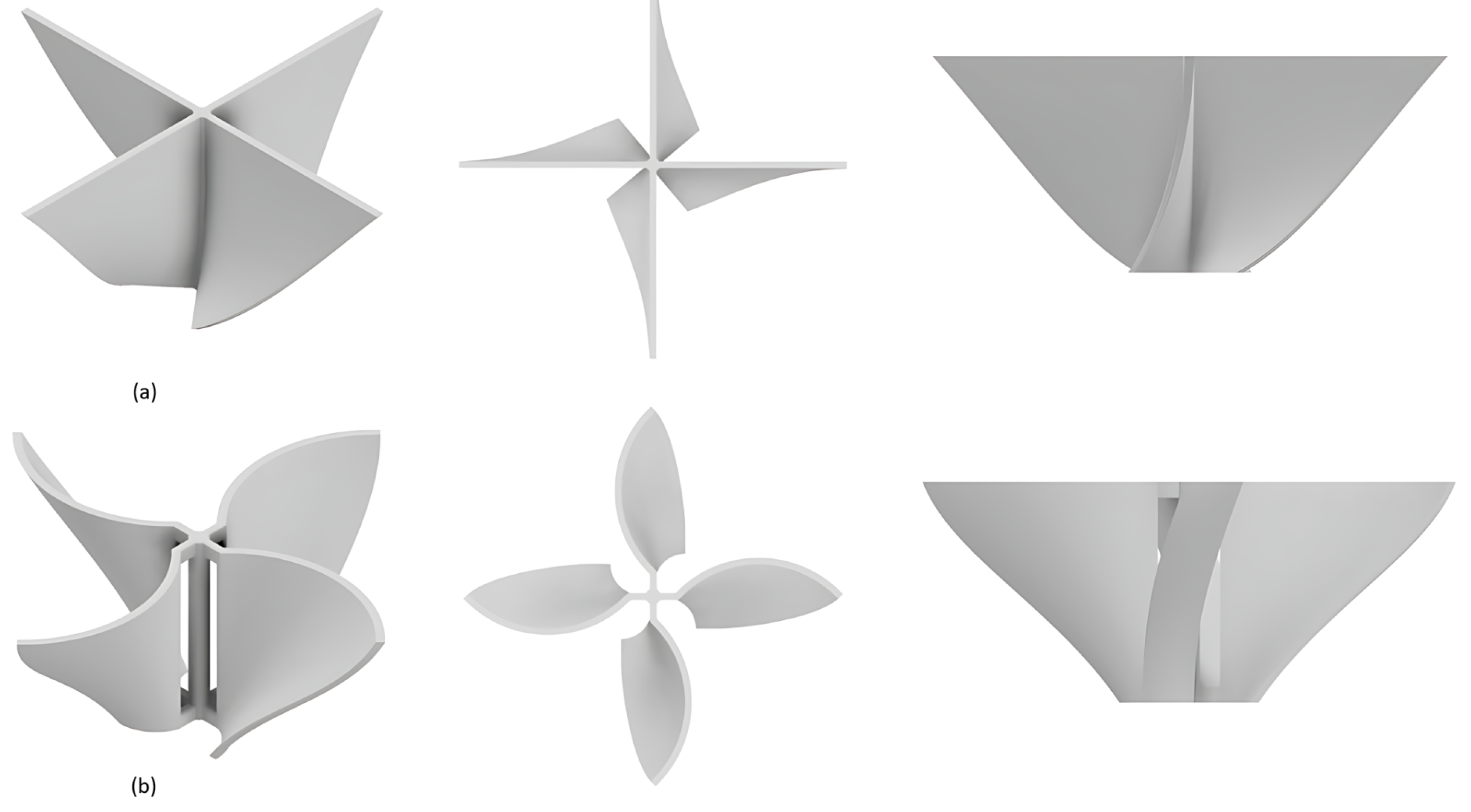
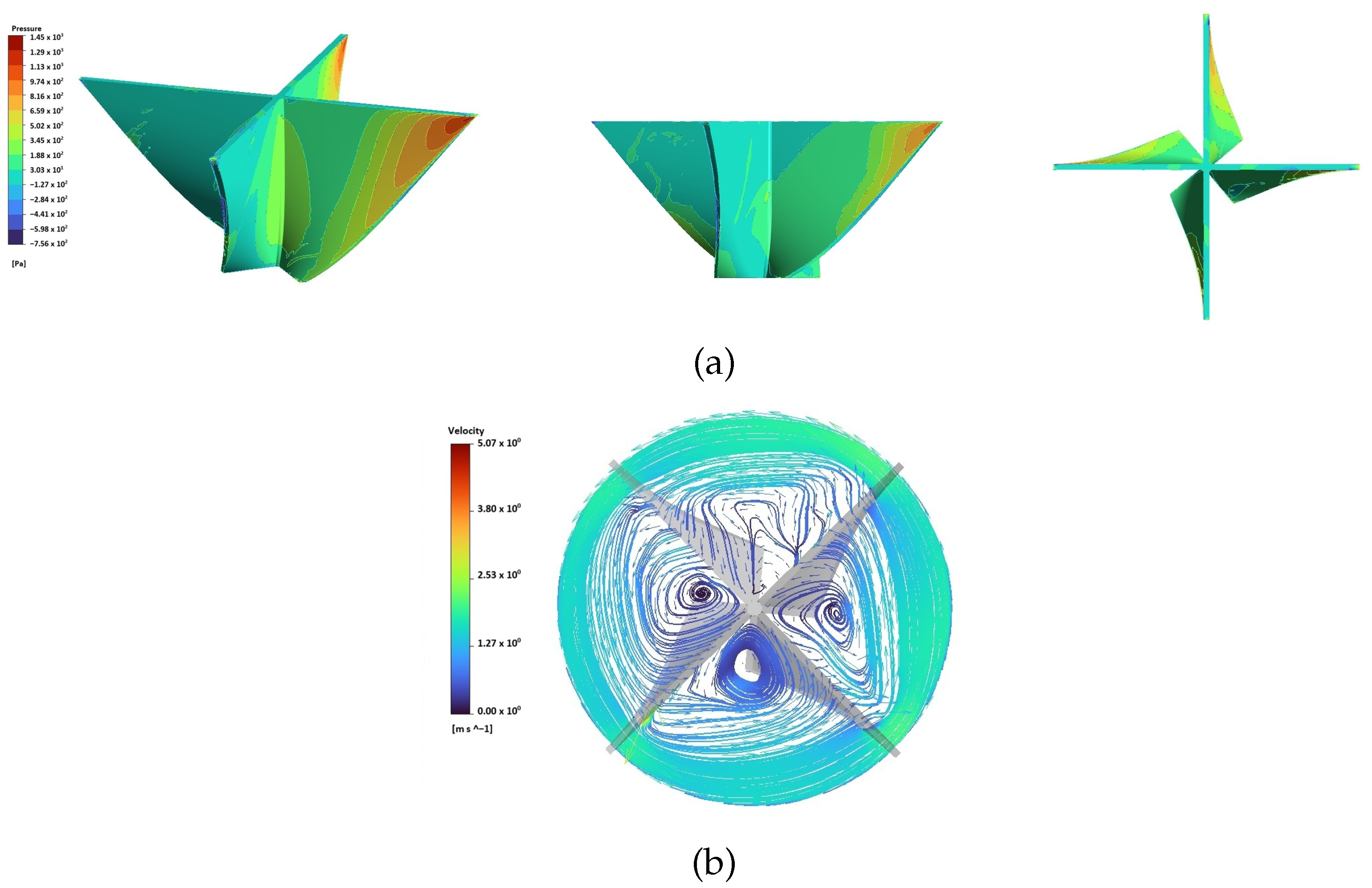
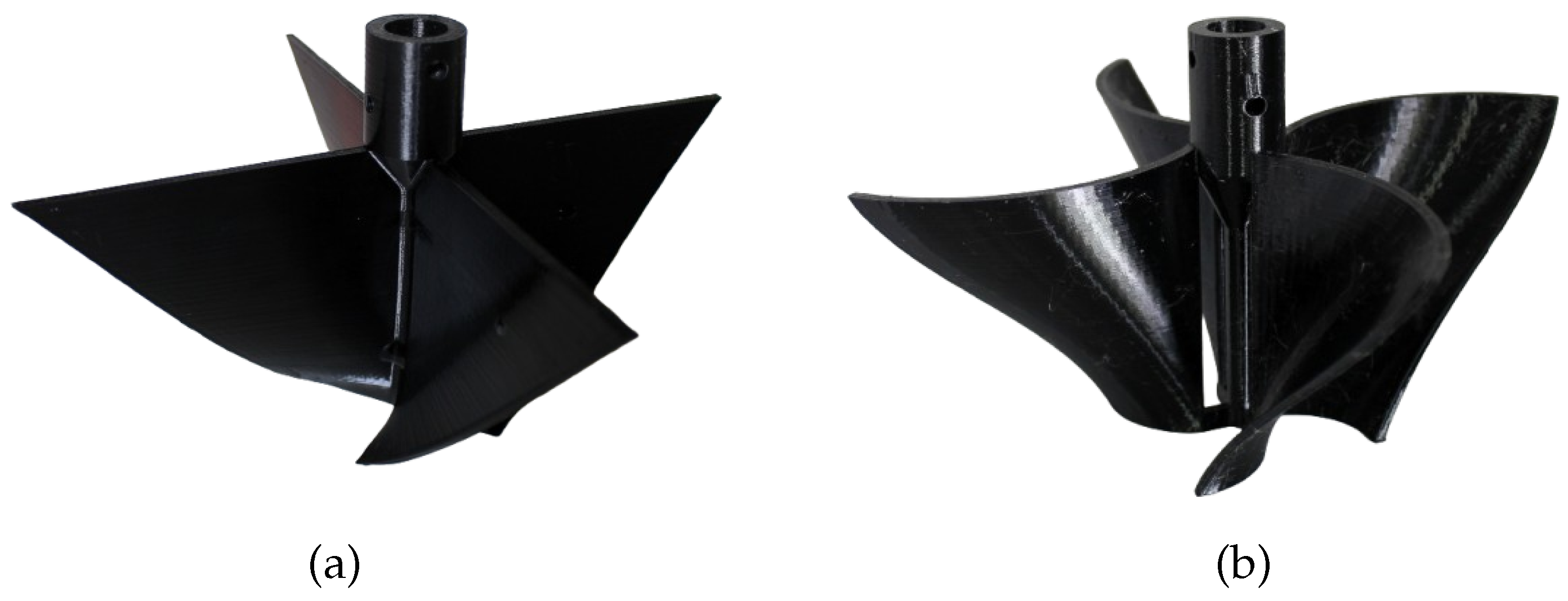
For this study, two runner configurations were selected to evaluate their performance in the system with the optimized inlet channel and vortex chamber geometry. Both configurations were adapted to fit the optimized basin dimensions, with the number of blades standardized to four, and global dimensions (upper diameter 165 mm, height 70 mm) kept consistent. This allowed a direct comparison of the effect of blade shape and configuration.
Figure 6 shows the two runner geometries evaluated in this study.
The first runner, referred to as Runner 1, was designed with twisted blades, based on research by Edirisinghe et al. [
21], who demonstrated that progressively twisted blades enhance energy extraction in vortex turbines. This design included a
twist at the base of the blades, and for this study, the design was modified to fit the optimized system by reducing the number of blades from eight to four, while maintaining the key aerodynamic features.
The second runner, referred to as Runner 2, was inspired by the work of Betancour et al. [
22], who investigated curved blade geometries with a torsion angle of
to improve vortex stability and reduce energy dissipation. This configuration also incorporated cross-flow blades, following the study by Khan [
23], which suggested that cross-flow blades facilitate more efficient water movement along the vortex, reducing energy losses. As with Runner 1, the general dimensions were standardized, but modifications were made to the curvature of the blades to assess its impact on performance.
The selection of these two configurations was based on their respective advantages in converting kinetic energy and stabilizing the vortex flow, aiming to evaluate which design would yield the highest efficiency under similar hydraulic conditions. The analysis focused on the blade shape, ensuring that modifications did not introduce variables beyond the runner geometry.
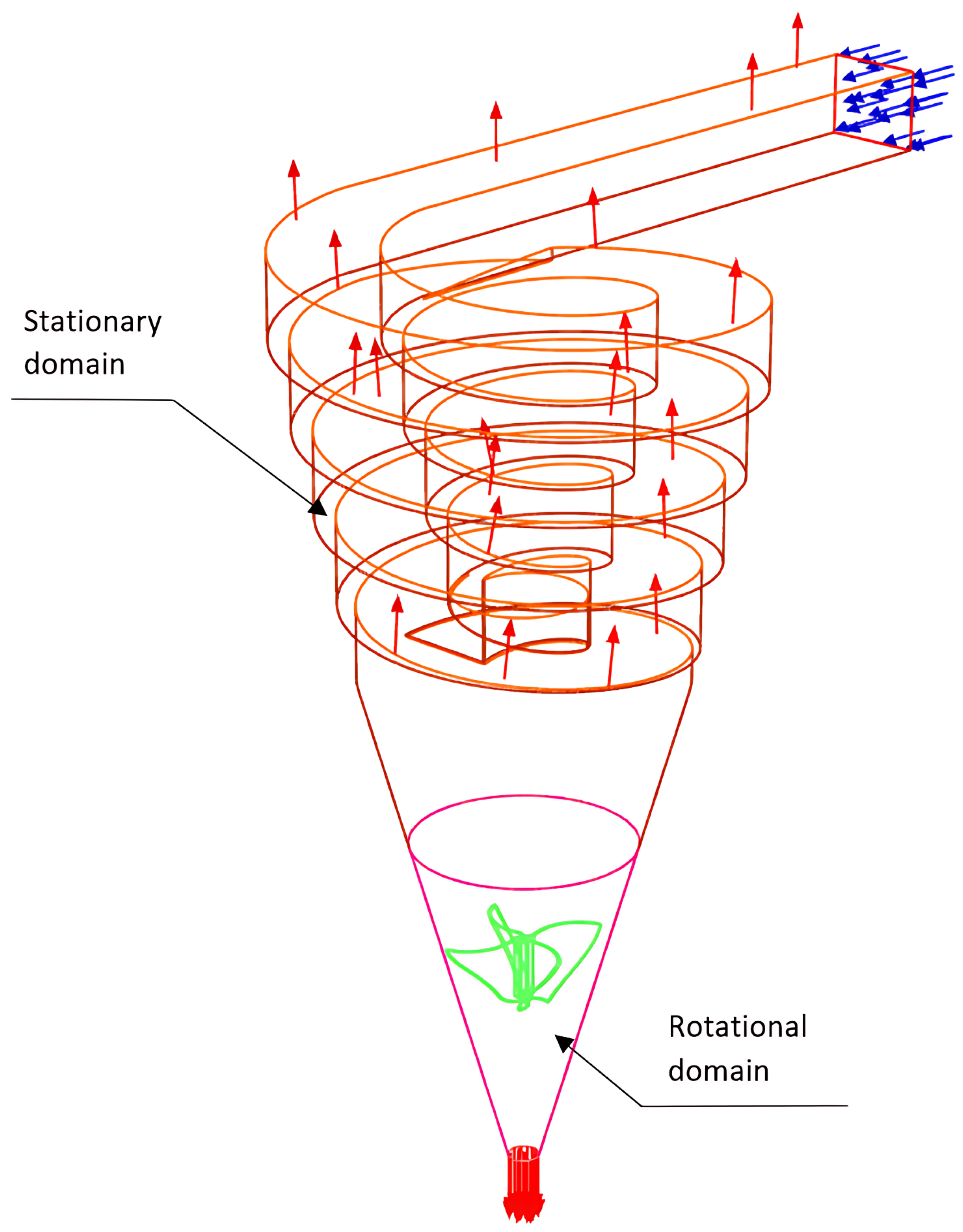
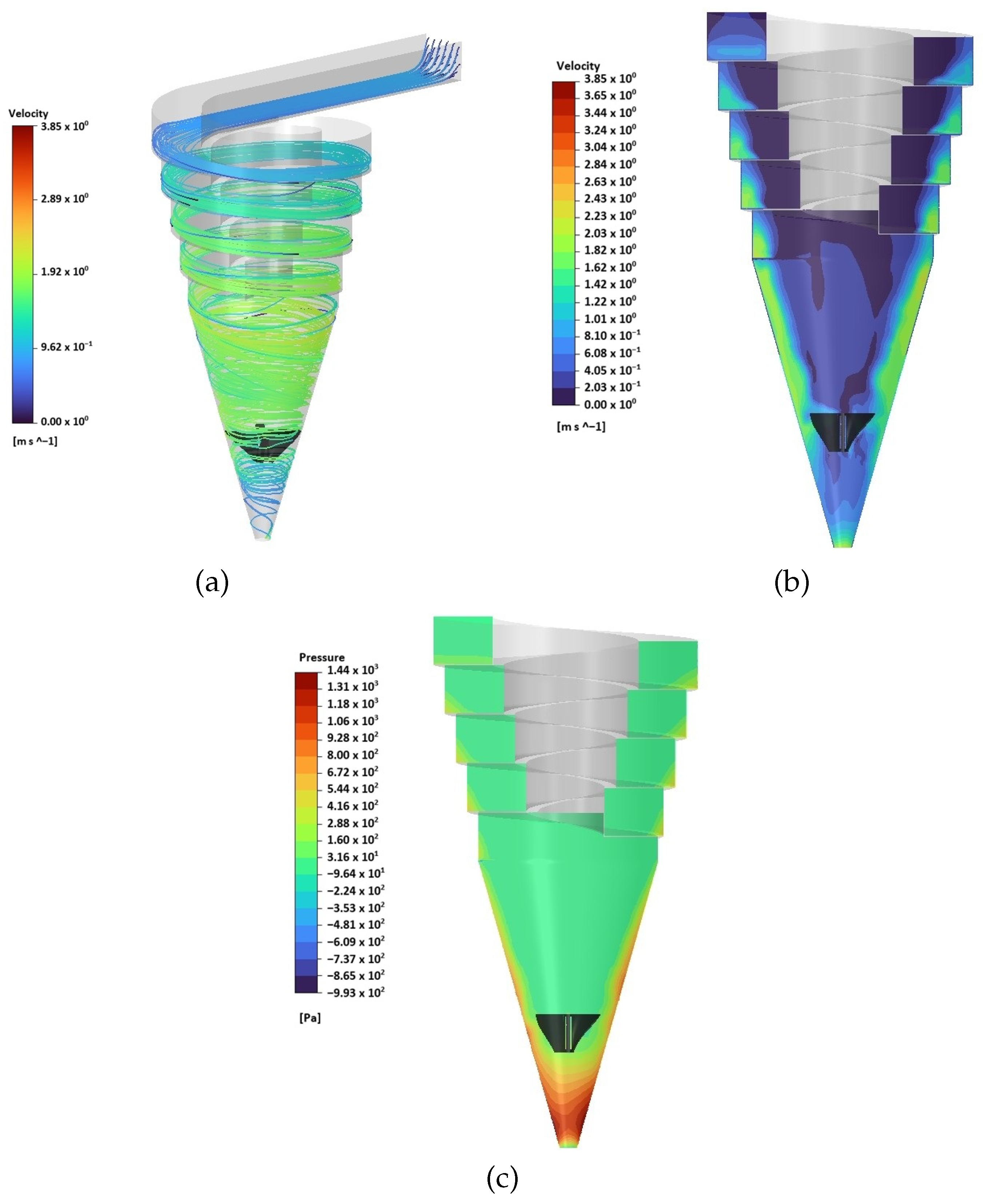
After optimizing the inlet channel and basin, numerical simulations were performed to evaluate the hydrodynamic performance of the two different runner configurations. The objective was to determine how each design interacted with the vortex flow and to assess its efficiency in converting hydraulic energy into mechanical power. The computational domain used in this phase incorporated the optimized channel and basin geometry and was split into two regions: a stationary section that included the inlet channel and upper part of the basin, and a rotating region containing the runner and lower basin area. This division enabled the simulation of rotational effects using a moving reference frame (MRF) approach.
Figure 7 shows the computational domain used for these simulations. The runners were positioned at 60% of the cone height, measured from the upper edge of the cone to the center of the runner height, ensuring geometric consistency across all simulations.
The mesh applied to the computational domain followed the same poly-hexcore approach used in the previous simulations. Refinements were made in the area around the runner to accurately capture the detailed interactions between the vortex and the blades, ensuring a precise representation of flow characteristics. The mesh quality was validated through standard metrics, maintaining numerical stability and reliable solution accuracy.
The velocity at the inlet was determined using the same discharge coefficient methodology that was applied in the inlet channel and basin simulations. A uniform velocity profile of 0.15 m/s was established. At the outlet, a zero-pressure condition was applied to allow unrestricted flow discharge. To analyze the performance of the runners under different operational conditions, simulations were conducted at rotational speeds () of 0 rpm; 50 rpm; 75 rpm; 100 rpm; 125 rpm; 150 rpm.
The turbulence model selected for this analysis was the realizable model, selected for its effectiveness in managing swirling and recirculating flows. To accurately model the air-water interface, VOF method was employed to capture the dynamics of the free surface. The solver was set to a pressure-based, transient formulation, with the PISO scheme applied for pressure-velocity coupling. Second-order upwind discretization was used for the momentum and turbulence equations to improve numerical accuracy.
To evaluate the performance of each runner configuration, torque values were recorded for each rotational speed. The mechanical power output (
P) was calculated using Equation (
5).
where
T is the torque (Nm) and
is the angular velocity (rad/s). The efficiency (
) of the system was then calculated using Equation (
6).
where
represents the water density,
g is gravitational acceleration,
Q is the volumetric flow rate, and
H is the available head. In this study,
H is defined as the vertical distance between the end of the inlet channel (i.e., the outlet of the spiral) and the runner center, which represents the effective hydraulic drop used to calculate the available power.
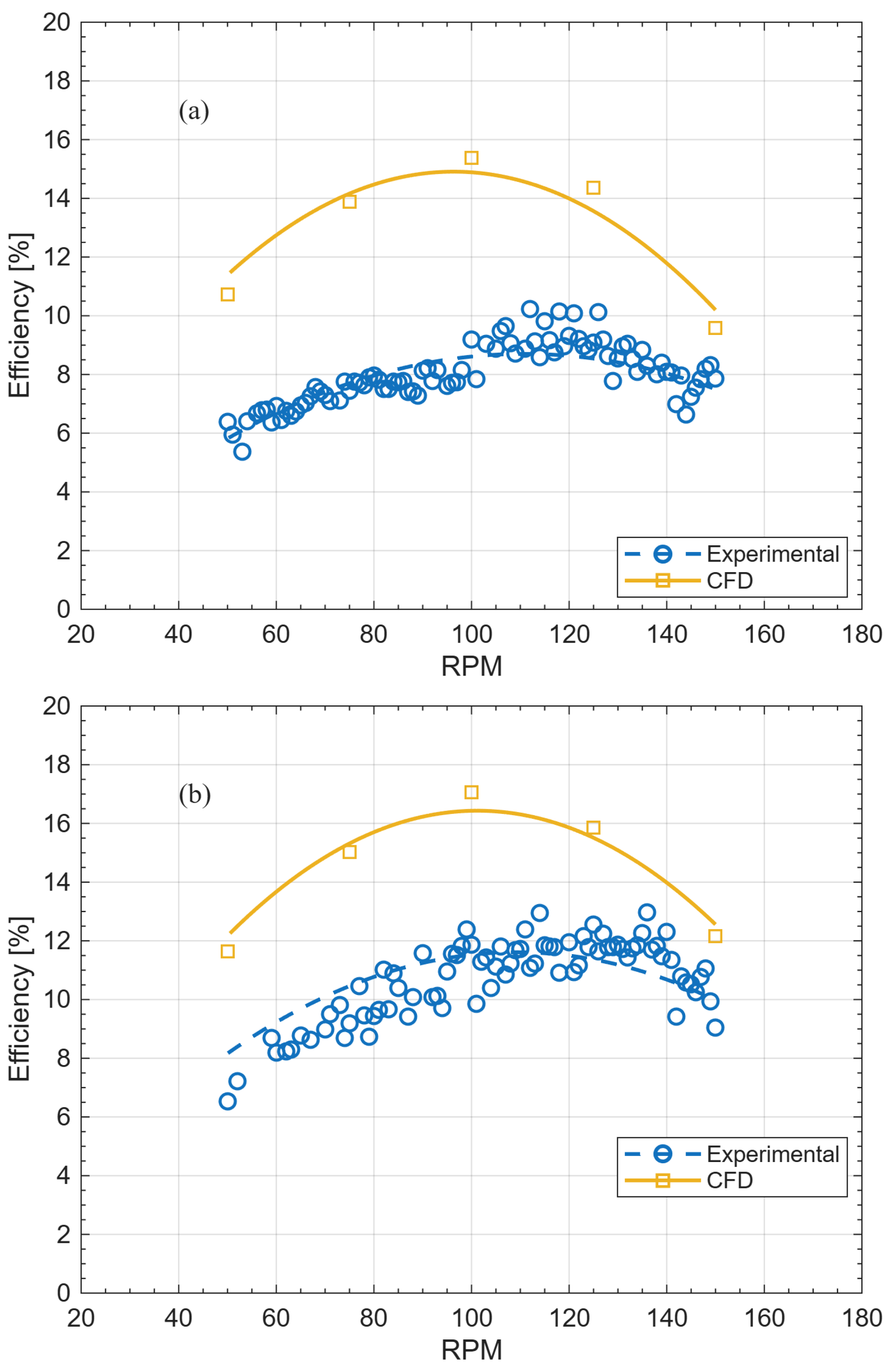
It is important to highlight that this study using CFD was conducted with certain simplifications that, while limiting the absolute accuracy of the results, provide valuable insights into the general flow behavior and relative efficiency of different configurations. These simplifications include the idealization of boundary conditions, the assumption of hydraulically smooth walls, the omission of mechanical components such as the runner shaft, and limited mesh resolution. Such choices significantly reduce computational cost and simulation time, enabling a systematic exploration of multiple geometric parameters and operating scenarios through design of experiments. However, these same simplifications may lead to overestimation of efficiency and do not fully capture small-scale complex phenomena, such as local turbulence, flow separation, or wall–flow interactions, which directly affect angular momentum transfer and the effective torque on the runner. Therefore, while CFD simulations provide a solid framework for trend analysis and parameter optimization, the results should be interpreted as indicative and validated through physical experiments to ensure applicability under real operating conditions.
2.4. Experimental Setup
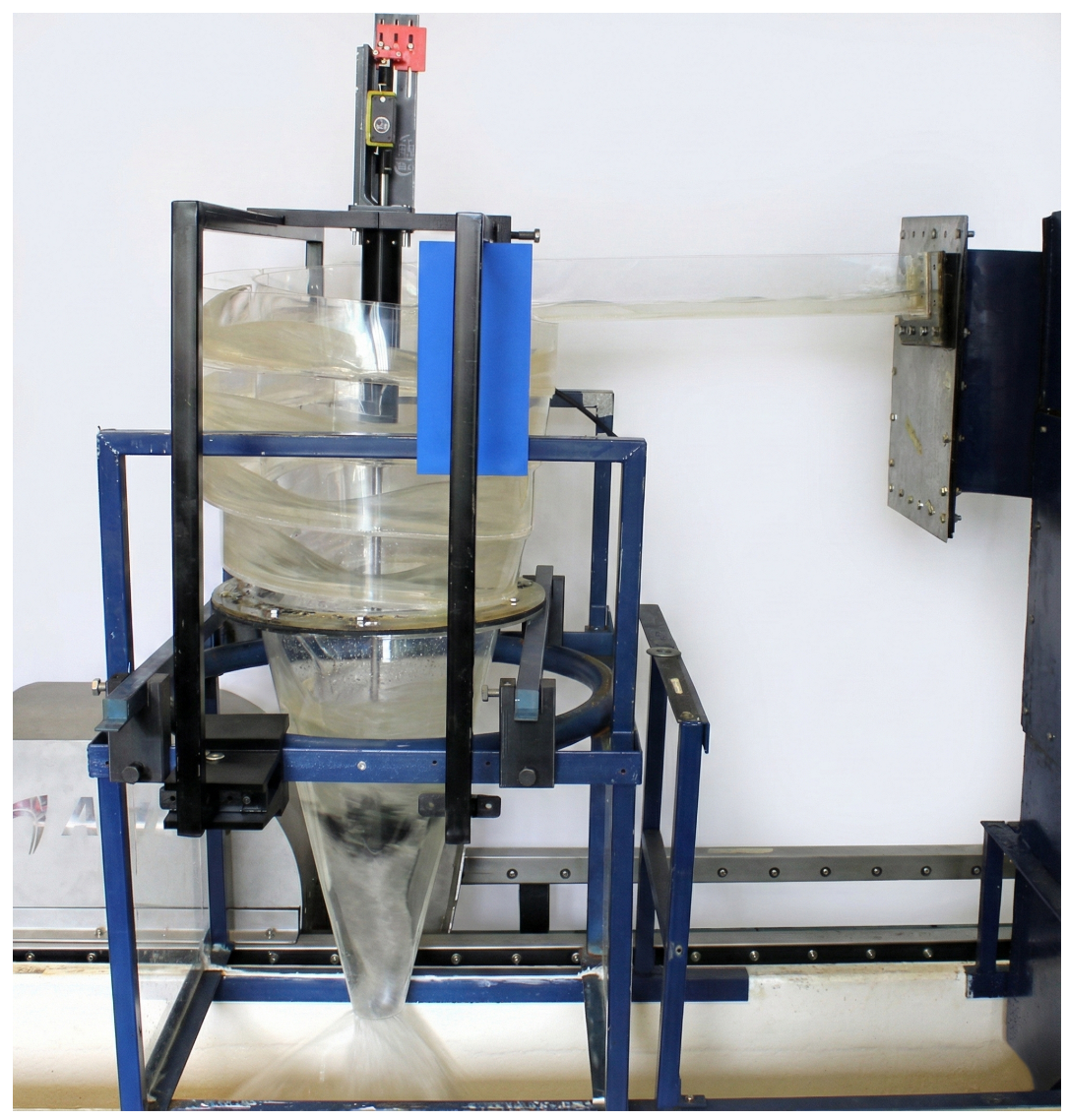
To validate the numerical predictions, an experimental test bench incorporating a GVT was built at laboratory scale. The prototype reproduced, as closely as practical, the optimized inlet channel and basin geometry used in the CFD simulations. The setup ran as a closed, recirculating water loop comprising an upper supply tank, a lower reservoir tank, a centrifugal pump (30A-15W, IE2 (Ignacio Gómez IHM, Medellín, Colombia)), the Nazca-inspired inlet channel, the conical basin, and the runner. The lower tank collected the discharged water, which was then pumped back to the upper tank. All tests were conducted at a constant flow rate of L/s, matching the operating conditions used in the CFD simulations.
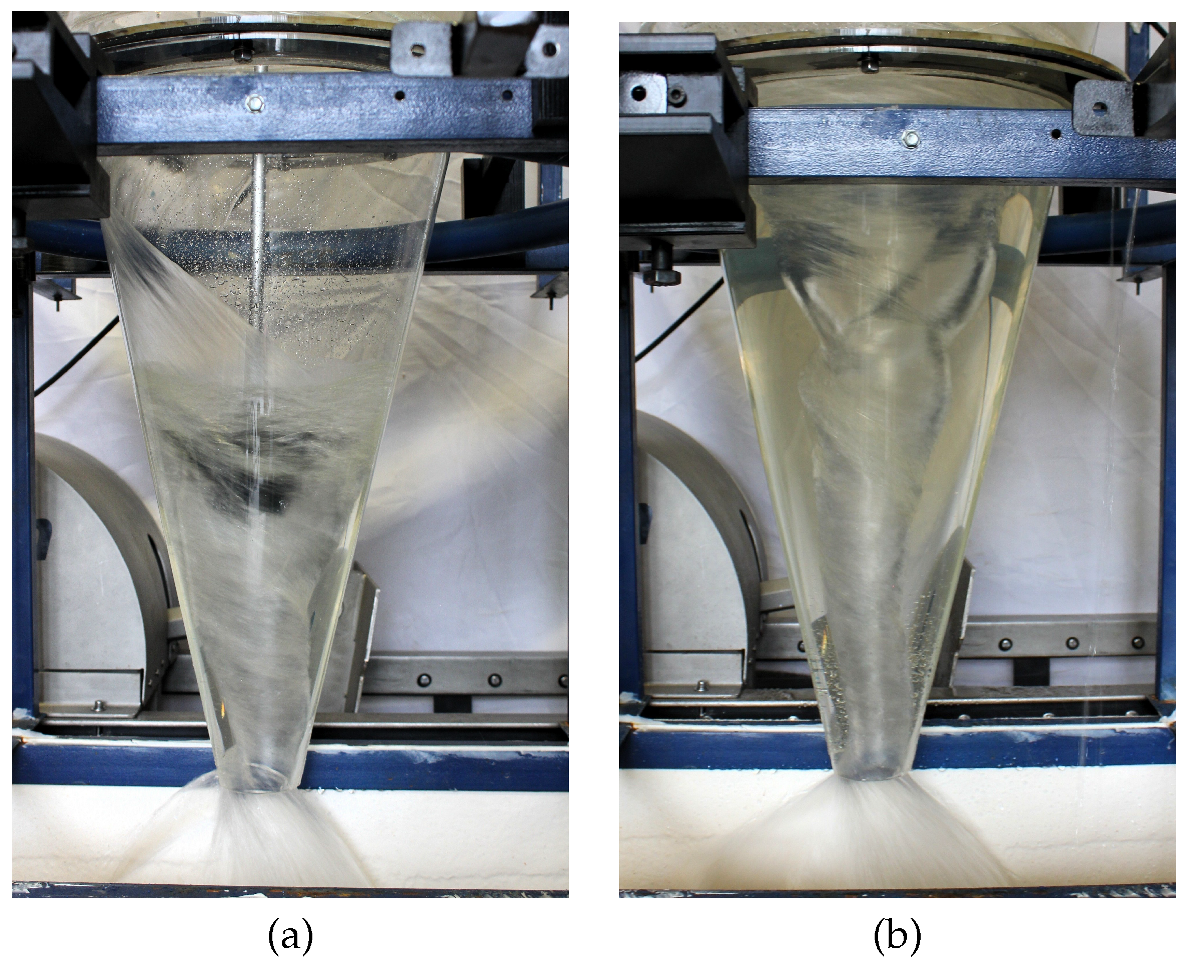
The inlet channel and basin were constructed from 5.5 mm thick transparent acrylic sheets, laser-cut and bonded with adhesive. This material was selected for its optical transparency, which enables direct visualization of vortex formation, its mechanical stiffness and chemical resistance under repeated wet operation, and its favorable cost–manufacturability balance. The runners were manufactured using fused deposition modelling (FDM) 3D printing with 1.75 mm PLA filament, a layer height of 0.2 mm, 20% infill in a grid pattern and an extrusion temperature of 210 °C. This approach ensured adequate geometric accuracy, low production cost, reduced rotational inertia, and sufficient stiffness for laboratory-scale hydrodynamic testing. However, no post-processing or surface smoothing was applied, and the inherent surface roughness of the FDM-printed PLA was not quantified. From a physical standpoint, this roughness increases skin-friction drag and promotes early transition of the boundary layer, generating higher viscous losses along the blade surfaces. The resulting reduction in the tangential component of the flow velocity decreases the effective transfer of angular momentum to the runner and, consequently, the torque-transfer efficiency. Additionally, micro-roughness can induce local flow separation and small-scale turbulence, dissipating kinetic energy before it is converted into useful mechanical power. These effects were not considered in the current CFD simulations, which assumed hydraulically smooth walls and idealized conditions, likely contributing to the overestimation of efficiency in the numerical results.
Instrumentation was implemented to monitor the system’s hydraulic and mechanical performance. To measure the volumetric flow rate
Q, an electromagnetic flow-meter (Siemens SITRANS FM MAG 5100 W (Siemens, Munich, Germany)) was used, ensuring that the inlet conditions stayed within pre-defined tolerances during each test. T and
were recorded with a rotary torque sensor with an integrated encoder (FUTEK TRS 605-FSH02057, Irvine, CA, USA) mounted coaxially on the shaft. Data acquisition was performed using dedicated software at a sampling frequency of 0.1 Hz, providing time series of
Q,
T, and
for each operating point to calculate the mechanical power output (see Equation (
5)). The hydraulic efficiency (
) was then computed according to Equation (
6), using the measured flow rate and the net head
H.
To evaluate the performance of the runners under different operating conditions, the experiment was conducted at constant flow rate while a variable load was applied to the runner. Load control was achieved through an active electrical brake based on a Pololu 4741 micromotor (Pololu Robotics and Electronics, Las Vegas, NV, USA), mounted coaxially with the shaft and driven in opposition to the direction of rotation, effectively acting as a controllable energy absorber. The brake current was adjusted in discrete steps using a variable frequency drive (VFD) and power supply, allowing precise control of torque resistance and rotational speed. At each load step, the system was allowed to reach steady conditions before recording data for 5, and the procedure was repeated until the runner stopped, generating the
curves used for comparison with CFD predictions.
Figure 8 illustrates the full experimental setup used in this study.