Article

Bioactivity of Organic Fermented Soymilk as Next-Generation Prebiotic/Probiotics Mixture

1
Special Food and Nutrition Department, Food Technology Research Institute, Agriculture Research Center, Giza 12619, Egypt
2
Department of Agricultural Microbiology, Faculty of Agriculture, Ain Shams University, Cairo 11241, Egypt
3
Department of Hotel Studies, High Pharaohs Institute of Tourism and Hotels, Giza 12619, Egypt
4
Biological Sciences Department, College of Science & Arts, King Abdulaziz University, Rabigh 21911, Saudi Arabia
5
Department of Biological Sciences, Faculty of Science, King Abdulaziz University, Jeddah 21589, Saudi Arabia
6
Department of Biotechnology, College of Science, Taif University, Taif 21944, Saudi Arabia
7
Department of Genetics, Faculty of Agriculture, Ain Shams University, Cairo 11241, Egypt
8
Al-Borg Medical Laboratories, Al Borg Diagnostics, Jeddah 21589, Saudi Arabia
*
Authors to whom correspondence should be addressed.
Fermentation 2022, 8(10), 513; https://doi.org/10.3390/fermentation8100513

Submission received: 20 August 2022 / Revised: 26 September 2022 / Accepted: 26 September 2022 / Published: 4 October 2022

Abstract

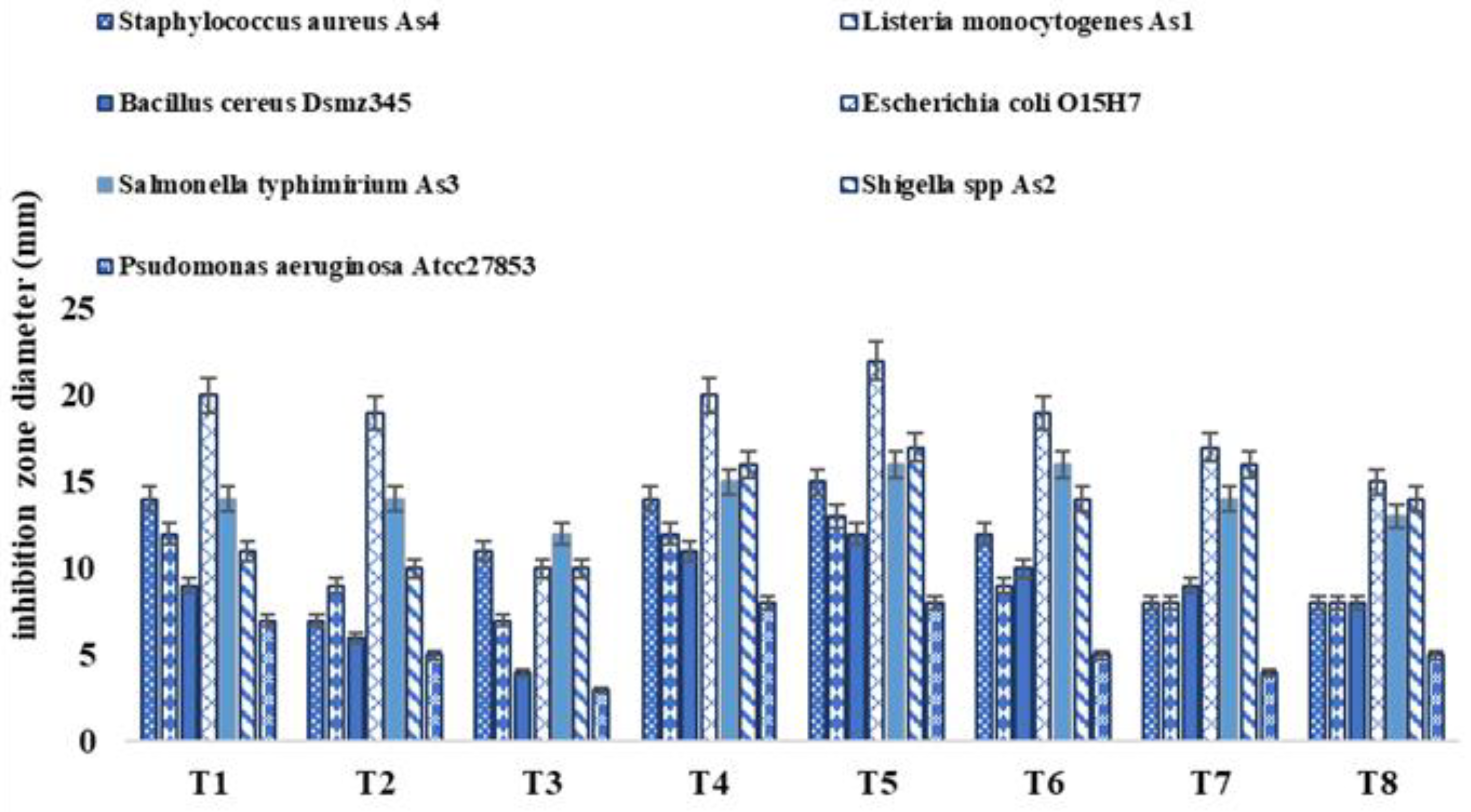
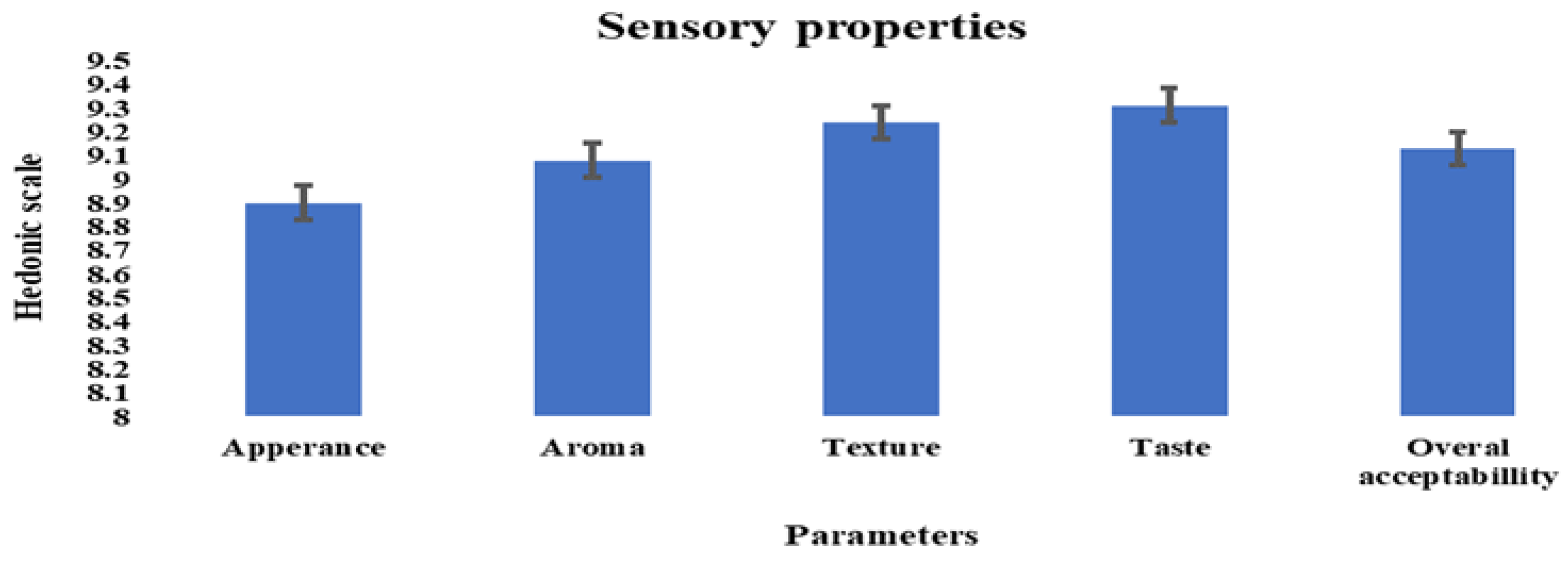
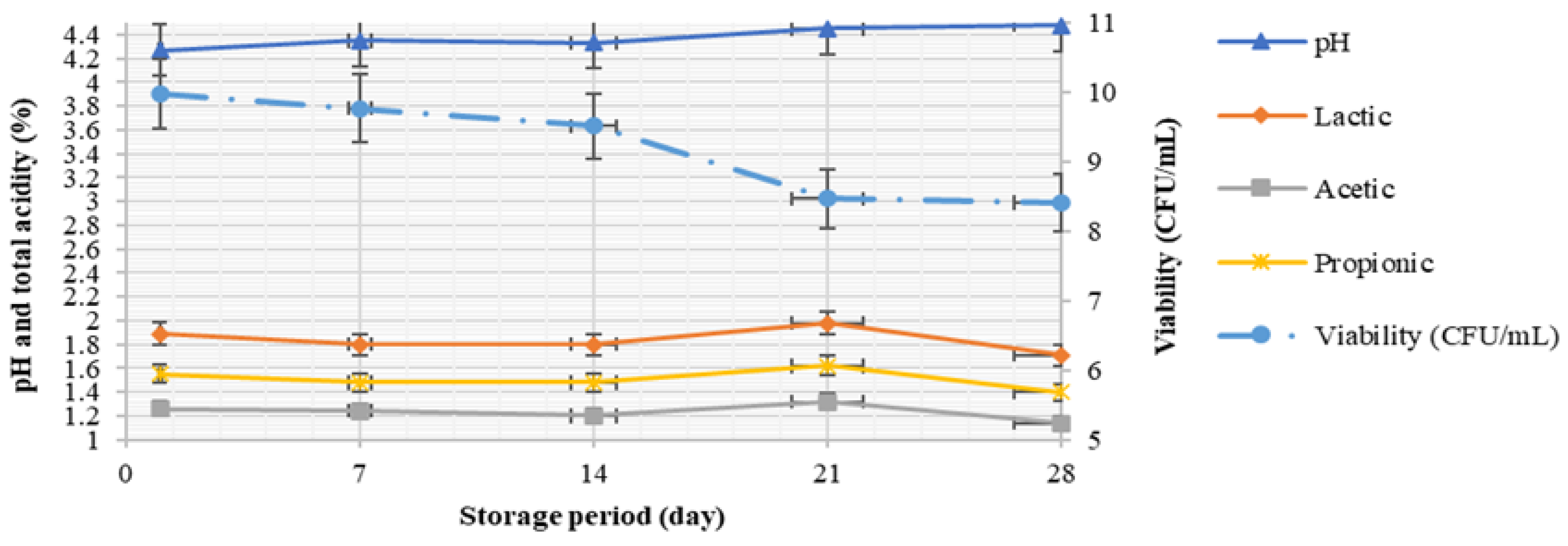
Fermented soymilk (soymilk yogurt) was made by fermenting soymilk with five probiotic bacterial strains (Lactobacillus plantarum ATCC 14917, Lactobacillus casei DSM 20011, Lactobacillus acidophilus ATCC 20552, Lactococcus thermophilus DSM 20259, and Bifidobacterium longum B41409) that were used as monocultures and combined with them as consortia cultures. Seven pathogenic strains, E. coli O157H7, S. aureus As4, S. typhimurium As3, S. shigae As2, L. monocytogenes As1, P. aeruginosa ATCC 27853, and B. cereus Dsmz 345, were used to study the antibacterial activity of fermented soymilk by agar well diffusion assay. Results indicated that Gram-negative pathogenesis was more sensitive to probiotic cultures than Gram-positive pathogenesis. E. coli O15H7, S. typhimirium As3, and Shigella shigae As2 were more sensitive to probiotic cultures, presenting inhibition zone diameters (IZA) ranging from 10 to 20 mm, 12 to 16 mm, and 10 to 16 mm, respectively. At the same time, P. aeruginosa Atcc 27853 showed the lowest (IZA), ranging from 3 mm to 8 mm. The minimum inhibitory concentration (MIC) and minimum bactericidal concentration (MBC) were determined at various concentrations of soymilk fermented by T1, T4, and T5, ranging from 0.031 mg/mL to 1 mg/mL against pathogenic bacterial strains. The sensory properties of FSM were evaluated, and sensory analysis during soymilk fermentation showed significant improvement. The effect of shelf life (storage period) on FSM quality and properties was evaluated; during shelf life (storage period), FSM saved its properties and quality after 28 days of cold storage. Finally, it was stated that the soymilk yogurt can be used as a substitute for buffalo and cow milk for therapeutic feeding in the future.
Keywords: fermented soymilk; probiotic bacteria; soybean; pathogenic bacteria; antibacterial; minimum inhibitory concentration (MIC); minimum bactericidal concentration (MBC); storage period fermented soymilk; probiotic bacteria; soybean; pathogenic bacteria; antibacterial; minimum inhibitory concentration (MIC); minimum bactericidal concentration (MBC); storage period