
Comparative Serum Proteome Analysis Indicates a Negative Correlation between a Higher Immune Level and Feed Efficiency in Pigs
by
 , , and
Siran Zhu
1,†,
Jinglei Si
1,2,†,
Huijie Zhang
3,†,
Wenjing Qi
1,
Guangjie Zhang
1,
Xueyu Yan
1,
Ye Huang
1,
Mingwei Zhao
1,
Yafen Guo
1,
Jing Liang
1,* and
Ganqiu Lan
1,* 1
College of Animal Science & Technology, Guangxi University, Nanning 530004, China
2
Guangxi State Farms Yongxin Animal Husbandry Group Co., Ltd., Nanning 530004, China
3
Guangxi Botanical Garden of Medicinal Plants, Nanning 530023, China
*
Authors to whom correspondence should be addressed.
†
These authors contributed equally to this work and share first authorship.
Vet. Sci. 2023, 10(5), 338; https://doi.org/10.3390/vetsci10050338
Submission received: 24 March 2023
/
Revised: 27 April 2023
/
Accepted: 6 May 2023
/
Published: 10 May 2023
(This article belongs to the Special Issue Effects of Diet on Small Animal Health)
Simple Summary
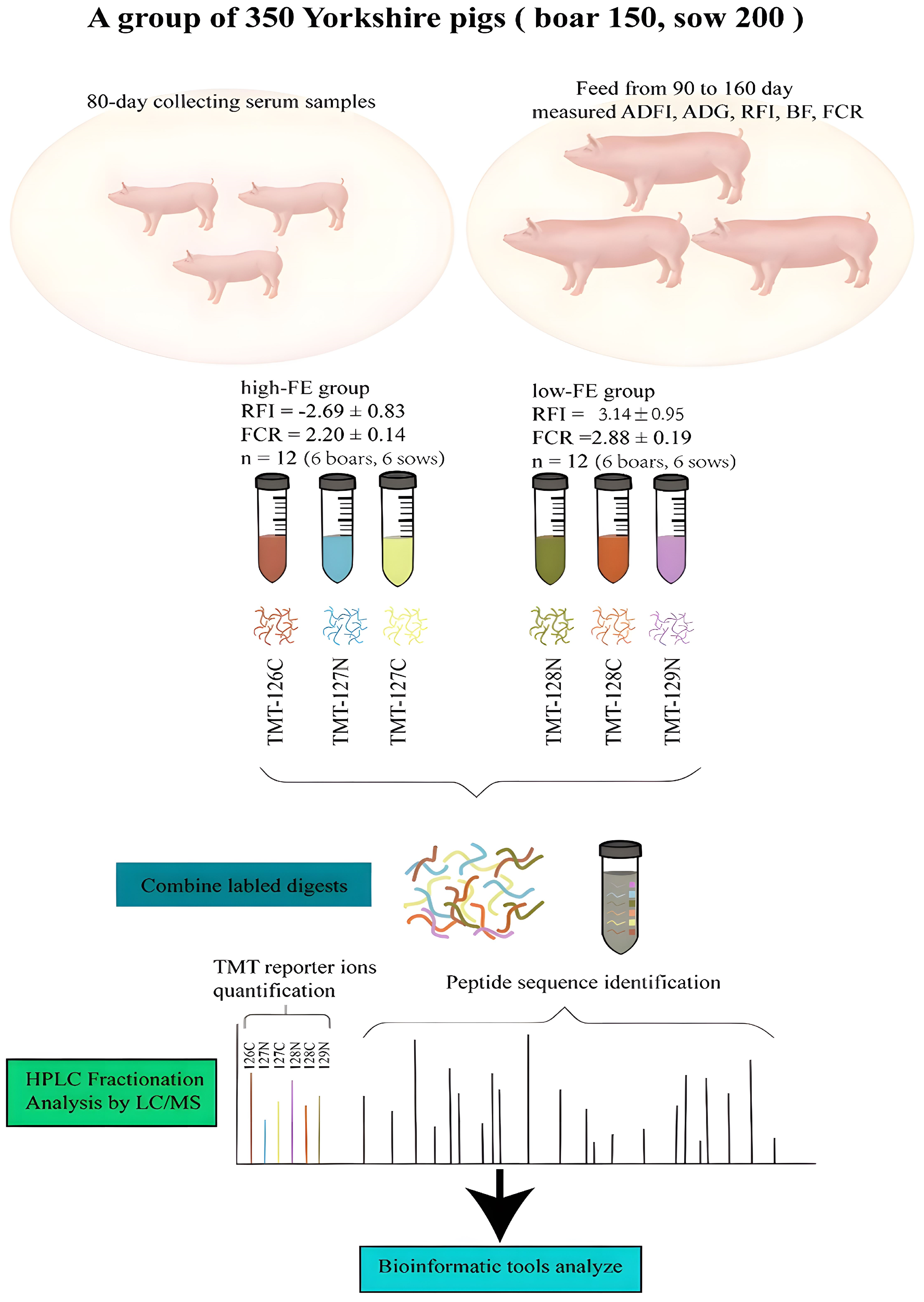
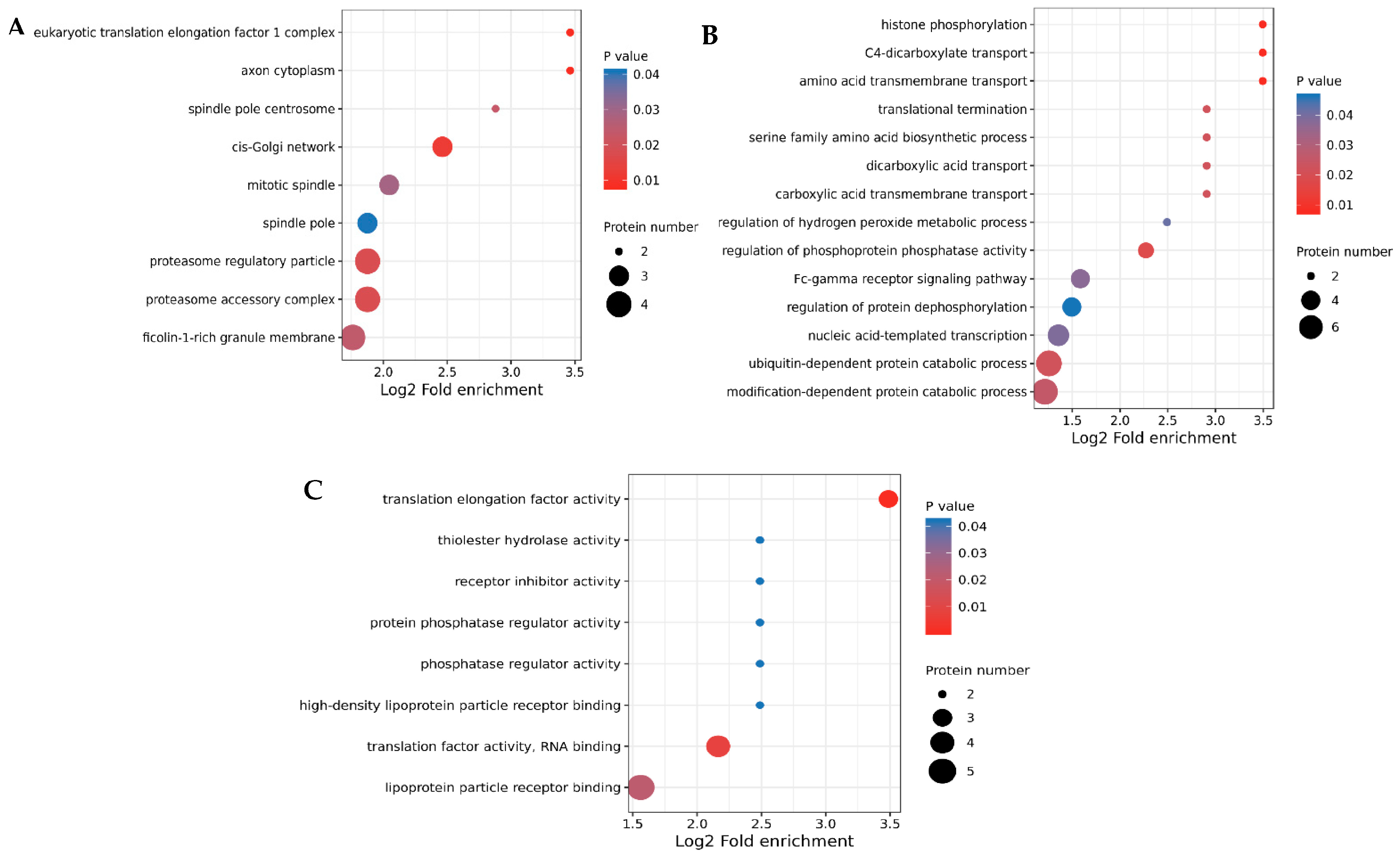
In this study, based on the analysis of the feeding behavior of 350 Yorkshire pigs (90–160 days old), 24 pigs with a high- and low-feed rate (12 high and 12 low, half male and female, 80 days old) were selected for serum proteome sequencing. The results of the biological enrichment of differentially expressed proteins in the high-feed efficiency group and low-feed efficiency group were analyzed, and it was found that differentially expressed proteins were significantly enriched in metabolism-related pathways (glucose metabolism, lipid metabolism, immunity, and inflammation). The differentially expressed proteins were significantly enriched and significantly down-regulated in each immune pathway. Therefore, a higher level of immunity may not be conducive to improve the feed efficiency of pigs. The results of this study provide a favorable reference for the selection of early pig feed utilization efficiency in the actual production process.
Abstract
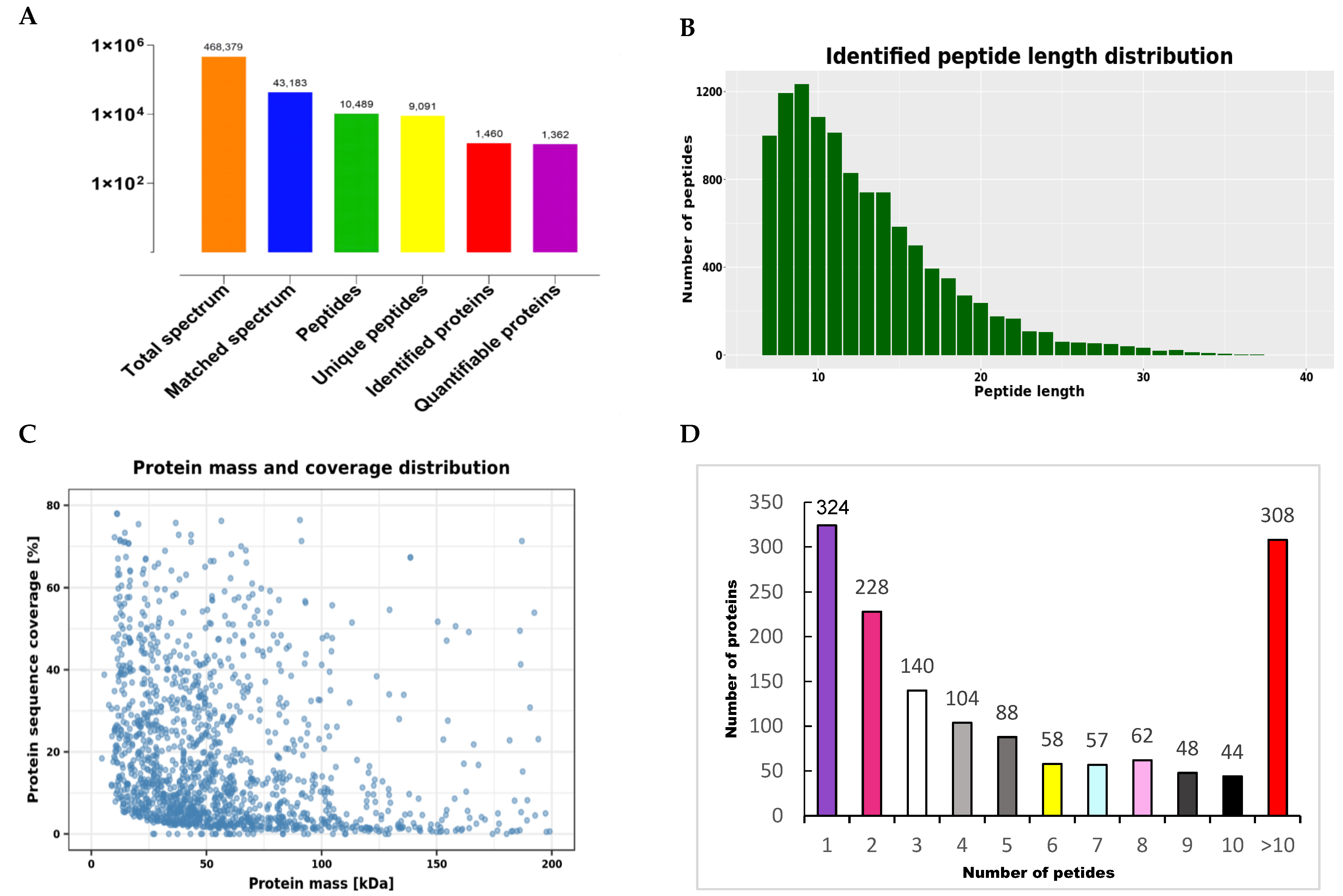
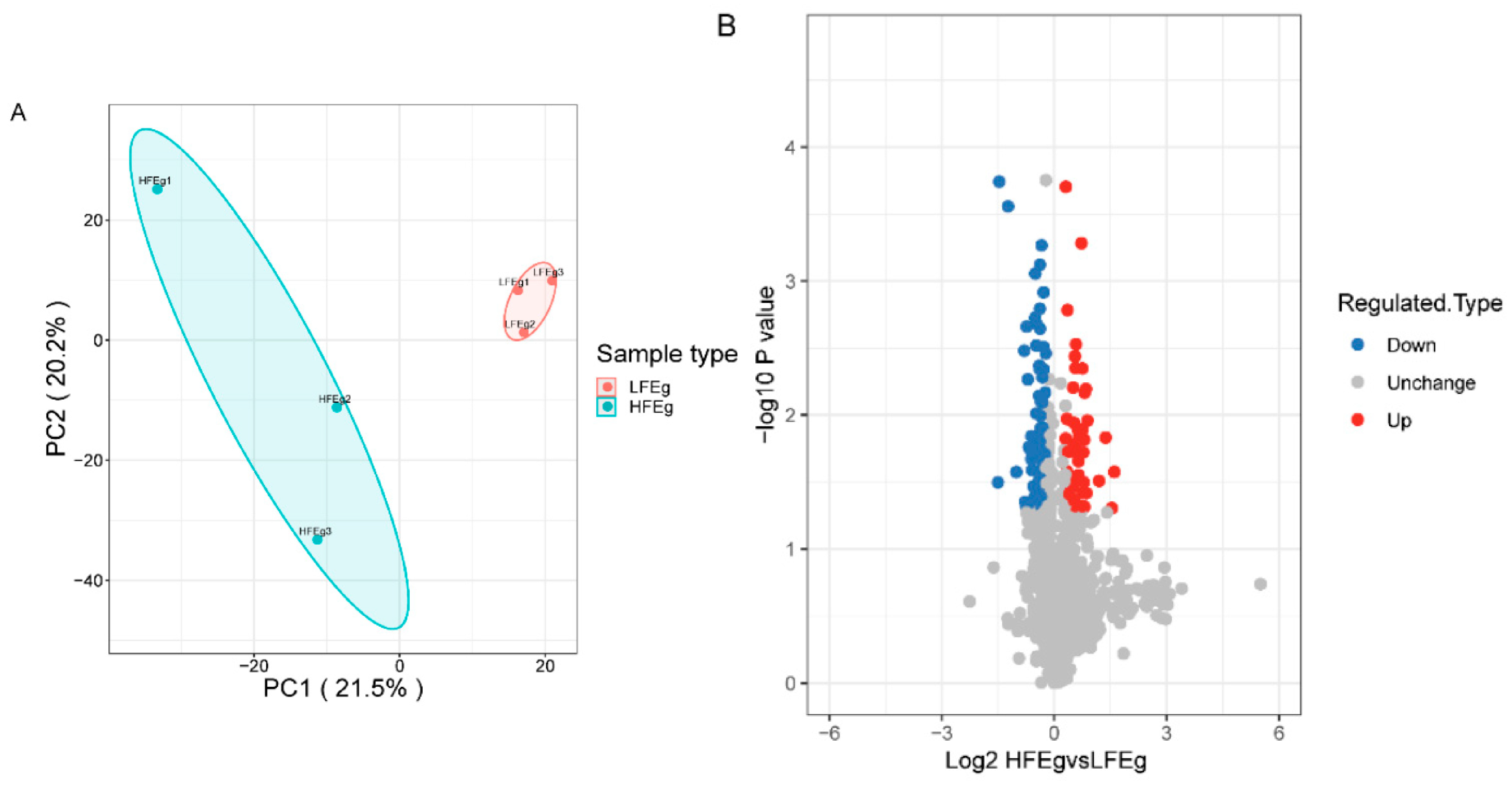
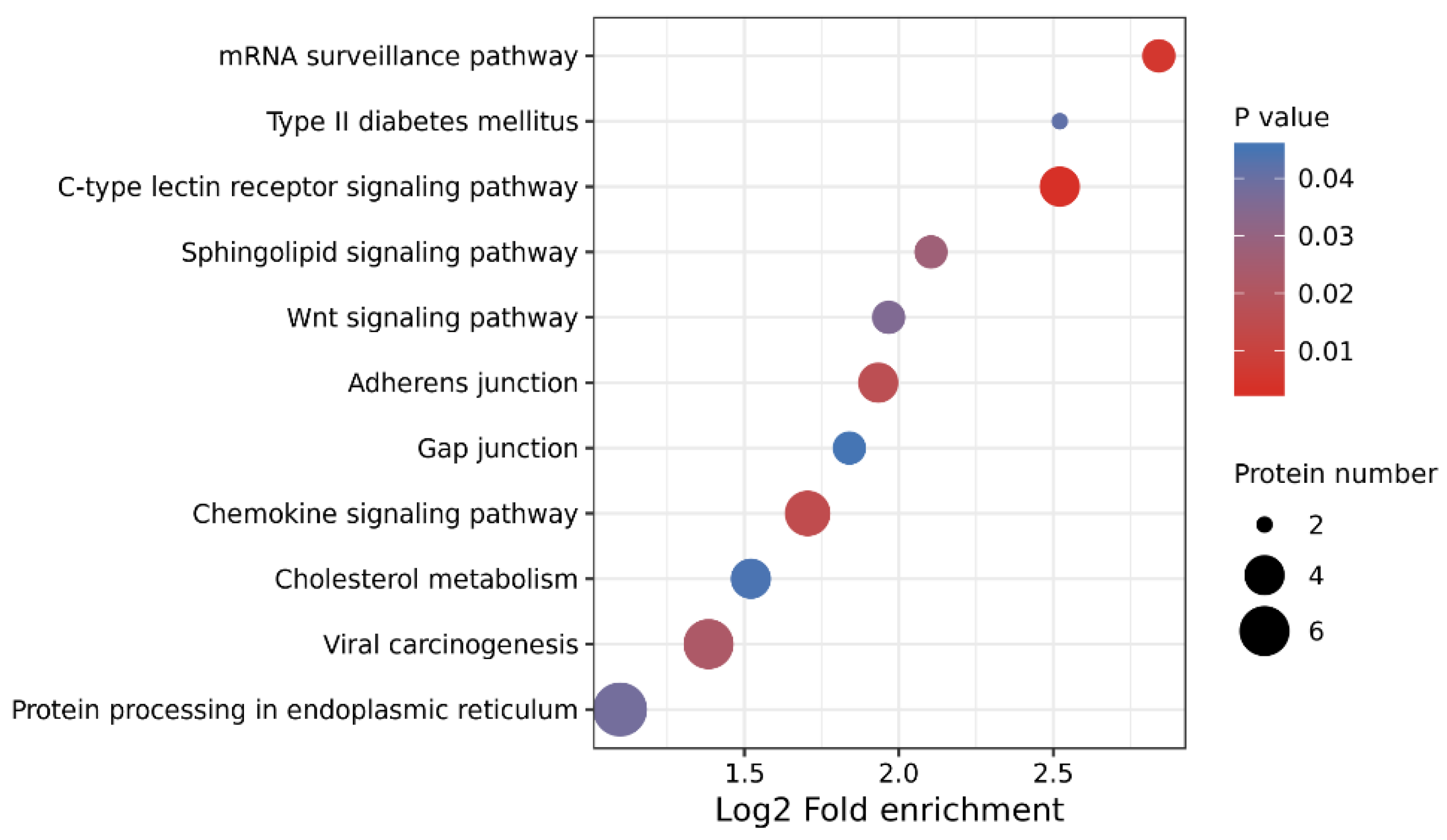
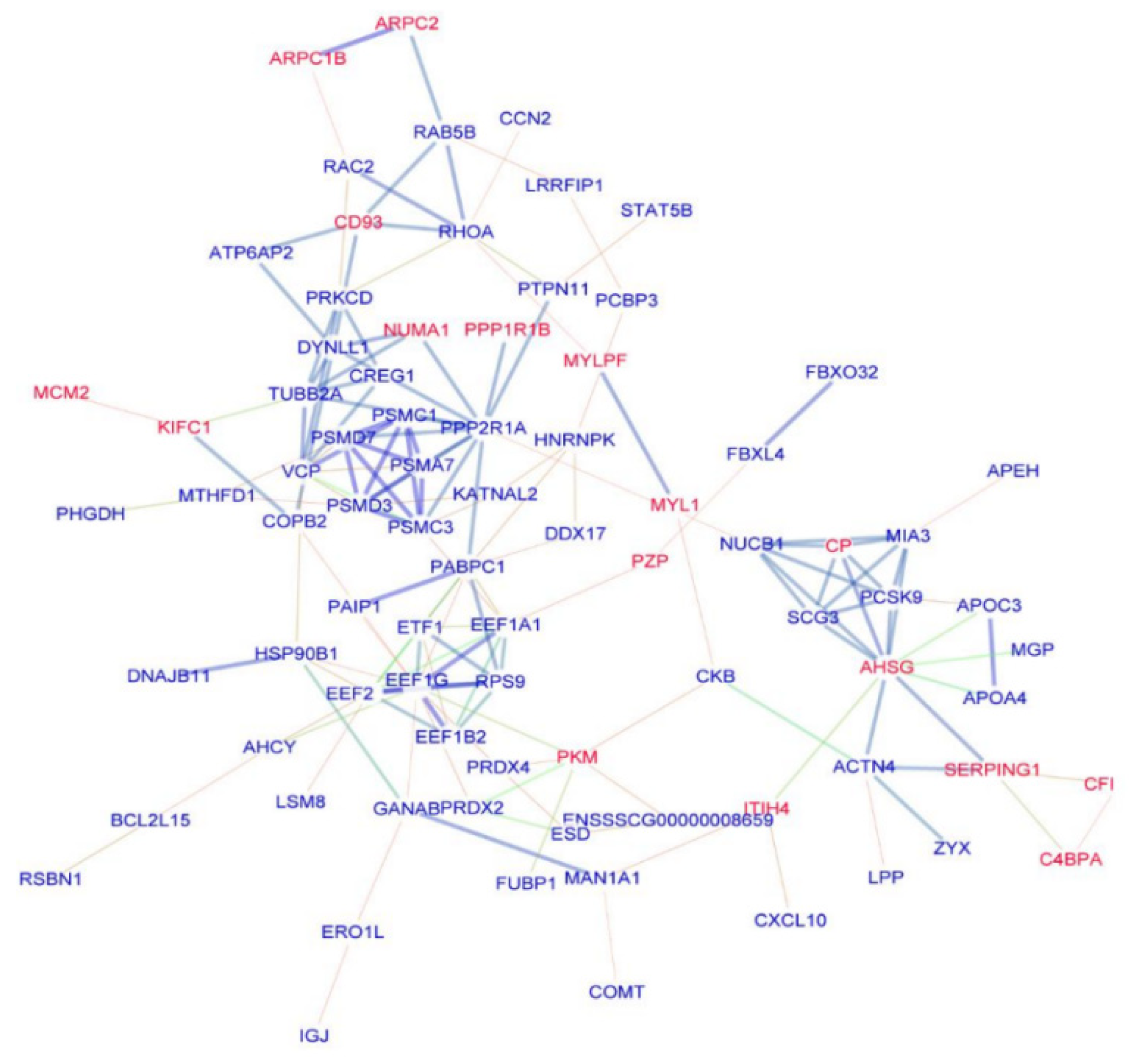
Identifying and verifying appropriate biomarkers is instrumental in improving the prediction of early-stage pig production performance while reducing the cost of breeding and production. The main factor that affects the production cost and environmental protection cost of the pig industry is the feed efficiency of pigs. This study aimed to detect the differentially expressed proteins in the early blood index determination serum between high-feed efficiency and low-feed efficiency pigs and to provide a basis for further identification of biomarkers using the isobaric tandem mass tag and parallel reaction monitoring approach. In total, 350 (age, 90 ± 2 d; body weight, 41.20 ± 4.60 kg) purebred Yorkshire pigs were included in the study, and their serum samples were obtained during the early blood index determination. The pigs were then arranged based on their feed efficiency; 24 pigs with extreme phenotypes were grouped as high-feed efficiency and low-feed efficiency, with 12 pigs in each group. A total of 1364 proteins were found in the serum, and 137 of them showed differential expression between the groups with high- and low-feed efficiency, with 44 of them being upregulated and 93 being downregulated. PRM (parallel reaction monitoring) was used to verify 10 randomly chosen differentially expressed proteins. The proteins that were differentially expressed were shown to be involved in nine pathways, including the immune system, digestive system, human diseases, metabolism, cellular processing, and genetic information processing, according to the KEGG and GO analyses. Moreover, all of the proteins enriched in the immune system were downregulated in the high-feed efficiency pigs, suggesting that a higher immune level may not be conducive to improving feed efficiency in pigs. This study provides insights into the important feed efficiency proteins and pathways in pigs, promoting the further development of protein biomarkers for predicting and improving porcine feed efficiency.
Keywords:
proteome; biomarkers; feed efficiency; serum; pig