You are currently viewing a new version of our website. To view the old version click .
Data
  • Data Descriptor
  • Open Access

24 December 2025

Seasonal Trap Captures Data of Stink and Leaf-Footed Bugs in a Northern Italian Ecosystem

,
,
,
,
,
,
,
,
and
1
Department of Agricultural, Food and Environmental Sciences, University of Perugia, Borgo XX Giugno, 74, 06121 Perugia, Italy
2
Russell IPM Ltd., Deeside CH5 2NU, UK
3
Consorzio Fitosanitario di Reggio Emilia, 42124 Reggio Emilia, Italy
*
Author to whom correspondence should be addressed.

Abstract

An essential first step to implement a control strategy against herbivorous insects is the monitoring of their populations. The efficacy of pheromone-based traps in capturing herbivorous insects can be enhanced by adding adjuvants and using slow-release dispensers to ensure long-lasting attractiveness. Here, we present datasets from a two-year field monitoring campaign of the invasive brown marmorated stink bug, Halyomorpha halys (Stål) (Hemiptera: Pentatomidae), using clear sticky traps baited with its aggregation pheromone and a synergist, tested towards different dispensers and adjuvants. Bycatch data for native stink bugs (all Hemiptera: Pentatomidae) and leaf-footed bugs (Hemiptera: Coreidae) are also presented. The R code provided was used to organize data and generate weekly captures or weekly density of both H. halys and non-target species. The information provided in this article may contribute to the optimization of pest control strategies in agriculture.
Dataset: Available in the Supplementary Materials.
Dataset License: CC-BY 4.0

1. Summary

In the area where it has established, the brown marmorated stink bug, Halyomorpha halys (Stål) (Hemiptera: Pentatomidae), poses a significant threat to agriculture [1,2,3].
The need for sustainable and effective monitoring strategies for invasive and highly migratory insects, such as H. halys, is paramount [4]. Monitoring invasive pests is challenging because little is known about their ecology and behavior in recently introduced areas. While trap designs based on visual and vibrational stimuli can be used, e.g., [5,6], pheromone-based traps are the simplest and most commonly used method [7]. However, pheromones must be used with care as they degrade rapidly in the field. Several pheromone-baited trap features must be tested when the choice of the best attractant is under investigation [8]. Some examples of characteristics to consider are pheromone lure substrate, trap type, lure longevity, and field position [9]. It is essential that dispensers continuously release a small amount of pheromone over a prolonged period [10]. The attractivity of lures can be evaluated in the field by counting the number of insects captured over the season [11], and improving the dispenser design can optimize pest trapping [12]. Nowadays, the main attractant adopted to monitor H. halys populations is its two-component aggregation pheromone, (3S,6S,7R,10S)-10,11-epoxy-1-bisabolen-3-ol and (3R,6S,7R,10S)-10,11-epoxy-1-bisabolen-3-ol (both hereby referred as “PHER”), used in synergy with the aggregation pheromone of Plautia stalii (Scott) (Hemiptera: Pentatomidae), methyl (2E,4E,6Z)-2,4,6-decatrienoate (“MDT”) [13,14].
In the main article by Giannuzzi et al. [11], using sticky traps, the best combination of the pheromonal component with the synergist, the dispenser type, and the inclusion of different adjuvants was evaluated through a two-year field trial (2023 and 2024) in a natural reserve in Northern Italy. Trap captures of H. halys juveniles, adults, and non-target stink bugs (Hemiptera: Pentatomidae) and leaf-footed bugs (Hemiptera: Coreidae) were recorded weekly. At the same time, the density of H. halys individuals and non-target species around the traps was assessed. In fact, the combination of the aggregation pheromone and a synergist strengthens H. halys in the area surrounding the odor source [15].
The results of the analyses are fully reported in the main research article [11], which showed that the combination of higher doses of both pheromone and synergist with a dispenser consisting of a non-biodegradable polymer (NBP) that included the adjuvant, performed better in 2023 than the blister pack (BLS) and wax tablet (WXT) dispensers. In 2024, the bio-polymer (BIP) and blister pack (BLS) dispensers that were compared did not differ from each other, but both performed significantly better than the control. The addition of adjuvants and the presence of the two pheromone components on the same dispenser (single lure) or their loading in two different dispenser portions (dual lure) did not improve the attraction. The method reported here would be useful for future experiments aiming to evaluate the efficacy of newly designed pheromone traps in monitoring insect populations. Proper monitoring means are helpful for pest control purposes. For example, by identifying the period of early infestation, it is possible to apply sustainable treatments with natural products [16,17,18]. Also, the presence of physogastric adults may be related to the presence of freshly laid eggs on plants, and this could be the perfect time for egg parasitoid release, such as T. mitsukurii [19] or T. japonicus [20,21,22]. The graphical representation of trap catches and insect abundance makes it easy to understand the data, and the methodology used in this manuscript may be useful to other researchers.

2. Data Description

The 2023 and 2024 field data from [11] and the R v4.3.2 script used for their graphical representation are deposited in the Supplementary Materials.
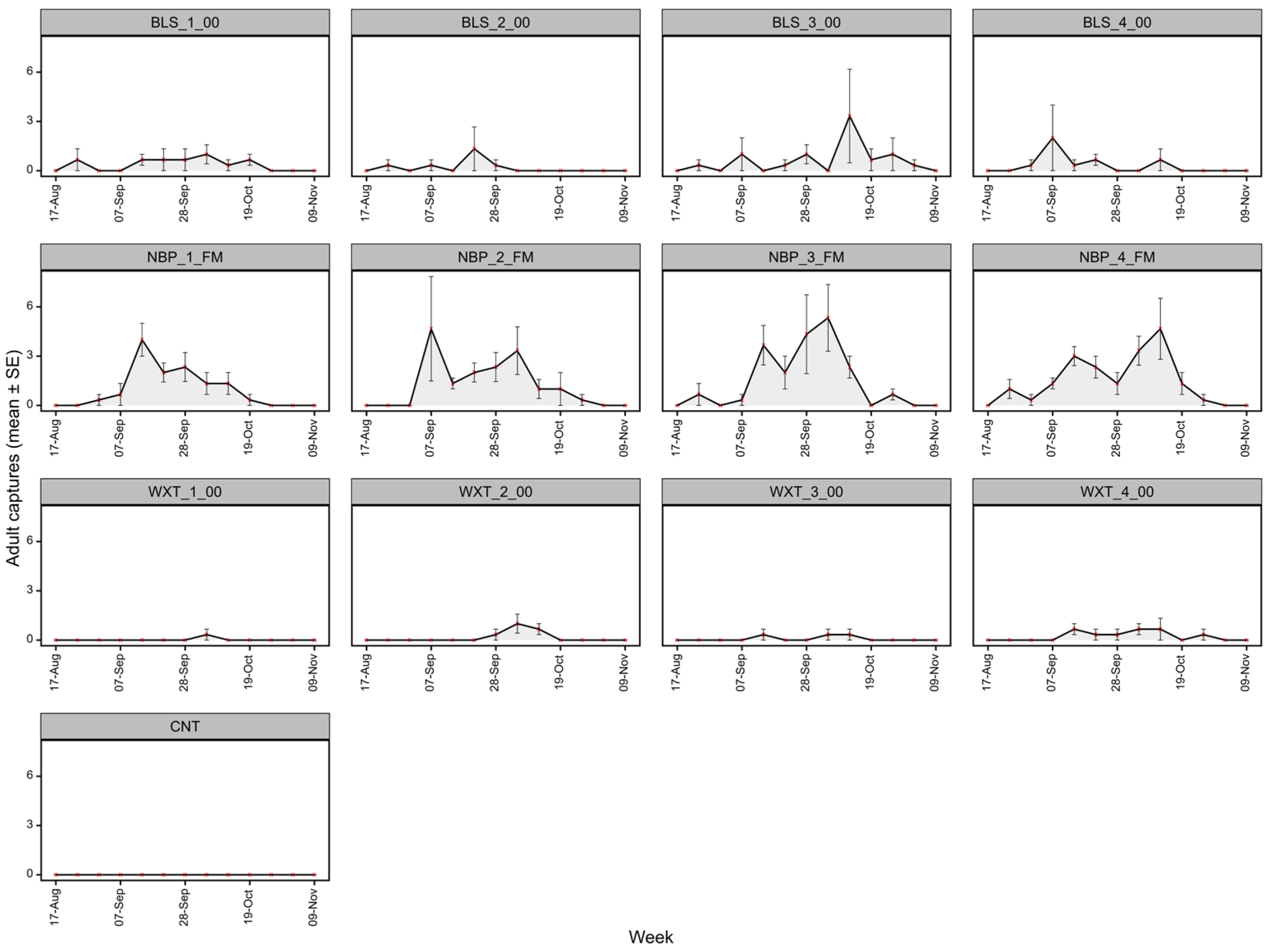
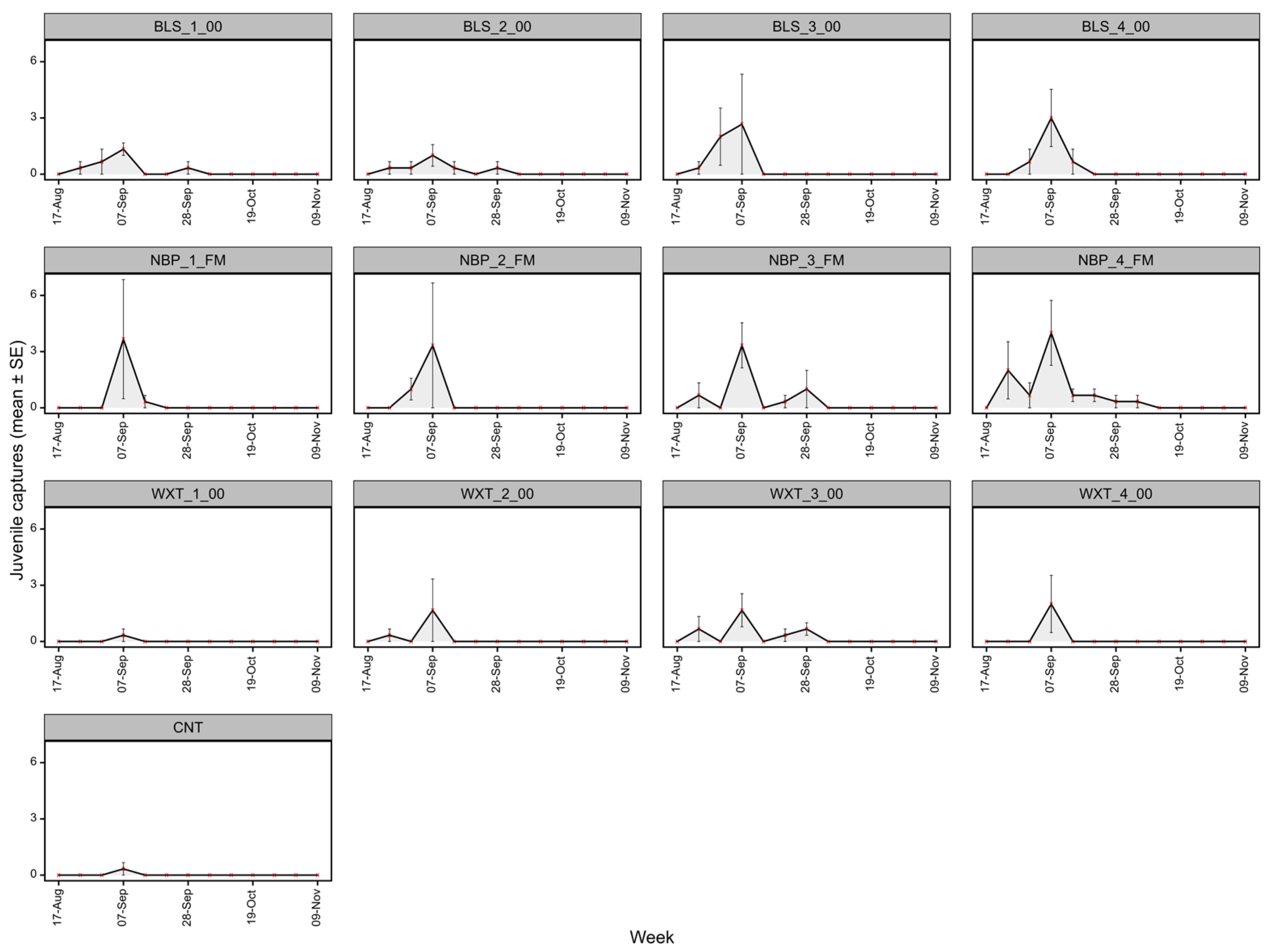
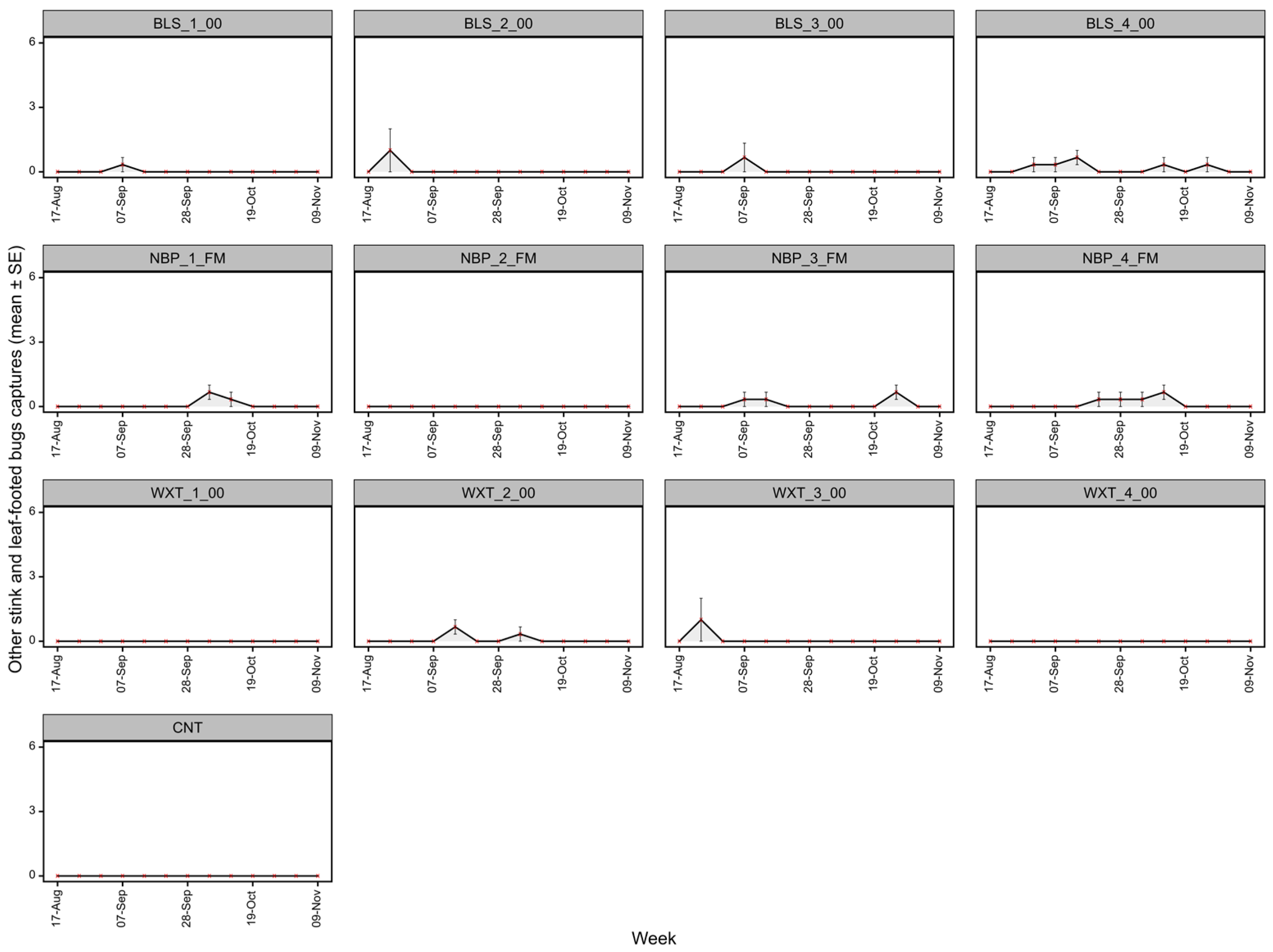
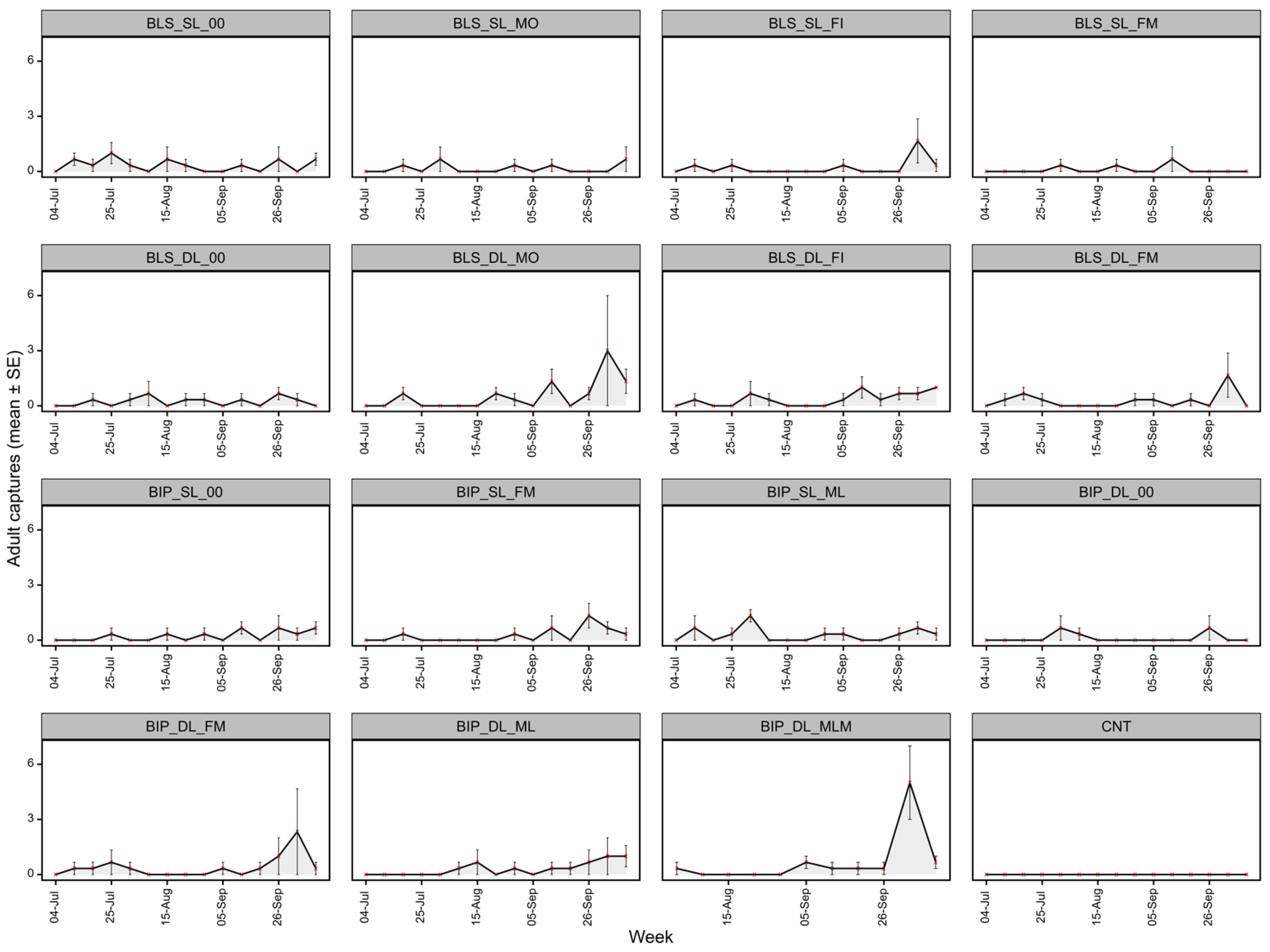
In the same section, the geographic coordinates of the traps are provided in the file “coordinates.csv”, and the monitored area is illustrated in the PDF file “study_area.pdf”. The four files “2023 trap captures.csv”, “2023 abundance in the surrounding vegetation.csv”, “2024 trap captures.csv”, and “2024 abundance in the surrounding vegetation.csv” are used by the file “R_script_graphs.txt”. This file contains the R code used to represent the data (e.g., Figure 1, Figure 2, Figure 3, Figure 4, Figure 5, Figure 6, Figure 7, Figure 8, Figure 9, Figure 10, Figure 11 and Figure 12).
Figure 1. Trend of Halyomorpha halys adult trap captures (mean ± SE) during the 2023 field trial. “BLS” stands for blister pack, “WXT” for wax tablet, and “NBP” for non-biodegradable polymer. In addition to control (CNT, no lure, no dispenser), four different combinations of PHER/MDT were evaluated: 10/125 mg (“1”), 15/125 mg (“2”), 20/200 mg (“3”), and 20/300 mg (“4”). The NBP dispenser included a fatty acid methyl ester (FM) as adjuvant, while no adjuvants were added to the others (“00”).
Figure 2. Trend of Halyomorpha halys juvenile trap captures (mean ± SE) during the 2023 field trial. Abbreviations as in Figure 1 and Table 1.
Figure 3. Trend of other stink and leaf-footed bug adult trap captures (mean ± SE) during the 2023 field trial. Abbreviations as in Figure 1 and Table 1.
Figure 4. Trend of Halyomorpha halys adult trap captures (mean ± SE) during the 2024 field trial. “BLS” stands for blister pack, “BIP” for bio-polymer, “SL” for single lure, “DL” for dual lure, and “CNT” for control (no lure, no dispenser). Different adjuvants were added together with PHER/MDT (10 mg/125 mg): mineral oil (“MO”), a fatty acid isopropyl ester (“FI”), a fatty acid methyl ester (“FM”), and fatty acid methyl ester with lignocellulosic flour (“ML”). When no adjuvants were added, it was referred to as “00”. The dual lure BIP with PHER without adjuvants and MDT with ML was denoted as “BIP_DL_MLM”.
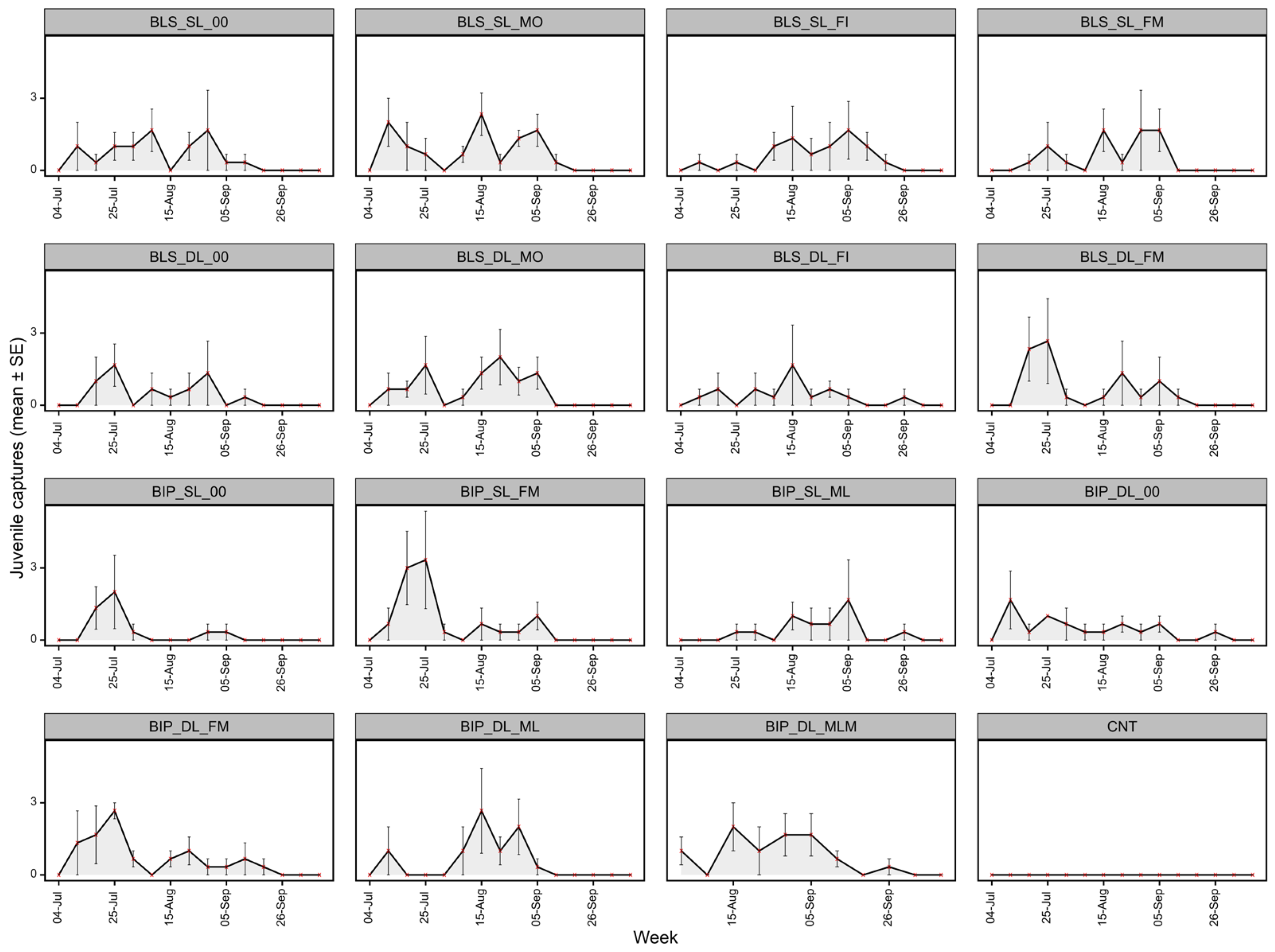
Figure 5. Trend of Halyomorpha halys juvenile trap captures (mean ± SE) during the 2024 field trial. Abbreviations as in Figure 4 and Table 2.
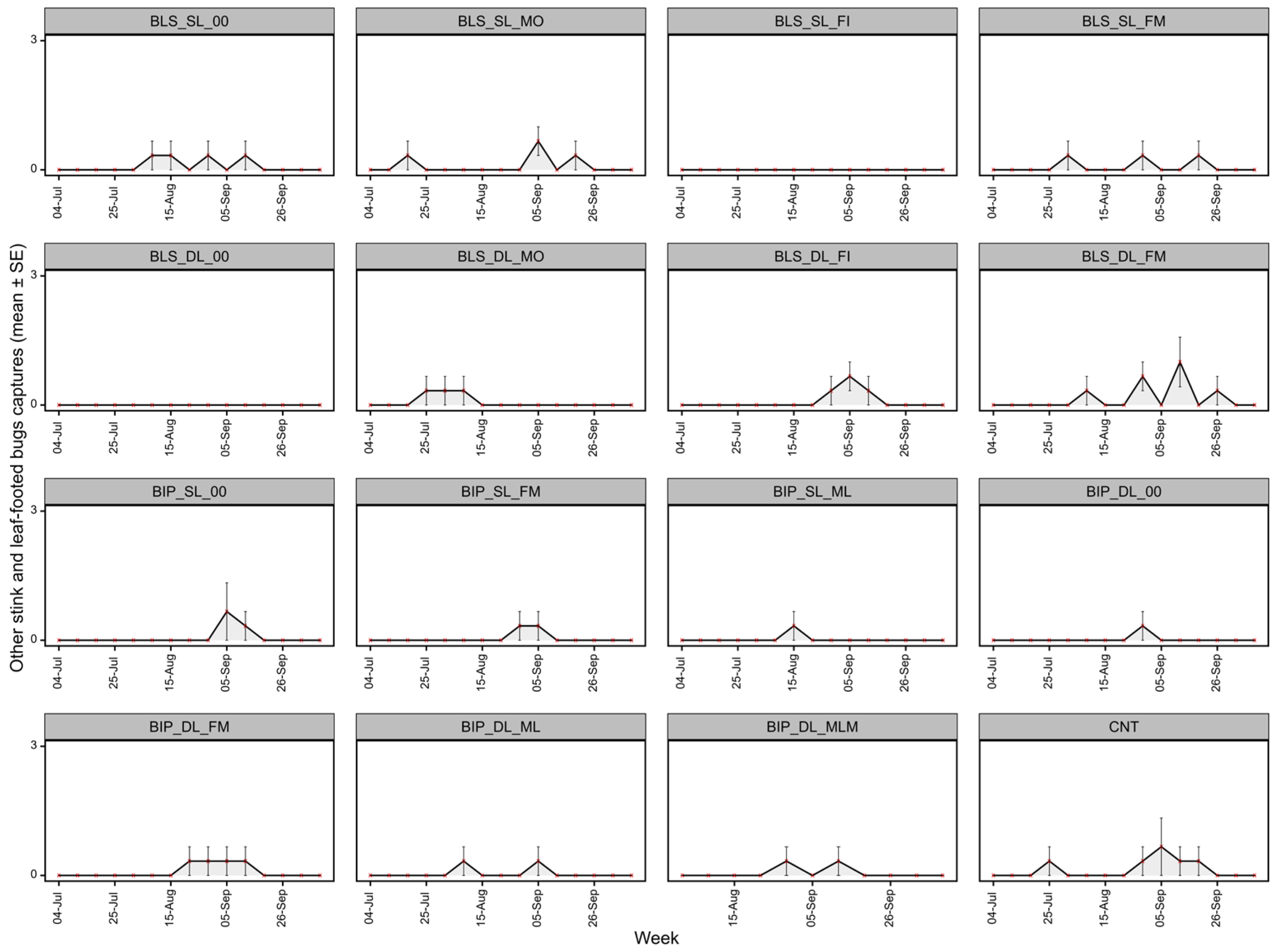
Figure 6. Trend of other stink and leaf-footed bug trap captures (mean ± SE) during the 2024 field trial. Abbreviations as in Figure 4 and Table 2.
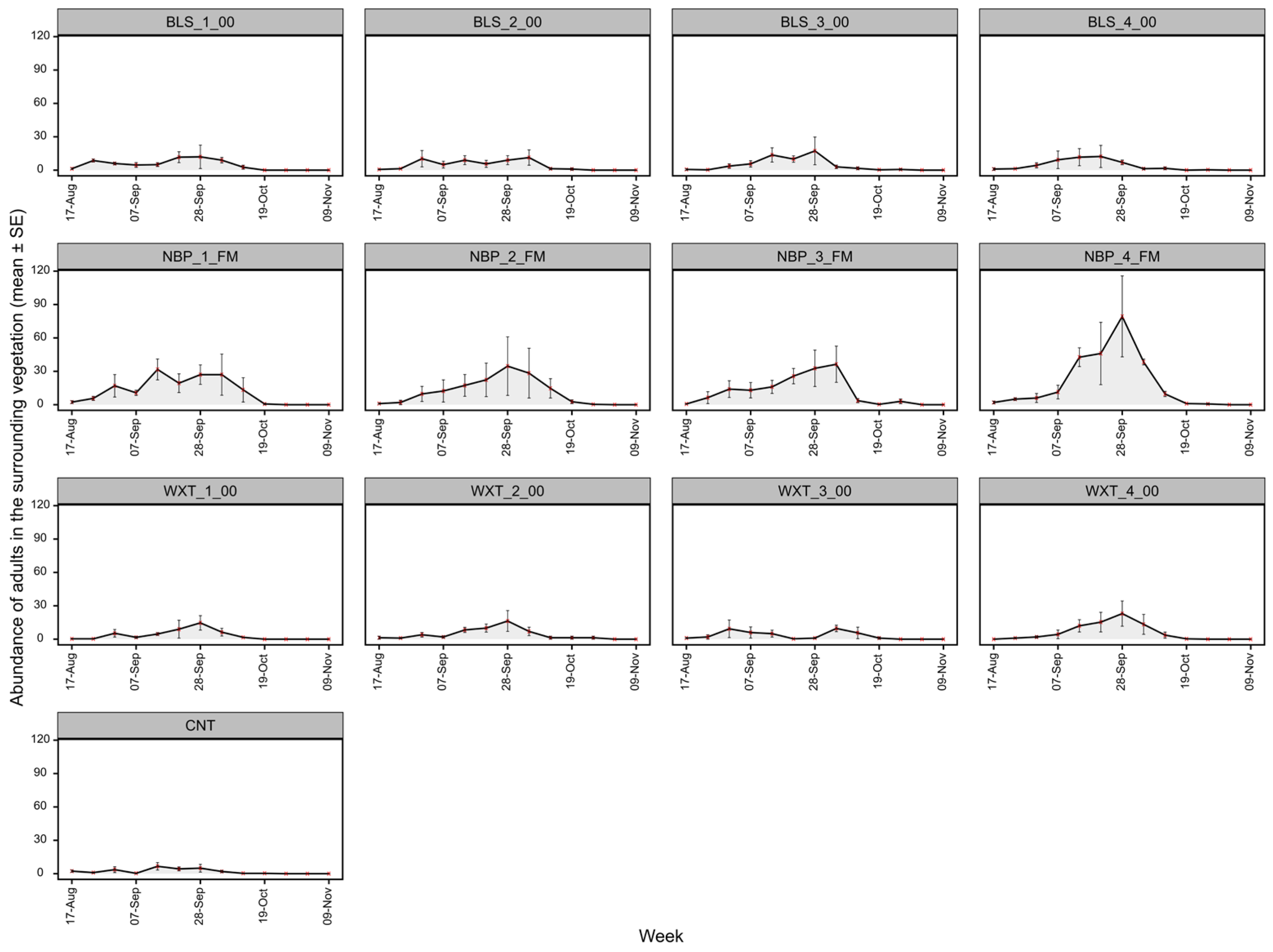
Figure 7. Trend of Halyomorpha halys adult density in the surrounding vegetation (mean ± SE) during the 2023 field trial. Abbreviations as in Figure 1 and Table 1.
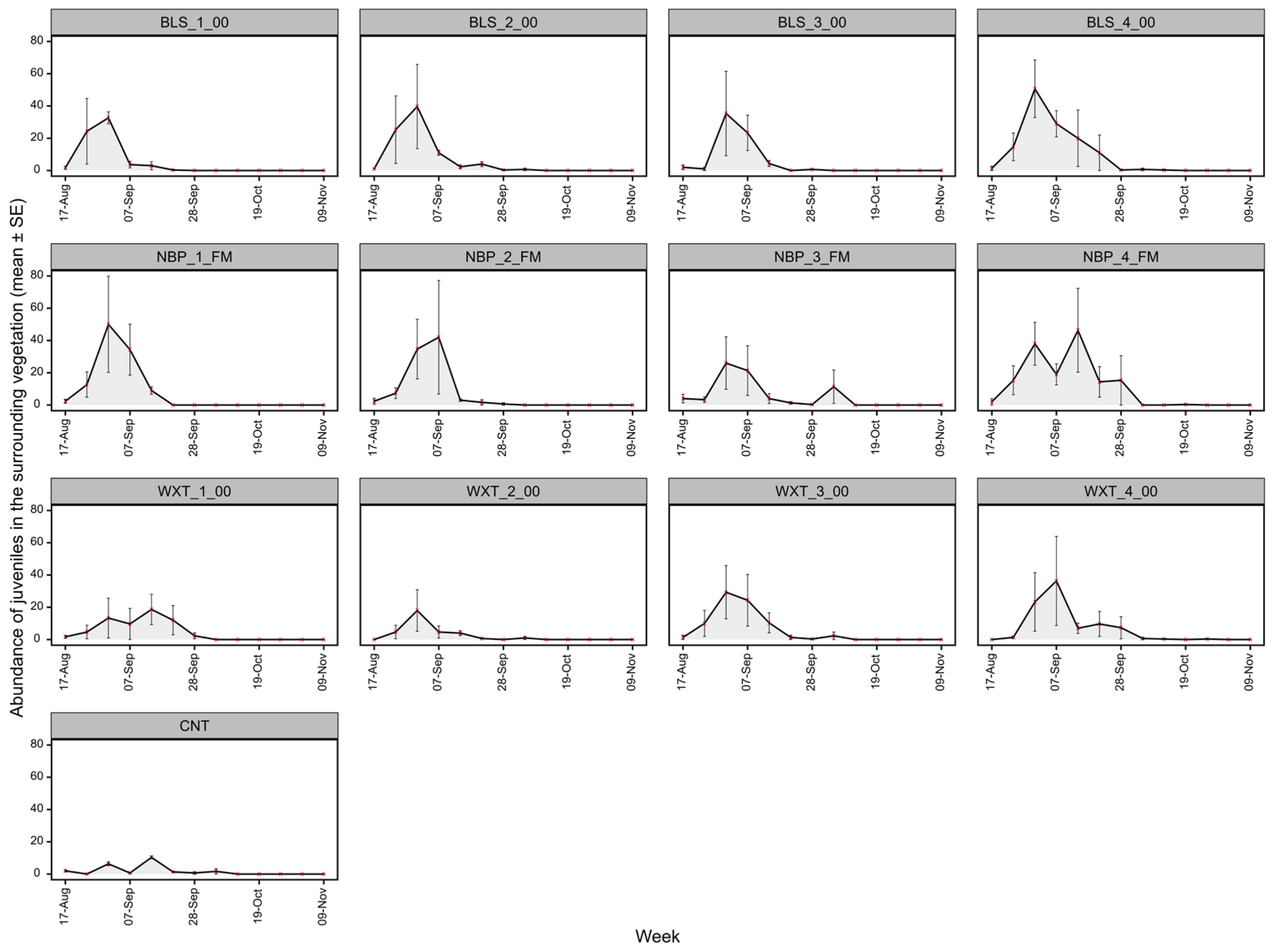
Figure 8. Trend of Halyomorpha halys juvenile density in the surrounding vegetation (mean ± SE) during the 2023 field trial. Abbreviations as in Figure 1 and Table 1.
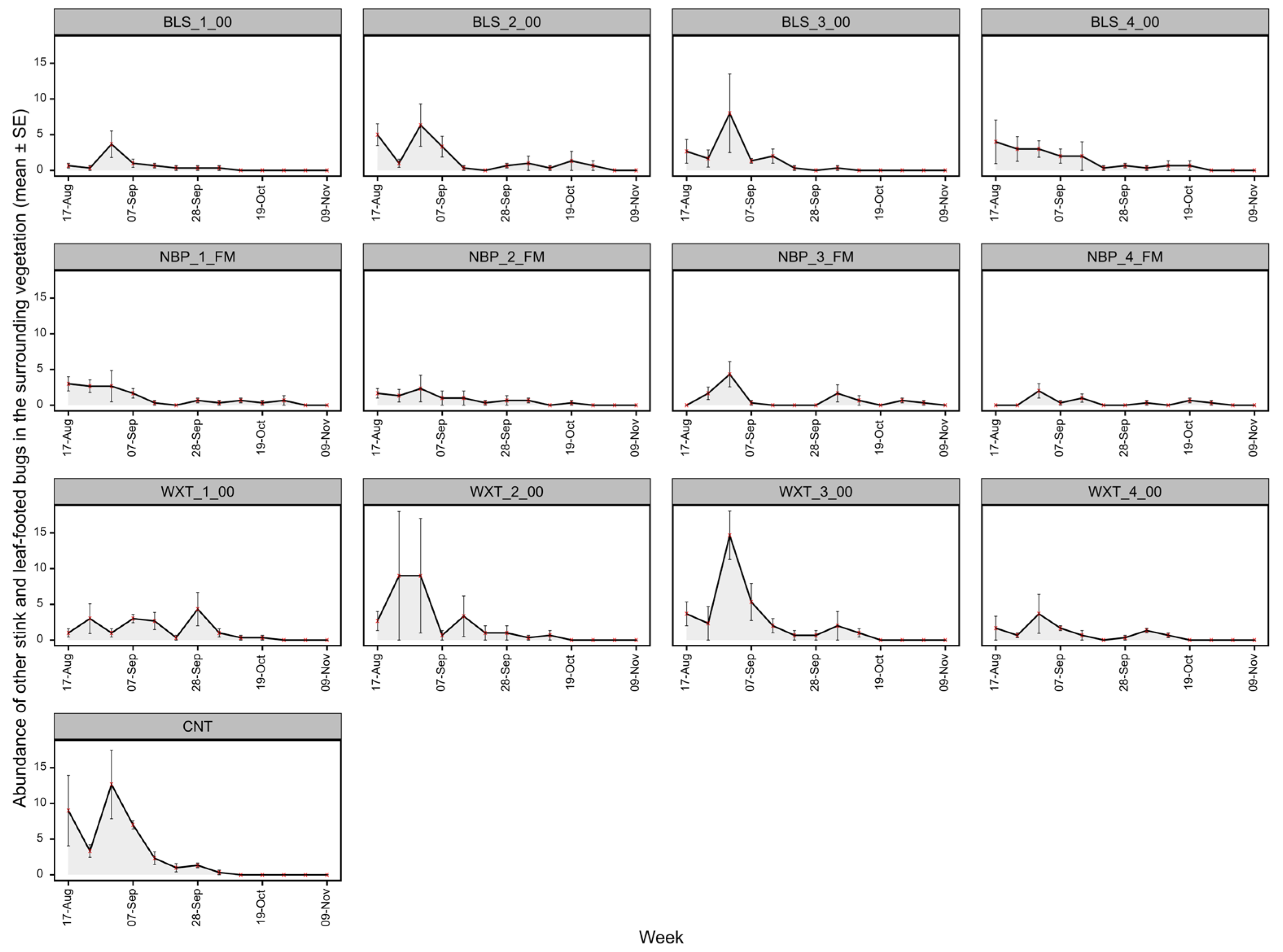
Figure 9. Trend of other stink and leaf-footed bugs density in the surrounding vegetation (mean ± SE) during the 2023 field trial. Abbreviations as in Figure 1 and Table 1.
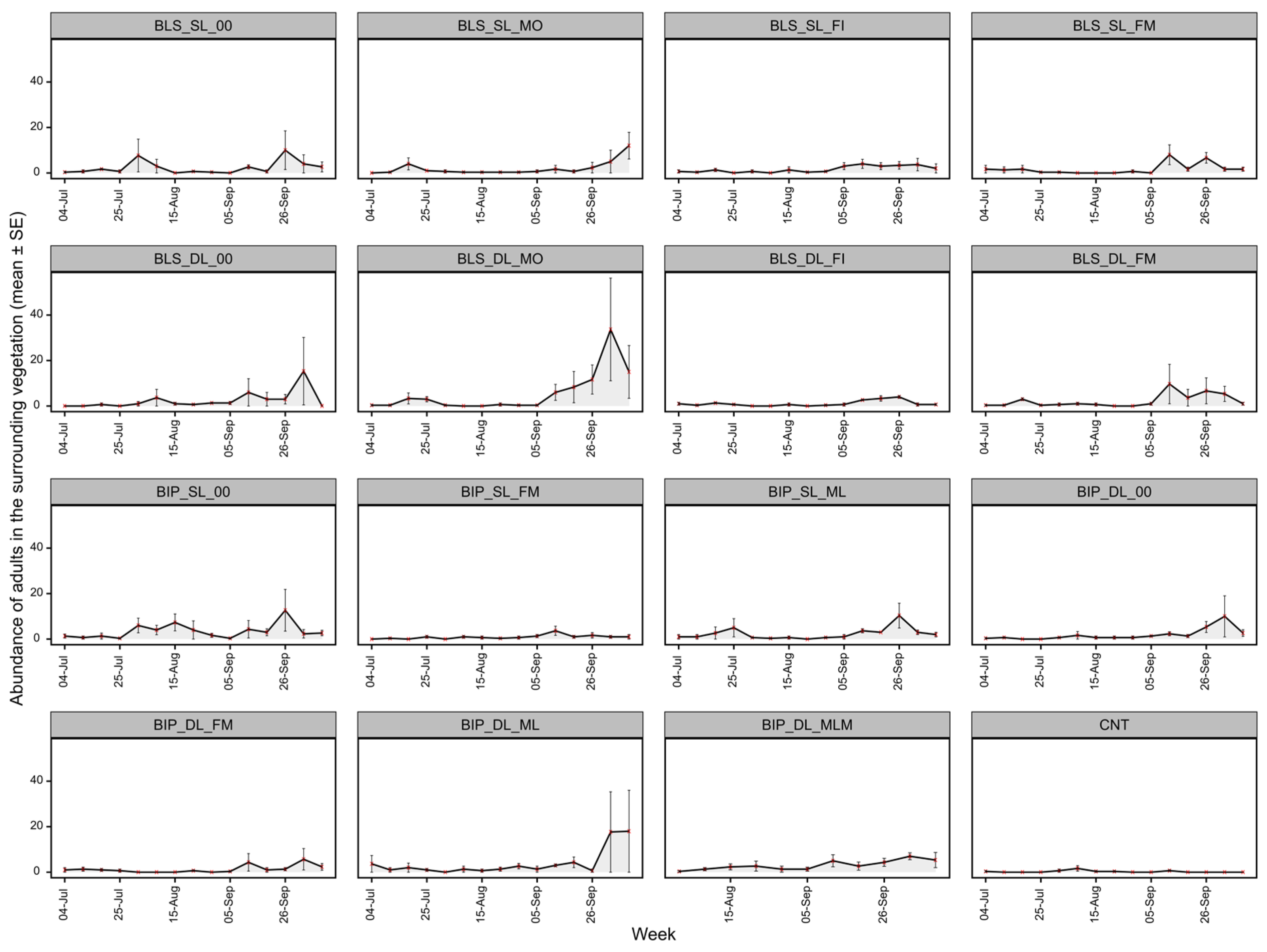
Figure 10. Trend of Halyomorpha halys adult density in the surrounding vegetation (mean ± SE) during the 2024 field trial. Abbreviations as in Figure 4 and Table 2.
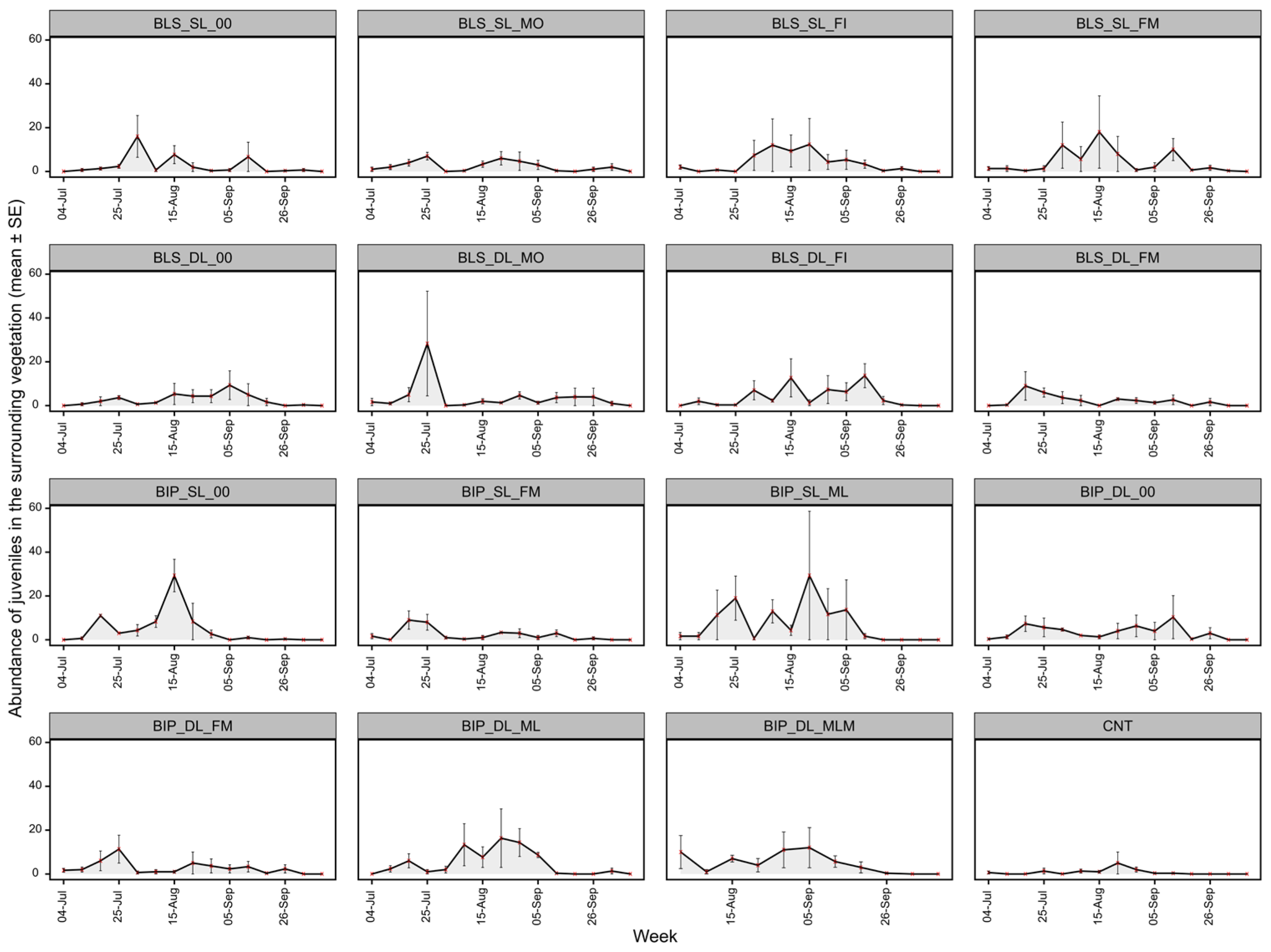
Figure 11. Trend of Halyomorpha halys juvenile density in the surrounding vegetation (mean ± SE) during the 2024 field trial. Abbreviations as in Figure 4 and Table 2.
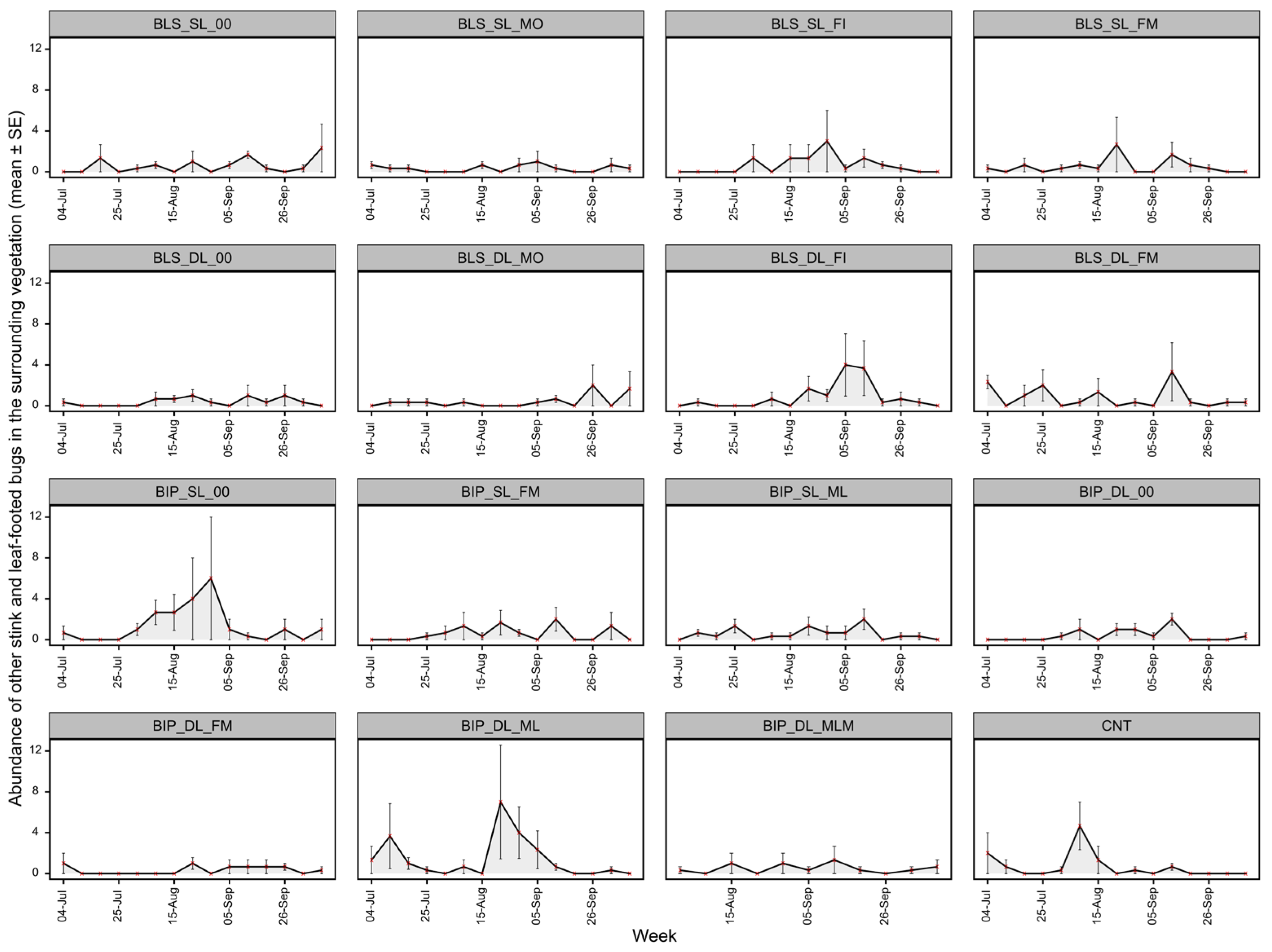
Figure 12. Trend of other stink and leaf-footed bugs density in the surrounding vegetation (mean ± SE) during the 2024 field trial. Abbreviations as in Figure 4 and Table 2.

2.1. Captures

The file entitled “2023 trap captures.csv” corresponds to the trap captures of adults and juveniles of H. halys and non-target species during the 2023 field trial. Specifically, the first column, “Week”, corresponds to the day of the weekly trap monitoring. The second column, “Rep”, reports the replication number of the experiment (for details on the experiment set-up, please refer to the main manuscript [11]). The third column, “position”, describes the physical position of the trap, while the fourth column, “name”, denote the acronym of the dispenser type, followed by the PHER/MDT ratio, and the abbreviation of the adjuvant, when present. The columns from five to thirteen refer to the numbers of H. halys adults, juveniles, and other insect species caught in the trap.
For 2024, the file entitled “2024 trap captures.csv” corresponds to the trap captures of adults and juveniles of H. halys and non-target species during the 2024 field trial. The columns from one to four describe the same variables as in the previously mentioned files. Specifically for the column “name”, acronyms refer to the dispenser type, the loading mode of the two pheromones PHER/MDT (together SL or separately DL), and the adjuvants, when added. Columns from five to twenty regard the numbers of H. halys female and male adults, juveniles according to instar stage, and other adult and juvenile stink bug species present in the trap. The twenty-first column stands for the type of additive, with the abbreviation IP corresponding to FI, MP to FM, MW to ML, and MWM to MLM, as described in Table 2 of the main article [11]. Column twenty-second is the dispenser (bp is for the BLS, and ep is for BIP; detailed description in [11]). The last column, “quantity”, is a more explicative description of the pheromone loading mode. The data from the 2024 monitoring campaign indicate that even juveniles were captured in the traps.
Table 2. Summary of the treatments evaluated in 2024 field trial. “BLS” stands for blister pack, “BIP” for bio-polymer, “SL” for single lure, “DL” for dual lure, and “CNT” for control (no lure, no dispenser). Different adjuvants were added together with PHER/MDT (10 mg/125 mg): mineral oil (“MO”), a fatty acid isopropyl ester (“FI”), a fatty acid methyl ester (“FM”), and fatty acid methyl ester with lignocellulosic flour (“ML”). When no adjuvants were added, it was referred to as “00”. The dual lure BIP with PHER without adjuvants and MDT with ML was denoted as “BIP_DL_MLM”.

2.2. Abundance in the Surrounding Vegetation

The file entitled “2023 abundance in the surrounding vegetation.csv” refers to the total of H. halys and other non-target species, both adults and juveniles, in the surrounding of the traps. The first four columns describe the same variables detailed in the trap capture file (e.g., “2023 trap captures.csv”), whereas the columns five to twenty-nine contain the number of insects collected around the trap.
For 2024, the file entitled “2024 abundance in the surrounding vegetation.csv” describes the abundance of H. halys individuals and other non-target species, both adults and juveniles, in the surrounding of the traps. The first four columns and the last three correspond to the same variables as those in the “2024 trap captures.csv” file, while columns five to thirty contain the number of insects collected from the surrounding vegetation.

3. Methods

3.1. Type of Dispenser

Depending on the year, different types of dispensers and PHER/MDT combinations were used in field experiments. In 2023, three types of dispensers were tested: the blister pack (BLS), wax tablet (WXT), and non-biodegradable polymer (NBP). Each dispenser was loaded with varying amounts of PHER and MDT.
For the 2024 field trial, only two types of dispensers were utilized: the blister pack (BLS), which included some modifications from the previous year, and a newly developed bio-degradable polymer (BIP). Unlike in 2023, only one PHER/MDT ratio was evaluated, as previous results indicated that this variable did not significantly influence insect attraction. Table 1 and Table 2 provide a detailed description of the various treatments evaluated over the two experimental years. All the dispenser and the formulation tested were provided by Russell IPM Ltd. (Deeside CH5 2NU, UK). For further details, please refer to the main article [11].
Table 1. Summary of the treatments evaluated in 2023 field trial. “BLS” stands for blister pack, “WXT” for wax tablet, and “NBP” for non-biodegradable polymer. In addition to control (CNT, no lure, no dispenser), four different combinations of PHER/MDT were evaluated: 10/125 mg (“1”), 15/125 mg (“2”), 20/200 mg (“3”), and 20/300 mg (“4”). The NBP dispenser included a fatty acid methyl ester (FM) as adjuvant, while no adjuvants were added to the others (“00”).

3.2. Study Site and Monitoring Data

Weekly monitoring data were collected in 2023 and 2024 in a natural area of approximately 100 hectares in Northern Italy (central coordinates 44°39′57.6″ N, 10°49′12.0″ E), using clear sticky traps (24.5 cm by 40 cm, Halys Trap, Serbios Srl, Badia Polesine, Italy). Traps were hung horizontally 1.5–2 m above the ground inside the tree canopy or shrubs. Unbaited traps were used as controls. They were placed along a walkway, 50 m apart, and checked once a week on the same weekday (Thursdays). Each treatment was repeated three times in a randomized block design. Every three weeks, the sticky panels were replaced, and the trap treatments were randomized within each block. The plant species of the area are part of the host range of H. halys [23,24] and are described in detail in the main article [11]. Stink bugs and leaf-footed bugs were identified using available keys [25,26,27]. No meteorological (e.g., temperature, rainfall) data were available for the study area. The 2023 experiment took place from August to November, for a total of 12 weeks. In 2024, the experiment ran from July to October, covering a period of 14 weeks.
Weekly monitoring involved both trap inspections and active searching in the surrounding area. The number of H. halys and other insects captured in the trap, as well as their abundance in the surrounding vegetation, were analyzed in relation to the adopted treatment type, and, where possible, the type of adjuvant and whether a single or dual lure was used. All the results of statistical analysis, including a correlation analysis between traps captures and density in the surrounding area, are detailed in the main article and in the supplementary materials available at the following link: https://www.mdpi.com/article/10.3390/insects16040341/s1 (accessed on 23 September 2025). Regarding graphical representation of insect monitoring data, the R script is provided. The following packages were used: “ggplot2” [28] and “dplyr” [29].

Supplementary Materials

The following supporting information can be downloaded at https://www.mdpi.com/article/10.3390/data11010003/s1. Txt file for graphs R code: “R_script_graphs.txt”. Capture and abundance data: “2023 trap captures.csv”, “2024 trap captures.csv”, “2023 abundance in the surrounding vegetation.csv”, and “2024 abundance in the surrounding vegetation.csv”. Trap coordinates: “coordinates.csv”. Monitored area: “study_area.pdf”.

Author Contributions

Writing—original draft preparation, V.A.G.; writing—review and editing, V.A.G., V.R., R.M., A.P., F.D., T.R.M., E.C. (Elena Chierici), L.C., G.R., and E.C. (Eric Conti). All authors have read and agreed to the published version of the manuscript.

Funding

This research was in part funded by Russell IPM Ltd. to University of Perugia (2023–2024).

Data Availability Statement

Data are available in the Supplementary Information.

Acknowledgments

The authors wish to thank Stephanie Reay, Andrea Luchetti, and Daniela Fortini for their technical assistance.

Conflicts of Interest

R.M. is employed by Russell IPM Ltd., which provided the pheromonal lures to be tested and partially funded the research. All other co-authors declare no conflicts of interest. R.M. contributed to the design of the study, data collection, and the decision to publish the results.

References

  1. Haye, T.; Gariepy, T.; Hoelmer, K.; Rossi, J.P.; Streito, J.C.; Tassus, X.; Desneux, N. Range Expansion of the Invasive Brown Marmorated Stinkbug, Halyomorpha halys: An Increasing Threat to Field, Fruit and Vegetable Crops Worldwide. J. Pest Sci. 2015, 88, 665–673. [Google Scholar] [CrossRef]
  2. Kriticos, D.J.; Kean, J.M.; Phillips, C.B.; Senay, S.D.; Acosta, H.; Haye, T. The Potential Global Distribution of the Brown Marmorated Stink Bug, Halyomorpha halys, a Critical Threat to Plant Biosecurity. J. Pest Sci. 2017, 90, 1033–1043. [Google Scholar] [CrossRef]
  3. Daher, E.; Chierici, E.; Urbani, S.; Cinosi, N.; Rondoni, G.; Servili, M.; Famiani, F.; Conti, E. Characterization of Olive Fruit Damage Induced by Invasive Halyomorpha halys. Insects 2023, 14, 848. [Google Scholar] [CrossRef] [PubMed]
  4. Acebes-Doria, A.L.; Morrison, W.R.; Short, B.D.; Rice, K.B.; Bush, H.G.; Kuhar, T.P.; Duthie, C.; Leskey, T.C. Monitoring and Biosurveillance Tools for the Brown Marmorated Stink Bug, Halyomorpha halys (Stål) (Hemiptera: Pentatomidae). Insects 2018, 9, 82. [Google Scholar] [CrossRef]
  5. Carnio, V.; Favaro, R.; Preti, M.; Angeli, S. Impact of aggregation pheromone traps on spatial distribution of Halyomorpha halys damage in apple orchards. Insects 2024, 15, 791. [Google Scholar] [CrossRef]
  6. Fouani, J.M.; Bonet, M.; Zaffaroni-Caorsi, V.; Nieri, R.; Verrastro, V.; Anfora, G.; Mazzoni, V. Diel vibrational activity of Halyomorpha halys and its implications for enhancing bimodal traps. Entomol. Exp. Appl. 2024, 172, 1166–1175. [Google Scholar] [CrossRef]
  7. Witzgall, P.; Kirsch, P.; Cork, A. Sex Pheromones and Their Impact on Pest Management. J. Chem. Ecol. 2010, 36, 80–100. [Google Scholar] [CrossRef]
  8. Rizvi, S.A.H.; George, J.; Reddy, G.V.P.; Zeng, X.; Guerrero, A. Latest Developments in Insect Sex Pheromone Research and Its Application in Agricultural Pest Management. Insects 2021, 12, 484. [Google Scholar] [CrossRef]
  9. Mori, B.A.; Evenden, M.L. Factors Affecting Pheromone-Baited Trap Capture of Male Coleophora deauratella, an Invasive Pest of Clover in Canada. J. Econ. Entomol. 2013, 106, 844–854. [Google Scholar] [CrossRef]
  10. Lee, D.H.; Short, B.D.; Joseph, S.V.; Bergh, J.C.; Leskey, T.C. Review of the Biology, Ecology, and Management of Halyomorpha halys (Hemiptera: Pentatomidae) in China, Japan, and the Republic of Korea. Environ. Entomol. 2013, 42, 627–641. [Google Scholar] [CrossRef]
  11. Giannuzzi, V.A.; Rossi, V.; Moujahed, R.; Poccia, A.; D’Archivio, F.; Rossi Magi, T.; Chierici, E.; Casoli, L.; Rondoni, G.; Conti, E. Evaluation of Lure and Dispenser Combinations for Halyomorpha halys (Hemiptera: Pentatomidae) Trapping. Insects 2025, 16, 341. [Google Scholar] [CrossRef] [PubMed]
  12. Hellmann, C.; Greiner, A.; Vilcinskas, A. Design of polymer carriers for optimized pheromone release in sustainable insect control strategies. Adv. Sci. 2024, 11, 2304098. [Google Scholar] [CrossRef] [PubMed]
  13. Khrimian, A.; Zhang, A.; Weber, D.C.; Ho, H.Y.; Aldrich, J.R.; Vermillion, K.E.; Siegler, M.A.; Shirali, S.; Guzman, F.; Leskey, T.C. Discovery of the aggregation pheromone of the brown marmorated stink bug (Halyomorpha halys) through the creation of stereoisomeric libraries of 1-bisabolen-3-ols. J. Nat. Prod. 2014, 77, 1708–1717. [Google Scholar] [CrossRef]
  14. Weber, D.C.; Leskey, T.C.; Walsh, G.C.; Khrimian, A. Synergy of aggregation pheromone with methyl (E, E, Z)-2, 4, 6-decatrienoate in attraction of Halyomorpha halys (Hemiptera: Pentatomidae). J. Econ. Entomol. 2014, 107, 1061–1068. [Google Scholar] [CrossRef]
  15. Short, B.D.; Khrimian, A.; Leskey, T.C. Pheromone-Based Decision Support Tools for Management of Halyomorpha halys in Apple Orchards: Development of a Trap-Based Treatment Threshold. J. Pest Sci. 2017, 90, 1191–1204. [Google Scholar] [CrossRef]
  16. Chierici, E.; Marchetti, E.; Poccia, A.; Russo, A.; Giannuzzi, V.A.; Governatori, L.; Zucchi, L.; Rondoni, G.; Conti, E. Laboratory and field efficacy of natural products against the invasive pest Halyomorpha halys and side effects on the biocontrol agent Trissolcus japonicus. Sci. Rep. 2025, 15, 4622. [Google Scholar] [CrossRef]
  17. Daher, E.; Cinosi, N.; Chierici, E.; Rondoni, G.; Famiani, F.; Conti, E. Field and Laboratory Efficacy of Low-Impact Commercial Products in Preventing Olive Fruit Fly, Bactrocera oleae, Infestation. Insects 2022, 13, 213. [Google Scholar] [CrossRef]
  18. Scaccini, D.; Fornasiero, D.; Lombardo, V.; Galli, G.; Mirandola, E.; Pozzebon, A. Application of sulfur-based products reduces Halyomorpha halys infestation and damage in pome fruit orchards. Pest Manag. Sci. 2024, 80, 6251–6261. [Google Scholar] [CrossRef]
  19. Tortorici, F.; Bombi, P.; Loru, L.; Mele, A.; Moraglio, S.T.; Scaccini, D.; Pozzebon, A.; Pantaleoni, R.; Tavella, L. Halyomorpha halys and its egg parasitoids Trissolcus japonicus and T. mitsukurii: The geographic dimension of the interaction. NeoBiota 2023, 85, 197–221. [Google Scholar] [CrossRef]
  20. Zapponi, L.; Tortorici, F.; Anfora, G.; Bardella, S.; Bariselli, M.; Benvenuto, L.; Bernardinelli, I.; Butturini, A.; Caruso, S.; Colla, R.; et al. Assessing the Distribution of Exotic Egg Parasitoids of Halyomorpha halys in Europe with a Large-Scale Monitoring Program. Insects 2021, 12, 316. [Google Scholar] [CrossRef]
  21. Chierici, E.; Sabbatini-Peverieri, G.; Roversi, P.F.; Rondoni, G.; Conti, E. Phenotypic plasticity in an egg parasitoid affects olfactory response to odors from the plant–host complex. Front. Ecol. Evol. 2023, 11, 1233655. [Google Scholar] [CrossRef]
  22. Rondoni, G.; Chierici, E.; Daher, E.; Famiani, F.; Brodeur, J.; Conti, E. How exposure to a neonicotinoid pesticide affects innate and learned close-range foraging behaviour of a classical biological control agent. Biol. Control 2024, 196, 105568. [Google Scholar] [CrossRef]
  23. Nielsen, A.L.; Hamilton, G.C. Life history of the invasive species Halyomorpha halys (Hemiptera: Pentatomidae) in northeastern United States. Ann. Entomol. Soc. Am. 2009, 102, 608–616. [Google Scholar] [CrossRef]
  24. Bakken, A.J.; Schoof, S.C.; Bickerton, M.; Kamminga, K.L.; Jenrette, J.C.; Malone, S.; Abney, M.A.; Herbert, D.A.; Reisig, D.; Kuhar, T.P.; et al. Occurrence of Brown Marmorated Stink Bug (Hemiptera: Pentatomidae) on Wild Hosts in Nonmanaged Woodlands and Soybean Fields in North Carolina and Virginia. Environ. Entomol. 2015, 44, 1011–1021. [Google Scholar] [CrossRef] [PubMed]
  25. Tamanini, L. Tabelle per la determinazione dei più comuni Eterotteri italiani (Heteroptera). Mem. Soc. Entomol. Ital. 1989, 67, 359–471. (In Italian) [Google Scholar]
  26. Derjanschi, V.V.; Péricart, J. Hémiptères Pentatomoidea Euro-Méditerranéens. Volume 1. Généralités. Systématique: Prémiere Partie. Faune Fr. 2005, 90, 496. [Google Scholar]
  27. Wyniger, D.; Kment, P. Key for the separation of Halyomorpha halys (Stål) from similar-appearing pentatomids (Insecta: Heteroptera: Pentatomidae) occurring in Central Europe, with new Swiss records. Mitt. Schweiz. Entomol. Ges. 2010, 83, 261–270. [Google Scholar]
  28. Wickham, H. ggplot2: Elegant Graphics for Data Analysis, R package version 3.4.4; Springer: New York, NY, USA, 2016; Available online: https://CRAN.R-project.org/package=ggplot2 (accessed on 30 November 2023).
  29. Wickham, H.; François, R.; Henry, L.; Müller, K. Dplyr: A Grammar of Data Manipulation; R Package Version 1.1.4; Springer: New York, NY, USA, 2025; Available online: https://CRAN.R-project.org/package=dplyr (accessed on 30 November 2023).
Disclaimer/Publisher’s Note: The statements, opinions and data contained in all publications are solely those of the individual author(s) and contributor(s) and not of MDPI and/or the editor(s). MDPI and/or the editor(s) disclaim responsibility for any injury to people or property resulting from any ideas, methods, instructions or products referred to in the content.

Article Metrics

Citations

Article Access Statistics

Multiple requests from the same IP address are counted as one view.