Article

Structural Characterization of Toxicologically Relevant Cd2+-L-Cysteine Complexes

1
Department of Chemistry, University of Calgary, 2500 University Drive NW, Calgary, AB T2N 1N4, Canada
2
Molecular and Environmental Science Research Group, Department of Geological Sciences, University of Saskatchewan, Saskatoon, SK S7N 5E2, Canada
*
Author to whom correspondence should be addressed.
Toxics 2023, 11(4), 294; https://doi.org/10.3390/toxics11040294

Submission received: 22 February 2023 / Revised: 18 March 2023 / Accepted: 20 March 2023 / Published: 23 March 2023
(This article belongs to the Special Issue Environmental and Health Effects of Heavy Metal)

Abstract

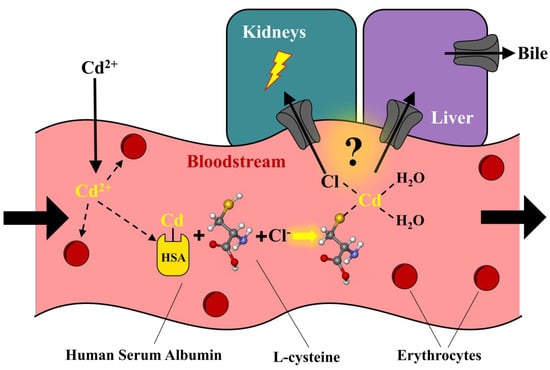
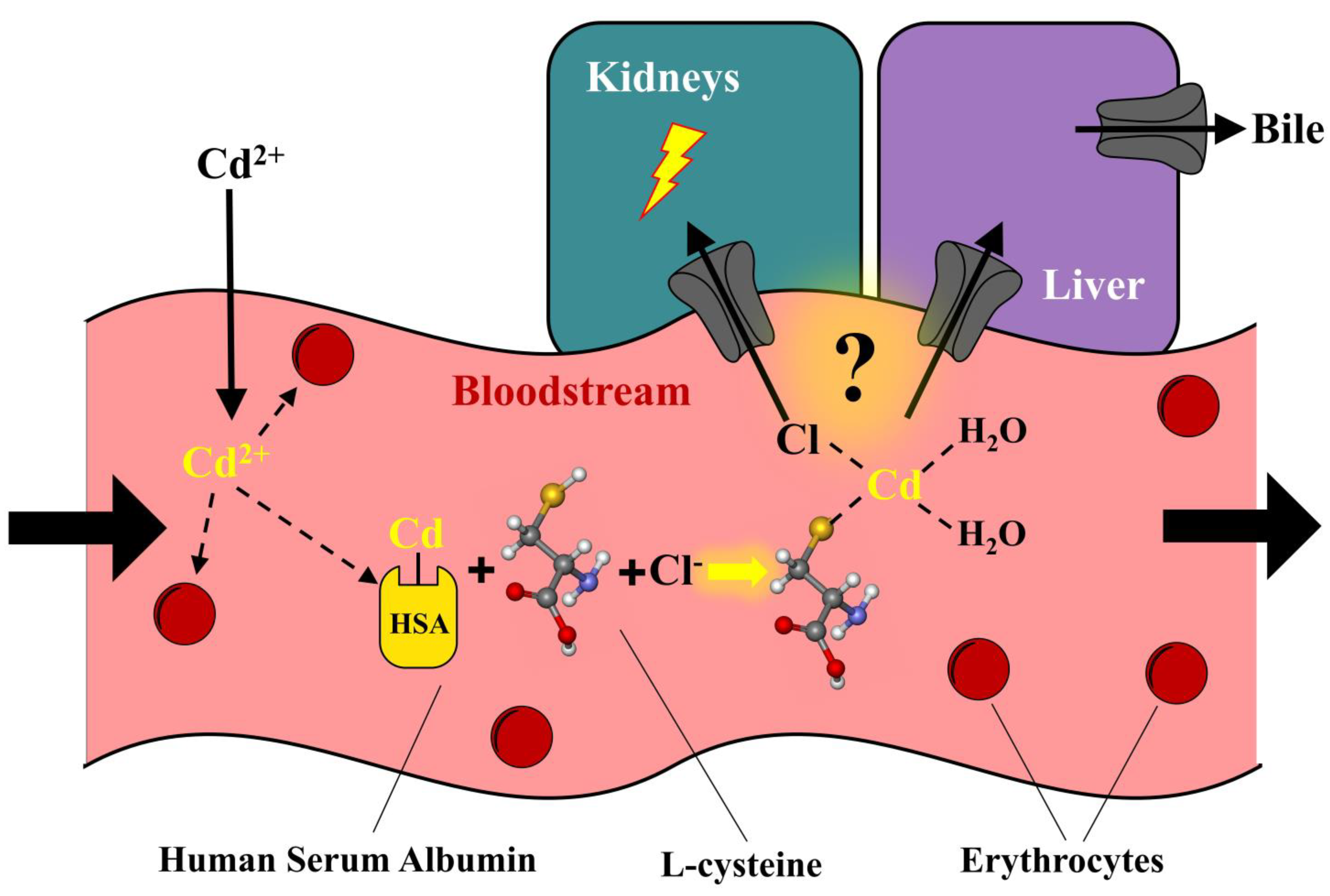
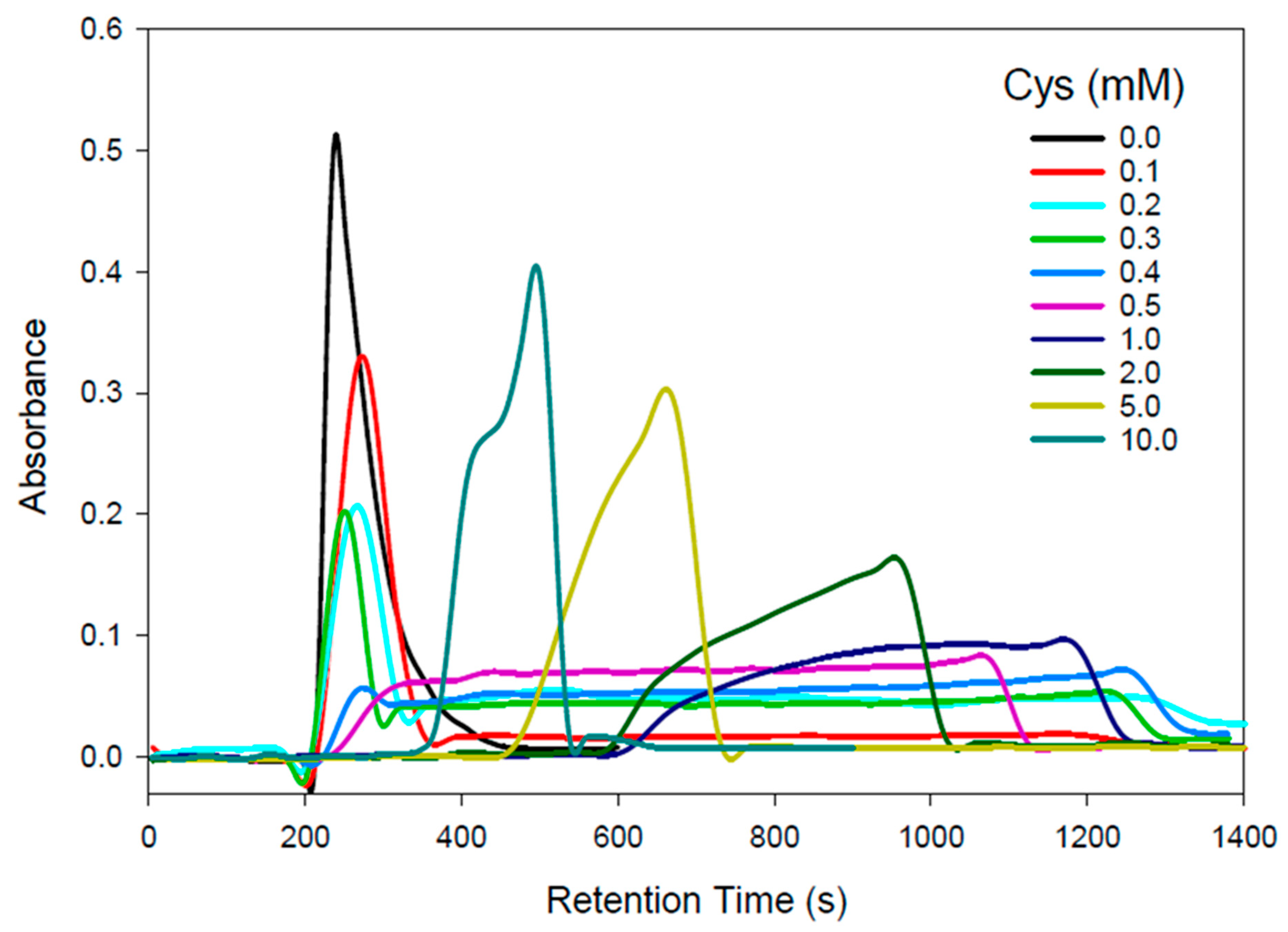
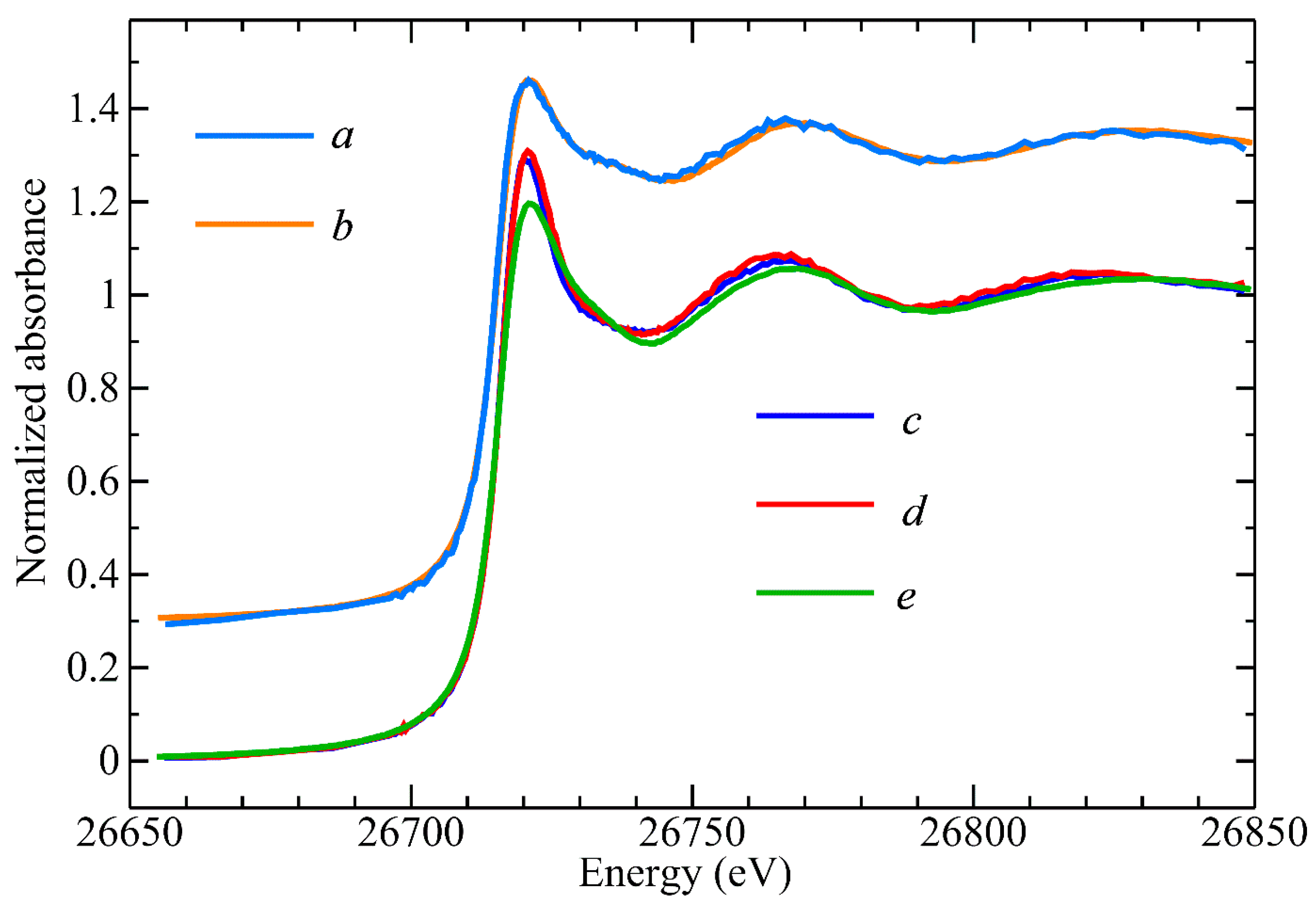
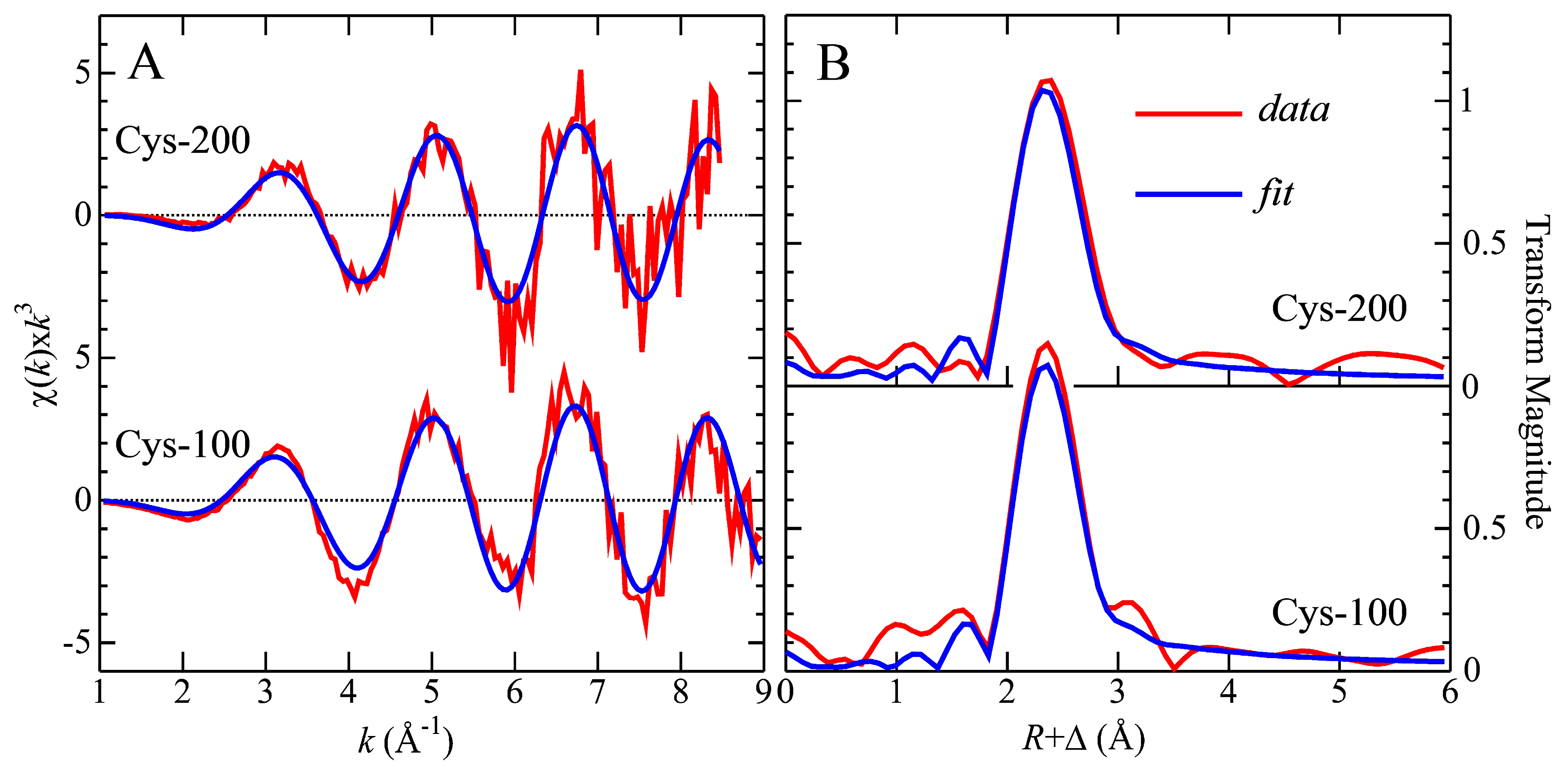
The exposure of humans to Cd exerts adverse human health effects at low chronic exposure doses, but the underlying biomolecular mechanisms are incompletely understood. To gain insight into the toxicologically relevant chemistry of Cd2+ in the bloodstream, we employed an anion-exchange HPLC coupled to a flame atomic absorption spectrometer (FAAS) using a mobile phase of 100 mM NaCl with 5 mM Tris-buffer (pH 7.4) to resemble protein-free blood plasma. The injection of Cd2+ onto this HPLC-FAAS system was associated with the elution of a Cd peak that corresponded to [CdCl3]/[CdCl4]2− complexes. The addition of 0.1–10 mM L-cysteine (Cys) to the mobile phase significantly affected the retention behavior of Cd2+, which was rationalized by the on-column formation of mixed CdCysxCly complexes. From a toxicological point of view, the results obtained with 0.1 and 0.2 mM Cys were the most relevant because they resembled plasma concentrations. The corresponding Cd-containing (~30 μM) fractions were analyzed by X-ray absorption spectroscopy and revealed an increased sulfur coordination to Cd2+ when the Cys concentration was increased from 0.1 to 0.2 mM. The putative formation of these toxicologically relevant Cd species in blood plasma was implicated in the Cd uptake into target organs and underscores the notion that a better understanding of the metabolism of Cd in the bloodstream is critical to causally link human exposure with organ-based toxicological effects.
Keywords: cadmium; toxicological chemistry; bloodstream; complex formation; L-cysteine; chloride cadmium; toxicological chemistry; bloodstream; complex formation; L-cysteine; chloride
Graphical Abstract