Elabela Attenuates Doxorubicin-Induced Oxidative DNA Damage and Apoptosis in Rat Left Ventricular Myocardium

 , , , ,
Abstract
1. Introduction
2. Materials and Methods
2.1. Animals
2.2. Experimental Design
2.3. Drugs and Reagents
2.4. Analysis of Ela Expression in LV
2.5. MDA, 8-OHdG and ELA Levels (Enzyme-Linked Immunoassays Analysis, ELISA)
2.6. Apoptosis Analysis (Terminal Deoxynucleotidyl Transferase dUTP Nick End Labeling, TUNEL)
2.7. Statistical Analysis
3. Results
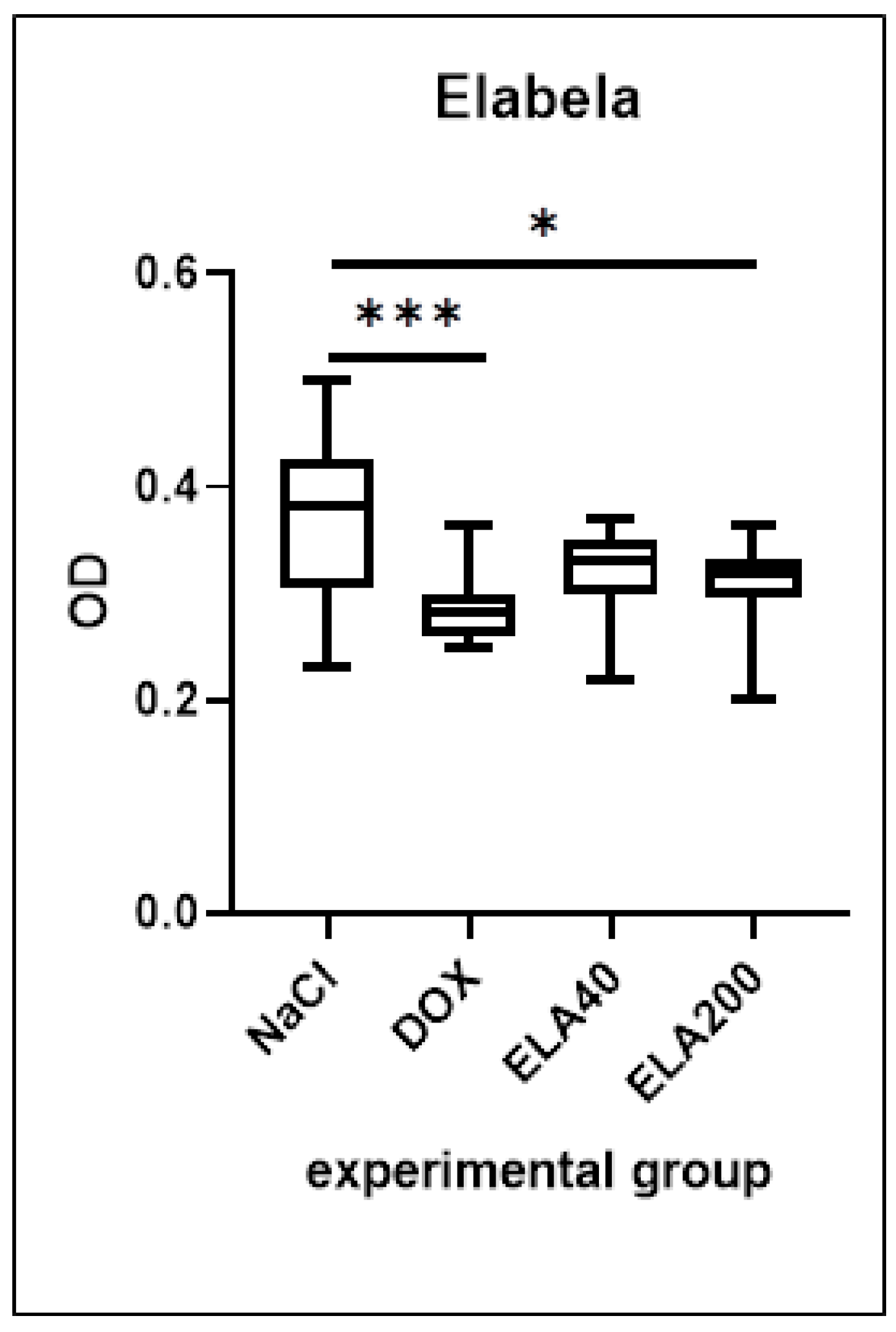
3.1. Elabela Levels in LV
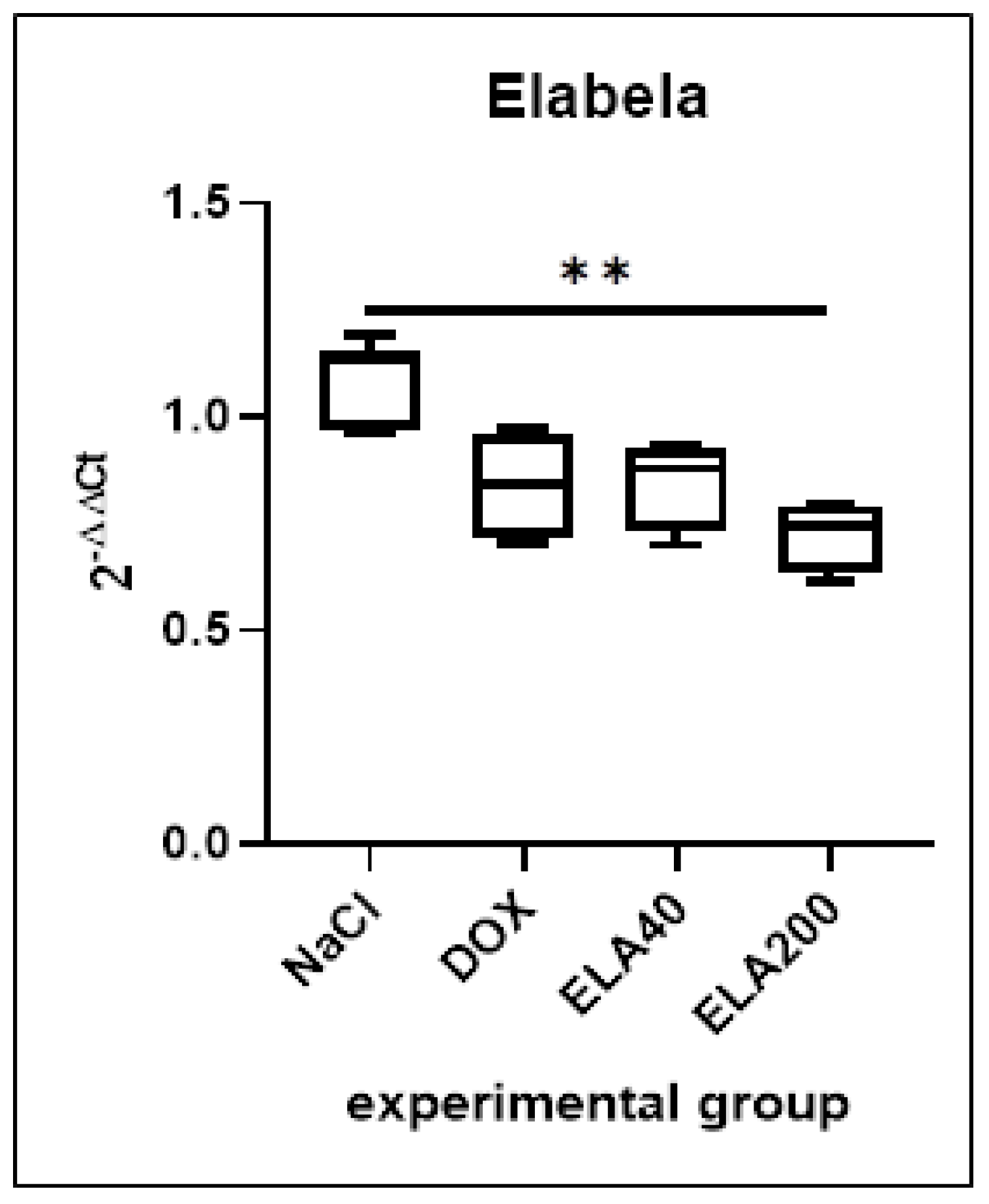
3.2. Ela Expression in LV
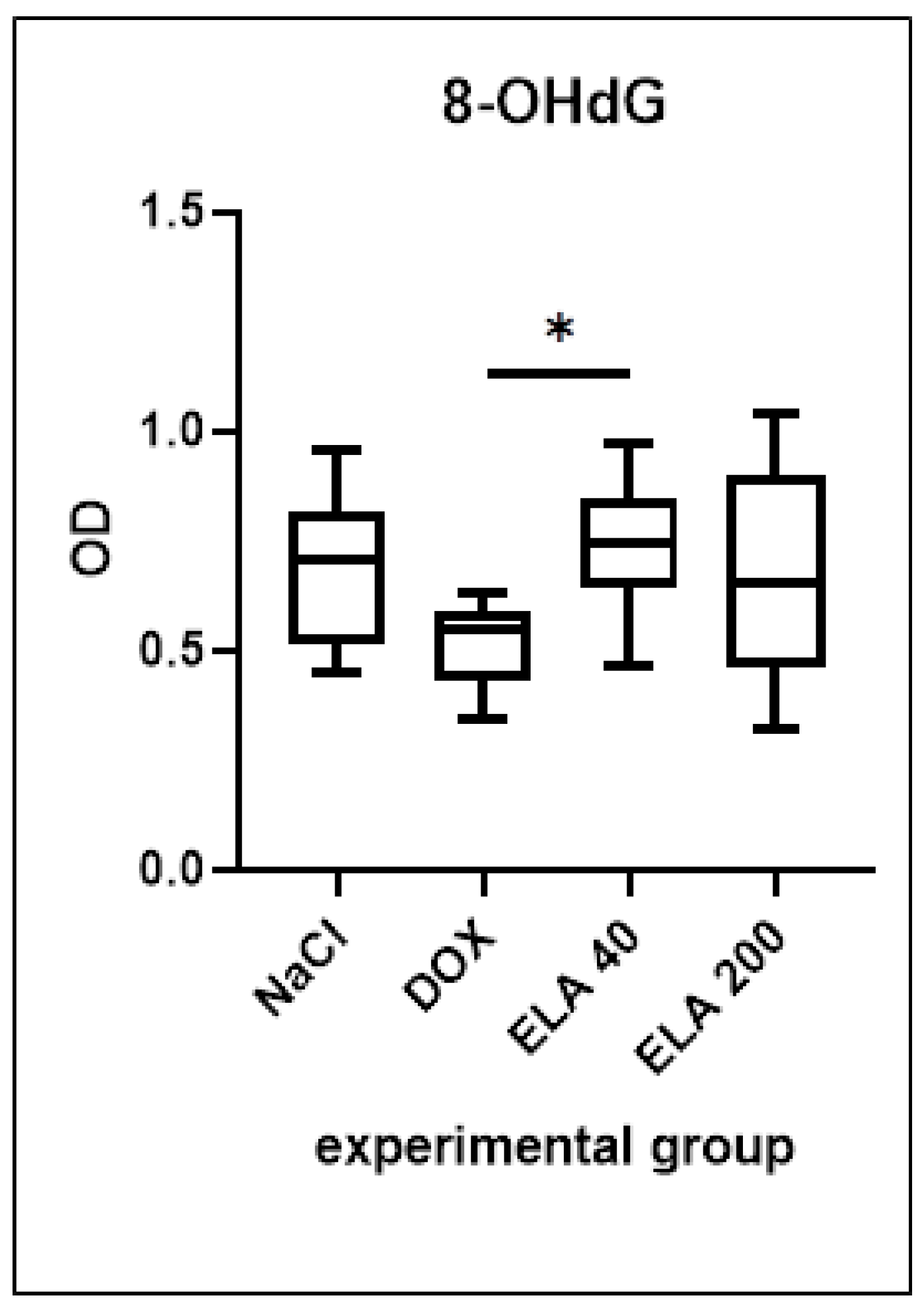
3.3. 8-OHdG Level in LV
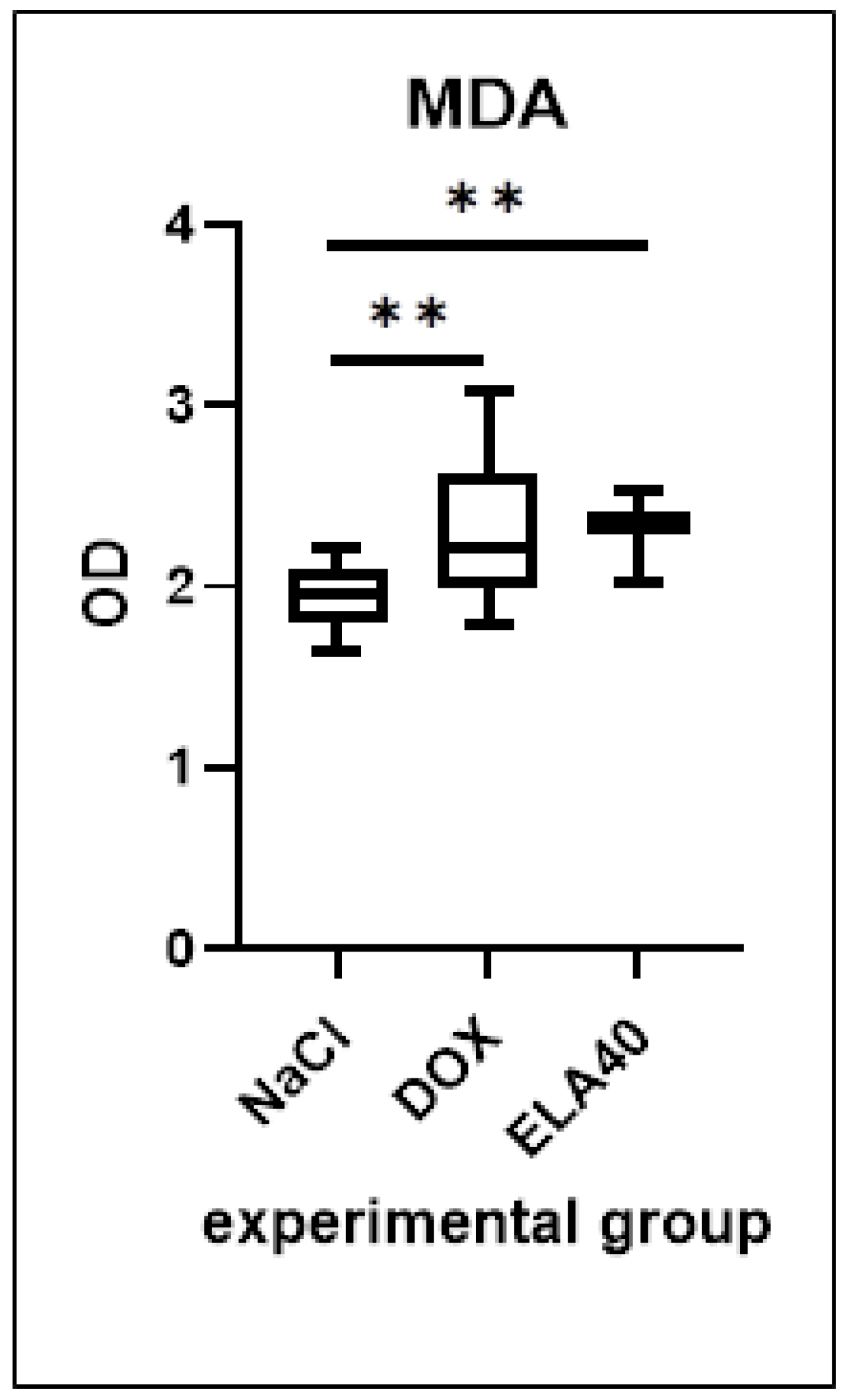
3.4. MDA Level in LV
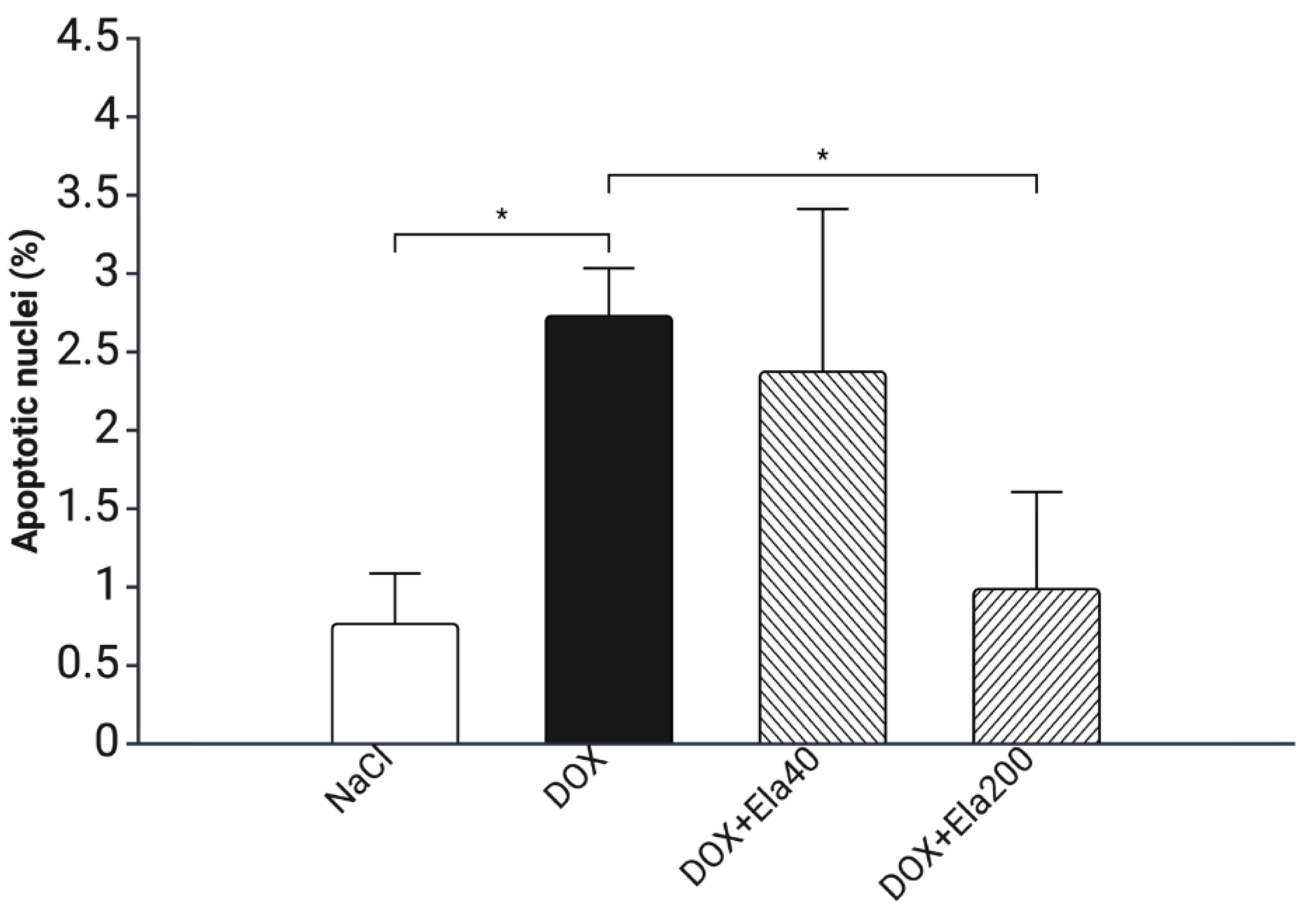
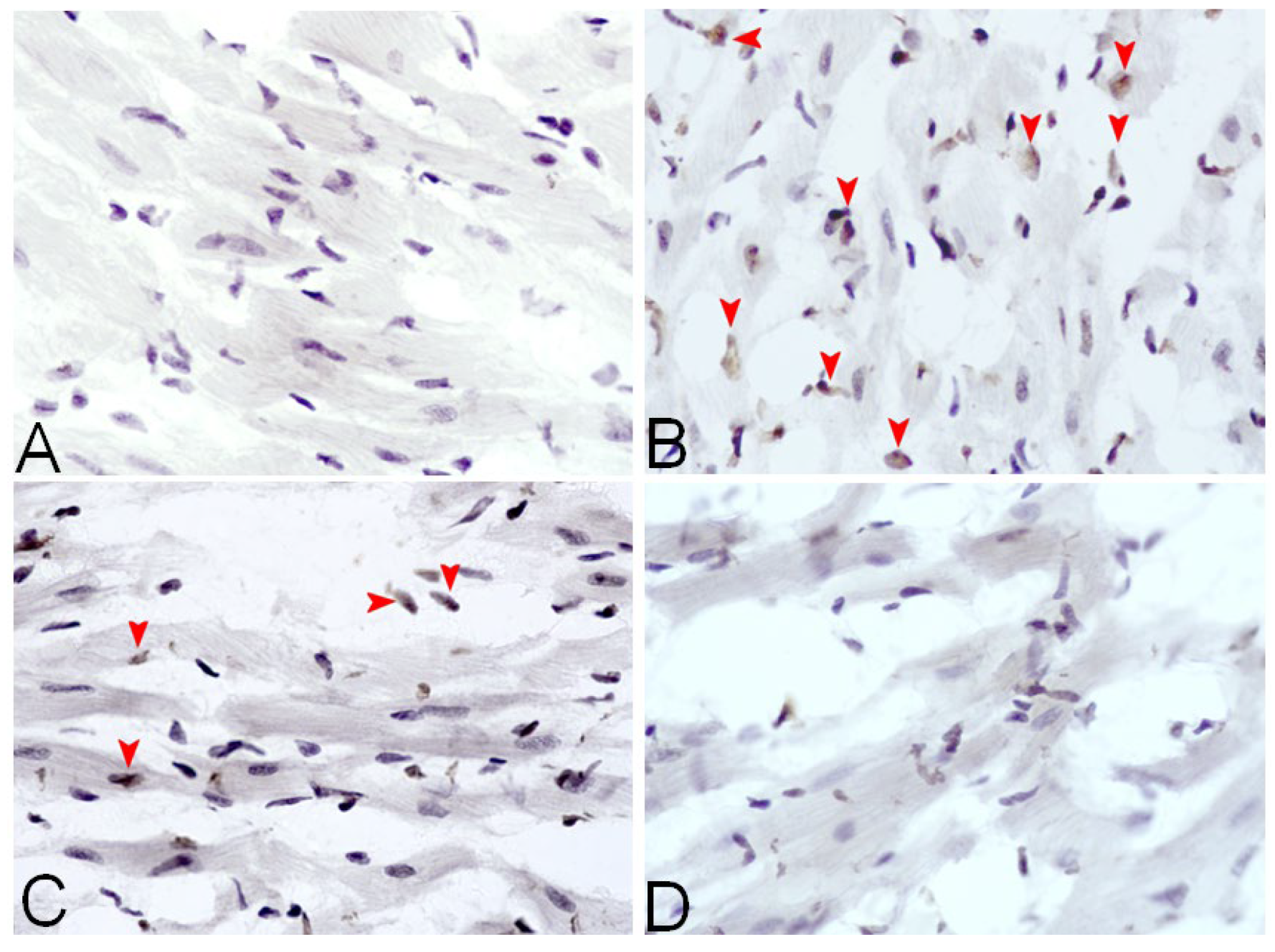
3.5. Apoptosis Analysis Using the TUNEL Assay
4. Discussion
Supplementary Materials
Author Contributions
Funding
Institutional Review Board Statement
Data Availability Statement
Acknowledgments
Conflicts of Interest
References
- Preiser, J.C. Oxidative stress. JPEN J. Parenter. Enteral Nutr. 2012, 36, 147–154. [Google Scholar] [CrossRef]
- Jelic, M.D.; Mandic, A.D.; Maricic, S.M.; Srdjenovic, B.U. Oxidative stress and its role in cancer. J. Cancer Res. Ther. 2021, 17, 22–28. [Google Scholar] [CrossRef]
- Del Rio, D.; Stewart, A.J.; Pellegrini, N. A review of recent studies on malondialdehyde as toxic molecule and biological marker of oxidative stress. Nutr. Metab. Cardiovasc. Dis. 2005, 15, 316–328. [Google Scholar] [CrossRef]
- Valavanidis, A.; Vlachogianni, T. Fiotakis C8-hydroxy-2′ -deoxyguanosine (8-OHdG): Acritical biomarker of oxidative stress carcinogenesis. J. Environ. Sci. Health C Environ. Carcinog. Ecotoxicol. Rev. 2009, 27, 120–139. [Google Scholar] [CrossRef]
- Klaunig, J.E.; Kamendulis, L.M.; Hocevar, B.A. Oxidative stress and oxidative damage in carcinogenesis. Toxicol. Pathol. 2010, 38, 96–109. [Google Scholar] [CrossRef]
- Schieber, M.; Chandel, N.S. ROS function in redox signaling and oxidative stress. Curr. Biol. 2014, 24, R453–R462. [Google Scholar] [CrossRef]
- Furukawa, S.; Fujita, T.; Shimabukuro, M.; Iwaki, M.; Yamada, Y.; Nakajima, Y.; Nakayama, O.; Makishima, M.; Matsuda, M.; Shimomura, I. Increased oxidative stress in obesity and its impact on metabolic syndrome. J. Clin. Investig. 2004, 114, 1752–1761. [Google Scholar] [CrossRef]
- Reddy, V.P. Oxidative Stress in Health and Disease. Biomedicines 2023, 11, 2925. [Google Scholar] [CrossRef]
- Wu, B.B.; Leung, K.T.; Poon, E.N. Mitochondrial-Targeted Therapy for Doxorubicin-Induced Cardiotoxicity. Int. J. Mol. Sci. 2022, 23, 1912. [Google Scholar] [CrossRef]
- Cagel, M.; Grotz, E.; Bernabeu, E.; Moretton, M.A.; Chiappetta, D.A. Doxorubicin: Nanotechnological overviews from bench to bedside. Drug Discov. Today 2017, 22, 270–281. [Google Scholar] [CrossRef]
- Antunes, F.; Han, D.; Cadenas, E. Relative contributions of heart mitochondria glutathione peroxidase and catalase to H(2)O(2) detoxification in in vivo conditions. Free Radic. Biol. Med. 2002, 33, 1260–1267. [Google Scholar] [CrossRef]
- Avagimyan, A.; Pogosova, N.; Kakturskiy, L.; Sheibani, M.; Challa, A.; Kogan, E.; Fogacci, F.; Mikhaleva, L.; Vandysheva, R.; Yakubovskaya, M.; et al. Doxorubicin-related cardiotoxicity: Review of fundamental pathways of cardiovascular system injury. Cardiovasc. Pathol. 2024, 73, 107683. [Google Scholar] [CrossRef]
- Koleini, N.; Kardami, E. Autophagy and mitophagy in the context of doxorubicin-induced cardiotoxicity. Oncotarget 2017, 8, 46663–46680. [Google Scholar] [CrossRef]
- Wang, S.; Konorev, E.A.; Kotamraju, S.; Joseph, J.; Kalivendi, S.; Kalyanaraman, B. Doxorubicin induces apoptosis in normal tumor cells via distinctly different mechanisms intermediacy of H2O2-, p53-dependent pathways. J. Biol. Chem. 2004, 279, 25535–25543. [Google Scholar] [CrossRef]
- Avagimyan, A.; Pogosova, N.; Rizzo, M.; Sarrafzadegan, N. Doxorubicin-induced cardiometabolic disturbances: What can we do? Front. Clin. Diabetes Healthc. 2025, 6, 1537699. [Google Scholar] [CrossRef]
- Alwaili, M.A.; Abu-Almakarem, A.S.; El-Said, K.S.; Eid, T.M.; Mobasher, M.A.; Alsabban, A.H.; Alburae, N.A.; Banjabi, A.A.; Soliman, M.M. Shikimic acid protects against doxorubicin-induced cardiotoxicity in rats. Sci. Rep. 2025, 15, 8126. [Google Scholar] [CrossRef]
- Monserrat-Mesquida, M.; Quetglas-Llabres, M.; Capo, X.; Bouzas, C.; Mateos, D.; Pons, A.; Tur, J.A.; Sureda, A. Metabolic Syndrome is Associated with Oxidative Stress and Proinflammatory State. Antioxidants 2020, 9, 236. [Google Scholar] [CrossRef]
- Rosello-Lleti, E.; de Burgos, F.G.; Morillas, P.; Cortés, R.; Martínez-Dolz, L.; Almenar, L.; Grigorian, L.; Orosa, P.; Portolés, M.; Bertomeu, V.; et al. Impact of cardiovascular risk factors inflammatory status on urinary 8-OHdGin essential hypertension. Am. J. Hypertens. 2012, 25, 236–242. [Google Scholar] [CrossRef]
- Matusik, K.; Kaminska, K.; Sobiborowicz-Sadowska, A.; Borzuta, H.; Buczma, K.; Cudnoch-Jędrzejewska, A. The significance of the apelinergic system in doxorubicin-induced cardiotoxicity. Heart Fail. Rev. 2024, 29, 969–988. [Google Scholar] [CrossRef]
- Qahtani Abdullah, A.; Balawi Hamed, A.; Jowesim Fahad, A. Protective effect of coenzyme Q10 against doxorubicin-induced cardiotoxicity: Scoping review article. Saudi Pharm. J. 2024, 32, 101882. [Google Scholar] [CrossRef]
- Chen, L.; Sun, X.; Wang, Z.; Chen, M.; He, Y.; Zhang, H.; Han, D.; Zheng, L. Resveratrol protects against doxorubicin-induced cardiotoxicity by attenuating ferroptosis through modulating the MAPK signaling pathway. Toxicol. Appl. Pharmacol. 2024, 482, 116794. [Google Scholar] [CrossRef]
- Zhang, J.; Lin, X.; Xu, J.; Tang, F. Apelin-13 reduces oxidative stress induced by uric acid via downregulation of renin-angiotensin system in adipose tissue. Toxicol. Lett. 2019, 305, 51–57. [Google Scholar] [CrossRef]
- Azizi, Y.; Faghihi, M.; Imani, A.; Roghani, M.; Nazari, A. Post-infarct treatment with [Pyr1]-apelin-13 reduces myocardial damage through reduction of oxidative injury and nitric oxide enhancement in the rat model of myocardial infarction. Peptides 2013, 46, 76–82. [Google Scholar] [CrossRef]
- Wang, X.; Zhang, L.; Li, P.; Zheng, Y.; Yang, Y.; Ji, S. Apelin/APJ system in inflammation. Int. Immunopharmacol. 2022, 109, 108822. [Google Scholar] [CrossRef] [PubMed]
- Nousiainen, T.; Vanninen, E.; Rantala, A.; Jantunen, E.; Hartikainen, J. QT dispersion and late potentials during doxorubicin therapy for non-Hodgkin′s lymphoma. J. Intern. Med. 1999, 245, 359–364. [Google Scholar] [CrossRef] [PubMed]
- Liu, W.; Yan, J.; Pan, W.; Tang, M. Apelin/Elabela-APJ: A novel therapeutic target in the cardiovascular system. Ann. Transl. Med. 2020, 8, 243. [Google Scholar] [CrossRef] [PubMed]
- Chen, D.; Yu, W.; Zhong, C.; Hong, Q.; Huang, G.; Que, D.; Wang, Y.; Yang, Y.; Rui, B.; Zhuang, Z.; et al. Elabela ameliorates doxorubicin-induced cardiotoxicity by promoting autophagic flux through TFEB pathway. Pharmacol. Res. 2022, 178, 106186. [Google Scholar] [CrossRef]
- Wang, X.; Zhang, L.; Feng, M.; Xu, Z.; Cheng, Z.; Qian, L. ELA-11 protects the heart against oxidative stress injury induced apoptosis through ERK/MAPK and PI3K/AKT signaling pathways. Front. Pharmacol. 2022, 13, 873614. [Google Scholar] [CrossRef]
- Narezkina, A.; Narayan, H.K.; Zemljic-Harpf, A.E. Molecular mechanisms of anthracycline cardiovascular toxicity. Clin. Sci. 2021, 135, 1311–1332. [Google Scholar] [CrossRef]
- Pope, G.R.; Tilve, S.; McArdle, C.A.; Lolait, S.J.; O’CArroll, A.-M. Agonist-induced internalization and desensitization of the apelin receptor. Mol. Cell Endocrinol. 2016, 437, 108–119. [Google Scholar] [CrossRef]
- Yu, P.; Ma, S.; Dai, X.; Cao, F. Elabela alleviates myocardial ischemia reperfusion-induced apoptosis fibrosis mitochondrial dysfunction through PI3K/AKTsignaling. Am. J. Transl. Res. 2020, 12, 4467–4477. [Google Scholar] [PubMed]
- Ma, W.; Wei, S.; Zhang, B.; Li, W. Molecular Mechanisms of Cardiomyocyte Death in Drug-Induced Cardiotoxicity. Front. Cell Dev. Biol. 2020, 8, 434. [Google Scholar] [CrossRef] [PubMed]
- Li, C.; Miao, X.; Wang, S.; Liu, Y.; Sun, J.; Liu, Q.; Cai, L.; Wang, Y. Elabela may regulate SIRT3-mediated inhibition of oxidative stress through Foxo3a deacetylation preventing diabetic-induced myocardial injury. J. Cell Mol. Med. 2021, 25, 323–332. [Google Scholar] [CrossRef] [PubMed]
- Bologna-Molina, R.; Damián-Matsumura, P.; Molina-Frechero, N. An easy cell counting method for immunohistochemistry that does not use an image analysis program. Histopathology 2011, 59, 801–803. [Google Scholar] [CrossRef]
- Octavia, Y.; Tocchetti, C.G.; Gabrielson, K.L.; Janssens, S.; Crijns, H.J.; Moens, A.L. Doxorubicin-induced cardiomyopathy: From molecular mechanisms to therapeutic strategies. J. Mol. Cell. Cardiol. 2012, 52, 1213–1225. [Google Scholar] [CrossRef]
- Evans, M.D.; Dizdaroglu, M.; Cooke, M.S. Oxidative DNA damage and disease: Induction, repair and significance. Mutat. Res. 2004, 567, 1–61. [Google Scholar] [CrossRef]
- Wallace, K.B. Doxorubicin-induced cardiac mitochondrionopathy. Pharmacol. Toxicol. 2003, 93, 105–115. [Google Scholar] [CrossRef]
- Demirci-Çekiç, S.; Özkan, G.; Avan, A.N.; Uzunboy, S.; Çapanoğlu, E.; Apak, R. Biomarkers of oxidative stress and antioxidant defense. J. Pharm. Biomed. Anal. 2022, 209, 114477. [Google Scholar] [CrossRef]
- Dizdaroglu, M. Oxidatively induced DNA damage and its repair in cancer. Mutat. Res. Rev. Mutat. Res. 2015, 763, 212–245. [Google Scholar] [CrossRef]
- Vinas-Mendieta, A.E.; Gallardo-Grajeda, A.; Lopez-Fernandez, T. Cardio-oncology: Chances and challenges. Basic Res. Cardiol. 2025, 120, 3–9. [Google Scholar] [CrossRef]
- Aloss, K.; Hamar, P. Recent Preclinical and Clinical Progress in Liposomal Doxorubicin. Pharmaceutics 2023, 15, 893. [Google Scholar] [CrossRef]
- Upshaw, J.N.; Parson, S.K.; Buchsbaum, R.J.; Schlam, I.; Ruddy, K.J.; Durani, U.; Epperla, N.; Leong, D.P. Dexrazoxane to Prevent Cardiotoxicity in Adults Treated with Anthracyclines: JACC: CardioOncology Controversies in Cardio-Oncology. Cardio Oncol. 2024, 6, 322–324. [Google Scholar] [CrossRef]
- Sobczuk, P.; Czerwinska, M.; Kleibert, M.; Cudnoch-Jędrzejewska, A. Anthracycline-induced cardiotoxicity and renin-angiotensin-aldosterone system-from molecular mechanisms to therapeutic applications. Heart Fail. Rev. 2022, 27, 295–319. [Google Scholar] [CrossRef]
- Monastero, R.; Magro, D.; Venezia, M.; Pisano, C.; Balistreri, C.R. A promising therapeutic peptide and preventive/diagnostic biomarker for age-related diseases: The Elabela/Apela/Toddler peptide. Ageing Res. Rev. 2023, 91, 102076. [Google Scholar] [CrossRef] [PubMed]
- Buczma, K.; Borzuta, H.; Kaminska, K.; Sztechman, D.; Matusik, K.; Pawlonka, J.; Kowara, M.; Buchalska, B.; Cudnoch-Jędrzejewska, A. Apelinergic System Affects Electrocardiographic Abnormalities Induced by Doxorubicin. Biomedicines 2025, 13, 94. [Google Scholar] [CrossRef] [PubMed]
- Avagimyan, A.; Sheibani, M.; Pogosova, N.; Mkrtchyan, L.; Yeranosyan, H.; Aznauryan, A.; Sahaakyan, K.; Fogacci, F.; Cicero, A.; Shafie, D.; et al. Possibilities of dapagliflozin-induced cardioprotection on doxorubicin + cyclophosphamide mode of chemotherapy-induced cardiomyopathy. Int. J. Cardiol. 2023, 391, 131331. [Google Scholar] [CrossRef]
- Avagimyan, A.; Madonna, R.; Sheibani, M.; Pogosova, N.; Trofimenko, A.; Urazova, O.; Iop, L.; Jndoyan, Z.; Yeranosyan, H.; Aznauryan, A.; et al. Translational aspects of doxorubicin-induced cardiotoxicity: What we have omitted for the past decades? Vasc. Pharmacol. 2025, 160, 107526. [Google Scholar] [CrossRef]




| Group | Osmotic Pump (28 days, 2.5 µL/h) Starting from Day 1 | Injection (DOX/Saline) Every 7 Days, 4 Doses in Total Starting from Day 1 | Animals (n) |
|---|---|---|---|
| 1. Control (NaCl) | Saline (0.9% NaCl) | Saline (0.9% NaCl) | 8 |
| 2. Doxorubicin (DOX) | Saline (0.9% NaCl) | Doxorubicin 3.5 mg/kg body weight. in 1ml of 0.9% NaCl | 8 |
| 3. Doxorubicin + Elabela (ELA40) | Elabela 40 µg/kg body weight./day in 0.9% NaCl | 8 | |
| 4. Doxorubicin + Elabela (ELA200) | Elabela 200 µg/kg body weight day in 0.9% NaCl | 8 |
| Treatment | Degree of Apoptosis |
|---|---|
| NaCl | − |
| Doxorubicin | + |
| Doxorubicin + Elabela 40 µg/kg b.w. | +/− |
| Doxorubicin + Elabela 200 µg/kg b.w. | − |
Disclaimer/Publisher’s Note: The statements, opinions and data contained in all publications are solely those of the individual author(s) and contributor(s) and not of MDPI and/or the editor(s). MDPI and/or the editor(s) disclaim responsibility for any injury to people or property resulting from any ideas, methods, instructions or products referred to in the content. |
© 2025 by the authors. Licensee MDPI, Basel, Switzerland. This article is an open access article distributed under the terms and conditions of the Creative Commons Attribution (CC BY) license (https://creativecommons.org/licenses/by/4.0/).
Share and Cite
Matusik, K.; Kamińska, K.; Janiuk, I.; Kasarełło, K.; Owe-Larsson, M.; Dylko, D.; Cudnoch-Jędrzejewska, A. Elabela Attenuates Doxorubicin-Induced Oxidative DNA Damage and Apoptosis in Rat Left Ventricular Myocardium. Biomedicines 2025, 13, 2407. https://doi.org/10.3390/biomedicines13102407
Matusik K, Kamińska K, Janiuk I, Kasarełło K, Owe-Larsson M, Dylko D, Cudnoch-Jędrzejewska A. Elabela Attenuates Doxorubicin-Induced Oxidative DNA Damage and Apoptosis in Rat Left Ventricular Myocardium. Biomedicines. 2025; 13(10):2407. https://doi.org/10.3390/biomedicines13102407
Chicago/Turabian StyleMatusik, Katarzyna, Katarzyna Kamińska, Izabela Janiuk, Kaja Kasarełło, Maja Owe-Larsson, Daniel Dylko, and Agnieszka Cudnoch-Jędrzejewska. 2025. "Elabela Attenuates Doxorubicin-Induced Oxidative DNA Damage and Apoptosis in Rat Left Ventricular Myocardium" Biomedicines 13, no. 10: 2407. https://doi.org/10.3390/biomedicines13102407
APA StyleMatusik, K., Kamińska, K., Janiuk, I., Kasarełło, K., Owe-Larsson, M., Dylko, D., & Cudnoch-Jędrzejewska, A. (2025). Elabela Attenuates Doxorubicin-Induced Oxidative DNA Damage and Apoptosis in Rat Left Ventricular Myocardium. Biomedicines, 13(10), 2407. https://doi.org/10.3390/biomedicines13102407