You are currently viewing a new version of our website. To view the old version click .
Electronics
  • Feature Paper
  • Article
  • Open Access

16 October 2022

Deep Learning Reader for Visually Impaired

,
,

,
,
and
1
Department of Computer Applications, Sona College of Arts and Science, Salem 636005, Tamil Nadu, India
2
College of Computer & Information Sciences, Prince Sultan University, Riyadh 11586, Saudi Arabia
3
Faculty of Computers and Artificial Intelligence, Benha University, Benha 13518, Egypt
4
Faculty of Engineering, Cairo University, Giza 12613, Egypt
This article belongs to the Special Issue Deep Learning Algorithm Generalization for Complex Industrial Systems

Abstract

Recent advances in machine and deep learning algorithms and enhanced computational capabilities have revolutionized healthcare and medicine. Nowadays, research on assistive technology has benefited from such advances in creating visual substitution for visual impairment. Several obstacles exist for people with visual impairment in reading printed text which is normally substituted with a pattern-based display known as Braille. Over the past decade, more wearable and embedded assistive devices and solutions were created for people with visual impairment to facilitate the reading of texts. However, assistive tools for comprehending the embedded meaning in images or objects are still limited. In this paper, we present a Deep Learning approach for people with visual impairment that addresses the aforementioned issue with a voice-based form to represent and illustrate images embedded in printed texts. The proposed system is divided into three phases: collecting input images, extracting features for training the deep learning model, and evaluating performance. The proposed approach leverages deep learning algorithms; namely, Convolutional Neural Network (CNN), Long Short Term Memory (LSTM), for extracting salient features, captioning images, and converting written text to speech. The Convolution Neural Network (CNN) is implemented for detecting features from the printed image and its associated caption. The Long Short-Term Memory (LSTM) network is used as a captioning tool to describe the detected text from images. The identified captions and detected text is converted into voice message to the user via Text-To-Speech API. The proposed CNN-LSTM model is investigated using various network architectures, namely, GoogleNet, AlexNet, ResNet, SqueezeNet, and VGG16. The empirical results conclude that the CNN-LSTM based training model with ResNet architecture achieved the highest prediction accuracy of an image caption of 83%.

1. Introduction

Over the past decade, machine learning algorithms and applications have contributed to new advances in the field of assistive technology. Researchers are leveraging such advancements to continuously improve human quality of life, especially those with disabilities or alarming health conditions [1]. Assistive technology (AT) deploy devices, present services or programs to improve functional capabilities of people with disabilities [2]. The scope of assistive technology research studies comprises hearing impairment, visual impairment, and cognitive impairment, among others [3,4,5].
Vision impairment can vary from mild, moderate, severe vision impairment and total blindness. In the light of the recent advances in machine learning and deep learning, research studies and new solutions for people with visual impairment have gained more popularity. The main goal is to provide people with visual impairment with visual substitution by creating navigation or orientation solutions. Such solutions can ensure self-independence, confidence, and safety for people with visual impairment in the daily tasks [6]. According to estimates, approximately 253 million individuals suffer from visual impairments: 217 million have low-to-high vision impairments, and 36 million are blind. Figures have also shown that, amongst this population, 4.8% are born with visual deficiencies, such as blindness: for 90% of these individuals, their ailments have different causes, including accidents, diabetes, glaucoma, and macular degeneration.
The world’s population is not only growing, but also getting older, meaning more people will lose their sight due to chronic diseases [7]. Such impediments can have knock-on effects; for example, individuals with visual impairments who want an education may need specialized help in the form of a helper or equipment. Learners with visual impairments can now make use of course content in different forms, such as audiotapes, Braille, and magnified material [8]. It is worth noting that these tools read the text instead of images. Technological advancements have been employed in educational environments to assist people with visual impairment, blind people, and special-needs learners, and these developments, particularly concerning machine learning, are ongoing.
The main objective of conducting visual impairment research studies is to achieve visual enhancement, vision replacement, or vision substitution as originally classified by Welsh Richard in 1981 [9]. Vision enhancement involve acquiring signals from camera which processed to produce an output display through head-mounted device. Vision replacement deals with displaying visual information to the human brain’s visual cortex or the optic nerve. Vision substitution concentrate on delivering nonvisual output in a auditory signals [10,11]. In this paper, we focus on vision substitution solution that delivers a vocal description on both printed texts and images to people with visual impairment. There are three main areas of concentration concerning research on people with visual impairment; namely, mobility, object detection and recognition and navigation. In the era of data explosion and information availability, it is imperative to consider means to information access for people with visual impairment specially printed information and images [6]. Over the past decades, authors have leveraged state of the art machine learning algorithms to develop solutions supporting each of the aforementioned areas.
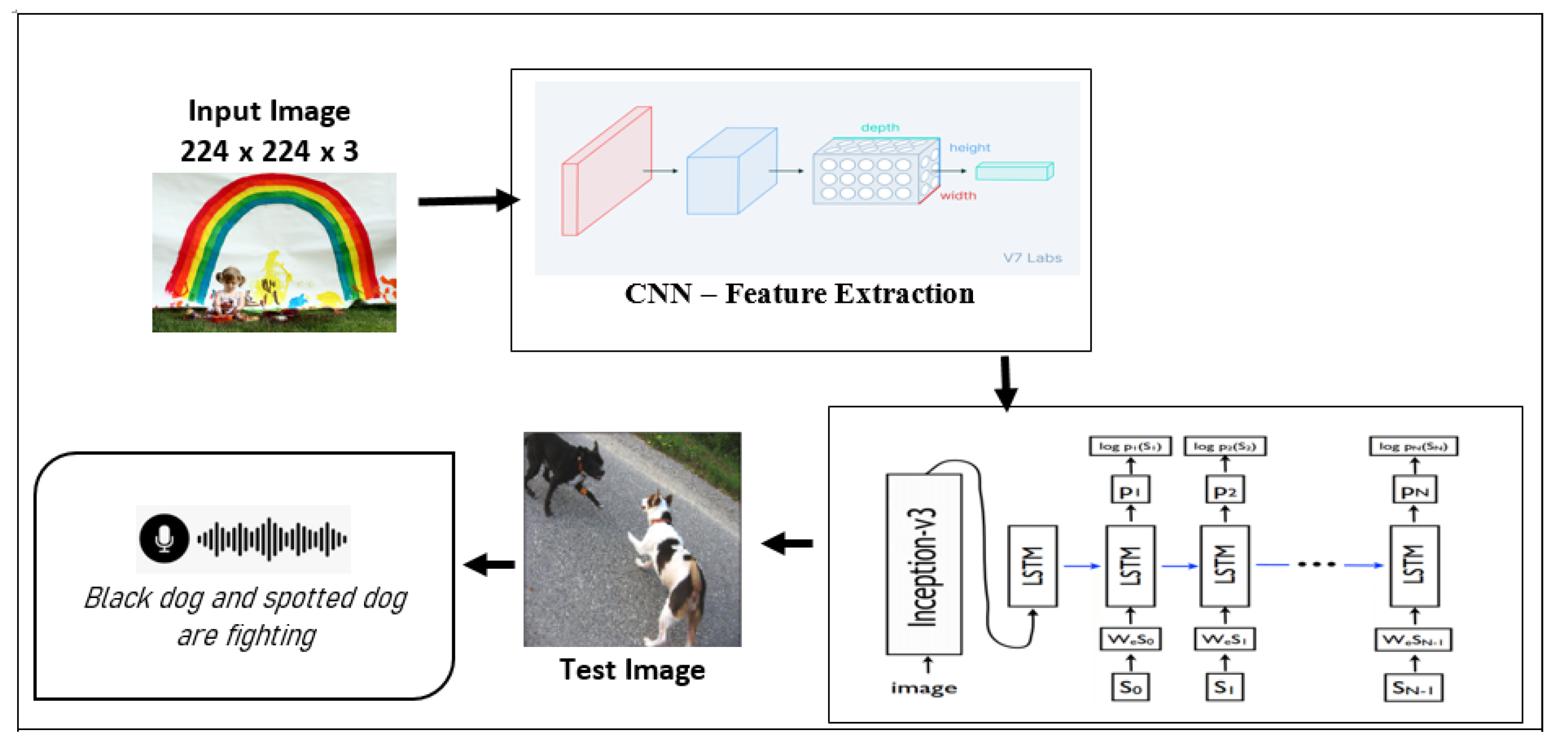
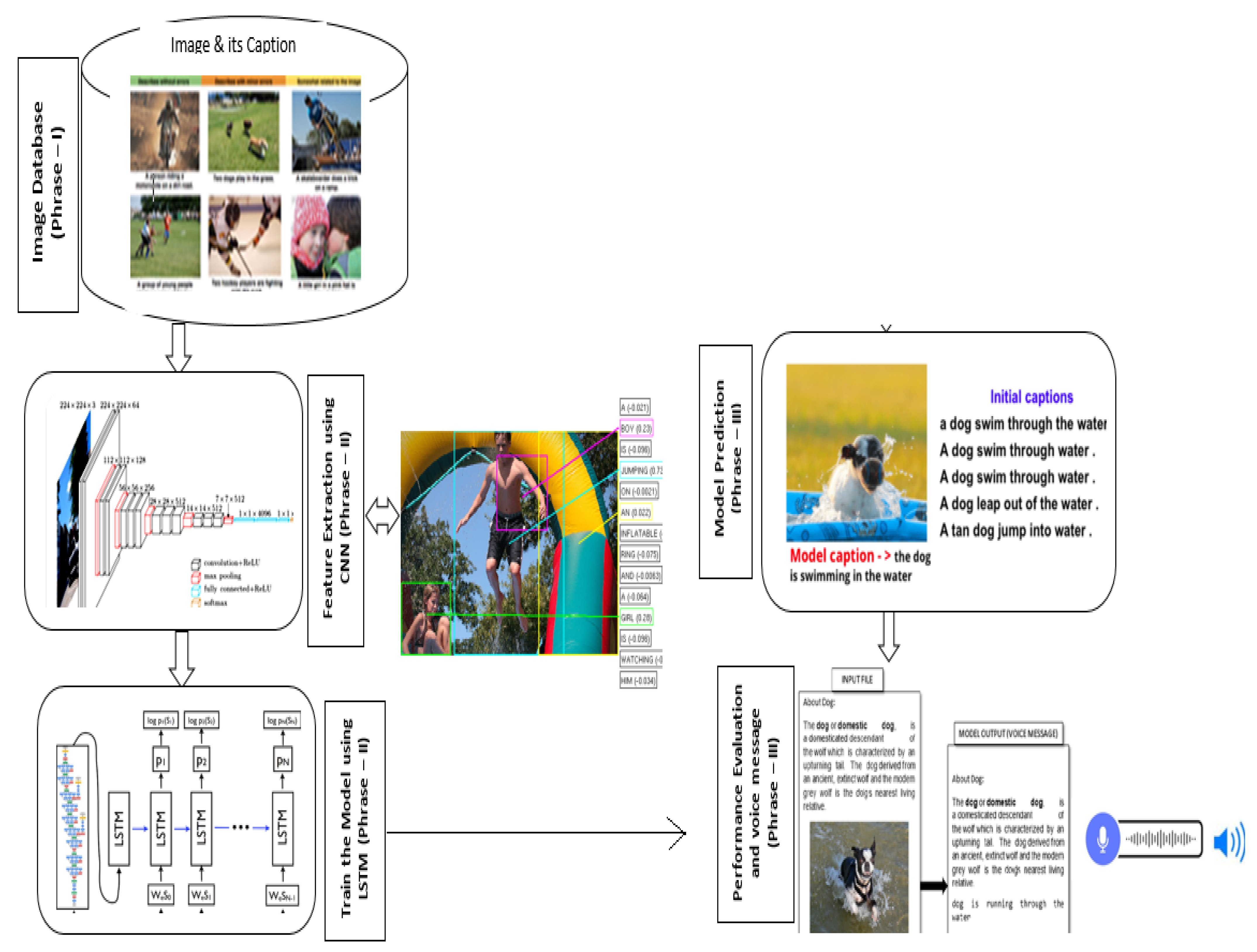
Deep learning has evolved in prominence as a field of study that seeks innovative approaches for automating different tasks depending on input data [12,13,14,15,16,17,18]. Deep learning is a type of artificial intelligence techniques that can be used for image classification, recognition, virtual assistants, healthcare, authentication systems, natural language processing, fraud detection, and other purposes. The study describes an Intelligent Reader system that employs Deep Learning techniques to help people with visual impairment read and describe images in a printed text book. In the proposed technique, Convolutional Neural Network (CNN) [19] is utilised to extract features from input images, while Long Short-Term Memory (LSTM) [20] is used to describe visual information in an image. The intelligent learning system generates a voice message comprising text and graphic information from a printed text book using the text-to-speech approach. Deep learning-based technologies increase image-related task performance and can help people with visual impairment live better lives. The overall architecture of the proposed solution is demonstrated in Figure 1.
Figure 1. The Deep Learning Reader Architecture.
The proposed intelligent reader system reads text using optical character recognition (OCR) and the Google Text-to-Speech (TTS) approach, which converts textual input into voice messages. The input images were trained with CNN-LSTM model to predicts the appropriate captions of an image and sends them to the intelligent reader system. The reader system transmits all data to visually impaired users in the form of audio messages. The proposed approach divides into three phrases: acquisition of input images, extracting features for training the deep learning model, and assessing performance. The efficiency of the constructed model is evaluated using different deep learning architectures, including ResNet, AlxeNet, GoogleNet, SqueezeNet, and VGG16. The experimental results suggest that the ResNet network design outperforms other architectures in terms of accuracy.
This paper provides the following contributions. First, it delivers an Electronic Travel Aids (ETA) vision substitution solution for people with visual impairment that includes spatial inputs such as photography or visual content. Although many studies have proposed text-to-speech solutions, this paper utilizes deep learning capabilities to describe images as well as text to a person with visually impairment. Second, it briefs the reader about most significant deep learning architectures for image recognition, along with most identified features of each architecture. Finally, this paper proposes and implements a deep learning architecture utilizing CNN and LSTM algorithms. Content is extracted from text and images with the former algorithm, and a captions are predicted with the latter.
In the recent decades, many researchers have developed an assistive device/system to read text books for people with visual impairment, which helps them enhance their learning skills without the assistance of a tutor. Reading image content is a challenging task for visually impaired students. The proposed system is unique in that it incorporates the intelligence of two deep learning approaches, CNN and LSTM, to assist people with visual impairment in reading a text book (both text and image content) without the assistance of a human. The proposed approach reads the text content in the book using OCR and then provides an audio message. If any images are presented in the text book between the texts, the system uses the CNN model to extract the features of the image, and the LSTM model to describe the captions of the images. Following that, the image captions are translated into voice messages. As a result, visually challenged persons understand the concept of the text book without any ambiguity. The suggested method combines the benefits of OCR, CNN, LSTM, and TTS to read and describe the complete book content through audio/voice message.
The rest of the paper is structured as follows: Section 2 covers previous proposed solutions available for visual impairment. The preliminaries of various architectures in Deep learning approach is explained in Section 3. Then, the empirical findings and model evaluation are detailed in Section 4. We conclude this endeavour in Section 5 with concluding remarks and future work.

3. Preliminaries

Deep learning is a type of machine learning and artificial intelligence (AI) that that models the learning of data. This approach helps academic researchers to gather, assess, and decipher substantial reams of information because it streamlines and quickens the process.
A vast amount of research has been conducted in the field of computer vision in recent decades. Image classification, image segmentation, video tracking, pedestrian identification, object detection, and many other applications are examples of computer vision applications. One of the most essential computer vision techniques is object detection, which is used to discover and locate objects/obstacles inside an image or video. Object identification approaches include drawing bounding boxes and representing various things of interest in a given image. Several deep learning variations based on artificial neural networks have been employed such as Multilayer Perceptron (MLP), Recurrent Neural Networks (RNN), Convolutional Neural Network (CNN), and Long Short Term Memory (LSTM), where different architectures plays an important role in different applications [47].

3.1. Multilayer Perceptron (MLP)

Multilayer Perceptron is a feed-forward artificial neural network algorithm which has input, output and one or more hidden layers [48]. The perceptron can use Rectified Linear Unit (ReLU) [49] activation function or Sigmoid that combined with the initial weights in a weighted sum for prediction. In the fully connected layer of MLP, all the nodes are connected with the next and previous layer. There are many applications of multi-layer perceptron such as speech recognition, pattern recognition, sentiment analysis, etc.

3.2. Convolutional Neural Networks (CNNs)

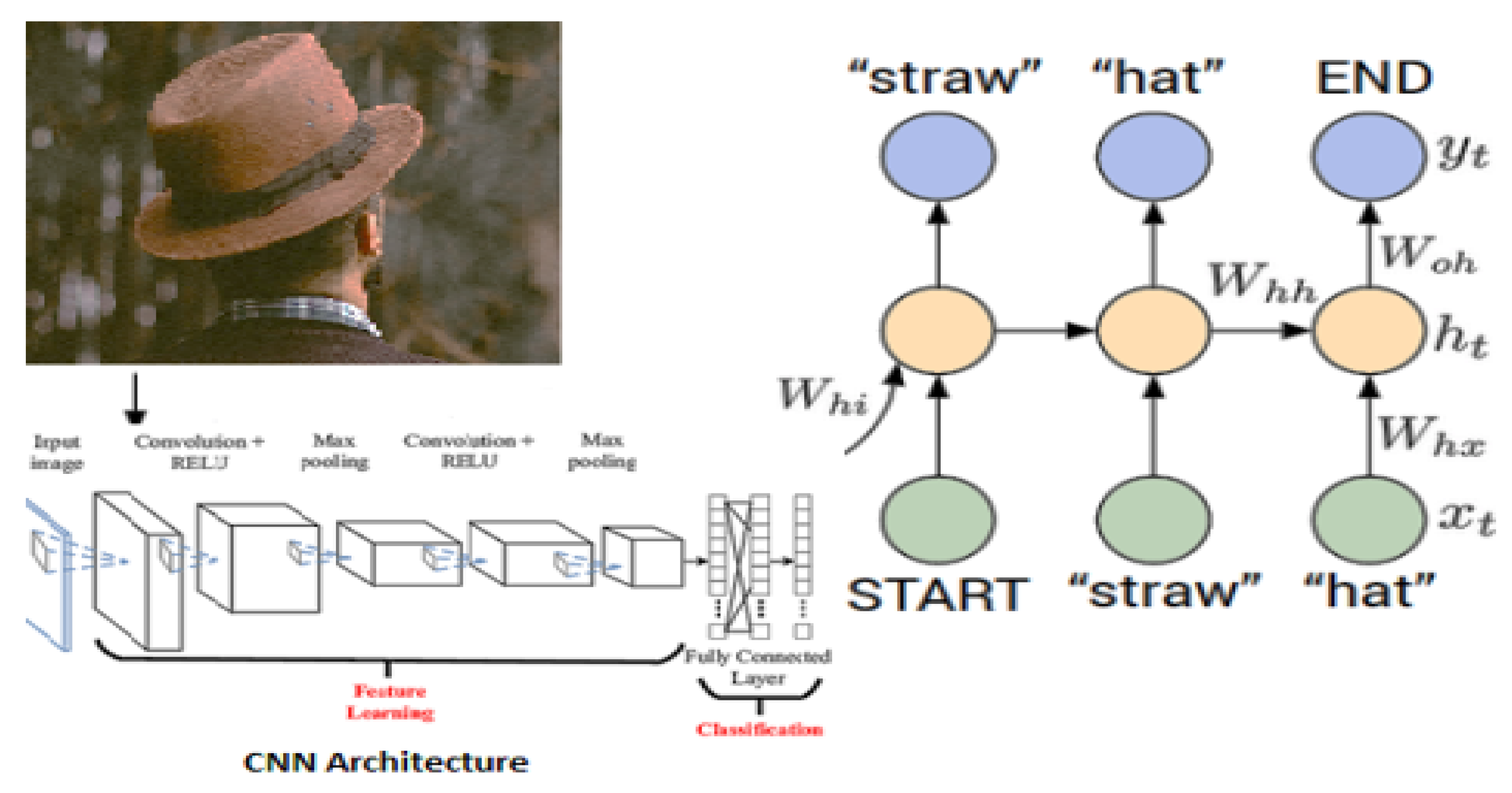
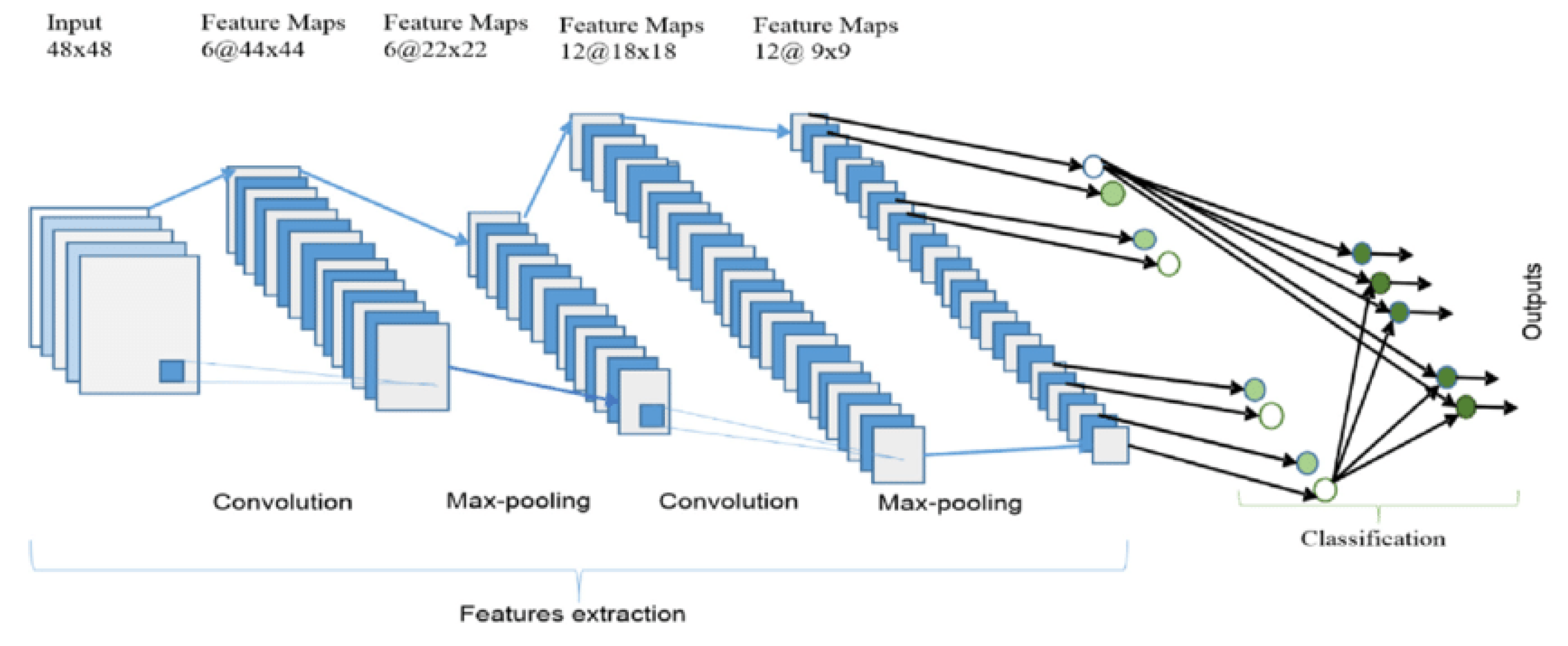
CNN [50] can be defined as a kind of deep learning neural network that has aided the development of classifying and recognizing images. The CNNs are composed of several different basic layers followed by the activation layers. A CNN is made up of three layers: a convolutional layer, a pooling layer, and a fully connected layer. The Convolutional layer involves a procedure wherein a succession of layers retrieve low- to high-level features from the input layer. Meanwhile, the fully connected layer utilizes the Softmax Classification method to calculate and arrange the class label scores. The pooling layer is responsible for reducing the convoluted features’ spatial dimensions. This pooling comprises two kinds: average pooling and maximum pooling. The former provides an average of each value from the part of the image within the kernel’s boundaries, while the latter returns the topmost value. The fully connected (FC) layer performs classification using the characteristics retrieved by the previous layers and their various filters. FC layers typically use a softmax activation function to classify inputs, yielding a probability ranging from 0 to 1. Figure 3 shows the CNN architecture.
Figure 3. CNN Architecture [51].
Numerous CNN architectures, such as Alexnet [52], VGG16 [53], Squeezenet [54], ResNet [55], and GoogLeNet [56], have emerged in recent years, with many differences in terms of layer types, hyper-parameters, and so on. The most significant predefined networks are discussed in this article.

3.3. CNN-AlexNet

AlexNet is a pioneering architecture in the field of computer vision. This model takes images with dimensions of 227 × 227 × 3 as input. As the number of filters increases, the model is trained deeper and more features are extracted. In addition, the filter size is decreasing, implying that the original filter is becoming smaller. RGB images are sent into the deep learning model’s input. Softmax is the activation function utilised in the output layer [52].

3.4. CNN-VGG16

The VGG16 is a typical convolution neural network (CNN) architecture developed by Karen Simonyan and Andrew Zisserman of the University of Oxford. The architecture’s performance is assessed using the ImageNet dataset [57], which obtained 92.7 percent top-5 test accuracy in 2014. In comparison to AlexNet, VGG16 employs huge kernel-sized filters. The architecture’s input image dimensions are set at 244 × 244 × 3. All of the hidden layers in this network are followed by the ReLu activation function. Finally, the softmax layer serves as the output layer [53].

3.5. CNN-GoogLeNet

The primary goal of the Inception architectural model is to use less computational resource by altering earlier Inception designs. The initial version of the inception model is called “GoogLeNet”, and it has 22 layers. These networks have learnt several feature representations for a variety of images. The network’s input dimensions are 224 × 224 × 3. The GoogLeNet architecture differs from prior designs such as AlexNet and VGG16 in that it uses global average pooling to generate deeper architecture. Rectified Linear Unit (ReLU) is used as activation functions in this architecture’s convolutions [56].

3.6. CNN-ResNet

Deep neural networks need more time to train the model and are more prone to overfitting. To overcome these shortcomings, Microsoft launched ResNet, a residual learning framework that improves the training of networks that are far deeper and relatively simple to grasp than those previously employed. Every few stacked levels in this network design directly suit a required underlying mapping [55].

3.7. CNN-SqueezeNet

SqueezeNet is a smaller neural network that was created to be a more compact alternative for AlexNet. This architecture has 50x less parameters than AlexNet and performs 3× quicker. It used ReLU activation in all squeeze and expand layers [54].
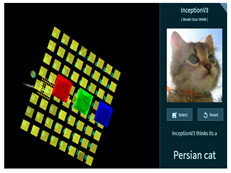
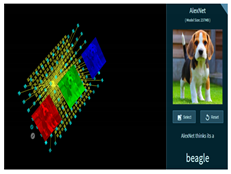
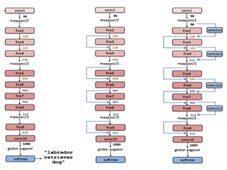
Table 2 describes the 3D depiction of each deep learning network architecture. TensorSpace (https://tensorspace.org/index.html (accessed on 15 October 2022)) is an interactive visualization tool that exposes data connections between network layers.
Table 2. Visualization of Deep Learning Architectures.

3.8. Long Short Term Memory (LSTM)

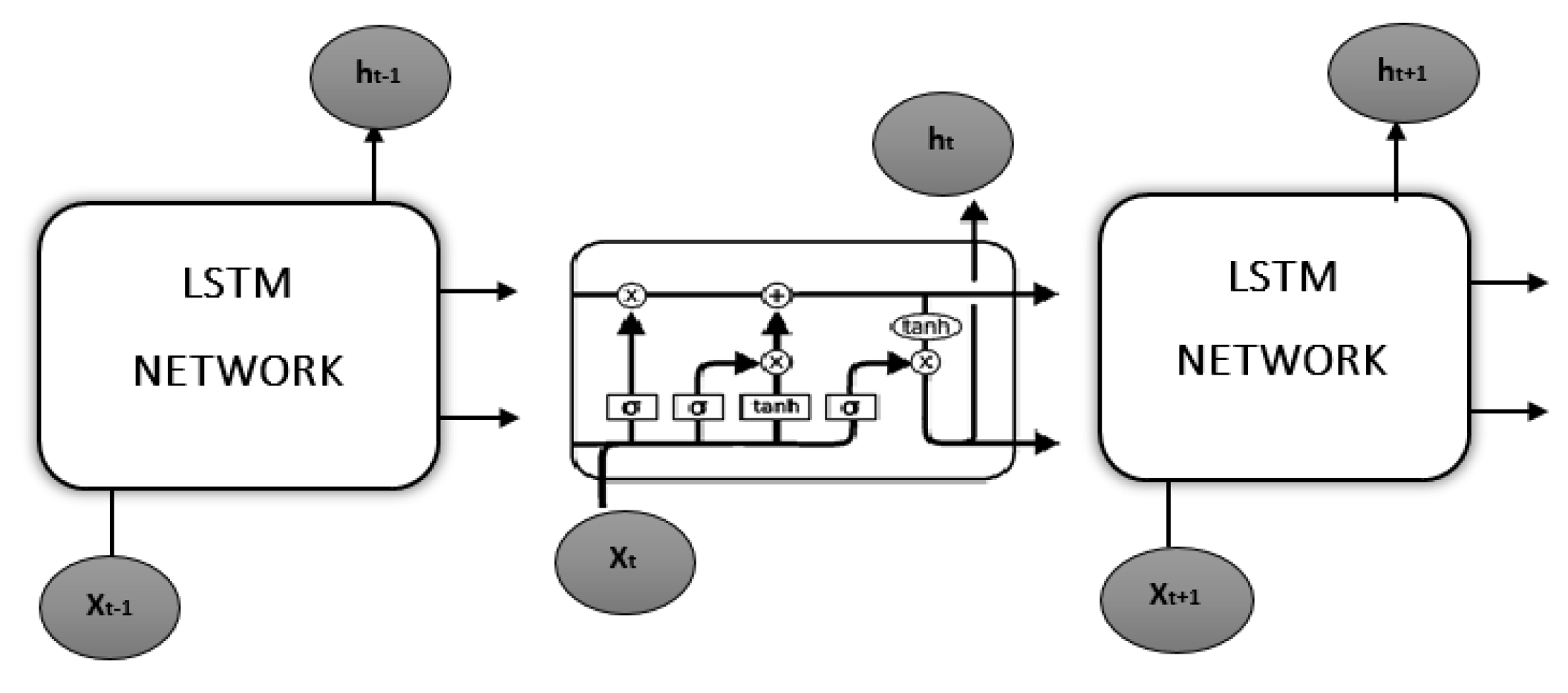
Long Short-Term Memory (LSTM) [58] networks are Recurrent Neural Networks (RNN) that have the capacity to grasp order dependency in sequence prediction scenarios. RNN is a feed-forward neural network characterized by its internal memory. In this network, the current stage involves the output of the preceding step acting as an input: after its generation, the output undergoes replication and is returned to the RNN. During the decision-making process, the network assesses information about the input and output it acquired from the previous input and helps identify the order of the images. LSTM networks can be used in different contexts, including activity recognition, grammar learning, handwriting identification, human action detection, picture description, rhythm learning, time series prediction, voice recognition, and video description. Figure 4 illustrates the LSTM architecture.
Figure 4. LSTM Network Architecture [59].
LSTM networks comprise numerous memory blocks, otherwise referred to as cells and illustrated in the image as rectangles. These blocks take responsibility for recording information, and modifying this information occurs using one of four gate methods. LSTMs handle Short-Term Memory (STM) and Long-Term Memory (LTM), while the gates aim to streamline the computation process. In this instance, the LTM moves to the forget gate, where it loses data that does not serve a purpose: conversely, the learn gate makes it possible to grasp data from the STM, and the remember gate amends LTM data and brings it up to date, and the use gate forecasts the output of the current event.

4. The Proposed CNN-LSTM Design

The proposed approach involves feeding the input file into the intelligent reader system, which utilizes an Optical Character Recognition (OCR) tool that scrutinizes the file’s contents and Google Text-to-Speech (TTS) technique adapts written input into voice responses. When a file has images, the trained CNN-LSTM model predicts the related captions, which are forwarded to the intelligent reader system. The reader system passes on all data in the form of voice messages. The proposed system is divided into three phases: collecting input images, extracting features for training the deep learning model, and evaluating performance. Such an approach aims to ease concerns over predicting sequences, including spatial inputs such as photography or visual content. Figure 5 depicts the suggested CNN-LSTM model’s architecture.
Figure 5. CNN-LSTM Design.
Phase 1 (Input Image Collection): The input images are collected and preprocessed. In this research, Flickr 8K dataset, which comprises images and associated human descriptions, is utilised for model training.
Phase 2 (Model Training): It consists of two main parts: feature extraction and a language prediction model built with two deep learning techniques: Convolutional Neural Network (CNN) and Long Short Term Memory (LSTM). CNN is a sub component of the Deep Learning approach and customized deep neural networks that are used for image classification and recognition. Images in CNN model are represented as a 2D matrix that can be scaled, translated, and rotated. The CNN model analyses the images from top to bottom and left to right, extracting salient features for image categorization. In this network architecture the convolutional layer with 3 × 3 kernels is utilised for feature extraction with ReLU active function. To minimise the dimensions of an input picture, the max-pooling layer with a size of 2 × 2 kernels is utilised. The extracted features will be put into the LSTM model, which will provide the image caption. LSTM is a subsection of Recurrent Neural Networks (RNN) that was created to solve sequence prediction issues. The output from the last hidden state of the CNN (Encoder) is fed as the input of the decoder. Let x 1 = <START> vector and the required label y 1 = first word in the sequence. In the same way consider x 2 = word vector of the first word and expect the network to identify the next word. Lastly, x T = last word, and y T = <END> token. The visualization of language prediction model is depicted in Figure 6.
Figure 6. Language Prediction Model.
The language model takes the image pixels i and the input word vectors is denoted as ( x 1 , x 2 ,…, x n ), and determines the series of hidden states ( h 1 , h 2 ,…, h n ) that produce the outputs ( y 1 , y 2 ,…, y n ). As the initial hidden state ht, the image feature vectors are only transmitted once. As a result, the image vector I the previously hidden state h t 1 , and the current input x t are used to determine the next hidden state. A softmax layer is used on the specified hidden state activation function to generate the current output y t .
b u = W h i [ C N N θ c ( I ) ]
h t = f ( W h x x t + W h h h ( t 1 ) + b h + 1 ( t = 1 ) Θ b v )
y t = s o f t m a x ( W o h h t + b o )
The CNN-LSTM is a deep learning architecture that combines two algorithms: CNN and LSTM. The salient features of the input images are extracted to predict sequences, and the latter predicts captions. The developed deep network model is evaluated using various architectures including ResNet, AlexNet, GoogleNet, SqueezeNet, and VGG16. Phase 3 (Testing): In phase 3, the trained model is tested using the test dataset. The CNN-LSTM model predicts the caption sequence from the test image. The proposed approach’s efficiency is determined using metrics such as BLEU, precision, recall, and accuracy. Using Google Text-to-Speech API, the output captions are turned into audio messages. The intelligent reader system based on deep learning enables people with visual impairment to easily understand text as well as images displayed in text content.

5. Results and Discussion

5.1. Dataset Collection

In this research, the Flickr8k dataset [60,61] is employed to train the model. Flickr8k Dataset, which contains 8092 images, and each is annotated with 5 sentences using Amazon Mechanical Turk.The annotations on each image allow for progress in automatic image description and grounded language understanding. Flickr8k Text file, which contains image names and captions. For training, the deep learning model dataset is divided into three parts: 80%, 10%, and 10% for training, validation, and testing, respectively. Table 3 shows a sample image with a caption.
Table 3. Sample Image and Description.

5.2. Results and Discussion

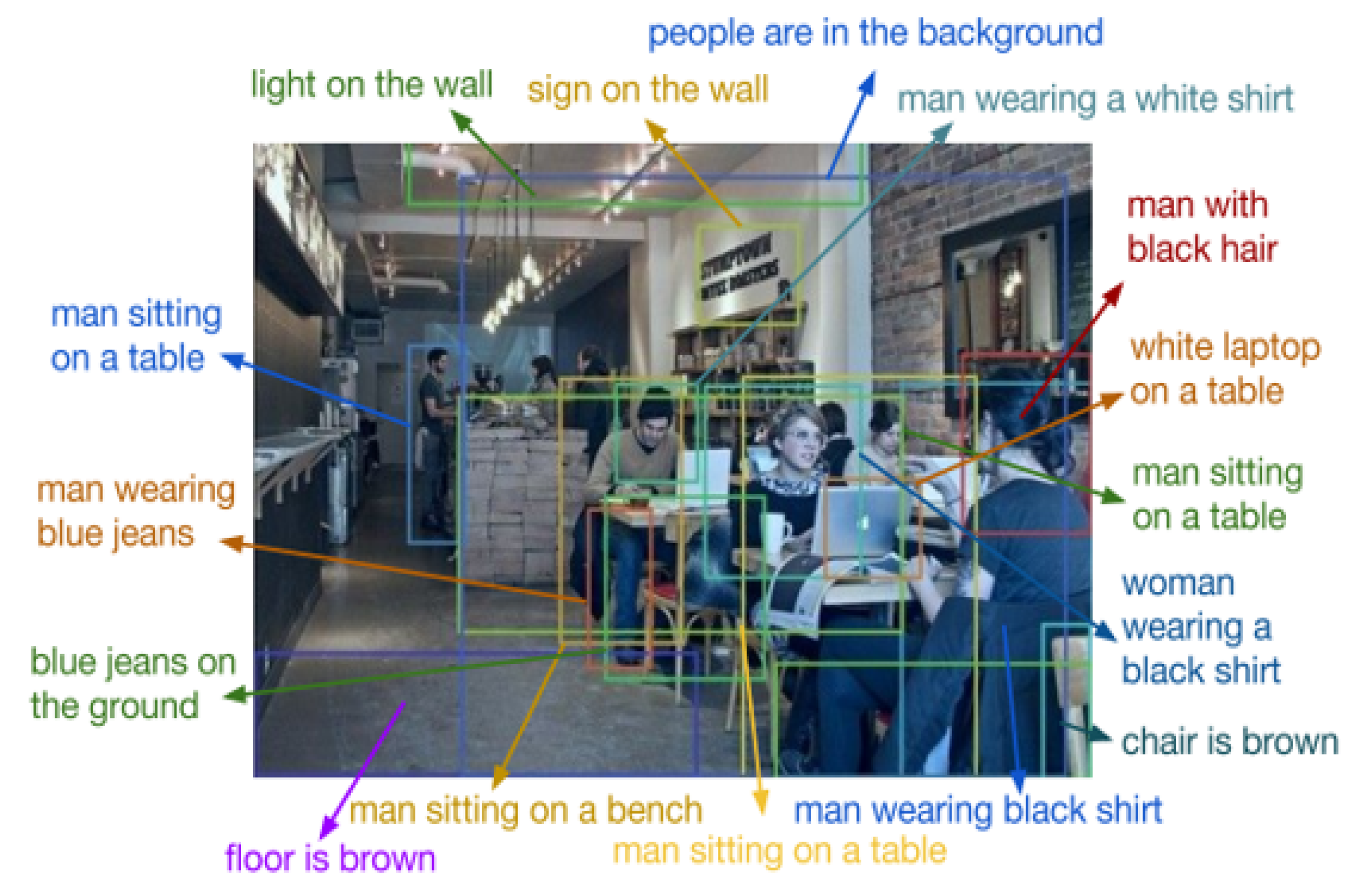
The training process involved feeding the dataset, which was the input, into the model. This research employed CNN and LSTM to ascertain an image’s caption: CNN withdrew the features, and an LSTM-trained model came up with the caption. Post-training, the model should accept the image, which subsequently summarizes the content. The trained model helps capture the information encoded in the image, as illustrated in Figure 7.
Figure 7. Image Description presented using Trained Model [61].
As a consequence of the parameter analysis, several metrics were investigated, including input image size, activation function, developer name and year of creation, and top-5 error rate. Table 4 depicts the input parameter values. In this table the input image size of AlexNet is 227 × 227 × 3, while the remaining network architecture is 224 × 224 × 3. The activation function is used to find the output of the neural network that contains several activation functions such as sigmoid, tanh, relu, softmax, and so on. In this article, AlexNet and VGG16 employed the softmax activation function, whereas the others used Relu activation. When compared to other algorithms, ResNet has the lowest error rate. In the empirical analysis, the batch size and epochs were set to 512 and 200, respectively.
Table 4. Parameter Values of Proposed Method.
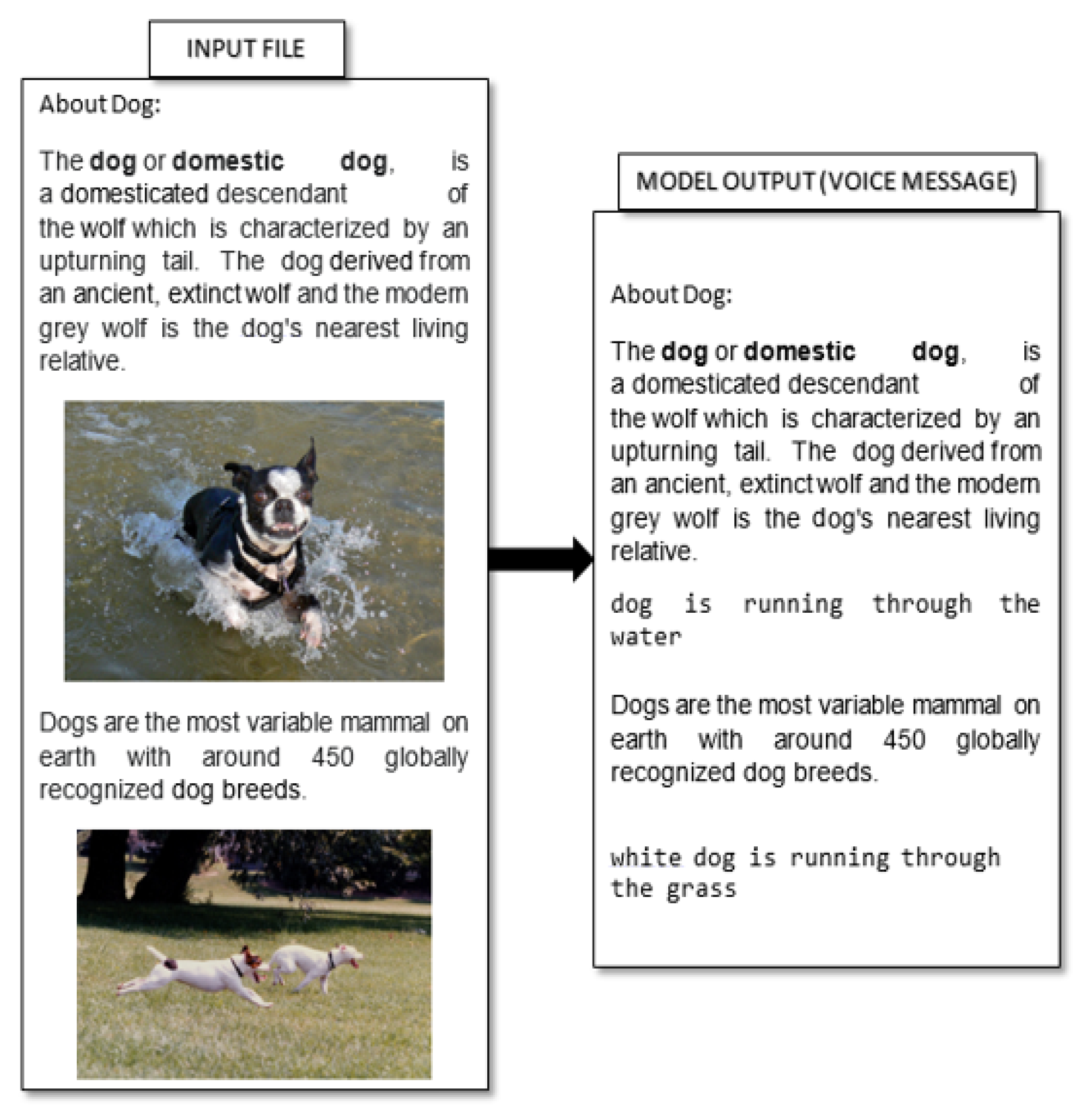
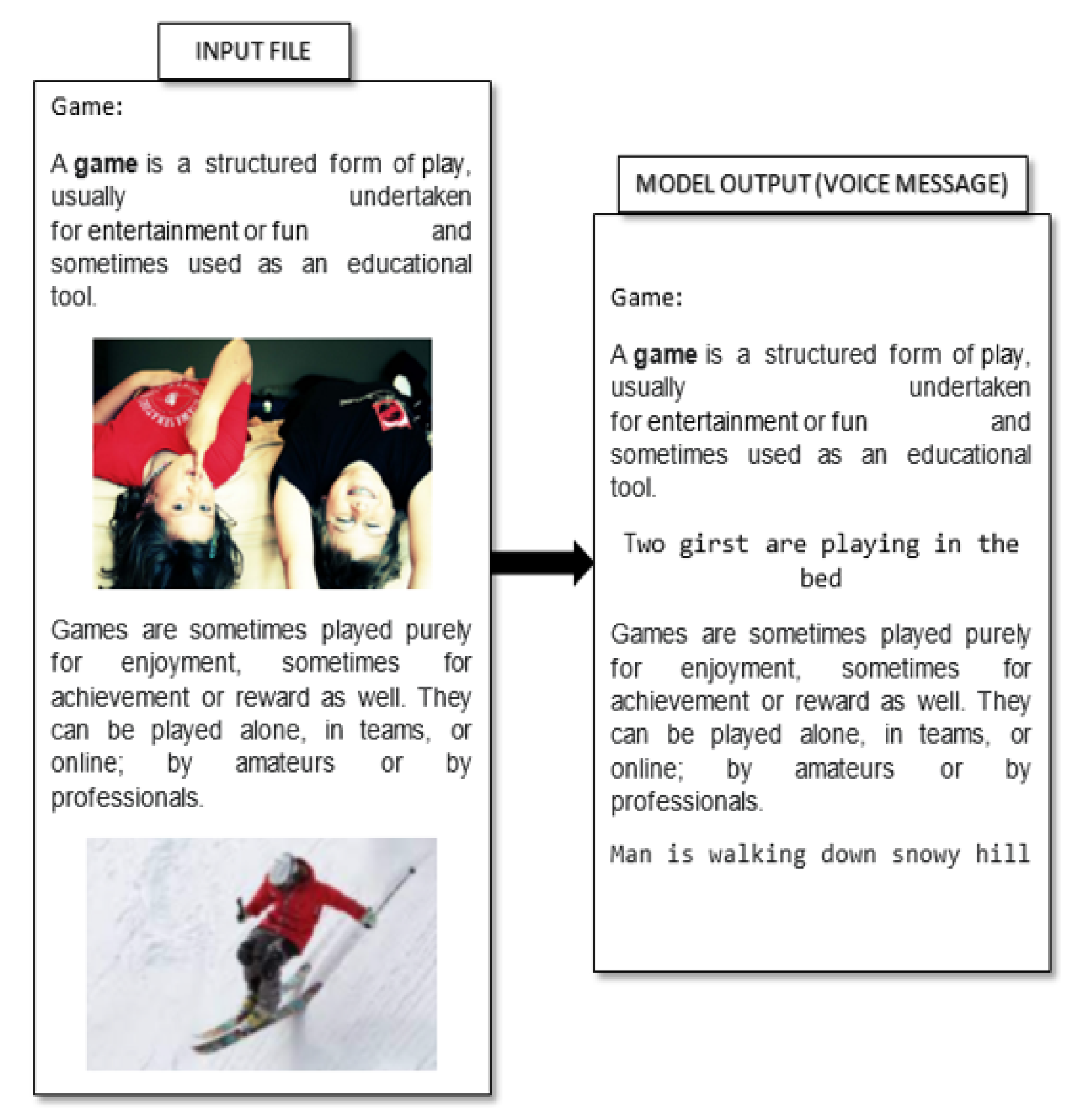
The suggested approach features a document comprising words and images: the LSTM model predicts the caption, and a voice message disseminates all relevant data. Figure 8 and Figure 9 demonstrates the output of the proposed deep learning reader.
Figure 8. Deep learning Reader Output 1.
Figure 9. Deep learning Reader Output 2.
BiLingual Evaluation Understudy (BLEU) [62] evaluates the performance levels of the image captioning system and carries out an investigation of the n-gram correlation between the reference translation statement and the translation statement under consideration. BLEU score is computed using the following equation,
B L E U = m i n ( 1 , e x p ( 1 r e f e r e n c e l e n g t h o u t p u t l e n g t h ) ) ( i = 1 4 p r e c i s i o n i ) 1 / 4
p r e c i s i o n i = s n t C a n d C o r p u s i s n t m i n ( m c i m r i ) w t i = s n t C a n d C o r p u s i s n t ( m c i )
where,
m c i is the count of i-gram in candidate matching the reference translation,
m r i is the count of i-gram in the reference translation,
w t i is the total number of i-grams in candidate tanslation.
A higher BLEU score indicates correspondingly high performance levels. Table 5 features the 1- and 2-gram BLEU scores for the AlexNet, GoogleNet, ResNet, SqueezeNet, and VGG16 networks. Studies have found that the ResNet network architecture exceeds the other networks’ performance levels.
Table 5. BLEU Score Values.
Table 6 summarises the performance of the proposed framework and the other image captioning approaches presented in the related work section. Image captioning is used in a variety of applications such as bridge damage detection, remote sensing image captioning, language caption synthesis, constructions, and so on. According to the table, the BLEU score values for construction image captioning method, remote sensing image captioning method, and Arabic Image Caption Generation were 0.56, 0.77, and 0.81, respectively. For describing the image caption, the proposed method used various Convolutional Neural Network (CNN) pre-trained networks such as AlexNet, GoogleNet, ResNet, SqueezeNet, and VGG16. The empirical results show that the proposed CNN–ResNet network model achieves a higher BLEU score value than other network models and existing image captioning approaches.
Table 6. The Performance Comparison with Existing Approaches.
The suggested CNN-LSTM algorithm’s efficiency is assessed using evaluation metrics such as precision, recall, and accuracy.Precision is the number of correct class predictions that belong to the same class. The number of actual predictions made out of all the classes in the data set is denoted as recall. Model accuracy relates to the ability to choose the best model based on training data, and it is defined as follows:
P r e c i s i o n = T r u e P o s i t i v e ( T r u e P o s i t i v e s + F a l s e P o s i t i v e )
R e c a l l = T r u e P o s i t i v e ( T r u e P o s i t i v e + F a l s e N e g a t i v e )
A c c u r a c y = N o . o f C o r r e c t e d P r e d i c t i o n s T o t a l N o . o f P r e d i c t i o n s
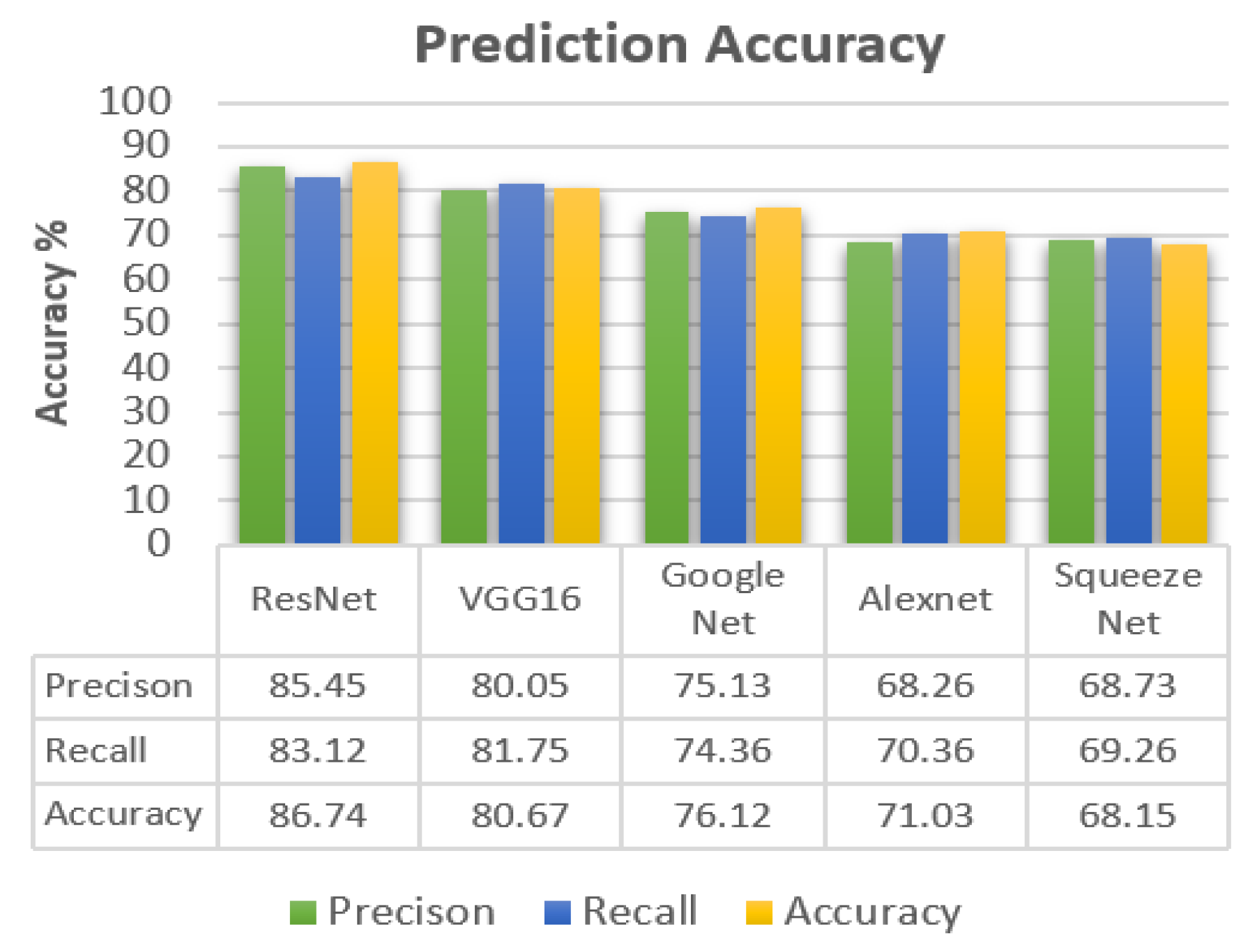
To evaluate the correctness of the predicted images captions, it is compared against the caption of the tagged images. In this empirical analysis, true positive means that the predicted model accurately predicts image captions that are tagged positive captions in the class labels. True negatives indicate that the predicted model properly predicts image captions with negative tags in the class labels. A false positive is an outcome in which the model forecasts the positive class inaccurately. Similarly, false negative is an output in which the model predicts negative captions incorrectly. The ResNet network performs better than the existing architectures. The next step in the methodology employ text-to-speech to vocally narrate the data for people with visual impairment. Figure 10 demonstrates the evaluation metric values for several architectures such as Alexnet, GoogleNet, SqueezeNet, VGG16, and ResNet.
Figure 10. Prediction Accuracy.
According to the experimental results, ResNet has the highest precision value of 85.45%, while Alexnet has the lowest precision value of 68.26%. In terms of recall, squeezeNet has the lowest recall value of 69.26%, while ResNet has the highest precision value of 83.12%. ResNet architecture has the highest overall accuracy of 86.74% when compared to other network architectures. The empirical results indicate that the CNN-LSTM model with ResNet network architecture outperforms the image caption prediction.
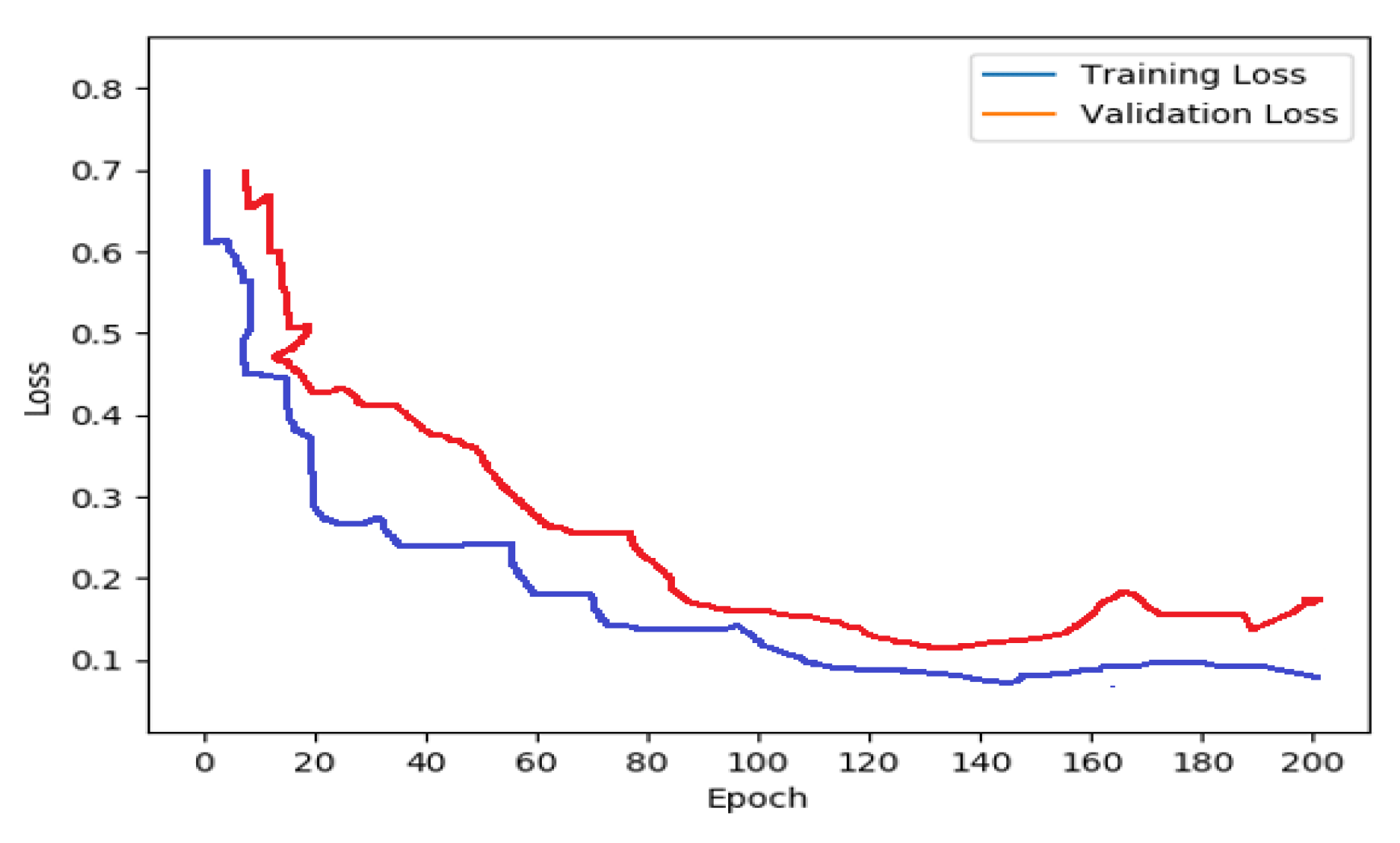
In this experimental analysis, the model is trained with 200 epochs. The training and validation loss for the AleNet architecture is depicted in the Figure 11. The lost accuracy start at 0.7 and gradually decreased to an average value of 0.2.
Figure 11. Training and Validation loss (Alexnet).
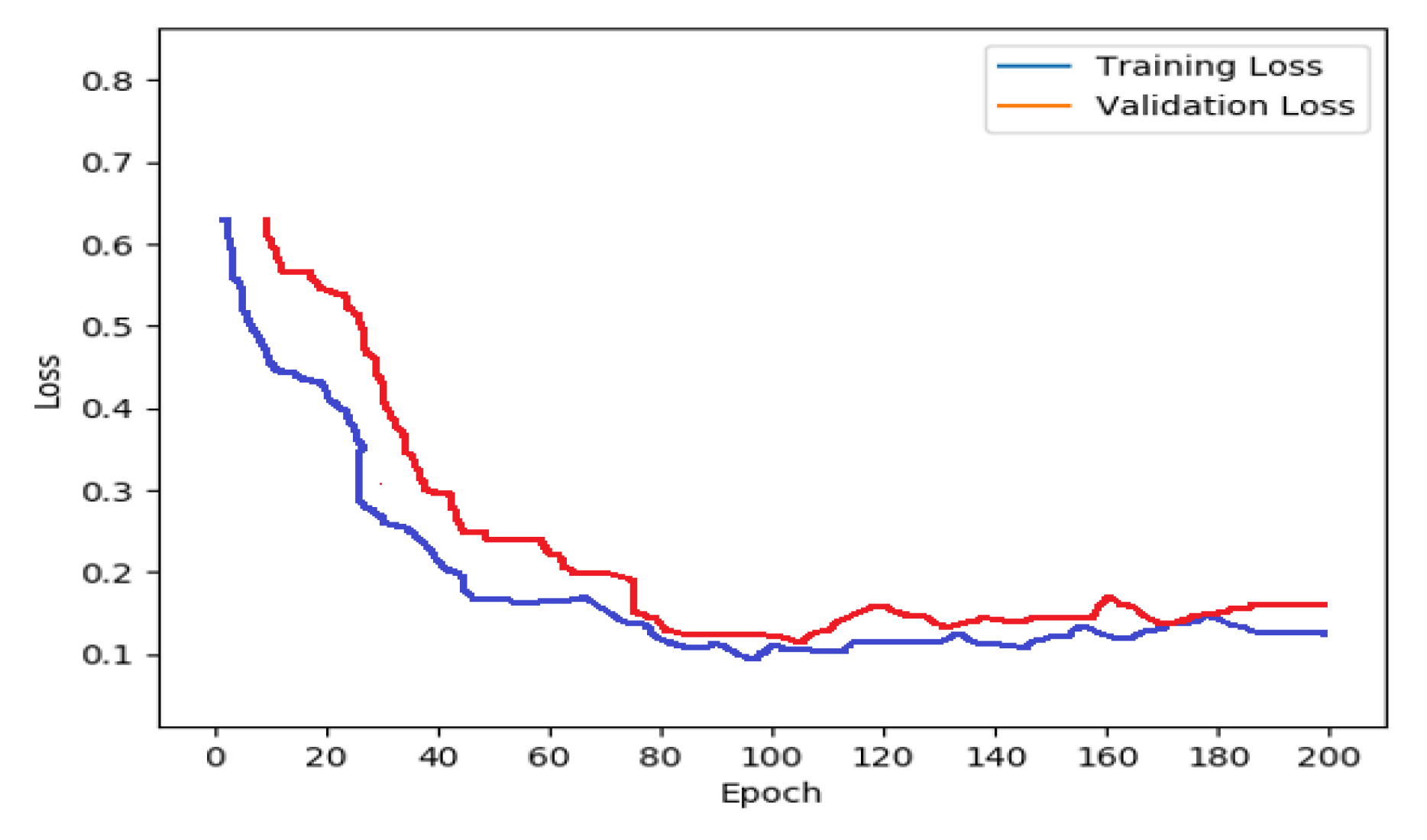
Figure 12 demonstrates the training and validation loss for GoogleNet architecture. According to the GoogleNet training and validation graph, the loss value starts at 0.6 and ends at 0.25, indicating that the network performs lower for image caption prediction.
Figure 12. Training and Validation loss (GoogleNet).
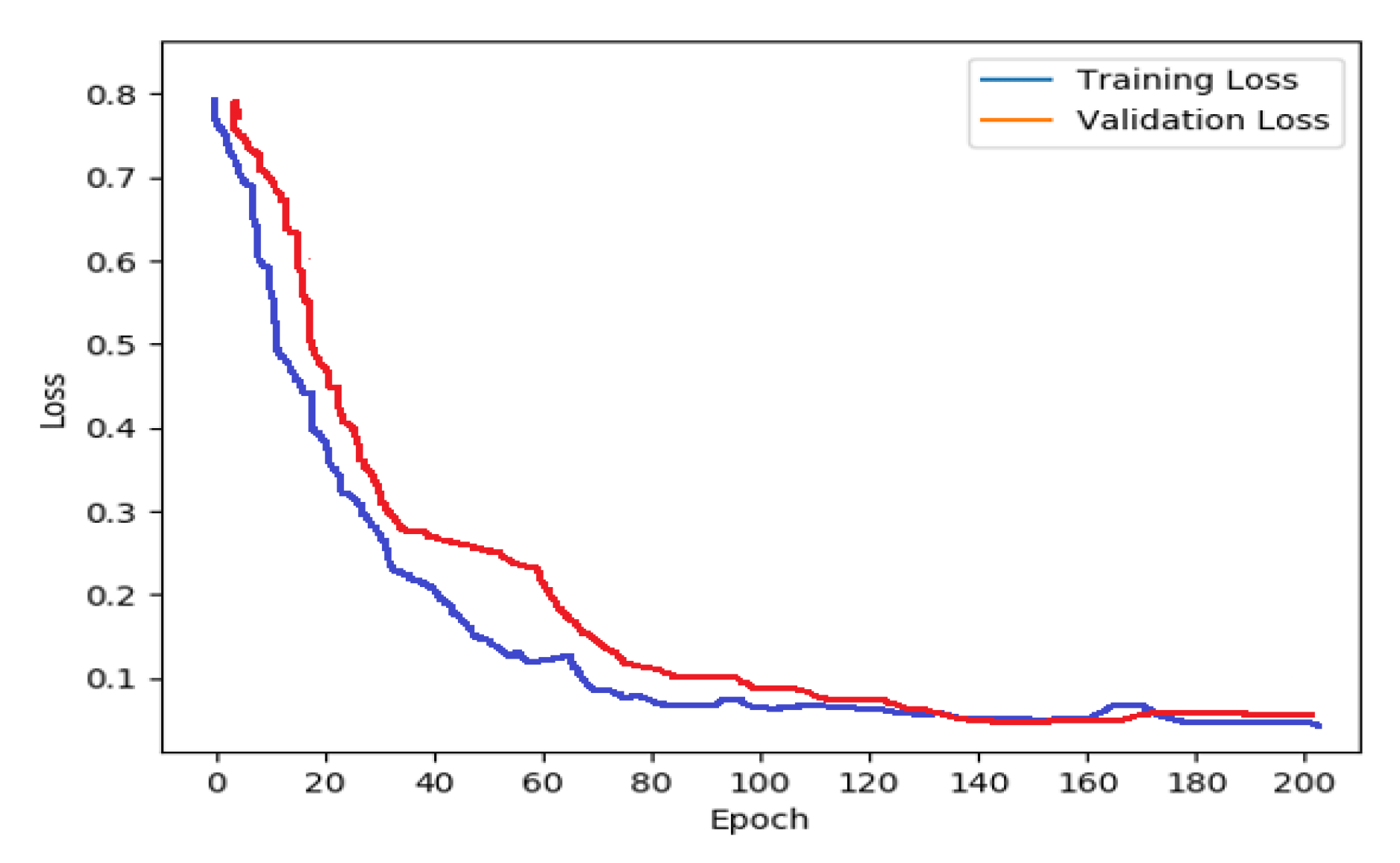
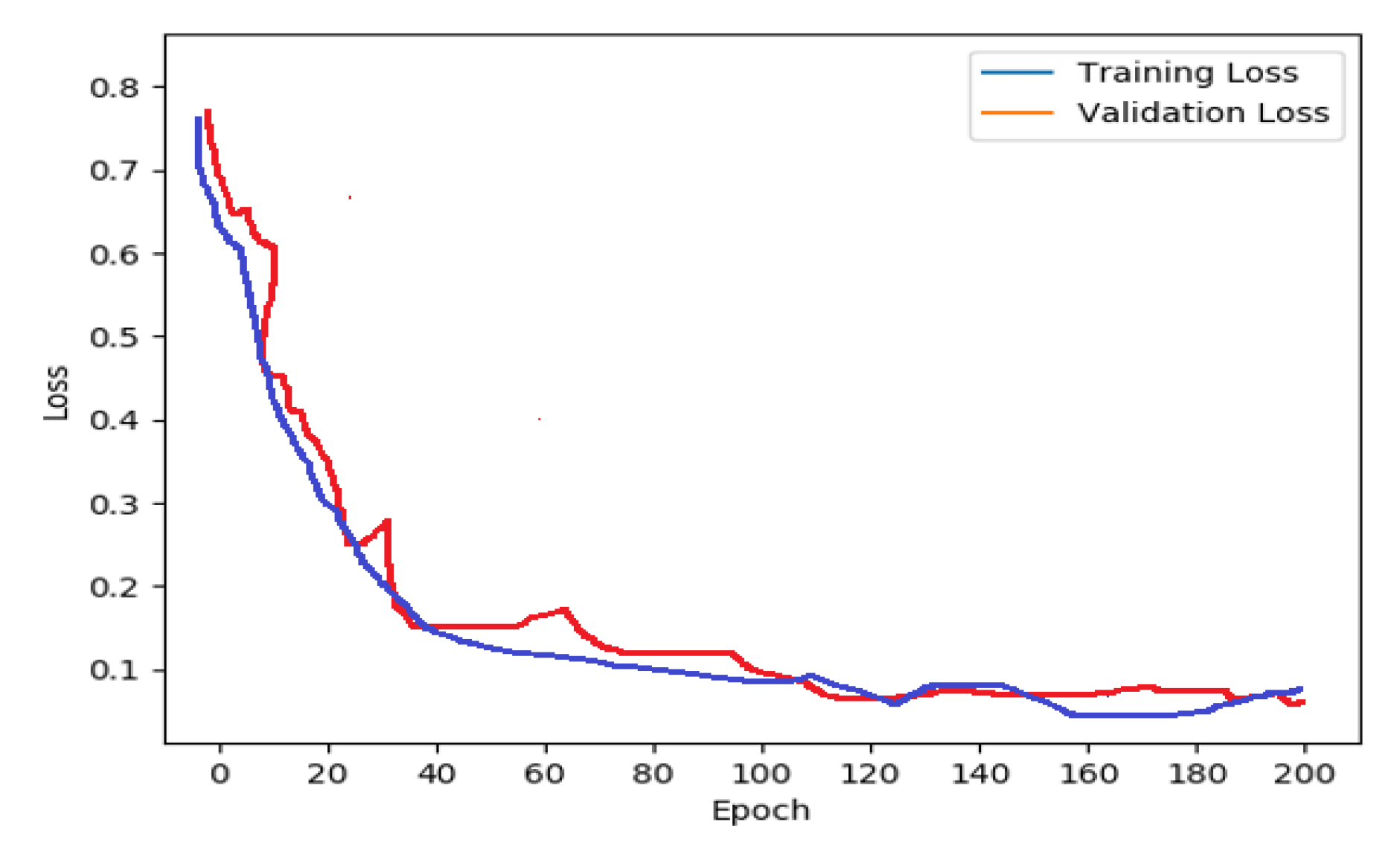
Figure 13 demonstrates the training and validation loss of the ResNet architecture. According to this figure, the loss rate started at 0.8 and gradually decreased below 0.1 after the 80th epoch. When compared to other networks architectures, the ResNet produces better accuracy and a lower loss rate.
Figure 13. Training and Validation loss (ResNet).
The loss rate for the VGG16 network architecture started at 0.75 and ended at 0.2 and it is shown in Figure 14. It is believed that the loss rate for both training and validation seems to be the same. It is also important to note that the training loss rate is impressed in a smooth manner, with no ups and downs.
Figure 14. Training and Validation loss (VGG16).
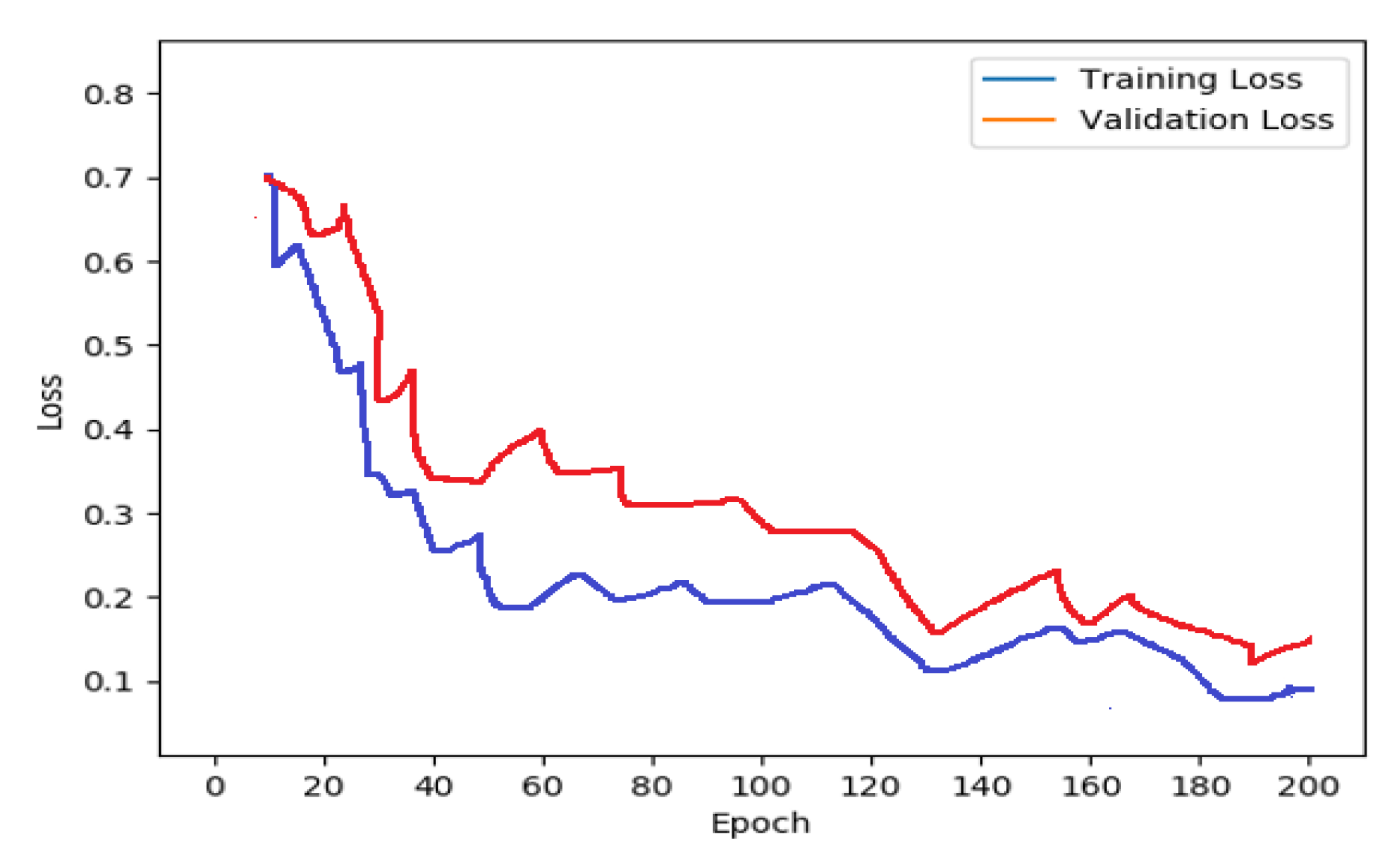
Finally, Figure 15 shows the SqueezNet training and validation graph. In this figure, both curves are deviated with high values, indicating that it produce less performance for image caption prediction. The graphs confirms a proven decrease in loss across the different tested models as the number of epochs increases during validation and training which represents a better learning capability of the models.
Figure 15. Training and Validation loss (SqueezNet).
The experimental results show that the SqueezNet network has a very high loss rate, implying that it produces less efficiency than the other networks. In comparison of ResNet and Vgg16 networks, ResNet produce superior and lower loss rates. Similarly, when compared to other networks, GoogleNet has an average loss rate. The ResNet design is thought to better match the training data and forecast the incoming data.

6. Conclusions

This work involves generating a deep learning-based intelligent system to assist individuals with visual impairments. The system comprises entering text and images from coursebooks: CNN extricates the relevant data, and LSTM specifies the visual input. Users receive the data in the form of voice messages that use the text-to-speech module. The Alexnet, GoogleNet, ResNet, SqueezeNet, and VGG16 networks train the LSTM model. According to research, the LSTM-based training model provides the most suitable image descriptions and predictions.
An intelligent system means individuals with visual impairments can easily comprehend text and images, although limitations exist, such as requiring the use of the Flicker8k dataset to provide image data. Subsequent studies will utilize transfer learning to refine descriptions of images based on real-time photos and their descriptive content.

Author Contributions

Conceptualization, J.G., A.T.A. and N.A.K.; Data curation, S.A., B.Q. and A.E.H.; Formal analysis, J.G., A.T.A., S.A., N.A.K., B.Q. and A.E.H.; Investigation, A.T.A., S.A., N.A.K., B.Q. and A.E.H.; Methodology, J.G., A.T.A., S.A., N.A.K., B.Q. and A.E.H.; Resources, J.G., S.A., B.Q. and A.E.H.; Software, J.G. and N.A.K.; Supervision, A.T.A.; Validation, A.T.A., S.A., B.Q. and A.E.H.; Visualization, J.G., N.A.K., B.Q. and A.E.H.; Writing—original draft, J.G., A.T.A., S.A. and N.A.K.; Writing—review & editing, J.G., A.T.A., S.A., N.A.K., B.Q. and A.E.H. All authors have read and agreed to the published version of the manuscript.

Funding

This research is funded by Prince Sultan University, Riyadh, Saudi Arabia.

Acknowledgments

The authors would like to thank Prince Sultan University, Riyadh, Saudi Arabia for supporting this work. Special acknowledgement to Automated Systems & Soft Computing Lab (ASSCL), Prince Sultan University, Riyadh, Saudi Arabia.

Conflicts of Interest

The authors declare no conflict of interest.

References

  1. Triantafyllidis, A.K.; Tsanas, A. Applications of machine learning in real-life digital health interventions: Review of the literature. J. Med. Internet Res. 2019, 21, e12286. [Google Scholar] [CrossRef]
  2. Manjari, K.; Verma, M.; Singal, G. A survey on assistive technology for visually impaired. Internet Things 2020, 11, 100188. [Google Scholar] [CrossRef]
  3. Park, C.; Took, C.C.; Seong, J.K. Machine learning in biomedical engineering. Biomed. Eng. Lett. 2018, 8, 1–3. [Google Scholar] [CrossRef]
  4. Pellegrini, E.; Ballerini, L.; Hernandez, M.d.C.V.; Chappell, F.M.; González-Castro, V.; Anblagan, D.; Danso, S.; Muñoz-Maniega, S.; Job, D.; Pernet, C.; et al. Machine learning of neuroimaging for assisted diagnosis of cognitive impairment and dementia: A systematic review. Alzheimer’s Dementia Diagn. Assess. Dis. Monit. 2018, 10, 519–535. [Google Scholar] [CrossRef] [PubMed]
  5. Swenor, B.K.; Ramulu, P.Y.; Willis, J.R.; Friedman, D.; Lin, F.R. The prevalence of concurrent hearing and vision impairment in the United States. JAMA Intern. Med. 2013, 173, 312–313. [Google Scholar]
  6. Bhowmick, A.; Hazarika, S.M. An insight into assistive technology for the visually impaired and blind people: State-of-the-art and future trends. J. Multimodal User Interfaces 2017, 11, 149–172. [Google Scholar] [CrossRef]
  7. Lee, B.H.; Lee, Y.J. Evaluation of medication use and pharmacy services for visually impaired persons: Perspectives from both visually impaired and community pharmacists. Disabil. Health J. 2019, 12, 79–86. [Google Scholar] [CrossRef]
  8. Lv, Y.; Duan, Y.; Kang, W.; Li, Z.; Wang, F.Y. Traffic flow prediction with big data: A deep learning approach. IEEE Trans. Intell. Transp. Syst. 2014, 16, 865–873. [Google Scholar] [CrossRef]
  9. Welsh, R. Foundations of Orientation and Mobility; Technical Report; American Printing House for the Blind: Louisville, KY, USA, 1981. [Google Scholar]
  10. Martínez, B.D.C.; Villegas, O.O.V.; Sánchez, V.G.C.; Jesús Ochoa Domínguez, H.d.; Maynez, L.O. Visual perception substitution by the auditory sense. In Proceedings of the International Conference on Computational Science and Its Applications, Santander, Spain, 20–23 June 2011; pp. 522–533. [Google Scholar]
  11. Dakopoulos, D.; Bourbakis, N.G. Wearable obstacle avoidance electronic travel aids for blind: A survey. IEEE Trans. Syst. Man, Cybern. Part C (Appl. Rev.) 2009, 40, 25–35. [Google Scholar] [CrossRef]
  12. Li, Z.; Song, F.; Clark, B.C.; Grooms, D.R.; Liu, C. A wearable device for indoor imminent danger detection and avoidance with region-based ground segmentation. IEEE Access 2020, 8, 184808–184821. [Google Scholar] [CrossRef]
  13. Elkholy, H.A.; Azar, A.T.; Magd, A.; Marzouk, H.; Ammar, H.H. Classifying Upper Limb Activities Using Deep Neural Networks. In Proceedings of the International Conference on Artificial Intelligence and Computer Vision, Cairo, Egypt, 8–10 April 2020; pp. 268–282. [Google Scholar]
  14. Mohamed, N.A.; Azar, A.T.; Abbas, N.E.; Ezzeldin, M.A.; Ammar, H.H. Experimental Kinematic Modeling of 6-DOF Serial Manipulator Using Hybrid Deep Learning. In Proceedings of the International Conference on Artificial Intelligence and Computer Vision, Cairo, Egypt, 8–10 April 2020; pp. 283–295. [Google Scholar]
  15. Ibrahim, H.A.; Azar, A.T.; Ibrahim, Z.F.; Ammar, H.H.; Hassanien, A.; Gaber, T.; Oliva, D.; Tolba, F. A Hybrid Deep Learning Based Autonomous Vehicle Navigation and Obstacles Avoidance. In Proceedings of the International Conference on Artificial Intelligence and Computer Vision, Cairo, Egypt, 8–10 April 2020; pp. 296–307. [Google Scholar]
  16. Sayed, A.S.; Azar, A.T.; Ibrahim, Z.F.; Ibrahim, H.A.; Mohamed, N.A.; Ammar, H.H. Deep Learning Based Kinematic Modeling of 3-RRR Parallel Manipulator. In Proceedings of the International Conference on Artificial Intelligence and Computer Vision, Cairo, Egypt, 8–10 April 2020; pp. 308–321. [Google Scholar]
  17. Azar, A.T.; Koubaa, A.; Ali Mohamed, N.; Ibrahim, H.A.; Ibrahim, Z.F.; Kazim, M.; Ammar, A.; Benjdira, B.; Khamis, A.M.; Hameed, I.A.; et al. Drone Deep Reinforcement Learning: A Review. Electronics 2021, 10, 999. [Google Scholar] [CrossRef]
  18. Koubâa, A.; Ammar, A.; Alahdab, M.; Kanhouch, A.; Azar, A.T. DeepBrain: Experimental Evaluation of Cloud-Based Computation Offloading and Edge Computing in the Internet-of-Drones for Deep Learning Applications. Sensors 2020, 20, 5240. [Google Scholar] [CrossRef] [PubMed]
  19. Guo, T.; Dong, J.; Li, H.; Gao, Y. Simple convolutional neural network on image classification. In Proceedings of the 2017 IEEE 2nd International Conference on Big Data Analysis (ICBDA), Beijing, China, 10–12 March 2017; pp. 721–724. [Google Scholar]
  20. Sherstinsky, A. Fundamentals of recurrent neural network (RNN) and long short-term memory (LSTM) network. Phys. D Nonlinear Phenom. 2020, 404, 132306. [Google Scholar] [CrossRef]
  21. Shelton, A.; Ogunfunmi, T. Developing a deep learning-enabled guide for the visually impaired. In Proceedings of the 2020 IEEE Global Humanitarian Technology Conference (GHTC), Seattle, WA, USA, 29 October–1 November 2020; pp. 1–8. [Google Scholar]
  22. Tapu, R.; Mocanu, B.; Zaharia, T. Wearable assistive devices for visually impaired: A state of the art survey. Pattern Recognit. Lett. 2020, 137, 37–52. [Google Scholar] [CrossRef]
  23. Swathi, K.; Vamsi, B.; Rao, N.T. A Deep Learning-Based Object Detection System for Blind People. In Smart Technologies in Data Science and Communication; Springer: Berlin/Heidelberg, Germany, 2021; pp. 223–231. [Google Scholar]
  24. Rao, A.S.; Gubbi, J.; Palaniswami, M.; Wong, E. A vision-based system to detect potholes and uneven surfaces for assisting blind people. In Proceedings of the 2016 IEEE International Conference on Communications (ICC), Kuala Lumpur, Malaysia, 23–27 May 2016; pp. 1–6. [Google Scholar]
  25. Hoang, V.N.; Nguyen, T.H.; Le, T.L.; Tran, T.T.H.; Vuong, T.P.; Vuillerme, N. Obstacle detection and warning for visually impaired people based on electrode matrix and mobile Kinect. In Proceedings of the 2015 2nd National Foundation for Science and Technology Development Conference on Information and Computer Science (NICS), Ho Chi Minh City, Vietnam, 16–18 September 2015; pp. 54–59. [Google Scholar]
  26. Calabrese, B.; Velázquez, R.; Del-Valle-Soto, C.; de Fazio, R.; Giannoccaro, N.I.; Visconti, P. Solar-Powered Deep Learning-Based Recognition System of Daily Used Objects and Human Faces for Assistance of the Visually Impaired. Energies 2020, 13, 6104. [Google Scholar] [CrossRef]
  27. Lin, Y.; Wang, K.; Yi, W.; Lian, S. Deep learning based wearable assistive system for visually impaired people. In Proceedings of the IEEE/CVF International Conference on Computer Vision Workshops, Seoul, Korea, 27–29 October 2019. [Google Scholar]
  28. Afif, M.; Ayachi, R.; Said, Y.; Pissaloux, E.; Atri, M. An evaluation of retinanet on indoor object detection for blind and visually impaired persons assistance navigation. Neural Process. Lett. 2020, 51, 1–15. [Google Scholar] [CrossRef]
  29. Tasnim, R.; Pritha, S.T.; Das, A.; Dey, A. Bangladeshi Banknote Recognition in Real-Time Using Convolutional Neural Network for Visually Impaired People. In Proceedings of the 2021 2nd International Conference on Robotics, Electrical and Signal Processing Techniques (ICREST), Dhaka, Bangladesh, 5–7 January 2021; pp. 388–393. [Google Scholar]
  30. Mukhiddinov, M.; Cho, J. Smart glass system using deep learning for the blind and visually impaired. Electronics 2021, 10, 2756. [Google Scholar] [CrossRef]
  31. Mishra, P.; Kumar, S.; Chaube, M.K.; Shrawankar, U. ChartVi: Charts summarizer for visually impaired. J. Comput. Lang. 2022, 69, 101107. [Google Scholar] [CrossRef]
  32. Zamir, M.F.; Khan, K.B.; Khan, S.A.; Rehman, E. Smart Reader for Visually Impaired People Based on Optical Character Recognition. In Proceedings of the International Conference on Intelligent Technologies and Applications, Bahawalpur, Pakistan, 6–8 November 2019; pp. 79–89. [Google Scholar]
  33. Cheng, R.; Hu, W.; Chen, H.; Fang, Y.; Wang, K.; Xu, Z.; Bai, J. Hierarchical visual localization for visually impaired people using multimodal images. Expert Syst. Appl. 2021, 165, 113743. [Google Scholar] [CrossRef]
  34. Sahithi, P.; Bhavana, V.; ShushmaSri, K.; Jhansi, K.; Madhuri, C. Speech Mentor for Visually Impaired People. In Smart Intelligent Computing and Applications; Springer: Berlin/Heidelberg, Germany, 2022; Volume 1, pp. 441–450. [Google Scholar]
  35. Chauhan, S.; Patkar, D.; Dabholkar, A.; Nirgun, K. Ikshana: Intelligent Assisting System for Visually Challenged People. In Proceedings of the 2021 2nd International Conference on Smart Electronics and Communication (ICOSEC), Trichy, India, 7–9 October 2021; pp. 1154–1160. [Google Scholar]
  36. Flores, I.; Lacdang, G.C.; Undangan, C.; Adtoon, J.; Linsangan, N.B. Smart Electronic Assistive Device for Visually Impaired Individual through Image Processing. In Proceedings of the 2021 IEEE 13th International Conference on Humanoid, Nanotechnology, Information Technology, Communication and Control, Environment, and Management (HNICEM), Manila, Philippines, 28–30 November 2021; pp. 1–6. [Google Scholar]
  37. Aravindan, C.; Arthi, R.; Kishankumar, R.; Gokul, V.; Giridaran, S. A Smart Assistive System for Visually Impaired to Inform Acquaintance Using Image Processing (ML) Supported by IoT. In Hybrid Artificial Intelligence and IoT in Healthcare; Springer: Berlin/Heidelberg, Germany, 2021; pp. 149–164. [Google Scholar]
  38. Rahman, M.A.; Sadi, M.S. IoT enabled automated object recognition for the visually impaired. Comput. Methods Programs Biomed. Update 2021, 1, 100015. [Google Scholar] [CrossRef]
  39. Chun, P.J.; Yamane, T.; Maemura, Y. A deep learning-based image captioning method to automatically generate comprehensive explanations of bridge damage. Comput.-Aided Civ. Infrastruct. Eng. 2022, 37, 1387–1401. [Google Scholar] [CrossRef]
  40. Yang, Q.; Ni, Z.; Ren, P. Meta captioning: A meta learning based remote sensing image captioning framework. ISPRS J. Photogramm. Remote Sens. 2022, 186, 190–200. [Google Scholar] [CrossRef]
  41. Wang, Y.; Xiao, B.; Bouferguene, A.; Al-Hussein, M.; Li, H. Vision-based method for semantic information extraction in construction by integrating deep learning object detection and image captioning. Adv. Eng. Inform. 2022, 53, 101699. [Google Scholar] [CrossRef]
  42. Afyouni, I.; Azhar, I.; Elnagar, A. AraCap: A hybrid deep learning architecture for Arabic Image Captioning. Procedia Comput. Sci. 2021, 189, 382–389. [Google Scholar] [CrossRef]
  43. Shen, X.; Liu, B.; Zhou, Y.; Zhao, J.; Liu, M. Remote sensing image captioning via Variational Autoencoder and Reinforcement Learning. Knowl.-Based Syst. 2020, 203, 105920. [Google Scholar] [CrossRef]
  44. Denić, D.; Aleksov, P.; Vučković, I. Object Recognition with Machine Learning for People with Visual Impairment. In Proceedings of the 2021 15th International Conference on Advanced Technologies, Systems and Services in Telecommunications (TELSIKS), Nis, Serbia, 20–22 October 2021; pp. 389–392. [Google Scholar]
  45. Felix, S.M.; Kumar, S.; Veeramuthu, A. A smart personal AI assistant for visually impaired people. In Proceedings of the 2018 2nd International Conference on Trends in Electronics and Informatics (ICOEI), Tirunelveli, India, 11–12 May 2018; pp. 1245–1250. [Google Scholar]
  46. Durgadevi, S.; Thirupurasundari, K.; Komathi, C.; Balaji, S.M. Smart Machine Learning System for Blind Assistance. In Proceedings of the 2020 International Conference on Power, Energy, Control and Transmission Systems (ICPECTS), Chennai, India, 10–11 December 2020; pp. 1–4. [Google Scholar]
  47. Koubaa, A.; Azar, A.T. Deep Learning for Unmanned Systems; Springer: Cham, Switzerland, 2021. [Google Scholar]
  48. Popescu, M.C.; Balas, V.E.; Perescu-Popescu, L.; Mastorakis, N. Multilayer perceptron and neural networks. WSEAS Trans. Circuits Syst. 2009, 8, 579–588. [Google Scholar]
  49. Agarap, A.F. Deep learning using rectified linear units (relu). arXiv 2018, arXiv:1803.08375. [Google Scholar]
  50. LeCun, Y.; Bottou, L.; Bengio, Y.; Haffner, P. Gradient-based learning applied to document recognition. Proc. IEEE 1998, 86, 2278–2324. [Google Scholar] [CrossRef]
  51. Alom, M.Z.; Taha, T.M.; Yakopcic, C.; Westberg, S.; Sidike, P.; Nasrin, M.S.; Hasan, M.; Van Essen, B.C.; Awwal, A.A.; Asari, V.K. A state-of-the-art survey on deep learning theory and architectures. Electronics 2019, 8, 292. [Google Scholar] [CrossRef]
  52. Krizhevsky, A.; Sutskever, I.; Hinton, G.E. Imagenet classification with deep convolutional neural networks. Commun. ACM 2017, 60, 84–90. [Google Scholar] [CrossRef]
  53. Simonyan, K.; Zisserman, A. Very deep convolutional networks for large-scale image recognition. arXiv 2014, arXiv:1409.1556. [Google Scholar]
  54. Iandola, F.N.; Han, S.; Moskewicz, M.W.; Ashraf, K.; Dally, W.J.; Keutzer, K. SqueezeNet: AlexNet-level accuracy with 50x fewer parameters and< 0.5 MB model size. arXiv 2016, arXiv:1602.07360. [Google Scholar]
  55. He, K.; Zhang, X.; Ren, S.; Sun, J. Deep residual learning for image recognition. In Proceedings of the IEEE Conference on Computer Vision and Pattern Recognition, Las Vegas, NV, USA, 27–30 June 2016; pp. 770–778. [Google Scholar]
  56. Szegedy, C.; Liu, W.; Jia, Y.; Sermanet, P.; Reed, S.; Anguelov, D.; Erhan, D.; Vanhoucke, V.; Rabinovich, A. Going deeper with convolutions. In Proceedings of the IEEE Conference on Computer Vision and Pattern Recognition, Boston, MA, USA, 7–12 June 2015; pp. 1–9. [Google Scholar]
  57. Deng, J.; Dong, W.; Socher, R.; Li, L.J.; Li, K.; Fei-Fei, L. Imagenet: A large-scale hierarchical image database. In Proceedings of the 2009 IEEE Conference on Computer Vision and Pattern Recognition, Miami, FL, USA, 20–25 June 2009; pp. 248–255. [Google Scholar]
  58. Graves, A. Long short-term memory. In Supervised Sequence Labelling with Recurrent Neural Networks; Springer: Berlin/Heidelberg, Germany, 2012; pp. 37–45. [Google Scholar]
  59. Yan, S. Understanding LSTM Networks, Volume 11. 2015. Available online: https://colah.github.io/posts/2015-08-Understanding-LSTMs/ (accessed on 11 October 2022).
  60. Hodosh, M.; Young, P.; Hockenmaier, J. Framing image description as a ranking task: Data, models and evaluation metrics. J. Artif. Intell. Res. 2013, 47, 853–899. [Google Scholar] [CrossRef]
  61. Johnson, J.; Karpathy, A.; Fei-Fei, L. Densecap: Fully convolutional localization networks for dense captioning. In Proceedings of the IEEE Conference on Computer Vision and Pattern Recognition, Las Vegas, NV, USA, 27–30 June 2016; pp. 4565–4574. [Google Scholar]
  62. Papineni, K.; Roukos, S.; Ward, T.; Zhu, W.J. Bleu: A method for automatic evaluation of machine translation. In Proceedings of the 40th annual meeting of the Association for Computational Linguistics, Stroudsburg, PA, USA, 7–12 July 2002; pp. 311–318. [Google Scholar]
Publisher’s Note: MDPI stays neutral with regard to jurisdictional claims in published maps and institutional affiliations.

Article Metrics

Citations

Article Access Statistics

Multiple requests from the same IP address are counted as one view.