


Abstract
Poly-l-Lactic acid (PLLA) is a synthetic, absorbable injectable implant widely used in both facial and body cosmetic applications. Originally approved by the Food and Drug Administration (FDA) for treating facial lipoatrophy in Human Immunodeficiency Virus (HIV) patients, PLLA is now also indicated for correcting facial wrinkles, and its use has been more recently evaluated to enhance body areas such as the cheeks, hands, neck, thighs, and gluteal region. This narrative review specifically examines PLLA’s versatility in rejuvenating not only the face but also a variety of body regions, reflecting its growing popularity as a minimally invasive, natural-looking solution for diverse patient groups including men and millennials. PLLA works by restoring lost volume and gradually stimulating collagen production, which improves skin quality and contour over time. The product’s effectiveness and safety are supported by clinical research, with most patients reporting satisfaction. Although differences in PLLA formulations may influence outcomes, direct comparative studies are still lacking. This article provides an updated overview of PLLA’s physicochemical properties, mechanism of action, and clinical uses for both face and body, aiming to encourage its broader integration into cosmetic practice.
1. Introduction
The global demand for nonsurgical rejuvenation of the face and body continues to increase, largely fueled by a growing, aging population increasingly concerned with maintaining a youthful and attractive appearance. Women remain the primary consumers, especially those over 40 seeking to recapture a more youthful look. However, the appeal of these treatments has broadened, with men eager to retain physical traits associated with vitality and millennials demonstrating a heightened interest in preserving their beauty and youth [1]. Among the spectrum of minimally invasive options available, injectables, including dermal fillers and botulinum toxin type A, have seen remarkable growth. This trend mirrors broader global statistics, as over 19 million non-surgical aesthetic procedures were performed in 2023, showing a 40.9% increase since 2019 [2]. Notably, patients are now seeking to harmonize facial rejuvenation with enhancements in other body areas such as the neck, décolletage, buttocks, thighs, abdomen, hands, knees, and upper arms. The growing preference for minimally invasive, natural-looking treatments extends to both men and younger individuals, who wish to delay visible signs of aging and improve skin quality, contour, and address issues like laxity and cellulite.
Poly-l-Lactic acid (PLLA) is an injectable implant known for being both absorbable, with a distinctive ability to restore lost volume and gradually stimulate collagen production. It holds FDA approval for the treatment of facial fat loss associated with antiretroviral therapy-induced lipoatrophy in HIV patients and is also indicated for correcting nasolabial fold deficiencies and various facial wrinkles in individuals with healthy immune systems [3]. Later, Sculptra® (Sculptra Aesthetic, injectable Poly-l-Lactic acid, Galderma Laboratories, L.P. Forth Worth, TX, USA) received approval as a treatment for lipoatrophy in individuals with human immunodeficiency virus (HIV), demonstrating significant effectiveness in restoring lost facial volume [4,5]. In addition to these approved uses, PLLA is frequently used off label to enhance areas such as the cheeks, hands, neck, and thighs, as well as for gluteal augmentation and body contouring [6]. Poly-l-Lactic acid-based injectables other than Sculptra® are available in some countries. Variations in molecular structure, particle size, rates of hydrolytic degradation, and the types of excipients included in these products may lead to important differences in their safety profiles and effectiveness, including their ability to stimulate collagen production. However, direct comparative studies between these formulations are currently lacking [6].
Poly-l-lactic acid is currently widely used for addressing age-related skin laxity. Recently its use in body applications is progressively increasing. Overall, rather extensive clinical research has evaluated the safety, efficacy, and longevity of PLLA in healthy individuals. Most participants in these studies reported being satisfied or very satisfied with their aesthetic improvements following treatment [7,8]. A summary of available preparations, brands, indications and regulatory approvals is shown in Table 1.
Table 1.
Clinical indications and regulatory approvals for PLLA preparations.
This narrative review seeks to provide an updated overview of PLLA for cosmetic applications, support its broader integration into clinical practice, and summarize recommendations/suggestions for its use.
A search was carried out on PubMed, Google Scholar and MEDLINE. The databases were searched since inception until 31 December 2025. The search terms included PLLA and Poly-l-Lactic acid in aesthetics, and in face and body areas. Articles in English, clinical studies, Reviews, Recommendations as well as report summaries of producer companies were selected.
2. Physicochemical Characteristics of PLLA
Poly-l-Lactic Acid is a synthetic, absorbable poly-α-hydroxy acid derived from lactic acid monomers, which exist as two optically active forms: L-lactic acid and D-lactic acid. Poly-l-Lactic Acid is the predominant material used in medical cosmetology, and is typically provided as a lyophilized (freeze-dried) powder containing PLLA microparticles, carboxymethylcellulose, and mannitol. These excipients help stabilize the microparticles and reduce post-injection swelling. The PLLA microparticles in Sculptra™ are generally 40–63 μm in size, with a molecular weight ranging from 40,000 to 140,000 Daltons, which helps prevent rapid phagocytosis while facilitating injection through fine needles [9,10]. These particles are plate-shaped and are not porous, which account for their lower degradation rate when injected into tissue. This slower degradation can favor the process of neocollagenesis for a longer period. It needs to be resuspended with 7–8 sterile water (or saline) with 1 mL of lidocaine and injection should be finished within 72 h. Poly-l-Lactic Acid will degrades into lactic acid and then be metabolized to carbon dioxide and water, or synthesized with glucose.
3. Mechanism of Action
PLLA microspheres function as degradable and long-lasting fillers that not only provide immediate tissue augmentation due to injection-related edema, but also promote cell proliferation and migration, and delay cellular senescence, thereby maintaining stemness. After injection into the deep dermis or subcutaneous tissue, the initial volumizing effect subsides within a few days as the carrier fluid is absorbed. Subsequently, the PLLA particles trigger a controlled inflammatory response, involving phagocytosis by tissue macrophages—similar to the process seen with suture reabsorption—which leads to the breakdown of PLLA into lactic acid monomers. These monomers are further metabolized to carbon dioxide and water while simultaneously stimulating the production of new collagen type-I fibers, gradually enhancing skin quality and volume over weeks to months [10,11].
Histological and immunohistochemical studies in animal models have demonstrated delayed skin aging and sustained tissue regeneration following PLLA injection, with effects observed up to 12 weeks post-treatment. Enzymatic degradation of PLLA is mediated by neutrophils, macrophages, and fibroblasts, which secrete acid phosphatase and lactate dehydrogenase to accelerate breakdown. About half of the PLLA is metabolized within 6 months, but its rejuvenating effects can last 12 to 24 months, making it an effective option for long-term facial and body rejuvenation [12,13].
4. PLLA for Facial Aesthetics
As recently reviewed by Signori et al. [14], from 2004 to 2024, several randomized controlled trials (RCTs) have been conducted in patients with signs of facial aging and/or lipoatrophy treated with PLLA for the restoration of tissue volume and facial aging [4,5,7,8,15,16,17,18,19,20,21]. Some studies used an immediate and others a delayed protocol for PLLA injection, with significantly better results in terms of increased dermal thickness obtained with the immediate protocol, although the difference was limited to the short term. In general, patients reported feeling considerably better about their facial appearance, with noticeable reductions in feelings of depression and anxiety in both treatment groups. The beneficial physical and psychological impacts of PLLA were sustained for a minimum of 18 months. Notably, the study by Brown et al. [17] indicated that those who received injectable PLLA continued to experience visible aesthetic enhancements for as long as 25 months. In some studies, PLLA was compared with active comparators, namely injectable human collagen [7] and polyacrylamide hydrogel gel [21], and was found to be statistically superior to both in reducing lipoatrophy severity and transepidermal water loss.
Akinbiyi et al. [22] state that for optimal facial rejuvenation outcomes, PLLA should be administered at multiple tissue depths, including the supraperiosteal, subcutaneous, and subdermal layers, to enhance skin texture, firmness, and facial contours.
A 2024 review focused on PLLA used to treat facial cutaneous depressions and static wrinkles concluded that PLLA has favorable effects in improving cutaneous texture, increasing dermal thickness and refining static wrinkles, proving to be a valid option for cutaneous rejuvenation of the face [23]. In addition, the authors underscore that, as an injectable material that does not contain crosslinking agents, PLLA is unlikely to cause severe complications such as skin necrosis, even in the event of intravascular injection. In the literature, no documented cases of embolism following PLLA injection in non-HIV patients have been reported.
Another systematic review on the therapeutic efficacy and safety of PLLA in clinical applications for facial treatments identified 20 articles, including 4 RCTs and 16 non-RCTs [24]. Based on various clinical assessment criteria, PLLA treatment consistently demonstrated favorable results for facial rejuvenation. Poly-l-Lactic acid proved to be a safe and effective injectable material, suitable for use across different facial regions and at varying depths, and can be employed using a range of reconstitution and injection protocols. The majority of adverse events associated with PLLA injections were mild and self-limiting, and typically resolved on their own without the need for additional medical intervention.
A systematic review of published literature on soft tissue fillers of the tear trough and infraorbital region, including hyaluronic acid (HA), PLLA and Calcium Hydroxyapatite, assessed 526 articles but only included 23 articles in the final analysis and excluded studies on PLLA used for nonsurgical tear trough correction [25].
A multicenter retrospective study was performed to assess the safety of the treatment with immediately reconstituted PLLA for the face, body, and scars [26]. The average final concentration of PLLA used for facial treatments was 15.30 mg/mL. Most facial injections (87.3%) were performed with a blunt cannula. One patient experienced a PLLA nodule 30 days after treatment, which was successfully resolved with two saline injections. Bruising was the most frequently reported adverse event, occurring in 6.57% of face-treated cases, and no incidents required additional medical intervention.
In a very recent prospective, multicenter, randomized, assessor-blinded, clinical trial, 331 subjects were randomly assigned to receive either PLLA or hyaluronic acid (HA) [27]. Efficacy was assessed using the Midfacial Volume Scale (MMVS) and Global Aesthetic Improvement Scale (GAIS). Patients in the PLLA group obtained significantly better MMVS scores compared to the HA group. Higher MMVS and GAIS scores were maintained at 6 and 12 months. Safety results revealed no significant differences except for a slightly higher incidence of injection site reactions in the PLLA group, which resolved within 1–3 days.
5. PLLA for Body Aesthetic Treatments
Non-facial (body) rejuvenation is experiencing a growing demand, with most popular body sites including the neck and décolletage, buttocks and thighs, abdomen, knees, hands, and upper arms [28]. Many individuals are also looking for minimally invasive procedures that not only enhance skin texture and appearance, but also provide contouring benefits to target concerns like skin laxity and the dimpling caused by cellulite. This increasing demand has led to a trend toward safe, effective, and minimally invasive body rejuvenation treatments, with soft-tissue dermal fillers emerging as a promising option for those seeking non-surgical solutions. Nevertheless, comprehensive studies or clinical trials assessing injection techniques, efficacy, long-term results, and patient satisfaction with these treatments are still limited. Most available insights come from case series, practitioner-initiated studies, and recommendations from expert consensus panels.
Since these are off-label indications, it’s mandatory to obtain Informed Consent.
PLLA, recognized as the original collagen stimulator, is among the most extensively studied agents for both facial and off-face body applications. It is currently utilized in body treatments to enhance volume, improve body contour, address skin laxity, reduce the appearance of cellulite, and treat scars and stretch marks [29]. Ongoing and recently completed studies are assessing the use of PLLA for addressing arm laxity, wrinkles in the décolletage, hip dell contour irregularities, and thigh cellulite. Additionally, PLLA is emerging as solution for correcting post-surgical soft tissue deformities and postpartum abdominal laxity [30], underscoring the patient-driven evolution of nonsurgical body rejuvenation.
Given the need to standardize injection protocols for various body regions and to validate clinical tools for aligning on treatment objectives and assessment methods, a panel of international experts in facial and body aesthetics, plastic surgery, and dermatology—chosen for their educational backgrounds, scientific contributions, publications, and hands-on experience with PLLA in body rejuvenation—came together in an evidence-based, expert-driven consensus. Their goal was to develop recommendations regarding optimal injection protocols for different anatomical areas and to suggest evaluation instruments for the use of the biostimulator PLLA in body aesthetic and rejuvenation procedures [6].
5.1. Neck and Chest
In the 2022 review by Christen on the published data available at that time for body applications [31], which included a large European retrospective analysis, PLLA used for neck and chest rejuvenation showed strong efficacy and a favorable safety profile [32,33,34,35,36,37,38,39,40]. Beneficial results persisted from 6 to 18 months, with best outcomes seen in patients who completed at least three treatment sessions. Reported side effects were either absent or limited to mild, short-lived reactions, most commonly hematomas and bruising at the injection site. Regarding preparation and administration technique, the amount of fluid used to reconstitute PLLA ranged from 5 mL to as much as 24 mL. The time allowed for reconstitution varied as well, with protocols spanning from immediate preparation to intervals of 2–24 h, 24–48 h, or even 48–72 h before injection [31]. Administration was carried out using either a cannula or needles of 25 G, 26 G, or 27 G sizes. In general, the injection technique was performed in subcutaneous layers. Typically, one vial was administered per treatment session, and the injected quantity could include either the entire reconstituted volume (such as 16 mL) or just a portion of it. Patients underwent between 1 and 7 treatment sessions, scheduled 4 to 8 weeks apart [31].
The 2025 expert consensus [6] recommends dilution volumes ranging from 8 to 17 mL, with lidocaine added for comfort, and injections performed using either a blunt cannula or a 25-gauge needle. The treatment was performed in subcutaneous and subdermal layers. For optimal results, 2 to 4 treatment sessions are advised, spaced at least 4 weeks apart. Vigorous massage with liquid soap immediately after each procedure is encouraged to help prevent nodule formation. Additionally, assessing muscular activity and volume changes prior to treating neck laxity may enhance treatment outcomes.
In this context, it is worth remembering that PPLA is a freeze-dried formulation that contains 150 mg of product per vial, which must be reconstituted, according to the recommendations issued since its approval, 72 h before treatment, a requirement that can present logistical challenges in clinical settings. Nonetheless, a recent study investigated the adverse events associated with the use of immediately reconstituted PLLA for facial, body, and scar treatments and found that the safety profile was comparable to that observed with PLLA reconstituted 72 h in advance [26].
5.2. Buttocks and Thighs
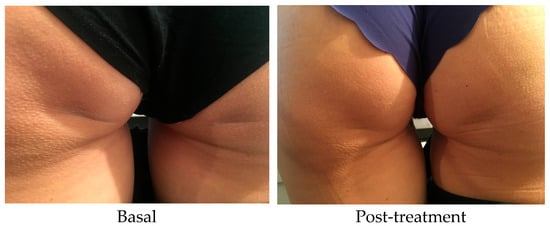
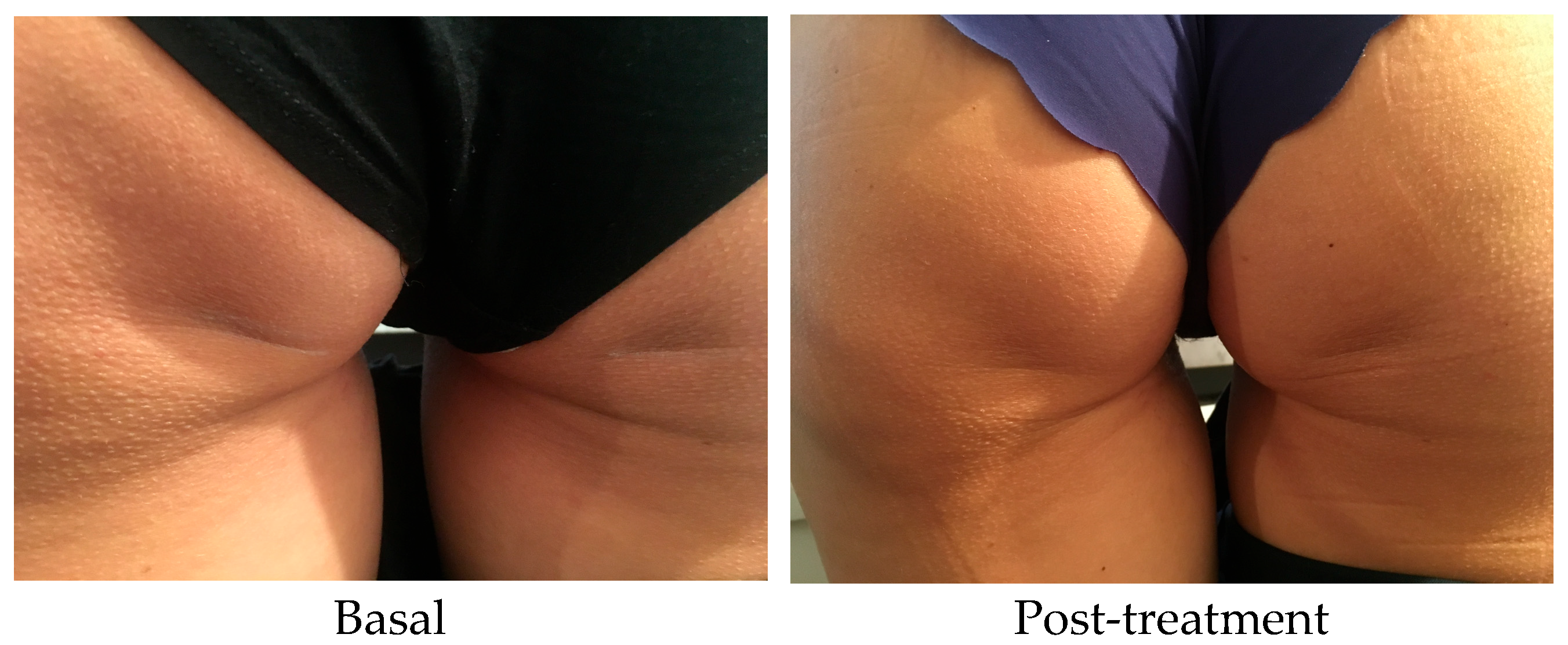
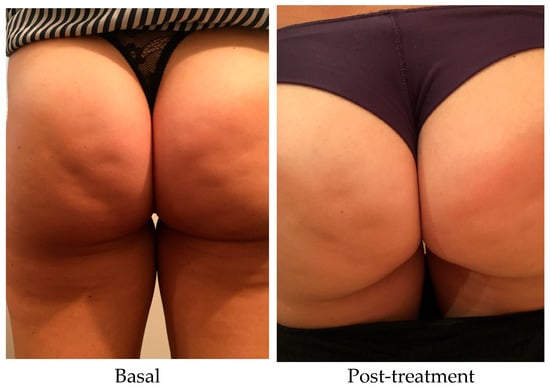
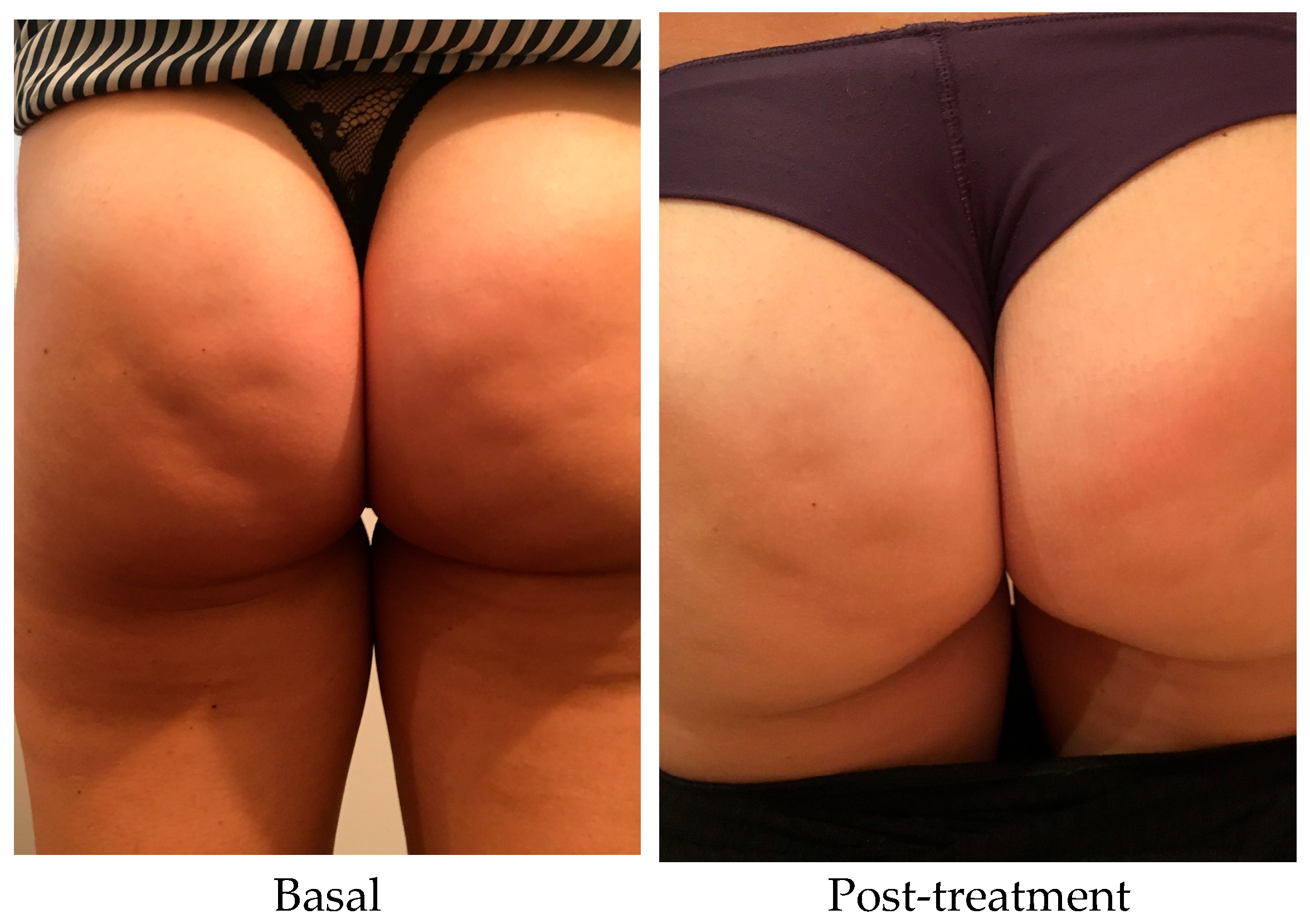
Buttocks augmentation and lifts have become increasingly popular body procedures. Factors such as aging, weight loss, and certain medical conditions can cause reduced skin elasticity and subcutaneous fat in the gluteal region, resulting in decreased volume and sagging (Figure 1 and Figure 2). The weakening of the gluteal suspension system, composed of dense connective tissue, further contributes to this sagging. These changes often lead to diminished skin quality, with the appearance of stretch marks and cellulite, a condition that affects 80–90% of women and is marked by dimpled skin caused by thickened subcutaneous septae and underlying fat pushing up against the skin’s surface. While this area has traditionally been approached by surgery, several severe complications have been reported, which has promoted an increasing use of non-surgical treatments, which have also shown long-lasting effects. Among the available options, PLLA is seeing a growing role in gluteal augmentation, where it is utilized not only to enhance volume but also to address contour irregularities. Numerous clinical experiences and case reports have been published, highlighting its effectiveness in improving the shape and firmness of the buttocks while offering a non-surgical alternative to traditional procedures [29,30,41,42,43,44,45,46,47,48,49,50,51]. Expert recommendations for gluteal contouring with PLLA have also been issued [52]. Overall, PLLA treatment has demonstrated positive outcomes for buttock augmentation and reshaping, as well as for improving skin laxity, addressing cellulite, and reducing the appearance of scars and stretch marks. The procedure provides gluteal enhancement, improves the look of cellulite, and preserves a natural appearance, with the degree of improvement generally increasing with the number of PLLA vials used [31]. A suitable tool for this body area is the Objective Buttocks Assessment Scale (OBAS), which has demonstrated reliable results, showing strong agreement both among different evaluators and for the same evaluator at two time points in female patients [53]. This reliability indicates that the scale will serve as a useful instrument in both clinical settings and research applications.
Figure 1.
61-year old woman treated with two sessions of PLLA using 2 vials per session: before and two months after first treatment.
Figure 2.
54-year old woman treated with two sessions of PLLA, 2 vials per session, before and two months after first treatment.
More recently, an aesthetic treatment protocol for the buttocks has been developed, combining PLLA and body hyaluronic acid (HA) [54]. Six women seeking gluteal contour enhancement participated in the study, which used a combination treatment protocol of PLLA (Rennova Elleva®) (GP Dermal Solution, Verona, Italy) and HA (Rennova Body Shape®) (llanmar International Company SRL, Futerman International Products Argentina). The outcomes were assessed using both quantitative measurements and ultrasound imaging. Findings revealed an increase in gluteal volume 45 to 90 days post-treatment. Improvements in gluteal contour and symmetry were confirmed through qualitative assessment and comparative analysis. According to the GAIS, all participants achieved results rated as at least “improved” and in two cases as “greatly improved”. No adverse events or complaints were reported by any of the study participants, and no complications were identified during the study.
An innovative, personalized method for administering PLLA injections to the buttocks has been assessed in over 100 patients treated during a five-year period [55]. This “Firm and Up” injection technique incorporates thorough clinical and anatomical assessments of the gluteal area and utilizes three specific injection strategies, each tailored to the primary goal: enhancing skin quality, improving contour and lift, or increasing projection and volume. The technique consistently produced positive patient outcomes, including better skin texture and firmness, enhanced shaping and lifting of the buttocks, and increased volume and projection. Since its implementation, this method has shown to be both cost-effective and highly effective in clinical practice, delivering noticeable results with a reduced quantity of PLLA compared to conventional injection protocols. The success of this technique relies on identifying the patient’s individual needs and planning the product distribution to meet them.
A randomized, single-center, double-blinded, split-body clinical trial evaluated the safety and efficacy of PLLA in the treatment cellulite of the buttock and thigh regions [56]. Twenty women exhibiting mild to moderate skin laxity of the buttocks and/or thighs, which contributed to mild-to-moderate cellulite, participated in the study. Each participant’s buttocks and thighs were randomly assigned to receive injections of up to two vials of PLLA or an equal volume of bacteriostatic water per treatment area. A total of three treatment sessions were administered at four-week intervals, and subjects were monitored for 330 days. Treatment of the buttocks with PLLA led to a significant reduction in the depth of skin depressions, enhanced the skin’s morphological appearance, improved the degree of skin laxity, and resulted in an overall better appearance of cellulite. No significant side effects related to the procedures were observed.
Another split-body randomized clinical trial investigated the efficacy of PLLA treatment in inducing adipogenesis and volumizing the hip dell, an underrecognized element of gluteal aesthetics [57]. Fifteen women with hip dell volume deficits were involved, each having one hip dell treated with 150 mg of PLLA-SCA and the other with saline. Subjects underwent three monthly treatments and were monitored for nine months. Assessments included physician-rated global aesthetic improvement, ultrasonography, and histological analysis. Results showed that the PLLA-treated hip dells were consistently rated as improved or much improved by blinded investigators. There was a 26.1% increase in dermal thickness and a 27% increase in adipose layer thickness on the treated side, along with significant improvements in collagen and elastic fiber quality compared to the saline-treated side, which showed no change. Participants also reported higher satisfaction, and no significant adverse effects were observed.
A novel 630 mg PLLA-based filler (GANA X) (GP DERMAL Solution, Verona, Italy) was assessed for buttock enhancement. Six physicians administered treatments to 51 patients seeking aesthetic improvement of the buttocks at six separate clinics in Italy [58]. Both physicians and patients completed surveys evaluating the safety, effectiveness, and impact on quality of life associated with the procedure. Both groups—physicians and patients—reported clear aesthetic benefits, ranging from moderate to marked improvement, with results persisting through follow-up visits for as long as 24 months. Patients also noted increased self-confidence and a better quality of life following treatment. Only minor or mild adverse events were observed, all of which resolved on their own within a few days.
Recommendations for gluteal augmentation [6] include the use of a dilution volume of 17 mL with added lidocaine. The solution should be injected using either a 25-gauge needle or a 20–22-gauge stiff cannula. Up to three treatment sessions may be performed, spaced 4 to 6 weeks apart. Proper anatomical evaluation and assessment of each patient’s aesthetic goals beforehand are crucial to guide the injection’s location, distribution, and depth. For a lifting effect and to improve the gluteal fold, superficial subcutaneous injections above the superficial fascia in the upper buttock quadrant are advised. An approximate product distribution of 70% to the upper buttocks and 30% to the lower buttocks is considered effective.
Although research on the use of PLLA specifically for the thighs is limited, available studies suggest its potential benefits. In a small prospective case series, all four patients who received PLLA showed 100% improvement after a median of three treatment sessions, each using four vials of 7–15 mL [30]. A randomized, double-blind, placebo-controlled trial involving 31 patients demonstrated significant improvements in the appearance of cellulite on the thighs after three treatments spaced four weeks apart, with effects lasting at least six months (using 0.5–1 vial of 10 mL per thigh per session) [50]. Additionally, in combination with Subcision™ during the initial session and subsequent injections, PLLA proved both safe and effective for treating cellulite and skin laxity in the thighs and buttocks, with a two-year follow-up showing no nodules, granulomas, or significant pain [46]. Among all the different injection techniques used in this part of the body, cannula or needles are used in supraperiosteal, subcutaneous and subdermal layers.
5.3. Abdomen
Abdominal skin laxity, often a consequence of aging, pregnancy, or significant weight loss, leads to a reduction in the firmness of both abdominal muscles and skin. While moderate-to-severe laxity typically necessitates surgical interventions such as abdominoplasty or liposuction, less invasive options are available for those with mild laxity or who prefer to avoid surgery. Non-invasive treatments—such as radiofrequency, ultrasound, shock waves, and cryolipolysis—have shown benefits for dermal remodeling. Poly-l-Lactic acid has also been investigated for abdominal rejuvenation, although current published data are quite limited. A 2017 case series reported that five subjects treated with 1–2 vials of PLLA (diluted with lidocaine and delivered via a 27-gauge needle) over one or two sessions experienced marked improvement in skin quality, texture, and abdominal contour, with sustained results at 12 months and only mild, temporary bruising as an adverse event [59]. Some additional studies have echoed these findings, demonstrating long-lasting visible improvements in abdominal laxity and contour (often persisting beyond 12 months), high patient satisfaction, and a strong safety profile with no serious adverse events [29,30,47].
For abdominal treatments, the expert consensus advises to use a total dilution volume of 17 mL (including 1 mL of lidocaine) per 150 mg vial of PLLA. Depending on the degree of laxity, 1 to 3 vials may be administered in each session, with up to three sessions spaced 45 days apart. Treatment should always cover the area above the umbilicus, in subcutaneous and subdermal layers, particularly the central abdomen overlying the rectus abdominis muscles. Targeting this region is especially important for achieving a lifting effect [6].
5.4. Knees
With age, knee skin laxity increases, often resulting in sagging and the development of skin folds above the knees. Addressing laxity in this area is a relatively novel concept, and only a limited number of studies have explored effective treatments. Minimally invasive procedures that have been described include lipofilling, microfocused ultrasound, and, more recently, the use of collagen-stimulating agents such as CaHA and PLLA.
Very few studies have evaluated PLLA for improving knee skin laxity using different techniques, consistently showing enhanced skin tightness and a significant increase in skin thickness, all while maintaining a favorable safety profile [30,60,61]. In the only randomized controlled trial to date, 20 female participants received three treatment sessions to one knee—each session consisting of a 150 mg vial of PLLA diluted to 14 mL with an additional 2 mL of 1% lidocaine—while the other knee was treated with a matching volume of bacteriostatic water [61]. Each knee received one vial per session, with treatments spaced four weeks apart. The PLLA-treated knees showed statistically significant improvement in skin laxity compared to placebo, as assessed by the physician’s GAIS scores at 28 days post-treatment, with benefits sustained through 84 and 168 days. PLLA was well tolerated, and no significant adverse effects were reported.
Based on the limited current experience, expert recommendations advise using a total dilution volume of 16 mL, which should include 1 mL of lidocaine, for each 150 mg vial of PLLA per knee. The injection can be administered with either a 25-gauge needle or a 22-gauge cannula into subcutaneous and subdermal layers. Expanding the treatment area to include the region above the knee joint may provide additional benefits [6].
5.5. Upper Arms
Aging also impacts the arms, particularly the medial upper arm, where the epidermis, dermis, and subcutaneous fat are notably thin, often resulting in sagging skin, commonly referred to as “bat wings.” Aesthetic interventions for the upper limbs range from surgical options like brachioplasty (arm lift) and liposuction for more pronounced skin laxity and fat accumulation, to less invasive treatments such as radiofrequency, fillers, and chemical peels for milder cases. The most suitable approach depends on the underlying issue, whether it’s excess skin, localized fat, or diminished skin quality. Poly-l-Lactic acid offers a promising solution for addressing concerns like skin laxity and wrinkling of the upper arms. Noticeable improvements have been observed with both deep dermal and superficial subcutaneous injections. Overall, PLLA has proven effective in treating the medial upper arms, with results including better skin quality, reduced sagging, and diminished cellulite appearance observed as soon as four weeks after the initial application [29,47,62].
Given the limited clinical experience available, only preliminary guidance is provided, which suggests the use of a dilution volume of 17 mL, administered with either a 25–26-gauge needle or a 22-gauge cannula, and injection of one vial per side into the subcutaneous layer per session. For moderate-to-severe cases, it is advised to use 1.5 vials of PLLA per side, repeated over 2 to 4 sessions spaced at least 30 days apart [6].
5.6. Hands
The hands often show signs of aging through diminished volume and elasticity, which make veins and tendons more apparent and contribute to the development of wrinkles and a “crepey” skin texture. Additionally, the skin tends to become rougher and drier as a result of prolonged sun exposure and environmental influences.
Injectable biostimulators, administered into subcutaneous and subdermal layers, have been suggested as a promising option for addressing soft tissue atrophy in the hands, including the thinning of the intermetacarpal spaces. Poly-l-Lactic acid for hand volume restoration has been documented in a study involving 26 subjects across three clinical practices in the United States, as well as in a retrospective review of 8 patients who received PLLA for hand volume loss [40,63]. Although data are limited, PLLA has demonstrated high patient satisfaction rates. Improved efficacy has been linked to an increased number of treatment sessions and using a greater dilution volume when treating the hands. Since collagen production following PLLA treatment is a gradual biological process, patients require extended follow-up to accurately evaluate the results. Most patients reported to be very satisfied with the achieved volume enhancement. Most adverse events were mild, related to the injection procedure, such as bruising, swelling, and pain, and resolved within a few days. Importantly, no cases of papules, nodules, or serious adverse events were reported.
6. Discussion
Advancements in regenerative medicine introduced a new class of fillers that are able to regenerate portions of extracellular matrix. Among these, the most studied regenerative fillers are calcium hydroxylapatite (CaHA) and PLLA. CaHA has been shown to regenerate collagen 1 and 3, elastin and proteoglycans via mechanical activation of fibroblasts. There are morphological differences in the shape of the particles of CaHA and PLLA that could have important implications for their physiological effects. CaHA has a mechanotransducive mechanism of action, whereas PLLA has a more pronounced inflammatory response, indicating a macrophage-mediated biostimulator pathway. Therefore, these two products have, through different ways, important regenerative effects [64].
While PLLA is FDA-approved for increasing the volume of depressed areas, skin aging and lipoatrophy of the face, its off-label use for body areas is increasingly common and supported by growing clinical experience. Therefore, for use in non-approved indications, it’s mandatory to obtain informed consent, particularly for the treatment of body areas. Regulatory approval for body areas will need further scientific documentation.
The evidence reviewed in this paper highlights the expanding role of PLLA in both facial and body rejuvenation. Poly-l-Lactic acid’s unique mechanism of stimulating collagen production and providing gradual, natural-looking volume restoration has been validated in clinical studies and in a recent expert consensus [6]. Its versatility is suggested by its extended application across a range of anatomical areas, including the face, neck, décolletage, buttocks, thighs, abdomen, knees, hands, and upper arms [2].
Clinical trials and real-world experiences consistently suggest that PLLA is effective in improving skin texture, firmness, and contour, with high patient satisfaction and a favorable safety profile. Some studies reported mild-moderate adverse events, such as bleeding, injection-site hematoma, erythema, pigmentation and edema post-injection. The majority of these adverse events are mild and self-limiting, and serious complications are rare with virtually no risk of embolization.
Due to its chemical characteristics, which do not contain crosslinking agents, PLLA is unlikely to cause severe complications, such as skin necrosis or embolism, in the event of intravascular injection.
Nodules and subcutaneous papules have also been reported but with no clear explanation of the causes; existing literature underscores the importance of proper injection technique, dilution protocols, hydration time, the volume of reconstitution in sterile water, appropriate injection modalities and avoiding overcorrection. Careful patient selection is also important to optimize outcomes and minimize risks, and there are useful recommendations about performing post-treatment self-massage for a few days [14].
However, the lack of direct comparative studies of different PLLA formulations and the limited number of large-scale, long-term studies for body applications highlight areas for future research of high methodological quality and impartiality to confirm the efficacy and safety of PLLA.
7. Conclusions
This narrative review has been based on studies on PLLA, the first and one of the most investigated collagen stimulators with a long duration of action for the treatment of the face and body. It has been mentioned that patients may respond differently to PLLA treatment, probably due to individual responses to collagen stimulation. This biological response depends on a number of variables, such as age, gender, quality of life, smoking status, immune status and medical history. In any case, the non-responder rates to PLLA are very low.
With these specifications, PLLA has emerged as a safe, effective, and versatile biostimulator for aesthetic rejuvenation, offering long-lasting improvements in both facial and body contouring. Its ability to address age-related volume loss and skin laxity with minimal invasiveness makes it an attractive option for a broad patient population. Continued research and standardization of protocols will further enhance its integration into clinical practice and expand its therapeutic potential. Clinicians should remain mindful of regulatory guidelines and obtain informed consent, particularly when using PLLA for off-label indications, to ensure optimal patient outcomes and safety. Based on these characteristics, PLLA could be considered a “sculptor” rather than a “filler”.
Author Contributions
Conceptualization, D.C. and S.G.; writing—original draft preparation, D.C. and S.G.; writing—review and editing, D.C. and S.G. All authors have read and agreed to the published version of the manuscript.
Funding
This research received no external funding.
Institutional Review Board Statement
Not applicable.
Informed Consent Statement
Informed consent for publication was obtained from all identifiable human participants.
Data Availability Statement
No new data were created or analyzed in this study. Data sharing is not applicable to this article.
Acknowledgments
We acknowledge Renata Perego for her help in drafting the manuscript.
Conflicts of Interest
The authors declare no conflicts of interest.
References
- American Society Plastic Surgeons. 2024 National Plastic Surgery Statistics. Available online: https://www.plasticsurgery.org/plastic-surgery-statistics (accessed on 26 November 2025).
- Triana, L.; Palacios Huatuco, R.M.; Campilgio, G.; Liscano, E. Trends in Surgical and Nonsurgical Aesthetic Procedures: A 14-Year Analysis of the International Society of Aesthetic Plastic Surgery-ISAPS. Aesthetic Plast. Surg. 2024, 48, 4217–4227. [Google Scholar] [CrossRef] [Scilit]
- Sculptra. Summary of Safety and Effectiveness Data (SSED). 2023. Available online: https://www.accessdata.fda.gov/cdrh_docs/pdf3/P030050S039B.pdf (accessed on 26 November 2025).
- Moyle, G.J.; Lysakova, L.; Brown, S.; Sibtain, N.; Healy, J.; Priest, C.; Mandalia, S.; Barton, S.E. A randomized open-label study of immediate versus delayed polylactic acid injections for the cosmetic management of facial lipoatrophy in persons with HIV infection. HIV Med. 2004, 5, 82–87. [Google Scholar] [CrossRef] [Scilit]
- Carey, D.L.; Baker, D.; Rogers, G.D.; Petoumenos, K.; Chuah, J.; Easey, N.; Machon, K.; Cooper, D.A.; Emery, S.; Carr, A.; et al. A randomized, multicenter, open-label study of poly-L-lactic acid for HIV-1 facial lipoatrophy. J. Acquir. Immune Defic. Syndr. 2007, 46, 581–589. [Google Scholar] [CrossRef] [Scilit] [PubMed]
- Haddad, A.; Avelar, L.; Fabi, S.G.; Sarubi, J.; Somenek, M.; Coimbra, D.D.; Palm, M.; Durairaj, K.K.; Somji, M.; Vasconcelos-Berg, R.; et al. Injectable Poly-L-Lactic Acid for Body Aesthetic Treatments: An International Consensus on Evidence Assessment and Practical Recommendations. Aesthetic Plast. Surg. 2025, 49, 1507–1517. [Google Scholar] [CrossRef] [Scilit] [PubMed]
- Brandt, F.S.; Cazzaniga, A.; Baumann, L.; Fagien, S.; Glazer, S.; Kenkel, J.M.; Lowe, N.J.; Monheit, G.D.; Narins, R.S.; Rendon, M.I.; et al. Investigator Global Evaluations of Efficacy of Injectable Poly-L-Lactic Acid Versus Human Collagen in the Correction of Nasolabial Fold Wrinkles. Aesthet. Surg. J. 2011, 31, 521–528. [Google Scholar] [CrossRef] [Scilit]
- Fabi, S.; Hamilton, T.; LaTowsky, B.; Kazin, R.; Marcus, K.; Mayoral, F.; Joseph, J.; Hooper, D.; Shridharani, S.; Hicks, J.; et al. Effectiveness and Safety of Sculptra Poly-L-Lactic Acid Injectable Implant in the Correction of Cheek Wrinkles. J. Drugs Dermatol. 2024, 23, 1297–1305. [Google Scholar] [CrossRef] [Scilit] [PubMed]
- Cunha, B.L.C.; Bahú, J.O.; Xavier, L.F.; Crivellin, S.; de Souza, S.D.A.; Lodi, L.; Jardini, A.L.; Filho, R.M.; Schiavon, M.I.R.B.; Concha, V.O.C.; et al. Lactide: Production Routes, Properties, and Applications. Bioengineering 2022, 9, 164. [Google Scholar] [CrossRef] [Scilit]
- Sickles, C.K.; Nassereddin, A.; Patel, P.; Gross, G.P. Poly-L-Lactic Acid. In StatPearls; StatPearls Publishing: Treasure Island, FL, USA, 2025. [Google Scholar]
- Herrmann, J.L.; Hoffmann, R.K.; Ward, C.E.; Schulman, J.M.; Grekin, R.C. Biochemistry, Physiology, and Tissue Interactions of Contemporary Biodegradable Injectable Dermal Fillers. Dermatol. Surg. 2018, 44, S19–S31. [Google Scholar] [CrossRef] [Scilit]
- Dong, Y.; Zhang, Y.; Yu, H.; Zhou, L.; Zhang, Y.; Wang, H.; Hu, Z.; Luo, S. Poly-L-Lactic Acid Microspheres Delay Aging of Epidermal Stem Cells in Rat Skin. Front. Immunol. 2024, 15, 1394530. [Google Scholar] [CrossRef] [Scilit]
- Oh, S.; Lee, J.H.; Kim, H.M.; Batsukh, S.; Sung, M.J.; Lim, T.H.; Lee, M.H.; Son, K.H.; Byun, K. Poly-L-Lactic Acid Fillers Improved Dermal Collagen Synthesis by Modulating M2 Macrophage Polarization in Aged Animal Skin. Cells 2023, 12, 1320. [Google Scholar] [CrossRef] [Scilit]
- Signori, R.; Barbosa, A.P.; Cezar-Dos-Santos, F.; Carbone, A.C.; Ventura, S.; Nobre, B.B.S.; Neves, M.L.B.B.; Câmara-Souza, M.B.; Poluha, R.L.; De la Torre Canales, G. Efficacy and Safety of Poly-L-Lactic Acid in Facial Aesthetics: A Systematic Review. Polymers 2024, 16, 2564. [Google Scholar] [CrossRef] [Scilit] [PubMed]
- Bohnert, K.; Dorizas, A.; Lorenc, P.; Sadick, N.S. Randomized, controlled, multicentered, double-blind investigation of injectable poly-L-lactic acid for improving skin quality. Dermatol. Surg. 2019, 45, 718–724. [Google Scholar] [CrossRef] [Scilit]
- Moyle, G.J.; Brown, S.; Lysakova, L.; Barton, S.E. Long-term safety and efficacy of poly-L-lactic acid in the treatment of HIV-related facial lipoatrophy. HIV Med. 2006, 7, 181–185. [Google Scholar] [CrossRef] [Scilit]
- Brown, S.A.; Rohrich, R.J.; Baumann, L.; Brandt, F.S.; Fagien, S.; Glazer, S.; Kenkel, J.M.; Lowe, N.J.; Monheit, G.D.; Narins, R.S.; et al. Subject global evaluation and subject satisfaction using injectable poly-L-lactic acid versus human collagen for the correction of nasolabial fold wrinkles. Plast. Reconstr. Surg. 2011, 127, 1684–1692. [Google Scholar] [CrossRef] [Scilit]
- Palm, M.; Weinkle, S.; Cho, Y.; LaTowsky, B.; Prather, H. A Randomized Study on PLLA Using Higher Dilution Volume and Immediate Use Following Reconstitution. J. Drugs Dermatol. 2021, 20, 760–766. [Google Scholar] [PubMed]
- Han, W.Y.; Kim, H.J.; Kwon, R.; Kang, S.M.; Yon, D.K. Safety and efficacy of Poly-L-Lactic acid filler (Gana V vs. Sculptra) injection for correction of the nasolabial fold: A double-blind, non-inferiority, randomized, split-face controlled trial. Aesthetic Plast. Surg. 2023, 47, 1796–1805. [Google Scholar] [CrossRef] [Scilit]
- Narins, R.S.; Baumann, L.; Brandt, F.S.; Fagien, S.; Glazer, S.; Lowe, N.J.; Monheit, G.D.; Rendon, M.I.; Rohrich, R.J.; Werschler, W.P. A randomized study of the efficacy and safety of injectable poly-L-lactic acid versus human-based collagen implant in the treatment of nasolabial fold wrinkles. J. Am. Acad. Dermatol. 2010, 62, 448–462. [Google Scholar] [CrossRef] [Scilit]
- Lafaurie, M.; Dolivo, M.; Girard, P.M.; May, T.; Bouchaud, O.; Carbonnel, E.; Madelaine, I.; Loze, B.; Porcher, R.; Molina, J.M. Polylactic acid vs. polyacrylamide hydrogel for treatment of facial lipoatrophy: A randomized controlled trial [Agence Nationale de Recherches sur le SIDA et les Hépatites Virales (ANRS) 132 SMILE]. HIV Med. 2013, 14, 410–420. [Google Scholar] [CrossRef] [Scilit]
- Akinbiyi, T.; Othman, S.; Familusi, O.; Calvert, C.; Card, E.B.; Percec, I. Better Results in Facial Rejuvenation with Fillers. Plast. Reconstr. Surg. Glob. Open 2020, 8, e2763. [Google Scholar] [CrossRef] [Scilit]
- Ao, Y.J.; Yi, Y.; Wu, G.H. Application of PLLA (Poly-L-Lactic acid) for rejuvenation and reproduction of facial cutaneous tissue in aesthetics: A review. Medicine 2024, 103, e37506. [Google Scholar] [CrossRef] [Scilit] [PubMed]
- Xu, Q.; Sun, X.; Yang, W.; Bai, Y.; Tan, X. Comprehensive Systematic Review of Poly-L-lactic Acid in Facial Clinical Application. Aesthetic Plast. Surg. 2024, 48, 5115–5135. [Google Scholar] [PubMed]
- Trinh, L.N.; Grond, S.E.; Gupta, A. Dermal Fillers for Tear Trough Rejuvenation: A Systematic Review. Facial Plast. Surg. 2022, 38, 228–239. [Google Scholar]
- Vasconcelos-Berg, R.; Real, J.; Wenz, F.; Avelar, L.E.T. Safety of the Immediate Reconstitution of Poly-l-Lactic Acid for Facial and Body Treatment-A Multicenter Retrospective Study. J. Cosmet. Dermatol. 2024, 23, 3918–3923. [Google Scholar] [CrossRef] [Scilit]
- Zhang, Y.; Zhang, X.; Gao, X.; Wei, Y.; Qian, W.; Sun, Z.; Ding, J.; Bao, S.; Ren, R.; Zhao, H. Efficacy and Safety of Poly-l-Lactic Acid for Correction of Midfacial Volume Loss and Contour Defects: A Prospective, Multicenter, Randomized, Parallel-Controlled, Evaluator-Blinded, Superiority Trial. J. Cosmet. Dermatol. 2025, 24, e70230. [Google Scholar] [CrossRef] [Scilit]
- The Aesthetic Society. Aesthetic Plastic Surgery Statistics 2023. Available online: https://www.theaestheticsociety.org/media/procedural-statistics (accessed on 26 November 2025).
- Jabbar, A.; Arruda, S.; Sadick, N. Off face usage of poly-L-lactic acid for body rejuvenation. J. Drugs Dermatol. 2017, 16, 489–494. [Google Scholar] [PubMed]
- Shridharani, S.M.; Tisch, G.M.; Ebersole, T.G.; Moak, T.N.; Edwartz, C. Clinical experience of poly-L-lactic acid injections for body contouring treatment. J. Cosmet. Dermatol. 2021, 20, 1655–1662. [Google Scholar] [CrossRef] [Scilit]
- Christen, M.O. Collagen Stimulators in Body Applications: A Review Focused on Poly-L-Lactic Acid (PLLA). Clin. Cosmet. Investig. Dermatol. 2022, 15, 997–1019. [Google Scholar] [CrossRef] [Scilit]
- Vanaman, M.; Fabi, S.G. Décolletage: Regional approaches with injectable fillers. Plast. Reconstr. Surg. 2015, 136, 276S–281S. [Google Scholar] [CrossRef] [Scilit]
- Mazzuco, R.; Hexsel, D. Poly-L-lactic acid for neck and chest rejuvenation. Dermatol. Surg. 2009, 35, 1228–1237. [Google Scholar] [CrossRef] [Scilit] [PubMed]
- Zac, R.I.; Da Costa, A. Poly-L-lactic acid for the neck. In Minimally Invasive Aesthetic Procedures; Costa, A.D., Ed.; Springer International Publishing: Cham, Switzerland, 2020; pp. 529–532. [Google Scholar]
- Bolton, J.; Fabi, S.; Peterson, J.D.; Goldman, M.P. Poly-L-lactic acid for chest rejuvenation: A retrospective study of 28 cases using a 5-point chest wrinkle scale. Cosmet. Dermatol. 2011, 24, 278–284. [Google Scholar]
- Wilkerson, E.C.; Goldberg, D.J. Poly-L-lactic acid for the improvement of photodamage and rhytids of the décolletage. J. Cosmet. Dermatol. 2018, 17, 606–610. [Google Scholar] [CrossRef] [Scilit]
- Fabi, S.G. Fillers for the décolletage area. Pract. Dermatol. 2015, 42, 29–40. [Google Scholar]
- Vleggaar, D. Soft-tissue augmentation and the role of poly-L-lactic acid. Plast. Reconstr. Surg. 2006, 118, 46S–54S. [Google Scholar] [CrossRef] [Scilit] [PubMed]
- Redaelli, A.; Forte, R. Cosmetic use of polylactic acid: Report of 568 patients. J. Cosmet. Dermatol. 2009, 8, 239–248. [Google Scholar] [CrossRef] [Scilit]
- Palm, M.D.; Woodhall, K.E.; Butterwick, K.J.; Goldman, M.P. Cosmetic use of poly-l-lactic acid: A retrospective study of 130 patients. Dermatol. Surg. 2010, 36, 161–170. [Google Scholar] [CrossRef] [Scilit] [PubMed]
- Lorenc, Z.P. Techniques for the optimization of facial and nonfacial volumization with injectable poly-l-lactic acid. Aesthetic. Plast. Surg. 2012, 36, 1222–1229. [Google Scholar] [CrossRef] [Scilit]
- Haddad, A.; Menezes, A.; Guarnieri, C.; Coimbra, D.; Ribeiro, E.; Sarubi, J.; Avelar, L.E.; Del Nero, M.P.; da Cunha, M.G.; Mazzuco, R.; et al. Recommendations on the use of injectable poly-L-lactic acid for skin laxity in off-face areas. J. Drugs Dermatol. 2019, 18, 929–935. [Google Scholar]
- Lin, M.J.; Dubin, D.P.; Goldberg, D.J.; Khorasani, H. Practices in the usage and reconstitution of poly-L-lactic acid. J. Drugs Dermatol. 2019, 18, 880–886. [Google Scholar]
- Logas, C.; Kosche, C.; Perez, M.; Martinez-Diaz, G.J. Biostimulatory injectables for the treatment of cellulite and gluteal enhancement. Plast. Surg. Mod. Tech. 2018, 3, 142. [Google Scholar] [CrossRef] [Scilit]
- Mazzuco, R.; Sadick, N.S. The use of poly-L-lactic acid in the gluteal area. Dermatol. Surg. 2016, 42, 441–443. [Google Scholar] [CrossRef] [Scilit]
- Mazzuco, R. SubcisionTM plus poly-l-lactic acid for the treatment of cellulite associated to flaccidity in the buttocks and thighs. J. Cosmet. Dermatol. 2020, 19, 1165–1171. [Google Scholar] [CrossRef] [Scilit]
- Mazzuco, R.; Dal’Forno, T.; Hexsel, D. Poly-L-lactic acid for nonfacial skin laxity. Dermatol. Surg. 2020, 46, S86–S88. [Google Scholar] [CrossRef] [Scilit] [PubMed]
- Cunha, M.G.; da Daza, F.; Rezende, F.C.; Machado Filho, C.D.A. Poly-L-lactic acid injections in sagging body skin. Surg. Cosmet. Dermatol. 2016, 8, 322–327. [Google Scholar] [CrossRef] [Scilit]
- Durairaj, K.K.; Devgan, L.; Lee, A.; Khachatourian, N.; Nguyen, V.; Issa, T.; Baker, O. Poly-L-lactic acid for gluteal augmentation found to be safe and effective in retrospective clinical review of 60 patients. Dermatol. Surg. 2020, 46, S46–S53. [Google Scholar] [CrossRef] [Scilit]
- Swearingen, A.; Medrano, K.; Ferzli, G.; Sadick, N.; Arruda, S. Randomized, double-blind, placebo-controlled study of poly-L-lactic acid for treatment of cellulite in the lower extremities. J. Drugs Dermatol. 2021, 20, 529–533. [Google Scholar] [PubMed]
- Sandoval, M.H.L. Poly-L-lactic acid for the gluteal area. In Minimally Invasive Aesthetic Procedures: A Guide for Dermatologists and Plastic Surgeons; Costa, A.D., Ed.; Springer International Publishing: Cham, Switzerland, 2020; pp. 543–547. [Google Scholar]
- Harper, J.; Avelar, L.; Haddad, A.; Novello, J.; Mest, D.; Guarnieri-Munia, C.; Rice, S.; Vega, J.; Andriopolous, B.; Nogueria, A.; et al. Expert recommendations on the use of injectable poly-L-lactic acid for contour deficiencies of the buttocks. J. Drugs Dermatol. 2022, 21, 21–26. [Google Scholar] [CrossRef] [Scilit]
- Roccaro, G.; Hersant, B.; Pensato, R.; Pizza, C.; Rega, U.; D’Andrea, F.; Meningaud, J.P.; La Padula, S. The Objective Buttocks Assessment Scale: A New and Complete Method to Assess the Gluteal Region. Plast. Reconstr. Surg. 2022, 150, 1260–1268. [Google Scholar] [CrossRef] [Scilit]
- Faria, G.; Boggio, R.; Bellini, M. Glutaeal remodelling protocol: Volumization with hyaluronic acid and collagen biostimulation with poly-L-lactic acid. Skin. Health Dis. 2023, 3, e244. [Google Scholar] [CrossRef] [Scilit]
- Sarubi, J.; Guarnieri, C.; Del Nero, M.P.; Kamamoto, C.; Honda, M.; Saito, F.; Haddad, A. Targeted and Individualized Gluteal Poly-L-Lactic Acid Injection for Optimal Aesthetic Results in the Gluteal Region. J. Clin. Aesthet. Dermatol. 2023, 16, 30–36. [Google Scholar]
- Almukhtar, R.M.; Wood, E.S.; Loyal, J.; Hartman, N.; Fabi, S.G. A Randomized, Single-Center, Double-Blinded, Split-Body Clinical Trial of Poly-l-Lactic Acid for the Treatment of Cellulite of the Buttocks and Thighs. Dermatol. Surg. 2023, 49, 378–382. [Google Scholar] [CrossRef] [Scilit]
- Zubair, R.; Ishii, L.; Loyal, J.; Hartman, N.; Fabi, S.G. SPLASH: Split-Body Randomized Clinical Trial of Poly-l-Lactic Acid for Adipogenesis and Volumization of the Hip Dell. Dermatol. Surg. 2024, 50, 1155–1162. [Google Scholar] [CrossRef] [Scilit] [PubMed]
- Russo, P.R.; Bovani, B.; De Angelis, F.; Forte, R.; Vercesi, F.; Salti, G. Multicentric Retrospective Study on Safety and Efficacy of a Novel Injectable Poly-l-Lactic Acid for Buttocks Recontouring. J. Cosmet. Dermatol. 2025, 24, e16580. [Google Scholar]
- Sadick, N.S.; Arruda, S. The use of poly-L-lactic acid in the abdominal area. Dermatol. Surg. 2017, 43, 313–315. [Google Scholar] [PubMed]
- Machado Costa, G.R.; Mesquita, A.C. Poly-L-lactic acid for the knee area skin laxity treatment. In Proceedings of the 24th World Congress of Dermatology, Milan, Italy, 10–15 June 2019; Available online: https://www.wcd2019milan-dl.org/abstract-book/documents/late-breaking-abstracts/03-aesthetic-cosmetic-dermatology/poly-l-lactic-acid-for-428.pdf (accessed on 26 November 2025).
- Kollipara, R.; Hoss, E.; Boen, M.; Alhaddad, M.; Fabi, S.G. Randomized, split-body, placebo-controlled trial to evaluate the efficacy and safety of poly-L-lactic acid for the treatment of upper knee skin laxity. Dermatol. Surg. 2020, 46, 1623–1627. [Google Scholar]
- Dal’Asta Coimbra, D.; Amorin, A.G. Poly-L-lactic acid in the rejuvenation of the medial and anterior arms. Surg. Cosmet. Dermatol. 2012, 4, 182–185. [Google Scholar]
- Sadick, N.S.; Anderson, D.; Werschler, W.P. Addressing volume loss in hand rejuvenation: A report of clinical experience. J. Cosmet. Laser Ther. 2008, 10, 237–241. [Google Scholar] [CrossRef] [Scilit]
- Munia, C.; Parada, M.; De Alvarenga Morais, M. Changes in Facial Morphology Using Poly-L-lactic Acid Application According to Vector Technique: A case series. J. Clin. Esthet. Dermatology 2022, 15, 38–42. [Google Scholar]

Disclaimer/Publisher’s Note: The statements, opinions and data contained in all publications are solely those of the individual author(s) and contributor(s) and not of MDPI and/or the editor(s). MDPI and/or the editor(s) disclaim responsibility for any injury to people or property resulting from any ideas, methods, instructions or products referred to in the content. |
© 2026 by the authors. Licensee MDPI, Basel, Switzerland. This article is an open access article distributed under the terms and conditions of the Creative Commons Attribution (CC BY) license.