Article

Pedestrian Physiological Response Map Prediction Model for Street Audiovisual Environments Using LSTM Networks


1
School of Architecture & Urban Planning, Huazhong University of Science and Technology, Wuhan 430074, China
2
Hubei Engineering and Technology Research Center of Urbanization, Wuhan 430074, China
3
School of Computer Science & Technology, Huazhong University of Science and Technology, Wuhan 430074, China
4
College of Life Science and Technology, Huazhong University of Science and Technology, Wuhan 430074, China
*
Author to whom correspondence should be addressed.
Buildings 2026, 16(9), 1648; https://doi.org/10.3390/buildings16091648

Submission received: 25 March 2026 / Revised: 18 April 2026 / Accepted: 21 April 2026 / Published: 22 April 2026

Abstract

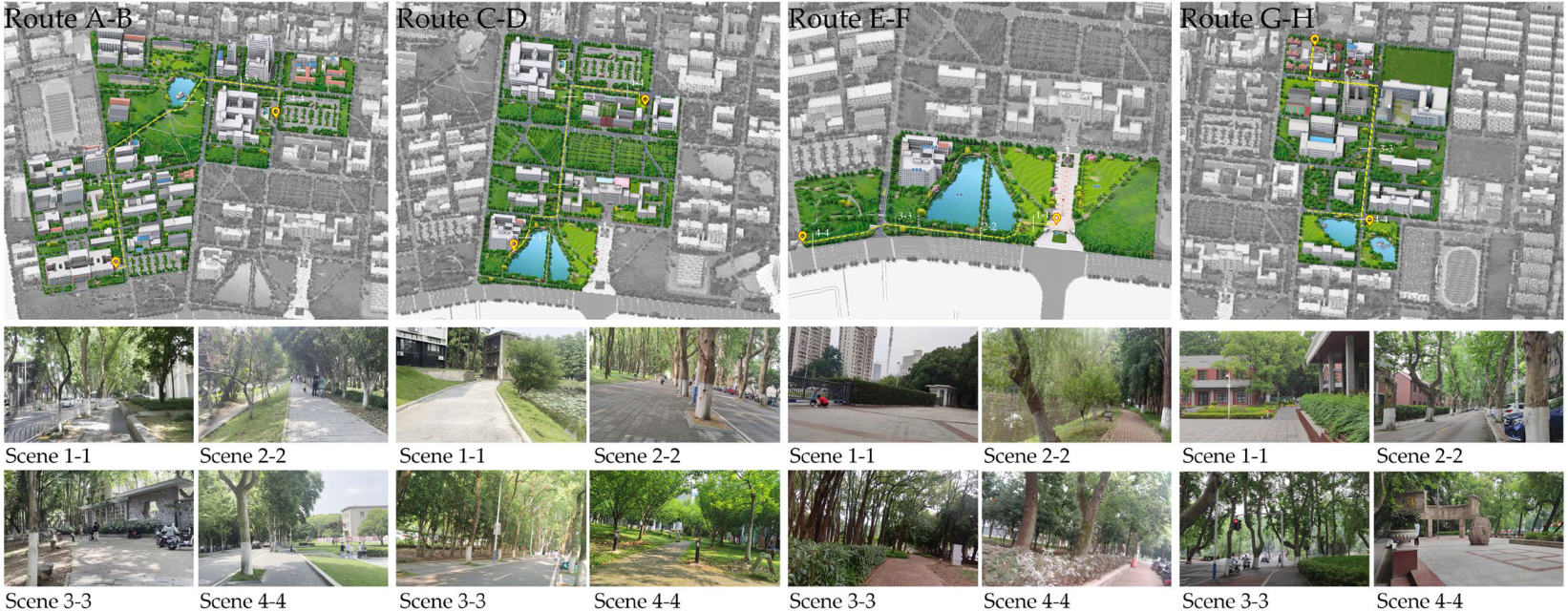
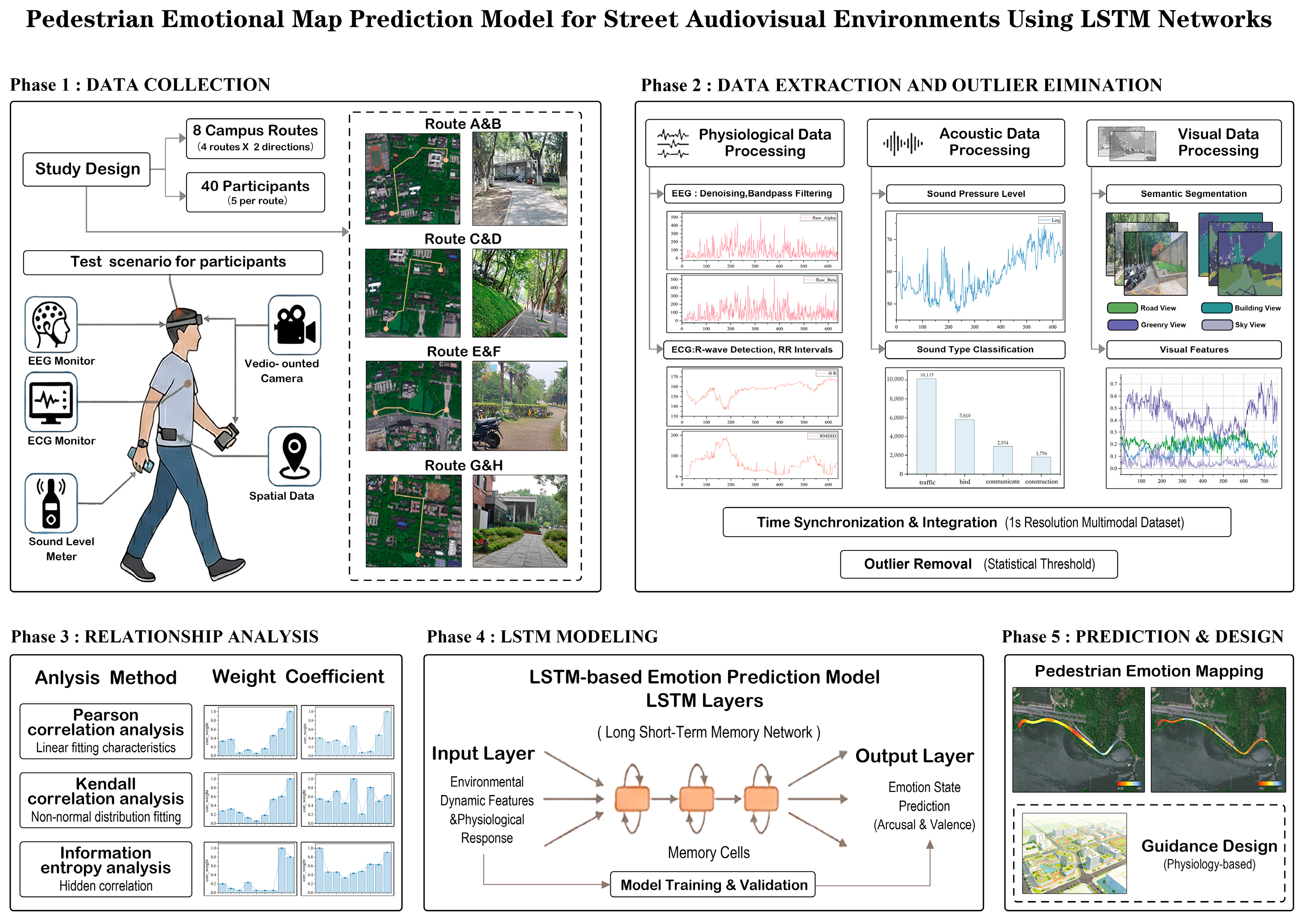
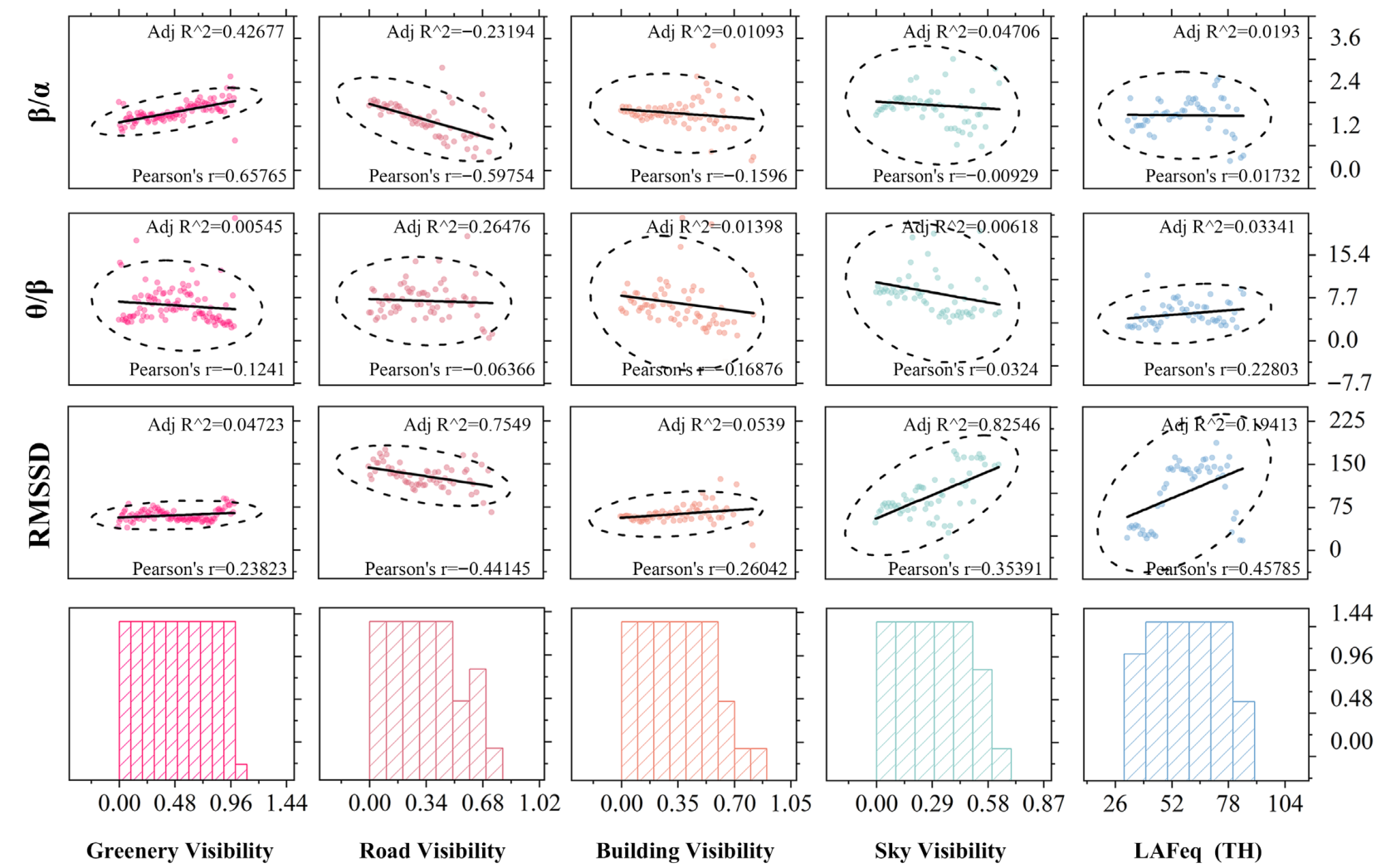
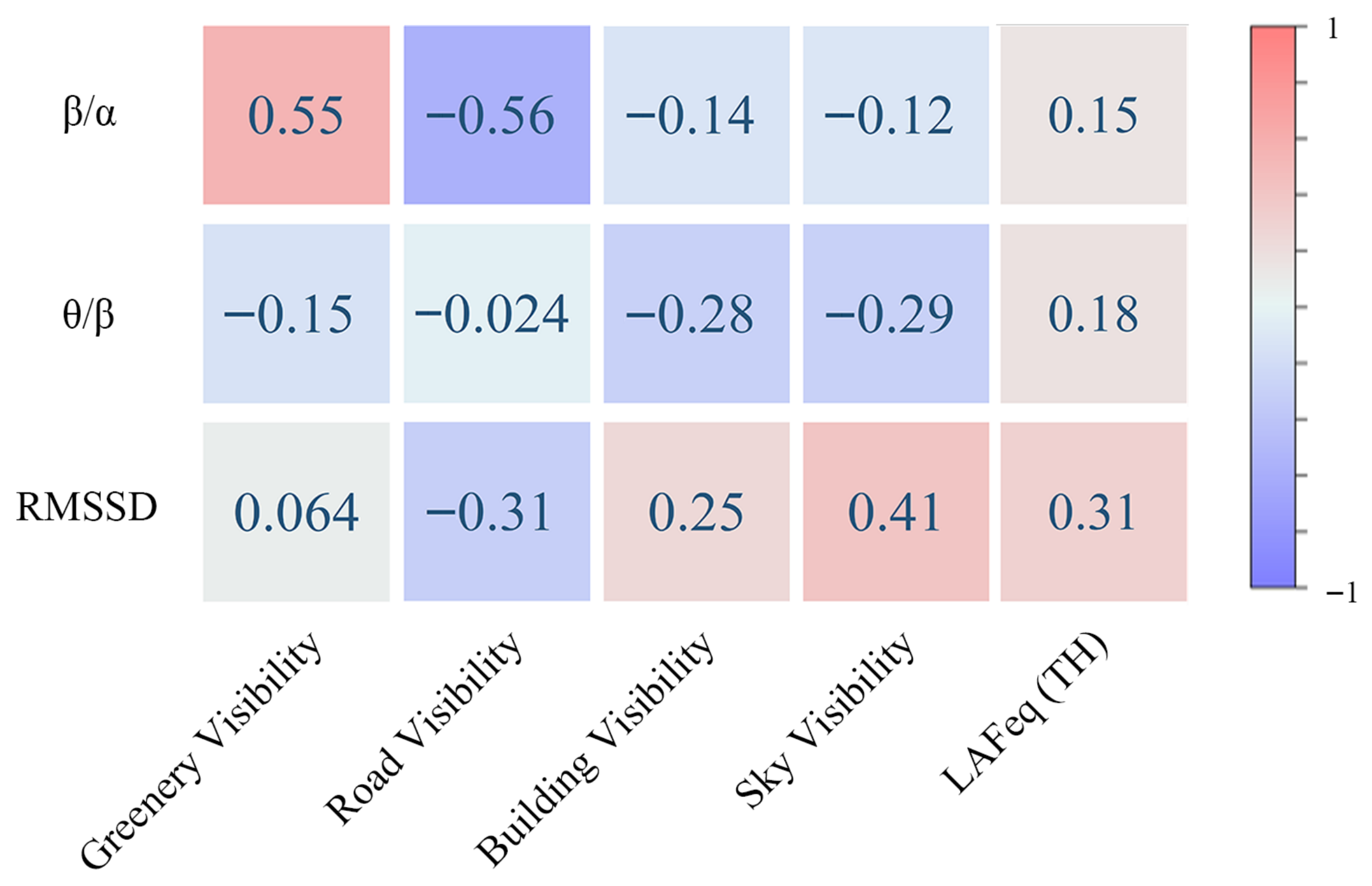
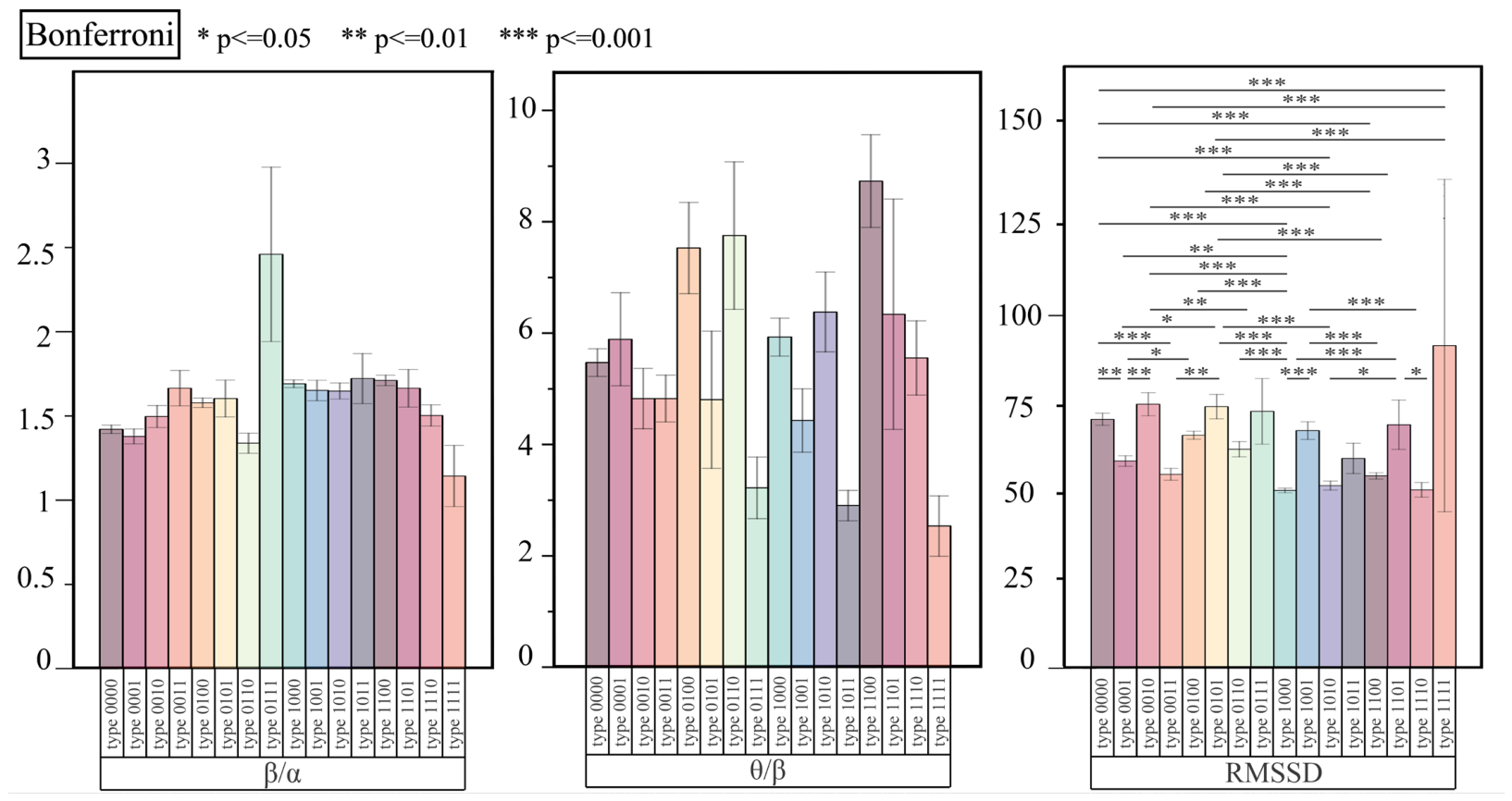
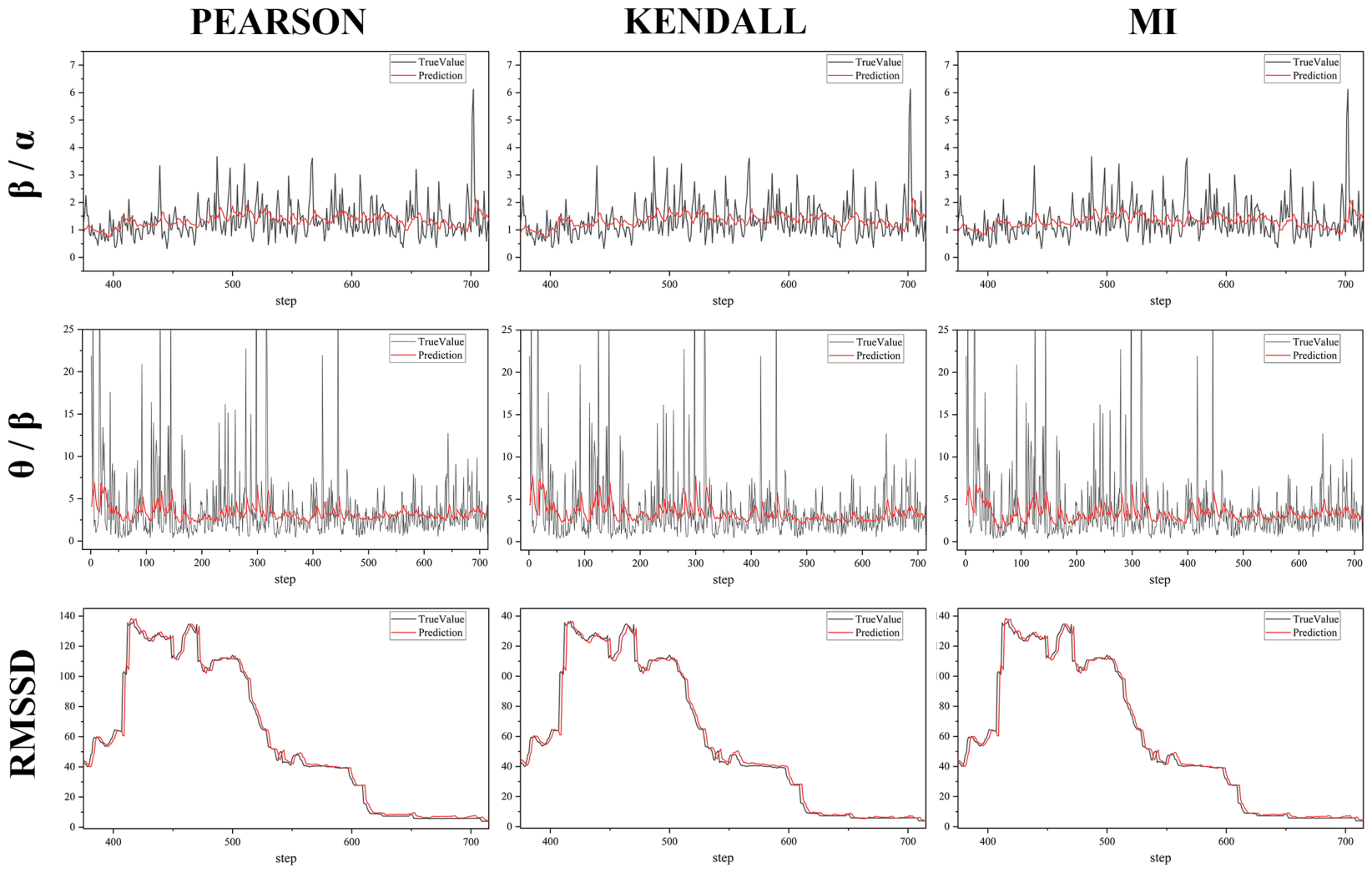
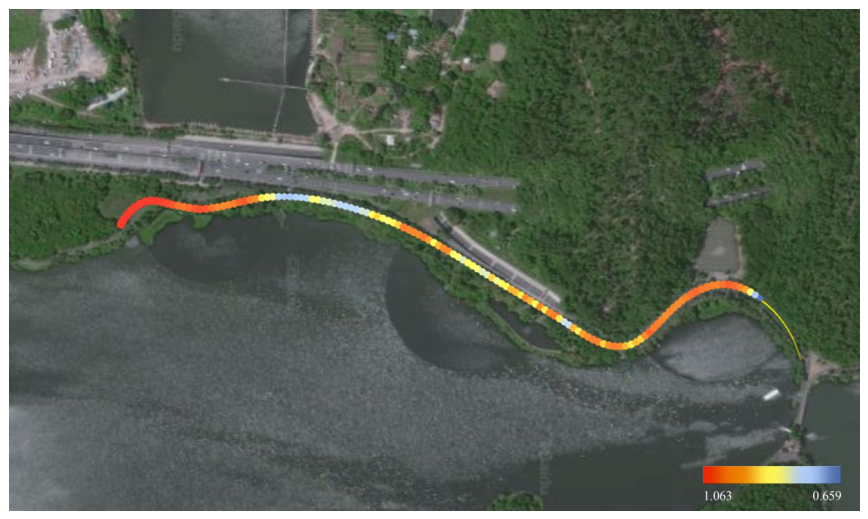
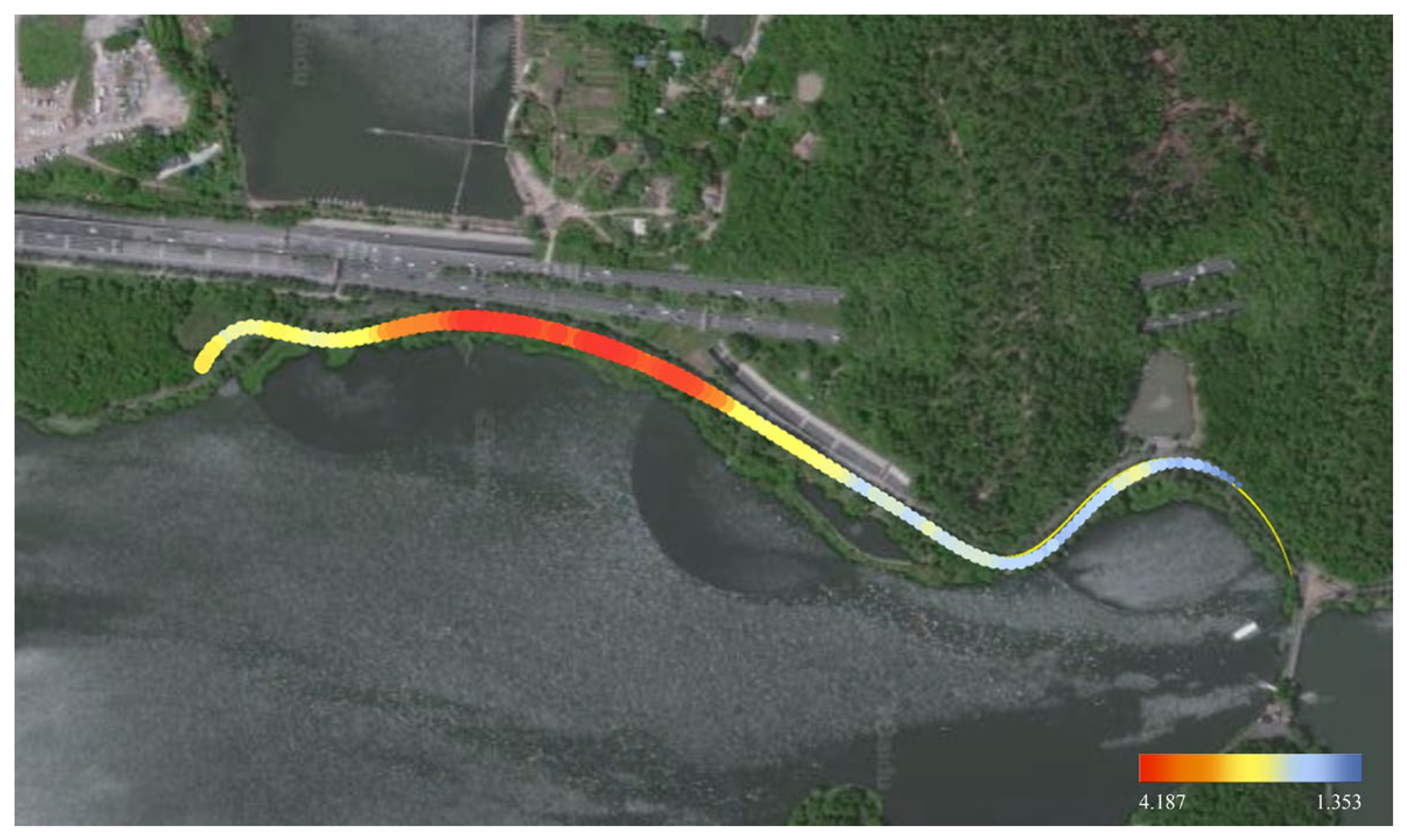
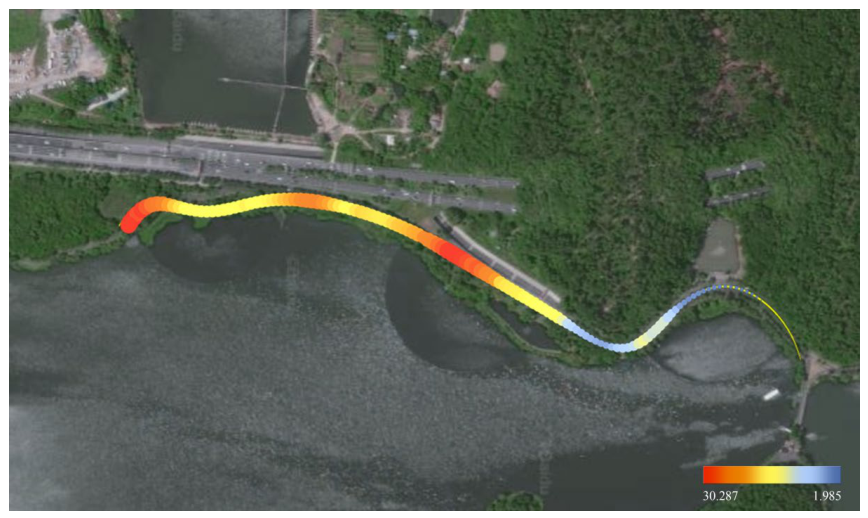
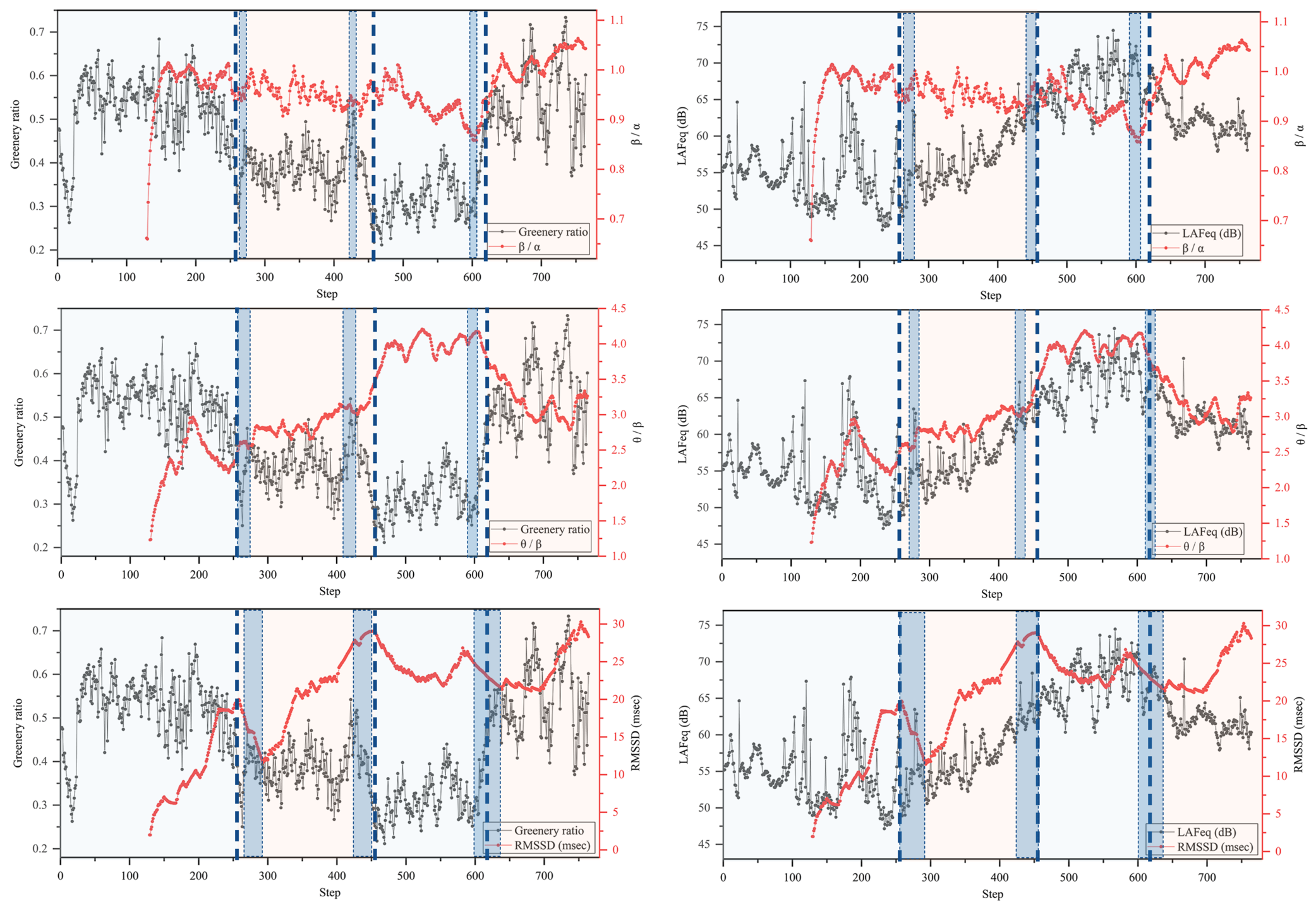
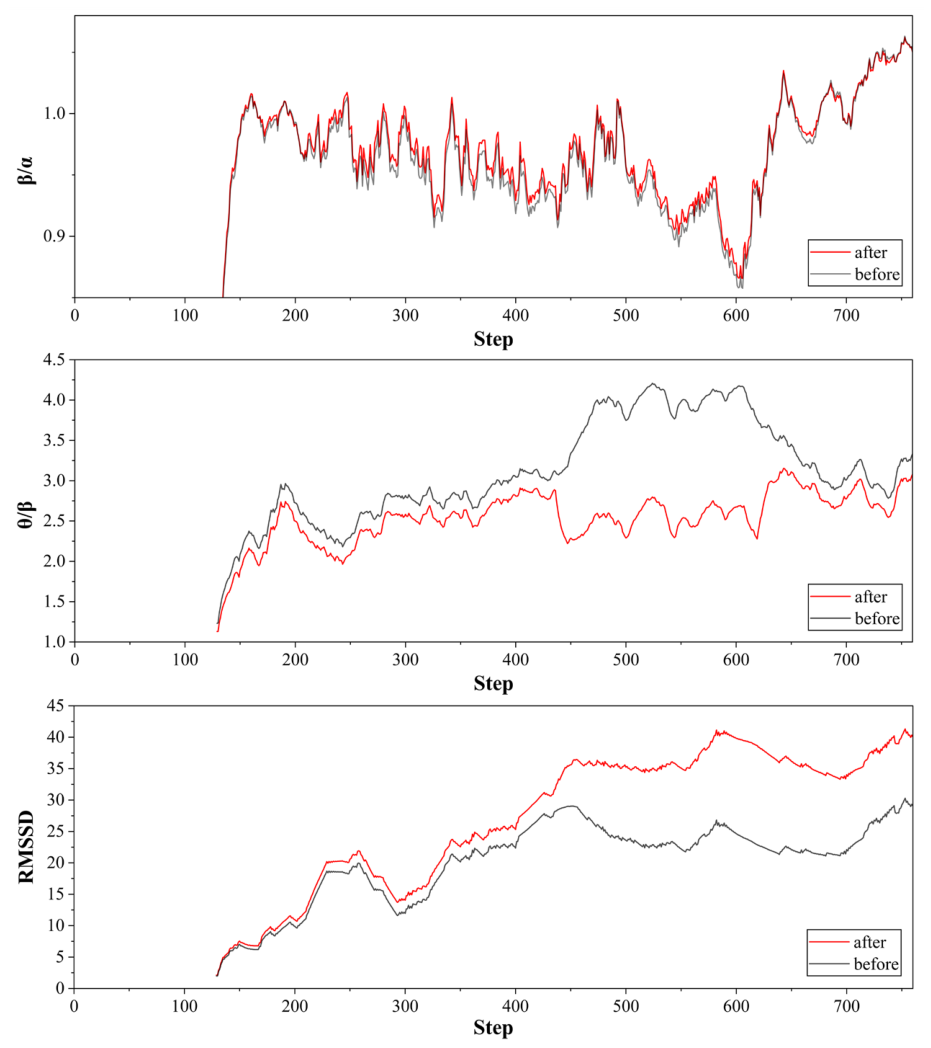
Existing studies of street-related emotional perception mainly rely on static scene evaluations, which cannot capture the cumulative effects of environmental exposure during continuous walking. To address this limitation, this study proposes a method for predicting pedestrian physiological responses in sequential audiovisual street environments. Four real-world walking routes were selected, with outbound and return directions treated as independent paths, yielding eight paths and 32 valid samples. EEG, ECG, sound pressure level, first-person video, and GPS data were synchronously collected to construct a 1 s multimodal time-series dataset. Pearson correlation, Kendall correlation, and mutual information analyses were used to examine linear, monotonic, and nonlinear relationships between environmental variables and physiological indicators, and the resulting weights were incorporated into a Long Short-Term Memory (LSTM) model for multi-step prediction. Visual elements and noise exposure were the main factors influencing physiological responses. Among the models, the mutual-information-weighted LSTM performed best, achieving an R2 of 0.77 for heart rate variability (RMSSD), whereas prediction of the EEG ratio (β/α and θ/β) remained limited. An additional independent street sample outside the training set was then used to generate a dual-dimensional EEG-ECG physiological response map, demonstrating the model’s potential for identifying emotional risk segments and supporting street-level micro-renewal.
Keywords: pedestrian emotion; audiovisual environment; multimodal time-series; LSTM; physiological response mapping pedestrian emotion; audiovisual environment; multimodal time-series; LSTM; physiological response mapping