Article

Dynamic Behavior of Lighting GFRP Pole Under Impact Loading

1
Engineering Management Department, College of Engineering, Prince Sultan University, Riyadh 11586, Saudi Arabia
2
Structural Engineering Department, Zagazig University, Zagazig 44519, Egypt
3
Civil and Environmental Engineering, University of Missouri, Columbia, MO 65211, USA
*
Author to whom correspondence should be addressed.
Buildings 2025, 15(13), 2341; https://doi.org/10.3390/buildings15132341

Submission received: 19 May 2025 / Revised: 29 June 2025 / Accepted: 1 July 2025 / Published: 3 July 2025
(This article belongs to the Special Issue Extreme Performance of Composite and Protective Structures)

Abstract

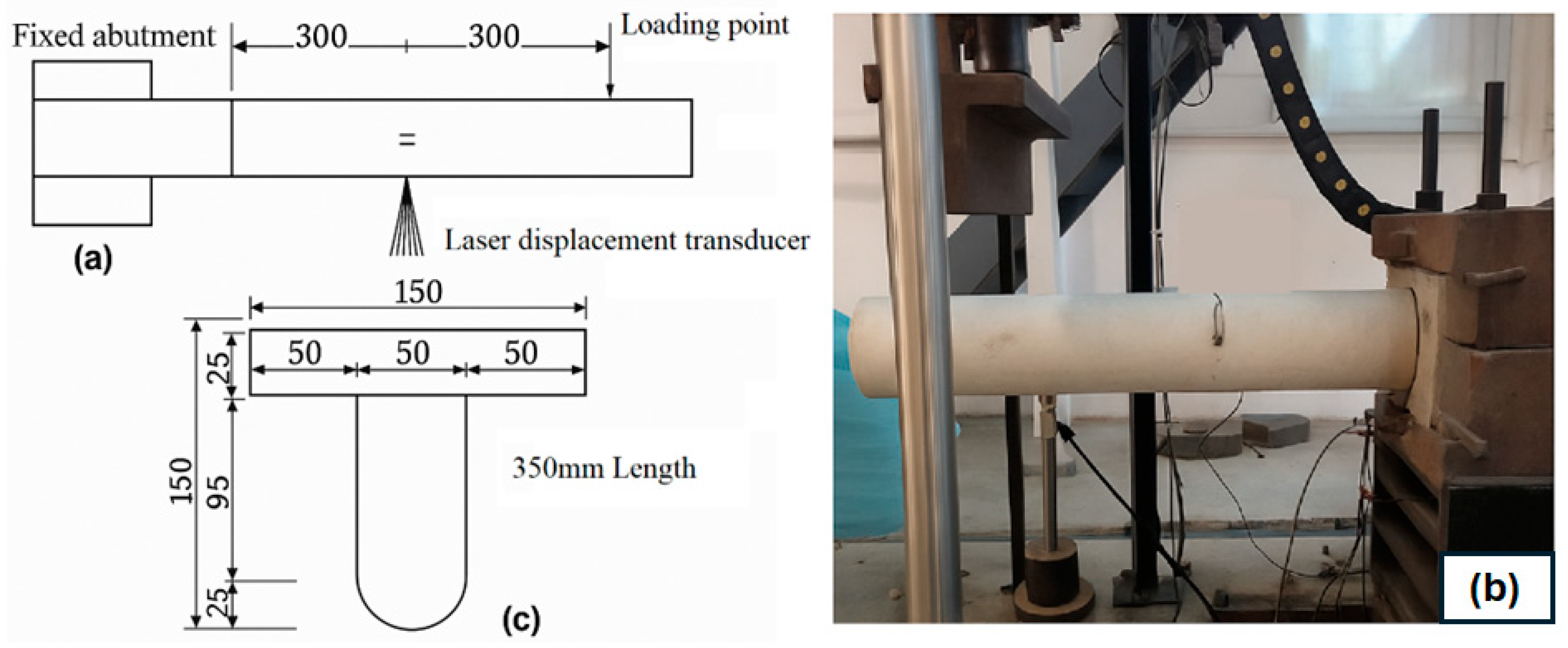
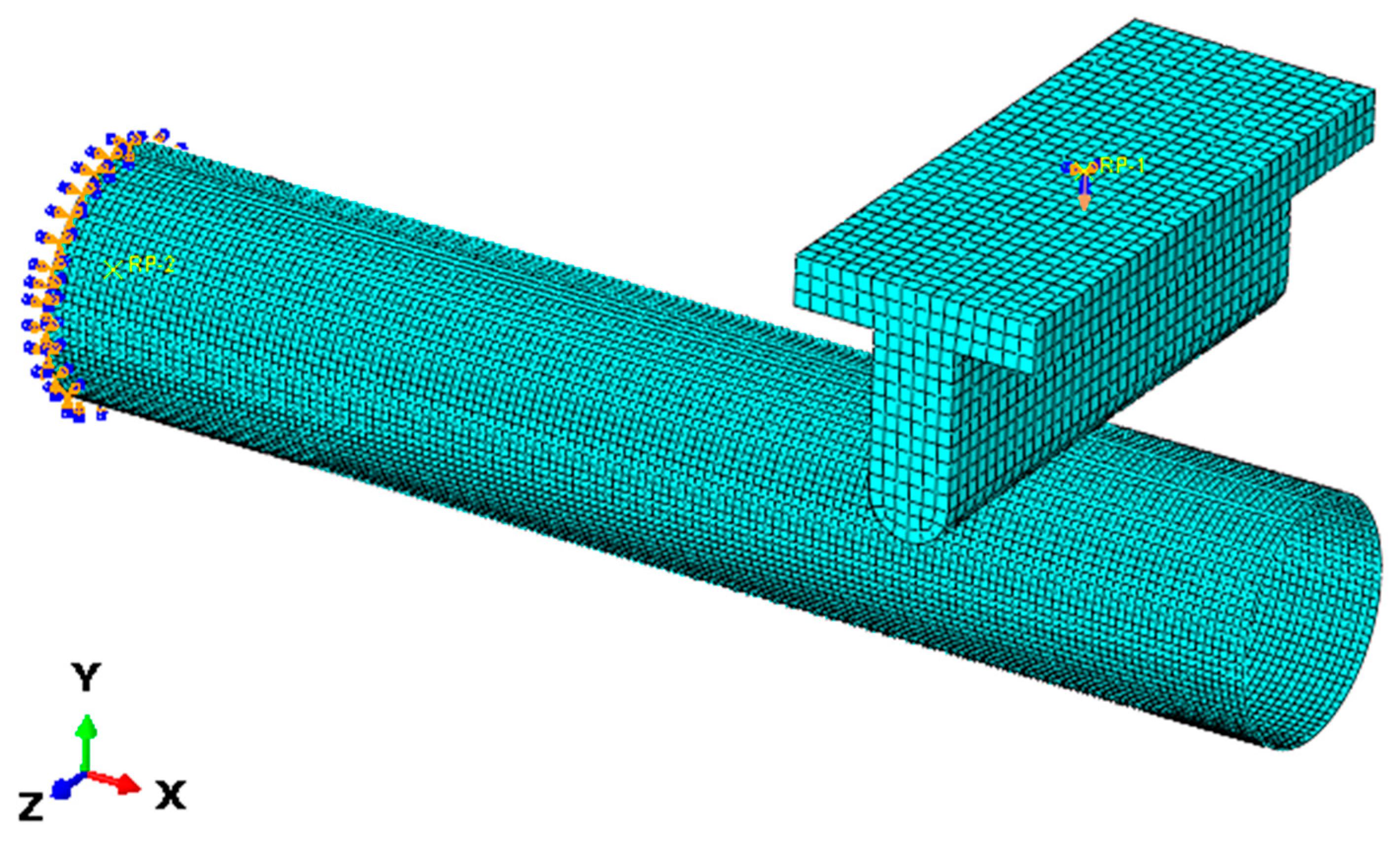
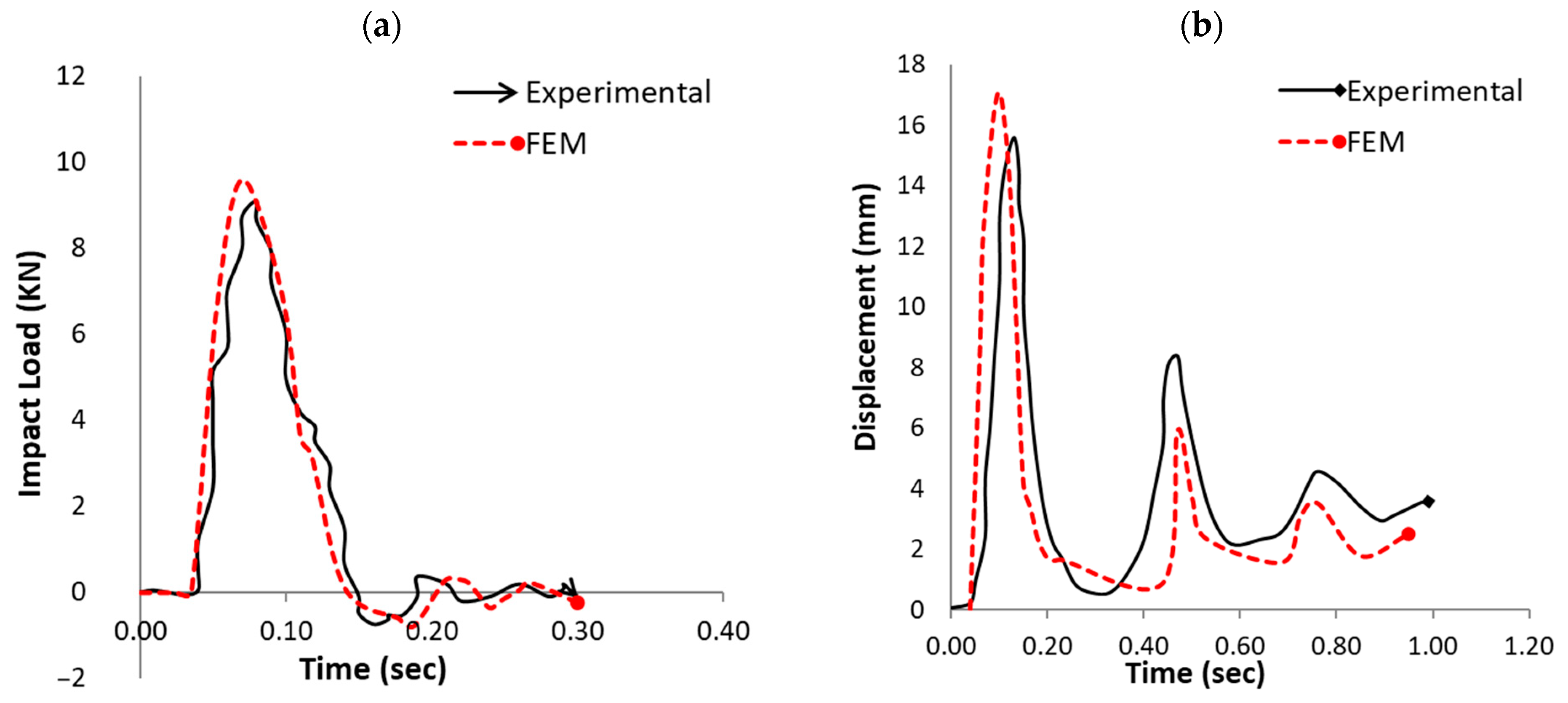
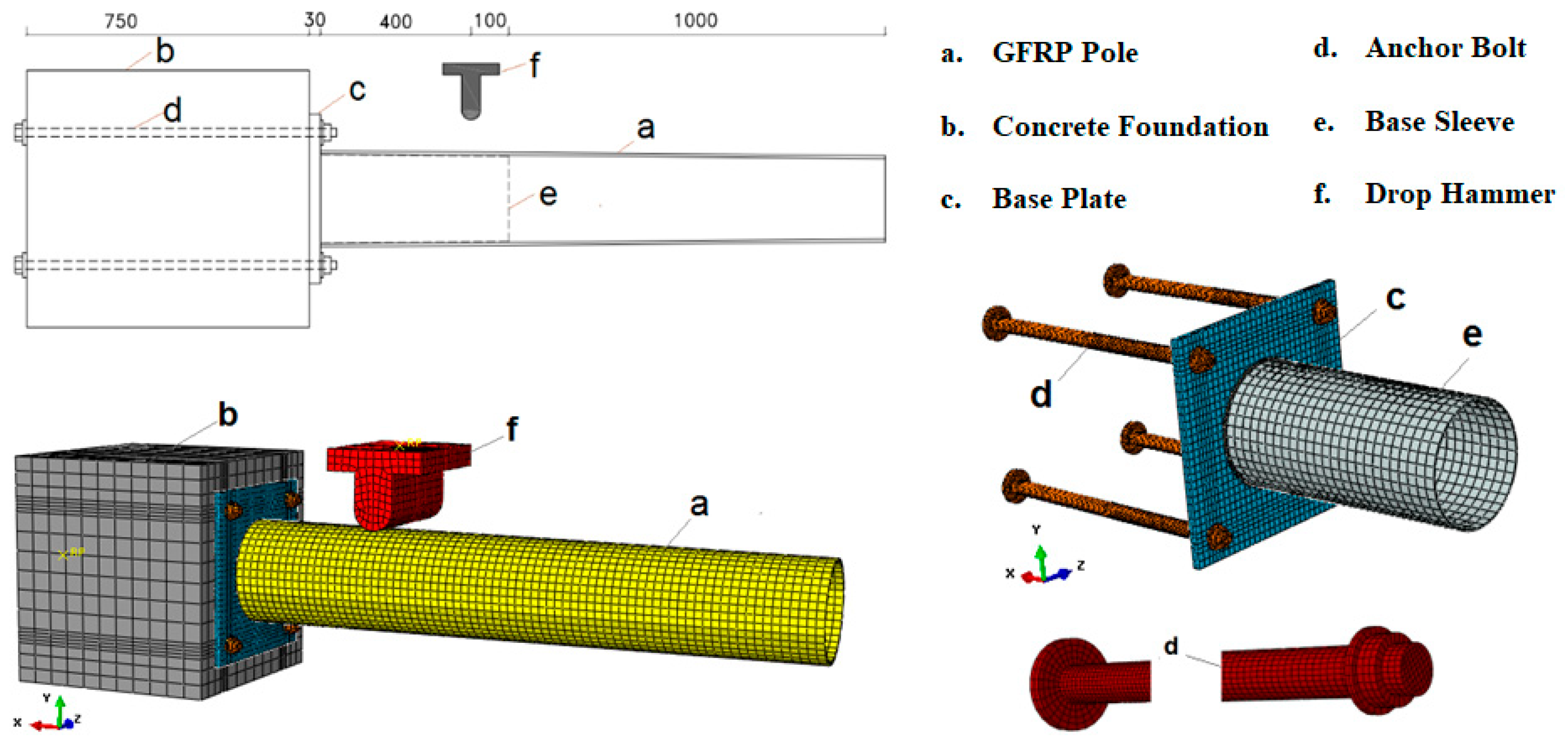
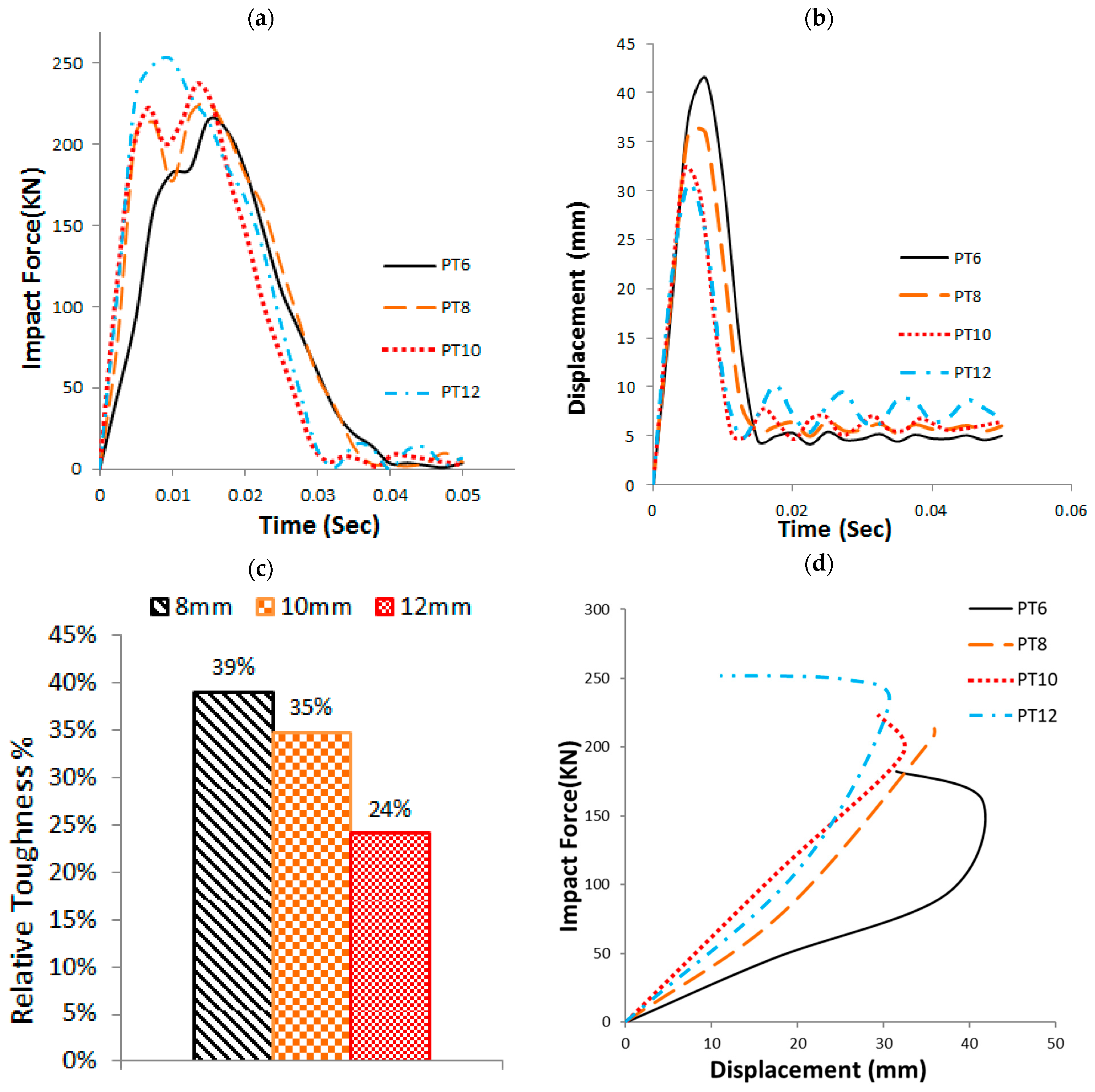
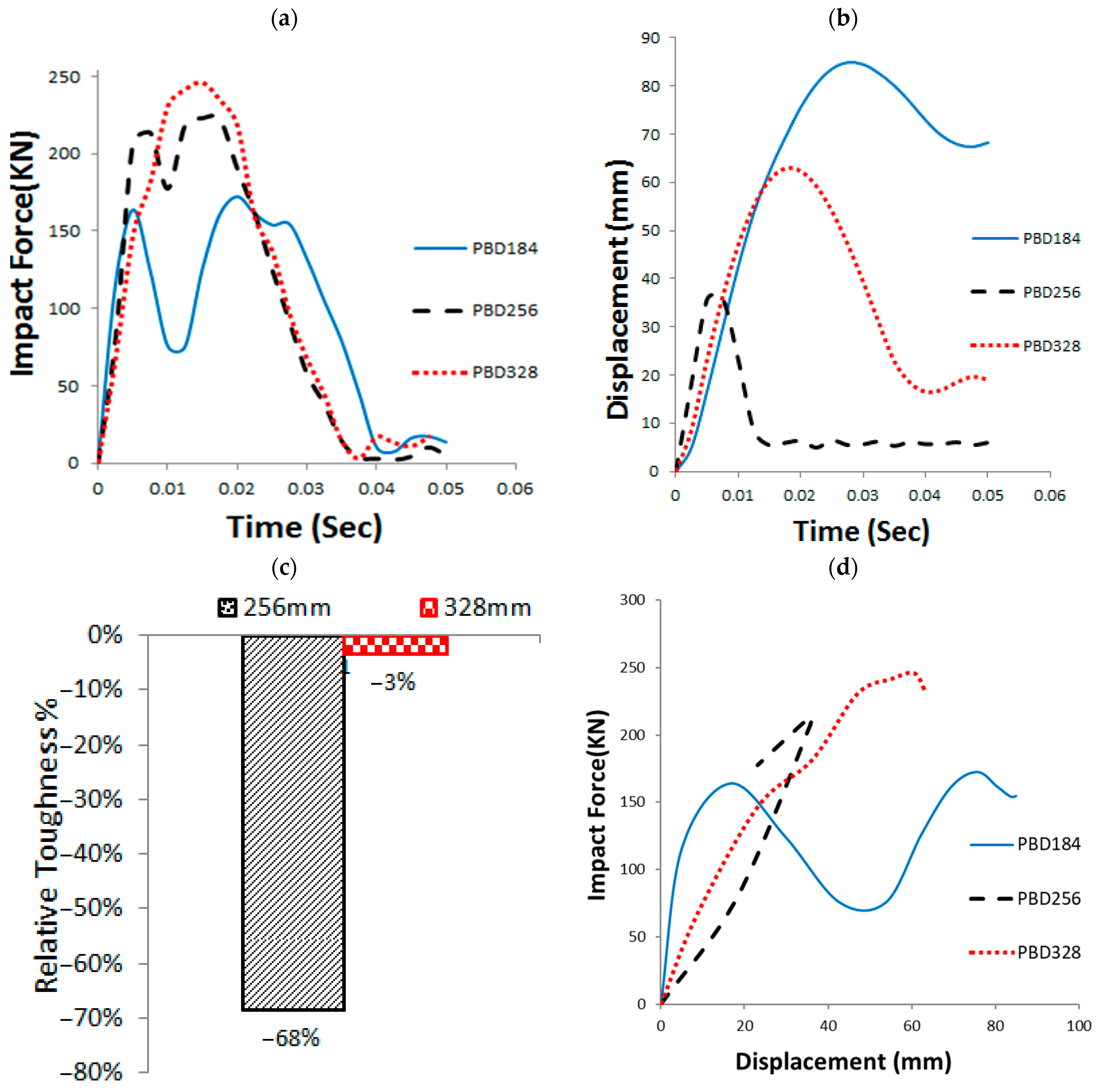
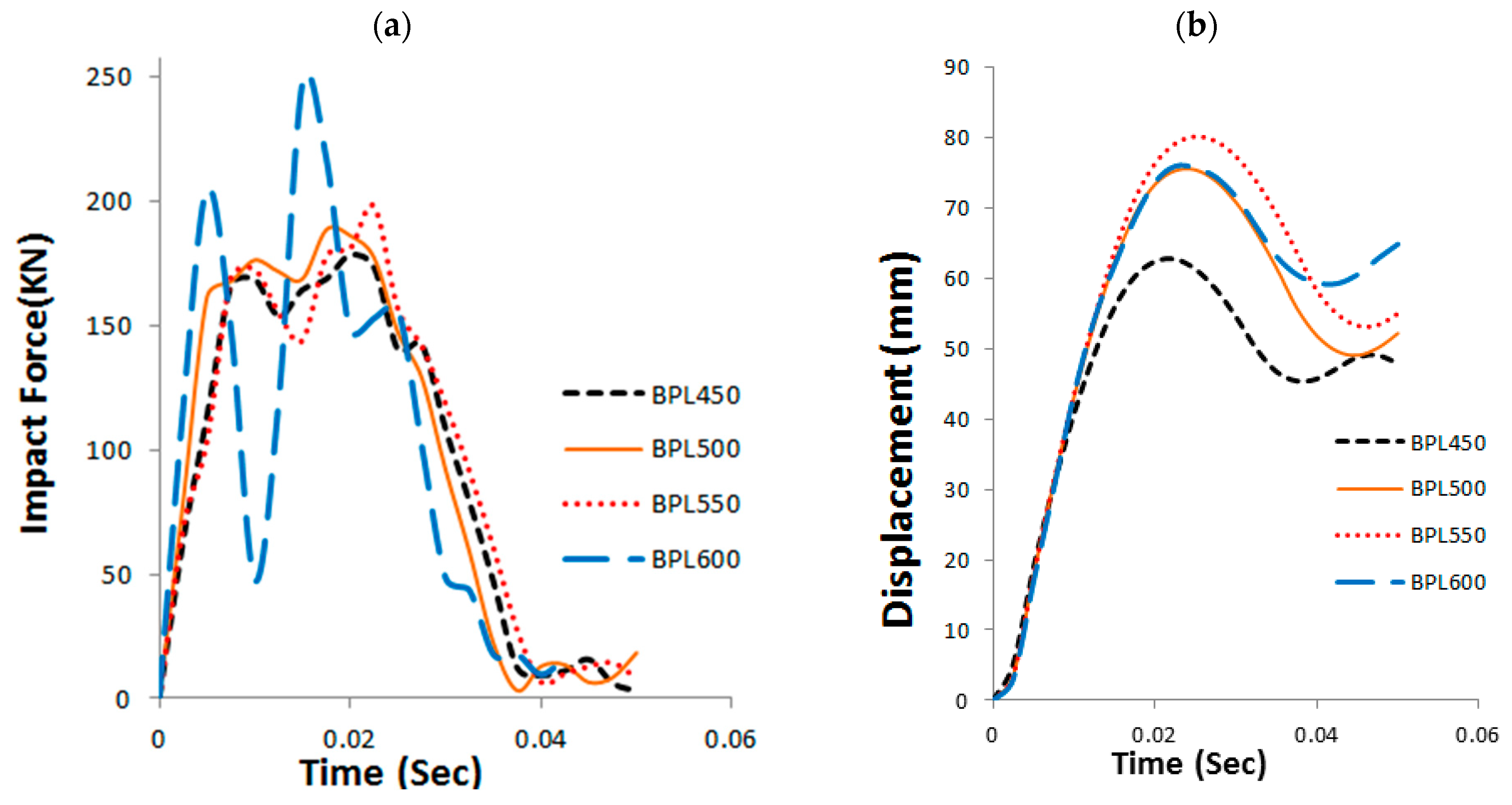
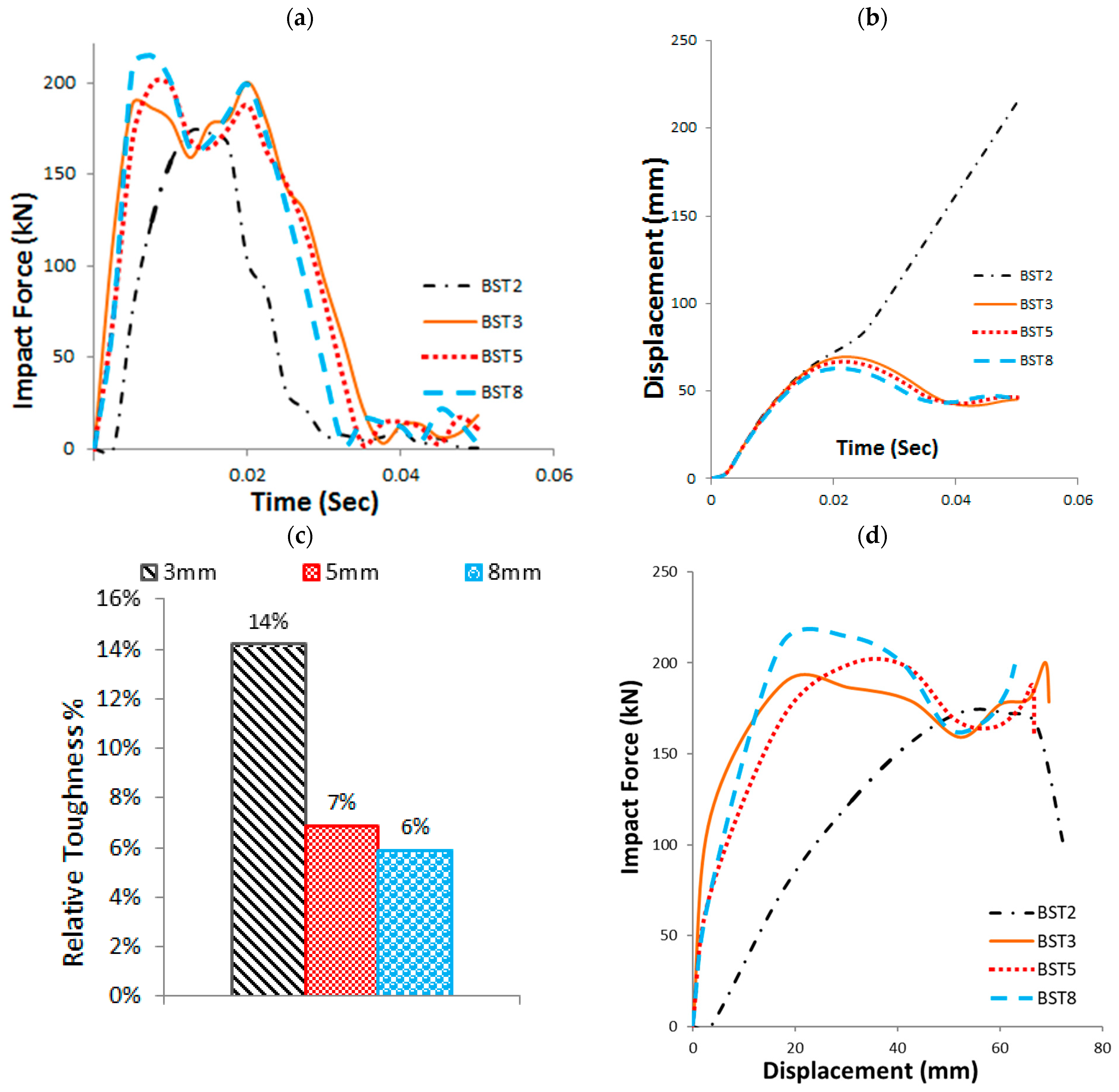
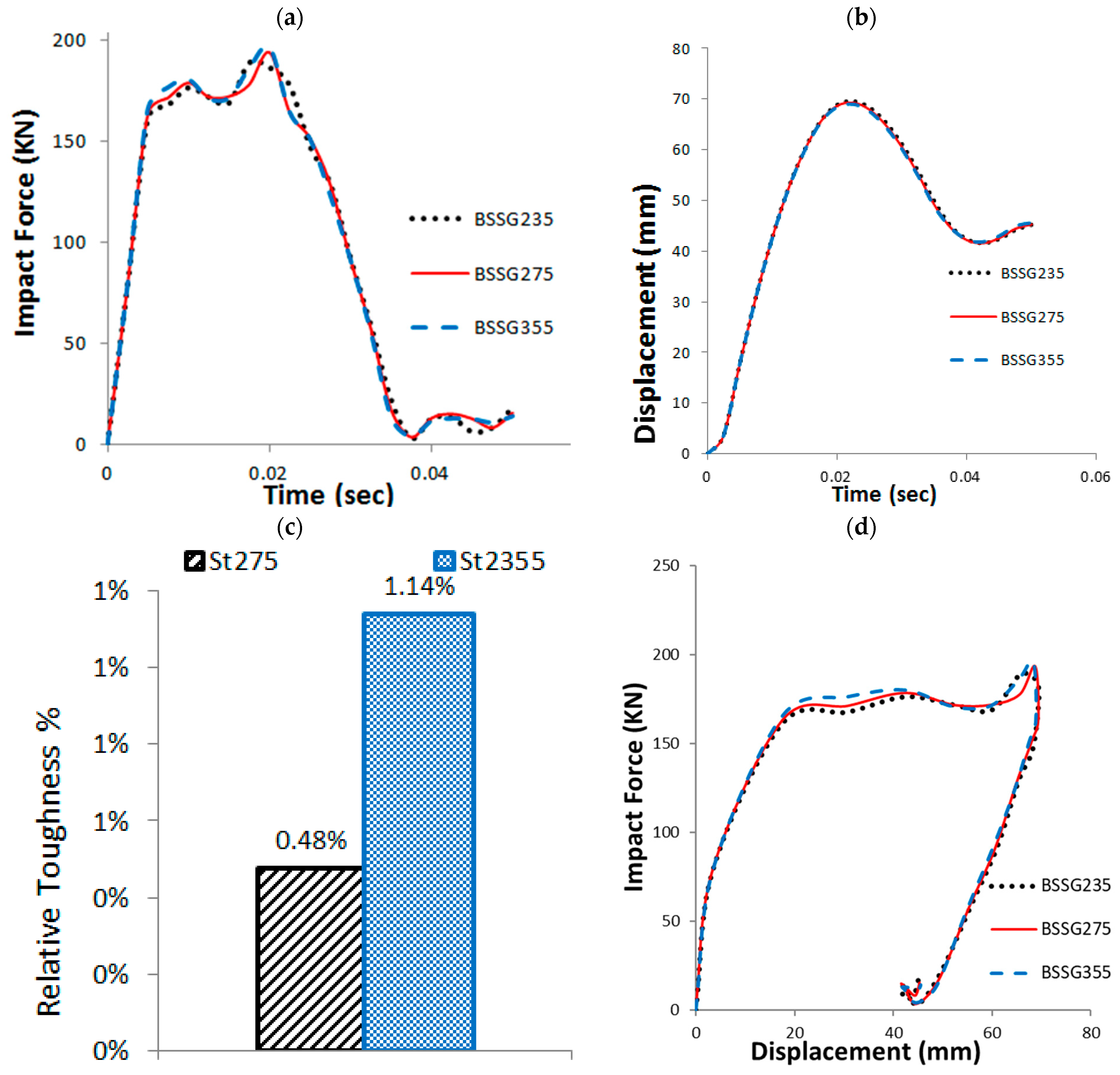
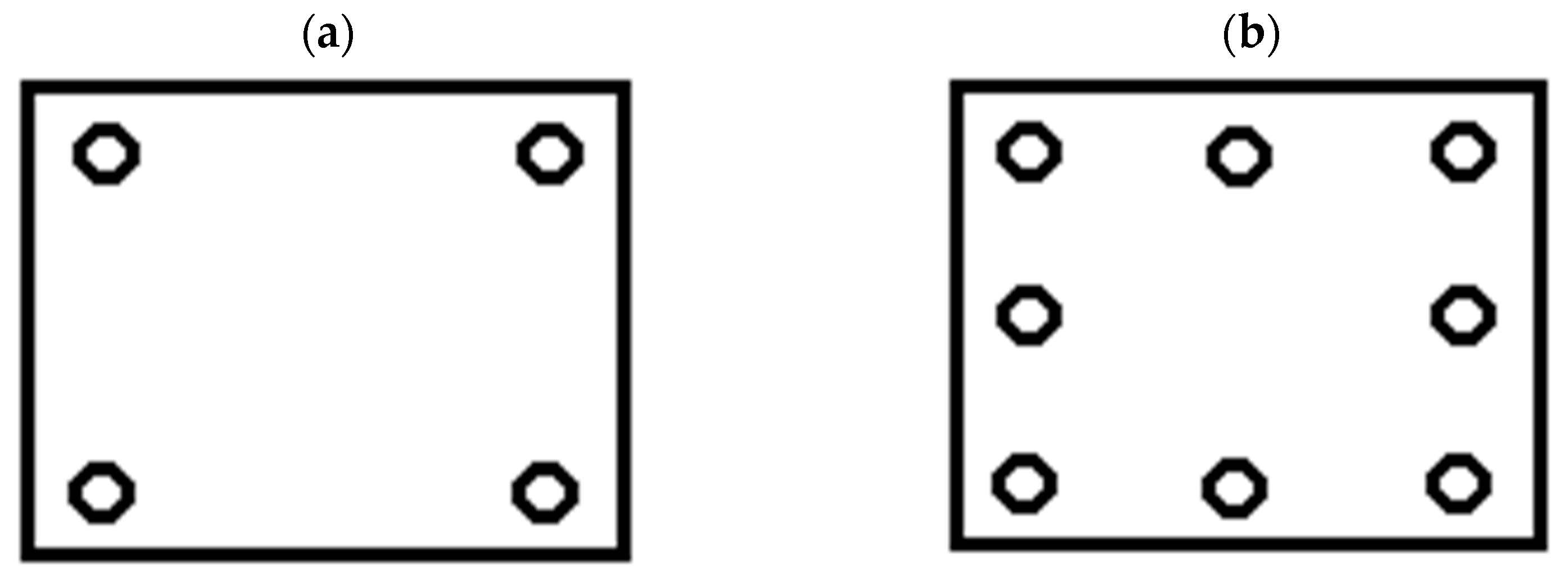
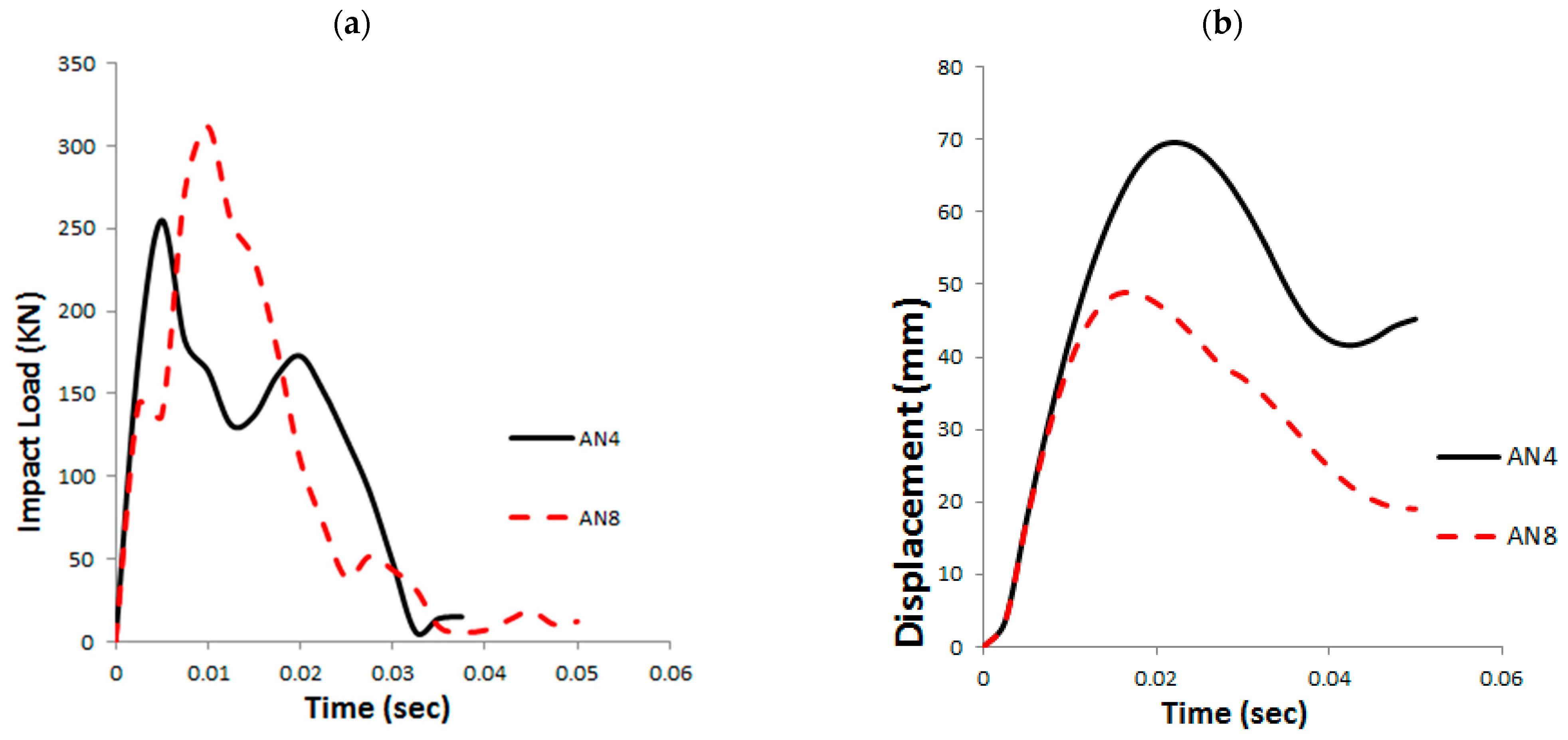
Vehicle collisions with street lighting poles generate extremely high impact forces, often resulting in serious injuries or fatalities. Therefore, enhancing the structural resilience of pole bases is a critical engineering objective. This study investigates a comprehensive dynamic analysis conducted with respect to base material behavior and energy absorption of GFRP lighting pole structures under impact loads. A finite element (FE) model of a 5 m-tall tapered GFRP pole with a steel base sleeve, base plate, and anchor bolts was developed. A 500 kg drop-weight impact at 400 mm above the base simulated vehicle collision conditions. The model was validated against experimental data, accurately reproducing the observed failure mode and peak force within 6%. Parametric analyses explored variations in pole diameter, wall thickness, base plate size and thickness, sleeve height, and anchor configuration. Results revealed that geometric parameters—particularly wall thickness and base plate dimensions—had the most significant influence on energy absorption. Doubling the wall thickness reduced normalized energy absorption by approximately 76%, while increases in base plate size and thickness reduced it by 35% and 26%, respectively. Material strength and anchor bolt configuration showed minimal impact. These findings underscore the importance of optimizing pole geometry to enhance crashworthiness. Controlled structural deformation improves energy dissipation, making geometry-focused design strategies more effective than simply increasing material strength. This work provides a foundation for designing safer roadside poles and highlights areas for further exploration in base configurations and connection systems.
Keywords: GFRP; street poles; dynamic analysis; impact test; anchor bolt; toughness; ABAQUS GFRP; street poles; dynamic analysis; impact test; anchor bolt; toughness; ABAQUS