Article

Thermodynamic Modeling Constrains the Alteration and Mineralization Patterns of the Pulang Porphyry Cu-Au Deposits in Eastern Tibet
1
BGRIMM Technology Group, Beijing 100160, China
2
State Key Laboratory of Geological Processes and Mineral Resources, China University of Geosciences, Beijing 100083, China
3
China Metallurgical Geology Bureau, Beijing 100025, China
*
Author to whom correspondence should be addressed.
Minerals 2025, 15(8), 780; https://doi.org/10.3390/min15080780
Submission received: 27 June 2025 / Revised: 23 July 2025 / Accepted: 23 July 2025 / Published: 25 July 2025

Abstract

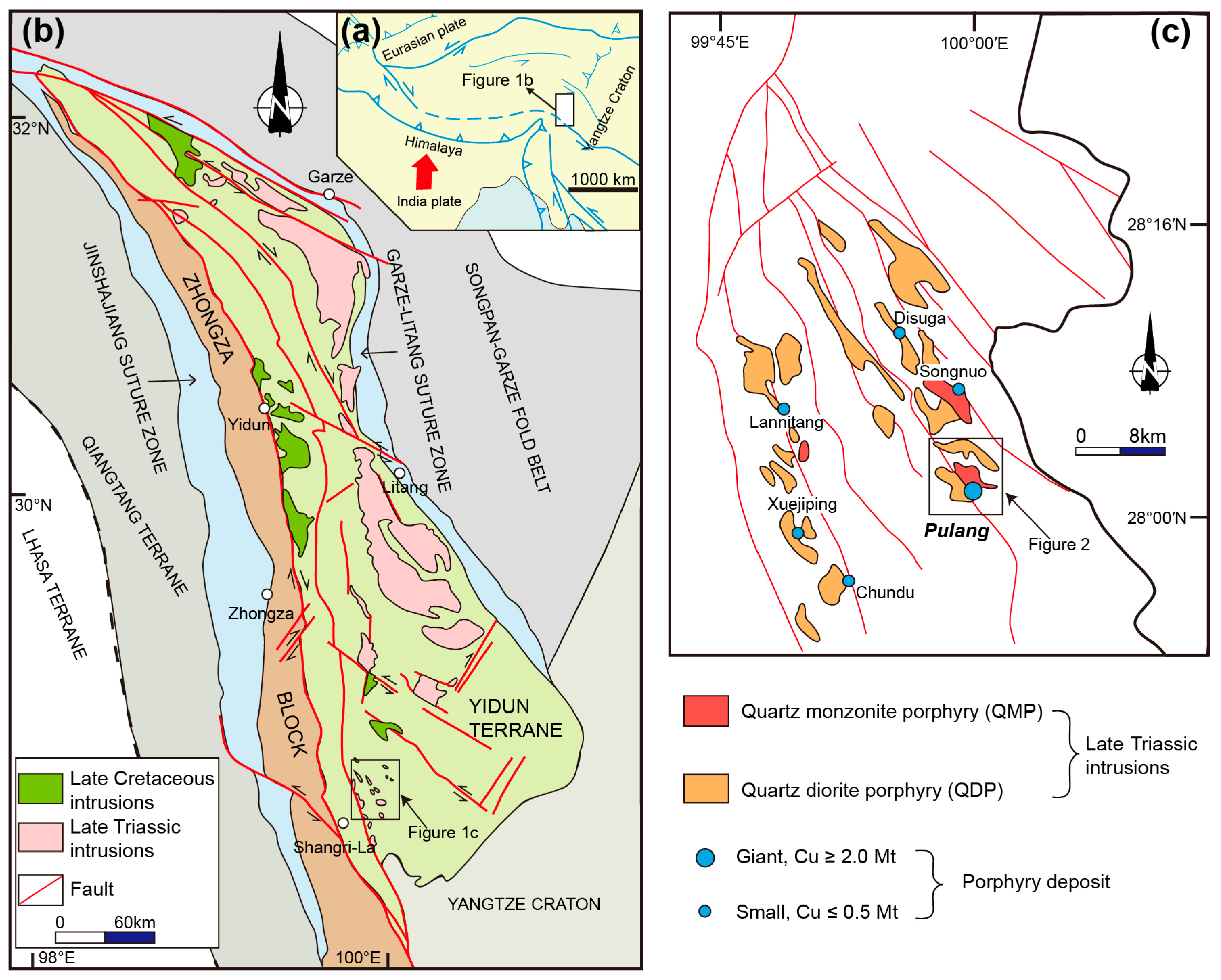
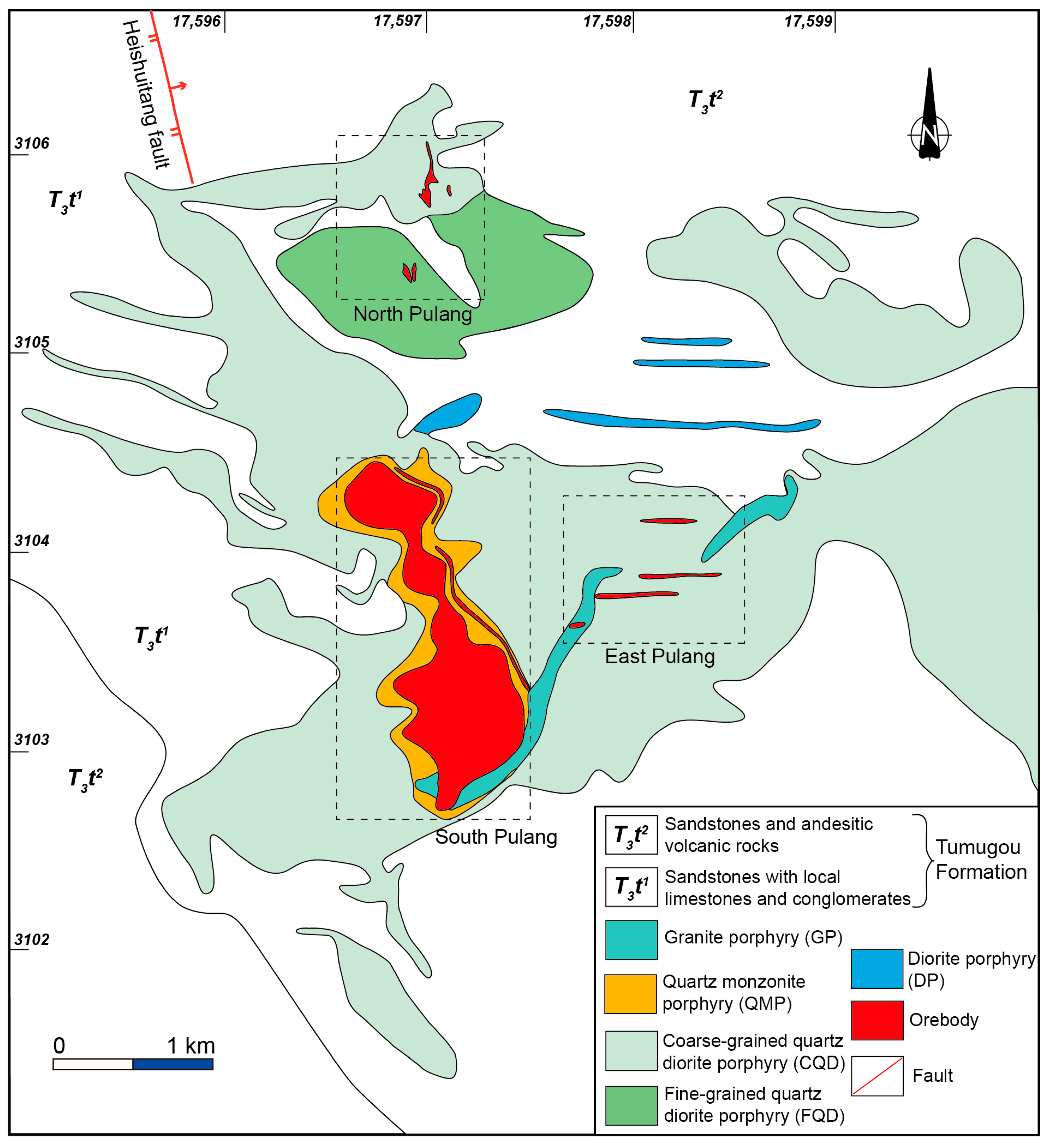
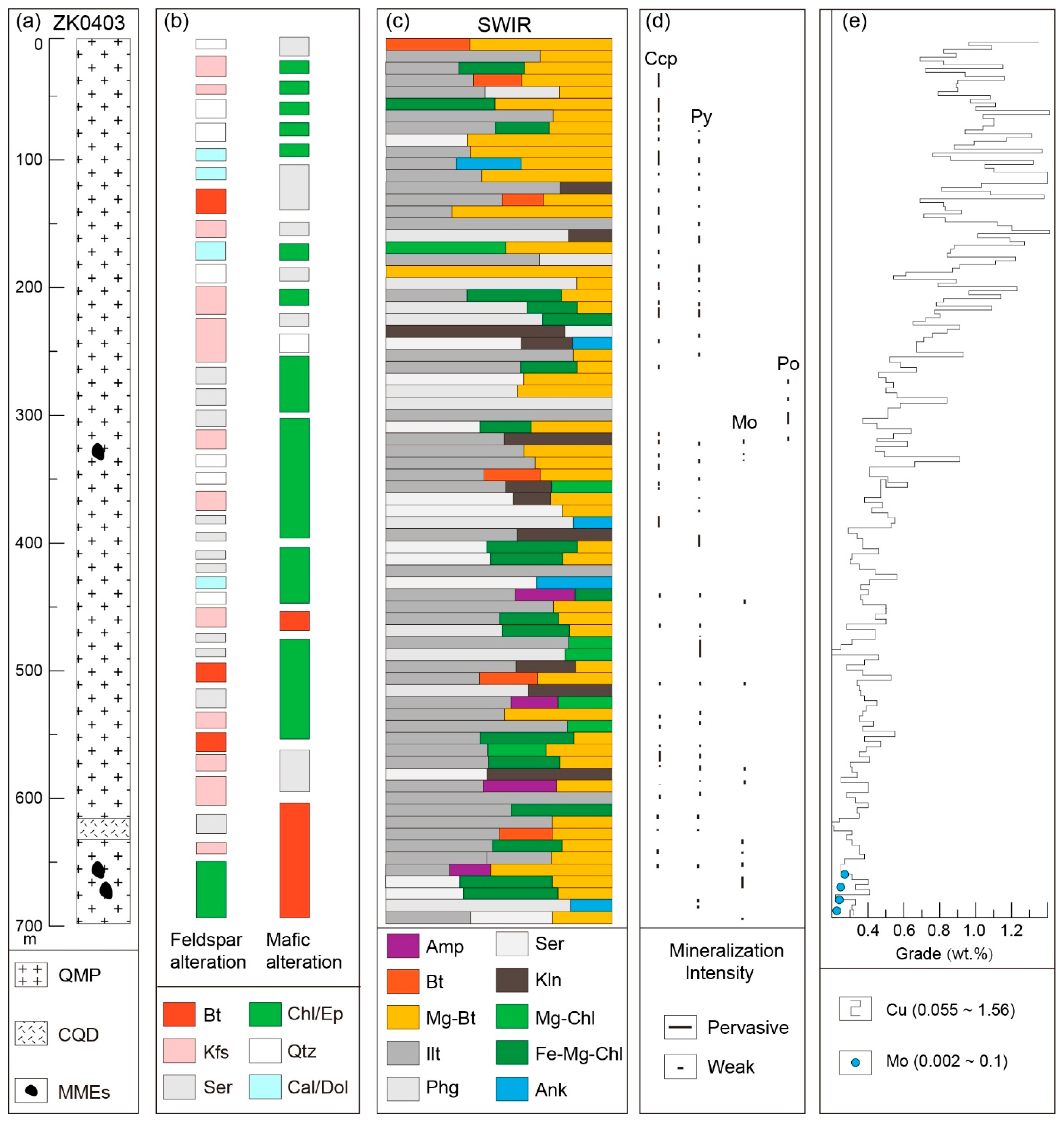
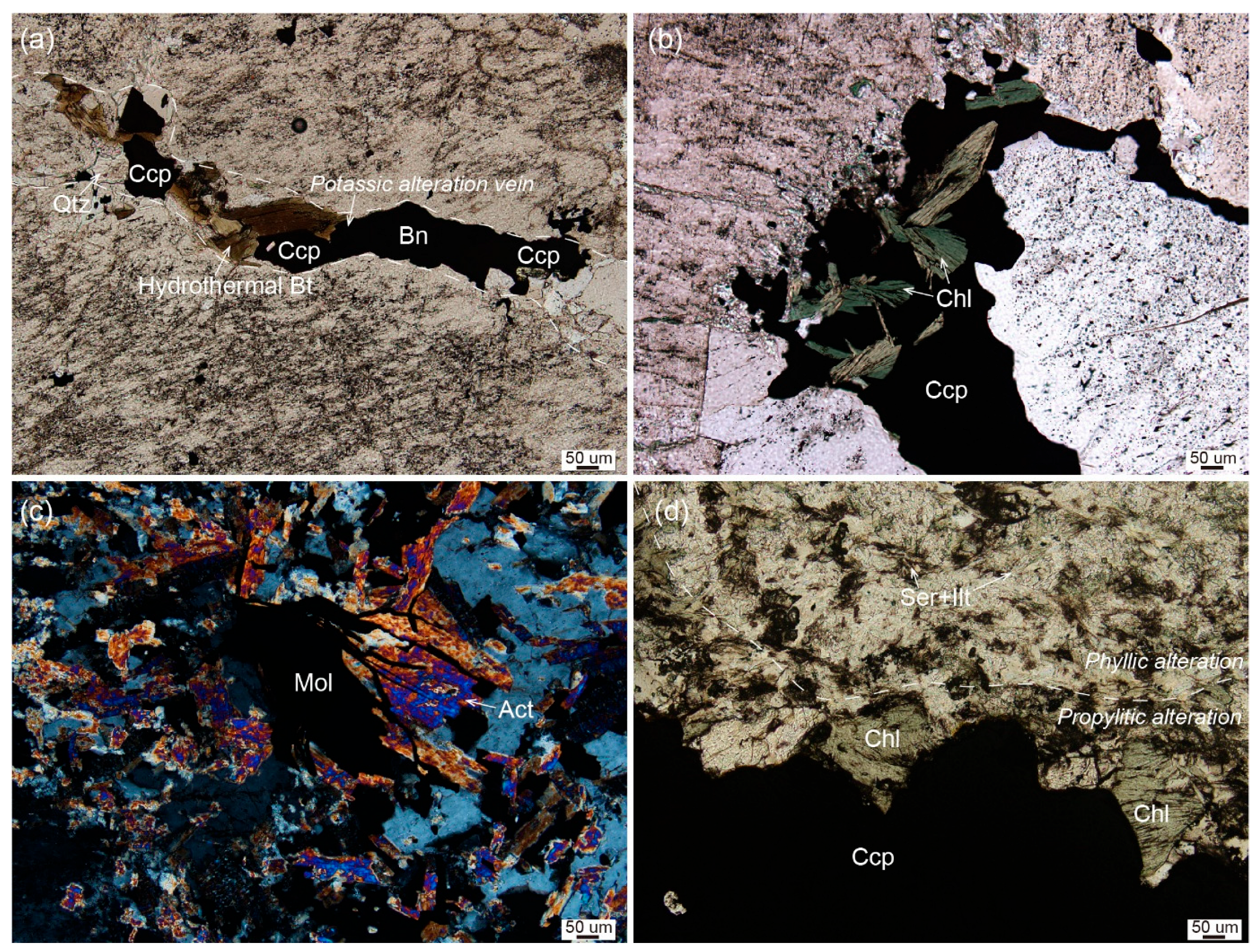
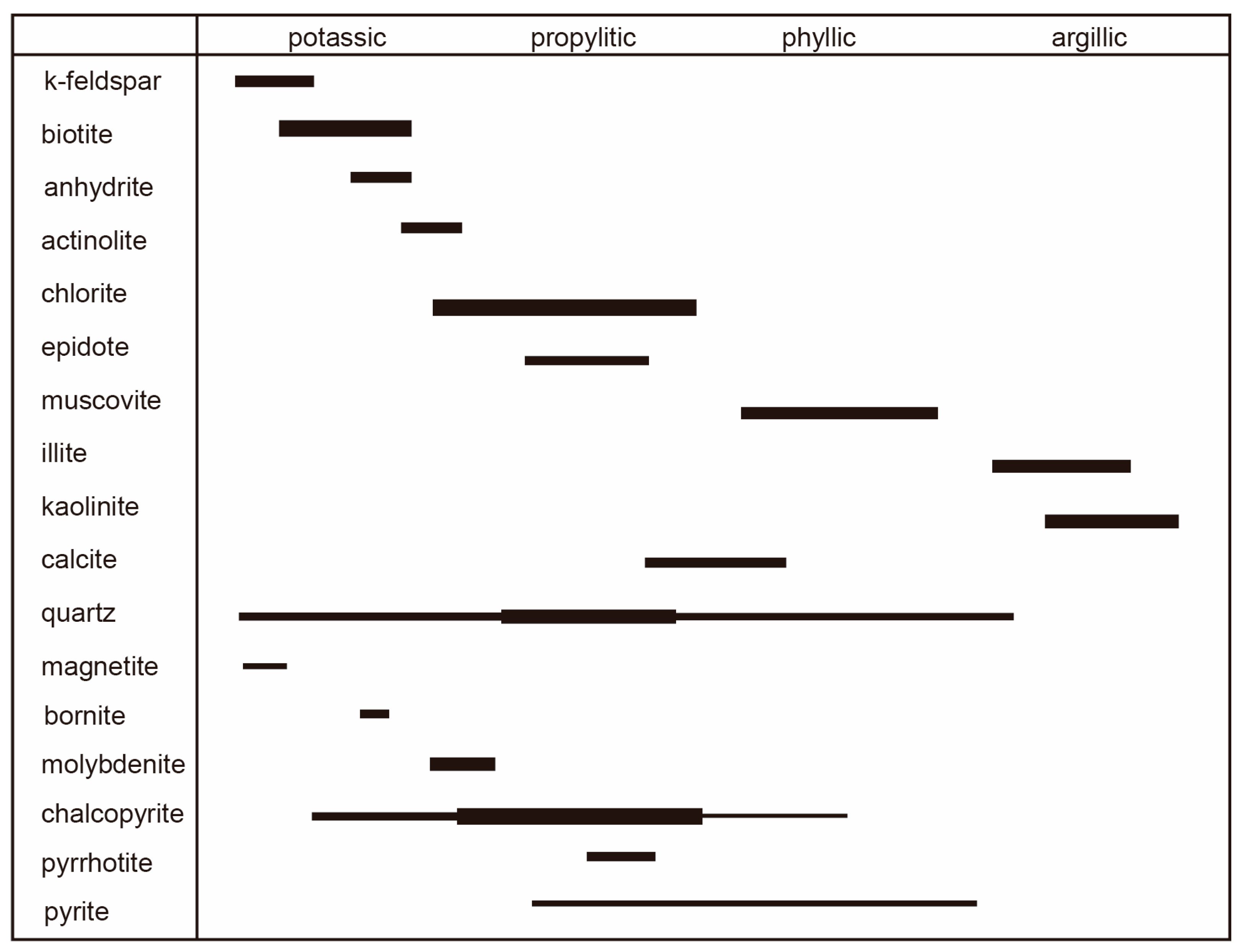
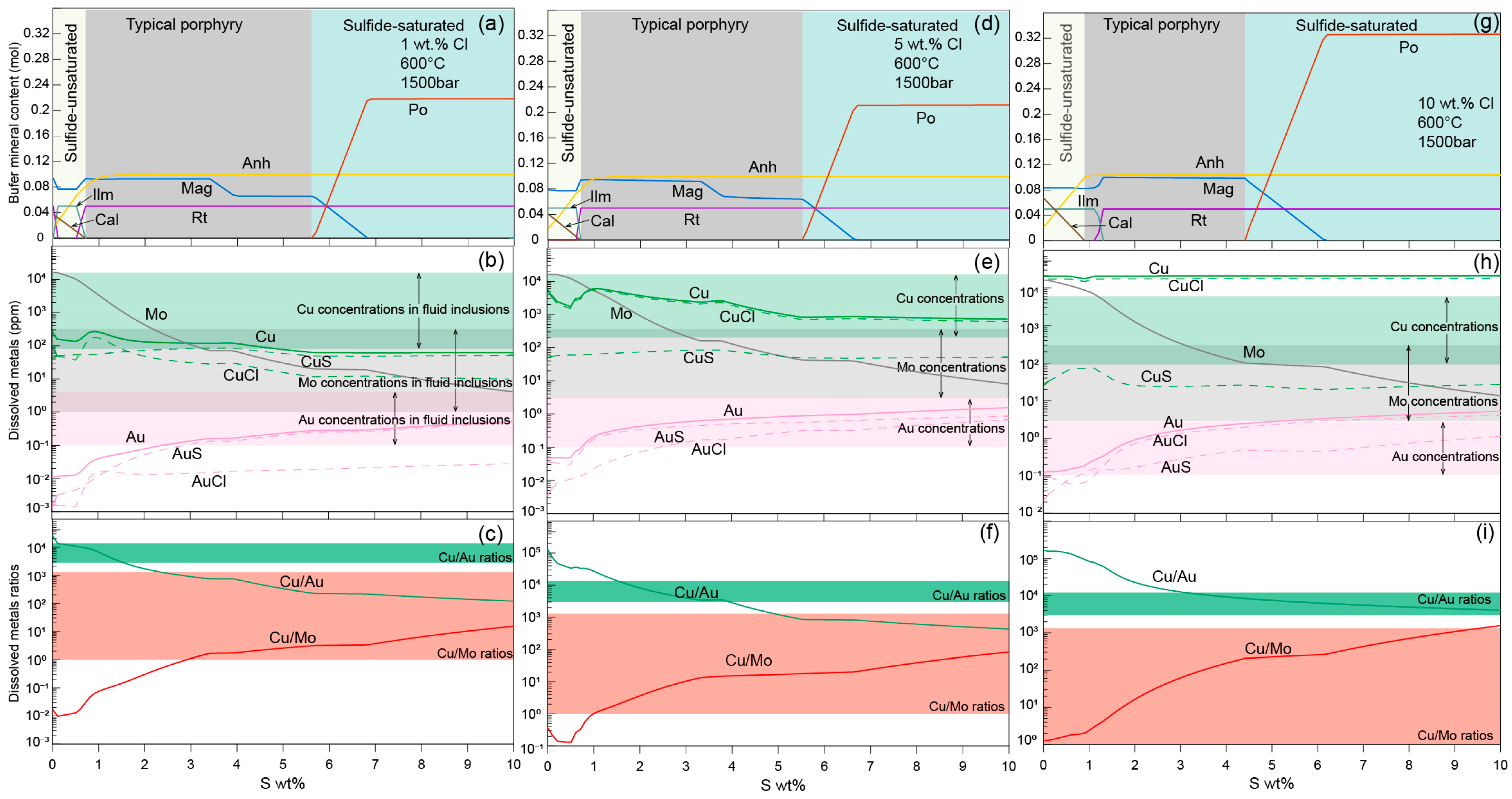
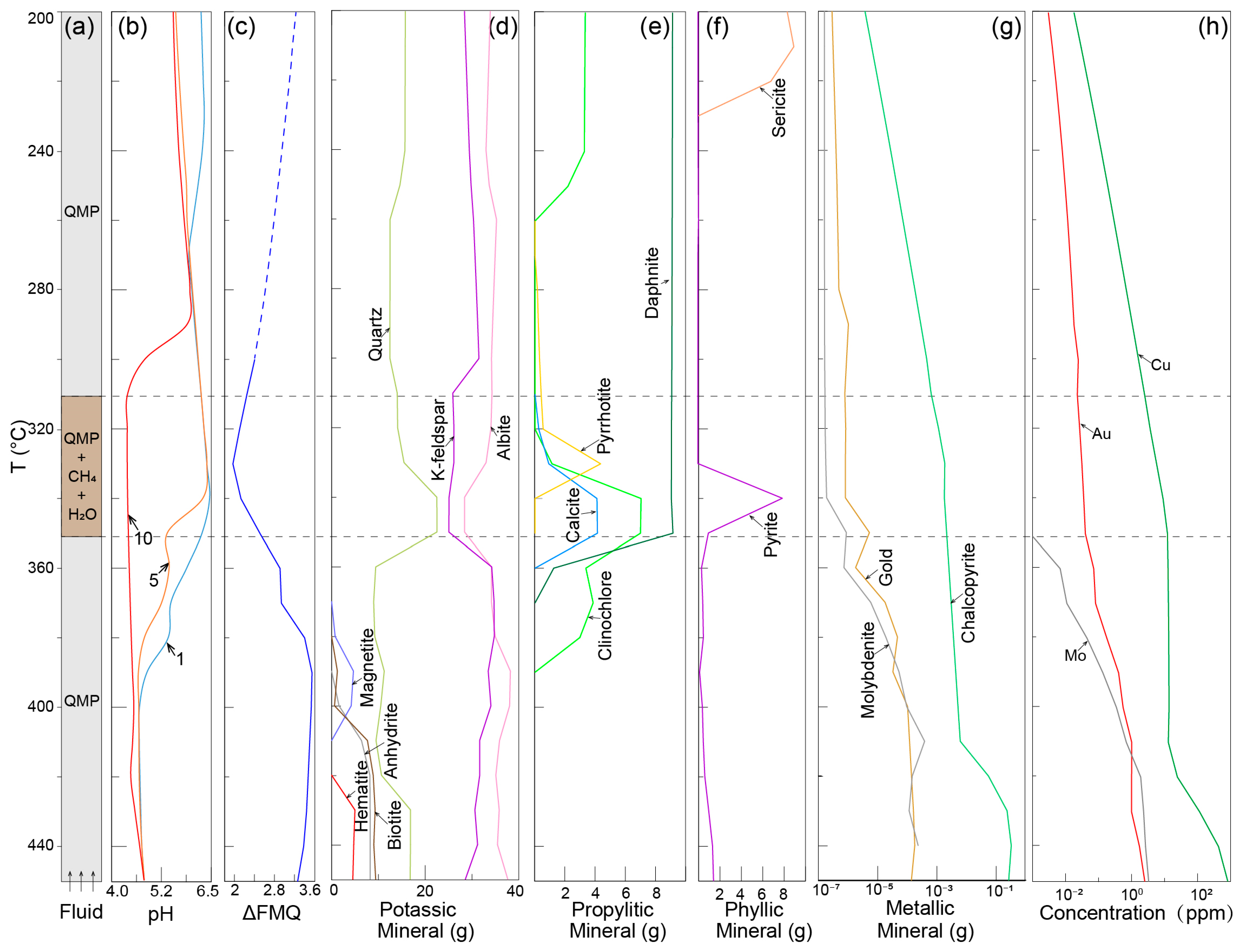
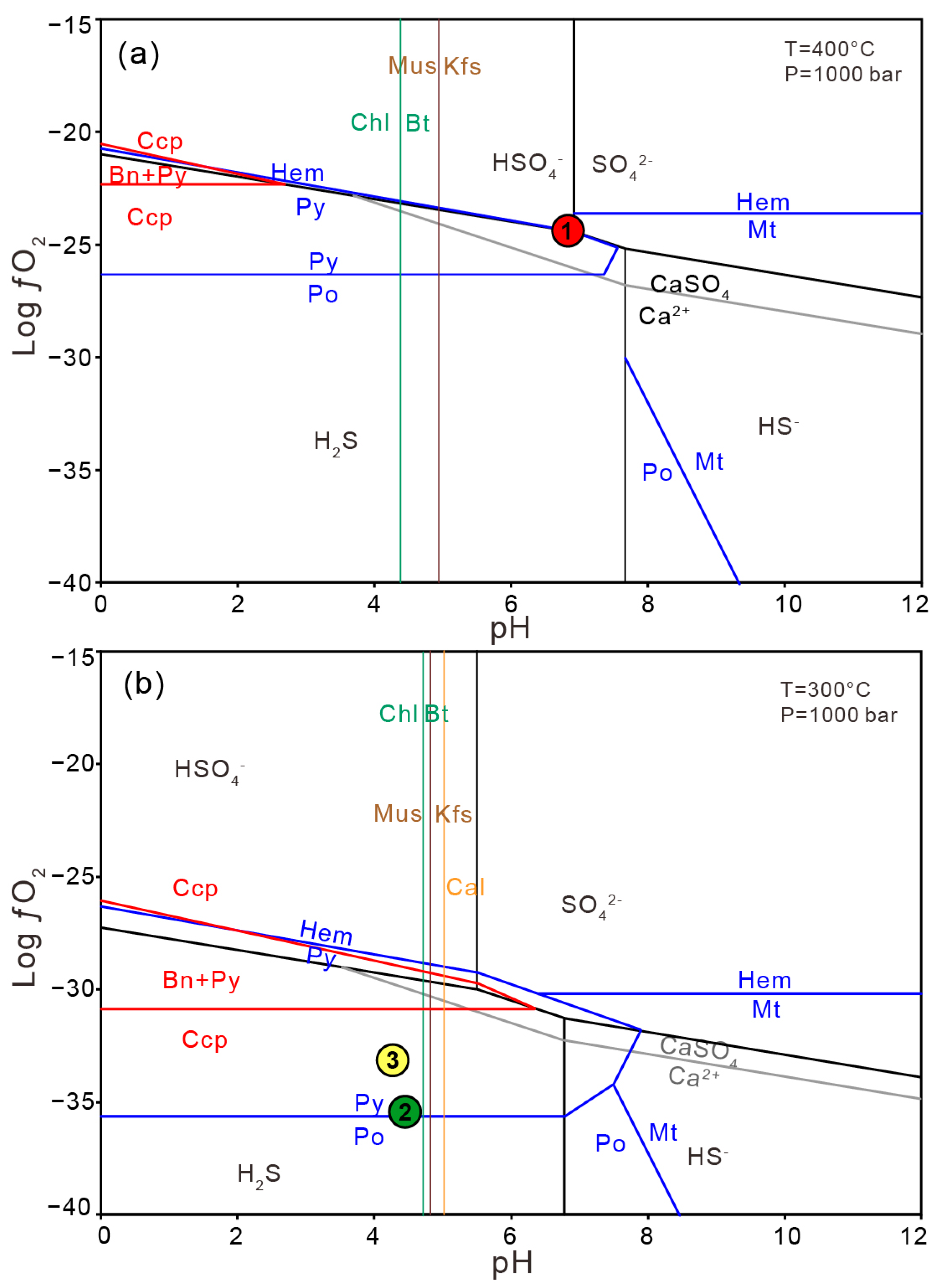
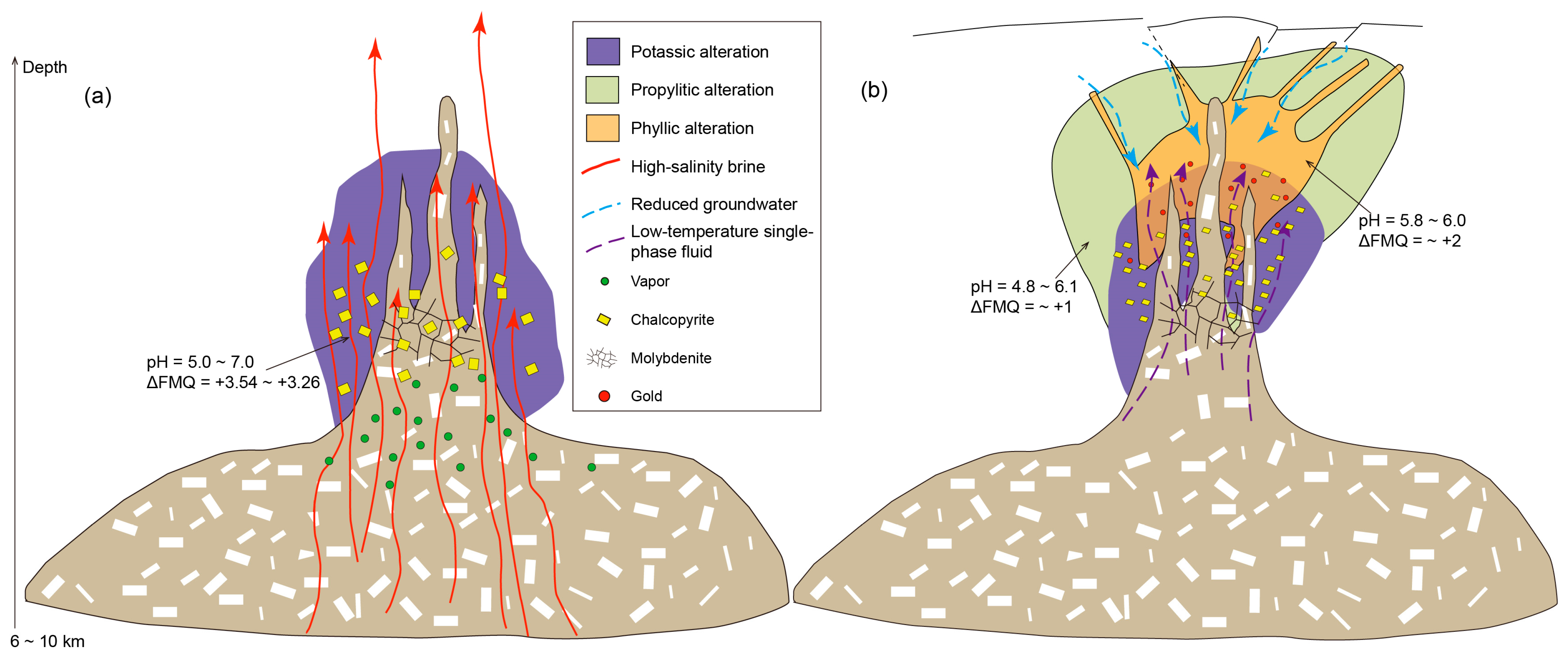
Thermodynamic simulations of fluid–rock interactions provide valuable insights into mineral deposit formation mechanisms. This study investigates the Pulang porphyry Cu-Au deposit in the Sanjiang Tethys Orogen, employing both Gibbs energy minimization (GEM) and the Law of mass action (LMA) method to understand alteration overprinting and metal precipitation. The modeling results suggest that the ore-forming fluid related to potassic alteration was initially oxidized (ΔFMQ = +3.54~+3.26) with a near-neutral pH (pH = 5.0~7.0). Continued fluid–rock interactions, combined with the input of reduced groundwater, resulted in a decrease in both pH (4.8~6.1) and redox potential (ΔFMQ~+1), leading to the precipitation of propylitic alteration minerals and pyrrhotite. As temperature further decreased, fluids associated with phyllic alteration showed a slight increase in pH (5.8~6.0) and redox potential (ΔFMQ = +2). The intense superposition of propylitic and phyllic alteration on the potassic alteration zone is attributed to the rapid temperature decline in the magmatic–hydrothermal system, triggering fluid collapse and reflux. Mo, mainly transported as HMoO4 and MoO4−2, precipitated in the high-temperature range; Cu, carried primarily by CuCl complexes (CuCl4−3, CuCl2, CuCl), precipitated over intermediate to high temperatures; and Au, transported as Au-S complexes (Au(HS)2, AuHS), precipitated from intermediate to low temperatures. This study demonstrates that fluid–rock interactions alone can account for the observed sequence of alteration and mineralization in porphyry systems.
Keywords: fluid–rock interactions; thermodynamic modeling; reactive transport model; hydrothermal alteration; Pulang porphyry Cu-Au deposit fluid–rock interactions; thermodynamic modeling; reactive transport model; hydrothermal alteration; Pulang porphyry Cu-Au deposit