Article

Morphology on Reaction Mechanism Dependency for Twin Polymerization


by
Janett Prehl
*,† and
Constantin Huster
†,‡
Institut für Physik, Technische Universität Chemnitz, D-09107 Chemnitz, Germany
*
Author to whom correspondence should be addressed.
These authors contributed equally to this work.
Current address: Universität Leipzig.
Polymers 2019, 11(5), 878; https://doi.org/10.3390/polym11050878
Submission received: 31 March 2019 / Revised: 3 May 2019 / Accepted: 6 May 2019 / Published: 14 May 2019
(This article belongs to the Special Issue Connecting the Fields of Polymer Reaction Engineering and Processing)

Abstract

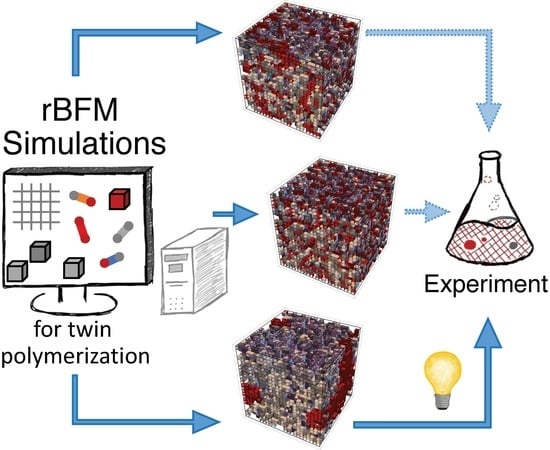
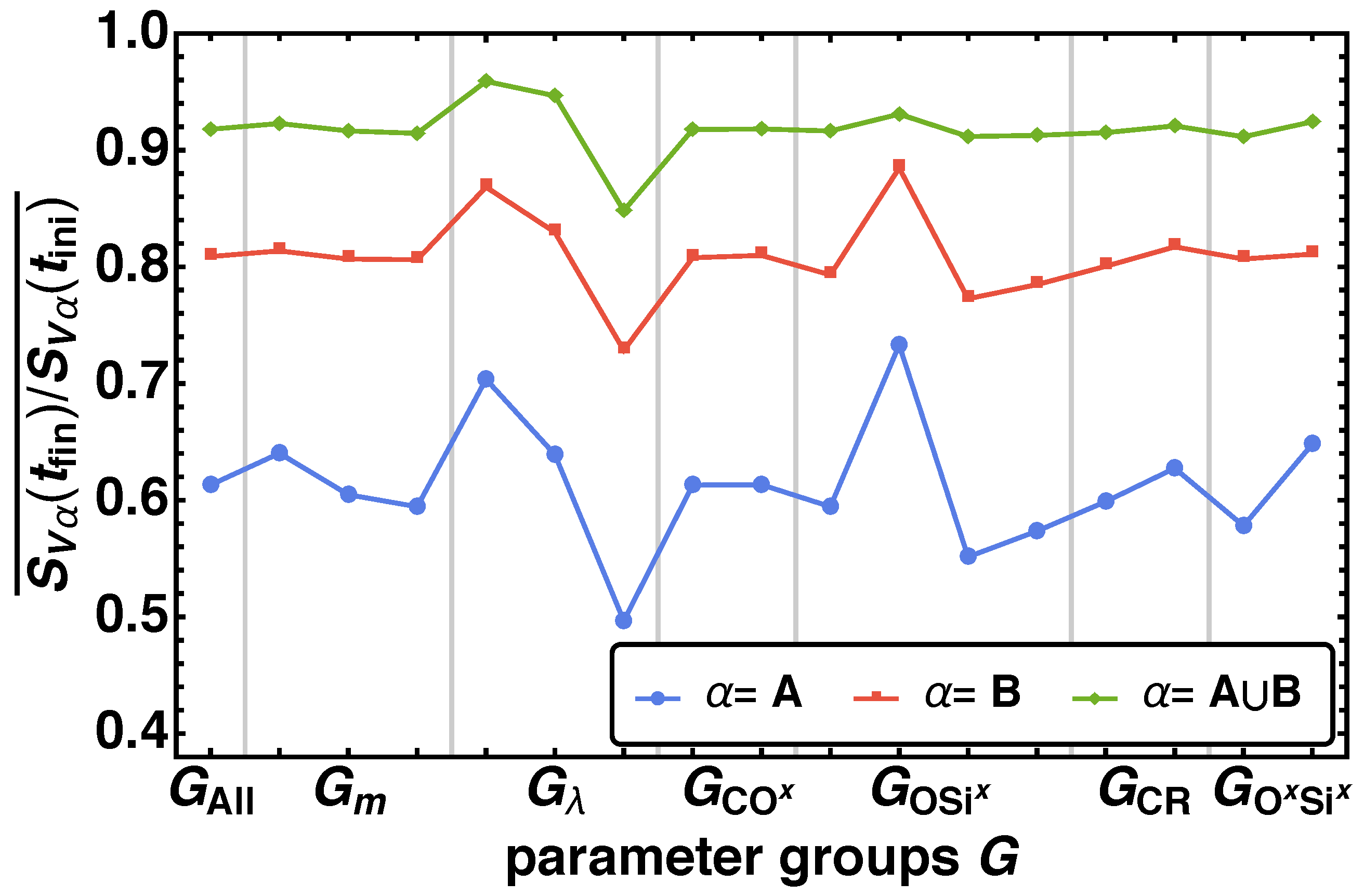
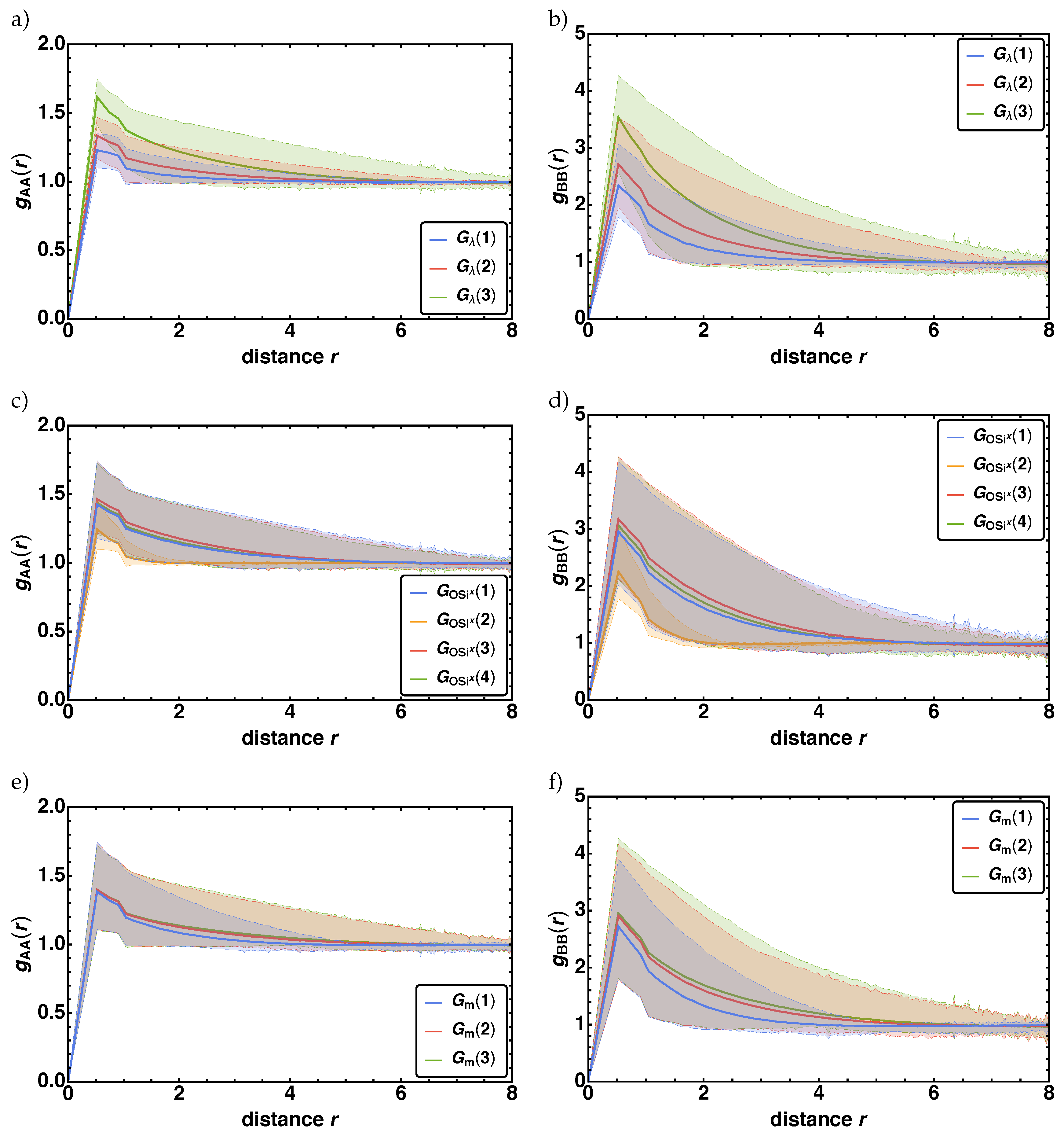
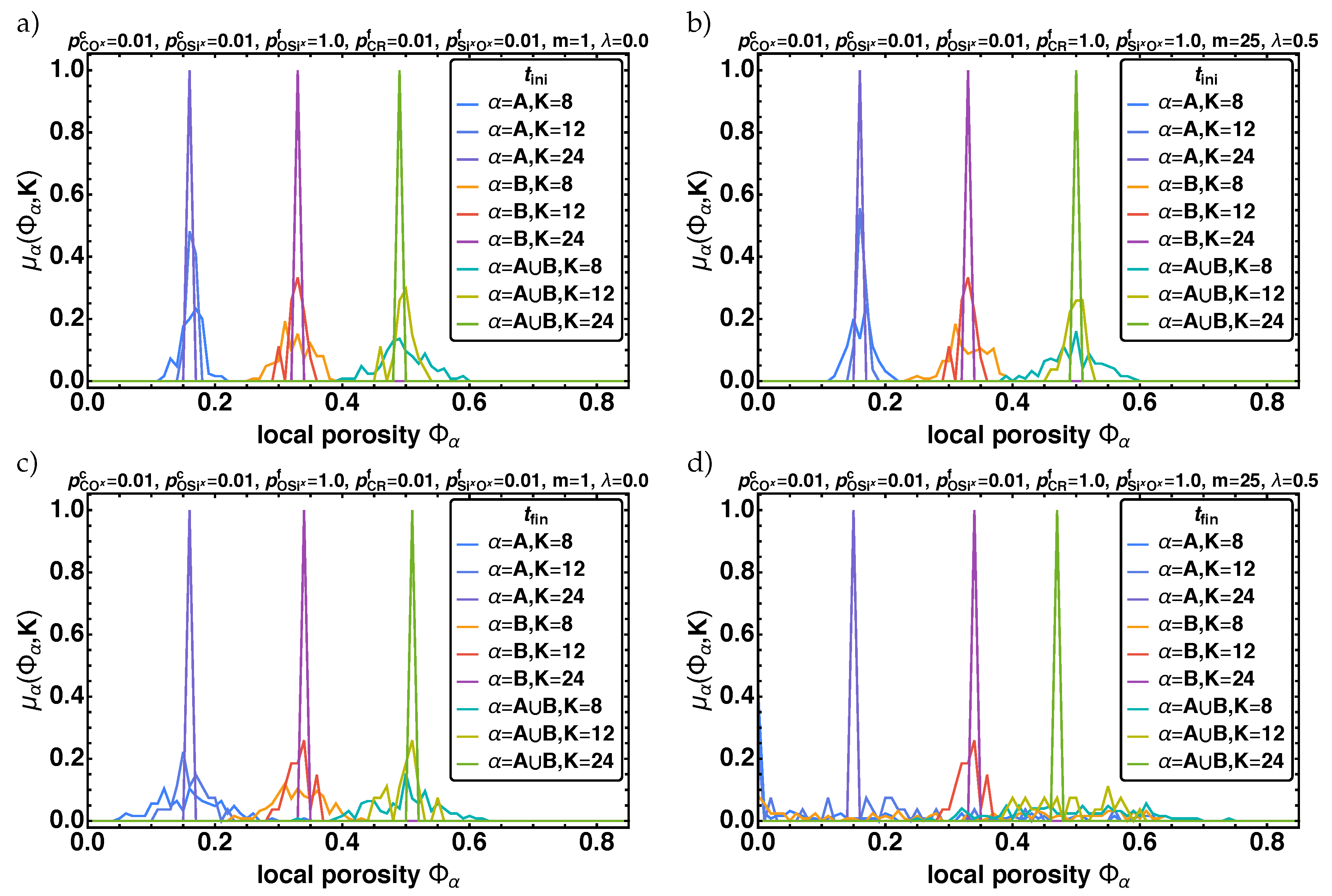
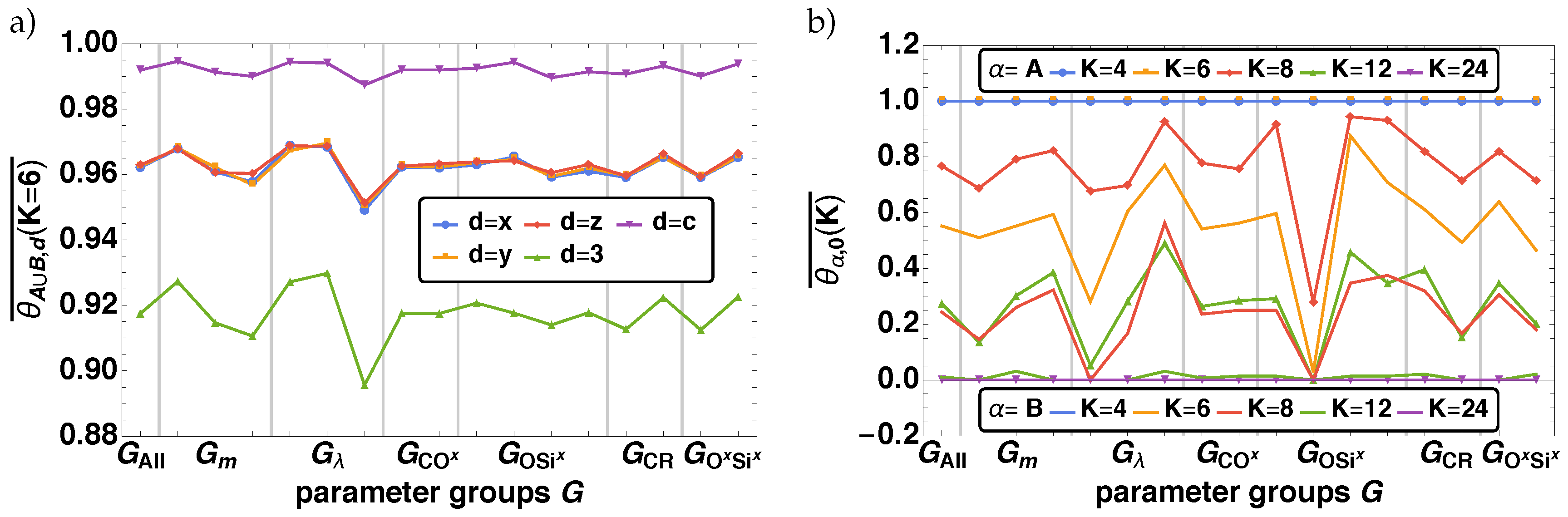
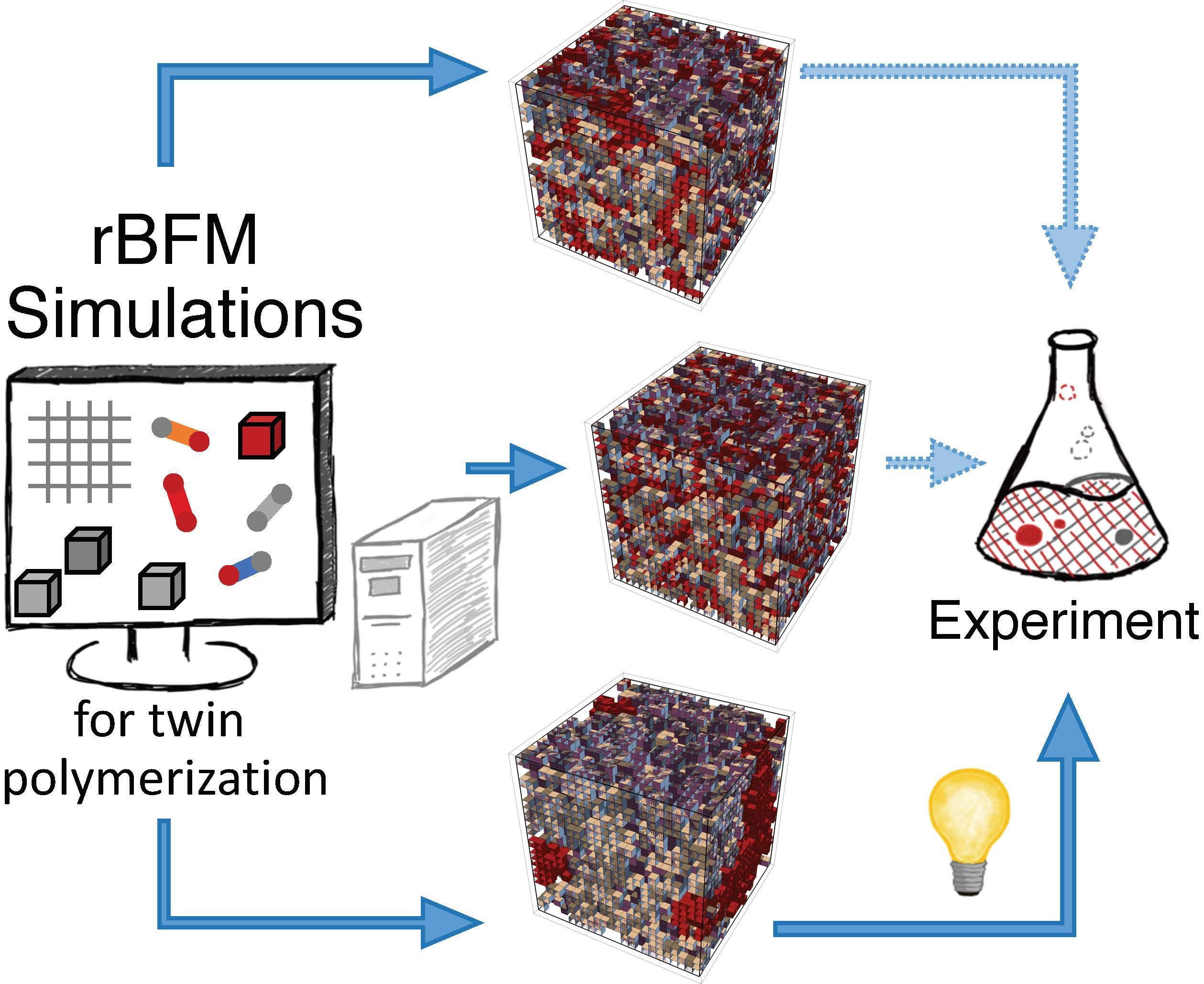
An in-depth knowledge of the structure formation process and the resulting dependency of the morphology on the reaction mechanism is a key requirement in order to design application-oriented materials. For twin polymerization, the basic idea of the reaction process is established, and important structural properties of the final nanoporous hybrid materials are known. However, the effects of changing the reaction mechanism parameters on the final morphology is still an open issue. In this work, the dependence of the morphology on the reaction mechanism is investigated based on a previously introduced lattice-based Monte Carlo method, the reactive bond fluctuation model. We analyze the effects of the model parameters, such as movability, attraction, or reaction probabilities on structural properties, like the specific surface area, the radial distribution function, the local porosity distribution, or the total fraction of percolating elements. From these examinations, we can identify key factors to adapt structural properties to fulfill desired requirements for possible applications. Hereby, we point out which implications theses parameter changes have on the underlying chemical structure.
Keywords: twin polymerization; radial distribution function; specific surface area; porosity; percolation; Monte Carlo method; reactive bond fluctuation model twin polymerization; radial distribution function; specific surface area; porosity; percolation; Monte Carlo method; reactive bond fluctuation model
Graphical Abstract