Thermal–Electrical Fusion for Real-Time Condition Monitoring of IGBT Modules in Transportation Systems


Abstract
1. Introduction
2. Method
2.1. A Solder Layer Degradation Model Based on Baseplate Thermal Gradient Analysis
2.2. A Bond Wire Aging Model Based on Electrical Parameter Inversion
3. Implementation of the Proposed Method
3.1. Implementation of the Solder Layer Degradation Monitoring Model
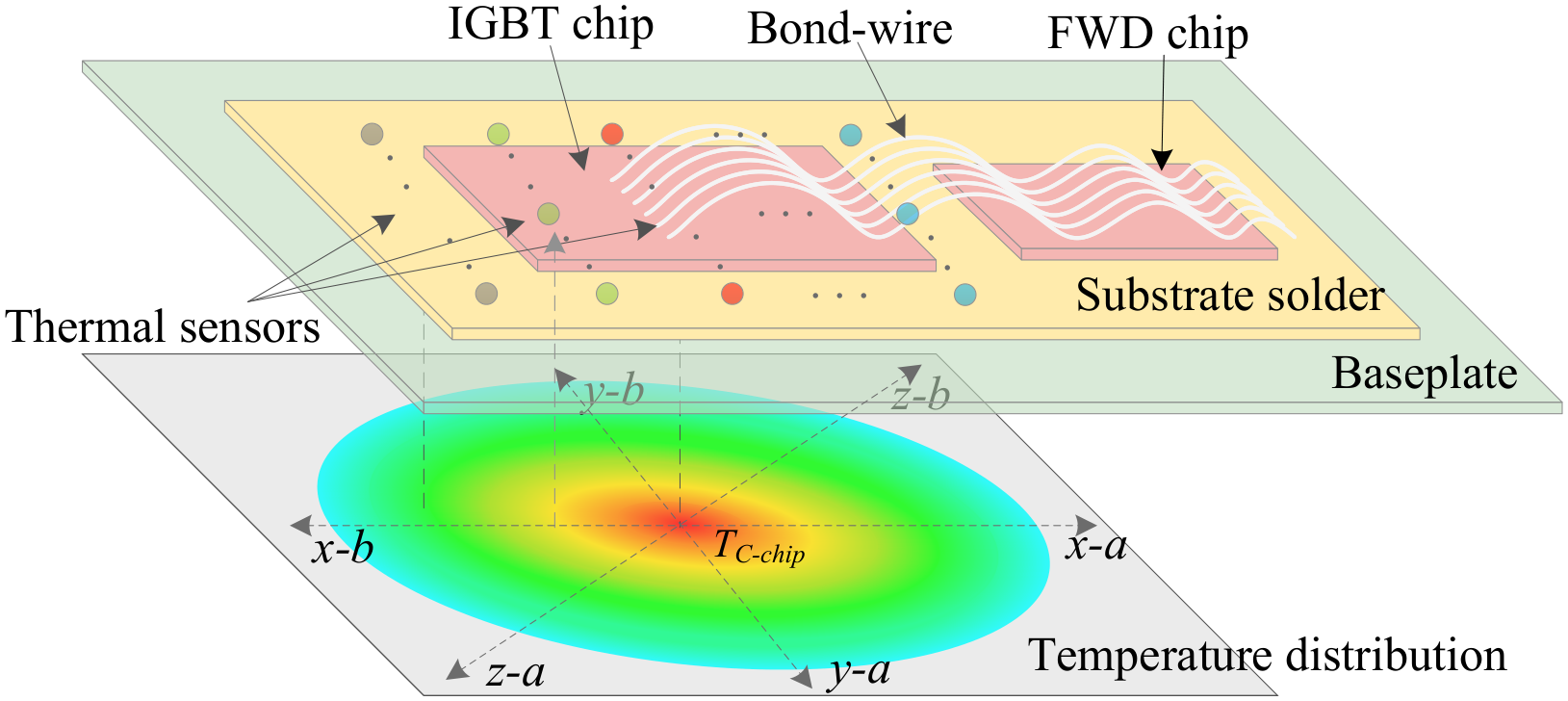
- The temperature at the central region beneath the chip, .
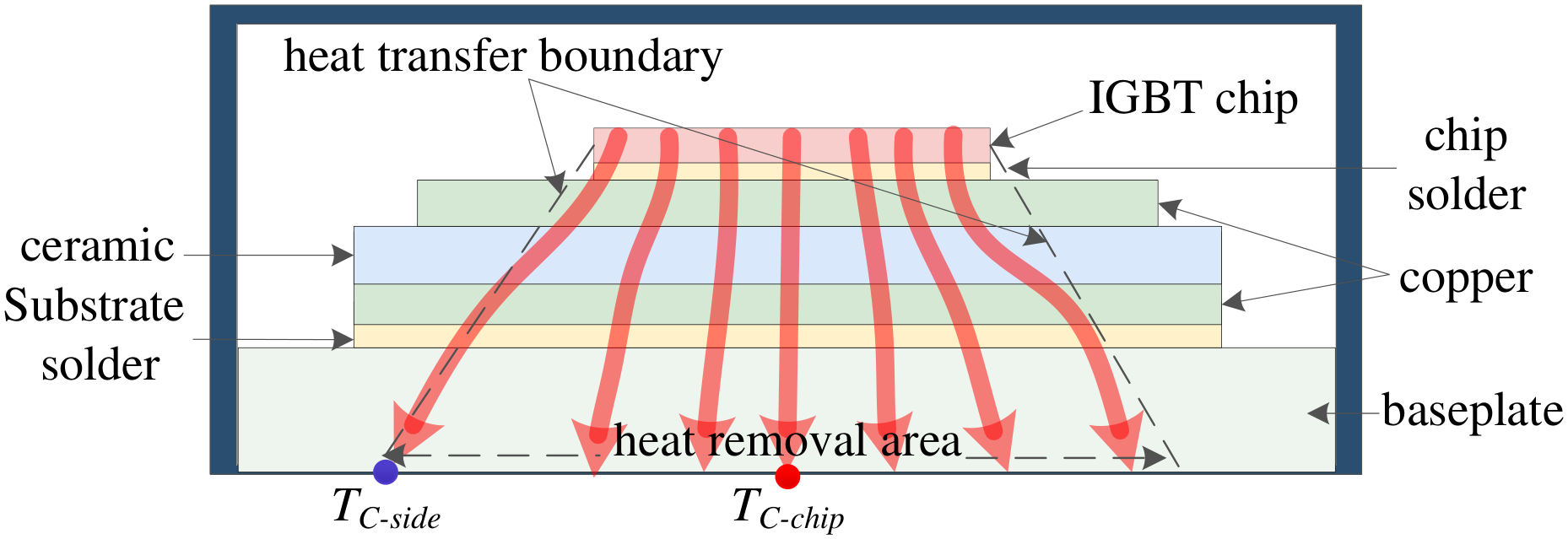
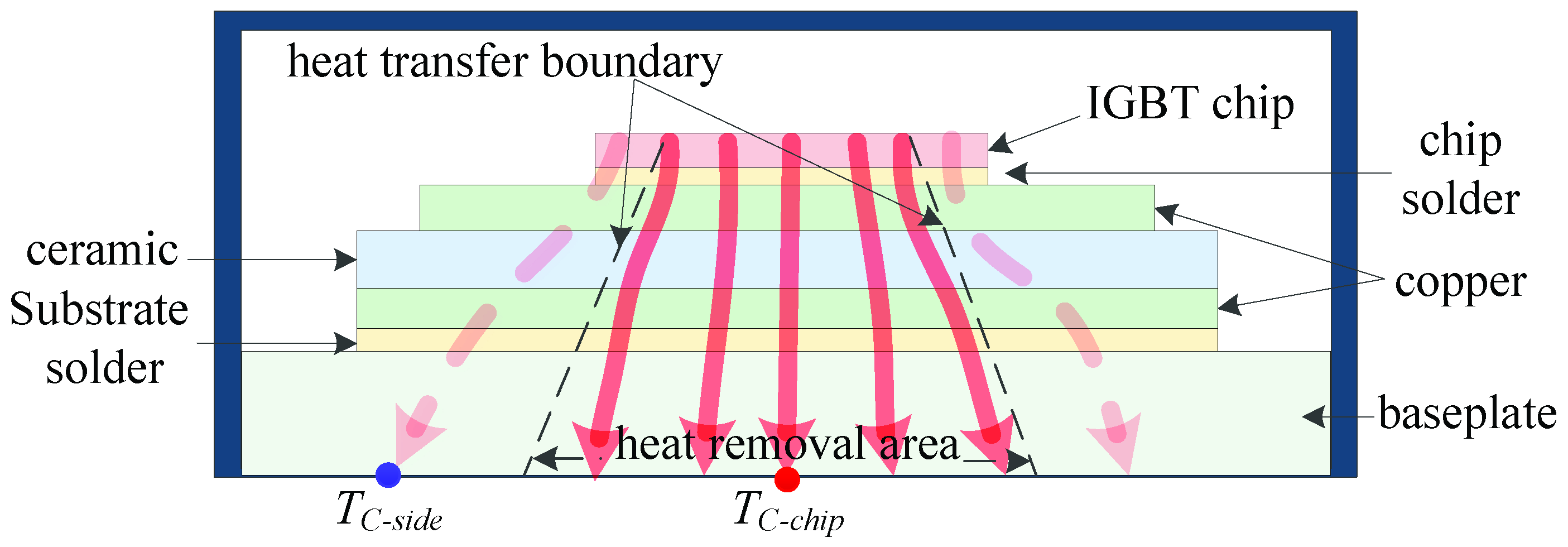
- Temperatures at multiple peripheral points, , where denotes the principal axis and i denotes the specific sensor along that axis (e.g., for two opposite directions), as conceptualized in Figure 3.
- The heat sink temperature, .
3.2. Implementation of the Bond Wire Aging Monitoring Model
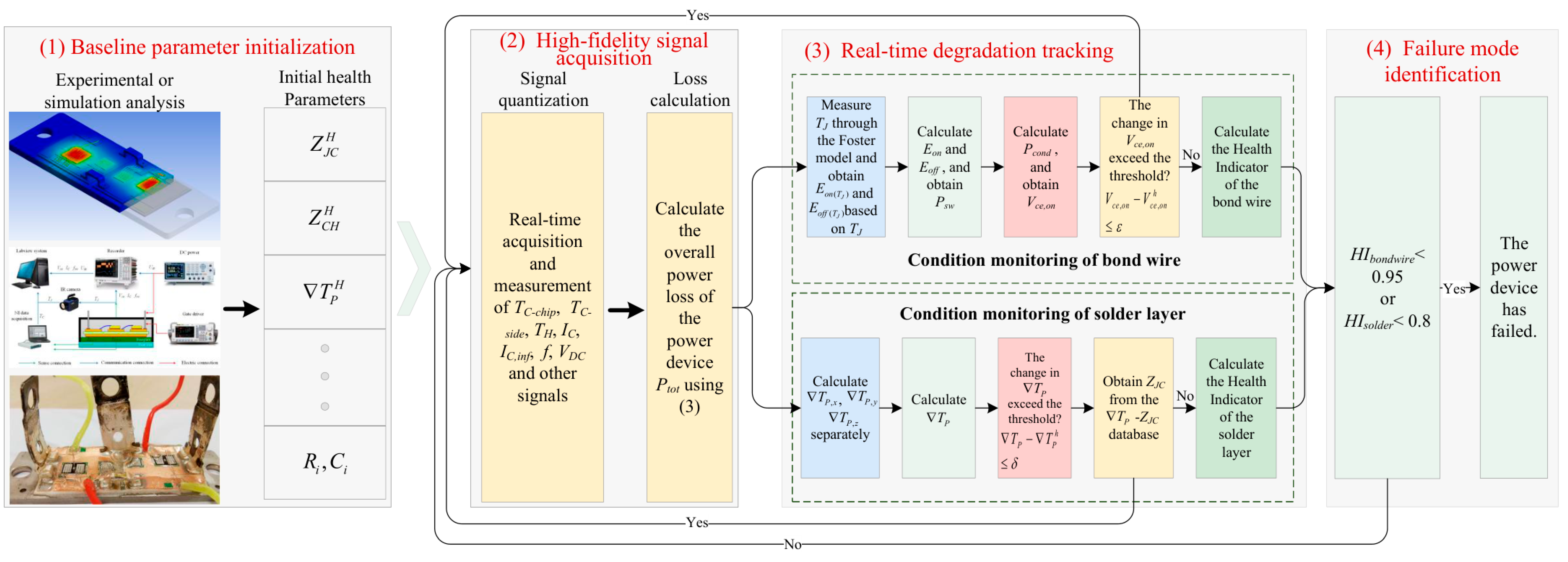
3.3. System Integration and Output
4. Experimental Verification
4.1. Experimental Setup and Device Under Test
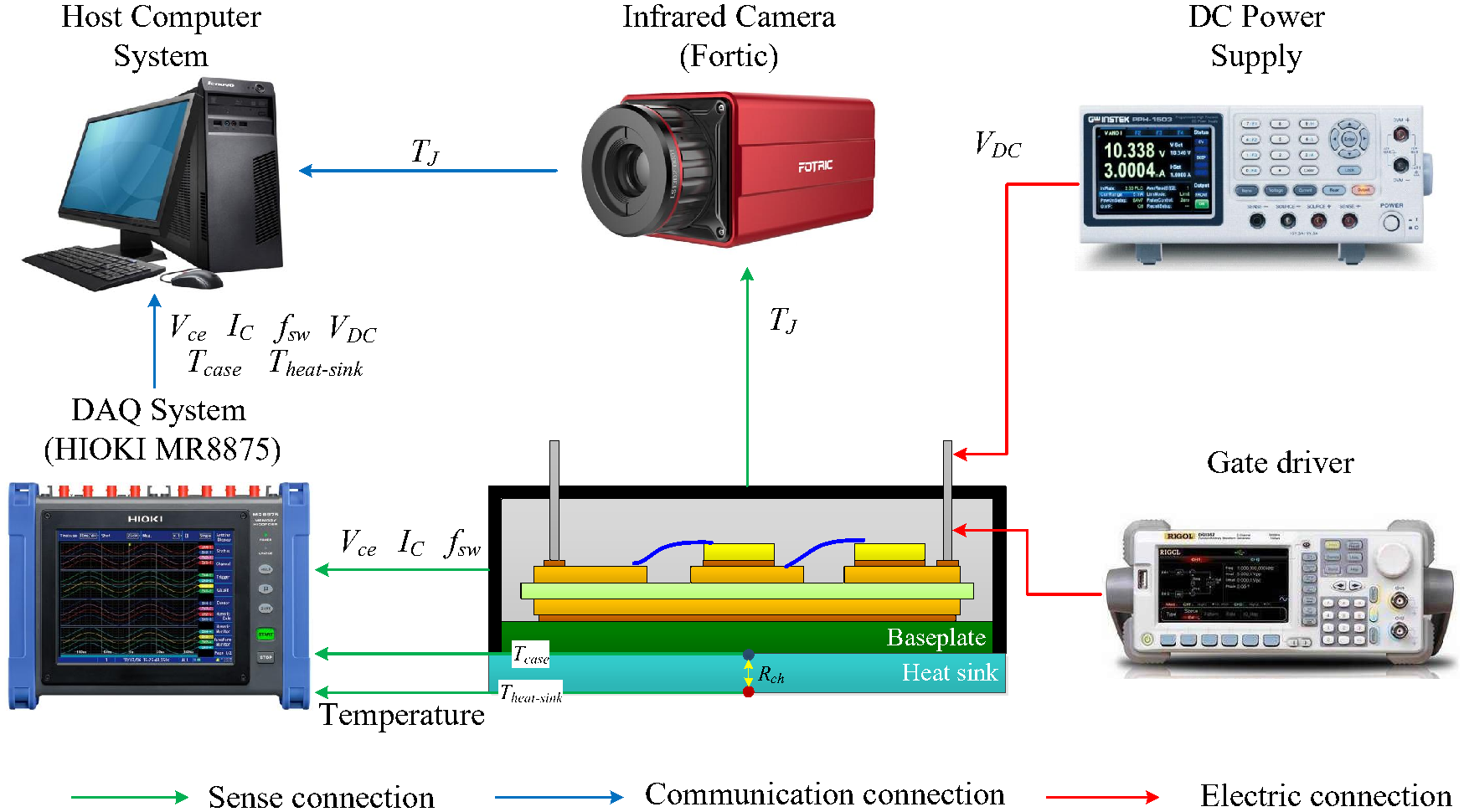
- Thermal Measurement: K-type thermocouples connected to a HIOKI MR8875-30 DAQ system (HIOKI E.E. Corporation, Ueda, Japan) provided baseplate and heatsink temperatures. A Fortic 615C infrared camera (±1 °C accuracy) was used to directly measure the chip junction temperature () for independent validation of the Foster model output.
- Electrical Measurement: The HIOKI MR8875-30 DAQ system, equipped with high-precision voltage probes captured the collector-emitter voltage () and a current sensor measured the load current (). This provided the ground truth for comparison against the model-predicted value.
- Control & Power: A Tektronix AFG1022 signal generator (Tektronix, Inc., Beaverton, OR, USA) and a gate driver controlled the switching of the DUT. A DC power supply and an electronic load were used to apply the desired electrical stress.
4.2. Pre-Test Characterization and Baseline Establishment
- 1.
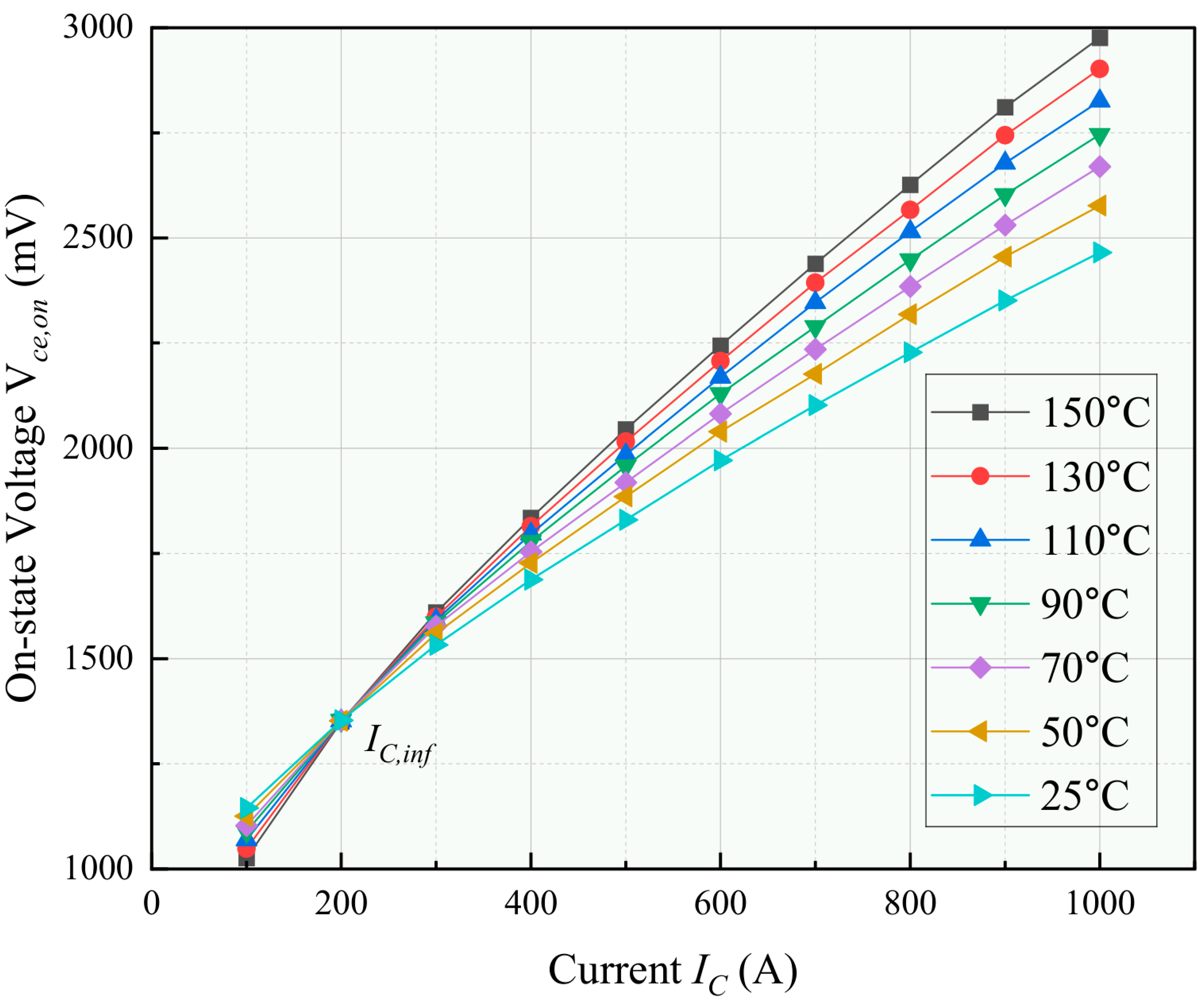
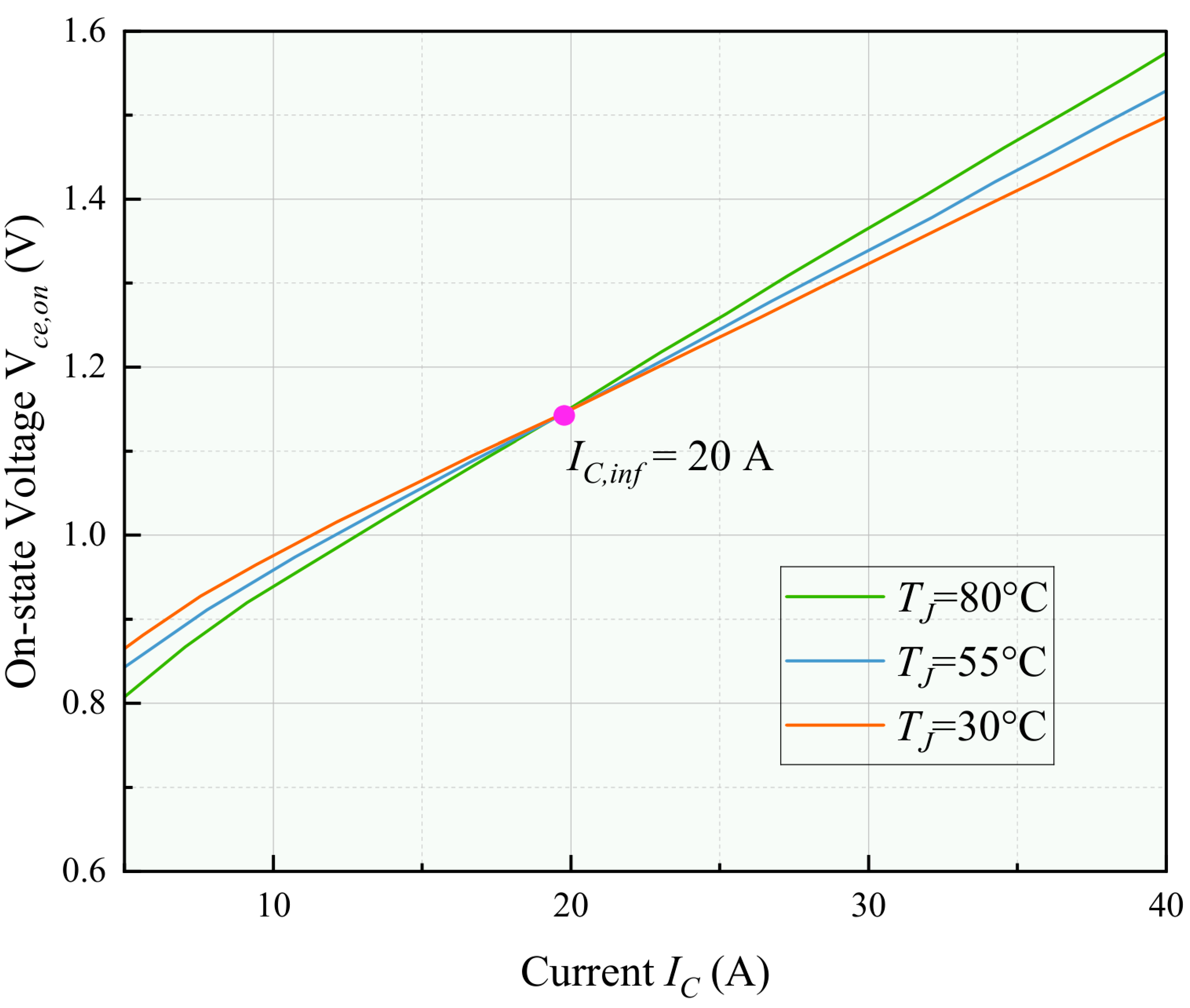
- I–V Characterization and Determination: Using a pulsed current method at controlled case temperatures, the – curves at multiple junction temperatures were measured. As shown in Figure 8, the intersection point (inflection point) where is invariant with was identified as ≈ 20 A for the DUT.
- 2.
- Baseline Parameter Database:
- Solder Model: The healthy baseline thermal gradient and chip-to-case thermal impedance were recorded.
- Bond Wire Model: The healthy at was measured and recorded.
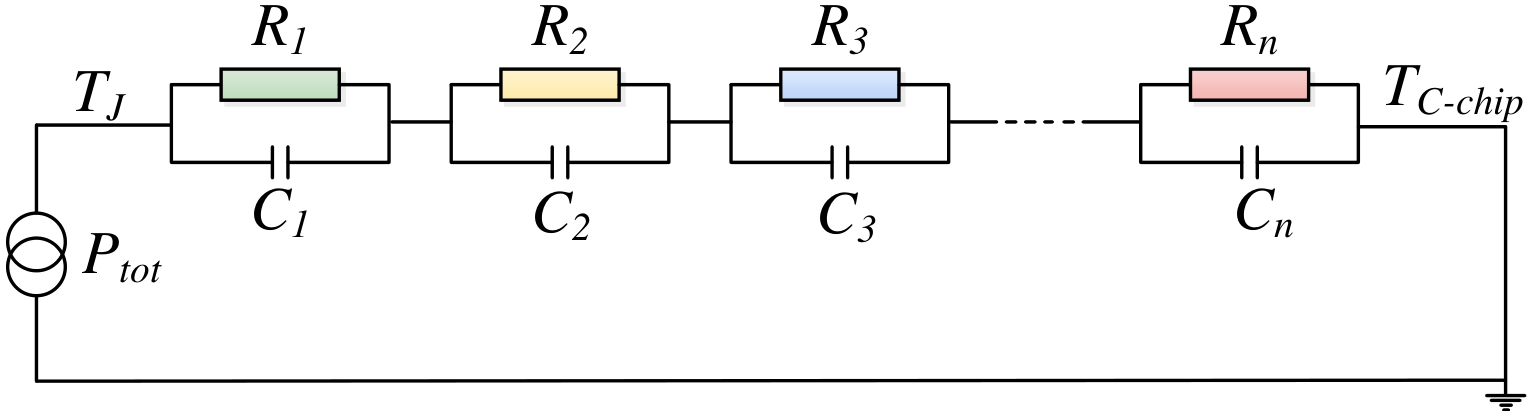
- Foster Model Parameters: The transient thermal impedance curve was characterized, and the Foster model parameters (, ) were extracted via curve fitting of (12).
4.3. Accelerated Power Cycling Test Procedure
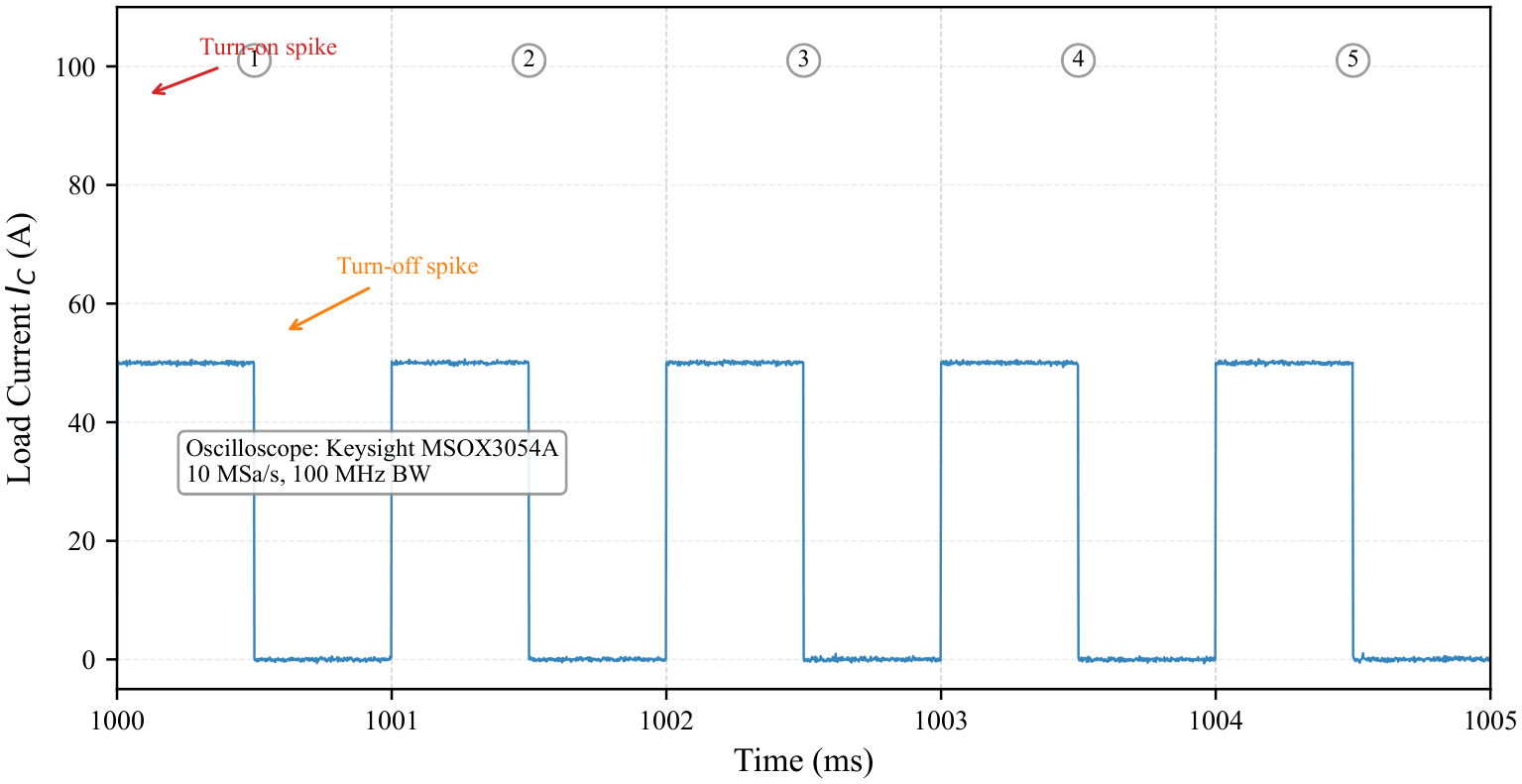
- Switching Conditions: To simulate actual IGBT operation in traction converters, the device was switched at with a duty cycle during conduction periods, generating both conduction and switching losses.
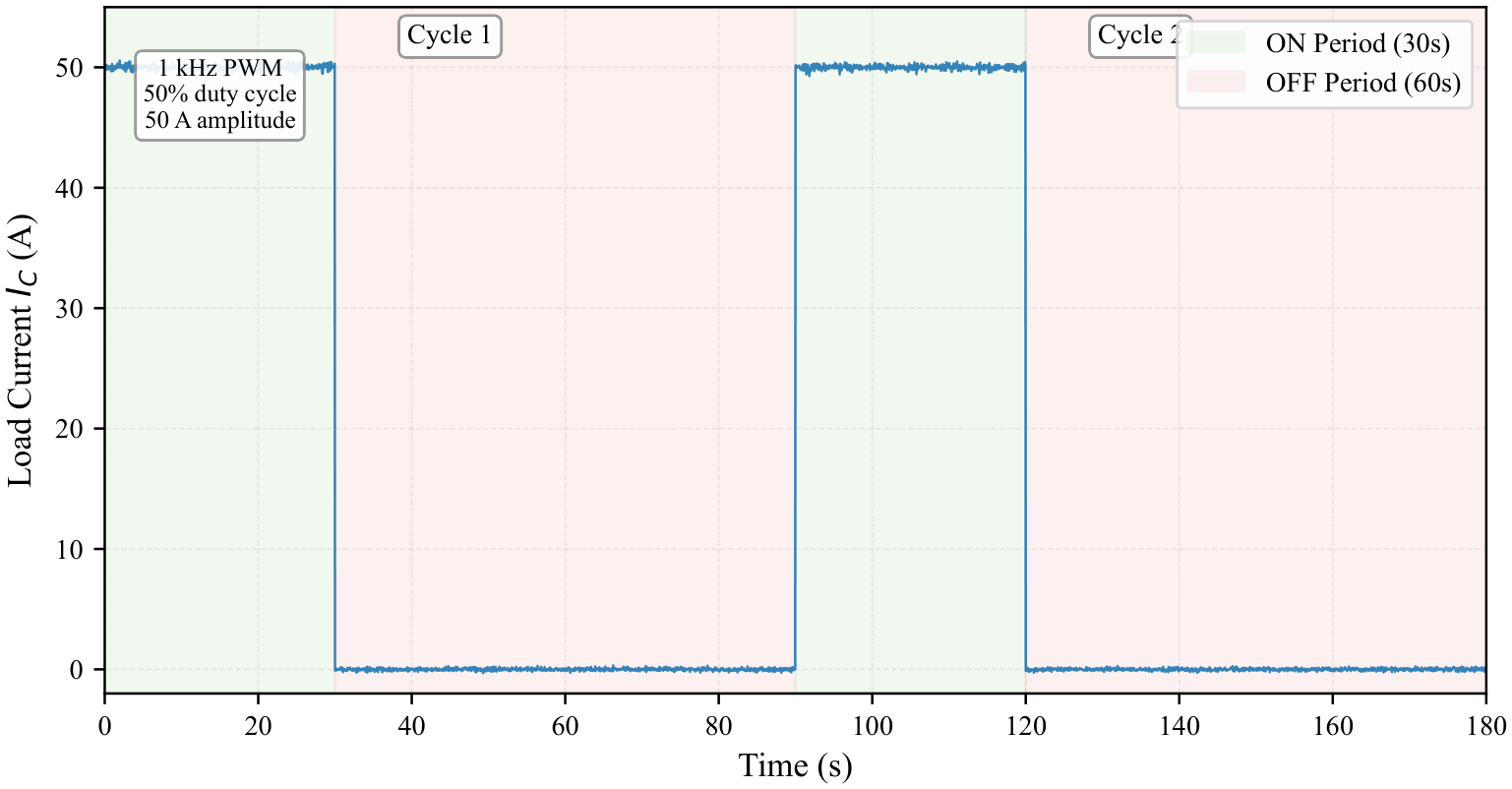
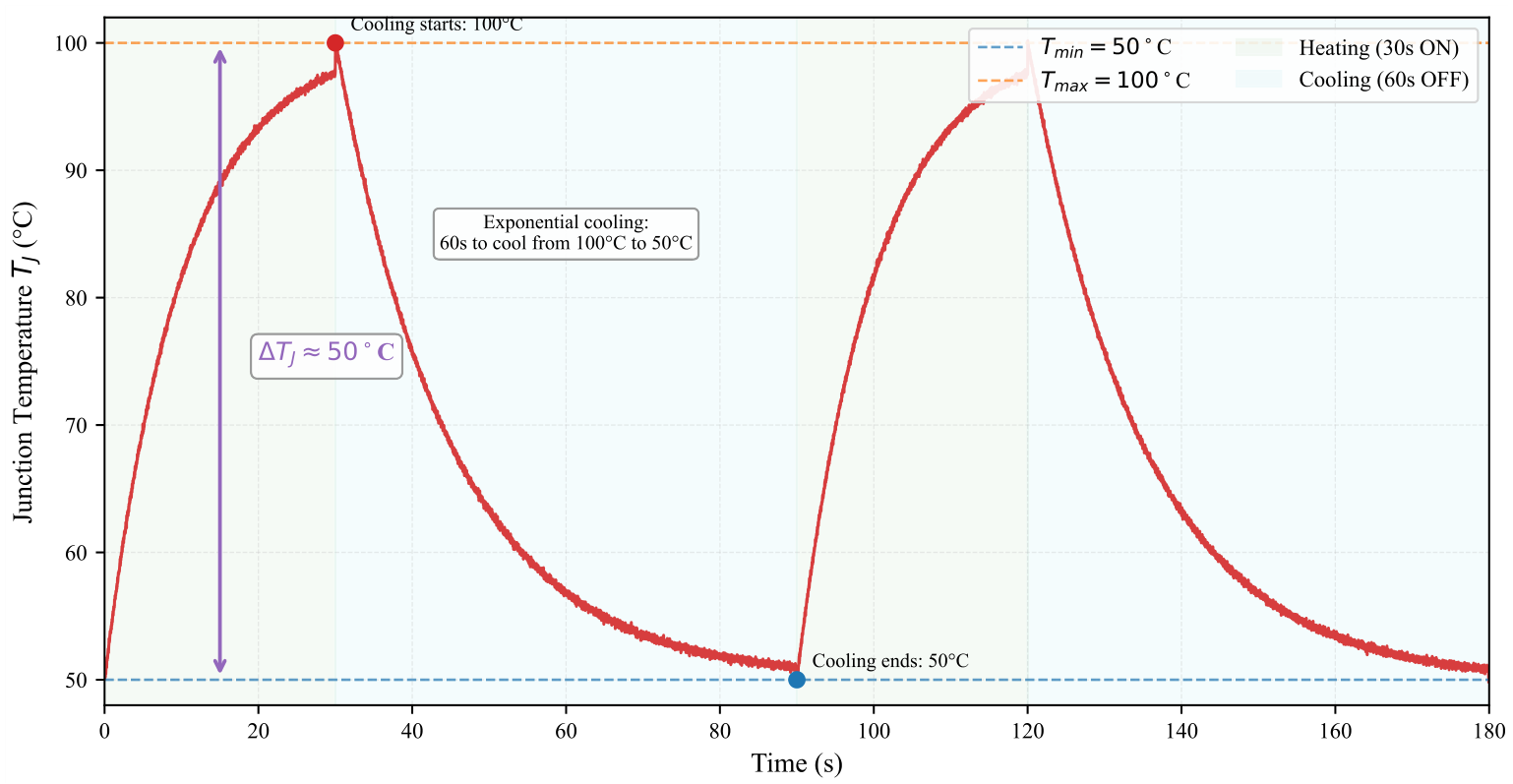
- Thermal Cycling Protocol: Power cycling was achieved by periodically enabling and disabling the test circuit using an external control switch. Each cycle consisted of a 30-s ON period (during which the IGBT switched at 1 kHz with ) followed by a 60-s OFF period. This 90-s cycle induced a junction temperature swing of approximately 50 °C (from 50 °C to 100 °C), as measured by the infrared camera.
- Waveform Characteristics: The load current waveform exhibits a macroscopic square wave with 30-s ON and 60-s OFF periods. During the ON periods, the current is further modulated by the 1 kHz switching of the IGBT.
4.4. Experimental Results and Analysis
4.4.1. Solder Layer Degradation Monitoring
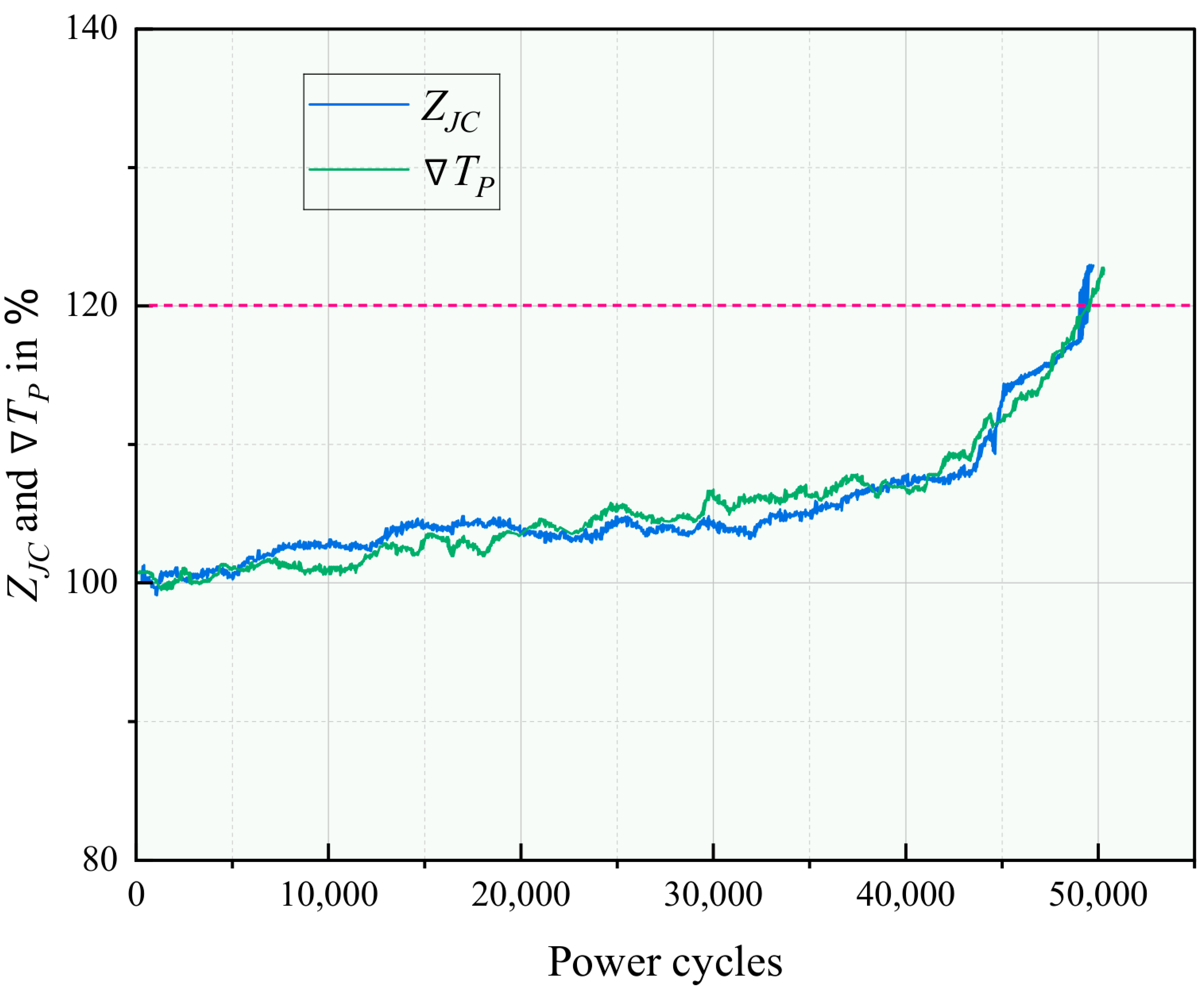
- Phase I (0–40k cycles): Both and increase gradually. This corresponds to the initiation and slow propagation of solder cracks from the edges.
- Phase II (After 40k cycles): A sharp acceleration in the growth of both parameters occurs. This is attributed to two compounding factors: (1) solder cracks propagating into the central heat path, drastically increasing ; (2) a concurrent rapid increase in leading to higher power losses, which further exacerbates the temperature gradient .
4.4.2. Bond Wire Degradation Monitoring
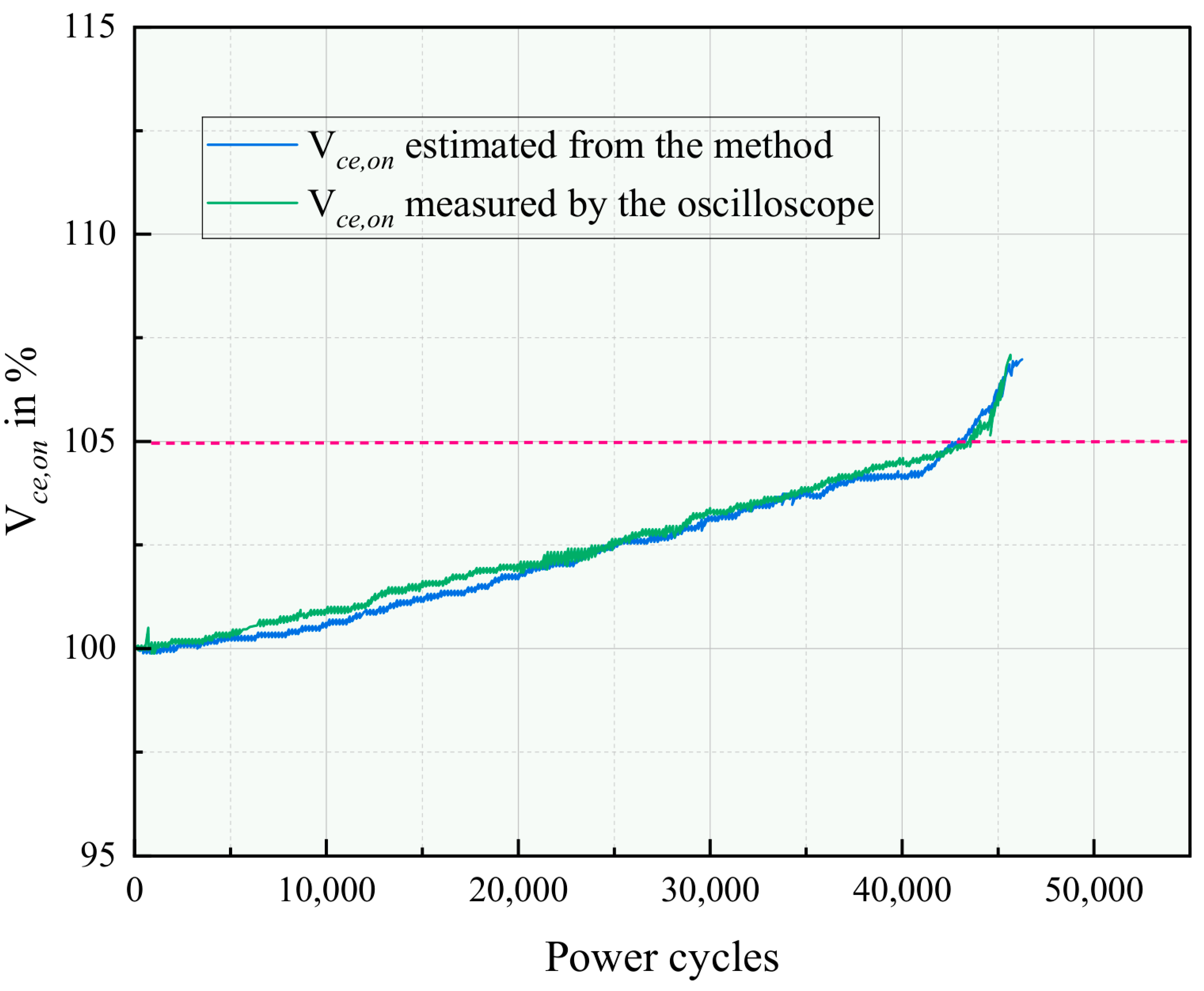
- Linear Degradation Phase (0–40k cycles): increases linearly, indicating progressive bond wire heel cracking.
- Accelerated Failure Phase (After 40k cycles): The rate of increase rises sharply, corresponding to the final stage of bond wire lift-off.
4.5. Repeatability and Statistical Analysis
4.6. Discussion and Practical Implications
- The solder layer model provides a non-invasive way to track thermal impedance degradation via baseplate temperature gradients.
- The bond wire model demonstrates a cost-effective and reliable method to infer the key aging parameter through thermal parameter inversion, avoiding the need for invasive voltage sensing.
- The accelerated test under switching conditions proves the models’ validity in a realistic operational scenario involving both conduction and switching losses.
5. Conclusions
Author Contributions
Funding
Institutional Review Board Statement
Informed Consent Statement
Data Availability Statement
Conflicts of Interest
References
- Luo, H.; Mao, J.; Li, C.; Iannuzzo, F.; Li, W.; He, X. Online Junction Temperature and Current Simultaneous Extraction for SiC MOSFETs with Electroluminescence Effect. IEEE Trans. Power Electron. 2021, 37, 21–25. [Google Scholar] [CrossRef]
- Ruppert, L.A.; Kalker, S.; De Doncker, R.W. Junction-Temperature Sensing of Paralleled SiC MOSFETs Utilizing Temperature Sensitive Optical Parameters. In Proceedings of the 2021 IEEE Energy Conversion Congress and Exposition (ECCE), Vancouver, BC, Canada, 10–14 October 2021; pp. 5597–5604. [Google Scholar]
- van der Broeck, C.H.; Polom, T.A.; De Doncker, R.W. Diagnosing Power Module Degradation with High-Resolution, Data-Driven Methods. In Proceedings of the 2021 IEEE Energy Conversion Congress and Exposition (ECCE), Vancouver, BC, Canada, 10–14 October 2021; pp. 3607–3614. [Google Scholar]
- Yu, Y.; Du, X.; Zhou, J.; Ren, H.; Liu, Q.; Luo, Q. Condition Monitoring of Thermal Fatigue of IGBT Module Using Turning Point of Preheating Stage of Case Temperature. IEEE Trans. Power Electron. 2022, 38, 2866–2871. [Google Scholar] [CrossRef]
- Du, X.; Du, X.; Zhang, J.; Li, G. Numerical Junction Temperature Calculation Method for Reliability Evaluation of Power Semiconductors in Power Electronics Converters. J. Power Electron. 2021, 21, 184–194. [Google Scholar] [CrossRef]
- Xiao, X.; Ge, X.; Ke, Q.; Yong, L.; Liao, Y.; Wang, H.; Zhang, Y. An Adaptive Temperature Observer for Electrothermal Analysis of IGBT Based on Temperature Characteristics. IEEE J. Emerg. Sel. Top. Power Electron. 2022, 11, 2246–2258. [Google Scholar] [CrossRef]
- Xiang, D.; Ran, L.; Tavner, P.; Bryant, A.; Yang, S.; Mawby, P. Monitoring Solder Fatigue in a Power Module Using Case-Above-Ambient Temperature Rise. IEEE Trans. Ind. Appl. 2011, 47, 2578–2591. [Google Scholar] [CrossRef]
- Lai, W.; Wang, Z.; Hu, Y.; Chen, M.; Xia, H.; Luo, D.; Wei, Y.; Gao, B.; Chen, Y. Evaluation of IGBT Module Remaining Lifetime in Wind Power Converters Considering Impacts of Failure Location. IEEE Trans. Electron Devices 2021, 68, 1810–1818. [Google Scholar] [CrossRef]
- Cai, J.; Zhou, L.; Sun, P.; Zhou, T.; Li, Q. Effect of TIM Deterioration on Monitoring of IGBT Module Thermal Resistance and Its Compensation Strategy. IEEE Trans. Compon. Packag. Manuf. Technol. 2022, 12, 789–797. [Google Scholar] [CrossRef]
- Tao, Y.; Yu, H.; Yin, S.; Zhuang, J.; Li, G.; Gao, C. 3D Calculation of MOSFET Junction Temperature Based on the Finite Volume Method. Iran. J. Sci. Technol. Trans. Electr. Eng. 2023, 47, 137–146. [Google Scholar] [CrossRef]
- Susinni, G.; Rizzo, S.; Iannuzzo, F.; Raciti, A. A Non-Invasive SiC MOSFET Junction Temperature Estimation Method Based on the Transient Light Emission from the Intrinsic Body Diode. Microelectron. Reliab. 2020, 114, 113845. [Google Scholar] [CrossRef]
- Winkler, J.; Homoth, J.; Kallfass, I. Electroluminescence-Based Junction Temperature Measurement Approach for SiC Power MOSFETs. IEEE Trans. Power Electron. 2019, 35, 2990–2998. [Google Scholar] [CrossRef]
- Singh, A.; Anurag, A.; Anand, S. Evaluation of Vce at Inflection Point for Monitoring Bond Wire Degradation in Discrete Packaged IGBTs. IEEE Trans. Power Electron. 2016, 32, 2481–2484. [Google Scholar] [CrossRef]
- Eleffendi, M.A.; Johnson, C.M. In-Service Diagnostics for Wire-Bond Lift-Off and Solder Fatigue of Power Semiconductor Packages. IEEE Trans. Power Electron. 2017, 32, 7187–7198. [Google Scholar] [CrossRef]
- Sun, P.; Gong, C.; Du, X.; Peng, Y.; Wang, B.; Zhou, L. Condition Monitoring IGBT Module Bond Wires Fatigue Using Short-Circuit Current Identification. IEEE Trans. Power Electron. 2016, 32, 3777–3786. [Google Scholar] [CrossRef]
- Sundaramoorthy, V.K.; Bianda, E.; Bloch, R. A Study on IGBT Junction Temperature (Tj) Online Estimation Using Gate-Emitter Voltage (Vge) at Turn-Off. Microelectron. Reliab. 2014, 54, 2423–2431. [Google Scholar] [CrossRef]
- Wang, K.; Zhou, L.; Sun, P.; Du, X. Monitoring Bond Wire Defects of IGBT Module Using Module Transconductance. IEEE J. Emerg. Sel. Top. Power Electron. 2020, 9, 2201–2211. [Google Scholar] [CrossRef]
- Hu, Z.; Zhou, Y.; Zhang, T.; Jiang, Y. An Adaptive Electrothermal Model for Estimating the Junction Temperature of Power Device. IEEE Trans. Electron Devices 2021, 68, 3475–3482. [Google Scholar] [CrossRef]





Disclaimer/Publisher’s Note: The statements, opinions and data contained in all publications are solely those of the individual author(s) and contributor(s) and not of MDPI and/or the editor(s). MDPI and/or the editor(s) disclaim responsibility for any injury to people or property resulting from any ideas, methods, instructions or products referred to in the content. |
© 2026 by the authors. Licensee MDPI, Basel, Switzerland. This article is an open access article distributed under the terms and conditions of the Creative Commons Attribution (CC BY) license.
Share and Cite
Cui, M.; Liu, Y.; Hu, Z.; Shi, T. Thermal–Electrical Fusion for Real-Time Condition Monitoring of IGBT Modules in Transportation Systems. Micromachines 2026, 17, 154. https://doi.org/10.3390/mi17020154
Cui M, Liu Y, Hu Z, Shi T. Thermal–Electrical Fusion for Real-Time Condition Monitoring of IGBT Modules in Transportation Systems. Micromachines. 2026; 17(2):154. https://doi.org/10.3390/mi17020154
Chicago/Turabian StyleCui, Man, Yun Liu, Zhen Hu, and Tao Shi. 2026. "Thermal–Electrical Fusion for Real-Time Condition Monitoring of IGBT Modules in Transportation Systems" Micromachines 17, no. 2: 154. https://doi.org/10.3390/mi17020154
APA StyleCui, M., Liu, Y., Hu, Z., & Shi, T. (2026). Thermal–Electrical Fusion for Real-Time Condition Monitoring of IGBT Modules in Transportation Systems. Micromachines, 17(2), 154. https://doi.org/10.3390/mi17020154