Article

Architectural Heritage Conservation and Green Restoration with Hydroxyapatite Sustainable Eco-Materials

1
Doctoral School of Materials Engineering, University Valahia of Targoviste, 13 Aleea Sinaia, 130004 Targoviste, Romania
2
Faculty of Architecture and Town Planning, Polytechnic University of Timisoara, 2/A Traian Lalescu Street, 300223 Timișoara, Romania
3
National Institute for Research & Development in Chemistry and Petrochemistry—ICECHIM Bucharest, 202 Spl. Independentei, 060021 Bucharest, Romania
4
Academy of Romanian Scientists, Bucharest, 3 llfov Street, 050044 Bucharest, Romania
5
Faculty of Economics and Business Administration, West University of Timișoara, 16 Johann Heinrich Pestalozzi, 300115 Timișoara, Romania
*
Author to whom correspondence should be addressed.
Sustainability 2025, 17(13), 5788; https://doi.org/10.3390/su17135788
Submission received: 23 May 2025 / Revised: 9 June 2025 / Accepted: 17 June 2025 / Published: 24 June 2025

Abstract

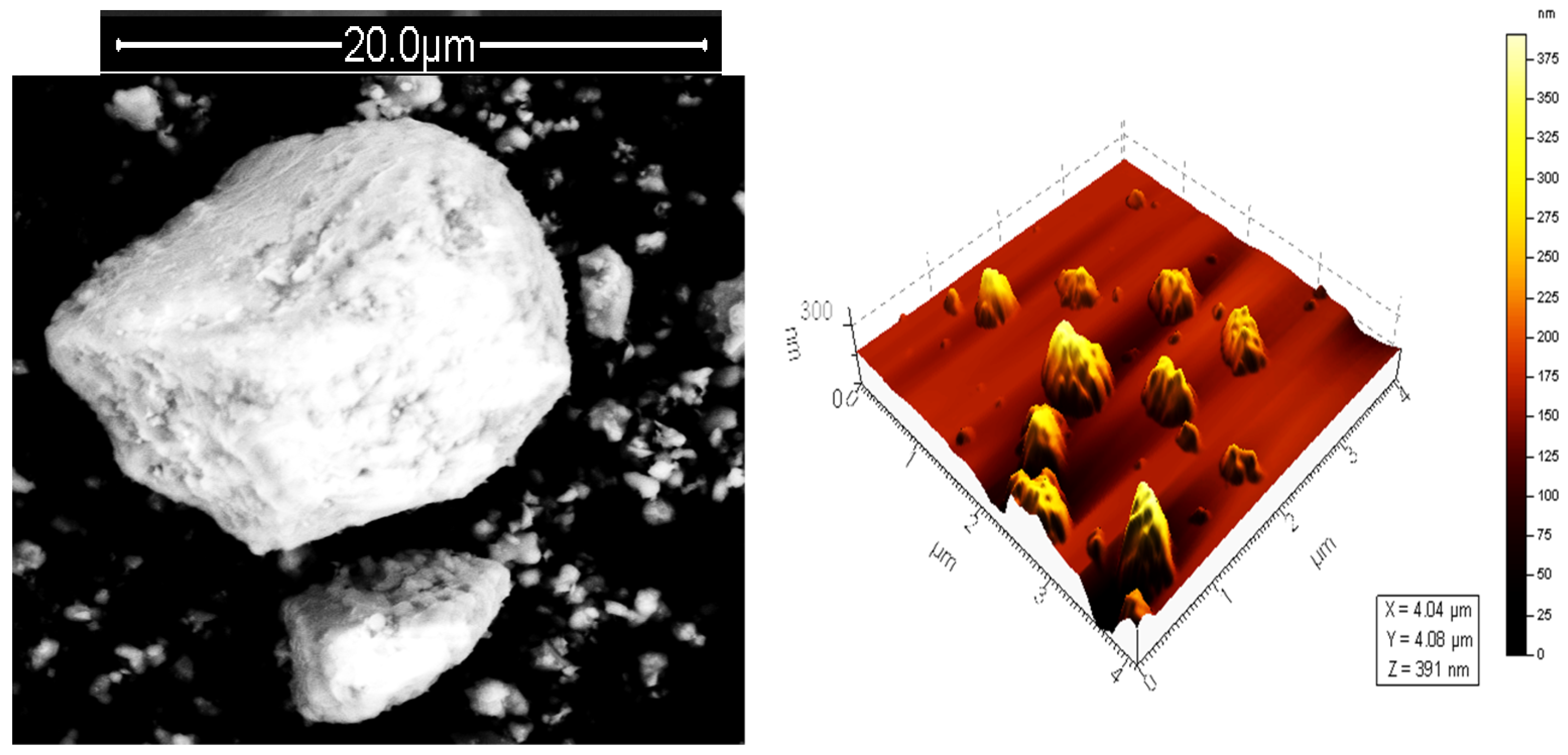
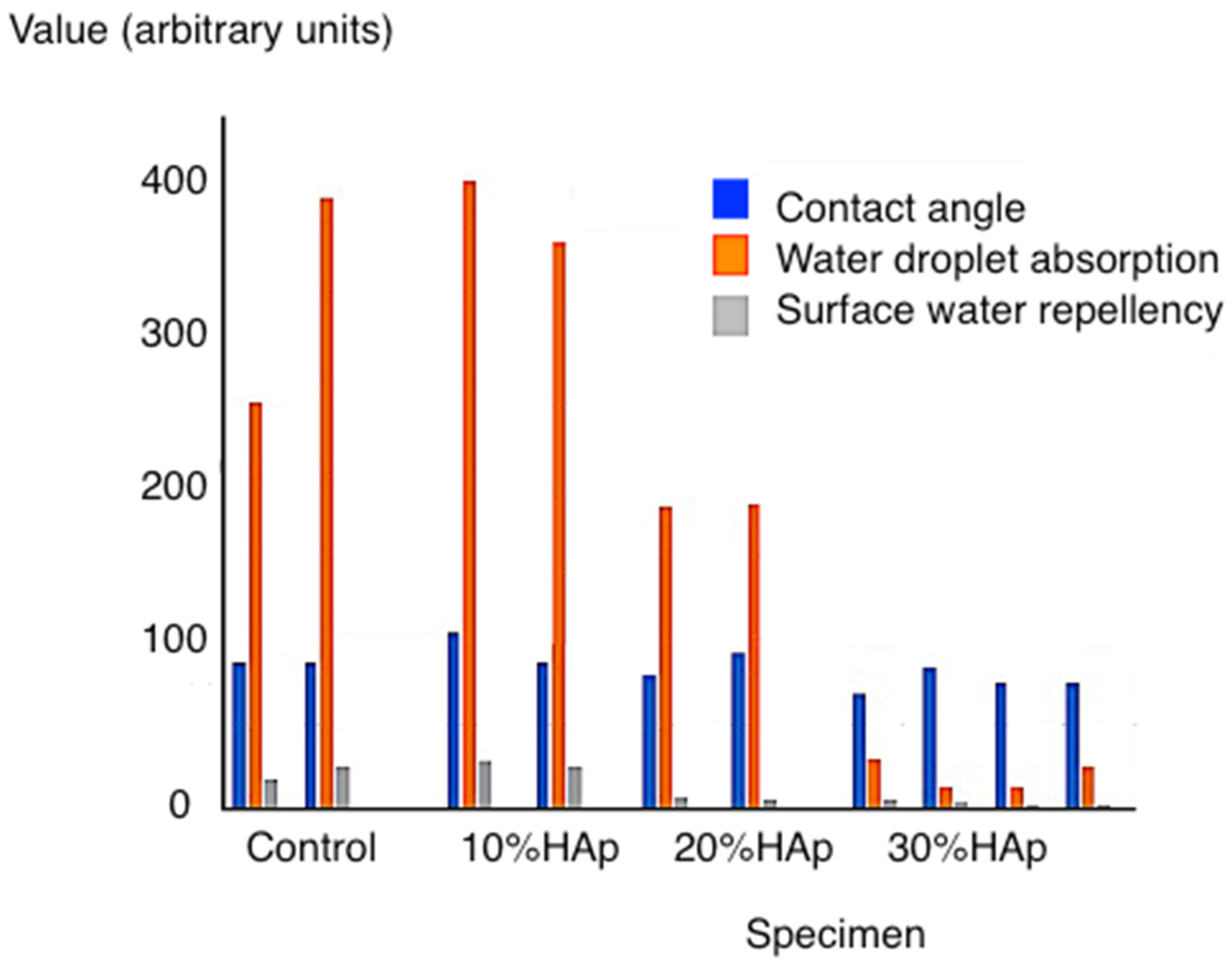
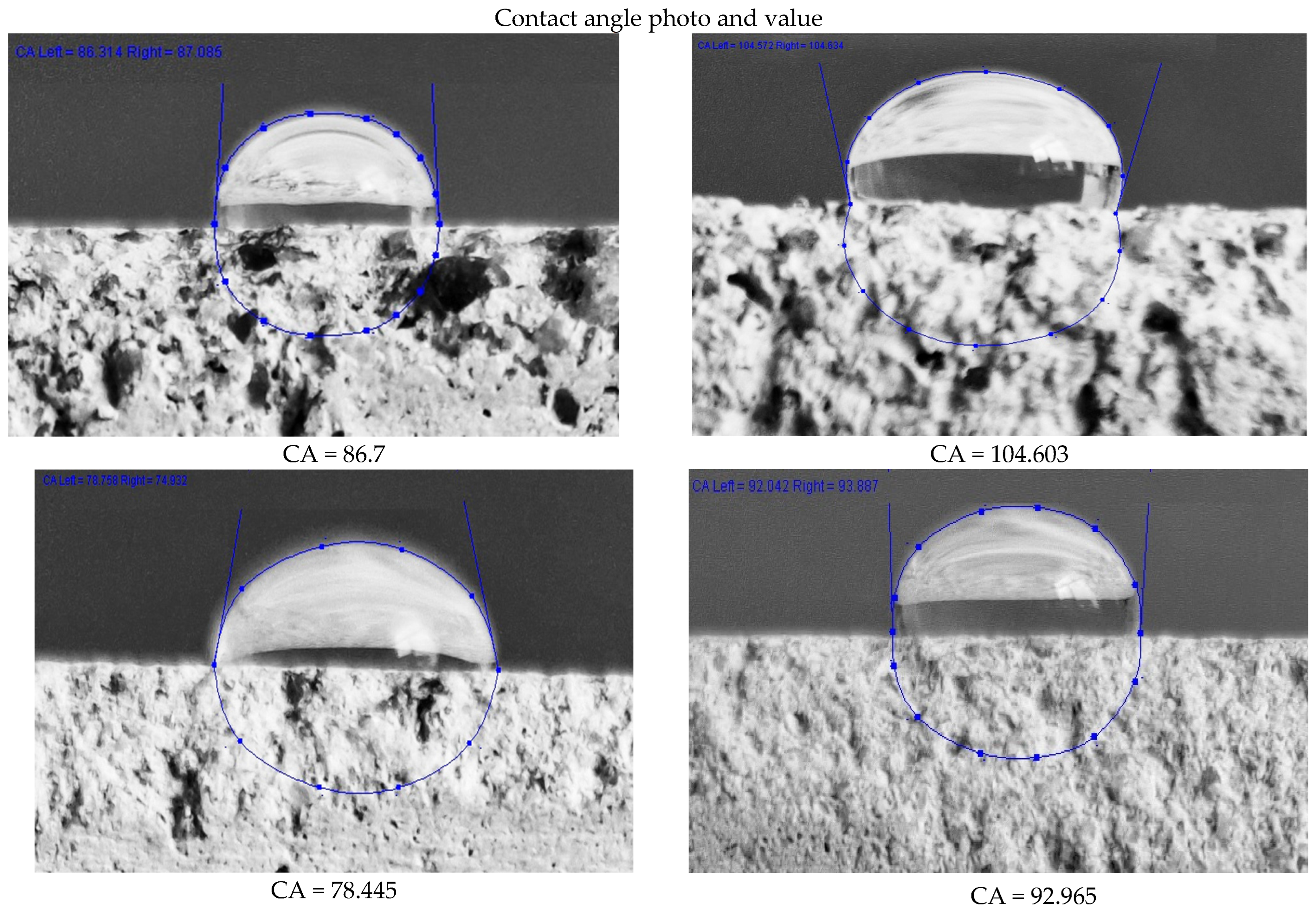
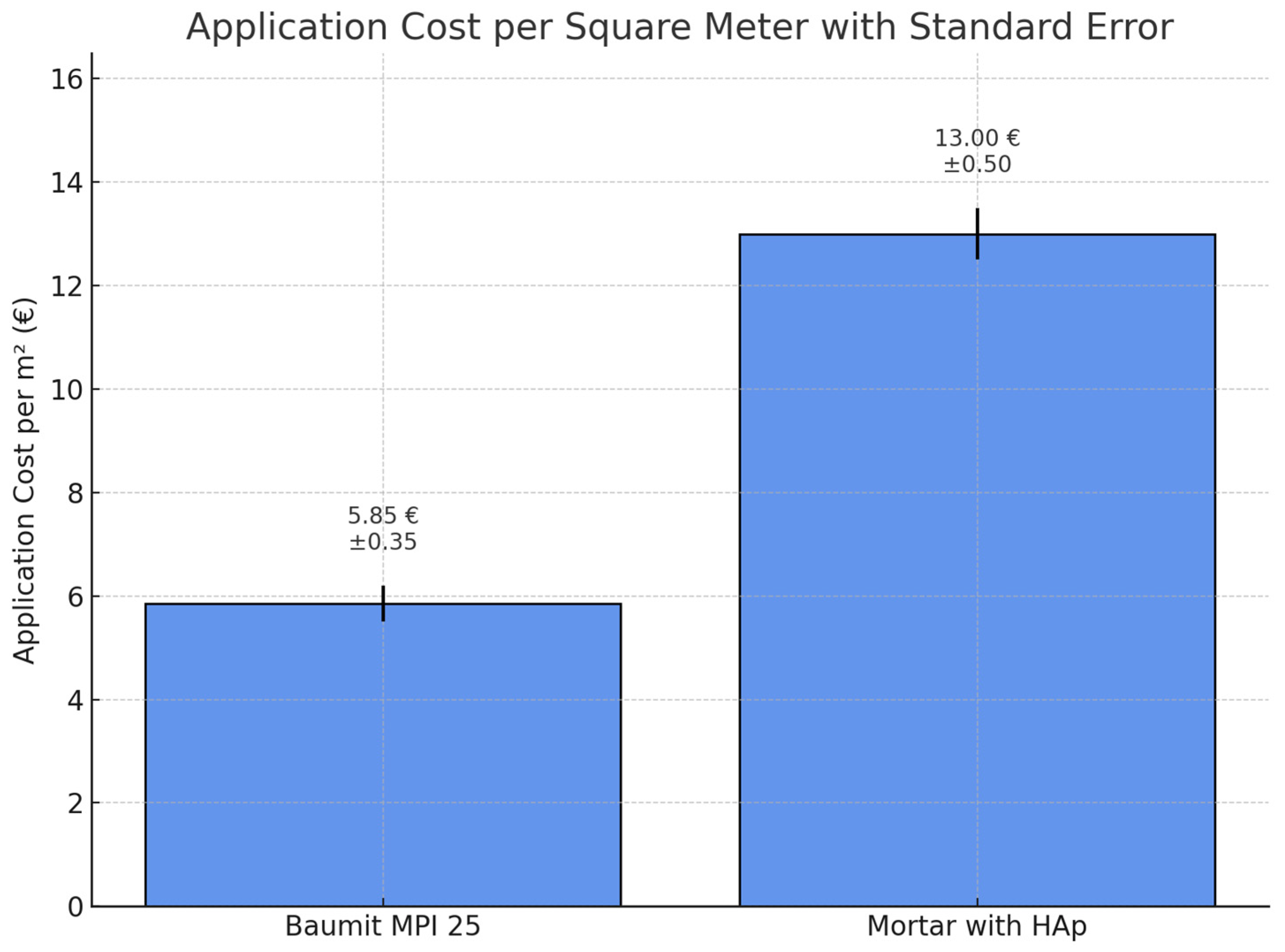
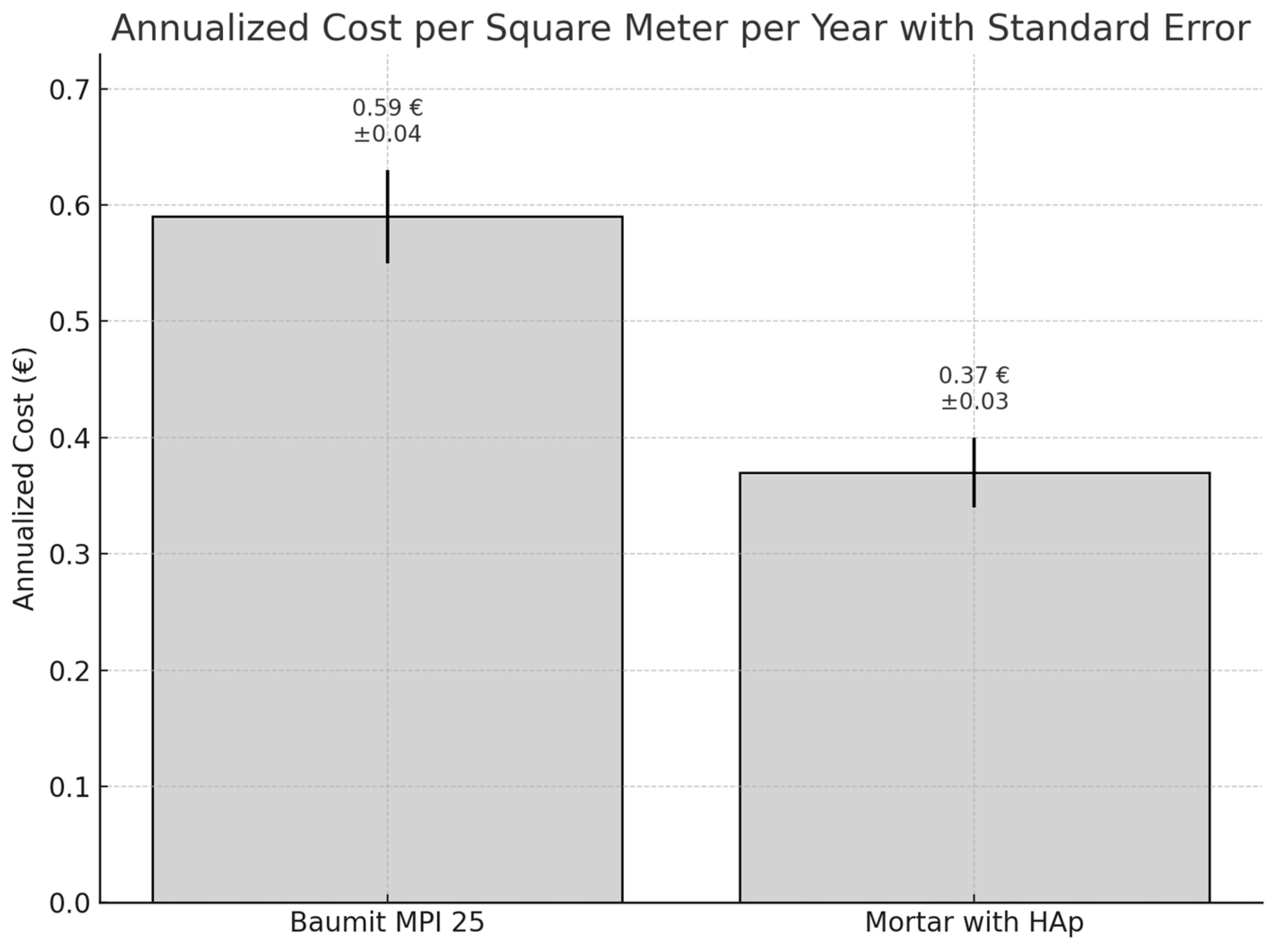
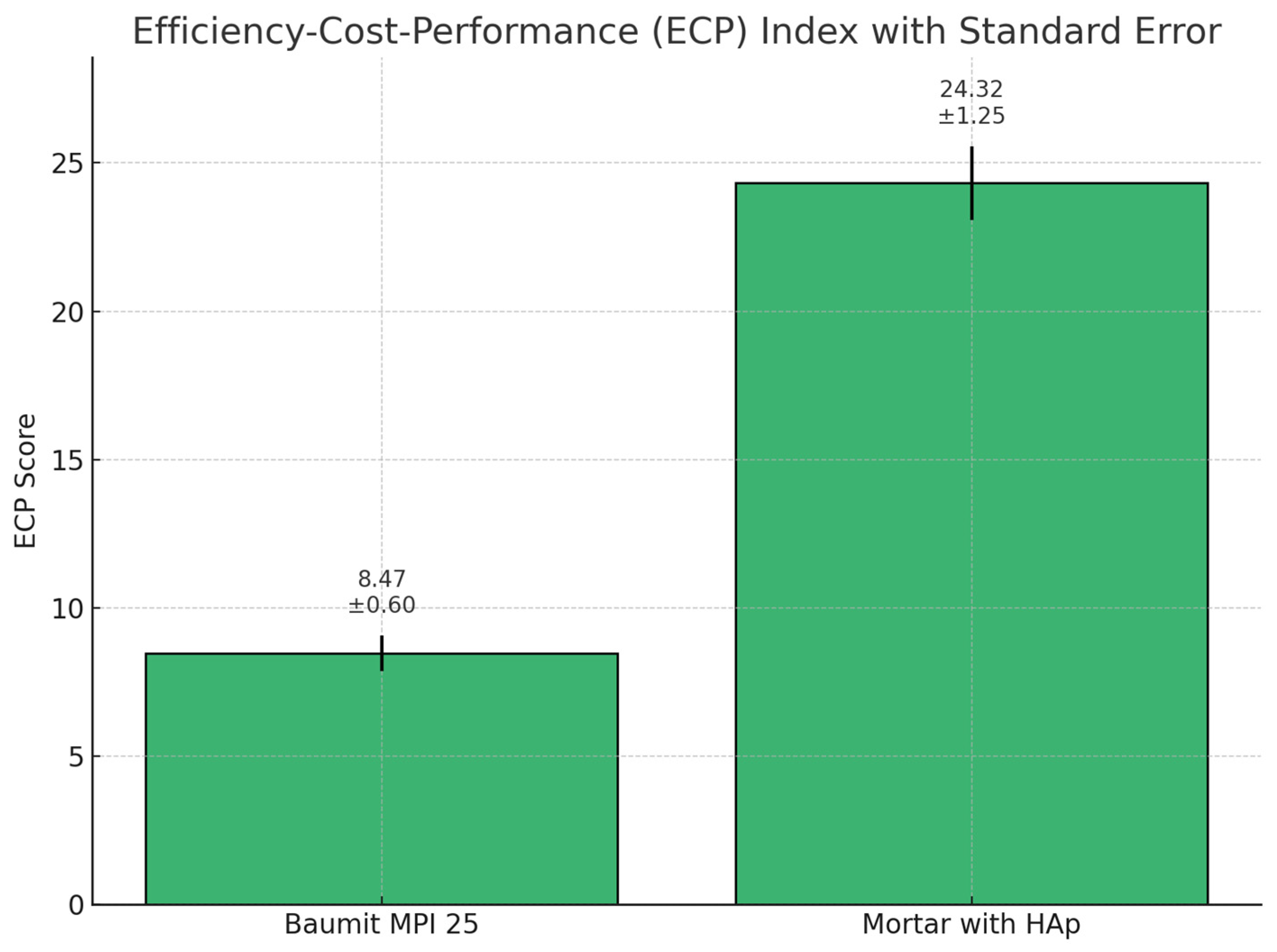
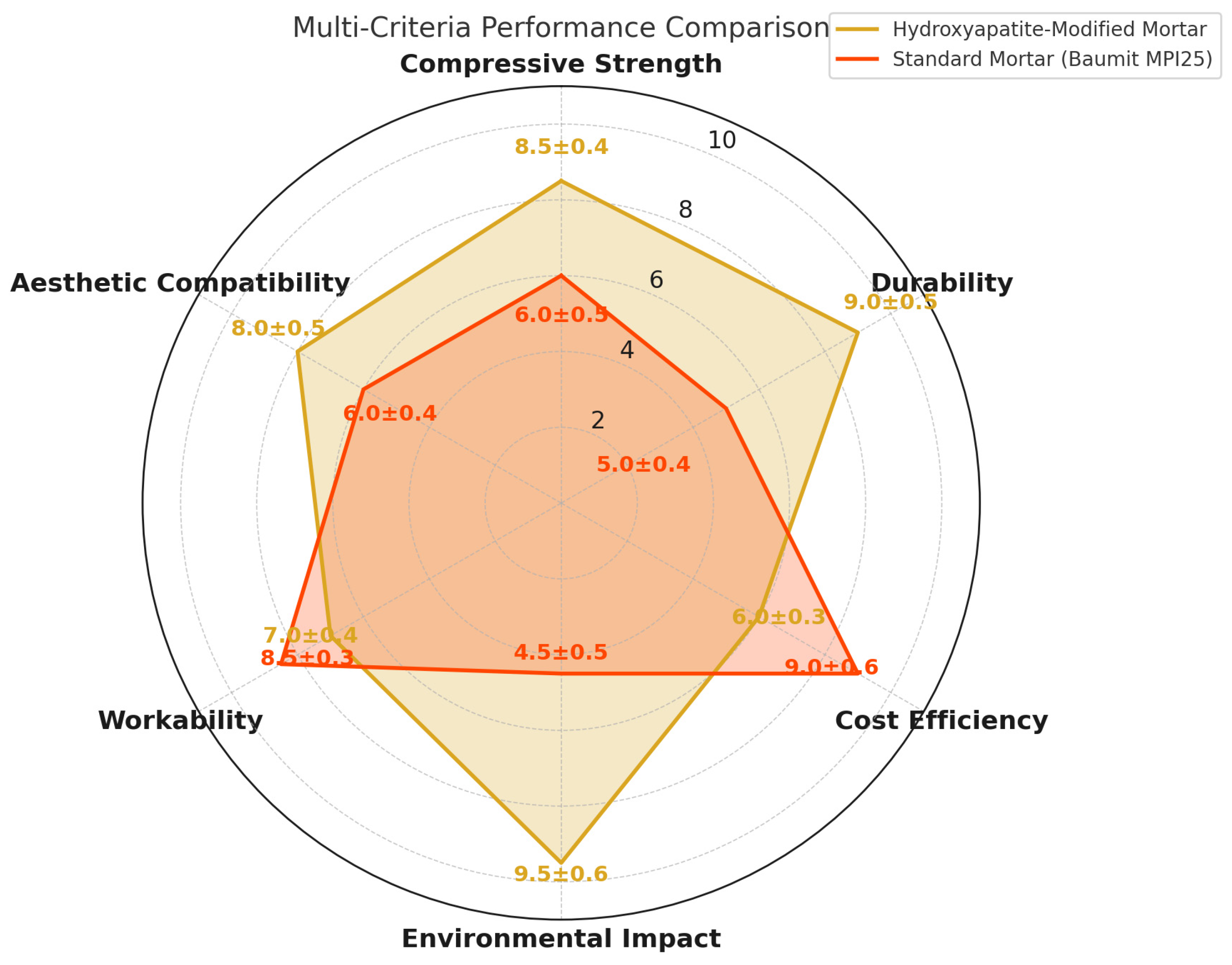
Sustainable architectural heritage conservation focuses on preserving historical buildings while promoting environmental sustainability. It involves using eco-friendly materials and methods to ensure that the cultural value of these structures is maintained while minimizing their ecological impact. In this paper, the use of the hydroxyapatite (HAp) in various combinations on masonry samples is presented, with the aim of identifying the ideal solution to be applied to an entire historical building in Banloc monument. The new solution has various advantages: compatibility with historical lime mortars (chemical and physical), increased durability under aggressive environmental conditions, non-invasive and reversible, aligning with conservation ethics, bioinspired material that avoids harmful synthetic additives, preservation of esthetics—minimal visual change to treated surfaces, and nanostructural (determined via SEM and AFM) reinforcement to improve cohesion without altering the porosity. An innovative approach involving hydroxiapatite addition to commercial mortars is developed and presented within this paper. Physico-chemical, mechanical studies, and architectural and economic trends will be addressed in this paper. Some specific tests (reduced water absorption, increased adhesion, high mechanical strength, unchanged chromatic aspect, high contact angle, not dangerous freeze–thaw test, reduced carbonation test), will be presented to evidence the capability of hydroxyapatite to be incorporated into green renovation efforts, strengthen the consolidation layer, and focus on its potential uses as an eco-material in building construction and renovation. The methodology employed in evaluating the comparative performance of hydroxyapatite (HAp)-modified mortar versus standard Baumit MPI25 mortar includes a standard error (SE) analysis computed column-wise across performance indicators. To further substantiate the claim of “optimal performance” at 20% HAp addition, independent samples t-tests were performed. The results of the independent samples t-tests were applied to three performance and cost indicators: Application Cost, Annualized Cost, and Efficiency-Cost-Performance (ECP) Index. This validates the claim that HAp-modified mortar offers superior overall performance when considering efficiency, cost, and durability combined.
Keywords: Banloc; hydroxyapatite; conservation; restoration; economic evaluation Banloc; hydroxyapatite; conservation; restoration; economic evaluation