


Abstract
Women’s empowerment is a powerful engine for personal and societal economic development and well-being. Nevertheless, gender biases in physical infrastructure investments lead to negative consequences for women and children that reduce their empowerment and limit their economic benefits. Public fixed-route buses, such as those in Washington, DC, illustrate how physical transportation infrastructure has innate gender biases. These young residents likely depend on strollers to travel longer than a few blocks. The Washington Metropolitan Area Transit Authority (WMATA) runs the public transportation system in Washington, DC. In 2021, 7% of DC’s 720,000 residents were under five. WMATA maintains a fleet of approximately 1595 buses, 95% of which banned the onboarding of open strollers until recently. This ban directly limited the use of Metro buses for the caregivers of young children, primarily women. It also reduced the opportunities for these caregivers to participate in DC’s economic life. In neighborhoods dependent on buses for essential mobility, the stroller ban reduces employment, healthcare, social service, educational, and recreational offerings beyond walkable distances. This paper examines the publicly available discussions and actions that led to the updated stroller policy and offers opportunities for improving caregiver transit access in Washington, DC, and, by extension, other cities worldwide.
1. Introduction
Modern Western societies have built gender relations into all aspects of everyday life, including urban infrastructure, impacting 82.7% of the US population and 56.2% of the global population who live in cities and metropolitan areas [1]. Almost irrespective of geographic location and culture, women live in a world of infrastructure designed and constructed by men. By focusing its resources on supporting paid labor, public transportation provides an excellent example of how infrastructure ignores the gendered work of care and subsistence contributions provided chiefly by women. Infrastructure projects, therefore, yield their most significant benefits to men, who build and use them at higher rates than women.
While these gender biases are ubiquitous and cut across cultures and regions, this paper focuses on the US, one of the most urbanized countries in the world [2]. Its infrastructure-related workforce also reflects persistent gender biases. For example, 95.8% of the US construction workforce and 91.9% of truck drivers are male [3]. Social infrastructure projects, such as those related to housing, education, and childcare, tend to accrue benefits mainly for women and children, even though these projects enhance the quality of life of citizens and support the smooth functioning of the US economy. In contrast, women suffered disproportionate job losses during the COVID-19 pandemic, yet the social infrastructure portion of a US bill intended to strengthen both physical and social infrastructure failed to pass congressional approval, while the physical infrastructure portion passed in 2020.
These examples illustrate the value discrepancies between infrastructure projects supporting predominantly male professions and roles versus those supporting predominantly female ones. This gender-blind infrastructure funding and design present intersectional barriers to women’s access to education, healthcare, and better jobs. Policymakers fail to utilize the available tools to increase gender equity and inclusion through practical infrastructure improvements. The disproportionately large representation of women across supporting professions and roles, thus, broadly reflects the unequal support for social versus physical infrastructure projects.
Developing gender-responsive infrastructure is a strategy for closing the persistent gender gap in cities. In doing so, urban planners can improve and protect women’s livelihoods while also invigorating urban economies. Scholars have long recognized the benefits of strategies that support the livelihood and work of women. Over a century ago, the feminist institutional economics of Thorsten Veblen brought the implicit and explicit gender biases into focus that discriminated against women’s work and argued that economies perform sub-optimally if they fail to support the full participation of women in the labor force [4]. Progress toward Veblen’s vision, however, has been disappointingly slow.
The concept of ‘sustaining production’, advanced more than two decades ago [5,6], proposes a model of economic production that includes care work as a regenerative “sink” service. Patterned after the sink services provided by nature, the model argues that all productive activity depends not only on the availability of resources but also on the availability of sinks as the essential basis for maintaining future productivity. The social equivalent of environmental sink services is the primarily unpaid care services necessary to process the waste and by-products of the production process through absorbing, assimilating, buffering, restoring, and reproducing. It is in this space that women’s unpaid care work lives. A sustainable economy requires bolstering care work and supporting it through physical infrastructure that recognizes its specific requirements. Transportation infrastructure is one example of physical infrastructure that has the potential to support or undermine care work.
This paper will first explore the gendered nature of care and review examples of how the hidden gendered biases of ‘hard’ infrastructure expenditures further disadvantage women and disproportionately benefit men. Using a case study approach, the researchers then analyze Washington, DC’s public transportation infrastructure, specifically the Washington Metropolitan Area Transit Authority’s (WMATA) Metrobus system. The researchers chose this example because of the system’s location in the national capital, where the researchers’ home institution also resides. The analysis of the case study materials illustrates the gender biases against care evident in the public transportation infrastructure of Washington, DC. By analyzing the hidden biases of physical infrastructure investments, the researchers lay bare their negative implications for women and children and identify potential intervention points. The paper concludes by identifying strategies that lend themselves to targeted improvements in the public transportation infrastructure of Washington, DC, and, by extension, of other cities.
2. Providing Care: A Review of the Gendered Nature of Care and Care Infrastructure
The social and economic benefits stemming from women’s economic empowerment are well documented across nations [7,8]. They include more stable economic conditions, lower birth rates, and increased quality of life. Nevertheless, the full participation of women in economic life continues to be a distant goal, even though the percentage of American women’s labor force participation has steadily increased from 36% in 1970 to 56.2% in 2020 [9]. Notwithstanding consistent wage disparities, which have changed little over the past 20 years, a persistent barrier to attaining true gender equality is the gender bias innate in policies intended to support economic activity [9].
Women made up 46.7% of the US civilian workforce in 2022 while shouldering most of the care work in their homes [10]. The “time use survey” is a commonly used tool for studying how people spend their time. In the United States, the American Time Use Survey (ATUS) measures the amount of time people spend doing various activities, such as paid work, childcare, volunteering, and socializing. ATUS is sponsored by the Bureau of Labor Statistics and conducted by the US Census Bureau, which has fielded the survey annually since 2003. There are several findings from the 2022 survey [11]. Women reported spending more hours per day caring for and helping household children than men (0.48 vs. 0.23). More specifically, women with children under 18 reported spending 1.74 h per day caring for children as a primary activity compared to 0.90 h for men. These tasks include physical care, education-related activities, reading, talking, playing, attending events, and care-related travel. When the youngest child in the household is between age 6 and 17 years old, women reported spending 1.06 h per day caregiving, while men reported spending 0.55 h. In homes with children under six years old, women reported spending 2.68 h per day on caregiving, while men reported spending 1.45 h. Regardless of the children’s age, women spent around two-times more time per day caring for household children. When no children under 18 years old are present in the home, women still spend more time than men performing household activities (2.89 vs. 2.13 h). Other studies corroborate these biases toward women who continue to provide the bulk of unpaid household and care services, regardless of their participation in the workforce [12,13,14,15,16,17]. There is ample evidence that the value of this unpaid labor, estimated at 16 billion hours daily, is enormous [12]. Oxfam estimated the global value of this work to be at least USD 10.8 trillion annually or 11% of the USD 96.1 trillion global GDP in 2021 [16,18]. Using the replacement cost approach to estimating the value of care services in twenty-seven OECD countries, Elson [15] reported that the monetary value of unpaid work in the US was 18% of national GDP. In 2021, that was the equivalent of USD 4.14 trillion [18].
Gender inequality is an additional barrier to productivity and economic growth. Amartya Sen [19], the Nobel Prize in Economics winner, wrote of the need to focus on women’s agency (rather than well-being) to empower women and improve economic output. The Grameen Bank’s microcredit programs for women in poor, rural Bangladeshi communities have allowed women to start small businesses by bypassing discriminatory creditors and lowering fertility rates and infant mortality [19]. While reducing gender inequality is a noble goal, it is also better for a country’s economic growth. Klasen and Lamanna’s [20] study of the Middle East, North Africa, East Asia, and South Asia concluded that gender gaps in education and labor force participation negatively impact economic growth.
Neoclassical economic theory, the prevailing economic framework in the US, supports these persistent gender biases. It asserts that firms (“producers”) and households (“consumers”) engage with each other in a closed-loop circular flow. Households provide inputs (mostly labor) and money to the firms, who, in exchange, provide goods and wages to the households [21] (see Figure 1). While helpful in characterizing some rudimentary aspects of a market economy, this theory fails to account for several critical components, such as the environment and other aspects with limited or no market value [21,22].
Figure 1.
Standard economic circularity. Source: O’Hara and Kakovitch, 2022 [22].
Ecological economics is a multidisciplinary field of study founded, in part, by Robert Costanza in the late 1980s that began to address the relationships between ecosystems and economic systems [23]. Scholars have defined ecosystem services as the ecological characteristics, functions, or processes that directly or indirectly contribute to human well-being, including fresh water supply (provisioning), climate regulation (regulating), nutrient cycling (supporting), and recreation (cultural) [6,24]. Economists have developed multiple valuation methods to operationalize the concepts to account for ecosystem services, such as replacement cost and hedonistic pricing. While the ecosystem services concept is helpful, it does not emphasize the social reproduction and infrastructure needed to support human well-being, with the possible exception of cultural ecosystem services.
Feminist scholars, including feminist ecological economists, have added the missing social dimensions to the analysis to address the gap in economic theory further beyond its missing environmental considerations [6,25]. Care services include the web of services provided in households, communities, ecosystems, and physical/spatial contexts, summarized as rest, restoration, and recreation [5]. In the sustaining production concept [26], a quadrant is dedicated to “sink services”. Scholars can more readily understand these services as an integral part of environmental systems where they provide absorptive, buffering, and ameliorating capacities associated with supportive ecosystem services. However, sink services are equally important for social systems where mostly unpaid care services provide them, which process the end and by-products of the production process through absorbing, assimilating, buffering, and restoring physical, mental, and emotional health. In other words, like the oceans and the earth’s atmosphere, women process, absorb, buffer, and accumulate social waste and emissions from producing goods and services [26]. The work of the sinks allows for the rejuvenation, regeneration, and reproduction of inputs (i.e., people and things) that turn back into goods and services. When sinks reach their limits, they can no longer perform this service to the same degree as before, negatively impacting the economy’s productivity. Therefore, scholars developing new sustainable economic models must consider all sinks, both social and environmental (see Figure 2).
Figure 2.
Ecological economic circularity. Source: O’Hara and Kakovicth, 2022 [22].
The critical nature of care services is vital to understanding who typically performs them in households and communities. Since care services are primarily unpaid, they do not have a standard market value. A ubiquitously popular measurement, Gross Domestic Product (GDP), estimates the value of final goods and services produced in an economy. GDP, however, does not quantify the value of care services in an economy, even though unpaid work heftily supports the work provided in visible markets.
To address the persistent biases against the invisible work of women, Folbre [27] designed four categories to increase understanding of women’s work as it relates to the market: (1) unpaid services, (2) unpaid work that helps meet subsistence needs, (3) informal market work, and (4) paid employment. Elson [15] proposed several ways to compensate women for the first and second categories to close the gender gap in those categories. They include (1) wages for housework, (2) inclusion in national accounting systems, (3) cash payments, and (4) pension credits. Elson concludes that the path to equity must include making men’s working lives more like women’s, not vice versa, which requires a fundamental redistribution of this work and corresponding changes to the structure of the US. That path must, by necessity, include infrastructure.
Outside of the home, our society values and remunerates “care work,” i.e., occupations that require a face-to-face service that develops the human capabilities of the recipient, at lower rates than other types of work held in greater esteem [28]. This differential is called the “wage penalty.” England et al. found that men and women working in caring occupations received 5–6% less in net wages than those in non-caring occupations, regardless of education or training. Moreover, they found that most of those involved in care work were women, amplifying the wage penalty for women, particularly in childcare, where women experience a 41% wage penalty [28].
The United Nations developed the Millennium Development Goals (MDGs) and the Sustainable Development Goals (SDGs) as alternate development measures [29]. The SDGs, in particular, are intended to track sustainable progress in light of climate change and include a goal (SDG 3) for social sustainability, where countries shall promote the well-being of their citizenry, regardless of class, gender, ethnic origin, religion, or race [30]. Waring [31] and Folbre [27] discuss other approaches for measuring care services and gender equity, including Genuine Progress Indicators (GPIs), the Gender-related Development Index (GDI), the Gender Empowerment Measure (GEM), and the Gender Equity Index (GEI), among others. Waring [31] also argued that the United Nations System of National Accounts (UNSNA), an accounting system launched in 1953 to track member nation development, lacked information about significant work performed for household consumption or in the informal economy. This omission rendered unpaid care work invisible, thereby disadvantaging women.
On the other hand, GDP captures most of the work carried out by men. The OECD launched the Social Institutions and Gender Index (SIGI) in 2009 to measure discrimination against women in social institutions across countries. SIGI has four dimensions: (1) discrimination in the family, (2) restricted physical integrity, (3) restricted access to productive and financial resources, and (4) restricted civil liberties [32].
Gender biases are not only evident in the value (or valuelessness) of the work provided by women. They are also visible in the infrastructure, which is essential to the functioning of any economy. Gender disparities in infrastructure investments mirror the biases evident in gender norms and expectations. These biases suggest that female attributes are emotionality, weakness, softness, and passivity, while male attributes include rationality, strength, hardness, and being active [33]. These same biases are evident in the so-called ‘soft’ infrastructure portion of a bill first introduced in the US Congress to ameliorate the disruptions caused by the COVID-19 pandemic. The portion of the bill that focused on childcare, family leave, and other care-oriented infrastructure programs benefitting women and families failed to come up for a vote in the United States Senate. Examples include historic investments in childcare options for families, support for universal pre-kindergarten for all 3- and 4-year-old children, and permanent refundability of the US Child Tax Credit (up to USD 300 per month per child) [34]. In contrast, the so-called ‘hard’ infrastructure bill, emphasizing physical projects, like roads, bridges, and other building trades-focused initiatives, quickly found bipartisan support.
While this dichotomy undoubtedly reflects entrenched gender biases, their less visible implications are more insidious. Such hidden biases are, for example, reflected in the ‘hard’ infrastructure bill itself and, more generally, in the physical infrastructure expenditures of municipalities and states.
3. Infrastructure and Care
Broadly defined, the term infrastructure refers to all primary inputs and requirements for the proper functioning of the economy [35]. There is a widely held misconception that infrastructure is gender-neutral, but women and men do not benefit equally from these public investments because their social roles, economic status, and preferences shape their needs and infrastructure use [36]. Gender-blind infrastructure fails to consider these different life circumstances and needs, limiting women and girls’ ability to access essential services, such as healthcare and education [37]. Seen this way, gender bias in infrastructure limits women’s agency to improve their lives and is a barrier to productivity and economic growth [19]. Women comprise only 18% of the American infrastructure workforce and 24.8% of the transportation and utilities workforce [3,38]. Because men almost exclusively plan, design, and implement infrastructure, women have little or no voice in investment decisions that affect their daily lives, economic opportunities, and future prosperity. Since the early 1990s, however, female city planners in Vienna, Austria, have designed and implemented projects that benefit men and women equally, including simple fixes such as extending crosswalk times to accommodate caregivers and others needing extra time to pass over city streets [39]. They also helped to establish the Frauen-Werk-Stadt (Women-Work-City), an apartment complex that aimed to reduce caregiving burdens through thoughtful design elements, such as on-site kindergartens, pharmacies, and medical offices, all near public transportation. Increasing women’s participation in infrastructure policy and decision making is critical to expanding equity [36,37].
Infrastructure discussions usually refer to two commonly used categories: hard (or physical) and soft (or social). Hard infrastructure refers to the large physical networks needed to promote economic activity and maintain a functioning nation [40]. Scholars and practitioners divide it into five sectors: telecommunications, transport, energy, water and sanitation, and solid waste [40]. Physical infrastructure is sometimes also referred to as economic infrastructure due to a belief that it alone powers and sustains the economy. Soft infrastructure generally refers to services that support the supply of skilled and healthy personnel to manage and operate other resources [41]. Accordingly, soft infrastructure is more expansive, including educational institutions, healthcare, childcare, social services, housing, and security. It can also include public amenities, such as libraries, parks, playgrounds, sidewalks, and civic organizations, where people can gather, play, pray, and hold markets, all of which build communities and hold them together [42]. Moreover, social infrastructure enhances the populace’s economic, political, and social empowerment, resulting in positive effects on poverty alleviation and the efficient use of national resources [40]. Though opposites by design, these categories are not mutually exclusive, contain overlapping notions, and have many dependencies, such as urban transport (hard) and care provision (soft).
In this misleading binary, policymakers and planners perceive hard infrastructure to support male-gendered work (or production). Conversely, we perceive soft infrastructure to support female-gendered care (or reproduction). Some scholars argue that, like Adam provided the means for Eve’s creation, hard infrastructure provides the means for social infrastructure services delivery [43]. Others argue that care, a type of social infrastructure, is a prerequisite for production, here, sustaining the workers (and future workers) required to produce physical infrastructure [26]. For these reasons, the hard/soft, physical/social binary obscures the reality that infrastructures of all types serve multiple functions in the economy.
If there is no care, there is no productivity. The persistence of gendered notions of care versus productivity is, therefore, surprising. At the same time, it reflects deeply gendered expectations of men joining the workforce and women providing care in households and communities, regardless of whether they join the workforce or not [44,45]. These gendered expectations were evident during the COVID-19 pandemic. The dual pressures of work and care contributed to a gendered exodus of women from the workforce during the pandemic [46]. Examining how care services can be strengthened and more adequately supported, regardless of who provides them, will become necessary to reverse this persistent trend.
During the COVID-19 pandemic, there was much talk about “essential workers”, those who continued to provide paid labor in those sectors that were deemed critical to economic functioning (e.g., healthcare workers, educators, and grocery store clerks) [47]. Approximately 50% of those essential workers who continued to work in face-to-face jobs during the pandemic were care workers, a mostly female workforce. Many of these care workers were at serious risk for COVID-19 infection while, at the same time, receiving less pay than other essential workers with comparable personal and work characteristics, such as those working in law enforcement, transportation, and retail jobs [48].
Female job loss was another notable economic feature of the COVID-19 pandemic, hence the nickname “Shecession”. Heggeness [46] found that mothers in early closure states were about 69% more likely than mothers in late closure states to have a job but not be working. For those who remained on the job, Heggeness found that women increased their hours. There was no difference for non-mothers and all men. Dias et al. [49] described the “fatherhood premium”, where fathers experienced lower layoff rates than mothers, non-mothers, and non-fathers, even after controlling for race, age, education, and individual fixed effects. Black and Hispanic mothers are more likely than white women to be the primary or co-breadwinner in their families and work in care services [50]. As a result, the impact of job loss in Black and Brown populations was especially devastating. In response to the pandemic, many women reduced their work hours to provide care services [51]. Power [52] argues that the COVID-19 pandemic increased the care burden, putting additional stress on families, exacerbating inequalities, and reducing female work productivity, negatively impacting many women’s lifetime-earnings potential. Sarrasanti et al. [13] describe the increased burden of unpaid childcare on women as formal and informal childcare supplies became less available during the pandemic. Boesch and Hamm [50] opined that the increased time spent in caregiving may force some women to reduce their work hours further or shift to multiple part-time jobs, thereby reducing their earning potential.
The COVID-19 pandemic exacerbated pre-existing gender inequities in the US. As Diane Elson [53] so eloquently wrote, “In a crisis, gender norms may be reinforced; or they may decompose, with individual men taking on roles normally associated with women, and vice versa; or they may be transformed through deliberative collective action, by civil society groups, or by governments”. This concept is valid for the current moment as scholars, think tanks, and government bureaucrats generate different ideas for the American recovery [54,55,56]. Elson’s analysis would suggest that the US government must make significant short-term and long-term investments in social infrastructure to succeed in this effort, especially in light of the persistent biases that became so starkly evident during the COVID pandemic.
One clear example is urban transit systems, where residents use buses and trains (hard infrastructure) to support employment, care, education, and leisure activities (soft infrastructure). Governments tend to invest more heavily in physical infrastructure than social infrastructure. Some global infrastructure reports do not distinguish between the two types, assuming only one is physical. For example, searching for “infrastructure” on the World Bank Open Data website yields only one analysis of indicators, all of which are measures of physical infrastructure services [57]. They include air transport departures worldwide, electric power consumption (kWh per capita), and fixed telephone subscriptions (per 100 people). In 2019, the World Bank’s Office of the Chief Economist, Sustainable Development Practice Group, published a report titled “Hitting the Trillion Mark: A Look at How Much Countries Are Spending on Infrastructure” [58]. They report that economists must rely partly on Gross Fixed Capital Formation (GFCF) to estimate country-level public spending on infrastructure. The authors lament its limited utility, however, since, as they say, “[it] includes sectors other than infrastructure (health, education, mining)” [58].
Reporting country-level physical infrastructure spending as a percentage of GDP is common. The People’s Republic of China made the most significant relative investments at 5.8% of GDP (USD 85.2 B) in 2020. However, in the US News Best Countries Report [59], China was ranked 11th for the most well-developed infrastructure. Sweden, highly regarded for its progressive social support, spent 1.06% of GDP (USD 5.74 B) on physical infrastructure in 2020 and was ranked ninth by US News. The US, ranked third by US News, spent 0.55% of GDP in 2019 (USD 11.5 B), 5.25% less than China and 4.74% less than Sweden as a percentage of GDP. Converted into USD, China spent USD 85.2 B (USD 60.4/per capita), Sweden spent USD 5.74 B (USD 483/per capita), and the US spent USD 11.5 B (USD 35/per capita) (see Table 1). US spending on physical infrastructure declined precipitously in the early 1970s [60]. America’s 20th-century investments, such as bridges, damns, roads, trains, and waterways, have not been well maintained, resulting in threats to human safety and losses in economic productivity [61].
Table 1.
National investments in physical infrastructure by country, ranking, USD B, % of GDP, and per capita calculation—2020 [60].
US investments in social infrastructure rank lower than those in physical infrastructure. In November 2021, the US House of Representatives narrowly passed the USD 1.85 trillion Build Back Better Act (BBBA), a 10-year budget reconciliation package serving as the cornerstone of the Biden Administration’s infrastructure policy. BBBA began as a USD 1 trillion bipartisan infrastructure bill in March 2021, a year after the 2020 COVID-19 lockdowns began. The House Act contained substantial funding for social infrastructure: universal, free preschool for all 3- and 4-year-old children, increased tax credits and paid leave for families, improved public home care coverage for the aging and people with disabilities, and health insurance subsidies [62]. The historic act also contained funding for affordable housing, tax credits for low-wage workers, and investments in higher education, rural communities, and the environment. The bill also had much-anticipated funding to strengthen, diversify, and expand the healthcare workforce. Health Profession Opportunity Grants, one of the named priorities, support education and training for low-income individuals in high-demand areas of the healthcare field. Since women experience higher levels of poverty than men in the US, this legislation would likely have benefitted them and their families [63].
The bill’s emphasis on social infrastructure and the family was no coincidence. Though the COVID-19 pandemic did not create gender inequities in the US, it did exacerbate existing ones. Sarrasanti et al. [13] describe the increased burden of unpaid childcare on women as formal and informal childcare providers became less available during the pandemic. Many women who worked from home acted as homeschool teachers for their children while performing other care activities. Despite limited research on the topic, the authors concluded that women shouldered an increased burden of care work during other pandemics and outbreaks, including Ebola. Power [52] agreed that the COVID-19 pandemic increased the unpaid care burden, putting additional stress on families, exacerbating inequalities, and reducing female work productivity, negatively impacting many women’s lifetime-earnings potential.
The Build Back Better Act never became law. After months of deliberation over the bill in the Senate, a conservative Democratic male senator from a formerly coal-rich state withheld his vote in late 2021. In his statement, Senator Joe Manchin [64] expressed his dislike of the BBBA’s extraordinary price tag and its push for cleaner energy. Manchin explained he voted against the bill because his Washington colleagues were “determined to dramatically reshape our society in a way that leaves our country even more vulnerable to the threats we face”. He was not the only American lawmaker opposed to reducing women’s unpaid care burden. The Senate attempted to make the legislation more palatable by stripping out social provisions, such as universal preschool and the child tax credit, but ultimately failed to pass it.
Congress had more success finding common ground with the Infrastructure Investment and Jobs Act, which focused on physical infrastructure. Passed into law in November 2021 as BBBA negotiations continued, the bill allocated USD 550 billion over five years for roads, bridges, rails, airports, high-speed internet (“broadband”), water, clean energy, and power grids [65]. The administration also boasted that it would create “good-paying, union jobs”. What went unsaid, however, was that those jobs would primarily be in construction and fabrication, overwhelmingly the domain of men [66]. Finally, the bill included USD 89.9 billion for public transit modernization, the most significant federal investment in public transit in history. More and better public transit options would have been good for women and communities of color, who rely on urban transit more than other groups, but it did not come to pass.
4. Examining the Gender Biases of Infrastructure in Washington, DC, USA
Transportation is essential for maintaining productivity. Most obviously, transportation supports workers’ movement to and from their places of employment. In 2019, Americans spent an average of 27.6 min traveling to work by all modes, the longest ever recorded by the US Census Bureau [67]. Washington, DC, is a fascinating example of a metropolitan area that relies heavily on its public transportation infrastructure since it is the seat of the US federal government. The Washington Metro system is currently the US’s second-most-used transit system [68]. The case study analysis illustrates the gendered biases against care evident in the public transportation infrastructure of Washington, DC, and offers recommendations for how regional transit professionals can address persistent biases.
The Public Transportation Infrastructure of Washington, DC, USA
Women and men have distinctly different travel patterns. For example, women in the Global North commute shorter distances, make more trips (often in succession—a phenomenon called “trip chaining”), and accompany others in travel more than men do [69]. Women also travel closer to home than men, travel for a wider variety of purposes, are the primary users of public transport systems, make more multimodal trips, are more sensitive to safety concerns, have smaller bodies, and work sparingly in positions of responsibility in the transport sector [70]. Moreover, the evidence shows that women are overrepresented among older people living alone, single parents, and working parents with significant care responsibilities. Still, researchers find that transit organizations fail to plan and operate systems supporting women’s mobility [71].
In the National Capital Region, consisting of Washington, DC, and areas of Maryland, Virginia, and West Virginia, one-way travel times averaged 35.6 min, with 18.3% of workers traveling for 60 min or more. Travel times increase with population size, meaning that workers in our largest metropolitan area have average travel times up to 10 min longer than those in our smallest metropolitan area [67]. Travel times reflect variables such as time of day, route taken, and road congestion and conditions. Some of these variables link directly back to infrastructure, which impacts transportation efficacy and its ability to support economic production fully.
Surveys estimate that 18.76% of residents in Washington, DC, commuted to work via public transportation in 2022 [72]. In 2019, before the COVID-19 pandemic, 34.2% of DC workers used public transportation [67]. In September 2023, WMATA reported that Metrobus recorded 389,000 weekday rides, 224,000 Saturday rides, and 187,000 Sunday rides [73]. Bus ridership on weekdays and Sundays had increased 14% over the previous September and 6% on Saturdays. In comparison, current weekday bus ridership is 101% of pre-COVID-19 levels. Weekends are an estimated 117–133% over pre-COVID-19 levels. Both pre- and post-COVID-19 figures are well above the national average for the US.
In DC and elsewhere, people use public transportation for much more than work. Students of all ages use it to access schools and other learning institutions. Caregivers use it for household-related shopping, accompanying their children to medical appointments, and ferrying them to and from daycare. People also use public transportation for leisure activities: going to museums, sporting events, concerts, and riverside walks. When designing urban transit systems, transportation planners rarely consider these other uses, some of which require late-night service. One reason can be attributed to deeply ingrained gendered ideas about who deserves these public services, as well as when and in which ways.
Like most US public transportation systems, WMATA (also referred to as Metro) professes to utilize a gender-blind approach to optimize work-related travel, characterized by lengthy, linear, unaccompanied, rush-hour trips. As Sanchez de Madariaga [70] and Loukaitou-Sideris [69] have argued, men, not women, typically follow those patterns. This gender-biased approach results in a transportation system that seeks to minimize the time in transit from the home to the workplace in a spider-type fashion, with the most significant workplace locations located at the hub. This design trope is evident on the Metro system map, where all the rail lines radiate from the center out to the periphery without any circular routes (Figure 3) [74].
Figure 3.
Washington Metropolitan Area Transit Zone jurisdictions, USA.
The hub-and-spoke design neglects the unpaid care-related trips taken primarily by women that are often brief, polygonal, accompanied by children or older adults, and outside rush hour. Sánchez de Madariaga [70,75] posits that “compulsory mobility,” the pervasive concept in urban transit research, fails to consider the “mobility of care”—travel done mostly by women to support home and caring responsibilities, including by foot. Examples include escorting others, shopping for daily living, household-related errands, and visits to take care of sick or older relatives. Loukaitou-Sideris [69] provides further insights into what this mobility of care looks like in her history of women’s physical mobility, which describes how care work travel leads them to use transit in distinctly different ways than those who use it for employment purposes. Intersectional differences (i.e., race/ethnicity, age, income, sexual orientation, disability status) layer on top of gender and impact how women use public transit.
WMATA operates Metrobus, the largest bus system in the District of Columbia [76]. As a result, decisions to research, design, and implement the open stroller pilot on Metrobuses occurred within WMATA and its affiliated unions (Amalgamated Transit Union Local 689 and International Brotherhood of Teamsters Local 922) [77], which WMATA has not published. The WMATA website provides general, non-sensitive organizational information and documents related to financial audits, budgets, tariffs, contracts, labor relations, performance, and governance (e.g., by-laws). Through web searches, researchers found bus operator training documents, employee handbooks, and an internal pre-decisional policy report. WMATA receives a mix of funding from the US government, each of the Transit Zone jurisdictions (Figure 4), and the farebox. For example, WMATA’s proposed budget for fiscal year 2024 included USD 2.4 B for operations and USD 2.4 B for capital improvements [78]. State and local funding accounted for USD 2.3 B across the two categories: USD 334.2 M from DC, USD 316 M from Maryland, and USD 292.4 from Virginia. In FY24, WMATA programmed USD 67.7 M for Metrobus operations.
Figure 4.
Hub-and-spoke system map and spider web system map.
In 2019, the Washington Metropolitan Area Transit Authority (WMATA) averaged 976,000 weekday bus and rail trips across the 1500 square mile National Capital Region (NCR), including Washington, DC [79]. In 2023, WMATA estimated that caregivers took 5% (about 18,000) of the system’s daily rides [79]. Nevertheless, until recently, WMATA enforced a policy prohibiting passengers from bringing open (e.g., occupied) strollers onto its buses. Instead, WMATA required those desiring to travel by bus with young children to remove them from their stroller, fold it, and carry the child onto the bus, all while paying the bus fare and finding a seat and possibly a place to stow the stroller. Since these buses predated the Americans with Disabilities Act of 1990 [80], they were also inaccessible to wheelchairs and other mobility devices. After 1990, however, WMATA rolled out low-floor “kneeling” buses, equipped with extendable ramps and designated wheelchair spaces. These same features were suitable for strollers, too, yet the open stroller ban persisted. This policy vividly illustrates the gender biases evident in the WMATA system and public transportation more broadly.
5. Materials and Methods
Our study period began in December 2017, when two DC parents launched an online petition asking WMATA to allow open strollers on Metrobuses during off-peak hours if and when the ADA-required wheelchair space was vacant [81]. In a television interview shortly after the petition went viral, one of the petitioners stated, “I attempted to get on the bus while my child was still in the stroller, and I was asked to fold up the stroller. So, this meant I had to bring out my child, get all the belongings I had underneath the stroller, fold up a stroller and carry a kid, a stroller and accessories” [82]. When the television reporter contacted WMATA for comment, the agency stated that it was not considering changing the policy due to the bus configuration and claimed that open strollers would block the narrow aisles, posing a safety hazard and delaying bus onboarding and offboarding.
In 2018, a WMATA insider leaked an internal report to the Washington Post, “Stabilizing and Growing Metro Ridership” [83]. In it, staff documented historical ridership trends within WMATA and sister transit agencies across the country, most of which also experienced reductions in ridership. The report’s core was the Metro Ridership Action Plan, which called for growing and stabilizing bus and rail ridership by improving service quality and providing a seamless customer experience through various objectives, goals, and actions. For the objective titled “Improve customer interaction through all steps on the journey”, WMATA staff set a goal to adopt customer-friendly policies for parents and bicyclists. Their first recommended action was to allow children in strollers on Metrobus since it was a cost-free way to encourage more families to travel by Metrobus. By then, the DC government-run Circulator bus system, which focuses on simplifying tourist travel through the city, had allowed open stroller boarding for 13 years, as had Chicago, Boston, Seattle, San Francisco, and Houston [84]. WMATA piloted an unpublicized open stroller exception systemwide for three years between early 2020 and 2023.
WMATA’s open stroller policy evolved over five years in 2 distinct phases. The study period begins with the stroller petition published in December 2017 and ends with the final policy change in March 2023 [81]. During the first phase (December 2017 to March 2020), WMATA identified, formulated, and implemented an open stroller pilot on Metrobuses. During the second phase (March 2020 to March 2023), WMATA continued running the pilot and then permanently changed the stroller policy. The study period ends in March 2023, when the recently hired General Manager, Randy Clarke, publicly announced a new open stroller policy on buses [79]. Metrobus held a short kickoff event one day shy of International Women’s Day on 7 March 2023.
Using Ostrom’s [85] framework for institutional analysis, this analysis examined the barriers and drivers present in WMATA’s identification, formulation, implementation, and evaluation of the open stroller policy pilot (action situation). The researchers collected and analyzed public files, including by-laws, meeting agendas, minutes, recordings, transcripts, and work products, from December 2017 to March 2023, to identify the discourse’s themes and individuals (actors). We also interviewed stakeholders mentioned in the public record to account for gaps and confirm themes in the public information.
Per WMATA by-laws, the Board, Riders Advisory Council (RAC), Accessibility Advisory Committee (AAC), and its two subcommittees must produce publicly available agendas before each monthly meeting and require they keep meeting minutes. The by-laws also require the RAC and AAC to develop and submit monthly reports and annual work plans to the Board. Finally, the groups must conduct all meetings per Robert’s Rules of Order and be open to the public with dedicated time for public comment. The five groups held 292 of 295 (98.9%) scheduled meetings during the study period. WMATA’s Board of Directors did not meet on 26 March 2020, and the Riders Advisory Council did not meet on April 1 or May 6, 2020, presumably due to the emerging COVID-19 pandemic.
Our analysis of documents from WMATA’s public-facing website, wmata.com, between December 2017 and March 2023 includes readily available meeting agendas and minutes. The researchers searched the documents using the terms stroller, baby carriage, baby buggy, and S.U.V. (i.e., sports utility vehicle, a nickname for large strollers used in pilot discussions). Where search terms appeared in either document, the researchers downloaded available meeting recordings and transcribed them using Otter.ai. Once again, the research team used our search terms to locate segments relevant to the pilot and coded them using Dedoose [86] to identify themes. In our document review, they identified 20 key informants. Two (2) additional key informants were identified from those subjects interviewed. Thus, 19 key informants were known or assumed to be current (13) or former (6) WMATA employees and affiliates. Eight (40%) of the key informants the researchers contacted responded to the interview request, and six (30%) consented. We conducted interviews between March and April 2023.
6. Results
Our research identified over 20 actions WMATA took before rolling out the open stroller pilot in early 2020. They fall into the following categories: leadership approval (1), consultation with internal stakeholders (5), evaluation (1), hearings (1), operations (2), policy (11), project management (2), assessment/research (5), and training (1). For assessment/research, WMATA leadership required that staff perform an environmental scan of existing open stroller policies in similar markets and a safety risk hazard assessment to determine the potential dangers of allowing open strollers on Metrobuses.
WMATA staff’s internal consultation with stakeholders is well documented in public records. The meeting documents and interviews revealed tensions between rider groups, most notably between persons with disabilities and parents. The Accessibility Advisory Committee and its two subcommittees offer several opportunities to discuss maintaining and increasing public transit access for the disabled and elderly. Similarly, the 11-member Riders Advisory Council advises the WMATA Board on issues related to all WMATA services (Metrobus, Metrorail, and MetroAccess) for riders across the National Capital Region. Parents and caregivers lack a structured forum within WMATA to address their unique transit needs. A WMATA open stroller press release stated the following: “The policy change follows customer feedback, consultation with Metro employees, Local 689, Local 922, and engagement with the Riders Advisory Council and the Accessibility Advisory Council. Metro [also] reviewed best practices for open stroller policies at other transit agencies, including the District’s Circulator, Montgomery County’s Ride On, and DASH” [79].
Table 2 summarizes several high-level characteristics of the 34 stakeholders in the public record. Concerning gender, 41.1% (n = 14) of stakeholders were female and 58.5% (n = 20) were male. The researchers categorized gender using binary pronouns (she/her/hers and he/his/his) and traditionally gendered names. There was more significant variation in caregiver and disability status. Our analysis identified 20.5% (n = 7) as people who are current or former caregivers and 55.8% (n = 19) as persons living with a disability. The researchers identified caregivers through their direct mention of children. There were no mentions of caregiving for elderly family members. Finally, we identified stakeholders living with disabilities through their direct mention of one or many disabilities and their contributions to the Accessibility Advisory Committee, except for WMATA support staff. Our analysis of the publicly available internal WMATA discussions regarding the open stroller pilot indicates that the stakeholders were primarily male, non-caregivers, and people living with disabilities. The first two most likely lack experience with the unique barriers facing caregivers on public buses. The last group is more likely to oppose any policy changes they perceive as threatening their right to disability ADA accommodations on buses (Table 2).
Table 2.
Demographic characteristics of WMATA open stroller pilot stakeholders.
6.1. From the Public Record
While there was certainly support for the pilot across the various stakeholder groups, consistent vocal opposition came from persons with disabilities from the AAC. One key informant stated it simply, “There was a tension with the strollers and the disabled. Each is trying to assert their rights to public transportation.” (Shaffer, Interview). The most frequent concern was that by opening bus access to strollers, people with disabilities would lose their access to the ADA-required spaces on buses, even while retaining top priority. When discussing the pilot as a group, one AAC member lamented, “We have several senior buildings that’s along this route so we got a lot of wheelchair users. So it had been times where I had to wait for several buses, cuz people with strollers don’t have to fold them up anymore” [87].
Several AAC members believed the pilot concept lacked the maturity and thorough vetting necessary for an updated stroller policy. In one committee meeting, a member encouraged the group to inform the Board that, “We don’t feel that the policy has been well thought out yet to accommodate all the issues that could come up” [88]. Another member felt WMATA lacked the information needed to support running the pilot and asked them “to go back to using common sense, logic, and statistics before they make decisions on things like this and crunch the numbers and look at what’s happening” (Posner). Another shared that she was “just trying to figure out where was this concept born? Is it because other people in other cities do it, or you did a ridership survey and they said, “I don’t want to ride because of the baby buggies?” [89]
Stroller sizes were also a significant concern for the required space and the possibility that they could block the aisles, ingress, and egress. There were several questions to WMATA staff about the maximum dimensions of allowable strollers. One member stated, “With regard to size, at this point they’re quite large. There’s single buggies. There’s double buggies. And I’ve seen triple buggies that come on and do present a hazard to seniors and people with disabilities accessing the bus and having to evacuate the bus should they be in the way” [90]. Another opined, “Um, my concern with regards to the buggies is, if there were multiple buggies on the bus then how many babies could you accommodate in their buggies in the bus?” [91] Several AAC members referred to strollers as S.U.V.s, Mercedes-Benzes, and Rolls Royces, all of which connote something both large and luxurious. The use of the word “buggy” is also noteworthy, as it is no longer in common parlance in the United States and likely declined in usage with the rise in popularity of the now abundant umbrella (or folding) stroller. The use of this outdated term may be related to the age of the speaker, who perhaps parented several decades earlier.
One outspoken committee leader was particularly annoyed by what he felt was caregiver entitlement. During one meeting, he expressed, “In my experience of riding the buses and the trains, mommy and her baby buggy never move. They don’t care about people in wheelchairs. They’re entitled” [90]. In another meeting the same person shared, “Now, I have ridden the bus during the summer when the tourists are here with all of their kids and their baby buggies. During rush hour, when somebody decides to get on with the baby buggy and other people can’t get on…This is not London, where people are courteous. This is not London, where people get out of your way. This is Washington DC, where everyone is entitled” [90].
There were many other concerns, such as the belief that many parents would use a stroller for kids who could walk and suggested that “there should be age limit” to using them on buses [92]. Members also raised their concerns about the security and safety of babies brought onto buses in their strollers during an abrupt stop and the disabled passengers who could be injured by poorly attended strollers. In the words of one concerned member, “That’s just plain physics” [93]. Finally, they worried about the bus operators, who would be stretched thin with yet another policy to enforce. While briefing the AAC at one meeting, one WMATA attorney summed up the concerns well:
“The bus operators are very concerned about the level of interaction. All of this is gonna take between them and their customers before they can get the bus moving again. And it’s a legitimate concern. They’re the ones who already face the ire of the mothers who don’t wanna fold their strollers on a daily basis. Then they’ve gotta now face the situation of the mother who gets the stroller into the bus securely and tucked away in the wheelchair seating area. And then suddenly, they’ve gotta ask her to take the baby out of it, fold it up, and get all their stuff together. All the while, a person in a wheelchair is waiting to board the bus while they do all this, and then maybe we can get the wheelchair onboard if we can get past all the baby strollers, even when they’re folded up. So, you can see what a nightmare it is for a bus operator to be consuming 10 or 15 min at one stop. So that’s why they’re resistant. And also, you know, the interaction with the customers.”[94]
All of these apprehensions indicate the scarcity mentality operative in the lack of support for care functions, even in the face of growing concerns about sustainability. Governments consistently underfund caregiving support, as evidenced by the saga of the American Rescue Plan in the US. The resulting scarcity mentality plays out in the onerous process of piloting the open stroller policy and eventually changing it altogether.
6.2. From the Interviews
Given the strong opposition to the pilot among AAC members, the key informant interviews were critical for increasing the researchers’ understanding of the evolution of the open stroller policy. They corroborated much of the information in the public record and provided additional context. Though all six interviewees were parents, they each brought a unique perspective. Two were current WMATA employees, two were former WMATA employees, one was a Metro rider, and one held a leadership position with another regional transit system.
There were a few strong themes that emerged from the interviews. The first was a general lack of management interest in ridership from the highest levels. A former employee shared, “My boss…didn’t even want ridership to be in our performance report, and we could not change his mind” [95]. Rather, they consistently limited system performance metrics to those related to safety and timeliness, which, while essential and typical of transit agencies, did not provide a complete picture. Staff had other ideas and started to frame their discussions around ridership and rider segmentation: thinking about parents as riders and then increasing bus access, including allowing open strollers [95].
In contrast to WMATA leadership, staff members were highly motivated and committed to improving the rider experience in the face of shrinking ridership on both buses and trains beginning in 2017. One former Metro employee explained how the open stroller bus policy idea emerged. Staff formed a cross-functional team to consider strategies to increase ridership without increasing operating costs. They identified two candidate issues: allowing open strollers on buses and all-day bike access on Metrorail [83]. They thought the latter would be the more difficult of the two to achieve. The source made it clear that while they knew an open stroller policy would significantly improve the rider experience for parents and families, it would also increase ridership both in the short term and in the future [96]. Nevertheless, the open stroller policy did not turn out to be the low-hanging fruit some staff had hoped it would be.
Finally, several key informants discussed the requirements to update the stroller policy. To start, performance staff leading the pilot effort presented their plans to the Riders Advisory Council and the Accessibility Advisory Committee several times to socialize the idea and obtain buy-in. Since the open strollers could use vacant wheelchair spaces, it was vital to hear their concerns and get their input. They also met with the bus operators to discuss how the pilot would work, understand their misgivings, and take rides on the Metrobuses to observe current workflows. Then, they spoke with the bus operator unions. In one of the final steps, the pilot team met with the WMATA Board of Directors Safety Committee to arrange a formal safety risk hazard assessment. According to one stakeholder, leadership wanted to carry out a comparative risk analysis between the current and new policies, ultimately identifying a slight reduction in risk and safety risk [97]. The results increased management confidence surrounding the new policy, leading to a final change in late 2022, which WMAT formally publicly announced on 6 March 2023, two days before International Women’s Day.
7. Discussion
Sanchez de Madariaga’s mobility of care framework provided the impetus for a close examination of a local challenge facing caregivers who use or want to use buses [70,98]. Our case study used an innovative approach to support our hypothesis that physical/hard infrastructure is biased toward the needs of caregivers and the mobility of care. We did this by performing a secondary ethnographic analysis of meeting artifacts from the Washington Area Metropolitan Transit Authority’s main decision-making and advisory group monthly meetings in the US capital. Our methodology included identifying and analyzing the 292 scheduled meetings over 64 months. We also verified and developed our document analysis through key stakeholder interviews. The researchers believe that this study is applicable to other metropolitan regions throughout the world as it provides a replicable model for a qualitative policy analysis that can support stakeholder education and engagement. The authors expect that this could also form the basis for increasing the number of qualitative studies of other systems and the dedicated resources to accomplish those goals. These analyses can potentially extend the reach of future gender-responsive infrastructure projects that support caregiving and, by extension, the economies of urban geographies.
In examining the themes and patterns among select WMATA stakeholders, we identified considerable resistance to a staff-led effort to increase system ridership by allowing open strollers on Metrobuses. An initial review provided data on which meetings had relevant content regarding the open stroller pilot for a thematic analysis. To gain insights that may have been lacking from the public record, we requested interviews from relevant stakeholders inside and outside of WMATA. The six interviews provided invaluable context and nuance that were essential for gaining a well-rounded view of the open stroller policymaking process.
In recent years, several other American transit systems have taken steps to address gender biases and increase equity. WMATA’s most public effort in this regard was to update Metrobus’ stroller policy in 2023 to accommodate and increase ridership among families and caregivers. Per WMATA Metro General Manager and C.E.O. Randy Clarke, the policy change was a way “to make sure the bus is really working and working for everyone” [99]. He added, “Metro is committed to making transit accessible and convenient for everyone, and that includes those traveling with young children. This family-friendly initiative relieves a hardship many parents told us they face when riding Metrobus, and we hope it encourages more families to choose Metro” [100]. WMATA now has the opportunity to add informational signage on buses and develop educational materials so that the public, including over 20 million annual tourists, can take advantage of this new policy.
7.1. Resolutions and Recommendations to Address Gender Biases in Public Transportation
In the summer of 2023, WMATA announced a plan to implement courtesy (i.e., on-demand) stops on Metrobuses to increase customer and bus operator safety [100]. In a press release, the agency stated that customers could request courtesy stops between 9:00 p.m. and 5 a.m. WMATA added that requests were subject to the bus operator’s assessment that the location was safe to stop. This change is part of WMATA’s Better Bus initiative, an overarching program to improve regional bus services in Washington, DC, and surrounding areas, because of recommendations from the Washington Area Bus Transformation Project [101]. Many American transit systems have implemented similar initiatives, including those in New York City, Philadelphia, Chicago, and Los Angeles [100]. While Metrobus has not explicitly promoted the change to increase feelings of safety among female passengers, other cities with similar programs (or intentions to start them) explicitly list gendered perceptions of safety as a motivation [102,103].
WMATA’s Office of Performance Improvement is engaged in ongoing projects with the Massachusetts Institute (MIT) of Technology’s Transit Lab in Boston. Their joint research uses natural language models on structured and unstructured data to leverage Metro’s travel data to improve the system [104]. In early 2023, a Transit Lab researcher presented an initiative to help Metro increase transit equity at the Transportation Research Board’s annual meeting. The presentation, “Inferring mobility of care travel behavior from transit origin-destination data,” described how MIT and WMATA used data from 215,000 (7%) of over 3 million registered travel cards. The researchers used inferred gender-disaggregated data to map travel to and from care-related locations (daycare centers, grocery stores, and schools) [105]. Their analysis showed that at bus stops near these selected locations, on average, more women than men got onto the bus during the morning and afternoon rush hours. These data do not capture where riders exit the bus since riders only swipe their cards at the beginning of each trip. Still, it is the only publicly available analysis of travel patterns by gender in the WMATA system.
In October 2023, an Office of Performance Improvement staffer shared agency updates at Fair-Shared Cities and Mobility, a public meeting at the National Building Museum in Washington, DC. At the event, they had the opportunity to discuss gender equity in urban planning with Dr. Ines Sanchez de Madariaga, who developed the “mobility of care” framework. During the conversation, the Metro representative revealed that the agency was developing a gender action plan. They also shared that they consulted with staff from Los Angeles Metro involved in their landmark Understanding How Women Travel Study [106], an initiative of the Women and Girls Governing Council. The study was a robust exploration of the role that gender plays in how women navigate the L.A. Metro system, the first of its kind among any major transit system in the United States. National Capital Region residents would surely benefit from such an action plan.
Despite the many staff-led activities supporting gender equity at WMATA, senior leadership, including the General Manager, seems minimally engaged. For example, gender equity is not an explicit priority in any public WMATA communications or projects, including its Better Bus Network program and the WMATA Strategic Transformation Plan [107], which excludes gender from its list of populations with disproportionate experiences of injustice despite its cross-sectional impacts on women of color and those with low incomes.
WMATA has many opportunities to address reducing gendered barriers to accessing its system. Metro leadership should incorporate gender into its other equity initiatives related to race, color, national origin, age, and disability status. By doing so, Metro would demonstrate support for gender equity at the highest levels of system leadership, allowing the agency to expand gender-responsive planning and operations. Metro should establish advisory groups responsive to the transit needs of women, girls, parents, and caregivers so they have a recognized forum to discuss relevant issues and update leadership on their priorities. For example, this could lead to full consideration of caregiver needs when designing buses, such as increased space to park strollers and shopping carts, hooks for hanging bags, and lower hand holds for standing passengers.
Concerning data collection and analysis, full gender equity support would mean collecting gender data in all surveys for later disaggregation and designing data collection tools sensitive to the mobility of care. The current Metro system presents the fewest barriers for suburban commuters and those with disabilities, as required by the ADA. By collecting more granular data, WMATA could better understand how riders use its system to accommodate their needs and increase ridership. It could also strengthen the foundation for a gender action plan.
7.2. Future Research
Feminism in the 20th century spurned scholarship in countless academic fields. For many decades, the discourse pivoted on the idea of women and men as polar opposites, in some ways replicating the divisions feminists sought, in part, to eliminate in the first place. More recent research, however, has widened its aperture to capture more than the gender binary. Today, we speak of the gender spectrum, one that includes those who identify as female and male but also transgender and non-binary gender. This social evolution underscores the importance of continued research into the myriad implications for equity studies in infrastructure, transportation, and mobility. Gaps exist in both qualitative and quantitative examination of our public transit systems. This investigation’s case study approach is a powerful tool for uncovering the drivers and barriers of gender equity so that policymakers and decision makers can increase access for all members of society. By doing so, we can better support caregiving and reduce urban carbon footprints resulting from privately owned vehicle emissions.
Quantitative and mixed methods research will also continue to expand the mobility of the care knowledge base. There is no shortage of publicly available data and information whose analysis could help to fill significant knowledge gaps in the field. It is also crucial for this scholarship to move beyond the frontiers of transportation studies to other domains, such as sociology, public administration, economics, history, and public health, preferably in concert with each other.
7.3. Methodological Limitations
The authors recognize several limitations to our methodology. Most importantly, this study is limited to the review of publicly available secondary materials posted on WMATA.com. There were many meetings for which documents (e.g., meeting agendas, minutes, and recordings) did not exist or were not posted. Concerning our analysis of meeting transcripts, there were varying degrees of clarity, making it difficult to understand the proceedings. The same applies to the nature of transcribing meetings where group members may speak simultaneously. Additionally, we only interviewed six stakeholders, which comprised only a fraction (18%) of the total identified in the record. As a result, we missed additional and contrasting viewpoints.
Regarding gender identity, the researchers based our assumptions on the gendered pronouns some stakeholders used to refer to others without knowledge of the stakeholder’s gender self-identification. In cases where the team found no mention of pronouns, we determined gender identity by the stakeholder’s first name. They categorized those with traditionally female names as female and those with traditionally male names as male. None of the gender identification strategies accounted for trans or non-binary stakeholders. This methodology may have skewed the outcomes of our study. Finally, the researchers coded disability status through stakeholder self-identification of a disability or their membership or appearance during any Accessibility Advisory Committee or subcommittee meetings. Our methodology is, therefore, subject to bias.
8. Conclusions
On 6 March 2023, WMATA announced its new policy to allow open strollers on city buses, 20 years after the Chicago Transit Authority and 8 years after Seattle’s King County. WMATA launched its pilot phase in early 2020 after at least two years of rigorous debate. Through document review, interviews, and analysis, the researchers discovered several parts of the WMATA organization, including its Accessibility Advisory Committee, generated significant pushback to a revised policy to improve caregiver access to public transportation and increase system ridership.
Washington, DC, and its transit system are not unique in this regard. Scholars have documented how women travel differently than men based on their traditional gender roles for decades. As far back as 1978, the US Department of Transportation sponsored a meeting titled the Conference on Women’s Travel Issues that served as a forum to discuss how to conduct the research that would improve the travel behavior predictions used by transport planners [108].
The lack of attention to these issues is not a coincidence but illustrative of the hidden gender biases of “hard” infrastructure, including public transportation. Through the feminist economic lens, this is just one way that unpaid care services suffer neglect to the detriment of economic production. A sustainable economy requires that policymakers support the unpaid labor that absorbs, assimilates, buffers, restores, and reproduces the end and by-products of the production process through thoughtful, evidence-based planning of the infrastructure that everyone uses. The economy’s productivity is impaired without restoring the neglected services provided by unpaid labor.
Experts can restore these neglected restorative capacities, at least in part, through disaggregated data collection using tools sensitive to cross-cutting gender role differences to expose gaps and opportunities for bolstering care work and increasing equitable access to infrastructure services. They can also improve urban transit systems by increasing the participation of all transit system stakeholders, including women and girls. By doing so, urban transit agencies will increase ridership, bolster the economy, and reduce the use of privately owned vehicles. There are no downsides to improving transit access for all.
Author Contributions
Conceptualization, D.P., S.O. and Y.P.; methodology, D.P. and S.O.; data collection D.P.; data curation; D.P.; investigation: D.P.; analysis D.P.; original draft preparation, D.P.; review and editing, D.P., S.O. and Y.P. All authors have read and agreed to the published version of the manuscript.
Funding
This research received no external funding.
Institutional Review Board Statement
Not applicable.
Informed Consent Statement
The authors obtained written informed consent from the key stakeholders interviewed for this study to publish this paper. They are anonymized and cannot be identified.
Data Availability Statement
Publicly available meeting documents and recordings can be found on the WMATA website (https://www.wmata.com/about/, accessed on 21 December 2023). Data generated by the interviews will not be made available to other researchers following publication.
Acknowledgments
We acknowledge the contribution provided by those knowledgeable about WMATA decision-making processes in Washington, DC, who agreed to provide interviews in support of this research. Additionally, the authors thank Meike Levin-Keitel for her outstanding academic guidance.
Conflicts of Interest
The authors declare no conflicts of interest.
References
- Khor, N.; UN-Habitat. World Cities Report 2022: Envisaging the Future of Cities; United Nations Human Settlements Programme (UN-Habitat): Nairobi, Kenya, 2022; 387p. [Google Scholar]
- World Bank. World Bank Open Data. Urban Population (% of Total Population). 2018. Available online: https://data.worldbank.org (accessed on 25 November 2023).
- U.S. Bureau of Labor Statistics. Women in the Labor Force: A Databook. Report No.: 1103. April 2023. Available online: https://www.bls.gov/opub/reports/womens-databook/2022/home.htm (accessed on 21 December 2023).
- Waddoups, C.; Tilman, R. Thorstein Veblen and the feminism of institutional economists. Int. Rev. Sociol. 1992, 3, 182–204. [Google Scholar] [CrossRef] [Scilit]
- O’Hara, S. From sources to sinks: Changing the rules of production theory. World Futur. Rev. 2014, 6, 448–454. [Google Scholar] [CrossRef] [Scilit]
- O’Hara, S.U. Toward a sustaining production theory. Ecol. Econ. 1997, 20, 141–154. [Google Scholar] [CrossRef] [Scilit]
- Klugman, J.; Tyson, L. Leave No One Behind: A Call to Action for Gender Equality and Women’s Economic Empowerment. United Nations. p. 152. Available online: https://www.empowerwomen.org/-/media/files/un%20women/empowerwomen/resources/hlp%20briefs/unhlp%20full%20report.pdf?la=en (accessed on 5 December 2023).
- International Monetary Fund. Pursuing Women’s Empowerment; International Monetary Fund: Washington, DC, USA, May 2018; p. 28. Available online: https://www.imf.org/en/Publications/Policy-Papers/Issues/2018/05/31/pp053118pursuing-womens-economic-empowerment (accessed on 5 December 2023).
- Gharehgozli, O.; Atal, V. Revisiting the gender wage gap in the United States. Econ. Anal. Policy 2020, 66, 207–216. [Google Scholar] [CrossRef] [Scilit]
- U.S. Bureau of Labor Statistics. Civilian Labor Force, by Age, Sex, Race, and Ethnicity; U.S. Bureau of Labor Statistics: Washington, DC, USA, September 2023. Available online: https://www.bls.gov/emp/tables/civilian-labor-force-summary.htm (accessed on 21 December 2023).
- U.S. Bureau of Labor Statistics. American Time Use Survey—2022 Results. Report No.: USDL-23-1364. June 2023. p. 26. Available online: https://www.bls.gov/news.release/pdf/atus.pdf (accessed on 3 October 2023).
- UN Women. Unpaid Care Work: Your Load and Why It Matters. 2022. Available online: https://interactive.unwomen.org/multimedia/explainer/unpaidcare/en/index.html (accessed on 19 November 2022).
- Sarrasanti, N.; Donkor, F.K.; Santos, C.; Tsagkari, M.; Wannous, C. Its about time we care about an equitable world: Women’s unpaid care work and COVID-19. IEEE Eng. Manag. Rev. 2020, 48, 37–45. [Google Scholar] [CrossRef] [Scilit]
- Rost, L.; Parkes, A.; Azevedo, A. Measuring and Understanding Unpaid Care and Domestic Work: Household Care Survey Toolkit. Oxfam. October 2020. Available online: http://hdl.handle.net/10546/621082 (accessed on 17 November 2022).
- Elson, D. Recognize, Reduce, and Redistribute Unpaid Care Work: How to Close the Gender Gap. New Labor Forum 2017, 26, 52–61. [Google Scholar] [CrossRef] [Scilit]
- Coffey, C.; Espinoza Revollo, P.; Harvey, R.; Lawson, M.; Parvez Butt, A.; Piaget, K.; Sarosi, D.; Thekkudan, J. Time to Care: Unpaid and Underpaid Care Work and the Global Inequality Crisis. Oxfam. January 2020. Available online: http://hdl.handle.net/10546/620928 (accessed on 15 November 2022).
- Charmes, J. The Unpaid Care Work and the Labour Market: An Analysis of Time Use Data Based on the Latest World Compilation of Time-Use Surveys. December 2019. Available online: http://www.ilo.org/gender/Informationresources/Publications/WCMS_732791/lang--en/index.htm (accessed on 26 April 2022).
- World Bank. Gross Domestic Product 2021; World Bank: Washington, DC, USA, July 2022. [Google Scholar]
- Sen, A. Development as Freedom; Anchor Books: New York, NY, USA, 2013; Available online: http://rbdigital.oneclickdigital.com (accessed on 10 June 2021).
- Klasen, S.; Lamanna, F. The Impact of Gender Inequality in Education and Employment on Economic Growth: New Evidence for a Panel of Countries. Fem. Econ. 2009, 15, 91–132. [Google Scholar] [CrossRef] [Scilit]
- Gowdy, J.M.; O’Hara, S. Economic Theory for Environmentalists; CRC Press: Boca Raton, FL, USA, 1995; 192p. [Google Scholar]
- O’Hara, S.; Kakovitch, T.S. Water as driver of economic capacity: Introducing a physical economic model. Ecol. Econ. 2023, 208, 107811. [Google Scholar] [CrossRef] [Scilit]
- Costanza, R. What is ecological economics? Ecol. Econ. 1989, 1, 1–7. [Google Scholar] [CrossRef] [Scilit]
- Gilman, C.P. Women and Economics: A Study of the Economic Relation between Men and Women as a Factor in Social Evolution; Dover Publications: Mineola, NY, USA, 1998; 167p. [Google Scholar]
- World Resources Institute. Ecosystem and Human Well-Being—Synthesis. 2005. Available online: https://wedocs.unep.org/20.500.11822/8701 (accessed on 19 November 2023).
- O’Hara, S. Everything Needs Care: Toward a Relevant Contextual View of the Economy. In Counting on Marilyn Waring; Bjørnholt, M., McKay, A., Eds.; New Advances in Feminist Economics; Demeter Press: Bradford, Canada, 2013; pp. 37–56. Available online: http://www.jstor.org/stable/j.ctt1rrd8vw.9 (accessed on 27 November 2023).
- Folbre, N. Measuring care: Gender, empowerment, and the care economy. J. Hum. Dev. 2006, 7, 183–199. [Google Scholar] [CrossRef] [Scilit]
- England, P.; Budig, M.; Folbre, N. Wages of virtue: The relative pay of care work. Soc. Probl. 2002, 49, 455–473. [Google Scholar] [CrossRef] [Scilit]
- United Nations. Department of Economic and Social Affairs. Sustainable Development. 2022. Available online: https://sdgs.un.org/ (accessed on 26 April 2022).
- Sachs, J.D. From millennium development goals to sustainable development goals. Lancet 2012, 379, 2206–2211. [Google Scholar] [CrossRef] [Scilit] [PubMed]
- Waring, M. Counting for something! Recognising women’s contribution to the global economy through alternative accounting systems. Gend. Dev. 2003, 11, 35–43. [Google Scholar] [CrossRef] [Scilit]
- OECD. SIGI 2019 Global Report: Transforming Challenges into Opportunities; Social Institutions and Gender Index; OECD: Paris, France, 2019; Available online: https://www.oecd-ilibrary.org/development/sigi-2019-global-report_bc56d212-en (accessed on 19 November 2022).
- Ellemers, N. Gender Stereotypes. Annu. Rev. Psychol. 2018, 69, 275–298. [Google Scholar] [CrossRef] [Scilit]
- The White House. The Build Back Better Framework. 2023. Available online: https://www.whitehouse.gov/build-back-better/ (accessed on 20 December 2023).
- Jerome, A. Infrastructure in Africa: The Record. 1 January 1999. Available online: https://www.researchgate.net/publication/241914919_Infrastructure_in_Africa_The_Record (accessed on 21 December 2023).
- OECD. Women in Infrastructure: Selected Stocktaking of Good Practices for Inclusion of Women in Infrastructure; OECD: Paris, France, November 2021; Available online: https://www.oecd-ilibrary.org/governance/women-in-infrastructure_9eab66a8-en (accessed on 23 October 2022).
- UNOPS. Infrastructure for Gender Equality and the Empowerment of Women. 2020. Available online: https://www.unops.org/news-and-stories/news/infrastructure-for-gender-equality-and-the-empowerment-of-women (accessed on 19 November 2022).
- George, C.; Kane, J.W. Brookings. Reversing America’s Poor Track Record on Inclusivity in Infrastructure Jobs. 2021. Available online: https://www.brookings.edu/articles/reversing-americas-poor-track-record-on-inclusivity-in-infrastructure-jobs/ (accessed on 25 November 2023).
- Foran, C. How to Design a City for Women A Fascinating Experiment in “Gender Mainstreaming”. 2013. Available online: https://www.bloomberg.com/tosv2.html?vid=&uuid=837b014e-52f9-11ed-8c8c-566566784652&url=L25ld3MvYXJ0aWNsZXMvMjAxMy0wOS0xNi9ob3ctdG8tZGVzaWduLWEtY2l0eS1mb3Itd29tZW4= (accessed on 23 October 2022).
- Cantu, C. Defining infrastructure and its effect on economic growth. Equilibrio Econ. Rev. Econ. Polit. Soc. 2017, 13, 77–104. [Google Scholar]
- Latham, A.; Layton, J. Social infrastructure and the public life of cities: Studying urban sociality and public spaces. Geogr. Compass 2019, 13, e12444. [Google Scholar] [CrossRef] [Scilit]
- Klinenberg, E. Palaces for the People: How Social Infrastructure Can Help Fight Inequality, Polarization, and the Decline of Civic Life, 1st ed.; Crown: New York, NY, USA, 2018; 277p. [Google Scholar]
- Wanmali, S.; Islam, Y. Rural infrastructure and agricultural development in southern Africa: A centre-periphery perspective. Geogr. J. 1997, 163, 259. [Google Scholar] [CrossRef] [Scilit]
- Aslaksen, I.; Koren, C. Reflections on Unpaid Household Work, Economic Growth, and Consumption Possibilities. In Counting on Marilyn Waring; Bjørnholt, M., McKay, A., Eds.; New Advances in Feminist Economics; Demeter Press: Bradford, Canada, 2013; pp. 57–72. Available online: http://www.jstor.org/stable/j.ctt1rrd8vw.9 (accessed on 27 November 2023).
- Bianchi, S.M.; Sayer, L.C.; Milkie, M.A.; Robinson, J.P. Housework: Who did, does, or will do it, and how much does It matter? Soc. Forces 2012, 91, 55–63. [Google Scholar] [CrossRef] [Scilit]
- Heggeness, M.L. Estimating the immediate impact of the COVID-19 shock on parental attachment to the labor market and the double bind of mothers. Rev. Econ. 2020, 18, 1053–1078. [Google Scholar] [CrossRef] [Scilit]
- Guasti, N. The plight of essential workers during the COVID-19 pandemic. Lancet 2020, 395, 1587. [Google Scholar]
- Folbre, N.; Gautham, L.; Smith, K. Essential Workers and Care Penalties in the United States. Fem. Econ. 2021, 27, 173–187. [Google Scholar] [CrossRef] [Scilit]
- Dias, F.A.; Chance, J.; Buchanan, A. The motherhood penalty and The fatherhood premium in employment during COVID-19: Evidence from The united states. Res. Soc. Stratif. Mobil. 2020, 69, 100542. [Google Scholar] [CrossRef] [Scilit] [PubMed]
- Boesch, D.; Hamm, K. Valuing Women’s Caregiving during and after the Coronavirus Crisis. June 2020. Available online: https://cdn.americanprogress.org/content/uploads/2020/06/03111448/WomenCaregiving-brief.pdf?_ga=2.16621046.117419788.1607007900-1662880263.1605746882 (accessed on 3 December 2020).
- Collins, C.; Landivar, L.C.; Ruppanner, L.; Scarborough, W.J. COVID-19 and the Gender Gap in Work Hours. Gend Work Organ. 4 August 2020. Available online: https://onlinelibrary.wiley.com/doi/abs/10.1111/gwao.12506 (accessed on 2 December 2020).
- Power, K. The COVID-19 pandemic has increased the care burden of women and families. Sustain. Sci. Pract. Policy 2020, 16, 67–73. [Google Scholar] [CrossRef] [Scilit]
- Elson, D. Gender and the global economic crisis in developing countries: A framework for analysis. Gend. Dev. 2010, 18, 201–212. [Google Scholar] [CrossRef] [Scilit]
- Barbier, E.B. Greening the Post-pandemic Recovery in the G20. Environ. Resour. Econ. 2020, 76, 685–703. [Google Scholar] [CrossRef] [Scilit] [PubMed]
- Boddupalli, A.; Airi, N.; Gordon, T.; Greene, S. Lessons from the American Recovery and Reinvestment Act for an Inclusive Recovery from the Pandemic. Urban Institute. November 2021. p. 20. Available online: https://www.urban.org/research/publication/lessons-american-recovery-and-reinvestment-act-inclusive-recovery-pandemic (accessed on 3 December 2023).
- Stern, R. The Heritage Foundation. 10 Ways Biden’s “Build Back Better” Bill Would Kill Economic Opportunity. 2021. Available online: https://www.heritage.org/budget-and-spending/commentary/10-ways-bidens-build-back-better-bill-would-kill-economic (accessed on 3 December 2023).
- World Bank. World Bank Open Data. 2023. Available online: https://data.worldbank.org/ (accessed on 1 December 2023).
- Fay, M.; Lee, H.I.; Mastruzzi, M.; Han, S.; Cho, M. Hitting the Trillion Mark: A Look at How Much Countries Are Spending on Infrastructure; World Bank: Washington, DC, USA, February 2019; Available online: https://openknowledge.worldbank.org/handle/10986/31234 (accessed on 20 November 2022).
- US News. US News and World Report. 2022. These Countries Have the Most Well-Developed Infrastructure. Available online: https://www.usnews.com/news/best-countries/rankings/well-developed-infrastructure (accessed on 20 November 2022).
- Fair, R.U.S. Infrastructure: 1929–2017. Cowles Found Discuss Pap. 1 August 2019. Available online: https://elischolar.library.yale.edu/cowles-discussion-paper-series/68 (accessed on 21 December 2023).
- McBride, J.; Siripurapu, A. The State of U.S. Infrastructure. November 2021. Available online: https://www.cfr.org/backgrounder/state-us-infrastructure (accessed on 20 November 2022).
- The White House. Updated Fact Sheet: Bipartisan Infrastructure Investment and Jobs Act. 2021. Available online: https://www.whitehouse.gov/briefing-room/statements-releases/2021/08/02/updated-fact-sheet-bipartisan-infrastructure-investment-and-jobs-act/ (accessed on 23 October 2022).
- Semega, J. Census.gov. Pay Is Up. Poverty Is Down: How Women Are Making Strides. 2019. Available online: https://www.census.gov/library/stories/2019/09/payday-poverty-and-women.html (accessed on 14 December 2022).
- Manchin, J. U.S. Senator Joe Manchin of West Virginia. Manchin Statement on Build Back Better Act. 2021. Available online: https://www.manchin.senate.gov/newsroom/press-releases/manchin-statement-on-build-back-better-act (accessed on 21 November 2022).
- The White House. Briefing Room. The American Jobs Plan [Fact Sheet]. 2021. Available online: https://www.whitehouse.gov/briefing-room/statements-releases/2021/03/31/fact-sheet-the-american-jobs-plan/ (accessed on 21 November 2022).
- Siemiatycki, M.; Enright, T.; Valverde, M. The gendered production of infrastructure. Prog. Hum. Geogr. 2020, 44, 297–314. [Google Scholar] [CrossRef] [Scilit]
- US Census Bureau. Census.gov. Travel Time to Work in the United States: 2019. 2021. Available online: https://www.census.gov/library/publications/2021/acs/acs-47.html (accessed on 10 October 2023).
- American Public Transportation Association. Transit Ridership Report Second Quarter 2023. September 2023. Available online: https://www.apta.com/wp-content/uploads/2023-Q2-APTA-Ridership.pdf (accessed on 21 December 2023).
- Loukaitou-Sideris, A. A gendered view of mobility and transport: Next steps and future directions. Town Plan. Rev. 2016, 87, 547–565. [Google Scholar] [CrossRef] [Scilit]
- Sánchez de Madariaga, I. From women in transport to gender in transport: Challenging conceptual frameworks for improved policymaking. J. Int. Aff. 2013, 67, 43–65. [Google Scholar]
- Criado-Perez, C. Invisible Women: Data Bias in a World Designed for Men; Abrams: New York, NY, USA, 2020. [Google Scholar]
- United State Census Bureau. U.S. Census Bureau QuickFacts: District of Columbia. September 2022. Available online: https://www.census.gov/quickfacts/DC (accessed on 19 February 2022).
- WMATA. Metro Ridership Snapshot: September 2023. September 2023. p. 10. Available online: https://www.wmata.com/initiatives/ridership-portal/upload/September-2023-Ridership-Snapshot.pdf (accessed on 21 December 2023).
- WMATA. Metrorail System Map. 2022. Available online: https://www.wmata.com/schedules/maps/upload/2022-System-Map.pdf (accessed on 21 December 2023).
- Mobility of Care. Global Urban Lectures. 2018. Available online: https://unhabitat.org/mobility-of-care-ines-sanchez-de-madariaga (accessed on 26 March 2022).
- DDOT. Buses in the District. 2023. Available online: https://ddot.dc.gov/es/node/1494866 (accessed on 11 May 2023).
- WMATA. Exhibit-o Bus-Operator Candidate Orientation. 2017. Available online: https://www.google.com/url?client=internal-element-cse&cx=004298622984178119590:wffexiurgna&q=https://www.wmata.com/business/procurement/solicitations/upload/EXHIBIT-O-Bus-Operator-Candidate-Orientation.pdf&sa=U&ved=2ahUKEwiKzaPa-v78AhVDFVkFHRihA3gQFnoECAMQAQ&usg=AOvVaw16-r15_5pNNBfukHsQ7Pck (accessed on 26 March 2022).
- WMATA. WMATA FY24 Proposed Budget. 2023. Available online: https://www.wmata.com/about/records/upload/FY2024-Proposed-Budget.pdf (accessed on 21 December 2023).
- WMATA. Metro Now Welcomes Open Strollers on Metrobus|WMATA. 2023. Available online: https://www.wmata.com/about/news/Open-Stroller-Policy.cfm (accessed on 7 March 2023).
- U.S. Congress. Americans with Disabilities Act of 1990. U.S.C. Sect. 1291, 42 U.S.C. §§ 12101, 26 July 1990. Available online: https://www.eeoc.gov/americans-disabilities-act-1990-original-text (accessed on 21 December 2023).
- Cano, O.; Mabry, J. Allow Strollers on the Metrobus. 2017. Available online: https://www.thepetitionsite.com/165/601/882/allow-strollers-on-the-metrobus/ (accessed on 21 December 2023).
- Ackland, M. Petition Calls for Change to Metro Bus Ban on Open Strollers. Fox 5 DC. 2017. Available online: https://www.fox5dc.com/news/petition-calls-for-change-to-metro-bus-ban-on-open-strollers (accessed on 21 December 2023).
- WMATA. Stabilizing and Growing Metro Ridership. 2018 May. p. 26. Available online: https://www.scribd.com/document/439033736/2018-Stabilizing-Growing-Ridership-pdf (accessed on 21 December 2023).
- Schmitt, A. More Transit Agencies Allow Open Strollers on Buses—Streetsblog USA. 2019. Available online: https://usa.streetsblog.org/2019/05/17/why-more-transit-agencies-are-allowing-open-strollers-on-the-bus (accessed on 4 November 2023).
- Ostrom, E. Understanding Institutional Diversity; Princeton Paperbacks; Princeton University Press: Princeton, NJ, USA, 2005; 355p. [Google Scholar]
- SocioCultural Research Consultants, LLC. Dedoose Version 7.0.23, Web Application for Managing, Analyzing, and Presenting Qualitative and Mixed Method Research Data; SocioCultural Research Consultants, LLC: Los Angeles, CA, USA, 2023; Available online: www.dedoose.com (accessed on 21 December 2023).
- Male #1. WMATA Accessibility Advisory Committee Meeting. 3 October 2022. Available online: https://www.wmata.com/about/calendar/events/AAC-October-2022-Meeting.cfm (accessed on 21 December 2023).
- Female #1. WMATA Accessibility Advisory Committee Meeting. 1 October 2018. Available online: https://www.wmata.com/about/calendar/events/AAC-October-2018-Meeting.cfm (accessed on 21 December 2023).
- Female #2. WMATA Accessibility Advisory Committee Meeting. 1 October 2018. Available online: https://www.wmata.com/about/calendar/events/AAC-October-2018-Meeting.cfm (accessed on 21 December 2023).
- Male #2. WMATA Accessibility Advisory Committee Meeting. 1 October 2018. Available online: https://www.wmata.com/about/calendar/events/AAC-October-2018-Meeting.cfm (accessed on 21 December 2023).
- Male #3. WMATA Accessibility Advisory Committee Meeting. 1 October 2018. Available online: https://www.wmata.com/about/calendar/events/AAC-October-2018-Meeting.cfm (accessed on 21 December 2023).
- Male #4. WMATA Accessibility Advisory Committee Meeting. 1 October 2018. Available online: https://www.wmata.com/about/calendar/events/AAC-October-2018-Meeting.cfm (accessed on 21 December 2023).
- Male #5. WMATA Accessibility Advisory Committee Meeting. 1 October 2018. Available online: https://www.wmata.com/about/calendar/events/AAC-October-2018-Meeting.cfm (accessed on 21 December 2023).
- Male #6. WMATA Accessibility Advisory Committee Meeting. 12 October 2019. Available online: https://www.wmata.com/about/calendar/events/aac-october-2019-meeting.cfm (accessed on 21 December 2023).
- Informant #1 (Washington, DC, USA). Interview. 13 March 2023. Personal communication.
- Informant #2 (Washington, DC, USA). Interview. 5 April 2023. Personal communication.
- Informant #3 (Washington, DC, USA). Interview. 20 March 2023. Personal communication.
- Sánchez de Madariaga, I.; Zucchini, E. Measuring mobilities of care, a challenge for transport agendas. In Integrating Gender into Transport Planning; Scholten, C.L., Joelsson, T., Eds.; Springer International Publishing: Cham, Switzerland, 2019; pp. 145–173. Available online: https://link.springer.com/10.1007/978-3-030-05042-9_7 (accessed on 7 December 2022).
- Garbrick, H. WTOP News. Metro Will Now Allow Your Baby to Stay in Stroller When You Board the Bus. 2023. Available online: https://wtop.com/tracking-metro-24-7/2023/03/new-policy-allows-open-strollers-on-metrobus/ (accessed on 20 November 2023).
- WMATA. WMATA. Metrobus Launches New Nighttime Courtesy Stops for Better Bus Service and Customer Safety. 2023. Available online: https://wmata.com (accessed on 23 November 2023).
- WMATA. Bus Transformation Project. 2018. Available online: https://bustransformationproject.com/ (accessed on 23 November 2023).
- LA Metro. Gender Action Plan. October 2022. Available online: https://libraryarchives.metro.net/DB_Attachments/221014-Attachment%20A%20-%20Gender%20Action%20Plan.pdf (accessed on 21 December 2023).
- Toronto Transit Commission. Riding the Bus. 2023. Available online: https://www.ttc.cahttps://www.ttc.ca/accessibility/Easier-access-on-the-TTC/Riding-the-Bus (accessed on 23 November 2023).
- AI and Public Transit. 2023. Available online: https://www.youtube.com/watch?v=abOymEltk8M (accessed on 23 November 2023).
- Shuman, D. Inferring Mobility of Care Travel Behavior from Transit Origin-Destination Data. arXiv 2022, arXiv:2211.04915. [Google Scholar]
- LA Metro. Understanding How Women Travel; LA Metro: Los Angeles, CA, USA, September 2019; p. 168. Available online: https://thesource.metro.net/2019/09/19/metro-releases-understanding-how-women-travel-report/ (accessed on 5 May 2023).
- WMATA. Your Metro, the Way Forward: Strategic Transformation Plan. February 2023; p. 45. Available online: https://www.wmata.com/initiatives/strategic-plan/upload/230314_STP_Report.pdf (accessed on 24 November 2023).
- Rosenbloom, S. Women’s Travel Issues: The Research and Policy Environment. In Gender and Planning; Rutgers University Press: New Brunswick, NJ, USA, 2005. [Google Scholar]
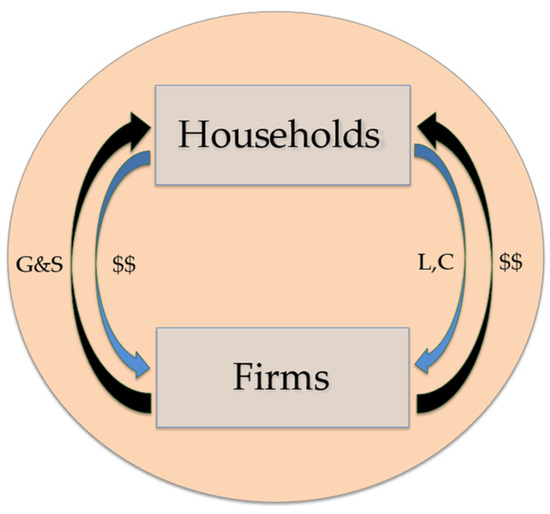
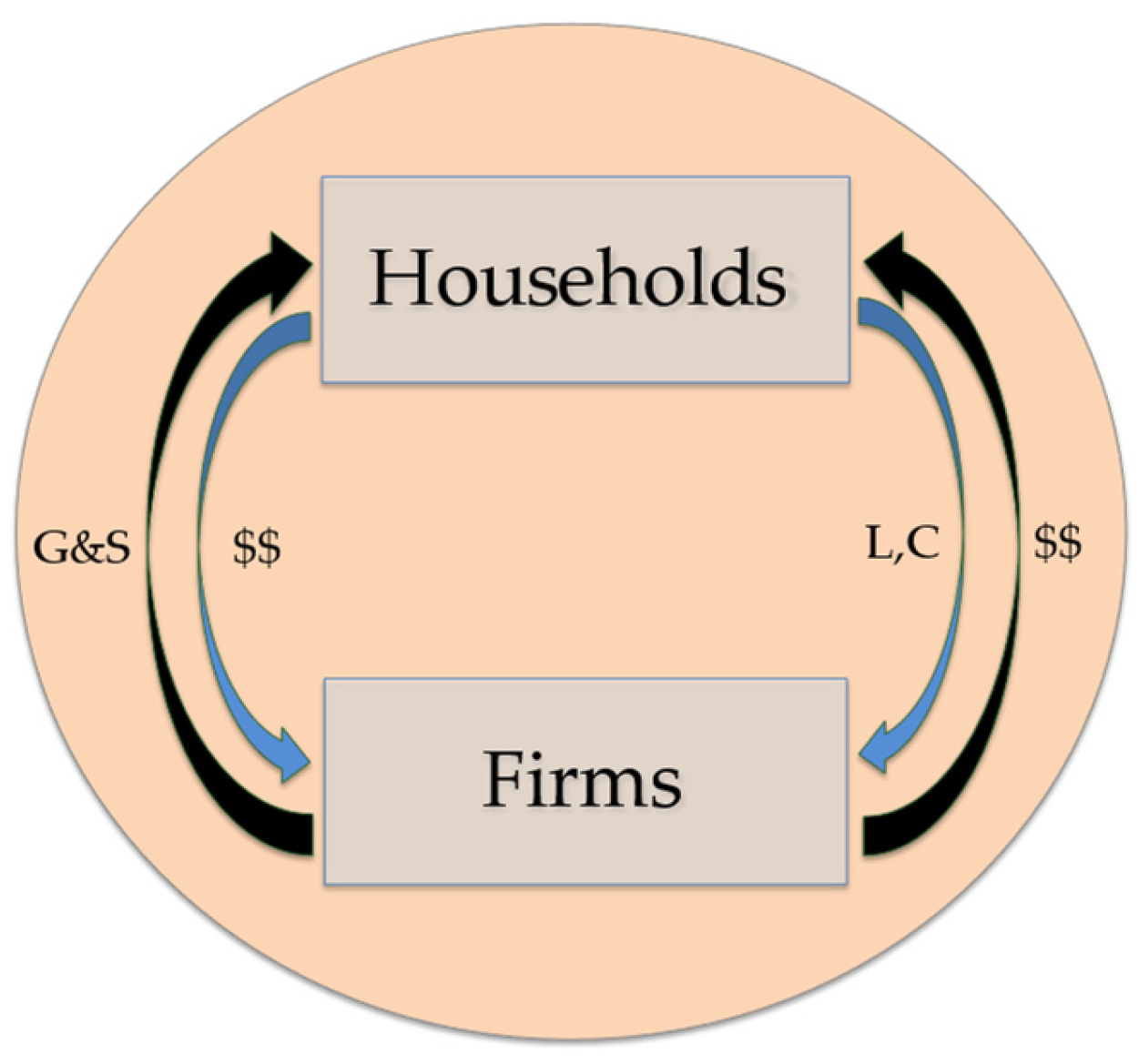
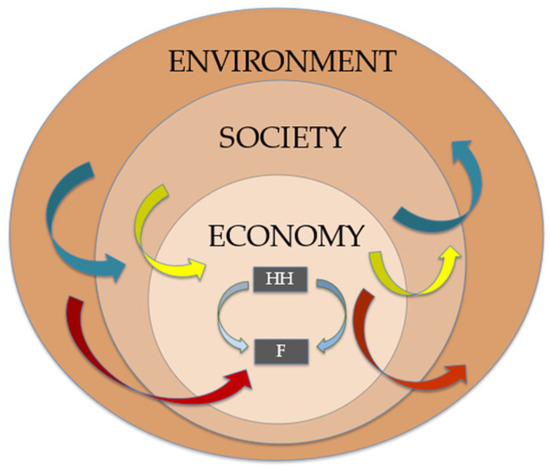
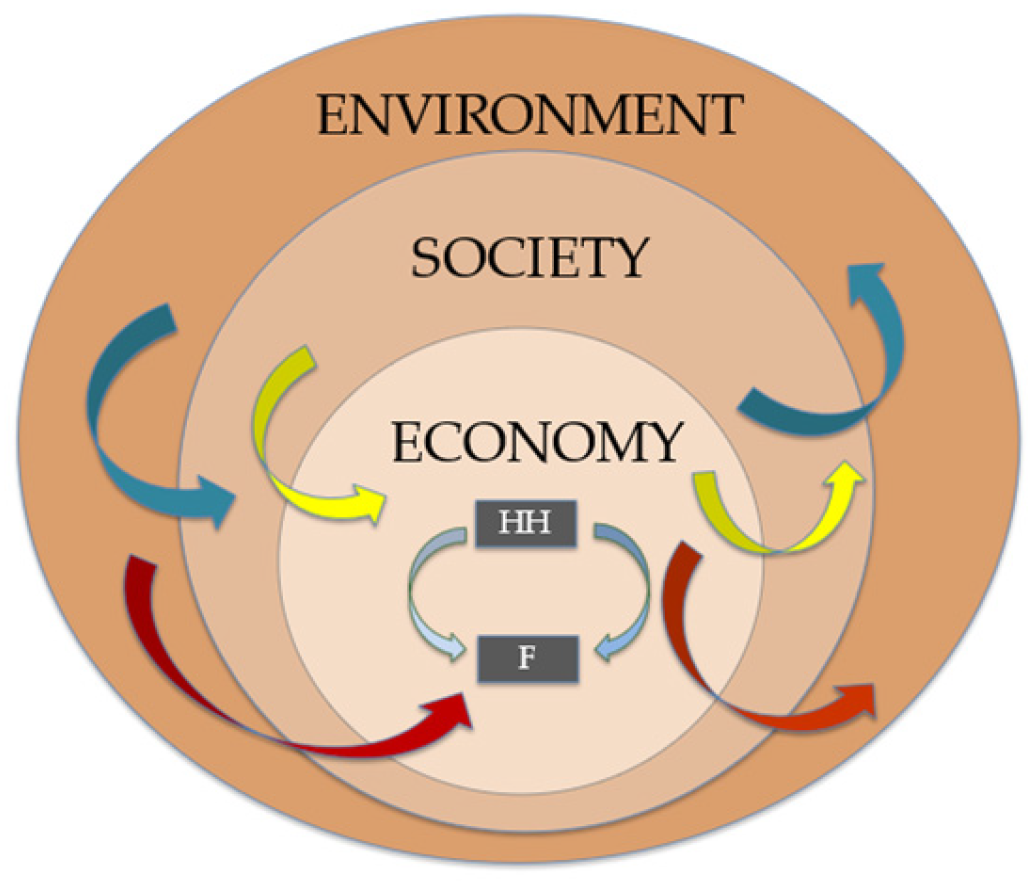
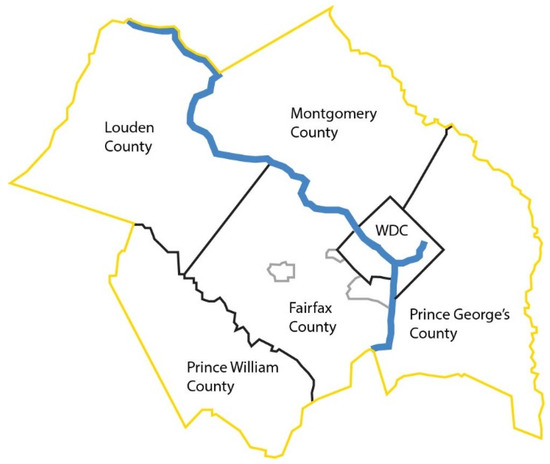
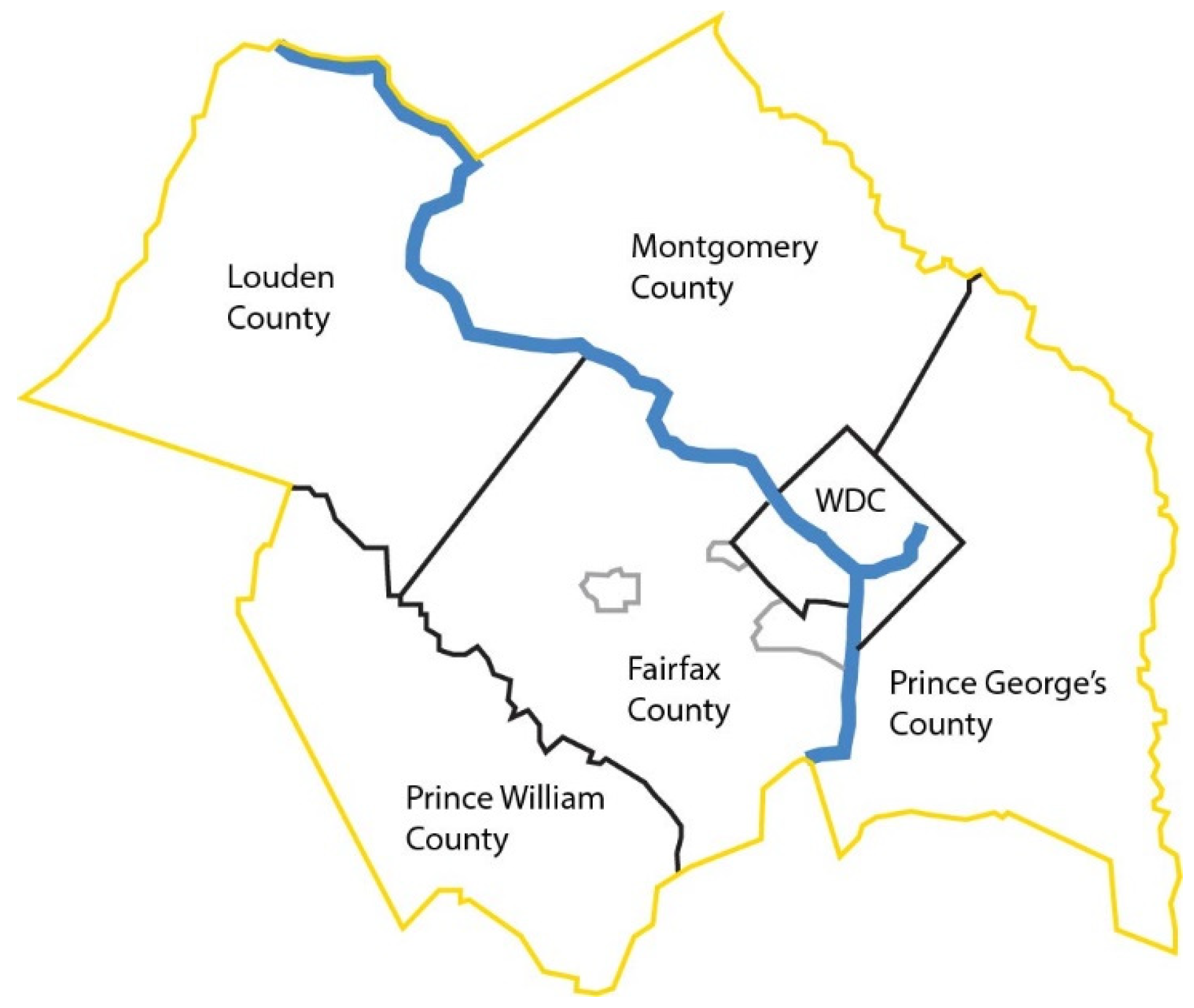
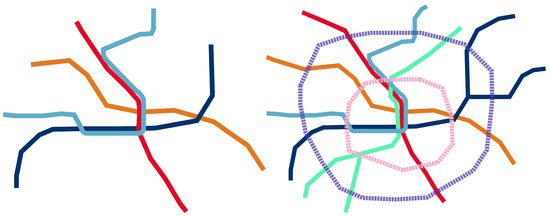


Disclaimer/Publisher’s Note: The statements, opinions and data contained in all publications are solely those of the individual author(s) and contributor(s) and not of MDPI and/or the editor(s). MDPI and/or the editor(s) disclaim responsibility for any injury to people or property resulting from any ideas, methods, instructions or products referred to in the content. |
© 2024 by the authors. Licensee MDPI, Basel, Switzerland. This article is an open access article distributed under the terms and conditions of the Creative Commons Attribution (CC BY) license (https://creativecommons.org/licenses/by/4.0/).