


Abstract
This paper presents a comprehensive review of control techniques, simulation mechanisms, and validation methods applied to DC-DC converters, with a focus on high-step-up topologies used in renewable energy systems such as photovoltaic and wind power applications. Control strategies including classical PID, fuzzy logic, sliding mode, and model predictive control (MPC) are analyzed in terms of performance, robustness, and implementation complexity. Simulation platforms and hardware-in-the-loop (HIL) validation frameworks are also discussed as key enablers for rapid prototyping. The findings reveal a clear trend toward intelligent and hybrid control schemes that combine nonlinear techniques with artificial intelligence to address the inherent nonlinearities and parametric uncertainties of DC-DC converters. However, challenges remain in real-time implementation due to computational demands, which drives the need for future developments focused on the (i) integration of AI-based controllers with low-cost embedded platforms, (ii) standardization of HIL-based validation workflows, and (iii) optimization of converter topologies for specific applications such as electric vehicle charging and photovoltaic grid integration. Looking forward, the convergence of advanced control algorithms, real-time validation platforms, and application-specific converter design is expected to define the next generation of power electronics systems, enabling more efficient, reliable, and scalable renewable energy integration.
1. Introduction
The integration of renewable energy sources into modern electrical systems has driven the need for more efficient, versatile, and reliable DC-DC converters. These converters are fundamental components for conditioning power from sources such as photovoltaic panels, wind turbines, and energy storage systems, ensuring stable and high-quality power transfer to loads or grids. Among the various converter families, non-isolated DC-DC converters have gained significant attention due to their simplicity, high power density, and suitability for applications where galvanic isolation is not mandatory [1,2].
Non-isolated topologies such as Buck, Boost, Buck-Boost, Cuk, SEPIC, Zeta, and Z-Source have been widely adopted in renewable energy systems. Each topology presents specific advantages and limitations in terms of voltage gain, component count, efficiency, and control complexity [3,4]. More recently, advanced configurations including quadratic boost converters, switched-inductor, switched-capacitor, and multilevel topologies have been proposed to achieve higher voltage gains and improved efficiency [5,6,7,8,9].
However, the performance of these converters is largely determined by the control strategy employed. The control system must regulate output voltage or current, ensure stability under varying input and load conditions, and often incorporate maximum power point tracking (MPPT) for photovoltaic applications. The selection of an appropriate control technique involves trade-offs among dynamic response, steady-state accuracy, robustness, computational complexity, and implementation cost [10,11].
Classical control methods such as proportional-integral-derivative (PID) control remain widely used due to their simplicity and low computational requirements [12,13]. However, their limitations in handling nonlinearities and parameter variations have motivated the development of advanced nonlinear control strategies. These include sliding mode control (SMC), which offers robustness against disturbances [14,15]; model predictive control (MPC), which enables multi-variable optimization [16,17]; state-space modeling (SSM), suitable for high-order systems [18,19]; and fuzzy logic control (FLC), which operates without precise mathematical models [20,21].
In addition to converter control, maximum power point tracking (MPPT) algorithms play a critical role in photovoltaic systems. Techniques such as perturb and observe (P&O), incremental conductance, and intelligent methods based on fuzzy logic or neural networks have been extensively studied and compared [22,23].
Recent advances in hardware-in-the-loop (HIL) validation and rapid control prototyping using FPGAs, DSPs, and real-time simulators have significantly accelerated the development and testing of control strategies for DC-DC converters [24,25,26]. These tools enable the evaluation of controller performance under realistic conditions before physical deployment, bridging the gap between theoretical design and practical implementation.
Despite the extensive body of literature on individual control techniques and converter topologies, there remains a lack of comprehensive studies that integrate and compare these diverse approaches within a unified framework. Existing reviews often focus on specific control families or topologies, without offering a holistic analysis that connects converter characteristics, control objectives, and validation methodologies. Furthermore, limited attention has been given to identifying emerging trends and future research directions that align control system development with the evolving demands of next-generation power electronics applications. This gap hinders researchers and practitioners from gaining a clear perspective on the strengths, limitations, and potential synergies among the available control strategies.
This review aims to fill this gap by providing a comprehensive framework for understanding the relationship between non-isolated DC-DC converter topologies and their associated control strategies, while offering a critical analysis of their performance, implementation complexity, and suitability for renewable energy applications. The paper is organized as follows: Section 2 presents the fundamental principles of control techniques applied to DC-DC converters. Section 3 describes advanced control strategies including SMC, MPC, SSM, and FLC. Section 4 addresses MPPT algorithms for photovoltaic applications. Section 5 covers disturbance observer-based control and emerging strategies. Section 6 discusses hardware-in-the-loop validation and rapid prototyping. Section 7 presents a Future Worksof the reviewed techniques. Finally, Section 6 concludes the paper by outlining future research directions and the evolving landscape of control systems for next-generation power electronics.
Review Methodology
This review was conducted following a systematic literature search process. The following databases were searched: IEEE Xplore, Scopus, Web of Science, and Google Scholar. The search was performed using the following keywords and their combinations: ‘DC-DC converter control’, ‘PID’, ‘sliding mode control’, ‘model predictive control’, ‘fuzzy logic control’, ‘state-space modeling’, ‘MPPT’, ‘hardware-in-the-loop’, and ‘HIL validation’. The search period covered publications from 2000 to 2025, with a focus on peer-reviewed journal articles and conference proceedings. Inclusion criteria required that the studies present experimental or simulation results on control techniques applied to non-isolated DC-DC converters, with a clear focus on renewable energy applications. Exclusion criteria included studies on isolated converters, control strategies not directly related to DC-DC conversion, and papers without quantitative performance data. The initial search yielded over 200 papers, which were then filtered based on title, abstract, and relevance to the core topics. A total of 60 key references were selected for in-depth analysis. This systematic approach ensures the comprehensiveness and reproducibility of the review.
2. Control Techniques
Control techniques are fundamental to maximizing the efficiency of DC-DC converters. Their main function is to adjust key parameters, such as the duty cycle, to regulate the input and output voltages based on a reference signal. For example, to achieve the desired voltage, the controller increases the duty cycle if a higher output voltage is required or decreases it otherwise. To achieve precise, high-gain regulation, various control strategies are implemented [13].
These techniques make it possible to optimize specific converter characteristics, such as its efficiency or its transient response time [13,14,27,28]. However, it is important to note that not all parameters can be optimized simultaneously. Therefore, the designer must select the control technique that best suits the requirements of the final application.
2.1. PID Control Techniques
The Proportional-Integral-Derivative (PID) control technique is conventional and effective for controlling DC-DC converters because it is easy to implement and responds well to a wide range of operations for controlling DC-DC converters because it is easy to implement and responds well to a wide range of operations. PID control is one of the most established and widely used techniques in industrial environments, with applications ranging from motor drive systems to the integration of renewable energy sources. Its prevalence is due to its demonstrated effectiveness in controlling DC-DC converters, its ease of implementation, and its strong performance across a wide range of operations [13]. In essence, a PID controller adjusts the duty cycle of the converter’s switch based on the output feedback signal, aiming to achieve the required voltage gain and maintain constant efficiency. The main advantage of PID controllers lies in their simplicity and low computational complexity.
Building on this foundation, current research explores improvements and adaptations of PID control for specific applications. For example, in the context of renewable energy, hybrid control schemes have been proposed to optimize system performance [16]. One area of focus is the optimization of PID controllers for specific converters. In [16,29], the DLFC method is employed to tune a PID controller applied to a Boost converter. This tuned controller regulates voltages in renewable energy sources, using a voltage reference signal provided by a Maximum Power Point Tracking (MPPT) algorithm based on Machine Learning (ML). The results demonstrated that the PID controller optimized with DLFC outperformed other tuning methods such as Grey Wolf Optimization (GWO), Harris Hawks Optimization (HHO), and Particle Swarm Optimization (PSO), exhibiting fewer oscillations and a shorter tracking time in response to changes in load or environmental conditions. This improvement was quantified using metrics such as Mean Absolute Error (MAE) and Root Mean Square Error (RMSE) between the reference voltage and the output voltage.
In parallel, the theoretical and computational study of these control systems is fundamental to ensuring their stability and performance. Along these lines, ref. [13,16,30,31] describes two computational models designed to analyze the dynamics of a DC-DC buck converter controlled by digital PID feedback. The first model performs a frequency analysis to evaluate the stability of the control loop. To do this, the converter dynamics (based on an approximate continuous model) are formulated using a system of two first-order differential equations for the inductor current and the load voltage. From the linear differential equation of the feedback loop, the open-loop frequency characteristics are calculated, allowing conclusions to be drawn about the stability of the closed-loop system. The second model, based on a numerical integration method (implicit Euler scheme), focuses on the study of the transient and steady-state modes of the controlled converter.
Finally, the application of these control techniques extends to more complex systems, such as electric vehicle propulsion. In [17,27,32], the use of high-gain Quadratic Boost Converters (QBC) to control Permanent Magnet Synchronous Motors (PMSM) is explored. The study proposes a novel scheme combining a Semi-Converter (SC), a QBC, and a Three-Phase Inverter (TPI), controlled by different strategies in dual mode. Figure 1 illustrates the proposed simulation setup used to test the system’s performance under various control strategies. PI (Proportional-Integral), FOPID (Fractional Order Proportional-Integral-Derivative), and PR (Proportional-Resonant) controllers were compared in a symmetric loop.
Figure 1.
Simulation schematic of the PMSM propulsion system with QBC, SC, TPI, and PI, FOPID, PR controllers.
Simulations showed that the PR-PR control approach significantly improved the PMSM’s performance parameters—such as voltage, speed, and torque—in the face of disturbances, offering better time-domain characteristics (rise time of 1.15 s, peak time of 2.38 s, settling time of 4.12 s, and steady-state error of 4.89 s) compared to the PI-PI framework. An experimental module validated the advantages of the PR-PR approach in this propulsion system [32].
2.2. Sliding Mode Control (SMC)
The sliding mode controller (SMC) is a nonlinear controller of discontinuous nature that exhibits robust performance against external disturbances. In its operation, the system converges toward a sliding surface to reduce the error between the output voltages and the reference voltages, sliding on said surface to maintain stability. However, this type of control presents the phenomenon of chattering, a term that refers to the high-frequency oscillations that occur before the system reaches an ideal sliding regime [17,18]. A common strategy to mitigate this effect is to combine SMC with other control techniques.
The principle of this control method is to keep the output signal equal to or close to the reference value on the sliding surface. The schematic of the SMC system applied to a DC-DC converter is shown in Figure 2. The SMC receives the feedback signal and based on it, generates the switching signals [17,18,31,33].
Figure 2.
Block diagram of the sliding mode control (SMC) scheme integrated with a DC-DC converter, showing the feedback loop and sliding surface [33].
This study, the single-integral sliding mode control scheme is employed for maximum power extraction. Under partial shading conditions, the sliding mode control (SMC) scheme extracts the maximum power by using an effective sliding surface duty cycle in combination with a DC-DC boost converter. Compared with other existing maximum power point tracking (MPPT) schemes, this dynamic sliding surface selection operation improves the efficiency of the solar panel.
To reduce the steady-state voltage error of the solar panel and increase the sliding duty cycle ratio, a feedback loop control scheme has been designed for the dynamic operation of sliding mode surface control. A sliding duty cycle is used to trigger the DC-DC boost converter as a switch for the input gate signal of the converter. As a result, higher efficiency is achieved with an increased sliding surface duty ratio. This sliding surface duty ratio is limited in the sliding mode MPPT control scheme, and further progress is required to achieve the maximum duty cycle ratio.
The single-integral sliding mode control (SISMC) scheme improves the sliding surface duty cycle ratio by incorporating the voltage error that occurs in the SMC scheme. Therefore, the proposed SISMC scheme represents the main application of SISMC compared with the SMC scheme, as it offers effective dynamic sliding operation by integrating a steady-state voltage error signal and allows overcoming the gap in the maximum sliding duty cycle ratio.
This article discusses the design and performance analysis of the SMC and SISMC schemes for MPPT control. A MATLAB®/Simulink® R2021b model (The MathWorks, Inc., Natick, MA, USA) model was designed and verified to corroborate the performance of the proposed SISMC MPPT scheme. This article also presents the comparison results of the suggested SISMC MPPT scheme with SMC schemes [1,17,18].
2.3. Model Predictive Control
Model Predictive Control (MPC) is a novel and non-traditional method whose operation is based on receiving feedback from the control algorithm. It uses a model of the system to predict the value of the next state and generates signals to appropriately control the converter. The MPC controller can manage multiple-input multiple-output (MIMO) systems [16], which is a significant advantage [19].
This controller can regulate both the internal parameters and the system outputs. Furthermore, the MPC controller can be combined with cost function minimization, operating cost optimization, economic load allocation, and optimized power flow management.
Due to the intermittent changes and uncertain behavior of the DC-DC converter, effective control is essential. Figure 3 illustrates how model predictive control is implemented in a DC-DC converter. The predictive control algorithm uses feedback from the output signal of the DC-DC converter to predict the next state of the converter and sends the corresponding signal to ensure smooth operation. Disturbances may occur on either the input or output side of the converter.
Figure 3.
Control of the DC-DC converter using the MPC technique [20].
Recent MPC implementations for grid-connected converters have focused on enhancing system inertia and frequency regulation, particularly in the context of increasing renewable penetration. A common strategy involves integrating MPC with Virtual Synchronous Generator (VSG) algorithms to emulate inertia and reduce the rate of change of frequency (RoCoF) in isolated AC microgrids [27]. Within this context, Finite-Set Model Predictive Control (FS-MPC) has emerged as a preferred approach due to its simple control construction, high dynamic performance, and inherent current limiting capability [27]. Compared to traditional PI-based methods, these MPC strategies offer faster transient response and better handling of multi-variable constraints, although they require higher computational effort and accurate system models. A common trend across these works is the use of cost function minimization to simultaneously regulate voltage, power flow, and switching frequency, demonstrating the flexibility of MPC in addressing multiple control objectives in grid-connected applications.
2.4. State-Space Modeling for DC-DC Converters
State-space modeling (SSM) is the mathematical modeling of a real system using inputs, outputs, state variables, and equations. The state equations, which are divided into two categories, serve to represent the SSM of a real system. The order and number of equations in the state-space model depend on the number of inputs and outputs contained in the physical system [21,22]. The state-space model can easily represent higher-order real systems in the time domain.
State-space modeling (SSM) only requires fundamental representations of real systems, making it suitable for nonlinear and multiple-input multiple-output systems [23]. Figure 4 shows how the state-space modeling technique controller operates in a DC-DC converter. SSM acts as a mathematical controller that uses a model to efficiently manage the system states, offering advantages such as reducing the order of complex systems and decreasing computational time.
Figure 4.
SSM control for DC-DC converter [20].
Figure 4 shows a feedback control loop implemented with state-space modeling in a DC-DC converter, making it suitable for systems that require high precision.
Electric vehicles are becoming a cornerstone of road transportation. However, the uneven distribution of electric vehicle charging points in urban areas has led to the problem of “range anxiety.” This has become a significant concern for consumers when purchasing electric vehicles and hinders the development of the electric vehicle industry. In electric vehicle applications, state-space modeling has been instrumental in designing lightweight, high-gain DC-DC converters for energy sharing between vehicles [23,34]. A representative approach involves constructing a quadratic boost converter with a state-space model that uses a single switching element to achieve wide voltage gain while reducing component count and weight [23,34]. Compared to conventional voltage-mode controllers, improved SSM-based controllers avoid the trade-off between transient and steady-state performance by reducing integral action and minimizing feedback signals [23,34]. This trend toward reduced component count and improved dynamic performance is common across SSM-based designs for portable and high-power-density applications. Overall, SSM provides a rigorous mathematical framework that enables high-precision control while reducing computational complexity, making it particularly suitable for high-order nonlinear and MIMO systems [21,22,23]. Table 1 presents the performance indicators of batteries from different electric vehicle brands, illustrating the wide voltage range and high-power requirements that motivate the proposed converter design. As shown, battery voltages span from approximately 300 V to 835 V, while fast-charging power levels range from 50 kW to 270 kW. This diversity underscores the need for a DC-DC converter capable of wide voltage gain, high efficiency across a broad operating range, and sufficient power handling to support fast charging applications. Furthermore, the compact size and light weight required for a portable energy mutual aid device demands a converter topology with reduced component count and high-power density characteristics addressed by the proposed quadratic boost converter with improved voltage-mode control.
Table 1.
Performance indicators of batteries from different electric vehicle brands.
The wide voltage range and high-power requirements summarized in Table 1 illustrate the key design challenges that SSM-based controllers must address in EV applications. For instance, the quadratic boost converter’s state-space model must ensure stable operation across the entire battery voltage range (300–835 V) while maintaining tight voltage regulation during fast charging (up to 270 kW) [34]. The reduced component count enabled by SSM-based control directly addresses the compact size and light weight requirements imposed by portable EV applications, as highlighted in Table 1.
2.5. Control Fuzzy Logic
The most recent controller in the category of non-conventional and nonlinear controllers is the Fuzzy Logic Controller (FLC). The FLC operates similarly to the human thought process, using predefined rules to simulate such a process. Membership functions are linguistic rules that define the system inputs and outputs. The FLC does not require any mathematical model, making it much simpler than SSM and MPC. Furthermore, the FLC can be implemented in nonlinear systems.
The FLC receives the crisp value from the system as feedback, converts it into a linguistic form, and compares it with the membership functions in a process called fuzzification. It then converts the linguistic phrases back into a crisp value, a process known as defuzzification.
Fuzzy Logic Control (FLC) is particularly suited for nonlinear systems with uncertain boundary conditions, as it operates without requiring precise mathematical models. Instead, it uses linguistic rules and membership functions to simulate human reasoning [24]. However, its main drawbacks include high computational load and reliance on expert-defined rules, which often result in long settling times [24]. Despite these limitations, FLC has been successfully applied across diverse domains, including electric vehicle braking systems [25,26], marine vessels and underwater vehicles [35], industrial power generation [36,37,38], and photovoltaic systems with SEPIC topologies [8,39]. In grid-connected applications, FLC has been used to control multiple-input DC-DC converters in boost mode [34]. A common trend across these applications is the combination of FLC with other control strategies to mitigate computational demands, highlighting its flexibility and adaptability to a wide range of nonlinear systems.
The algorithm used to control a DC-DC converter using FLC, which receives feedback from the DC-DC converter, is shown in Figure 5. The red dashed box in the figure encloses the Knowledge Base, which consists of the Rule Base and Data Base.
Figure 5.
Fuzzy logic control (FLC) scheme for a DC-DC converter, illustrating the fuzzification, rule evaluation, and defuzzification stages [40].
2.6. MPPT Algorithm
Photovoltaic modules must operate at their maximum power point (MPP) to maximize energy delivery to the load or storage system. To achieve this, various maximum power point tracking (MPPT) techniques have been developed, including open-circuit voltage [41,42], short-circuit current [43,44], fuzzy logic-based methods [32,45], perturb and observe (P&O) [7,30], and incremental conductance [46,47]. Among these, the P&O method is one of the most widely adopted due to its straightforward implementation and low computational complexity.
The P&O algorithm operates by applying small, periodic disturbances to the control variable typically the duty cycle of the DC-DC converter and evaluating the resulting effect on the PV panel output power. At each sampling instant, the algorithm acquires the PV panel voltage and current to compute the instantaneous power.
The algorithm then compares the current power and voltage values with those from the previous sampling instant. The algorithm determines whether the previous perturbation moved the operating point toward or away from the MPP by evaluating the product of the power change (ΔP) and the voltage change (ΔV) or duty cycle change (ΔD). If the product is positive (ΔP·ΔV > 0), the operating point is on the left side of the MPP, and the algorithm continues perturbing in the same direction. If the product is negative (ΔP·ΔV < 0), the operating point is on the right side of the MPP, and the perturbation direction is reversed.
This iterative process drives the operating point toward the MPP, causing it to oscillate around the optimum in steady state. The magnitude of the perturbation step determines the trade-off between tracking speed and steady-state oscillations: a larger step size improves dynamic response but increases steady-state power losses, while a smaller step size reduces oscillations at the cost of slower convergence.
The conventional P&O method has a key limitation: its sensitivity to rapid changes in irradiance. Under such conditions, the algorithm may misinterpret power variations caused by environmental changes as being the result of its own perturbation, leading to temporary tracking errors and efficiency degradation. To mitigate this issue, advanced implementations may incorporate adaptive step sizes, variable sampling rates, or hybrid control strategies [32,45].
While MPPT algorithms ensure optimal energy extraction from photovoltaic sources, their performance is often compromised by external disturbances such as rapid irradiance changes, temperature variations, and load fluctuations. In practical renewable energy systems, particularly those involving bidirectional power flow and energy storage, these disturbances can significantly affect the stability and dynamic response of the DC-DC converter. To address these challenges, disturbance observer-based control strategies have emerged as a complementary approach. By estimating and compensating for input voltage and load uncertainties, these observers enhance the robustness of the overall control system, enabling the converter to maintain stable operation even under severe perturbations. This synergy between MPPT and disturbance observer techniques reflects a broader trend in modern power electronics: the integration of advanced control layers that not only optimize energy extraction but also ensure system resilience in the presence of uncertainties.
2.7. Emerging Control Strategies for Multi-Port and Isolated Converters
The bidirectional DC-DC converter plays a vital role in the energy recovery system of new energy vehicles. However, external disturbances and parameter uncertainty can easily affect its dynamic performance. To address the impact of input voltage and load uncertainty on bidirectional converters, a fixed-time control strategy based on a disturbance observer is proposed. First, the model of the bidirectional converter undergoes a coordinate transformation, and disturbance observers are designed to compensate for input voltage and load disturbances. Second, based on fixed-time control theory, a fixed-time controller is designed for the bidirectional DC-DC converter that facilitates rapid output voltage tracking and adjustment without requiring measurement of the input voltage and load current. Simulation and experimental evaluations are conducted to assess the effectiveness of the proposed scheme in output voltage regulation [39], as shown in Figure 6.
Figure 6.
Bidirectional DC-DC converter [39].
Isolated multi-port converters offer the ability to connect multiple sources and loads operating at different power and voltage levels across their ports, providing galvanic isolation and shared magnetism as key benefits. However, these converters present challenges, mainly due to port coupling, a high number of modulation variables, and overall modeling complexity.
Recent developments in multi-port isolated converters have addressed the challenges of port coupling, high modulation variables, and modeling complexity. A notable approach is the application of four-dimensional ripple correlation control (4D-RCC) to quadruple active bridge (QAB) converters, which enables online efficiency optimization through fundamental component analysis and decoupling control matrices. This strategy has been validated through both simulation (PLECS) and experimental results from a 5 kW prototype [41]. Similarly, in isolated electrical systems such as island or mountain microgrids, hybrid inverter topologies combining PV and battery storage have been proposed to maintain stable frequency and voltage under rapid load changes, while managing harmonic distortion through LCL filters and bidirectional DC-DC converters [43]. A common thread across these works is the emphasis on decoupling control strategies to manage multiple power sources and loads independently, thereby improving overall system stability and efficiency. However, challenges remain in real-time implementation and scalability to higher power levels.
The two-stage interleaved topology helps reduce DC bus voltage and battery current fluctuations, thereby improving power conversion efficiency. Additionally, an LCL filter is installed to reduce harmonic components in the DC-AC inverter outputs. The control performance of the hybrid inverter prototype was investigated under various off-grid operating scenarios, and the experimental findings indicated that the proposed hybrid inverter effectively managed fluctuations in PV power and load requirements, as well as low and high levels of harmonic distortion [43], as illustrated in Figure 7 and Figure 8.
Figure 7.
Schematic of the DC-bus PV-battery off-grid hybrid system.
Figure 8.
Block diagram of the grid-connected PV system with boost converter, full-bridge inverter, and MPPT/BMS-EMS control.
3. Prototyping, Validation, and Hardware-in-the-Loop (HIL) Frameworks
The rapid control prototyping methodology is limited in nonlinear systems, but it shows significant potential in the field of DC-DC converters. Below is a structured analysis of the most relevant works in this discipline, highlighting their contributions and specific approaches.
Implementations in Converter and Motor Control via Switched Frequency Machine Control [29], using the following tools: NI Kintex FPGA, LabVIEW™ 2020 SP1 (National Instruments, Austin, TX, USA). A real-time simulation of a speed-controlled switched frequency machine is applied, as shown in Figure 9.
Figure 9.
FPGA-based implementation for speed control of the SRM-based controller [29].
Validation is carried out using a physical test bench to verify the simulations. The control of a Permanent Magnet Synchronous Motor (PMSM) is applied [48] using the following tools: FPGA and a PI algorithm for cascade control. This application is aimed at optimal speed and position control of the PMSM, with disturbance correction achieved through a real-time observer.
The Active Power Filter (APF) proposed in this work [49] was implemented using MATLAB® R2021B (The MathWorks, Inc., Natick, MA, USA) and a TMS320F28335 microcontroller (Texas Instruments, Dallas, TX, USA). The application employs proportional-integral (PI) control for nonlinear load management in a PWM-based bridge-type converter [27,28], using tools such as a server interface board, high-precision PWM control, and a 500 W converter control application with high supply frequency and frequency response. Its main applicability lies in renewable energy and digital simulation. Its main applicability lies in renewable energy and digital simulation, as illustrated in Figure 10.
Figure 10.
Conventional RPC system [27,48,49].
Prototypes with MIC955 and RTAI-Lab [50,51,52], using GNU Linux Fedora, Scilab/Scicos, and RTAI-Lab tools, in an application focused on temperature control design with Anti-Windup compensation.
Digitally Controlled Oscillators (DCO) [53] utilized HDL and discrete-event simulation.
Application to Thermal and Flicker Modeling for Digitally Controlled Oscillators and Open-Source Hardware [54], using CACSD tools and open-source hardware, in an application involving real-plant interfacing for control and data acquisition with high sampling frequency.
Model Predictive Control (MPC) [55,56], using FPGA tools and low-power analog circuits in an application focused on analog circuit emulation for high-speed systems with limited resources, with contributions in software testing and embedded systems architecture.
Characteristics and Testing of Embedded Systems [57], employing a technical approach and best practices in embedded software, modeling, and testing, with application in embedded software architecture and design for real-time optimization.
This classification highlights the diversity of validation approaches and the emerging trends toward hybrid validation frameworks.
The works summarized in Table 2 reveal several trends in the validation of control strategies for DC-DC converters. FPGA-based platforms, particularly from vendors such as Xilinx and NI, dominate the landscape of rapid control prototyping due to their flexibility and real-time capabilities. Tools like MATLAB®/Simulink® R2021b model (The MathWorks, Inc., Natick, MA, USA)and OPAL-RT 2020.2 (OPAL-RT Technologies, Montreal, QC, Canada) are widely adopted for hardware-in-the-loop (HIL) simulation, enabling controller testing under realistic conditions before physical deployment.
Table 2.
Summary and classification of prototyping, validation, and hardware-in-the-loop (HIL) implementations for DC-DC converters and power electronics systems.
However, several gaps remain. First, most validation efforts focus on conventional topologies (Buck, Boost) and classical control methods (PID), with limited exploration of advanced nonlinear controllers on emerging topologies such as quadratic or multilevel converters. Second, there is a lack of standardized benchmarking frameworks, making it difficult to compare controller performance across different studies. Third, the integration of machine learning-based controllers into real-time hardware is still in early stages, with limited validation under actual field conditions.
Future validation efforts should prioritize: (i) development of open-source benchmarking platforms to facilitate reproducibility; (ii) expansion of HIL testing to include fault-tolerant and cybersecurity scenarios; and (iii) closer integration of hardware prototyping with AI-based control frameworks.
A critical observation from Table 2 is the systematic absence of key performance metrics in the reviewed HIL validation studies. Specifically, latency and step size—two fundamental parameters that determine the fidelity and real-time capability of HIL simulations—are not reported in the majority of the reviewed works (marked as “N.R.” in Table 2). Only a few studies provide quantitative data on sampling time and HIL step size. This reporting gap significantly hinders the reproducibility and fair comparison of HIL validation frameworks, as latency directly affects the achievable control bandwidth and the accuracy of fault emulation. Similarly, the step size determines the granularity of the simulation and its ability to capture high-frequency switching dynamics. Without these metrics, it is difficult for researchers to assess the validity of HIL results or to replicate them on different platforms. We therefore recommend that future HIL studies adopt a minimum reporting standard that includes: (i) HIL step size (µs), (ii) control loop latency (µs), (iii) sampling frequency (kHz), and (iv) the specific hardware platform and software tools used.
Rapid control prototyping in nonlinear systems, particularly in DC-DC converters, shows promising development. Applications range from motor and converter control to innovations in digital simulations and renewable energy. The tools and techniques employed, such as FPGAs, MATLAB, and various digital controllers, enable precise validation and performance improvements in these systems. The integration of best practices in embedded software design and testing also reinforces the efficiency and reliability of these systems in real time.
Below are some of the most impactful works related to the field of power electronics based on the Hardware-in-the-Loop (HIL) technique.
Hardware-in-the-Loop (HIL) technology has revolutionized power electronics by enabling the simulation and testing of complex systems in real time. This state-of-the-art review encompasses various applications and advances in the field, integrating HIL with converter models. Some of the most important applications in this area are as follows:
3.1. Simulation and Model Validation
Simulation tools and model validation techniques play a crucial role in the development of reliable control strategies for power electronic systems. These approaches can be broadly categorized into system-level modeling and component-level optimization.
At the system level, thermal modeling tools such as Energy Plus have demonstrated strong correlation between simulation predictions and practical measurements, validating their effectiveness for energy management applications in buildings [55]. Complementing these system-level efforts, semiconductor-level research has focused on microfabrication techniques for integrated filters, achieving significant reductions in power losses and improvements in switching frequency [56].
Together, these complementary approaches highlight that while thermal and semiconductor-level modeling are essential for system optimization, their seamless integration with converter control strategies remains an area requiring further exploration. A common challenge across both domains is the need to bridge the gap between component-level performance and system-level control objectives, particularly in high-frequency power conversion applications where thermal behavior and switching losses are tightly coupled.
3.2. Five-Level Inverters with Switched Capacitors
Two types of single-phase five-level DC-AC inverters with asymmetrical switched capacitors are presented, based on the clamping half-bridge circuit and the output half-bridge circuit. The switches of the two proposed circuits can be driven by half-bridge gate drivers and modularized. A detailed analysis of the operating principle, clamping capacitor design, and output filter of these two inverters is presented. Finally, the feasibility and validity of the proposed structures are verified through simulated results in PSIM 9.1.4 (Powersim Inc., Rockville, MD, USA) and experimental results using an FPGA as the control core [7].
4. Microgrid Applications of DC-DC Converters
DC-DC converters are essential components in microgrid systems, where they interface renewable energy sources (such as photovoltaics and wind), energy storage systems (batteries and supercapacitors), and loads. In these applications, the control strategies reviewed in this paper such as PID, SMC, MPC, and FLC are critical to ensure stable voltage regulation, efficient power flow, and fast dynamic response under variable generation and load conditions. Recent studies have demonstrated the effectiveness of these controllers in DC microgrids for tasks like voltage restoration, current sharing, and maximum power point tracking [46,48,49]. However, the specific challenges related to microgrid-level coordination, communication delays, and decentralized control are beyond the scope of this review, which focuses on the converter-level control techniques.
Photovoltaic Converter Control [28] using MATLAB® tools for a boost converter, with application in maximum power point tracking (MPPT) for photovoltaic systems using digital signal processing (DSP).
HIL Simulator for Converters [50]: Utilizing OPAL-RT 2020.2 (OPAL-RT Technologies, Montreal, QC, Canada) tools, a TI DSC controller, MATLAB, and a scalable software development application for HIL simulation. Scalable software development application for HIL.
Analog outputs, taken from [50] with Real-Time Workshop (RTW) [51] using MATLAB®/Simulink® R2021b model (The MathWorks, Inc., Natick, MA, USA)tools. Its application is focused on voltage-mode control in Buck converters, utilizing PIDF control and managing voltage and load variations.
5. Discussions of Results
The results obtained from the review of control techniques applied to DC-DC converters reveal a clear set of trade-offs among control complexity, dynamic performance, steady-state accuracy, and implementation requirements. This diversity explains why no single control strategy emerges as universally optimal; rather, the literature presents a portfolio of solutions tailored to specific application scenarios and converter topologies. To assist designers in navigating these options, Table 3 maps specific application requirements to recommend converter topologies and control strategies, providing a practical reference for control selection.
Table 3.
Recommended control–topology combinations for specific applications.
5.1. Conventional Control Techniques
In the case of conventional controllers, PID control remains a key reference due to its simplicity of implementation and well-understood behavior. PID controllers achieve fast transient response and are easily combined with other strategies [13,14,15,16]. However, their limitations in steady-state error and overshoot restrict their application in systems requiring high precision. Recent studies have demonstrated that optimized PID controllers, tuned with techniques such as DLFC, can outperform metaheuristic optimization methods like GWO, HHO, and PSO, achieving reduced oscillations and faster tracking times under varying load or environmental conditions [29]. Frequency-domain analysis and numerical integration methods have also been employed to evaluate stability and transient behavior in digitally controlled Buck converters [30].
5.2. Nonlinear and Robust Control Strategies
Sliding Mode Control (SMC) offers robust performance against external disturbances and fast dynamics, with convergence toward the sliding surface to minimize output voltage error [17,18]. Nevertheless, the chattering phenomenon remains a significant limitation, manifesting as high-frequency oscillations before reaching steady state. To mitigate this effect, hybrid approaches combining SMC with other techniques have been proposed. Notably, the Single-Integral Sliding Mode Control (SISMC) scheme improves the sliding surface duty cycle ratio by incorporating steady-state voltage error, enabling effective dynamic sliding operation under partial shading conditions in photovoltaic applications [1]. Comparative results indicate that SISMC outperforms conventional SMC in MPPT efficiency.
Model Predictive Control (MPC) stands out for its ability to manage multiple-input multiple-output (MIMO) systems while incorporating cost function minimization and optimized power flow management [16,19]. As a non-traditional method, MPC uses system models to predict future states and generate appropriate control actions; however, the specific implementation varies considerably. Finite-Control-Set MPC (FCS-MPC) directly selects the optimal switching state from a finite set without a modulator, making it well-suited for fast-switching power converters but requiring exhaustive evaluation of all possible states. Continuous-Control-Set MPC (CCS-MPC) computes continuous control signals that are subsequently modulated via PWM, offering a fixed switching frequency and smoother steady-state behavior at the cost of online optimization. Explicit MPC pre-computes the control law offline as a piecewise affine function, enabling extremely fast online execution while requiring significant memory and offline computational effort. Each approach presents distinct trade-offs in computational load, memory, and implementation complexity, making the choice highly application-dependent. Its application to parallel-connected three-phase Split-Source Inverters (SSI) with Virtual Synchronous Generator (VSG) algorithms has demonstrated effective frequency regulation and rate of change of frequency (RoCoF) reduction in isolated AC microgrids [27]. However, MPC generally presents challenges related to parameter dependence, and the computational burden varies significantly across the different implementations.
State-Space Modeling (SSM) provides a mathematical framework suitable for high-order nonlinear and MIMO systems [21,22,23]. Its ability to reduce complex system order and computational time makes it particularly attractive for high-precision applications. In the context of quadratic boost converters for electric vehicle energy mutual aid devices, SSM enabled the development of improved voltage-mode controllers that avoid trade-offs between transient and steady-state performance while reducing device weight through fewer feedback signals [34].
Fuzzy Logic Control (FLC) operates without requiring precise mathematical models, instead using linguistic rules and membership functions to simulate human reasoning [24]. This characteristic makes FLC particularly suitable for nonlinear systems with uncertain boundary conditions. FLC offers high stability, low overshoot, and efficient tracking response. Its applications span electric vehicle braking systems, marine vessels, underwater vehicles, and power generation systems [25,26,35,36,37,38]. In photovoltaic systems with SEPIC topologies, FLC has demonstrated improved efficiency [39]. The primary limitations include high computational load and the need for expert rules, which can result in long settling times.
5.3. Maximum Power Point Tracking Algorithms
Among MPPT techniques, the Perturb and Observe (P&O) method remains the most widely used due to its straightforward implementation [7,30]. The algorithm applies small perturbations to the duty cycle and monitors power variations to track the maximum power point. While effective under uniform irradiance conditions, its performance degrades under rapid environmental changes. Alternative approaches such as incremental conductance [46,47] and fuzzy logic-based MPPT [32,45] offer improved tracking accuracy at the expense of increased computational complexity.
5.4. Advanced and Emerging Control Strategies
Recent developments in bidirectional DC-DC converters have introduced disturbance observer-based fixed-time control strategies that compensate for input voltage and load uncertainties without requiring direct measurement of these quantities [39]. Experimental results demonstrate rapid output voltage tracking and reduced switch stress under load changes.
For multi-port isolated converters, four-dimensional ripple correlation control (4D-RCC) applied to quadruple active bridge (QAB) converters enables online efficiency optimization through fundamental component analysis and decoupling control matrices. Simulation and experimental results from a 5 kW prototype validated the effectiveness of this approach [41].
In the context of microgrid applications, fault-tolerant control schemes for bidirectional converters in battery energy storage systems (BESS) have been developed to detect open-circuit faults (OCFs) and reconfigure topologies using minimal additional components (two power switches and n TRIACs). Experimental results show that rapid fault detection and reconfiguration lead to lower switch stress and reduced DC voltage deviation [49].
5.5. Hardware-in-the-Loop Validation and Rapid Prototyping
The integration of Hardware-in-the-Loop (HIL) validation and rapid control prototyping has become essential for modern power electronics development. As summarized in Table 2, FPGA-based implementations using tools such as LabVIEW™ 2020 SP1 (National Instruments, Austin, TX, USA), OPAL-RT 2020.2 (OPAL-RT Technologies, Montreal, QC, Canada), and MATLAB®/Simulink® R2021b model (The MathWorks, Inc., Natick, MA, USA)enable real-time simulation and validation of complex converter systems [27,28,29,48,49,50]. These platforms facilitate the testing of control algorithms under realistic conditions before physical deployment, significantly reducing development time and improving reliability.
Notable contributions include:
- FPGA-based speed control of switched frequency machines validated with physical test benches [29]
- Real-time PMSM control with disturbance observers for optimal speed and position tracking [48]
- HIL simulation for converters using OPAL-RT 2020.2 (OPAL-RT Technologies, Montreal, QC, Canada)and TI DSC controllers, enabling scalable software development [50]
- Automatic code generation for power electronics converters using Real-Time Workshop [28,51]
5.6. Summary of Comparative Findings
The analysis confirms that the relationship among control complexity, dynamic performance, steady-state accuracy, and implementation cost is decisive in selecting a control strategy for DC-DC converters in renewable energy systems. While conventional PID control remains competitive for simple, low-cost applications, the results show that nonlinear techniques such as SMC, MPC, SSM, and FLC represent highly attractive alternatives for emerging applications, as they adequately balance robustness, dynamic response, and control feasibility.
Table 4 summarizes the main characteristics, benefits, and limitations of each control technique, highlighting:
Table 4.
Summary of control techniques for non-isolated DC-DC converters: key findings.
- PID: Simplicity and fast transient response at the cost of steady-state error and overshoot
- SMC: Robustness and fast dynamics limited by chattering effects
- MPC: MIMO capability and efficient tracking with high computational demands
- SSM: Suitable for high-precision and MIMO systems, requiring detailed models
- FLC: No mathematical model needed, but high computational load and rule dependency
Table 2 provides a structured classification of prototyping and validation works, demonstrating the widespread adoption of FPGA-based platforms, HIL simulation, and real-time tools for control implementation in modern power electronic systems.
Overall, the review establishes that the selection of control techniques must be closely aligned with converter topology, application requirements, and available validation resources. The increasing complexity of renewable energy systems demands advanced control strategies, while the availability of HIL and rapid prototyping tools enables their practical implementation with reduced risk and development time.
To provide a concise synthesis of the main findings from this review, Table 4 summarizes the key strengths, limitations, and typical applications of the control techniques analyzed. This comparative framework assists researchers and practitioners in selecting appropriate control strategies based on specific application requirements, converter topology, and available implementation resources.
Table 4 summarizes the main characteristics, benefits, limitations, and typical applications of each control technique discussed in this review.
The analysis of control techniques for non-isolated DC-DC converters reveals a clear trajectory toward greater intelligence, adaptability, and integration. Future developments will likely be shaped by three main drivers: (i) the integration of machine learning for real-time parameter adaptation and fault prediction; (ii) the adoption of wide-bandgap semiconductors enabling higher switching frequencies and demanding more robust control strategies; and (iii) the convergence of control design with hardware-in-the-loop validation frameworks that allow rapid prototyping and certification. Addressing these directions will require closer collaboration between control theorists, hardware designers, and system integrators to ensure that theoretical advances translate into practical, reliable, and efficient power conversion systems.
Table 5 provides a comparative linkage between control complexity and converter topology, summarizing typical sampling times, computational loads, and key performance metrics extracted from the reviewed literature. This framework enables designers to select the most appropriate control strategy based on the specific requirements of their application and converter topology.
Table 5.
Comparative linkage between control complexity and converter topology.
A key question that emerges from literature is under what conditions one control strategy outperforms another. For instance, SMC is generally preferred in applications requiring robustness to parametric uncertainties and external disturbances, such as photovoltaic MPPT under partial shading, where its fast dynamics and finite-time convergence are advantageous [17,18]. In contrast, MPC is better suited for systems with multiple inputs and outputs, such as grid-connected converters, where it can simultaneously regulate voltage, current, and power flow while respecting operational constraints [16,19]. However, the superior performance of MPC comes at the cost of higher computational load and parameter sensitivity, which limits its applicability in low-cost embedded platforms. The choice between SMC and MPC ultimately depends on the specific application requirements: if robustness to uncertainties is paramount, SMC is preferred; if multi-variable optimization and constraint handling are critical, MPC is more appropriate. This trade-off is consistent across the reviewed literature and is summarized in Table 3, Table 4 and Table 5.
6. Conclusions
The control of DC-DC converters plays a fundamental role in maximizing the efficiency and reliability of renewable energy systems. As the integration of photovoltaic, wind, and other distributed energy sources continues to expand, the demand for advanced control strategies capable of handling voltage fluctuations, variable power consumption, and system uncertainties become increasingly critical. This review has examined the most relevant control techniques applied to DC-DC converters, establishing a comprehensive framework for understanding their characteristics, benefits, and limitations in the context of renewable energy applications.
One of the key findings of this study is the diversity of control strategies available for DC-DC converter regulation, each presenting distinct trade-offs between implementation complexity, dynamic performance, and steady-state accuracy. Classical PID control remains widely adopted due to its simplicity, low computational cost, and ease of implementation [13,14,15,16]. However, its inherent limitations in steady-state error and overshoot restrict its applicability in high-precision applications. Recent advances in PID tuning, such as DLFC-optimized controllers, have demonstrated improved performance compared to metaheuristic methods, achieving reduced oscillations and faster tracking under varying operating conditions [29].
Nonlinear and robust control techniques offer significant advantages for systems subject to external disturbances and parameter uncertainties. Sliding Mode Control (SMC) provides robust performance and fast dynamics, effectively maintaining stability on the sliding surface [17,18]. Nevertheless, the chattering phenomenon remains a critical limitation. The Single-Integral Sliding Mode Control (SISMC) scheme has emerged as an effective alternative, improving MPPT efficiency under partial shading conditions by incorporating steady-state voltage error compensation [1].
Model Predictive Control (MPC) has demonstrated exceptional capabilities in managing multiple-input multiple-output (MIMO) systems while optimizing power flow through cost function minimization [16,19]. Its application to virtual synchronous generator control in isolated AC microgrids has proven effective for frequency regulation and RoCoF reduction [27]. However, parameter dependence and high computational load remain significant implementation challenges.
State-Space Modeling (SSM) provides a rigorous mathematical framework for high-order nonlinear and MIMO systems, offering advantages in reducing computational complexity and enabling high-precision control [21,22,23]. In electric vehicle applications, SSM-based control of quadratic boost converters has enabled the development of lightweight, high-gain energy mutual aid devices [34]. Fuzzy Logic Control (FLC) offers a model-free approach particularly suited for nonlinear systems with uncertain boundary conditions, achieving high stability and low overshoot across diverse applications from automotive braking systems to power generation [24,25,26,35,36,37,38]. However, its reliance on expert rules and high computational load can result in long settling times.
In the realm of Maximum Power Point Tracking (MPPT), the Perturb and Observe (P&O) method remains the most widely used due to its straightforward implementation [7,30]. While effective under uniform irradiance, its performance degrades under rapidly changing environmental conditions. Alternative approaches such as incremental conductance and fuzzy logic-based MPPT offer improved tracking accuracy at the expense of increased computational complexity [32,45,46,47].
Emerging control strategies have demonstrated significant potential for addressing specific challenges in modern power systems. Disturbance observer-based fixed-time control enables bidirectional converters to compensate for input voltage and load uncertainties without direct measurement, achieving rapid output voltage tracking [39]. For multi-port isolated converters, four-dimensional ripple correlation control (4D-RCC) applied to quadruple active bridge (QAB) converters enables online efficiency optimization validated through experimental results from a 5 kW prototype [41]. Fault-tolerant control schemes for bidirectional converters in battery energy storage systems (BESS) have demonstrated the ability to detect open-circuit faults and reconfigure topologies with minimal additional components, reducing switch stress and DC voltage deviation [49].
The integration of Hardware-in-the-Loop (HIL) validation and rapid control prototyping has become essential for modern power electronics development. As summarized in Table 2, FPGA-based platforms combined with tools such as LabVIEW™ 2020 SP1 (National Instruments, Austin, TX, USA), OPAL-RT 2020.2 (OPAL-RT Technologies, Montreal, QC, Canada), and MATLAB/Simulink enable real-time simulation and validation of complex converter systems before physical deployment [27,28,29,48,49,50]. These approaches significantly reduce development time, improve reliability, and facilitate the testing of control algorithms under realistic operating conditions.
Despite significant advances in DC-DC converter control, several challenges remain. Energy efficiency continues to be a critical concern, particularly in high-power applications where switching losses and voltage stress can be substantial. The increasing complexity of emerging converter topologies—such as quadratic, multilevel, and multi-port configurations—demands control strategies capable of coordinating multiple control stages while maintaining stability and dynamic performance. Addressing these challenges requires continued development of control methods that balance robustness, efficiency, and implementation feasibility without compromising system size and cost.
Despite these advances, several gaps remain: limited validation on emerging topologies (quadratic, multilevel, multi-port), lack of standardized benchmarking frameworks, and scarce integration of AI/ML controllers into real-time hardware. Future research should prioritize: (i) AI-integrated control for adaptive tuning and fault prediction; (ii) open-source benchmarking platforms to enable reproducible comparisons; (iii) resilience and fault tolerance in mission-critical applications; (iv) cybersecurity for digitally connected converters; and (v) co-design of control algorithms with wide-bandgap semiconductors (SiC, GaN). Addressing these directions will be essential to translate theoretical advances into practical, efficient, and reliable power conversion systems for next-generation renewable energy applications.
7. Future Works
Based on the findings of this review, the following specific research questions are identified to guide future work on non-isolated DC-DC converters for renewable energy applications:
7.1. How Can the Computational Burden of Advanced Control Strategies (MPC, SMC, FLC) Be Reduced for Real-Time Implementation on Low-Cost Embedded Platforms?
Recent works have demonstrated the feasibility of predictive control on DSP-based platforms [28] and FPGA-based rapid prototyping [29,51]. However, further research is needed to extend these approaches to more complex nonlinear controllers (e.g., FCS-MPC) and to optimize code generation for resource-constrained devices [27].
7.2. How Can AI-Based MPPT Techniques Be Effectively Integrated with Nonlinear Controllers to Improve Tracking Efficiency Under Partial Shading and Rapidly Changing Irradiance?
Hybrid approaches combining artificial intelligence with traditional Perturb & Observe (P&O) strategies have shown promise in improving tracking accuracy [28]. Similarly, fuzzy logic-based MPPT has been successfully applied to DC-DC converters to enhance response time and stability [32,45]. Future work should focus on the seamless integration of these AI techniques with nonlinear control laws (e.g., sliding mode or MPC) in a unified framework [16,24].
7.3. How Can Wide-Bandgap Semiconductors (SiC, GaN) Be Optimally Exploited with Advanced Control Schemes to Maximize Efficiency and Power Density?
Wide-bandgap devices offer superior switching performance, reduced losses, and better thermal stability [58,59]. However, the control strategies employed must be co-designed to leverage the high-speed capabilities of these devices. Research should address the development of switching algorithms that minimize EMI while maximizing efficiency, as well as the integration of predictive and adaptive control techniques tailored to WBG characteristics [56].
7.4. How Can HIL-Based Validation Workflows Be Standardized to Enable Fair and Reproducible Benchmarking of Control Strategies Across Different Converter Topologies and Applications?
While HIL validation is widely adopted [50,51], there is a lack of standardized test protocols and performance metrics. Future work should define common benchmarking frameworks, including test scenarios, fault injection procedures, and quantitative comparison criteria (e.g., RMSE, settling time, THD), to facilitate fair comparisons across studies and accelerate the translation of research into practice [29,48].
7.5. What Is the Most Effective Fault-Tolerant Control Strategies for Non-Isolated DC-DC Converters Under Component Degradation or Open-Circuit Faults?
Open-circuit faults (OCFs) in power switches pose significant risks to converter reliability and safety, causing current stress, DC bias, and voltage instability [60]. Recent proposals include fault diagnosis and tolerant control schemes for bidirectional converters [49]. Further research is needed to develop generalized fault-tolerant control frameworks applicable to a wide range of non-isolated DC-DC converters, with emphasis on real-time fault detection, reconfiguration, and graceful performance degradation [8,9,60].
Addressing these research questions will accelerate the practical deployment of high-performance, reliable, and cost-effective DC-DC converters, contributing to the advancement of next-generation renewable energy systems.
Author Contributions
Conceptualization, R.A.A.R. and M.R.; methodology, J.R.G. and M.R. software, R.A.A.R.; validation, R.A.A.R. and J.R.G.; formal analysis, R.A.A.R.; investigation, R.A.A.R. and J.R.G.; resources, M.R.; data curation, R.A.A.R.; writing—original draft preparation, R.A.A.R.; writing—review and editing, R.A.A.R. and J.R.G.; visualization, R.A.A.R.; supervision, J.R.G.; project administration, J.R.G. and M.R. All authors have read and agreed to the published version of the manuscript.
Funding
This research was supported by Electrical Machines and Drives (EM&D) at the Universidad Nacional de Colombia, Network for Cooperation on Energy Solutions for Communities, code: 59384.
Data Availability Statement
The data presented in this study are not publicly available due to confidentiality agreements with the industrial facility where the measurements were obtained.
Acknowledgments
The authors acknowledge the following institutions associated with this article: The Research Project PINV01-272 of the National Council of Science and Technology (CONACYT), A7C200 IRCF Project from the University of Nottingham, the Programa de Redução de Assimetrias na Pós-Graduação (PRAPG)–Edital nº 14/2023-DRI-CAPES. ID Number: 046.821.818-15 and FONDECYT Iniciación Project no. 11261540 and 24EVDT-262305 CORFO Project.
Conflicts of Interest
The authors declare no conflicts of interest.
Nomenclature
| Abbreviation | Full Form |
| 4D-RCC | Four-Dimensional Ripple Correlation Control |
| APC | Article Processing Charge |
| BESS | Battery Energy Storage System |
| CCS-MPC | Continuous-Control-Set Model Predictive Control |
| DAB | Dual Active Bridge |
| DLFC | Deep Learning-based Fuzzy Control |
| DPS | Dual Phase Shift |
| DSP | Digital Signal Processor |
| EMI | Electromagnetic Interference |
| EV | Electric Vehicle |
| FCS-MPC | Finite-Control-Set Model Predictive Control |
| FLC | Fuzzy Logic Control |
| FPGA | Field-Programmable Gate Array |
| HIL | Hardware-in-the-Loop |
| LCL | Inductor-Capacitor-Inductor (filter) |
| LUT | Look-Up Table |
| MIMO | Multiple-Input Multiple-Output |
| MPC | Model Predictive Control |
| MPPT | Maximum Power Point Tracking |
| NPC | Neutral Point Clamped |
| OCF | Open-Circuit Fault |
| P&O | Perturb and Observe |
| PCC | Point of Common Coupling |
| PI | Proportional-Integral |
| PID | Proportional-Integral-Derivative |
| PLL | Phase-Locked Loop |
| PR | Proportional-Resonant |
| PV | Photovoltaic |
| PWM | Pulse Width Modulation |
| QAB | Quadruple Active Bridge |
| RCP | Rapid Control Prototyping |
| RMS | Root Mean Square |
| SAPF | Shunt Active Power Filter |
| SEPIC | Single-Ended Primary Inductor Converter |
| SMC | Sliding Mode Control |
| SPS | Single Phase Shift |
| SSI | Split-Source Inverter |
| SSM | State-Space Modeling |
| SVM | Space Vector Modulation |
| THD | Total Harmonic Distortion |
| TPS | Triple Phase Shift |
| VSG | Virtual Synchronous Generator |
| VSC | Voltage Source Converter |
| WBG | Wide-Bandgap |
References
- Ebrahimi, R.; Kojabadi, H.M.; Chang, L.; Blaabjerg, F. Coupled-inductor-based high step-up DC–DC converter. IET Power Electron. 2019, 12, 3093–3104. [Google Scholar] [CrossRef] [Scilit]
- Kojabadi, H.M.; Ebrahimi, R.; Esmaeilifard, H.; Chang, L.; Chen, Z.; Blaabjerg, F. High boost transformer-based Z-source inverter under continuous input current profile. IET Power Electron. 2019, 12, 3716–3723. [Google Scholar] [CrossRef] [Scilit]
- Lish, M.H.; Ebrahimi, R.; Kojabadi, H.M.; Guerrero, J.M.; Esfetanaj, N.N.; Chang, L. Novel high gain DC-DC converter based on coupled inductor and diode capacitor techniques with leakage inductance effects. IET Power Electron. 2020, 13, 2380–2389. [Google Scholar] [CrossRef] [Scilit]
- Acar, C.; Dincer, I. Environmental impact assessment of renewables and conventional fuels for different end use purposes. Int. J. Glob. Warm. 2017, 13, 260–277. [Google Scholar] [CrossRef] [Scilit]
- Singh, R.; Bansal, R.C. Review of HRESs based on storage options, system architecture and optimisation criteria and methodologies. IET Renew. Power Gener. 2018, 12, 747–760. [Google Scholar] [CrossRef] [Scilit]
- Al-Ammar, E.A.; Habib, H.U.R.; Kotb, K.M.; Wang, S.; Ko, W.; Elmorshedy, M.F.; Waqar, A. Residential Community Load Management Based on Optimal Design of Standalone HRES with Model Predictive Control. IEEE Access 2020, 8, 12542–12572. [Google Scholar] [CrossRef] [Scilit]
- Elgendy, M.A.; Zahawi, B.; Atkinson, D.J. Assessment of perturb and observe MPPT algorithm implementation techniques for PV pumping applications. IEEE Trans. Sustain. Energy 2012, 3, 21–33. [Google Scholar] [CrossRef] [Scilit]
- Moradpour, R.; Ardi, H.; Tavakoli, A. Design and implementation of a new SEPIC-based high step-up DC/DC converter for renewable energy applications. IEEE Trans. Ind. Electron. 2017, 65, 1290–1297. [Google Scholar] [CrossRef] [Scilit]
- De Morais, J.C.D.S.; De Morais, J.L.D.S.; Gules, R. Photovoltaic AC Module Based on a Cuk Converter with a Switched-Inductor Structure. IEEE Trans. Ind. Electron. 2019, 66, 3881–3890. [Google Scholar] [CrossRef] [Scilit]
- Vieira, M.D.M.; Huijbregts, M.A.J. Comparing mineral and fossil surplus costs of renewable and non-renewable electricity production. Int. J. Life Cycle Assess. 2018, 23, 840–850. [Google Scholar] [CrossRef] [Scilit]
- Burmester, D.; Rayudu, R.; Seah, W.; Akinyele, D. A review of nanogrid topologies and technologies. Renew. Sustain. Energy Rev. 2017, 67, 760–775. [Google Scholar] [CrossRef] [Scilit]
- Soliman, M.A.; Hasanien, H.M.; Alkuhayli, A. Marine Predators Algorithm for Parameters Identification of Triple-Diode Photovoltaic Models. IEEE Access 2020, 8, 155832–155842. [Google Scholar] [CrossRef] [Scilit]
- Qais, M.H.; Hasanien, H.M.; Alghuwainem, S. Enhanced whale optimization algorithm for maximum power point tracking of variable-speed wind generators. Appl. Soft Comput. 2020, 86, 105937. [Google Scholar] [CrossRef] [Scilit]
- Qais, M.; Hasanien, H.M.; Alghuwainem, S. Salp swarm algorithm-based TS-FLCs for MPPT and fault ride-through capability enhancement of wind generators. ISA Trans. 2020, 101, 211–224. [Google Scholar] [CrossRef] [Scilit] [PubMed]
- Mahmoud, H.Y.; Hasanien, H.M.; Besheer, A.H.; Abdelaziz, A.Y. Hybrid cuckoo search algorithm and grey wolf optimiser-based optimal control strategy for performance enhancement of HVDC-based offshore wind farms. IET Gener. Transm. Distrib. 2020, 14, 1902–1911. [Google Scholar] [CrossRef] [Scilit]
- Alhejji, A.; Mosaad, M.I. Performance enhancement of grid-connected PV systems using adaptive reference PI controller. Ain Shams Eng. J. 2021, 12, 541–554. [Google Scholar] [CrossRef] [Scilit]
- Utkin, V.; Poznyak, A.; Orlov, Y.; Polyakov, A. Conventional and high order sliding mode control. J. Frankl. Inst. 2020, 357, 10244–10261. [Google Scholar] [CrossRef] [Scilit]
- Mostafa, M.R.; Saad, N.H.; El-sattar, A.A. Tracking the maximum power point of PV array by sliding mode control method. Ain Shams Eng. J. 2020, 11, 119–131. [Google Scholar] [CrossRef] [Scilit]
- Wei, Q.; Wu, B.; Xu, D.; Zargari, N.R. Model Predictive Control of Capacitor Voltage Balancing for Cascaded Modular DC-DC Converters. IEEE Trans. Power Electron. 2017, 32, 752–761. [Google Scholar] [CrossRef] [Scilit]
- Yfoulis, C.; Papadopoulou, S.; Voutetakis, S. Enhanced control of a buck-boost DC-DC converter via a closed-form MPC reference governor scheme. In Proceedings of the IECON 2019—45th Annual Conference of the IEEE Industrial Electronics Society, Lisbon, Portugal, 14–17 October 2019; pp. 365–370. [Google Scholar] [CrossRef] [Scilit]
- Ibrahim, O.; Yahaya, N.Z.; Saad, N. State-space Modelling and Digital Controller Design for DC-DC Converter. Telkom Nika Telecommun. Comput. Electron. Control 2016, 14, 497–506. [Google Scholar] [CrossRef] [Scilit]
- Freytes, J.; Bergna, G.; Are Suul, J.; D’Arco, S.; Saad, H.; Guillaud, X. State-space modelling with steady-state time invariant representation of energy-based controllers for modular multilevel converters. In Proceedings of the 2017 IEEE Manchester PowerTech, Manchester, UK, 18–22 June 2017. [Google Scholar] [CrossRef] [Scilit]
- Raghavendra, K.V.G.; Zeb, K.; Muthusamy, A.; Krishna, T.N.V.; Prabhudeva Kumar, S.V.S.V.; Kim, D.-H.; Kim, M.-S.; Cho, H.-G.; Kim, H.-J. A Comprehensive Review of DC–DC Converter Topologies and Modulation Strategies with Recent Advances in Solar Photovoltaic Systems. Electronics 2019, 9, 31. [Google Scholar] [CrossRef] [Scilit]
- Tarbosh, Q.A.; Aydogdu, O.; Farah, N.; Talib, H.N.; Salh, A.; Cankaya, N.; Omar, F.A.; Durdu, A. Review and Investigation of Simplified Rules Fuzzy Logic Speed Controller of High-Performance Induction Motor Drives. IEEE Access 2020, 8, 49377–49394. [Google Scholar] [CrossRef] [Scilit]
- Hassan, S.A.; Iqbal, S. Automatic car braking system using fuzzy logic controller with environmental factors. In Proceedings of the 2019 22nd International Multitopic Conference (INMIC), Islamabad, Pakistan, 29–30 November 2019. [Google Scholar] [CrossRef] [Scilit]
- Ishaque, M.R.; Khan, M.A.; Afzal, M.M.; Wadood, A.; Oh, S.-R.; Talha, M.; Rhee, S.-B. Fuzzy Logic-Based Duty Cycle Controller for the Energy Management System of Hybrid Electric Vehicles with Hybrid Energy Storage System. Appl. Sci. 2021, 11, 3192. [Google Scholar] [CrossRef] [Scilit]
- Köse, H.; Aydemir, M.T. A step-down isolated three-phase IGBT boost PFC rectifier using a novel control algorithm with a novel start-up method. Turk. J. Electr. Eng. Comput. Sci. 2021, 29, 978–993. [Google Scholar] [CrossRef] [Scilit]
- Zhao, Y.; An, A.; Xu, Y.; Wang, Q.; Wang, M. Model predictive control of grid-connected PV power generation system considering optimal MPPT control of PV modules. Prot. Control Mod. Power Syst. 2021, 6, 32. [Google Scholar] [CrossRef] [Scilit]
- Kamali, C.; Hebbar, A.; Vijeesh, T.; Moulidharan, S. Real-time desktop flying qualities evaluation simulator. Def. Sci. J. 2014, 64, 27–32. [Google Scholar] [CrossRef] [Scilit]
- Femia, N.; Petrone, G.; Spagnuolo, G.; Vitelli, M. A technique for improving P&O MPPT performances of double-stage grid-connected photovoltaic systems. IEEE Trans. Ind. Electron. 2009, 56, 4473–4482. [Google Scholar] [CrossRef] [Scilit]
- Colmenar-Santos, A.; Monteagudo-Mencucci, M.; Rosales-Asensio, E.; de Simón-Martín, M.; Pérez-Molina, C. Optimized design method for storage systems in photovoltaic plants with delivery limitation. Sol. Energy 2019, 180, 468–488. [Google Scholar] [CrossRef] [Scilit]
- Radjai, T.; Rahmani, L.; Mekhilef, S.; Gaubert, J.P. Implementation of a modified incremental conductance MPPT algorithm with direct control based on a fuzzy duty cycle change estimator using dSPACE. Sol. Energy 2014, 110, 325–337. [Google Scholar] [CrossRef] [Scilit]
- Lopez-Santos, O.; Cabeza-Cabeza, A.J.; Garcia, G.; Martinez-Salamero, L. Sliding mode control of the isolated bridgeless SEPIC high power factor rectifier interfacing an AC source with a LVDC distribution bus. Energies 2019, 12, 3463. [Google Scholar] [CrossRef] [Scilit]
- Hema Rani, P.; Navasree, S.; George, S.; Ashok, S. Fuzzy logic supervisory controller for multi-input non-isolated DC to DC converter connected to DC grid. Int. J. Electr. Power Energy Syst. 2019, 112, 49–60. [Google Scholar] [CrossRef] [Scilit]
- Xiang, X.; Yu, C.; Lapierre, L.; Zhang, J.; Zhang, Q. Survey on Fuzzy-Logic-Based Guidance and Control of Marine Surface Vehicles and Underwater Vehicles. Int. J. Fuzzy Syst. 2017, 2, 572–586. [Google Scholar] [CrossRef] [Scilit]
- Soliman, M.A.; Hasanien, H.M.; Azazi, H.Z.; El-Kholy, E.E.; Mahmoud, S.A. An adaptive fuzzy logic control strategy for performance enhancement of a grid-connected PMSG-Based wind turbine. IEEE Trans. Ind. Inf. 2019, 15, 3163–3173. [Google Scholar] [CrossRef] [Scilit]
- Loukil, K.; Abbes, H.; Abid, H.; Abid, M.; Toumi, A. Design and implementation of reconfigurable MPPT fuzzy controller for photovoltaic systems. Ain Shams Eng. J. 2020, 11, 319–328. [Google Scholar] [CrossRef] [Scilit]
- Velayudhan, A.K.D. Design of a supervisory fuzzy logic controller for monitoring the inflow and purging of gas through lift bags for a safe and viable salvaging operation. Ocean Eng. 2019, 171, 193–201. [Google Scholar] [CrossRef] [Scilit]
- Oudda, M.; Hazzab, A.; Meryem, O. Photovoltaic System with SEPIC Converter Controlled by the Fuzzy Logic. Int. J. Power Electron. Drive Syst. 2016, 7, 1283–1293. [Google Scholar] [CrossRef] [Scilit]
- Silva, J.F.; Pinto, S.F. Linear and Nonlinear Control of Switching Power Converters. In Power Electronics Handbook, 4th ed.; Butterworth-Heinemann: Oxford, UK, 2018; pp. 1141–1220. [Google Scholar] [CrossRef] [Scilit]
- Eltawil, M.A.; Zhao, Z. MPPT techniques for photovoltaic applications. Renew. Sustain. Energy Rev. 2013, 25, 793–813. [Google Scholar] [CrossRef] [Scilit]
- Niasse, O.A.; Tankari, M.A.; Dia, F.; Mbengue, N.; Diao, A.; Niane, M.; Diagne, M.; Ba, B.; Levebvre, G. Optimization of Electrics Parameters CdS/CdTe Thin Film Solar Cell Using Dielectric Model. World J. Condens. Matter Phys. 2016, 6, 75–86. [Google Scholar] [CrossRef]
- Quoc, D.P.; Nhat, Q.N.; Phuong, L.M.; Khoa, L.D.; Vu, N.T.D.; Bao, A.N.; Lee, H.H. The new combined maximum power point tracking algorithm using fractional estimation in photovoltaic systems. In Proceedings of the 2011 IEEE Ninth International Conference on Power Electronics and Drive Systems, Singapore, 5–8 December 2011; pp. 919–923. [Google Scholar] [CrossRef] [Scilit]
- Noguchi, T.; Togashi, S.; Nakamoto, R. Short-current pulse-based maximum-power-point tracking method for multiple photovoltaic-and-converter module system. IEEE Trans. Ind. Electron. 2002, 49, 217–223. [Google Scholar] [CrossRef] [Scilit]
- Chekired, F.; Larbes, C.; Rekioua, D.; Haddad, F. Implementation of a MPPT fuzzy controller for photovoltaic systems on FPGA circuit. Energy Procedia 2011, 6, 541–549. [Google Scholar] [CrossRef] [Scilit]
- Suwannatrai, P.; Liutanakul, P.; Wipasuramonton, P. Maximum power point tracking by incremental conductance method for photovoltaic systems with phase shifted full-bridge dc-dc converter. In Proceedings of the ECTI-CON 2011—8th Electrical Engineering/Electronics, Computer, Telecommunications and Information Technology (ECTI) Association of Thailand—Conference 2011, Khon Kaen, Thailand, 17–19 May 2011; pp. 637–640. [Google Scholar] [CrossRef] [Scilit]
- Mei, Q.; Shan, M.; Liu, L.; Guerrero, J.M. A novel improved variable step-size incremental-resistance MPPT method for PV systems. IEEE Trans. Ind. Electron. 2011, 58, 2427–2434. [Google Scholar] [CrossRef] [Scilit]
- Ha, D.H.; Kim, R. Nonlinear optimal position control with observer for position tracking of surfaced mounded permanent magnet synchronous motors. Appl. Sci. 2021, 11, 10992. [Google Scholar] [CrossRef] [Scilit]
- Jauhari, M.; Riawan, D.C.; Ashari, M. Control design for shunt active power filter based on p-q theory in photovoltaic grid-connected system. Int. J. Power Electron. Drive Syst. 2018, 9, 1064–1071. [Google Scholar] [CrossRef] [Scilit]
- Srita, S.; Somkun, S.; Kaewchum, T.; Rakwichian, W.; Zacharias, P.; Kamnarn, U.; Thongpron, J.; Amorndechaphon, D.; Phattanasak, M. Modeling, Simulation and Development of Grid-Connected Voltage Source Converter with Selective Harmonic Mitigation: HIL and Experimental Validations. Energies 2022, 15, 2535. [Google Scholar] [CrossRef] [Scilit]
- Mutahir, A.; Gao, Z.; Ali, H.; Zaman, H.; Ashraf, A.; Sun, B. Rapid Control Prototyping Based Design of Buck Converter Using RTW/MATLAB. In Proceedings of the ICCAIS 2018—7th International Conference on Control, Automation and Information Sciences, Hangzhou, China, 24–27 October 2018. [Google Scholar] [CrossRef] [Scilit]
- Yániz, J.; Alquézar-Baeta, C.; Yagüe-Martínez, J.; Alastruey-Benedé, J.; Palacín, I.; Boryshpolets, S.; Kholodnyy, V.; Gadêlha, H.; Pérez-Pe, R. Expanding the limits of computer-assisted sperm analysis through the development of open software. Biology 2020, 9, 207. [Google Scholar] [CrossRef] [Scilit] [PubMed]
- Milovanovic, V.; Nikolic, B. An HDL model of a digitally controlled oscillator for rapid digital PLL prototyping. In Proceedings of the 2017 IEEE 30th International Conference on Microelectronics (MIEL), Nis, Serbia, 9–11 October 2017. [Google Scholar] [CrossRef] [Scilit]
- Kim, S.M.; Choi, Y.; Suh, J. Applications of the open-source hardware Arduino platform in the mining industry: A review. Appl. Sci. 2020, 10, 5018. [Google Scholar] [CrossRef] [Scilit]
- Sun, Y.; He, Z.; Xu, J.; Li, F.; Zhang, D. Cooperative Model Predictive Levitation Control for Two-Points Electromagnetic Levitation System of High-Speed Maglev Vehicle. IEEE Trans. Intell. Veh. 2023, early access. [Google Scholar] [CrossRef] [Scilit]
- Yalçın, S.; Göksu, T.; Kesler, S.; Bingöl, O. Experimental analysis of phase shift modulation methods effects on EMI in dual active bridge DC-DC converter. Eng. Sci. Technol. An. Int. J. 2023, 43, 101435. [Google Scholar] [CrossRef] [Scilit]
- Qian, H.M.; Zheng, C. A embedded software testing process model. In Proceedings of the 2009 International Conference on Computational Intelligence and Software Engineering, CiSE 2009, Wuhan, China, 11–13 December 2009. [Google Scholar] [CrossRef] [Scilit]
- Sabouhi, H.; Abbaspour, A.; Fotuhi-Firuzabad, M.; Dehghanian, P. Reliability modeling and availability analysis of combined cycle power plants. Int. J. Electr. Power Energy Syst. 2016, 79, 108–119. [Google Scholar] [CrossRef] [Scilit]
- Hernández-Callejo, L.; Gallardo-Saavedra, S.; Alonso-Gómez, V. A review of photovoltaic systems: Design, operation and maintenance. Sol. Energy 2019, 188, 426–440. [Google Scholar] [CrossRef] [Scilit]
- Tasnim, M.N.; Riana, J.M.K.; Shams, T.; Shahjalal, M.; Subhani, N.; Ahmed, R.; Iqbal, A. A critical review on contemporary power electronics interface topologies to vehicle-to-grid technology: Prospects, challenges, and directions. IET Power Electron. 2024, 17, 157–181. [Google Scholar] [CrossRef] [Scilit]
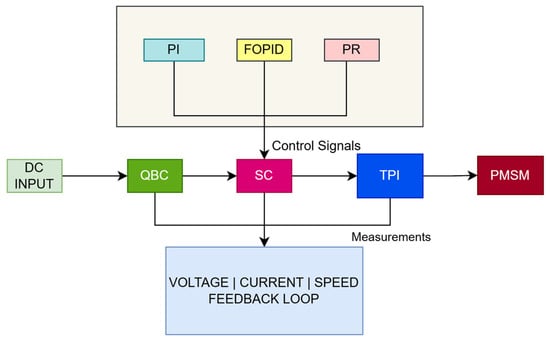
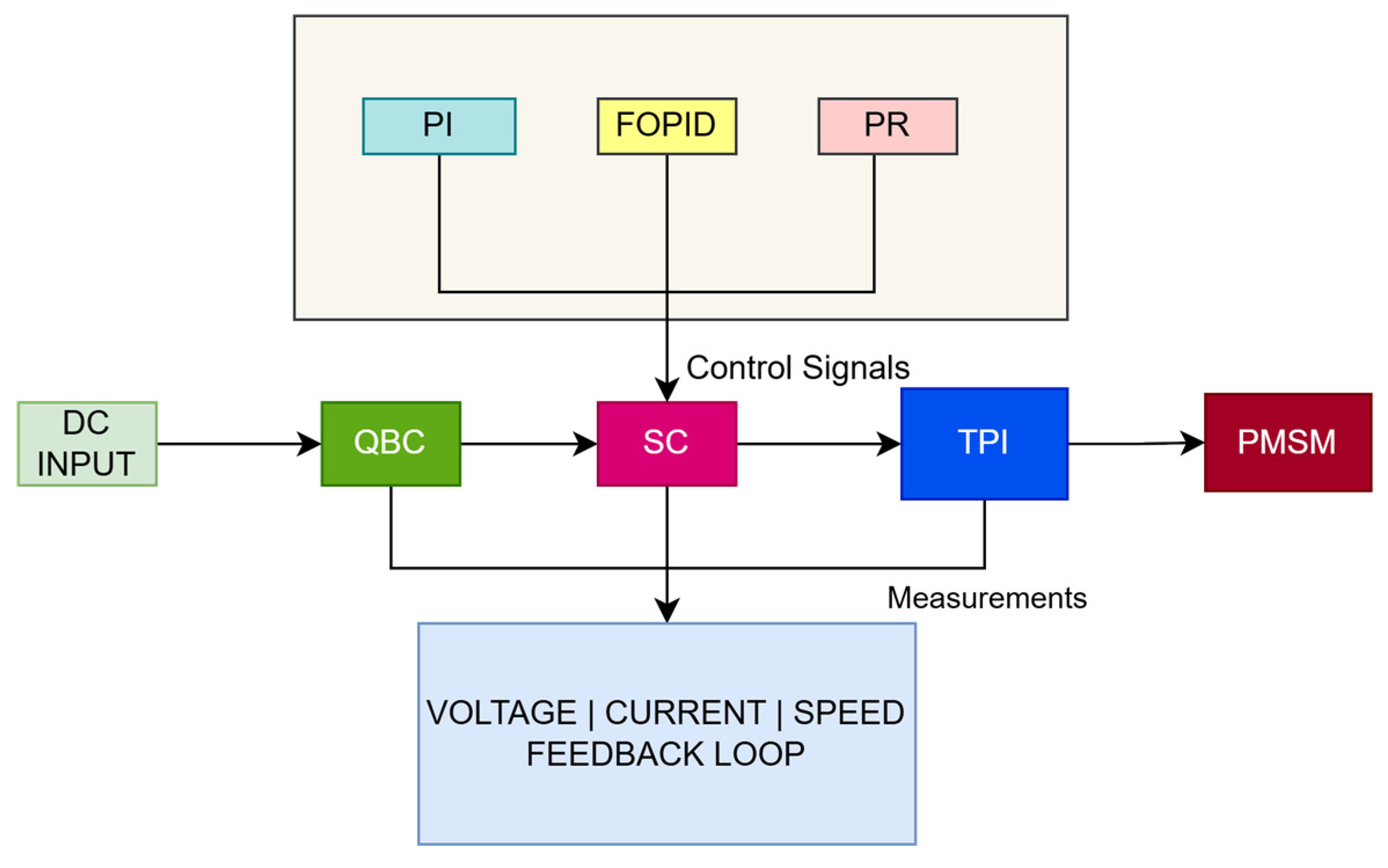
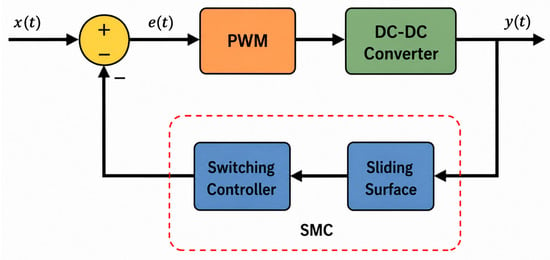
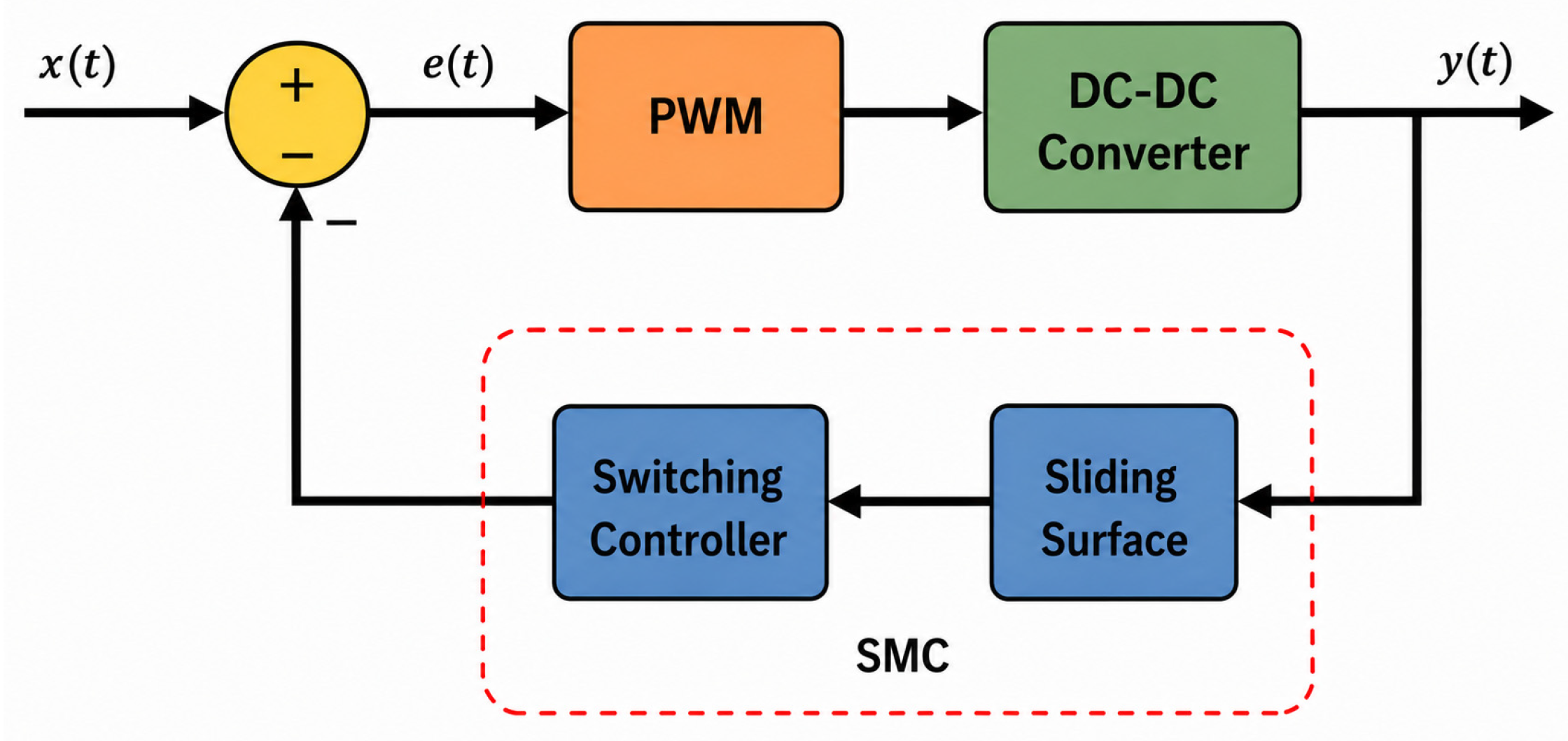
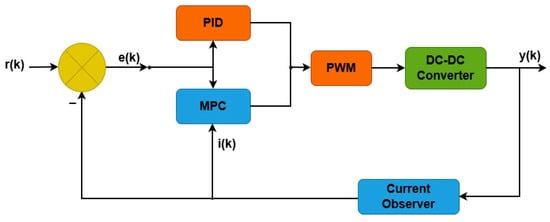
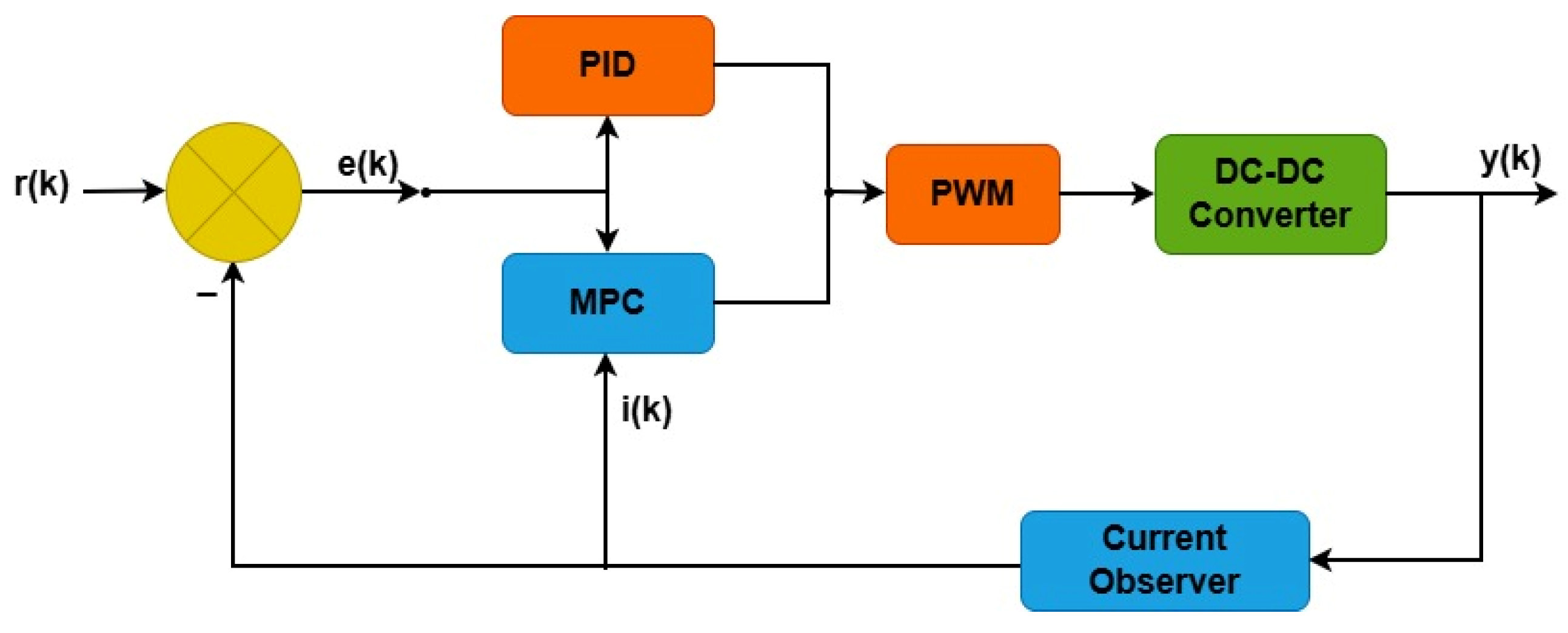
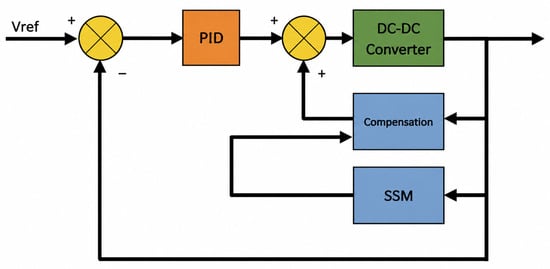
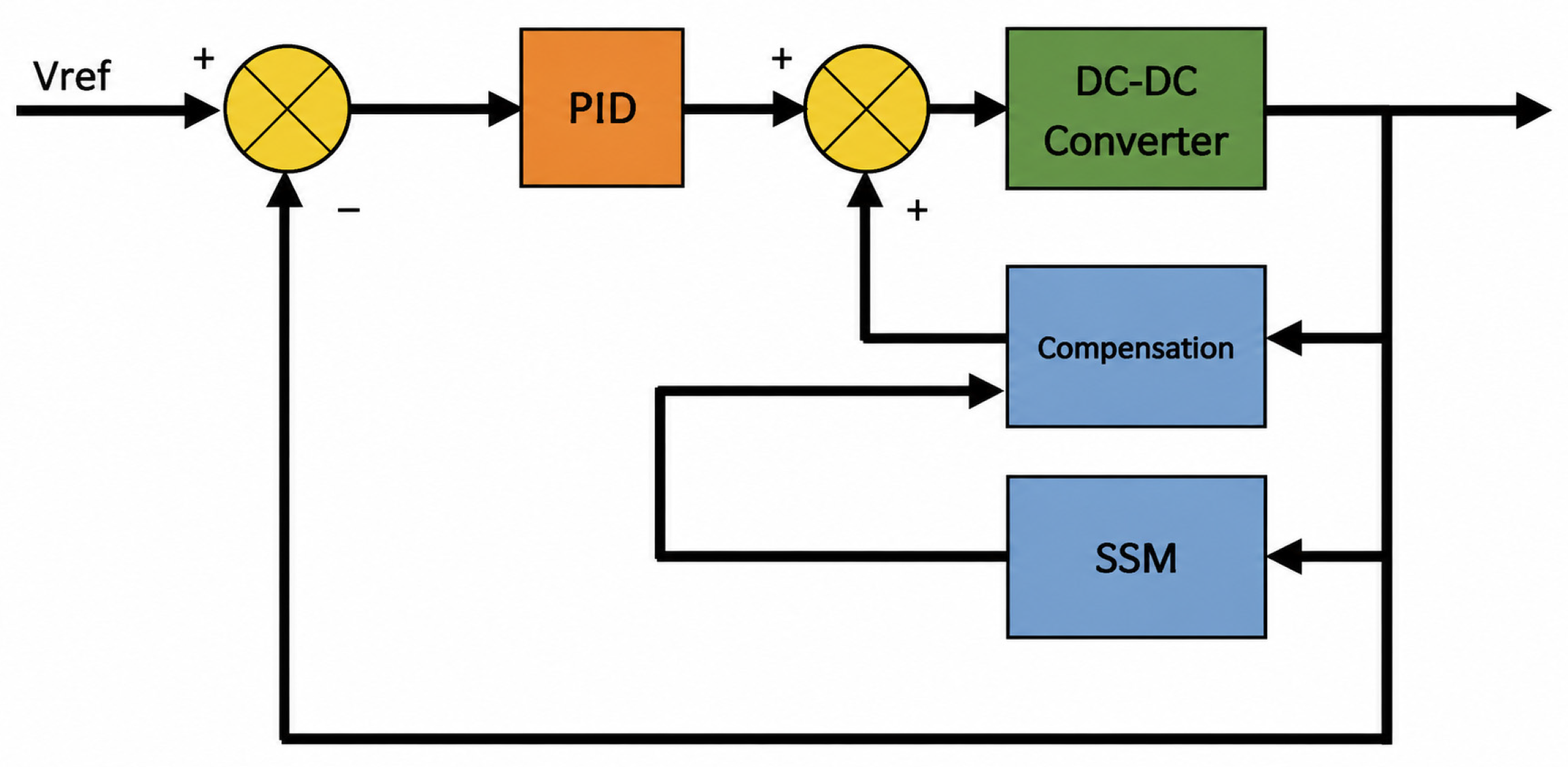
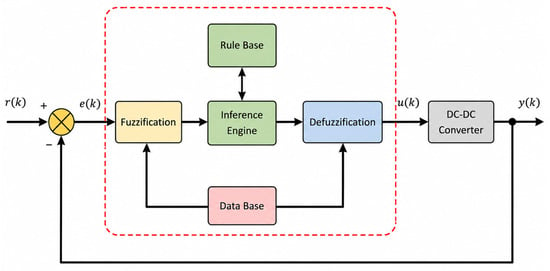
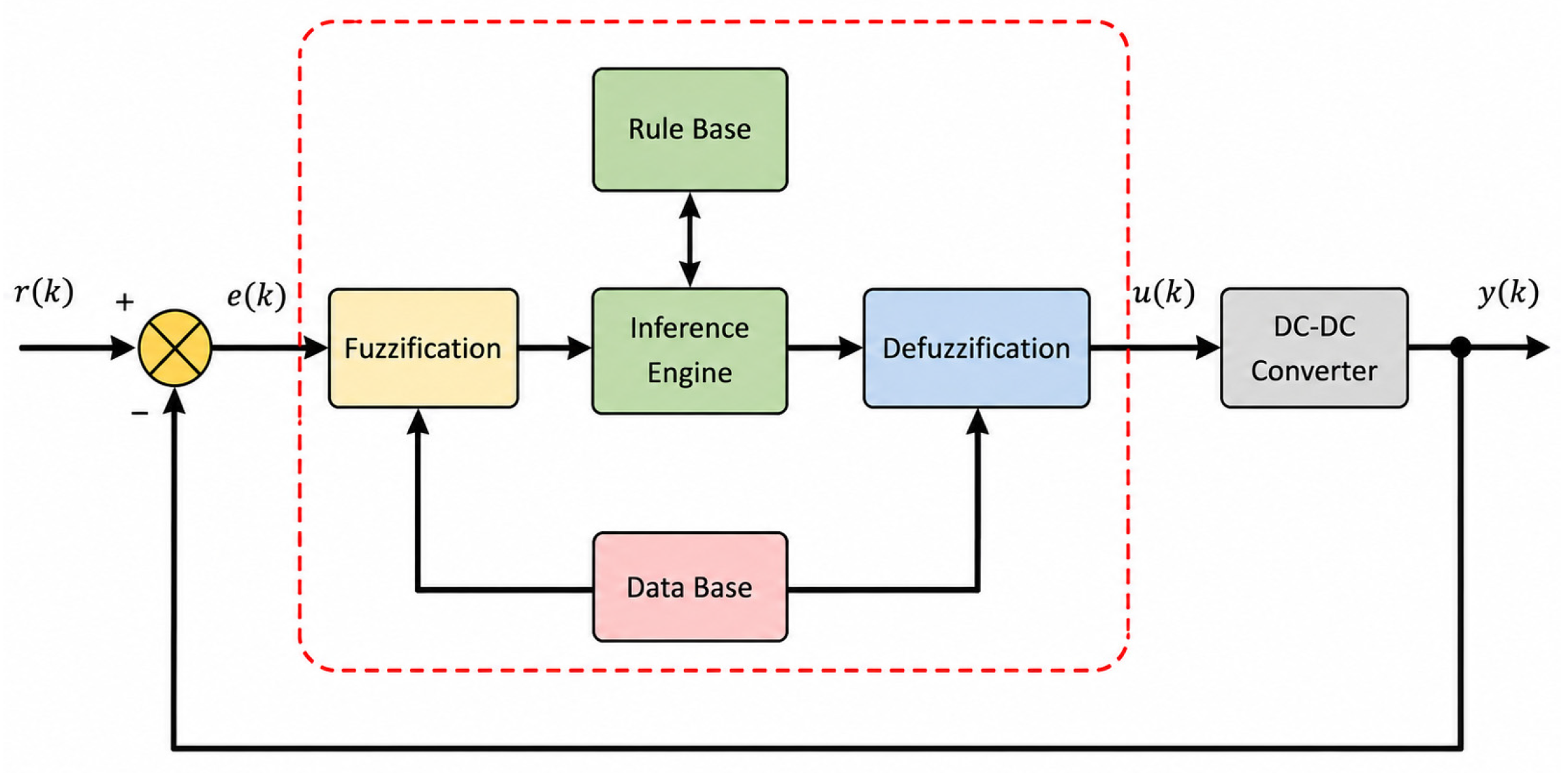
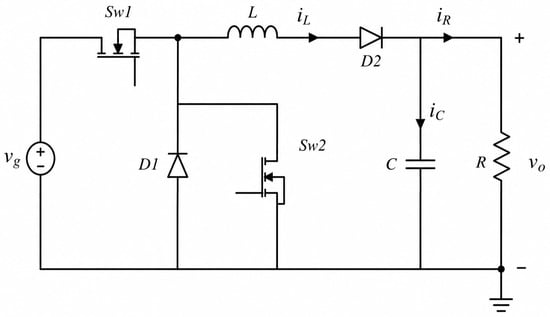
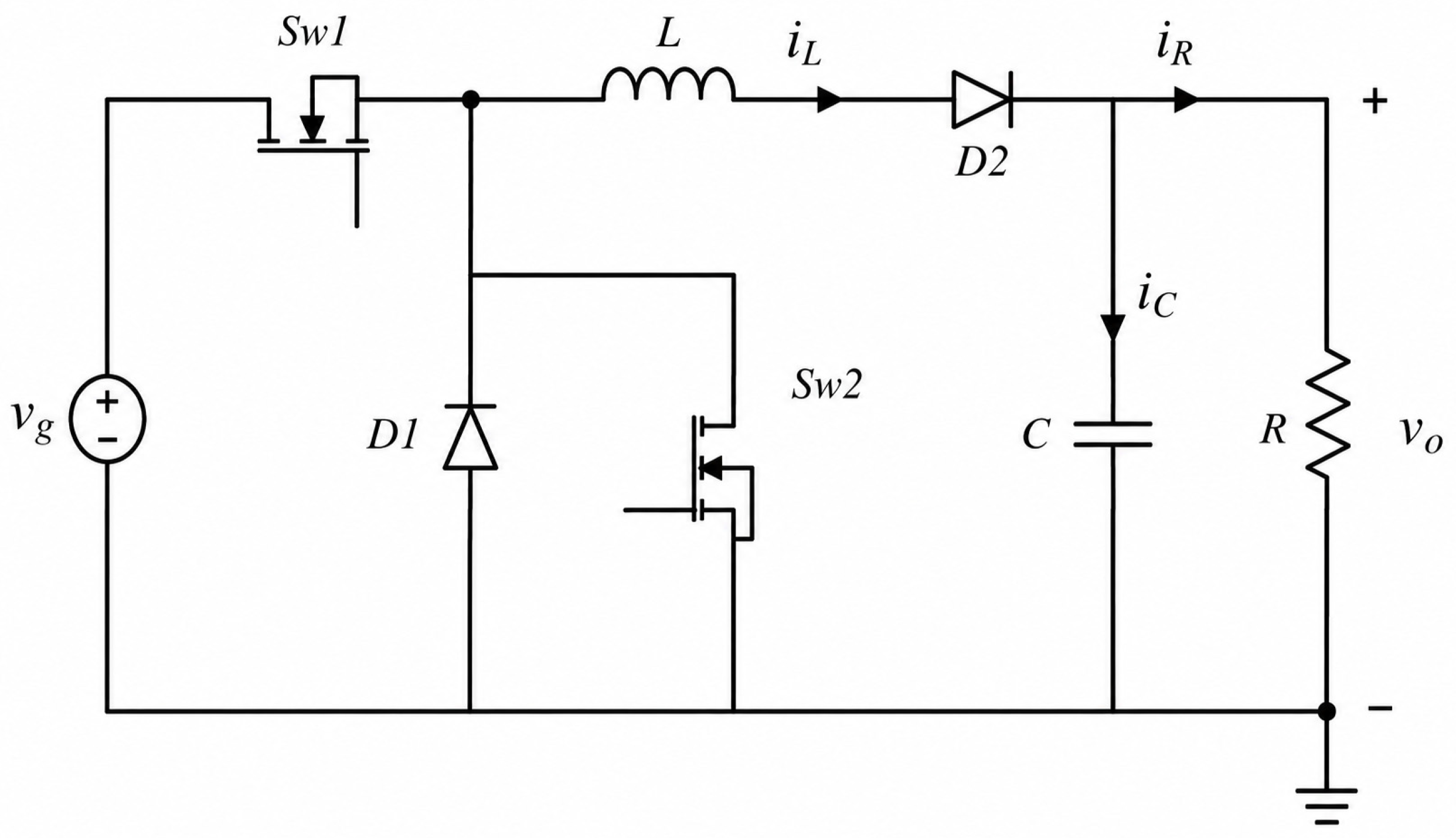
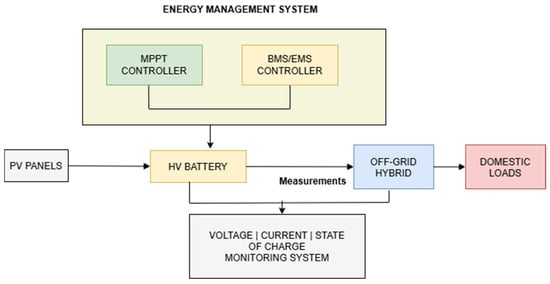
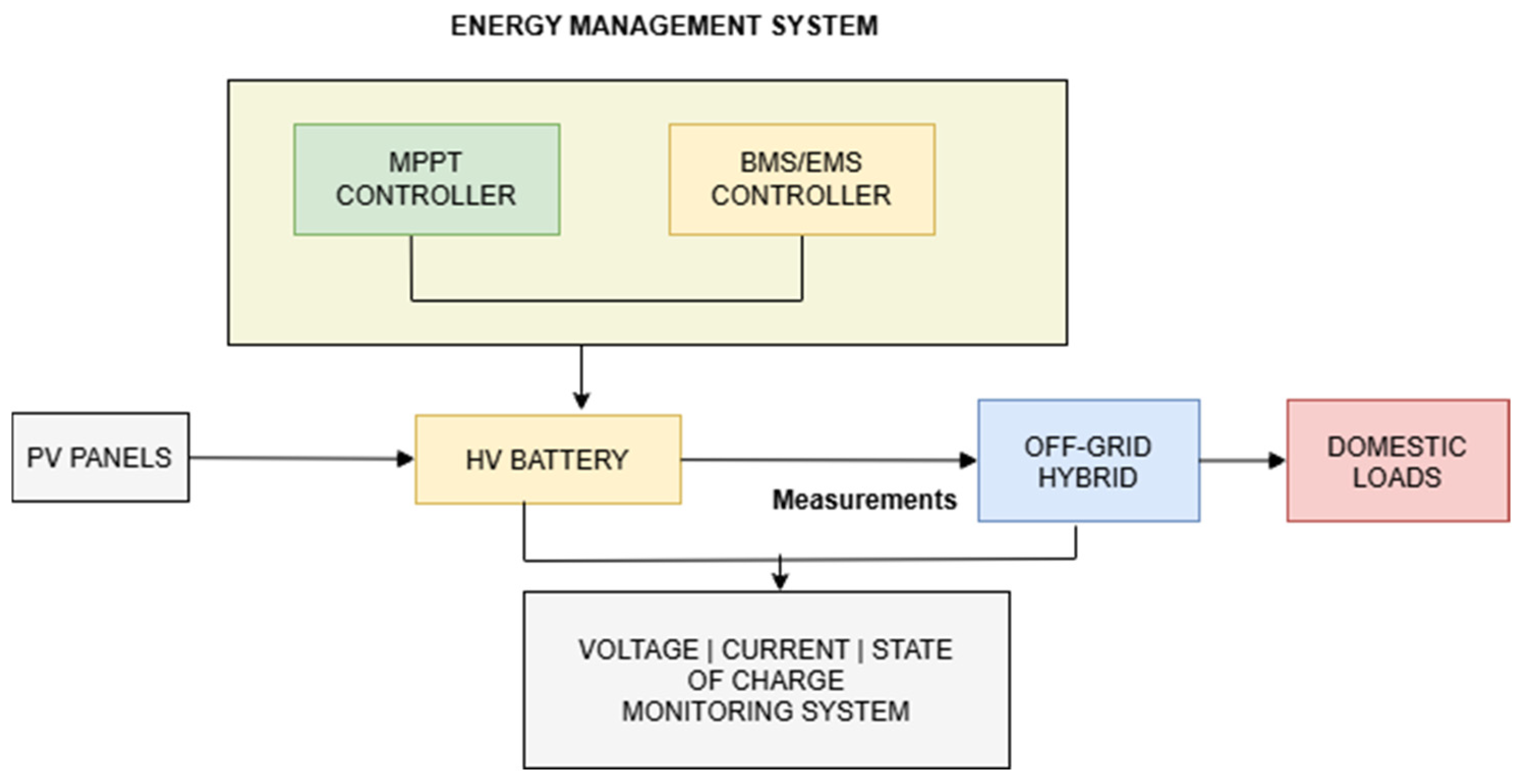
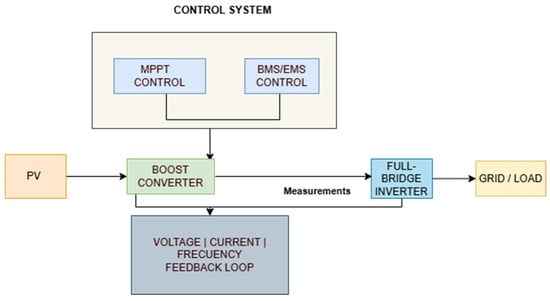
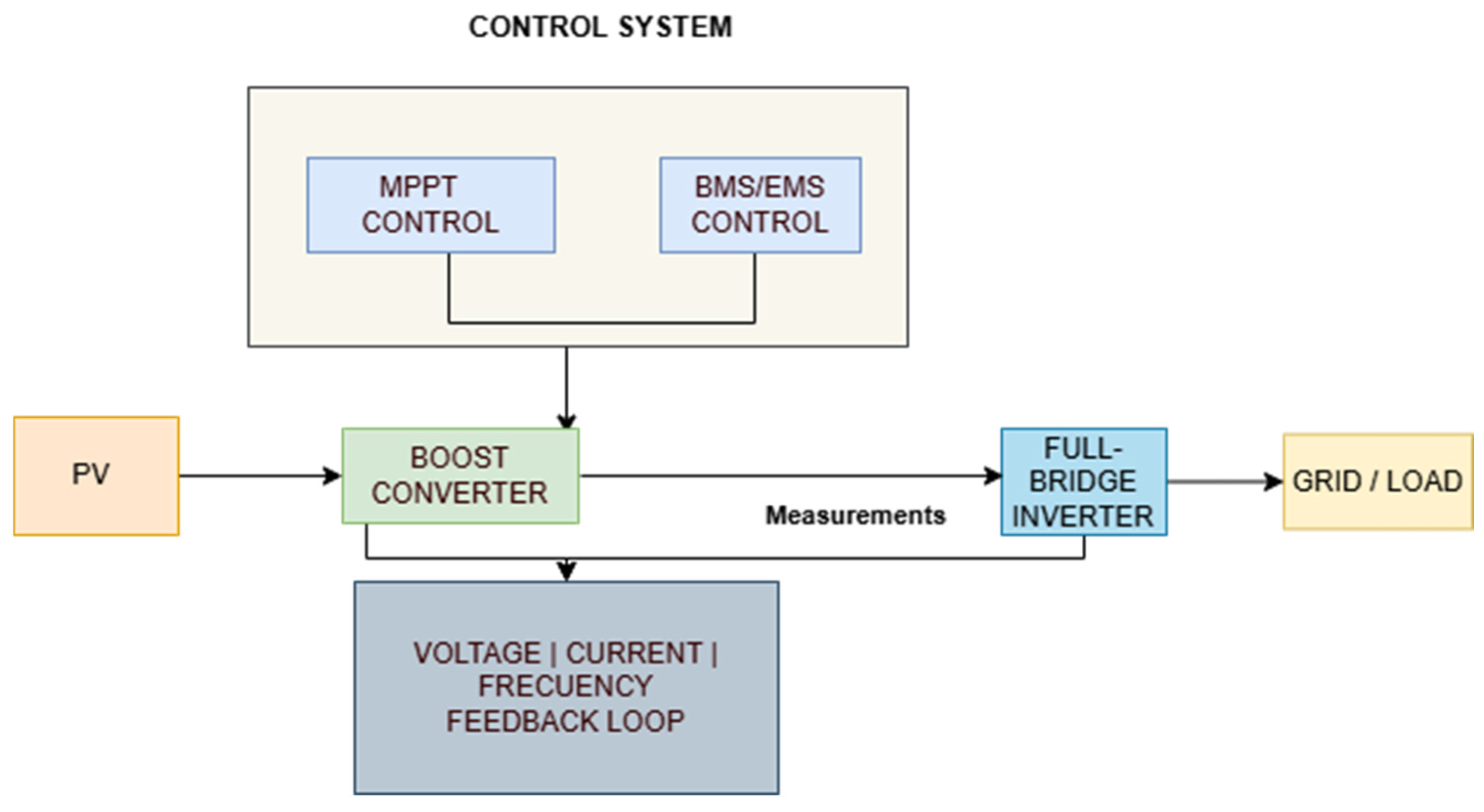
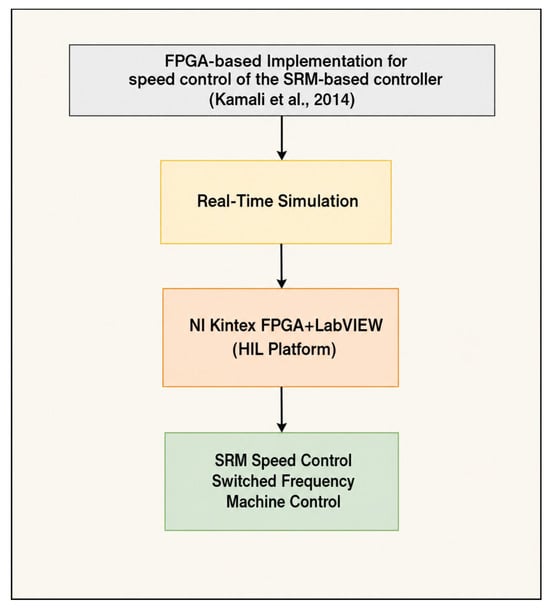
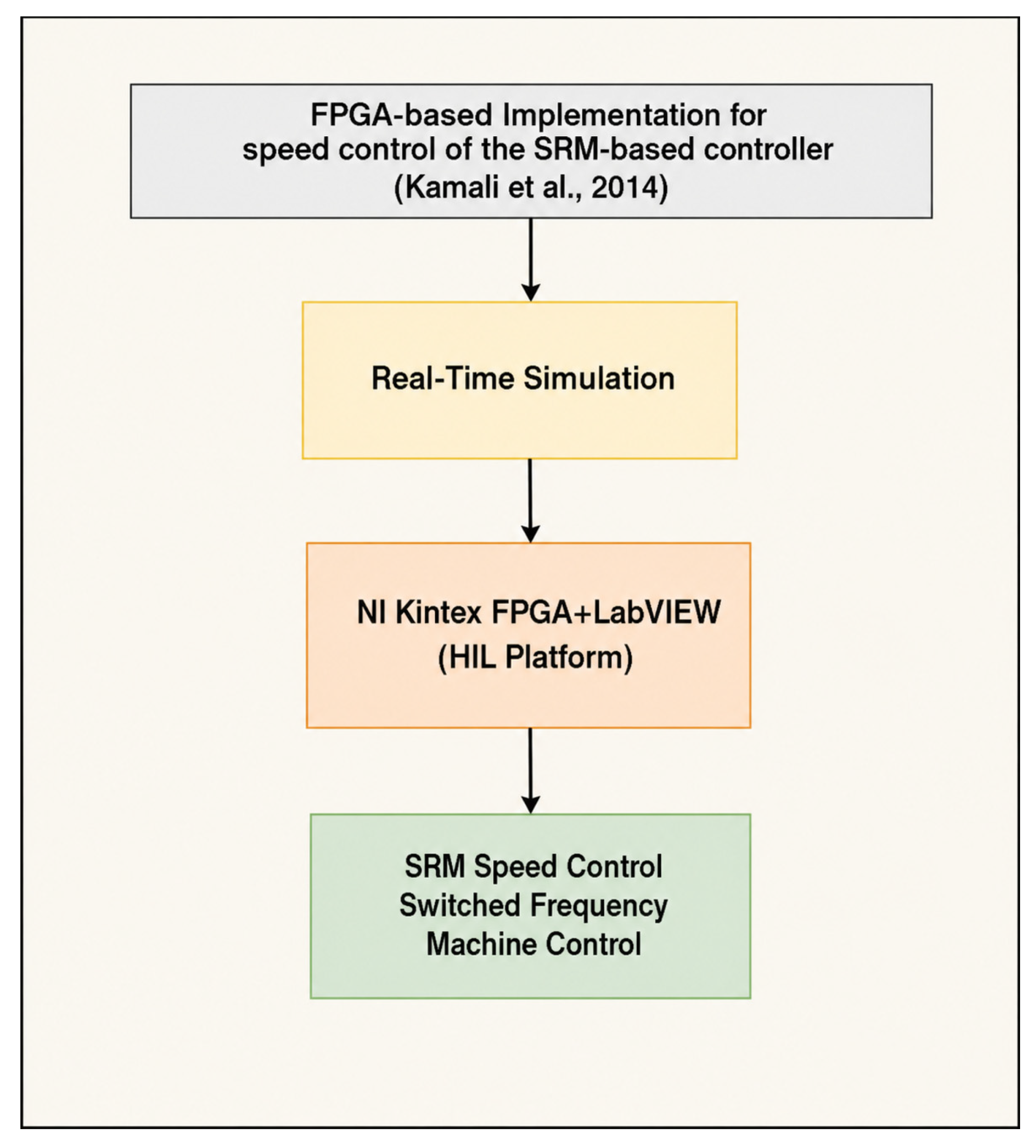
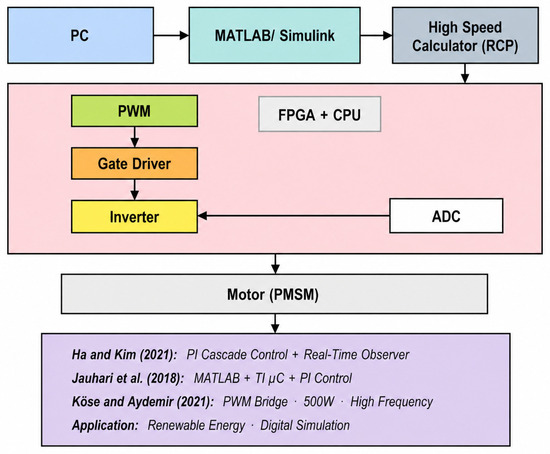
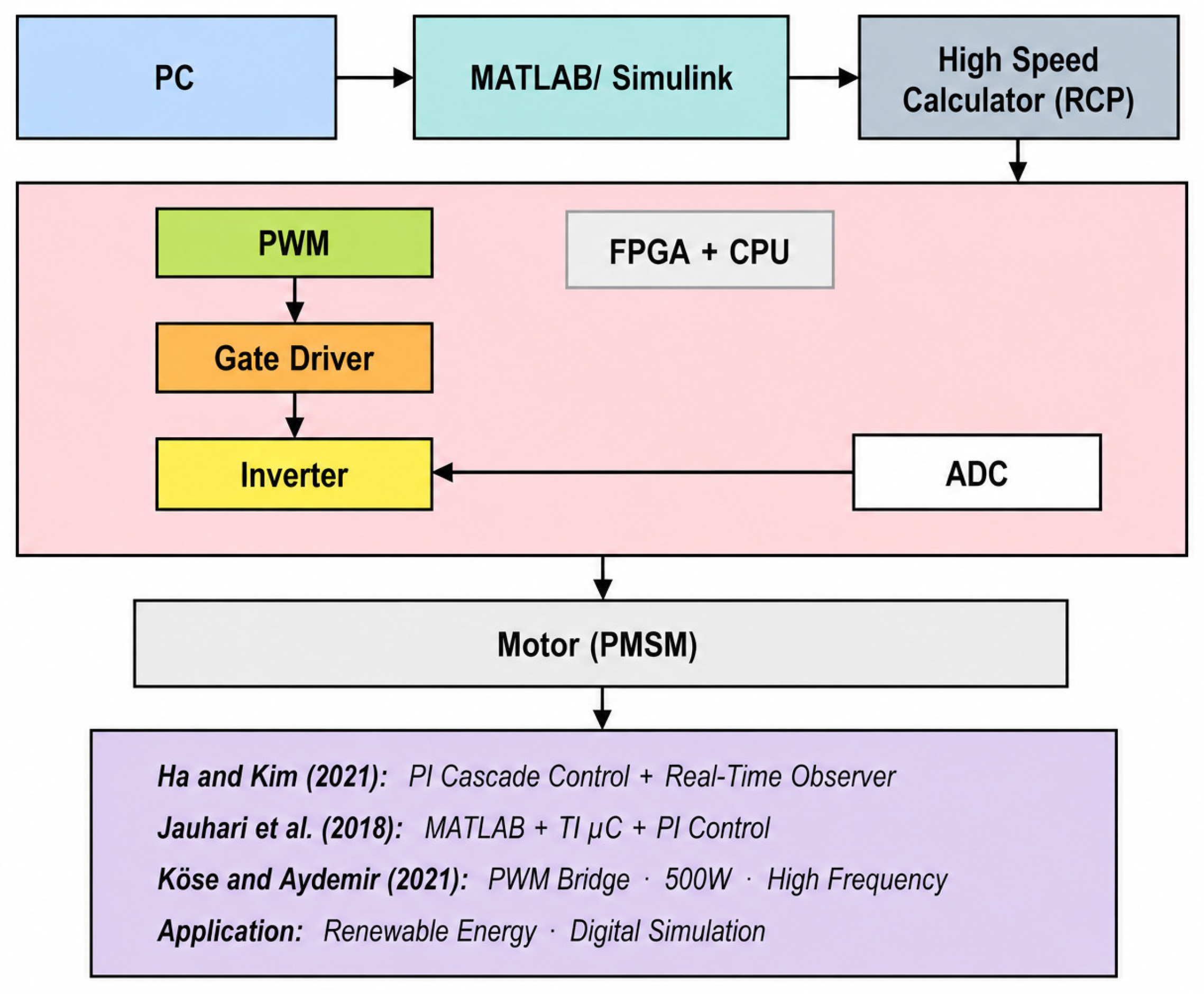

Disclaimer/Publisher’s Note: The statements, opinions and data contained in all publications are solely those of the individual author(s) and contributor(s) and not of MDPI and/or the editor(s). MDPI and/or the editor(s) disclaim responsibility for any injury to people or property resulting from any ideas, methods, instructions or products referred to in the content. |
© 2026 by the authors. Published by MDPI on behalf of the World Electric Vehicle Association. Licensee MDPI, Basel, Switzerland. This article is an open access article distributed under the terms and conditions of the Creative Commons Attribution (CC BY) license.