The Importance of Phase Composition for Corrosion Resistance of Borided Layers Produced on Nickel Alloys


Abstract
1. Introduction
2. Experimental Procedure
2.1. Material
2.2. Boriding
2.3. Microstructure Characterization
2.4. Corrosion Resistance Evaluation
3. Results and Discussion
3.1. Microstructure
3.2. Corrosion Resistance
4. Summary and Conclusions
- Among all the non-borided samples, the highest corrosion resistance and the highest resistance to pitting corrosion were characteristic of a pure nickel sample.
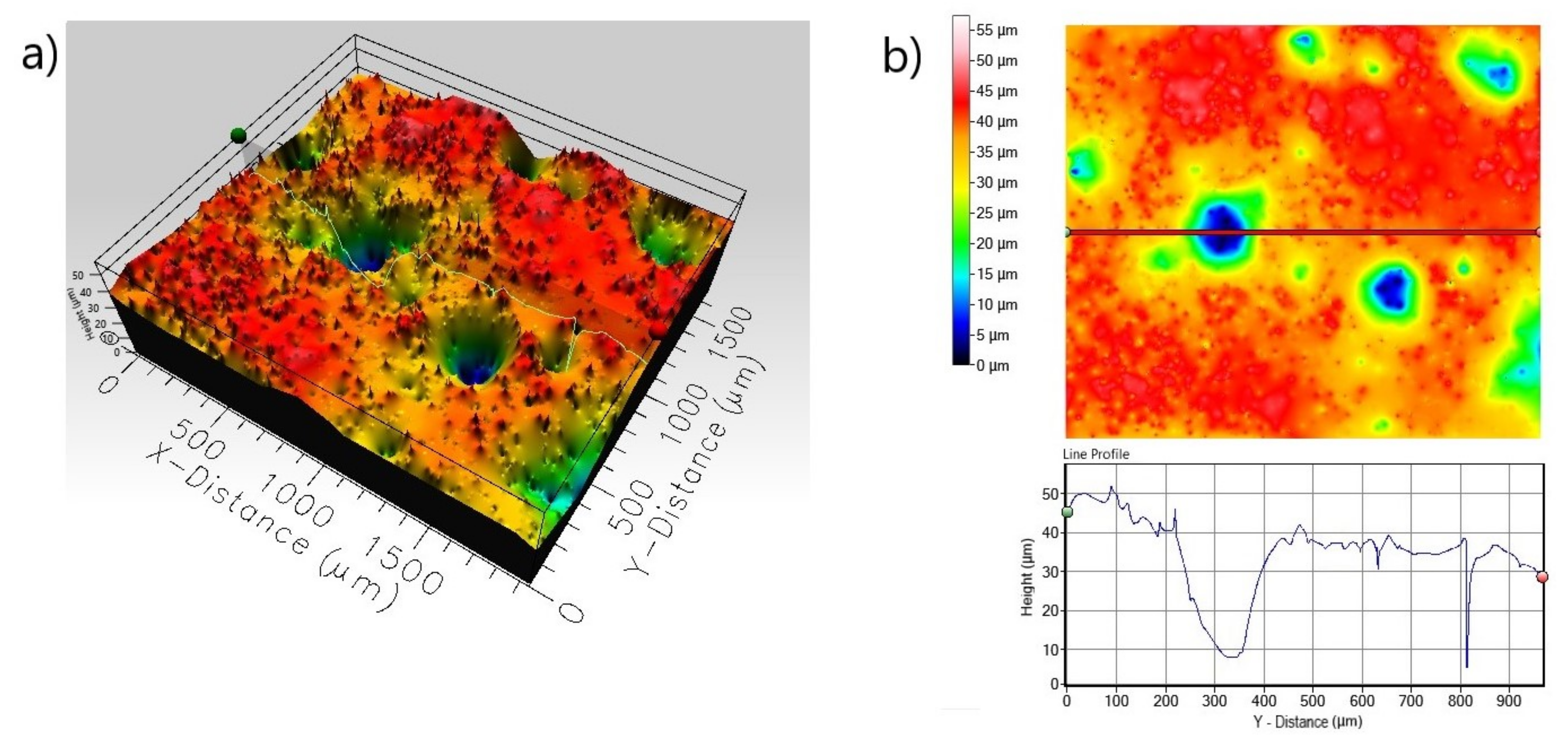
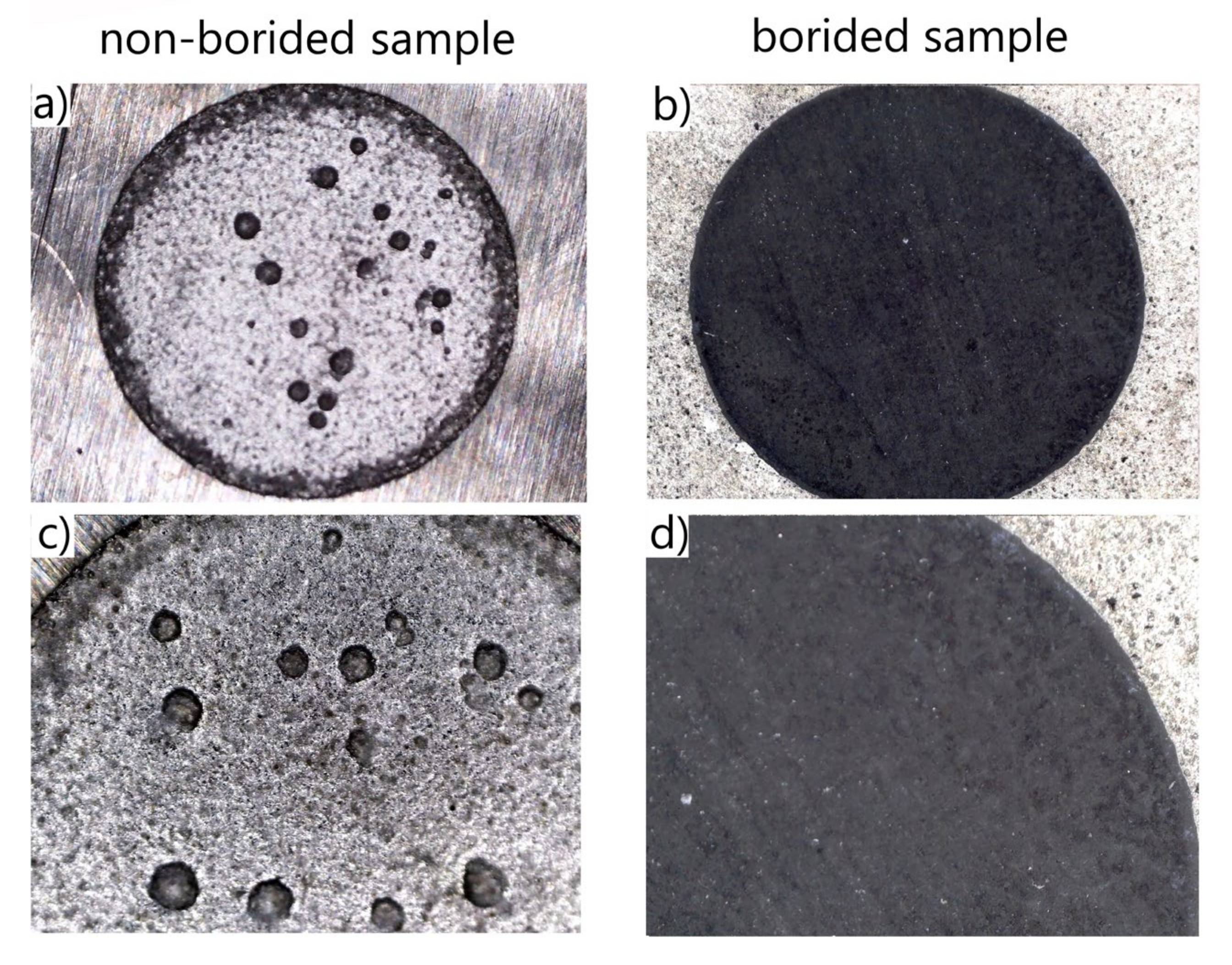
- The high chromium concentration in Inconel®600 and Nimonic®80A alloys resulted in high susceptibility of these alloys to pitting corrosion, as the presence of chromium ions caused a decrease in pH value at the bottom of the corrosion pits. Therefore, the intensive material dissolution was observed.
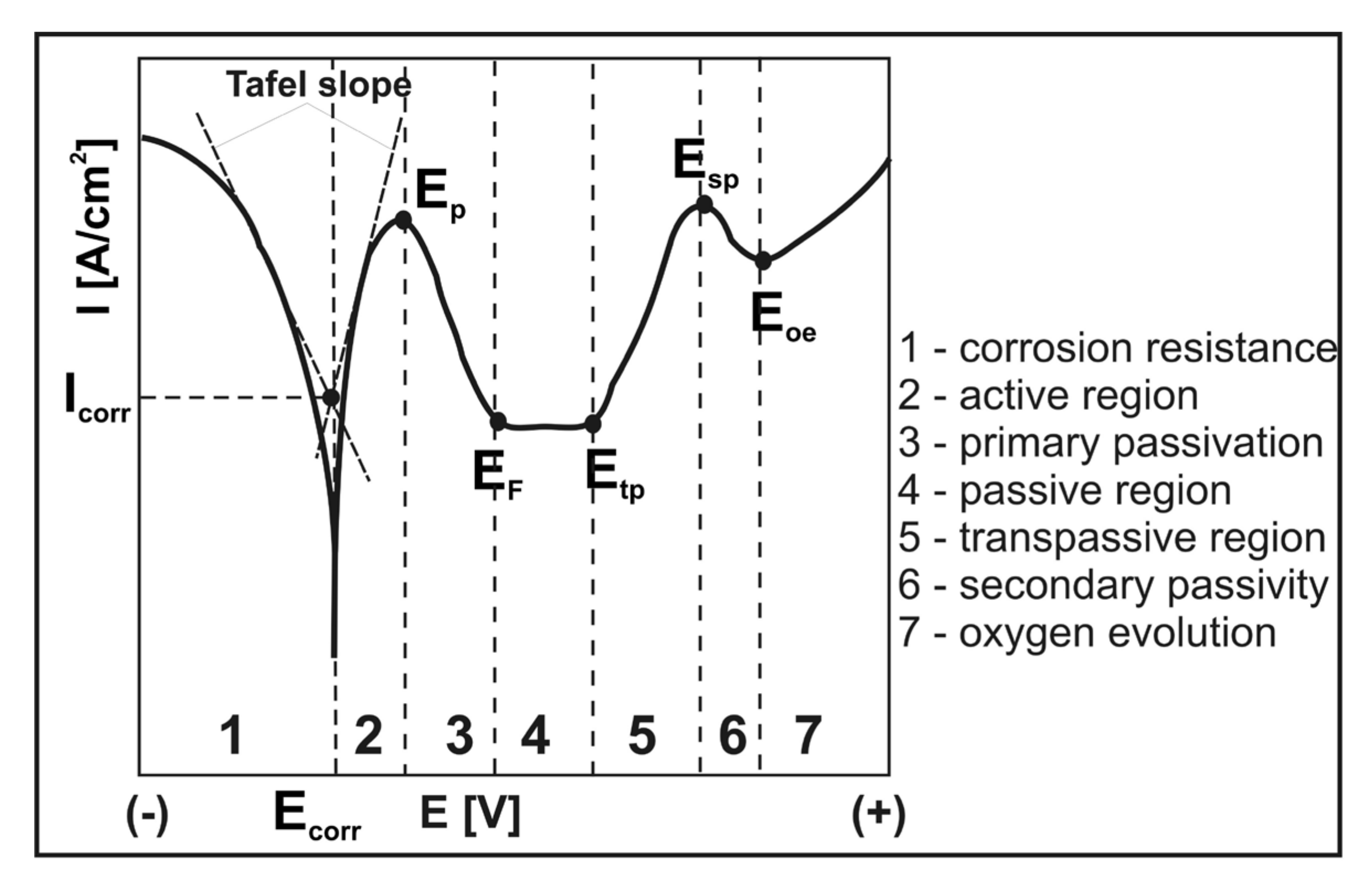
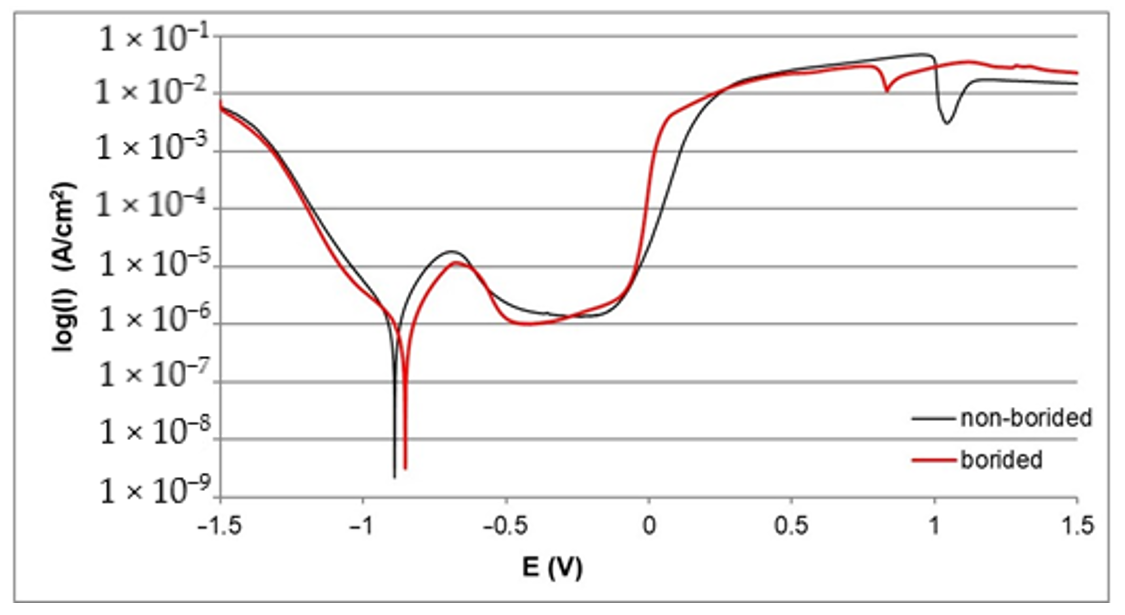
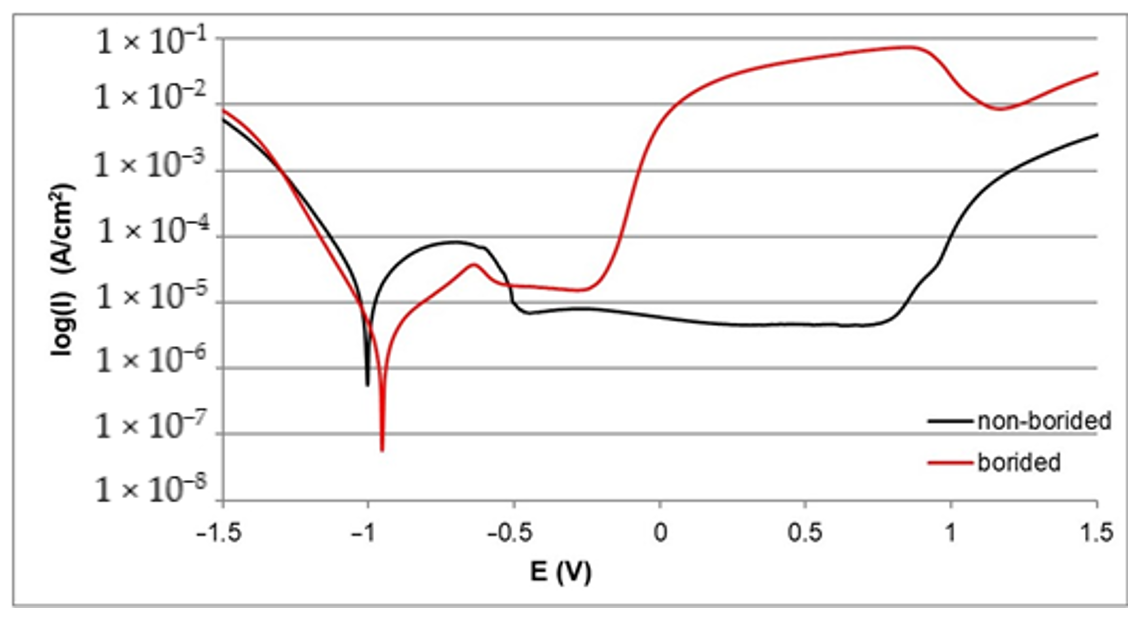
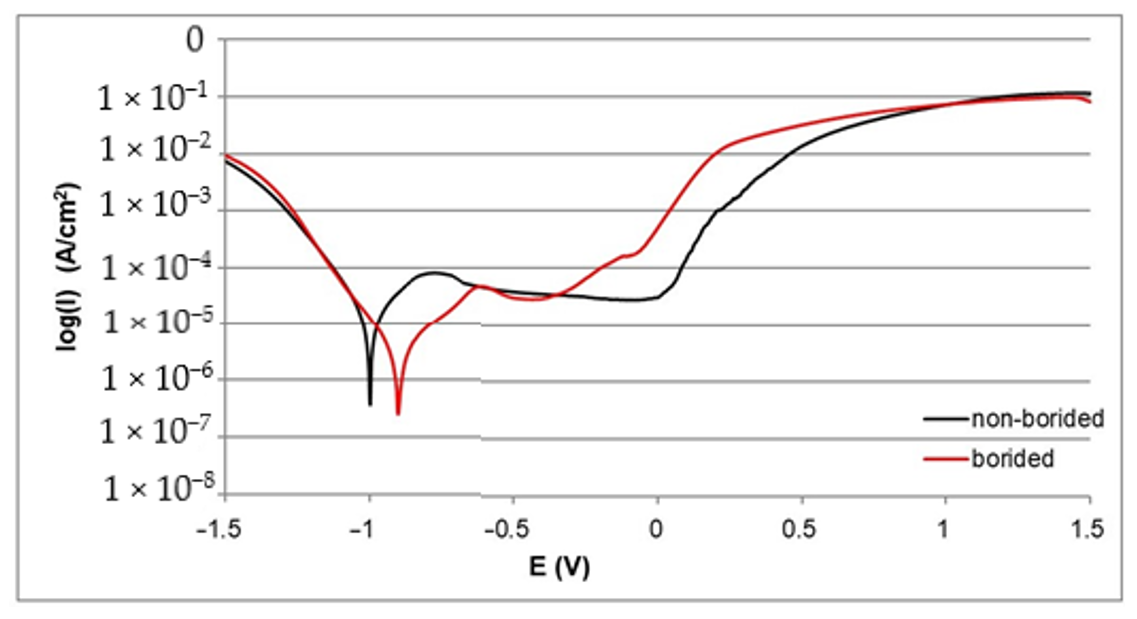
- The electrochemical parameters Icorr and Ecorr derived from the polarization curves indicated a higher corrosion resistance of all borided samples compared to the non-borided samples.
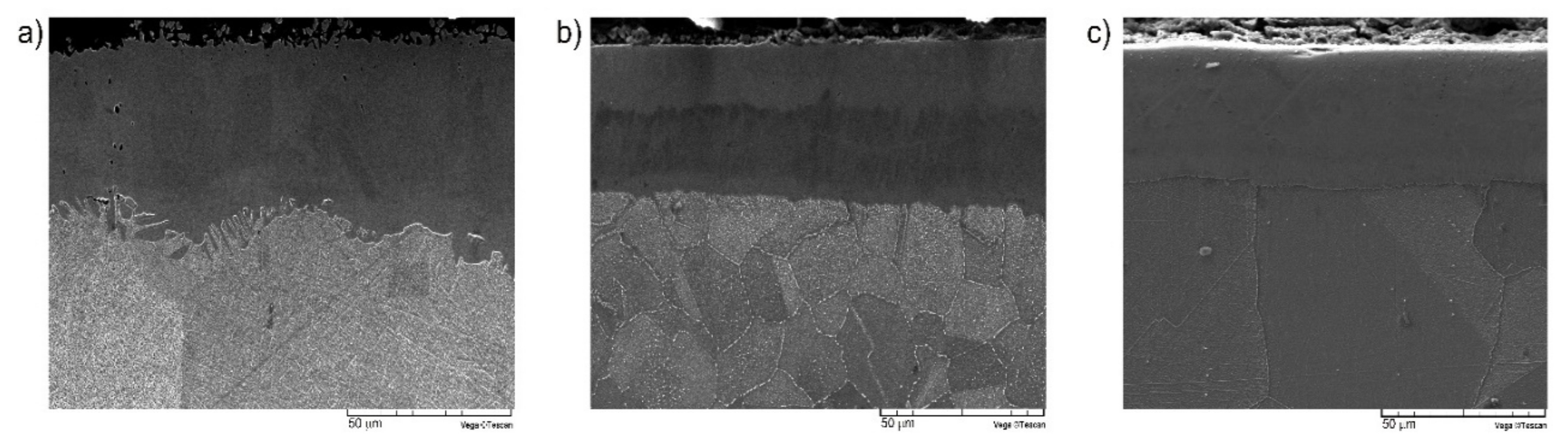
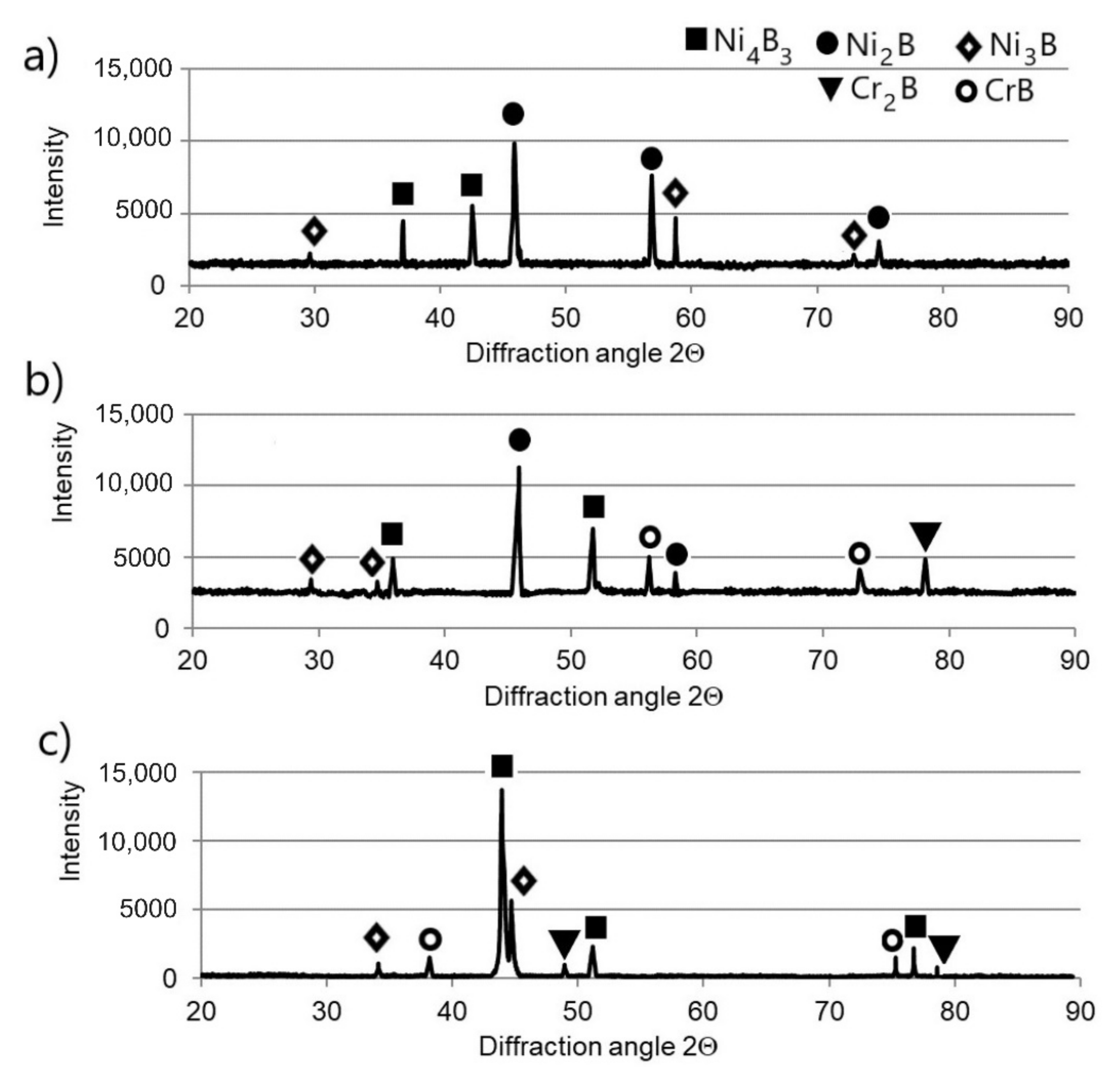
- The highest corrosion resistance was obtained for plasma paste borided Nickel 201, due to the microstructure consisting only of nickel borides.
- Differences between electrochemical properties of nickel borides and chromium borides caused the formation of micro-cells during the potentiodynamic polarization test of borided Inconel®600 and Nimonic®80A alloys; consequently, the intensive corrosion of the anodic regions occurred. Therefore, the corrosion resistance of borided layers formed on nickel-chromium alloys was lower when compared to the borided pure nickel.
- Plasma paste boriding can be an effective barrier against corrosion in a 3.5% NaCl water solution.
Funding
Conflicts of Interest
References
- Aytekin, H.; Akçin, Y. Characterization of borided Incoloy 825 alloy. Mater. Des. 2013, 50, 515–521. [Google Scholar] [CrossRef] [Scilit]
- Kulka, M.; Makuch, N.; Popławski, M. Two-stage gas boriding of Nisil in N2–H2–BCl3 atmosphere. Surf. Coat. Technol. 2014, 244, 78–86. [Google Scholar] [CrossRef] [Scilit]
- Anthymidis, K.; Zinoviadis, P.; Roussos, D.; Tsipas, D. Boriding of nickel in a fluidized bed reactor. Mater. Res. Bull. 2002, 37, 515–522. [Google Scholar] [CrossRef] [Scilit]
- Ueda, N.; Mizukoshi, T.; Demizu, K.; Sone, T.; Ikenaga, A.; Kawamoto, M. Boriding of nickel by the powder-pack method. Surf. Coat. Technol. 2000, 126, 25–30. [Google Scholar] [CrossRef] [Scilit]
- Petrova, R.S.; Suwattananont, N.; Samardzic, V. The Effect of Boronizing on Metallic Alloys for Automotive Applications. J. Mater. Eng. Perform. 2008, 17, 340–345. [Google Scholar] [CrossRef] [Scilit]
- Makuch, N. Nanomechanical properties and fracture toughness of hard ceramic layer produced by gas boriding of Inconel 600 alloy. Trans. Nonferrous Met. Soc. China 2020, 30, 428–448. [Google Scholar] [CrossRef] [Scilit]
- Makuch, N.; Kulka, M.; Mikołajczak, D. Corrosion Behavior of Hard Boride Layer Produced on Nimonic 80A-Alloy by Gas Boriding. Trans. Indian Inst. Met. 2017, 26, 248–252. [Google Scholar] [CrossRef] [Scilit]
- Makuch, N.; Kulka, M.; Piasecki, A. The effects of chemical composition of Nimonic 80A-alloy on the microstructure and properties of gas-borided layer. Surf. Coat. Technol. 2015, 276, 440–455. [Google Scholar] [CrossRef] [Scilit]
- Makuch, N.; Kulka, M. Fracture toughness of hard ceramic phases produced on Nimonic 80A-alloy by gas boriding. Ceram. Int. 2016, 42, 3275–3289. [Google Scholar] [CrossRef] [Scilit]
- Makuch, N.; Kulka, M. Microstructural characterization and some mechanical properties of gas-borided Inconel 600-alloy. Appl. Surf. Sci. 2014, 314, 1007–1018. [Google Scholar] [CrossRef] [Scilit]
- Sista, V.; Kahvecioglu, O.; Kartal, G.; Zeng, Q.; Kim, J.; Eryilmaz, O.; Erdemir, A. Evaluation of electrochemical boriding of Inconel 600. Surf. Coat. Technol. 2013, 215, 452–459. [Google Scholar] [CrossRef] [Scilit]
- Lou, D.; Solberg, J.; Akselsen, O.; Dahl, N. Microstructure and property investigation of paste boronized pure nickel and Nimonic 90 superalloy. Mater. Chem. Phys. 2009, 115, 239–244. [Google Scholar] [CrossRef] [Scilit]
- Cabeo, E.R.; Laudien, G.; Biemer, S.; Rie, K.T.; Hoppe, S. Plasma-assisted boriding of industrial components in a pulsed d.c. glow discharge. Surf. Coat. Technol. 1999, 116, 229–233. [Google Scholar] [CrossRef] [Scilit]
- Yoon, J.; Jee, Y.; Lee, S. Plasma paste boronizing treatment of the stainless steel AISI 304. Surf. Coat. Technol. 1999, 112, 71–75. [Google Scholar] [CrossRef] [Scilit]
- Gunes, I.; Ulker, S.; Taktak, S. Plasma paste boronizing of AISI 8620, 52100 and 440C steels. Mater. Des. 2011, 32, 2380–2386. [Google Scholar] [CrossRef] [Scilit]
- Kaestner, P.; Olfe, J.; Rie, K.T. Plasma-assisted boriding of pure titanium and TiAl6V4. Surf. Coat. Technol. 2001, 142, 248–252. [Google Scholar] [CrossRef] [Scilit]
- Ataibis, V.; Taktak, S. Characteristics and growth kinetics of plasma paste borided Cp–Ti and Ti6Al4V alloy. Surf. Coat. Technol. 2015, 279, 65–71. [Google Scholar] [CrossRef] [Scilit]
- Makuch, N.; Kulka, M.; Dziarski, P.; Taktak, S. The influence of chemical composition of Ni-based alloys on microstructure and mechanical properties of plasma paste borided layers. Surf. Coat. Technol. 2019, 367, 187–202. [Google Scholar] [CrossRef] [Scilit]
- Craig, B.D.; Anderson, D.B. Handbook of Corrosion Data; ASM International: Materials Park, OH, USA, 1995; pp. 50–51. [Google Scholar]
- Cramer, S.D.; Covino, B.S. ASM Handbook. Volume 13B Corrosion: Materials; ASM International: Materials Park, OH, USA, 2005; pp. 228–240. [Google Scholar]
- Aspden, R.G.; Economy, G.; Pement, F.W.; Wilson, I.L. Relationship between magnetic properties, sensitization, and corrosion of incoloy alloy 800 and inconel alloy 600. Met. Mater. Trans. A 1972, 3, 2691–2697. [Google Scholar] [CrossRef] [Scilit]
- Li, H.; Ma, J.R.; Liu, X.R.; Xia, S.; Liu, W.Q.; Zhou, B.X. Morphology Evolution of Grain Boundary Carbides in Highly Twinned Inconel Alloy 600. Mater. Sci. Forum 2016, 879, 1111–1116. [Google Scholar] [CrossRef] [Scilit]
- Lee, T.H.; Lee, Y.J.; Joo, S.H.; Nersisyan, H.; Park, K.T.; Lee, J.H. Intergranular M23C6 Carbide Precipitation Behavior and Its Effect on Mechanical Properties of Inconel 690 Tubes. Met. Mater. Trans. A 2015, 46, 4020–4026. [Google Scholar] [CrossRef] [Scilit]
- Dziarski, P.; Makuch, N.; Kulka, M. Influence of gas boriding on corrosion resistance of Inconel 600-alloy. Arch. Mater. Sci. Eng. 2017, 1, 23–33. [Google Scholar] [CrossRef] [Scilit]
- Fontana, M.G.; Staehle, R.W. Advances in Corrosion Science and Technology; Pleneum Press: New York, NY, USA, 1973; p. 301. [Google Scholar]
- Perez, N. Electrochemistry and Corrosion Science; Kluwer Academic Publishers: Boston, MA, USA, 2004; pp. 16–17. [Google Scholar]
- Fontana, M.G.; Greene, N.D.; Klerer, J. Corrosion Engineering. J. Electrochem. Soc. 1968, 115, 142. [Google Scholar] [CrossRef] [Scilit]
- Shreir, L.L.; Jarman, R.A.; Burstein, G.T. Corrosion. Vol. I: Metal/Environment Reactions; Butterworth Heinemann: Oxford, UK, 1994; pp. 92–100. [Google Scholar]
- Yang, L. Techniques for Corrosion Monitoring; Woodhead Publishing: Cambridge, UK, 2008; pp. 58–67. [Google Scholar]
- Davis, J.R. Corrosion. Understanding the Basics; ASM International: Materials Park, OH, USA, 2000; pp. 459–464. [Google Scholar]

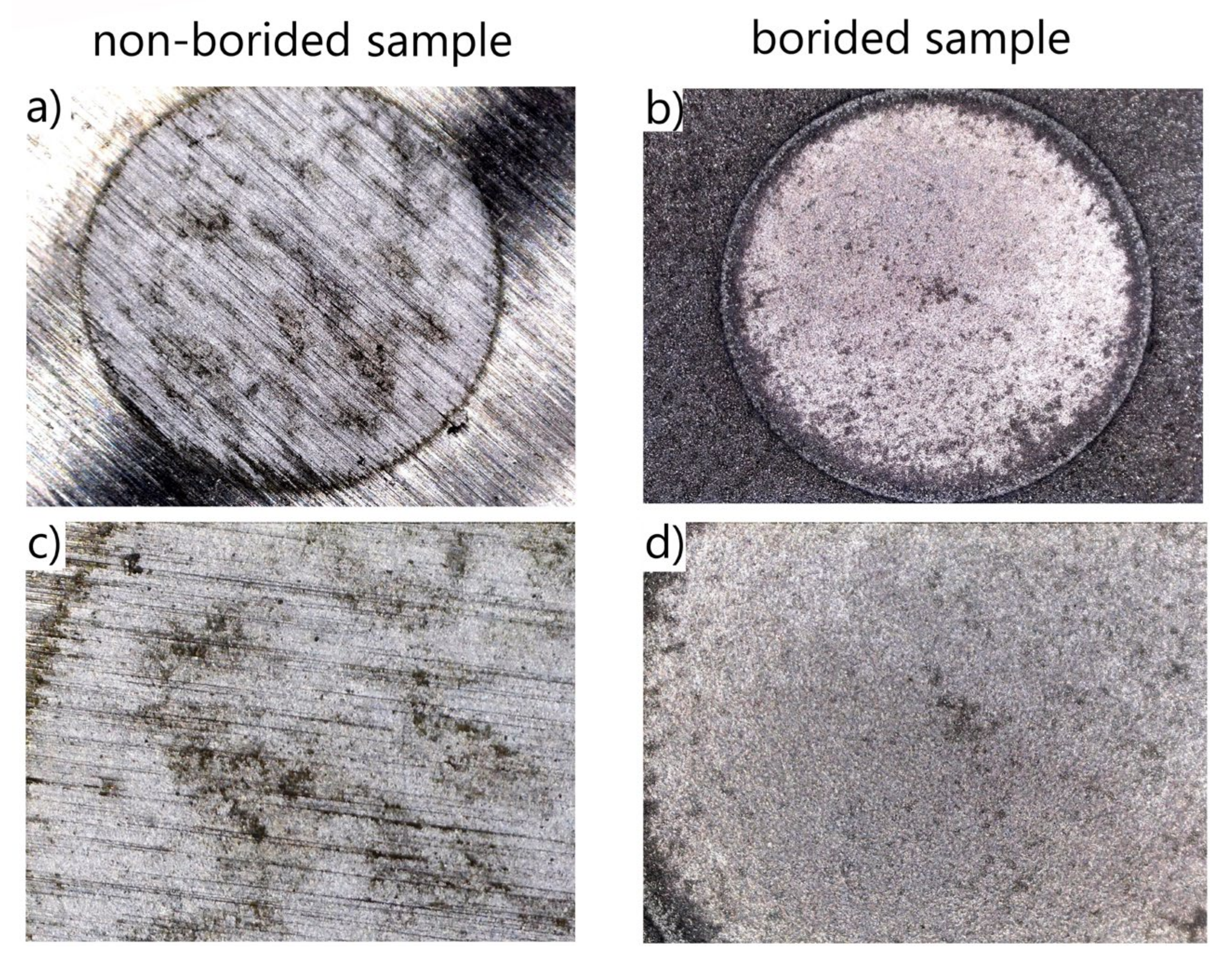
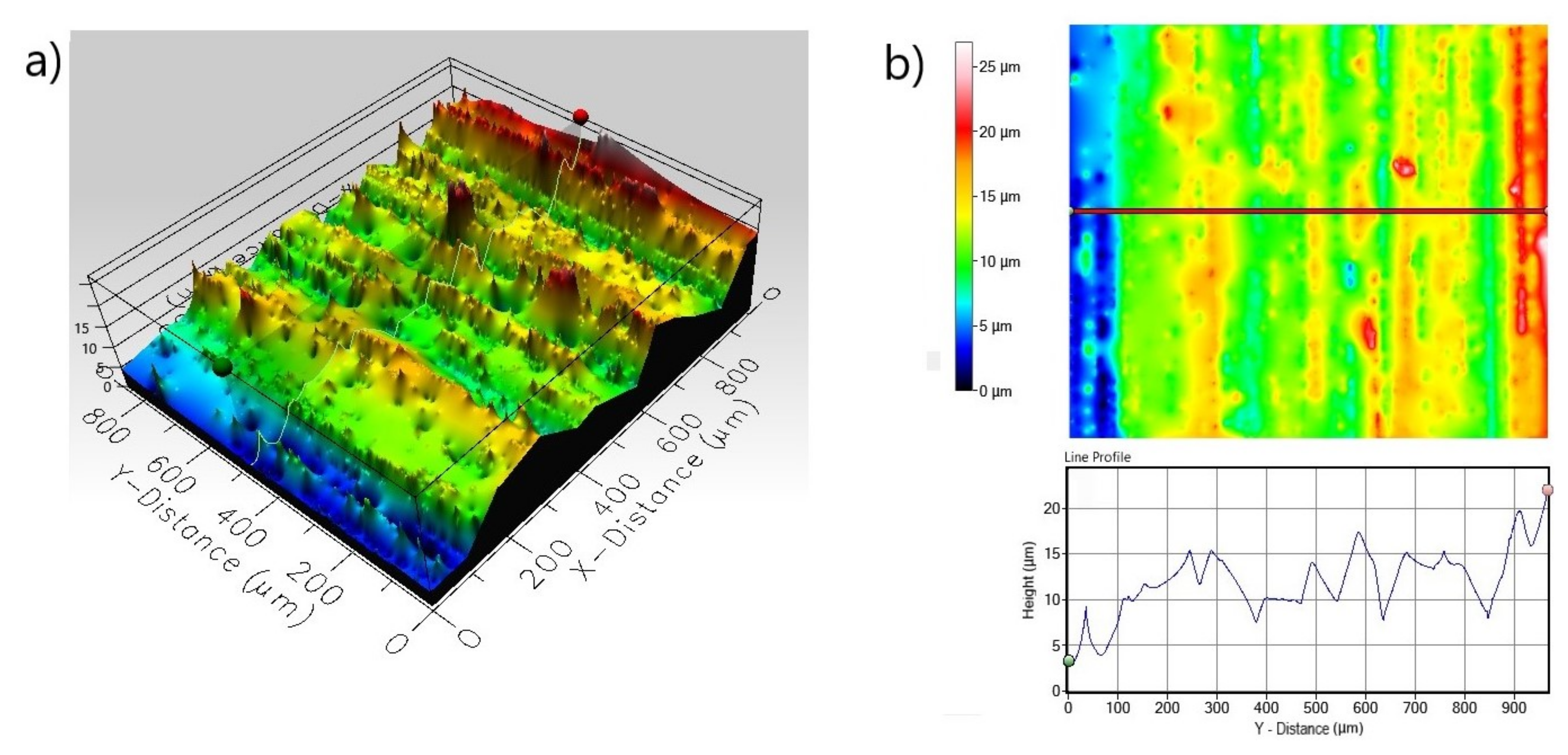
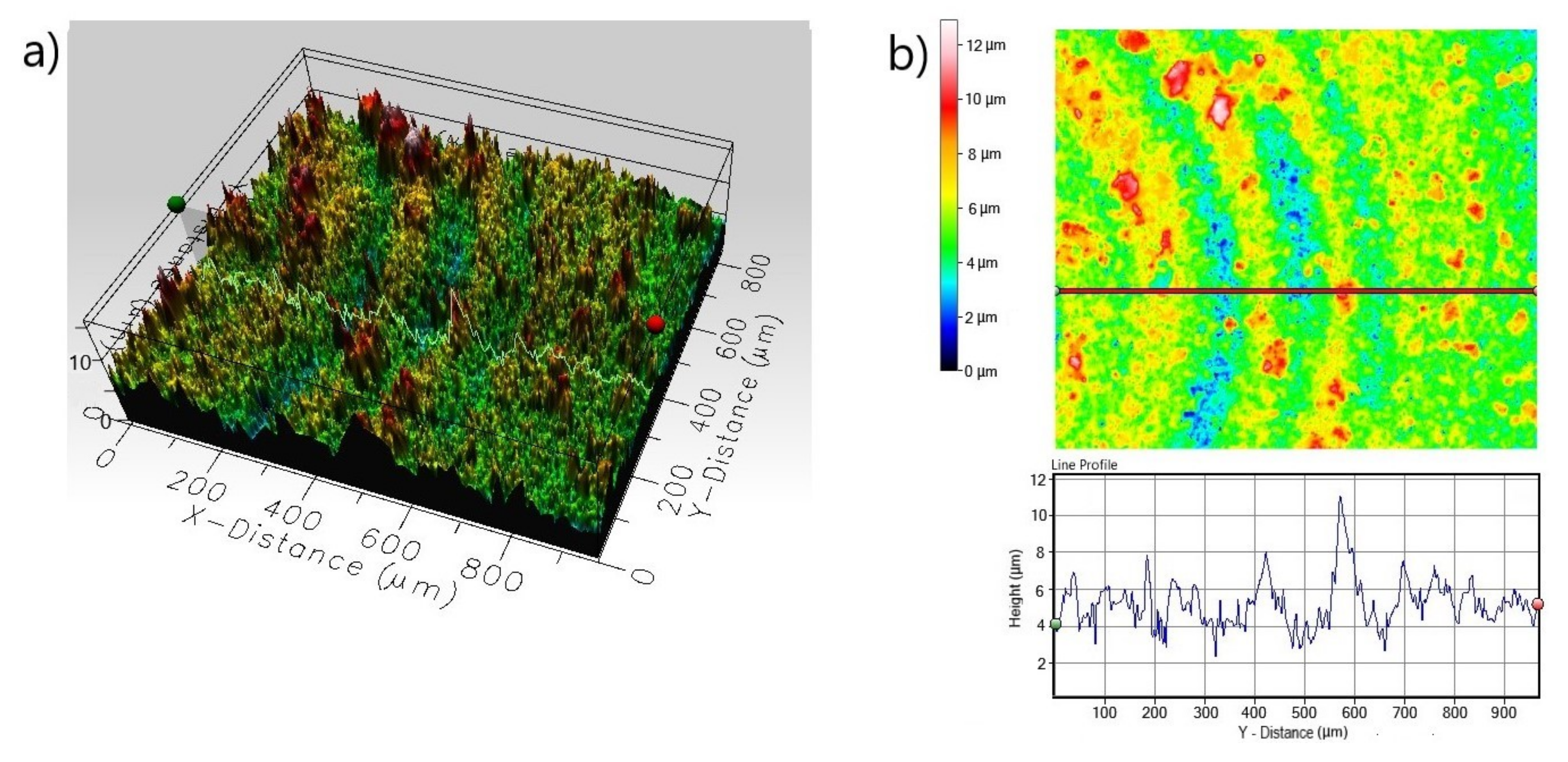
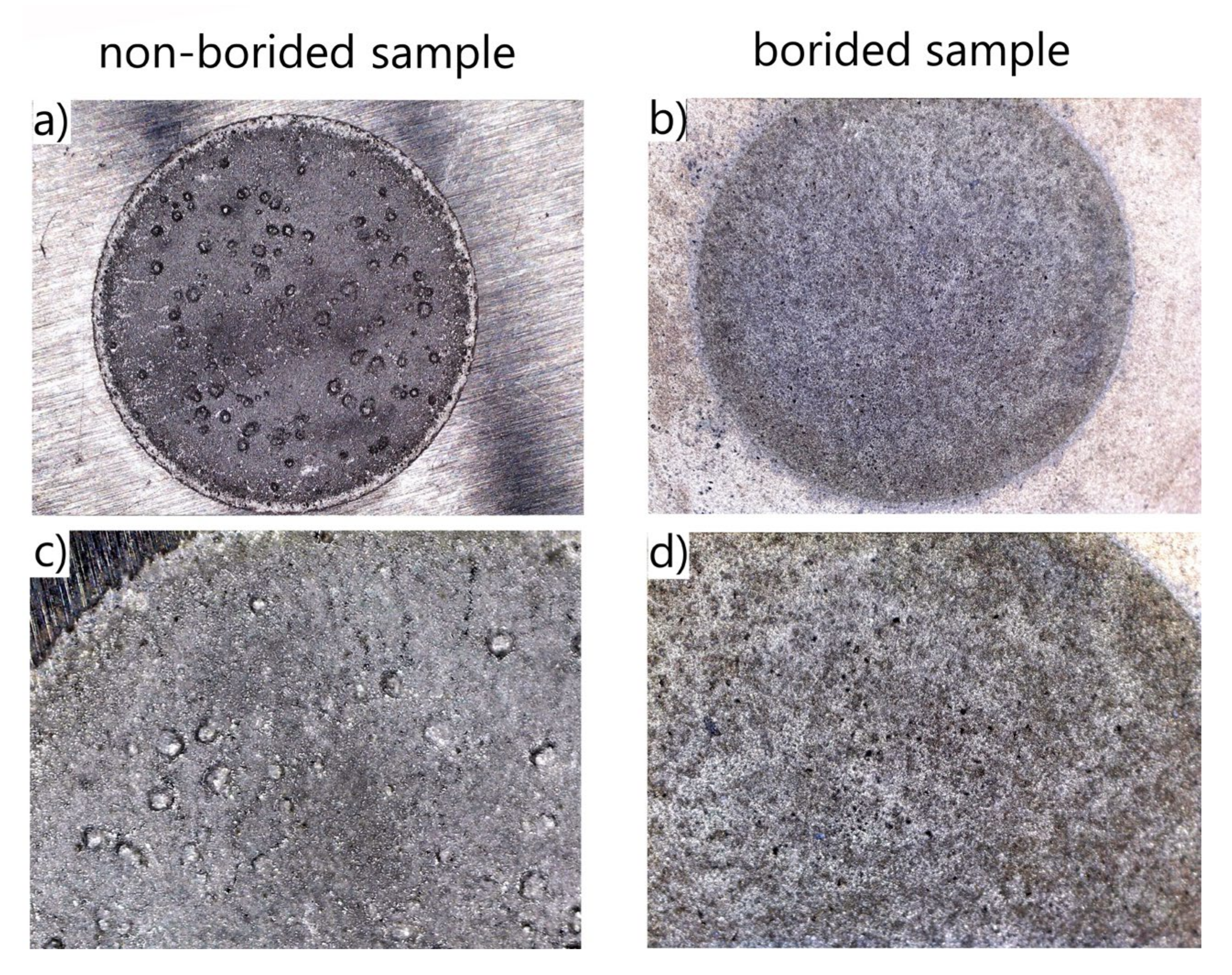



| Elements and Material | Cr | Mn | Cu | Fe | Ti | Si | C | Al | Ni |
|---|---|---|---|---|---|---|---|---|---|
| Nickel 201 | - | ≤0.35 | ≤0.25 | ≤0.40 | - | ≤0.40 | ≤0.02 | - | Balance |
| Inconel®600 Alloy | 15.72 | 0.16 | 0.04 | 8.63 | - | 0.18 | 0.078 | 0.06 | Balance |
| Nimonic®80A Alloy | 19.52 | ≤0.01 | 0.01 | 0.25 | 2.55 | 0.09 | 0.085 | 1.44 | Balance |
| Material | Icorr[A/cm2] | Ecorr[V] |
|---|---|---|
| Non-Borided Nickel 201 | 9.1 × 10⁻⁷ | −0.889 |
| Borided Nickel 201 | 8.3 × 10⁻⁷ | −0.853 |
| Non-borided Inconel®600 | 9.8 × 10⁻⁶ | −1.002 |
| Borided Inconel®600 | 1.1 × 10⁻⁶ | −0.953 |
| Non-borided Nimonic®80A | 9.7 × 10⁻⁶ | −1.003 |
| Borided Nimonic®80A | 1.9 × 10⁻⁶ | −0.902 |
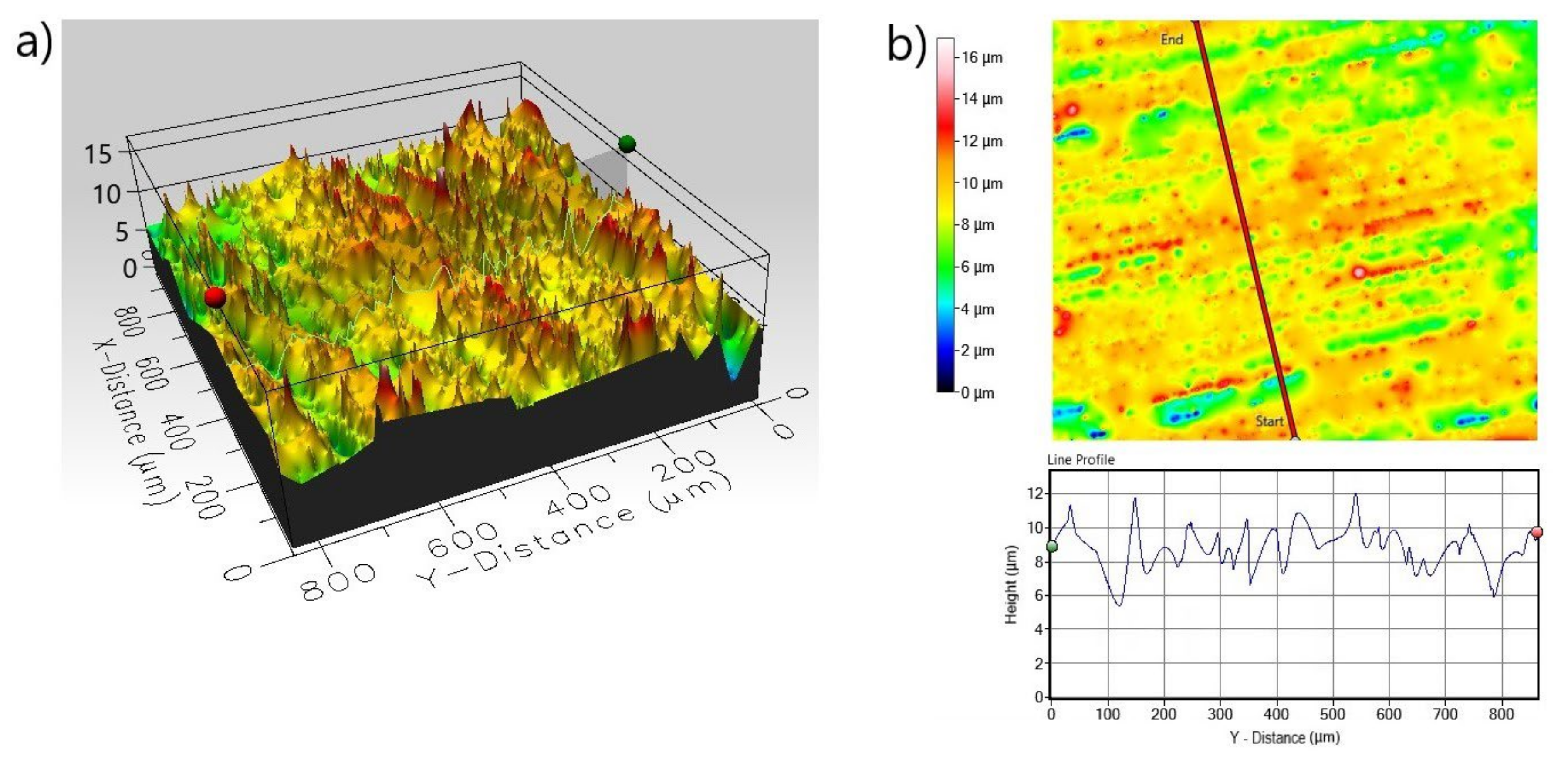
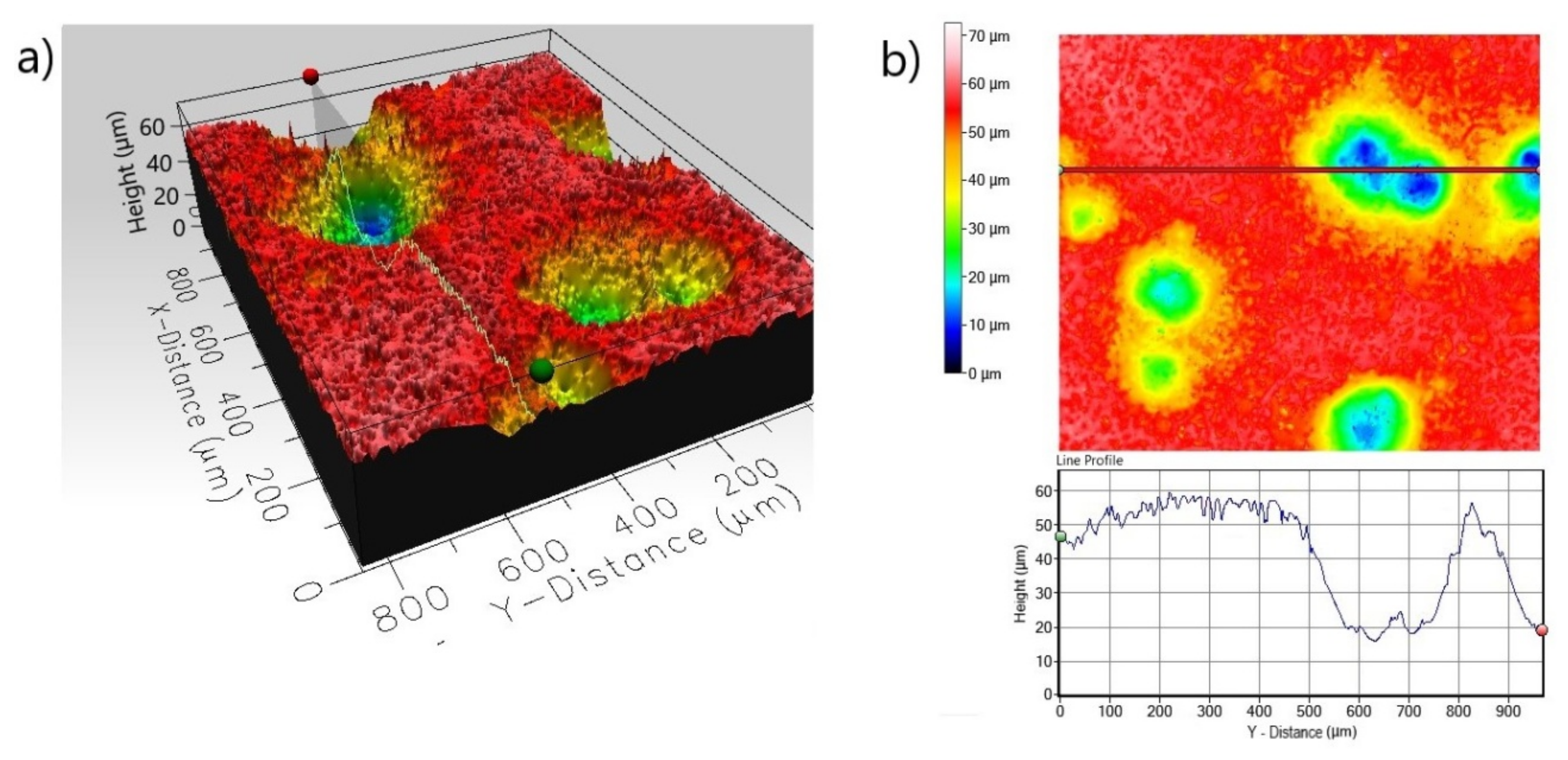
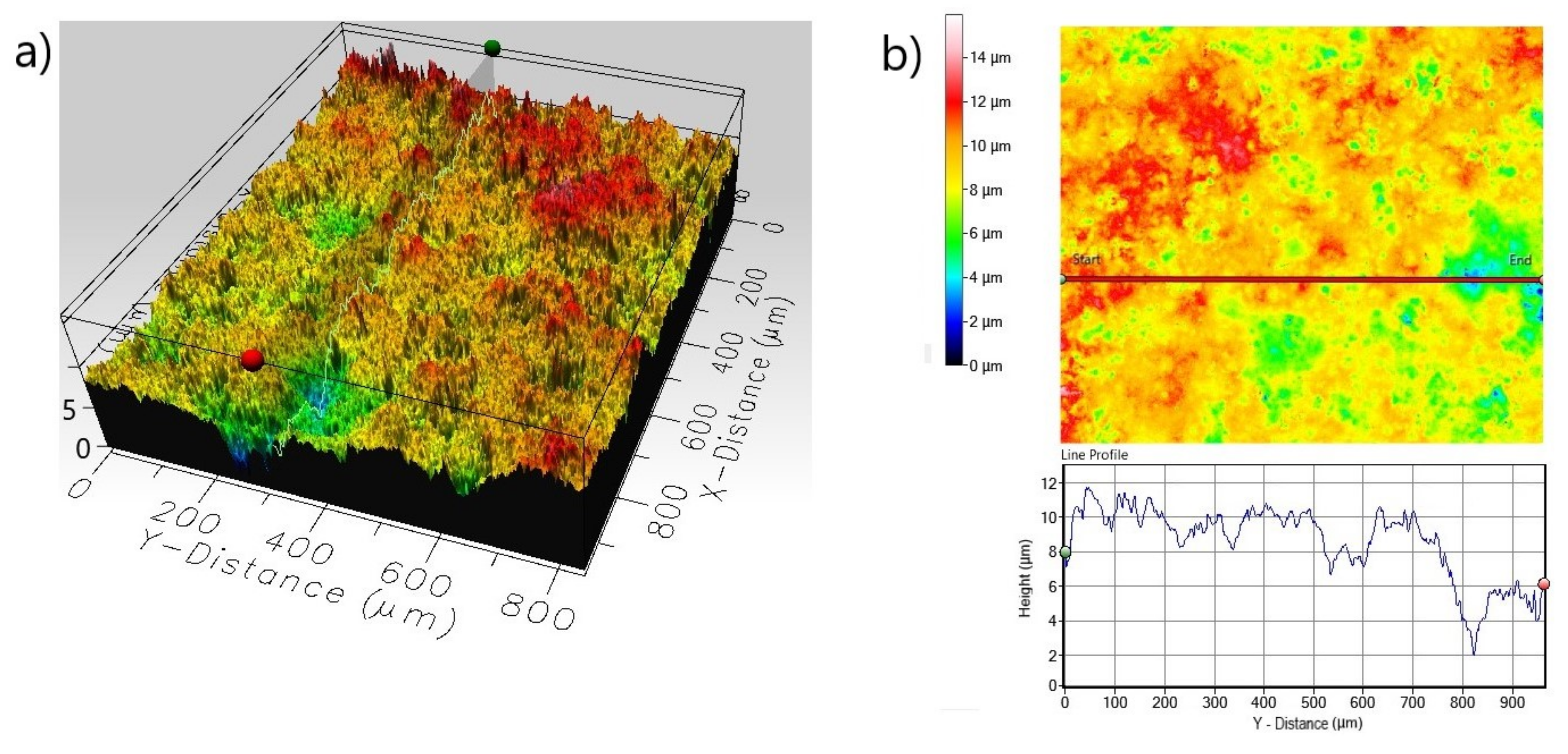
| Roughness Parameters Material | Line Roughness | Area Roughness | |||||
|---|---|---|---|---|---|---|---|
| Ra (µm) | Rq (µm) | Rp (µm) | Sa (µm) | Sq (µm) | Sp (µm) | Sz (µm) | |
| Non-Borided Nickel 201 | 0.485 | 0.686 | 2.767 | 2.672 | 3.589 | 15.150 | 26.85 |
| Borided Nickel 201 | 0.352 | 0.526 | 2.282 | 1.127 | 1.463 | 7.372 | 11.892 |
| Non-Borided Inconel®600 | 1.121 | 1.484 | 5.147 | 7.779 | 10.812 | 20.441 | 58.144 |
| Borided Inconel®600 | 0.253 | 0.336 | 2.074 | 1.191 | 1.534 | 8.209 | 16.880 |
| Non-Borided Nimonic®80A | 1.114 | 1.432 | 5.527 | 7.875 | 10.670 | 23.480 | 72.591 |
| Borided Nimonic®80A | 0.465 | 0.615 | 1.769 | 1.188 | 1.529 | 7.024 | 15.940 |
Publisher’s Note: MDPI stays neutral with regard to jurisdictional claims in published maps and institutional affiliations. |
© 2020 by the author. Licensee MDPI, Basel, Switzerland. This article is an open access article distributed under the terms and conditions of the Creative Commons Attribution (CC BY) license (http://creativecommons.org/licenses/by/4.0/).
Share and Cite
Makuch, N. The Importance of Phase Composition for Corrosion Resistance of Borided Layers Produced on Nickel Alloys. Materials 2020, 13, 5131. https://doi.org/10.3390/ma13225131
Makuch N. The Importance of Phase Composition for Corrosion Resistance of Borided Layers Produced on Nickel Alloys. Materials. 2020; 13(22):5131. https://doi.org/10.3390/ma13225131
Chicago/Turabian StyleMakuch, Natalia. 2020. "The Importance of Phase Composition for Corrosion Resistance of Borided Layers Produced on Nickel Alloys" Materials 13, no. 22: 5131. https://doi.org/10.3390/ma13225131
APA StyleMakuch, N. (2020). The Importance of Phase Composition for Corrosion Resistance of Borided Layers Produced on Nickel Alloys. Materials, 13(22), 5131. https://doi.org/10.3390/ma13225131