1. Introduction
The ring induction motors are a group of electrical machines mainly used in electric drives with heavy starting. The electrical power of these machines varies over a wide range, from a fraction of a kilowatt to several megawatts, which allows for an extensive range of applications [
1]. They are characterised by a simple structure, which implies low construction costs, easy operation and maintenance, and high levels of operational reliability [
2].
One of the most important curves used to describe the RIMs is the torque-slip characteristic, which represents the relationship between the electromagnetic moment and the slip [
3,
4]. This is determined by the constant value of the stator supply voltage and the variable rotational speed of the motor, which is related to the slip by a simple and well-known formula. It is most often described using a simplified Kloss equation [
3], which approximates the corresponding measured points with a high uncertainty value, however, most often in the case of very low-power machines [
5]. An extended version of this equation [
6,
7,
8], denoted here as EKE, was therefore developed based on the theory and practice of electric machines, for which much lower values of the approximation uncertainty of the mechanical characteristic of the motor can be obtained. This equation is necessary for the analytical determination of machine acceleration times [
9], an analysis of the transient regimes [
10], frequency control of inductive electric drives under conditions of overload [
11], and for the testing of electric motors, for example in Tesla vehicles [
12]. Using a simplified and extended version of the Kloss equation, the value of maximum (critical) motor torque and the corresponding value of maximum (critical) slip can be determined [
13]. For when the slip is equal to one, the value of the starting torque of the motor can be determined. Knowledge of the critical and starting torques is extremely important from the point of view of evaluating the mechanical properties of the RIM [
14]. The first type of torque allows us to determine the possibility of short-term motor overload [
15], while the second one represents the possibility of starting a drive system including both a motor and a generator [
16].
All of the procedures for determining the TSC involve the accurate measurements of the corresponding points [
17], and then their approximation with a minimum value of uncertainty [
18,
19,
20]. The accurate determination of the maximum torque and slip is only possible by applying this approach to modelling. When the mathematical formula representing the measured points of the TSC is known, the satisfactory approximation results and the associated uncertainties can be obtained by applying the MC method [
21,
22,
23]. This method should involve a pseudorandom number generator with a uniform distribution [
24,
25]. However, it is only possible to determine the maximum values of the torque and slip by applying the MC method. A third parameter related to the EKE also needs to be determined. This can be obtained by performing indirect calculations based on the equivalent circuit of the RIM [
26,
27,
28] and by using the additional numerical method to obtain values of the power losses in the stator iron. Additionally, it should be emphasized that the MC method has so far been applied to the modelling of the RIMs, by analysis of their thermal behaviour and the detection of corresponding faults, based on the stator current measurements [
29,
30].
In
Section 2 of this paper, we present a detailed discussion of the issues related to the determination of the equivalent circuit parameters corresponding to the RIM, based on measurements of the motor idle and short-circuit states. The use of polynomial approximation [
31,
32,
33] to determine the power losses are also proposed as the additional numerical method.
Section 3 describes the use of the MC method to model the RIM by using the TSC, while
Section 4 presents an example of the use of MC-based modelling and the verification of the corresponding results.
The solution presented in this paper represents a new approach to modelling the RIM based on the measurement points of the TSC and the EKE. This is obtained by an application of the MC method and the polynomial approximation which allows us to determine the values of the maximum moment and slip with the associated uncertainties. Therefore, it is an example of accurate modelling of the RIM which is worked out according to the guidelines in [
18,
21] and can be applied in the field of the precise elaboration of measurement results. The lack of uncertainty analysis in the modelling of the RIMs can be considered a weakness of the research so far in the field of electrical motors.
The proposed method can be used for accurate modelling and appropriate control over the mechanical properties of the RIMs in order to ensure the correct operation of both single motors and complex electrical drive systems.
2. Theoretical Basis for the Accurate Modelling of the RIM
The EKE is defined by the following formula:
where
, and
are the motor torque, maximum torque, slip, and maximum slip, respectively. The coefficient
is expressed as follows:
where
, and
denote the stator resistance, rotor resistance, and voltage ratio, respectively [
6,
7,
8]. The voltage ratio is calculated by the formula:
where
is the stator supply volge, which is lower than the rated voltage
, while
is the maximum voltage produced between any two rotor phases, and
is the maximum voltage produced between any two stator phases when the rotor is supplied by the voltage
[
27]. The coefficient
is defined by:
where
and
denote the magnetisation reactance and the stator phase leakage reactance, respectively, and are calculated using the following formulae:
and
where
is the magnetisation current,
is the stator current under idle conditions, and
is the voltage induced in the rotor [
6,
7,
8].
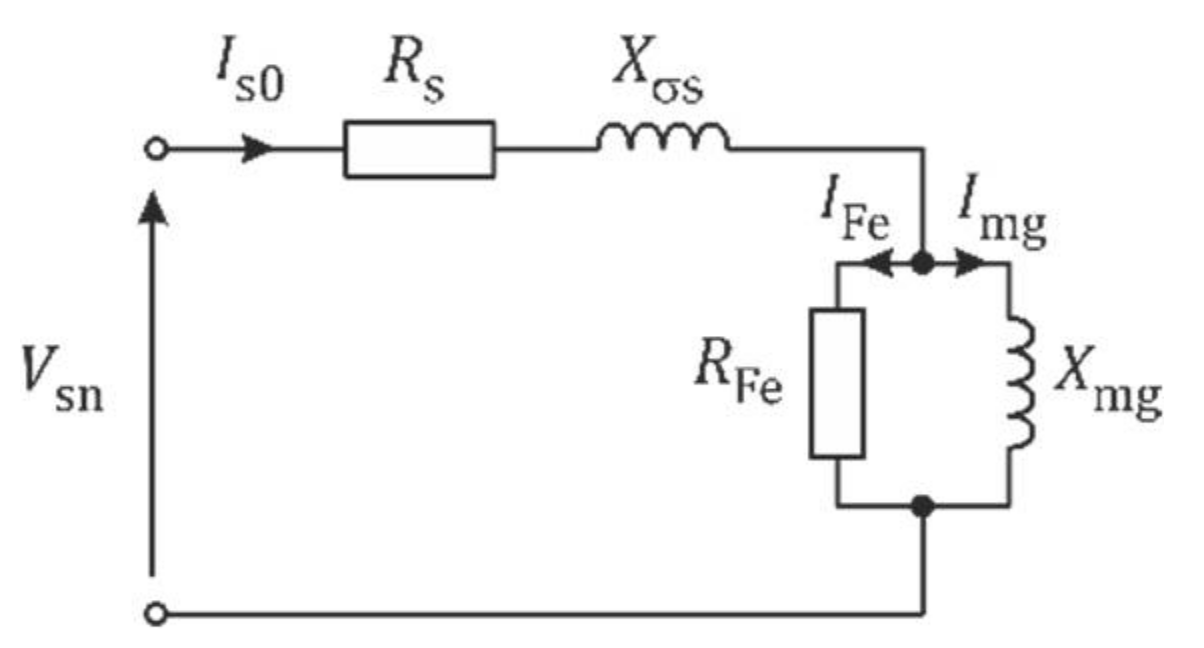
Figure 1 shows a circuit model of the RIM, which is valid when the measurements are made in the idle state.
The magnetisation current is
where
denotes the current corresponding to the power losses in the stator iron, and is calculated using the simple formula:
Here,
denotes the resistance of the iron, and is defined by the following equation:
while
denotes the power losses in the stator iron.
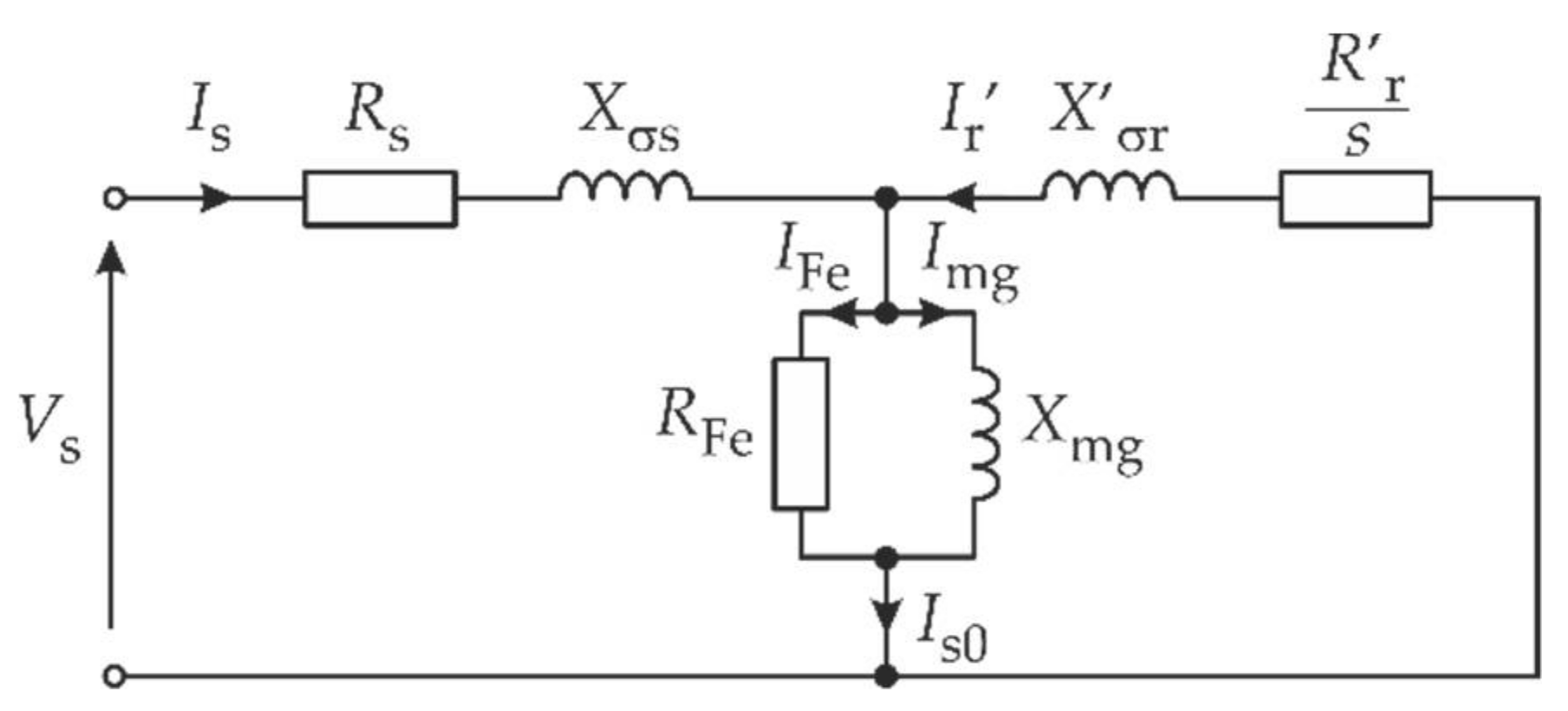
The complete equivalent circuit of the RIM is shown in
Figure 2, where
and
denote the rotor phase resistance and the reactance transformed to the stator side.
The quantities
, and
given in Equations (5), (7)–(9) are calculated based on the complete phase equivalent diagram (the left side of
Figure 2), omitting the voltages related to the stator resistance and the stator winding leakage reactance.
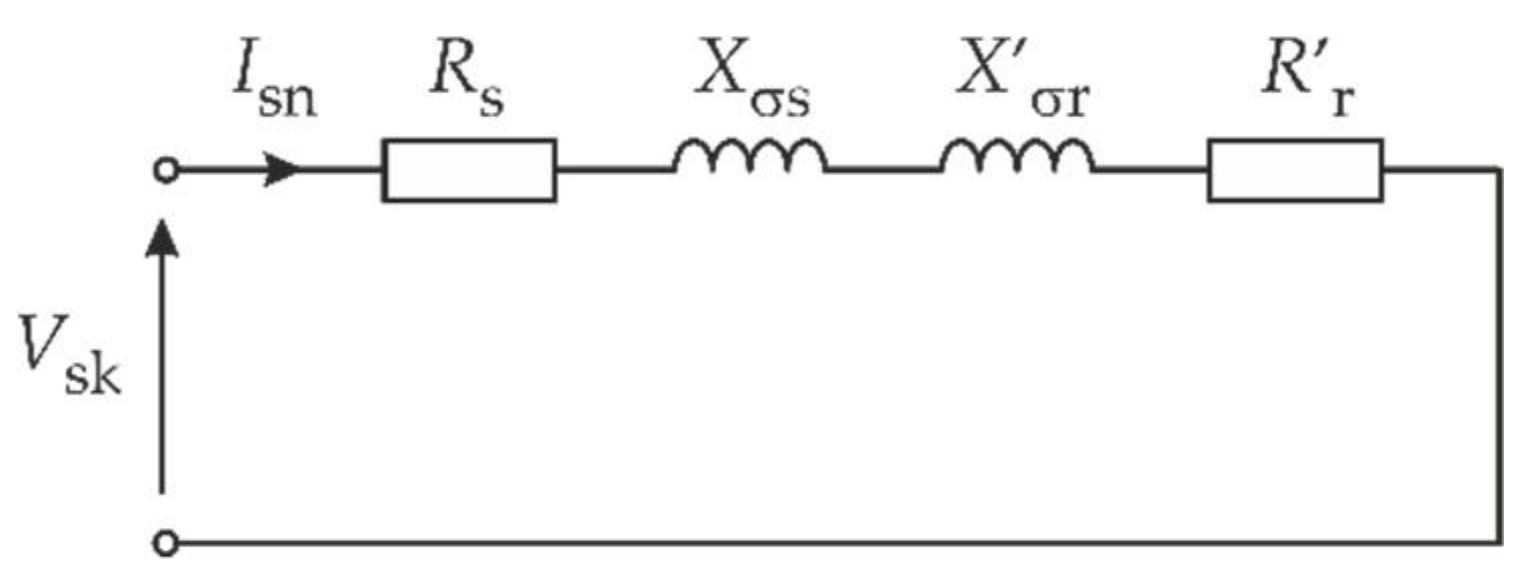
The values of the parameters
and
can be determined based on the circuit model of the RIM in the short-circuit state, as shown in
Figure 3, where
denotes the current in this state.
The transverse branch of the circuit model shown in
Figure 2 is omitted in
Figure 3, due to the significant value of its impedance compared to the impedance of the longitudinal branch. The short-circuit current
is also assumed to be equal to the rated stator current
[
6,
7,
8].
Based on the circuit model shown in
Figure 3, we have:
and
while
Based on Ohm’s law, we obtain:
and applying the impedance triangle gives
By transforming Equation (10), we obtain the rotor resistance
We can express the coefficient
in terms of the measured values of the parameters of the RIM. We can obtain this relation by substituting Equations (3)–(13) into Equation (2) to give [
1,
6,
7,
8]:
where the auxiliary parameters are
The uncertainties associated with the quantities given in Equations (3)–(16) can be calculated using the formula:
where
denotes the quantity under consideration, and
is the number of indirect quantities necessary to determine the value of
The relative uncertainty associated with the quantity
is defined by the equation:
For both analogue and digital measuring instruments, the uncertainty
is determined by the formula:
where
is the absolute error, while the value of the denominator results from the probability density function of a uniform distribution, which is valid for both analogue and digital instruments.
For analogue instruments, the error is determined on the basis of the static accuracy class
according to the equation:
where
denotes the measurement range for the quantity to be measured. For digital instruments, the following formula is usually applied:
where
denotes the value of the quantity to be measured, and
and
are constant parameters that are typical for the particular instrument and are included in the corresponding datasheet.
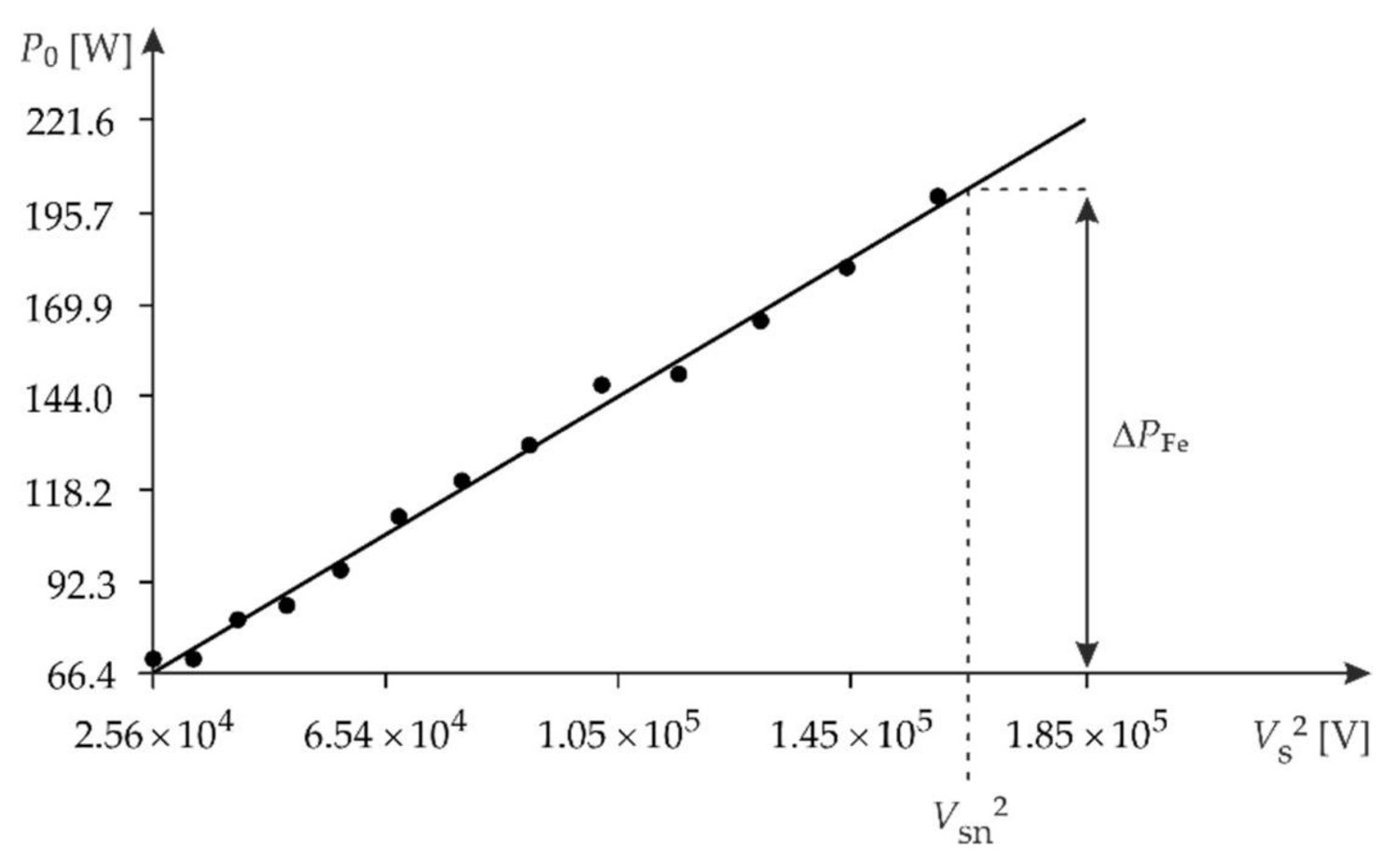
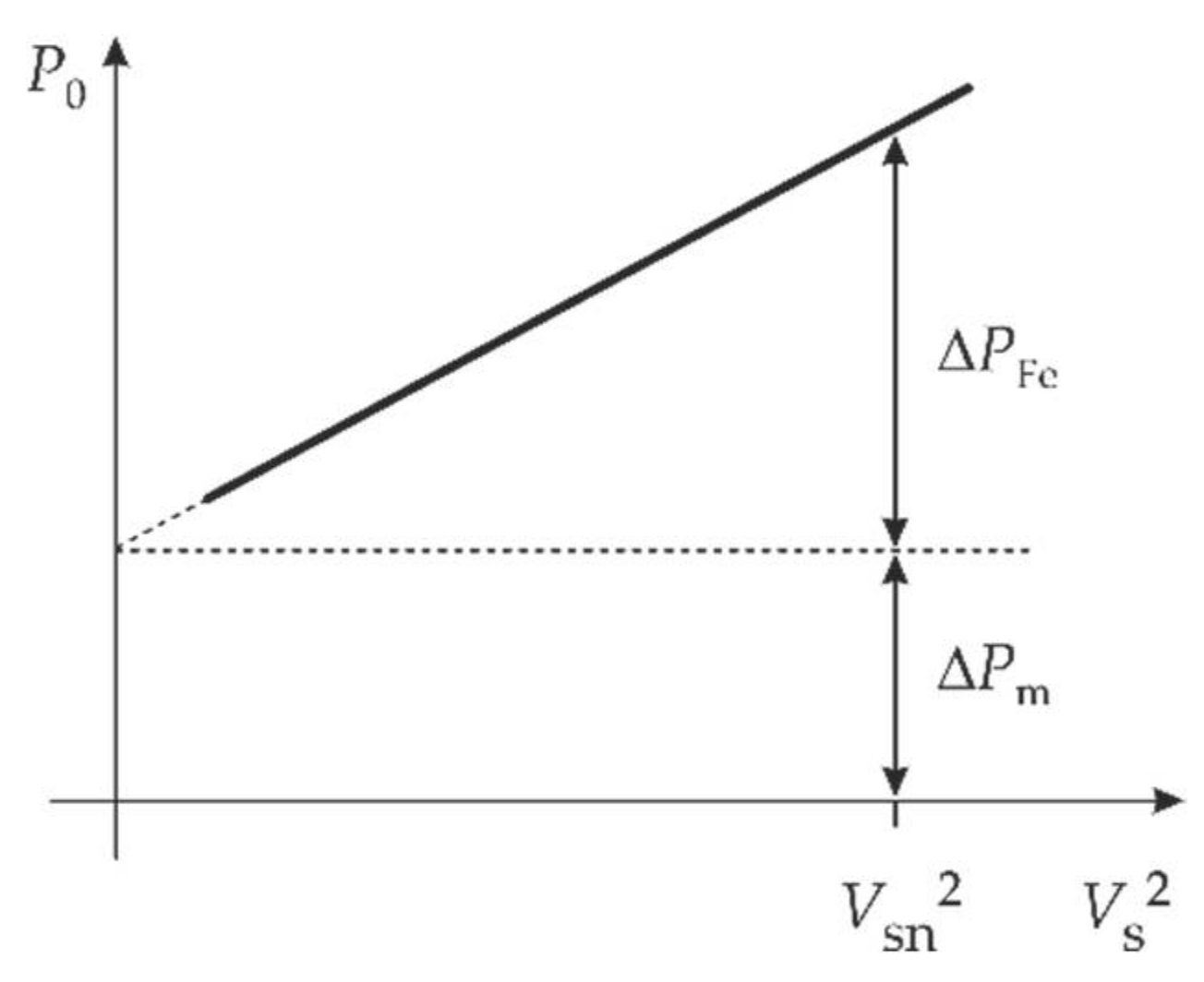
The power losses in the stator iron
are determined using a graphical method for the rated stator voltage
, as shown in
Figure 4.
The quantity is the active power consumed by the motor during idling, and is equal to the sum of the losses in the stator iron , and the mechanical power losses
Based on the measured points for the active power
it is easy to determine the linear characteristic
and the associated uncertainty. This can be done by applying the polynomial method, using the formula:
where
and
are the polynomial coefficients, and
denotes the error of approximation.
Estimates
of the polynomial coefficients are obtained using the following matrix equation:
where
and
denotes the number of measured points for the characteristic
The uncertainty of approximation is denoted as the error
, and is given by the following formula:
The standard uncertainty associated with the coefficients
and
is
where
and
[
29,
30,
31].
The relative uncertainties associated with the coefficients
and
are calculated as follows:
The values of the power losses in the stator iron
and the associated uncertainty
are calculated using the expressions:
and
The corresponding relative uncertainty is:
The procedure for determining the values of the parameters included in Equation (1) and the corresponding uncertainties is discussed in detail in the section below.
3. Monte-Carlo-Based Modelling of the RIM
We now present the example of the application of the MC method in the accurate modelling of the RIM, which involves determining the corresponding parameters of the EKE and the associated uncertainties. This procedure is based on an intuitive method of determining the parameters
and
for the possible ranges of variability of the parameters
and
, which are included in the EKE [
21,
22,
23,
24].
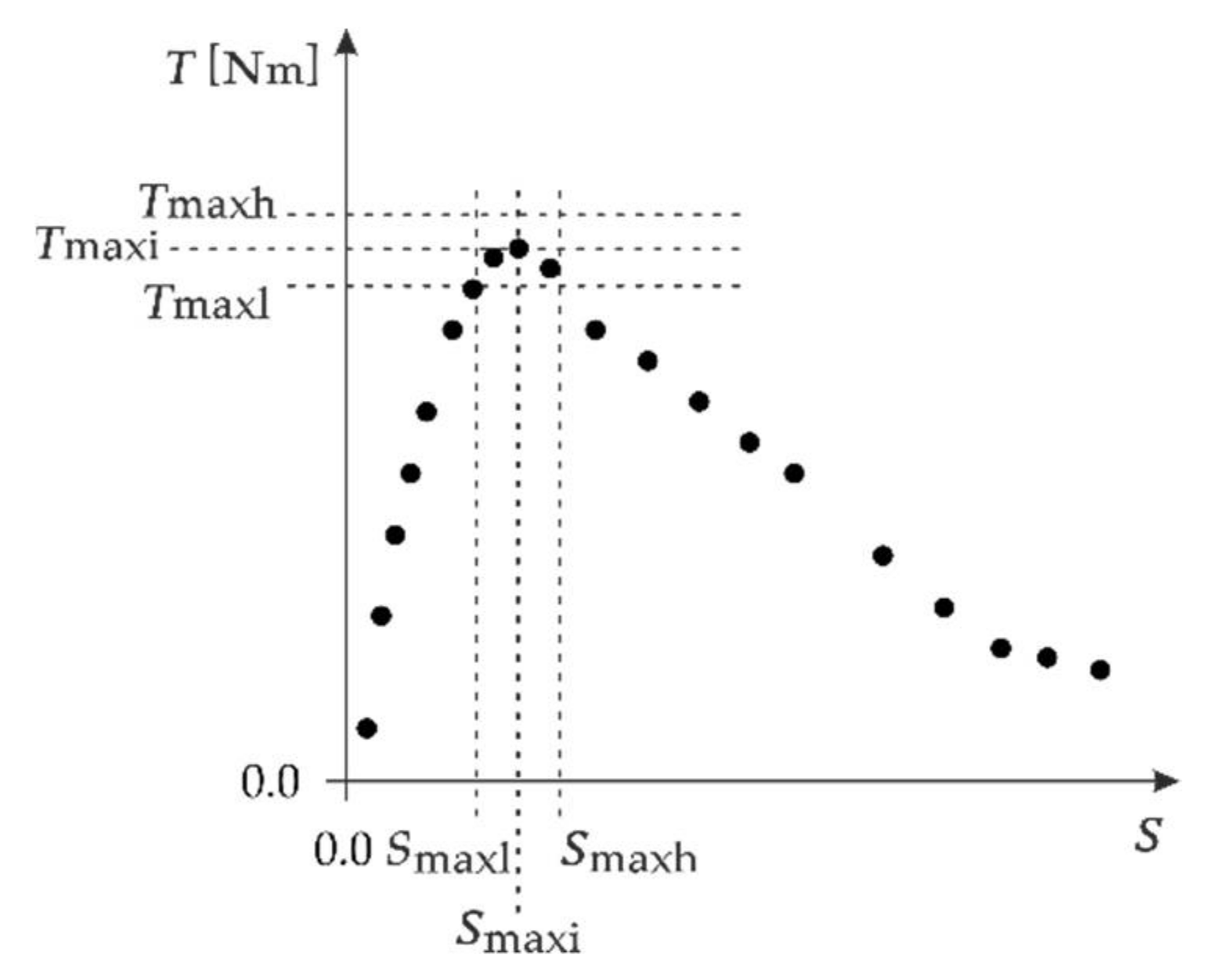
Figure 5 shows the typical TSC which describes the RIM for its motor work and covers the stable range of this characteristic.
Figure 5 also shows examples of the variability ranges of the parameters
and
The index ‘i’ denotes the intuitive values of both parameters, while the indexes ‘h’ and ‘l’ represent the high and low assumed values of these parameters. The high and low values are assumed in advance to ensure that the estimated values of the parameters and are within these selected ranges. A suitable selection of these ranges constitutes the first step in this method.
The parameter
and the associated uncertainty
are determined based on the procedure discussed in
Section 2. The low and high values,
and
, are determined as follows:
The second step in our MC-based procedure involves the choice of the type of pseudorandom number generator. Taking into account the analogous probability of the occurrence of the optimal value of the estimates , , and for any value from the above intervals, we are justified in choosing the pseudorandom number generator with a uniform distribution. The above estimates should accurately map the parameters , , and , which requires an approximation of the TSC with minimal uncertainty.
In the third step, we determine the number of MC trials. According to the recommendations given in the guide [
20], the optimal number of trials should be greater than
where
denotes the coverage probability.
In the fourth step, the following matrix is determined
based on Equation (1), where
and
denote the number of measured points for the TSC and the number of MC trials, respectively [
22,
23,
24,
25]. The matrix
is determined by substituting the values of the parameters
,
, and
into Equation (1), as obtained for a sequence of MC trials
. The value of each slip
is substituted into Equation (1) for each MC trial
, where
. In the fifth step, the matrix of approximation errors for the measured points of the TSC is determined as follows:
where
. The next rows of the matrix
correspond to the approximation uncertainties obtained for each value of the slip
The sixth step in our MC-based modelling process involves the determination of the vector
in which each element is the sum of the squared errors calculated for each column of the matrix
[
22,
23,
24,
25].
In the next step, the minimum value of the vector and the corresponding number of trials are determined. The parameters , , and corresponding to the value are assumed to represent the optimal solution to the MC-based model. These parameters correspond to the estimates , , and as defined above.
We then determined the uncertainty associated with the MC method using the following formula:
where
The last step in our MC-based procedure involves the determination of the uncertainties associated with the parameters
,
, and
using the formula:
where
The last two formulae are valid for all the parameters in the MC model.
4. Example Application and Verification of Results
Let us present below the experimental results referring to the modelling of the real RIM with the following rated data: (rated power), (rated stator voltage), (rated stator current), (rated frequency), (rated rotational speed), (winging connections), (rated power factor), and (rated efficiency). Single-phase resistances for the stator and rotor are 2.9 and 0.1 , respectively.
Table 1 shows the measured results for the magnetisation characteristic obtained in the idle state. The value of the current
, obtained for the rated voltage
, was measured with a digital instrument, and is equal to 5.60 A. The uncertainty associated with this current was calculated using Equations (20) and (22), and is equal to 0.22 A.
Figure 6 shows the results obtained for the power loss in the stator iron
using the method shown in
Figure 4 and Equations (23)–(30). The value of this power loss is 155.8 W, and the linear equation that approximates the measurement points is
The uncertainty associated with this approximation is .
The uncertainties associated with the parameters in the linear equation are = 2.17 and , while the corresponding relative uncertainties are and .
The uncertainty and relative uncertainty associated with the power losses, obtained using Equations (31) and (32), respectively, are
2.18 W and
. The measured results for the short-circuit state of the RIM are shown in
Table 2. These results enabled us to determine the parameters included in the circuit model shown in
Figure 3, using Equations (10)–(14).
The values of the voltages , and were determined using analogue voltmeters with an accuracy and measurement range of 0.5% and 400 V, respectively. The values of the quantities , and calculated using Equations (3)–(9), are 4.167 V/V, 3.08 k 0.13 A, 5.59 A, 71.45 2.23 and 0.971, respectively. The corresponding uncertainties , and are 0.001 V/V, 55 0.020 A, 0.22 A, 14.23 , 0.22 and 0.0070, respectively.
Table 2 shows the measured results obtained for the short-circuit state. Based on these measurements, we can calculate the values of the parameters
, and
using Equations (11), (13) and (14), respectively; we can then determine the corresponding uncertainties using Equations (18)–(22). These measurements were made using a voltmeter and ammeter with accuracy and measurement ranges of 0.50%, 200 V and 0.50%, 10 A, respectively.
The values of the parameters , and and the associated uncertainties and are 36.90 40.92 17.68 1.62 , 2.36 and 1.08 , respectively.
Based on the above parameters, the coefficient and the associated uncertainty were calculated using Equations (16) and (18) as 0.152 and 0.141, respectively. The value of the relative uncertainty is 92.8%. The high value of this uncertainty was due to the significant complexity of Equation (16), which depends on eight indirectly measured quantities.
Table 3 shows the measured results for the torque-slip characteristic of the RIM.
The values of the parameters
and
were determined intuitively, as shown in
Figure 5, as 7.00 Nm and 0.200, respectively. The values of the parameters
, and
were assumed in advance around the above parameters. These values define the draw ranges for the parameters
and
. The draw range for the coefficient
is determined based on the associated uncertainty
by Equation (33), as follows:
A total of MC trials were carried out using the pseudo-random number generator with a uniform distribution. Equations (34)–(40) were applied to the execution of the relevant numerical calculations using the MathCad 15 program, and the total computation time was 3 h and 24 min. The calculations were performed on a PC with the following parameters: Inter® Core™, Duo CPU E8400, processor , 3.00 GHz, 4.00 GB RAM.
The minimum value for the vector and the corresponding number of trials were 3.581 and 95360, respectively. The values of the parameters , , and corresponding to quantity are 7.3861 Nm, 0.19721, and 0.28927, respectively. The uncertainty associated with the MC method is 0.032. The uncertainties , , and associated with the parameters , , and are , and , respectively.
The relative uncertainty associated with the coefficient is 0.07%. Based on these results, it should be noted that the value of the uncertainty was reduced from 92.8% (obtained from analytical calculations) to 0.07% (obtained using our MC-based procedure).
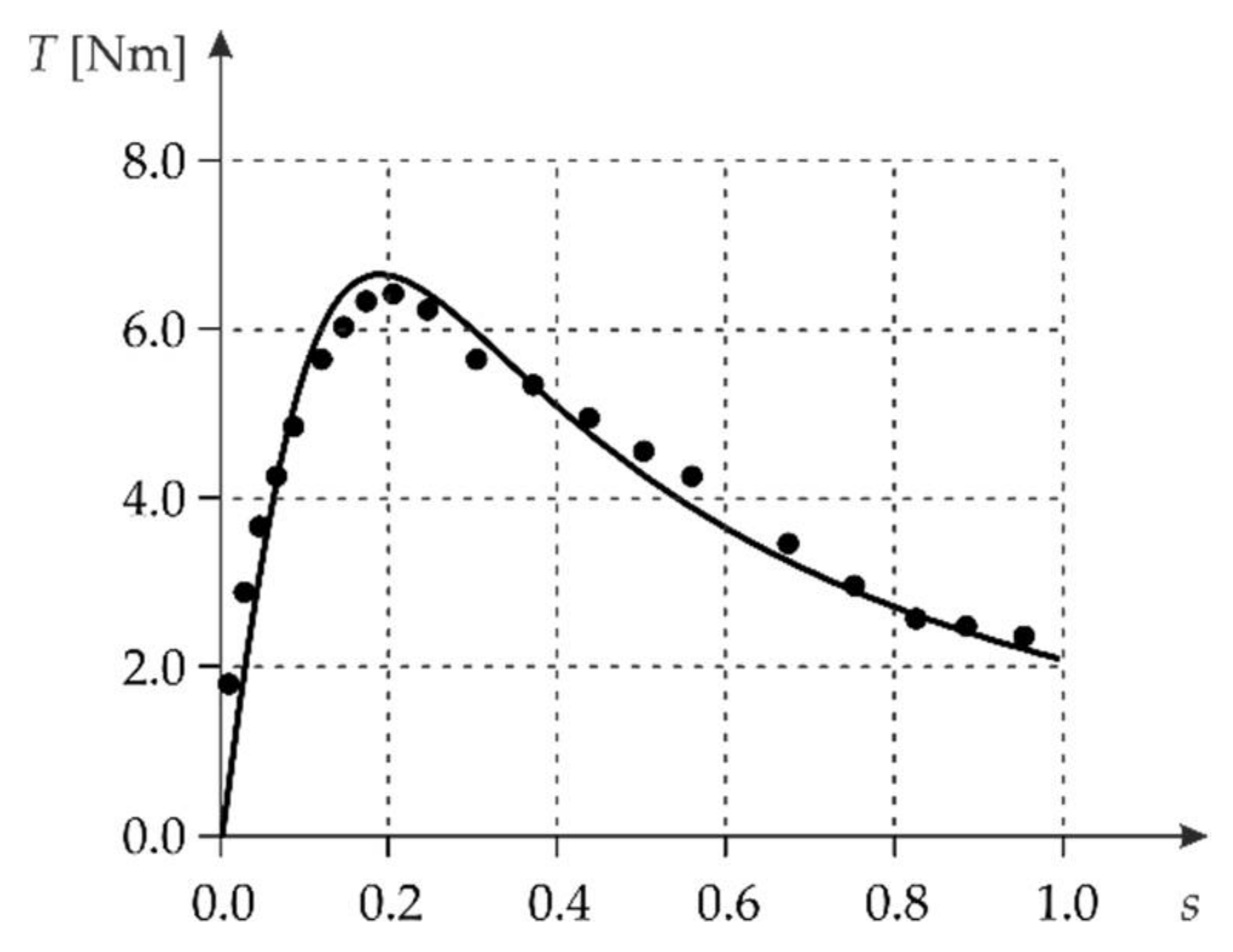
Figure 7 shows the results from our MC-based model of the RIM for the example of the TSC characteristic and using the EKE.
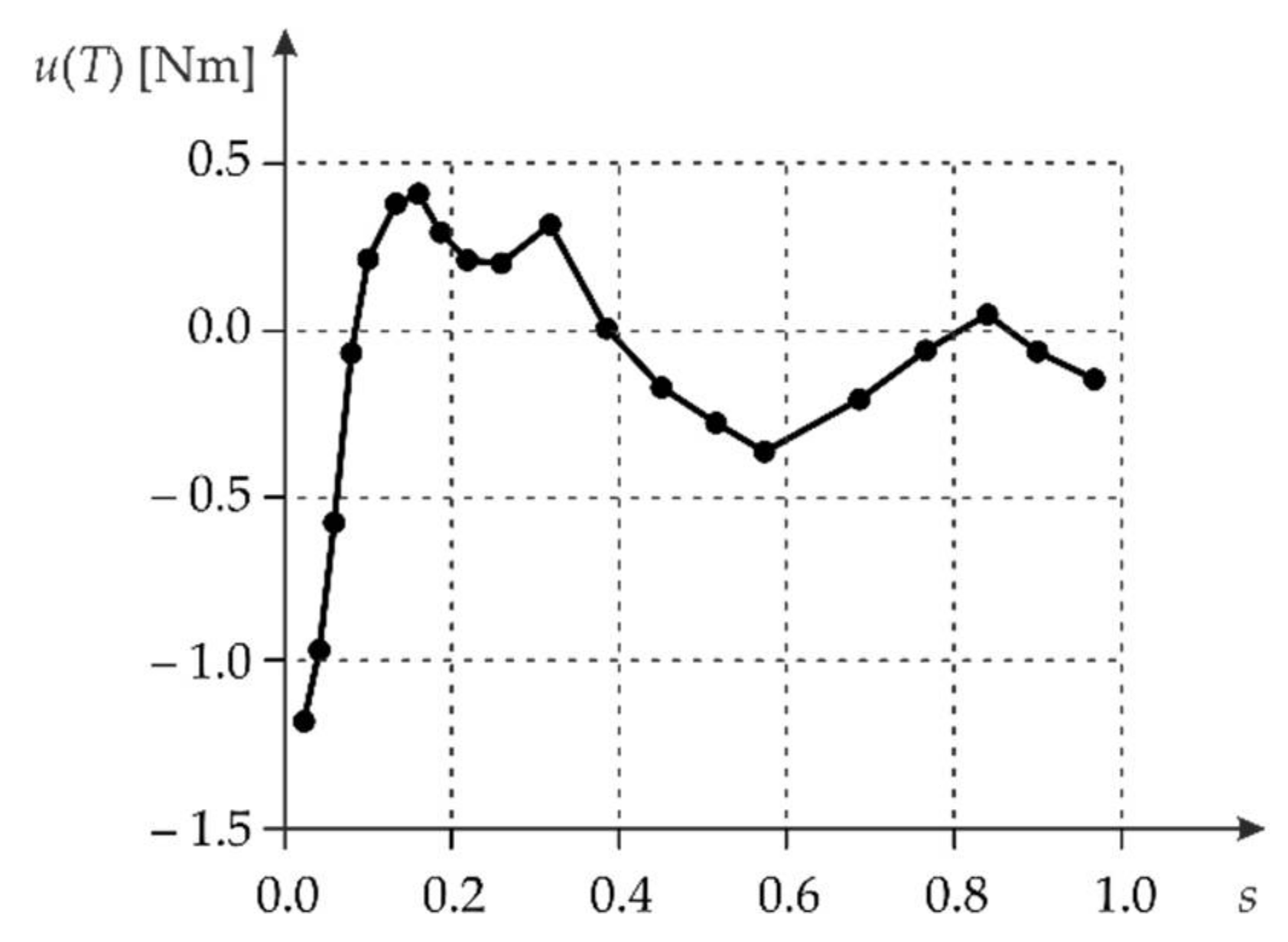
Figure 8 shows the distribution of the approximation uncertainty
for the particular values of the slip
The highest value of the approximation uncertainty was obtained for the slip within the maximum slip value , as well as for the slip with a value of about 0.85.
We now verify the implementation of our MC-based procedure by examining the influence of the number of MC trials on the value of the uncertainty
u(MC). The results for the values of the parameters included in the EKE are given in
Table 4.
It can be seen from
Table 4 that the values for the uncertainty
u(MC) decrease as the number of MC trials increases. The values of the EKE parameters obtained for
MC trials (the lowest number of MC trials recommended by the corresponding guide), were assumed to represent the optimal solution to the modelling task for this example.
The results obtained in the section above show that the application of the MC method and the polynomial procedure in particular allows for a significant increase in the accuracy of the RIM modelling compared to other methods, which do not include analysis of the modelling uncertainty.




 ,
,