CYP2C19 Genetic Variants and Major Depressive Disorder: A Systematic Review
 ,
,  , , , ,
Abstract
1. Introduction
2. Materials and Methods
2.1. Search Strategy and Selection Criteria
2.2. Study Selection and Data Extraction
2.3. Bias Risk in Each Study
3. Results
3.1. Article Search, Selection, and Quality Assessment
3.2. General Characteristics of the Selected Studies
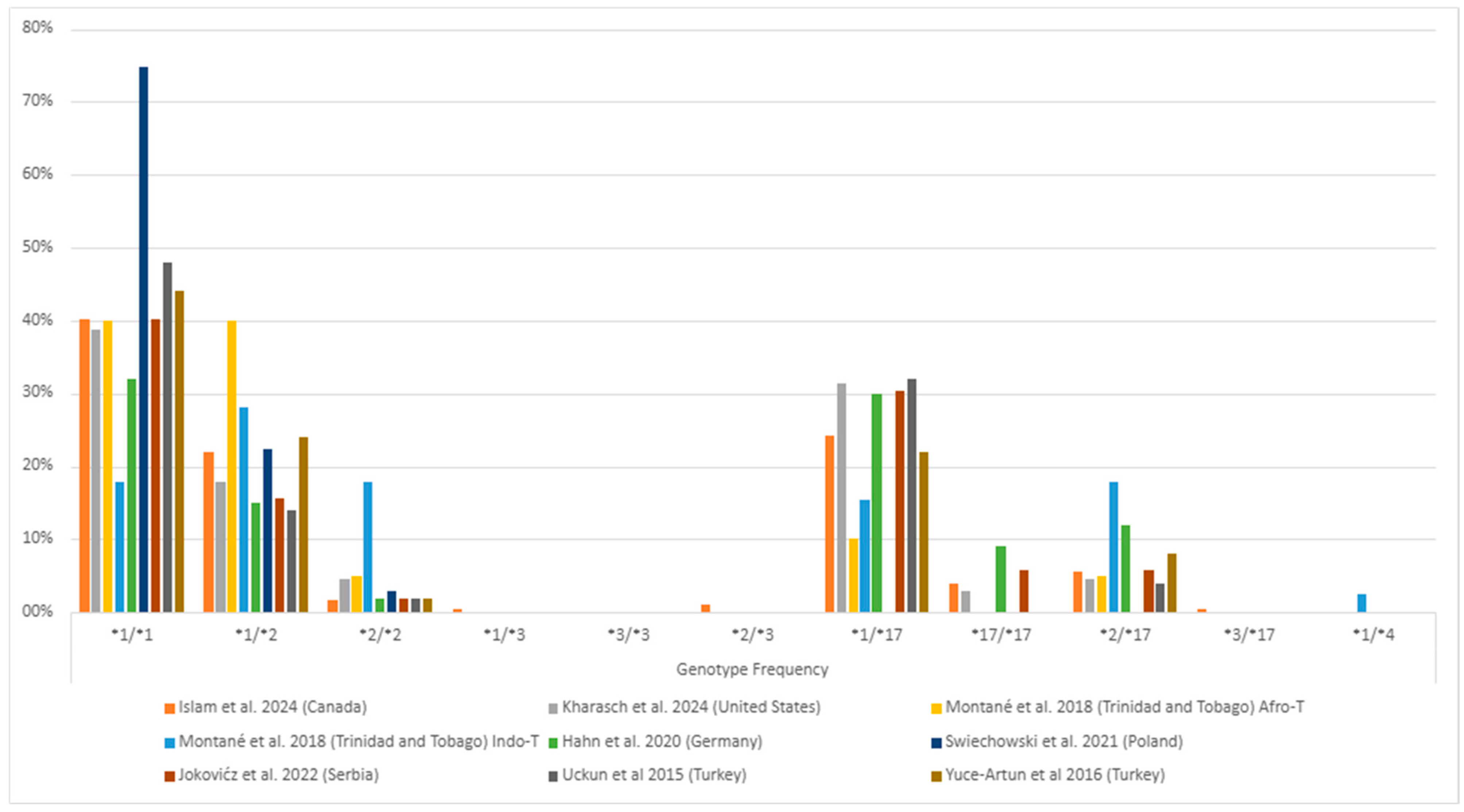
3.3. CYP2C19 Variants Star Genotypic and Allelic Frequency
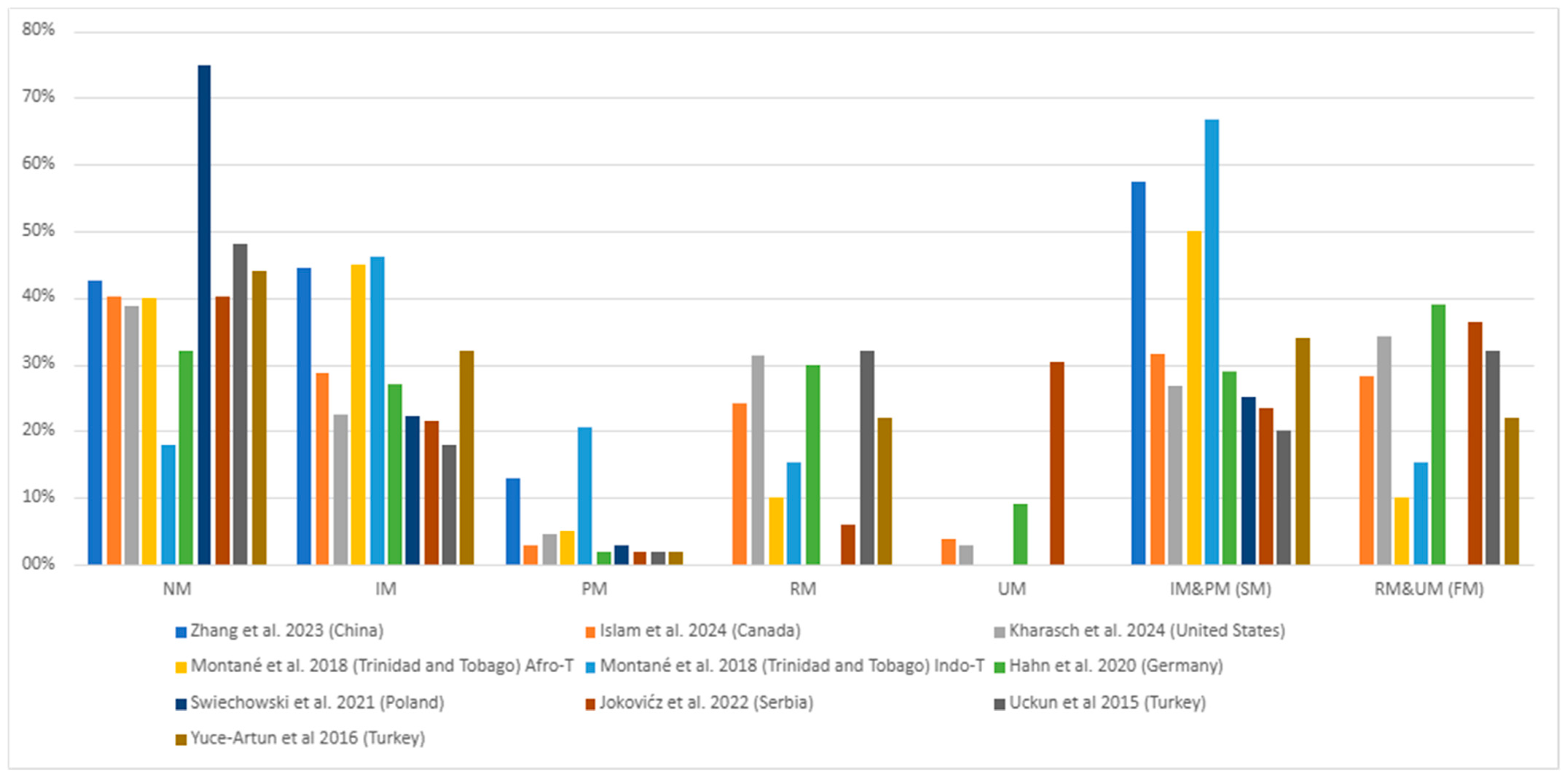
3.4. CYP2C19 Phenotypic Frequency
3.5. Analysis of Bias Risk in Each Study
4. Discussion
4.1. CYP2C19 Polymorphisms and Their Genotypic and Phenotypic Frequencies in Major Depressive Disorder
4.2. CYP2C19 Polymorphisms and MDD’s Clinical Characteristics
4.3. CYP2C19 Polymorphisms and Treatment Response and Tolerance
4.4. Quality Assessment and Limitations of Selected Articles
5. Conclusions
Supplementary Materials
Author Contributions
Funding
Institutional Review Board Statement
Informed Consent Statement
Data Availability Statement
Acknowledgments
Conflicts of Interest
References
- Wyska, E. Pharmacokinetic Considerations for Current State-of-the-Art Antidepressants. Expert. Opin. Drug Metab. Toxicol. 2019, 15, 831–847. [Google Scholar] [CrossRef] [PubMed]
- American Psychiatric Association. Diagnostic and Statistical Manual of Mental Disorders; American Psychiatric Association: Washington, DC, USA, 2013; ISBN 0-89042-555-8. [Google Scholar]
- Fang, Y.; Wu, Z. Advance in Diagnosis of Depressive Disorder. In Depressive Disorders: Mechanisms, Measurement and Management; Springer: Singapore, 2019; pp. 179–191. [Google Scholar]
- Ferrari, A.J.; Santomauro, D.F.; Aali, A.; Abate, Y.H.; Abbafati, C.; Abbastabar, H.; Abd ElHafeez, S.; Abdelmasseh, M.; Abd-Elsalam, S.; Abdollahi, A.; et al. Global Incidence, Prevalence, Years Lived with Disability (YLDs), Disability-Adjusted Life-Years (DALYs), and Healthy Life Expectancy (HALE) for 371 Diseases and Injuries in 204 Countries and Territories and 811 Subnational Locations, 1990–2021: A Systematic Analysis for the Global Burden of Disease Study 2021. Lancet 2024, 403, 2133–2161. [Google Scholar] [CrossRef]
- Bains, N.; Abdijadid, S. Major Depressive Disorder. Available online: https://www.ncbi.nlm.nih.gov/books/NBK559078/ (accessed on 5 October 2024).
- National Institute for Health and Care Excellence (NICE). Depression in Adults: Treatment and Management. Available online: https://www.ncbi.nlm.nih.gov/books/NBK583074/ (accessed on 5 October 2024).
- Li, D.; Pain, O.; Fabbri, C.; Wong, W.L.E.; Lo, C.W.H.; Ripke, S.; Cattaneo, A.; Souery, D.; Dernovsek, M.Z.; Henigsberg, N.; et al. Meta-Analysis of CYP2C19 and CYP2D6 Metabolic Activity on Antidepressant Response from 13 Clinical Studies. medRxiv 2023. [Google Scholar] [CrossRef]
- Palumbo, S.; Mariotti, V.; Pellegrini, S. A Narrative Review on Pharmacogenomics in Psychiatry: Scientific Definitions, Principles, and Practical Resources. J. Clin. Psychopharmacol. 2024, 44, 49–56. [Google Scholar] [CrossRef]
- Rendic, S.; Guengerich, F.P. Survey of Human Oxidoreductases and Cytochrome P450 Enzymes Involved in the Metabolism of Xenobiotic and Natural Chemicals. Chem. Res. Toxicol. 2015, 28, 38–42. [Google Scholar] [CrossRef]
- Zhao, M.; Ma, J.; Li, M.; Zhang, Y.; Jiang, B.; Zhao, X.; Huai, C.; Shen, L.; Zhang, N.; He, L.; et al. Cytochrome P450 Enzymes and Drug Metabolism in Humans. Int. J. Mol. Sci. 2021, 22, 12808. [Google Scholar] [CrossRef]
- Manikandan, P.; Nagini, S. Cytochrome P450 Structure, Function and Clinical Significance: A Review. Curr. Drug Targets 2018, 19, 38–54. [Google Scholar] [CrossRef]
- Ingelman-Sundberg, M. Human Drug Metabolising Cytochrome P450 Enzymes: Properties and Polymorphisms. Naunyn Schmiedebergs Arch. Pharmacol. 2004, 369, 89–104. [Google Scholar] [CrossRef] [PubMed]
- Nussbaum, R.L.; Willard, H.F. Thompson & Thompson Genética Médica; Oitava Edição; Elsevier Masson: Moulineaux, Paris, 2016. [Google Scholar]
- Baldacci, A.; Saguin, E.; Balcerac, A.; Mouchabac, S.; Ferreri, F.; Gaillard, R.; Colas, M.D.; Delacour, H.; Bourla, A. Pharmacogenetic Guidelines for Psychotropic Drugs: Optimizing Prescriptions in Clinical Practice. Pharmaceutics 2023, 15, 2540. [Google Scholar] [CrossRef]
- PharmGKB®. CYP2C19; PharmGKB®: Stanford, CA, USA, 2024. [Google Scholar]
- Bousman, C.A.; Stevenson, J.M.; Ramsey, L.B.; Sangkuhl, K.; Hicks, J.K.; Strawn, J.R.; Singh, A.B.; Ruaño, G.; Mueller, D.J.; Tsermpini, E.E.; et al. Clinical Pharmacogenetics Implementation Consortium (CPIC) Guideline for CYP2D6, CYP2C19, CYP2B6, SLC6A4, and HTR2A Genotypes and Serotonin Reuptake Inhibitor Antidepressants. Clin. Pharmacol. Ther. 2023, 114, 51–68. [Google Scholar] [CrossRef]
- Milosavljevic, F.; Bukvic, N.; Pavlovic, Z.; Miljevic, C.; Pešic, V.; Molden, E.; Ingelman-Sundberg, M.; Leucht, S.; Jukic, M.M. Association of CYP2C19 and CYP2D6 Poor and Intermediate Metabolizer Status With Antidepressant and Antipsychotic Exposure. JAMA Psychiatry 2021, 78, 270–280. [Google Scholar] [CrossRef]
- Botton, M.R.; Whirl-Carrillo, M.; Del Tredici, A.L.; Sangkuhl, K.; Cavallari, L.H.; Agúndez, J.A.G.; Duconge, J.; Lee, M.T.M.; Woodahl, E.L.; Claudio-Campos, K.; et al. PharmVar GeneFocus: CYP2C19. Clin. Pharmacol. Ther. 2021, 109, 352–366. [Google Scholar] [CrossRef]
- Robarge, J.D.; Li, L.; Desta, Z.; Nguyen, A.; Flockhart, D.A. The Star-Allele Nomenclature: Retooling for Translational Genomics. Clin. Pharmacol. Ther. 2007, 82, 244–248. [Google Scholar] [CrossRef]
- Kalman, L.; Agúndez, J.; Appell, M.L.; Black, J.; Bell, G.; Boukouvala, S.; Bruckner, C.; Bruford, E.; Caudle, K.; Coulthard, S.; et al. Pharmacogenetic Allele Nomenclature: International Workgroup Recommendations for Test Result Reporting. Clin. Pharmacol. Ther. 2016, 99, 172–185. [Google Scholar] [CrossRef] [PubMed]
- Zhang, X.; Yu, T.; Li, X.; Li, X.; Huang, X.; Li, X.; He, L.; He, G.; Sun, X. Neither Cytochrome P450 Family Genes nor Neuroendocrine Factors Could Independently Predict the SSRIs Treatment in the Chinese Han Population. Pharmacopsychiatry 2014, 47, 60–66. [Google Scholar] [CrossRef] [PubMed]
- Zhang, N.; Ji, L.; Chen, Z.; An, L.; Ren, D.; Bi, Y.; Guo, Z.; Yuan, R.; Yuan, F.; Dong, Z.; et al. No Association between CYP2C19 Genetic Polymorphism with Treatment Remission to Antidepressant Venlafaxine in Han Chinese Population. Psychiatr. Genet. 2020, 30, 30–33. [Google Scholar] [CrossRef] [PubMed]
- Torrellas, C.; Carril, J.C.; Cacabelos, R. Optimization of Antidepressant Use with Pharmacogenetic Strategies. Curr. Genom. 2017, 18, 442–449. [Google Scholar] [CrossRef]
- Ramaraj, R.; Al-Mahayri, Z.N.; Saleous, R.; Abdel Aziz, K.; Al-Mugaddam, F.; Al-Sabousi, M.; Alhassani, A.; Al Ahbabi, N.A.; Stip, E.; Patrinos, G.P.; et al. The Utility of CYP2D6 and CYP2C19 Variants to Guide Pharmacological Treatment in Complex Unipolar Major Depression: A Pilot Longitudinal Study. Psychiatr. Q. 2023, 94, 435–447. [Google Scholar] [CrossRef]
- Hahn, M.; Müller, D.J.; Roll, S.C. Frequencies of Genetic Polymorphisms of Clinically Relevant Gene-Drug Pairs in a German Psychiatric Inpatient Population. Pharmacopsychiatry 2021, 54, 81–89. [Google Scholar] [CrossRef]
- Calabrò, M.; Fabbri, C.; Kasper, S.; Zohar, J.; Souery, D.; Montgomery, S.; Albani, D.; Forloni, G.; Ferentinos, P.; Rujescu, D.; et al. Metabolizing Status of CYP2C19 in Response and Side Effects to Medications for Depression: Results from a Naturalistic Study. Eur. Neuropsychopharmacol. 2022, 56, 100–111. [Google Scholar] [CrossRef]
- Tsai, M.-H.; Lin, K.-M.; Hsiao, M.-C.; Shen, W.W.; Lu, M.-L.; Tang, H.-S.; Fang, C.-K.; Wu, C.-S.; Lu, S.-C.; Liu, S.C.; et al. Genetic Polymorphisms of Cytochrome P450 Enzymes Influence Metabolism of the Antidepressant Escitalopram and Treatment Response. Pharmacogenomics 2010, 11, 537–546. [Google Scholar] [CrossRef] [PubMed]
- Morinobu, S.; Tanaka, T.; Kawakatsu, S.; Totsuka, S.; Koyama, E.; Chiba, K.; Ishizaki, T.; Kubota, T. Effects of Genetic Defects in the CYP2C19 Gene on the N-Demethylation of Imipramine, and Clinical Outcome of Imipramine Therapy. Psychiatry Clin. Neurosci. 1997, 51, 253–257. [Google Scholar] [CrossRef] [PubMed]
- Huezo-Diaz, P.; Perroud, N.; Spencer, E.P.; Smith, R.; Sim, S.; Virding, S.; Uher, R.; Gunasinghe, C.; Gray, J.; Campbell, D.; et al. CYP2C19 Genotype Predicts Steady State Escitalopram Concentration in GENDEP. J. Psychopharmacol. 2012, 26, 398–407. [Google Scholar] [CrossRef] [PubMed]
- Shubbar, Q.; Alchakee, A.; Issa, K.W.; Adi, A.J.; Shorbagi, A.I.; Saber-Ayad, M. From Genes to Drugs: CYP2C19 and Pharmacogenetics in Clinical Practice. Front. Pharmacol. 2024, 15, 1326776. [Google Scholar] [CrossRef] [PubMed]
- Vos, C.F.; ter Hark, S.E.; Schellekens, A.F.A.; Spijker, J.; van der Meij, A.; Grotenhuis, A.J.; Mihaescu, R.; Kievit, W.; Donders, R.; Aarnoutse, R.E.; et al. Effectiveness of Genotype-Specific Tricyclic Antidepressant Dosing in Patients With Major Depressive Disorder. JAMA Netw. Open 2023, 6, e2312443. [Google Scholar] [CrossRef]
- Magavern, E.F.; van Heel, D.A.; Genes & Health Research Team; Smedley, D.; Caulfield, M.J. CYP2C19 Loss-of-function Alleles Are Not Associated with Higher Prevalence of Gastrointestinal Bleeds in Those Who Have Been Prescribed Antidepressants: Analysis in a British-South Asian Cohort. Br. J. Clin. Pharmacol. 2023, 89, 3432–3438. [Google Scholar] [CrossRef]
- Arnone, D.; Omar, O.; Arora, T.; Östlundh, L.; Ramaraj, R.; Javaid, S.; Govender, R.D.; Ali, B.R.; Patrinos, G.P.; Young, A.H.; et al. Effectiveness of Pharmacogenomic Tests Including CYP2D6 and CYP2C19 Genomic Variants for Guiding the Treatment of Depressive Disorders: Systematic Review and Meta-Analysis of Randomised Controlled Trials. Neurosci. Biobehav. Rev. 2023, 144, 104965. [Google Scholar] [CrossRef]
- Janssens, A.C.J.; Ioannidis, J.P.; van Duijn, C.M.; Little, J.; Khoury, M.J. Strengthening the Reporting of Genetic Risk Prediction Studies: The GRIPS Statement. Eur. J. Hum. Genet. 2011, 19, 833–836. [Google Scholar] [CrossRef]
- Chaplin, M.; Kirkham, J.J.; Dwan, K.; Sloan, D.J.; Davies, G.; Jorgensen, A.L. STrengthening the Reporting Of Pharmacogenetic Studies: Development of the STROPS Guideline. PLoS Med. 2020, 17, e1003344. [Google Scholar] [CrossRef]
- Uckun, Z.; Baskak, B.; Ozel-Kizil, E.T.; Ozdemir, H.; Ozguven, H.D.; Suzen, H.S. The Impact of CYP2C19 Polymorphisms on Citalopram Metabolism in Patients with Major Depressive Disorder. J. Clin. Pharm. Ther. 2015, 40, 672–679. [Google Scholar] [CrossRef]
- Yuce-Artun, N.; Baskak, B.; Ozel-Kizil, E.T.; Ozdemir, H.; Uckun, Z.; Devrimci-Ozguven, H.; Suzen, H.S. Influence of CYP2B6 and CYP2C19 Polymorphisms on Sertraline Metabolism in Major Depression Patients. Int. J. Clin. Pharm. 2016, 38, 388–394. [Google Scholar] [CrossRef] [PubMed]
- Montané Jaime, L.K.; Paul, J.; Lalla, A.; Legall, G.; Gaedigk, A. Impact of CYP2D6 on Venlafaxine Metabolism in Trinidadian Patients with Major Depressive Disorder. Pharmacogenomics 2018, 19, 197–212. [Google Scholar] [CrossRef] [PubMed]
- Świechowski, R.; Jeleń, A.; Pietrzak, J.; Gałecki, P.; Szmajda-Krygier, D.; Balcerczak, E. The Influence of CYP2C19*2 and CYP3A5*3 Variants on the Development of Depression and Effectiveness of Therapy: A Preliminary Study. Biomed. Pharmacother. 2021, 142, 112055. [Google Scholar] [CrossRef] [PubMed]
- Joković, D.; Milosavljević, F.; Stojanović, Z.; Šupić, G.; Vojvodić, D.; Uzelac, B.; Jukić, M.M.; Ćurčin, A.P. CYP2C19 Slow Metabolizer Phenotype Is Associated with Lower Antidepressant Efficacy and Tolerability. Psychiatry Res. 2022, 312, 114535. [Google Scholar] [CrossRef] [PubMed]
- Zhang, T.; Rao, Q.; Lin, K.; He, Y.; Cai, J.; Yang, M.; Xu, Y.; Hou, L.; Lin, Y.; Liu, H. CYP2C19-Rs4986893 Confers Risk to Major Depressive Disorder and Bipolar Disorder in the Han Chinese Population Whereas ABCB1-Rs1045642 Acts as a Protective Factor. BMC Psychiatry 2023, 23, 69. [Google Scholar] [CrossRef]
- Islam, F.; Magarbeh, L.; Elsheikh, S.S.M.; Kloiber, S.; Espinola, C.W.; Bhat, V.; Frey, B.N.; Milev, R.; Soares, C.N.; Parikh, S.V.; et al. Influence of CYP2C19, CYP2D6, and ABCB1 Gene Variants and Serum Levels of Escitalopram and Aripiprazole on Treatment-Emergent Sexual Dysfunction: A Canadian Biomarker Integration Network in Depression 1 (CAN-BIND 1) Study. Can. J. Psychiatry 2024, 69, 183–195. [Google Scholar] [CrossRef]
- Kennedy, S.H.; Lam, R.W.; Rotzinger, S.; Milev, R.V.; Blier, P.; Downar, J.; Evans, K.R.; Farzan, F.; Foster, J.A.; Frey, B.N.; et al. Symptomatic and Functional Outcomes and Early Prediction of Response to Escitalopram Monotherapy and Sequential Adjunctive Aripiprazole Therapy in Patients With Major Depressive Disorder. J. Clin. Psychiatry 2019, 80, 2236. [Google Scholar] [CrossRef]
- Sidney Kennedy Canadian Biomarker Integration Network for Depression Study (CAN-BIND-1). Available online: https://www.clinicaltrials.gov/study/NCT01655706?term=NCT01655706&rank=1 (accessed on 5 October 2024).
- Kharasch, E.D.; Lenze, E.J. Pharmacogenetic Influence on Stereoselective Steady-State Disposition of Bupropion. Drug Metab. Dispos. 2024, 52, 455–466. [Google Scholar] [CrossRef]
- Washington University School of Medicine Clinical Study of Generic and Brand Bupropion in Depression (BALANCE). Available online: https://www.clinicaltrials.gov/study/NCT02209597?term=NCT02209597&rank=1 (accessed on 5 October 2024).
- Sim, S.C.; Nordin, L.; Andersson, T.M.-L.; Virding, S.; Olsson, M.; Pedersen, N.L.; Ingelman-Sundberg, M. Association between CYP2C19 Polymorphism and Depressive Symptoms. Am. J. Med. Genet. Part B Neuropsychiatr. Genet. 2010, 153, 1160–1166. [Google Scholar] [CrossRef]
- Calleja, S.; Zubiaur, P.; Ochoa, D.; Villapalos-García, G.; Mejia-Abril, G.; Soria-Chacartegui, P.; Navares-Gómez, M.; de Miguel, A.; Román, M.; Martín-Vílchez, S.; et al. Impact of Polymorphisms in CYP and UGT Enzymes and ABC and SLCO1B1 Transporters on the Pharmacokinetics and Safety of Desvenlafaxine. Front. Pharmacol. 2023, 14, 1110460. [Google Scholar] [CrossRef]
- Joas, E.; Jonsson, L.; Viktorin, A.; Smedler, E.; Pålsson, E.; Goodwin, G.M.; Landén, M. Effect of CYP2C19 Polymorphisms on Antidepressant Prescription Patterns and Treatment Emergent Mania in Bipolar Disorder. Pharmacogenom. J. 2023, 23, 28–35. [Google Scholar] [CrossRef] [PubMed]
- Veldic, M.; Ahmed, A.T.; Blacker, C.J.; Geske, J.R.; Biernacka, J.M.; Borreggine, K.L.; Moore, K.M.; Prieto, M.L.; Voort, J.L.V.; Croarkin, P.E.; et al. Cytochrome P450 2C19 Poor Metabolizer Phenotype in Treatment Resistant Depression: Treatment and Diagnostic Implications. Front. Pharmacol. 2019, 10, 83. [Google Scholar] [CrossRef] [PubMed]
- Collins, A.R.; Kung, S.; Ho, J.T.; Wright, J.A.; Dammen, K.C.; Johnson, E.K.; Lapid, M.I.; Leung, J.G. Pharmacogenetic Testing in Psychiatric Inpatients with Polypharmacy Is Associated with Decreased Medication Side Effects but Not via Medication Changes. J. Psychiatr. Res. 2020, 126, 105–111. [Google Scholar] [CrossRef]
- Hall-Flavin, D.K.; Winner, J.G.; Allen, J.D.; Carhart, J.M.; Proctor, B.; Snyder, K.A.; Drews, M.S.; Eisterhold, L.L.; Geske, J.; Mrazek, D.A. Utility of Integrated Pharmacogenomic Testing to Support the Treatment of Major Depressive Disorder in a Psychiatric Outpatient Setting. Pharmacogenet. Genom. 2013, 23, 535–548. [Google Scholar] [CrossRef]
- Zastrozhin, M.S.; Skryabin, V.Y.; Rwere, F.; Petukhov, A.E.; Pankratenko, E.P.; Pozdniakov, S.A.; Ivanchenko, V.A.; Noskov, V.V.; Zaytsev, I.A.; Vinokurova, N.V.; et al. Influence of CYP2C19*17 Genetic Polymorphism on the Steady-State Concentration of Escitalopram in Patients with Recurrent Depressive Disorder. Psychopharmacol. Bull. 2022, 52, 8–19. [Google Scholar]
- Kim, J.H.; Hong, S.J.; Cha, J.J.; Lim, S.; Joo, H.J.; Park, J.H.; Yu, C.W.; Ahn, T.H.; Jeong, Y.H.; Kim, B.K.; et al. Impact of Proton Pump Inhibitor Use on Clinical Outcomes in East Asian Patients Receiving Clopidogrel Following Drug-Eluting Stent Implantation. BMC Med. 2024, 22, 335. [Google Scholar] [CrossRef] [PubMed]
- Xi, Z.; Wang, Y.; Lu, Q.; Qiu, H.; Gao, Y.; Gao, A.; Gao, R. Implementation of CYP2C19 Genotyping and Clinical Outcomes Following Percutaneous Coronary Intervention in East Asian Patients Treated with Oral P2Y12 Inhibitors. Thromb. Res. 2023, 228, 85–93. [Google Scholar] [CrossRef]
- Athreya, A.P.; Neavin, D.; Carrillo-Roa, T.; Skime, M.; Biernacka, J.; Frye, M.A.; Rush, A.J.; Wang, L.; Binder, E.B.; Iyer, R.K.; et al. Pharmacogenomics-Driven Prediction of Antidepressant Treatment Outcomes: A Machine-Learning Approach With Multi-Trial Replication. Clin. Pharmacol. Ther. 2019, 106, 855–865. [Google Scholar] [CrossRef]
- Kanders, S.H.; Pisanu, C.; Bandstein, M.; Jonsson, J.; Castelao, E.; Pistis, G.; Gholam-Rezaee, M.; Eap, C.B.; Preisig, M.; Schiöth, H.B.; et al. A Pharmacogenetic Risk Score for the Evaluation of Major Depression Severity under Treatment with Antidepressants. Drug Dev. Res. 2020, 81, 102–113. [Google Scholar] [CrossRef]
- Siwek, M.; Krupa, A.J.; Woroń, J. Interactions between Grapefruit Juice and Psychotropic Medications: An Update of the Literature and an Original Case Series. Expert Opin. Drug Metab. Toxicol. 2024, 20, 333–345. [Google Scholar] [CrossRef]
- Zastrozhin, M.S.; Skryabin, V.Y.; Petukhov, A.E.; Torrado, M.V.; Pankratenko, E.P.; Zastrozhina, A.K.; Grishina, E.A.; Ryzhikova, K.A.; Shipitsyn, V.V.; Bryun, E.A.; et al. Effects of CYP2C19 Genetic Polymorphism on the Steady-State Concentration of Citalopram in Patients with Major Depressive Disorder. Pharmacogenom. J. 2021, 21, 435–439. [Google Scholar] [CrossRef] [PubMed]
- Schosser, A.; Serretti, A.; Souery, D.; Mendlewicz, J.; Zohar, J.; Montgomery, S.; Kasper, S. European Group for the Study of Resistant Depression (GSRD)—Where Have We Gone so Far: Review of Clinical and Genetic Findings. Eur. Neuropsychopharmacol. 2012, 22, 453–468. [Google Scholar] [CrossRef] [PubMed]
- Serretti, A.; Calati, R.; Massat, I.; Linotte, S.; Kasper, S.; Lecrubier, Y.; Sens-Espel, R.; Bollen, J.; Zohar, J.; Berlo, J.; et al. Cytochrome P450 CYP1A2, CYP2C9, CYP2C19 and CYP2D6 Genes Are Not Associated with Response and Remission in a Sample of Depressive Patients. Int. Clin. Psychopharmacol. 2009, 24, 250–256. [Google Scholar] [CrossRef] [PubMed]
- Ng, C.; Sarris, J.; Singh, A.; Bousman, C.; Byron, K.; Peh, L.H.; Smith, D.J.; Tan, C.H.; Schweitzer, I. Pharmacogenetic Polymorphisms and Response to Escitalopram and Venlafaxine over 8 Weeks in Major Depression. Hum. Psychopharmacol. Clin. Exp. 2013, 28, 516–522. [Google Scholar] [CrossRef] [PubMed]
- Peters, E.J.; Slager, S.L.; Kraft, J.B.; Jenkins, G.D.; Reinalda, M.S.; McGrath, P.J.; Hamilton, S.P. Pharmacokinetic Genes Do Not Influence Response or Tolerance to Citalopram in the STAR*D Sample. PLoS ONE 2008, 3, e1872. [Google Scholar] [CrossRef]
- Taranu, A.; Colle, R.; Gressier, F.; El Asmar, K.; Becquemont, L.; Corruble, E.; Verstuyft, C. Should a Routine Genotyping of CYP2D6 and CYP2C19 Genetic Polymorphisms Be Recommended to Predict Venlafaxine Efficacy in Depressed Patients Treated in Psychiatric Settings? Pharmacogenomics 2017, 18, 639–650. [Google Scholar] [CrossRef]
- Honeycutt, D.C.; DelBello, M.P.; Strawn, J.R.; Ramsey, L.B.; Patino, L.R.; Hinman, K.; Welge, J.; Miklowitz, D.J.; Jo, B.; Blom, T.J.; et al. A Double-Blind Randomized Trial to Investigate Mechanisms of Antidepressant-Related Dysfunctional Arousal in Depressed or Anxious Youth at Familial Risk for Bipolar Disorder. J. Pers. Med. 2022, 12, 1006. [Google Scholar] [CrossRef]
- Schenk, P.W.; Fessem, M.A.C.v.; Rij, S.V.-V.; A A Mathot, R.; van Gelder, T.; Vulto, A.G.; van Vliet, M.; Lindemans, J.; A Bruijn, J.; van Schaik, R.H.N. Association of graded allele-specific changes in CYP2D6 function with imipramine dose requirement in a large group of depressed patients. Mol. Psychiatry 2007, 13, 597–605. [Google Scholar] [CrossRef][Green Version]
- Ji, Y.; Schaid, D.J.; Desta, Z.; Kubo, M.; Batzler, A.J.; Snyder, K.; Mushiroda, T.; Kamatani, N.; Ogburn, E.; Hall-Flavin, D.; et al. Citalopram and escitalopram plasma drug and metabolite concentrations: Genome-wide associations. Br. J. Clin. Pharmacol. 2014, 78, 373–383. [Google Scholar] [CrossRef]
- Matthaei, J.; Brockmöller, J.; Steimer, W.; Pischa, K.; Leucht, S.; Kullmann, M.; Jensen, O.; Ouethy, T.; Tzvetkov, M.V.; Rafehi, M. Effects of Genetic Polymorphism in CYP2D6, CYP2C19, and the Organic Cation Transporter OCT1 on Amitriptyline Pharmacokinetics in Healthy Volunteers and Depressive Disorder Patients. Front. Pharmacol. 2021, 12, 688950. [Google Scholar] [CrossRef]
- Arias, B.; Catalán, R.; Gastó, C.; Gutiérrez, B.; Fañanás, L. Evidence for a combined genetic effect of the 5-HT1A receptor and serotonin transporter genes in the clinical outcome of major depressive patients treated with citalopram. J. Psychopharmacol. 2005, 19, 166–172. [Google Scholar] [CrossRef] [PubMed]
- Bharthi, K.; Zuberi, R.; Al Maruf, A.; Shaheen, S.M.; McCloud, R.; Heintz, M.; McAusland, L.; Arnold, P.D.; Bousman, C.A. Impact of Cytochrome P450 Genetic Variation on Patient-Reported Symptom Improvement and Side Effects Among Children and Adolescents Treated with Fluoxetine. J. Child Adolesc. Psychopharmacol. 2024, 34, 21–27. [Google Scholar] [CrossRef] [PubMed]
- Zastrozhin, M.S.; Skryabin, V.; Smirnov, V.; Zastrozhina, A.K.; Kaverina, E.V.; A Klepikov, D.; A Grishina, E.; A Ryzhikova, K.; Bure, I.V.; A Bryun, E.; et al. Impact of the Omics-Based Biomarkers on the Fluvoxamine’s Steady-State Concentration, Efficacy and Safety in Patients with Affective Disorders Comorbid with Alcohol Use Disorder. Psychopharmacol. Bull. 2021, 51, 69–80. [Google Scholar]
- Ruaño, G.; Villagra, D.; Rahim, U.S.; Windemuth, A.; Kocherla, M.; Bower, B.; Szarek, B.L.; Goethe, J.W. Increased Carrier Prevalence Of Deficient Cyp2C9, Cyp2C19 and Cyp2D6 Alleles in Depressed Patients Referred to a Tertiary Psychiatric Hospital. Pers. Med. 2008, 5, 579–587. [Google Scholar] [CrossRef]
- Poweleit, E.A.; Aldrich, S.L.; Martin, L.J.; Hahn, D.; Strawn, J.R.; Ramsey, L.B. Pharmacogenetics of Sertraline Tolerability and Response in Pediatric Anxiety and Depressive Disorders. J. Child Adolesc. Psychopharmacol. 2019, 29, 348–361. [Google Scholar] [CrossRef]
- Ruaño, G.; Villagra, D.; Szarek, B.; Windemuth, A.; Kocherla, M.; Gorowski, K.; Berrezueta, C.; I Schwartz, H.; Goethe, J. Physiogenomic Analysis of CYP450 Drug Metabolism Correlates Dyslipidemia with Pharmacogenetic Functional Status in Psychiatric Patients. Biomark. Med. 2011, 5, 439–449. [Google Scholar] [CrossRef]
- Roll, S.C.; Hahn, M. Rates of Divergent Pharmacogenes in a Psychiatric Cohort of Inpatients with Depression—Arguments for Preemptive Testing. J. Xenobiotics 2022, 12, 317–328. [Google Scholar] [CrossRef]
- Magalhães, P.; Alves, G.; Fortuna, A.; Llerena, A.; Falcão, A. Real-world clinical characterization of subjects with depression treated with antidepressant drugs focused on (non-)genetic factors, pharmacokinetics, and clinical outcomes: GnG-PK/PD-AD study. Exp. Clin. Psychopharmacol. 2020, 28, 202–215. [Google Scholar] [CrossRef] [PubMed]
- Menke, A.; Weber, H.; Deckert, J. Roadmap for Routine Pharmacogenetic Testing in a Psychiatric University Hospital. Pharmacopsychiatry 2019, 53, 179–183. [Google Scholar] [CrossRef]
- Höfer, P.; Schosser, A.; Calati, R.; Serretti, A.; Massat, I.; Kocabas, N.A.; Konstantinidis, A.; Linotte, S.; Mendlewicz, J.; Souery, D.; et al. The impact of Cytochrome P450 CYP1A2, CYP2C9, CYP2C19 and CYP2D6 genes on suicide attempt and suicide risk—A European multicentre study on treatment-resistant major depressive disorder. Eur. Arch. Psychiatry Clin. Neurosci. 2012, 263, 385–391. [Google Scholar] [CrossRef]
- Ariefdjohan, M.; Lee, Y.M.; Stutzman, D.L.; LeNoue, S.; Wamboldt, M.Z. The Utility of Pharmacogenetic-Guided Psychotropic Medication Selection for Pediatric Patients: A Retrospective Study. Pediatr. Rep. 2021, 13, 421–433. [Google Scholar] [CrossRef] [PubMed]
- Docherty, A.R.; Moscati, A.; Bigdeli, T.B.; Edwards, A.C.; Peterson, R.E.; Adkins, D.E.; Anderson, J.S.; Flint, J.; Kendler, K.S.; Bacanu, S.-A. Pathway-based polygene risk for severe depression implicates drug metabolism in CONVERGE. Psychol. Med. 2019, 50, 793–798. [Google Scholar] [CrossRef] [PubMed]
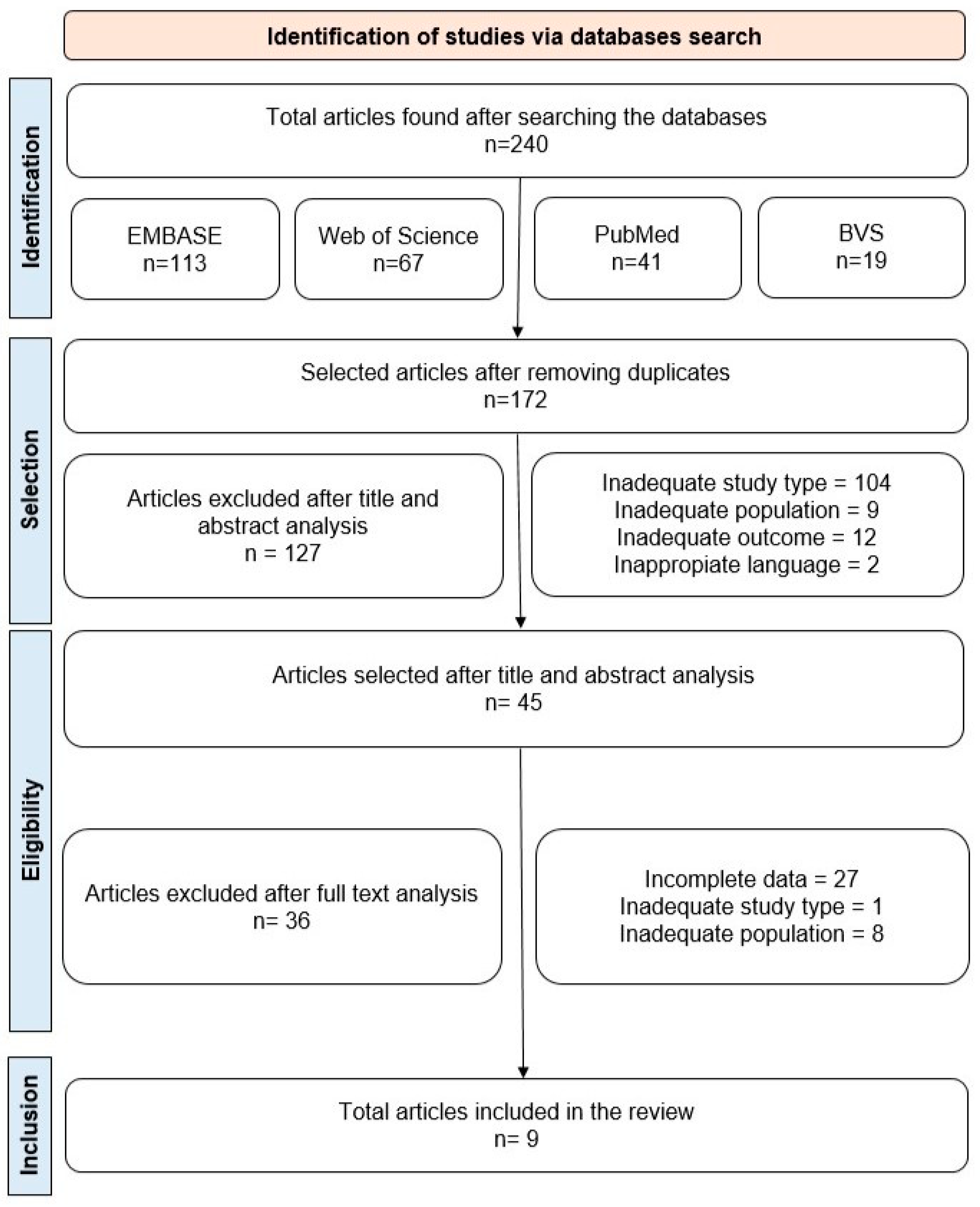
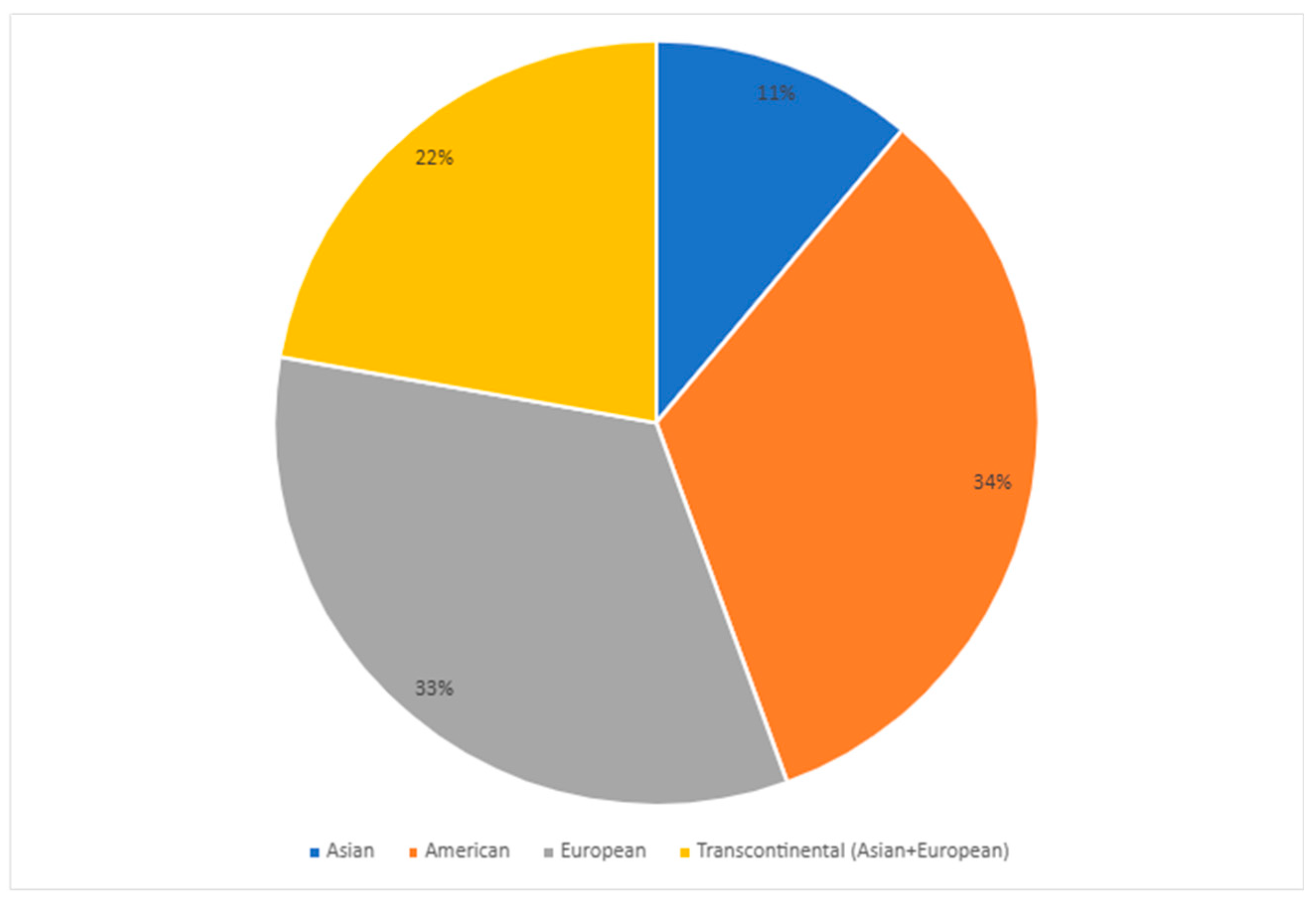

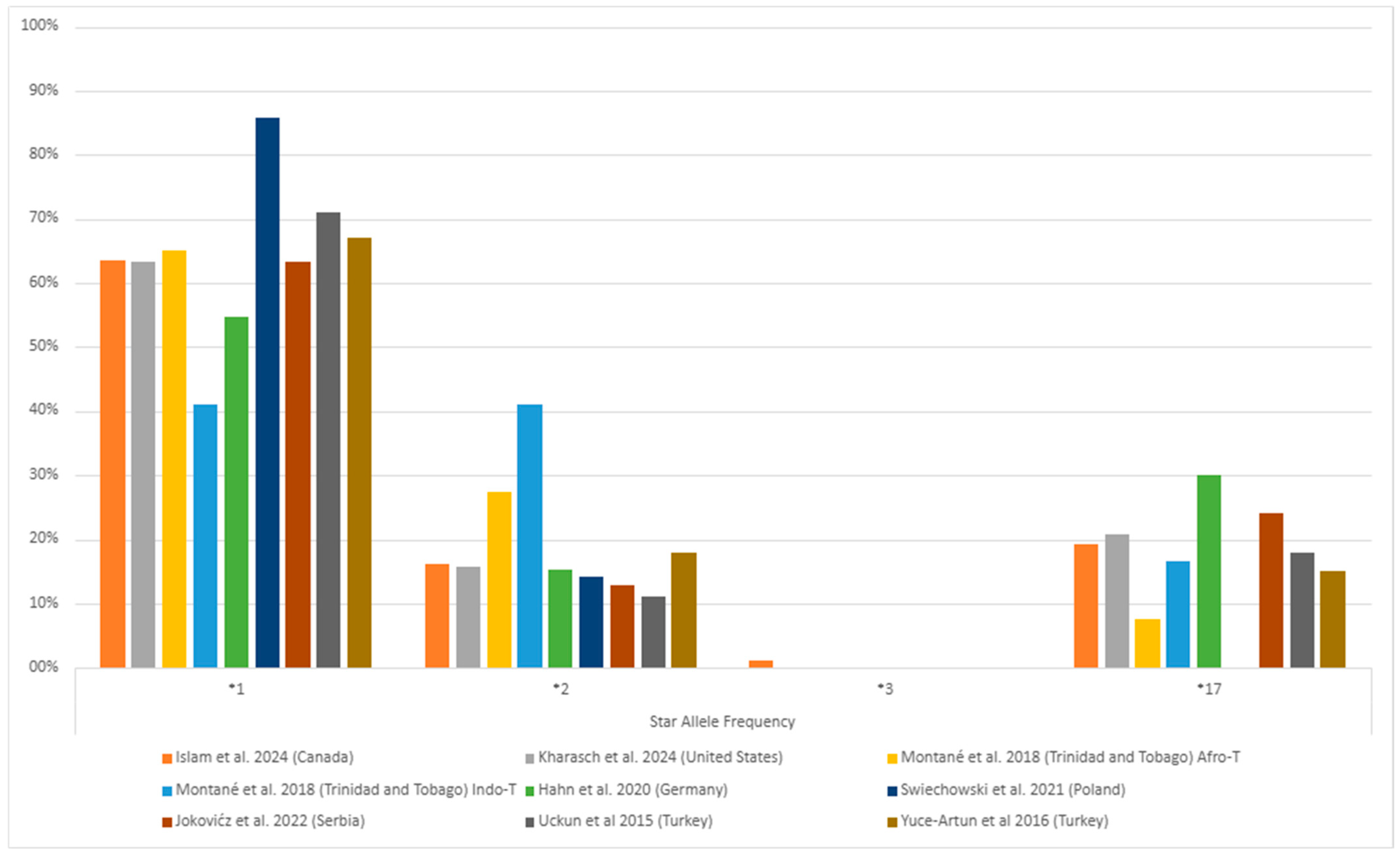

| Reference SNP Cluster ID (rsID) | Star-Allele Identifier | Haplotype Description | Reference Base | Alternate Base | Location/Type of Mutation | Enzymatic Activity | Variation Consequence |
|---|---|---|---|---|---|---|---|
| wild-type reference (wt; *1) | *1 | Wild-type, G allele at rs4244285, G allele at rs4986893 and C allele at rs12248560 | G/C | - | - | Normal | - |
| rs4244285 (c.681G>A, p.Pro227Pro; *2; m1) | *2 | 681G>A, A allele at rs4244285 and G allele at rs4986893 (exon 5) | G | A | Splice-site mutation | Inactive | Loss of function |
| rs4986893 (c.636G>A; *3; m2) | *3 | 636G>A, G allele at rs4244285 and A allele at rs4986893 (exon 4) | G | A | W212X | Inactive | Loss of function |
| rs12248560 (c.-806C>T; *17) | *17 | -806C>T, T allele at rs12248560 | C | T | SNP in the promoter region | Increased | Gain of function |
| Haplotype Phenotype | Genotype Description | Genotype | Star-Allelic Combination * | ||
|---|---|---|---|---|---|
| rs4244285 | rs4986893 | rs12248560 | |||
| Normal metabolism (NM)/ Extensive metabolism (EM) | Alleles without functional change | GG | GG | CC | *1/*1 |
| Intermediate metabolism (IM) | 1 nonfunctional allele | GA | GG | CC | *1/*2 |
| Poor metabolism (PM) | 2 nonfunctional alleles | AA | GG | CC | *2/*2 |
| Intermediate metabolism (IM) | 1 nonfunctional allele | GG | GA | CC | *1/*3 |
| Poor metabolism (PM) | 2 nonfunctional alleles | GG | AA | CC | *3/*3 |
| Poor metabolism (PM) | 2 nonfunctional alleles | GA | GA | CC | *2/*3 |
| Rapid metabolism (RM) | 1 allele with increased function | GG | GG | CT | *1/*17 |
| Ultrafast metabolism (UM) | 2 alleles with increased function | GG | GG | TT | *17/*17 |
| Intermediate metabolism (IM) | 1 nonfunctional allele | GA | GG | CT | *2/*17 |
| Intermediate metabolism (IM) | 1 nonfunctional allele | GG | GA | CT | *3/*17 |
| Author | Year | Title | Country | Objective | Instrument | Sample | CYP2C19 Genetic Variant | CYP2C19 Star Genotype Frequency | CYP2C19 Phenotype Frequency | Laboratory Test | Part of a Bigger Trial/Databank | Results for CYP2C19 Genetic Variants | p-Value |
|---|---|---|---|---|---|---|---|---|---|---|---|---|---|
| Uckun et al. [36] | 2015 | The impact of CYP2C19 polymorphisms on citalopram metabolism in patients with major depressive disorder | Turkey | Determine CYP2C19 genetic polymorphisms and evaluate their impact on CIT metabolism in a Turkish population sample. | SCID-I | MDD = 50 (7 males and 43 females) HC = 209 (120 males and 89 females) | *1 (wt) *2 (rs4244285) *17 (rs12248560) | MDD *1/*1 = 24 (48%) *1/*2 = 7 (14%) *2/*2 = 1 (2%) *1/*17 = 16 (32%) *2/*17 = 2 (4%) HC *1/*1 = 139 (66.5%) *1/*17 = 61 (29.2%) *17/*17 = 9 (4.3%) | MDD NM = 24 (48%) IM = 9 (18%) PM = 1 (2%) RM = 16 (32%) HC NM = 139 (66.5%) RM = 61 (29.2%) UM = 9 (4.3%) | PCR-RFLP | No | The *1/*1 (wt) group and the other genotype subgroups did not significantly differ regarding age, CIT dose, and body weight. The mean plasma DCIT concentrations had a pronounced difference between *1/*1 and *1/*2 + *2/*2 genotype group. The mean C/D (dose-corrected) plasma DCIT levels were also significantly higher in the *1/*1 group than in the *1/*2 + *2/*2 groups. Moreover, the mean metabolic ratio (MR: CIT-to-DCIT) was also significantly higher in the *1/*2 + *2/*2 group than in the *1/*1 group. No differences between *1/*1 and *1/*17+*2/*17 subjects regarding CIT and DCIT, MR, and C/D of DCIT plasma concentrations were found. Similarly, plasma CIT concentrations were no different between *1/*1 and *1/*2 + *2/*2 carriers. However, DCIT plasma concentrations and C/D values were significantly higher in the *1/*1 group than in the *1/*2 + *2/*2 group. The MR value was significantly higher in the *1/*2 + *2/*2 group than in the *1/*1 group. | *1/*1 vs. *1/*2+*2/*2 for DCIT plasma concentration: p < 0.05 *1/*2+*2/*2 vs. *1/*1 for C/D plasma DCIT levels: p < 0.05 *1/*1 vs. *1/*2 + *2/*2 for MR, CIT/DCIT: p < 0.05 |
| Yuce-Artun et al. [37] | 2016 | Influence of CYP2B6 and CYP2C19 polymorphisms on sertraline metabolism in major depression patients | Turkey | Evaluate the CYP2B6 *6 and *9 polymorphisms’ influence on the steady-state SERT and DSERT plasma concentrations in MDD patients receiving SERT treatment and investigate the effects of CYP2C19 *2 and *17 polymorphisms among the study group. | SCID-I | MDD = 50 (15 males and 35 females) | *1 (wt) *2 (rs4244285) *17 (rs12248560) | MDD *1*1 = 22 (44%) *1*2/ = 12 (24%) *2/*2 = 1 (2%) *1/*17 = 11 (22%) *2/*17 = 4 (8%) | MDD NM = 22 (44%) IM = 16 (32%) PM = 1 (2%) RM = 11 (22%) | PCR–RFLP | No | Mean SERT and DSERT plasma concentrations, normalized SERT (concentration/dose ratio: determined concentration divided by SERT daily dose, ng/mL/mg), normalized DSERT, and DSERT/SERT values did not differ significantly among the four CYP2C19 genotype subgroups. | - |
| Montané et al. * [38] | 2018 | Impact of CYP2D6 on venlafaxine metabolism in Trinidadian patients with major depressive disorder | Trinidad and Tobago | Assess CYP2D6 and CYP2C19 variants’ impact on VEN at steady-state in MDD patients of Indian and African descent from Trinidad and Tobago. | DSM-IV criteria and the HAMD17 score | MDD = 59 * (Afro-T = 20 and Indo-T = 39) (19 males (33.3%) and 38 females (66.7%)) | *1 (wt) *2 (rs4244285) *3 (rs4986893) *4 (rs28399504) *17 (rs12248560) | MDD Afro-T *1/*1 = 8 (40%) *1/17 = 2 (10%) *1/*2 = 8 (40%) *2/*17 = 1 (5%) *2/*2 = 1 (5%) Indo-T *1/*1 = 7 (17.95%) *1/17 = 6 (15.38%) *1/*2 = 11 (28.21%) *1/*4 = 1 (2.56%) *2/*17 = 7 (17.95%) *2/*2 = 7 (17.95%) | MDD Afro-T NM = 8 (40%) IM = 9 (45%) PM = 1 (5%) RM = 2 (10%) Indo-T NM = *1/*1 = 7 (17.95%) IM = 18 (46.15%) PM = 8 (20.51%) RM = 6 (15.38%) | TaqMan assays | No | CYP2C19 variants did not contribute to the VEN/ODV metabolic ratio. UM (*17/*17) carriers had a similar range and mean metabolic ratio of VEN/ODV as PMs carrying two no-function alleles (*2/*2). | - |
| Hahn et al. [25] | 2021 | Frequencies of genetic polymorphisms of clinically relevant gene-drug pairs in a German psychiatric inpatient population | Germany | Analyze CYP2D6 and CYP2C19 genetic polymorphisms (and others) frequencies in psychiatric patients with depressive episodes admitted as inpatients at the Vitos Klinik Eichberg. | ICD-10: (F33.2, F33.3, F32.2, F34.1, and F33.1) | MDD = 108 (46 males and 62 females) (43% males and 57% females) | *1 (wt) *2 (rs4244285) *3 (rs4986893) *4 (rs28399504) *17 (rs12248560) | *1/*17 (RM) = 32 (30%) *1/*1 (NM) = 35 (32%) *1/*2 (IM) = 16 (15%) *2/*2 (PM) = 2 (2%) *17/*17 (UM) = 10 (9%) *2/*17 (IM) = 13 (12%) | NM = 35 (32%) IM = 29 (27%) PM = 2 (2%) RM = 32 (30%) UM = 10 (9%) (31% heterozygous = new rapid metabolizer definition) | Genetic testing kit by Humatrix AG (Pfungstad, Germany) | No | CYP2C19 polymorphisms were present in 73 (68.6%) patients. Forty-two patients (38.9%) were UMs and RMs with a high risk of not responding to CYP2C19 substrates (e.g., CIT, ESC, some tricyclics) at the prescriber’s information recommended dosage. Notably, only 14 patients (13%) were NM for CYP2C19 and NM for CYP2D6. | UM = 9% (CI 0.3629–0.5551) RM = 31% (CI 0.2228–0.3972) NM = 32% (CI 0.232–0.408) IM = 27% (CI 0.1863–0.3537) PM = 2% (CI –0.0064–0.0464) |
| Świechowski et al. [39] | 2021 | The influence of CYP2C19*2 and CYP3A5*3 variants on the development of depression and effectiveness of therapy: A preliminary study | Poland | Determine the CYP3A5*3 and CYP2C19*2 alleles frequency in MDD patients and healthy controls to identify any association with MDD development and progression and the effectiveness of pharmacotherapy. | ICD-10 (F33.0–F33.8); HDRS | MDD = 103 (34 males and 69 females) (33% males and 67% females) HC = 93 (34 males and 59 females) (37% males and 63% females) | *1 (wt) *2 (rs4244285) | MDD *1/*1 (NM) = 77 (74.8%) *1/*2 (IM) = 23 (22.3%) *2/*2 (PM) = 3 (2.9%) *1 =177 (85.9%) *2 =29 (14.1%) HC *1/*1 (NM) = 63 (67.7%) *1/*2 (IM) = 29 (31.2%) *2/*2 (PM) = 1 (1.1%) *1 =155 (83.3%) *2 = 31 (16.7%) | MDD NM = 77 (74.8%) IM = 23 (22.3%) PM = 3 (2.9%) HC NM = 63 (67.7%) IM = 29 (31.2%) PM = 1 (1.1%) | PCR-RFLP | No | The *2 polymorphism demonstrated no statistically significant association with the age of MDD onset nor with the severity of its symptoms before pharmacotherapy based on the HDRS I score. Furthermore, although the treatment effectiveness, calculated as the change in Hamilton score (HDRS I–HDRS II), presented no significant differences with *2 polymorphism (p = 0.1904), *2 allele correlated significantly with clinical condition improvement after pharmacotherapy (HDRS I–HDRS II), as patients with at least one *2 allele achieved signifi cantly better treatment results (p = 0.0239). | CYP2C19*2 vs. age of MDD onset: p = 0.5067 CYP2C19*2 vs. severity before pharmaco therapy: p = 0.7180 CYP2C19*2 vs. better treatment results: p = 0.0239 MDD patients vs. HC genotype and allele frequencies: p = 0.4771 |
| Joković et al. [40] | 2022 | CYP2C19 slow metabolizer phenotype is associated with lower antidepressant efficacy and tolerability | Serbia | Determine whether the CYP2C19 genotype is associated with changes in antidepressant ef ficacy and tolerability in MDD inpatients. | ICD-10; HDRS; Mini International Neuropsychiatric Interview 5.0.0; HDRS/HAMD; BDI-IA; TSES. | MDD = 102 (58 males and 44 females) (57% males and 43% females) | *1 (wt) *2 (rs4244285) *17 (rs12248560) | *1/*1 (NM) = 41 (40.20%) *2/*2 (PM) = 2 (1.961%) *1/*2 (IM) = 16 (15.69%) *2/*17 (IM) = 6 (5.882%) *17/*17 (UM) = 6 (5.882%) *1/*17 (RM) = 31 (30.39%) | MDD NM = 41 (40.20%) IM = 22 (21.57%) PM = 2 (1.961%) UM = 6 (5.882%) RM = 31 (30.39%) IM and PM (SM) = 24 (23.53%) RM and UM (FM) = 37 (36.27%) | TaqMan SNP Genotyping assays (Applied Biosystems, Foster City, CA, USA). | No | SMs exhibited a less pronounced HAMD and BDI-IA scores reduction and a lower treatment response rate than NMs. SMs also experienced higher treatment side-effects TSES intensity scores for the central nervous system and gastrointestinal adverse reactions compared to NMs, with a strong correlation between CNS-related adverse reactions and illness severity at hospital admission measured with baseline HAMD score, a moderate correlation between gastrointestinal and sexual function, adverse reaction intensity and symptom severity. The CGI-E score was significantly lower in the SM patients compared with NMs in both V1 and V2, with a 0.6 point amplitude difference on average in both visits. Compared with NM and RM, lower antidepressant efficacy and tolerability were observed in SMs. NMs and FMs presented no significant differences in these parameters, treatment outcomes, and trajectories. SMs were slightly older than FMs and had significantly longer histories of depression compared to NMs and FMs. SMs also had a significantly higher baseline BDI-IA score than FMs. There were no group-specific differences in mean intensity score of SF adverse reactions. | SM ↓ reduction in HDRS (HAMD) scores = p < 0.0001 ↓ reduction in BDI-IA scores = p < 0.0001 ↓ treatment response rate = p < 0.0001 longer histories of depression = p < 0.05 |
| Zhang et al. [41] | 2023 | CYP2C19-rs4986893 confers risk to major depressive disorder and bipolar disorder in the Han Chinese population whereas ABCB1-rs1045642 acts as a protective factor | China | Investigate previously reported candidate genes’ polymorphisms for MDD and bipolar disorder (BPD) in the Han Chinese population. | DSM-V | MDD = 439 (158 males and 281 females) (36% males and 64% females) HC = 464 (196 males and 268 females) (42% males and 58% females) | *1 (wt) *2 (rs4244285) *3 (rs4986893) *17 (rs12248560) | MAF MDD *3(A) = 0.0547 HC *3(A) = 0.0259 CYP2C19*17 (rs12248560): MDD CC = 434 (98.86%) MDD CT = 5 (1.139%) MDD TT = 0 (0.0%) HC CC = 460 (99.14%) HC CT = 4 (0.862%) HC TT = 0 (0.0%) CYP2C19*3 (rs4986893): MDD GG = 393 (89.52%) MDD AG = 44 (10.02%) MDD AA = 2 (0.456%) HC GG = 440 (94.83%) HC AG = 24 (5.17%) HC AA = 0 (0.0%) CYP2C19*2 (rs4244285): MDD GG = 219 (49.89%) MDD AG = 179 (40.77%) MDD AA = 41 (9.34%) HC GG = 256 (55.17%) HC AG = 168 (36.21%) HC AA = 40 (8.62%) | MDD NM = 187 (42.60%) IM = 195 (44.42%) PM = 57 (12.98%) IM and PM (SM) = 252 (57.40%) HC NM = 248 (53.45%) IM = 160 (34.48%) PM = 56 (12.07%) IM and PM (SM) = 216 (46.55%) | Shanghai Kangli Medical Research Institute assisted with SNP Genotyping using MassARRAY SpectroCHIP and MALDI-TOF mass spectrometer. | No | The *3 MAF in the MDD group (0.0547) was higher than the control group (0.0259, p < 0.05), leading to the *3 A allele having a 2.178 odds ratio (OR) for MDD. The impaired CYP2C19 metabolism caused by the *3A-*2G haplotypes might confer the risk of MDD (χ2 = 11.145, OR = 2.306, p = 0.001). IM and PM frequencies were higher in MDD (57.40%, OR =1.547) cases than in controls (46.55%, p < 0.05). | CYP2C19*3 Χ2 = 9.781; p = 0.002; OR = 2.178 CYP2C19*2 Χ2 = 2.009; p = 0.156; OR = 1.16 CYP2C19*17 Χ2 = 0.174; p = 0.676; OR = 1.323 |
| Islam et al. # [42] | 2024 | Influence of CYP2C19, CYP2D6, and ABCB1 gene variants and serum levels of escitalopram and aripiprazole on treatment-emergent sexual dysfunction: a Canadian Biomarker Integration Network in Depression 1 (CAN-BIND 1) Study | Canada | Investigate the CYP2C19, CYP2D6, and ABCB1 gene polymorphisms’ association with treatment-emergent changes in sexual function and sexual satisfaction in the Canadian Biomarker Integration Network in Depression 1 (CAN-BIND-1) sample. | DSM-IV-TR and MADRS, and confirmed with the Mini-International Neuropsychiatric Interview. | MDD = 178 # (68 males and 110 females) (38.2% males and 61.8% females) | *1 (wt) *2 (rs4244285) *3 (rs4986893) *17 (rs12248560) | *1/*1 (NM) = 71 (33.65%) *1/*2 (IM) = 39 (18.48%) *2/*17 (IM) = 10 (4.739%) *1/*3 (IM) = 1 (0.474%) *3/*17 (IM) = 1 (0.474%) *2/*2 (PM) = 3 (1.421%) *2/*3 (PM) = 2 (0.948%) *1/*17 (RM) = 43 (20.38%) *17/*17 (UM) = 7 (3.318%) | NM = 71 (39.89%) IM = 51 (28.65%) PM = 5 (2.809%) RM = 43 (24.16%) UM = 7 (3.933%) Not known = 1 (0.57%) | - | Yes. CAN-BIND-1 study (ClinicalTrials.gov identifier: NCT01655706), see [43,44] | The CYP2C19 metabolizer groups significantly associated with the treatment-related change in sexual arousal in the ESC-Only treatment arm following multiple testing corrections, F(2,54) = 8.00, p < 0.001, q = 0.048, whereas ESC + ARI did not demonstrate this association. Repeated measures linear mixed-effects analysis revealed that SMs improved sexual arousal from weeks 8–16 (B = 0.44, 95% CI: 0.21 to 0.67), while FMs did not differ significantly from NMs. CYP2C19 metabolizer phenotypes may be influencing changes in sexual arousal related to ESC monotherapy, in which the NM (*1/*1) phenotype could be at an increased risk of experiencing SSRI-associated decline in sexual arousal. | p < 0.001 0.326 |
| Kharasch et al. [45] | 2024 | Pharmacogenetic influence on stereoselective steady-state disposition of bupropion | United States | Evaluate CYP2B6, CYP2C19, and P450 oxidoreductase genetic polymorphisms’ influence on the disposition of Valeant Pharmaceuticals Wellbutrin brand bupropion in MDD participants. | MADRS | MDD = 67 (53 female (76%) and 14 male (24%) | *1 (wt) *2 (rs4244285) *17 (rs12248560) | *1/*1 (NM) = 26 (38.81%) *1/*2 (IM) = 12 (17.91%) *2/*2 (PM) = 3 (4.478%) *1/*17 (RM) = 21 (31.34%) *17/*17 (UM) = 2 (2.985%) *2/*17 (IM) = 3 (4.478%) | NM = 26 (38.81%) IM = 15 (22.39%) PM = 3 (4.48%) RM = 21 (31.34%) UM = 2 (2.99%) | All genotyping was performed by the Washington University in St. Louis Genome Technology Access Center. | Yes. Clinical Study of Generic and Brand Bupropion in Depression—BALANCE (ClinicalTrials.gov identifier: NCT02209597), see [46] | CYP2C19 polymorphisms did not influence bupropion plasma concentrations or hydroxybupropion formation but did influence the minor pathway of 4′-hydroxylation of bupropion and primary metabolites. | p < 0.05 vs. wild-type |
Disclaimer/Publisher’s Note: The statements, opinions and data contained in all publications are solely those of the individual author(s) and contributor(s) and not of MDPI and/or the editor(s). MDPI and/or the editor(s) disclaim responsibility for any injury to people or property resulting from any ideas, methods, instructions or products referred to in the content. |
© 2024 by the authors. Licensee MDPI, Basel, Switzerland. This article is an open access article distributed under the terms and conditions of the Creative Commons Attribution (CC BY) license (https://creativecommons.org/licenses/by/4.0/).
Share and Cite
Bonasser, L.S.S.; Silva, C.M.d.S.; Fratelli, C.F.; Gontijo, B.R.; Seixas, J.M.A.; Barreto, L.C.L.d.S.; Silva, I.C.R.d. CYP2C19 Genetic Variants and Major Depressive Disorder: A Systematic Review. Pharmaceuticals 2024, 17, 1461. https://doi.org/10.3390/ph17111461
Bonasser LSS, Silva CMdS, Fratelli CF, Gontijo BR, Seixas JMA, Barreto LCLdS, Silva ICRd. CYP2C19 Genetic Variants and Major Depressive Disorder: A Systematic Review. Pharmaceuticals. 2024; 17(11):1461. https://doi.org/10.3390/ph17111461
Chicago/Turabian StyleBonasser, Larissa Sousa Silva, Calliandra Maria de Souza Silva, Caroline Ferreira Fratelli, Bruna Rodrigues Gontijo, Juliana Moura Alves Seixas, Livia Cristina Lira de Sá Barreto, and Izabel Cristina Rodrigues da Silva. 2024. "CYP2C19 Genetic Variants and Major Depressive Disorder: A Systematic Review" Pharmaceuticals 17, no. 11: 1461. https://doi.org/10.3390/ph17111461
APA StyleBonasser, L. S. S., Silva, C. M. d. S., Fratelli, C. F., Gontijo, B. R., Seixas, J. M. A., Barreto, L. C. L. d. S., & Silva, I. C. R. d. (2024). CYP2C19 Genetic Variants and Major Depressive Disorder: A Systematic Review. Pharmaceuticals, 17(11), 1461. https://doi.org/10.3390/ph17111461