Training Load Oscillation and Epigenetic Plasticity: Molecular Pathways Connecting Energy Metabolism and Athletic Personality


Abstract
1. Introduction
2. The Concept of Training Load Oscillation
2.1. Scope and Literature Approach
2.2. Operational Parameters of Training Load Oscillation
3. Molecular Signaling Pathways Induced by TLO
3.1. AMPK: The Energetic Master Sensor
3.2. mTOR: Anabolic Recovery and Molecular Memory
3.3. CaMKII: Calcium and Neuroplastic Integration
3.4. SIRT1 and Redox Coupling
3.5. Integrative Network Dynamics
3.6. From Signal Oscillation to Epigenetic Plasticity
4. Epigenetic Mechanisms Bridging Energy and Personality
4.1. DNA Methylation Dynamics
4.2. Histone Modifications and Chromatin Remodeling
4.3. MicroRNAs as Translators of Energetic Stress
4.4. Integrative View: Epigenetic Coupling Between Energy and Behavior
4.5. Quantitative Snapshot of Representative Epigenetic Effects
5. From Molecular Plasticity to Behavioral Adaptation
5.1. Neurotrophic Integration and Motivation
5.2. Dopaminergic and Serotonergic Modulation of Self-Regulation
5.3. Cortisol Dynamics and Stress Resilience
5.4. The Behavioral Phenotype of Metabolic Flexibility
5.5. Conceptual Integration
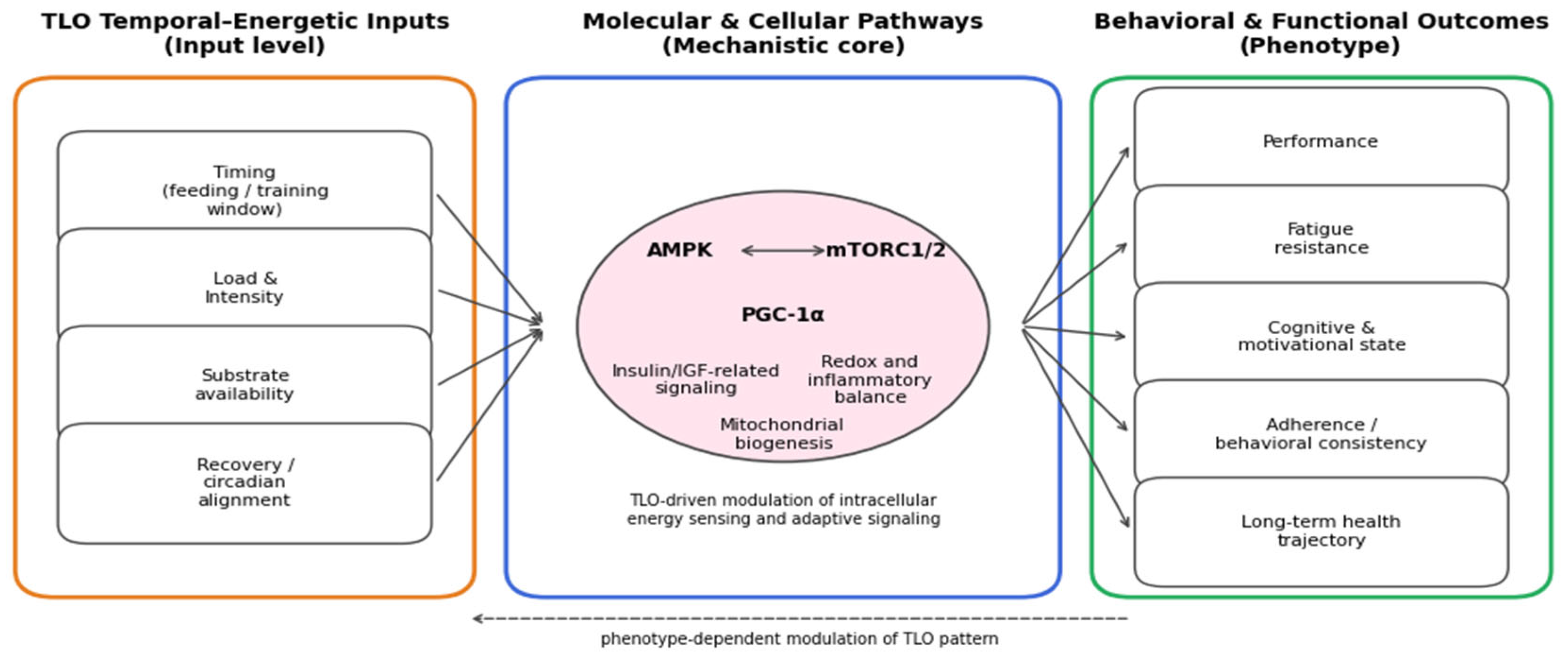
6. A Systems Model of Molecular–Behavioral Coupling
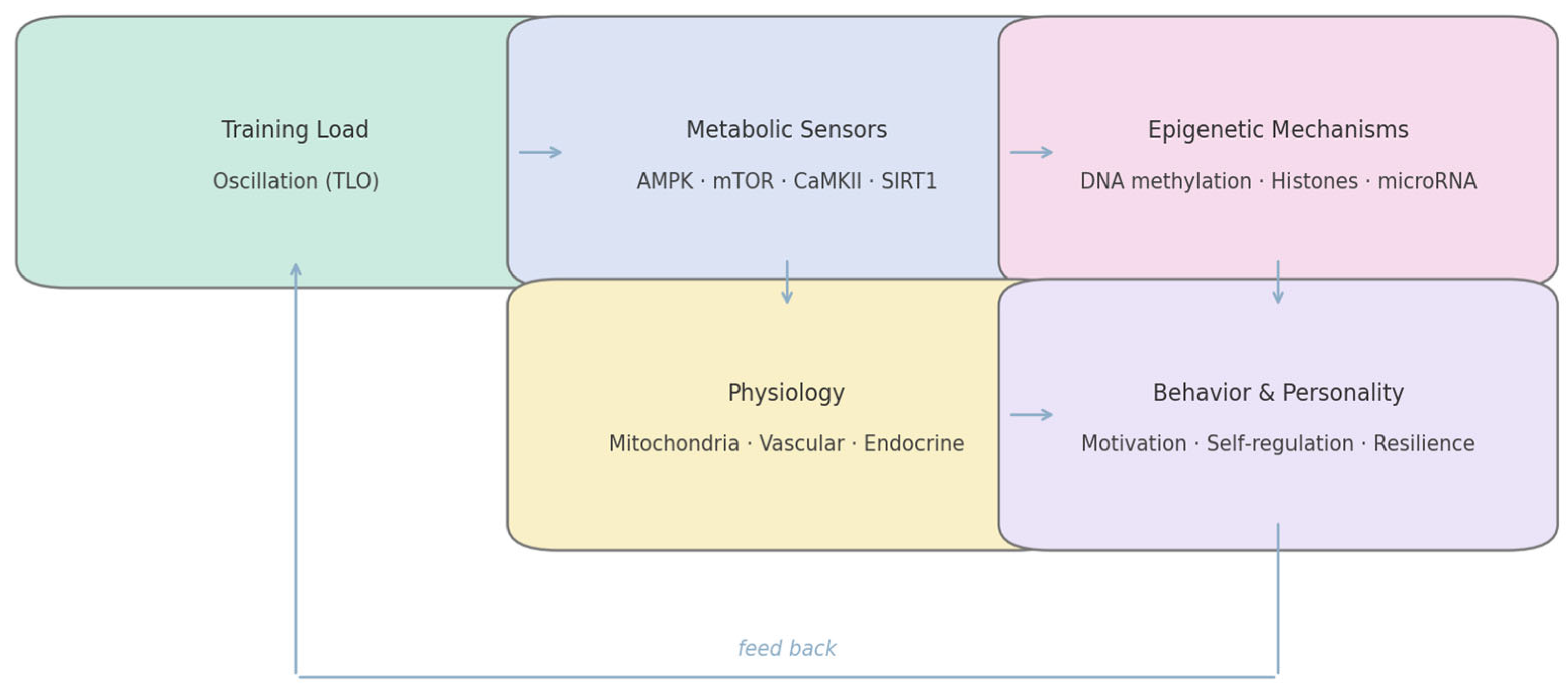
6.1. Structural Overview of the Model
6.2. Functional Domains and Cross-Level Integration
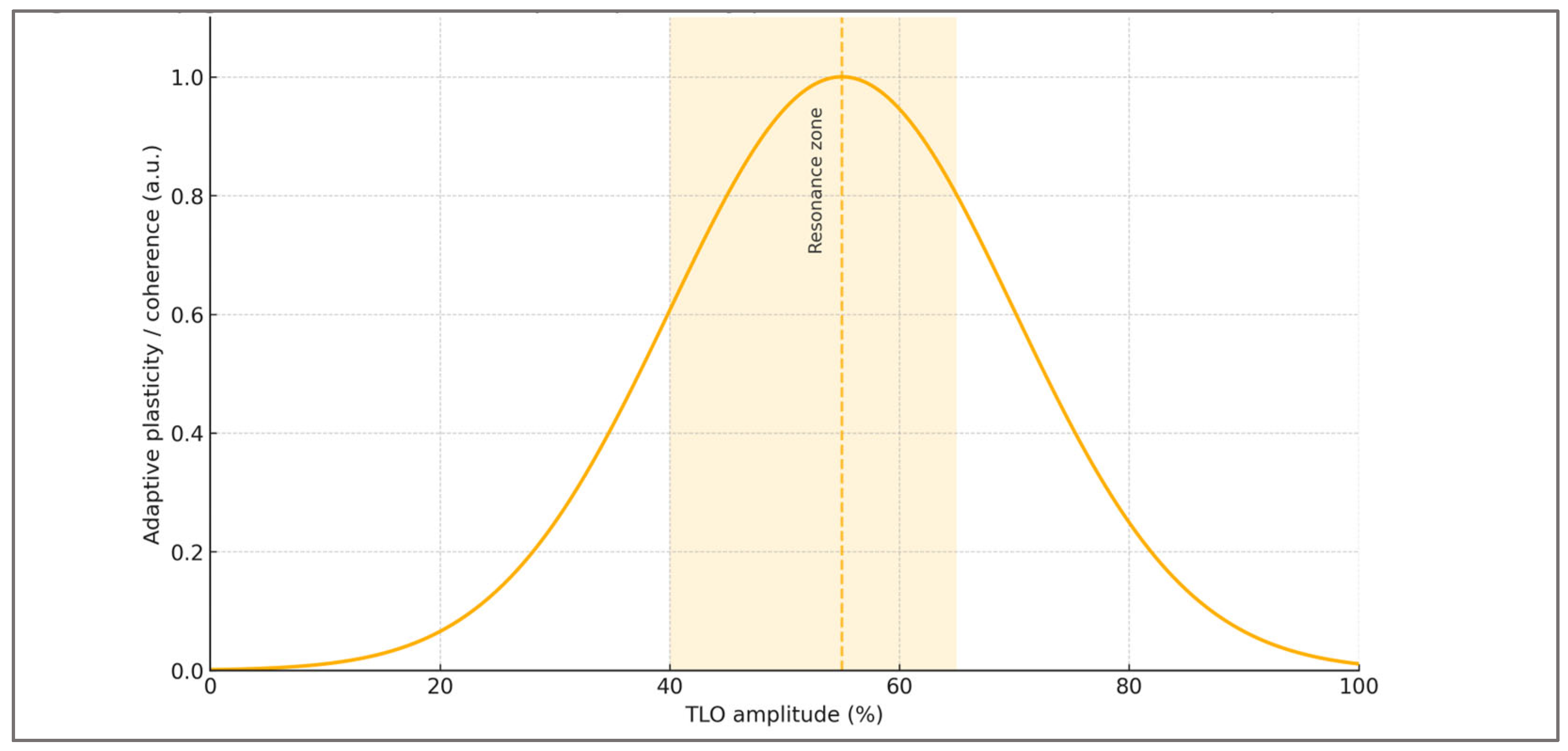
6.3. Epigenetic Resonance: The Core Mechanism
6.4. Implications for Measurement and Intervention
6.5. Theoretical and Practical Significance
7. Implications for Precision and Mental Conditioning
7.1. Precision Training as Molecular Synchronization
7.2. Mental Conditioning as Behavioral Resonance
7.3. Nutritional and Recovery Strategies as Epigenetic Modulators
7.4. Biomarkers and Predictive Analytics
7.4.1. Core Panel
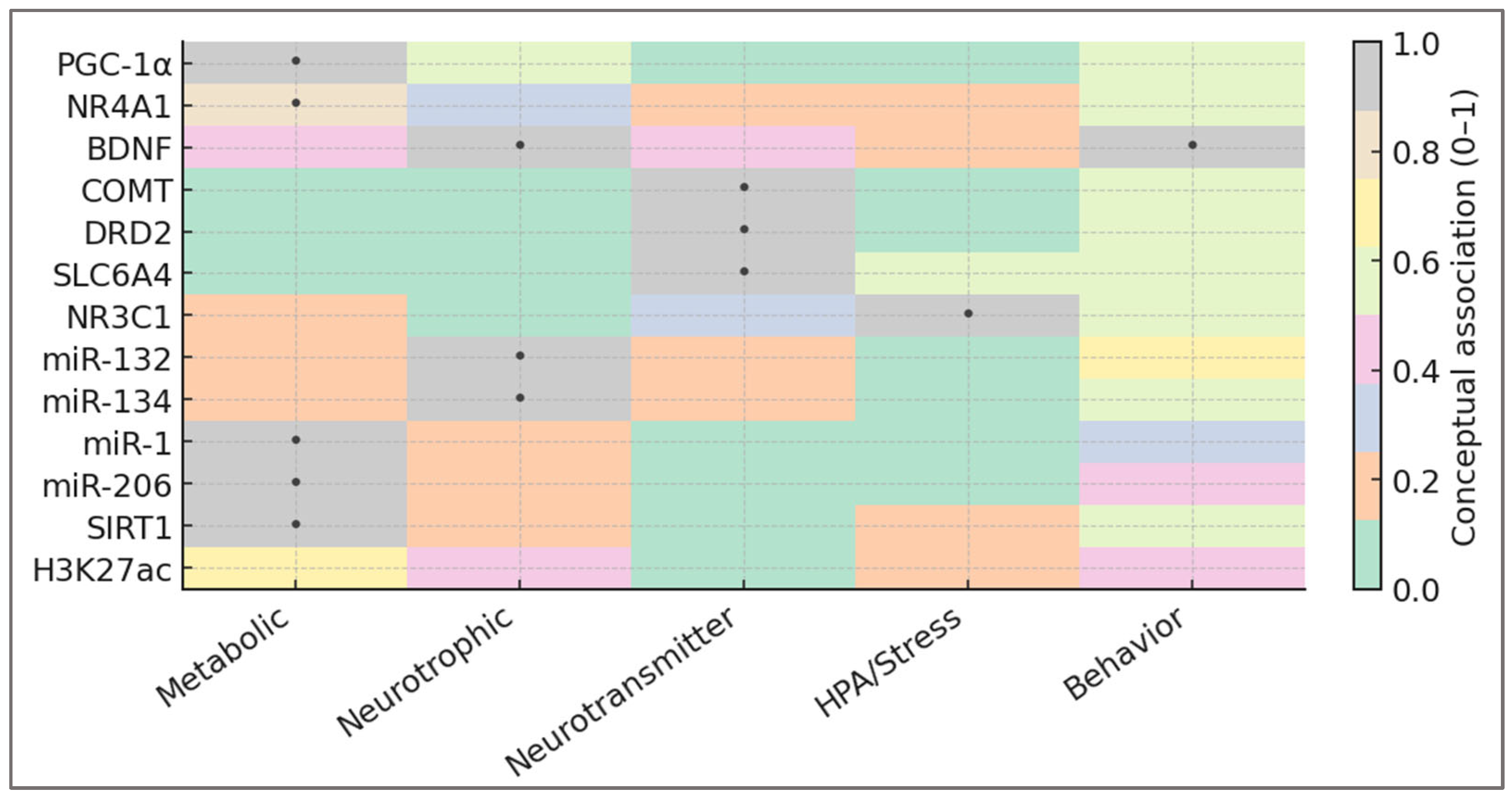
- Metabolic domain–centered on PGC-1α, NR4A1, and SIRT1, which translate energetic flux and redox balance into mitochondrial and vascular remodeling. Oscillatory training promotes PGC-1α demethylation, SIRT1 activation, and enhanced acetylation (H3K27ac) at oxidative gene loci, defining the molecular substrate of metabolic flexibility [54,88,113].
- Neurotrophic domain–represented by BDNF and its regulatory microRNAs (miR-132, miR-134). These markers indicate the coupling between metabolic stress and neural plasticity, mediating motivation, attention, and learning. Their rhythmic upregulation mirrors the cognitive and emotional engagement associated with variable training. It should be noted that neurotrophic markers sampled in blood or saliva primarily reflect peripheral correlates of central processes. While circulating BDNF and miR-132/134 show meaningful associations with cognitive and motivational states, their relationship to hippocampal and cortical CaMKII-α/β–CREB signaling remains indirect, and cross-tissue correspondence is an open empirical question [54,55,94,95,113,114].
- Neurotransmitter domain–comprising dopaminergic (COMT, DRD2) and serotonergic (SLC6A4) genes. Epigenetic shifts at these loci reflect adaptive tuning of reward sensitivity, emotional stability, and self-control—key components of performance consistency [102].
- HPA/Stress domain–dominated by the NR3C1 promoter, encoding the glucocorticoid receptor. Its reduced methylation under structured variability signifies improved cortisol regulation and stress resilience [107].
- Behavioral domain–the integrative expression of all preceding layers, observable through composite indices that merge molecular resonance (e.g., BDNF ↓DNAm, SIRT1 ↑) with psychometric indicators of motivation, adherence, and self-regulation [103].
7.4.2. Acquisition and Timing
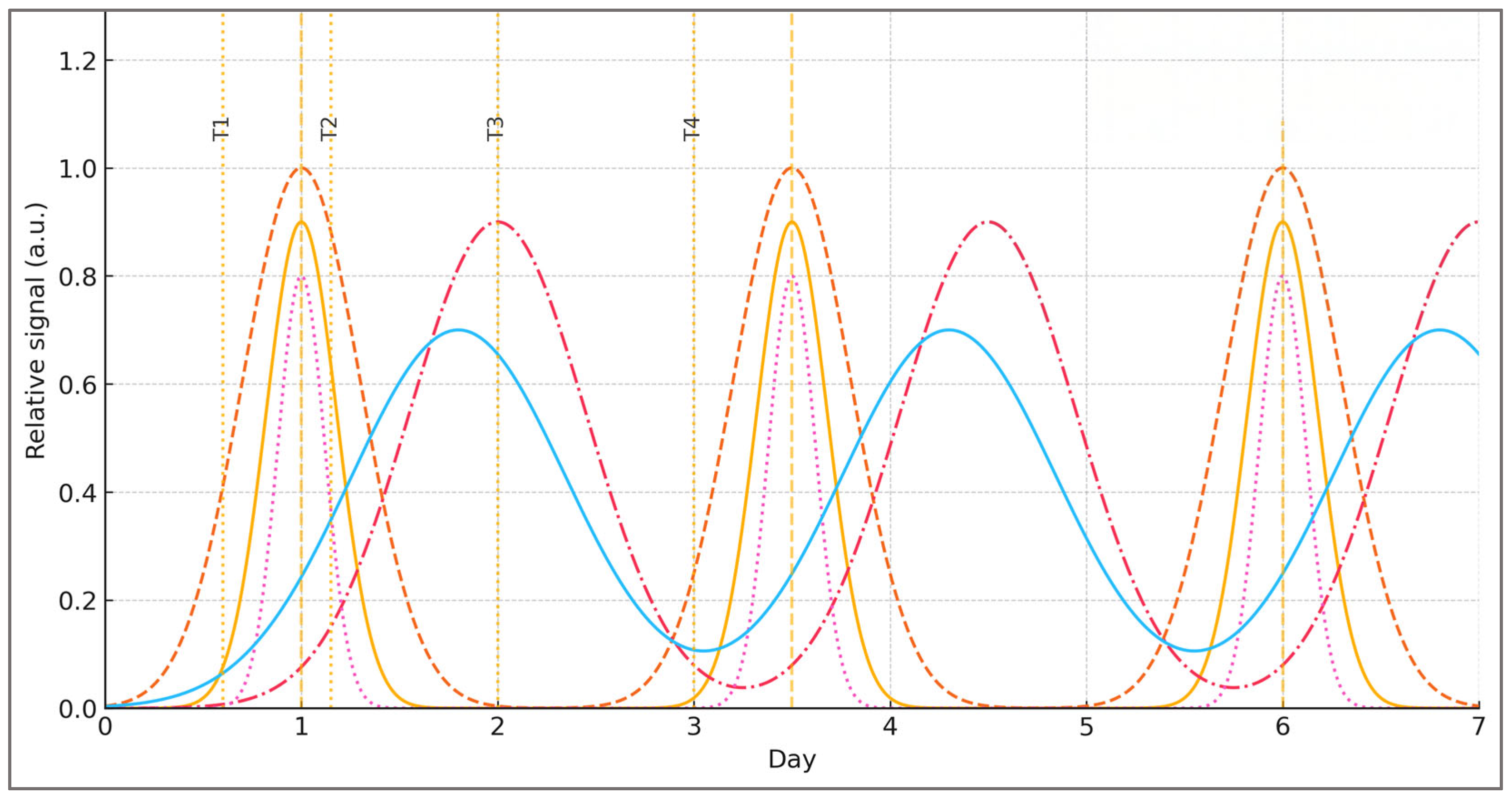
- T1 (Baseline): rested morning before training load.
- T2 (Acute): 2–4 h post high-intensity or low-glycogen session, reflecting metabolic stress
- T3 (Delayed): next-morning sample showing transcriptional consolidation.
- T4 (Recovery): after a rest or low-intensity day, representing re-stabilization.
7.4.3. Predictive Analytics
7.5. Translational and Ethical Considerations
7.6. Falsifiable Predictions and Critical Tests
Integrated Summary of the TLO Framework
8. Conclusions
Funding
Institutional Review Board Statement
Informed Consent Statement
Data Availability Statement
Conflicts of Interest
Appendix A. Narrative Search Strategy and Scope
- exercise OR training OR periodization OR variability OR “training load”
- epigenetic OR “DNA methylation” OR “histone acetylation” OR microRNA
- AMPK OR mTOR OR CaMKII OR SIRT1 OR PGC-1α OR BDNF
- motivation OR resilience OR behavior OR personality.
- (1)
- publication in English;
- (2)
- experimental or observational work involving exercise, training load, stress–recovery perturbations, or metabolic manipulation;
- (3)
- measurement of epigenetic endpoints (e.g., DNA methylation, histone marks, microRNAs, or transcriptional regulators);
- (4)
- relevance to at least one of the core pathways in the proposed model (AMPK, mTOR, CaMKII, SIRT1, PGC-1α, BDNF, COMT/DRD2/SLC6A4, NR3C1).
- (1)
- case reports or isolated clinical anecdotes;
- (2)
- pharmacological or disease-only models without an exercise component;
- (3)
- studies lacking molecular or epigenetic measures;
- (4)
- non–peer-reviewed material.
References
- Teixeira, P.J.; Carraça, E.V.; Markland, D.; Silva, M.N.; Ryan, R.M. Exercise, Physical Activity, and Self-Determination Theory: A Systematic Review. Int. J. Behav. Nutr. Phys. Act. 2012, 9, 78. [Google Scholar] [CrossRef]
- Egan, B.; Zierath, J.R. Exercise Metabolism and the Molecular Regulation of Skeletal Muscle Adaptation. Cell Metab. 2013, 17, 162–184. [Google Scholar] [CrossRef] [PubMed]
- Seaborne, R.A.; Strauss, J.; Cocks, M.; Shepherd, S.; O’Brien, T.D.; van Someren, K.A.; Bell, P.G.; Murgatroyd, C.; Morton, J.P.; Stewart, C.E.; et al. Human Skeletal Muscle Possesses an Epigenetic Memory of Hypertrophy. Sci. Rep. 2018, 8, 1898. [Google Scholar] [CrossRef] [PubMed]
- Voisin, S.; Eynon, N.; Yan, X.; Bishop, D.J. Exercise Training and DNA Methylation in Humans. Acta Physiol. 2015, 213, 39–59. [Google Scholar] [CrossRef] [PubMed]
- Barrès, R.; Yan, J.; Egan, B.; Treebak, J.T.; Rasmussen, M.; Fritz, T.; Caidahl, K.; Krook, A.; O’Gorman, D.J.; Zierath, J.R. Acute Exercise Remodels Promoter Methylation in Human Skeletal Muscle. Cell Metab. 2012, 15, 405–411. [Google Scholar] [CrossRef]
- Cantó, C.; Auwerx, J. PGC-1α, SIRT1 and AMPK, an Energy Sensing Network That Controls Energy Expenditure. Curr. Opin. Lipidol. 2009, 20, 98–105. [Google Scholar] [CrossRef]
- Wrann, C.D.; White, J.P.; Salogiannnis, J.; Laznik-Bogoslavski, D.; Wu, J.; Ma, D.; Lin, J.D.; Greenberg, M.E.; Spiegelman, B.M. Exercise Induces Hippocampal BDNF through a PGC-1α/FNDC5 Pathway. Cell Metab. 2013, 18, 649–659. [Google Scholar] [CrossRef]
- Lindholm, M.E.; Marabita, F.; Gomez-Cabrero, D.; Rundqvist, H.; Ekström, T.J.; Tegnér, J.; Sundberg, C.J. An Integrative Analysis Reveals Coordinated Reprogramming of the Epigenome and the Transcriptome in Human Skeletal Muscle after Training. Epigenetics 2014, 9, 1557–1569. [Google Scholar] [CrossRef]
- Geiger, C.; Needhamsen, M.; Emanuelsson, E.B.; Norrbom, J.; Steindorf, K.; Sundberg, C.J.; Reitzner, S.M. DNA Methylation of Exercise-Responsive Genes Differs Between Trained and Untrained Men. BMC Biol. 2024, 22, 147. [Google Scholar] [CrossRef]
- Sleiman, S.F.; Henry, J.; Al-Haddad, R.; El Hayek, L.; Haidar, E.A.; Stringer, T.; Ulja, D.; Karuppagounder, S.S.; Holson, E.B.; Ratan, R.R.; et al. Exercise promotes the expression of brain derived neurotrophic factor (BDNF) through the action of the ketone body β-hydroxybutyrate. eLife 2016, 5, e15092. [Google Scholar] [CrossRef]
- Kiely, J. Periodization Theory: Confronting an Inconvenient Truth. Sports Med. 2018, 48, 753–764. [Google Scholar] [CrossRef]
- McEwen, B.S.; Wingfield, J.C. The Concept of Allostasis in Biology and Biomedicine. Horm. Behav. 2003, 43, 2–15. [Google Scholar] [CrossRef]
- Hawley, J.A.; Lundby, C.; Cotter, J.D.; Burke, L.M. Maximizing Cellular Adaptation to Endurance Exercise in Skeletal Muscle. Cell Metab. 2018, 27, 962–976. [Google Scholar] [CrossRef] [PubMed]
- McGee, S.L.; Hargreaves, M. Histone modifications and exercise adaptations. J. Appl. Physiol. 2011, 110, 258–263. [Google Scholar] [CrossRef] [PubMed]
- Basso, J.C.; Suzuki, W.A. The Effects of Acute Exercise on Mood, Cognition, Neurophysiology, and Neurochemical Pathways: A Review. Brain Plast. 2017, 2, 127–152. [Google Scholar] [CrossRef]
- Heijnen, S.; Hommel, B.; Kibele, A.; Colzato, L.S. Neuromodulation of aerobic exercise—A review. Front. Psychol. 2016, 6, 1890. [Google Scholar] [CrossRef]
- Pedersen, B.K.; Febbraio, M.A. Muscles, exercise and obesity: Skeletal muscle as a secretory organ. Nat. Rev. Endocrinol. 2012, 8, 457–465. [Google Scholar] [CrossRef] [PubMed]
- Seely, A.J.; Macklem, P.T. Complex systems and the technology of variability analysis. Crit. Care 2004, 8, R367. [Google Scholar] [CrossRef]
- Denham, J.; Marques, F.Z.; O’Brien, B.J.; Charchar, F.J. Exercise: Putting action into our epigenome. Sports Med. 2014, 44, 189–209. [Google Scholar] [CrossRef]
- Denham, J.; Marques, F.Z.; Bruns, E.L.; O’Brien, B.J.; Charchar, F.J. Epigenetic changes in leukocytes after 8 weeks of resistance exercise training. Eur. J. Appl. Physiol. 2016, 116, 1245–1253. [Google Scholar] [CrossRef]
- Coffey, V.G.; Hawley, J.A. The Molecular Bases of Training Adaptation. Sports Med. 2007, 37, 737–763. [Google Scholar] [CrossRef]
- Hardie, D.G. AMP-Activated Protein Kinase: Maintaining Energy Homeostasis at the Cellular and Whole-Body Levels. Annu. Rev. Nutr. 2014, 34, 31–55. [Google Scholar] [CrossRef] [PubMed]
- Gibala, M.J.; McGee, S.L.; Garnham, A.P.; Howlett, K.F.; Snow, R.J.; Hargreaves, M. Brief Intense Interval Exercise Activates AMPK and p38MAPK Signaling and Increases PGC-1α in Human Skeletal Muscle. J. Appl. Physiol. 2009, 106, 929–934. [Google Scholar] [CrossRef] [PubMed]
- McGee, S.L.; van Denderen, B.J.W.; Howlett, K.F.; Mollica, J.; Schertzer, J.D.; Kemp, B.E.; Hargreaves, M. AMP-Activated Protein Kinase Regulates GLUT4 Transcription by Phosphorylating Histone Deacetylase 5. Diabetes 2008, 57, 860–867. [Google Scholar] [CrossRef] [PubMed]
- Spaulding, H.R.; Yan, Z. AMPK and the Adaptation to Exercise. Annu. Rev. Physiol. 2022, 84, 209–227. [Google Scholar] [CrossRef]
- Saxton, R.A.; Sabatini, D.M. mTOR Signaling in Growth, Metabolism, and Disease. Cell 2017, 168, 960–976, Erratum in Cell 2017, 169, 361–371. [Google Scholar] [CrossRef]
- Hoeffer, C.A.; Klann, E. mTOR Signaling: At the Crossroads of Plasticity, Memory and Disease. Trends Neurosci. 2010, 33, 67–75. [Google Scholar] [CrossRef]
- Bodine, S.C. The Role of mTORC1 in the Regulation of Skeletal Muscle Mass. Fac. Rev. 2022, 11, 32. [Google Scholar] [CrossRef]
- Vaynman, S.; Ying, Z.; Gomez-Pinilla, F. The Select Action of Hippocampal Calcium Calmodulin Protein Kinase II in Mediating Exercise-Enhanced Cognitive Function. Neuroscience 2007, 144, 825–833. [Google Scholar] [CrossRef]
- Yan, X.; Liu, J.; Ye, Z.; Huang, J.; He, F.; Xiao, W.; Hu, X.; Luo, Z. CaMKII-Mediated CREB Phosphorylation Is Involved in Ca2+-Induced BDNF mRNA Transcription and Neurite Outgrowth Promoted by Electrical Stimulation. PLoS ONE 2016, 11, e0162784. [Google Scholar] [CrossRef]
- Martini, F.; Régis Leite, M.; Gonçalves Rosa, S.; Pregardier Klann, I.; Wayne Nogueira, C. Strength exercise suppresses STZ-induced spatial memory impairment and modulates BDNF/ERK-CAMKII/CREB signalling pathway in the hippocampus of mice. Cell Biochem. Funct. 2020, 38, 213–221. [Google Scholar] [CrossRef] [PubMed]
- Cantó, C.; Gerhart-Hines, Z.; Feige, J.N.; Lagouge, M.; Noriega, L.; Milne, J.C.; Elliott, P.J.; Puigserver, P.; Auwerx, J. AMPK Regulates Energy Expenditure by Modulating NAD⁺ Metabolism and SIRT1 Activity. Nature 2009, 458, 1056–1060. [Google Scholar] [CrossRef]
- Juan, C.G.; Matchett, K.B.; Davison, G.W. A Systematic Review and Meta-Analysis of the SIRT1 Response to Exercise. Sci. Rep. 2023, 13, 14752. [Google Scholar] [CrossRef] [PubMed]
- Walzik, D.; Schuth, M.; Ferrauti, A.; Pfeiffer, M.; Kellmann, M.; Brandes, M. Tissue-Specific Effects of Exercise as NAD⁺-Boosting Intervention. Acta Physiol. 2023, 239, e13921. [Google Scholar] [CrossRef]
- Chow, L.S.; Gerszten, R.E.; Taylor, J.M.; Pedersen, B.K.; van Praag, H.; Trappe, S.; Febbraio, M.A.; Galis, Z.S.; Gao, Y.; Haus, J.M.; et al. Exerkines in Health, Resilience and Disease. Nat. Rev. Endocrinol. 2022, 18, 273–289. [Google Scholar] [CrossRef]
- Wellen, K.E.; Thompson, C.B. A Two-Way Street: Reciprocal Regulation of Metabolism and Signalling. Nat. Rev. Mol. Cell Biol. 2012, 13, 270–276. [Google Scholar] [CrossRef]
- Kostka, M.; Morys, J.; Małecki, A.; Nowacka-Chmielewska, M. Crosstalk Mediated by Exercise-Induced Myokines—Insights from Experimental Studies. Front. Physiol. 2024, 15, 1488375. [Google Scholar] [CrossRef]
- Plaza-Diaz, J.; Izquierdo, D.; Torres-Martos, Á.; Baig, A.T.; Aguilera, C.M.; Ruiz-Ojeda, F.J. Impact of Physical Activity and Exercise on the Epigenome in Skeletal Muscle and Effects on Systemic Metabolism. Biomedicines 2022, 10, 126. [Google Scholar] [CrossRef]
- Williams, A.; Wadsworth, D.D.; Geetha, T. Exercise, Epigenetics, and Body Composition: Molecular Connections. Cells 2025, 14, 1553. [Google Scholar] [CrossRef] [PubMed]
- Etchegaray, J.P.; Mostoslavsky, R. Interplay between Metabolism and Epigenetics: A Nuclear Adaptation to Environmental Changes. Mol. Cell 2016, 62, 695–711. [Google Scholar] [CrossRef]
- Światowy, W.J.; Drzewiecka, H.; Kliber, M.; Sąsiadek, M.; Karpiński, P.; Pławski, A.; Jagodziński, P.P. Physical Activity and DNA Methylation in Humans. Int. J. Mol. Sci. 2021, 22, 12989. [Google Scholar] [CrossRef]
- Garcia, L.A.; Zapata-Bustos, R.; Day, S.E.; Campos, B.; Hamzaoui, Y.; Wu, L.; Leon, A.D.; Krentzel, J.; Coletta, R.L.; De Filippis, E.; et al. Can Exercise Training Alter Human Skeletal Muscle DNA Methylation? Metabolites 2022, 12, 222. [Google Scholar] [CrossRef]
- Delhez, J.; Ougier, J.; de Araujo, F.X.; de Abreu, R.M.; Corbellini, C. MicroRNA and DNA Methylation Adaptation Mechanism to Endurance Training in Cardiovascular Disease: A Systematic Review. Cardiogenetics 2025, 15, 28. [Google Scholar] [CrossRef]
- Kawano, F. Histone Modification: A Mechanism for Regulating Skeletal Muscle Plasticity. Appl. Sci. 2021, 11, 3905. [Google Scholar] [CrossRef]
- Huang, Z.; Hu, L.; Liu, Z.; Wang, S. The Functions and Regulatory Mechanisms of Histone Modifications in Skeletal Muscle Development and Disease. Int. J. Mol. Sci. 2025, 26, 3644. [Google Scholar] [CrossRef]
- Du, J.; Li, X.; Wang, B.; Zhu, X.; Chen, L.; Sun, J. Epigenetics of Skeletal Muscle Atrophy. Int. J. Mol. Sci. 2024, 25, 8362. [Google Scholar] [CrossRef] [PubMed]
- Radom-Aizik, S.; Zaldivar, F., Jr.; Leu, S.-Y.; Adams, G.R.; Oliver, S.; Cooper, D.M. Effects of Exercise on MicroRNA Expression in Young Males’ Peripheral Blood Mononuclear Cells. Clin. Transl. Sci. 2012, 5, 32–38. [Google Scholar] [CrossRef] [PubMed]
- Afzal, M.; Greco, F.; Quinzi, F.; Scionti, F.; Maurotti, S.; Montalcini, T.; Mancini, A.; Buono, P.; Emerenziani, G.P. The Effect of Physical Activity/Exercise on miRNA Expression and Function in Non-Communicable Diseases—A Systematic Review. Int. J. Mol. Sci. 2024, 25, 6813. [Google Scholar] [CrossRef]
- Fochi, S.; Giuriato, G.; De Simone, T.; Gomez-Lira, M.; Tamburin, S.; Del Piccolo, L.; Schena, F.; Venturelli, M.; Romanelli, M.G. Regulation of microRNAs in Satellite Cell Renewal, Muscle Function, Sarcopenia and the Role of Exercise. Int. J. Mol. Sci. 2020, 21, 6732. [Google Scholar] [CrossRef]
- Soplinska, A.; Zareba, L.; Wicik, Z.; Eyileten, C.; Jakubik, D.; Siller-Matula, J.M.; De Rosa, S.; Malek, L.A.; Postula, M. MicroRNAs as Biomarkers of Systemic Changes in Response to Endurance Exercise—A Comprehensive Review. Diagnostics 2020, 10, 813. [Google Scholar] [CrossRef]
- Humińska-Lisowska, K. Dopamine in Sports: A Narrative Review on the Genetic and Epigenetic Factors Shaping Personality and Athletic Performance. Int. J. Mol. Sci. 2024, 25, 11602. [Google Scholar] [CrossRef]
- Kukla-Bartoszek, M.; Głombik, K. Train and Reprogram Your Brain: Effects of Physical Exercise at Different Stages of Life on Brain Functions Saved in Epigenetic Modifications. Int. J. Mol. Sci. 2024, 25, 12043. [Google Scholar] [CrossRef] [PubMed]
- Festa, F.; Medori, S.; Macrì, M. Move Your Body, Boost Your Brain: The Positive Impact of Physical Activity on Cognition across All Age Groups. Biomedicines 2023, 11, 1765. [Google Scholar] [CrossRef] [PubMed]
- Sexton, C.L.; Godwin, J.S.; McIntosh, M.C.; Ruple, B.A.; Osburn, S.C.; Hollingsworth, B.R.; Kontos, N.J.; Agostinelli, P.J.; Kavazis, A.N.; Ziegenfuss, T.N.; et al. Skeletal Muscle DNA Methylation and mRNA Responses to a Bout of Higher versus Lower Load Resistance Exercise in Previously Trained Men. Cells 2023, 12, 263. [Google Scholar] [CrossRef]
- Podgórska, D.; Cieśla, M.; Płonka, A.; Bajorek, W.; Czarny, W.; Król, P.; Podgórski, R. Changes in Circulating MicroRNA Levels as Potential Indicators of Training Adaptation in Professional Volleyball Players. Int. J. Mol. Sci. 2024, 25, 6107. [Google Scholar] [CrossRef] [PubMed]
- Jankowski, C.M.; Konigsberg, I.R.; Wilson, M.P.; Sun, J.; Brown, T.T.; Julian, C.G.; Erlandson, K.M. Skeletal Muscle DNA Methylation: Effects of Exercise and HIV. Aging Cell 2024, 23, e14025. [Google Scholar] [CrossRef]
- Beiter, T.; Zügel, M.; Hudemann, J.; Schild, M.; Fragasso, A.; Burgstahler, C.; Krüger, K.; Mooren, F.C.; Steinacker, J.M.; Nieß, A.M. The Acute, Short-, and Long-Term Effects of Endurance Exercise on Skeletal Muscle Transcriptome Profiles. Int. J. Mol. Sci. 2024, 25, 2881. [Google Scholar] [CrossRef]
- Assis, S.G.; Tavares, P.H.; Oliveira, N.; Serpeloni, F.; Avanci, J.Q. Epigenetics, Resilience, Protective Factors and Factors Promoting Positive Outcomes: A Scoping Review. Int. J. Dev. Neurosci. 2025, 85, e70042. [Google Scholar] [CrossRef]
- Liang, Z.; Zhang, Z.; Qi, S.; Yu, J.; Wei, Z. Effects of a Single Bout of Endurance Exercise on Brain-Derived Neurotrophic Factor in Humans: A Systematic Review and Meta-Analysis of Randomized Controlled Trials. Biology 2023, 12, 126. [Google Scholar] [CrossRef]
- Mansoor, M.; Ibrahim, A.; Hamide, A.; Tran, T.; Candreva, E.; Baltaji, J. Exercise-Induced Neuroplasticity: Adaptive Mechanisms and Preventive Potential in Neurodegenerative Disorders. Physiologia 2025, 5, 13. [Google Scholar] [CrossRef]
- Gomez-Pinilla, F.; Zhuang, Y.; Feng, J.; Ying, Z.; Fan, G. Exercise Impacts Brain-Derived Neurotrophic Factor Plasticity by Engaging Mechanisms of Epigenetic Regulation. Eur. J. Neurosci. 2011, 33, 383–390. [Google Scholar] [CrossRef]
- Nowacka-Chmielewska, M.; Grabowska, K.; Grabowski, M.; Meybohm, P.; Burek, M.; Małecki, A. Running from Stress: Neurobiological Mechanisms of Exercise-Induced Stress Resilience. Int. J. Mol. Sci. 2022, 23, 13348. [Google Scholar] [CrossRef] [PubMed]
- Courtiol, E.; Menezes, E.C.; Teixeira, C.M. Serotonergic Regulation of the Dopaminergic System: Implications for Reward-Related Functions. Neurosci. Biobehav. Rev. 2021, 128, 282–293. [Google Scholar] [CrossRef] [PubMed]
- Rogers, R.D. The Roles of Dopamine and Serotonin in Decision Making: Evidence from Pharmacological Experiments in Humans. Neuropsychopharmacology 2011, 36, 114–132. [Google Scholar] [CrossRef] [PubMed]
- Humińska-Lisowska, K.; Chmielowiec, K.; Strońska-Pluta, A.; Chmielowiec, J.; Suchanecka, A.; Masiak, J.; Michałowska-Sawczyn, M.; Boroń, A.; Cięszczyk, P.; Grzywacz, A. Epigenetic Analysis of the Dopamine Transporter Gene DAT1 with a Focus on Personality Traits in Athletes. Int. J. Mol. Sci. 2023, 24, 8931. [Google Scholar] [CrossRef]
- Brasil, A.d.A.; Milone, L.T.V.; dos Santos, P.V.B.E.; Saide, S.C.A.d.O.; Paravidino, V.B.; Chalfun, G.; Ferreira, L.S.d.S.; Ferreira, M.B.C.; Ferreira, A.B.M.; de Farias, G.B.; et al. Prematurity and Epigenetic Regulation of SLC6A4: Longitudinal Insights from Birth to the First Month of Life. Biomedicines 2025, 13, 2753. [Google Scholar] [CrossRef]
- James, K.A.; Stromin, J.I.; Steenkamp, N.; Combrinck, M.I. Understanding the Relationships between Physiological and Psychosocial Stress, Cortisol and Cognition. Front. Endocrinol. 2023, 14, 1085950. [Google Scholar] [CrossRef]
- Forum, D.M.K.; Bjerregaard, C.; Thomsen, P.H. The Significance of DNA Methylation of the NR3C1 Gene Encoding the Glucocorticoid Receptor for Developing Resilience in Individuals Exposed to Early Life Stress. Nord. J. Psychiatry 2025, 79, 1–14. [Google Scholar] [CrossRef]
- Molina-Hidalgo, C.; Stillman, C.M.; Collins, A.M.; Velazquez-Diaz, D.; Ripperger, H.S.; Drake, J.A.; Gianaros, P.J.; Marsland, A.L.; Erickson, K.I. Changes in Stress Pathways as a Possible Mechanism of Aerobic Exercise Training on Brain Health: A Scoping Review of Existing Studies. Front. Physiol. 2023, 14, 1273981. [Google Scholar] [CrossRef]
- Shoemaker, M.E.; Gillen, Z.M.; Fukuda, D.H.; Cramer, J.T. Metabolic Flexibility and Inflexibility: Pathology Underlying Metabolism Dysfunction. J. Clin. Med. 2023, 12, 4453. [Google Scholar] [CrossRef]
- Mendoza-Muñoz, M.; López-Gil, J.F.; Pereira-Payo, D.; Pastor-Cisneros, R. Physical Fitness, Experiential Avoidance, and Psychological Inflexibility Among Adolescents: Results from the EHDLA Study. Children 2025, 12, 1032. [Google Scholar] [CrossRef] [PubMed]
- Qiu, W.; Huang, C.; Xiao, H.; Nie, Y.; Ma, W.; Zhou, F.; Liu, C. The Correlation between Physical Activity and Psychological Resilience in Young Students: A Systematic Review and Meta-Analysis. Front. Psychol. 2025, 16, 1557347. [Google Scholar] [CrossRef] [PubMed]
- White, R.L.; Vella, S.; Biddle, S.; Sutcliffe, J.; Guagliano, J.M.; Uddin, R.; Burgin, A.; Apostolopoulos, M.; Nguyen, T.; Young, C.; et al. Physical Activity and Mental Health: A Systematic Review and Best-Evidence Synthesis of Mediation and Moderation Studies. Int. J. Behav. Nutr. Phys. Act. 2024, 21, 134. [Google Scholar] [CrossRef]
- Seely, A.J.E. Optimizing Our Patients’ Entropy Production as Therapy? Hypotheses Originating from the Physics of Physiology. Entropy 2020, 22, 1095. [Google Scholar] [CrossRef]
- Fossion, R.; Sáenz-Burrola, A.; Zapata-Fonseca, L. On the Stability and Adaptability of Human Physiology: Gaussians Meet Heavy-Tailed Distributions. Interdisciplina 2020, 8, 55–81. [Google Scholar] [CrossRef]
- Pizzorusso, T.; Tognini, P. Interplay between Metabolism, Nutrition and Epigenetics in Shaping Brain DNA Methylation, Neural Function and Behavior. Genes 2020, 11, 742. [Google Scholar] [CrossRef]
- Tzika, E.; Dreker, T.; Imhof, A. Epigenetics and Metabolism in Health and Disease. Front. Genet. 2018, 9, 361, Erratum in Front. Genet. 2020, 11, 428. [Google Scholar] [CrossRef]
- Ortega, M.A.; Fraile-Martínez, Ó.; García-Montero, C.; Álvarez-Mon, M.A.; Lahera, G.; Monserrat, J.; Llavero-Valero, M.; Mora, F.; Rodríguez-Jiménez, R.; Fernandez-Rojo, S.; et al. Nutrition, Epigenetics, and Major Depressive Disorder: Understanding the Connection. Front. Nutr. 2022, 9, 867150. [Google Scholar] [CrossRef]
- Bıçakçı, B.; Cięszczyk, P.; Humińska-Lisowska, K. Genetic Determinants of Endurance: A Narrative Review on Elite Athlete Status and Performance. Int. J. Mol. Sci. 2024, 25, 13041. [Google Scholar] [CrossRef] [PubMed]
- Varillas-Delgado, D.; Tellería Orriols, J.J.; Del Coso, J. Genetic Profile in Genes Associated with Cardiorespiratory Fitness in Elite Spanish Male Endurance Athletes. Genes 2021, 12, 1230. [Google Scholar] [CrossRef]
- Sweatt, J.D. The Emerging Field of Neuroepigenetics. Neuron 2013, 80, 624–632. [Google Scholar] [CrossRef]
- Gescher, D.M.; Kahl, K.G.; Hillemacher, T.; Frieling, H.; Kuhn, J.; Frodl, T. Epigenetics in Personality Disorders: Today’s Insights. Front. Psychiatry 2018, 9, 579. [Google Scholar] [CrossRef]
- Mitrović, D.; Smederevac, S.; Delgado-Cruzata, L.; Sadiković, S.; Pajić, D.; Prinz, M.; Budimlija, Z.; Oljača, M.; Kušić-Tišma, J.; Vučinić, N.; et al. Personality and COMT Gene: Molecular-Genetic and Epigenetic Associations with NEO-PI-R Personality Domains and Facets in Monozygotic Twins. Front. Genet. 2024, 15, 1455872. [Google Scholar] [CrossRef]
- Weiermair, T.; Svehlikova, E.; Boulgaropoulos, B.; Magnes, C.; Eberl, A. Investigating Runner’s High: Changes in Mood and Endocannabinoid Concentrations after a 60 min Outdoor Run Considering Sex, Running Frequency, and Age. Sports 2024, 12, 232. [Google Scholar] [CrossRef]
- Mănescu, D.C.; Plăstoi, C.D.; Petre, R.L.; Mărgărit, I.R.; Mănescu, A.M.; Pîrvan, A. Metabolic Overdrive in Elite Sport: A Mechanistic Review on AMPK–mTOR Oscillation, NAD⁺ Economy, and Epigenetic Drift. Preprints 2025, 2025101620. [Google Scholar] [CrossRef]
- Siebers, M.; Biedermann, S.V.; Fuss, J. Do Endocannabinoids Cause the Runner’s High? Evidence and Open Questions. Neuroscientist 2023, 29, 352–369. [Google Scholar] [CrossRef] [PubMed]
- Montuori, S.; Foti, F.; Ferraioli, G.; Saggese, V.; Martino, F. Effects of Physical Exercise on Cognitive Functioning and Welbeing: Biological and Psychological Benefits. Front. Psychol. 2018, 9, 509. [Google Scholar] [CrossRef]
- Chun, Y.; Kim, J. AMPK–mTOR Signaling and Cellular Adaptations in Hypoxia. Int. J. Mol. Sci. 2021, 22, 9765. [Google Scholar] [CrossRef]
- Yu, J.J.; Goncharova, E.A. mTOR Signaling Network in Cell Biology and Human Disease. Int. J. Mol. Sci. 2022, 23, 16142. [Google Scholar] [CrossRef]
- Novelli, G.; Calcaterra, G.; Casciani, F.; Pecorelli, S.; Mehta, J.L. ‘Exerkines’: A Comprehensive Term for the Factors Produced in Response to Exercise. Biomedicines 2024, 12, 1975. [Google Scholar] [CrossRef]
- Vargas-Ortiz, K.; Pérez-Vázquez, V.; Macías-Cervantes, M.H. Exercise and Sirtuins: A Way to Mitochondrial Health in Skeletal Muscle. Int. J. Mol. Sci. 2019, 20, 2717. [Google Scholar] [CrossRef]
- Guan, G.; Chen, Y.; Dong, Y. Unraveling the AMPK-SIRT1-FOXO Pathway: The In-Depth Analysis and Breakthrough Prospects of Oxidative Stress-Induced Diseases. Antioxidants 2025, 14, 70. [Google Scholar] [CrossRef]
- Nicole, O.; Pacary, E. CaMKIIβ in Neuronal Development and Plasticity: An Emerging Candidate in Brain Diseases. Int. J. Mol. Sci. 2020, 21, 7272. [Google Scholar] [CrossRef] [PubMed]
- Sałaciak, K.; Koszałka, A.; Żmudzka, E.; Pytka, K. The Calcium/Calmodulin-Dependent Kinases II and IV as Therapeutic Targets in Neurodegenerative and Neuropsychiatric Disorders. Int. J. Mol. Sci. 2021, 22, 4307. [Google Scholar] [CrossRef]
- Mănescu, D.C. Computational Analysis of Neuromuscular Adaptations to Strength and Plyometric Training: An Integrated Modeling Study. Sports 2025, 13, 298. [Google Scholar] [CrossRef] [PubMed]
- Trotta, M.C.; Gesualdo, C.; Herman, H.; Gharbia, S.; Balta, C.; Lepre, C.C.; Russo, M.; Itro, A.; D’Amico, G.; Peluso, L.; et al. Systemic Beta-Hydroxybutyrate Affects BDNF and Autophagy into the Retina of Diabetic Mice. Int. J. Mol. Sci. 2022, 23, 10184. [Google Scholar] [CrossRef]
- Athanasiou, N.; Bogdanis, G.C.; Mastorakos, G. Endocrine responses of the stress system to different types of exercise. Rev. Endocr. Metab. Disord. 2023, 24, 251–266. [Google Scholar] [CrossRef] [PubMed]
- Campelj, D.; Philp, A. NAD+ Therapeutics and Skeletal Muscle Adaptation to Exercise in Humans. Sports Med. 2022, 52, 91–99. [Google Scholar] [CrossRef]
- Dai, Z.; Ramesh, V.; Locasale, J.W. The evolving metabolic landscape of chromatin biology and epigenetics. Nat. Rev. Genet. 2020, 21, 737–753, Erratum in Nat. Rev. Genet. 2020, 21, 782. [Google Scholar] [CrossRef]
- Rico-González, M.; González-Devesa, D.; Gómez-Carmona, C.D.; Moreno-Villanueva, A. Exercise as Modulator of Brain-Derived Neurotrophic Factor (BDNF) in Children: A Systematic Review of Randomized Controlled Trials. Life 2025, 15, 1147. [Google Scholar] [CrossRef]
- Lukkahatai, N.; Ong, I.L.; Benjasirisan, C.; Saligan, L.N. Brain-Derived Neurotrophic Factor (BDNF) as a Marker of Physical Exercise or Activity Effectiveness in Fatigue, Pain, Depression, and Sleep Disturbances: A Scoping Review. Biomedicines 2025, 13, 332. [Google Scholar] [CrossRef]
- Naoi, M.; Wu, Y.; Maruyama, W.; Shamoto-Nagai, M. Phytochemicals Modulate Biosynthesis and Function of Serotonin, Dopamine, and Norepinephrine for Treatment of Monoamine Neurotransmission-Related Psychiatric Diseases. Int. J. Mol. Sci. 2025, 26, 2916. [Google Scholar] [CrossRef]
- Marques, A.; Marconcin, P.; Werneck, A.O.; Ferrari, G.; Gouveia, É.R.; Kliegel, M.; Peralta, M.; Ihle, A. Bidirectional Association between Physical Activity and Dopamine Across Adulthood—A Systematic Review. Brain Sci. 2021, 11, 829. [Google Scholar] [CrossRef]
- Szuhany, K.L.; Bugatti, M.; Otto, M.W. A Meta-Analytic Review of the Effects of Exercise on Brain-Derived Neurotrophic Factor. J. Psychiatr. Res. 2015, 60, 56–64. [Google Scholar] [CrossRef] [PubMed]
- Kaagman, D.G.M.; van Wegen, E.E.H.; Cignetti, N.; Rothermel, E.; Vanbellingen, T.; Hirsch, M.A. Effects and Mechanisms of Exercise on Brain-Derived Neurotrophic Factor (BDNF) Levels and Clinical Outcomes in People with Parkinson’s Disease: A Systematic Review and Meta-Analysis. Brain Sci. 2024, 14, 194. [Google Scholar] [CrossRef]
- Souza, J.; da Silva, R.A.; da Luz Scheffer, D.; Penteado, R.; Solano, A.; Barros, L.; Budde, H.; Trostchansky, A.; Latini, A. Physical-Exercise-Induced Antioxidant Effects on the Brain and Skeletal Muscle. Antioxidants 2022, 11, 826. [Google Scholar] [CrossRef]
- Mourtzi, N.; Sertedaki, A.; Charmandari, E. Glucocorticoid Signaling and Epigenetic Alterations in Stress-Related Disorders. Int. J. Mol. Sci. 2021, 22, 5964. [Google Scholar] [CrossRef] [PubMed]
- Allison, J.; Kaliszewska, A.; Uceda, S.; Reiriz, M.; Arias, N. Targeting DNA Methylation in the Adult Brain through Diet. Nutrients 2021, 13, 3979. [Google Scholar] [CrossRef] [PubMed]
- Mănescu, D.C. Alimentaţia în Fitness şi Bodybuilding; Editura ASE: Bucharest, Romania, 2010. [Google Scholar]
- Chambers, J.; Roscoe, C.M.P.; Chidley, C.; Wisniewska, A.; Duggirala, A. Molecular Effects of Physical Activity and Body Composition: A Systematic Review and Meta-Analysis. Int. J. Environ. Res. Public Health 2025, 22, 637. [Google Scholar] [CrossRef]
- Manescu, D.C. Nutritional tips for muscular mass hypertrophy. Marathon 2016, 8, 79–83. [Google Scholar]
- Mănescu, A.M.; Hangu, S.Ș.; Mănescu, D.C. Nutritional Supplements for Muscle Hypertrophy: Mechanisms and Morphology—Focused Evidence. Nutrients 2025, 17, 3603. [Google Scholar] [CrossRef]
- Iyer, P.; Asante, D.M.; Vyavahare, S.; Jin, L.T.; Ahluwalia, P.; Kolhe, R.; Kashyap, H.; Isales, C.; Fulzele, S. Transcriptional Signatures of Aerobic Exercise-Induced Muscle Adaptations in Humans. J. Funct. Morphol. Kinesiol. 2025, 10, 281. [Google Scholar] [CrossRef]
- Csala, D.; Ádám, Z.; Wilhelm, M. The Role of miRNAs and Extracellular Vesicles in Adaptation After Resistance Exercise: A Review. Curr. Issues Mol. Biol. 2025, 47, 583. [Google Scholar] [CrossRef]
- Clemente-Suárez, V.J.; Ramos-Campo, D.J.; Tornero-Aguilera, J.F.; Parraca, J.A.; Batalha, N. The Effect of Periodization on Training Program Adherence. Int. J. Environ. Res. Public Health 2021, 18, 12973. [Google Scholar] [CrossRef]
- Tomashin, A.; Leonardi, G.; Wallot, S. Four Methods to Distinguish between Fractal Dimensions in Time Series through Recurrence Quantification Analysis. Entropy 2022, 24, 1314. [Google Scholar] [CrossRef] [PubMed]
- Makowski, D.; Te, A.S.; Pham, T.; Lau, Z.J.; Chen, S.H.A. The Structure of Chaos: An Empirical Comparison of Fractal Physiology Complexity Indices Using NeuroKit2. Entropy 2022, 24, 1036. [Google Scholar] [CrossRef] [PubMed]
- Bekdash, R.A. Epigenetics, Nutrition, and the Brain: Improving Mental Health through Diet. Int. J. Mol. Sci. 2024, 25, 4036. [Google Scholar] [CrossRef]
- Banushi, B.; Collova, J.; Milroy, H. Epigenetic Echoes: Bridging Nature, Nurture, and Healing Across Generations. Int. J. Mol. Sci. 2025, 26, 3075. [Google Scholar] [CrossRef] [PubMed]
- Mahalakshmi, B.; Maurya, N.; Lee, S.-D.; Bharath Kumar, V. Possible Neuroprotective Mechanisms of Physical Exercise in Neurodegeneration. Int. J. Mol. Sci. 2020, 21, 5895. [Google Scholar] [CrossRef]
- Mănescu, D.C. Big Data Analytics Framework for Decision-Making in Sports Performance Optimization. Data 2025, 10, 116. [Google Scholar] [CrossRef]
- Mănescu, D.C.; Mănescu, A.M. Artificial Intelligence in the Selection of Top-Performing Athletes for Team Sports: A Proof-of-Concept Predictive Modeling Study. Appl. Sci. 2025, 15, 9918. [Google Scholar] [CrossRef]
- Mănescu, A.M.; Mănescu, D.C. Self-Supervised Gait Event Detection from Smartphone IMUs for Human Performance and Sports Medicine. Appl. Sci. 2025, 15, 11974. [Google Scholar] [CrossRef]
- Trasca, D.-M.; Dorin, P.I.; Carmen, S.; Varut, R.-M.; Singer, C.E.; Radivojevic, K.; Stoica, G.A. Artificial Intelligence in Biomedicine: A Systematic Review from Nanomedicine to Neurology and Hepatology. Pharmaceutics 2025, 17, 1564. [Google Scholar] [CrossRef] [PubMed]



| Study | Population/Model/Sample Size | Exercise/Intervention | Biological Sample | Epigenetic Marker | Gene(s)/Pathway | Direction of Change | Main Outcome/Relevance |
|---|---|---|---|---|---|---|---|
| Barrès et al., 2012 [5] | Human, trained males, n = 14 | Acute cycling (1 h, 70% VO2max) | Skeletal muscle | DNA methylation | PGC-1α, PDK4, PPARδ | ↓ methylation | Increased oxidative gene expression after exercise |
| Seaborne et al., 2018 [3] | Human, resistance training, n = 8 | 7 wk RT + detraining + retraining | Skeletal muscle | DNA methylation (450 K array) | Global, PGC-1α, MEF2A | Persistent ↓ methylation | “Muscle memory” of training via retained epigenetic marks |
| Denham et al., 2016 [19] | Human, young man n = 8 | 8 wk supervised resistance training | Peripheral blood | Genome-wide DNA methylation | GHRH, FGF1 | ↓ methylation | Reprogramming of leukocyte methylome associated with improved strength |
| Radom-Aizik et al., 2012 [47] | Adolescent, males, n = 12 | Acute sprint exercise | PBMCs | microRNA | miR-1, miR-133a, miR-206 | ↑ expression | Regulation of myogenic and neurotrophic signaling |
| Sleiman et al., 2016 [10] | Mouse, n = 12 | 4 wk running | Hippocampus | Histone acetylation (H3K9ac, H3K27ac) | BDNF, Creb | ↑ acetylation | Enhanced neurogenesis, learning, and motivation |
| Study (Year) | Population/Model/Sample Size | Design/Stimulus | Tissue | Epigenetic Endpoint | Gene/Pathway | Direction | Magnitude (Unit) | Window |
|---|---|---|---|---|---|---|---|---|
| Barrès et al., 2012 [5] | Trained males, n = 14 | Acute cycling (1 h, ~70% VO2max) | Muscle | DNA methylation | PGC-1α, PDK4, PPARδ | ↓ | ~2–10 p.p. | T2 |
| Seaborne et al., 2018 [3] | Resistance-trained, n = 8 | 7 wk RT → detraining → retraining | Muscle | DNA methylation | PGC-1α, MEF2A | Persistent ↓ | 5–15 p.p. | Chronic |
| Denham et al., 2016 [19] | Human, young man n = 8 | 8 wk supervised resistance training | Peripheral blood | Genome-wide DNA methylation | GHRH, FGF1 | ↓ | 3–8 p.p. | Pre/Post |
| Radom-Aizik et al., 2012 [47] | Adolescent males, n = 12 | All-out sprint exercise | PBMCs | microRNA | miR-1, miR-133a, miR-206 | ↑ | 0.5–1.5 log2FC | T2 |
| Sleiman et al., 2016 [10] | Mouse, n = 10 | Voluntary wheel running (4 wk) | Hippo- campus | Histone acetylation | H3K9ac, H3K27ac | ↑ | 0.3–1.0 log2FC | Chronic |
| Lindholm et al., 2014 [8] | Humans, n = 23 | Structured training | Muscle | DNAm + transcriptome | Oxidative pathways | Mixed | Locus-specific | Pre/Post |
| Geiger et al., 2024 [9] | Trained vs. untrained, n = 20 + 20 | Cross-sectional | Muscle | DNA methylation | Exercise-responsive genes | Difference | 3–10 p.p. | Baseline |
| Sexton et al., 2023 [54] | Trained men, n=20 | High- vs. low-load RE (acute) | Muscle | DNAm + mRNA | Load-dependent loci | Load-specific | 1–5 p.p.; 0.3–1.0 log2FC | T2 |
| Podgórska et al., 2024 [55] | Elite volleyball, n = 18 | Season | Plasma | microRNA | Adaptive panel | ↑/↓ | 0.3–1.2 log2FC | In-season |
| Jankowski et al., 2024 [56] | Adults, n = 16 | Exercise intervention | Muscle | DNA methylation | Targeted loci | ↓ | 2–6 p.p. | Pre/Post |
| Beiter et al., 2024 [57] | Adults, n = 24 | Acute/short/long endurance | Muscle | Transcriptome | Oxidative signaling | ↑ | 0.5–2.0 log2FC | T2/T3 |
| Conceptual Proposition | Expected Mechanistic Relationship | Implication for Research or Practice |
|---|---|---|
| The amplitude of training load oscillation determines the magnitude of AMPK–SIRT1 activation and subsequent epigenetic plasticity. | Larger oscillations in metabolic load enhance energetic sensing and cofactor flux (NAD+, acetyl-CoA), promoting histone acetylation and DNA demethylation at adaptive gene loci. | Optimize oscillatory amplitude to maintain high epigenetic responsiveness without inducing overtraining. |
| Sustained oscillatory training enhances demethylation and histone acetylation at BDNF, NR4A1, and COMT loci, facilitating motivation and resilience. | Cyclic activation of AMPK–CREB–BDNF and SIRT1–PGC-1α pathways modulates neurotrophic and dopaminergic gene expression. | Behavioral gains in persistence and focus emerge as molecular memory of metabolic variability. |
| Misaligned or excessive oscillations disrupt resonance between metabolic and behavioral domains, leading to maladaptation. | Chronic high load without recovery increases ROS and HPA axis strain, promoting hypermethylation of stress-regulatory genes (NR3C1, SLC6A4). | Periodization should balance metabolic stress and recovery to preserve resonance and psychological stability. |
| Mental conditioning techniques synchronize neural plasticity with metabolic rhythms, reinforcing epigenetic resonance. | Cognitive training (mindfulness, visualization) upregulates BDNF and modulates NR3C1 methylation, aligning neural and metabolic adaptation. | Integrating cognitive oscillation into TLO enhances motivation and stress resilience. |
| Individual resonance profiles defined by multi-omic and behavioral markers can predict training responsiveness. | Personalized variability in miRNA, DNAm, and SIRT1 activity correlates with adaptation magnitude and mental stability. | Multi-omics profiling enables precision training tuned to each athlete’s bioenergetic rhythm. |
| Research Focus | Recommended Design/Approach | Key Variables and Measurements | Expected Outcome | Relevance |
|---|---|---|---|---|
| Epigenetic effects of training load oscillation (TLO) amplitude | Longitudinal human trial with alternating high vs. low oscillation microcycles (6–8 weeks) | AMPK–SIRT1 activation, DNA methylation (PGC-1α, NR4A1), miR-1/206 expression | Higher oscillatory amplitude → greater demethylation and miRNA variability | Defines optimal range of oscillatory stress for adaptive plasticity |
| Neural–epigenetic linkage via BDNF signaling | Combined exercise–neurocognitive intervention, fMRI + blood sampling | BDNF methylation, CREB activity, cognitive performance scores | Correlation between BDNF epigenetic state and executive function | Demonstrates behavioral translation of molecular adaptation |
| Individual “resonance profiles” and predictability of training response | Multi-omics and behavioral longitudinal study (n > 50 athletes) | Metabolomics, DNAm/miRNA panels, HRV, resilience and motivation scales | Distinct clustering of responders vs. non-responders by resonance index | Provides basis for precision training algorithms |
| Misalignment and maladaptation | Overreaching model with disrupted recovery cycles | Cortisol, NR3C1 methylation, mood state, fatigue markers | Chronic high load → loss of resonance, hypermethylation of stress-genes | Validates model prediction on maladaptive oscillation |
| Mental conditioning as synchronizing mechanism | Randomized trial: TLO + mindfulness vs. TLO only | BDNF, NR3C1, HRV, mood state, performance stability | Mindfulness reinforces resonance and behavioral coherence | Integrates cognitive modulation into metabolic framework |
| Cross-tissue coherence of epigenetic responses | Multi-tissue sampling (muscle, blood, saliva) in same subjects | Parallel methylation and histone acetylation analyses | Concordant epigenetic patterns across tissues | Demonstrates systemic nature of molecular-behavioral coupling |
| Marker | Type | Tissue/Source | Primary Function or Pathway | Observed Response to Exercise or Stress | Practical Utility for Monitoring |
|---|---|---|---|---|---|
| PGC-1α promoter methylation | DNA methylation | Skeletal muscle, blood cfDNA | Master regulator of mitochondrial biogenesis | ↓ methylation with endurance/low-glycogen training | Indicator of oxidative adaptation and metabolic flexibility |
| BDNF promoter methylation | DNA methylation | Whole blood, saliva | Neuroplasticity, motivation, mood regulation | ↓ methylation and ↑ mRNA after aerobic exercise | Marker of neurobehavioral adaptation and resilience |
| NR4A1 expression | Transcriptional/epigenetic | Skeletal muscle | Stress-responsive nuclear receptor, metabolic–behavioral crosslink | ↑ expression with oscillatory load and recovery phases | Reflects integrated metabolic and motivational activation |
| miR-132/miR-134 | microRNA | Plasma, exosomes | Regulate BDNF and synaptic remodeling | ↑ after variable-intensity exercise; linked to mood and focus | Circulating biomarkers of cognitive and motivational plasticity |
| miR-1/miR-206 | microRNA | Muscle, serum | Myogenesis, AMPK–PGC-1α signaling | ↑ with high-intensity bouts; ↓ during detraining | Indicator of anabolic–catabolic cycle efficiency |
| NR3C1 promoter methylation | DNA methylation | Blood, saliva | Glucocorticoid receptor; stress resilience | ↓ methylation after structured variability/TLO | Reflects adaptive recalibration of HPA axis |
| SIRT1 activity | Enzymatic/post-translational | Muscle, PBMCs | NAD+-dependent deacetylase; redox-epigenetic integrator | ↑ under metabolic stress; ↓ with overtraining | Global index of metabolic–epigenetic coupling |
| Global H3K27ac | Histone acetylation | Muscle, brain tissue (animal) | Chromatin opening, gene activation | ↑ during high-intensity and novelty phases | Broad indicator of transcriptional readiness |
Disclaimer/Publisher’s Note: The statements, opinions and data contained in all publications are solely those of the individual author(s) and contributor(s) and not of MDPI and/or the editor(s). MDPI and/or the editor(s) disclaim responsibility for any injury to people or property resulting from any ideas, methods, instructions or products referred to in the content. |
© 2026 by the author. Licensee MDPI, Basel, Switzerland. This article is an open access article distributed under the terms and conditions of the Creative Commons Attribution (CC BY) license.
Share and Cite
Mănescu, D.C. Training Load Oscillation and Epigenetic Plasticity: Molecular Pathways Connecting Energy Metabolism and Athletic Personality. Int. J. Mol. Sci. 2026, 27, 792. https://doi.org/10.3390/ijms27020792
Mănescu DC. Training Load Oscillation and Epigenetic Plasticity: Molecular Pathways Connecting Energy Metabolism and Athletic Personality. International Journal of Molecular Sciences. 2026; 27(2):792. https://doi.org/10.3390/ijms27020792
Chicago/Turabian StyleMănescu, Dan Cristian. 2026. "Training Load Oscillation and Epigenetic Plasticity: Molecular Pathways Connecting Energy Metabolism and Athletic Personality" International Journal of Molecular Sciences 27, no. 2: 792. https://doi.org/10.3390/ijms27020792
APA StyleMănescu, D. C. (2026). Training Load Oscillation and Epigenetic Plasticity: Molecular Pathways Connecting Energy Metabolism and Athletic Personality. International Journal of Molecular Sciences, 27(2), 792. https://doi.org/10.3390/ijms27020792