Article

Mycobacterium tuberculosis Evasion of Guanylate Binding Protein-Mediated Host Defense in Mice Requires the ESX1 Secretion System

1
Department of Microbiology & Molecular Genetics, College of Osteopathic Medicine, Michigan State University, East Lansing, MI 48824, USA
2
Department of Molecular Genetics and Microbiology, Duke University Medical Center, Durham, NC 22710, USA
3
Duke Human Vaccine Institute, Duke University Medical Center, Durham, NC 27710, USA
4
Department of Microbiology and Physiological Systems, University of Massachusetts Medical School, Worcester, MA 01650, USA
5
Department of Immunology, Duke University Medical Center, Durham, NC 22710, USA
*
Author to whom correspondence should be addressed.
Int. J. Mol. Sci. 2023, 24(3), 2861; https://doi.org/10.3390/ijms24032861
Submission received: 23 December 2022 / Revised: 24 January 2023 / Accepted: 30 January 2023 / Published: 2 February 2023
(This article belongs to the Special Issue Cellular and Molecular Mechanisms in Mycobacterial Infection 2.0)

Abstract

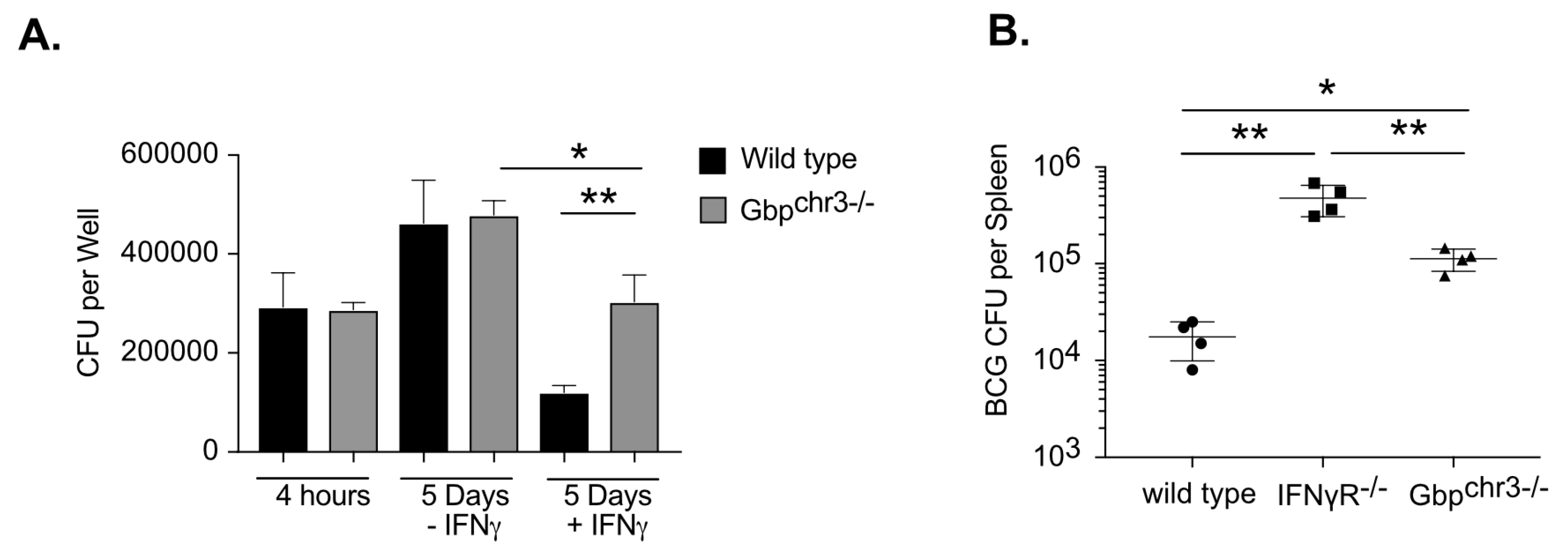
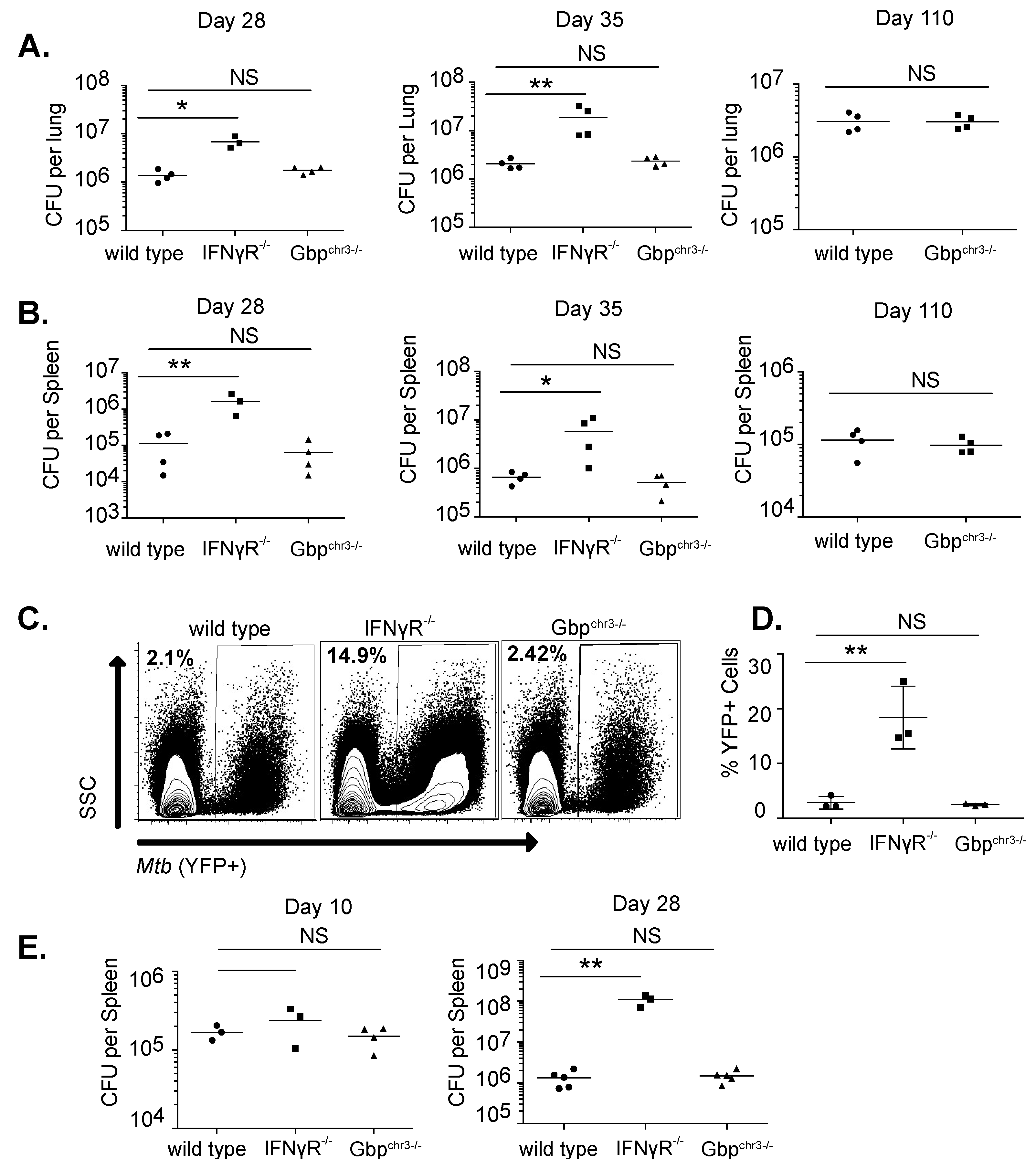
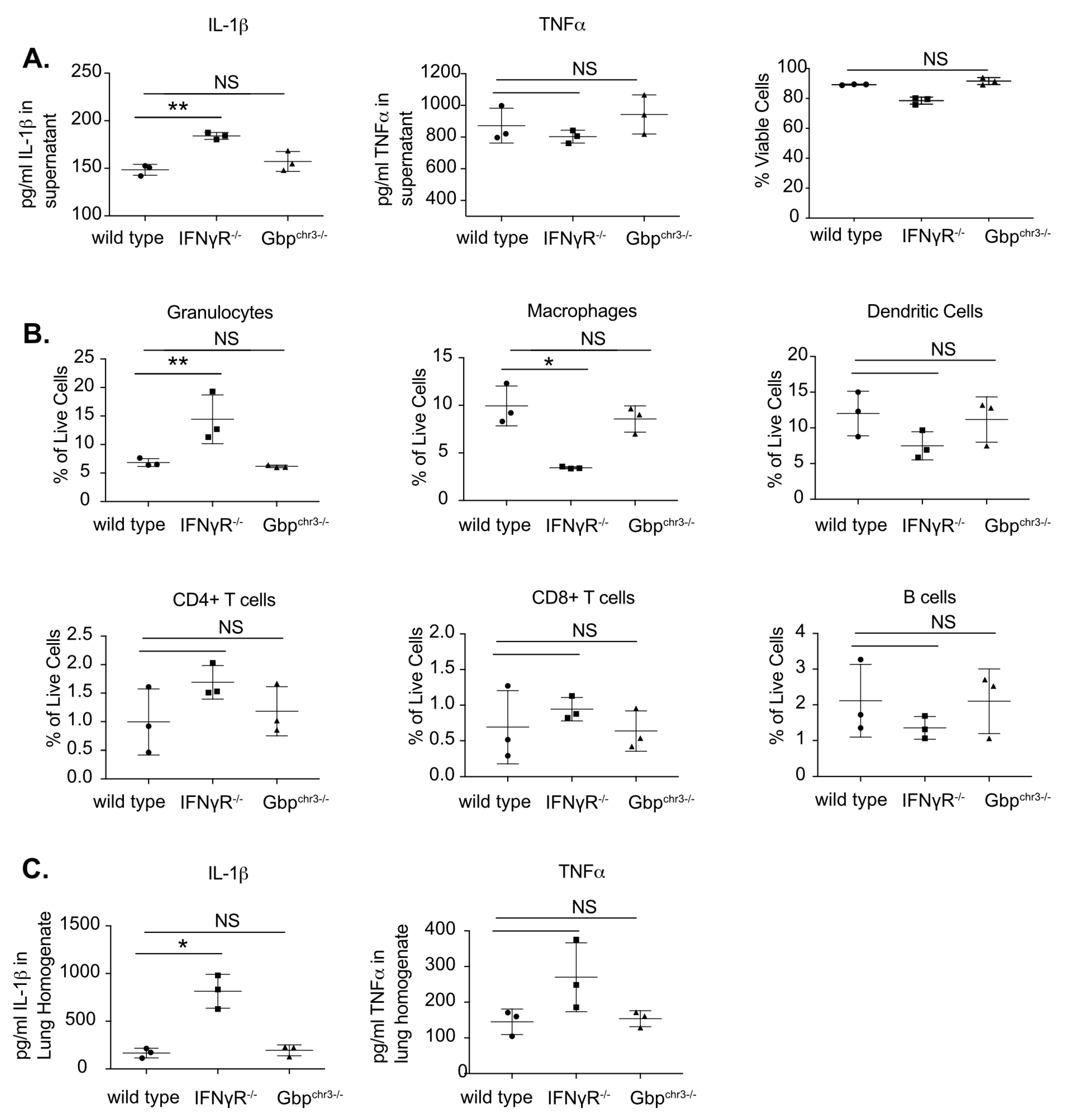
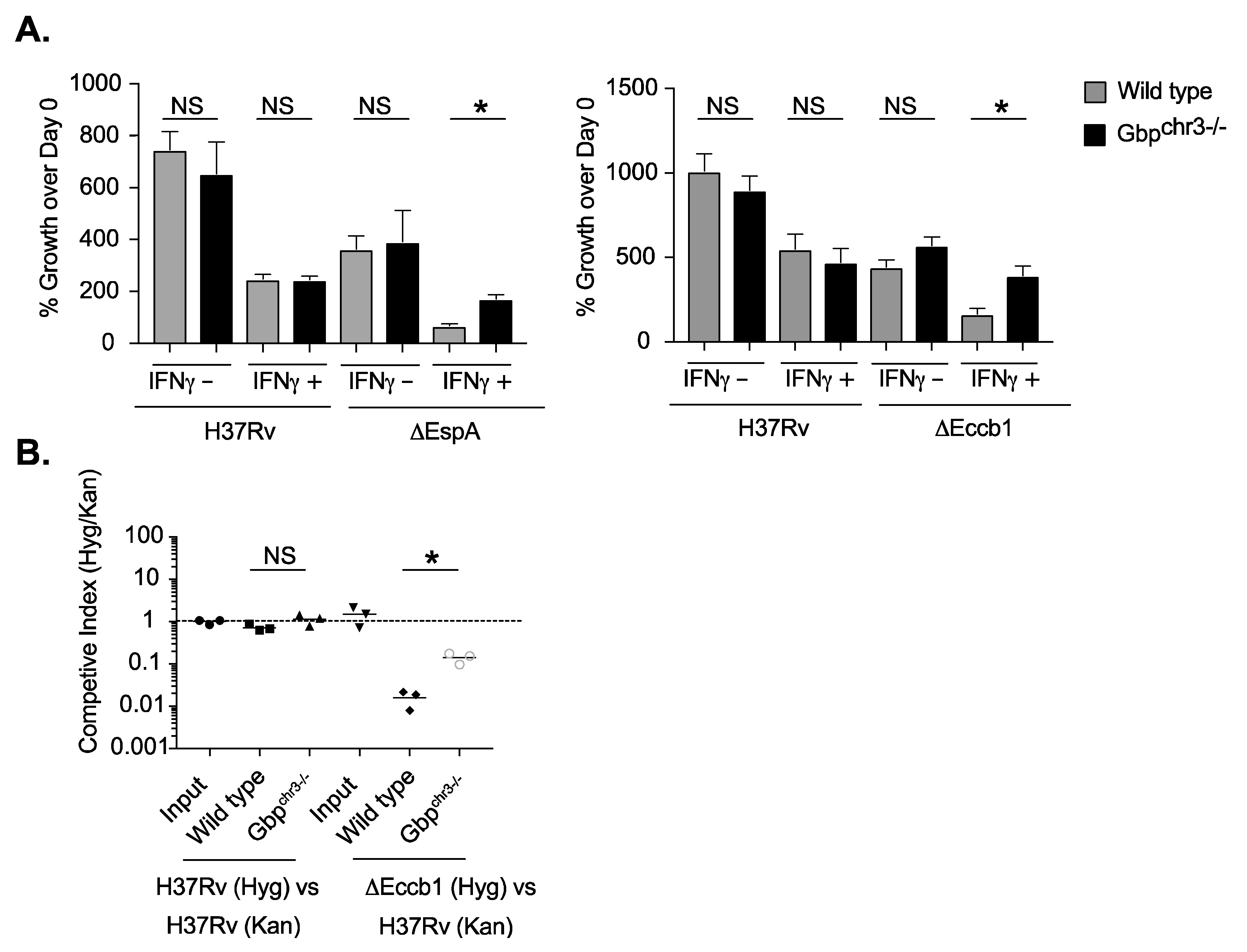
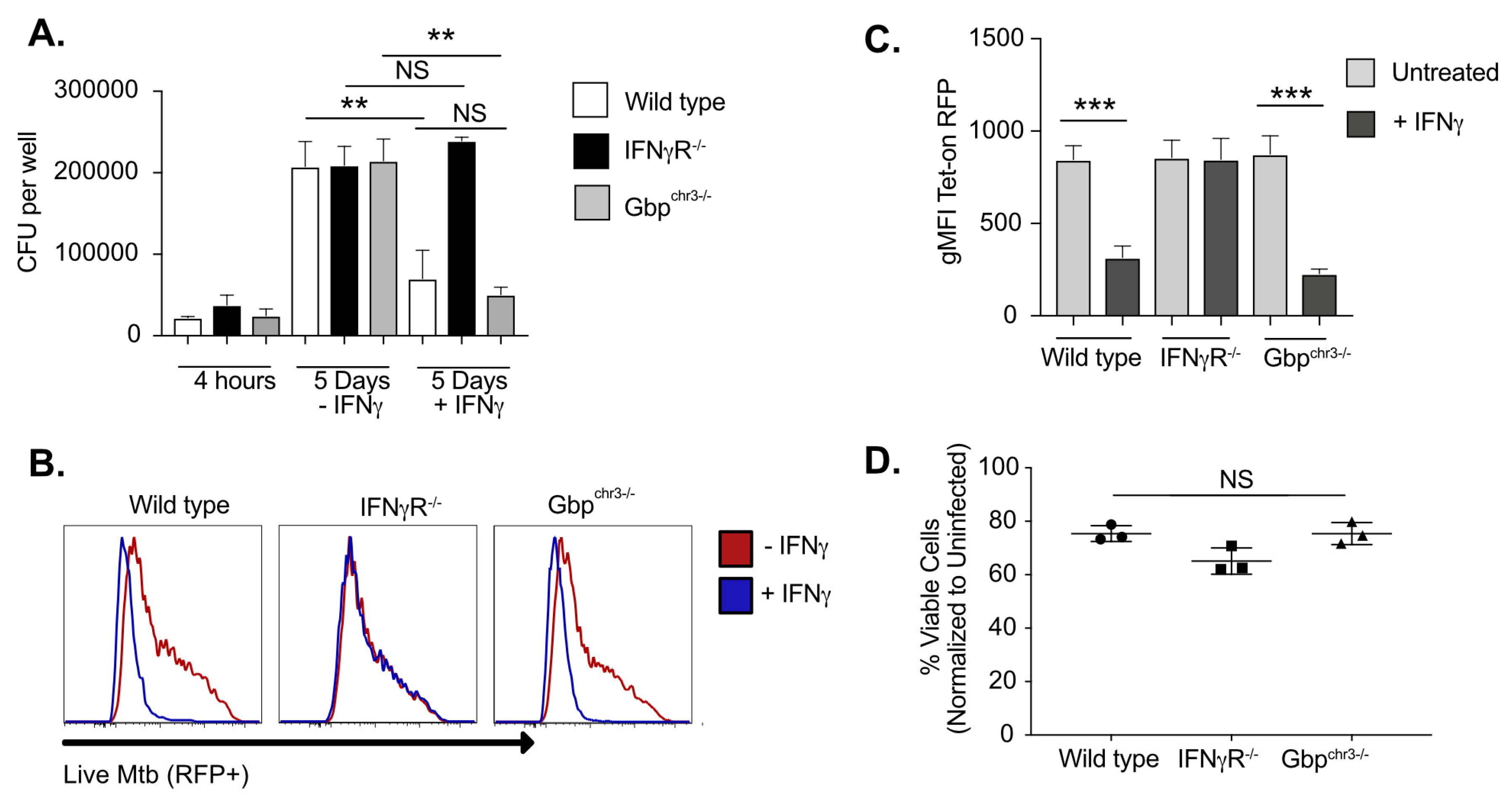
Cell-intrinsic immune mechanisms control intracellular pathogens that infect eukaryotes. The intracellular pathogen Mycobacterium tuberculosis (Mtb) evolved to withstand cell-autonomous immunity to cause persistent infections and disease. A potent inducer of cell-autonomous immunity is the lymphocyte-derived cytokine IFNγ. While the production of IFNγ by T cells is essential to protect against Mtb, it is not capable of fully eradicating Mtb infection. This suggests that Mtb evades a subset of IFNγ-mediated antimicrobial responses, yet what mechanisms Mtb resists remains unclear. The IFNγ-inducible Guanylate binding proteins (GBPs) are key host defense proteins able to control infections with intracellular pathogens. GBPs were previously shown to directly restrict Mycobacterium bovis BCG yet their role during Mtb infection has remained unknown. Here, we examine the importance of a cluster of five GBPs on mouse chromosome 3 in controlling Mycobacterial infection. While M. bovis BCG is directly restricted by GBPs, we find that the GBPs on chromosome 3 do not contribute to the control of Mtb replication or the associated host response to infection. The differential effects of GBPs during Mtb versus M. bovis BCG infection is at least partially explained by the absence of the ESX1 secretion system from M. bovis BCG, since Mtb mutants lacking the ESX1 secretion system become similarly susceptible to GBP-mediated immune defense. Therefore, this specific genetic interaction between the murine host and Mycobacteria reveals a novel function for the ESX1 virulence system in the evasion of GBP-mediated immunity.
Keywords: Mycobacterium tuberculosis; guanylate binding proteins; interferon-gamma responses; cell-autonomous immunity; immune evasion Mycobacterium tuberculosis; guanylate binding proteins; interferon-gamma responses; cell-autonomous immunity; immune evasion