Communication

A Metagenomic-Based Approach for the Characterization of Bacterial Diversity Associated with Spontaneous Malolactic Fermentations in Wine


by
Carmen Berbegal
1,2,†,
Luigimaria Borruso
3,†,
Mariagiovanna Fragasso
1,
Maria Tufariello
4,
Pasquale Russo
1,
Lorenzo Brusetti
3,
Giuseppe Spano
1 and
Vittorio Capozzi
1,*
1
Department of Agriculture, Food and Environment Sciences, University of Foggia, Via Napoli 25, 71122 Foggia, Italy
2
EnolabERI BioTecMed, Universitat de València, 46100 Valencia, Spain
3
Faculty of Science and Technology, Free University of Bozen-Bolzano, 39100 Bozen-Bolzano, Italy
4
Istituto di Scienze delle Produzioni Alimentari, Consiglio Nazionale delle Ricerche, Unità Operativa di Supporto di Lecce, 73100 Lecce, Italy
*
Author to whom correspondence should be addressed.
These authors contributed equally to this work.
Int. J. Mol. Sci. 2019, 20(16), 3980; https://doi.org/10.3390/ijms20163980
Submission received: 9 July 2019 / Revised: 13 August 2019 / Accepted: 13 August 2019 / Published: 15 August 2019
(This article belongs to the Section Molecular Microbiology)

Abstract

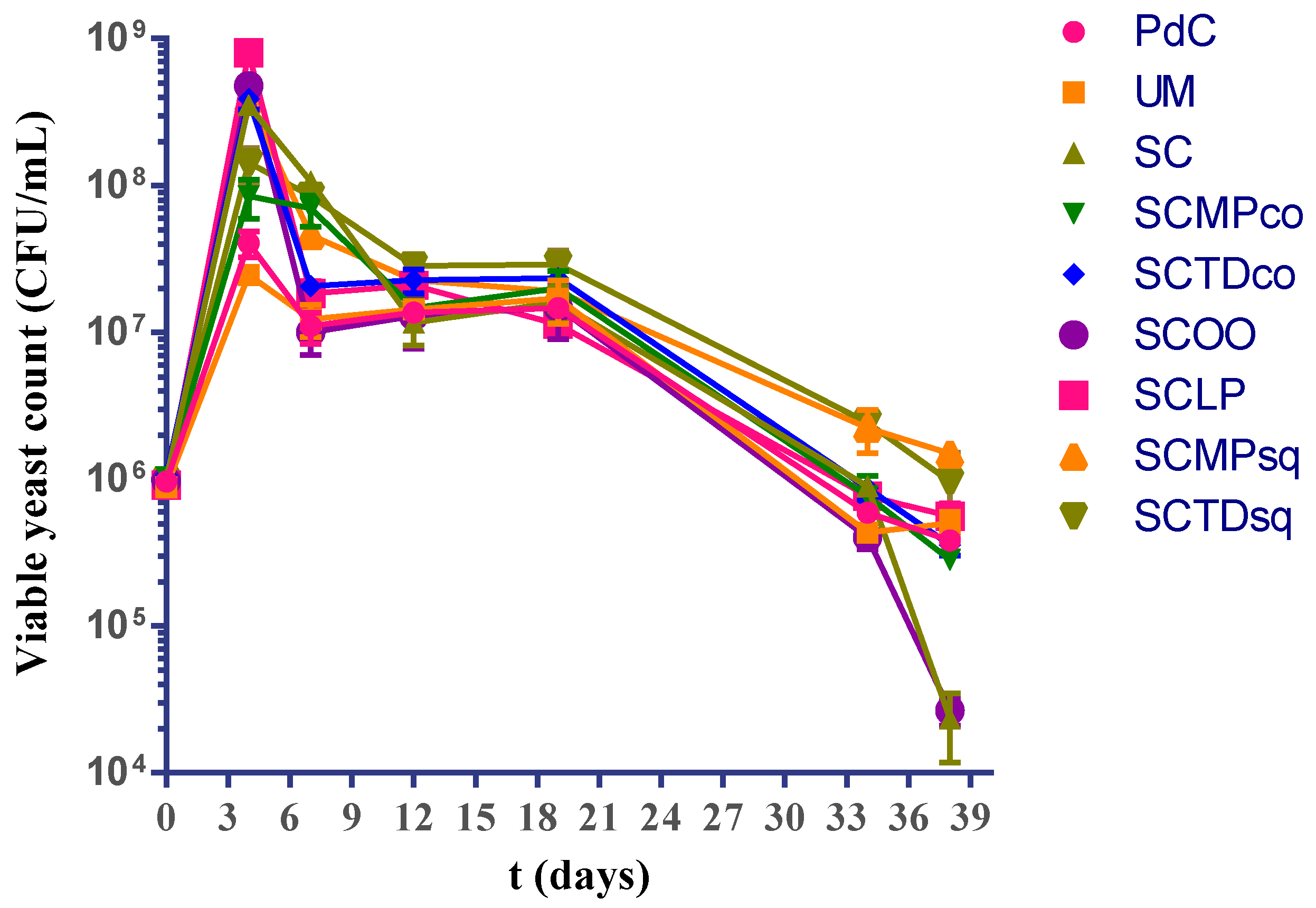
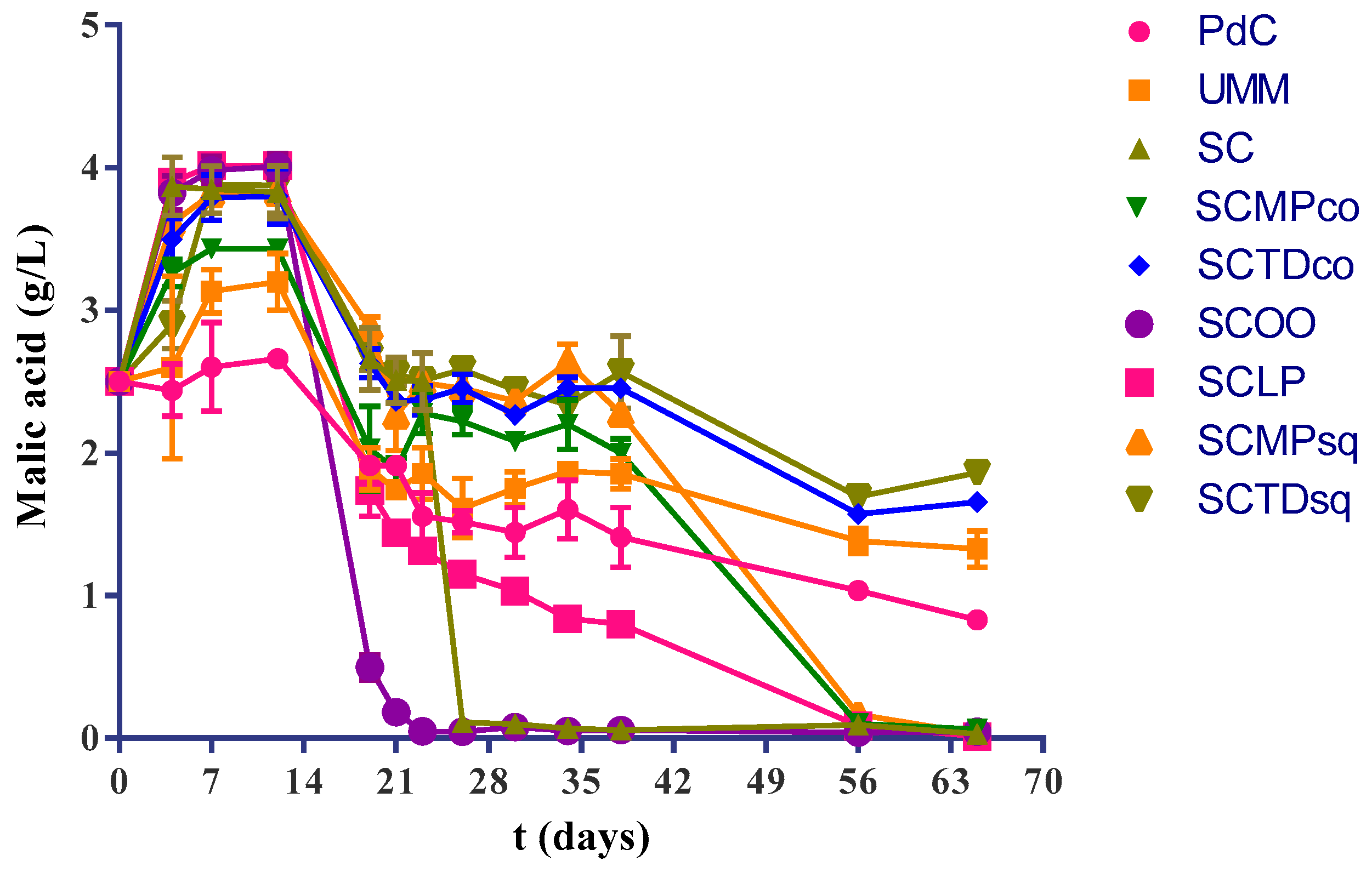
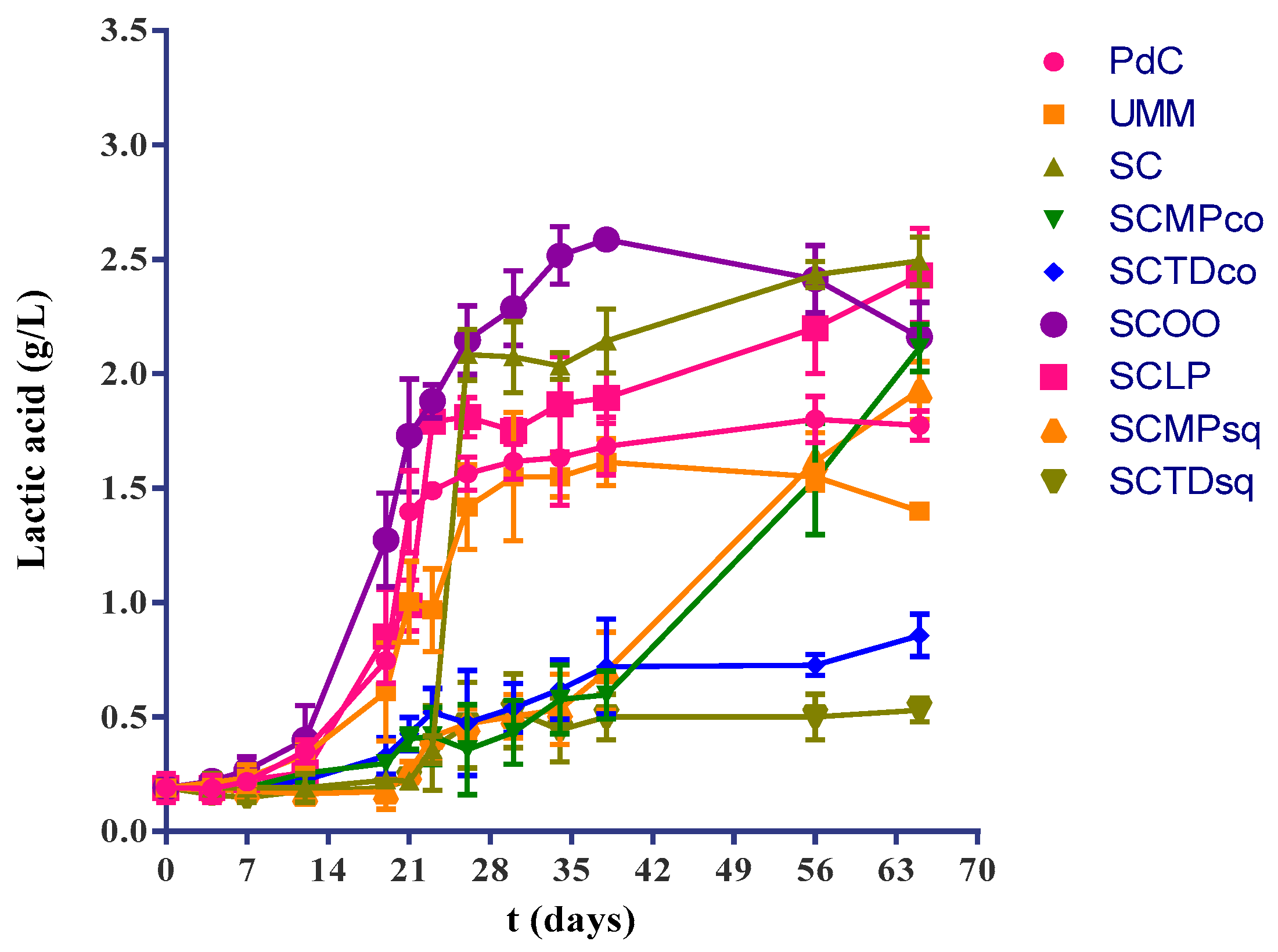
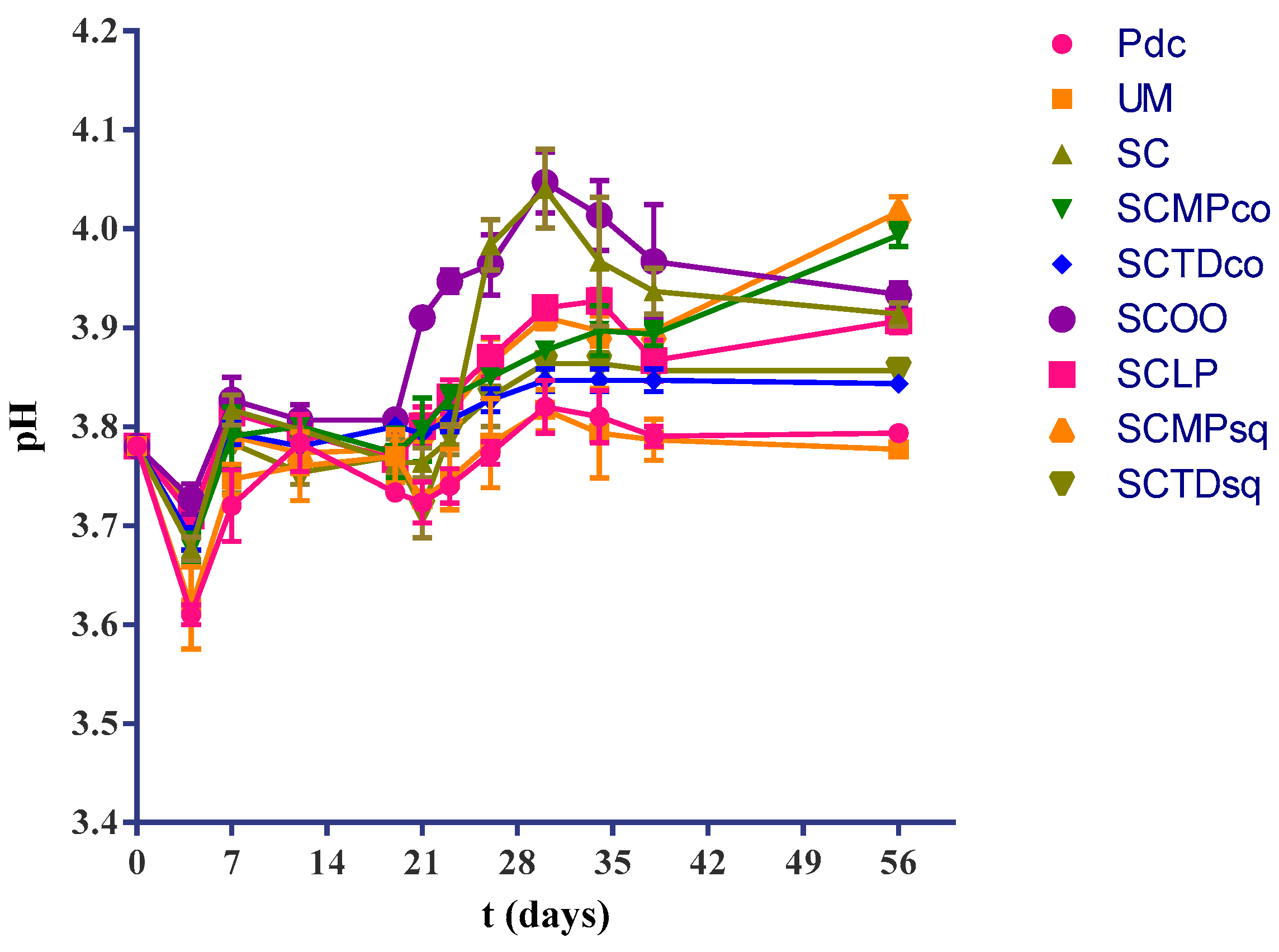
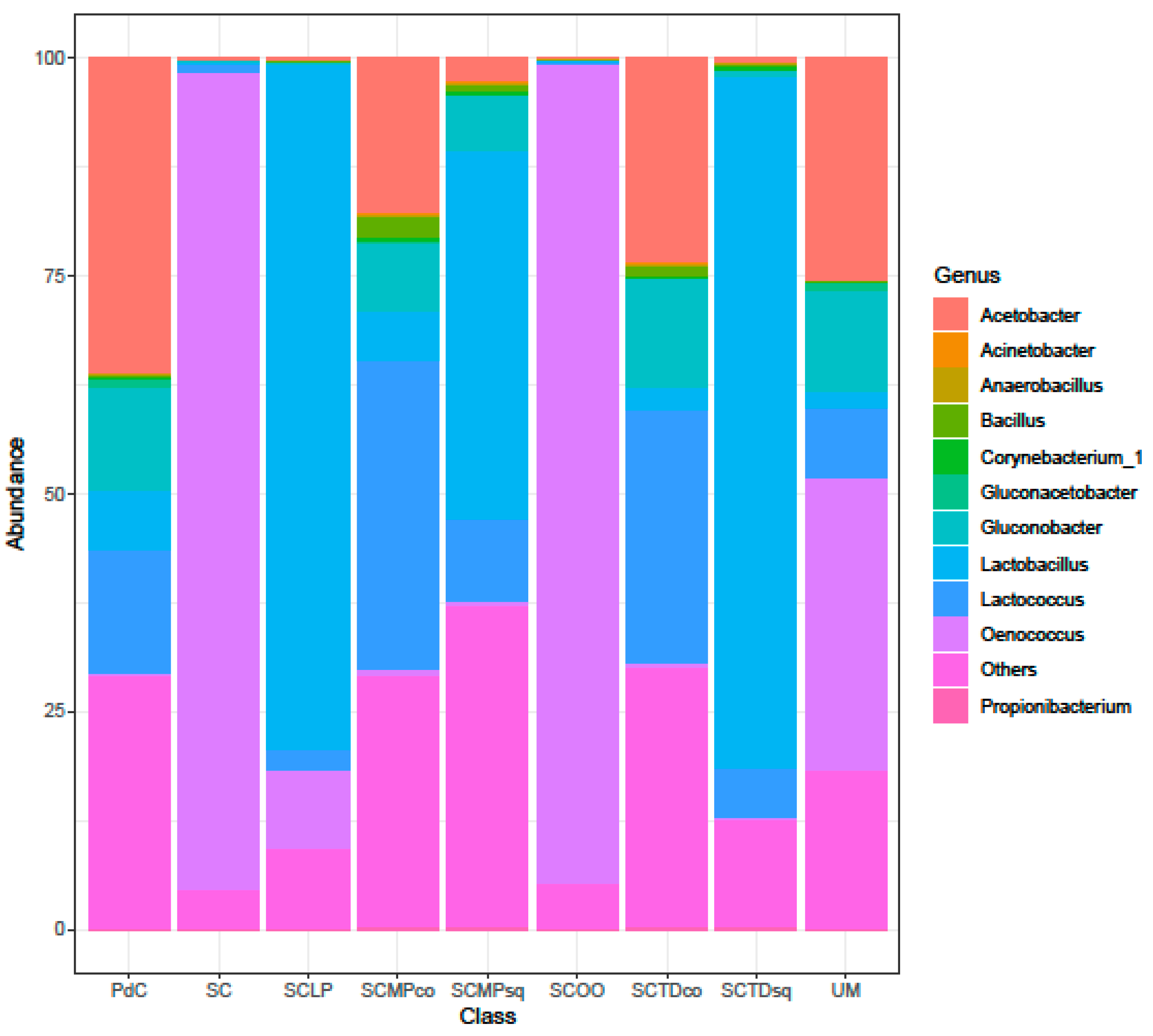
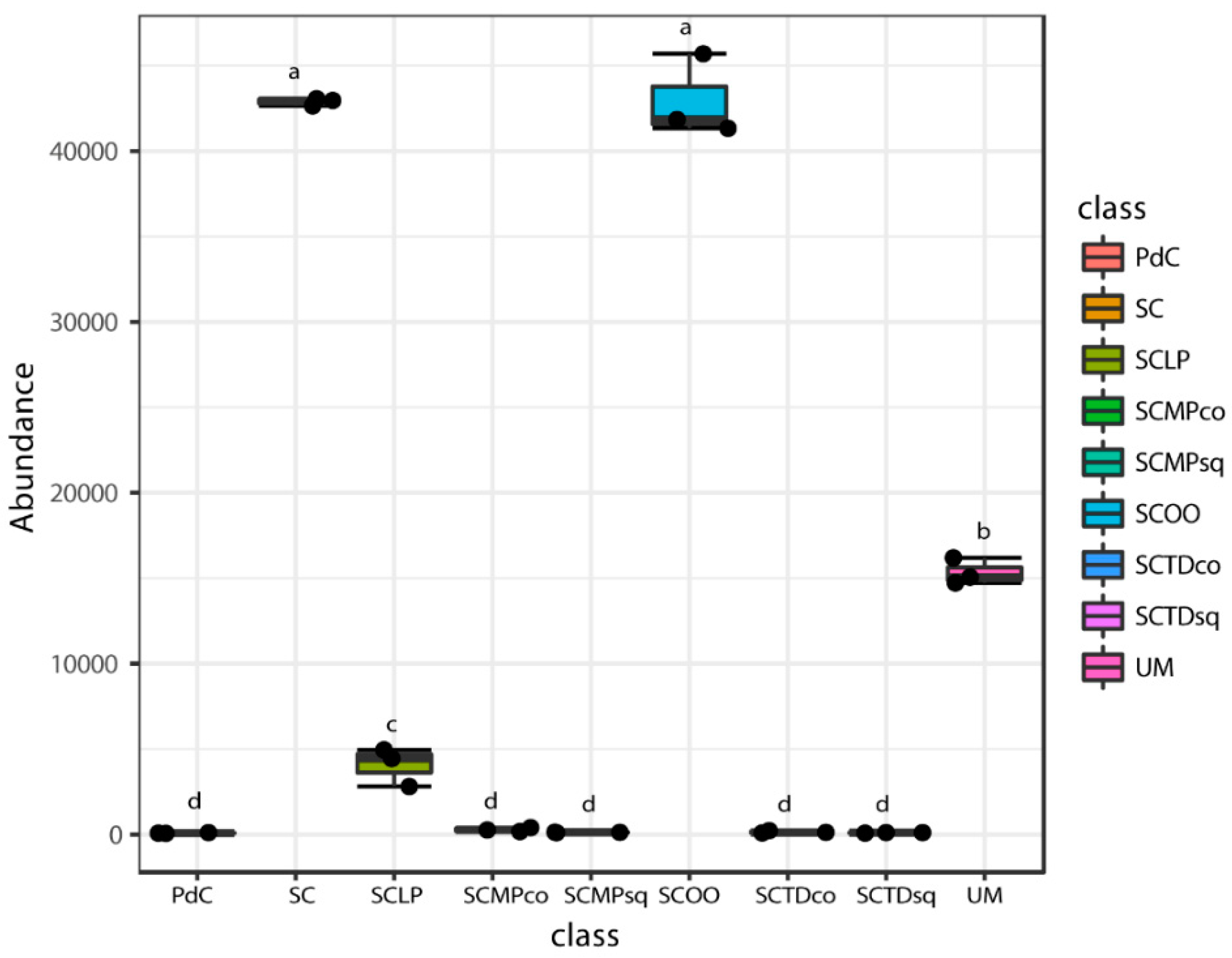
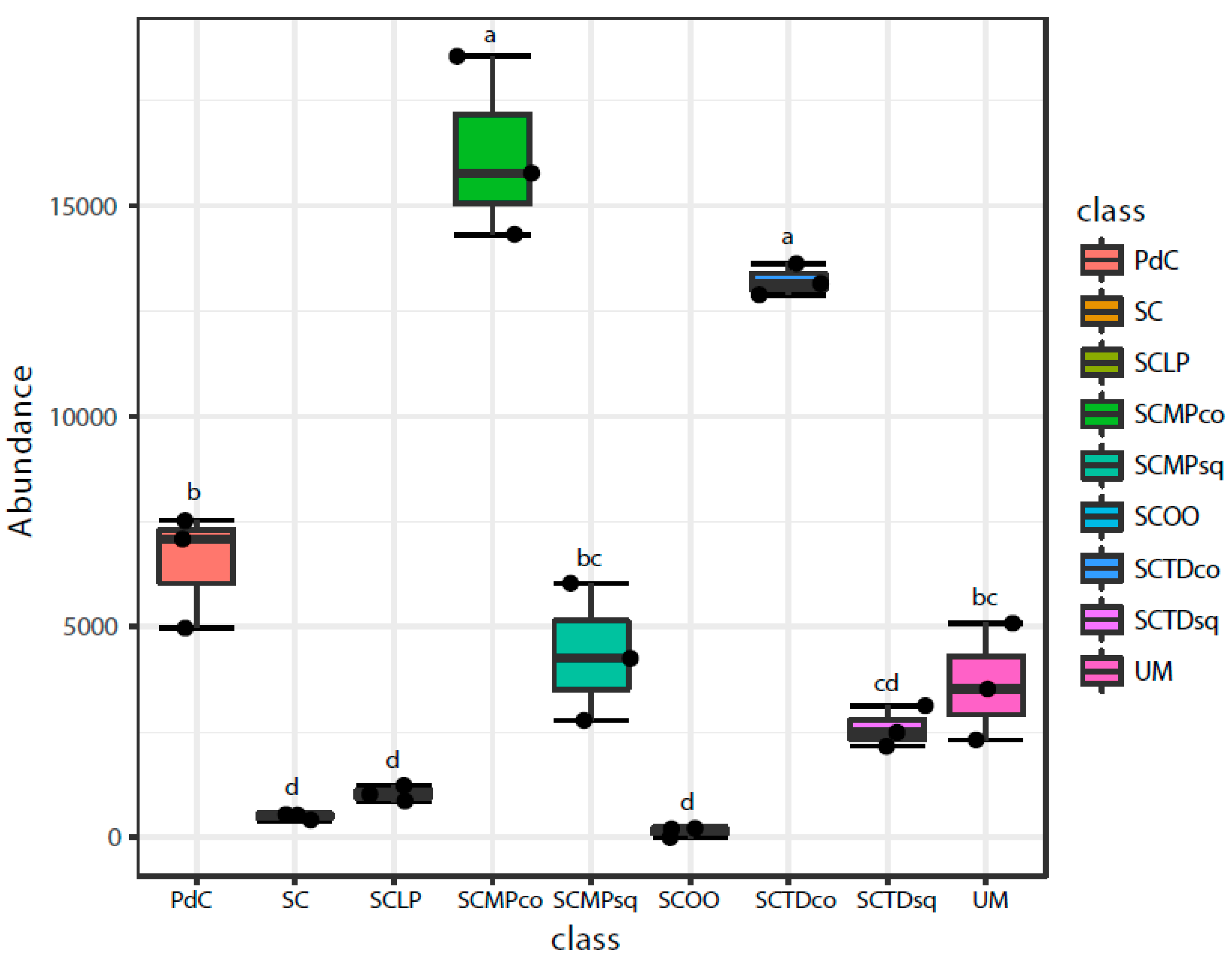
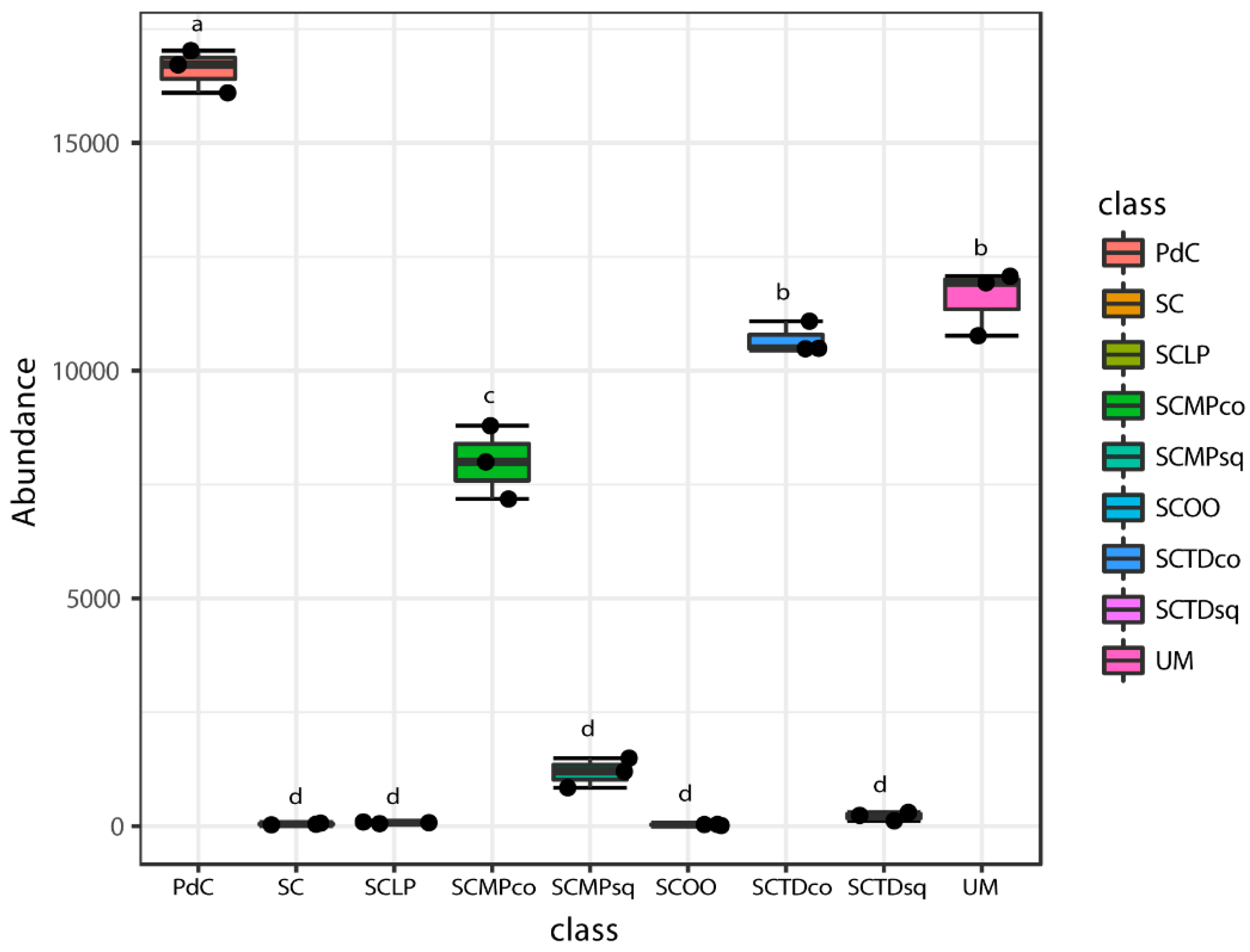
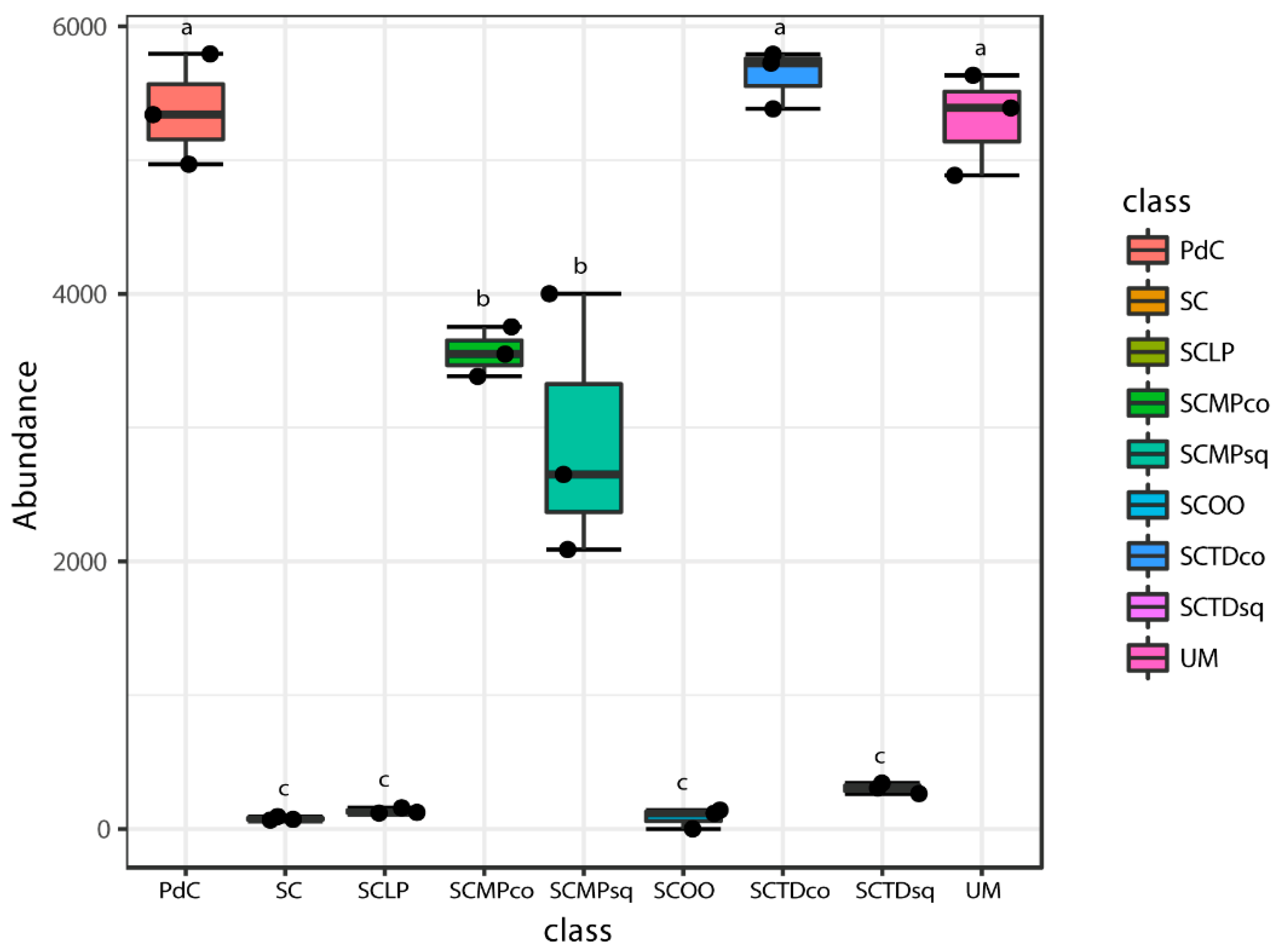
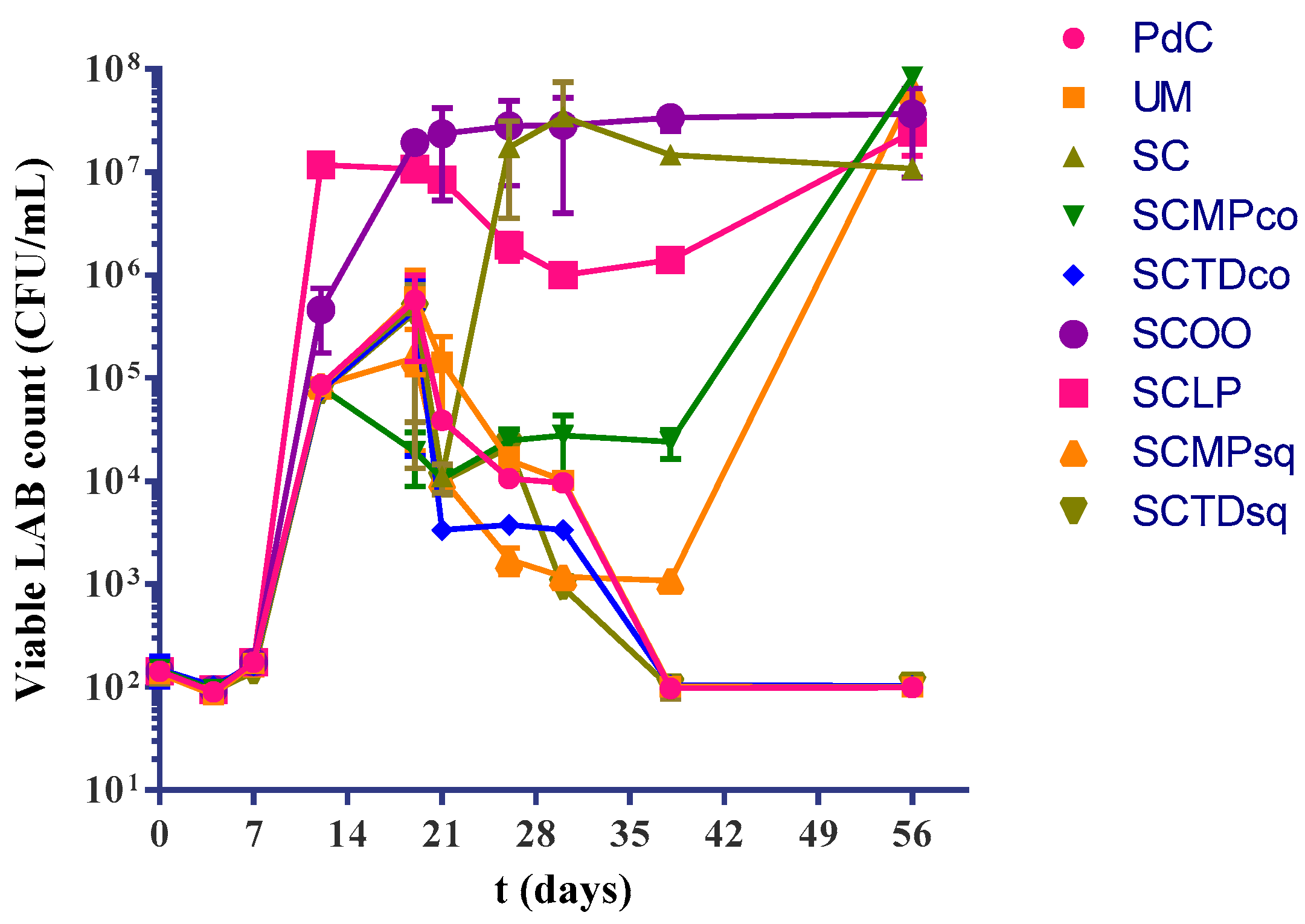
This study reports the first application of a next generation sequencing (NGS) analysis. The analysis was designed to monitor the effect of the management of microbial resources associated with alcoholic fermentation on spontaneous malolactic consortium. Together with the analysis of 16S rRNA genes from the metagenome, we monitored the principal parameters linked to MLF (e.g., malic and lactic acid concentration, pH). We encompass seven dissimilar concrete practices to manage microorganisms associated with alcoholic fermentation: Un-inoculated must (UM), pied-de-cuve (PdC), Saccharomyces cerevisiae (SC), S. cerevisiae and Torulaspora delbrueckii co-inoculated and sequentially inoculated, as well as S. cerevisiae and Metschnikowia pulcherrima co-inoculated and sequentially inoculated. Surprisingly, each experimental modes led to different taxonomic composition of the bacterial communities of the malolactic consortia, in terms of prokaryotic phyla and genera. Our findings indicated that, uncontrolled AF (UM, PdC) led to heterogeneous consortia associated with MLF (with a relevant presence of the genera Acetobacter and Gluconobacter), when compared with controlled AF (SC) (showing a clear dominance of the genus Oenococcus). Effectively, the SC trial malic acid was completely degraded in about two weeks after the end of AF, while, on the contrary, malic acid decarboxylation remained uncomplete after 7 weeks in the case of UM and PdC. In addition, for the first time, we demonstrated that both (i) the inoculation of different non-Saccharomyces (T. delbrueckii and M. pulcherrima) and, (ii) the inoculation time of the non-Saccharomyces with respect to S. cerevisiae resources (co-inoculated and sequentially inoculated) influence the composition of the connected MLF consortia, modulating MLF performance. Finally, we demonstrated the first findings of delayed and inhibited MLF when M. pulcherrima, and T. delbrueckii were inoculated, respectively. In addition, as a further control test, we also assessed the effect of the inoculation with Oenococcus oeni and Lactobacillus plantarum at the end of alcoholic fermentation, as MLF starter cultures. Our study suggests the potential interest in the application of NGS analysis, to monitor the effect of alcoholic fermentation on the spontaneous malolactic consortium, in relation to wine.
Keywords: wine; malolactic fermentation; lactic acid bacteria; 16S rRNA metataxonomy; Saccharomyces cerevisiae; Oenococcus oeni; Lactobacillus plantarum; Metschnikowia pulcherrima; Torulaspora delbrueckii; malolactic consortium wine; malolactic fermentation; lactic acid bacteria; 16S rRNA metataxonomy; Saccharomyces cerevisiae; Oenococcus oeni; Lactobacillus plantarum; Metschnikowia pulcherrima; Torulaspora delbrueckii; malolactic consortium