Special Issue "Telework and Its Implications for Sustainability"

A special issue of Sustainability (ISSN 2071-1050).

Deadline for manuscript submissions: 15 March 2022.

Special Issue Editors

Prof. Dr. Magnus Moglia
E-Mail Website
Guest Editor
Centre for Urban Transitions, Swinburne University of Technology, Hawthorn, VIC 3122, Australia
Interests: sustainability transitions; urban regeneration; systems science; futures research
Prof. Dr. John Hopkins
E-Mail Website
Guest Editor
Swinburne Business School, Swinburne University of Technology, Hawthorn, VIC 3122, Australia
Interests: hybrid and blended working; supply chain innovation; the future of work

Special Issue Information

Dear Colleagues,

Teleworking is a term used to describe work that is performed remotely, rather than from a fixed office or place of employment. It dates back to the mid-1970s and the early work of Jack Nilles. This ability for workers to conduct some, or all, of their work from home, a café, a library or a co-working space closer to where they live, instead of commuting to an office in the city, was identified as having significant potential for reducing urban congestion, and a range of attendant social, economic, and environmental benefits. However, despite the rise and increasing sophistication of digital technologies over the past 20 years, as well as the tools required to conduct many work tasks becoming more ubiquitous, telework was still not widely adopted before COVID-19.

The current pandemic and the associated lockdowns have proven to be a game-changer for teleworking, with government and organisations around the world forced into adopting it as a means to ensure business continuity during strict pandemic restrictions, in what has been widely dubbed “the world’s biggest work-from-home experiment”. Whilst this shift was involuntary and unplanned, many positive environmental, cultural, economic and social sustainability outcomes have been experienced as a result. With a vaccine rollout already underway, society, governments and organisations are planning their postpandemic future, but what will this mean for these new sustainability gains?

Will governments and organisations aim to “bounce back” to the way they operated before the pandemic, or will they “bounce forward” and learn from their recent experiences, to design new ways of working that preserve many of these sustainability gains?

The purpose of this Special Issue is to offer critical analysis, of a range of the sustainability benefits that have been experienced as a result of the sudden increase in teleworking, and propose how these benefits might be maintained long after pandemic restrictions have been lifted.

Potential topics include, but are not restricted to, how increased telework has impacted:

  • Non-essential work travel;
  • Greenhouse gas emissions and air quality;
  • Urban congestion and transport planning;
  • Energy and water use;
  • Regionalisation and changes in settlement patterns;
  • Resilient utilities and infrastructure;
  • Urban planning and preferred urban form;
  • Housing and amenities;
  • Health and wellbeing risks and benefits;
  • Socio-economic equity;
  • Gender equality;
  • Work–life balance;
  • Jobs, productivity and innovation;
  • Road safety and future mobility.

Prof. Dr. Magnus Moglia
Prof. Dr. John Hopkins
Guest Editors

Manuscript Submission Information

Manuscripts should be submitted online at www.mdpi.com by registering and logging in to this website. Once you are registered, click here to go to the submission form. Manuscripts can be submitted until the deadline. All papers will be peer-reviewed. Accepted papers will be published continuously in the journal (as soon as accepted) and will be listed together on the special issue website. Research articles, review articles as well as short communications are invited. For planned papers, a title and short abstract (about 100 words) can be sent to the Editorial Office for announcement on this website.

Submitted manuscripts should not have been published previously, nor be under consideration for publication elsewhere (except conference proceedings papers). All manuscripts are thoroughly refereed through a single-blind peer-review process. A guide for authors and other relevant information for submission of manuscripts is available on the Instructions for Authors page. Sustainability is an international peer-reviewed open access semimonthly journal published by MDPI.

Please visit the Instructions for Authors page before submitting a manuscript. The Article Processing Charge (APC) for publication in this open access journal is 1900 CHF (Swiss Francs). Submitted papers should be well formatted and use good English. Authors may use MDPI's English editing service prior to publication or during author revisions.

Keywords

  • telework
  • remote work
  • hybrid work
  • sustainability transitions
  • urban resilience
  • urban regeneration

Published Papers (2 papers)

Order results
Result details
Select all
Export citation of selected articles as:

Research

Jump to: Review

Article
Multidimensional Assessment of Job Satisfaction in Telework Conditions. Case Study: Romania in the COVID-19 Pandemic
Sustainability 2021, 13(16), 8965; https://doi.org/10.3390/su13168965 - 11 Aug 2021
Viewed by 382
Abstract
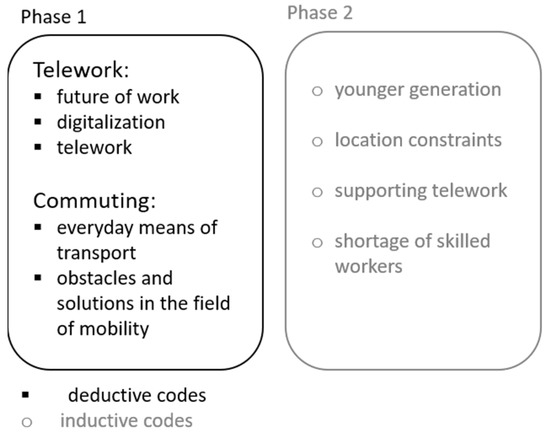
Improving employee performance is one of the main levers for companies to achieve their goals. The detachment of work from place is a growing trend, affecting the performance levels of both employees and employers. The purpose of this research was to assess job [...] Read more.
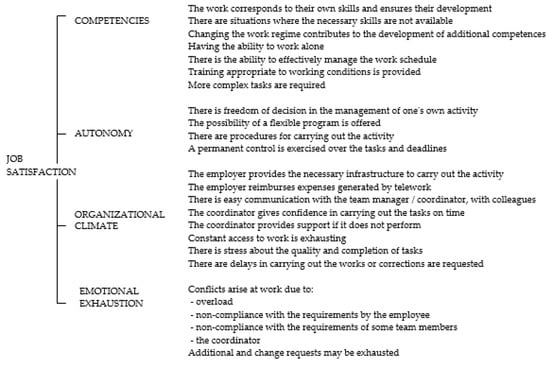
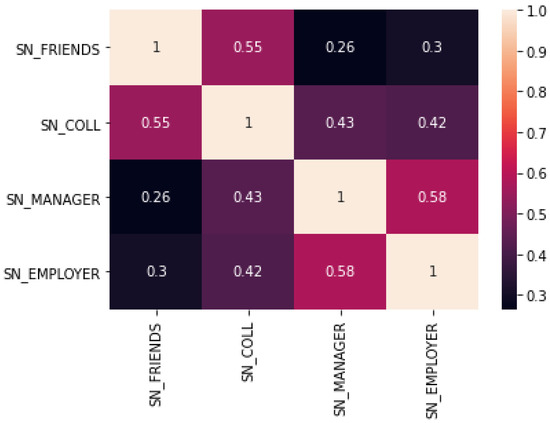
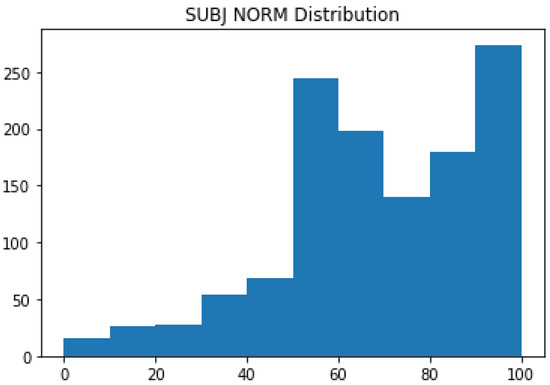
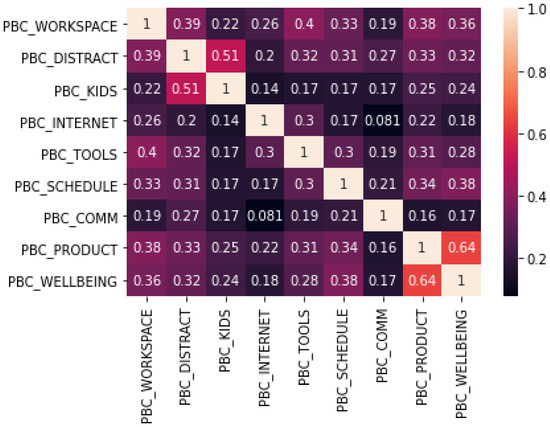
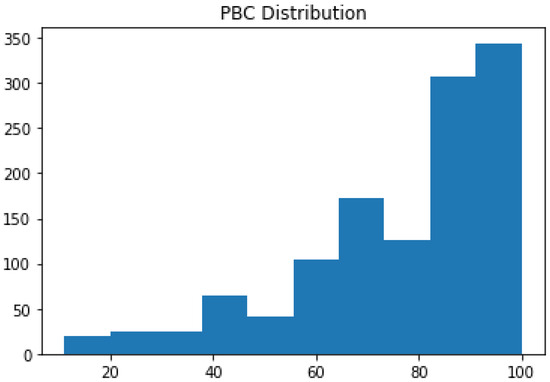
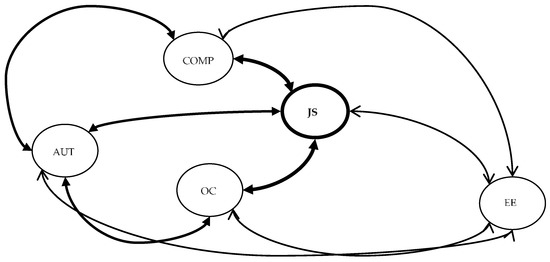
Improving employee performance is one of the main levers for companies to achieve their goals. The detachment of work from place is a growing trend, affecting the performance levels of both employees and employers. The purpose of this research was to assess job satisfaction in telework conditions, based on areas considered decisive and evaluated by specific items. To this end, an opinion questionnaire was created, the information was processed with correlation analysis and regression analysis. This study showed that job satisfaction in telework is associated with higher skills, autonomy, and a favorable organizational climate, but also with a higher level of emotional exhaustion generated by constant access to work, as well as the lack of relationships and mentoring. We found a statistically significant positive link between competencies, autonomy, organizational climate, and job satisfaction. Significant differences were observed in the perception of job satisfaction with respect to the gender dimension, as well as between employees of various age categories. Full article
(This article belongs to the Special Issue Telework and Its Implications for Sustainability)
Show Figures

Figure 1
Review

Jump to: Research

Review
Telework, Hybrid Work and the United Nation’s Sustainable Development Goals: Towards Policy Coherence
Sustainability 2021, 13(16), 9222; https://doi.org/10.3390/su13169222 - 17 Aug 2021
Viewed by 368
Abstract
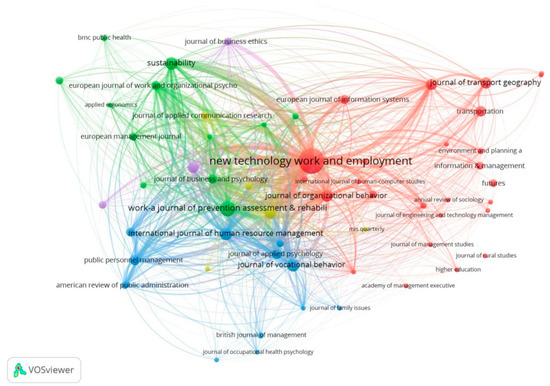
With increased participation in telework expected to continue, in the aftermath of COVID, it will be important to consider what long-term impact this practice could have on sustainability outcomes. This paper describes a scoping review and identifies connections between telework and sustainability outcomes [...] Read more.
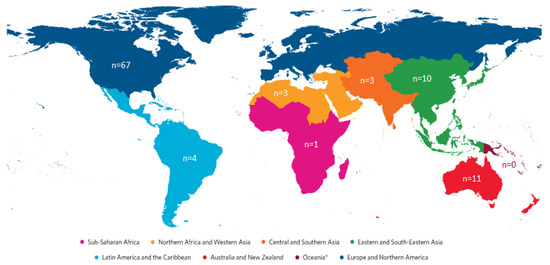
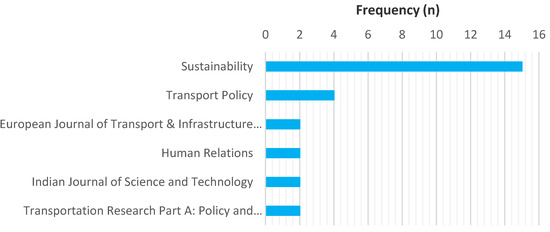
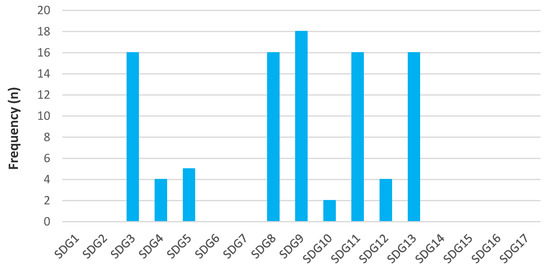
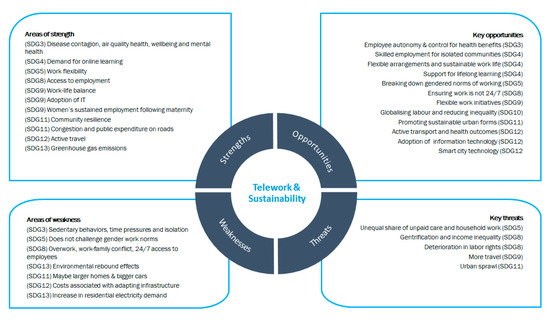
With increased participation in telework expected to continue, in the aftermath of COVID, it will be important to consider what long-term impact this practice could have on sustainability outcomes. This paper describes a scoping review and identifies connections between telework and sustainability outcomes from previous academic studies. These connections were categorised, and are discussed, based on their contributions to different United Nations Sustainable Development Goals. Most research was found to focus on countries classified as having a very high human development index status. The SWOT matrix technique was used to illustrate the strengths and weaknesses identified in the existing literature, and the threats and opportunities for future work. This aims to ensure policy coherence so that strategies to promote one outcome, such as economic productivity improvements, do not undermine another, such as improved health. Practical implications and research opportunities were identified across a range of SDG impact areas, including good health and well-being, gender equality, reduced inequality, climate mitigation, sustainable cities, and resilient communities. Overall, our impression is that increased rates of telework present an important opportunity to improve sustainability outcomes. However, it will be important that integrated and holistic policy is developed that mitigates key risks. Full article
(This article belongs to the Special Issue Telework and Its Implications for Sustainability)
Show Figures

Figure 1

Back to TopTop