



Microplastics and Their Potential Effects in Aquatic Organisms and Ecosystems
A Special Issue of Sustainability (ISSN 2071-1050) belonging to the section "Pollution Prevention, Mitigation and Sustainability".
Deadline for manuscript submissions: closed (31 December 2021) | Viewed by 23694
Editor

Interests: marine biodiversity; marine ecology; marine ecosystems functioning; coastal systems; microplastics; marine litter
Special Issue Information
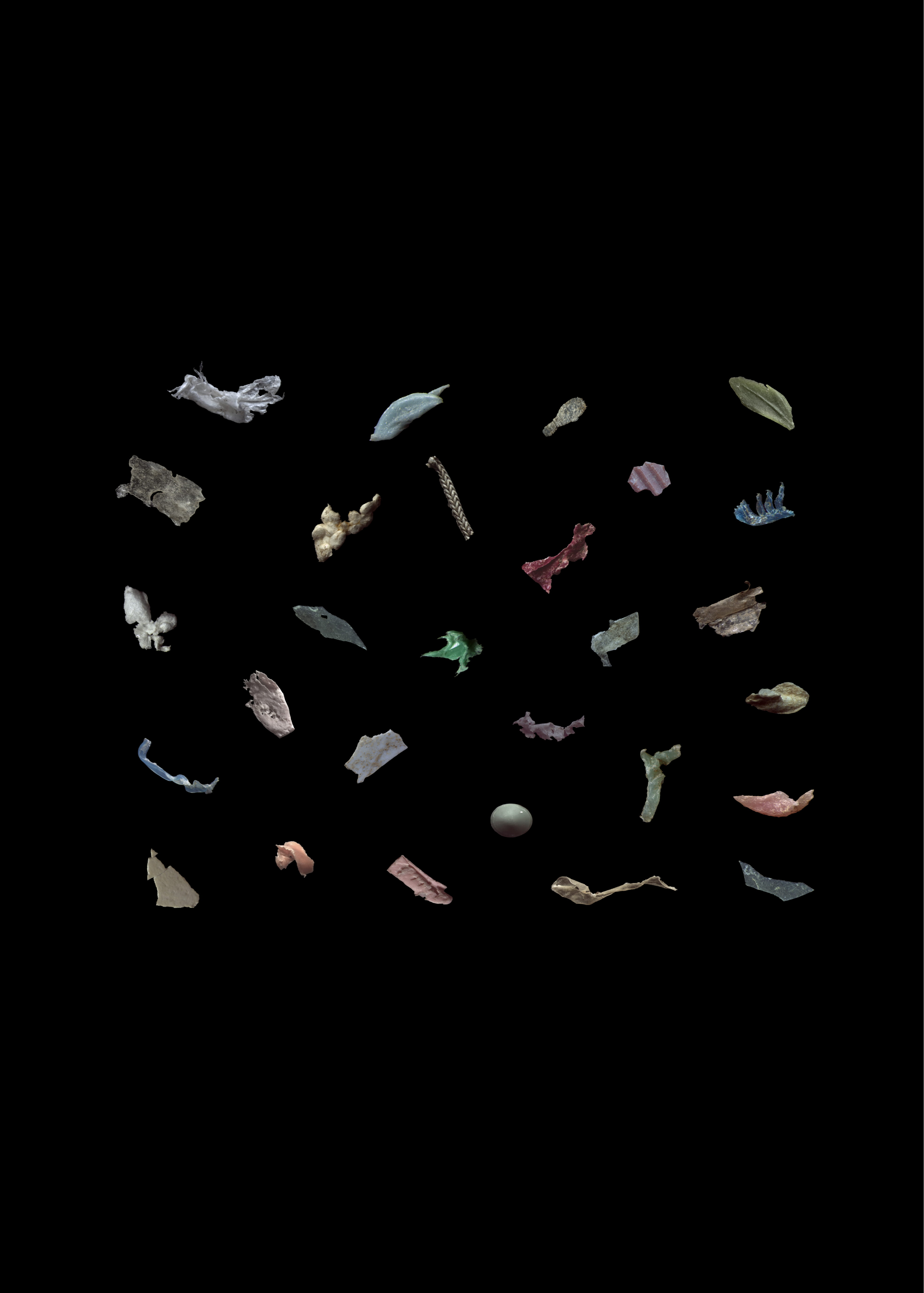
Microplastics were first described as any tiny plastic particle measuring less than five millimeters on the longest axis, and are widely reported as a common pollutant of both aquatic and terrestrial environments. In the past decade, the scientific knowledge of microplastics has increased remarkably and several studies have documented the presence, transport, fate, exposure, and potential effects of microplastics on nature and society. However, current understanding of the risks remains incomplete.
Several studies have demonstrated that a wide range of aquatic organisms of varied size and across multiple trophic levels in wild conditions contain microplastics. Ingestion is the most frequent interaction between microplastics and biota and has been predominantly found in marine species. This can result in physical injury inducing inflammation and stress, or it can result in a blockage of absorptive surfaces (e.g., gut blockage) and subsequent reduced energy intake or respiration. Physical toxicity can also manifest after tissue translocation of plastic particles, i.e., a transfer from the outside (gut lumen) of the body into the tissues. Nevertheless, limited data on the actual exposure, in the field, of aquatic species to microplastics is available.
In this Special Issue, we explore the issue of microplastic pollution from marine and freshwater habitats on aquatic organisms, and ask for studies discussing current state-of-the-art research addressing the sources and pathways of microplastics, their accumulation, and potential effects on biota from these ecosystems.
Dr. Filipa Bessa
Guest Editor
Manuscript Submission Information
Manuscripts should be submitted online at www.mdpi.com by registering and logging in to this website. Once you are registered, click here to go to the submission form. Manuscripts can be submitted until the deadline. All submissions that pass pre-check are peer-reviewed. Accepted papers will be published continuously in the journal (as soon as accepted) and will be listed together on the special issue website. Research articles, review articles as well as short communications are invited. For planned papers, a title and short abstract (about 250 words) can be sent to the Editorial Office for assessment.
Submitted manuscripts should not have been published previously, nor be under consideration for publication elsewhere (except conference proceedings papers). All manuscripts are thoroughly refereed through a single-anonymized peer-review process. A guide for authors and other relevant information for submission of manuscripts is available on the Instructions for Authors page. Sustainability is an international peer-reviewed open access semimonthly journal published by MDPI.
Please visit the Instructions for Authors page before submitting a manuscript. The Article Processing Charge (APC) for publication in this open access journal is 2400 CHF (Swiss Francs). Submitted papers should be well formatted and use good English. Authors may use MDPI's English editing service prior to publication or during author revisions.
Keywords
- microplastics
- ecotoxicological effects
- biota
- marine species
- freshwater species
- aquatic ecosystems
- oceans
- rivers
- pollutants
Benefits of Publishing in a Special Issue
- Ease of navigation: Grouping papers by topic helps scholars navigate broad scope journals more efficiently.
- Greater discoverability: Special Issues support the reach and impact of scientific research. Articles in Special Issues are more discoverable and cited more frequently.
- Expansion of research network: Special Issues facilitate connections among authors, fostering scientific collaborations.
- External promotion: Articles in Special Issues are often promoted through the journal's social media, increasing their visibility.
- Reprint: MDPI Books provides the opportunity to republish successful Special Issues in book format, both online and in print.
Further information on MDPI's Special Issue policies can be found here.
