Special Issue "Emerging Technologies and Sustainable Road Safety"

A special issue of Sustainability (ISSN 2071-1050). This special issue belongs to the section "Sustainable Transportation".

Deadline for manuscript submissions: 30 September 2022.

Special Issue Editors

Prof. Dr. Ali Pirdavani
E-Mail Website
Guest Editor
Faculty of Engineering Technology, Hasselt University, Hasselt, Belgium
Interests: road engineering; traffic safety; automated vehicles; driving simulation; road safety modeling
Prof. Dr. Margarida Coelho
E-Mail Website
Guest Editor
Department of Mechanical Engineering, Centre for Mechanical Engineering and Automation, University of Aveiro, 3810-193 Aveiro, Portugal
Interests: sustainable mobility; road transportation impacts; intelligent transportation systems; active transportation modes
Special Issues and Collections in MDPI journals
Prof. Dr. Yongjun Shen
E-Mail Website
Guest Editor
School of Transportation, Southeast University, Nanjing, China
Interests: transportation safety and sustainability; naturalistic/simulated driving and behavioral modeling; data science and computational intelligence
Dr. Dario Babić
E-Mail Website
Guest Editor
Faculty of Transport and Traffic Sciences, University of Zagreb, Zagreb, Croatia
Interests: traffic signaling; road safety; driver behavior; road asset management

Special Issue Information

Dear Colleagues,

As one of the fastest growing sectors in the socioeconomic context, transportation is expected to experience an accelerated expansion in the next few decades due to the ever-increasing population, rapid motorization, and rising incomes. However, rapid growth of traffic has resulted in continuously increasing safety problems. These safety problems arise when one or more elements of the transportation system fail during the complex interaction among driver, vehicle, and environment. Making a road sustainably less hazardous requires a systems approach, understanding the system as a whole and the interaction between its elements, and identifying where there is potential for intervention. In particular, it requires the recognition that the human body is highly vulnerable to injury and that humans make mistakes. This is in line with the principles of sustainable road safety that require the environment and vehicle to be designed in a way that serious crashes would be eliminated and the severity of crashes would be mitigated. This becomes possible by utilization of new technologies so as to minimize the system’s dependence on humans.

In this Special Issue, we aim to reveal the impacts of different technologies on generating sustainable safety. This Special Issue will help researchers and practitioners understand the impact of new technologies on traffic safety improvement, potential technological and practical barriers, and the analysis tools and techniques required, to name a few.

In view of the established objectives of this Special Issue, we invite scholars and practitioners to submit their original research or review articles. Potential topics of interest include, but are not limited to, the following:

  • Advanced driver-assistance systems (ADAS);
  • Advances in driving simulator research;
  • Cross-cultural differences with regard to the design, implementation, and usage of in-vehicle equipment;
  • Elderly drivers and new in-vehicle equipment;
  • Emerging technologies in designing safer roads;
  • Intelligent transport systems and road infrastructure;
  • Intelligent vehicle technologies;
  • New methods in road safety data collection and analysis;
  • Smart mobility and sustainability;
  • Sustainable road infrastructure designs.

Prof. Dr. Ali Pirdavani
Prof. Dr. Margarida Coelho
Prof. Dr. Yongjun Shen
Dr. Dario Babić
Guest Editors

Manuscript Submission Information

Manuscripts should be submitted online at www.mdpi.com by registering and logging in to this website. Once you are registered, click here to go to the submission form. Manuscripts can be submitted until the deadline. All papers will be peer-reviewed. Accepted papers will be published continuously in the journal (as soon as accepted) and will be listed together on the special issue website. Research articles, review articles as well as short communications are invited. For planned papers, a title and short abstract (about 100 words) can be sent to the Editorial Office for announcement on this website.

Submitted manuscripts should not have been published previously, nor be under consideration for publication elsewhere (except conference proceedings papers). All manuscripts are thoroughly refereed through a single-blind peer-review process. A guide for authors and other relevant information for submission of manuscripts is available on the Instructions for Authors page. Sustainability is an international peer-reviewed open access semimonthly journal published by MDPI.

Please visit the Instructions for Authors page before submitting a manuscript. The Article Processing Charge (APC) for publication in this open access journal is 1900 CHF (Swiss Francs). Submitted papers should be well formatted and use good English. Authors may use MDPI's English editing service prior to publication or during author revisions.

Keywords

  • advanced driver-assistance systems
  • driving aids and devices
  • new car technologies
  • road safety analysis
  • sustainable safety
  • smart mobility

Published Papers (11 papers)

Order results
Result details
Select all
Export citation of selected articles as:

Research

Jump to: Review

Article
“Everything Somewhere” or “Something Everywhere”: Examining the Implications of Automated Vehicles’ Deployment Strategies
Sustainability 2021, 13(17), 9750; https://doi.org/10.3390/su13179750 (registering DOI) - 30 Aug 2021
Viewed by 159
Abstract
“Everything somewhere” or “something everywhere” is the classic dilemma concerning the development and implementation of the future generation of vehicles, i.e., automated vehicles (AVs). Both strategies include diverse policy options that could significantly impact road networks’ planning, design, operation, and utilization. Until now, [...] Read more.
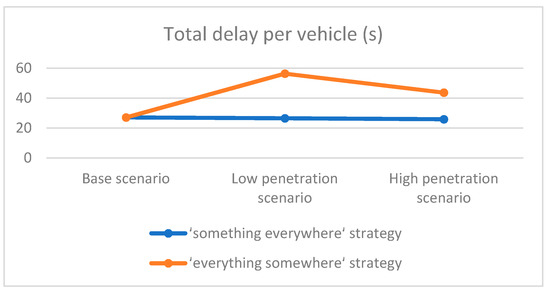
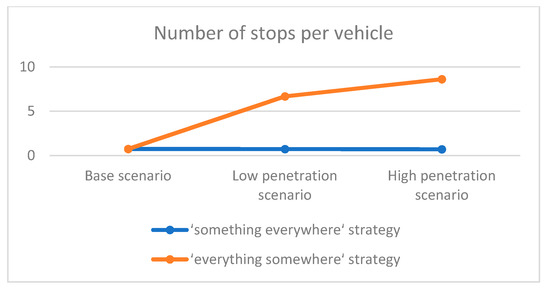
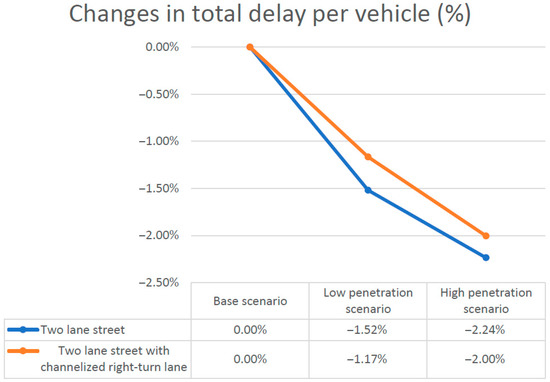
“Everything somewhere” or “something everywhere” is the classic dilemma concerning the development and implementation of the future generation of vehicles, i.e., automated vehicles (AVs). Both strategies include diverse policy options that could significantly impact road networks’ planning, design, operation, and utilization. Until now, no significant research has been conducted concerning their implications. In this paper, we aim to examine how ready the current physical infrastructure is by identifying the requirements of each strategy and then applying them in a common type of intersection. The study’s findings demonstrate that AVs’ performance can be affected by policy implementation decisions and adds further weight to the argument of AVs separation or no-separation from no-AVs traffic. Furthermore, the insignificant improvements in traffic performance imply the low readiness of the current road networks in urban areas to accommodate the new technology. This study contributes to determining that research on the readiness of the road infrastructure and the deployment of AVs in urban areas is inevitable. It also identifies that roads’ geometric design can dramatically affect AVs’ operation and the difficulties of implementing dedicated lanes in urban areas due to space availability. Full article
(This article belongs to the Special Issue Emerging Technologies and Sustainable Road Safety)
Article
Lane-Level Map-Aiding Approach Based on Non-Lane-Level Digital Map Data in Road Transport Security
Sustainability 2021, 13(17), 9724; https://doi.org/10.3390/su13179724 (registering DOI) - 30 Aug 2021
Viewed by 165
Abstract
To prevent terror attacks in which trucks are used as weapons as happened in Nice or Berlin in 2016, the European Project Autonomous Emergency Maneuvering and Movement Monitoring for Road Transport Security (TransSec) was launched in 2018. One crucial point of this project [...] Read more.
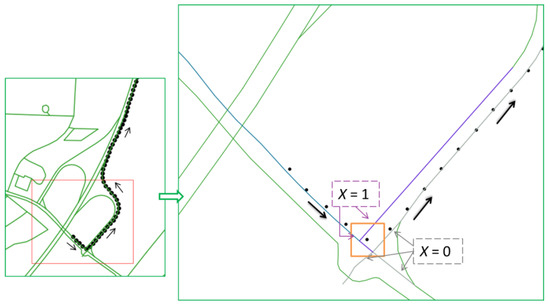
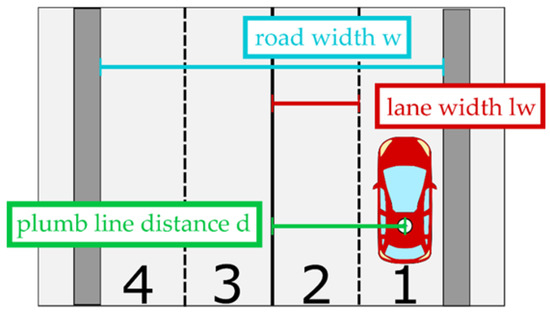
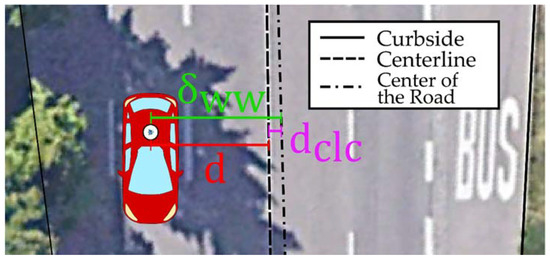
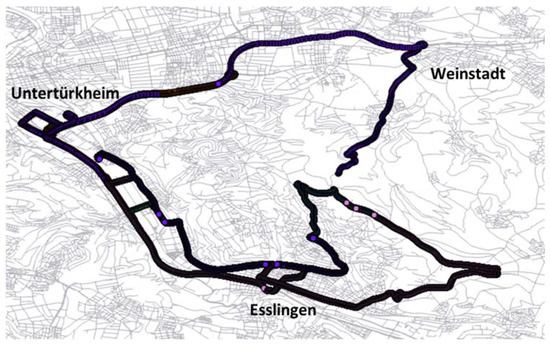
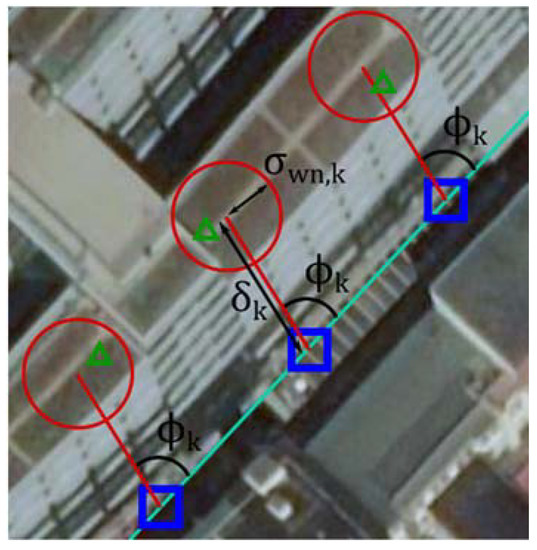
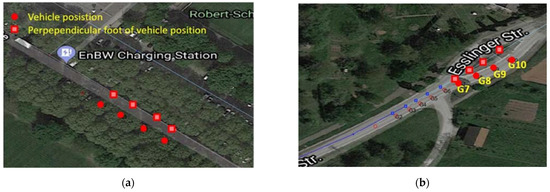
To prevent terror attacks in which trucks are used as weapons as happened in Nice or Berlin in 2016, the European Project Autonomous Emergency Maneuvering and Movement Monitoring for Road Transport Security (TransSec) was launched in 2018. One crucial point of this project is the development of a map-aiding approach for the localization of vehicles on digital maps, so that the information in digital map data can be used to detect prohibited driving maneuvers, such as off-road or wrong-way drivers. For example, a lane-level map-aiding approach is required for wrong-way driver detection. Navigation Data Standard (NDS) is one of the worldwide map standards developed by several automobile manufacturers. So far, there is no lane-level NDS map covers a large area, therefore, it was decided to use the latest available NDS map without lane level accuracy. In this paper, a lane-level map-aiding approach based on a non-lane-level NDS map is presented. Due to the inaccuracy of vehicle position and digital map the map-aiding does not always provide the correct results, so probabilities of off-road and wrong-way diver detection are estimated to support risk estimation. The performance of the developed map-aiding approach is comprehensively evaluated with both real and simulated trajectories. Full article
(This article belongs to the Special Issue Emerging Technologies and Sustainable Road Safety)
Article
The Evaluation of Experimental Variables for Sustainable Virtual Road Safety Audits
Sustainability 2021, 13(11), 5899; https://doi.org/10.3390/su13115899 - 24 May 2021
Viewed by 433
Abstract
This paper evaluates experimental variables for virtual road safety audits (VRSAs) through practical experiments to promote sustainable road safety. VRSAs perform road safety audits using driving simulators (DSs), and all objects in the road environment cannot be experimental variables because of realistic constraints. [...] Read more.
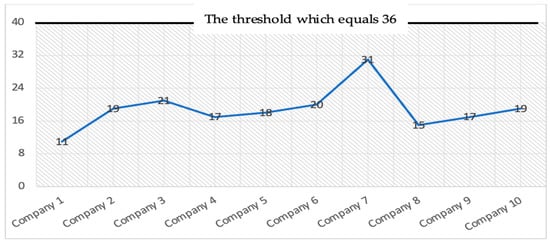
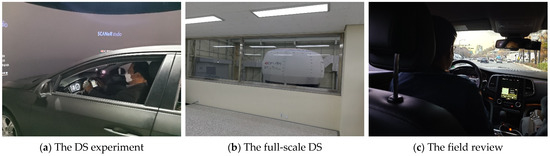
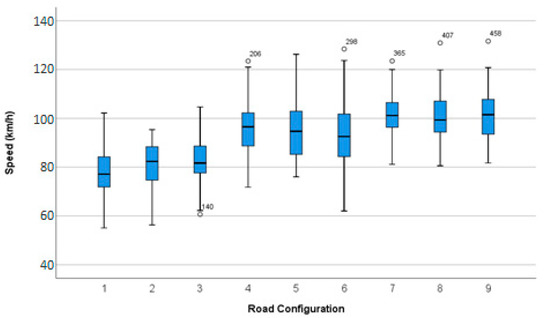
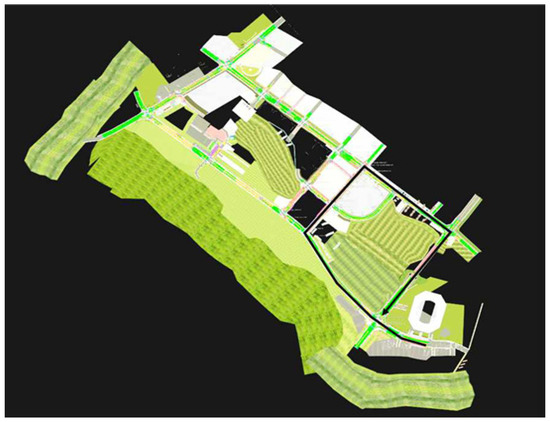
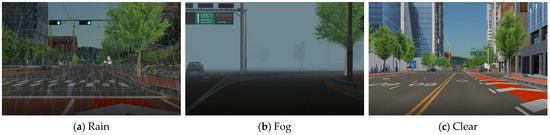
This paper evaluates experimental variables for virtual road safety audits (VRSAs) through practical experiments to promote sustainable road safety. VRSAs perform road safety audits using driving simulators (DSs), and all objects in the road environment cannot be experimental variables because of realistic constraints. Therefore, the study evaluates the likelihood of recommendation of VRSA experimental variables by comparing DSs experiments and field reviews to secure sustainable road safety conditions. The net promoter score results evaluated “Tunnel”, “Bridge”, “Underpass”, “Footbridge”, “Traffic island”, “Sign”, “Lane”, “Road marking”, “Traffic light”, “Median barrier”, “Road furniture”, and “Traffic condition” as recommended variables. On the contrary, the “Road pavement”, “Drainage”, “Lighting”, “Vehicle”, “Pedestrian”, “Bicycle”, “Accident”, and “Hazard event” variables were not recommended. The study can be used for decision making in VRSA scenario development as an initial effort to evaluate its experimental variables. Full article
(This article belongs to the Special Issue Emerging Technologies and Sustainable Road Safety)
Show Figures

Figure 1
Article
Advanced Driver Assistant Systems Focused on Pedestrians’ Safety: A User Experience Approach
Sustainability 2021, 13(8), 4264; https://doi.org/10.3390/su13084264 - 12 Apr 2021
Viewed by 358
Abstract
Globally, pedestrians represent 23% of all road deaths. Many solutions to protect pedestrians are proposed; in this paper, we focus on technical solutions of the ADAS–Advanced Driver Assistance Systems–type. Concerning the interaction between drivers and pedestrians, we want to have a closer look [...] Read more.
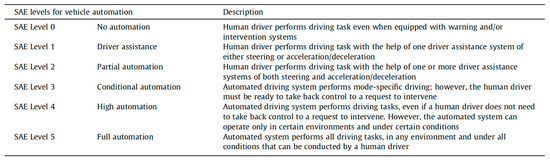
Globally, pedestrians represent 23% of all road deaths. Many solutions to protect pedestrians are proposed; in this paper, we focus on technical solutions of the ADAS–Advanced Driver Assistance Systems–type. Concerning the interaction between drivers and pedestrians, we want to have a closer look at two aspects: how to protect pedestrians with the help of vehicle technology, and how pedestrians–but also car drivers–perceive and accept such technology. The aim of the present study was to analyze and describe the experiences, needs, and preferences of pedestrians–and drivers–in connection with ADAS, or in other words, how ADAS should work in such a way that it would protect pedestrians and make walking more relaxed. Moreover, we interviewed experts in the field in order to check if, in the near future, the needs and preferences of pedestrians and drivers can be met by new generations of ADAS. A combination of different methods, specifically, an original questionnaire, on-the-spot interviewing, and expert interviews, was used to collect data. The qualitative data was analyzed using qualitative text analysis (clustering and categorization). The questionnaire for drivers was answered by a total of 70 respondents, while a total of 60 pedestrians agreed to complete questionnaires concerning pedestrian safety. Expert interviews (five interviews) were conducted by means of personal interviews, approximately one hour in duration. We conclude that systems to protect pedestrians–to avoid collisions of cars with pedestrians–are considered useful by all groups, though with somewhat different implications. With respect to the features of such systems, the considerations are very heterogeneous, and experimentation is needed in order to develop optimal systems, but a decisive argument put forward by some of the experts is that autonomous vehicles will have to be programmed extremely defensively. Given this argument, we conclude that we will need more discussion concerning typical interaction situations in order to find solutions that allow traffic to work both smoothly and safely. Full article
(This article belongs to the Special Issue Emerging Technologies and Sustainable Road Safety)
Show Figures

Figure 1
Article
Applying an Alternative Approach for Assessing Sustainable Road Transport: A Benchmarking Analysis on EU Countries
Sustainability 2020, 12(24), 10391; https://doi.org/10.3390/su122410391 - 11 Dec 2020
Cited by 2 | Viewed by 552
Abstract
Road transport plays an important role in economic development, trade and social integration. However, it is also responsible for certain negative impacts on environment and society. In order to achieve sustainable development, there is a growing need for a country to assess both [...] Read more.
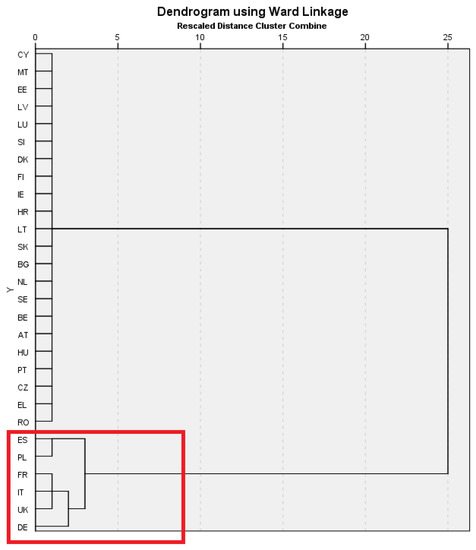
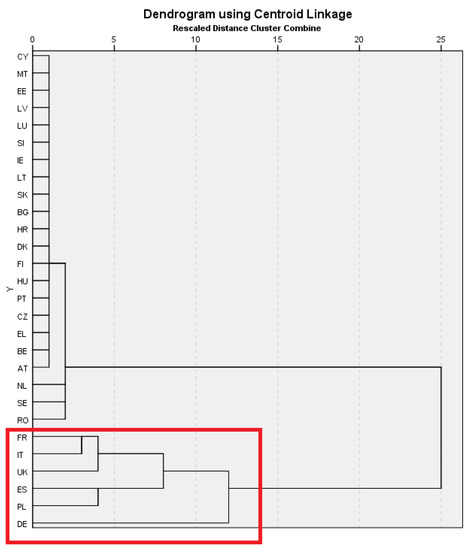
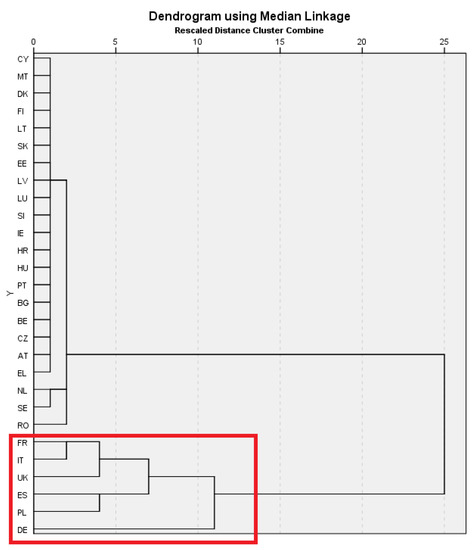
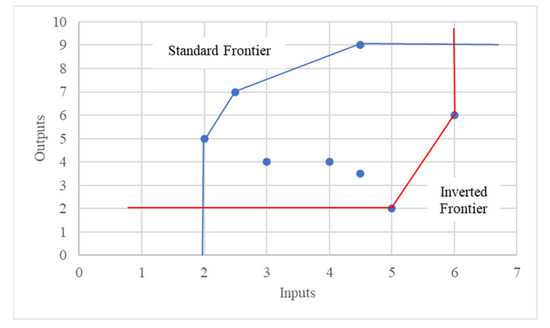
Road transport plays an important role in economic development, trade and social integration. However, it is also responsible for certain negative impacts on environment and society. In order to achieve sustainable development, there is a growing need for a country to assess both the benefits from road transport and its undesirable costs, to compare them with those in other countries and to provide estimates of their future developments. In this research, starting from the identification of relevant factors (both desirable and undesirable), a benchmarking approach is proposed as an alternative way to assess sustainable road transport among the 28 EU countries. Meanwhile, the basic concept of data envelopment analysis (DEA) for benchmarking purpose is further extended to integrate both the desirable achievements and the undesirable costs in evaluation. As a result, an overall road transport sustainability score is computed for the 28 EU countries, which can be further split into two efficiency scores with respect to desirable and undesirable factors, respectively. Furthermore, after applying a clustering analysis that groups countries with inherent similarity in their practices, the model is adopted to identify best-performing and underperforming countries within the cluster, as well as the reference sets for those underperforming ones, based on which valuable insights are gained, enabling decision makers to prioritize their actions towards a more sustainable road transport system in the future. Full article
(This article belongs to the Special Issue Emerging Technologies and Sustainable Road Safety)
Show Figures

Figure 1
Article
Factors Influencing the Purchase Intention of Autonomous Cars
Sustainability 2020, 12(24), 10303; https://doi.org/10.3390/su122410303 - 10 Dec 2020
Cited by 1 | Viewed by 801
Abstract
Even though autonomous cars have not yet crossed into the mainstream car market, their adoption seems inevitable, but not much is known about the purchasing intention of ACs and potential influences on it. To better understand the influences of various factors on purchasing [...] Read more.
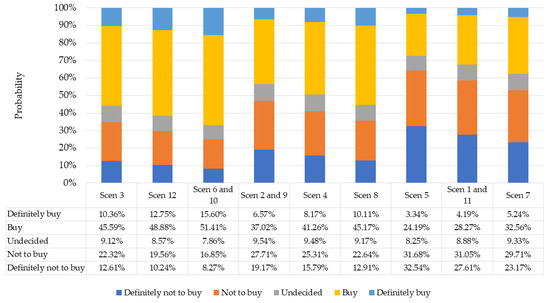
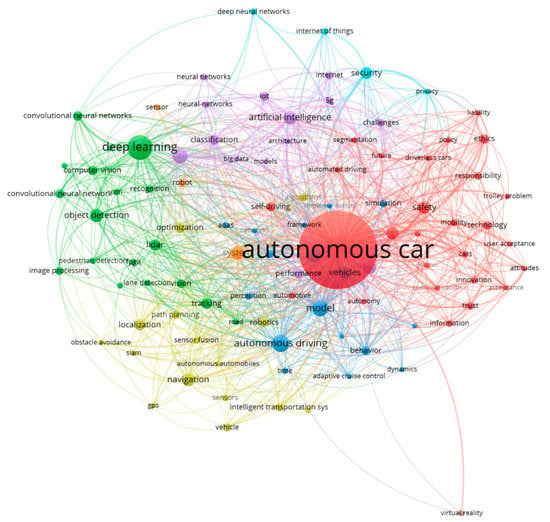
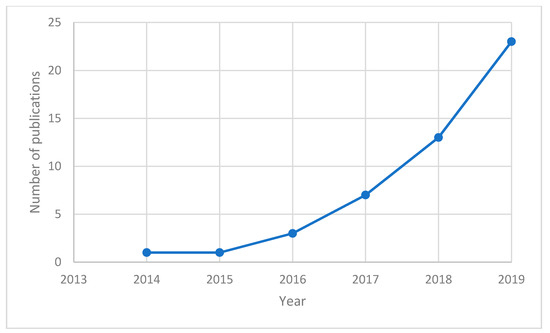
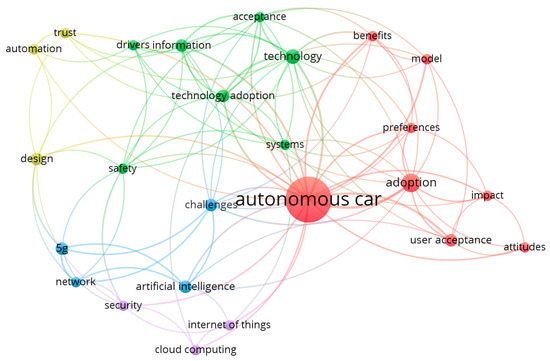
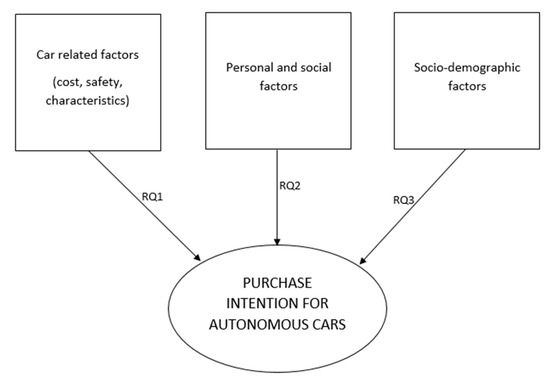
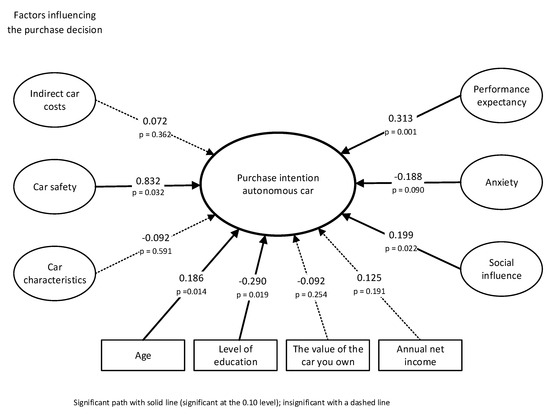
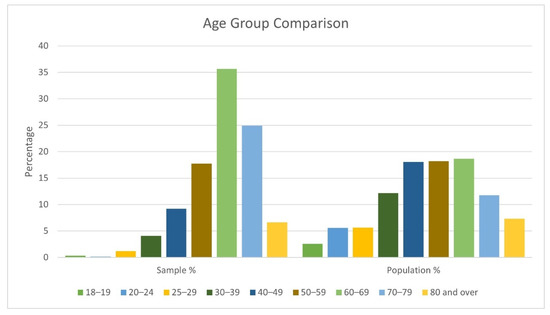
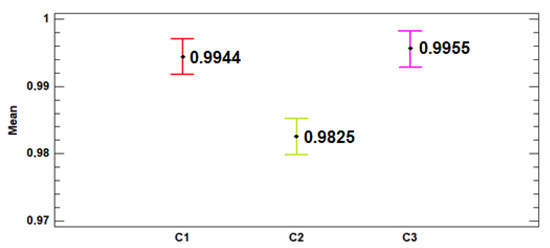
Even though autonomous cars have not yet crossed into the mainstream car market, their adoption seems inevitable, but not much is known about the purchasing intention of ACs and potential influences on it. To better understand the influences of various factors on purchasing intentions of autonomous cars, research using bibliometrics, an online survey and SEM modelling was performed. Based on an analysis of previous research work and the unified theory of acceptance of technology, an empirical model was produced and tested using data obtained from an online survey involving 266 individuals. The goal was to analyse which characteristics of autonomous cars, socio-demographic variables of potential buyers, and buyers’ personal and social characteristics could potentially influence the adoption of autonomous cars. The results show that factors of car safety, buyer age and level of education, perceived social influence, anxiety and performance expectancy are significantly correlated to purchasing intention of ACs, while correlations with other factors to purchasing intentions have not been proven. Full article
(This article belongs to the Special Issue Emerging Technologies and Sustainable Road Safety)
Show Figures

Figure 1

Article
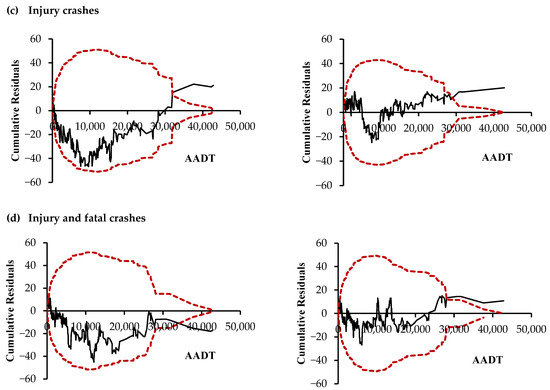
Rethinking Highway Safety Analysis by Leveraging Crowdsourced Waze Data
Sustainability 2020, 12(23), 10127; https://doi.org/10.3390/su122310127 - 04 Dec 2020
Cited by 4 | Viewed by 710
Abstract
Identification of traffic crash hot spots is of great importance for improving roadway safety and maintaining the transportation system’s sustainability. Traditionally, police crash reports (PCR) have been used as the primary source of crash data in safety studies. However, using PCR as the [...] Read more.
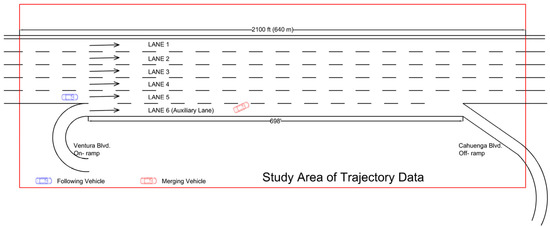
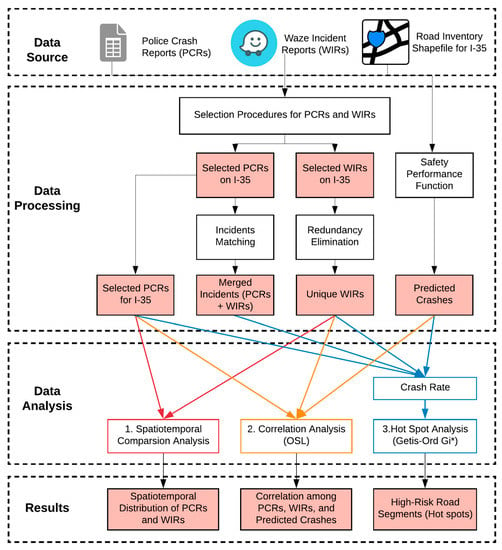
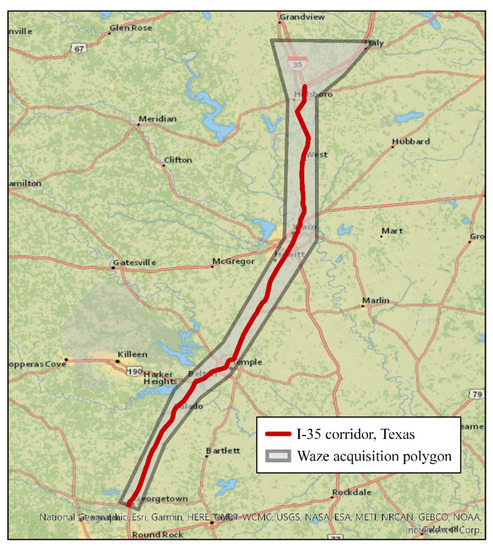
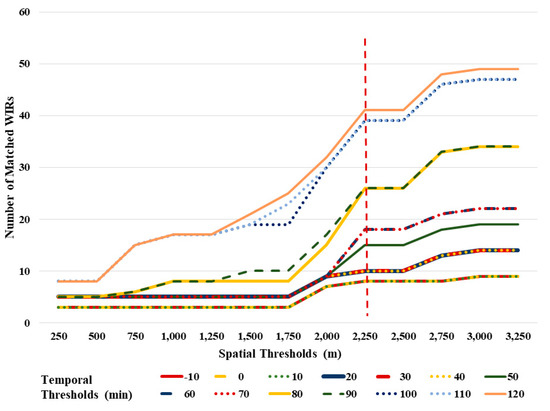
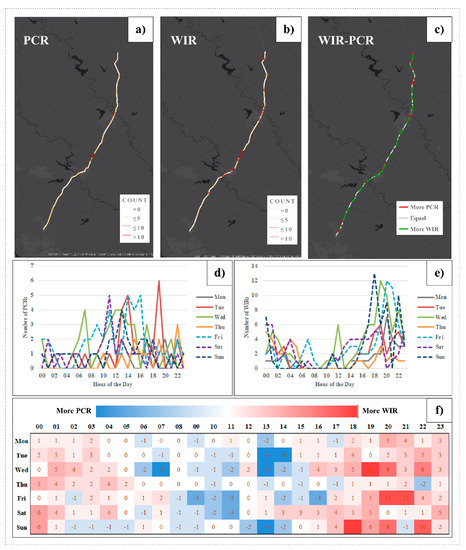
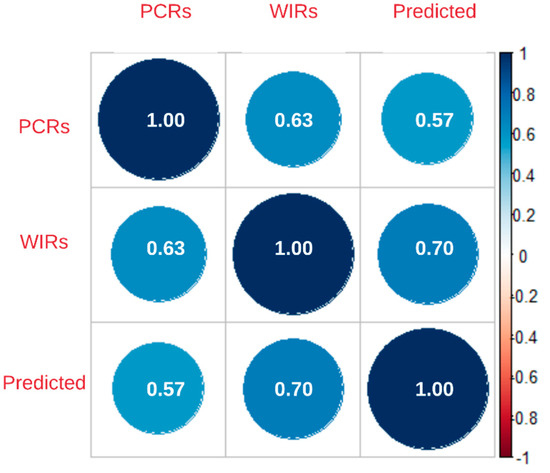
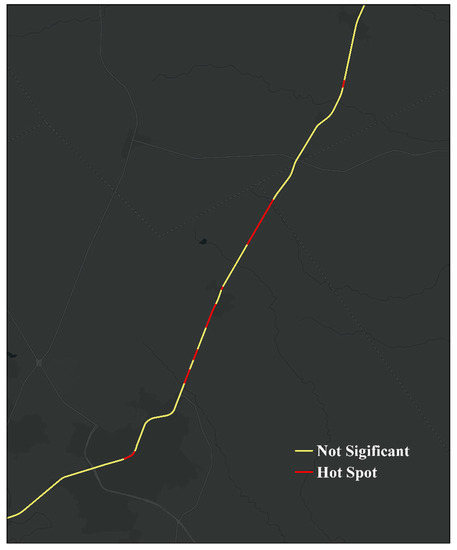
Identification of traffic crash hot spots is of great importance for improving roadway safety and maintaining the transportation system’s sustainability. Traditionally, police crash reports (PCR) have been used as the primary source of crash data in safety studies. However, using PCR as the sole source of information has several drawbacks. For example, some crashes, which do not cause extensive property damage, are mostly underreported. Underreporting of crashes can significantly influence the effectiveness of data-driven safety analysis and prevent safety analysts from reaching statistically meaningful results. Crowdsourced traffic incident data such as Waze have great potential to complement traditional safety analysis by providing user-captured crash and traffic incident data. However, using these data sources also has some challenges. One of the major problems is data redundancy because many people may report the same event. In this paper, the authors explore the potential of using crowdsourced Waze incident reports (WIRs) to identify high-risk road segments. The researchers first propose a new methodology to eliminate redundant WIRs. Then, the researchers use WIRs and PCRs from an I-35 corridor in North Texas to conduct the safety analysis. Results demonstrated that WIRs and PCRs are spatially correlated; however, their temporal distributions are significantly different. WIRs have broader coverage, with 60.24 percent of road segments in the study site receiving more WIRs than PCRs. Moreover, by combining WIRs with PCRs, more high-risk road segments can be identified (14 miles) than the results generated from PCRs (8 miles). Full article
(This article belongs to the Special Issue Emerging Technologies and Sustainable Road Safety)
Show Figures

Figure 1
Article
Active Road Studs as an Alternative to Lighting on Rural Roads: Driver Safety Perception
Sustainability 2020, 12(22), 9648; https://doi.org/10.3390/su12229648 - 19 Nov 2020
Cited by 1 | Viewed by 658
Abstract
Drivers, particularly with increasing age, cite driving at night as being problematic and feeling unsafe. Ultimately this may result in self-regulation and avoidance, with potentially negative health effects. The issue is commonly mitigated through provision of street lighting, but with it comes cost, [...] Read more.
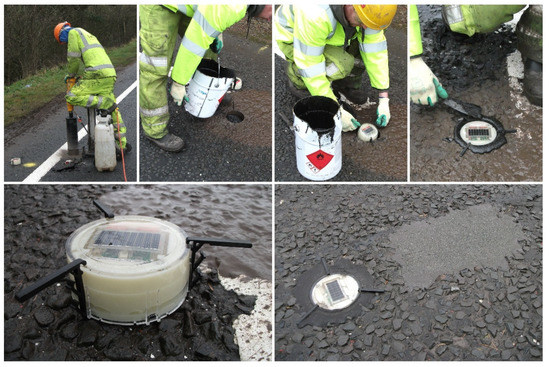
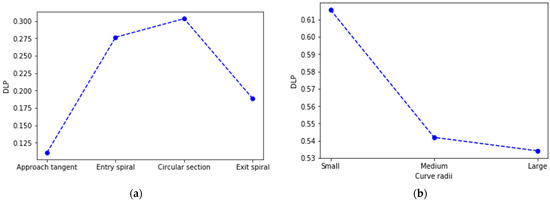
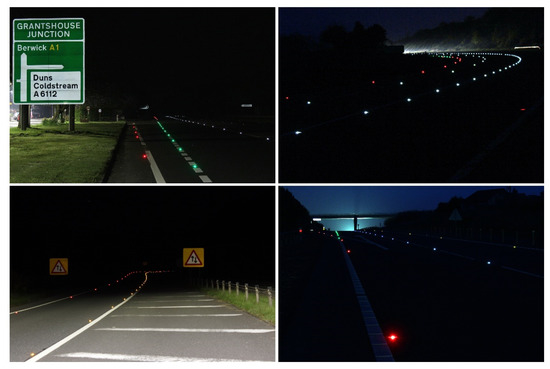
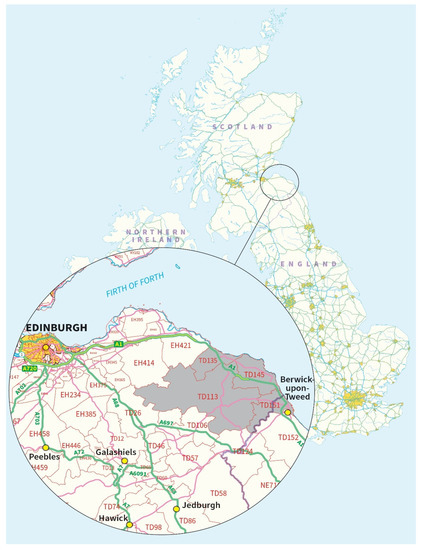
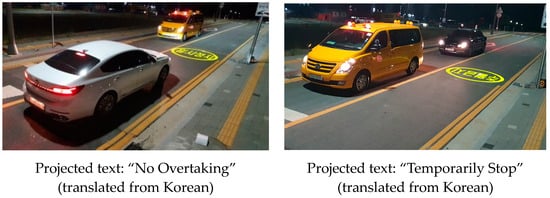
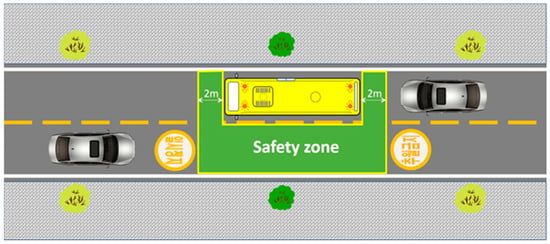
Drivers, particularly with increasing age, cite driving at night as being problematic and feeling unsafe. Ultimately this may result in self-regulation and avoidance, with potentially negative health effects. The issue is commonly mitigated through provision of street lighting, but with it comes cost, environmental impact, and other negative effects. Research has suggested that provision of LED Active Road Studs may be of assistance to drivers at night. However, it is not known how implementation of this measure affects driver confidence, as research to date has focused on observational study of actual driving behaviour. The present work addresses this gap in knowledge using data from 698 respondents to a questionnaire survey of households around a recently treated route. Overall, 72% reported an increase in confidence driving at night, with key reasons cited as increased preview time and reduced glare. A total of 80% of respondents believed the overall safety of the study route had improved. Underlying confidence was found to be lower in females, with confidence increasing with mileage driven. This study is the first to suggest the use of active road studs may increase driver confidence and provide increased travel opportunities, particularly where street lighting is impractical or undesirable in terms of sustainability. Full article
(This article belongs to the Special Issue Emerging Technologies and Sustainable Road Safety)
Show Figures

Figure 1
Article
Analysis of the Influence of Training and Feedback Based on Event Data Recorder Information to Improve Safety, Operational and Economic Performance of Road Freight Transport in Brazil
Sustainability 2020, 12(19), 8139; https://doi.org/10.3390/su12198139 - 02 Oct 2020
Cited by 2 | Viewed by 580
Abstract
Road transport is the principal means of transporting freight and passengers in most developing countries, but several factors, both alone and in conjunction, contribute to increased inefficiency, risk and instability in the sector. The main factors are related to the high number of [...] Read more.
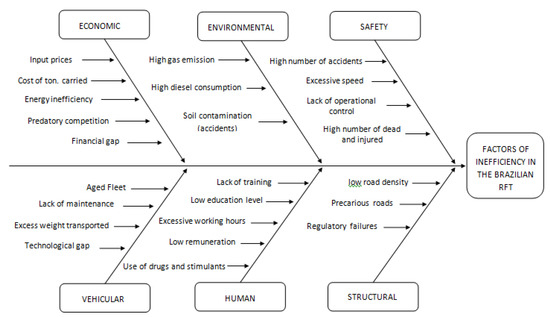
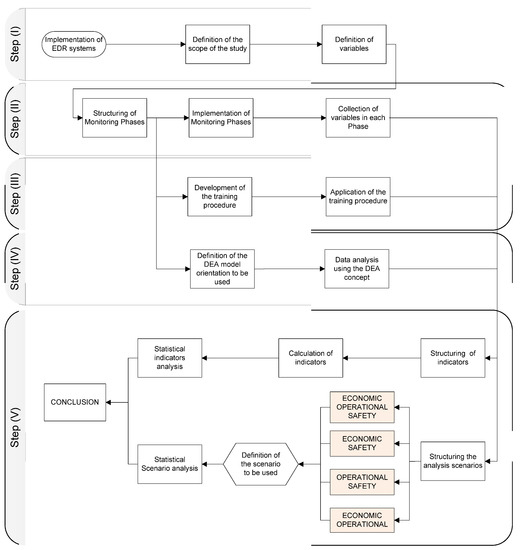
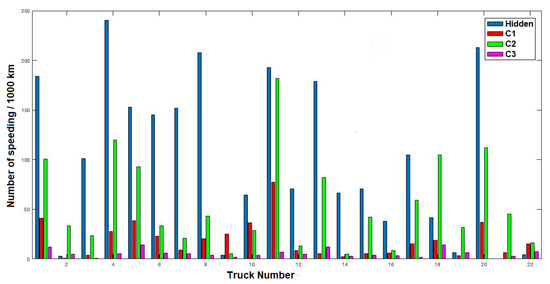
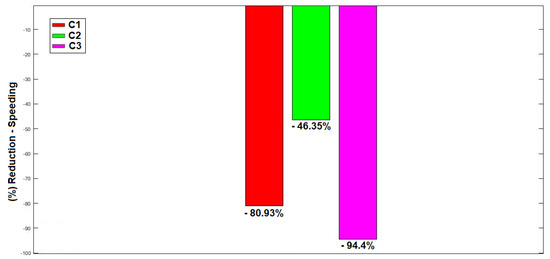
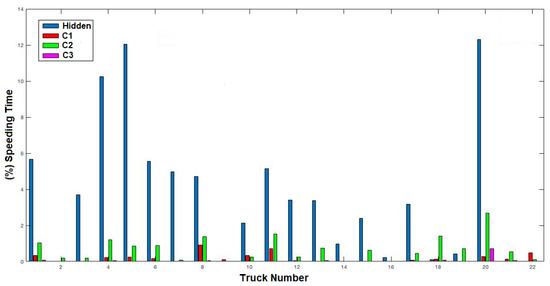
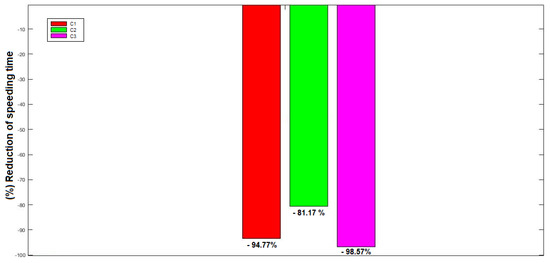
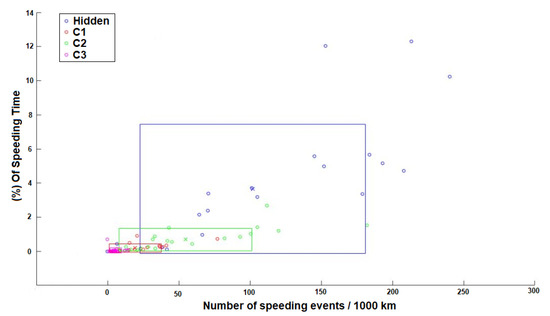
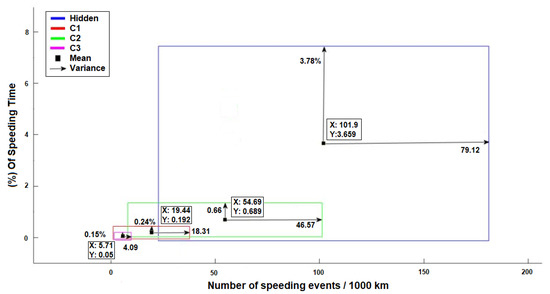
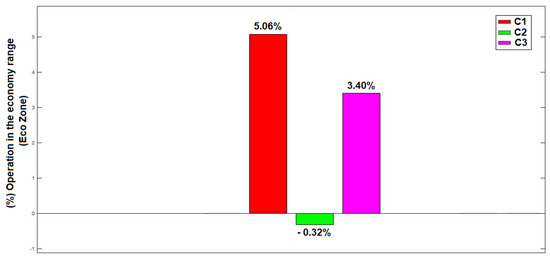
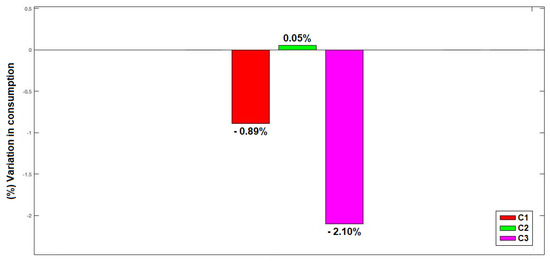
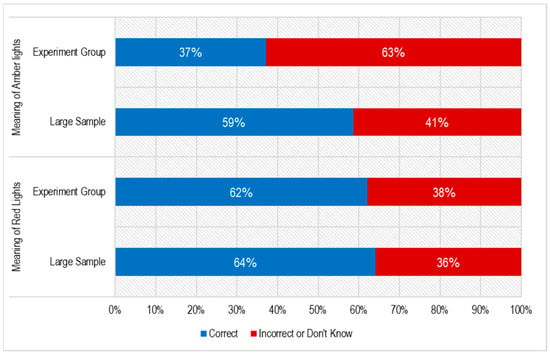
Road transport is the principal means of transporting freight and passengers in most developing countries, but several factors, both alone and in conjunction, contribute to increased inefficiency, risk and instability in the sector. The main factors are related to the high number of accidents, structural precariousness, fleet obsolescence, low-skilled drivers and high rates of greenhouse gas emissions. This paper evaluates the influence of implementing a training and feedback procedure associated with event data recorder (EDR) systems for the promotion of better behavior among professional drivers based on safety, operation and economy criteria. The analyses are based on interventions that were carried out during four monitoring phases using data generated by vehicles collected over 13 months of research. The data were converted into indicators and evaluated individually against the criteria and through data envelopment analysis (DEA). The analyses led to the conclusions that the use of EDR systems had positive impacts on all three of the criteria under analysis, and that safety levels can be increased without having to reduce productivity or increase fuel consumption. However, the safety criterion was more sensitive to the association between the technology and training process applied, leading to significant reductions in the indicators analyzed. The study contributes to the association between the methods of analysis and the adoption of specific indicators derived from time variables, leading to the conclusion that the use of EDR systems associated with management training and monitoring procedures can improve economic and operational results in road freight transport (RFT). Furthermore, using the trip data as a structural basis for the training and feedback proved to be very promising for the reduction of unsafe behavior to avoid road accidents. Full article
(This article belongs to the Special Issue Emerging Technologies and Sustainable Road Safety)
Show Figures

Figure 1
Article
Development of Driving Cycle Construction for Hybrid Electric Bus: A Case Study in Zhengzhou, China
Sustainability 2020, 12(17), 7188; https://doi.org/10.3390/su12177188 - 03 Sep 2020
Cited by 1 | Viewed by 645
Abstract
A driving cycle is important to accomplish an accurate depiction of a vehicle’s driving characteristics as the traction motor’s flexible response to stop and start commands. In this paper, the driving cycle construction of an urban hybrid electric bus (HEB) in Zhengzhou, China [...] Read more.
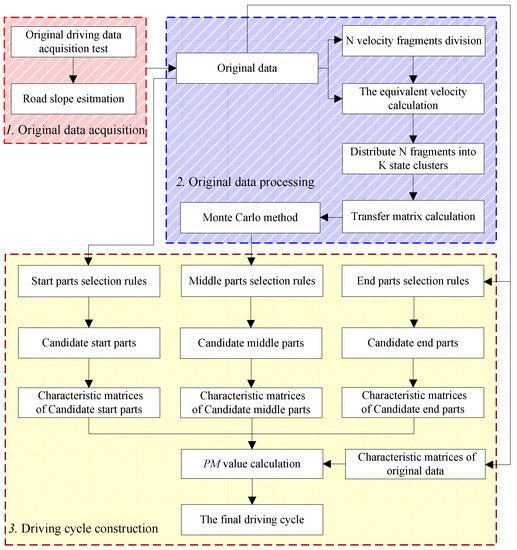
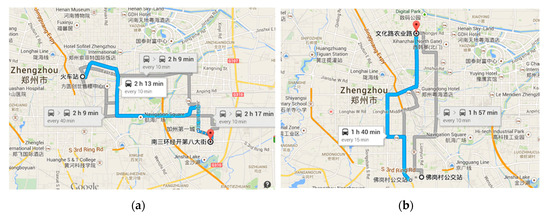
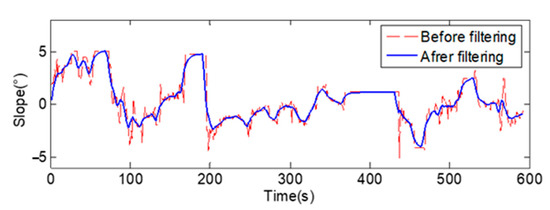
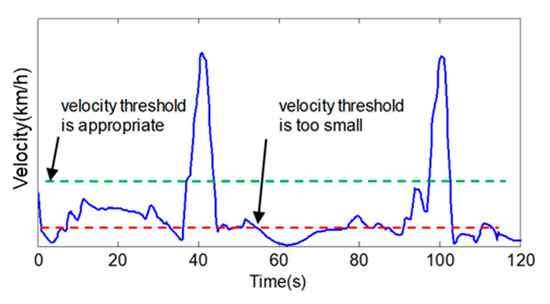
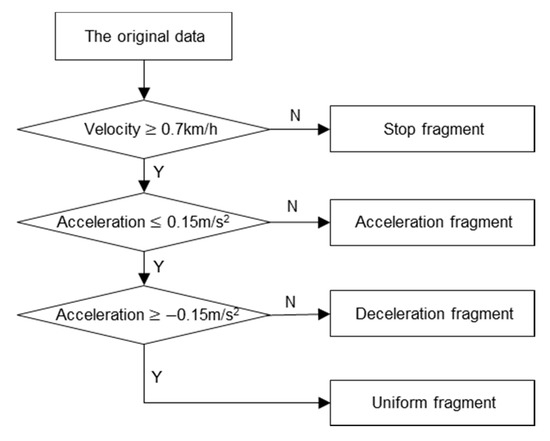
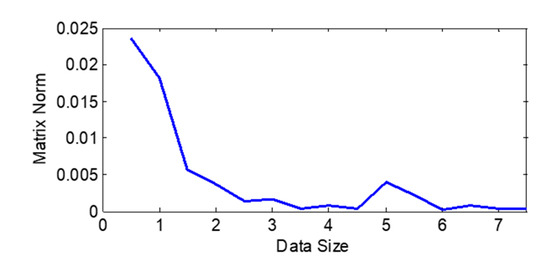
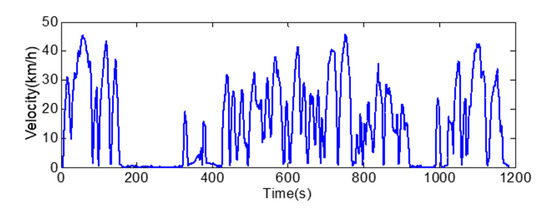
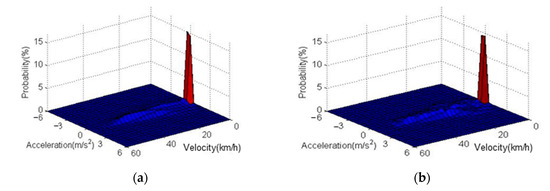
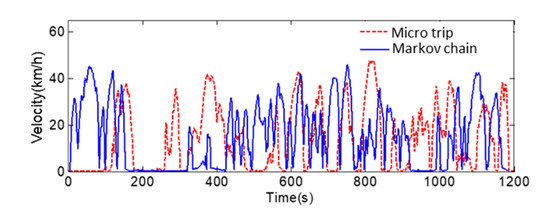
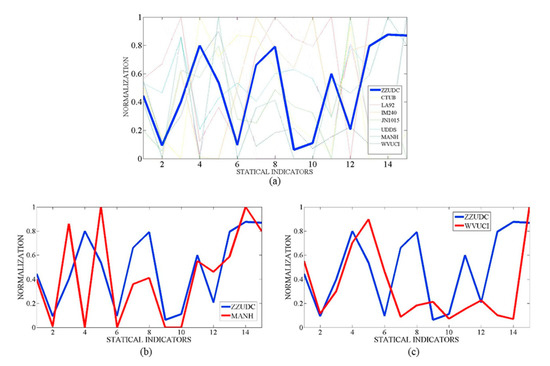
A driving cycle is important to accomplish an accurate depiction of a vehicle’s driving characteristics as the traction motor’s flexible response to stop and start commands. In this paper, the driving cycle construction of an urban hybrid electric bus (HEB) in Zhengzhou, China is developed in which a measurement system integrating global positioning and inertial navigation function is used to acquire driving data. The collected data are then divided into acceleration, deceleration, uniform, and stop fragments. Meanwhile, the velocity fragments are classified into seven state clusters according to their average velocities. A transfer matrix applied to reveal the transfer relationship of velocity clusters can be obtained with statistical analysis. In the third stage, a three-part construction method of driving cycle is designed. Firstly, according to the theory of Markov chain, all the alternative parts that satisfy the construction’s precondition are selected based on the transfer matrix and Monte Carlo method. The Zhengzhou urban driving cycle (ZZUDC) could be determined by comparing the performance measure (PM) values subsequently. Eventually, the method and the cycle are validated by the high correlation coefficient (0.9972) with original data of ZZUDC than that of the other driving cycle (0.9746) constructed with traditional micro-trip and as well by comparing several statistical characteristics of ZZUDC and seven international cycles. Particularly, with around 20.5 L/100 km fuel and approximately 12.8 kwh/100 km electricity consumption, there is a narrow gap between the energy consumption of ZZUDC and WVUCITY, and their characteristics are similar. Full article
(This article belongs to the Special Issue Emerging Technologies and Sustainable Road Safety)
Show Figures

Figure 1
Review

Jump to: Research

Review
Long-Term Sustainability Approach in Road Traffic Noise Wall Design
Sustainability 2021, 13(2), 536; https://doi.org/10.3390/su13020536 - 08 Jan 2021
Viewed by 595
Abstract
Despite the long-term experience in the application of noise walls, the uncertainty in wall panel service life efficiency is almost equal between panels built from established and new materials, which are—because of the desire to increase the sustainability of noise walls—developing at an [...] Read more.
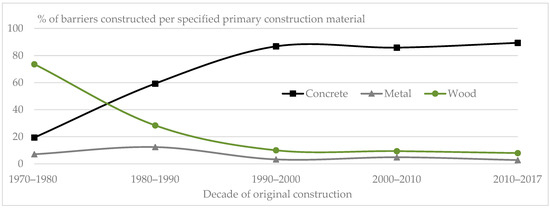
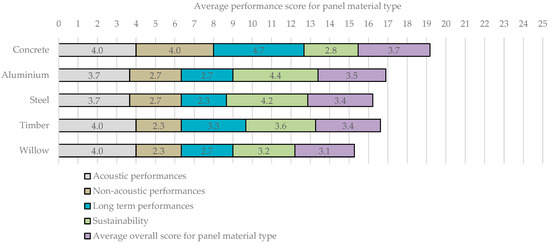
Despite the long-term experience in the application of noise walls, the uncertainty in wall panel service life efficiency is almost equal between panels built from established and new materials, which are—because of the desire to increase the sustainability of noise walls—developing at an ever-faster pace. The presented meta-analysis of data collected during a systematic review of concrete, metal, and wood panels’ acoustic and non-acoustic characteristics, long term performance, and cradle-to-gate sustainability aims to reduce this uncertainty and support the process of noise wall design and management by shifting the emphasis in decision making from construction costs to the long-term sustainability of the road traffic noise mitigation project. The multi-criterial analysis showed that when choosing a panel, preference should be given to those using lightweight concrete materials. A further comprehensive cradle-to-grave assessment of lightweight concrete panels with expanded clay and recycled tire rubber aggregates, which was performed to fill a knowledge gap observed in the literature and identify opportunities for the improvement of lightweight concrete sustainability, showed that the main environmental impacts of these panels are due to their production processes and that the way to reduce such impacts is to use panels made with aggregates from secondary raw materials. Full article
(This article belongs to the Special Issue Emerging Technologies and Sustainable Road Safety)
Show Figures

Figure 1
Back to TopTop