

Parasitology of Marine Animals

A special issue of Journal of Marine Science and Engineering (ISSN 2077-1312). This special issue belongs to the section "Marine Biology".

Deadline for manuscript submissions: 1 May 2026 | Viewed by 2202

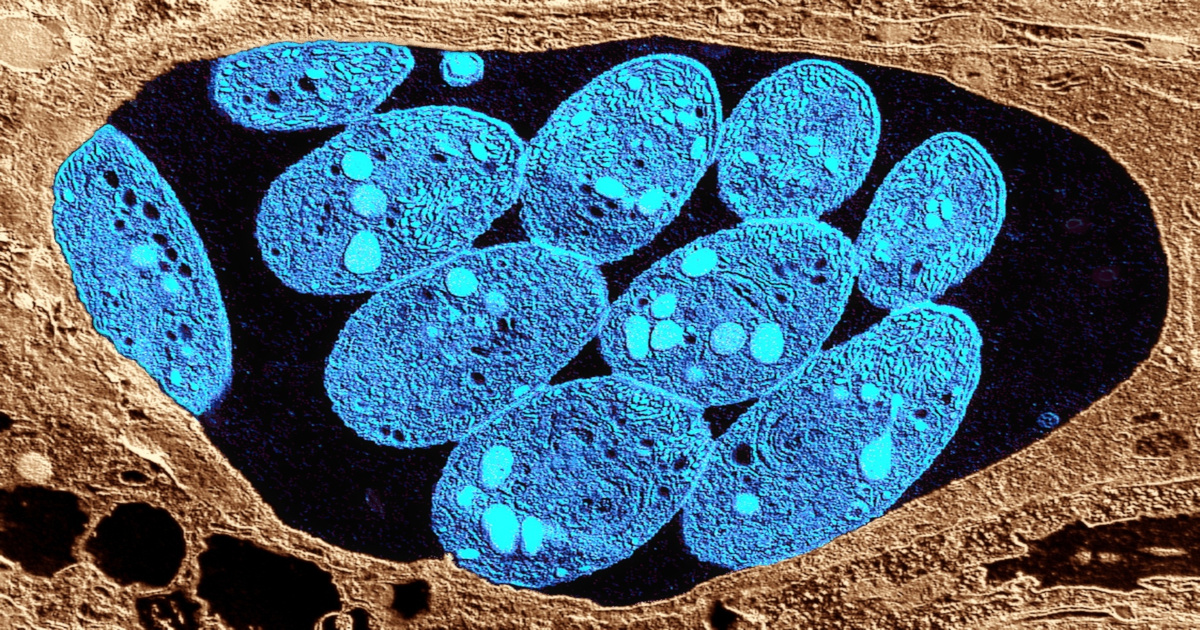
Image courtesy of Prof. Dr. Alexandre Lobo-da-Cunha

Special Issue Editors


E-Mail Website
Guest Editor
1. Department of Microscopy, School of Medicine and Biomedical Sciences (ICBAS), University of Porto, 4050-313 Porto, Portugal
2. Institute for Research and Innovation in Health (i3S), University of Porto, 4200-135 Porto, Portugal
Interests: parasitology; Myxozoa; biodiversity; taxonomy; molecular biology; parasite-host interactions
Special Issues, Collections and Topics in MDPI journals

E-Mail Website
Guest Editor
1. Department of Microscopy, School of Medicine and Biomedical Sciences (ICBAS), University of Porto, 4050-313 Porto, Portugal
2. Interdisciplinary Centre of Marine and Environmental Research (CIIMAR), Terminal de Cruzeiros do Porto de Leixões, 4450-208 Matosinhos, Portugal
Interests: molluscs; ultrastructure; histology; protistology
Special Issues, Collections and Topics in MDPI journals

Special Issue Information

Dear Colleagues,

Marine parasites are a diverse group of organisms that live in or on marine host species, including fish, reptiles, mammals, and invertebrates. They range from microscopic protozoa to macroscopic worms and crustaceans. These parasites play a significant role in marine ecosystems by influencing the health, behavior, and populations of their hosts. Ecologically, marine parasites are integral to the energy flow and nutrient cycles within marine food webs. They affect the fitness of their hosts, often weakening them or modifying their behavior, which can influence predator-prey dynamics. They also influence biodiversity by regulating the population sizes of their host species, maintaining balance within ecosystems. Their importance, however, extends beyond ecological interactions. Several parasite species cause severe diseases that threaten the sustainability and economic growth of commercial fisheries, aquaculture, and ornamental fish industries due to reduced fish condition, loss of breeders, increased mortality rates, and commercial depreciation of carcasses. Thus, understanding marine parasites is vital for conserving marine biodiversity and managing the sustainability of fisheries and aquaculture industries.

This Special Issue aims to explore the diversity, biology, life cycles, and ecological roles of marine parasites, as well as their interactions with both wild and cultivated marine animals. We welcome original research articles focusing on parasite diversity, taxonomy and phylogeny, evolution, molecular biology, morphology, life cycles, pathology, host–parasite interactions, diagnostics, ecological roles of marine parasites, treatments, management, and conservation of marine parasites, among other topics of interest concerning parasitology in marine animals.

We look forward to receiving your contributions.

Dr. Sónia Rocha
Prof. Dr. Alexandre Lobo-da-Cunha
Guest Editors

Manuscript Submission Information

Manuscripts should be submitted online at www.mdpi.com by registering and logging in to this website. Once you are registered, click here to go to the submission form. Manuscripts can be submitted until the deadline. All submissions that pass pre-check are peer-reviewed. Accepted papers will be published continuously in the journal (as soon as accepted) and will be listed together on the special issue website. Research articles, review articles as well as short communications are invited. For planned papers, a title and short abstract (about 250 words) can be sent to the Editorial Office for assessment.

Submitted manuscripts should not have been published previously, nor be under consideration for publication elsewhere (except conference proceedings papers). All manuscripts are thoroughly refereed through a single-blind peer-review process. A guide for authors and other relevant information for submission of manuscripts is available on the Instructions for Authors page. Journal of Marine Science and Engineering is an international peer-reviewed open access semimonthly journal published by MDPI.

Please visit the Instructions for Authors page before submitting a manuscript. The Article Processing Charge (APC) for publication in this open access journal is 2600 CHF (Swiss Francs). Submitted papers should be well formatted and use good English. Authors may use MDPI's English editing service prior to publication or during author revisions.

Keywords

  • parasite diversity
  • taxonomy
  • evolution
  • life cycles
  • pathology
  • ecology
  • host–parasite interactions
  • aquaculture
  • diagnostics
  • conservation

Benefits of Publishing in a Special Issue

  • Ease of navigation: Grouping papers by topic helps scholars navigate broad scope journals more efficiently.
  • Greater discoverability: Special Issues support the reach and impact of scientific research. Articles in Special Issues are more discoverable and cited more frequently.
  • Expansion of research network: Special Issues facilitate connections among authors, fostering scientific collaborations.
  • External promotion: Articles in Special Issues are often promoted through the journal's social media, increasing their visibility.
  • Reprint: MDPI Books provides the opportunity to republish successful Special Issues in book format, both online and in print.

Further information on MDPI's Special Issue policies can be found here.

Published Papers (3 papers)

Order results
Result details
Select all
Export citation of selected articles as:

Research

Jump to: Review

16 pages, 6483 KB  
Article
Occurrence of a New Apicomplexan Intracellular Parasite in the Digestive Gland of Bulla striata (Gastropoda: Cephalaspidea) from the South Coast of Portugal
by Sónia Rocha and Alexandre Lobo-da-Cunha
J. Mar. Sci. Eng. 2026, 14(8), 707; https://doi.org/10.3390/jmse14080707 - 10 Apr 2026
Viewed by 287
Abstract
A new intracellular parasite of the phylum Apicomplexa is described infecting the digestive gland of the gastropod Bulla striata from the south coast of Portugal. Only merogonial stages enclosed within parasitophorous vacuoles were observed by light and electron microscopy. The meront cytoplasm contained [...] Read more.
A new intracellular parasite of the phylum Apicomplexa is described infecting the digestive gland of the gastropod Bulla striata from the south coast of Portugal. Only merogonial stages enclosed within parasitophorous vacuoles were observed by light and electron microscopy. The meront cytoplasm contained lipid droplets, rough endoplasmic reticulum cisternae, and several round or oval electron-dense microbodies closely associated with amylopectin granules, suggesting that these microbodies may represent glycosomes. Mitochondria or related organelles were not identified. A reticulum of branched tubules extending from the parasitophorous vacuole membrane was observed, likely increasing the surface available for metabolite exchange between parasite and host cell. Merozoites resulting from meront division were present within the parasitophorous vacuoles. They were elongated and slightly curved, measuring 7–8 µm in length and about 2 µm in width, and possessed an apical complex comprising numerous rod-shaped micronemes, rhoptries, and a conoid. Phylogenetic analyses based on a partial 18S rDNA sequence placed this parasite within the coccidian lineage, at the base of the ichthyocolid clade, a recently recognized group of apicomplexans previously known from fish blood cells. This finding expands the host range of ichthyocolids to gastropods and provides the first ultrastructural observations of this lineage, although only of merogonic stages. Full article
(This article belongs to the Special Issue Parasitology of Marine Animals)
Show Figures

Graphical abstract

15 pages, 8457 KB  
Article
Coproparasitological Survey of Stranded Cetaceans on Portugal’s Mainland Coastline
by André Lobão, Mariana Louro, João Lozano, Isabel Pereira da Fonseca, Jacinto Gomes, Catarina Eira, Marisa Ferreira and Luís Madeira de Carvalho
J. Mar. Sci. Eng. 2026, 14(6), 562; https://doi.org/10.3390/jmse14060562 - 18 Mar 2026
Viewed by 399
Abstract
Parasitism affects nearly half of all animal species and strongly influences ecosystem dynamics. Despite their sentinel value, parasitic infections in cetaceans remain understudied. This study assessed the diversity, prevalence, and burden of gastrointestinal and pulmonary parasites in seventy-five stranded cetaceans from six species [...] Read more.
Parasitism affects nearly half of all animal species and strongly influences ecosystem dynamics. Despite their sentinel value, parasitic infections in cetaceans remain understudied. This study assessed the diversity, prevalence, and burden of gastrointestinal and pulmonary parasites in seventy-five stranded cetaceans from six species along the central and northern Portuguese coastline. Coprological methods included Mini-FLOTAC®, Willis-flotation, natural sedimentation, modified Ziehl–Neelsen staining, direct immunofluorescence, and adapted spontaneous sedimentation. Overall, 61.3% of samples tested positive for at least one parasitic taxon, with 22.7% showing coinfections. Anisakidae and Ascaridida were the most prevalent (36%), followed by Pseudaliidae larvae (5.3%), unidentified trematode eggs (8.0%), Odhneriella spp. (5.3%), Nasitrema spp. (2.7%), Zalophotrema spp. (2.7%), and Synthesium spp. (1.3%). Nematode eggs exhibited the highest mean burden, with anisakids reaching 4862 eggs per gram of feces (EPG), whereas trematodes showed a markedly lower burden, exemplified by Zalophotrema spp. with 90 EPG. All samples assessed were negative for Cryptosporidium spp. and Giardia spp. Unidentified ovoid structures were present in 76% of samples. Macroscopic sedimentation revealed anisakid larvae, one cestode, over fifty Ogmogaster antarctica specimens, and six marine arthropods. These findings provide baseline data for cetacean parasitology and support future integrative research for conservation and ecosystem health. Full article
(This article belongs to the Special Issue Parasitology of Marine Animals)
Show Figures

Figure 1

Review

Jump to: Research

23 pages, 942 KB  
Review
Climate Change, Fish and Shellfish, and Parasite Dynamics: A Comprehensive Review
by Fernando Atroch, Luis Filipe Rangel, Camilo Ayra-Pardo and Maria João Santos
J. Mar. Sci. Eng. 2026, 14(2), 167; https://doi.org/10.3390/jmse14020167 - 13 Jan 2026
Cited by 1 | Viewed by 942
Abstract
Anthropogenic climate change represents a critical and complex threat to the health and resilience of aquatic ecosystems. This review aims to critically synthesise and evaluate the synergetic and antagonistic mechanisms through which rising water temperature, the most prominent climatic factor, modulates the host–parasite [...] Read more.
Anthropogenic climate change represents a critical and complex threat to the health and resilience of aquatic ecosystems. This review aims to critically synthesise and evaluate the synergetic and antagonistic mechanisms through which rising water temperature, the most prominent climatic factor, modulates the host–parasite relationship. The systematic literature review was conducted across a high-impact database (Web of Science), focusing on the extraction and qualitative analysis of data concerning infection dynamics and both host and parasite interactions. The findings demonstrate that thermal stress imposes a dual penalty on host–parasite systems: (1) it confers a critical thermal advantage to direct-life cycle parasites, significantly accelerating their virulence, reproduction, and infective capacity; (2) simultaneously, it severely compromises the immunocompetence and physiological resilience of piscine hosts, often through immunometabolic trade-offs and inflammatory dysfunction. This toxic synergy is the root cause of the exponential disease prevalence/intensity of parasites and fish mass mortality events, directly impacting biodiversity and global aquaculture sustainability. In contrast, it may also cause the disruption of the transmission chains to threaten complex life cycle parasites with localised extinction. We conclude that climate mitigation must be urgently recognised and implemented as a primary strategy for biological risk management to secure aquatic health and global food safety. Full article
(This article belongs to the Special Issue Parasitology of Marine Animals)
Show Figures

Figure 1

Back to TopTop