Bioinorganic Chemistry in Drug Discovery

Editors


E-Mail Website
Collection Editor
Department of Natural-Mathematical Sciences, State University of Novi Pazar, 36300 Novi Pazar, Serbia
Interests: bioinorganic chemistry; medicinal inorganic chemistry; heterometallic complexes; biomolecules interactions; mechanism of antitumor activity
Special Issues, Collections and Topics in MDPI journals

E-Mail Website
Collection Editor
University of Kragujevac, Faculty of Medical Sciences, Department of Pharmacy, Svetozara Markovića 69, 34000 Kragujevac, Serbia
Interests: transition metal complexes; kinetics; biomolecules; interactions
Special Issues, Collections and Topics in MDPI journals

Topical Collection Information

Dear Colleagues,

Bioinorganic chemistry is an interdisciplinary field that examines the role of essential micro- and macro-elements in biological systems. Many processes in living systems such as metabolism, respiration, photosynthesis, growth, reproduction, muscle contraction, etc., cannot take place without the presence of some metal ions. Bioinorganic chemistry connects inorganic chemistry with organic chemistry in addition to synthesizing the new complex compounds of transition metal ions, which are used as therapeutic and diagnostic agents. This field includes studies of kinetic and thermodynamic interactions between transition metal ions coordination compounds and biomolecules such as enzymes, nucleic acids, proteins, peptides, amino acids, and others. Furthermore, bioinorganic chemistry connects inorganic chemistry with biology and medicine during investigation in vitro and in vivo potential appropriate therapeutic agents, as well as, in examination of transport of these compounds through the cell membrane and elimination of them from biological systems using appropriate ligand by forming the stable complex compounds. This Special Issue presents recent progress in the field of bioinorganic chemistry in drug discovery with many new approaches to the design of innovative metal-based drugs and includes recent discovery of investigations of the bioinorganic processes.

Dr. Tanja Soldatovic
Dr. Snezana Jovanovic-Stevic
Collection Editors

Manuscript Submission Information

Manuscripts should be submitted online at www.mdpi.com by registering and logging in to this website. Once you are registered, click here to go to the submission form. All submissions that pass pre-check are peer-reviewed. Accepted papers will be published continuously in the journal (as soon as accepted) and will be listed together on the collection website. Research articles, review articles as well as short communications are invited. For planned papers, a title and short abstract (about 250 words) can be sent to the Editorial Office for assessment.

Submitted manuscripts should not have been published previously, nor be under consideration for publication elsewhere (except conference proceedings papers). All manuscripts are thoroughly refereed through a single-blind peer-review process. A guide for authors and other relevant information for submission of manuscripts is available on the Instructions for Authors page. Drugs and Drug Candidates is an international peer-reviewed open access quarterly journal published by MDPI.

Please visit the Instructions for Authors page before submitting a manuscript. The Article Processing Charge (APC) for publication in this open access journal is 1000 CHF (Swiss Francs). Submitted papers should be well formatted and use good English. Authors may use MDPI's English editing service prior to publication or during author revisions.

Keywords

  • bioinorganic
  • drug discovery
  • metal-based drugs
  • anticancer agents
  • interactions

Published Papers (4 papers)

2026

Jump to: 2025, 2023

27 pages, 8919 KB  
Article
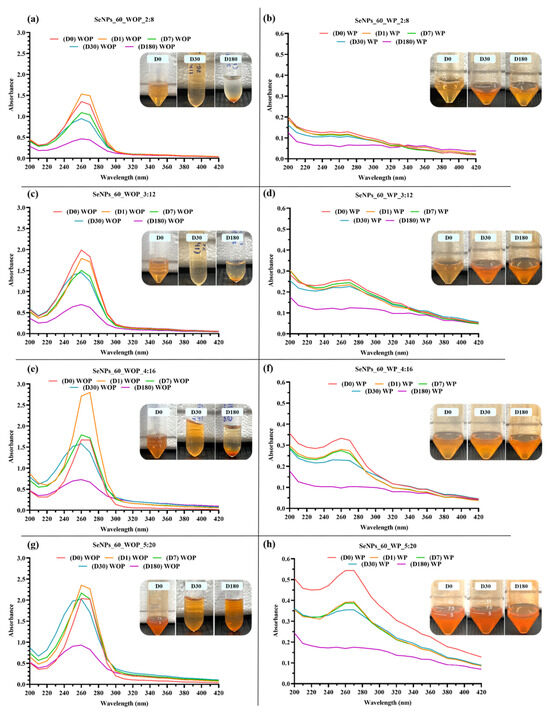
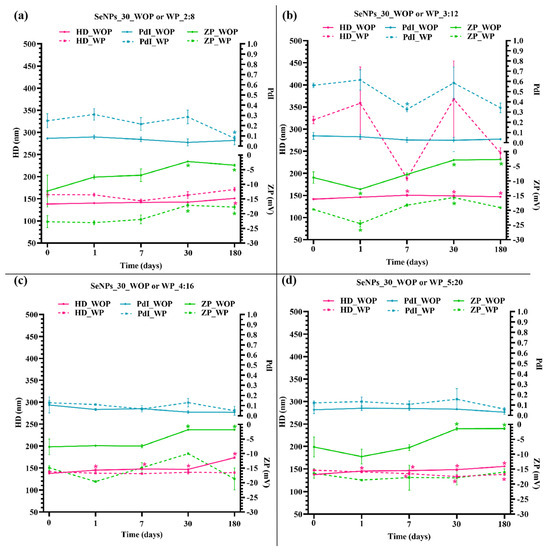
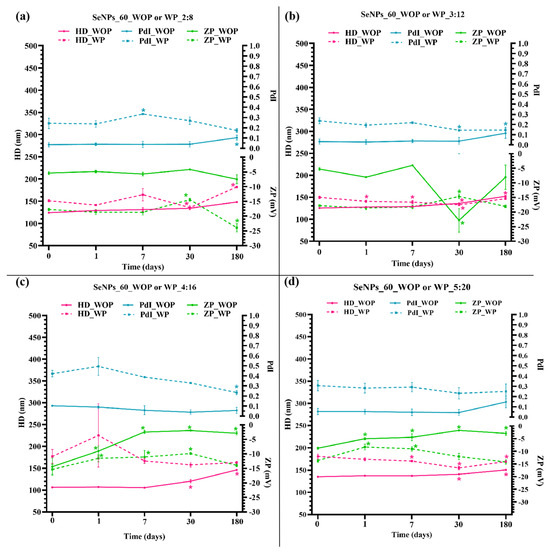
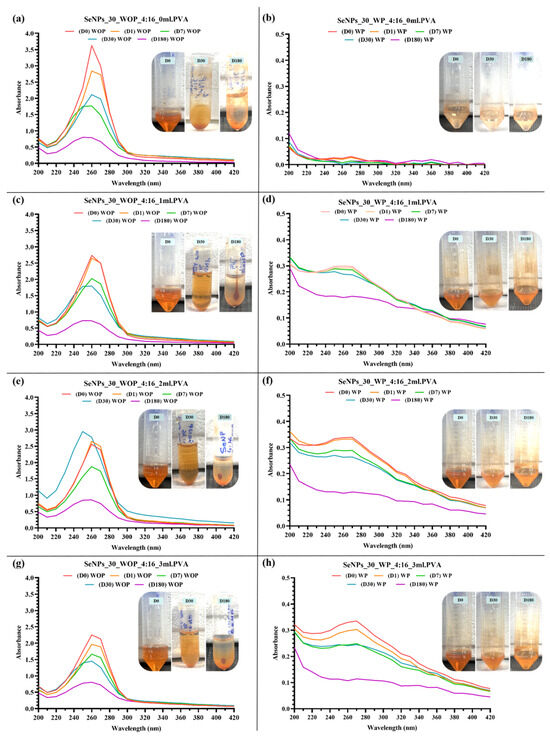
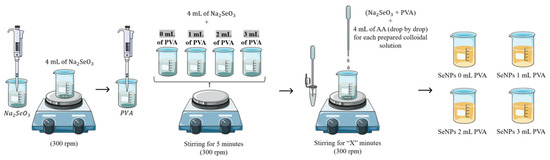
Synthesis of Selenium Nanoparticles: Influence of Reaction Parameters on Physicochemical, Morphological, and Biological Properties
by Tainá Pereira da Silva Oliveira, Alan Kelbis Oliveira Lima, Talita Pereira Gonçalves, Isadora Florêncio, Sônia Nair Báo, Namuhell Oliveira da Silva, Patrícia Albuquerque, Ildinete Silva-Pereira and Luís Alexandre Muehlmann
Drugs Drug Candidates 2026, 5(1), 22; https://doi.org/10.3390/ddc5010022 - 8 Mar 2026
Viewed by 638
Abstract
Background/Objectives: Optimizing synthesis parameters is essential to ensure the quality and stability of nanostructures. This study aimed to optimize the synthesis of selenium nanoparticles (SeNPs) by chemical reduction, using sodium selenite (Na2SeO3), ascorbic acid (AA), and polyvinyl alcohol [...] Read more.
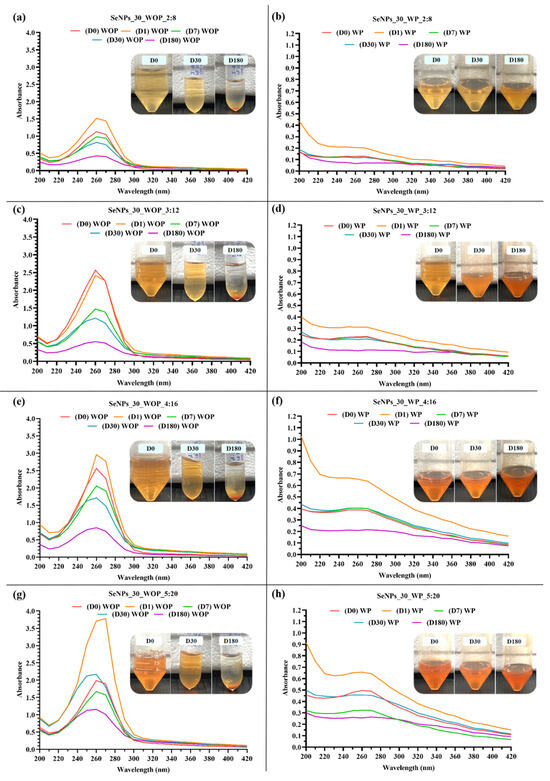
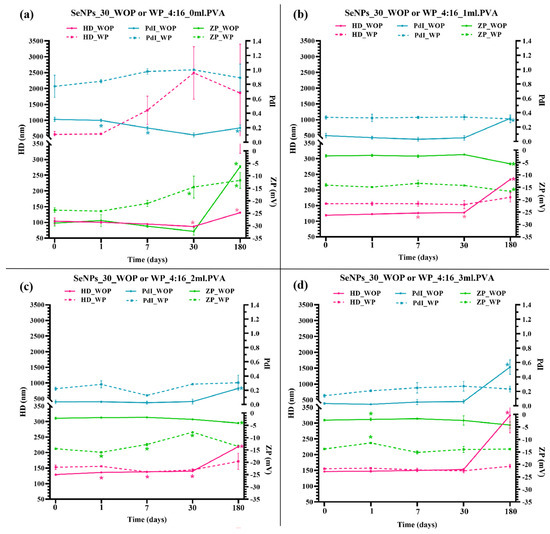
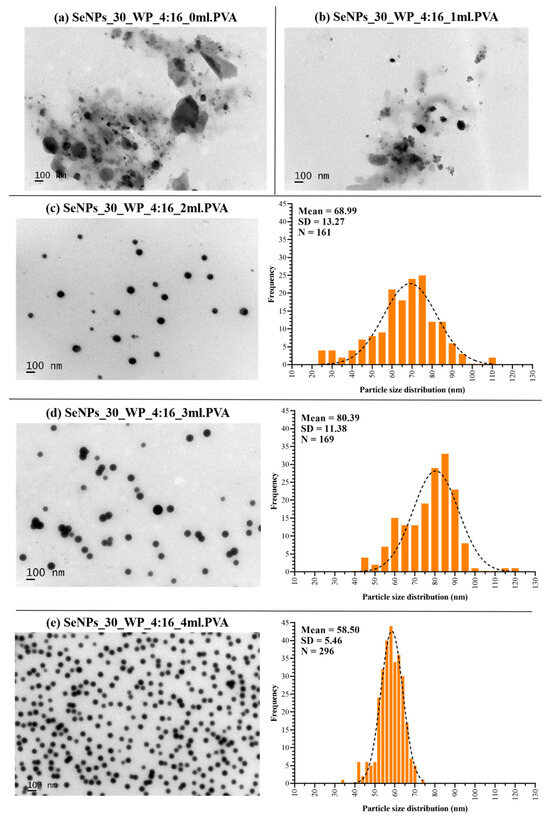
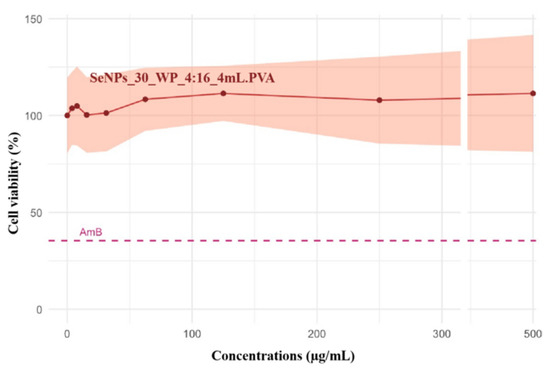
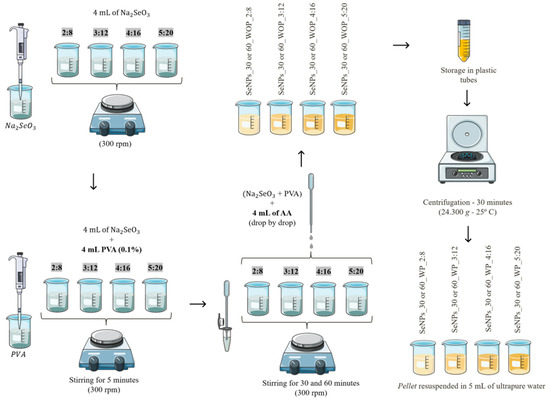
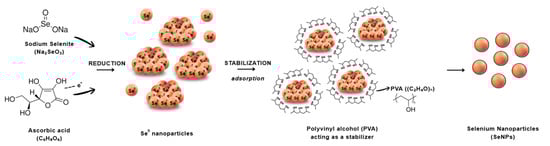
Background/Objectives: Optimizing synthesis parameters is essential to ensure the quality and stability of nanostructures. This study aimed to optimize the synthesis of selenium nanoparticles (SeNPs) by chemical reduction, using sodium selenite (Na2SeO3), ascorbic acid (AA), and polyvinyl alcohol (PVA) at different concentrations, volumes, and molar ratios. The effects of reduction time, purification steps, and variations in the concentration of the precursor and reducing agent, as well as in the volume of the stabilizer, on the characteristics of SeNPs were investigated to ensure their long-term stability, maintenance of their properties, and biological applicability. Methods: The SeNPs were analyzed by UV/Vis absorption spectroscopy, Dynamic Light Scattering (DLS), and Transmission Electron Microscopy (TEM), and were also evaluated for antifungal activity against the SC5314 strain of Candida albicans. Results/Conclusions: Monodisperse SeNPs were obtained under high concentrations of Na2SeO3 and AA, short reduction time, higher volumes of PVA (2–4 mL), and purification at 24.300× g, presenting a spherical morphology, hydrodynamic diameter of 137.0–171.7 nm, dry diameter of 20–120 nm, polydispersity index of 0.049–0.306, Zeta potential of −7.79 to −19.6 mV, and stability for up to 180 days. In the absence or presence of 1 mL of PVA, the SeNPs were predominantly amorphous. Regarding biological activity, the SeNPs did not exhibit antifungal activity under the experimental conditions in the tested strain. Together, this study provides a comprehensive update on the synthesis of SeNPs under different conditions and their stability over time, contributing to the consolidation of knowledge in the field. Full article
Show Figures

Figure 1
2025

Jump to: 2026, 2023

23 pages, 4489 KB  
Article
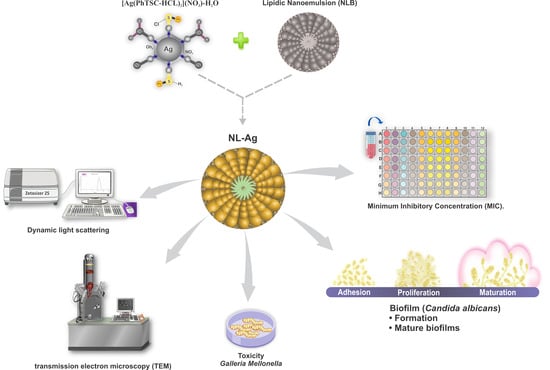
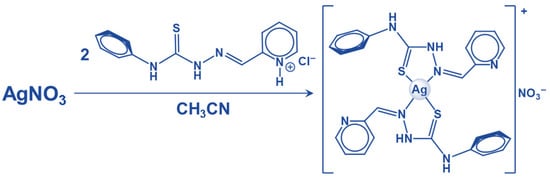
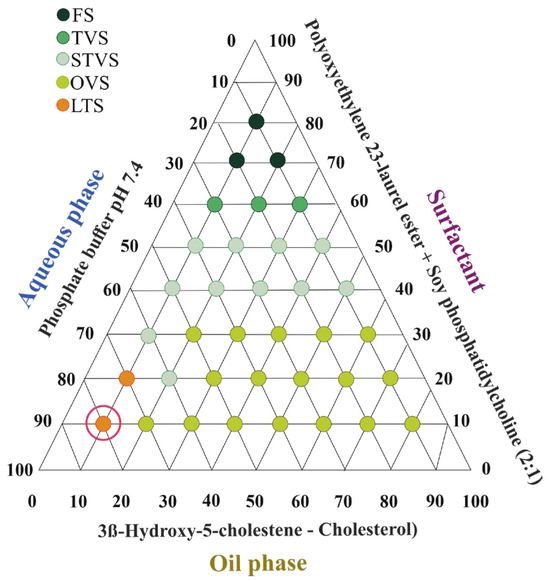
A Silver (I) Complex-Loaded Lipid Nanoemulsion: A New Approach Against Candida albicans Biofilms
by Giovanna Capaldi Fortunato, Gabriel Davi Marena, Débora Eduarda Soares Silva, Tamara Renata Machado Ribeiro, Cristiano Gallina Moreira, Flávia Aparecida Resende Nogueira, Leonardo Delello Di Filippo, Marlus Chorilli, Adelino Vieira de Godoy Netto and Taís Maria Bauab
Drugs Drug Candidates 2025, 4(4), 52; https://doi.org/10.3390/ddc4040052 - 15 Nov 2025
Viewed by 1090
Abstract
Introduction: The increasing prevalence of fungal infections, particularly those caused by Candida albicans, presents a significant clinical challenge due to the emergence of drug-resistant strains. Silver (I) coordination complexes show promise as antifungal agents; however, their poor water solubility limits clinical [...] Read more.
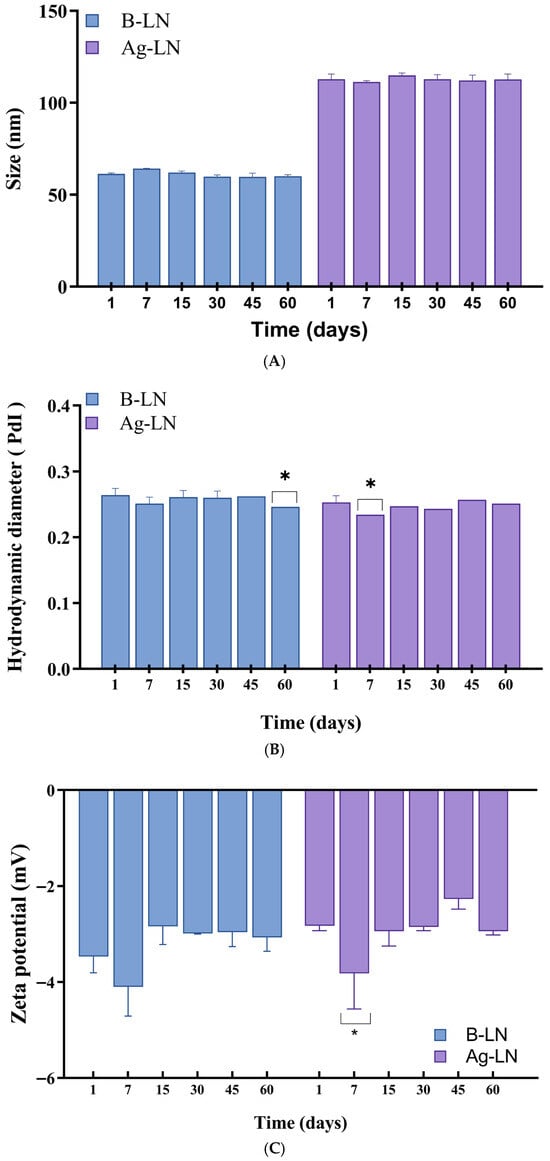
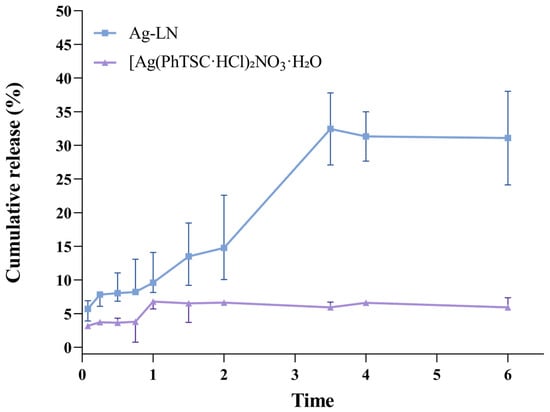
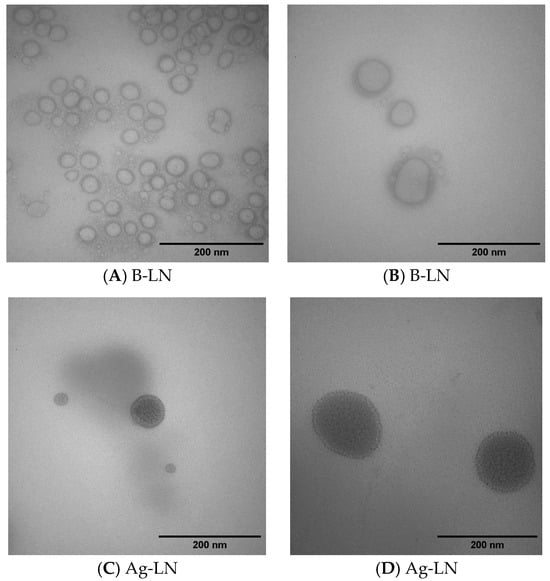
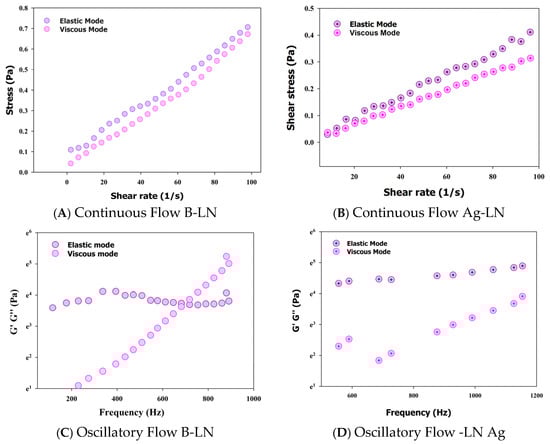
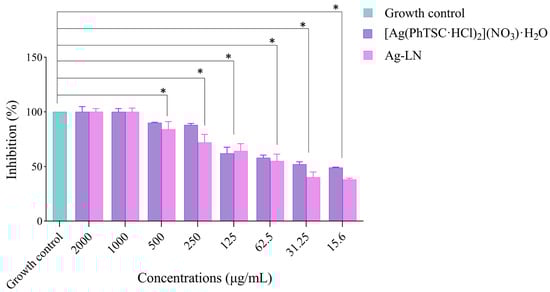
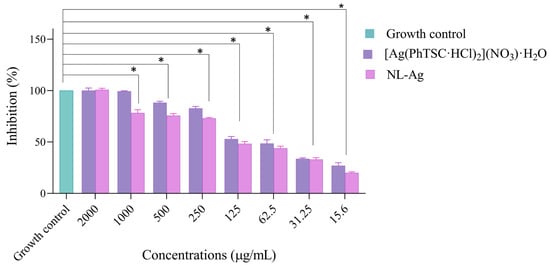
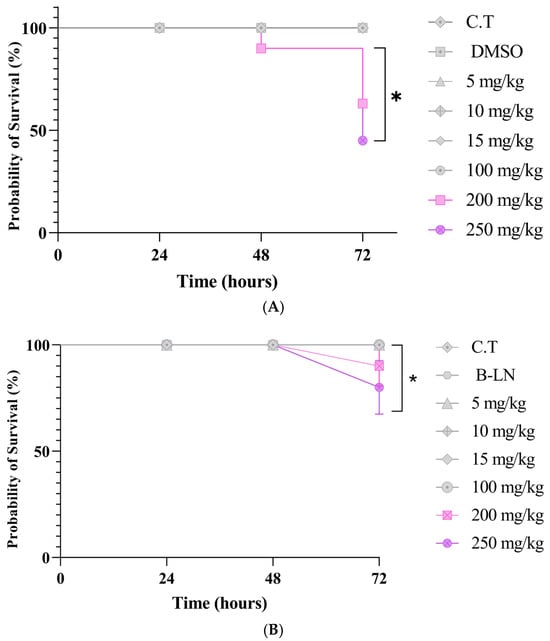
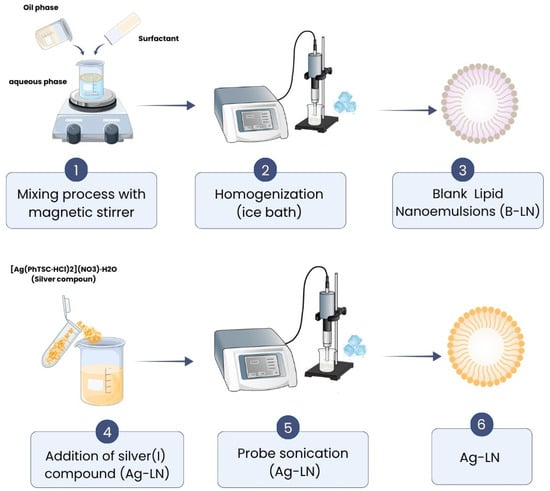
Introduction: The increasing prevalence of fungal infections, particularly those caused by Candida albicans, presents a significant clinical challenge due to the emergence of drug-resistant strains. Silver (I) coordination complexes show promise as antifungal agents; however, their poor water solubility limits clinical application. Methods: In this study, we developed and characterized a lipid nanoemulsion (Ag-LN) to enhance the delivery and activity of a silver (I) complex. Results: The formulation exhibited nanoscale size, spherical morphology, and stability for up to 60 days. Ag-LN showed potent antifungal effects, preventing biofilm formation and eradicating mature biofilms. Importantly, nanoencapsulation preserved antifungal activity while reducing mutagenic potential and acute toxicity compared with the free compound. Conclusions: These findings support Ag-LN as a promising antifungal platform for future preclinical studies. Full article
Show Figures

Graphical abstract

17 pages, 3803 KB  
Review
Design of Hetero-Dinuclear Metallic Complexes as Potential Metal-Based Drugs With a Zinc Metal Center in a Square-Pyramidal Structure
by Tanja V. Soldatović
Drugs Drug Candidates 2025, 4(1), 12; https://doi.org/10.3390/ddc4010012 - 17 Mar 2025
Viewed by 1625
Abstract
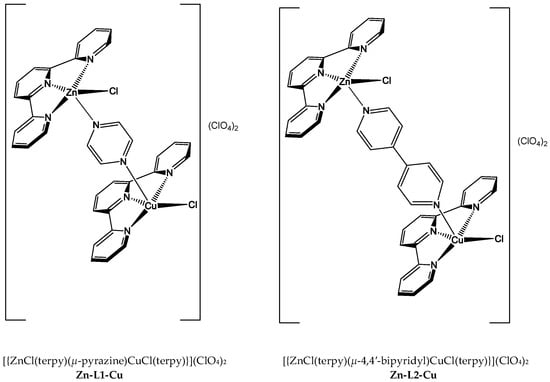
The mini-review highlights the innovative development of hetero-dinuclear metallic complexes, with a specific focus on zinc(II) metal centers arranged in a square-pyramidal configuration. The work presented, stemming from our research group in collaboration with others between the years 2020 and 2024, makes significant [...] Read more.
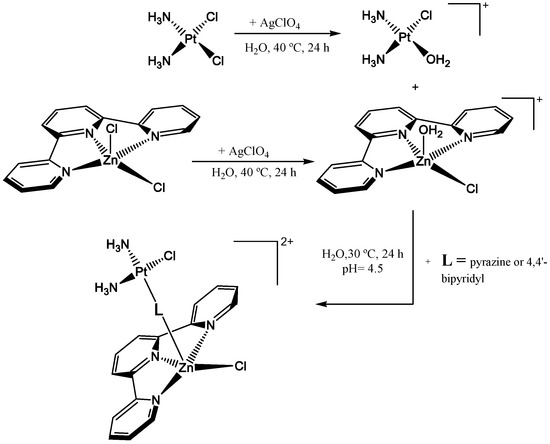
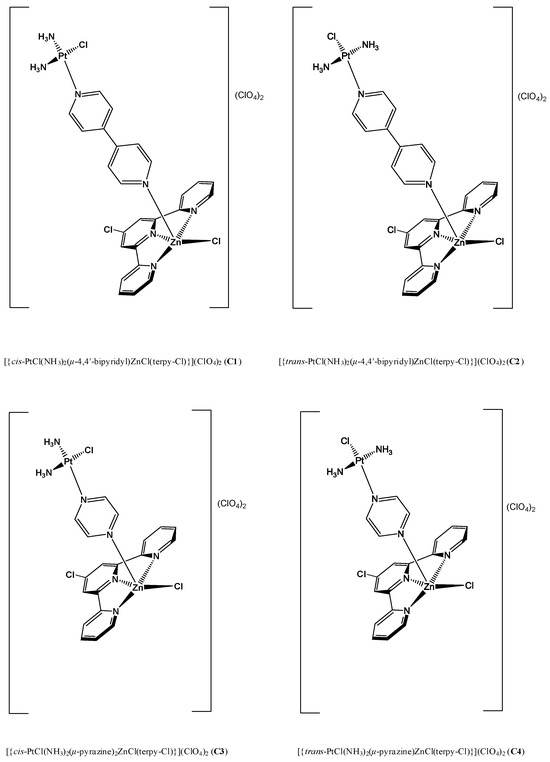
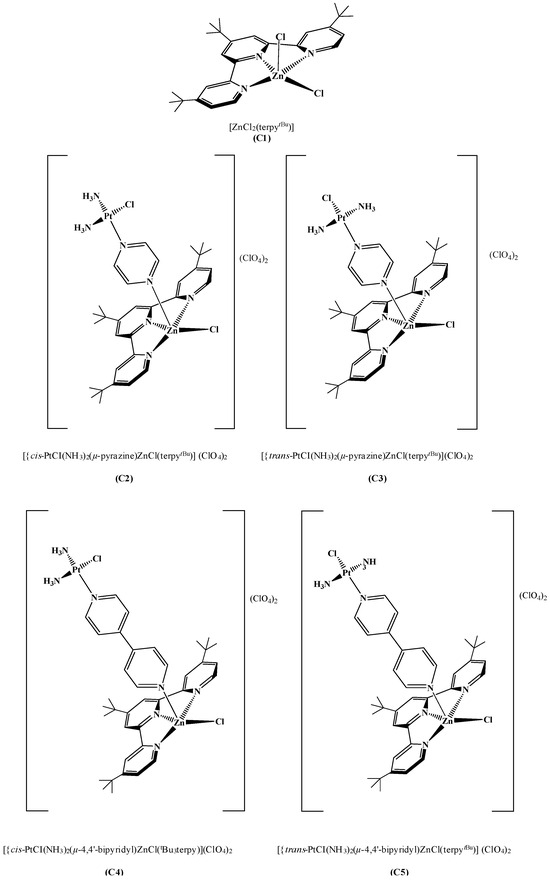
The mini-review highlights the innovative development of hetero-dinuclear metallic complexes, with a specific focus on zinc(II) metal centers arranged in a square-pyramidal configuration. The work presented, stemming from our research group in collaboration with others between the years 2020 and 2024, makes significant contributions to this area, emphasizing their potential applications in bioinorganic chemistry, particularly in the context of drug discovery. These advances not only expand the fundamental understanding of such complexes but also lay the groundwork for the design of novel hetero-dinuclear metallic compounds with therapeutic potential. The interaction of these complexes with biological systems and their implications for drug development are critical for future research in bioinorganic chemistry, offering new pathways for targeted treatments and molecular therapies. Full article
Show Figures

Figure 1
2023

Jump to: 2026, 2025

47 pages, 4639 KB  
Review
Therapeutic Perspectives of Metal Nanoformulations
by Tawhida Islam, Md. Mizanur Rahaman, Md. Nayem Mia, Iffat Ara, Md. Tariqul Islam, Thoufiqul Alam Riaz, Ana C. J. Araújo, João Marcos Ferreira de Lima Silva, Bruna Caroline Gonçalves Vasconcelos de Lacerda, Edlane Martins de Andrade, Muhammad Ali Khan, Henrique D. M. Coutinho, Zakir Husain and Muhammad Torequl Islam
Drugs Drug Candidates 2023, 2(2), 232-278; https://doi.org/10.3390/ddc2020014 - 13 Apr 2023
Cited by 8 | Viewed by 5281
Abstract
In recent decades, acceptance of nanoparticles (NPs) in therapeutic applications has increased because of their outstanding physicochemical features. By overcoming the drawbacks of conventional therapy, the utilization of metal NPs, metal-oxide, or metal supported nanomaterials have shown to have significant therapeutic applications in [...] Read more.
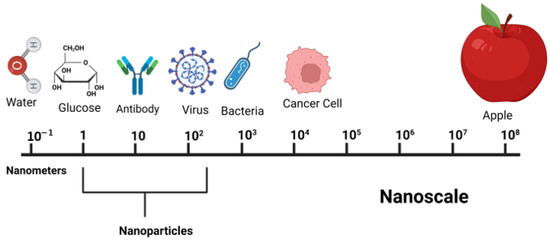
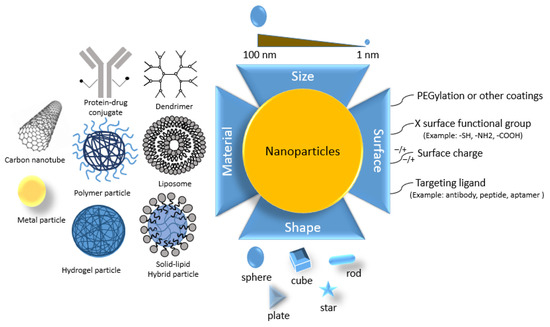
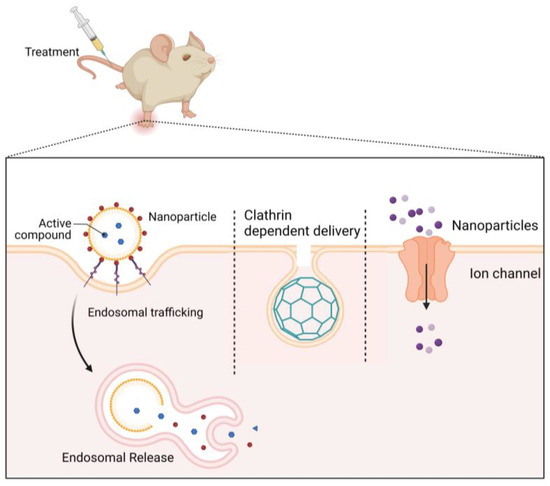
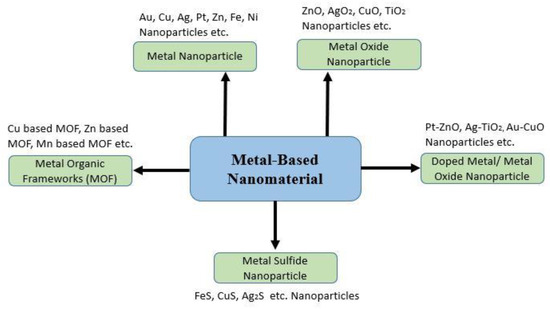
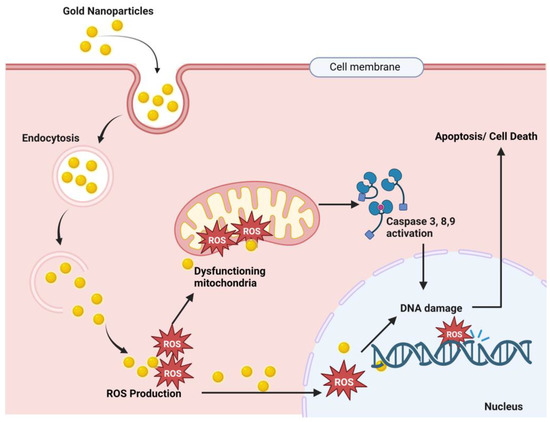
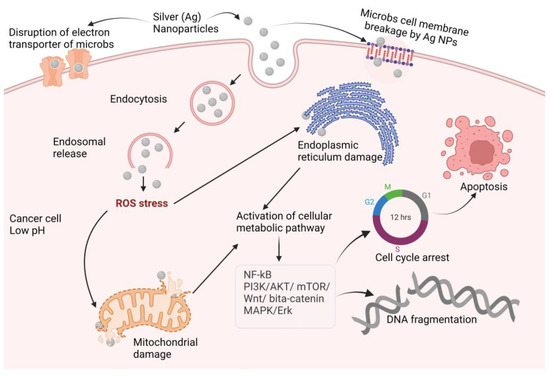
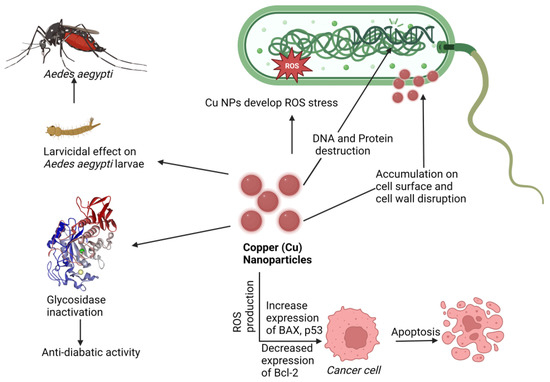
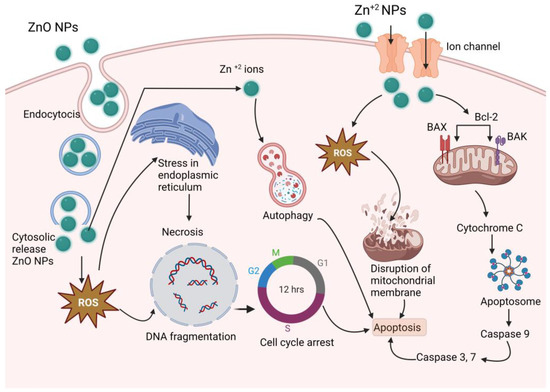
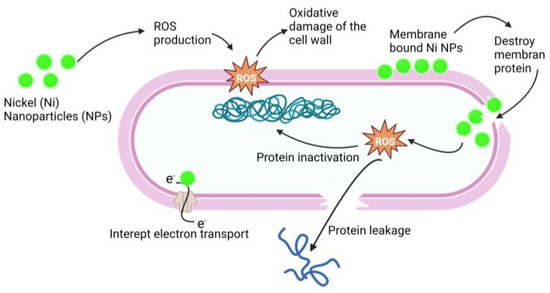
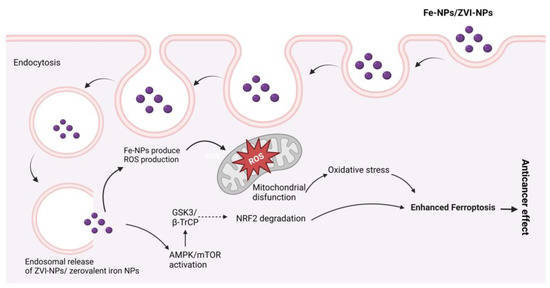
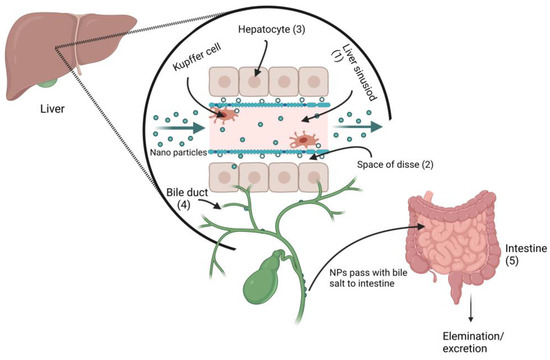
In recent decades, acceptance of nanoparticles (NPs) in therapeutic applications has increased because of their outstanding physicochemical features. By overcoming the drawbacks of conventional therapy, the utilization of metal NPs, metal-oxide, or metal supported nanomaterials have shown to have significant therapeutic applications in medicine. This is proved by a lot of clinical and laboratory investigations that show improved treatment outcomes, site-specific drug delivery, and fewer side effects compared to traditional medicine. The metal NPs interaction with living cells (animal and plant) showed many ways to develop therapeutic models with the NPs. Despite all of the advancements that science has achieved, there is still a need to find out their performance for long-term use to solve modern challenges. In this regard, the present documentation reviews some potential metals, including silver (Ag), gold (Au), zinc (Zn), copper (Cu), iron (Fe), and nickel (Ni) NPs, as therapeutic agents in various areas such as anticancer, antimicrobial, antidiabetic, and applicable for the treatment of many other diseases. Depending on the outstanding ongoing research and practical trials, metal-based NPs can be considered the hope of prospective modern therapeutic areas. Full article
Show Figures

Figure 1
Back to TopTop