
-
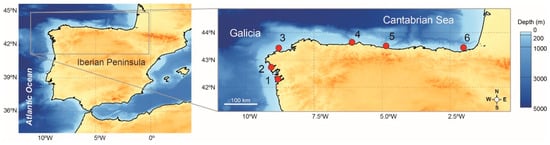
Hemispherical Distribution of Antarctic Krill Indicates High Abundance in Amundsen Sea -
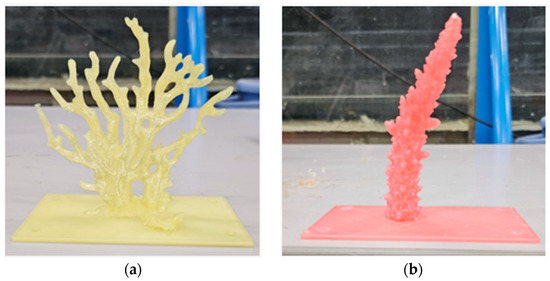
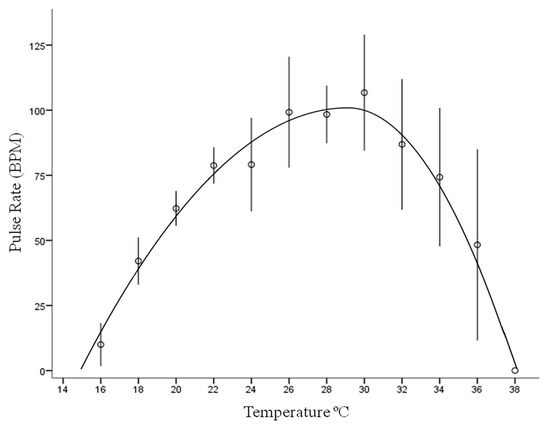
Persistent Geographic Patterns of Coral Recruitment in Hawaiʻi -
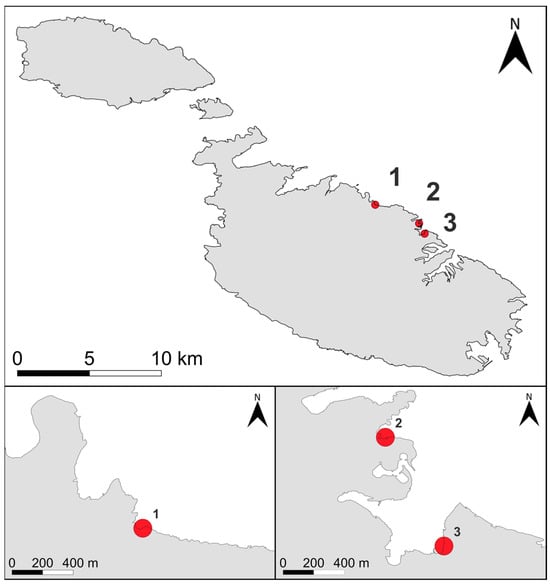
Distribution Patterns and Diversity of Sedimental Microbial Communities in the Tianxiu Hydrothermal Field of Carlsberg Ridge -
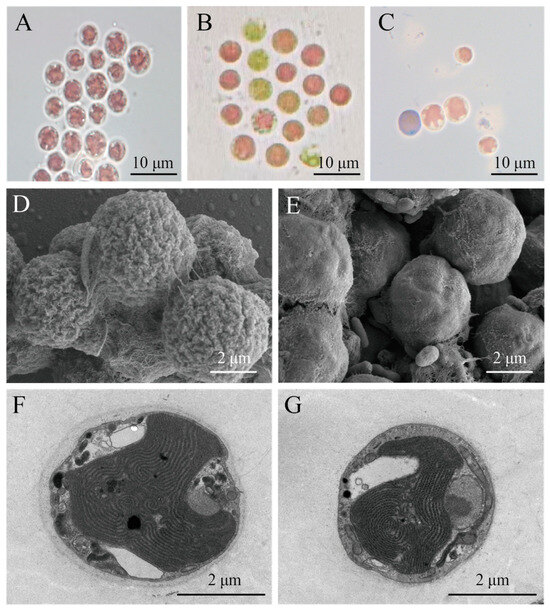
Low Genetic Diversity and Decreased Effective Population Sizes of Acropora hyacinthus Populations Inhabiting Inshore and Offshore Reefs in the South China Sea
Journal Description
Oceans
Oceans
is an international, peer-reviewed, open access journal of oceanography, published bimonthly online by MDPI.
- Open Access— free for readers, with article processing charges (APC) paid by authors or their institutions.
- High Visibility: indexed within Scopus, ESCI (Web of Science), AGRIS, and other databases.
- Rapid Publication: manuscripts are peer-reviewed and a first decision is provided to authors approximately 35 days after submission; acceptance to publication is undertaken in 8.6 days (median values for papers published in this journal in the second half of 2025).
- Journal Rank: CiteScore - Q2 (Oceanography)
- Recognition of Reviewers: APC discount vouchers, optional signed peer review and reviewer names are published annually in the journal.
- Journal Clusters of Water Resources: Water, Journal of Marine Science and Engineering, Hydrology, Resources, Oceans, Limnological Review, Coasts.
Impact Factor:
1.6 (2024);
5-Year Impact Factor:
1.9 (2024)
Latest Articles
Public Perceptions of Marine and Coastal Restoration in Ireland
Oceans 2026, 7(1), 8; https://doi.org/10.3390/oceans7010008 - 14 Jan 2026
Abstract
►
Show Figures
Under the requirements of the EU Nature Restoration Regulation, significant investment in the restoration of marine and coastal ecosystems will be necessary in EU Member States. A certain level of knowledge among the population will be required to ensure authorities have the required
[...] Read more.
Under the requirements of the EU Nature Restoration Regulation, significant investment in the restoration of marine and coastal ecosystems will be necessary in EU Member States. A certain level of knowledge among the population will be required to ensure authorities have the required social license to pursue marine ecosystem restoration activities, and awareness raising campaigns will likely be a part of the body of actions taking place to support the delivery of the EU Nature Restoration Regulation. This survey assesses the baseline awareness, attitudes and support for marine and coastal restoration amongst the Irish adult population. Relatively low levels of awareness of both restoration initiatives and the regulation are documented, with approximately 15% of respondents aware of restoration activities and 19% aware of the regulation. While distance to the coast isn’t always strongly correlated with awareness and support, connection to the marine—represented by visiting the coast and being concerned about the marine environment—is strongly correlated with these metrics. The results indicate that information campaigns around marine and coastal restoration should attempt to highlight the benefits society receives from the marine and coastal environment and foster a sense of connection with it.
Full article
Open AccessArticle
The Track-Long Scale Response Modes of Sea Surface Temperature Identified by the Western North Pacific Typhoons
by
Rui Liu, Liang Sun, Haihua Liu, Mengyuan Xu, Gaopeng Lu, Xiuting Wang and Youfang Yan
Oceans 2026, 7(1), 7; https://doi.org/10.3390/oceans7010007 - 8 Jan 2026
Abstract
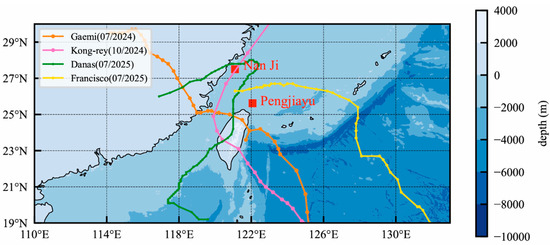
Although previous studies composited response of sea surface temperature (SST) to typhoon sea surface wind (SSW) forcing around typhoon center, how SST responded spatiotemporally along the typhoon track over the ocean remains unclear. Through Empirical Orthogonal Function (EOF) analysis, several isolated typhoons in
[...] Read more.
Although previous studies composited response of sea surface temperature (SST) to typhoon sea surface wind (SSW) forcing around typhoon center, how SST responded spatiotemporally along the typhoon track over the ocean remains unclear. Through Empirical Orthogonal Function (EOF) analysis, several isolated typhoons in the Western North Pacific (WNP) from 2021 to 2024 were investigated. Two SSW forcing modes and two SST response modes were identified. The first SSW mode spatially reflects the overall distribution of SSW along the track, centering at its maturation position. And the first SST mode exhibits a high spatial correlation ( ) with this SSW mode. The second SSW mode displays a distinct track-long scale dipole pattern along the path of the typhoon, representing its intensity variation during the “development–maturation–decay” lifecycle. Similarly, the second SST response mode shows a significant but lower correlation with this second SSW mode. Both corresponding SST response modes typically lag behind their respective wind-forcing by approximately 2 to 4 days, indicating that these SST response modes are direct reactions to SSW forcing. These cases implies that two track-long scale SSW modes are generally present during the lifecycle of typhoons and that their corresponding SST responses are dominated accordingly.
Full article
(This article belongs to the Special Issue Recent Progress in Ocean Fronts)
►▼
Show Figures

Figure 1
Open AccessArticle
Coastal Circulation and Eddies Generation in the Southwest Mexican Pacific
by
Federico Angel Velázquez-Muñoz, Raul Candelario Cruz-Gómez and Cesar Monzon
Oceans 2026, 7(1), 6; https://doi.org/10.3390/oceans7010006 - 8 Jan 2026
Abstract
We use 29 years of altimeter-derived sea level anomalies and geostrophic velocities (1993–2021) from the Copernicus Marine Service to identify the Mexican Coastal Current (MCC) and to examine how it interacts with the coastline. Variance-ellipse and empirical orthogonal function analyses isolate a narrow
[...] Read more.
We use 29 years of altimeter-derived sea level anomalies and geostrophic velocities (1993–2021) from the Copernicus Marine Service to identify the Mexican Coastal Current (MCC) and to examine how it interacts with the coastline. Variance-ellipse and empirical orthogonal function analyses isolate a narrow alongshore jet with a mean width of about 95 km and average speeds near 0.3 m that reverses direction semiannually: poleward in June and July and equatorward in the rest of the year. When the MCC impinges on broad concavities in the coast, the boundary layer separates, forming recirculation cells that intensify and detach as coherent eddies. These near-shore eddies have similar radii (from ∼30 km) and relative vorticity of at the beginning of their generation, and they propagate offshore once the current weakens. A simple numerical model reproduces the observed behavior and suggests that eddy formation is controlled by flow separation rather than generic instability. The semiannual change in direction of the MCC indicate a link with the larger-scale North Equatorial Countercurrent and Costa Rica Coastal Current systems of the eastern tropical Pacific.
Full article
(This article belongs to the Special Issue Recent Progress in Ocean Fronts)
►▼
Show Figures

Graphical abstract
Open AccessArticle
Resilient Anomaly Detection in Ocean Drifters with Unsupervised Learning, Deep Learning Models, and Energy-Efficient Recovery
by
Claire Angelina Guo, Jiachi Zhao and Eugene Pinsky
Oceans 2026, 7(1), 5; https://doi.org/10.3390/oceans7010005 - 6 Jan 2026
Abstract
►▼
Show Figures
Changes in climate and ocean pollution has prioritized monitoring of ocean surface behavior. Ocean drifters, which are floating sensors that record position and velocity, help track ocean dynamics. However, environmental events such as oil spills can cause abnormal behavior, making anomaly detection critical.
[...] Read more.
Changes in climate and ocean pollution has prioritized monitoring of ocean surface behavior. Ocean drifters, which are floating sensors that record position and velocity, help track ocean dynamics. However, environmental events such as oil spills can cause abnormal behavior, making anomaly detection critical. Unsupervised learning, combined with deep learning and advanced data handling, is used to detect unusual behavior more accurately on the NOAA Global Drifter Program dataset, focusing on regions of the West Coast and the Mexican Gulf, for time periods spanning 2010 and 2024. Using Density-Based Spatial Clustering of Applications with Noise (DBSCAN), pseudo-labels of anomalies are generated to train both a one-dimensional Convolutional Neural Network (CNN) and a Long Short-Term Memory (LSTM) network. The results of the two models are then compared with bootstrapping with block shuffling, as well as 10 trials with bar chart summaries. The results show nuance, with models outperforming the other in different contexts. Between the four spatiotemporal domains, a difference in the increasing rate of anomalies is found, showing the relevance of the suggested pipeline. Beyond detection, data reliability and efficiency are addressed: a RAID-inspired recovery method reconstructs missing data, while delta encoding and gzip compression cut storage and transmission costs. This framework enhances anomaly detection, ensures reliable recovery, and reduces energy consumption, thereby providing a sustainable system for timely environmental monitoring.
Full article

Figure 1
Open AccessReview
Harnessing Marine Bacterial Lipopeptides for Sustainable Disease Management in Open Sea Cage Aquaculture
by
Sumit Kumar, Ajit Kumar, Akshatha Soratur, Ankit Sarkar and Balu Alagar Venmathi Maran
Oceans 2026, 7(1), 4; https://doi.org/10.3390/oceans7010004 - 4 Jan 2026
Abstract
►▼
Show Figures
The open ocean cage aquaculture system is facing considerable challenges with disease outbreaks resulting from over-farming and the rise of resistance to antimicrobial treatment. However, the environmental consequences of antibiotic usage, including ecological contamination and the acceleration of antimicrobial resistance, underscore the urgent
[...] Read more.
The open ocean cage aquaculture system is facing considerable challenges with disease outbreaks resulting from over-farming and the rise of resistance to antimicrobial treatment. However, the environmental consequences of antibiotic usage, including ecological contamination and the acceleration of antimicrobial resistance, underscore the urgent need for sustainable alternatives in aquaculture disease management. Lipopeptides, which are a compound that can be produced by marine bacteria such as Bacillus amyloliquefaciens or Bacillus subtilis, could represent a new solution. This review article comprehensively evaluates the feasibility of marine bacterial lipopeptides for sustainable disease management in open sea cage aquaculture. Lipopeptides, including surfactins, fengycins, iturins, and the clinically used daptomycin, have notable antiviral, antifungal, and antimicrobial properties, and can have positive effects on the immune system. Notably, lipopeptides have a remarkable antioxidant profile and excellent free radical scavenging ability, making them interesting candidates for improving disease resistance in fish relating to oxidative stress. The surfactins and iturins have amphiphilic structure and can destabilize pathogen cell membranes, inhibit biofilm formation and elicit host immune responses. This represents a paradigm shift in targeting multiple pathogens of aquaculture like Vibrio spp. and Aeromonas spp. Surfactins and iturins show broad-spectrum activity, while fengycins are selectively active against fungal threats. Daptomycin, which is primarily derived from Streptomyces, demonstrates the potential of the lipopeptide class to be developed therapeutically, which is something that tends to be overlooked. Unlike synthetic antibiotics, they are also biodegradable; therefore, there is much less environmental impact from lipopeptides. The complexity of the structure may have also some impact on the rate of development of resistance, if any. Their commercialization is possible; however, the main hurdles that need to be solved to improve aquaculture are the biologically scalable production, the economically viable purification, and the stability for practical application at sea. Integrating lipopeptides into disease management systems could also ensure the sustainability of open ocean cage aquaculture and reduce unnecessary antibiotic application.
Full article

Figure 1
Open AccessArticle
Essential, Non-Essential, and Toxic Elements in the Muscle of Meagre (Argyrosomus regius) from the Tagus Estuary (Portugal)
by
André F. Jorge, Carla Rodrigues, Bernardo Quintella, Marco Gomes da Silva and Maria João Lança
Oceans 2026, 7(1), 3; https://doi.org/10.3390/oceans7010003 - 31 Dec 2025
Abstract
Monitoring trace metals in commercially important fish species provides an early warning of anthropogenic contamination and potential risk to consumers. This study semi-quantified and quantified essential, non-essential, and toxic elements in the muscle of wild meagre (Argyrosomus regius) captured in the
[...] Read more.
Monitoring trace metals in commercially important fish species provides an early warning of anthropogenic contamination and potential risk to consumers. This study semi-quantified and quantified essential, non-essential, and toxic elements in the muscle of wild meagre (Argyrosomus regius) captured in the Tagus estuary (Portugal), which is used as a nursery and spawning aggregation area. Dry muscle was microwave-digested and analyzed using inductively coupled plasma–optical emission spectroscopy. Semi-quantified screening detected Al, B, Ca, Fe, K, Mg, Na, P, S, Si, Sr, and Ti, and eight elements were determined using multielement calibration (As, Cr, Cu, Hg, Mn, Ni, Se, and Zn); Cd, Pb (toxic elements), Co, and Mo were not detected in this study. Arsenic was detected in all individuals, with a minimum value of 0.348 mg/kg wet weight. A mercury level above the European Commission regulatory limit (0.5 mg/kg wet weight) was only detected in one individual, corresponding to 2% of the samples. Although other metals remain well below regulatory limits, continued biomonitoring is recommended to track temporal trends and safeguard seafood safety in transitional coastal systems, which is important for commercially relevant fish species.
Full article

Open AccessArticle
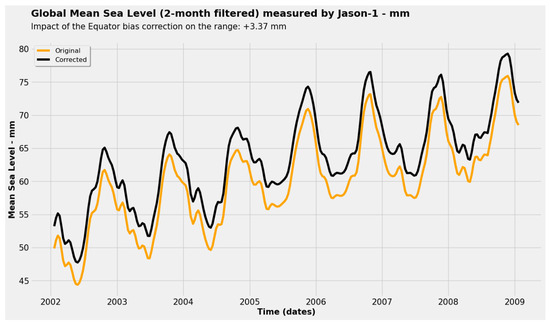
Preliminary Analysis of the GDR-G Data Products of Jason-3 Satellite Altimeter
by
Xi-Yu Xu, Zhiyong Huang, Tingting Shi, Qiankun Liu and Mengyao Li
Oceans 2026, 7(1), 2; https://doi.org/10.3390/oceans7010002 - 25 Dec 2025
Abstract
►▼
Show Figures
In early 2025, the Jason-3 satellite’s orbit shifted from an “interleaved” to a tandem configuration with Sentinel-6A, and its Geophysical Data Records (GDR) were upgraded from Version F to G. This study evaluated GDR-G via eight processing approaches, using Jason-3’s last six GDR-F
[...] Read more.
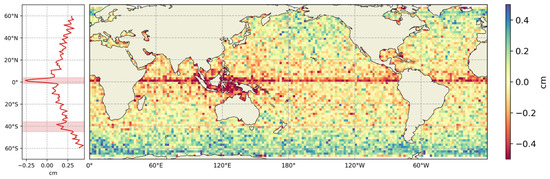
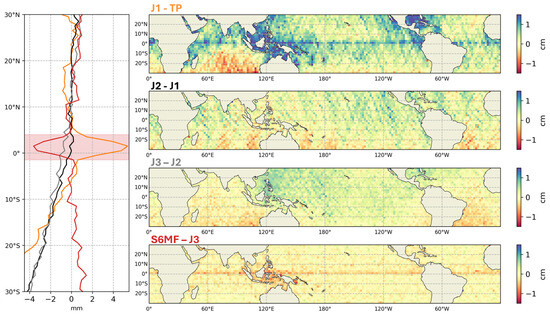
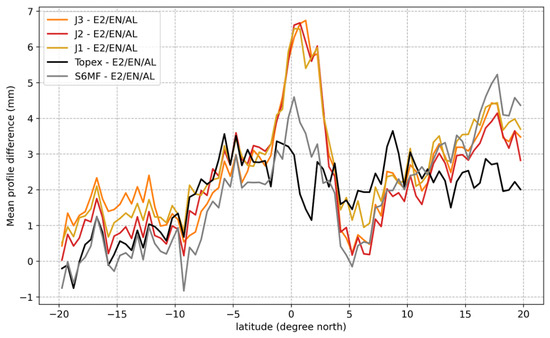
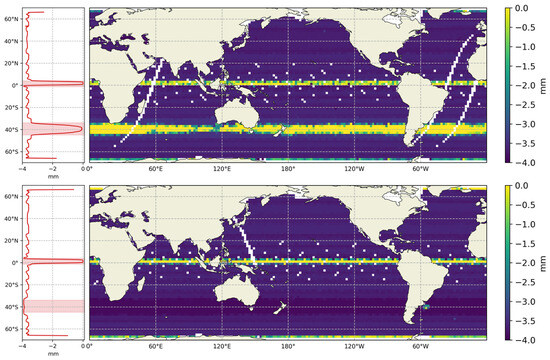
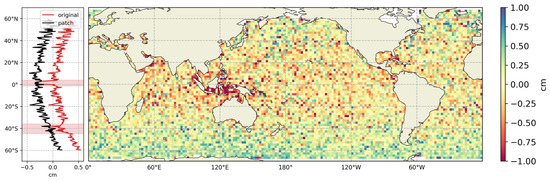
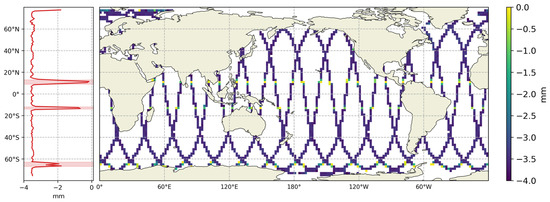
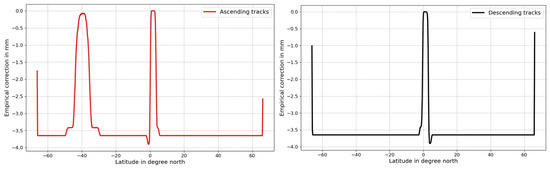
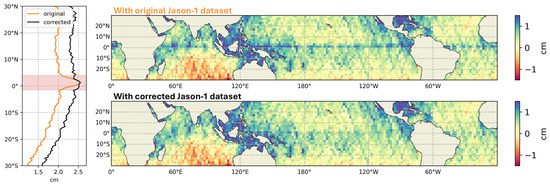
In early 2025, the Jason-3 satellite’s orbit shifted from an “interleaved” to a tandem configuration with Sentinel-6A, and its Geophysical Data Records (GDR) were upgraded from Version F to G. This study evaluated GDR-G via eight processing approaches, using Jason-3’s last six GDR-F cycles (#394–#399) and first six GDR-G cycles (#501–#506), integrating histogram/geographical distribution analyses of Sea Surface Height Anomaly (SSHA), Significant Wave Height (SWH), Wind Speed (WS), and multi-method validation (e.g., self-cross-calibration). Key findings include the following: GDR-G had significantly lower SSHA noise than GDR-F, with up to ~4 cm SSHA bias from different retrackers/corrections; Adaptive retracker + 3D Sea State Bias (SSB) correction achieved optimal accuracy. Adaptive retracker’s SWH/WS anomalies linked to invalid MLE4 results and non-Brownian waveforms (coastal/sea ice). A detrending method was proposed, and the 41-point Lanczos window was optimal for smoothing. The results from the “detrending method” were consistent with the results based on the SSHA spectrum and classic self-cross-calibration methods. A ~5 mm drop was observed in Jason-3 GDR-G MLE4 baseline SSHA, probably caused by GDR upgrade or geographic sampling mismatch, while Sentinel-6A’s GDR-G upgrade might induce ~1 cm jump. The jumps along with GDR version upgrade highlighted the value of timely in situ absolute calibration.
Full article

Figure 1
Open AccessArticle
Using Tourist Diver Images to Estimate Coral Cover and Bleaching Prevalence in a Remote Indian Ocean Coral Reef System
by
Anderson B. Mayfield and Alexandra C. Dempsey
Oceans 2026, 7(1), 1; https://doi.org/10.3390/oceans7010001 - 24 Dec 2025
Abstract
Citizen science approaches for monitoring, and even restoring, coral reefs have grown in popularity though tend to be restricted to those who have taken courses that expose them to the relevant methodologies. Now that cheap (~10 USD), waterproof pouches for smart phones are
[...] Read more.
Citizen science approaches for monitoring, and even restoring, coral reefs have grown in popularity though tend to be restricted to those who have taken courses that expose them to the relevant methodologies. Now that cheap (~10 USD), waterproof pouches for smart phones are widely available, there is the potential for mass acquisition of coral reef images by non-scientists. Furthermore, with the emergence of better machine-learning-based image classification approaches, high-quality data can be extracted from low-resolution images (provided that key benthic organisms, namely corals, other invertebrates, & algae, can be distinguished). To determine whether informally captured images could yield comparable ecological data to point-intercept + photo-quadrat surveys conducted by highly proficient research divers, we trained an artificial intelligence (AI), CoralNet, with images taken before and during a bleaching event in 2015 in Chagos (Indian Ocean). The overall percent coral covers of the formal, “gold standard” method and the informal, “tourist diver” approach of 38.7 and 35.1%, respectively, were within ~10% of one another; coral bleaching percentages of 30.5 and 31.8%, respectively, were statistically comparable. Although the AI was prone to classifying bleached corals as healthy in ~one-third of cases, the fact that these data could be collected by someone with no knowledge of coral reef ecology might justify this approach in areas where divers or snorkelers have access to waterproof cameras and are keen to document coral reef condition.
Full article

(This article belongs to the Special Issue Ocean Observing Systems: Latest Developments and Challenges)
►▼
Show Figures

Figure 1
Open AccessArticle
Annotated Checklist and Biodiversity of Sea Cucumbers (Holothuroidea) in Indian Waters
by
Karthika Padmini, Ameen Ummath, Atikulla Shaikh and Balu Alagar Venmathi Maran
Oceans 2025, 6(4), 85; https://doi.org/10.3390/oceans6040085 - 18 Dec 2025
Abstract
Holothuroids play a vital role in nutrient cycling and bioturbation to enhance the marine ecosystem. They enhance the biodiversity for various symbiotic marine organisms by providing essential shelter and spawning grounds. This review focuses on the Class Holothuroidea (Phylum Echinodermata) in Indian waters,
[...] Read more.
Holothuroids play a vital role in nutrient cycling and bioturbation to enhance the marine ecosystem. They enhance the biodiversity for various symbiotic marine organisms by providing essential shelter and spawning grounds. This review focuses on the Class Holothuroidea (Phylum Echinodermata) in Indian waters, encompassing a total of 187 species organized into 7 orders and 21 families. Notably, the order Holothuriida represents the largest proportion of species, accounting for 27%. These species are well-distributed across India, with the Andaman and Nicobar Islands exhibiting the highest level of species richness (107 species), followed by the East Coast (102 species), Lakshadweep (39 species), and the West Coast (34 species). Species diversity was assessed using the Shannon–Weiner diversity index. Results indicate that the Andaman and Nicobar Islands (H’ = 2.23) and the West Coast (H’ = 2.14) demonstrate the highest levels of diversity. This review provides a comprehensive and precise inventory of all species of Holothuroidea reported in Indian waters, which is provided to facilitate understanding of the reported species, their systematics, and distribution. In addition, a significant insight for both conservation and management of sea cucumbers in India has also been provided.
Full article
(This article belongs to the Topic Conservation and Management of Marine Ecosystems)
►▼
Show Figures

Graphical abstract
Open AccessFeature PaperArticle
Trophic Ecology of the Devil Firefish Pterois miles in the Eastern Mediterranean: An Integrated Study Based on Stomach Content and Stable Isotope Analyses
by
Kassandra Zannaki, Ioannis E. Batjakas, Gerasimos Kondylatos, Maria Corsini-Foka, Chrysoula Gubili, Evangelia Krasakopoulou, Ernesto Azzurro and Emanuela Fanelli
Oceans 2025, 6(4), 84; https://doi.org/10.3390/oceans6040084 - 12 Dec 2025
Abstract
►▼
Show Figures
Τhe trophic ecology of Pterois miles in the Mediterranean Sea was performed by integrating data from stomach contents (SCA) and stable isotopes analyses (SIA), based on samples caught off the Greek island of Rhodes, SE, Aegean Sea, for the first time. This combined
[...] Read more.
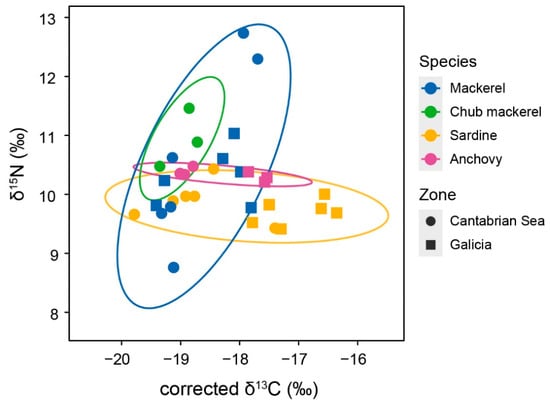
Τhe trophic ecology of Pterois miles in the Mediterranean Sea was performed by integrating data from stomach contents (SCA) and stable isotopes analyses (SIA), based on samples caught off the Greek island of Rhodes, SE, Aegean Sea, for the first time. This combined approach provides information on ingested (SCA) and assimilated (SIA) food and thus allows for the depiction of predator–prey relationships. Specimens of devil firefish, including both juveniles and adults (total length of analyzed specimens spanned from 11.40 to 31.50 cm), were collected from different sites around Rhodes. Their diet consisted of bony fish, cephalopods, crustaceans, and gastropods. The δ13C and δ15N values ranged from −18.0 ‰ to −14.4 ‰ and from 7.2 ‰ to 9.2 ‰, respectively. SIA data allowed for the estimation of the trophic position of devil firefish from Rhodes Island, which showed a mean value of 3.1 ± 0.6 and confirms that the species primarily relies on a benthic baseline. Further, our isotopic values approach those obtained in North Carolina and Bermuda, confirming its role as a mesopredator in the Mediterranean benthic food webs. Although preliminary, such results can provide an important baseline for future investigations on the species and the potential impact on the Mediterranean food webs.
Full article
Figure 1
Open AccessArticle
The Effect of ‘Roughness’ on Upwelling North of Cape Town in Austral Summer
by
Mark R. Jury
Oceans 2025, 6(4), 83; https://doi.org/10.3390/oceans6040083 - 9 Dec 2025
Abstract
►▼
Show Figures
Cape Town, South Africa, experiences coastal upwelling during austral summer. In this study, the effects of kinematic and thermal ‘roughness’ on wind stress are analyzed using 5–25 km resolution multi-satellite and coupled reanalysis datasets in the period 2010–2024. Average conditions for austral summer
[...] Read more.
Cape Town, South Africa, experiences coastal upwelling during austral summer. In this study, the effects of kinematic and thermal ‘roughness’ on wind stress are analyzed using 5–25 km resolution multi-satellite and coupled reanalysis datasets in the period 2010–2024. Average conditions for austral summer (December–February) are calculated to identify east–west gradients in sensible heat flux, wave height, and equatorward winds and to assess their consequences for the drag coefficient, wind-driven Ekman transport, and entrainment over the shelf from 16.9 to 18.7° E, north of Cape Town (33.7° S). Statistical and numerical outcomes are compared for austral summer and during active coastal upwelling in January 2018 with chlorophyll concentrations > 3 mg/m3. A subtropical anticyclone generated shallow equatorward winds next to a wind shadow north of Cape Town. Sharp cross-shore gradients in momentum flux were amplified by shoreward reductions in sensible heat flux and wave height, which suppressed the drag coefficient 10-fold. The inclusion of kinematic and thermal roughness in wind stress calculations results in a higher average cyclonic curl (−2.4 × 10⁻⁶ N/m3), which translates into vertical entrainment > 3 m/day at 33.7° S, 18° E. The research links coastal upwelling leeward of a mountainous cape with cross-shore gradients in air–sea fluxes that support recirculation and phytoplankton blooms during austral summer.
Full article
Figure 1
Open AccessArticle
Two New Species of Free-Living Marine Nematodes (Nematoda) from the Yellow Sea, China
by
Xiaoyi Sun and Yong Huang
Oceans 2025, 6(4), 82; https://doi.org/10.3390/oceans6040082 - 3 Dec 2025
Abstract
►▼
Show Figures
Two new species of free-living marine nematodes were collected in the Yellow Sea, China, and they are described herein as Actinonema sinica sp. nov. and Comesoma zhangi sp. nov. Actinonema sinica sp. nov. is characterized by short cephalic setae; lateral differentiation consisting of
[...] Read more.
Two new species of free-living marine nematodes were collected in the Yellow Sea, China, and they are described herein as Actinonema sinica sp. nov. and Comesoma zhangi sp. nov. Actinonema sinica sp. nov. is characterized by short cephalic setae; lateral differentiation consisting of a row of longitudinal sclerotized bars and beginning at the level of anterior third of the pharyngeal region; horn-shaped telamons; a curved rod-shaped gubernaculum; and an elongate conical tail with a smooth, pointed tip. Comesoma zhangi sp. nov. is characterized by long, thick cephalic setae, reaching up to 28 µm in length; a cup-shaped buccal cavity lacking a tooth and narrowing posteriorly with small projections; an amphidial fovea with two turns; slender, arcuate spicules 2.6 times the cloacal body diameter in length, lacking a proximal capitulum; a plate-like gubernaculum without apophysis; and the absence of precloacal supplements. Updated keys to the valid species of the genus Actinonema and the genus Comesoma are provided. A comparative morphological table of all currently accepted species of Comesoma is also provided.
Full article
Figure 1
Open AccessArticle
Predicting Chlorophyll-a in the Mauritanian–Senegalese Coastal Upwelling from Tropical Sea Surface Temperature
by
Elena Calvo-Miguélez, Belén Rodríguez-Fonseca, Víctor Galván-Fraile and Iñigo Gómara
Oceans 2025, 6(4), 81; https://doi.org/10.3390/oceans6040081 - 1 Dec 2025
Abstract
►▼
Show Figures
The Mauritanian–Senegalese Coastal Upwelling exhibits strong interannual variability, which has been found to be driven by El Niño-Southern Oscillation (ENSO). In addition, ENSO has been shown to be triggered by the Indian Ocean and Atlantic Sea Surface Temperature (SST) variability. Nevertheless, how all
[...] Read more.
The Mauritanian–Senegalese Coastal Upwelling exhibits strong interannual variability, which has been found to be driven by El Niño-Southern Oscillation (ENSO). In addition, ENSO has been shown to be triggered by the Indian Ocean and Atlantic Sea Surface Temperature (SST) variability. Nevertheless, how all these basins impact on the upwelling predictability has not been analyzed so far. Using a satellite product of surface chlorophyll-a as a proxy of marine productivity, this work makes an assessment of the predictability of the Mauritanian–Senegalese Coastal Upwelling marine ecosystem. Different statistical approaches are used to evaluate the relative contribution of the tropical basins, including the Pacific, Indian, equatorial and Tropical North Atlantic SSTs. The results indicate that although most of the upwelling variability stands for ENSO, the Atlantic contributions play an important role in shaping the seasonal prediction skill. These results may have strong implications for fisheries and marine ecosystem management in the region.
Full article
Figure 1
Open AccessArticle
Persistent Geographic Patterns of Coral Recruitment in Hawaiʻi
by
Gregory P. Asner, Rachel R. Carlson, Caleb Labo, Dominica E. Harrison and Roberta E. Martin
Oceans 2025, 6(4), 80; https://doi.org/10.3390/oceans6040080 - 1 Dec 2025
Abstract
►▼
Show Figures
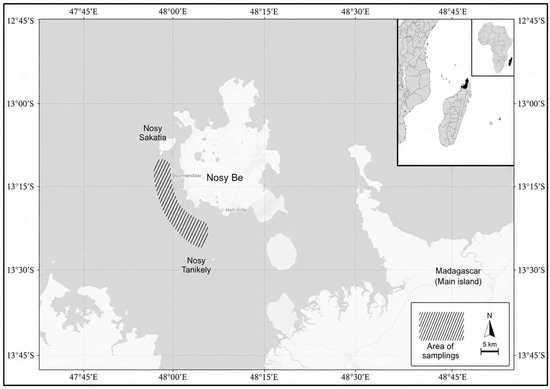
Coral life cycle dynamics are poorly understood in most reefs, especially at the large geographic scales commensurate with ocean transport, genetic flow, and other synoptic scale processes. We present a spatially explicit, large-scale, and multi-temporal study of coral settlement along a 30 km
[...] Read more.
Coral life cycle dynamics are poorly understood in most reefs, especially at the large geographic scales commensurate with ocean transport, genetic flow, and other synoptic scale processes. We present a spatially explicit, large-scale, and multi-temporal study of coral settlement along a 30 km long reef system in the Southwest portion of Hawaiʻi Island. Here, we focused on interannual variability in coral recruitment from 2021 to 2024, a period without a major marine heatwave. We used stratified random site selection to place 320 coral settlement tiles at 32 sites (10 tiles per site) at 10 ± 3 m water depth annually to monitor recruitment of the three most common coral genera found in the region (Montipora, Pocillopora, Porites). Site-level interannual variability in coral recruitment was high yet the overall geographic distribution of recruits was consistent through time. This occurred despite a decrease in benthic temperature and recruitment rates during the study period. Persistent geographic patterns in coral recruitment strengthen our understanding of mechanisms and conditions that drive reef resilience. They also strongly suggest a need to protect areas of high recruitment while studying drivers of low recruitment in contrasting habitats. This approach will further increase support of coral production in an era of climate- and coastal pollution-driven declines in coral reefs.
Full article
Figure 1
Open AccessArticle
Role of Salinity on Phosphorous Removal by Chaetoceros muelleri
by
Glacio S. Araújo, Clarice S. Santigado, Lucas C. B. Silva, João Cotas and Leonel Pereira
Oceans 2025, 6(4), 79; https://doi.org/10.3390/oceans6040079 - 18 Nov 2025
Abstract
►▼
Show Figures
The present work aims to verify the growth (estimated with optical density) of the dry biomass after proper flocculation and weighing, and removal of phosphorus by the microalga Chaetoceros muelleri (Mediophyceae), at six different salinities. Cultivations were carried out with constant volume, for
[...] Read more.
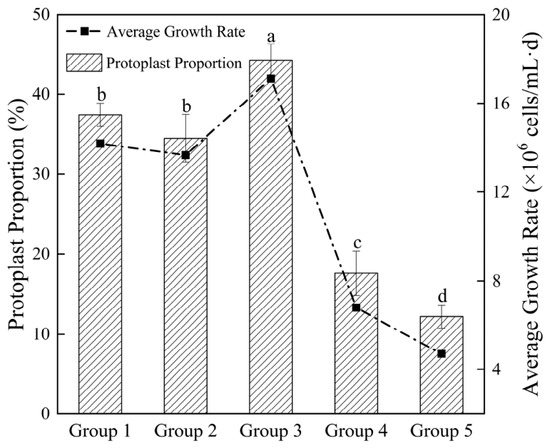
The present work aims to verify the growth (estimated with optical density) of the dry biomass after proper flocculation and weighing, and removal of phosphorus by the microalga Chaetoceros muelleri (Mediophyceae), at six different salinities. Cultivations were carried out with constant volume, for a period of eight days, consisting of six treatments with three repetitions each, at different salinities (30, 25, 20, 15, 10, and 5) (seawater = 34). We observed that the best results were obtained when the microalgae were grown at salinity 30, that is, we observed better performances for this microalga at higher salinities. At this same salinity, the microalgae presented the best results of phosphorus removal (46.08 ± 0.67%). Regarding biomass recovery by microalgae, after drying the flocculate, the best result was obtained at salinity 25, with a final value of 3.47 ± 0.04 g dry mass L−1. Therefore C. muelleri is a promising solution for increasing demand by the blue economy with the associated circular economy, promoting rehabilitation of ecological sites with economic output. Thus, this work aims to evaluate the effect of salinity on phosphorus removal using C. muelleri.
Full article
Figure 1
Open AccessArticle
Dolphins ‘Orient-Against-Current’: Foraging in Dredged Channels
by
Eliza M. M. Mills, Sarah Piwetz and Dara N. Orbach
Oceans 2025, 6(4), 78; https://doi.org/10.3390/oceans6040078 - 14 Nov 2025
Abstract
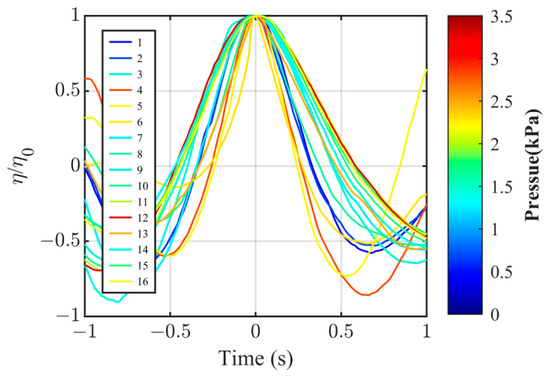
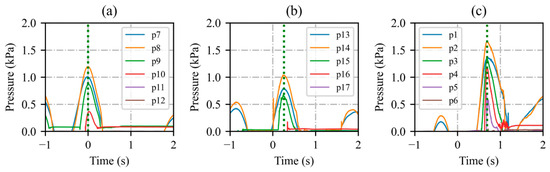
Bottlenose dolphins (Tursiops sp.) are opportunistic foragers with global distributions that utilize diverse feeding tactics based on environmental factors, habitat features, prey behavior, group dynamics, and genetics. We describe a unique foraging tactic regularly observed in the confluence of dredged shipping channels
[...] Read more.
Bottlenose dolphins (Tursiops sp.) are opportunistic foragers with global distributions that utilize diverse feeding tactics based on environmental factors, habitat features, prey behavior, group dynamics, and genetics. We describe a unique foraging tactic regularly observed in the confluence of dredged shipping channels with high anthropogenic disturbance, and explore potential abiotic (temporal, tidal, habitat) drivers of the behavior. A shore-based digital theodolite was used from 2021 to 2022 to observe common bottlenose dolphins (T. truncatus) foraging within a current in a technique we term Orient-Against-Current (OAC). During OAC, dolphins position themselves facing into the flow of a current, swimming at a speed to maintain a stationary position within the current, and feed while prey move with the current towards them. Orient-Against-Current occurred in all seasons and throughout daylight hours, particularly during the winter and spring. Dolphins engaged in OAC during ebb tides and intermediate current speeds (1–2 knots), but not during slack tides. As OAC occurred closer to shoreline structures (i.e., seawalls, concrete blocks) than to mangroves and natural seagrass beds, it appears that hard human-engineered structures aid in prey capture during OAC. Knowledge of dolphin foraging techniques can aid in understanding behavioral plasticity shaped by anthropogenically altered environments in industrialized coastal areas.
Full article
(This article belongs to the Special Issue Marine Mammals in a Changing World, 3rd Edition)
►▼
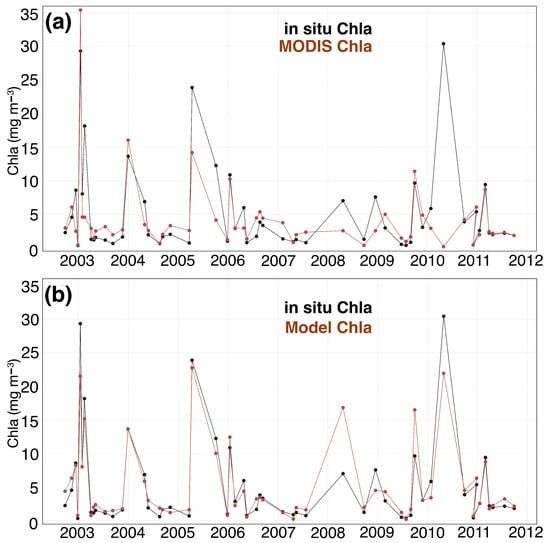
Show Figures

Figure 1
Open AccessArticle
Role of Lee Wave Turbulence in the Dispersion of Sediment Plumes
by
Alban Souche, Ebbe H. Hartz, Lars H. Rüpke and Daniel W. Schmid
Oceans 2025, 6(4), 77; https://doi.org/10.3390/oceans6040077 - 12 Nov 2025
Abstract
►▼
Show Figures
Sediment plumes threatening benthic ecosystems are one of the environmental hazards associated with seafloor interventions such as bottom trawling, cabling, dredging, and marine mining operations. This study focuses on sediment plume release from hypothetical future deep-sea mining activities, emphasizing its interaction with turbulent
[...] Read more.
Sediment plumes threatening benthic ecosystems are one of the environmental hazards associated with seafloor interventions such as bottom trawling, cabling, dredging, and marine mining operations. This study focuses on sediment plume release from hypothetical future deep-sea mining activities, emphasizing its interaction with turbulent ocean currents in regions characterized by complex seafloor topography. In such environments, turbulent lee waves may significantly enhance the scattering of released sediments, pointing to the clear need for appropriate impact assessment frameworks. Global-scale models are limited in their ability to resolve sufficiently high Reynolds numbers to accurately represent turbulence generated by seafloor topography. To overcome these limitations and effectively assess lee wave dynamics, models must incorporate the full physics of turbulence without simplifying the Navier–Stokes equations and must operate with significantly finer spatial discretization while maintaining a domain large enough to capture the full topographic signal. Considering a seamount in the Lofoten Basin of the Norwegian Sea as an example, we present a novel numerical analysis that explores the interplay between lee wave turbulence and sediment plume dispersion using a high-resolution Large Eddy Simulation (LES) framework. We show that the turbulence occurs within semi-horizontal channels that emerge beyond the topographic highs and extend into sheet-like tails close to the seafloor. In scenarios simulating sediment release from various sites on the seamount, our model predicts distinct behavior patterns for different particle sizes. Particles with larger settling velocities tend to deposit onto the seafloor within 50–200 m of release sites. Conversely, particles with lower settling velocities are more susceptible to turbulent transport, potentially traveling greater distances while experiencing faster dilution. Based on our scenarios, we estimate that the plume concentration may dilute below 1 ppm at about 2 km distance from the release site. Although our analysis shows that mixing with ambient seawater results in rapid dilution to low concentrations, it appears crucial to account for the effects of topographic lee wave turbulence in impact assessments related to man-made sediment plumes. Our high-resolution numerical simulations enable the identification of sediment particle size groups that are most likely affected by turbulence, providing valuable insights for developing targeted mitigation strategies.
Full article

Figure 1
Open AccessArticle
Chaetognaths (Chaetognatha: Sagittoidea) at the Boundary of the Pacific Ocean and the Gulf of California: Their Relationship with the Summer Circulation Pattern
by
Mitzi Paulina de La Rosa-Bernal, Elizabeth Durán-Campos, María Adela Monreal-Gómez, Erik Coria-Monter, David Alberto Salas-de-León and Sergio Cházaro-Olvera
Oceans 2025, 6(4), 76; https://doi.org/10.3390/oceans6040076 - 12 Nov 2025
Abstract
►▼
Show Figures
Chaetognaths play an essential role in zooplankton communities and significantly contribute to their overall biomass. Changes in the hydrographic properties of the water column, driven by hydrodynamic processes, affect their species richness and abundance. This study investigates the species richness and abundance of
[...] Read more.
Chaetognaths play an essential role in zooplankton communities and significantly contribute to their overall biomass. Changes in the hydrographic properties of the water column, driven by hydrodynamic processes, affect their species richness and abundance. This study investigates the species richness and abundance of chaetognaths, as well as their relationship with circulation patterns at the boundary of the Pacific Ocean and the Gulf of California, Mexico. The analysis is based on high-resolution hydrographic data and zooplankton samples collected during the early summer of 2019. The results revealed a cyclonic circulation pattern that impacted the chaetognath community at depths greater than 200 m. This pattern resulted in higher chaetognath densities along the peninsular coast compared to the mainland coast. A total of 15 species from three different families were identified. Among these, Flaccisagitta enflata had the highest density, recorded at 16,143 ind 100 m−3, while Aidanosagitta neglecta exhibited a significantly lower density of only 48 ind 100 m−3. Multivariate statistical analyses indicated that hydrographic variables were key factors influencing the distribution of the chaetognath community during the sampling period. Given the significant research gap regarding this group in the region, our findings contribute to a deeper understanding of chaetognath communities and their relationship with circulation patterns in the Southern Gulf of California, recognized as an oasis of marine life.
Full article

Figure 1
Open AccessArticle
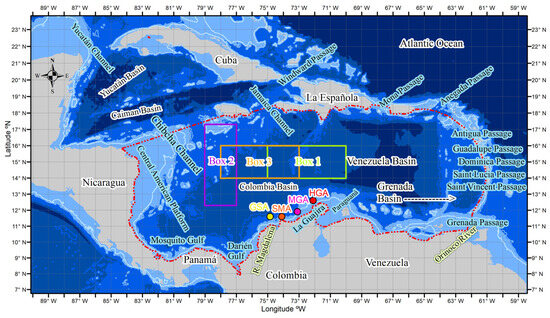
The Large-Scale Geostrophic Circulation Around Cuba: Insights from Altimeter Data
by
Roberto Iacono, Massimiliano Palma, Ernesto Napolitano and Alain Muñoz Caravaca
Oceans 2025, 6(4), 75; https://doi.org/10.3390/oceans6040075 - 11 Nov 2025
Abstract
►▼
Show Figures
Due to the scarcity of in situ observations, the current description of the circulation around Cuba is far from complete. For example, the structure and variability of the flow through the Windward Passage, which hosts a significant fraction of the transport from the
[...] Read more.
Due to the scarcity of in situ observations, the current description of the circulation around Cuba is far from complete. For example, the structure and variability of the flow through the Windward Passage, which hosts a significant fraction of the transport from the Atlantic to the Caribbean Sea, are still unclear. In this study, we use a recent, high-resolution Copernicus product based on satellite altimeter observations to obtain new insights into the large-scale geostrophic circulation around the eastern and southern coasts of Cuba. Among other results, we uncover a robust seasonal variability of the circulation around the Windward Passage, related to the presence of a cyclone to the south of the passage. Through most of the year the cyclone, with a companion anticyclone to the west, hinders the Atlantic inflow, but in autumn a strong stream crosses the western side of the passage and deeply penetrates the northern Caribbean Sea. The last part of the work deals with the time variability of the sea level in the Caribbean. We find that an apparent change in trend advocated in the recent literature has been reabsorbed in the last decade, yielding a local average sea level trend over the last thirty years in line with that for the global ocean.
Full article
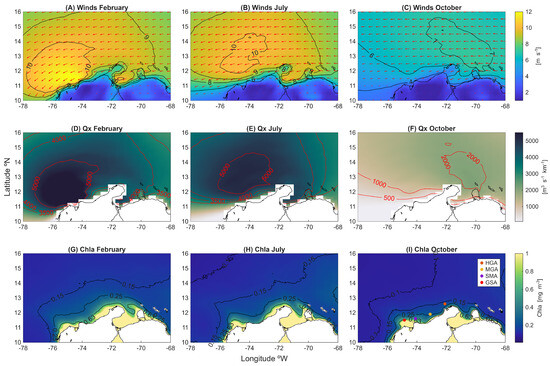
Figure 1
Open AccessArticle
A Bayesian Model Based on the Bow-Tie Causal Framework (BT-BN) for Maritime Accident Risk Analysis: A Case Study of the Bohai Sea
by
Junmei Ou, Shuangxin Wang, Chuanhao Sun, Wenyu Zhao and Chenglong Jiang
Oceans 2025, 6(4), 74; https://doi.org/10.3390/oceans6040074 - 7 Nov 2025
Abstract
►▼
Show Figures
Maritime accidents are low-probability, high-consequence events, making mechanism analysis crucial for risk mitigation. Existing studies often focus on single scenarios or factors and frequently mix pre-incident observational data with subjective unsafe behavior labels, limiting causal-chain construction for proactive risk prediction. To address these
[...] Read more.
Maritime accidents are low-probability, high-consequence events, making mechanism analysis crucial for risk mitigation. Existing studies often focus on single scenarios or factors and frequently mix pre-incident observational data with subjective unsafe behavior labels, limiting causal-chain construction for proactive risk prediction. To address these issues, this study proposes a Bow-Tie-based causal-chain Bayesian network, establishing a hierarchical inference chain of “observed parameters–unsafe causes–accident types” to capture causal interactions among multiple factor categories and enable inference from pre-incident data to potential unsafe causes and accident types. Applied to the Bohai Sea region, sensitivity analysis quantified the effects of risk factors under varying conditions on collision, sinking, and grounding probabilities. The results show that the method can infer accident types and unsafe causes using only pre-incident data, achieving over 70% accuracy and closely matching accident investigation findings. Moreover, it reveals layer-by-layer mechanisms of key contributing factors and provides targeted management interventions, supporting quantitative decision-making for maritime regulators and shipping companies, with significant practical applicability.
Full article
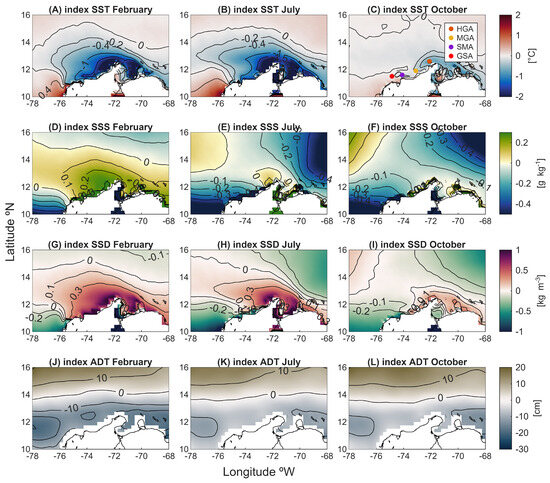
Figure 1
Highly Accessed Articles
Latest Books
E-Mail Alert
News
Topics
Topic in
Applied Sciences, JMSE, Oceans, Water
Coastal Engineering: Past, Present and Future
Topic Editors: M. Dolores Esteban, José-Santos López-Gutiérrez, Vicente Negro, Maria Graça NevesDeadline: 30 April 2026
Topic in
Toxins, Water, JMSE, Oceans, Hydrobiology, Environments
Recent Advances in Harmful Algal Blooms in Freshwater and Marine Systems
Topic Editors: Patricio A. Díaz, Gonzalo ÁlvarezDeadline: 31 July 2027
Conferences
Special Issues
Special Issue in
Oceans
Marine Mammals in a Changing World, 3rd Edition
Guest Editors: Alexander Werth, Matthew S. SavocaDeadline: 28 February 2026
Special Issue in
Oceans
Recent Progress in Ocean Fronts
Guest Editors: Miaohua Mao, Weijie Liu, María Paz ChidichimoDeadline: 31 March 2026
Special Issue in
Oceans
Ocean Observing Systems: Latest Developments and Challenges
Guest Editors: A. Miguel P. Santos, Hassan MoustahfidDeadline: 31 July 2026
Special Issue in
Oceans
Oceans in a Changing Climate
Guest Editors: Mariana Bernardino, Diogo MendesDeadline: 25 August 2026