Journal Description
Adhesives
Adhesives
is an international, peer-reviewed, open access journal on adhesive materials published quarterly online by MDPI.
- Open Access— free for readers, with article processing charges (APC) paid by authors or their institutions.
- Rapid Publication: first decisions in 19 days; acceptance to publication in 4 days (median values for MDPI journals in the first half of 2025).
- Recognition of Reviewers: APC discount vouchers, optional signed peer review, and reviewer names published annually in the journal.
- Journal Cluster of Polymer and Macromolecular Science: Polymers, Gels, Polysaccharides, Textiles, Macromol, Microplastics and Adhesives.
Latest Articles
From CT Imaging to 3D Representations: Digital Modelling of Fibre-Reinforced Adhesives with Image-Based FEM
Adhesives 2025, 1(4), 14; https://doi.org/10.3390/adhesives1040014 - 3 Dec 2025
Abstract
►
Show Figures
Short fibre-reinforced adhesives (SFRAs) are increasingly used in wind turbine blades to enhance stiffness and fatigue resistance, yet their heterogeneous microstructure poses significant challenges for predictive modelling. This study presents a fully automated digital workflow that integrates micro-computed tomography (µCT), image processing, and
[...] Read more.
Short fibre-reinforced adhesives (SFRAs) are increasingly used in wind turbine blades to enhance stiffness and fatigue resistance, yet their heterogeneous microstructure poses significant challenges for predictive modelling. This study presents a fully automated digital workflow that integrates micro-computed tomography (µCT), image processing, and finite element modelling (FEM) to investigate the mechanical response of SFRAs. Our aim is also to establish a computational foundation for data-driven modelling and future AI surrogates of adhesive joints in wind turbine blades. High-resolution µCT scans were denoised and segmented using a hybrid non-local means and Gaussian filtering pipeline combined with Otsu thresholding and convex hull separation, enabling robust fibre identification and orientation analysis. Two complementary modelling strategies were employed: (i) 2D slice-based FEM models to rapidly assess microstructural effects on stress localisation and (ii) 3D voxel-based FEM models to capture the full anisotropic fibre network. Linear elastic simulations were conducted under inhomogeneous uniaxial extension and torsional loading, revealing interfacial stress hotspots at fibre tips and narrow ligaments. Fibre clustering and alignment strongly influenced stress partitioning between fibres and the matrix, while isotropic regions exhibited diffuse, matrix-dominated load transfer. The results demonstrate that image-based FEM provides a powerful route for structure–property modelling of SFRAs and establish a scalable foundation for digital twin development, reliability assessment, and integration with physics-informed surrogate modelling frameworks.
Full article
Open AccessFeature PaperArticle
Development of an Environmentally Friendly Phenol–Formaldehyde Resin Modified with Spent Coffee Grounds Protein for Plywood Manufacturing
by
Dimitrios Moutousidis, Konstantina Karidi, Eleftheria Athanassiadou, Katiana Filippi, Nikos Giannakis, Apostolos Koutinas and Eleni Stylianou
Adhesives 2025, 1(4), 13; https://doi.org/10.3390/adhesives1040013 - 1 Nov 2025
Abstract
Bio-based phenolic resins were developed with phenol substitution levels of 20% and 40% with crude extracts obtained from spent coffee grounds. The experimental resins were characterized in terms of their physical, chemical and bonding properties and exhibited the typical property levels of Phenol-Formaldehyde-type
[...] Read more.
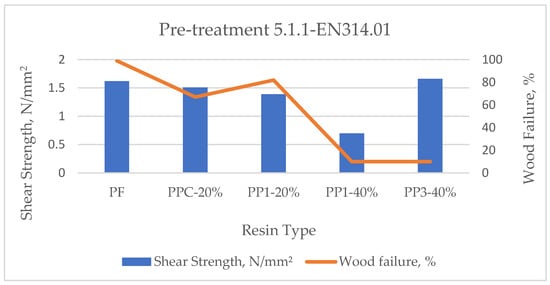
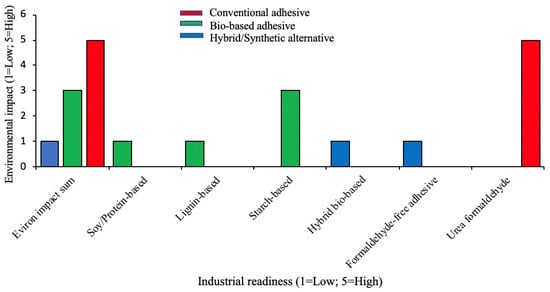
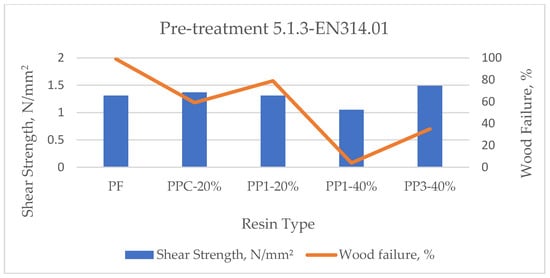
Bio-based phenolic resins were developed with phenol substitution levels of 20% and 40% with crude extracts obtained from spent coffee grounds. The experimental resins were characterized in terms of their physical, chemical and bonding properties and exhibited the typical property levels of Phenol-Formaldehyde-type resins. Plywood panels were produced bonded with the novel experimental resins, exhibiting satisfactory performance, comparable to the reference panels in terms of both shear strength and wood failure, based on the requirements of the European standards. The results demonstrate the potential of using biomass-derived compounds as substitutes for petrochemical phenol in the production of wood adhesives, thereby increasing the bio-based content of the wood panel composites produced with them and improving their sustainability.
Full article
(This article belongs to the Special Issue Advances in Bio-Based Wood Adhesives)
►▼
Show Figures

Figure 1
Open AccessArticle
Chañar Brea Gum as a Paper Adhesive
by
Matias Fioretti, Maria Fernanda Torres, Federico Becerra, Mauricio Filippa, Yiancarlo Kolodziej, Dario Diaz and Martin Masuelli
Adhesives 2025, 1(4), 12; https://doi.org/10.3390/adhesives1040012 - 20 Oct 2025
Abstract
►▼
Show Figures
Chañar brea gum exhibits properties that make it a promising material for paper adhesion. As the concentration of chañar brea gum (CBG) in solution increases, the following key changes are observed in its properties, which are relevant to its use as an adhesive.
[...] Read more.
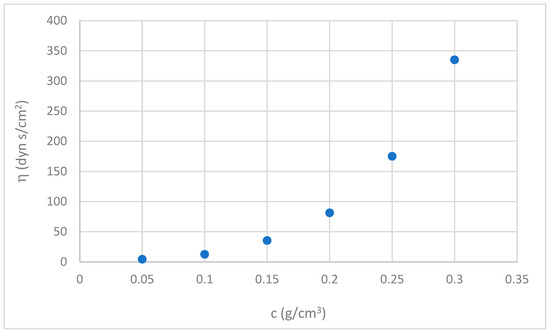
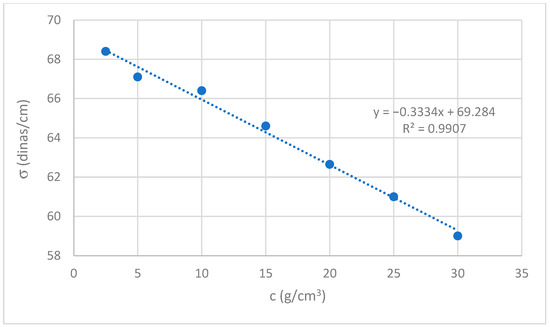
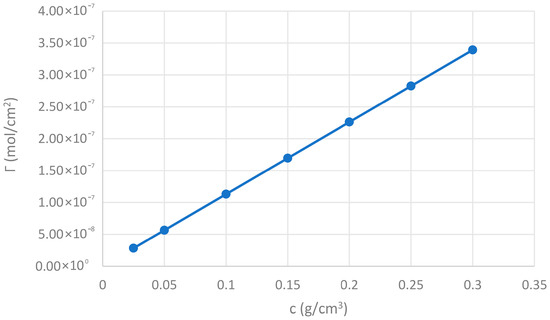
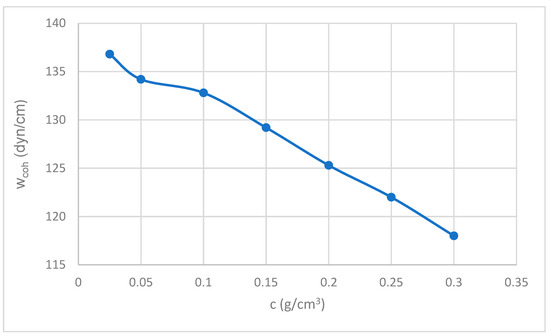
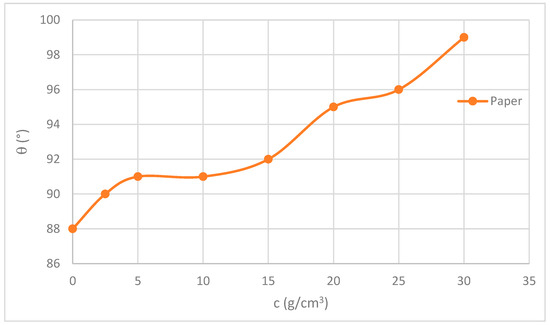
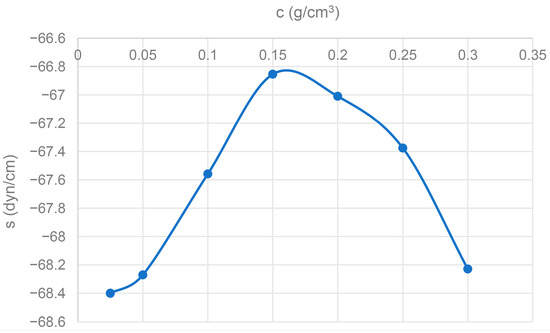
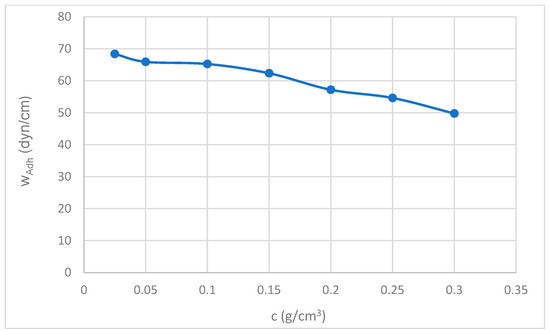
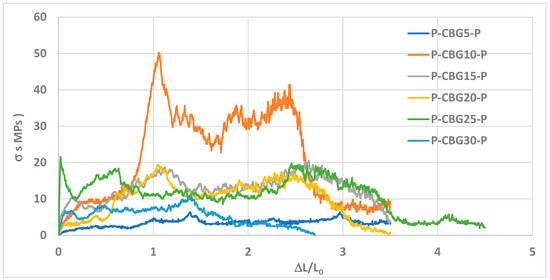
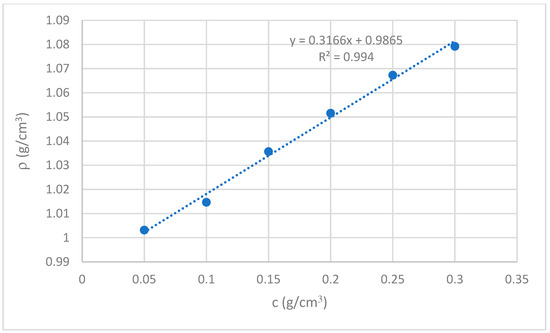
Chañar brea gum exhibits properties that make it a promising material for paper adhesion. As the concentration of chañar brea gum (CBG) in solution increases, the following key changes are observed in its properties, which are relevant to its use as an adhesive. The surface tension (σ) decreases with increasing gum concentration. Viscosity (η) increases dramatically with increasing chañar brea gum concentration. While higher viscosity is often desirable for many adhesives, excessive viscosity, as may be observed at very high concentrations, can hamper application. However, adequate viscosity is crucial to ensure initial bond strength, as it allows for the formation of a uniform layer and prevents excessive penetration into porous substrates. A concentration of 10% wt. by weight offers this balance. Surface adsorption (Γ2(1)) increases linearly with gum concentration, indicating that higher interfacial adsorption is crucial for the formation of an effective adhesive layer. The contact angle (θ) increases slightly with concentration; although a lower contact angle typically indicates better wetting, the increase is marginal (from 88° ± 4 for water to 99° ± 4 for 30% wt.), so wetting is still acceptable. Chañar brea gum exhibits good surface adsorption capacity and reduced surface tension, which favors interaction with the paper surface. The adhesive strength of chañar brea gum (CBG) clearly depends on its concentration, increasing from 6.36 ± 0.22 MPa (at 5% wt.) to a significant maximum of 50.24 ± 1.19 MPa at a concentration of 10% wt. The decrease in adhesive strength at concentrations above 10% wt. by weight is an important aspect to consider in order to optimize its performance as a paper adhesive. Therefore, intermediate concentrations, such as 10% wt., offer the most favorable balance of properties for achieving good adhesive performance.
Full article

Figure 1
Open AccessEditorial
Interfacial Adhesion Between Fibres and Polymers in Fibre-Reinforced Polymer Composites
by
Vasileios Koutsos
Adhesives 2025, 1(3), 11; https://doi.org/10.3390/adhesives1030011 - 28 Aug 2025
Abstract
►▼
Show Figures
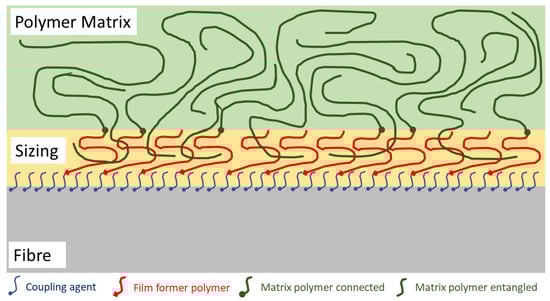
The interfacial adhesion of fibres with the polymer matrix plays a major role in the mechanical properties of fibre-reinforced polymers (FRPs) [...]
Full article

Figure 1
Open AccessReview
Deep Margin Elevation: Current Evidence and a Critical Approach to Clinical Protocols—A Narrative Review
by
Athanasios Karageorgiou, Maria Fostiropoulou, Maria Antoniadou and Eftychia Pappa
Adhesives 2025, 1(3), 10; https://doi.org/10.3390/adhesives1030010 - 25 Jul 2025
Abstract
►▼
Show Figures
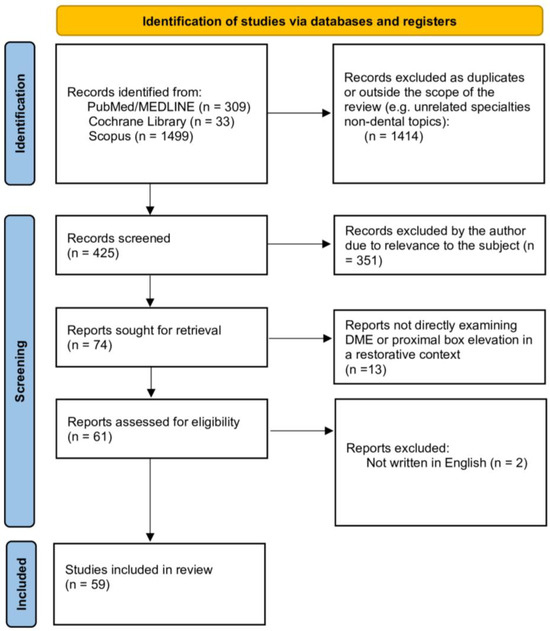
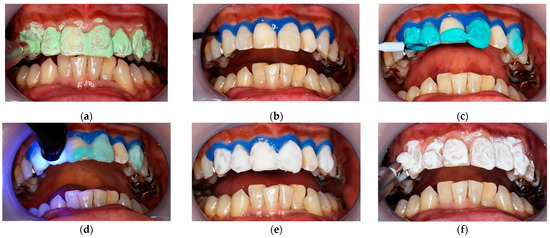
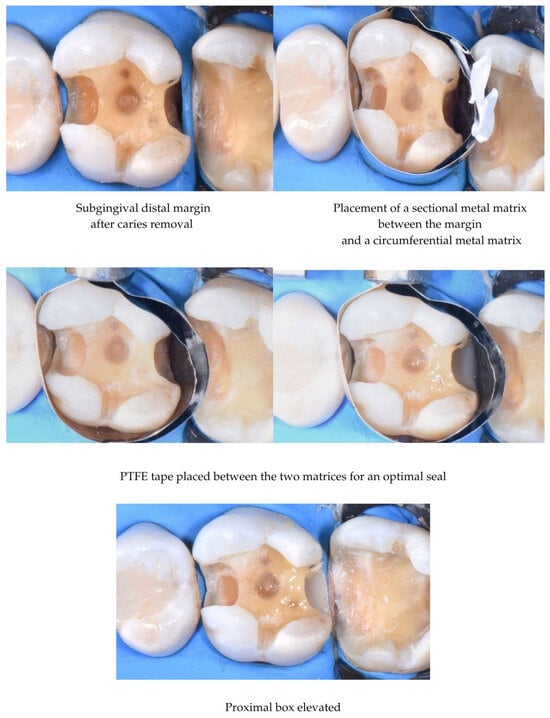
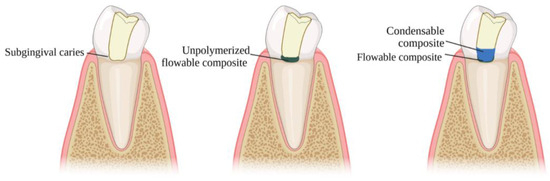
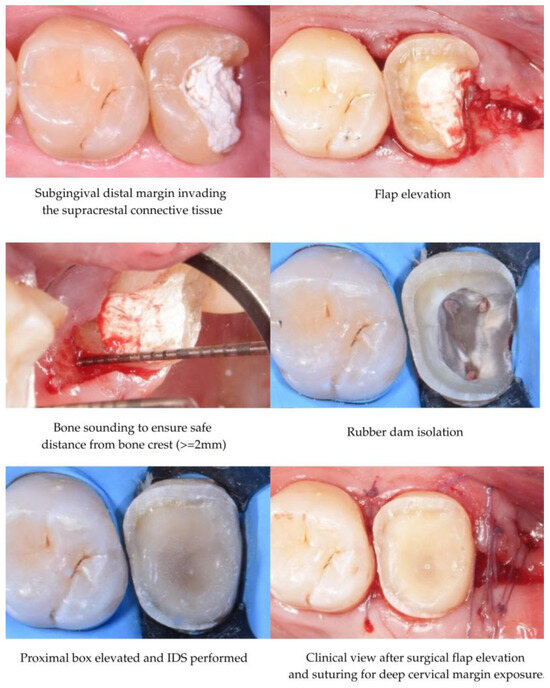
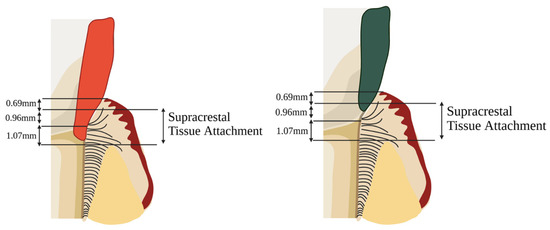
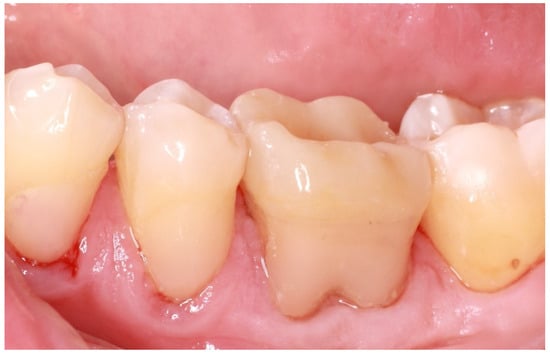
Deep margin elevation (DME) is a widely adopted technique for managing subgingival cervical proximal margins by repositioning them to a supragingival location. This approach enhances access, visibility, and control in these anatomically challenging areas. This narrative review aimed to evaluate current evidence on
[...] Read more.
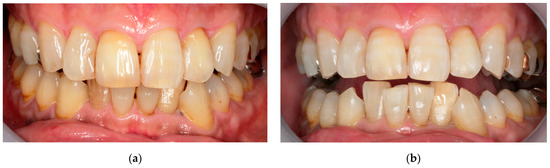
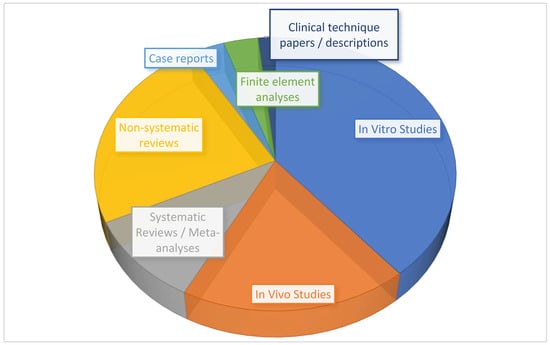
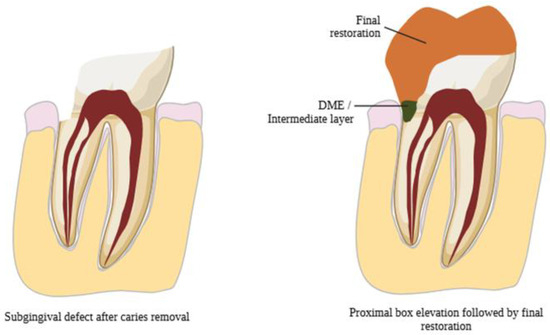
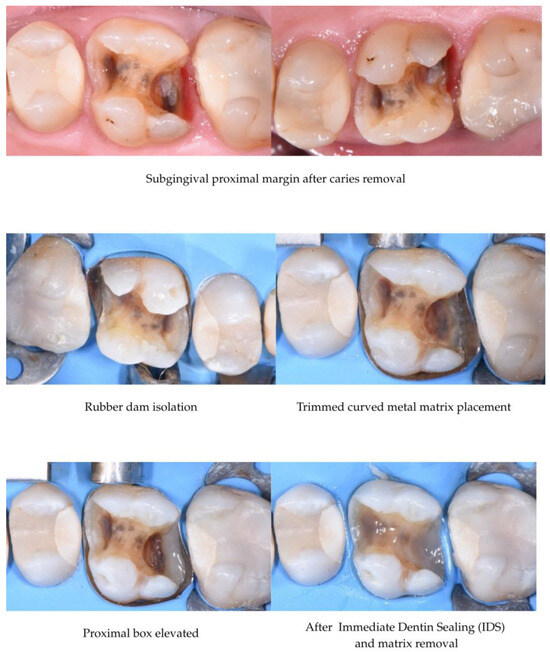
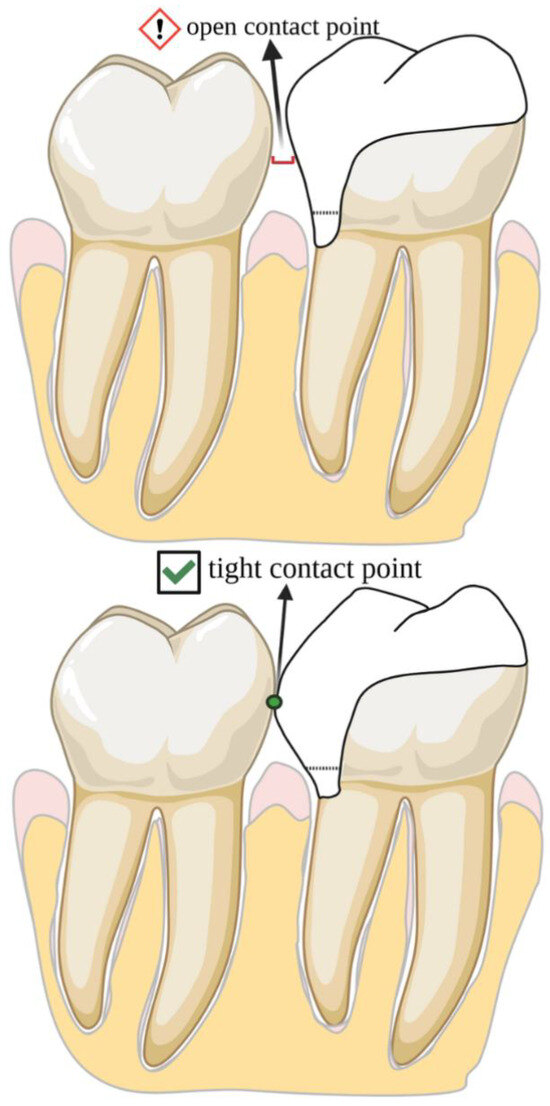
Deep margin elevation (DME) is a widely adopted technique for managing subgingival cervical proximal margins by repositioning them to a supragingival location. This approach enhances access, visibility, and control in these anatomically challenging areas. This narrative review aimed to evaluate current evidence on the indications, materials, clinical protocols, and outcomes of DME. A structured search was conducted in PubMed, the Cochrane Library and Scopus up to February 2025, using keywords such as “deep margin elevation”, “proximal box elevation” and “subgingival margin.” Clinical studies, in vitro investigations, relevant reviews and reports in English were included. A total of 59 articles were selected based on eligibility criteria. The hypothesis was that DME can serve as a reliable alternative to surgical crown lengthening in appropriate cases. A variety of materials have been investigated for use as the intermediate layer, with composite resins of varying viscosities and filler compositions being preferred due to their favorable long-term mechanical properties. DME may reduce the need for surgical intervention while maintaining periodontal health; however further randomized clinical trials are needed to clarify the material selection, establish long-term outcomes, and standardize clinical protocols. Understanding the indications, limitations, and protocol of DME is critical for achieving biologically sound and predictably functional restorations.
Full article

Figure 1
Open AccessArticle
Energy Criterion for Attachment and Detachment in Viscoelastic Adhesive Contacts
by
Valentin L. Popov
Adhesives 2025, 1(3), 9; https://doi.org/10.3390/adhesives1030009 - 30 Jun 2025
Abstract
►▼
Show Figures
Adhesion plays a crucial role across a wide range of natural systems and technological applications. High adhesion is typically observed in contacts involving highly deformable materials, which are generally viscoelastic in nature. Although some of the key concepts explored in this work—such as
[...] Read more.
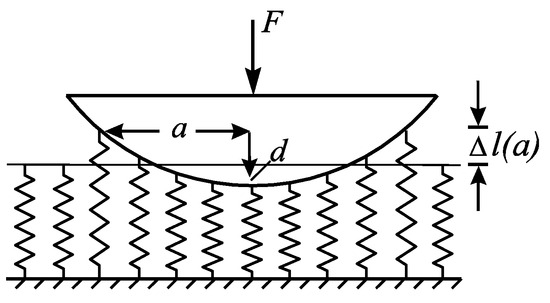
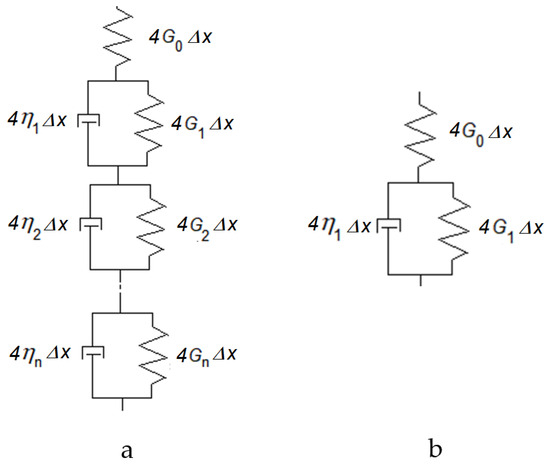
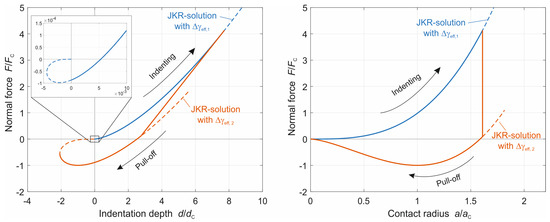
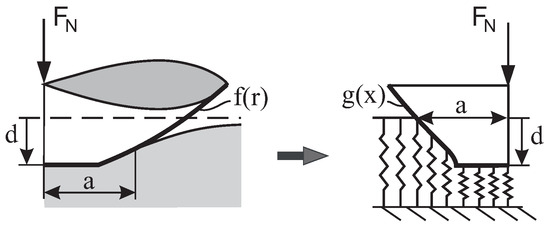
Adhesion plays a crucial role across a wide range of natural systems and technological applications. High adhesion is typically observed in contacts involving highly deformable materials, which are generally viscoelastic in nature. Although some of the key concepts explored in this work—such as the application of energy-based criteria to viscoelastic adhesive contacts—have been addressed in earlier studies, including the seminal work by Greenwood and Johnson, these approaches relied on considerably more complex analytical methods. In this paper, we build on those foundational insights and present a significantly simplified and more accessible formulation by employing the Method of Dimensionality Reduction (MDR). We propose that the processes of adhesive crack propagation and viscoelastic material relaxation occur on well-separated timescales, which allows the use of a Griffith-like energy balance criterion even in viscoelastic systems. This MDR-based energetic approach not only provides conceptual clarity but also enables the straightforward analytical treatment of a wide range of practical problems, including arbitrary loading scenarios. The theory naturally explains the different effective works of adhesion during attachment and detachment and offers a unified, first-principles framework for analyzing and designing soft adhesive systems.
Full article

Figure 1
Open AccessArticle
Effect of Two Different Adhesion Modes of a Universal Resin Cement on the Retention of Glass Fiber Posts Cemented to Root Canal Dentine: An In Vitro Study
by
Rani D’haese, Valentin Vervack, Inas Hamid and Stefan Vandeweghe
Adhesives 2025, 1(2), 8; https://doi.org/10.3390/adhesives1020008 - 21 May 2025
Abstract
►▼
Show Figures
Purpose: The aim of this in vitro study was to investigate the adhesive bond strength of glass fiber posts when cemented with universal resin cement in two different adhesion modes: adhesive and self-adhesive. Methods: A total of 20 extracted single-root teeth were endodontically
[...] Read more.
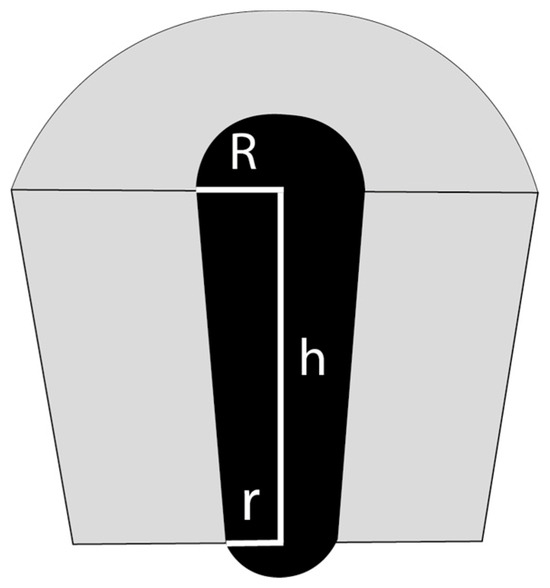
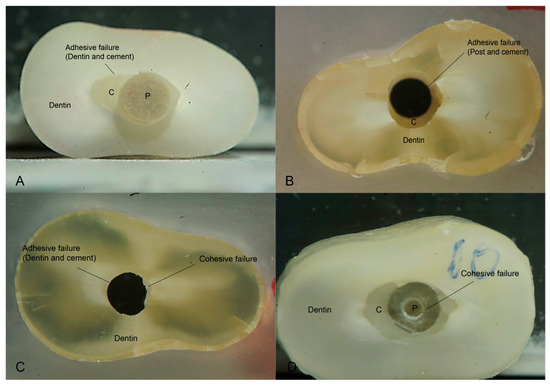
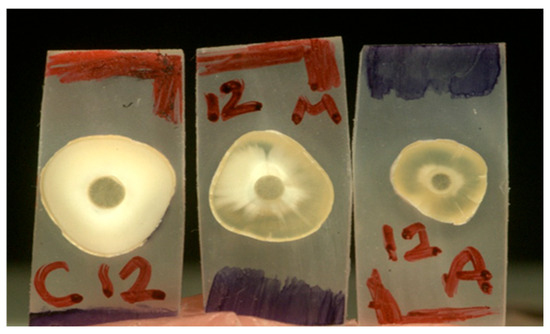
Purpose: The aim of this in vitro study was to investigate the adhesive bond strength of glass fiber posts when cemented with universal resin cement in two different adhesion modes: adhesive and self-adhesive. Methods: A total of 20 extracted single-root teeth were endodontically treated, decoronated and prepared to receive glass fiber posts (GFPs) with a diameter of 1.6 mm (RelyX fiber post 3D). Specimens were randomly divided into two groups: (G1) GFPs were cemented using RelyX Universal cement in self-adhesive mode, and (G2) GFPs were cemented using Scotch Bond Universal Plus and RelyX Universal cement (adhesive mode). Afterwards, the specimens were sliced at three root levels: coronal, middle and apical. Bond strength was measured using a push-out test. Data were analyzed with a two-way analysis of variance (ANOVA) test and independent sample T-test. Results: Bond strength was significantly influenced by the adhesive strategy (p < 0.025) and the position of the root third (p < 0.007). Microscopic analysis of failure mode revealed a higher prevalence of adhesive failures (cement–dentine). Conclusions: Glass fiber posts cemented with universal resin cement applied in adhesive mode showed significantly higher push-out bond strength than when applied in self-adhesive mode. In both study groups, the apical root regions exhibited the highest retention values, followed by the middle and coronal regions.
Full article

Figure 1
Open AccessArticle
Quantifying Adhesive Strength of Tapes Through Precision TAA Method
by
Emmanuel Georgiou, Dirk Drees, Michel De Bilde, Lais Lopes and Angelos Koutsomichalis
Adhesives 2025, 1(2), 7; https://doi.org/10.3390/adhesives1020007 - 7 Apr 2025
Cited by 1
Abstract
►▼
Show Figures
Tapes are widely utilized across various industries, offering versatile solutions for bonding, sealing, and packaging applications. Their ease of use, strength, and adaptability make them essential in manufacturing, construction, and consumer markets. However, the effectiveness of tapes depends heavily on their adhesive performance,
[...] Read more.
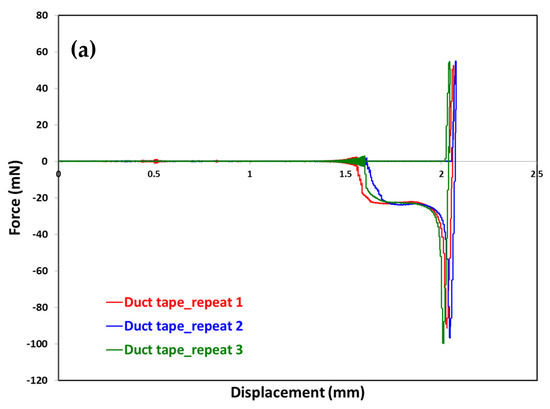
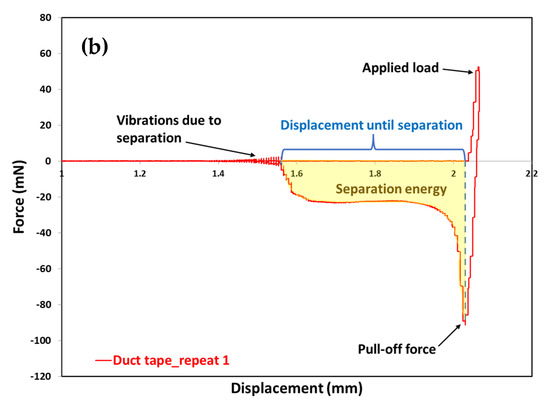
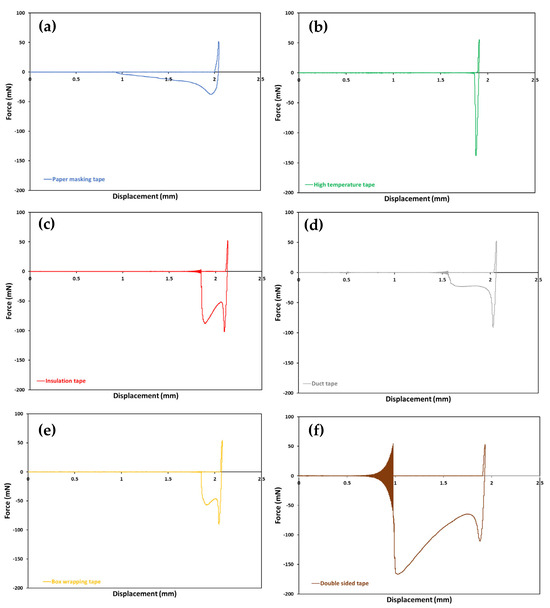
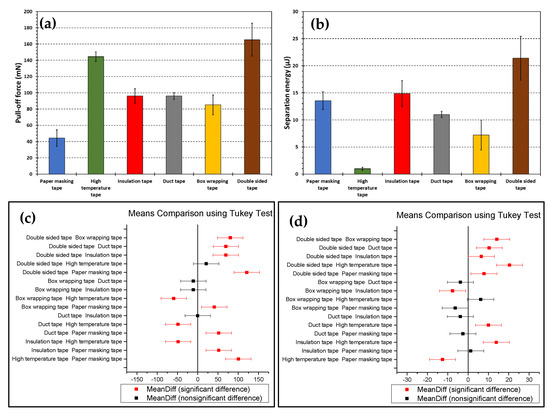
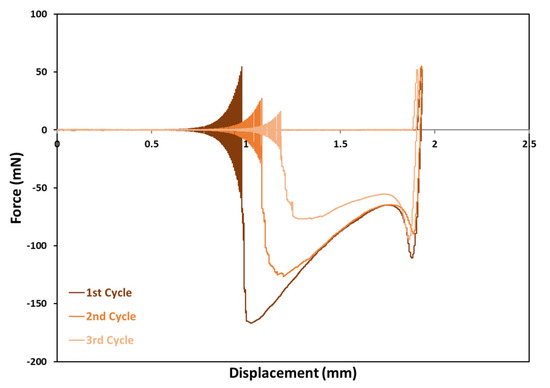
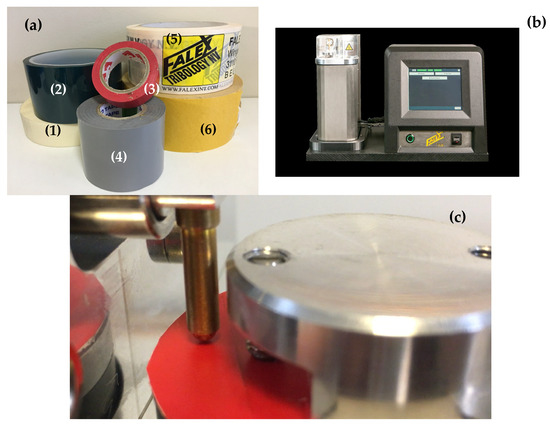
Tapes are widely utilized across various industries, offering versatile solutions for bonding, sealing, and packaging applications. Their ease of use, strength, and adaptability make them essential in manufacturing, construction, and consumer markets. However, the effectiveness of tapes depends heavily on their adhesive performance, which is influenced by factors such as the adhesive layer composition, material compatibility, environmental conditions, and contact parameters. Quantifying adhesive performance through standardized testing is critical to ensuring reliability, optimizing functionality, and meeting industry-specific requirements. Traditional methods, such as peel and shear tests, are commonly used to evaluate the adhesive and shear strength of tapes. However, these methods typically operate at macro-load scales and often use complex sample geometries and significant material quantities. Recently, precision indentation–retraction testing has emerged as a promising technique for accurately quantifying the adhesion and cohesion forces of viscoelastic fluids. This study adapts this method to evaluate and compare the adhesive strength of various commercially available adhesive tapes. The adhesion force and separation energy of five commercial tapes, namely paper masking tape, high-temperature tape, insulation tape, duct tape, box wrapping tape, and double-sided tape, were measured using a Falex Tackiness Adhesion Analyser (TAA) tester, under controlled conditions (approach speed: 0.01 mm/s, retraction speed: 0.1 mm/s, and load: 50 mN). The results indicated that the adhesion force and separation energy varied significantly among the tapes, whereas a different pattern in the indentation–retraction curves was obtained for these tapes. In addition, the significance of difference among the adhesive properties of the tapes was assessed with the use of analysis of variance (ANOVA). This innovative approach not only enhances the precision of adhesive strength measurements but also provides valuable insights into adhesive layer properties, offering a novel tool for research, development, and quality control in tape production.
Full article

Figure 1
Open AccessCase Report
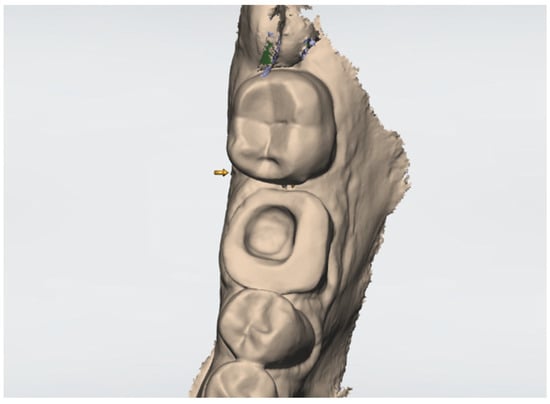
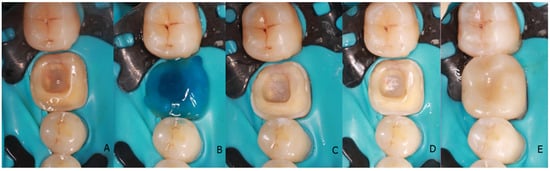
Endocrown Restoration for an Endodontically Treated Molar: A Step-by-Step Clinical Guide with a 5-Year Follow-Up
by
Dimokritos Papalexopoulos, Ashot Torchyan, Eleftheria Pani and Theodora-Kalliopi Samartzi
Adhesives 2025, 1(2), 6; https://doi.org/10.3390/adhesives1020006 - 31 Mar 2025
Abstract
►▼
Show Figures
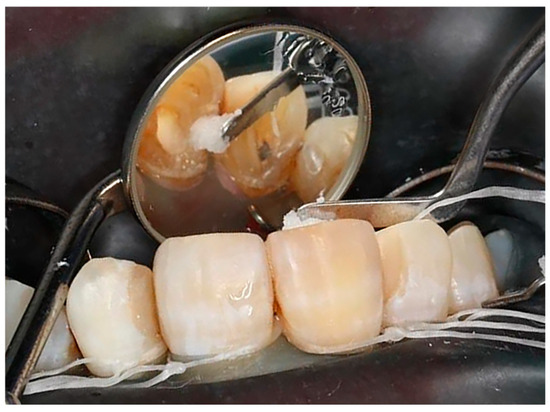
The classical approach for the preparation of an endodontically treated molar with a post and core involves widening the anatomically complex system of canals, which may be narrow or curved with variable angulation. The aforementioned along with the fact that restorative dentistry stands
[...] Read more.
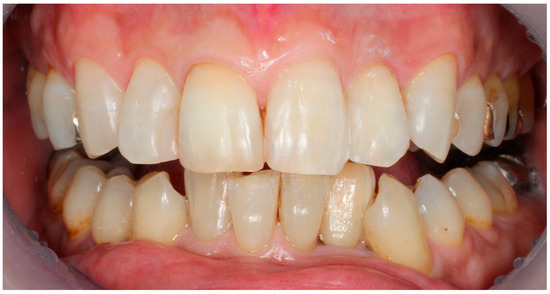
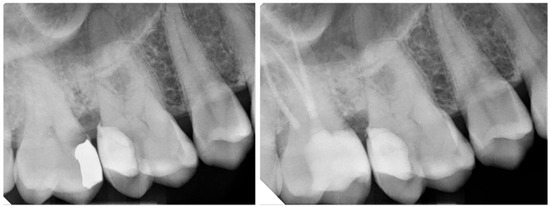
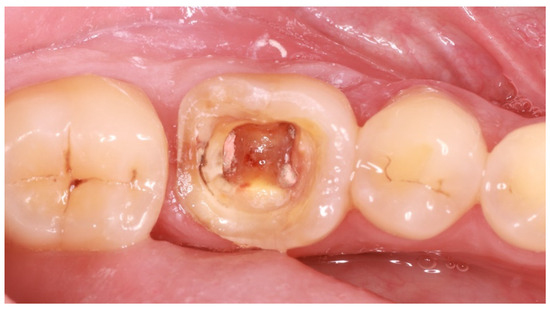
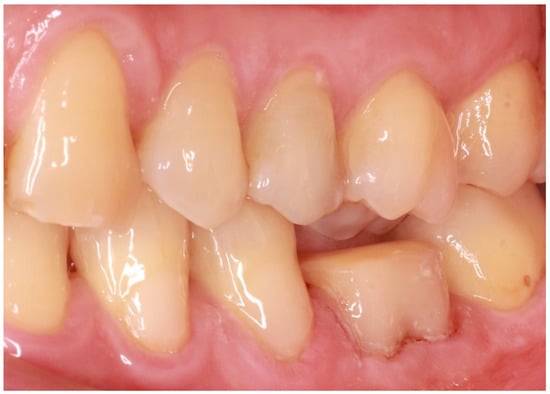
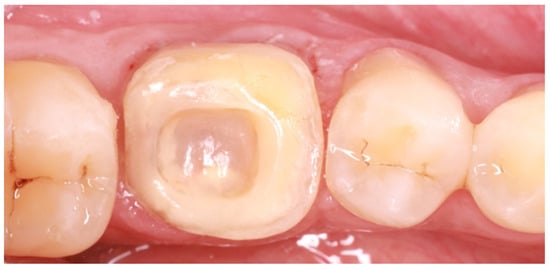
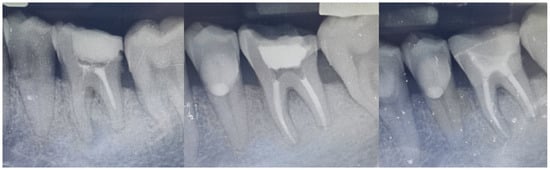
The classical approach for the preparation of an endodontically treated molar with a post and core involves widening the anatomically complex system of canals, which may be narrow or curved with variable angulation. The aforementioned along with the fact that restorative dentistry stands against the wastage of tooth tissue make endocrowns an appealing alternative. Bindl and Mörmann first described an all-ceramic crown anchored to the internal portion of the pulp chamber and on the cavity margins, thus obtaining macromechanical retention provided by the axial opposing pulpal walls and microretention attained with the use of adhesive cementation. The purpose of this report is to describe the protocol for the treatment plan selection, preparation, impression, and adhesive cementation of an endocrown with a follow-up of 5 years. A 56-year-old male patient presented to the Postgraduate Clinic of Prosthodontics seeking rehabilitation for tooth No. #36. A clinical examination revealed multiple immediate composite resin restorations with unacceptable morphology and adaptation to the remaining tooth as well as a lack of a contact point but, rather, a large, concave contact area facilitating food entrapment. Since the tooth was endodontically treated, the proposed treatment plan included the fabrication of an all-ceramic endocrown. The steps of preparation, attribution of the correct shape, impression, and adhesive luting under rubber dam isolation are thoroughly described. The final functional and aesthetic result, patient’s satisfaction, and the 5-year follow-up render restorations such as endocrowns, which draw their retention from adhesive luting, a viable alternative to conventional approaches.
Full article

Figure 1
Open AccessEditorial
Adhesives—A New Open Access Journal
by
Vasileios Koutsos
Adhesives 2025, 1(1), 5; https://doi.org/10.3390/adhesives1010005 - 20 Mar 2025
Abstract
Natural adhesives such as tree resins, gums, and tars have been used since prehistoric times (going back to at least 200,000 years [...]
Full article
Open AccessArticle
Investigating Multi-Material Additive Manufacturing for Disassembly and Reparability of Adhesive Joints by Precision Heating
by
Mattia Frascio, Stefano Morchio, Francesco Musiari, Khalid Muhammad Usman, Federico Dittamo, Matilde Minuto and Massimiliano Avalle
Adhesives 2025, 1(1), 4; https://doi.org/10.3390/adhesives1010004 - 5 Feb 2025
Cited by 2
Abstract
►▼
Show Figures
Additive manufacturing enables new design solutions across various engineering fields. This work presents a method to enhance the sustainability of adhesive joints by designing joints that can be disassembled and repaired multiple times. The approach involves the use of a Multi-Material Additive Manufacturing
[...] Read more.
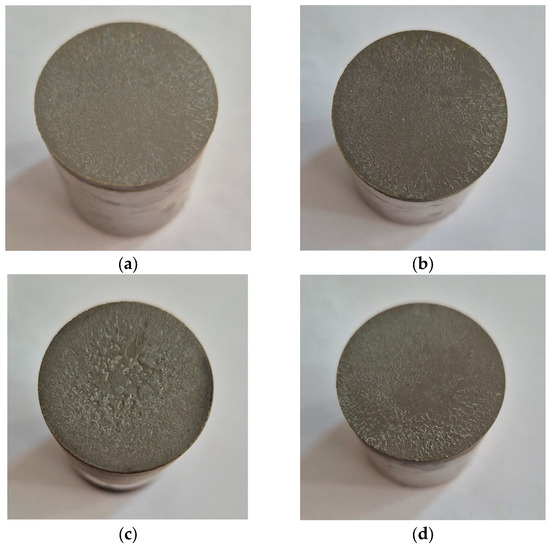
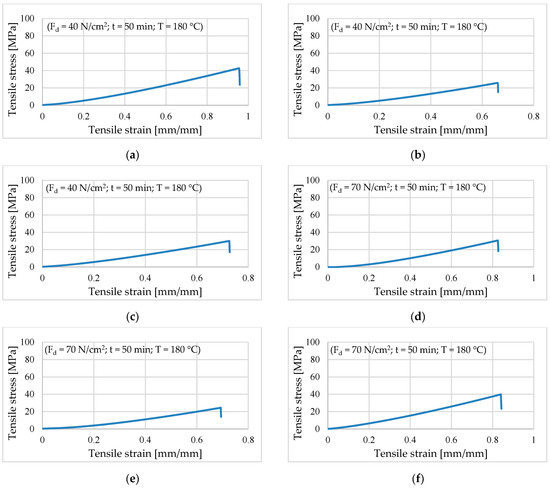
Additive manufacturing enables new design solutions across various engineering fields. This work presents a method to enhance the sustainability of adhesive joints by designing joints that can be disassembled and repaired multiple times. The approach involves the use of a Multi-Material Additive Manufacturing process to produce substrates with integrated circuits and electrical resistance, printed using a conductive filament. This resistance can be used to heat the thermoplastic adhesive layer up to 110 °C, allowing for reversibility in the assembly process and enabling joint re-use and repair without constraints on the component’s materials and thicknesses. The joints tested after successive assembly/disassembly operations reach maximum strength during the first iteration, which decreases by around 50% after five repair iterations. The focus of the work is on the feasibility of this process, but it is expected that performance can be improved after process optimization. This result could be highly valuable for enabling component in-service healing and the design for demanufacturing and remanufacturing.
Full article

Figure 1
Open AccessArticle
Influence of Quercetin and tt-Farnesol Enrichment on Physicochemical Properties of a Universal Adhesive System
by
Roberta Janaína Soares Mendes, Regina Maria Puppin-Rontani and Aline Rogéria Freire de Castilho
Adhesives 2025, 1(1), 3; https://doi.org/10.3390/adhesives1010003 - 6 Jan 2025
Abstract
►▼
Show Figures
This study investigated the impact of natural compound enrichment, specifically quercetin and trans, trans-farnesol (tt-farnesol), on the physicochemical properties of a universal adhesive system. A preliminary DPPH assay was conducted to determine the optimal concentrations of quercetin (0.24 mg/mL) and tt
[...] Read more.
This study investigated the impact of natural compound enrichment, specifically quercetin and trans, trans-farnesol (tt-farnesol), on the physicochemical properties of a universal adhesive system. A preliminary DPPH assay was conducted to determine the optimal concentrations of quercetin (0.24 mg/mL) and tt-farnesol (1.43 mg/mL) based on their radical scavenging abilities. These compounds were then incorporated into the adhesive system. Specimens (n = 5; 7 mm × 1 mm) of the adhesive system, both with and without the added compounds, were prepared and tested for water sorption, solubility, Knoop hardness, and softening percentage. Water sorption and solubility were measured after immersion in deionized water for 7 days, and Knoop hardness was measured before and after immersion in 75% ethanol. Softening percentage was calculated based on changes in hardness. Data on water sorption, solubility, and percentage of softening were submitted to the Student’s t-test (α = 5%) while Knoop hardness values were submitted to the Mann–Whitney test (α = 5%). Both quercetin and tt-farnesol exhibited important antioxidant activity (85.5% and 82%, respectively). Water sorption was similar for both groups (p > 0.05) but the experimental adhesive had a significantly higher solubility, lower hardness, and higher softening. The incorporation of quercetin and tt-farnesol into a universal adhesive system detrimentally affects its essential physicochemical properties, compromising its performance.
Full article

Figure 1
Open AccessArticle
Study of Non-Newtonian Fluids’ Load-Carrying Capacity for Polyoxyethylene Oxide Water-Based Lubricants
by
Huaping Yao, Jimei Niu, Ruihua Zhang and Ping Huang
Adhesives 2025, 1(1), 2; https://doi.org/10.3390/adhesives1010002 - 24 Dec 2024
Cited by 1
Abstract
►▼
Show Figures
Water-based lubricants have become increasingly prevalent across various fields due to their accessibility, cooling properties, and environmentally friendly characteristics. This study investigated the non-Newtonian properties of polyoxyethylene oxide (PEO) aqueous solutions. The rheological behaviors of 1%, 2%, and 3% PEO aqueous solutions were
[...] Read more.
Water-based lubricants have become increasingly prevalent across various fields due to their accessibility, cooling properties, and environmentally friendly characteristics. This study investigated the non-Newtonian properties of polyoxyethylene oxide (PEO) aqueous solutions. The rheological behaviors of 1%, 2%, and 3% PEO aqueous solutions were assessed using a flat plate rheometer. Shear strain responses were comprehensively analyzed, resulting in the derivation of the corresponding power law functions. The total loads of 1%, 2%, and 3% PEO aqueous solutions can be obtained by the numerical integration of Reynolds equations. Results indicate that at high shear strain rates, load-carrying capacity increased; however, the rate of increase gradually diminished as the shear strain rate rose. In practical applications, shear stress is subject to fluctuations; negative viscosity occurs resulting in reduced hydrodynamic pressure and potential lubrication failure. Full viscosity and incremental viscosity are introduced, with the latter being identified as a crucial factor that provides a more direct characterization of the relationship between shear stress and shear strain rate. This factor significantly influences the load-bearing capacity of the lubrication film in non-Newtonian fluids.
Full article

Figure 1
Open AccessArticle
Dependence of the Molecular Interactions Between Cyanoacrylate and Native Copper Surfaces on the Process Atmosphere
by
Philipp Moritz, Lienhard Wegewitz and Wolfgang Maus-Friedrichs
Adhesives 2025, 1(1), 1; https://doi.org/10.3390/adhesives1010001 - 24 Dec 2024
Abstract
►▼
Show Figures
Cyanoacrylates, known for their rapid polymerization and strong bonding capabilities, are widely used in industrial and medical applications. This study investigates the impacts of different process atmospheres with varying water and oxygen contents—air, argon, and argon/silane—on the curing and adhesion mechanisms of cyanoacrylate
[...] Read more.
Cyanoacrylates, known for their rapid polymerization and strong bonding capabilities, are widely used in industrial and medical applications. This study investigates the impacts of different process atmospheres with varying water and oxygen contents—air, argon, and argon/silane—on the curing and adhesion mechanisms of cyanoacrylate adhesives on oxidized copper substrates. Raman spectroscopy indicated that the curing process in argon and argon/silane atmospheres was slower compared to ambient air, likely due to the reduced moisture content of the atmosphere. However, the degree of curing and the inter- and intramolecular interactions within the adhesive volume showed no significant differences across atmospheres. X-ray photoelectron spectroscopy (XPS) and infrared reflection absorption spectroscopy (IRRAS) revealed that strong ionic interactions between cyanoacrylate and the copper surface oxide were absent in the low-moisture argon atmosphere. The introduction of silane resulted in the formation of silicon oxides and other silane-derived compounds, which probably contributed to the formation of these ionic interactions, similar to those observed in air. This study highlights the critical influence of the surrounding atmosphere on the adhesive properties of cyanoacrylates, with implications for optimizing bonding processes in various environments.
Full article

Figure 1

Highly Accessed Articles
Latest Books
E-Mail Alert
News
Topics
Conferences
Special Issues
Special Issue in
Adhesives
Advances in Bio-Based Wood Adhesives
Guest Editor: Petar AntovDeadline: 28 February 2026
Special Issue in
Adhesives
Advances in Adhesive Technologies for Dental and Biomedical Applications
Guest Editors: Rim Bourgi, Carlos Enrique Cuevas Suárez, Louis HardanDeadline: 31 August 2026