Article

The Influence of Sheet Layer Combination Modes on Mechanical Property of Self-Piercing Riveting Joint in Three-Layer Sheets

1
State Key Laboratory of Advanced Design and Manufacturing for Vehicle Body, Hunan University, Changsha 410082, China
2
State Key Laboratory of Featured Metal Materials and Life-Cycle Safety for Composite Structures, Guangxi University, Nanning 530004, China
*
Author to whom correspondence should be addressed.
Appl. Mech. 2025, 6(3), 51; https://doi.org/10.3390/applmech6030051

Submission received: 8 April 2025 / Revised: 11 June 2025 / Accepted: 28 June 2025 / Published: 3 July 2025

Abstract

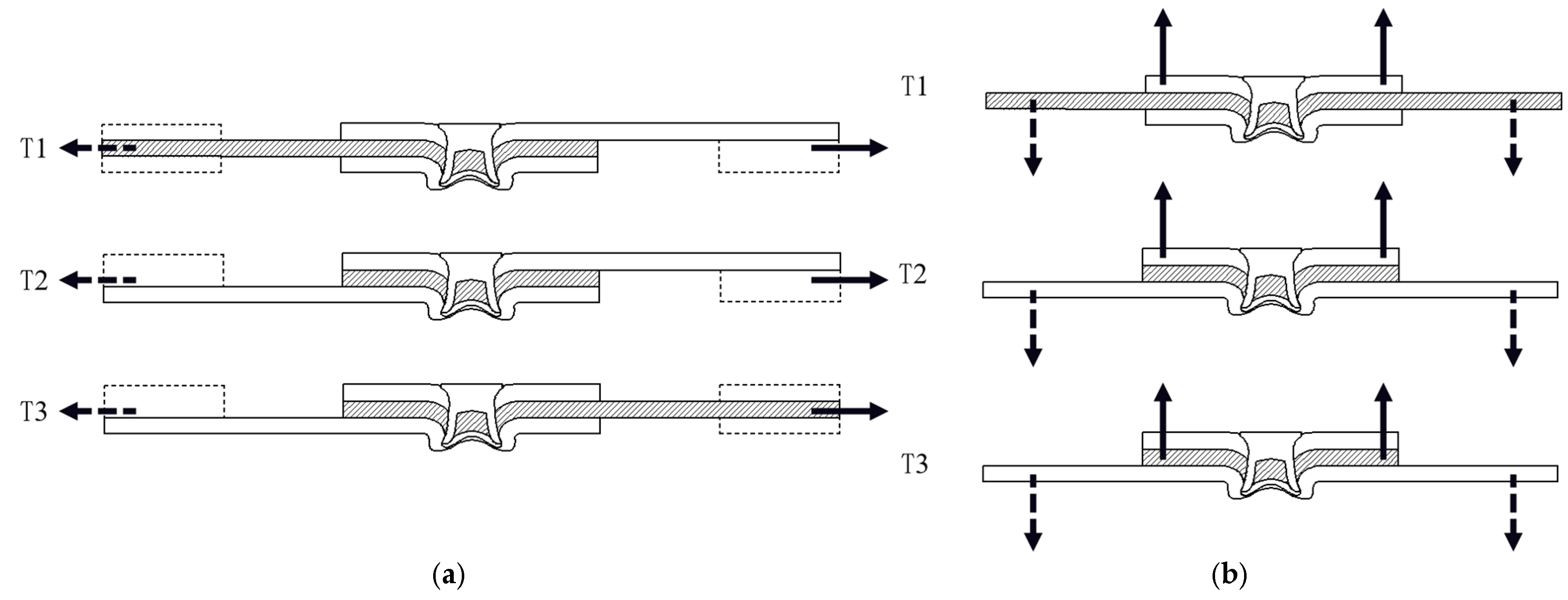
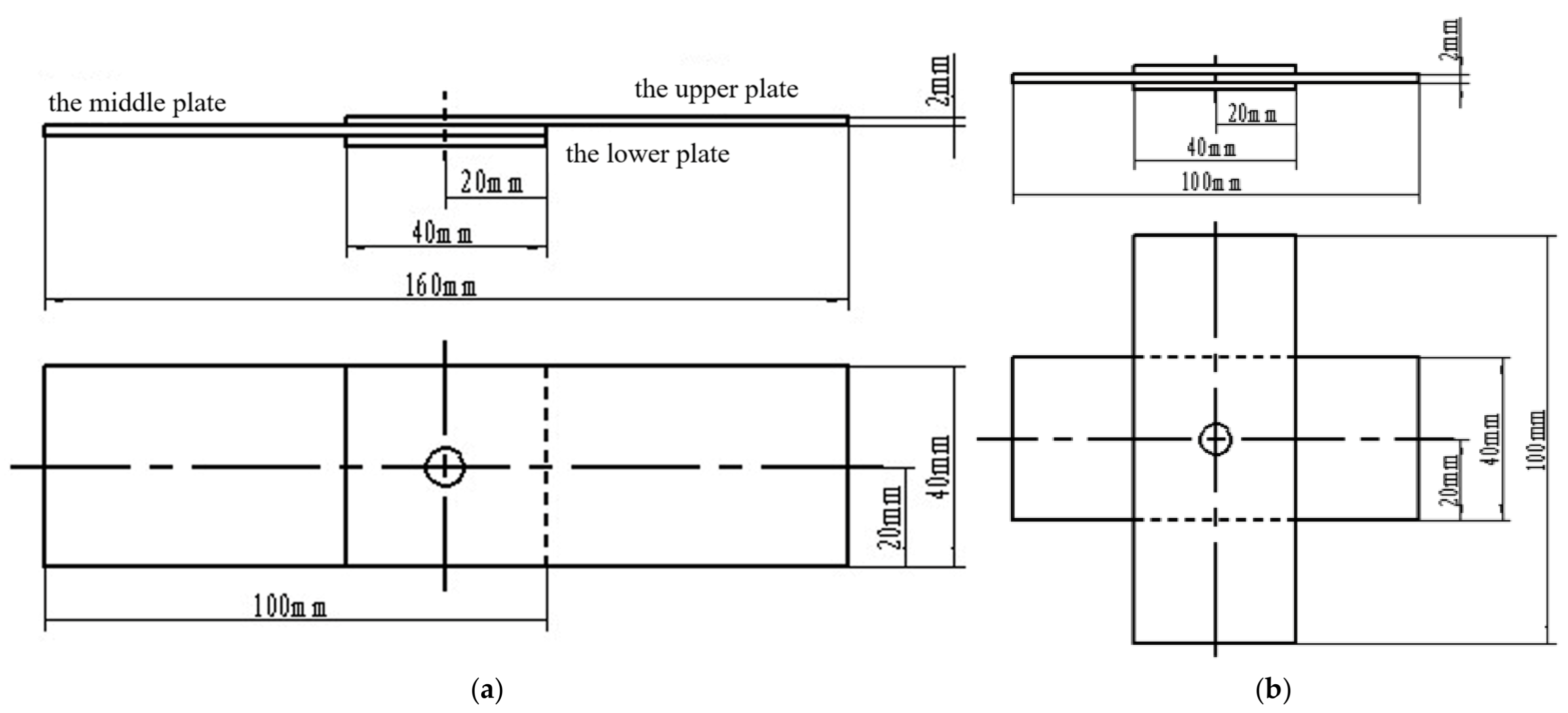
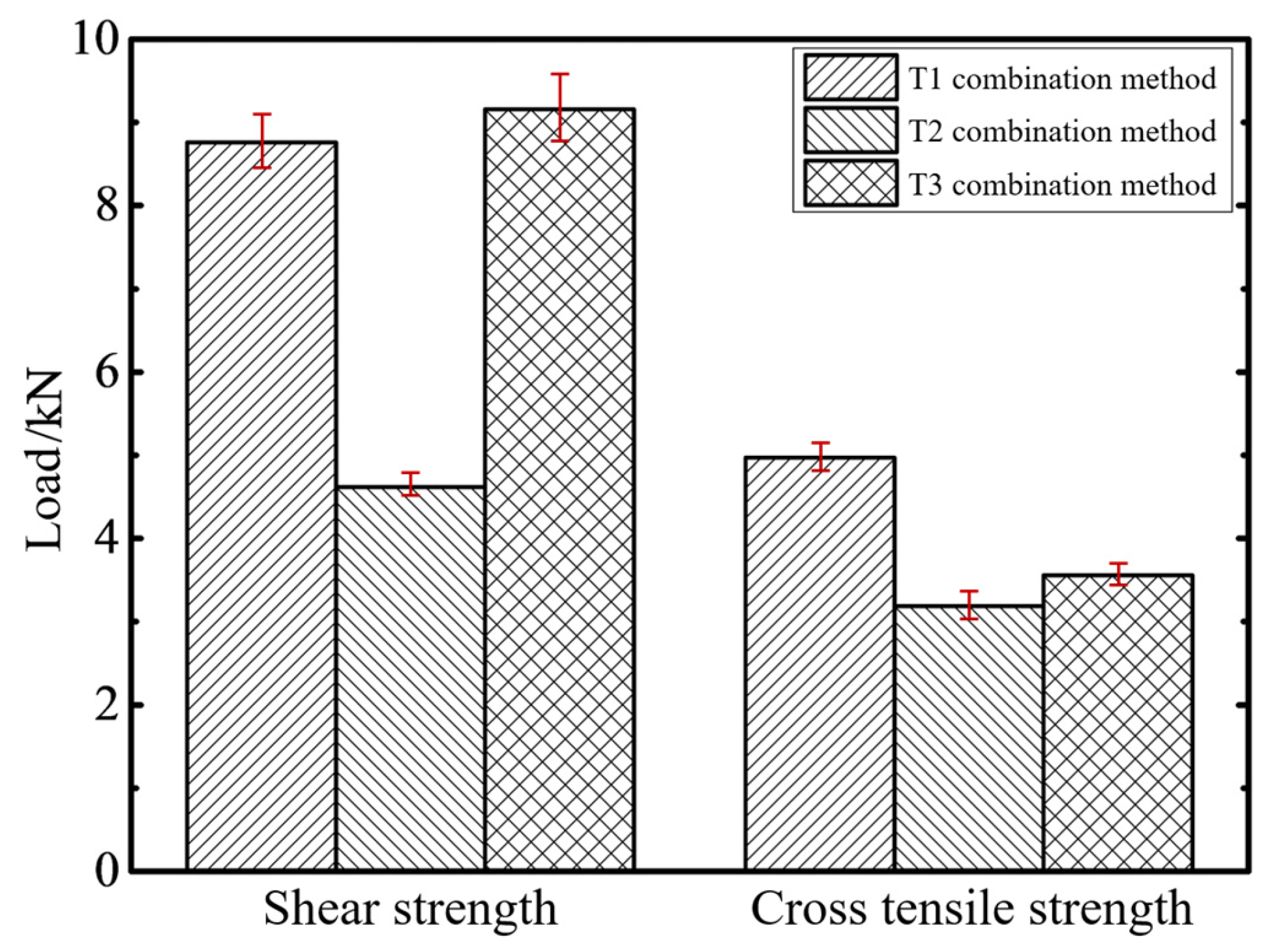
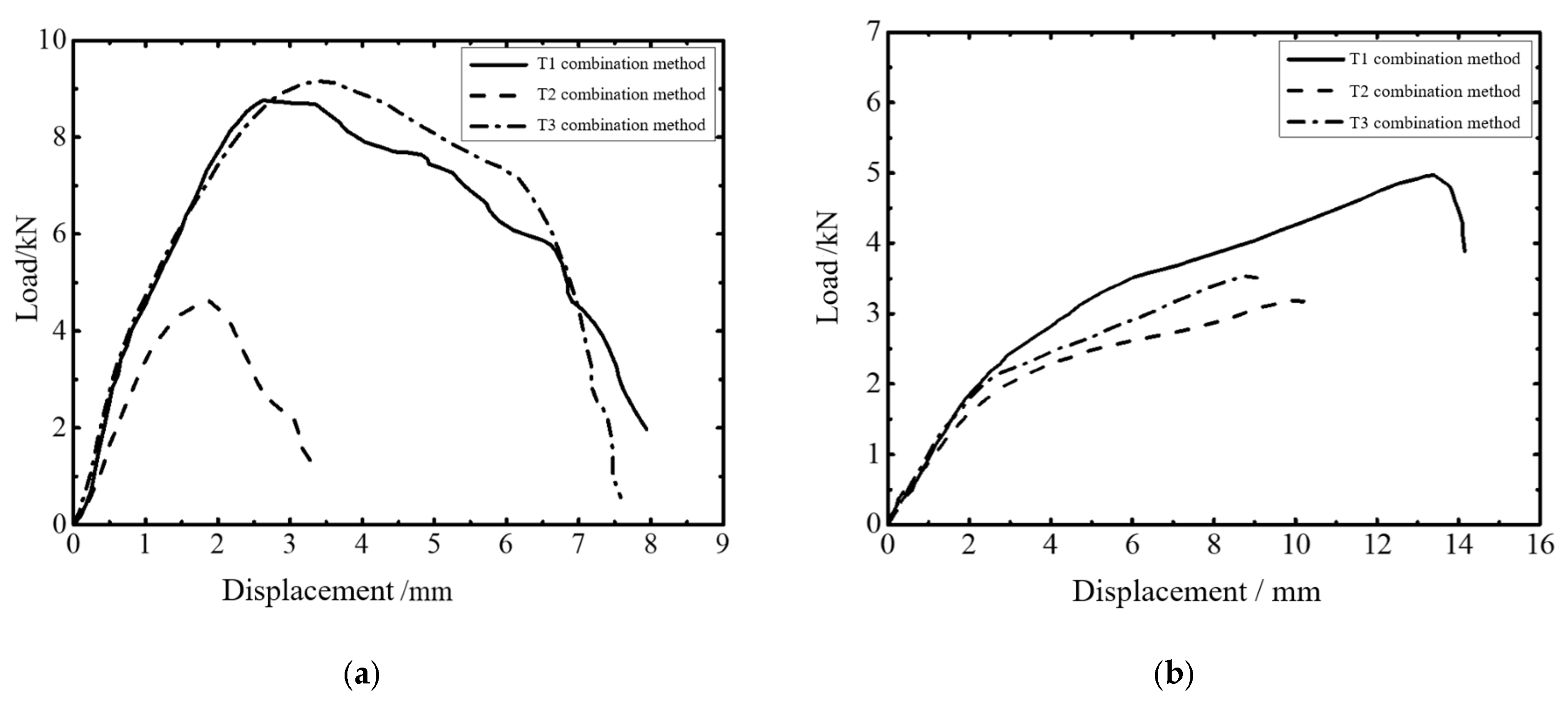
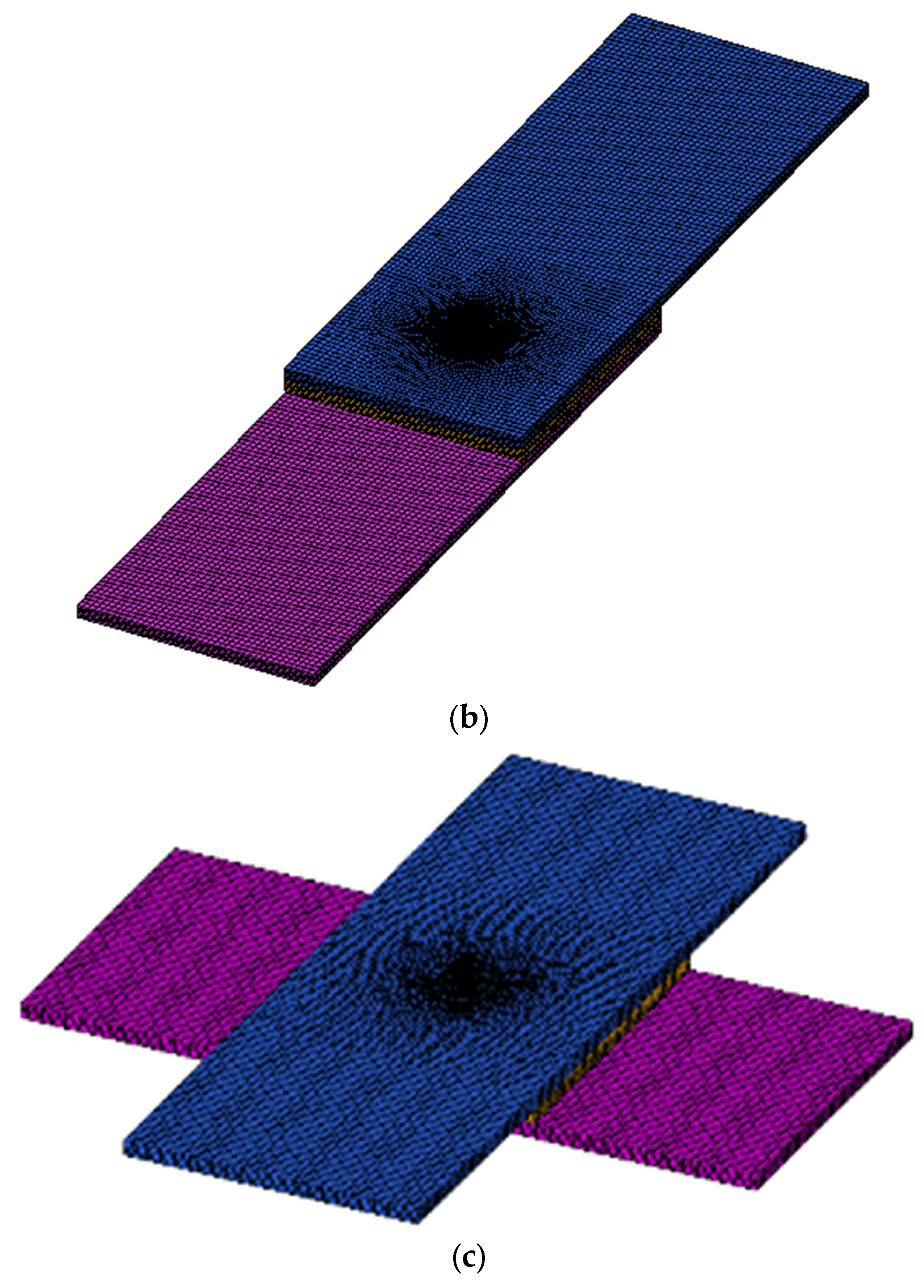
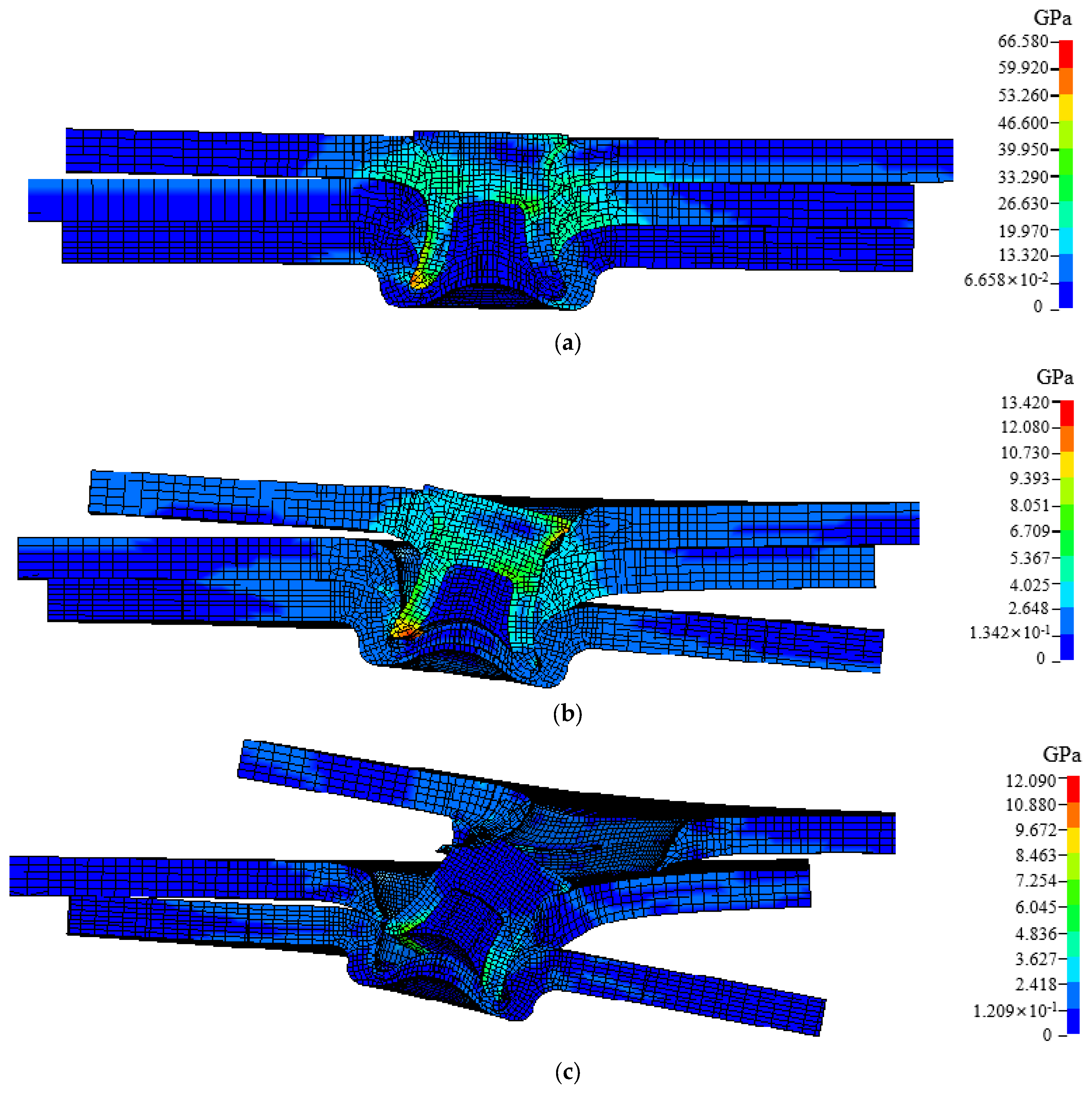
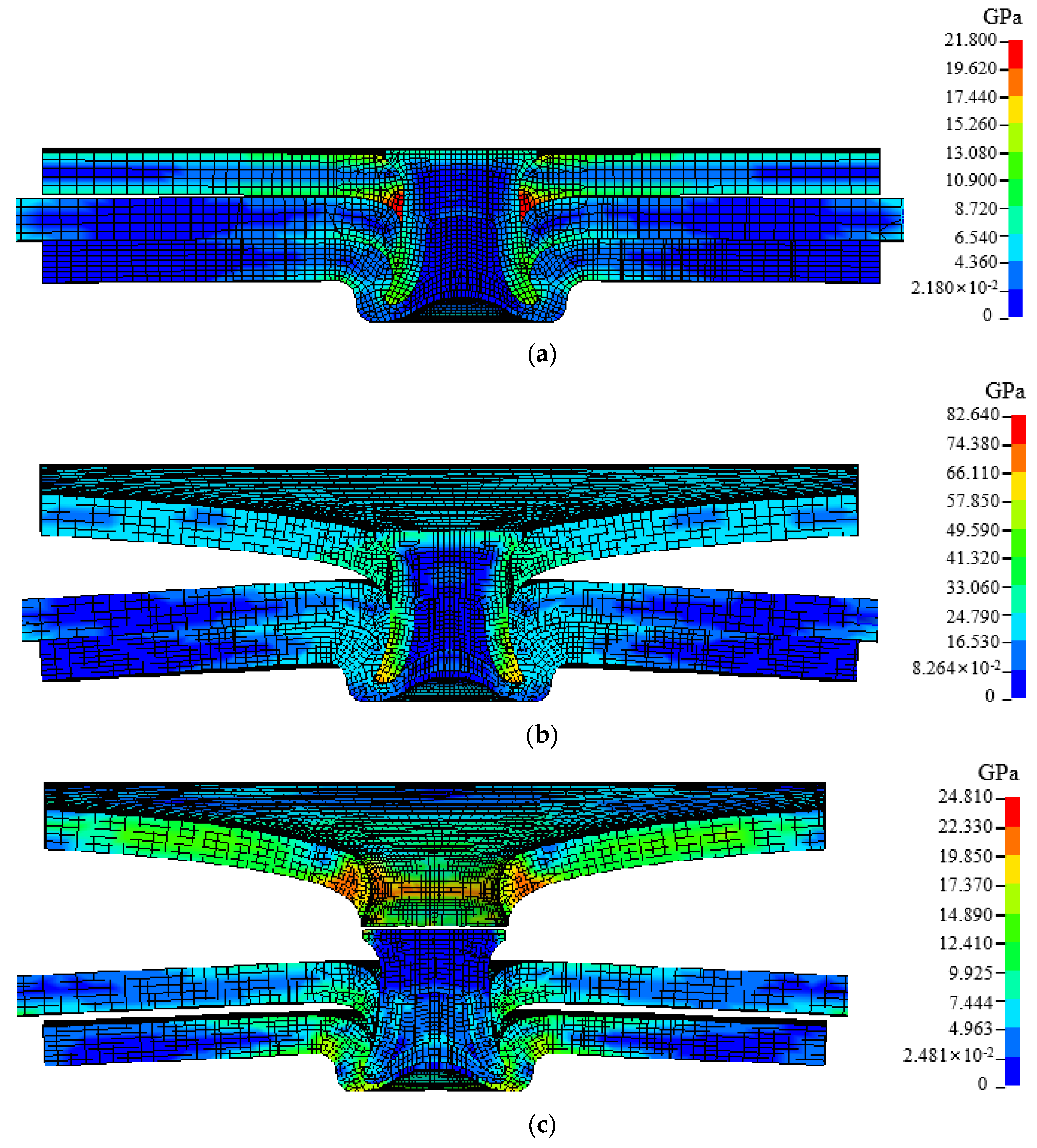
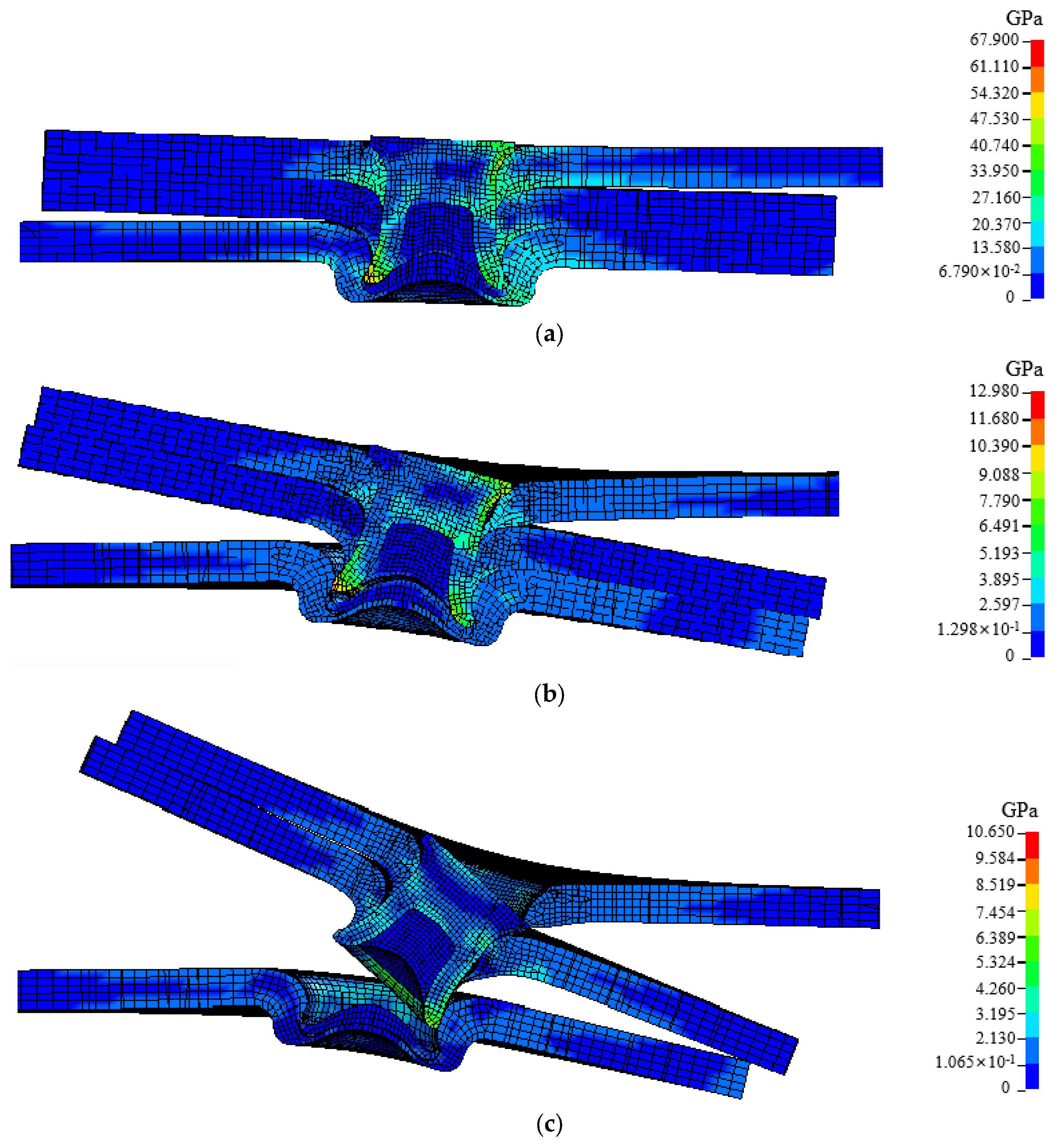
Unlike previous studies focusing on two-layer structures or single-parameter effects, this work systematically investigates the influence of sheet layer combination modes on the mechanical properties of three-layer AA6063-T6 self-piercing riveting (SPR) joints through a combination of experimental testing and numerical simulation. Shear and cross-tensile tests were conducted on three-layer AA6063-T6 SPR joints with three distinct sheet layer combinations: T1 (top/middle: 100 × 40 mm2, bottom: 40 × 40 mm2), T2 (top/bottom: 100 × 40 mm2, middle: 40 × 40 mm2), and T3 (middle/bottom: 100 × 40 mm2, top: 40 × 40 mm2). Experimental results reveal significant differences in joint strength and failure modes across the three combinations. T3 joints exhibited the highest shear strength (9.16 kN) but the lowest cross-tensile strength (3.56 kN), whereas T1 joints showed the highest cross-tensile strength (4.97 kN) but moderate shear strength (8.76 kN). A high-fidelity finite element model was developed to simulate the SPR joint under varying sheet layer combinations, incorporating precise geometric details (0.25 mm mesh at critical zones) and advanced contact algorithms (friction coefficient μ = 0.2). Numerical simulations revealed the stress distribution and failure mechanisms under shear and cross-tensile loading, aligning well with experimental observations. Analysis highlights that the mechanical performance of the joint is governed by two key factors: (1) the stress redistribution in sheet layers due to combination mode variations, and (2) the interlocking strength between the rivet and sheets. These findings provide practical guidelines for optimizing sheet layer combinations in lightweight automotive structures subjected to mixed loading conditions.
Keywords: self-piercing riveting; three-layer sheets; numerical simulation; sheet layer combination modes; mechanical property self-piercing riveting; three-layer sheets; numerical simulation; sheet layer combination modes; mechanical property