
The Potential Drug Target (Glycolysis Pathway) of the Spore Stage of the Pathogen Enterocytozoon hepatopenaei in Shrimp Farming

 and
and
Abstract
1. Introduction
2. Materials and Methods
2.1. Animal Samples
2.2. Purification of EHP Spores
2.3. Treatment and Observation of Purified Spores
2.4. Scanning Electron Microscopy (SEM) Analysis
2.5. Phylogenetic Analysis of HK and GAPDH Genes
2.6. Absolute Quantification of Key Enzyme Genes Involved in EHP Spore Glycolysis
2.7. Activities of Key Enzymes in the Glycolysis Pathway
2.8. Statistical Analysis
3. Results
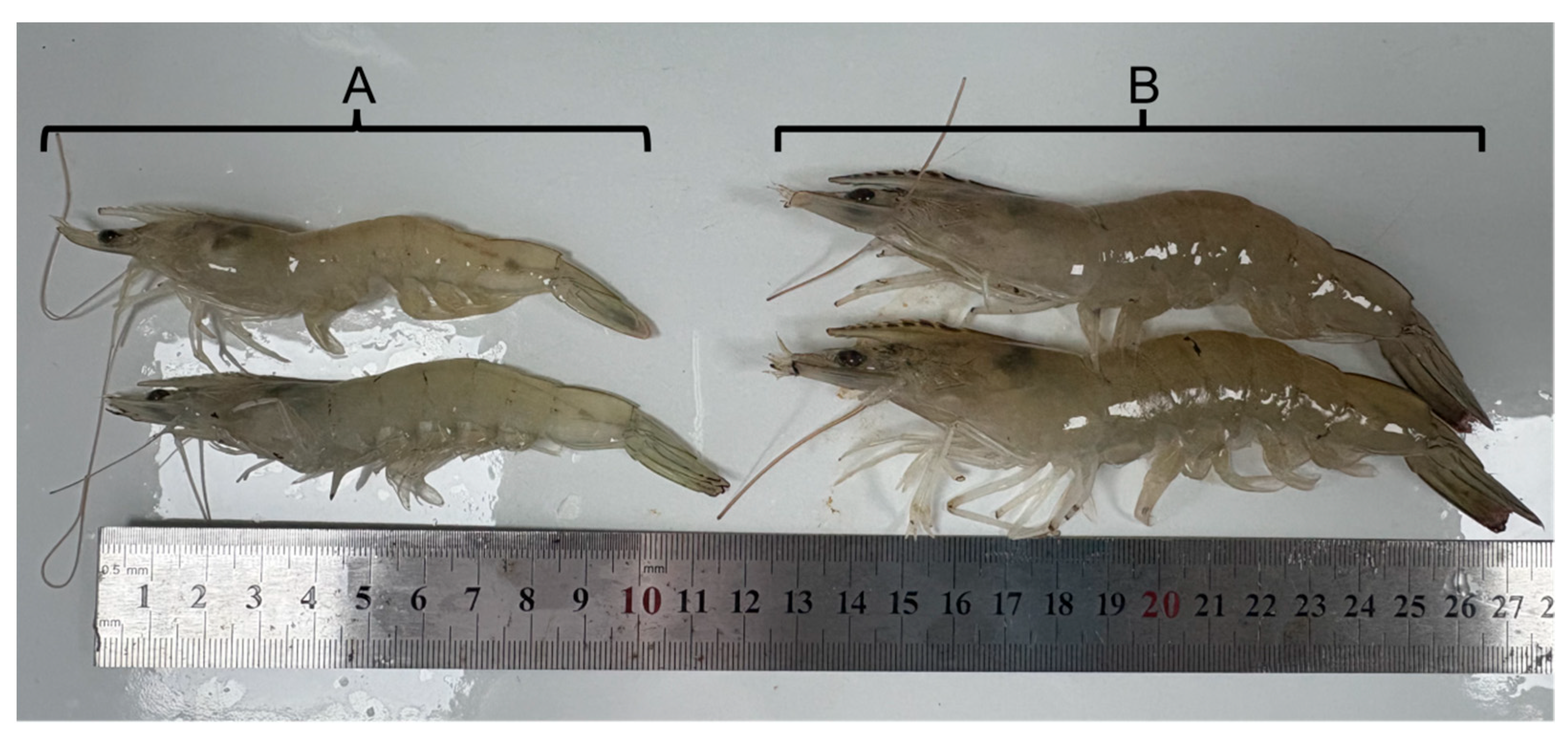
3.1. Symptoms and TEM of EHP Infected L. vannamei
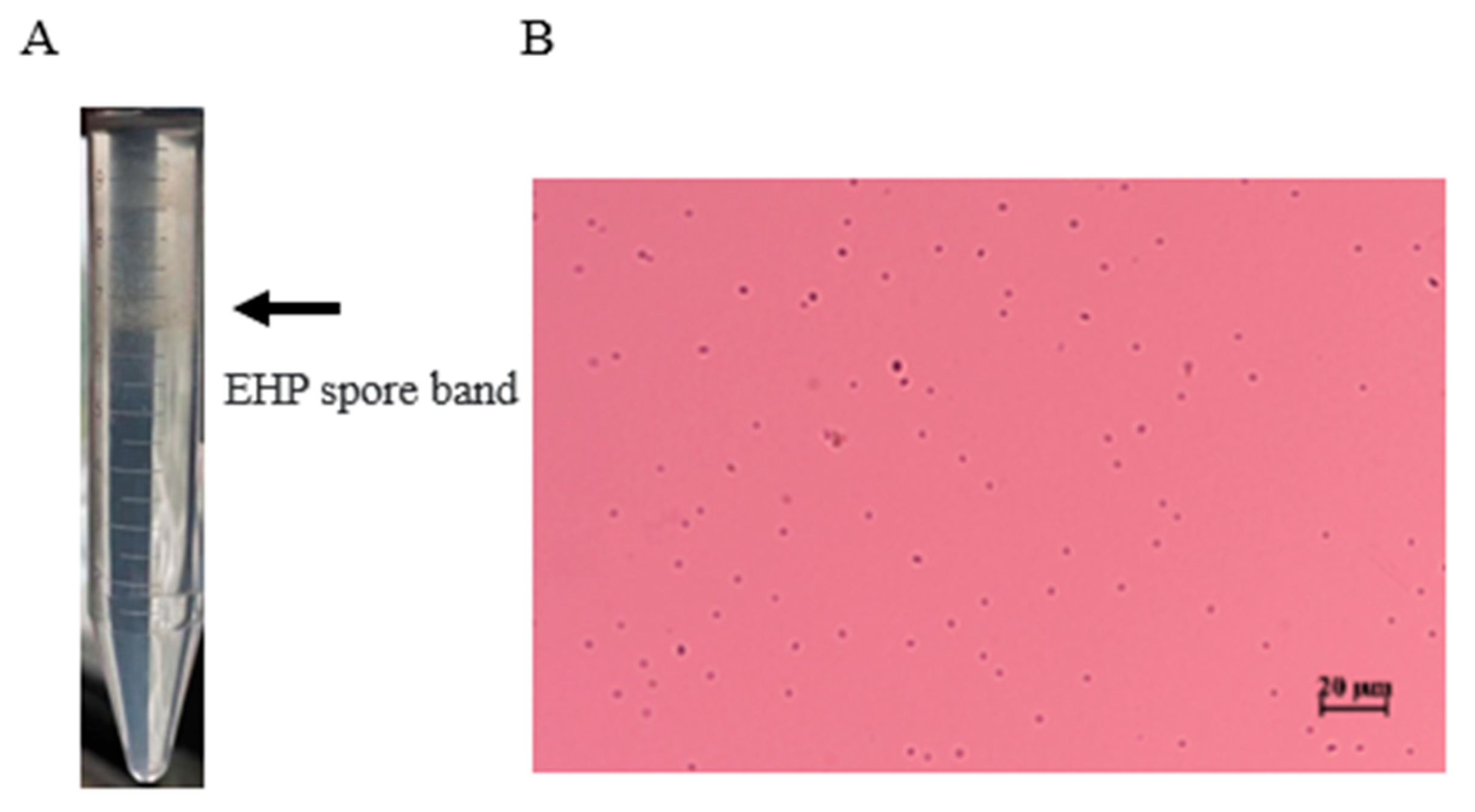
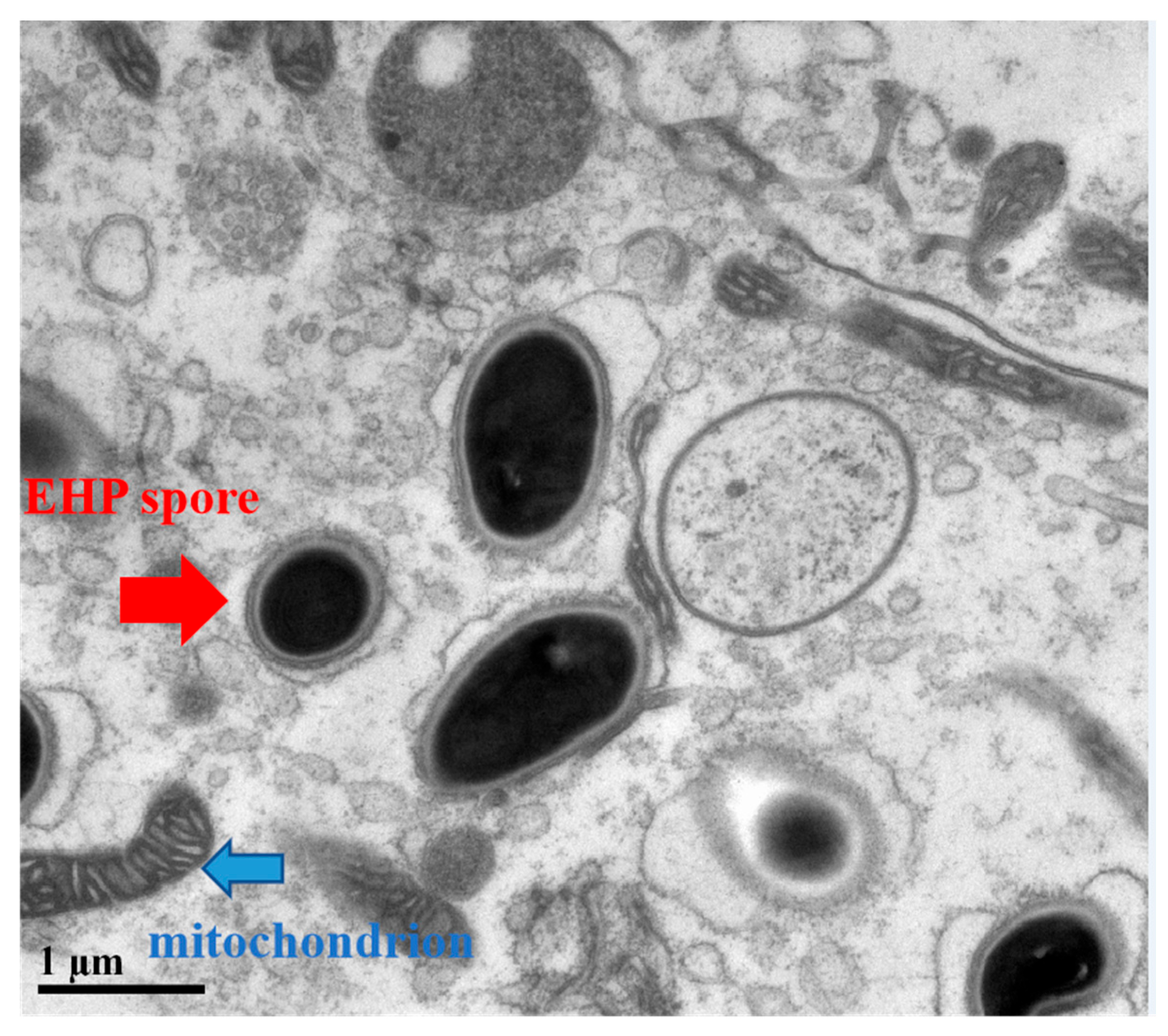
3.2. EHP Spores
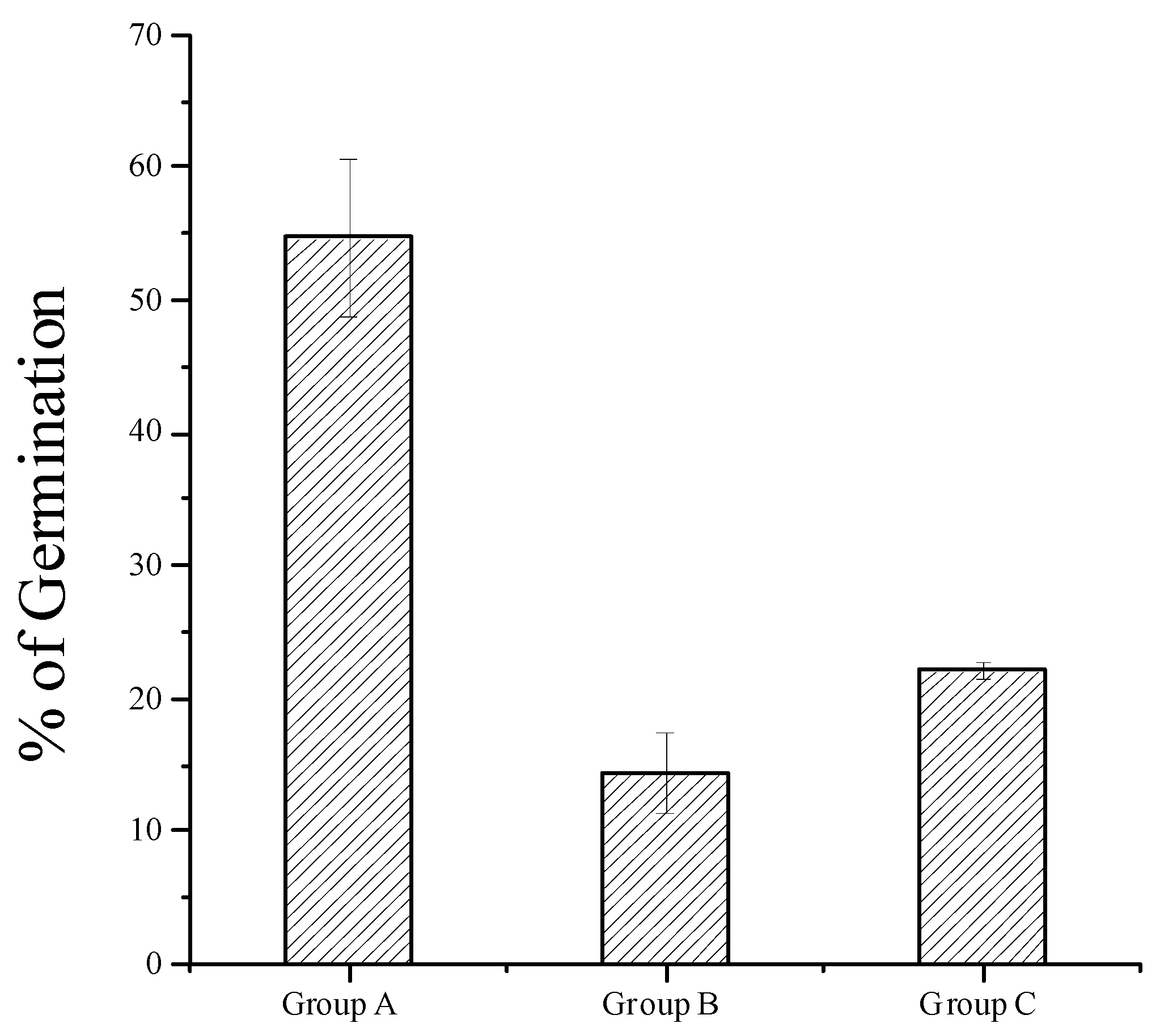
3.3. Measuring the Germination Rate of Treated Spores
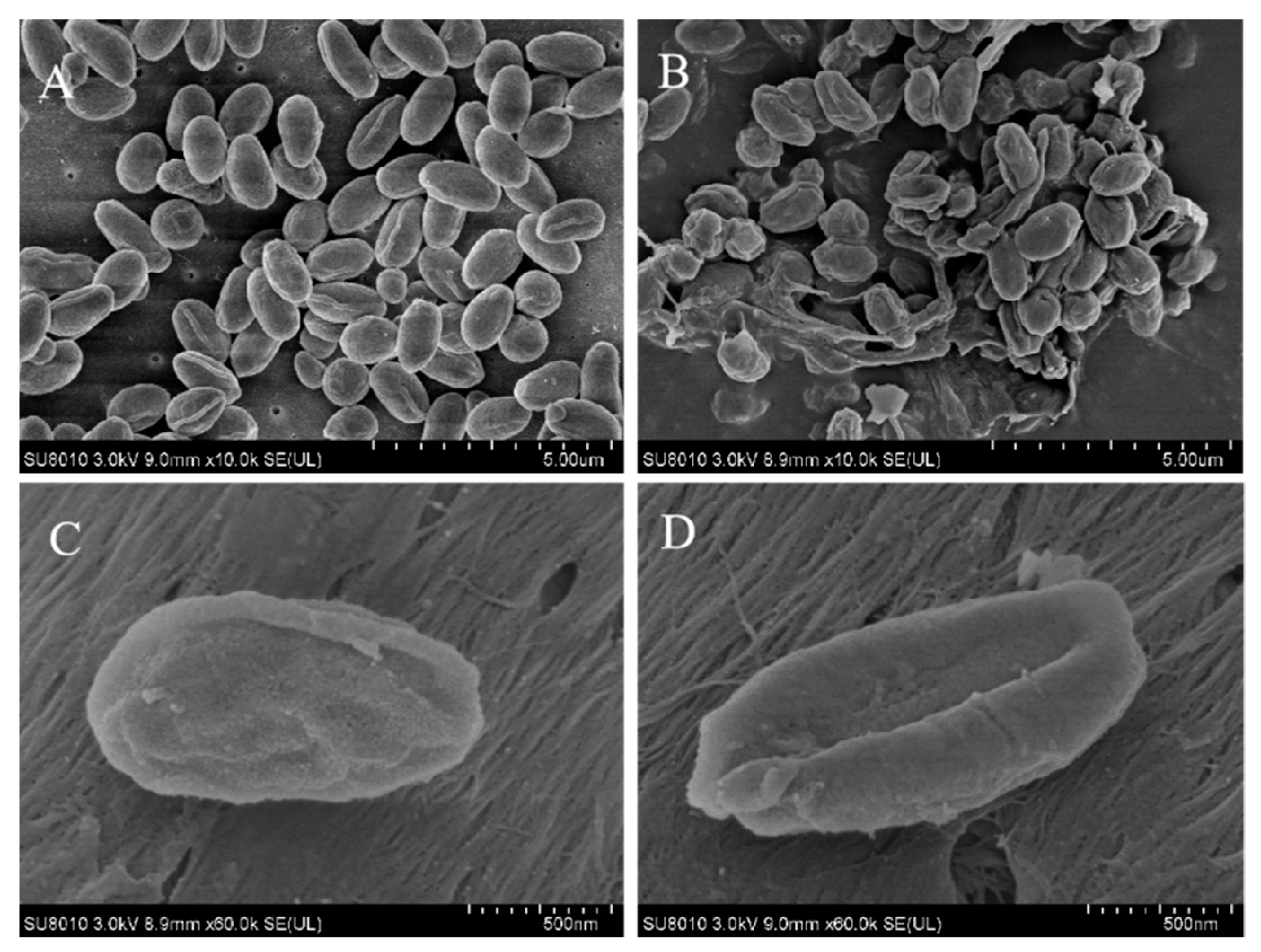
3.4. SEM Analysis
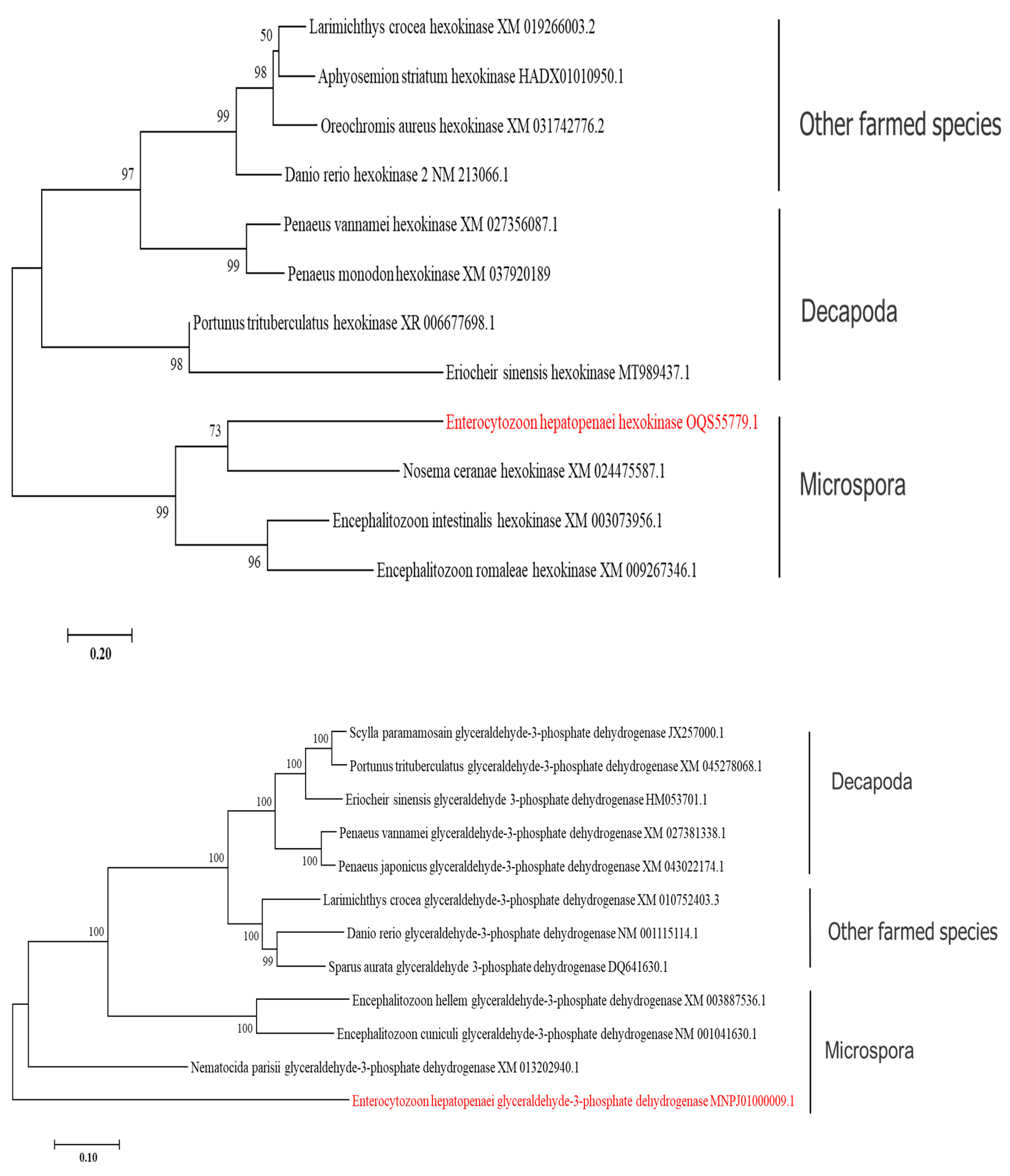
3.5. Phylogenetic Analysis
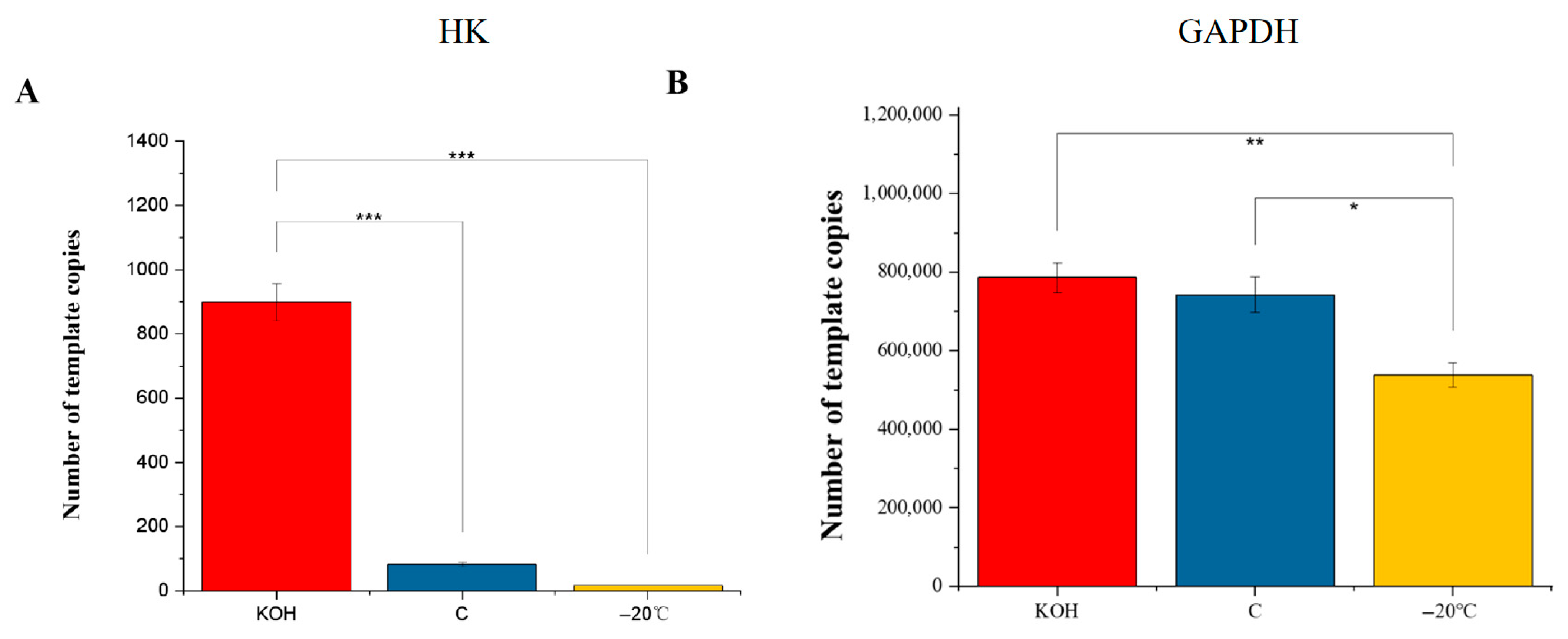
3.6. Quantitative Results for HK and GAPDH Genes
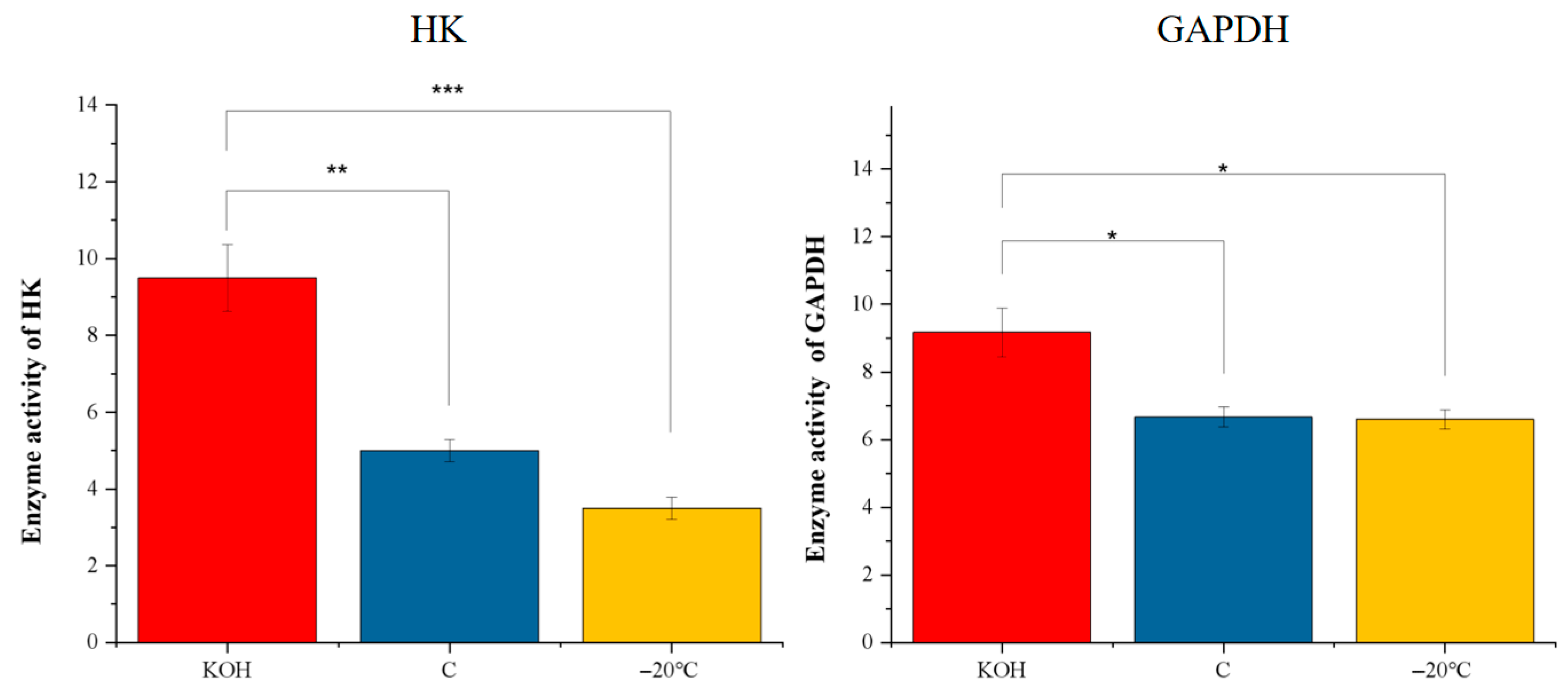
3.7. Enzyme Activities of HK and GAPDH
4. Discussion
5. Conclusions
Author Contributions
Funding
Institutional Review Board Statement
Data Availability Statement
Conflicts of Interest
References
- Tangprasittipap, A.; Srisala, J.; Chouwdee, S.; Somboon, M.; Chuchird, N.; Limsuwan, C.; Sritunyalucksana, K. The microsporidian Enterocytozoon hepatopenaei is not the cause of white feces syndrome in whiteleg shrimp Penaeus (Litopenaeus) vannamei. BMC Vet. Res. 2013, 9, 139. [Google Scholar] [CrossRef] [Scilit]
- Rajendran, K.V.; Shivam, S.; Praveena, P.E.; Rajan, J.J.S.; Kumar, T.S.; Avunje, S.; Vijayan, K.K. Emergence of Enterocytozoon hepatopenaei (EHP) in farmed Penaeus (Litopenaeus) vannamei in India. Aquaculture 2016, 454, 272–280. [Google Scholar] [CrossRef] [Scilit]
- Tang, K.F.J.; Han, J.E.; Aranguren, L.F.; White-Noble, B.; Schmidt, M.M.; Piamsomboon, P.; Hanggono, B. Dense populations of the microsporidian Enterocytozoon hepatopenaei (EHP) in feces of Penaeus vannamei exhibiting white feces syndrome and pathways of their transmission to healthy shrimp. J. Invertebr. Pathol. 2016, 140, 1–7. [Google Scholar] [CrossRef] [Scilit]
- Salachan, P.V.; Jaroenlak, P.; Thitamadee, S.; Itsathitphaisarn, O.; Sritunyalucksana, K. Laboratory cohabitation challenge model for shrimp hepatopancreatic microsporidiosis (HPM) caused by Enterocytozoon hepatopenaei (EHP). BMC Vet. Res. 2017, 13, 302. [Google Scholar] [CrossRef] [Scilit]
- Santhoshkumar, S.; Sivakumar, S.; Vimal, S.; Majeed, S.A.; Taju, G.; Haribabu, P.; Hameed, A.S.S. Biochemical changes and tissue distribution of Enterocytozoon hepatopenaei (EHP) in naturally and experimentally EHP-infected whiteleg shrimp, Litopenaeus vannamei (Boone, 1931), in India. J. Fish Dis. 2017, 40, 529–539. [Google Scholar] [CrossRef] [Scilit] [PubMed]
- Nakjang, S.; Williams, T.A.; Heinz, E.; Watson, A.K.; Foster, P.G.; Sendra, K.M.; Embley, T. Reduction and Expansion in Microsporidian Genome Evolution: New Insights from Comparative Genomics. Genome Biol. Evol. 2013, 5, 2285–2303. [Google Scholar] [CrossRef] [Scilit] [PubMed]
- Haag, K.L.; James, T.Y.; Pombert, J.F.; Larsson, R.; Schaer, T.M.M.; Refardt, D.; Ebert, D. Evolution of a morphological novelty occurred before genome compaction in a lineage of extreme parasites. Proc. Natl. Acad. Sci. USA 2014, 111, 15480–15485. [Google Scholar] [CrossRef] [Scilit]
- Hacker, C.; Howell, M.; Bhella, D.; Lucocq, J. Strategies for maximizing ATP supply in the microsporidian Encephalitozoon cuniculi: Direct binding of mitochondria to the parasitophorous vacuole and clustering of the mitochondrial porin VDAC. Cell. Microbiol. 2014, 16, 565–579. [Google Scholar] [CrossRef] [Scilit] [PubMed]
- Heinz, E.; Williams, T.A.; Nakjang, S.; Noel, C.J.; Swan, D.C.; Goldberg, A.V.; Embley, T.M. The Genome of the Obligate Intracellular Parasite Trachipleistophora hominis: New Insights into Microsporidian Genome Dynamics and Reductive Evolution. PLoS Pathog. 2012, 8, e1002974. [Google Scholar] [CrossRef] [Scilit]
- Aldama-Cano, D.J.; Sanguanrut, P.; Munkongwongsiri, N.; Ibarra-Gamez, J.C.; Itsathitphaisarn, O.; Vanichviriyakit, R.; Thitamadee, S. Bioassay for spore polar tube extrusion of shrimp Enterocytozoon hepatopenaei (EHP). Aquaculture 2018, 490, 156–161. [Google Scholar] [CrossRef] [Scilit]
- Boakye, D.W.; Jaroenlak, P.; Prachumwat, A.; Williams, T.A.; Bateman, K.S.; Itsathitphaisarn, O.; Williams, B.A.P. Decay of the glycolytic pathway and adaptation to intranuclear parasitism within Enterocytozoonidae microsporidia. Environ. Microbiol. 2017, 19, 2077–2089. [Google Scholar] [CrossRef] [Scilit]
- Jaroenlak, P.; Sanguanrut, P.; Williams, B.A.; Stentiford, G.D.; Flegel, T.W.; Sritunyalucksana, K.; Itsathitphaisarn, O. A Nested PCR Assay to Avoid False Positive Detection of the Microsporidian Enterocytozoon hepatopenaei (EHP) in Environmental Samples in Shrimp Farms. PLoS ONE 2016, 11, e0166320. [Google Scholar] [CrossRef] [Scilit] [PubMed]
- Kurtti, T.J.; Brooks, M.A. The rate of development of a microsporidan in moth cell culture. J. Invertebr. Pathol. 1977, 29, 126–132. [Google Scholar] [CrossRef] [Scilit] [PubMed]
- Martinez-Barajas, E.; Randall, D.D. Purification and characterization of a glucokinase from young tomato (Lycopersicon esculentum L. Mill.) fruit. Planta 1998, 205, 567–573. [Google Scholar] [CrossRef] [Scilit] [PubMed]
- Lee, Y.-P.; Lardy, H.A. Influence of Thyroid Hormones on l-α-Glycerophosphate Dehydrogenases and Other Dehydrogenases in Various Organs of the Rat. J. Biol. Chem. 1965, 240, 1427–1436. [Google Scholar] [CrossRef] [Scilit]
- Thitamadee, S.; Prachumwat, A.; Srisala, J.; Jaroenlak, P.; Salachan, P.V.; Sritunyalucksana, K.; Itsathitphaisarn, O. Review of current disease threats for cultivated penaeid shrimp in Asia. Aquaculture 2016, 452, 69–87. [Google Scholar] [CrossRef] [Scilit]
- Chaijarasphong, T.; Munkongwongsiri, N.; Stentiford, G.D.; Aldama-Cano, D.J.; Thansa, K.; Flegel, T.W.; Itsathitphaisarn, O. The shrimp microsporidian Enterocytozoon hepatopenaei (EHP): Biology, pathology, diagnostics and control. J. Invertebr. Pathol. 2021, 186, 107458. [Google Scholar] [CrossRef] [Scilit]
- Yi, J.W.; Ge, H.T.; Abbas, F.; Zhao, J.T.; Huang, X.M.; Hu, G.B.; Wang, H.C. Function of a nonenzymatic hexokinase LcHXK1 as glucose sensor in regulating litchi fruit abscission. Tree Physiol. 2022, 42, 2412–2426. [Google Scholar]
- Ciscato, F.; Ferrone, L.; Masgras, I.; Laquatra, C.; Rasola, A. Hexokinase 2 in Cancer: A Prima Donna Playing Multiple Characters. Int. J. Mol. Sci. 2021, 22, 11112. [Google Scholar] [CrossRef] [Scilit]
- Ananvoranich, S.; Al Rayes, M.; Al Riyahi, A.; Wang, X. RNA silencing of glycolysis pathway in Toxoplasma gondii. J. Eukaryot. Microbiol. 2006, 53, S162–S163. [Google Scholar] [CrossRef] [Scilit]
- Wolf, A.; Agnihotri, S.; Micallef, J.; Mukherjee, J.; Sabha, N.; Cairns, R.; Guha, A. Hexokinase 2 is a key mediator of aerobic glycolysis and promotes tumor growth in human glioblastoma multiforme. J. Exp. Med. 2011, 208, 313–326. [Google Scholar] [CrossRef] [Scilit]
- Bolton, S.G.; Pluth, M.D. Efficient inhibition of glyceraldehyde-3-phosphate dehydrogenase (GAPDH) by sulfuration with solubilized elemental sulfur. Free Radic. Biol. Med. 2022, 185, 46–51. [Google Scholar] [CrossRef] [Scilit]
- Barber, R.D.; Harmer, D.W.; Coleman, R.A.; Clark, B.J. GAPDH as a housekeeping gene: Analysis of GAPDH mRNA expression in a panel of 72 human tissues. Physiol. Genom. 2005, 21, 389–395. [Google Scholar] [CrossRef] [Scilit] [PubMed]
- Lazarev, V.F.; Guzhova, I.V.; Margulis, B.A. Glyceraldehyde-3-phosphate Dehydrogenase is a Multifaceted Therapeutic Target. Pharmaceutics 2020, 12, 1103. [Google Scholar] [CrossRef] [Scilit] [PubMed]
- Hannaert, V.; Opperdoes, F.R.; Michels, P.A. Comparison and evolutionary analysis of the glycosomal glyceraldehyde-3-phosphate dehydrogenase from different Kinetoplastida. J. Mol. Evol. 1998, 47, 728–738. [Google Scholar] [CrossRef] [Scilit]
- Viscogliosi, E.; Muller, M. Phylogenetic relationships of the glycolytic enzyme, glyceraldehyde-3-phosphate dehydrogenase, from parabasalid flagellates. J. Mol. Evol. 1998, 47, 190–199. [Google Scholar] [CrossRef] [Scilit] [PubMed]




| Primer | Sequence (5′-3′) | PCR Length |
|---|---|---|
| EHP-HK-F | TGACTGTGTGGCAATGATGT | 131 bp |
| EHP-HK-R | ACTGTCCTGCCTCAGTAACAC | |
| EHP-GAPDH-F | AATCAGCACGAAATAGACTT | 128 bp |
| EHP-GAPDH-R | CAACTTCTTCCCAAACGA |
Disclaimer/Publisher’s Note: The statements, opinions and data contained in all publications are solely those of the individual author(s) and contributor(s) and not of MDPI and/or the editor(s). MDPI and/or the editor(s) disclaim responsibility for any injury to people or property resulting from any ideas, methods, instructions or products referred to in the content. |
© 2026 by the authors. Licensee MDPI, Basel, Switzerland. This article is an open access article distributed under the terms and conditions of the Creative Commons Attribution (CC BY) license.
Share and Cite
Zhu, B.; Feng, J.; Qian, D.; Zhuang, P.; Mu, C.; Chen, J.; Ma, R. The Potential Drug Target (Glycolysis Pathway) of the Spore Stage of the Pathogen Enterocytozoon hepatopenaei in Shrimp Farming. Fishes 2026, 11, 229. https://doi.org/10.3390/fishes11040229
Zhu B, Feng J, Qian D, Zhuang P, Mu C, Chen J, Ma R. The Potential Drug Target (Glycolysis Pathway) of the Spore Stage of the Pathogen Enterocytozoon hepatopenaei in Shrimp Farming. Fishes. 2026; 11(4):229. https://doi.org/10.3390/fishes11040229
Chicago/Turabian StyleZhu, Bo, Juan Feng, Dong Qian, Ping Zhuang, Changkao Mu, Jiong Chen, and Rongrong Ma. 2026. "The Potential Drug Target (Glycolysis Pathway) of the Spore Stage of the Pathogen Enterocytozoon hepatopenaei in Shrimp Farming" Fishes 11, no. 4: 229. https://doi.org/10.3390/fishes11040229
APA StyleZhu, B., Feng, J., Qian, D., Zhuang, P., Mu, C., Chen, J., & Ma, R. (2026). The Potential Drug Target (Glycolysis Pathway) of the Spore Stage of the Pathogen Enterocytozoon hepatopenaei in Shrimp Farming. Fishes, 11(4), 229. https://doi.org/10.3390/fishes11040229