Review

The Impact of Climate Change on Eastern European Viticulture: A Review of Smart Irrigation and Water Management Strategies

by
Alina Constantina Florea
1,
Dorin Ioan Sumedrea
1,*,
Steliana Rodino
2,3,*,
Marian Ion
4,
Vili Dragomir
2,
Anamaria-Mirabela Dumitru
1,
Liliana Pîrcalabu
4 and
Daniel Grigorie Dinu
1
1
National Research and Development Institute for Biotechnology in Horticulture, 117715 Stefanesti, Romania
2
Research Institute for Agriculture Economy and Rural Development, 011464 Bucharest, Romania
3
National Institute of Research and Development for Biological Sciences, 060031 Bucharest, Romania
4
Research and Development Institute for Viticulture and Enology, 107620 Valea Calugareasca, Romania
*
Authors to whom correspondence should be addressed.
Horticulturae 2025, 11(11), 1282; https://doi.org/10.3390/horticulturae11111282
Submission received: 11 September 2025 / Revised: 2 October 2025 / Accepted: 17 October 2025 / Published: 24 October 2025

Abstract

Climate change poses significant challenges to viticulture worldwide, with Eastern European vineyards experiencing increased water stress due to rising temperatures, irregular precipitation patterns, and prolonged drought periods. These climatic shifts hurt vine phenology, grape quality, and overall productivity. In response, adaptive irrigation strategies such as Regulated Deficit Irrigation (RDI) have gained attention for optimizing water use while preserving grape quality. Concurrently, the adoption of smart agriculture technologies—including soil moisture sensors, automated weather stations, remote sensing, and data-driven decision support systems—enables precise monitoring and real-time management of vineyard water status. This review synthesizes recent studies from Eastern Europe, emphasizing the necessity of integrating climate adaptation measures with intelligent irrigation management to enhance vineyard resilience and sustainability under increasing climate variability.

1. Introduction

Climate change is one of the most pressing challenges of the 21st century, profoundly affecting ecosystems and agricultural productivity worldwide. Global mean surface temperatures have increased by approximately 1.1 °C above pre-industrial levels, accompanied by more frequent droughts, heatwaves, and floods, leading to higher yield variability and vulnerability in food systems [1]. Agriculture contributes significantly to greenhouse gas emissions and environmental degradation, impacts that are likely to be amplified by climate change through increased soil erosion, agrochemical runoff, and greater energy demands for irrigation [2]. Viticulture is highly sensitive to environmental conditions, as key processes such as phenology, sugar accumulation, acidity, and aromatic profile depend on temperature and water availability. Elevated temperatures can disrupt anthocyanin synthesis and volatile compound formation, whereas water stress or excessive irrigation can impair vine physiology and grape quality [3,4,5]. Supplemental irrigation is often required in regions with high evapotranspiration and limited summer rainfall to maintain yield and quality [6,7,8].
Future water scarcity in Eastern Europe will affect not only the availability but also the allocation and quality of water resources. Increased demand from agriculture, domestic, and industrial sectors will intensify competition for limited freshwater, especially during projected drought periods [1,2]. In addition, salinization and other water quality issues may reduce the availability of high-quality irrigation water, creating further challenges for vineyard management and grape quality [3]. Effective adaptation will require integrated water management strategies, including efficient irrigation systems, careful scheduling, and monitoring of water quality to sustain viticulture under future climate scenarios [1,2,3].
Climate projections indicate a reduction in precipitation and an increase in air temperatures, factors that are expected to negatively affect viticultural areas across Europe, including southern and eastern regions [9]. In this context, the use of irrigation becomes essential to mitigate abiotic stress during the grapevine growing season. However, the environmental impacts of irrigation must be carefully evaluated to ensure the long-term sustainability of this practice.
Europe has abundant freshwater resources, but there is a strong regional imbalance across the continent. Water deficit, for example, is a significant problem in many European regions, particularly in semi-arid and continental climatic zones. According to the Intergovernmental Panel on Climate Change [1], climate change is causing substantial modifications in the water balance throughout Europe. In particular, an increase in the frequency and intensity of summer droughts is anticipated in the Mediterranean region, as well as in Central and Southeastern Europe. At the same time, it is expected that other areas of the continent will also experience changes in the annual distribution of precipitation, as well as in the energy and water balances, aspects that contribute to the decline in water levels and to the intensification of the probability of extreme meteorological events. Climate change is thus leading to an increasingly deficient water balance during the grapevine growing season [10,11].
These conditions have led to accelerated phenology, reduced yields, and a diminished expression of the specific characteristics of grapevine varieties at the vineyard scale [12,13,14]. To counteract these effects, various strategies have been adopted in recent years, including the use of rootstocks, clones, and/or cultivars with high drought tolerance, optimization of training systems, increased row spacing, and the application of irrigation [15]. Nevertheless, under the current trends of global warming, the implementation of irrigation is becoming inevitable even in viticultural areas that traditionally did not rely on this practice [12]. Moreover, many wine-growing regions worldwide already depend on irrigation to maintain consistent production [13]. In Romania, climate change reported over the past two decades, primarily due to rising temperatures but also to the increasingly uneven distribution of precipitation, has significantly influenced viticulture in a growing number of areas [5,16,17,18,19,20]. During the period 1991–2021, viticultural regions in the southern and southeastern parts of the country recorded an increase in mean annual temperatures of 0.2–0.4 °C, favoring sugar accumulation in grapes, particularly in red cultivars, while reducing total acidity, thereby modifying the organoleptic profile of wines [20,21]. Precipitation analyses over the last two decades indicate a slight increase during the growing season (April 1–September 30) of approximately +10 mm, although distribution is uneven, with dry years alternating with wetter years, especially in Dobrogea and the southeastern regions of the country. These changes have led to an upward shift of the maximum elevation suitable for grapevine cultivation, from 612 m to 860 m, and to an expansion of areas favorable to viticulture by approximately 25,245 km2, representing ~10.6% of Romania’s territory [21]. Projections for the period 2021–2050 indicate an intensification of heatwaves and a reduction in precipitation in the viticultural regions of the south and southeast, which may generate pronounced water deficits and thermal stress on grapevines. These trends highlight the need for adaptation through the use of drought-tolerant rootstocks and cultivars, the implementation of efficient irrigation systems, and the adjustment of winemaking technologies in order to maintain production quality [20,22].
Bulgaria is located in a region characterized by low humidity, where drought periods vary in both duration and intensity. Over the past 15–20 years, drought has been the main limiting factor of agrometeorological conditions, significantly affecting grape productivity [9,23,24]. This situation highlights the vulnerability of agriculture to climatic variability and underscores the necessity of adopting effective adaptation strategies, such as the implementation of modern drip irrigation systems, rainwater harvesting and storage, the use of regulated deficit irrigation, and the selection of drought-resistant crops. According to recent research reported in Bulgaria, the most intense drought periods frequently occur between August and October, with the coastal areas and the southern parts of the Tundzha, Maritsa, and Struma lowland plains being the most affected regions [25]. In the last two decades, a similar trend has been observed, with an increase in both the frequency and duration of drought periods, particularly in the Thracian lowlands and in Northeastern Bulgaria [24,26]. Recent studies report a reduction in precipitation across numerous regions of Bulgaria, accentuating the arid character of the country, particularly in the lowlands and in the southeast. The year 1993 illustrated this phenomenon, when precipitation in January and February reached only 28% and 63% of the multiannual mean, respectively, generating a severe drought [27]. Climatic analyses comparing such drought episodes with future projections indicate that although mean annual precipitation may increase, higher temperatures and enhanced evapotranspiration will continue to impose significant water stress on crops (source: recent climate studies). Other recent studies from Bulgaria [9,25,27,28] emphasize that the annual variability of soil moisture is strongly influenced by ongoing climate change trends. The most unfavorable changes in evaporation conditions have occurred in the Petrich–Sandanski climatic region, as well as in the central and eastern parts of the Danube Plain [9].
Given Bulgaria’s varied topography and diverse microclimatic conditions [29,30,31] recent studies on grapevine cultivation in Bulgaria recommend scheduling irrigation based on reference evapotranspiration management [24,25,28]. Nevertheless, long-term estimates of reference evapotranspiration reveal ongoing warming and drought processes in the region.
Hungary, in the past, had viticultural regions in the northern areas that represented the northern limit of grapevine cultivation due to climatic constraints. However, as a result of global warming, viticulture has expanded significantly further north. Hungary is renowned for its diverse and historically significant wine regions, each offering unique terroirs influenced by varying climatic, geological, and topographic conditions. Today, grapevines are cultivated in 22 regions across Hungary, of which three are internationally recognized for providing optimal conditions and high-quality wines: Tokaj, Villány, and Eger. According to studies conducted over recent decades, the mean annual temperature in Hungary has increased by approximately 1.5 °C. This warming trend continues, with projections estimating an additional increase of 1.3–3.3 °C by 2050 [32,33], depending on emission scenarios. According to the latest reports from 2024, Hungary recorded the highest mean annual temperatures in its history, with February, March, and July being the warmest months since the beginning of meteorological measurements [34]. During this period, significant increases in the number of extreme precipitation events (EPEs)—defined as daily precipitation exceeding 20 mm—were observed, particularly in the southwestern and northeastern regions of Hungary, where the frequency of such events has increased by approximately 2.5 to 3 events per century [35]. Future climate change projections for Ukraine indicate a significant warming trend over recent decades, with mean annual temperatures expected to increase by more than 2 °C by 2050 and an extension of the growing season. These changes could negatively affect traditional viticultural regions, such as Tokaj, Eger, and Villány, by increasing the risks of thermal stress and crop losses [32,33,36]. The Tokaj region, renowned for its sweet white wines, is facing rising mean temperatures and thermal stress risks that may compromise wine quality. The Eger region, characterized by a cooler climate, could benefit from a lengthened growing season, whereas Villány, considered the warmest region, presents enhanced potential for red cultivars but also faces the risk of overheating [33]. This scenario highlights the necessity of adapting viticulture through the selection of heat-tolerant cultivars and the implementation of efficient irrigation technologies, including drip irrigation and regulated deficit irrigation, to optimize water use and maintain production sustainability under changing climatic conditions.
A Ilthough Poland has not traditionally been perceived as a wine-producing country, climate warming is increasingly favoring grapevine cultivation in multiple regions [37,38,39,40,41]. According to Lisek (2011) [41], as a result of climate change, particularly due to rising temperatures during the period from May 1 to September 30, viticulture in central Poland is currently much more efficient than it was twenty years ago. Climate warming has led to earlier phenological stages in grapevine development, which improves the quality of grapes cultivated in central Poland. An increase in mean summer temperature (May–September) by 1 °C raises the water demand of grapevines by approximately 50 mm of annual precipitation, assuming that at least 50% of the annual precipitation occurs during the growing season [42,43,44,45,46]. Currently, the sum of active temperatures (SAT) in Poland ranges from 2200 °C in the northeastern part of the country to 2600 °C in the central highland area and 2700 °C in the southwest and western regions. Therefore, the most favorable conditions for grapevine cultivation and grape ripening in Poland are found in the western and central parts of the country, where the highest SAT values are recorded (over 2700 °C), [44]. However, compared to the last two decades, the growing season in Poland (defined by the number of days with daily air temperatures above 5 °C) is projected to lengthen by 16 days during the period 2021–2050 [41]. Observed precipitation deficits in recent years [43,44] indicate the need for supplemental irrigation in vineyards in central Poland, particularly in Kuyavian–Pomeranian, Masovian, Greater Poland, and Łódź Provinces, as well as in western regions such as West Pomeranian, Lubusz, and Lower Silesian, especially during extremely dry years and the months of June–August [43,44]. For all these viticultural regions in Poland, water requirements have been calculated using crop evapotranspiration, estimated using crop coefficients and reference evapotranspiration, to support the design of vineyard irrigation systems that enable economically efficient and effective water management.
The Republic of Moldova is among the most vulnerable countries in Europe to climate change. Temperatures are steadily increasing, precipitation is becoming more unpredictable, and extreme events, such as prolonged droughts, floods, and heatwaves, affect many crops, including grapevines. According to recent reports, temperatures are rising at an average rate of 0.58 °C per decade, while precipitation patterns are becoming increasingly uneven; droughts primarily affect the southern regions, whereas flood risks are intensifying in the north and center of the country [45].
By 2050, a temperature increase of 2–3 °C is projected, and surface water flows could decrease by 16–20%, placing additional pressure on agriculture and drinking water supply [45]. Recent observations indicate major agricultural losses, including in viticulture, during drought years, with estimated reductions exceeding 25–30% in recent years [45]. Recent data indicate that grape harvests in the Republic of Moldova declined by approximately 35% in 2024 compared to previous years, a loss attributed to drought and extreme temperatures [46,47]. Within the four Protected Geographical Indication (PGI) wine regions—Codru, Ștefan Vodă, Valul lui Traian, and Divin, the southern regions (Valul lui Traian and Ștefan Vodă), are particularly affected by high temperatures and precipitation deficits, which reduce both yield and quality of red wines produced there, including vineyards such as Purcari, Cahul, Cantemir, and Leova [4]. The southern regions are the most exposed to water deficits and heatwaves, negatively impacting both the quantity and quality of red wines, including in the renowned vineyards of southern Moldova, such as Purcari, Cahul, Cantemir, and Leova [48]. These developments indicate that climate change represents a critical factor for the sustainability of Moldovan viticulture and necessitates region-specific adaptation measures. To compensate for the deficit of natural precipitation, irrigation—including regulated deficit irrigation, estimated using crop coefficients and reference evapotranspiration—has become essential in many regions of the Republic of Moldova [49]. Climate change in Eastern Europe poses a major challenge to agriculture, directly impacting both production and sector sustainability. Prolonged droughts, extreme temperatures, and unpredictable precipitation significantly affect crop yields and water resource management [22,50].
In this context, the implementation of efficient irrigation systems becomes essential. Modern technologies, such as smart irrigation, allow precise adjustment of the water required for each crop, thereby reducing waste and optimizing water use. European Union-funded projects, such as Eektrorain, have demonstrated the efficiency of smart irrigation systems that enable farmers to remotely control sprinklers and irrigation systems via mobile applications, adapting them to the shape and size of the fields [51].
Smart agriculture involves the use of digital technologies and automated systems to optimize water and resource management, while “precision measurement” refers to accurate measurements of environmental parameters, such as soil moisture and temperature, to guide irrigation decisions and reduce water stress, thus contributing to maintaining grape quality and yield [52,53].
Beyond efficient irrigation, the adoption of smart agriculture technologies is crucial. These technologies include the use of sensors to monitor soil moisture, temperature, and other relevant parameters, as well as the integration of weather monitoring systems and meteorological forecasts. By collecting and analyzing real-time data, farmers can make informed decisions regarding resource management and crop protection. Studies have shown that integrating sensors and weather forecasts into irrigation management can optimize irrigation scheduling, thereby reducing water consumption and improving plant health [54]. The studies in Eastern European viticulture included in this review used both econometric and statistical modeling approaches to explore the relationship between climatic factors and vine quality, as well as the effectiveness of irrigation strategies. Methods such as multiple regression analysis, panel data models, time series analysis, one-way ANOVA, Duncan and Tukey post hoc tests, Mann–Kendall trend tests, and bioclimatic indices were applied to evaluate the effects of temperature, precipitation, and other environmental variables on phenological stages (budding, flowering, ripening), sugar accumulation, and wine quality in regions of Poland [55,56,57,58,59], Romania [59,60,61,62,63,64,65,66], Hungary [67,68], and Bulgaria [69,70,71,72].
In parallel, studies focused on water management and smart irrigation have demonstrated that controlled and deficit irrigation (RDI), drip and subsurface irrigation, and automated sensor-based systems can alleviate water stress, optimize vine physiology, and improve grape quality and yield in Eastern Europe. For example, in Romania (Dealu Mare, Valea Călugărească, Târnave, Ștefănești, and Oltenia), controlled irrigation increased sugar and phenolic content while maintaining yield [7,62,73,74,75,76,77,78,79]. In Poland, supplemental irrigation during critical summer months maintained vine growth and grape quality [44]. In Hungary, phenological stage-specific irrigation improved berry composition and water use efficiency [80,81,82]. In the Republic of Moldova, automated sensor-based systems maintained constant yield and quality under drought conditions [83].
These studies highlight that efficient water management and intelligent irrigation strategies, adapted to local climatic conditions and phenological stages, are crucial for maintaining vine productivity and wine quality in Eastern European viticulture under changing climatic conditions.
This review aims to synthesize current knowledge on climate change impacts on Eastern European viticulture, focusing on smart irrigation and water management strategies. The objectives are: (1) To identify main climatic challenges affecting grape production in Eastern Europe; (2) To evaluate irrigation technologies enhancing vineyard sustainability; (3) To highlight knowledge gaps and propose research directions to support climate adaptation.

2. Materials and Methods

This paper evaluates published studies on the impact of climate change on viticulture in Eastern Europe, focusing on the evaluation of irrigation technologies and smart water management strategies that contribute to increasing vineyard sustainability.
The literature search focused on articles published between 2009 and 2024, with an emphasis on studies from the past decade, considered most representative of the field
First, we conducted a bibliometric analysis in which relevant keywords for the topic of water stress in the wine sector were selected, and we added the term “Europe” to obtain a geographical perspective on research at a continental level. The database used for this analysis was the Web of Science (WoS), as it represents one of the most comprehensive and rigorous international databases, recognized for the accuracy of metadata, the high visibility of indexed publications and for the possibility of providing globally relevant bibliometric indicators. The search string included viticulture and water stress or smart irrigation and Europe. The search returned a number of 1097 papers that were further used in the analysis.
For the processing and visualization of bibliometric data, we used VOSviewer version 1.6.20, a specialized tool for mapping keyword co-occurrence networks and relationships between concepts. VOSviewer allows the generation of visual maps that highlight the thematic structure of the literature, the identification of research clusters and central nodes of interest, as well as the analysis of the links between emerging themes and consolidated research directions.
In a later stage, we restricted the selection to articles containing information related to Romania and other countries in Eastern Europe. This geographical delimitation was motivated by the fact that viticulture represents an agricultural sector with tradition in the region, but also one strongly influenced by climate variability and water stress phenomena. The comparative analysis of scientific contributions in this area allows highlighting regional particularities and the potential for knowledge and technology transfer from the general European context to the local specifics.
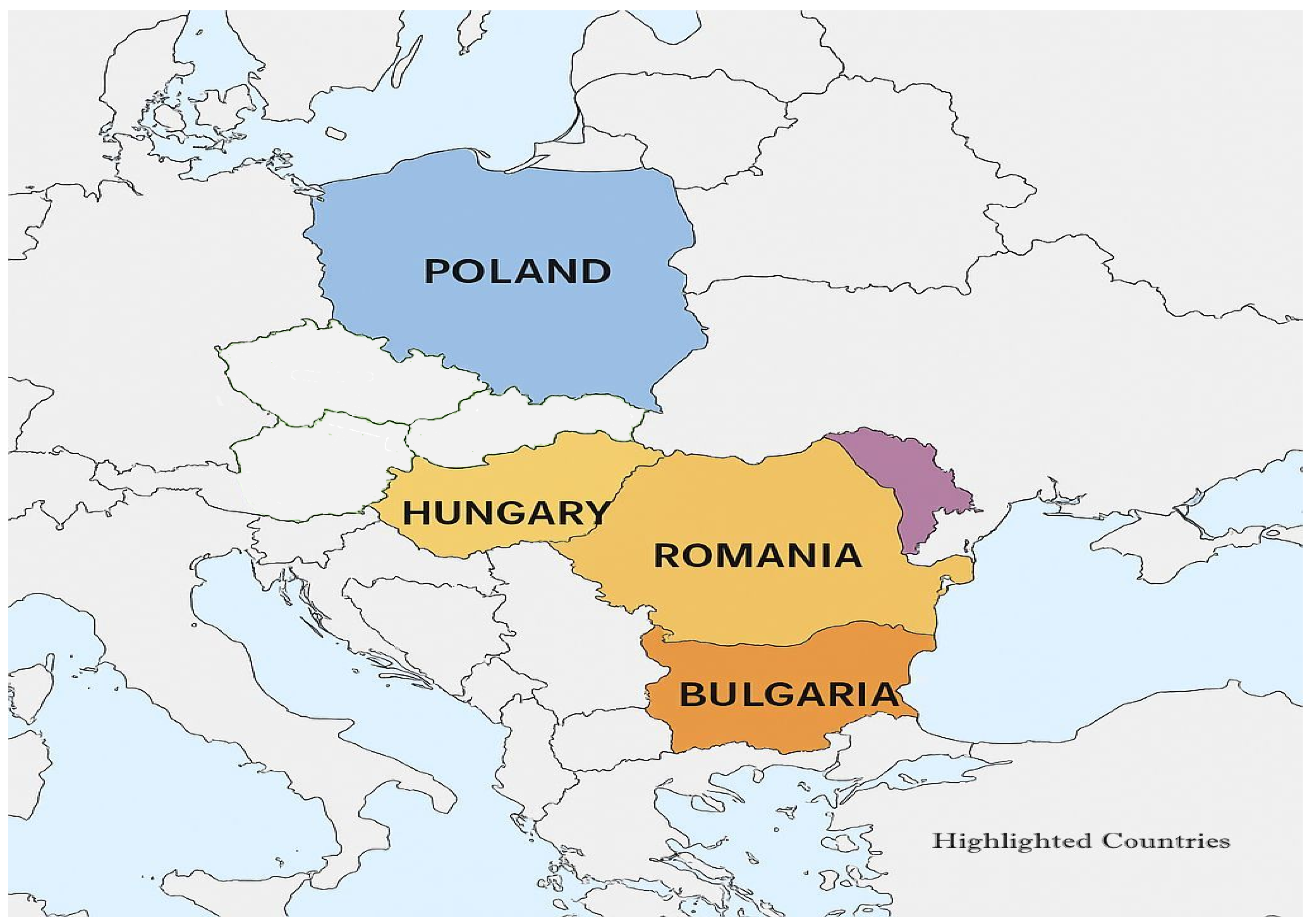
This research highlights current issues related to phenological advance, with significant implications for crop quality and production, while underlining the importance of implementing deficit irrigation strategies based on smart agriculture indicators. The analysis included relevant data from Poland, Hungary, Moldova, Bulgaria, and Romania (Figure 1), highlighting essential aspects related to crop adaptation to climate change and the optimization of irrigation practices. In Eastern Europe, including the countries included in this study, legislation on the zoning of vine varieties is regulated at the European level by Regulation (EU) [84] on the common organisation of the market in wine. This regulation sets out rules for vine planting authorisations, the protection of geographical indications, and other aspects related to wine production.
In carrying out this analysis, starting from the results of the bibliometric analysis, the snowball method was used, and further articles were taken into account if the initial database contained references to other specific studies. The emphasis was placed on studies published in established international journals, most of which are indexed by Web of Science and/or Scopus and, which provide a solid and up-to-date perspective on the topic. The articles were selected based on their relevance to the research topic, and articles highlighting the effects of climate change on grapevine growth stages, yield, quality and cultivation areas were included in the systematic review (Table 1). For the most relevant studies, areas where research on deficient irrigation strategies and modern smart farming techniques was reported were analyzed in detail (Table 2).

3. Results

3.1. Climate Change Effects on Viticulture in Eastern Europe

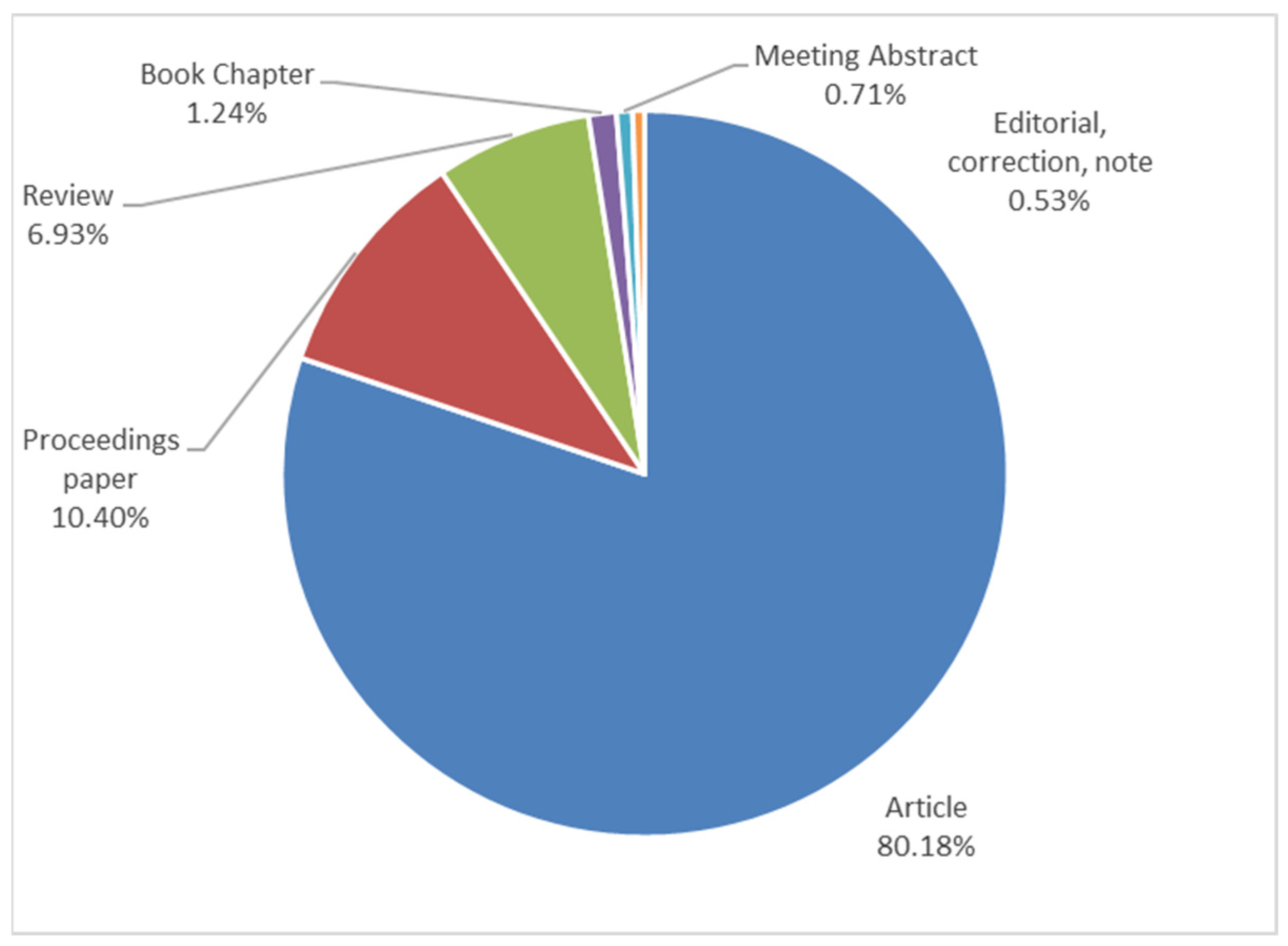
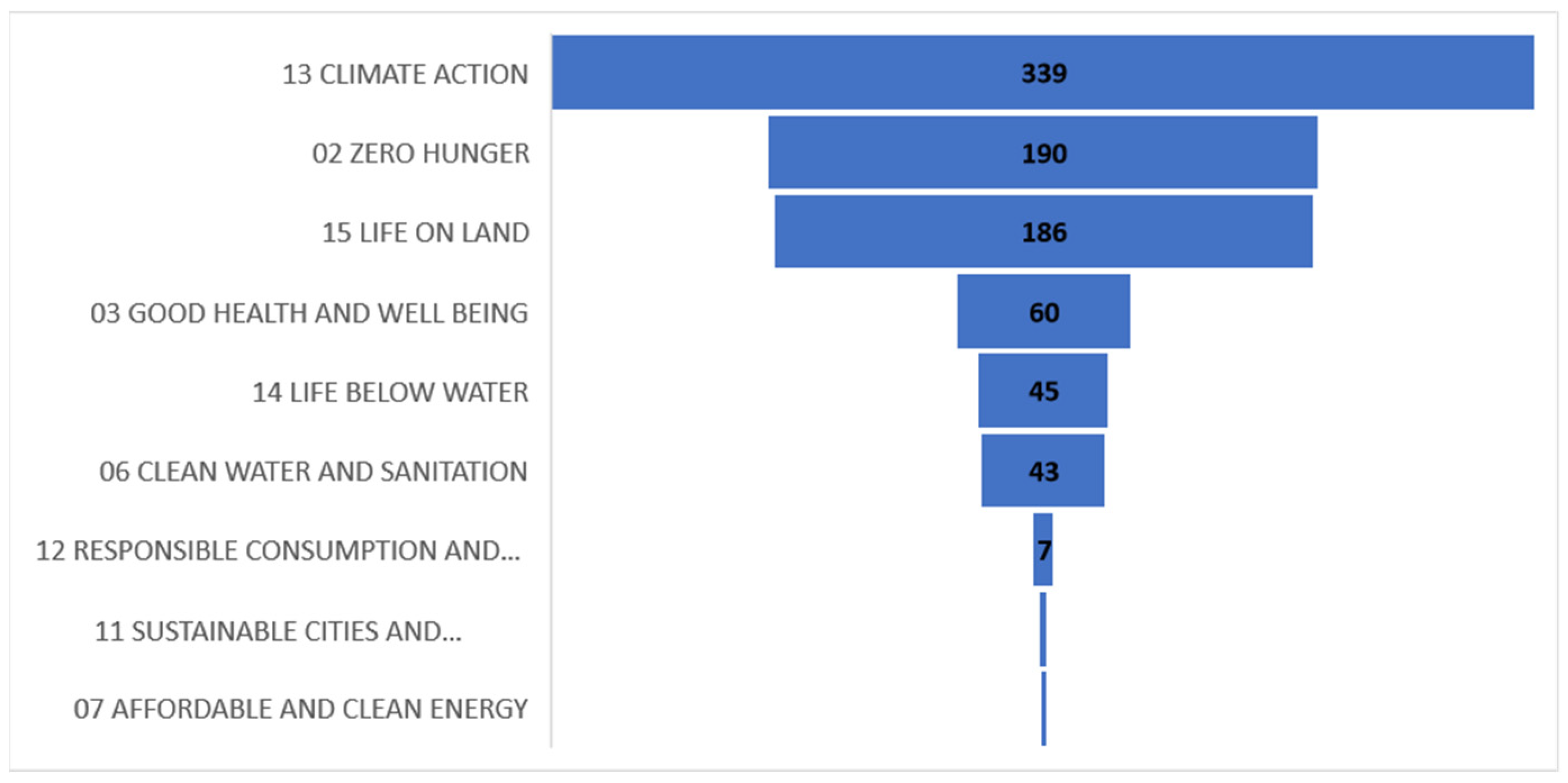
To develop this study on the impact of climate change on viticulture in Eastern Europe, focusing on Romania, Bulgaria, Hungary, the Republic of Moldova, and Poland, with an emphasis on smart irrigation strategies and water resources management, a bibliometric analysis was carried out using the clustering method. This analysis aimed to support the selection of relevant articles while ensuring the inclusion of works published in prestigious, internationally recognized journals. Through this systematic approach, both the thematic relevance and the scientific rigor of the specialized literature were taken into account. The bibliometric analysis revealed that the literature is dominated by original research articles (80%), most of which were published in the fields of Horticulture and Plant Sciences, reflecting a direct link to viticulture and adaptation to climate change (Figure 2 and Figure 3). The keyword co-occurrence network highlighted three main directions: the integration of digital technologies and IoT in smart irrigation, hydrological concepts such as evapotranspiration and water conservation, and deficit irrigation strategies associated with yield and viticulture adaptation to climate change (Figure 4).
Together, these results confirm the interdisciplinary nature of the research and the importance of selecting articles from prestigious journals for this study.
Climate change is a pressing challenge that societies will increasingly face in the coming decades. During the 20th century, Europe experienced substantial variability in climatic conditions, with significant regional differences [85]. Observed temperature trends indicate notable warming across the continent, with increases ranging from 2.3–5.3 °C in northern Europe and 2.2–5.1 °C in southern Europe [86]. Future projections under elevated anthropogenic greenhouse gas (GHG) emissions suggest further changes in precipitation patterns, including declines in Southern Europe and increases in northern Europe [87]. These shifts are evident not only in mean values but also in the frequency and intensity of extreme events. Historically, climate was defined as the long-term average state of weather conditions over extended periods [88].
Recent climatic shifts in Eastern Europe have revealed pronounced variability in temperature and precipitation, posing significant challenges for viticulture in the region. These changes emphasize the importance of adopting advanced technologies capable of continuously monitoring key climatic indicators, allowing for real-time assessment of environmental conditions. Implementing such monitoring systems enables targeted studies in vineyards, supporting the application of deficit irrigation strategies that optimize water usage while preserving grape yield and quality. By closely tracking soil moisture, temperature, and other relevant parameters, these approaches provide the scientific foundation necessary for sustainable vineyard management under changing climatic conditions.
Recent studies across Europe have demonstrated that climate change has triggered a substantial shift in viticultural zones [33,89,90]. This shift is mainly driven by rising temperatures and changes in precipitation regimes, which have reduced the suitability of traditional winegrowing regions, while more northerly latitudes and higher elevations have become increasingly favorable for grapevine cultivation [33,90,91]. In the context of climate change [92,93], recent studies indicate that Romania’s viticulture undergoes structural and spatial changes of climatic suitability for viticulture [59,94,95]. In Romania, climate change has significantly influenced viticulture, leading to an increase in the Oenoclimatic Suitability Index (IAOe) and altering the distribution of areas suitable for grapevine cultivation. In the northern region of Cotnari, lower-altitude sites have become more favorable for red wines, while higher-altitude sites are now better suited for white wines [59]. Southern regions have increasingly favored the production of high-quality red wines, supporting cultivars such as Cabernet Sauvignon, Merlot, and Fetească Neagră, whereas northern and central regions are beginning to offer optimal conditions for delicate white and red wines, with traditional varieties such as Fetească Regală, Fetească Albă, Italian Riesling, and Pinot Noir [59,96].
In Hungary, viticultural regions have experienced an increase in mean temperatures and a shift in precipitation distribution, leading to the potential migration of vineyards northwards and towards higher-altitude areas, thereby sustaining the production of traditional wines such as Tokaji [91,97]. Southern Hungarian wine regions are also expected to expand [32]. Moreover, the projected warming across Central and Northern Europe will result in longer growing seasons and extended frost-free periods [98], which are expected to reduce autumn frost damage and enhance the potential quality of wines [99]. Kovács et al. (2017) [58] reported that the significant warming detected over the past 30 years in Sopron (northwestern Hungary) has led to an expansion of vineyard areas planted with heat-demanding varieties such as Merlot, Cabernet Sauvignon, and Furmint. Between 1986 and 2015, compared with the previous decades (1956–1985), substantial changes were observed in temperature parameters and calculated bioclimatic indices. In Poland, studies have shown a significant shift in the distribution of mean temperatures across the 22 viticultural regions, with a warming trend favoring grapevine cultivation in more northerly and higher-altitude areas [100]. Research conducted by Lisek (2008) [55] for the period 1986–2007 demonstrated that climate change, particularly the increase in mean growing-season temperatures, has created favorable conditions for viticulture in the Skierniewice area, enabling the cultivation of early-ripening and cold-sensitive varieties such as Perl de Csaba, Seneca, and Aurora [55]. These climate changes highlighted in Eastern Europe highlight the need to adopt smart irrigation strategies and efficient water management practices to support both the quality and long-term sustainability of wine production [22,59]. In the Republic of Moldova, climate change has particularly affected the southern and central regions, such as Valul lui Traian and Codru, the country’s main viticultural areas, where high temperatures and insufficient precipitation have led to severe droughts and water stress in existing vineyards [45]. Under these conditions, grape yields have declined significantly, and the balance between sugars and acids has been disrupted, thereby threatening wine quality [48]. To address these challenges, winegrowers have begun implementing smart irrigation systems, digital disease monitoring, and regenerative agricultural practices to preserve both the sustainability of viticulture and the quality of wines [49,50]. Overall, the observed shifts in viticultural zones across Eastern Europe underscore the critical need for implementing smart irrigation and efficient water management strategies to ensure the resilience, quality, and sustainability of grape production under changing climatic conditions.

3.2. Climate Change Trends in Eastern Europe

Climate change, including rising temperatures, altered precipitation patterns, and increased drought frequency, strongly affects vine development, yield, and grape quality in Eastern European vineyards. Phenological shifts include earlier budburst, flowering, veraison, and harvest. Fluctuations in high temperatures have a direct impact on grapevine growth and photosynthesis, as physiological processes become less efficient when temperatures exceed optimal levels [14]. The ideal temperature range for grapevine photosynthesis is between 25 and 35 °C [15,101,102]. Climate change simulations for grapevine phenology suggest a reduction in the length of the growing season, an earlier onset of developmental stages, and a shorter duration of these phases, all of which may adversely influence grape quality and the resulting wine products [15,16,101,102]. When temperatures surpass 35 °C, vegetative activity is negatively affected, and under extreme conditions, vineyards may experience severe and potentially irreversible damage [14].
In north-eastern Romania, for example, harvest dates have advanced by nearly two weeks, accompanied by higher sugar accumulation (+15 g/L–25 g/L) and reduced total acidity (−2 g/L–3.5 g/L), which alters the overall balance of wines [95].
In Romanian vineyards, including in Oltenia, Dobroogea, Dealu Mare, and Stefanesti regions, rising temperatures have been linked to increased anthocyanin concentration in red varieties like Chardonnay și Sauvignon Blanc [74] and Cabernet sauvignon [17], while acid declines in white grapes may negatively affect flavor and aromatic quality [8,17,74]. Elevated temperatures accelerate ripening, shorten phenological phases, and modify the sugar–acid equilibrium, which can impact both harvest timing and wine style.
The first indications of climate change in Eastern Europe appeared in the early 1970s, but the phenomenon intensified after 1990 [103,104]. In Eastern Europe, average air temperatures have increased by approximately 1.0 °C above the 1961–1990 average [105]. Droughts have also become more frequent [105], with reductions ranging from 13.8% to 28.1% compared to the 1970–2000 averages.
In Romania, climate change has been intensively investigated in the last two decades. The results of these studies confirm the trends observed at the European level. With a significant increase in temperatures and sunshine duration throughout the year, except for the autumn season [5,52,53,73], the recording of positive thermal extremes (maximum temperatures ≥ 35 °C) and the intensification of heat waves [73,74,106], characterized by daytime maximums ≥ 35 °C and nighttime minimums ≥ 20 °C [74,106]. Regarding the precipitation regime, the total amounts of precipitation do not show a clear general trend. For certain periods, some studies report values below the multiannual average [73], while others indicate years with precipitation above this average [52]. However, a significant increase in the frequency of torrential rains is observed [107], concomitantly with an uneven distribution of drought events [108].
In the Copou-Iași viticultural center, in northeastern Romania, a decade-by-decade analysis showed a consistent increase in mean temperature of at least 0.28 °C per decade, with the difference between the first decade (1971–1980) and the last decade (2011–2020) being +1.70 °C, indicating a clear warming trend in the region [95].
Central Poland vineyards experienced a water deficit, such as Kuyavian–Pomeranian, Masovian province, Lodz and Greater Poland provinces, which has been associated with increased water demand during critical phenological stages [43]. An increase in the average summer temperature (May–September) by 1 °C increases the water requirement of the vine by 50 mm of annual precipitation, assuming that at least 50% of the annual precipitation occurs during the growing season [109].
Similar trends have been observed in Hungarian vineyards, where summer rainfall deficits reached 20–21%, necessitating precision irrigation strategies to maintain vine growth and phenolic accumulation [110]. Regarding the Republic of Moldova, a study based on temperature indices found that, in recent years, there has been an increase in the average annual temperature of 1.50 °C and an uneven annual temperature deficit distribution in the summer months, which has reduced the amount of atmospheric precipitation per rainy season in a vegetative year in the North, Center and South of the Republic of Moldova [111].
These deficits, compounded by increased evapotranspiration of 10–15%, underscore the urgent need for supplemental irrigation, regulated deficit irrigation, and precision water management to sustain vine productivity and grape quality across Eastern European vineyards. Collectively, these studies highlight the regional variability in climate impacts and the effectiveness of adaptive strategies tailored to local conditions.
Overall, these findings emphasize the urgent need for adaptive vineyard management strategies that optimize water use, mitigate heat stress, and preserve grape quality. Tailored interventions, such as precision irrigation and canopy management, will be essential to sustain productivity and wine quality across diverse Eastern European viticultural regions.

3.2.1. Impact on Grape Phenology

Climate warming is expected to lead to earlier onset of grapevine developmental phases, with the largest shifts, reaching 40 days, occurring in Eastern Europe [Bulgaria, Hungary, Romania] and Croatia and Polonia and northern Iberia [112].
Climate change, including rising temperatures, altered precipitation patterns, and increased drought frequency, significantly affects vine development, yield, and grape quality in Eastern European vineyards.
Long-term studies, conducted over 52 years on the effects of climate change on viticulture in Romania, have shown both altitudinal and latitudinal shifts of climatic zones favorable for grape cultivation. These changes have led to the emergence of new regions with viticultural potential, to the increase or decrease of existing areas and to changes in the climatic adaptability classes of established viticultural regions. The results also suggest the need to adopt adaptation strategies, including replacing traditional varieties and adjusting the types of wine produced [59]. The results also suggest the need to adopt adaptation strategies, including the replacement of traditional grape varieties with more heat- and drought-tolerant ones, such as Cabernet Sauvignon, Merlot, and Fetească Neagră in the central and southern regions of Romania (Dealu Mare, Oltenia), where warmer and drier conditions have been shown to increase sugar and phenolic content while maintaining yield. In the northern regions (Cotnari, Transylvania), the introduction of early-ripening white varieties, such as Fetească Regală and Italian Riesling, is recommended, allowing an optimal balance between sugar and acidity for wine quality, even if yields are lower than those of traditional varieties [59,94].
In the northern regions (Cotnari, Transylvania), the introduction of early-ripening white varieties, such as Fetească Regală and Italian Riesling, is recommended, allowing an optimal balance between sugar and acidity for wine quality, even if yields are lower than those of traditional varieties [59,94]. In Romania, in recent years, numerous studies have been reported on the effect of climate change on grapevine cultivation. The most numerous studies have focused on the viticultural areas in the south of the country, in the south-east, and the Dobrogea wine region, located in the south-west of the country [21,61,64,94]. Research from northern Romania has highlighted significant changes in the dynamics and duration of the main phenophases of the grapevine, manifested by the advancement of budding and flowering by approximately 1–2 weeks and of grape ripening and maturation by 2–3 weeks. These changes have also been associated with variations in the productive potential of the varieties [62]. An increase in the frequency of drought episodes has also been observed, which can severely affect vineyards, especially when the previous autumns and winters are characterized by low rainfall and spring rains fail to restore water reserves in the deep layers of the soil, essential for the nutrition of the trunks [62,63]. A recent study conducted in the Copou wine-growing area, Iași vineyard, with 20-year phenological databases, indicated that these were conditioned by the level and action of climatic factors and the hereditary specificity of the varieties. The study highlighted that in dry years, years characterized by milder winters, budding occurred in the first and second decades in April (2000, 2007, 2008, 2016, 2017, 2018, 2020), and the increase in the value of average useful temperatures accelerated the onset (2007–2019); the earliest flowering began 14 days earlier at the end of May in 2000, 2012, 2013 and 2018, and in June in the other years in the first and second decades [62]. In the same wine-growing area, other studies in 2024 conducted an analysis of 40 years of data (1981–2020) and showed that the increase in average air temperature in the last 40 years was strongly correlated with the advancement of grape maturity and the harvest date of white grape varieties V. vinifera L. (up to 12 days). Recent studies on Romanian wines have shown that total polyphenols in white wines ranged from 187.65 to 864.73 mg GAE/L, flavonoids from 3.48 to 15.56 mg QE/L, and antioxidant activity from 0.94 to 7.60 mM TE; for red wines, total polyphenols ranged from 2235.81 to 3898.52 mg GAE/L, flavonoids from 95.85 to 347.27 mg QE/L, and antioxidant activity from 12.35 to 20.97 mM TE, highlighting how regional conditions affect phenolic composition and wine quality [113].
As reported in the tables, data collected on wine grapes from the Southern part of Romania showed that the smallest variation was found at bud break (2 to 4.5 days), followed by flowering (4.6 days), and the largest was evident at ripening (8.6 days) [64]. Grape ripening was advanced by 5–15 days for medium-ripening varieties ‘Aromat de Iași’, ‘Donaris’, ‘Șarba’ and 23–28 days for late-ripening varieties ‘Miorița’, ‘Crâmpoșie selecționată’, ‘Băbească gri’ [64]. There is a trend towards reduced precipitation during the summer and an excessive number of days with temperatures above 30 and 35 °C, which affects the endurance and physiological processes of the vine [103]. In the central-western part of Romania, in the Târnave wine region, data evaluated for the period 2010–2021 reported earlier bud break, with an average of eight days, and an advance towards the ripening phenophase, with an average of 9–11 days, due to the cooler temperatures during the vegetation period [65]. Regarding the Odobesti wine region, located in the central-eastern part, a study conducted over a period of 20 years (2000–2019) reported essential data on the impact of climate change on the physiological processes of the vine and the quality of the yield [60]. Within the same variety, flowering lasted between 5 and 10 days and was advanced by up to 15 days in certain years [60]. For this area, the number of days with temperatures higher than 30 °C increased on average by 18.97 days/year in the last 20 years [61].
In the central-southern part of Romania, in the Stefanesti region, an increase in annual minimum temperatures by approximately 1.55 °C is highlighted during the period 1970–2020, which determined the significant advancement of the phenological phases of the grapevine: bud break moved 5–14 days earlier, and flowering 8–23 days earlier, depending on the variety by Ilina et al. (2023) [5]. Moreover, the variety ‘Rară Albă’ recorded flowering up to 23 days earlier in 2023 compared to other years. These phenological changes are similar to those observed in other regions with a continental climate and may increase the risk of late frost [5,73].
In southern Romania in the wine-growing regions of Oltenia, reported data confirm that the average temperature has increased between 0.2 °C and 0.4 °C; this began in the 1960s and has led to an advance of the phenological phases, with implications for the accumulation of sugars, which has increased by +8 g per liter, and total acidity at absolute maturity, which has decreased by +0.75 g/L, negatively influencing the sensory and compositional balance of white wines. These imbalances have led to limitations in the expansion of the cultivation of white varieties, such as Fetească Albă and Sauvignon Blanc [66]. The warming trends for this region, especially the maximum temperature above ≥35 °C and more frequent heat waves, were subsequently confirmed in a detailed study [51,106].
Council Regulation (EU) No. 2165/2005 of 20 December 2005 confirms that Poland has been classified as one of the coldest growing regions, together with most of Germany, Belgium, the United Kingdom, and the Czech Republic [89]. The last few decades have brought a visible improvement in the thermal conditions for vine growing, determined by the increase in active temperatures between 8 and 10 °C [114] and the extension of the warm season but also the shortening of the winter period [115], which led to an advance of bud break [116]. For the period 1971–2019, studies report an increase in the average annual air temperature from 0.051 °C per year in the Wrocław region to 0.036 °C in Białystok and by 0.065 °C and 0.040 °C in the vegetative period April–September [67], which led to an advance of grapevine budding, but the prolongation of ripening started in 2011 [89].
In Hungary, studies conducted between 1965 and 2015 showed that the average annual temperature increased by 1.2 °C in the Zala wine region and by 0.9 °C in the Sopron wine region from 1980 [68], and after 1985, the increase in air temperature reached 1.38 °C in the Sopron wine region and 55 °C in the Zala wine region [68]. These changes led to an 8-day earlier onset of bud break, 7-day earlier flowering, and 8-day earlier veraison compared to the previous period in the western part of Hungary [68]. In the past, vineyards located in northern Hungary marked the upper geographical limit of viticulture, due to the colder climatic conditions. However, climate change and the trend of global warming have allowed the expansion of vine cultivation to more northern latitudes [110]. Currently, there are 22 official wine regions in Hungary, of which 3 are internationally recognized, such as Tokaj, Villány, and Eger. In the Tokaj region, low spring temperatures lead to delayed bud break and limit production [110]. In the Eger region, located in northeastern Hungary, delayed pruning is adopted to prevent increasingly frequent spring frosts, and some phenological changes and changes in the main components of the wine are also evident, later supported by Villangó et al. (2024) [117].
Climate projections for Bulgaria show an increase in extreme weather events, such as prolonged droughts, heat waves, heavy rainfall and floods. Of all the sectors of the Bulgarian economy, agriculture is the most exposed to these risks [22]
In Bulgaria, studies conducted during the period 1986–2015 indicated increases in average monthly temperatures in January–September, with the largest deviations in January, July and August. In January, the values increased by 0.5–1.5 °C, reaching up to 1–1.5 °C in the northwest and center-north, and in August they increased by 1.5–1.6 °C [69]. In the Plodniv wine-growing region, changes in the duration of grapevine vegetation have been observed in recent years. A study was conducted on 32 white wine grape varieties. The results suggest that certain white varieties are more sensitive to these climate changes due to higher temperatures and phenological changes, while others may be less affected, highlighting the differential impact of climate change on the suitability of varieties and wine composition [70]. Most of the varieties studied in this wine-growing area have shortened their vegetative phenophases [70].
In Kuklen, southern Bulgaria, phenological periods were strongly correlated with seasonal temperatures and rainfall, with a phenological advance being highlighted in years with higher temperatures, especially flowering and fruiting, while the differences influenced the quality of production [71].
In the Petrichko-Sandanski wine region, considered one of the warmest wine regions in Bulgaria, both the shortening of the vegetation period from 4 to 9 days and its advance, especially at bud break and flowering, were highlighted [72].
Climate change is a major challenge for agriculture in the Republic of Moldova, a state considered among the most exposed in Europe to the effects of this phenomenon [118]. The last decade has seen the highest average annual temperatures since 1891, and the winter of 2019–2020 exceeded the norm by 4–5 °C. Abnormally high values were recorded in 2022, including +17.4 °C in January and deviations of 5–6 °C in August [119]. Recently reported research from central Moldova with climate data from the last 2 decades has highlighted an increase in the average annual temperature on the territory of the republic by 1.5 °C and an increasingly uneven precipitation regime [111,120].
In the southern part of Chisinau, it was found that the duration of phenological phases changes by 10–20 days. In this area, meteorological indicators for the period 2006–2018 indicate an increase in average temperature, and also maximum temperature (+41.5 °C and +42.4 °C) [121].

3.2.2. Managing Water Stress Through Irrigation and RDI in Eastern European Vineyard

Viticultural practices are essential strategies for reducing thermal stress in grapevines in the context of climate change. Canopy management optimizes light exposure and air circulation, helping to prevent sunburn and maintain an adequate microclimate within the canopy [122]. Shading, achieved through special nets or other structures, protects grapes from direct solar radiation and reduces fruit damage [123]. The term “canopy management” encompasses a range of strategies used in vineyards to modify the position or number of leaves, shoots, and fruit in space and time to create a preferred pattern [124]. Dormant pruning, shoot positioning and orientation, shoot thinning, the use of shade nets, removal of basal leaves, cluster thinning, and canopy training or hedging are important viticultural strategies to maintain a balance between vegetative growth and reproductive activity, thereby contributing to improved final yield [125].
At the same time, the integration of irrigation and fertilization significantly influences canopy dimensions as well as the overall yield and quality of grapes [126]. Rootstock selection is also essential, as rootstocks determine the plant’s ability to absorb water and nutrients, drought tolerance, and disease resistance, impacting both canopy structure and productivity [127,128,129]. Additionally, soil health is a fundamental factor, affecting water retention, nutrient availability, and microbial interactions that support vigorous vine growth [29].
Controlled deficit irrigation is a strategy that applies a limited volume of water, adjusted either by a water stress indicator or as a percentage of the total crop requirement over the entire irrigation season. The goal is to maintain a moderate, uniform deficit throughout the growth cycle to prevent the occurrence of severe water stress that could negatively affect crop performance [130,131]. Water availability is another critical factor influencing vine growth and physiology processes in grape organs. Moderate water stress can enhance phenolic and anthocyanin content, whereas severe deficits reduce berry size and overall yield. Evidence from Moldova and Bulgaria shows that water limitations can improve phenolic composition but may decrease bunch weight by 10–20% under prolonged drought conditions [111,120]. In the Iași region, adaptation studies using regulated deficit irrigation (RDI) have demonstrated that controlled water stress can mitigate the negative impacts of reduced precipitation on vine physiology and berry quality [96].
Regulated Deficit Irrigation [RDI] exerts its effects primarily through controlled water stress, which modulates vine physiology in a way that can enhance fruit quality while maintaining yield [12,132]. In grapevines, mild to moderate water deficit during vegetative growth and fruit set reduces excessive shoot growth, resulting in a more favorable leaf area-to-fruit ratio, which enhances light interception and photosynthate allocation to berries. At veraison, carefully applied RDI stimulates sugar accumulation, anthocyanin synthesis, and phenolic compound concentration, improving berry composition and ultimately wine quality [133,134,135].
In Romania, a lot of data has been reported on gradual climate change and its effect on the natural factors affecting viticultural ecosystems, with increasingly hot and dry summers, long autumns and uneven rainfall [17,136,137,138]. Studies in the central-northern area of Muntenia, the Valea-Călugarească wine-growing center, applied controlled deficient irrigation, and production increases of 12–64% were obtained, with a 14–32% higher grape weight and an 8–21% higher sugar content in the must [7,75]. In this wine-growing area, the studies were extended by implementing a “smart” and automated irrigation system for the vines, which combines drip irrigation with rainwater collection, effectively reducing the water stress of the plants. This type of irrigation stimulates the physiological processes of the vine, improves the microbiological activity of the soil and contributes to increasing the quality of the grapes. The results suggest that the adoption of similar systems can be beneficial in other wine-growing areas, promoting a more efficient use of water and sustainable viticulture [76,77].
In the central-western Blaj wine-growing region, moderate irrigation is recommended in July under drought conditions to maintain water balance and production quality [78].
Recent studies in the northeastern Romanian wine-growing area have highlighted water shortages in the summer months, leading to severe water stress and premature ripening of grapes, with possible decreases in quality and quantity of production. To limit these effects, it is recommended to expand irrigation, use drought-tolerant varieties and implement practices that conserve soil moisture. Varieties such as Muscat Ottonel have demonstrated lower water consumption under drought conditions, making them particularly suitable for these challenging climatic conditions. Although there is no data on controlled irrigation in southern Romania, recent studies highlight the importance of irrigation in the context of climate change, given that southern wine-growing regions, such as Oltenia, may become too hot for certain grape varieties, and they recommend expanding irrigation to maintain optimal soil moisture and protect the quality and quantity of grape production [79]. For these wine-growing areas in Oltenia, it is necessary to re-order deficient irrigation for and monitor soil moisture throughout the growing season [101].
Finally, the latest studies reported in the Stefanesti region of Romania regarding the response of the grape varieties ‘Augusta’, ‘Argessis’ and ‘Victoria’ to different irrigation regimes showed an increase in production of 0.4 kg/vine in 2021 and 0.6 kg/vine in 2022 for the ‘Argessis’ variety under deficit irrigation compared to the non-irrigated regime [77]. Through projects at INCDBH Stefanesti, they have focused on multisensory monitoring of water stress and nutrients in vineyards, developing precision irrigation strategies to optimize water use and grape quality [75]. These regional studies highlight the critical role of smart irrigation in sustainable viticulture in Romania.
In recent decades, the climate of central Poland has undergone changes that are favorable for viticulture. Lisek’s data [55] show that in the period 1981–2000, the sum of active temperatures (SAT) in central Poland was approximately 2500 °C, increasing to over 2700 °C in 2003 and reaching 2900 °C in 2006. For comparison, SAT is about 2200 °C in the north-east of the country, 2600 °C in the central highlands and 2700 °C in the south-west and west [44,55,81,82].
In the western regions of Poland, a direct dependence is highlighted between the increase in air temperature and the intensification of crop water requirements. In the three studied regions (West Pomerania, Lubusz, and Lower Silesia), the values obtained for the growing season (426–431 mm) confirm that the grapevine, although considered a relatively drought-tolerant species, enters water stress in the summer months, especially in July [44]. An important aspect is that water deficits manifest themselves even in years considered hydrologically normal, which suggests that the availability of precipitation is not sufficient to cover the evapotranspiration of the crop. In addition, multiannual trends show a gradual increase in water requirements in each decade of the analyzed period, which confirms the effects of climate change on the local water balance and the strategic need to implement irrigation systems [44]. The lack of such interventions could lead not only to a decrease in production but also to an impairment of wine quality, as prolonged water stress reduces the accumulation of sugars and modifies the organoleptic parameters of grapes. Estimates based on the crop coefficient method, with the determination of reference evapotranspiration by the Blaney–Criddle formula adapted to local conditions, were also confirmed by Rolbiecki, (2019) [41].
In Hungary, regulated deficit irrigation [RDI] applied to Kékfrankos and other red cultivars has demonstrated the ability to maintain high anthocyanin and soluble sugar levels while mitigating yield loss [80]. Controlled irrigation in Hungary is becoming increasingly crucial in the context of climate change, which is amplifying the frequency and intensity of droughts. These consequences have led to the regulations related to the price of irrigation water, established by Law No. LVII/1995 on Water Management (Articles 15/A(1) and 15/(1) [36] and reflect both the need for crop irrigation taking into account climatic conditions and physiological processes of grape [36]. In Hungary, in the Tata wine-growing area, Western Pannonia region, recent studies have shown that both drip and subsurface irrigation maintained plants in an optimal water status, reducing stress compared to rainfed treatment, highlighting the importance of efficient water management for maintaining vine health and proper vegetative development, under current climatic conditions [81]
Irrigation and water deficit are strongly connected with soil properties. In Hungarian wine regions, soils vary in texture and water retention capacity, influencing grapevine response to regulated deficit irrigation (RDI). In Sopron, soils such as loess and brown forest soils moderate water retention, affecting irrigation needs [139,140]. In Villány, loess and loess-clay soils over limestone influence water availability and grape quality, highlighting the importance of considering soil properties in RDI strategies [141]. Recent studies highlight that, in semi-arid wine-growing regions, including those in Hungary, such as Szigetcsép, controlled RDI irrigation, combined with efficient agrotechnical practices and the selection of drought-tolerant varieties, is essential for increasing water use efficiency and ensuring sustainable wine production, contributing to increasing the concentration of sugars, polyphenols and aromatic compounds in grapes, improving wine quality [36]. In the Eger region, Hungary, RDI before and after veraison significantly influenced the mechanical characteristics and polyphenol composition of grape berries [142]. Pre-veraison deficit increased skin thickness and polyphenol concentration, while post-veraison deficit increased skin and seed hardness and polyphenol extractability index, contributing to the improvement of wine quality [82].
In conclusion, the implementation of regulated deficit irrigation (RDI) in Hungarian viticulture constitutes an optimized water management strategy, which allows the modulation of sugar and polyphenol accumulation in grape berries while simultaneously maintaining yield and physiological integrity of plants, and provides an efficient adaptive framework in the context of water stress accentuated by climate change.
In Bulgaria, recent studies address net irrigation needs (NIR) in the context of climate change to develop a practical methodology for optimizing irrigation requirements at regional level [143]. Although no studies have been reported on controlled irrigation in grapevine cultivation in Bulgaria, based on water balance simulation models, such as WinISAREG, to estimate net irrigation needs (NIR) under different climatic conditions and soil types, the analysis of historical climate data (1951–2004) revealed a trend of increasing annual average temperature and decreasing precipitation during the growing season. These changes led to an increase in reference evapotranspiration (ETo), indicating that a higher amount of water is needed to maintain agricultural production, especially during more frequent and intense droughts that negatively affect harvests [143]. Recent studies have highlighted the trends of potential evapotranspiration change and the occurrence of agricultural drought in the future, based on the period 1986–2015, in view of rational irrigation management [25]. A general increase in potential evapotranspiration was observed throughout the country compared to the reference period 1961–1990 [25]. The data reported a decrease in ETP of 61 mm in the autumn–winter period for the high valleys of Western Bulgaria and an increase in ETP of 108 mm in the southwestern region. In the April–June period, a decrease of 22 mm was observed in the high valleys of Western Bulgaria, followed by a decrease of 36 mm in the central-southern region. In the summer period, June–August, an increase in ETP of 122 mm was recorded in Western Bulgaria and of 59 mm in the southwestern region. All this data is valuable for calculating controlled irrigation for fruit tree cultivation areas, including vineyards [9]. Recent studies reported in the Republic of Moldova highlight climate change, increasingly pronounced through dry summers and an uneven rainfall regime, with a negative effect on the quality of the yield of grape varieties for wine [111,120]. In order to optimize water consumption in the Republic of Moldova, research has focused on the development of computerized systems for control and monitoring of irrigation processes. The reported studies demonstrate that the implementation of such a platform allows for efficient irrigation management, the integration of renewable energy sources for autonomous system power supply and real-time data visualization [83].
Overall, these findings emphasize the urgent need for adaptive vineyard management strategies that optimize water use, mitigate heat stress, and preserve grape quality. Tailored interventions, such as precision irrigation and canopy management, will be essential to sustain productivity and wine quality.

3.2.3. Overview of Smart Agriculture for Viticulture in Eastern Europe

Smart agriculture in viticulture integrates advanced technologies to optimize water use, improve grape yield, and enhance fruit quality, especially under water-limited conditions. In Eastern Europe, major wine-producing regions—including Romania, Bulgaria, Moldova, and Hungary—have adopted strategies such as Regulated Deficit Irrigation [RDI], drip irrigation, soil moisture monitoring, and precision irrigation, according to previous reports. These approaches allow precise management of water according to phenological stages, enabling growers to strategically apply mild water stress to improve grape composition without reducing yield. In Romania, grapevines can be cultivated without irrigation only in regions where the annual precipitation ranges between 400 and 700 mm, with at least 250 mm falling evenly throughout the growing season as effective rainfall [exceeding 10 mm] [5,7]. Given the vine’s high-water demand, optimal soil moisture is essential for normal growth and productivity. Lower moisture levels tend to favor berry ripening, while higher levels promote vegetative growth of shoots [74].
The combination of soil moisture sensors, weather stations, and remote sensing platforms enables continuous and precise monitoring of environmental variables critical for vine health, including soil water content, air temperature, humidity, and solar radiation. These datasets allow for early identification of water stress and disease risks, supporting timely management interventions.
In Eastern European vineyards, pilot studies using wireless sensor networks have shown that such technologies improve the accuracy of irrigation scheduling and enhance water use efficiency [33].
Recent climate changes, characterized by rising temperatures and more frequent drought periods, have made soil monitoring a critical objective for optimizing water use, reducing plant stress, and maintaining grapevine productivity. In this context, modern viticulture increasingly relies on precision technologies, adapted to local conditions, which allow efficient irrigation management and help maintain both yield and grape quality.
In Moldova, the use of soil moisture sensors has enabled monitoring of soil water content at various depths. Recent studies have shown that using these sensors leads to more efficient irrigation scheduling, reducing water use by up to 20% without affecting yield [111] and that soil moisture monitoring allows targeted irrigation, improving water use efficiency and grape quality [83].
In Romania, in the Stefanesti center region (INCDBH Stefanesti), studies focused on the use of DSS to manage irrigation in table grape vineyards. Controlled irrigation guided by DSS increased yield by 15–20% and improved plant physiological parameters, such as leaf water potential and photosynthetic activity, under variable environmental conditions [77]. Similarly, in Valea Călugărească, Dealul Mare region, combining soil moisture sensors with underground drip irrigation allowed optimized water management in wine grape vineyards. Sensor-guided irrigation significantly reduced water consumption while maintaining grape quality [74,76], and burying irrigation lines and monitoring soil moisture ensured precise water distribution, minimizing stress during critical phenological stages [76]. In the Bulgarian vineyards of Melnik and Haskovo, the implementation of automated drip irrigation combined with fertigation reduced water consumption while maintaining or improving grape quality parameters such as sugar content, acidity, and berry size [69]. These results demonstrate that precision irrigation and fertigation can significantly enhance resource use efficiency in vineyards under Mediterranean and continental climate influences.
In conclusion, these case studies demonstrate that modern irrigation technologies—including soil moisture sensors, weather stations, and underground drip systems—are essential tools for managing water stress in vineyards across Eastern Europe [144,145]. The use of precision sensors is now considered mandatory in viticulture practice, as they enable accurate monitoring and optimization of irrigation [146,147], ensuring both water use efficiency and the maintenance or improvement of grape yield and quality.

4. Discussion

The consequences of changes in temperature, precipitation, humidity, radiation and CO2 on global wine production could change the geography of wine production (van Leeuwen, C 2024). Approximately 90% of traditional wine regions in coastal and lowland regions of Spain, Italy, Greece and southern California could be at risk of extinction by the end of the century due to excessive drought and more frequent heat waves with climate change. Warmer temperatures could increase the suitability for other regions (Washington State, Oregon, Tasmania, northern France) and could cause the emergence of new wine regions such as the southern United Kingdom, northwestern Poland [148]. The magnitude of these changes in suitability depends strongly on the level of temperature increase. Existing producers can adapt to a certain level of warming by changing plant material (varieties and rootstocks), training systems and vineyard management [148] and smart water management strategies that contribute to increasing vineyard sustainability [149,150]. Climate change is exerting profound effects on viticulture across Eastern Europe, influencing phenology, grape quality, and vineyard productivity. In addition to temperature, precipitation is an essential climatic factor in viticulture. Higher temperatures accelerate fruit ripening but also increase evaporation, raising the water demand of the plants, and forecasts indicate larger precipitation deficits during the growing season across much of Europe [85]. These changes have advanced phenological stages—flowering, veraison, and harvest—affecting the sugar–acid balance and the polyphenolic composition of grapes, with an impact on wine quality [5,60,64,66,67,68,69,70,71,72,92,93,113]. In Poland, higher temperatures allow grape cultivation at higher altitudes and latitudes, but precipitation deficits necessitate irrigation [43,44,100]. The warming trend, without corresponding increases in precipitation, raises water demand in agriculture and horticulture, including viticulture [7,22,55,133,144,151]. In Romania, early white varieties (Fetească Regală, Italian Riesling) remain suitable for the north, while red varieties are more favorable in the south [59,94]. In Hungary, the increase in average temperature and the application of RDI on Kékfrankos have maintained grape quality without yield losses [6,80]. In Bulgaria, accelerated grape phenology and evapotranspiration models indicate the need for controlled irrigation [69,70,71,72], and in the Republic of Moldova, temperature and uneven precipitation have led to the implementation of computerized irrigation systems to optimize water use [83,111,120]. Thus, supplementary irrigation is becoming increasingly important for maintaining vineyard productivity worldwide [55,56,63,76,133,144,151], sometimes even requiring intensive irrigation [149]. In sustainable agriculture, increasing production must be balanced with efficient resource management, especially water [149,150]. Efficient irrigation techniques ensure precise water distribution by estimating vine water requirements, precipitation deficits, and irrigation needs across different cultivation areas [55,56,63,76,133,144,151]. Smart agriculture technologies, deficit or controlled irrigation, the use of soil moisture sensors, and real-time monitoring allow management of water stress and optimization of grape quality [96,111,144]. Properly applied RDI stimulates sugar and polyphenol accumulation, maintains the leaf–fruit ratio, and ensures wine quality without reducing yield [131,132]. These strategies provide an integrated framework for the development of sustainable viticulture in Eastern Europe. Future research could integrate socio-economic dimensions and agricultural policies in more detail to strengthen the practical applicability of adaptive measures in viticulture [83,120].

Future Perspectives of Smart Agriculture in Eastern Europe

Smart agricultural technologies integrate digital tools such as remote sensing, geographic information systems (GIS), Internet of Things (IoT) devices, and artificial intelligence to improve decision-making in viticulture.
These systems enable real-time monitoring of soil moisture, plant stress, and weather conditions, supporting precise irrigation scheduling and pest management [144,146]. In the context of agricultural extension, smart technologies play a crucial role by transferring real-time data and predictive models directly to growers. For example, digital platforms and mobile applications can provide farmers with site-specific recommendations for irrigation, fertilization, and disease prevention. This not only enhances resource efficiency but also empowers small and medium-sized vineyard owners to adapt modern practices, bridging the gap between scientific innovation and practical implementation [147]. Smart agriculture in Eastern Europe is undergoing rapid transformation, driven by technological innovations, European policies, and national strategies. Countries such as Poland, Romania, Hungary, Bulgaria, and the Republic of Moldova are implementing digital solutions to improve efficiency, sustainability, and resilience in the agricultural sector [152]. In January 2024, the European Commission launched the Strategic Dialogue on the Future of EU Agriculture, a forum bringing together actors across the agri-food chain to shape a common vision for the future of the EU agricultural system, 2024 [152,153]. In May 2025, the Commission proposed the CAP Simplification Package, aiming to reduce bureaucracy and support farmers through incentives for digital technology adoption and environmental protection measures [152,153,154].
In Romania, the National Strategy for the Development of the Agricultural Sector 2025–2030 promotes smart, sustainable, and climate-resilient agricultural practices, aligning with EU objectives and supporting digitalization and young farmers [152]. In Hungary, irrigation subsidies and training programs for winegrowers allow for the management of water stress and the maintenance of grape quality [153]. Bulgaria implements smart farming technologies and viticultural training to optimize water and production [154,155]. In Poland, regional policies and technical guidelines support controlled irrigation and water monitoring in viticulture [41]. The Republic of Moldova promotes computerized irrigation systems and soil moisture monitoring to maintain grape quality under water stress [156]. In the coming years, smart agriculture in Eastern Europe is expected to benefit from: (1) Expanded digitalization, through the implementation of IoT, AI, and drones for crop monitoring and management; (2) Financial and technical support, through access to EU and national funds for digital infrastructure and professional training; (3) Regional collaboration, through partnerships between member states and international organizations for best practice sharing and joint projects. Thus, smart agriculture in Eastern Europe has the potential to become a model of sustainability and innovation, contributing to food security and rural development.

5. Conclusions

Recent climate change in Eastern Europe has led to pronounced variability in temperature and precipitation, posing significant challenges for viticulture in the region. Observations from Poland, Romania, Hungary, Bulgaria, and the Republic of Moldova highlight the crucial role of controlled irrigation, Regulated Deficit Irrigation (RDI) techniques and real-time monitoring systems in reducing water stress and maintaining grape quality. The application of RDI at critical phenological phases has demonstrated significant increases in sugar and polyphenol accumulation, optimization of grape composition and water savings of between 15 and 35%. Regional examples highlight the effectiveness of these strategies. In Bulgaria, vineyards in Melnik and Haskovo reduced water and fertilizer consumption by approximately 27%, maintaining or improving grape quality; in southern Moldova, irrigation using moisture sensors and controlled deficit optimized sugar content and grape composition, saving 20–25% of water. In Hungary, the integration of RDI with decision support systems in the Tokaj and Villány regions has enabled precise water stress management, preserving sugar–acid balance and phenolic quality, with water savings of between 20 and 35%. The adoption of smart farming technologies, such as drip irrigation and computerized monitoring systems, allows for precise water resource management and optimizes vegetative development and fruiting of the vine. In addition, these strategies provide the necessary scientific framework for the development of sustainable policies and for adaptive planning of viticulture under variable climatic conditions. Overall, the integration of controlled irrigation measures with modern technologies is key to the sustainability and resilience of viticulture in Eastern Europe in the context of ongoing climate change.

Author Contributions

Conceptualization, A.C.F., D.I.S. and S.R.; methodology, M.I., V.D. and A.-M.D.; software, A.C.F. and D.I.S.; validation, A.C.F., D.I.S. and S.R.; formal analysis, D.G.D. and M.I.; investigation, M.I., V.D. and L.P.; resources, V.D., M.I., A.-M.D. and D.G.D.; data curation, A.C.F. and D.I.S.; writing, A.C.F., D.I.S. and S.R.; writing—review and editing, D.I.S. and S.R. All authors have read and agreed to the published version of the manuscript.

Funding

Project financed by the Ministry of Agriculture and Rural Development—Romania, Project Ader 6.5.3/2023. Precision technology for table grape cultivation through multisensory monitoring of water and nutritional stress.

Institutional Review Board Statement

Not applicable.

Informed Consent Statement

Not applicable.

Data Availability Statement

The original contributions presented in this study are included in the article. Further inquiries can be directed to the corresponding authors.

Acknowledgments

We would like to express our sincere gratitude to the National Research and Development Institute for Biotechnologies in Horticulture Stefanesti—Argeș (INCDBH); The National Research and Development Institute for Viticulture and Enology Valea Calugareasa (ICDVV Valea-Calugareasca), The Research Institute for Agricultural Economics and Rural Development (ICEADR Bucuresti), and the Ministry of Agriculture and Rural Development—Romania, which financially supported this work through the ADER Project 6.5.3/2023. We also thank the editor and the anonymous reviewer.

Conflicts of Interest

The authors declare no conflicts of interest.

References

  1. IPCC. Climate Change 2021. Available online: https://www.ipcc.ch/report/ar6/wg1/ (accessed on 2 October 2025).
  2. Giorgi, F.; Jones, C.; Asrar, G.R. Addressing climate information needs at the regional level: The CORDEX framework. WMO Bull. 2009, 58, 175–183. [Google Scholar]
  3. Cuccia, C.; Bois, B.; Richard, Y.; Parker, A.K.; Garcia de Cortázar-Atauri, I.; van Leeuwen, C.; Castel, T. Phenological model performance to warmer conditions: Application to pinot noir in Burgundy. J. Int. Sci. Vigne Vin 2014, 48, 169–178. [Google Scholar] [CrossRef]
  4. Buesa, I.; Perez, D.; Castel, J.; Intrigliolo, D.S.; Castel, J.R. Effect of deficit irrigation on vine performance and grape composition of Vitis vinifera L. cv. Muscat of Alexandria. Aust. J. Grape Wine Res. 2017, 23, 251–259. [Google Scholar] [CrossRef]
  5. Ilina, A.; Sumedrea, D.; Florea, A.; Popescu, C.; Manolescu, A.; Cosmulescu, S. Effect of Climate Changes on the Grapevine Phenology. Sci. Pap. Ser. B Hortic. 2023, 67, 241–248. Available online: https://horticulturejournal.usamv.ro/pdf/2023/issue_2/Art37.pdf (accessed on 2 October 2025).
  6. Intrigliolo, D.S.; Pérez, D.; Risco, D.; Yeves, A.; Castel, J.R. Yield components and grape composition responses to seasonal water deficits in Tempranillo grapevines. Irrig. Sci. 2012, 30, 339–349. [Google Scholar] [CrossRef]
  7. Tănase, A.; Sumedrea, D.I.; Florea, A.; Onache, A.P.; Dinu, D.; Asănică, A. Effect of water deficit on table grape berry quality. EHC2024: International Symposium on Viticulture and Winemaking between Tradition and Innovation. Acta Hortic. 2024, 1418, 127–134. [Google Scholar]
  8. Máté, D.; Rabbi, M.F.; Novotny, A.; Kovács, S. Grand Challenges in Central Europe: The Relationship of Food Security, Climate Change, and Energy Use. Energies 2020, 13, 5422. [Google Scholar] [CrossRef]
  9. Kazandjiev, V.; Georgieva, V.; Malasheva, P.; Atanassov, D. Evapotranspiration and Drought in Different Agricultural Zones of Bulgaria. In Challenges and Opportunity in Agrometeorology; IntechOpen: London, UK, 2022. [Google Scholar] [CrossRef]
  10. Martínez-Lüscher, J.; Chen, C.C.L.; Brillante, L.; Kurtural, S.K. Partial solar radiation exclusion with color shade nets reduces the degradation of organic acids and flavonoids of grape berry (Vitis vinifera L.). J. Agric. Food Chem. 2017, 65, 10693–10702. [Google Scholar] [CrossRef]
  11. Martínez-Lüscher, J.; Chen, C.C.L.; Brillante, L.; Kurtural, S.K. Mitigating heat wave and exposure damage to “Cabernet sauvignon” wine grape with partial shading under two irrigation amounts. Front. Plant Sci. 2020, 11, 579192. [Google Scholar] [CrossRef] [PubMed]
  12. Costa, J.M.; Vaz, M.; Escalona, J.; Egipto, R.; Lopes, C.; Medrano, H.; Chaves, M.M. Modern viticulture in southern Europe: Vulnerabilities and strategies for adaptation to water scarcity. Agric. Water Manag. 2016, 164, 5–18. [Google Scholar] [CrossRef]
  13. Torres, N.; Goicoechea, N.; Antolín, M.C. Influence of irrigation strategy and mycorrhizal inoculation on fruit quality in different clones of Tempranillo grown under elevated temperatures. Agric. Water Manag. 2018, 202, 285–298. [Google Scholar] [CrossRef]
  14. Venios, X.; Korkas, E.; Nisiotou, A.; Banilas, G. Grapevine responses to heat stress and global warming. Plants 2020, 9, 1754. [Google Scholar] [CrossRef]
  15. Van Leeuwen, C.; Destrac-Irvine, A.; Dubernet, M.; Duchêne, E.; Gowdy, M.; Marguerit, E.; Pieri, P.; Parker, A.; Rességuier, L.D.; Ollat, N. An update on the impact of climate change in viticulture and potential adaptations. Agronomy 2019, 9, 514. [Google Scholar] [CrossRef]
  16. Busuioc, A.; Dobrinescu, A.; Birsan, M.V.; Dumitrescu, A.; Orzan, A. Spatial and temporal variability of climate extremes in Romania and associated large-scale mechanisms. Int. J. Climatol. 2015, 35, 1278–1300. [Google Scholar] [CrossRef]
  17. Artem, V.; Ranca, A.; Cosma, M.; Dina, I.; Hafiane, A.; Delanoue, G.; Hnatiuc, M. The influence of climatic factors on downy mildew in two vineyards from France and Romania. RJH 2023, 4, 133–140. [Google Scholar] [CrossRef]
  18. Ilina-Dumitru, A.M.; Manolescu, A.E.; Sumedrea, D.I.; Florea, A.C.; Cosmulescu, S.N. Climate influence on the phenology of table grapes in Stefanesti, Romania. Acta Hortic. 2024, 1385, 181–188. [Google Scholar] [CrossRef]
  19. Florea, A.; Chitu, E.; Paltineanu, C. Dynamics of phenological stages due to climate change in plum trees in southern Romania. Acta Hortic. 2020, 1289, 205–212. [Google Scholar] [CrossRef]
  20. Patriche, C.V.; Irimia, L.M. Mapping the Impact of Recent Climate Change on Viticultural Potential in Romania. Theor. Appl. Climatol. 2022, 148, 1035–1056. [Google Scholar] [CrossRef]
  21. Bucur, G.M.; Cojocaru, G.A.; Antoce, A.O. The climate change influences and trends on the grapevine growing in Southern Romania: A long-term study. In BIO Web of Conferences, Proceedings of the 42nd World Congress of Vine and Wine, Geneva, Switzerland, 15–19 July 2019; EDP Sciences: Les Ulis, France, 2019; Volume 15, p. 01008. [Google Scholar]
  22. World Bank. The Changing Nature of Work; A World Bank Group Flagship Report; World Bank: Washington, DC, USA, 2019; p. 151, e-ISBN 978-1-4648-1356-6. [Google Scholar]
  23. Knight, G.; Raev, I.; Staneva, M. Drought in Bulgaria; BAS; Routledge: London, UK, 2003; Volume 284. [Google Scholar]
  24. Alexandrov, V.; Radeva, S.; Koleva, E. Utilization of SPI, PDSI, and RDI as drought indicators in South Bulgaria. In Proceedings of the 11th International Multidisciplinary Geoconference Proceedings, Albena, Bulgaria, 20–25 June 2011; Volume 2, pp. 969–976. [Google Scholar]
  25. Kazandjiev, V.; Moteva, M.; Georgieva, V. Climate Change, Agroclimatic Resources and Agroclimatic Zoning of Agriculture in Bulgaria. Agric. Eng. 2010, 3, 109–116. [Google Scholar]
  26. Booher, L.J. Surface Irrigation; FAO: Rome, Italy, 1974. [Google Scholar]
  27. Dilkov, D. Moisture consumption and moisture supply of wheat in our country. Tr. IHM 1960, 8, 3–48. [Google Scholar]
  28. Moteva, M.; Georgieva, V.; Kazadjiev, V.; Dimitrov, P. Atmospheric water supply for the potential evapotranspiration in Bulgaria. In Proceedings of the ICID 23rd ERC “Progress in Managing Water for Food and Rural Development”, Lviv, Ukraine, 18–24 May 2009. CD Version. [Google Scholar]
  29. Grieser, J.; Gommes, R.; Cofield, S.; Bernardi, M. Data Sources for FAO World Maps of Koeppen Climatologies and Climatic Net Primary Production. Available online: http://www.juergen-grieser.de/downloads/Koeppen-Climatology/CommonData/CommonData.pdf (accessed on 2 August 2025).
  30. Moteva, M.; Kazandjiev, V.; Georgieva, V. Climate change and the hydrothermal and the evapotranspiration conditions in the planning regions of Bulgaria. In Proceedings of the 14th International Water Technology Conference IWTC, Cairo, Egypt, 21–23 March 2010; pp. 3–14. [Google Scholar]
  31. Moteva, M.; Kazandjiev, V.; Georgieva, V. Recent climatic changes and the tendencies in the reference evapotranspiration in Bulgaria. Plant Sci. 2010, 47, 181–186. [Google Scholar]
  32. Gaal, M.; Moriondo, M.; Bindi, M. Modelling the impact of climate change on the Hungarian wine regions using Random Forest. Appl. Ecol. Environ. Res. 2012, 10, 121–140. [Google Scholar] [CrossRef]
  33. Lakatos, L.; Nagy, R. Assessment of historical and future changes in temperature indices for winegrape suitability in Hungarian wine regions (1971–2100). Front. Plant Sci. 2025, 16, 1481431. [Google Scholar] [CrossRef]
  34. Weather in Hungary Last Year Was Most Unusual in Past 154 Years. 2025. Available online: https://xpatloop.com/channels/2025/04/weather-in-hungary-last-year-was-most-unusual-in-past-154-years.html?utm (accessed on 2 October 2025).
  35. Schmeller, G.; Nagy, G.; Sarkadi, N.; Cséplő, A.; Pirkhoffer, E.; Geresdi, I.; Balogh, R.; Ronczyk, L.; Czigány, S. Trends in extreme precipitation events (SW Hungary) based on a high-density monitoring network. Hung. Geogr. Bull. 2022, 71, 231–247. [Google Scholar] [CrossRef]
  36. Bujdos, Á. Agricultural irrigation in Hungary, with special regards to the water resources levy and agricultural water supply fee. Pro Futuro 2019, 9, 46–61. [Google Scholar] [CrossRef]
  37. Woś, A. Klimat Polski; Państwowe Wydawnictwo Naukowe: Warszawa, Poland, 1999; pp. 1–302. [Google Scholar]
  38. Szymanowski, M.; Smaza, M. Zmiana zasobów klimatycznych a możliwości uprawy winorośli na Dolnym Śląsku. Instytut Geografii i Rozwoju Regionalnego Uniwersytetu Wrocławskiego. In Proceedings of the Referat na XXXII Ogólnopolski Zjazd Agrometeorologów i Klimatologów, Kołobrzeg, Poland, 13–15 September 2007; pp. 69–70. [Google Scholar]
  39. Lisek, J. Winorośl w Uprawie Przydomowej i Towarowej; Hortpress: Warszawa, Poland, 2011; pp. 1–216. [Google Scholar]
  40. Kapłan, M. Możliwości uprawy winorośli w Polsce. Nauk. Przyr. 2013, 2, 4–12. [Google Scholar]
  41. Rolbiecki, S.; Jagosz, B.; Rolbiecki, R.; Ptach, W.; Stachowski, P.; Kasperska-Wołowicz, W.; Łangowski, A.; Sadan, H.A.; Klimek, A.; Dobosz, K. Water needs of asparagus plants in the different regions of Poland. J. Ecol. Eng. 2019, 20, 222–232. [Google Scholar] [CrossRef] [PubMed]
  42. Dziezyc, J. Rolnictwo w Warunkach Nawadniania; Irrigation in Agriculture; PWN: Warszawa, Poland, 1988. [Google Scholar]
  43. Jagosz, B.; Rolbiecki, S.; Rolbiecki, R.; Łangowski, A.; Sadan, H.A.; Ptach, W.; Stachowski, P.; Kasperska-Wołowicz, W.; Pal-Fam, F.; Liberacki, D. The Water Needs of Grapevines in Central Poland. Agronomy 2021, 11, 416. [Google Scholar] [CrossRef]
  44. Jagosz, B.; Jagosz, B.; Rolbiecki, S.; Stachowski, P.; Ptach, W.; Łangowski, A.; Kasperska Wołowicz, W.; Sadan, H.A.; Rolbiecki, R.; Prus, P.; et al. Assessment of Water Needs of Grapevines in Western Poland from the Perspective of Climate Chang. Agriculture 2020, 10, 477. [Google Scholar] [CrossRef]
  45. Republic of Moldova. The National Climate Change Adaptation Programme Until 2030. 2024. Available online: https://unfccc.int/sites/default/files/resource/NAP_Moldova_2024.pdf?utm (accessed on 2 October 2025).
  46. Grape Harvest in Moldova Down by 35% Amid Climate Challenges. 2024. Available online: https://www.bne.eu/grape-harvest-in-moldova-down-by-35-amid-climate-challenges-340560 (accessed on 2 October 2025).
  47. Gilbert & Gaillard Magazine. The Moldovan Wine Industry Gears up for Exports. 2023. Available online: https://www.gilbertgaillard.com/en/magazine/discovery/the-moldovan-wine-industry-gears-up-for-exports (accessed on 2 October 2025).
  48. Mogildea, O. The Particularities of the Growth and Development of the Fetească Neagră Wine Variety Depending on the Terroir. Hortic. J. 2024, 81, 44. [Google Scholar] [CrossRef]
  49. Overcenco, A.; Arhip, O.; Traistă, R. Irigarea Culturilor Agricole de Valoare înaltă; Ghid practic; Millennium Challenge Coorporation: Washington, DC, USA, 2021. [Google Scholar]
  50. FAO. Climate-Smart Agriculture Case Studies. 2021. Available online: https://openknowledge.fao.org/server/api/core/bitstreams/1a3714ba-5e7e-407d-acf2-1faa4d07a160/content (accessed on 2 October 2025).
  51. CORDIS. Smart Irrigation Reduces Water Wastage. European Commission. 2023. Available online: https://cordis.europa.eu/article/id/422286-smart-irrigation-reduces-water-wastage (accessed on 2 October 2025).
  52. Matese, A.; Di Gennaro, S.F. Technology in Precision Viticulture: A State of the Art Review. Int. J. Wine Res. 2015, 7, 69–81. [Google Scholar] [CrossRef]
  53. Ammoniaci, M.; Kartsiotis, S.-P.; Perria, R.; Storchi, P. State of the Art of Monitoring Technologies and Data Processing for Precision Viticulture. Agriculture 2021, 11, 201. [Google Scholar] [CrossRef]
  54. Parra-López, C.; Ben Abdallah, S.; Garcia-Garcia, G.; Hassoun, A.; Trollman, H.; Jagtap, S.; Gupta, S.; Aït-Kaddour, A.; Makmuang, S.; Carmona-Torres, C. Digital technologies for water use and management in agriculture: Recent applications and future outlook. Agric. Water Manag. 2025, 309, 109347. [Google Scholar] [CrossRef]
  55. Lisek, J. Climatic factors affecting development and yielding of grapevine in Central Poland. J. Fruit Ornam. Plant Res. 2008, 16, 286–293. [Google Scholar]
  56. Rolbiecki, S.; Rolbiecki, R.; Jagosz, B.; Kasperska-Wołowicz, W.; Kanecka-Geszke, E.; Stachowski, P.; Kociecka, J.; Bąk, B. Water needs of sweet cherry trees in the light of predicted climate warming in the Bydgoszcz Region, Poland. Atmosphere 2023, 14, 511. [Google Scholar] [CrossRef]
  57. Rolbiecki, S.; Rolbiecki, R.; Sadan, H.A.; Jagosz, B.; Kasperska-Wołowicz, W.; Kanecka-Geszke, E.; Pal-Fam, F.; Atilgan, A.; Krakowiak-Bal, A.; Ku’smierek-Tomaszewska, R.; et al. Sustainable water management of drip-irrigated asparagus under conditions of central Poland: Evapotranspiration, water needs and rainfall deficits. Sustainability 2024, 16, 966. [Google Scholar] [CrossRef]
  58. Kovács, E.; Puskas, J.; Pozsgai, A. Positive Effects of Climate Change on the Field of SopronWine-Growing Region in Hungary. In Perspectives on Atmospheric Sciences; Karacostas, T., Bais, A., Nastos, P.T., Eds.; Springer Atm. Scie; Springer International Publishing: Cham, Switzerland, 2017; pp. 607–613. ISBN 978-3-319-35095-0. [Google Scholar]
  59. Irimia, L.M.; Patriche, C.V.; Petitjean, T.; Tissot, C.; Santesteban, L.G.; Neethling, E.; Foss, C.; Le Roux, R.; Quénol, H. Structural and Spatial Shifts in the Viticulture Potential of Main European Wine Regions as an Effect of Climate Change. Horticulturae 2024, 10, 413. [Google Scholar] [CrossRef]
  60. Bosoi, I.; Pușcalău, M.; Rotaru, L. The Phenological Spectrum of Some Vine Varieties Cultivated in Odobești Vineyard in the Context of Climate Change. Lucr. Științifice Seria Hortic. 2021, 64, 171. [Google Scholar]
  61. Pușcalău, M.; Bosoi, I.; Dîrloman, C.-A. Research on Climate Trends in the Area of Odobești Vineyard. Sci. Pap. Ser. B Hortic. 2021, 65, 334–341. Available online: https://horticulturejournal.usamv.ro/pdf/2021/issue_1/Art47.pdf (accessed on 2 October 2025).
  62. Zaldea, G.; Nechita, A.; Damian, D.; Ghiur, A.D.; Cotea, V.V. Climate changes in recent decades, the evolution of the drought phenomenon and their influence on vineyards in north-eastern Romania. Not. Bot. Horti Agrobo. 2021, 49, 12448. [Google Scholar] [CrossRef]
  63. Zaldea, G.; Nechita, A.; Damian, D.; Alexandru, L.C. Dynamics of soil moisture in vineyards under water and thermal stress conditions. Lucr. Ştiinţifice Ser. Hortic. USAMV Iaşi 2017, 60, 197–202. [Google Scholar]
  64. Bucur, G.M.; Dejeu, L. Phenological and some eno-carpological traits of thirteen new Romanian grapevine varieties for white wine (Vitis vinifera L.) in the context of climate change. Scient. Pap. Ser. B Hortic. 2024, 68, 254–263. Available online: https://horticulturejournal.usamv.ro/pdf/2024/issue_1/Art32.pdf (accessed on 2 October 2025).
  65. Răcoare, H.S.; Iliescu, M.L.; Tomoiagă, L.L.; Comșa, M.; Sîrbu, A.D.; Muntean, M.D.; Chedea, V.S. The Grapevine Phenology and the Climate Changes in Tarnave Vineyard. Sci. Papers. Ser. B Hortic. 2022, 66, 351–361. [Google Scholar]
  66. Băducă Câmpeanu, C.; Beleniuc, G.; Simionescu, V.; Panaitescu, L.; Grigorica, L. Climate Change Effects on Ripening Process and Wine Composition in Oltenia’s Vineyards from Romania. Acta Hortic. 2012, 931, 47–54. [Google Scholar] [CrossRef]
  67. Kozminski, C.; Makosza, A.; Michalska, B.; Nidzgorska-Lencewicz, J. Thermal Conditions for Viticulture in Poland. Sustainability 2020, 12, 5665. [Google Scholar] [CrossRef]
  68. Kovács, E.; Puskás, J.; Pozsgai, A.; Kozma, K. Shift in the Annual Growth Cycle of Grapevines (Vitis vinifera L.) in West Hungary. Ecol. Environ. Res. 2020, 16, 2029–2042. [Google Scholar] [CrossRef]
  69. Georgieva, V.; Kazandjiev, V.; Bozhanova, V.; Mihova, G.; Ivanova, D.; Todorovska, E.; Uhr, Z.; Ilchovska, M.; Sotirov, D.; Malasheva, P. Climatic Changes—A Challenge for the Bulgarian Farmers. Agriculture 2022, 12, 2090. [Google Scholar] [CrossRef]
  70. Keranova, N.; Roychev, V. Comparative Phenological Evaluation of White Wine Vine Varieties Grown in Bulgaria. J. Cent. Eur. Agric. 2023, 24, 513–518. [Google Scholar] [CrossRef]
  71. Stalev, B.S.; Mihaylov, M.T.; Bambalov, V.G.; Ivanov, V.I. Changes in the Phenological and Temperature Requirements during Cultivation of the Rubin Variety in the Southern Wine-Growing Region of Bulgaria. Agric. Sci. 2024, 16, 43. [Google Scholar] [CrossRef]
  72. Stalev, B.; Mihaylov, M.; Angelov, L.; Bambalov, V.; Kozarov, H. Challenges Caused by Climate Change in Organic Grape Production in the Southwestern Wine-Growing Region. Sci. Pap. Ser. B Hortic. 2024, 68, 254–260. [Google Scholar]
  73. Domșa, T.; Luca, E.; Iliescu, M. Research on the influence of some technological factors on grape production under the conditions of the Târnavelor vineyard. Agricultura 2019, 66, 53–58. [Google Scholar]
  74. Pîrcălabul, L.; Barbu, S.P.; Bălănescu, I.; Tudor, G. Research concerning the utilisation of the underground drip irrigation in order to control the water stress of grapevine. Sci. Pap. Ser. B Hortic. 2024, 68, 347–352. [Google Scholar]
  75. Onache, P.A.; Sumedrea, D.I.; Florea, A.; Tănase, A. The Influence of Climatic Conditions on Oenological Parameters of Some Wine Cultivars from Different Romanian Vineyard. RJH 2020, 1, 103–110. [Google Scholar] [CrossRef]
  76. Ion, M.; Burlacu, C.; Pîrcălabu, L.; Filip, V.A.; Brîndușe, E. Improving of Water Efficient Irrigation in Order to Control the Water Stress in Grapevine. In Proceedings of the 18th International Multidisciplinary Scientific GeoConference (SGEM 2018), Sofia, Bulgaria, 2–8 July 2018; Volume 18, p. S25.033. [Google Scholar] [CrossRef]
  77. Tănase, A.; Sumedrea, D.; Florea, A.; Dinu, D.; Onache, A.; Asănică, A. The Effect of Controlled Irrigation on the Yield and Some Plant Parameters of Table Grapes from Central Romania. J. Hortic. For. Biotechnol. 2024, 28, 95–100. [Google Scholar]
  78. Babeș Câmpeanu, A.; Budiu, V.; Pop, N.; Bunea, C. Research Regarding Water Consumption at Some Grape Varieties Grown in Transylvania. Lucr. Ştiinţifice USAMV Iaşi Ser. Hortic. 2009, 52, 689–694. [Google Scholar]
  79. Vlăduț, A.Ș.; Licurici, M.; Burada, C.D. Viticulture in Oltenia Region (Romania) in the New Climatic Context. Theor. Appl. Climatol. 2023, 154, 179–199. Available online: https://link.springer.com/article/10.1007/s00704-023-04544-8 (accessed on 2 October 2025).
  80. Zsófi, Z.; Tóth, E.; Váradi, G.; Rusjan, D.; Bálo, B. The effect of progressive drought on water relations and photosynthetic performance of two grapevine cultivars. Acta Biol. Szeged. 2008, 52, 321–322. Available online: http://www.sci.u-szeged.hu/ABS (accessed on 2 October 2025).
  81. Lepej, P.; Taranyi, D.; Rakun, J.; Nagy, B.; Steckl, S.; Lukácsy, G.; Mikóczy, N.; Nyitrainé Sárdy, D.Á.; Bodor-Pesti, P. The Effect of Irrigation on the Vineyard Canopy and Individual Leaf Morphology Evaluated with Proximal Sensing, Colorimetry, and Traditional Morphometry. Horticulturae 2024, 10, 716. [Google Scholar] [CrossRef]
  82. Zsófi, Z.; Pálfi, X.; Villangó, S. Texture properties and phenol extractability indices of the grape berry under pre- and post-veraison water deficit (Vitis vinifera L. ‘Kékfrankos’). Vitis 2021, 60, 125–135. [Google Scholar] [CrossRef]
  83. Secrieru, N.; Levineț, N.; Candraman, S.; Valentin, I.; Girscan, A.; Margarint, A. Remote Control and Monitoring of Irrigation Process Operation and Control System Architecture. In Proceedings of the 9th International Conference on Microelectronics and Computer Science, Chișinău, Republic of Moldova, 19–20 October 2017. [Google Scholar]
  84. Regulation (EU) No 1308/2013 of the European Parliament and of the Council of 17 December 2013 Establishing a Common Organisation of the Markets in Agricultural Products and Repealing Council Regulations (EEC) No 922/72, (EEC) No 234/79, (EC) No 1037/2001 and (EC) No 1234/2007. Available online: https://eur-lex.europa.eu/eli/reg/2013/1308/oj/eng (accessed on 2 October 2025).
  85. IPCC. Climate Change 2007. Synthesis Report. Contribution of Working Groups I, II, and III to the Fourth Assessment Report of the Intergovernmental Panel on Climate Change; CoreWriting Team, Pachauri, R.K., Reisinger, A., Eds.; IPCC: Geneva, Switzerland, 2007; p. 104. ISBN 92-9169-122-4. [Google Scholar]
  86. Jacob, D.; Petersen, J.; Eggert, B.; Alias, A.; Christensen, O.B.; Bouwer, L.M.; Braun, A.; Colette, A.; Déqué, M.; Georgievski, G.; et al. EURO-CORDEX: New high-resolution climate change projections for European impact research. Reg. Environ. Chang. 2014, 14, 563–578. [Google Scholar] [CrossRef]
  87. Cardell, M.F.; Romero, R.; Amengual, A.; Homar, V.; Ramis, C. A quantile–quantile adjustment of the EURO-CORDEX projection for temperatures and precipitation. Int. J. Climatol. 2019, 39, 2901–2918. [Google Scholar] [CrossRef]
  88. National Centre for Environmental Information. State of the Climate: Global Climate Report for 2022; National Centres for Environmental Information: Asheville, NC, USA, 2023. [Google Scholar]
  89. Maciejczak, M.; Mikiciuk, J. Climate change impact on viticulture in Poland. Int. J. Clim. Chang. Strateg. Manag. 2019, 11, 254–264. [Google Scholar] [CrossRef]
  90. Santos, J.A.; Fraga, H.; Malheiro, A.C.; Moutinho-Pereira, J.; Dinis, L.T.; Correia, C.; Moriondo, M.; Leolini, L.; Dibari, C.; Costafreda-Aumedes, S.; et al. A review of the potential climate change impacts and adaptation options for European viticulture. Appl. Sci. 2020, 10, 3092. [Google Scholar] [CrossRef]
  91. Droulia, F.; Charalampopoulos, I. A Review on the Observed Climate Change in Europe and Its Impacts on Viticulture. Atmosphere 2022, 13, 837. [Google Scholar] [CrossRef]
  92. Piticar, A.; Ristoiu, D. Analysis of air temperature evolution in north-eastern Romania and evidence of warming trend. Carpath. J. Earth Env. 2012, 7, 91–106. [Google Scholar]
  93. Dumitrescu, A.; Bojariu, R.; Bîrsan, M.V.; Marin, L.; Manea, A. Recent climatic change in Romania from observational data (1961–2013). Theor. Appl. Climatol. 2015, 122, 111–119. [Google Scholar] [CrossRef]
  94. Bucur, G.M.; Dejeu, L. Researches on situation and trends in climate change in south part of Romania and their effects on grapevine. Sci. Pap. Ser. B Hortic. 2017, 61, 243–247. [Google Scholar]
  95. Filimon, R.M.; Bunea, C.I.; Filimon, R.V.; Bora, F.D.; Damian, D. Long-Term evolution of the climatic factors and its influence on grape quality in northeastern Romania. Horticulturae 2024, 10, 705. [Google Scholar] [CrossRef]
  96. Irimia, L.M.; Patriche, C.V.; Roșca, B. Climate change impact on climate suitability for wine production in Romania. Theor. Appl. Climatol. 2018, 133, 1–14. [Google Scholar] [CrossRef]
  97. Fenyo, K. Hungary’s White Wine Under Threat as Heatwave Forces Early Harvest. Reuters. Available online: https://www.reuters.com/business/environment/hungarys-white-wine-under-threat-heatwave-forces-early-harvest-2024-08-07/ (accessed on 7 August 2024).
  98. Bertin, R.I. Plant phenology and distribution in relation to recent climate change. J. Torrey Bot. Soc. 2009, 135, 126–146. [Google Scholar] [CrossRef]
  99. Ashenfelter, O.; Storchmann, K. Measuring the Economic Effect of Global Warming on Viticulture Using Auction, Retail, and Wholesale. Prices. Rev. Ind. Organ. 2010, 37, 51–64. [Google Scholar] [CrossRef]
  100. Rolbiecki, S.; Jagosz, B.; Kasperska-Wołowicz, W.; Rolbiecki, R.; Bolewski, T. Forecasting Vineyard Water Needs in Southern Poland Under Climate Change Scenarios. Sustainability 2025, 17, 4766. [Google Scholar] [CrossRef]
  101. Licurici, M.; Vlădut, A.S.; Burada, C.D. A Study of Observed Climate Change Effects on Grapevine Suitability in Oltenia (Romania). Horticulturae 2025, 11, 591. [Google Scholar] [CrossRef]
  102. Colibaba, L.C.; Bosoi, I.; Pușcalău, M.; Bodale, I.; Luchian, C.; Rotaru, L.; Cotea, V.V. Climatic projections vs. grapevine phenology: A regional case study. Not. Bot. Horti Agrobot. Cluj-Napoca 2024, 52, 13381. [Google Scholar] [CrossRef]
  103. Shevchenko, O.; Vlasyuk, O.; Stavchuk, I.; Vakolyuk, M.; Illyash, O.; Rozhkova, A. Vulnerability Ssessment to Climate Change: Ukraine; Myflayer: Kyiv, Ukraine, 2014; p. 77. [Google Scholar]
  104. Marsz, A.; Sobkowiak, L.; Styszyńska, A.; Wrzesiński, D. Causes and Course of Climate Change and Its Hydrological Consequences in the Greater Poland Region in 1951–2020. Quaest. Geogr. 2022, 41, 183–206. [Google Scholar] [CrossRef]
  105. Danilovich, I.; Geyer, B. Estimates of current and future climate change in Belarus based on meteorological station data and the EURO-CORDEX-11 dataset. Meteorol. Hydrol. Water Manag. 2021, 9, 27. [Google Scholar] [CrossRef]
  106. Mihai, G.; Alexandru, A.M.; Nita, I.A.; Birsan, M.V. Climate Change in the Provenance Regions of Romania over the Last 70 Years: Implications for Forest Management. Forests 2022, 13, 1203. [Google Scholar] [CrossRef]
  107. Nagavciuc, V.; Scholz, P.; Ionita, M. Hotspots for warm and dry summers in Romania. Nat. Hazards Earth Syst. Sci. 2022, 22, 1347–1369. [Google Scholar] [CrossRef]
  108. Ionita, M.; Scholz, P.; Chelcea, S. Assessment of droughts in Romania using the Standardized Precipitation Index. Nat. Hazards 2016, 81, 1483–1498. [Google Scholar] [CrossRef]
  109. Grzywna, A.; Bochniak, A.; Ziernicka-Wojtaszek, A.; Krużel, J.; Jóźwiakowski, K.; Wałęga, A.; Cupak, A.; Mazur, A.; Obroślak, R.; Serafin, A. The analysis of spatial variability of precipitation in Poland in the multiyears 1981–2010. J. Water Land Dev. 2020, 46, 105–111. [Google Scholar] [CrossRef]
  110. Makra, L.; Vitanyi, B.; Gal, A.; Mika, J.; Matyasovszky, I.; Hirsch, T. Wine quantity and quality variations in relation to climatic factors in the Tokaj (Hungary) winegrowing region. Am. J. Enol. Vitic. 2009, 60, 312–321. [Google Scholar] [CrossRef]
  111. Alexandrov, E. Climate change: A necessity in the process of improvement and cultivation of the grapevine. RJH 2024, 5, 149–156. [Google Scholar] [CrossRef]
  112. Fraga, H.; García de Cortázar Atauri, I.; Malheiro, A.C.; Santos, J.A. Modelling climate change impacts on viticultural yield, phenology and stress conditions in Europe. Glob. Change Biol. 2016, 22, 3774–3788. [Google Scholar] [CrossRef]
  113. Ciucure, C.-T.; Miricioiu, M.G.; Geana, E.-I. Discrimination of RomanianWines Based on Phenolic Composition and Identification ofPotential Phenolic Biomarkers for Wine Authenticity and Traceability. Beverages 2025, 11, 44. [Google Scholar] [CrossRef]
  114. Kopeć, B. Uwarunkowania termiczne wegetacji winorośli na obszarze południowo-wschodniej części Polski. Infrastrukt. i Ekol. Teren. Wiej. 2009, 4, 251–262. [Google Scholar]
  115. Czarnecka, M.; Nidzgorska-Lencewicz, J. Zmienność termicznej zimy w Polsce w latach 1960–2015. Acta Agroph. 2017, 24, 205–220. [Google Scholar]
  116. Sulikowska, A.; Wypych, A.; Ustrnul, Z.; Czekierda, D. Zmienność Zasobów termicznych w Polsce w aspekcie obserwowanych zmian klimatu. Acta Sci. Pol. Form. Circumiectus 2016, 15, 127–139. [Google Scholar] [CrossRef]
  117. Villangó, S.; Szekeres, A.; Végvári, G.; Ficzek, G.; Simon, G.; Zsófi, Z. First Experience of Late Pruning on Kékfrankos Grapevine (Vitis vinifera L.) in EgerWine Region (Hungary). Horticulturae 2024, 10, 1223. [Google Scholar] [CrossRef]
  118. Potopova, V.; Boroneant, C.; Boincean, B.; Soukup, J. Impact of Agricultural Drought on Main Crop Yields in the Republic of Moldova. Theor. Appl. Climatol. 2016, 126, 263–276. [Google Scholar] [CrossRef]
  119. Ghid climatic al Republicii Moldova, Chisinau. 2024. Available online: https://www.meteo.md/images/uploads/news/2023/05/Ghid%20Climatic%20RM_2024.pdf (accessed on 2 October 2025).
  120. Alexandrov, E. The Valorization of Viticultural Resources Taking into Account the Need to Adapt to Climate Change. RJH 2023, 4, 119–124. [Google Scholar] [CrossRef]
  121. Savin, G.; Cornea, V.; Baca, I. The results of grapevine breeding in the Republic of Moldova in context of climatic and socio-economic challenges. BIO Web Conf. 2019, 15, 01033. [Google Scholar] [CrossRef][Green Version]
  122. Reta, K.W.; Netzer, Y.; Lazarovitch, N.; Fait, A. Canopy management practices in warm environment vineyards to improve grape yield and quality in a changing climate. Sci. Hortic. 2025, 341, 113998. [Google Scholar] [CrossRef]
  123. Pallotti, L.; Silvestroni, O.; Dottori, E.; Giacosa, T.; Gatti, A. Effects of shading nets as a form of adaptation to climate change on grapes production: A review. OENO One 2023, 57, 467–476. [Google Scholar] [CrossRef]
  124. Smart, R.E.; Dick, J.K.; Gravett, I.M.; Fisher, B.M. Canopy management to improve grape yield and wine quality—Principles and practices. South Afr. J. Enol. Vitic. 1990, 11, 3–17. [Google Scholar] [CrossRef]
  125. Torres, N.; Martínez-Lüscher, J.; Porte, E.; Kaan Kurtural, S. Optimal ranges and thresholds of grape berry solar radiation for flavonoid biosynthesis in warm climates. Front. Plant Sci. 2020, 11, 931. [Google Scholar] [CrossRef] [PubMed]
  126. Yu, R.; Torres, N.; Tanner, J.D.; Kacur, S.M.; Marigliano, L.E.; Zumkeller, M.; Gilmer, J.C.; Gambetta, G.A.; Kurtura, S.K. Adapting wine grape production to climate change through canopy architecture manipulation and irrigation in warm climates. Front. Plant Sci. 2022, 13, 3763. [Google Scholar] [CrossRef] [PubMed]
  127. Pou, A.; Rivacoba, L.; Portu, J.; Mairata, A.; Labarga, D.; García-Escudero, E.; Martín, I. How rootstocks impact the scion vigour and vine performance of Vitis vinifera L. cv. Tempranillo. Aust. J. Grape Wine Res. 2022, 2022, 9871347. [Google Scholar] [CrossRef]
  128. Marguerit, E.; Blois, L.; Goutouly, J.P.; Lafargue, M.; Lagalle, L.; Morel, M.; Tandonnet, J.P.; Ollat, N. What’s new with rootstocks? IVES Tech. Rev. Vitic. 2023, 2–3. [Google Scholar] [CrossRef]
  129. Peddinti, S.R.; Kambhammettu, B.V.N.P.; Ranjan, S.; Suradhaniwar, S.; Badnakhe, M.R.; Adinarayana, J.; Gade, R.M. Modeling soil-water-disease interactions of flood-irrigated Mandarin orange trees: Role of root distribution parameters. Vadose Zone J. 2018, 17, 1–13. [Google Scholar] [CrossRef]
  130. Intrigliolo, D.S.; Castel, J.R. Effects of irrigation on the performance of grapevine cv. Tempranillo in Requena, Spain. Am. J. Enol. Vitic. 2008, 59, 30–38. [Google Scholar] [CrossRef]
  131. Sofo, A.; Palese, A.M.; Casacchia, T.; Dichio, B.; Xiloyannis, C. Sustainable fruit production in mediterranean orchards subjected to drought stress. In Abiotic Stress Responses in Plants: Metabolism, Productivity and Sustainability; Springer: Berlin/Heidelberg, Germany, 2012; pp. 105–129. [Google Scholar] [CrossRef]
  132. Galindo, A.J.; Collado-Gonzalez, J.; Grinan, I.; Corell, M.; Centeno, A.; Martin-Palomo, M.J.; Girón, I.F.; Rodríguez, P.I.; Cruz, Z.N.; Memmi, H.; et al. Deficit Irrigation and Emerging Fruit Crops as a Strategy to Save Water in Mediterranean Semiarid Agrosystems. Agric. Water Manag. 2018, 202, 311–324. [Google Scholar] [CrossRef]
  133. Oliveira, M.T.; de Freitas, V.; Sousa, T.A. Water use efficiency and must quality of irrigated grapevines of north-eastern Portugal. Arch. Agron. Soil Sci. 2011, 58, 871–886. [Google Scholar] [CrossRef]
  134. Etienne, A.; Génard, M.; Lobit, P.; Mbeguie-A-Mbeguie, D.; Bugaud, C. What controls fleshy fruit acidity? A review of malate and citrate accumulation in fruit cells. J. Exper. Bot. 2013, 64, 1451–1469. [Google Scholar] [CrossRef] [PubMed]
  135. Cohen, S.D.; Tarara, J.M.; Gambetta, G.A.; Matthews, M.A.; Kennedy, J.A. Impact of diurnal temperature variation on grape berry development, proanthocyanidin accumulation, and the expression of flavonoid pathway genes. J. Exper. Bot. 2012, 63, 2655–2665. [Google Scholar] [CrossRef] [PubMed]
  136. Artem, V.; Ranca, A.; Ciobanu, C.; Dina, I.; Nechita, A.; Zaldea, G. The Influence of Climatic Factors on the Quality of Grapes in the Vineyards Murfatlar and Iasi. RJH 2024, 5, 109–116. [Google Scholar] [CrossRef]
  137. Dumitru, A.M.; Manolescu, A.E.; Sumedrea, D.I.; Popescu, C.F.; Cosmulescu, S.N. Evaluation of the ampelographic characteristics of the new accessions introduced in grapevine germplasm collection (Vitis vinifera L.). RJH 2023, 4, 103–110. [Google Scholar] [CrossRef]
  138. Pușcalău, M.; Bosoi, I.; Dîrloman, C.A. DACICUS, New Grape Cultivar for White Wines, with Genetic Resistance to Cryptogamic Diseases. RJH 2023, 4, 111–118. [Google Scholar] [CrossRef]
  139. Németh, E.; Horváth, I.; Bidló, A.; Hofmann, T. Evaluating soil, grape and wine composition in the Sopron Wine Region, Hungary. Agrokémia és Talajt. 2014, 63, 165–174. [Google Scholar] [CrossRef][Green Version]
  140. Sopron Wine District. Wines of Hungary. 2025. Available online: https://winesofhungary.hu/wine-regions/sopron-wine-district (accessed on 2 October 2025).
  141. Villány Wine District. Wines of Hungary. Available online: https://winesofhungary.hu/pannon/villany-wine-district (accessed on 2 October 2025).
  142. Villangó, S.; Szekeres, A.; Bencsik, O.; Láposi, R.; Pálfi, Z.; Zsófi, Z. The effect of different levels of postveraison water deficit on the phenolic composition and concentration of the Kékfrankos berry (Vitis vinifera L.). Sci. Horti. 2016, 209, 113–116. [Google Scholar] [CrossRef]
  143. Popova, Z.; Vurlev, I.; Ivanova, M.; Dimitrov, E. Optimum Regional Irrigation Requirements under Changing Climate in Bulgaria. Bulg. J. Agric. Sci. 2018, 24 (Suppl. S2), 33–42. [Google Scholar]
  144. Petrov, K.; Tsonkov, N.; Borisov, P. In search of digitalisation in the wine industry in Bulgaria through the lens of precision agriculture: Case study. Int. J. Innov. Res. Sci. Stud. 2025, 8, 1435–1448. [Google Scholar] [CrossRef]
  145. Dimitri, G.; Trambusti, A. Precision agriculture for wine production: A machine learning approach. Sci. Rep. 2024, 14, 12345. Available online: https://www.sciencedirect.com/science/article/pii/S2405844024076795 (accessed on 2 October 2025).
  146. Branquinho, R.; Briga-Sá, A.; Ramos, S.; Serôdio, C.; Pinto, T. Sustainable irrigation systems in vineyards: A literature review on the contribution of renewable energy generation and intelligent resource management models. Electronics 2024, 13, 2308. [Google Scholar] [CrossRef]
  147. Finco, A.; Bentivoglio, D.; Chiaraluce, G.; Alberi, M.; Chiarelli, E.; Maino, A.; Mantovani, F.; Montuschi, M.; Raptis, K.G.C.; Semenza, F.; et al. Combining precision viticulture technologies and economic indices to sustainable water use management. Water 2022, 14, 1493. [Google Scholar] [CrossRef]
  148. Van Leeuwen, C.; Sgubin, G.; Bois, B.; Ollat, N.; Swingedouw, D.; Zito, S.; Gambetta, G.A. Climate change impacts and adaptations of wine production. Nat. Rev. Earth Environ. 2024, 5, 258–275. [Google Scholar] [CrossRef]
  149. Romero, P.; Navarro, J.M.; Ordaz, P.B. Towards a sustainable viticulture: The combination of deficit irrigation strategies and agroecological practices in Mediterranean vineyards. A review and update. Agric. Water Manag. 2022, 259, 107216. [Google Scholar] [CrossRef]
  150. Ortuani, B.; Facchi, A.; Mayer, A.; Bianchi, D.; Bianchi, A.; Brancadoro, L. Assessing the effectiveness of variable-rate drip irrigation on water use efficiency in a vineyard in northern Italy. Water 2019, 11, 1964. [Google Scholar] [CrossRef]
  151. Terron, J.M.; Blanco, J.; Moral, F.J.; Mancha, L.A.; Uriarte, D.; Marques da Silva, J.R. Evaluation of vineyard growth under four irrigation regimes using vegetation and soil on-the-go sensors. Soil 2015, 1, 459–473. [Google Scholar] [CrossRef]
  152. European Commission. 2024. AvailaRomania–CAP Strategic. Available online: https://agriculture.ec.europa.eu/cap-my-country/cap-strategic-plans/romania_en (accessed on 2 October 2025).
  153. Hungary Today. Government Expands Opportunities for Grape Growers. 11 August 2025. Available online: https://hungarytoday.hu/government-expands-opportunities-for-grape-growers/ (accessed on 2 October 2025).
  154. EUropean Commision 2023 Bulgaria–CAP Strategic Plan. Available online: https://agriculture.ec.europa.eu/cap-my-country/cap-strategic-plans/bulgaria_en (accessed on 2 October 2025).
  155. Bulgaria’s Investments and Interventions in Climate-Smart Agriculture (Incl. Water Management) and Digitalisation According to CAP Strategic Plan. Available online: https://www.agroberichtenbuitenland.nl/documenten/rapporten/2022/09/09/bulgarias-investments-and-interventions-in-climate-smart-agriculture-incl.-water-management-and-digitalisation-according-to-cap-strategic-plan (accessed on 2 October 2025).
  156. The National Strategy for the Development of the Irrigation Sector—The Only Chance for the Competitiveness of the Agro-Industrial Sector. Available online: https://investitie.md/en/the-national-strategy-for-the-development-of-the-irrigation-sector-the-only-chance-for-the-competitiveness-of-the-agro-industrial-sector/ (accessed on 2 October 2025).
Figure 1. Highlighted countries: Poland (blue), Hungary (yellow), Romania (yellow), Bulgaria (orange), Republic of Moldova (mauve). Highlighted countries: Poland (blue), Hungary (yellow), Romania (yellow), Bulgaria (orange), Republic of Moldova (mauve).
Horticulturae 11 01282 g001
Figure 2. The distribution of selected works by WOS category of publication.
Horticulturae 11 01282 g002
Figure 3. Distribution of articles by the top ten WoS category publications.
Horticulturae 11 01282 g003
Figure 4. Keywords co-occurrence network visualization map for selected articles.
Horticulturae 11 01282 g004
Table 1. Overview of the effects of climate change on grapevine growth stages in Eastern European countries: Poland, Hungary, Romania, Bulgaria, and the Republic of Moldova.
Country/RegionMethods for Climate Change Projections and Impact EvaluationDynamics of Plant PhenologyImpacts on Product Quality and YieldViticultural AreaVariety
/Varieties
References
Romania/Iasi region2000–2020/bioclimatic indicesAdvancement of phenological processes, especially budding, flowering, and ripening-Copou,
Iași
wine region
Aligoté; Fetească albă, Fetească regală; Sauvignon blanc; Chardonnay; Muscat Ottonel; Chasselas doré[62]
Romania/Iasi region1981–2020/one-way analysis of variance (ANOVA)Advancement of phenological processes, especially budding, flowering, and ripeningImpacts on Product Quality [accumulation of sugar in grapes [+15 g/L–25 g/L]Copou, Iași
wine region
Cultivated varieties in the region (not specified)
Romania/Southern 2015–2019, compared
to the reference period (1981–2010)/ANOVA cu o singură cale, Tukey post hoc
HSD p < 0.05
Advancement of phenological processesPhenological advance of ripening by 15 days: Impacts on Product QualityUSAMV, BucharestAromat de Iași; Şarba;
Crâmpoşie Selecţionată;
Columna; Donaris; Roz de Miniș; Selena; Alb Aromat;
Astra; Fetească Albă; Fetească Regală; Grasă de Cotnari
Tămâioasă Româneasc
[64]
Romania/Central West Area2010–2021 with 1975–2009 taken
as reference
Period/bioclimatic indices
Advancement of phenological processesPossible detrimental impacts
on wine quality
Târnave wine region
SCDVV Blaj
Selena, Blasius, Rubin, Radames, Sauvignon Blanc 9 Bl, Fetească Albă 29 Bl[65]
Romania/Central-western region1979–2020/Anova—Duncan Test; simple descriptive statistics calculated for each phenological eventAdvancement of phenological
stages/shortening of intervals
between phases
Possible detrimental impacts
on wine quality
Stefanesti wine region
INCDBH Stefanesti
Balaban alb; Bacator; Bicane; Cabasmă alba; Galbenă măruntă; Chasselas crocant; Moroștină; Pîrciu; Rară alba, Tigvoasă, Zghihară rară; Muscat tămâios[5]
Romania/Central-Eastern Region2000–2019/Mann–Kendall [MK] test; Bioclimatic IndicesAdvancement of phenological
stages/especially budding, flowering, and ripening
Impacts on Product QualityOdobesti wine region
SCDVV Odobesti
Galbenă de Odobeşti, Şarba, Băbească gri; Fetească alba, Fetească regală; Frâncuşă; Fetească neagră[60,61]
Romania/Southern1951–2020
Bioclimatic Indices
Advancement of phenological
stages/shortening of intervals between phases, Bioclimatic Indices
Impacts on Product QualityOltenia wine regionLocal grape varieties and hybrids, white and red (without mentioning names)[66]
Poland/Wrocław regiune,1971–2019/Bioclimatic IndicesAdvancement of phenological
stages/especially budding
-Wrocław, Warszawa, regionCultivated varieties in the region (not specified)[67]
Poland/Białystok regiune1971–2019/Bioclimatic IndicesAdvancement of phenological
stages/especially budding
-Białystok regionCultivated varieties in the region (not specified)[67]
Ungaria/Zala1965–2015 Bioclimatic IndicesAdvancement of phenological
stages/especially budding
Impacts on Product QualityZala wine regionPinot Gris: Welschriesling; Müller-Thurgau; Zweigelt, Királyleányka[68]
Ungaria/Sopron1965–2015 Bioclimatic IndicesAdvancement of phenological
stages/especially budding
Impacts on Product QualitySopron wine regionBlaufränkisch, Zweigelt, Chardonnay, Cabernet Sauvignon, Green Veltliner[68]
Ungaria/North-East1901 to 2004
April to September/climatic variables
classic two-sample test Makra
Phenological processes/budding and
a ripening
Impacts on Product Quality of WineTokaj wine regionCultivated varieties in the region (not specified)
Bulgaria1986–2015/ Bioclimatic IndicesAdvancement of phenological
stages/especially budding
Impacts on Product QualityBulgariaLocal grape varieties and hybrids, white and red (without mentioning names)[69]
Bulgaria/Plovniv centreKMO-Test (>0.5])/Bartlett’s test (<0.05)Shortening of phenological stagesImpacts on Product Quality and YieldPlovniv wine regionOrpheus, Aheloy, Shenin, Thracian Biser, Mjuller Thurgau, Bulgarian Riesling, Misket Sandanski; Kamchia, Biser; Silvaner; Vionye; Chernomorski Brilyant; Chernomorski Eliksir, Riesling, Traminer Roses, Sungurlar Misket, Gergana, Aligote; Italian Riesling, Misket Varnenski, Vinenka, Grenache blanc, Misket cherven; Uni blanc, Dimyat, Keratsuda, Semilon, Rkatsiteli; Sungurlar Misket, Gergana, Aligote, Italian Riesling; Misket Varnenski[70]
Bulgaria/Southern2021–2022/Bioclimatic IndicesAdvancement of phenological processes, especially budding, floweringImpacts on Product QualityKuklen wine regionRubin[71]
Bulgaria/Southwestern2021–2022/Bioclimatic IndicesShortening of phenological stages/especially budding and floweringImpacts on Product QualityPetrichko-Sandanski wine regionShiroka Melnishka[72]
Table 2. Overview of Irrigation Practices and Effects in Eastern European Vineyards: Poland, Hungary, Romania, Bulgaria, and the Republic of Moldova.
Country/RegionVariety/VarietiesPhenological Stage AppliedIrrigation Type/NotesObserved Effects on Yield & QualityWater Management NotesReference
Romania/Dealu MareChardonnay; Sauvignon; Fetească regalăVegetative growth, Fruit set, VeraisonDrip irrigation/Controlled irrigationImproved sugar and phenolic accumulation; maintained yieldEfficient water management[74]
Romania/Valea CălugăreascăTamâioasă românească2016–2017, Vegetative growth, Fruit set, VeraisonSmart automated irrigation, drip + rainwater collectionReduced water stress; optimized vine physiology and soil microbiology; improved grape qualityEfficient water use; integration of rainwater[76]
Romania/Transylvania (Blaj, Cluj-Napoca)Fetească regală; Riesling Italian;
Muscat Ottonel
April–September: Vegetative growth, Flowering, Berry development, RipeningNo irrigation; water balance methodTotal water consumption varied by variety and location; peak in JulyMonitor seasonal water demand; critical water needs in July[78]
Romania/Târnavelor VineyardMuscat
Ottonel; Feteasca
Regală,
Sauvignon Blanc
Vegetative growth, Fruit setControlled irrigation (Active Soil Moisture Range)Higher yield; improved sugar and anthocyanin content; reduced water stressMaintain soil moisture within optimal range[73]
Romania/Iași, Copou Wine CenterAligoté; Fetească albă; Fetească regală; Sauvignon blanc, Chardonnay; Muscat
Ottonel; Chasselas doré
June–AugustPredominantly rain-fed; irrigation extension recommendedSevere water deficit induces stress, accelerates ripening, may reduce yield and qualityContinuous soil moisture monitoring; use drought-resistant varieties; irrigation extension if necessary[62]
Romania/OlteniaRomanian local varieties (Alutus; Băbească neagră; Crâmpoşie selecționată; Fetească neagră; Negru de Drăgăşani),
International varieties (Cabernet Franc; Merlot; Malbec; Viognier; Syrah; Cabernet Sauvignon; Grenache; Sangiovese; Zinfandel
Summer (critical growth periods)Supplemental or extended irrigation recommendedWithout irrigation, high temperatures can reduce yield and qualityMaintain optimal soil moisture; adapt to climatic changes[79]
Romania/ȘtefăneștiTable grapes (Victoria, Argessis, Augusta);
Wine varieties (Riesling Italian; Fetească
regală; Sauvignon Blanc; Feteascǎ neagră; Merlot; Pinot Noir)
Vegetative growth, VeraisonControlled irrigation (RDI)Increased yield; higher sugar and phenol accumulationEfficient water management[7,75,77]
Poland/Kujavia-PomeraniaPerl of Csaba and Chasselas Dore (V. vinifera); Seneca; Aurora; Swenson Red; Edelweiss and Steuben (interspecific hybrids of V. labruscana, V. riparia, V. rupestris and V. vinifera);May–October; critical irrigation June–AugustIrrigation required: 440 mm (May–Oct), 307 mm (Jun–Aug)Water deficit may reduce vine growth and grape qualitySoil moisture monitoring; supplemental irrigation recommended[44,55]
Poland/MazoviaPerl of Csaba and Chasselas Dore (V. vinifera); Seneca; Aurora; Swenson Red; Edelweiss and Steuben (interspecific hybrids of V. labruscana, V. riparia, V. rupestris and V. vinifera);May–October; critical irrigation June–AugustIrrigation required: 430 mm (May–Oct), 306 mm (Jun–Aug)Water deficit may reduce vine growth and grape qualityMonitor soil moisture; apply supplemental irrigation[44,55]
Poland/Greater PolandPerl of Csaba and Chasselas Dore (V. vinifera); Seneca; Aurora; Swenson Red; Edelweiss and Steuben (interspecific hybrids of V. labruscana, V. riparia, V. rupestris and V. vinifera);May–October; critical irrigation June–AugustIrrigation required: 423 mm (May–Oct), 293 mm (Jun–Aug)Water deficit may reduce vine growth and grape qualityMonitor soil moisture; apply supplemental irrigation[44,55]
Poland/LudzPerl of Csaba and Chasselas Dore (V. vinifera); Seneca; Aurora; Swenson Red; Edelweiss and Steuben (interspecific hybrids of V. labruscana, V. riparia, V. rupestris and V. vinifera);May–October; critical irrigation June–AugustIrrigation required: 423 mm (May–Oct), 293 mm (Jun–Aug)Water deficit may reduce vine growth and grape qualityMonitor soil moisture; apply supplemental irrigation[44,55]
Hungary/TataHársleveluGrowing season (March–September)Drip irrigation: 102 mm totalStem Ψ taller; leaves larger and greener; crowns widerEfficient water management; reduces plant water stress[81]
Hungary/TataHársleveluGrowing season (March–September)Subsoil irrigation: 102 mm total, 40–60 cm depthOptimized stem Ψ; large, healthy leaves; voluminous crownsEfficient water management[81]
Hungary/Tokaj & VillányKékfrankos; PortugieserGreen, Veraison, Ripening (simulated progressive drought)RDI; soil water deficit at 50–30% field capacityHigher WUE; moderate stress ↑ sugar & phenolics; severe stress ↓ photosynthesis & yieldSoil moisture monitored; stress levels controlled[80]
Hungary/EgerKékfrankosPre-veraison & Post-veraisonModerate water deficit in greenhousePre-veraison → ↑ skin thickness & polyphenols; Post-veraison → ↑ skin & seed hardness; improved wine qualityControlled deficit to optimize berry composition[82]
Republic of MoldovaAmetist, Alexandrina, Augustina, Malena, NistreanaThroughout growing season; Vegetative, FloweringAutomated sensor-based irrigation; 3 programmable modes; solar/wind energy integrationConsistent water supply; stable yield; enhanced grape quality; efficient irrigationReal-time monitoring; adaptive irrigation; reduced water waste[83]
Note: Ψ = stem water potential; ↑ = increase/improvement; ↓ = decrease/reduction.
Disclaimer/Publisher’s Note: The statements, opinions and data contained in all publications are solely those of the individual author(s) and contributor(s) and not of MDPI and/or the editor(s). MDPI and/or the editor(s) disclaim responsibility for any injury to people or property resulting from any ideas, methods, instructions or products referred to in the content.