
Article

Examination of Haines Jump in Microfluidic Experiments via Evolution Graphs and Interface Tracking

1
Department of Chemical Engineering, University of Wyoming, Laramie, WY 82071, USA
2
Department of Mathematics and Statistics, University of Wyoming, Laramie, WY 82071, USA
*
Author to whom correspondence should be addressed.
Fluids 2022, 7(8), 256; https://doi.org/10.3390/fluids7080256
Submission received: 26 June 2022 / Revised: 14 July 2022 / Accepted: 26 July 2022 / Published: 29 July 2022
(This article belongs to the Collection Advances in Flow of Multiphase Fluids and Granular Materials)

Abstract

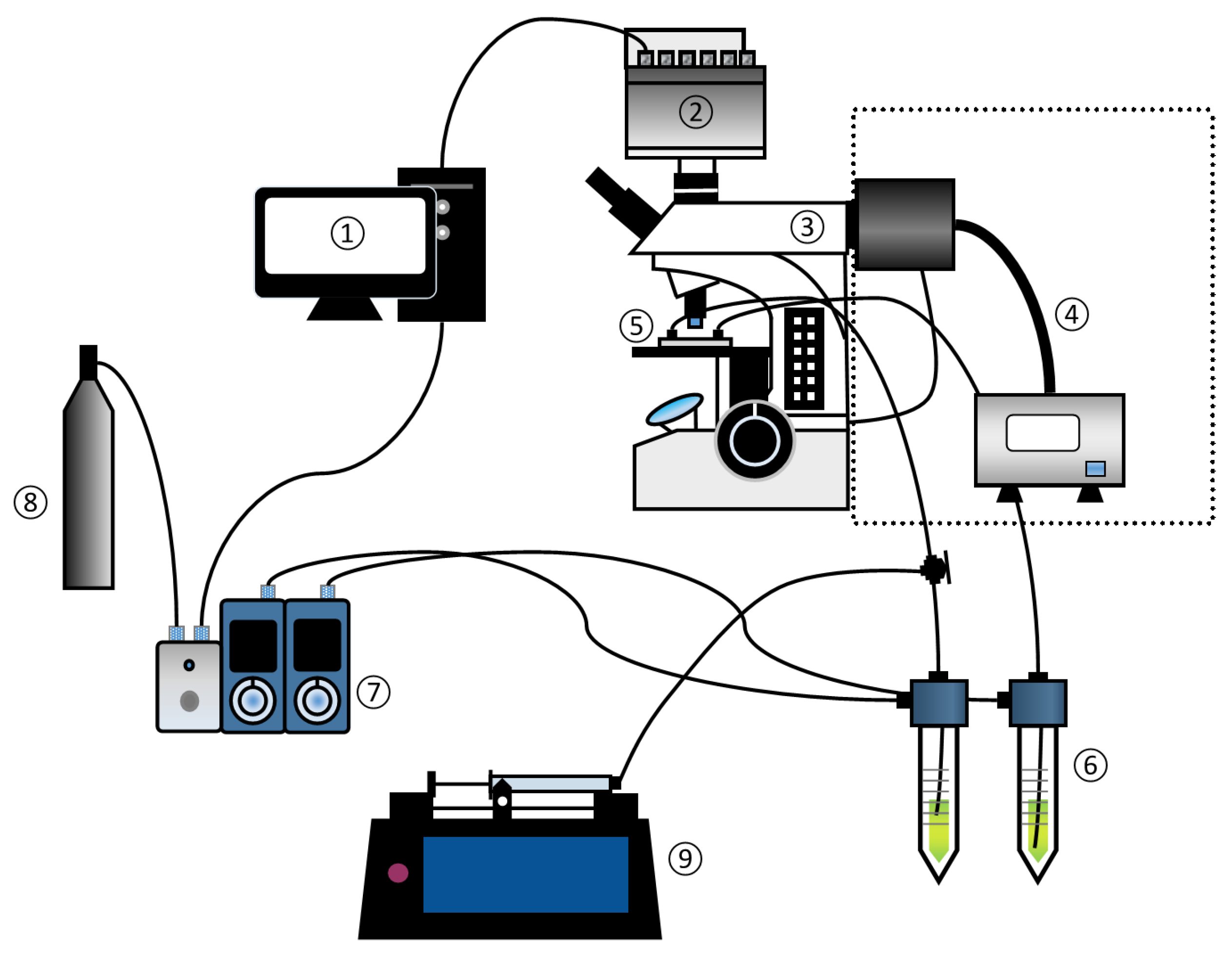
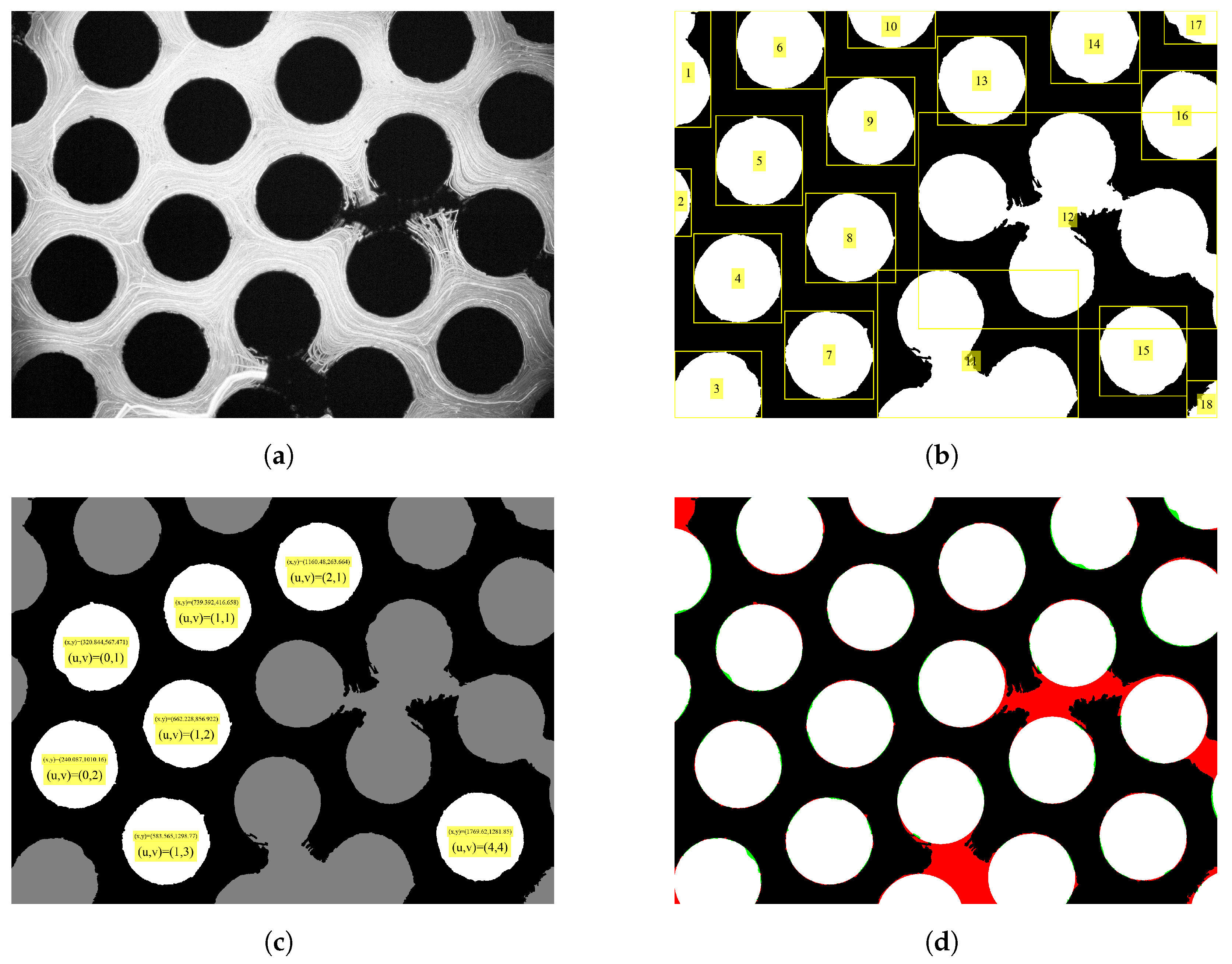
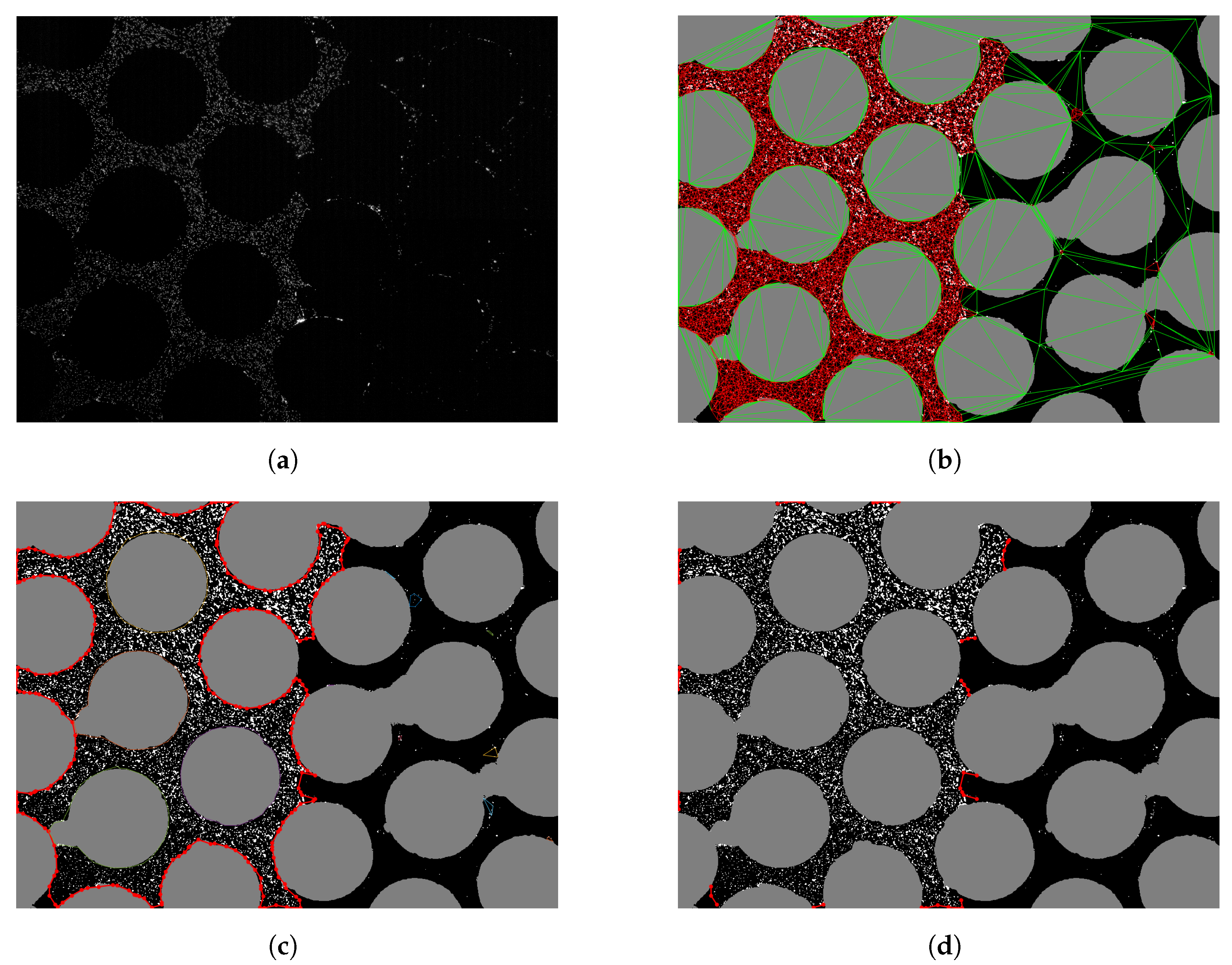
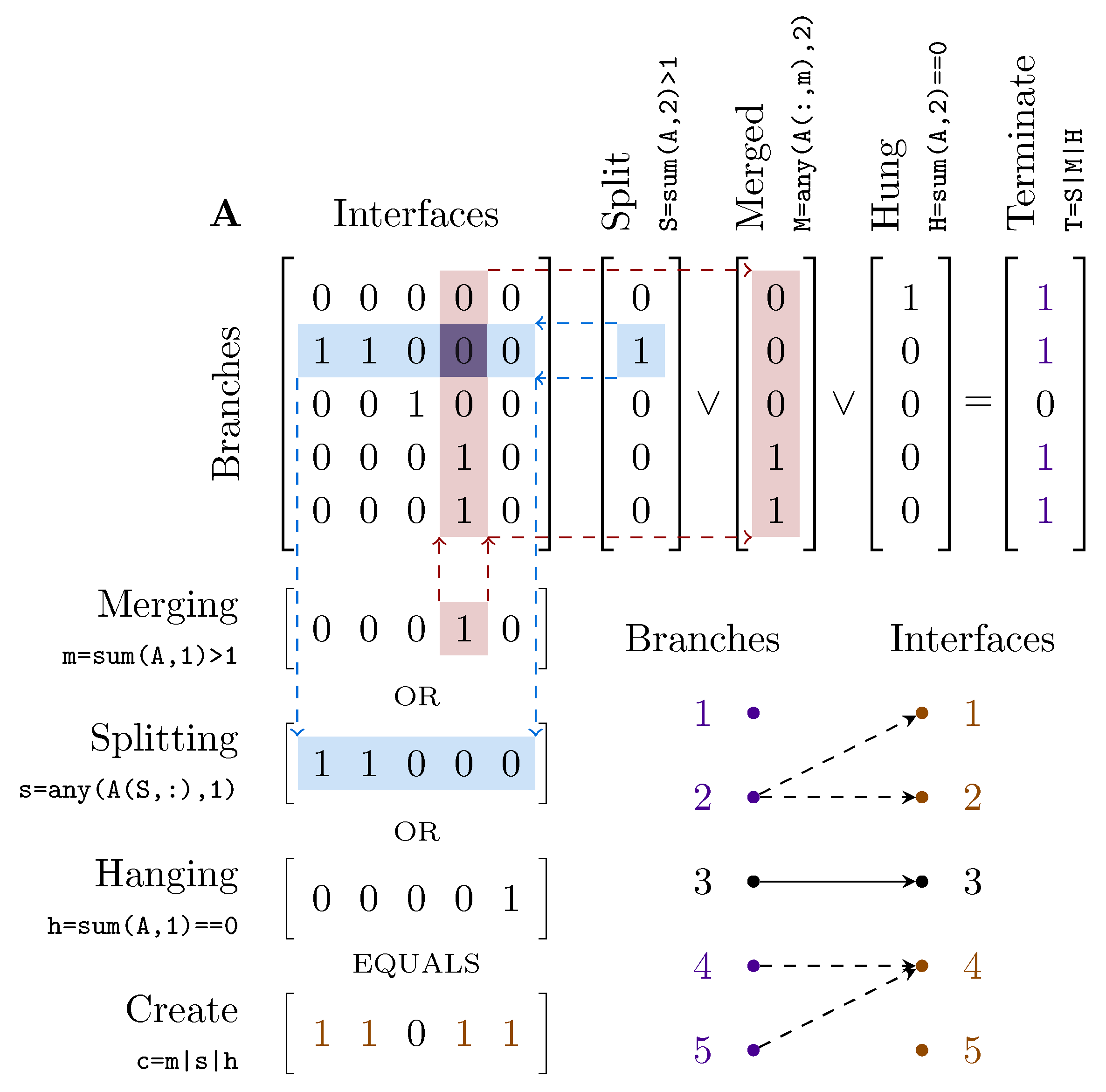
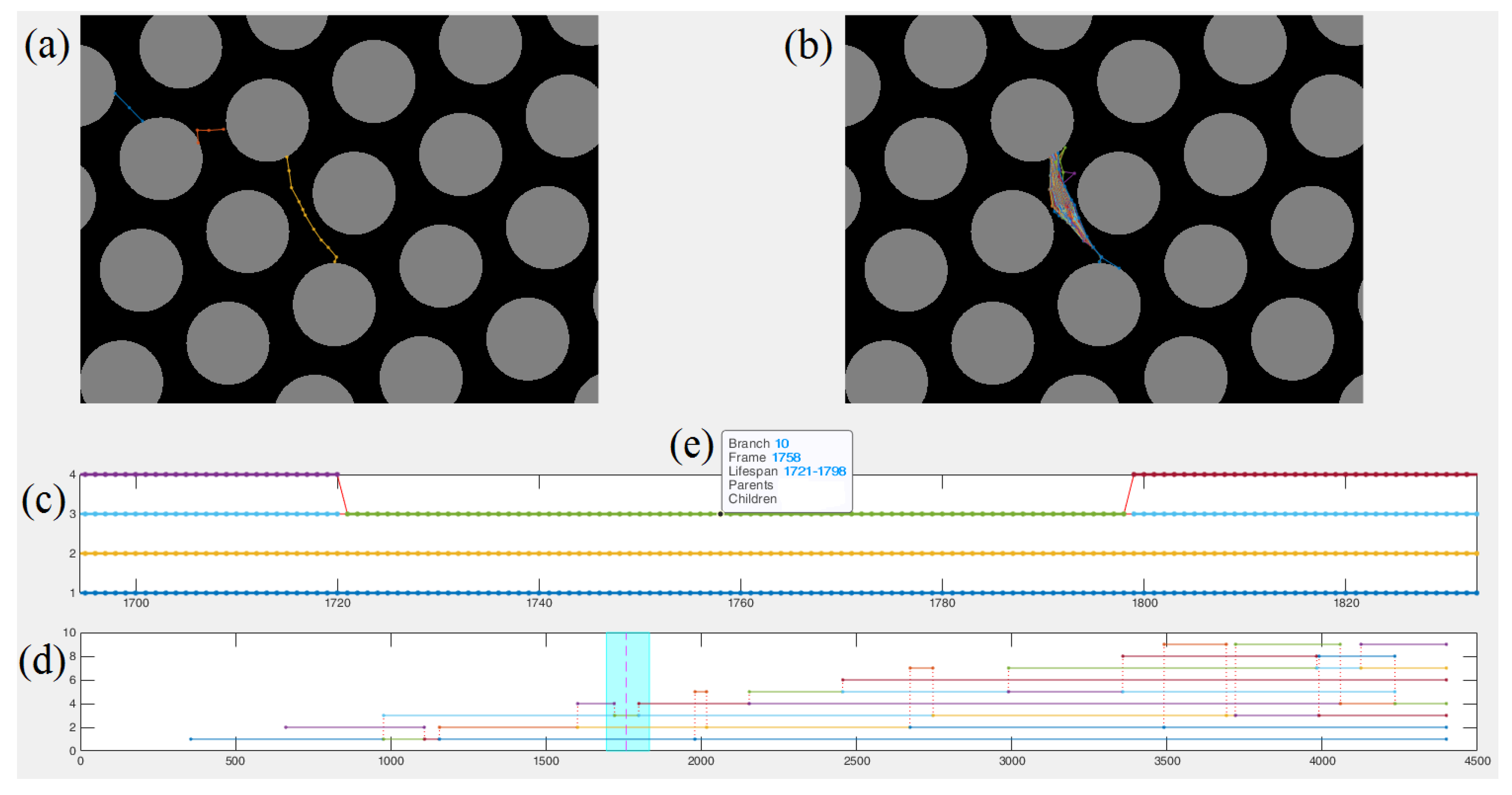
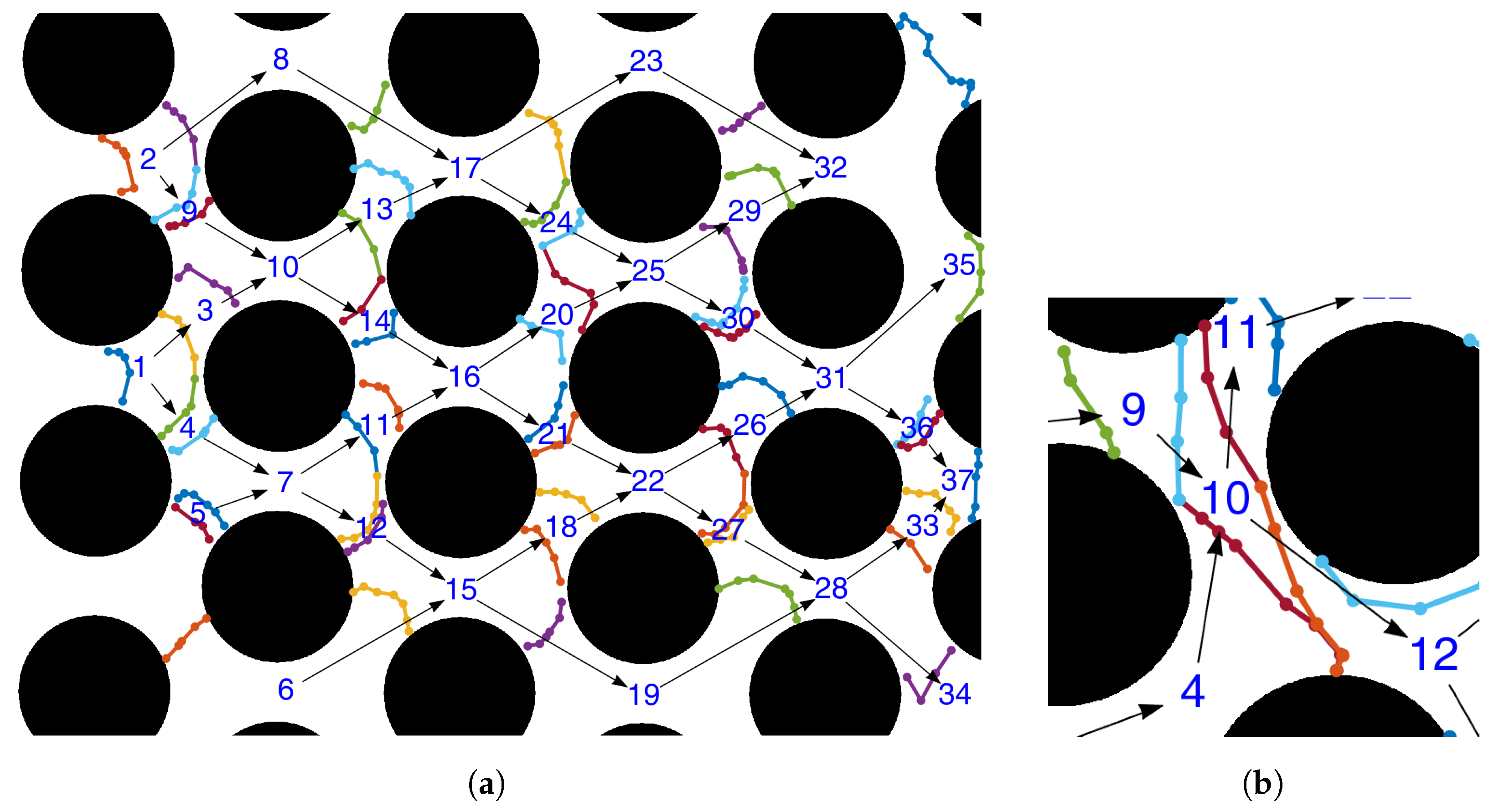
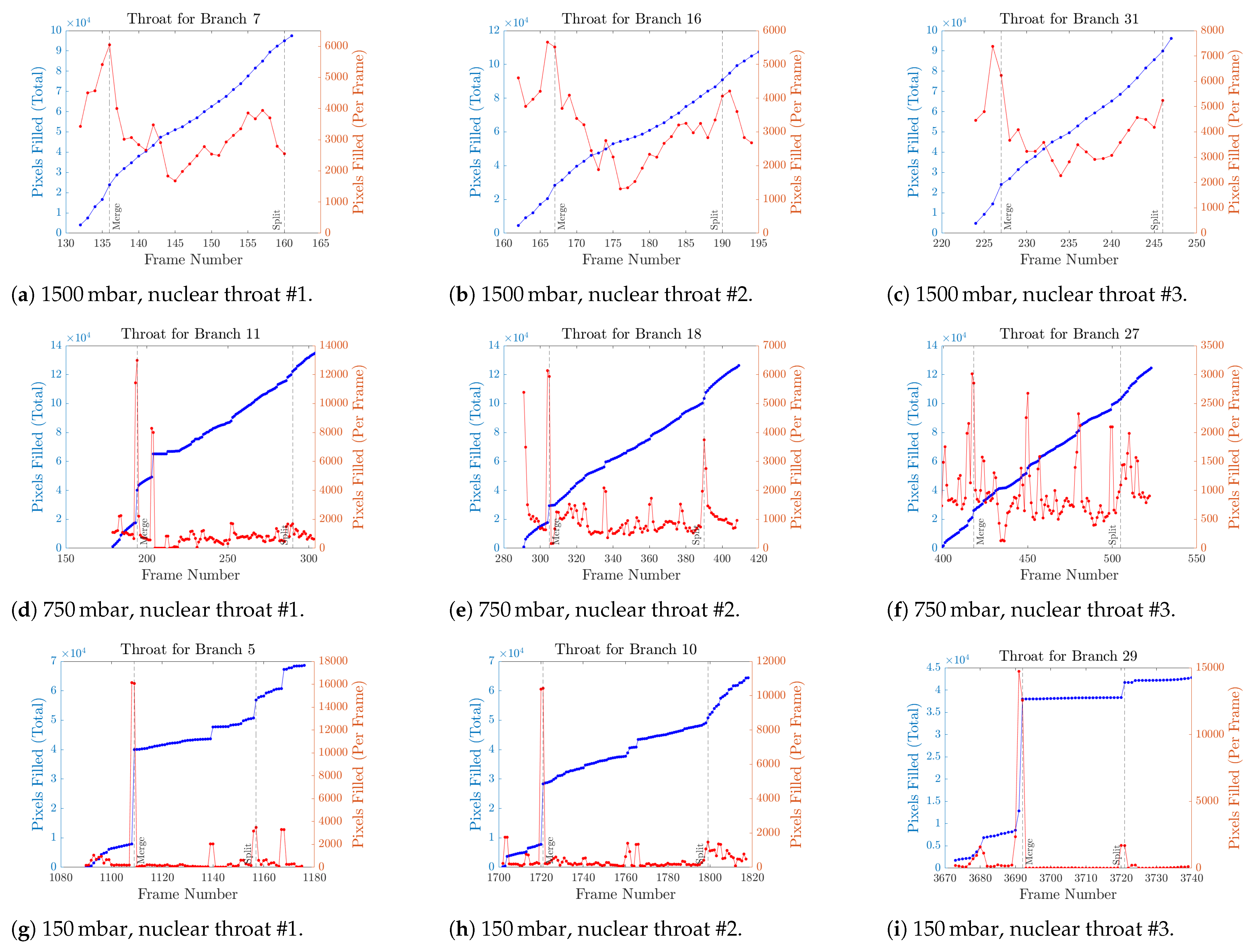
This work examines a type of rapid pore-filling event in multiphase flow through permeable media that is better known as Haines Jump. While existing microfluidic experiments on Haines Jump mostly seek to maintain quasi-steady states through very low bulk flow rates over long periods of time, this work explores the combined use of a highly structured microscale transport network, high-speed fluorescent microscopy, displacement front segmentation algorithms, and a tracking algorithm to build evolution graphs that track displacement fronts as they evolve through high-speed video recording. The resulting evolution graph allows the segmentation of a high-speed recording in both space and time, potentially facilitating topology-cognitive computation on the transport network. Occurrences of Haines Jump are identified in the microfluidic displacement experiments and their significance in bulk flow rates is qualitatively analyzed. The bulk flow rate has little effect on the significance of Haines Jump during merging and splitting, but large bulk flow rates may obscure small bursts at the narrowest part of the throat.
Keywords: Haines Jump; evolution graph; transport network; displacement front; multiphase flow; permeable media; microfluidics Haines Jump; evolution graph; transport network; displacement front; multiphase flow; permeable media; microfluidics