Article

Peptides from Mackerel Skin Prepared by the Mixed Proteases: Fractionation, Characterization and Bioactivities

1
College of Food Science and Technology, Shanghai Ocean University, Shanghai 201306, China
2
Shanghai Engineering Research Center of Aquatic-Product Processing and Preservation, Shanghai 201306, China
3
Laboratory of Quality and Safety Risk Assessment for Aquatic Products on Storage and Preservation (Shanghai), Ministry of Agriculture, Shanghai 201306, China
4
National R&D Branch Center for Freshwater Aquatic Products Processing Technology (Shanghai), Shanghai 201306, China
*
Author to whom correspondence should be addressed.
Foods 2025, 14(6), 1009; https://doi.org/10.3390/foods14061009
Submission received: 15 February 2025 / Revised: 7 March 2025 / Accepted: 14 March 2025 / Published: 16 March 2025

Abstract

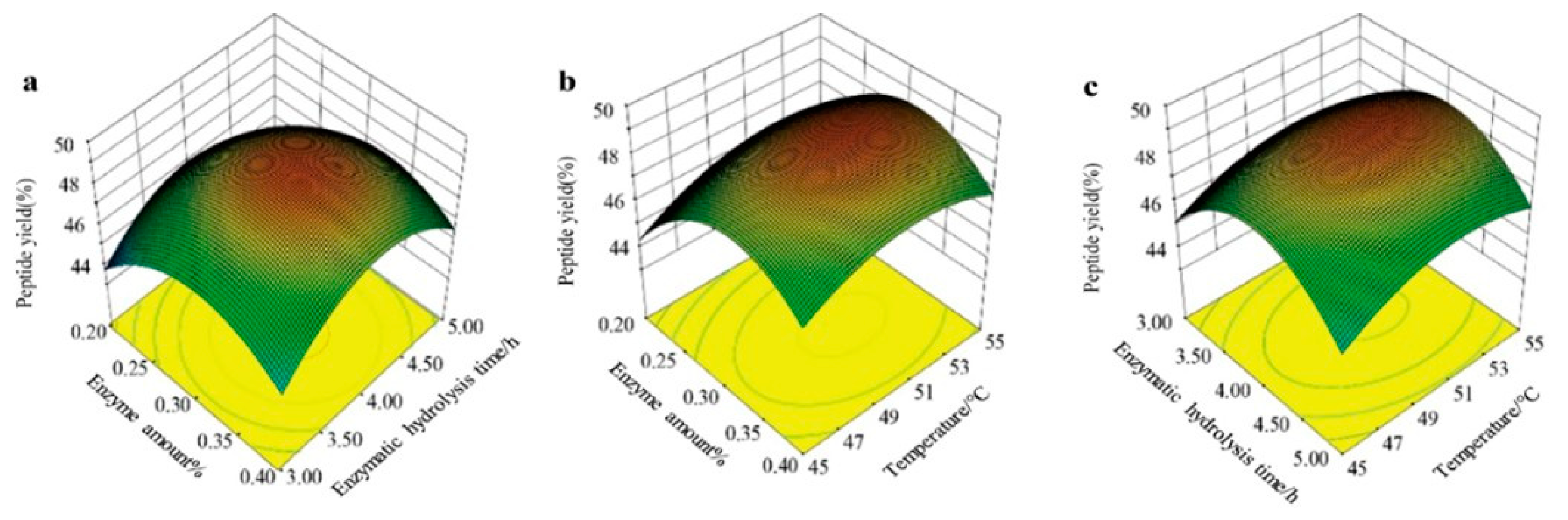
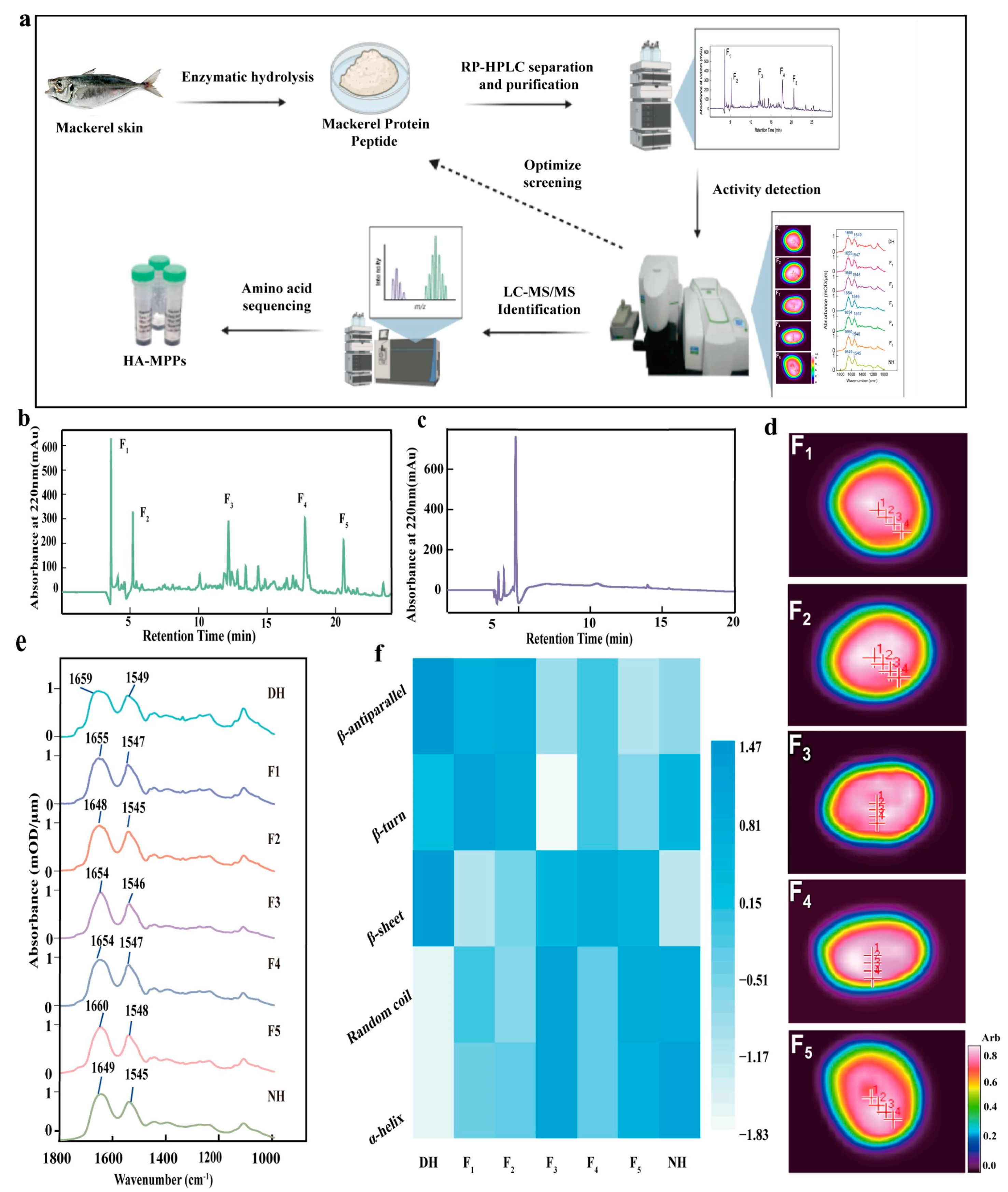
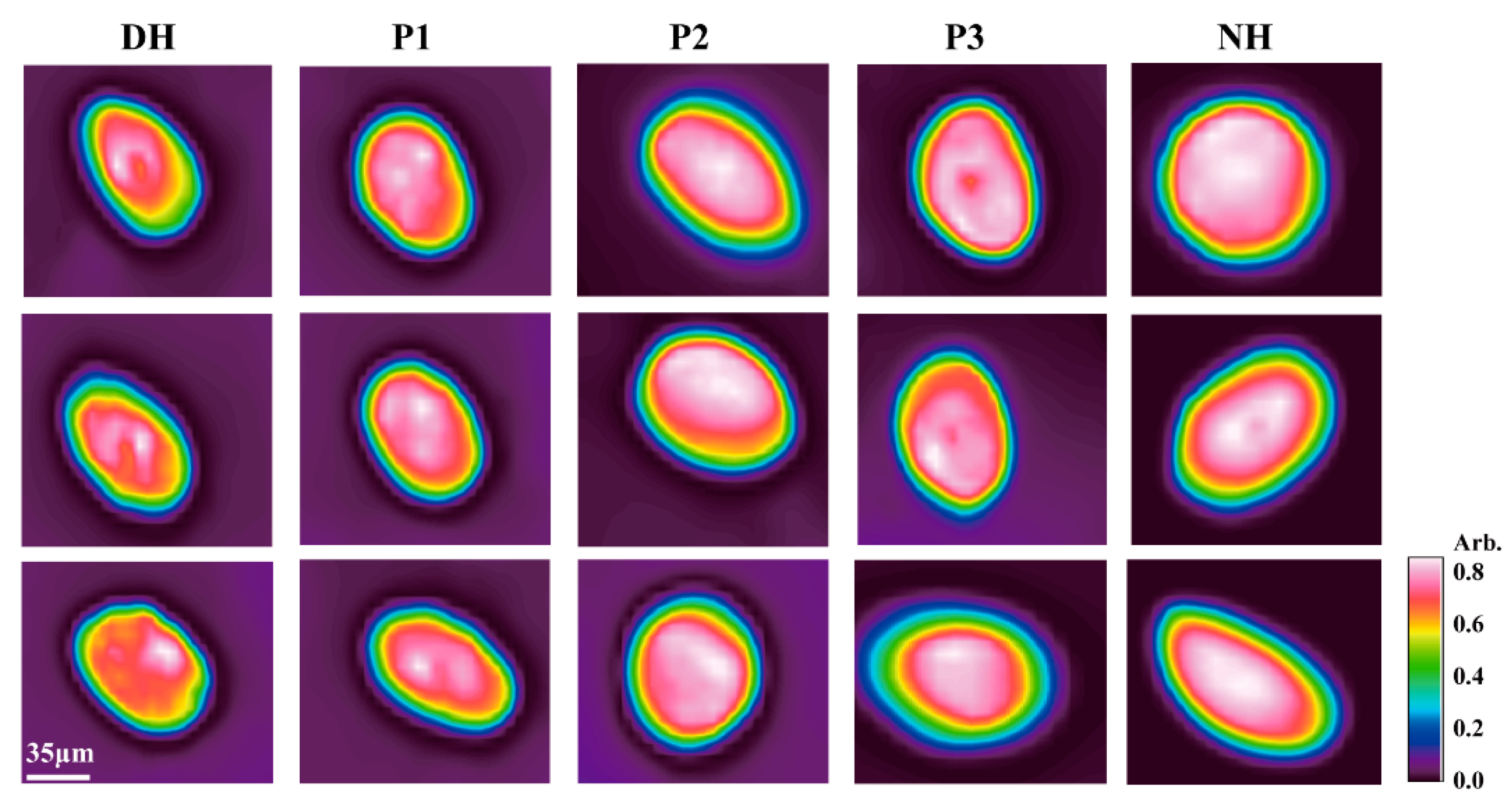
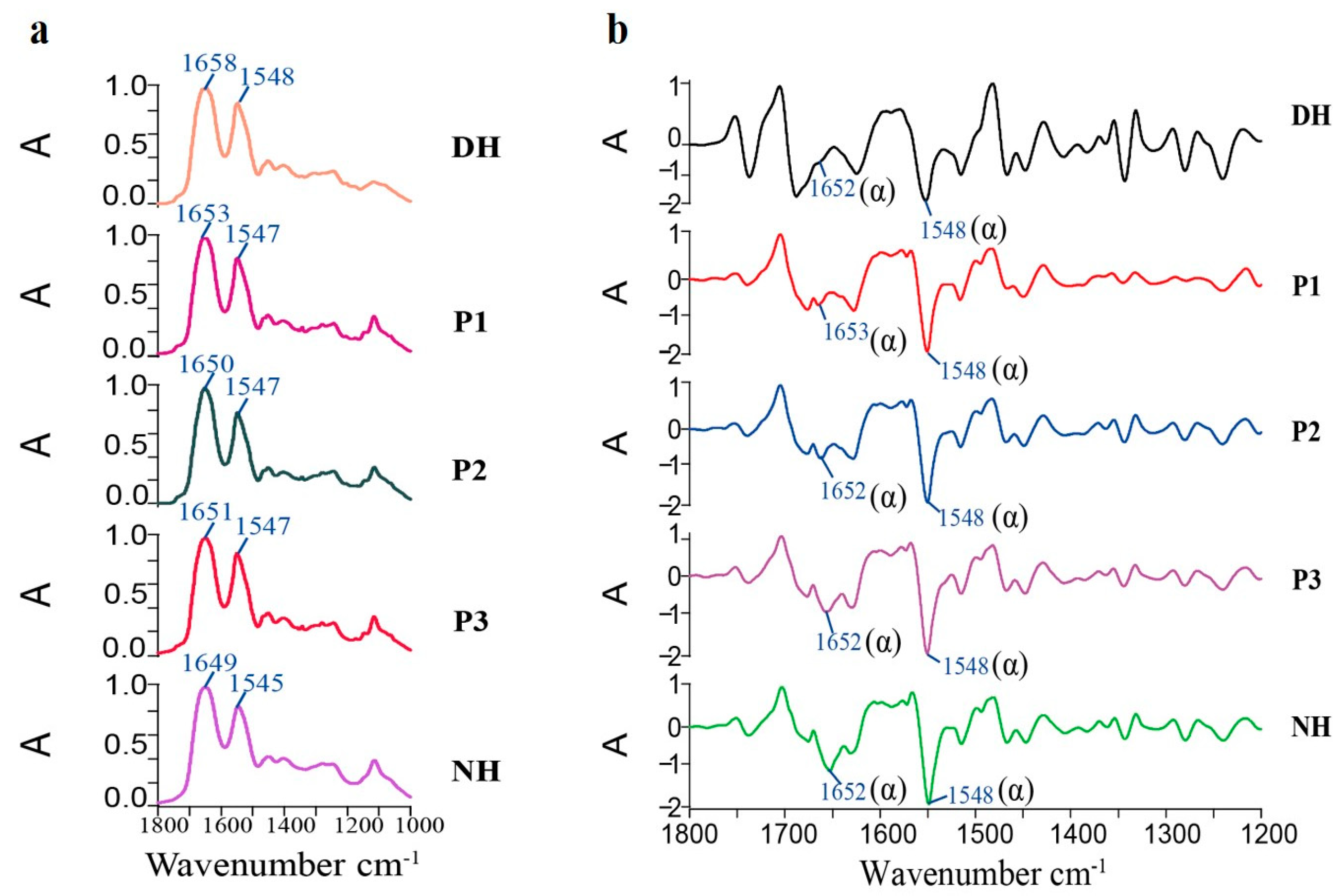
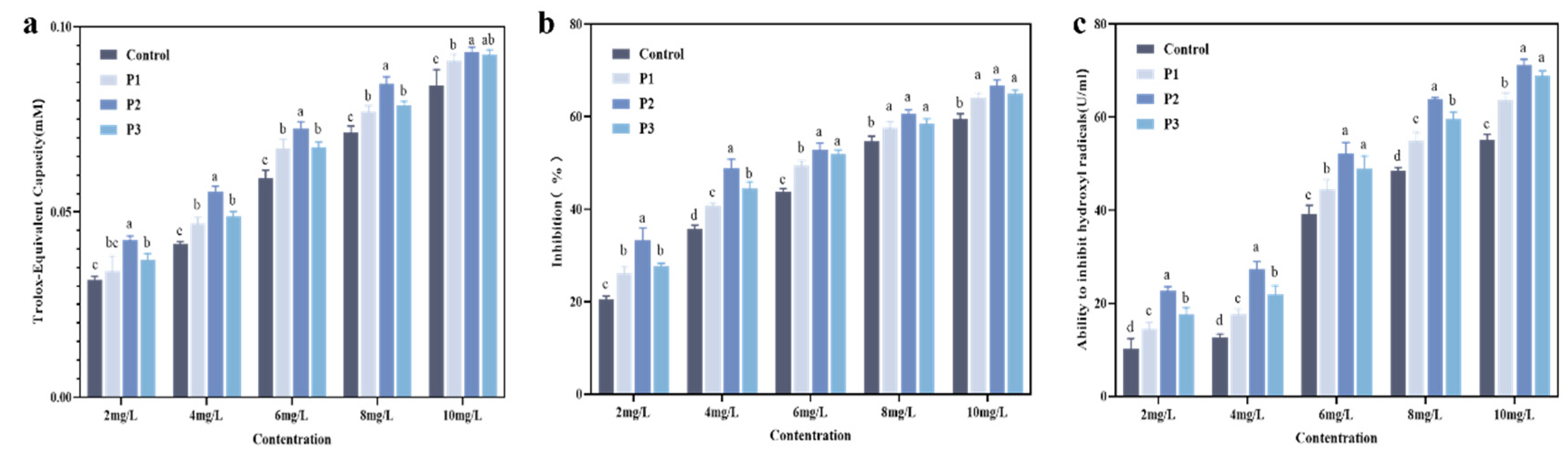
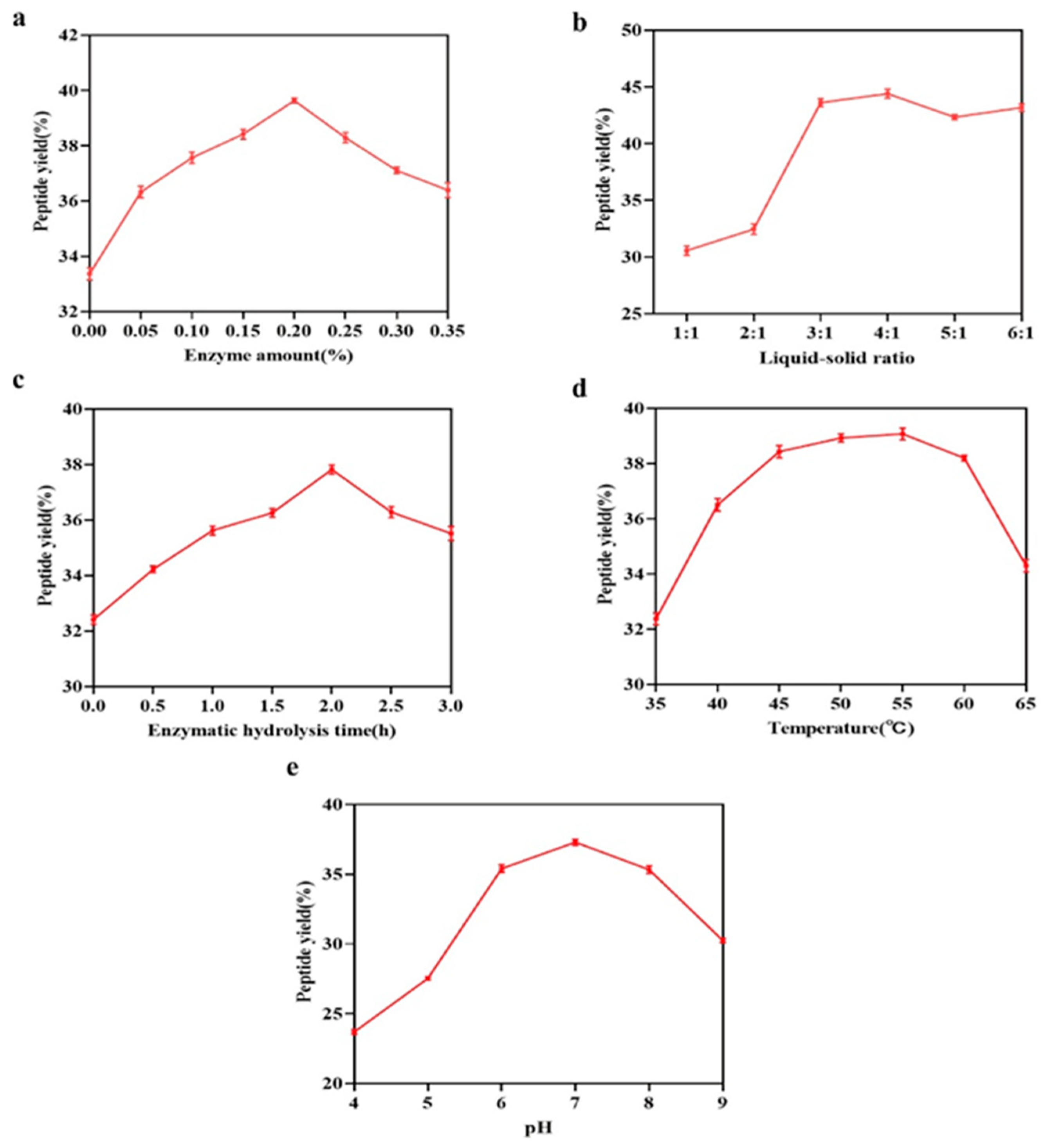
Mackerel is widely favored by consumers as a high-yield, delicious marine fish. However, by-products generated during its processing, such as fish skins, are often underutilized, resulting in significant resource waste. This study aimed to extract high-activity mackerel protein peptides (HA-MPPs) from mackerel skins through targeted enzymatic hydrolysis (using a composite protease). The peptides were purified using ultrafiltration and HPLC, and their biological activity was evaluated through infrared imaging and antioxidant assays. Mass spectrometry identified the main peptide fragments (P1, P2, and P3). The optimal conditions for enzymatic hydrolysis were 0.22% enzyme concentration, a 2.03 h hydrolysis time, 55.05 °C, and a 1:3 solid-to-liquid ratio, yielding 59.66%. Infrared imaging showed that HA-MPPs exhibited significant biological repair activities, penetrating the hair cuticle to restore keratin and enhance hair strength. Additionally, antioxidant assays confirmed their abilities to reduce oxidative damage. This study presents a novel method for the targeted enzymatic extraction of HA-MPPs from mackerel by-products and the high-value utilization of their biological activity. It also demonstrates the potential of these peptides in hair repair, providing a theoretical foundation for the future development of hair care products with reparative functions.
Keywords: mackerel; peptides; targeted enzymatic extraction; high-value utilization; biological activities mackerel; peptides; targeted enzymatic extraction; high-value utilization; biological activities